
Celebrity Beauty 2026: The Stars Behind Game-Changing Brands
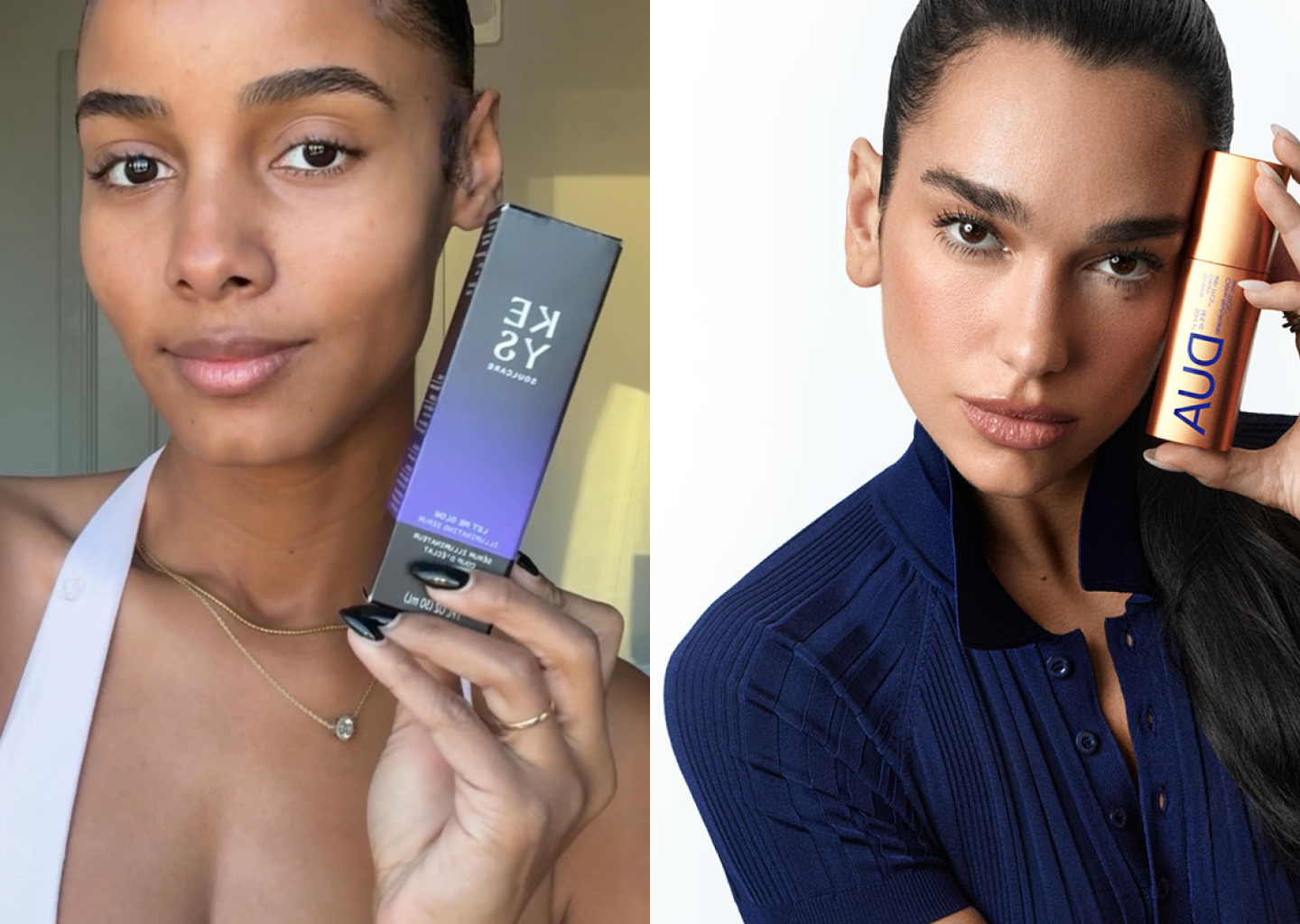
It’s nothing new for celebrities to venture into beauty. Whathas changed is the scale, strategy, and sophistication behind today’s celebrity beauty brands.
Gone are the days when A-listers simply lent their faces to established brands. In 2026, celebrities are founders, investors, and long-term brand architects. They are reshaping beauty entrepreneurship.
Let’s unpack the real story: the numbers, the strategies, the luxury positioning, the best of the best, and why fame alone isn’t enough to survive.
How Many Celebrity Beauty Brands Are There in 2026?
The explosion of celebrity beauty brands began around 2017. Influencer buzz, social media, and selling straight to fans turned brand building into a breeze. Since then, the category has grown dramatically.
Industry says that there are roughly 50-100 celebrity beauty brands globally. And this number continues to grow with new launches each year. According to NielsenIQ, 43 celebrity founded beauty brands were tracked in recent sales data.
For context on global beauty market growth and billion-dollar deals, look into this overview of major beauty industry deals in 2025.
Also, recent analysis from Celebrity Brands in Cosmetics by Black Swan x Mintel highlights just how structured the evolution of celebrity brand has become, identifying three dominant archetypes driving the space: global star power, artist-led authority, and digital-native influence. The takeaway is clear – while celebrity guarantees visibility, long-term success depends on credibility, expertise, or community-driven connection.
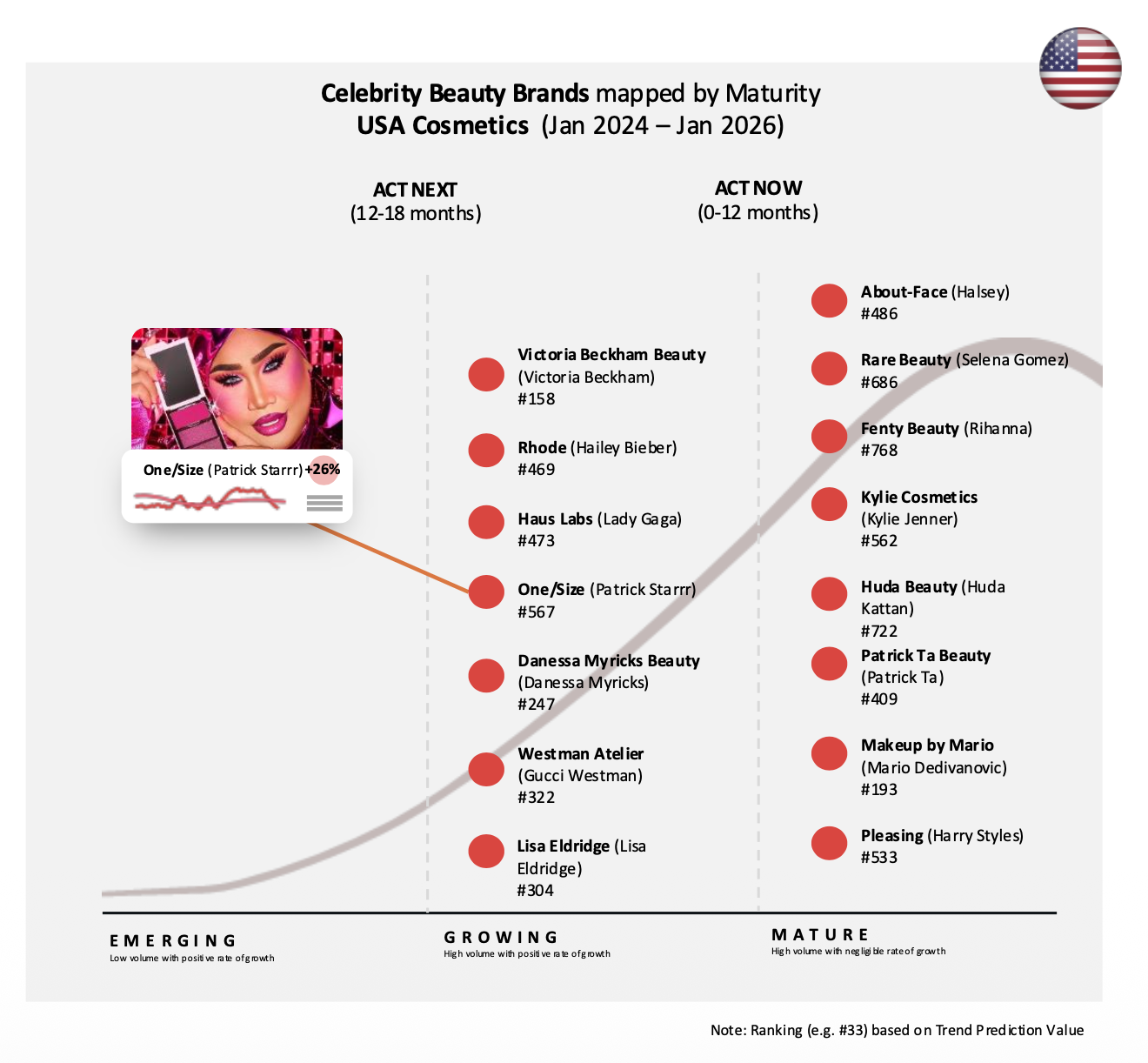
Source: Mintel x Black Swan Report
Why the Category Keeps Expanding
Several factors fuel this growth:
Social media gives celebrities built-in distribution.
Customers seek emotional connection with founders.
Celebrities have strong communities.
Social media/press loves celebrity ventures – free coverage.
Most Successful Celebrity Makeup Brands
When discussing the most successful celebrity brands, makeup often leads the conversation. These brands didn’t just capitalize on fame. They shifted industry standards, using the same digital-first, viral-launch strategies that power today’s top e-commerce brands.
Fenty Beauty by Rihanna
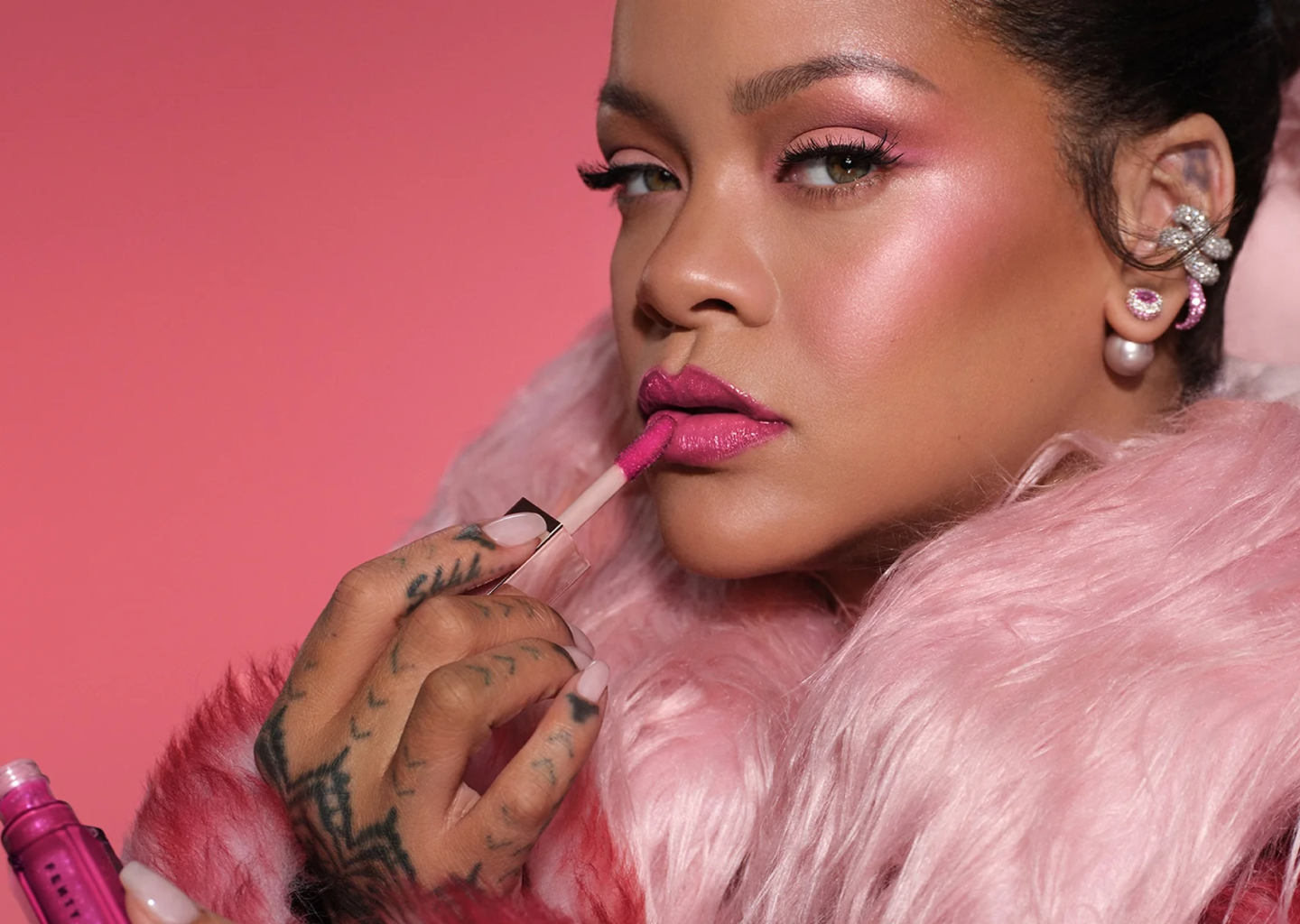
Source: Fenty Beauty instagram
Founded in 2017 by Rihanna, Fenty Beauty redefined inclusivity with its groundbreaking 40 shade foundation launch. And the impact was immediate.
Why it stands out:
Generated over $500 million in its first full year.
One of Sephora’s biggest beauty launches - next to Rare Beauty and Rhode.
Partnered with LVMH, adding luxury credibility.
Time named Fenty Beauty foundation one of the best inventions of the last 25 years.
The Fenty Effect – competitors quickly expanded their shade ranges.
Fenty remains one of the most successful celebrity beauty brands globally.
Rare Beauty by Selena Gomez
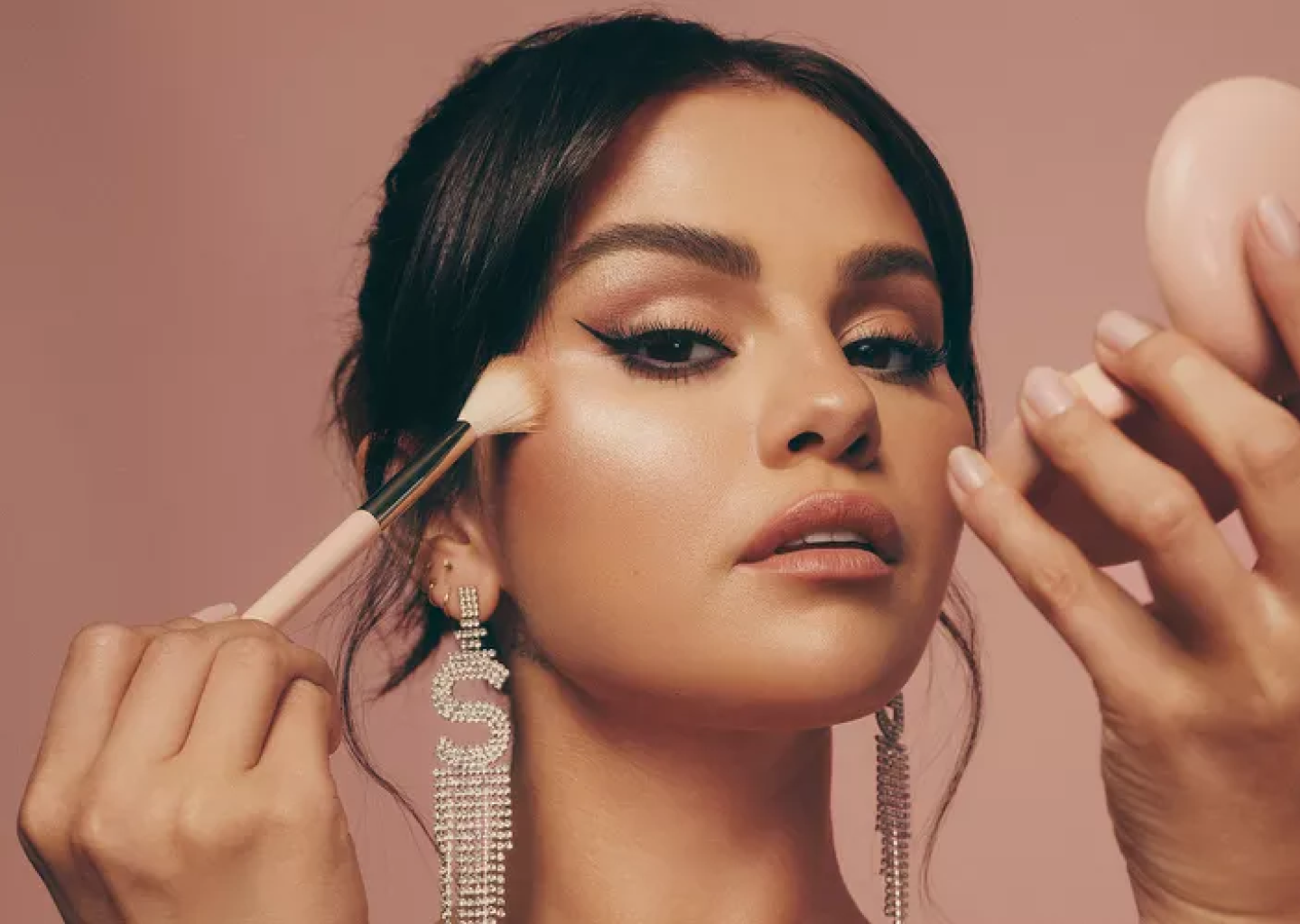
Source: Rare Beauty Instagram
In 2019, the singer and actress Selena Gomez founded Rare Beauty. This brand became known for its viral Soft Pinch Liquid Blush and glossy lip oils. In 2023, it was the third most successful celebrity beauty brand in the world.
Rare Beauty’s mission is to “break down unrealistic standards of perfection”, and to focus on the importance of mental health.
Why it stands out:
Strong mental health advocacy and purpose driven growth: brand donates 1% of all sales to the Rare Impact Fund.
Massive media and social impact: approximately $481 million in media impact value in 2025, driven by organic and influencer content.
Highly pigmented, blendable formulas.
Top popularity ranking: Rare Beauty was crowned 2025’s most popular celebrity beauty brand.
Rare Beauty proves that celebrity makeup brands can lead with purpose, not just product.
Kylie Cosmetics by Kylie Jenner
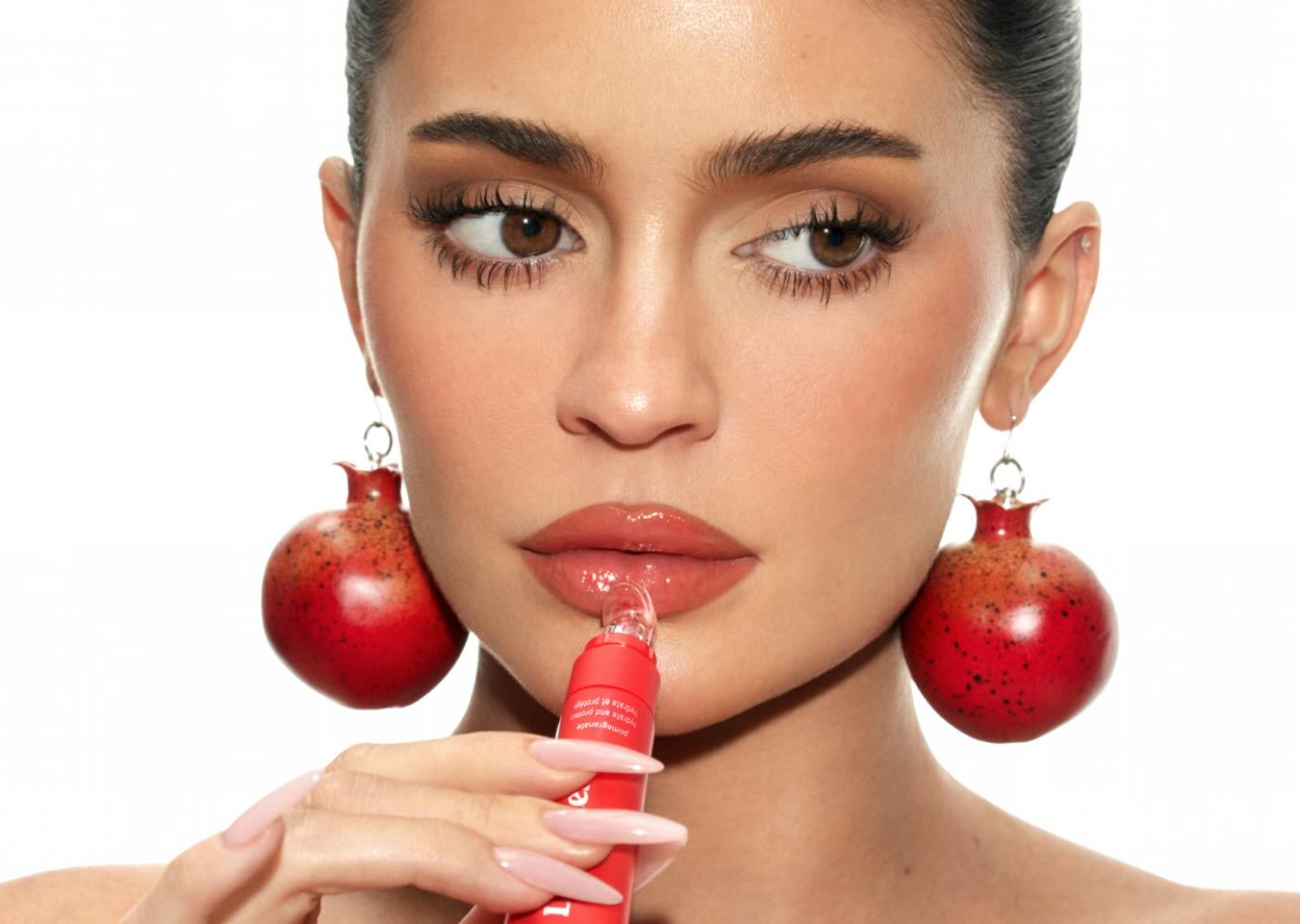
Source: Kylie Cosmetics Instagram
We can't talk about celebrity owned skincare brands without mentioning Kylie Jenner's business.Launched in 2014, Kylie Cosmetics led the way in influencer-driven drops and lip kit culture. The company took a turn in 2019, when Kylie Skin joined the brand with a seven-piece collection.
Why it stands out:
Strong Gen Z appeal: Kylie Jenner remains one of beauty’s most impactful influencers. In spring/summer 2025 she generated $20.3 million in earned media value.
Social media hype launches and FOMO strategy.
Rapid early sales: the brand made about $420 million in retail sales in just 18 months.
Clear aesthetic identity.
Kylie Cosmetics remains one of the most commercially dominant celebrity beauty brands ever created.
Haus Labs by Lady Gaga
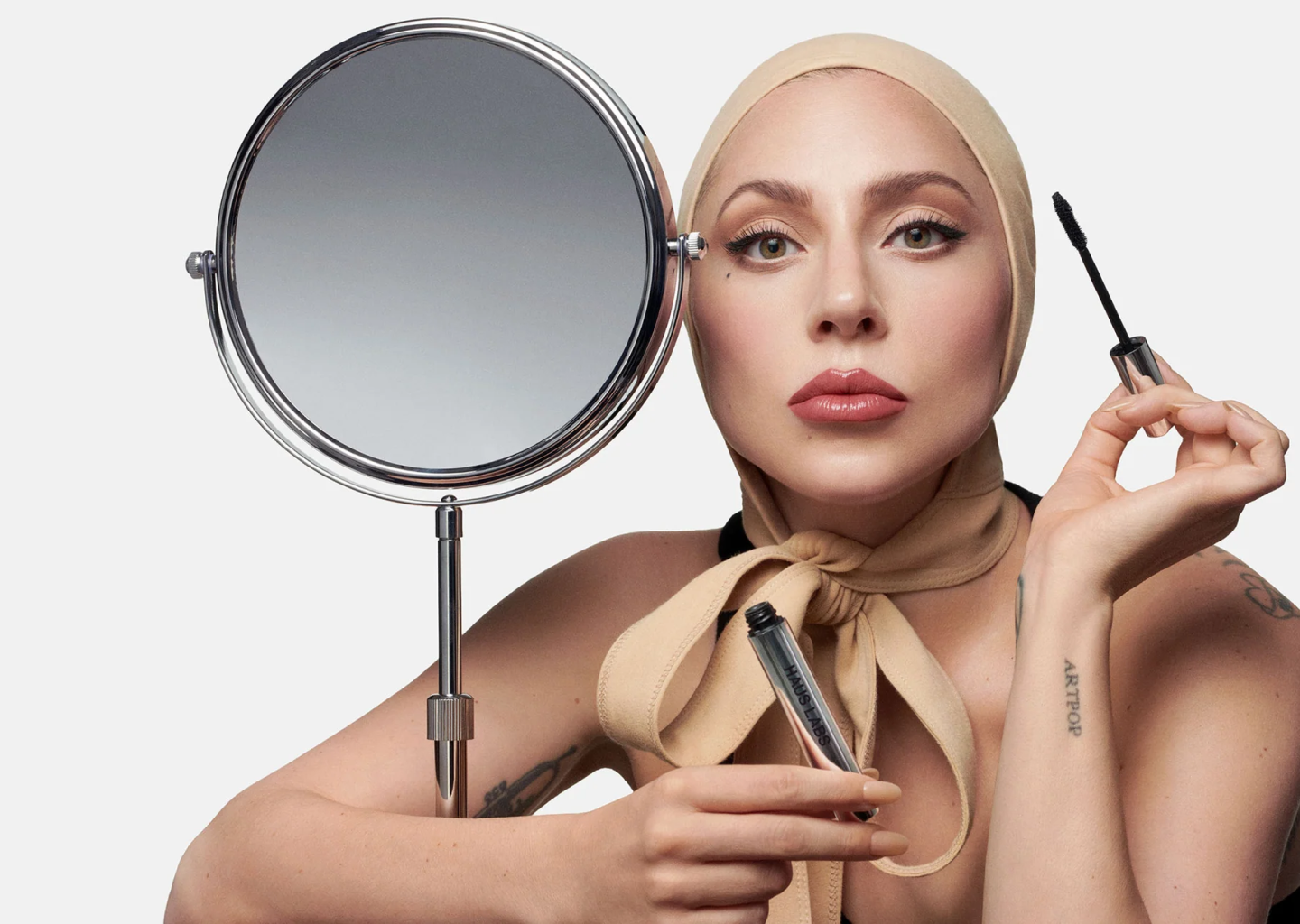
Source: Haus Labs Instagram
Created in 2019, Haus Labs combines creativity with technology, and science with kindness, bringing you clean colours.
Why it stands out:
Clean formulation positioning. Marketed as vegan and “clean at Sephora”.
Viral foundation success: the Triclone Skin Foundation has become a social media phenomenon. #HausLabsFoundation has billions of views on TikTok.
Impressive growth: the brand saw a +400% year-over-year increase in sales from 2021 to 2022.
Inclusive campaigns: “We Belong to Something Beautiful” cast real people for their unique beauty stories, rather than typical model archetypes.
Haus Labs shows how celebrity makeup brands can balance creativity with credible formulation.
Best Celebrity Skincare Brands in 2026
In 2026, celebrity skincare isn’t just about a familiar name on a pretty bottle. It’s about products that deliver and stories that resonate.
Rhode by Hailey Bieber
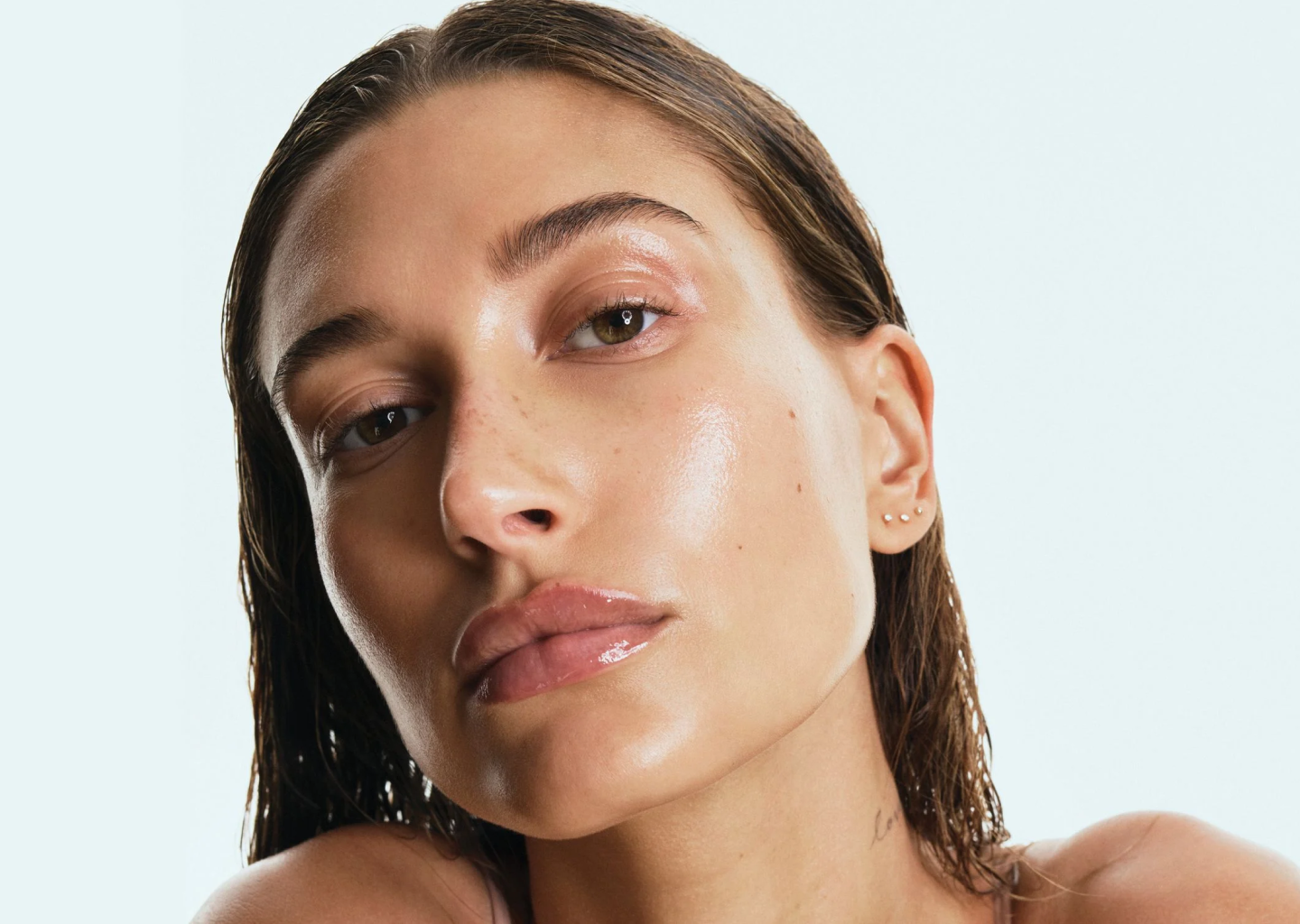
Source: Rhode Instagram
Launched by model Hailey Bieber, Rhode created a cult-favorite niche with its “less is more” philosophy. Science-backed formulas that feel as effortless as Hailey’s own glazed skin aesthetic.
Why it stands out:
Sky-high sales in record time: Rhode generated $212 million in net sales in just 12 months after launching.
Billion-dollar industry validation: success culminated in a $1 billion acquisition by e.l.f. Beauty.
Viral hero products: Rhode launched with only a few core items. Peptide Glazing Fluid, Barrier Restore Cream, and Peptide Lip Treatment. All of them became social media favorites.
Clean everyday formulas: focus on essentials with skin benefits – peptide-rich hybrids that blur skincare and makeup. This helped Rhode resonate with “skinimalism” trends.
JLo Beauty by Jennifer Lopez
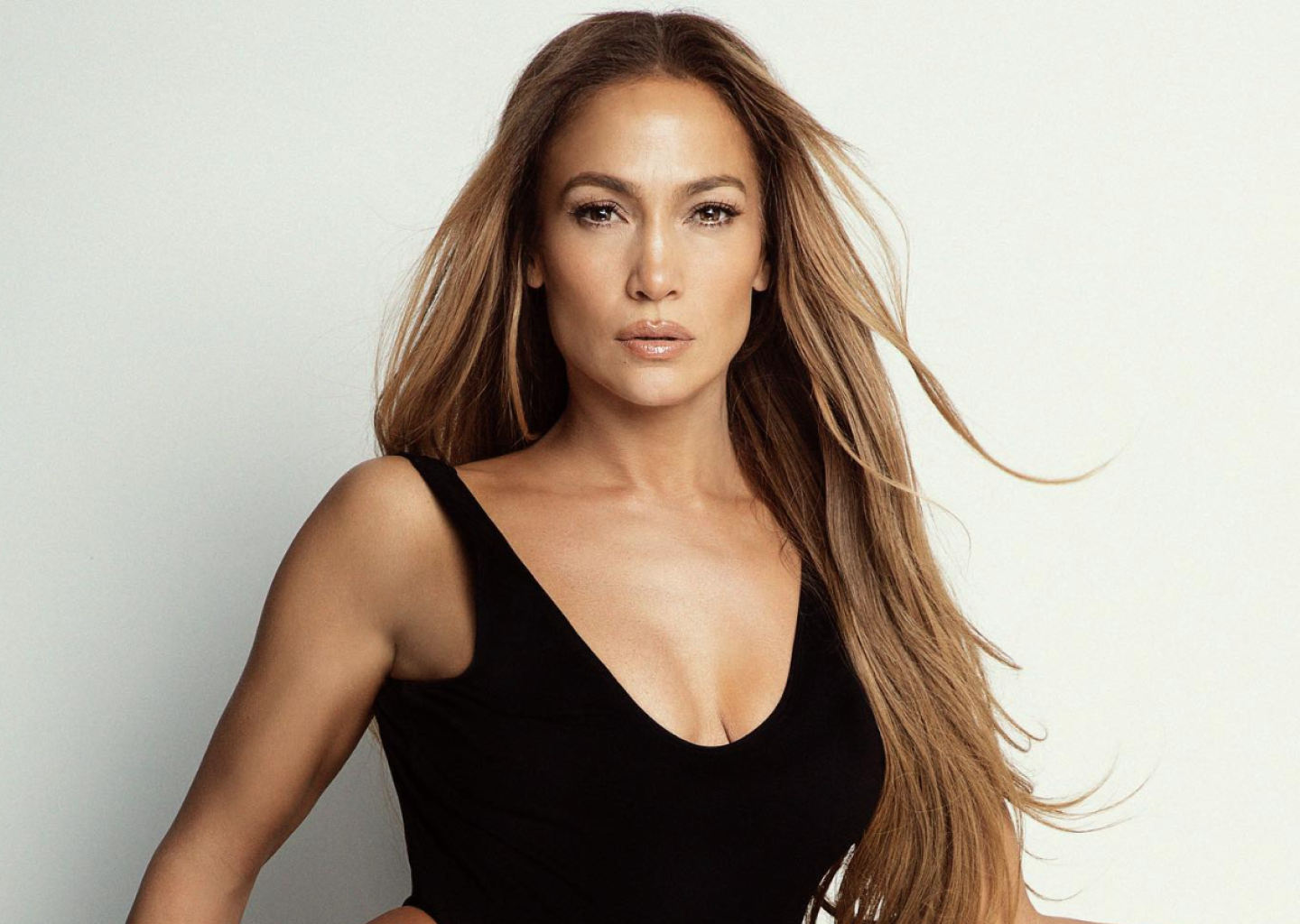
Source: JLo Beauty Instagram
Founded by Jennifer Lopez, JLo Beauty officially launched in January 2021. It taps into Lopez’s signature “lit-from-within” glow. Formulas are built around hyaluronic-rich hydration, antioxidant-packed botanicals, and light-boosting complexion boosters. Radiant skin is the mission.
Why it stands out:
Star sample: That JLo Glow Serum turns Jennifer Lopez’s own skincare secrets into a radiant, multitasking must-have. It defines the brand.
Celebrity touch: JLo personally guided development on over 100 reformulations. She wanted products that reflect her real skincare philosophy.
Retail sell‑outs: According to a case study on the brand’s launch strategy, initial inventory sell‑outs were achieved not just once but twice. Launch stock flew off shelves, including a $2 million Sephora promo sell‑out.
Humanrace by Pharrell Williams
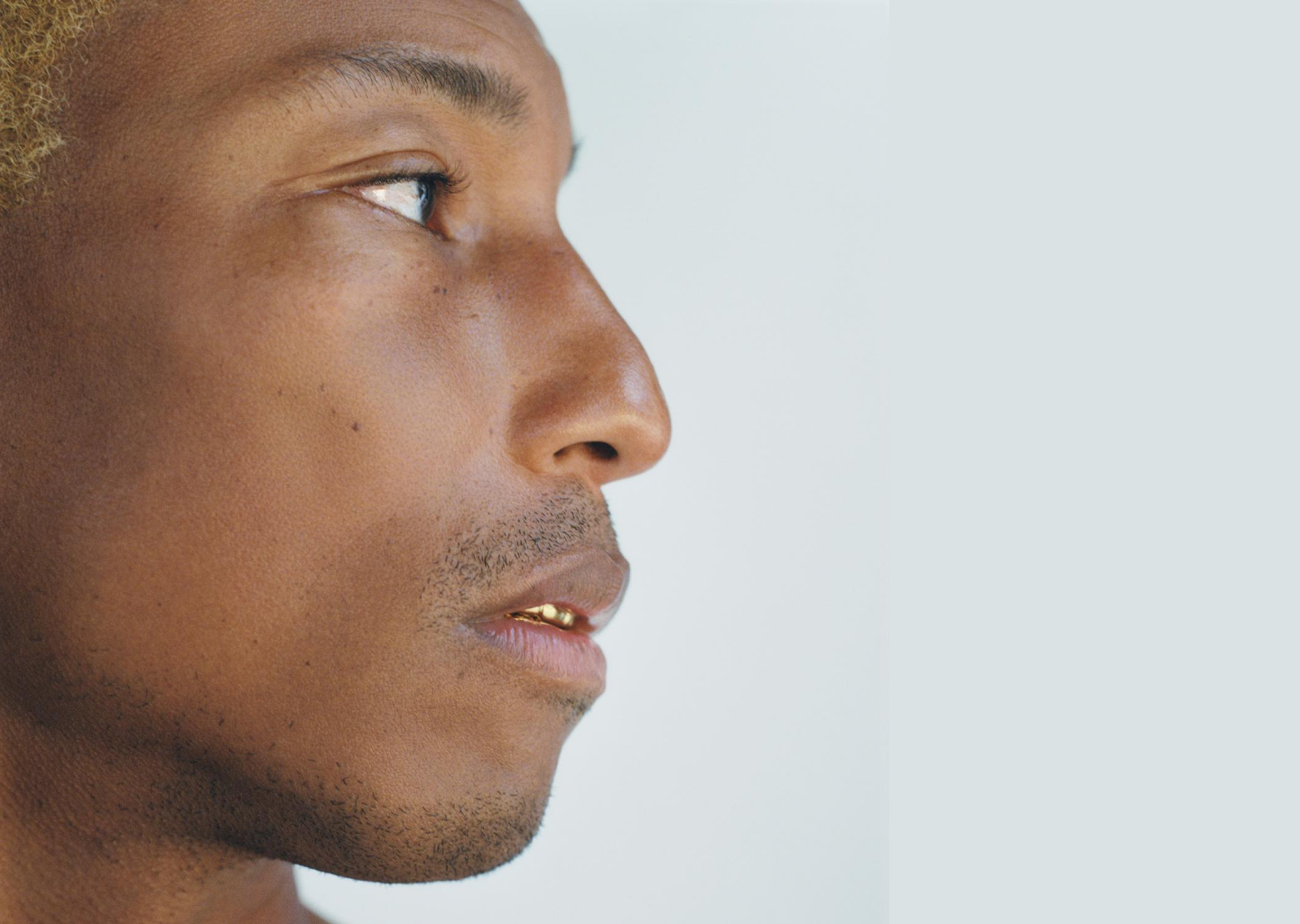
Source: Humanrace Instagram
Pharrell Williams is a man of many talents – singer, rapper, songwriter, record producer, composer, fashion designer… And, yes, a skincare entrepreneur. Humanrace is Pharrell’s skincare playbook for every human – no gender, no labels, just skin that works.
Why it stands out:
Fast sellout hype: the first batch of products sold out within 24 hours of launch. Early campaigns helped to generate more than $40 million in revenue.
Hero essentials: brand’s founding three step system – Rice Powder Cleanser, Lotus Enzyme Exfoliator, and Humidity Cream. Formulas designed for all skin types.
All products are dermatologist tested, vegan, fragrance free, clean.
Brand with purpose: built around Pharrell’s wellness ethos, the brand focuses on thoughtful self-care and inclusivity. Human first, celebrity second.
Goop by Gwyneth Paltrow
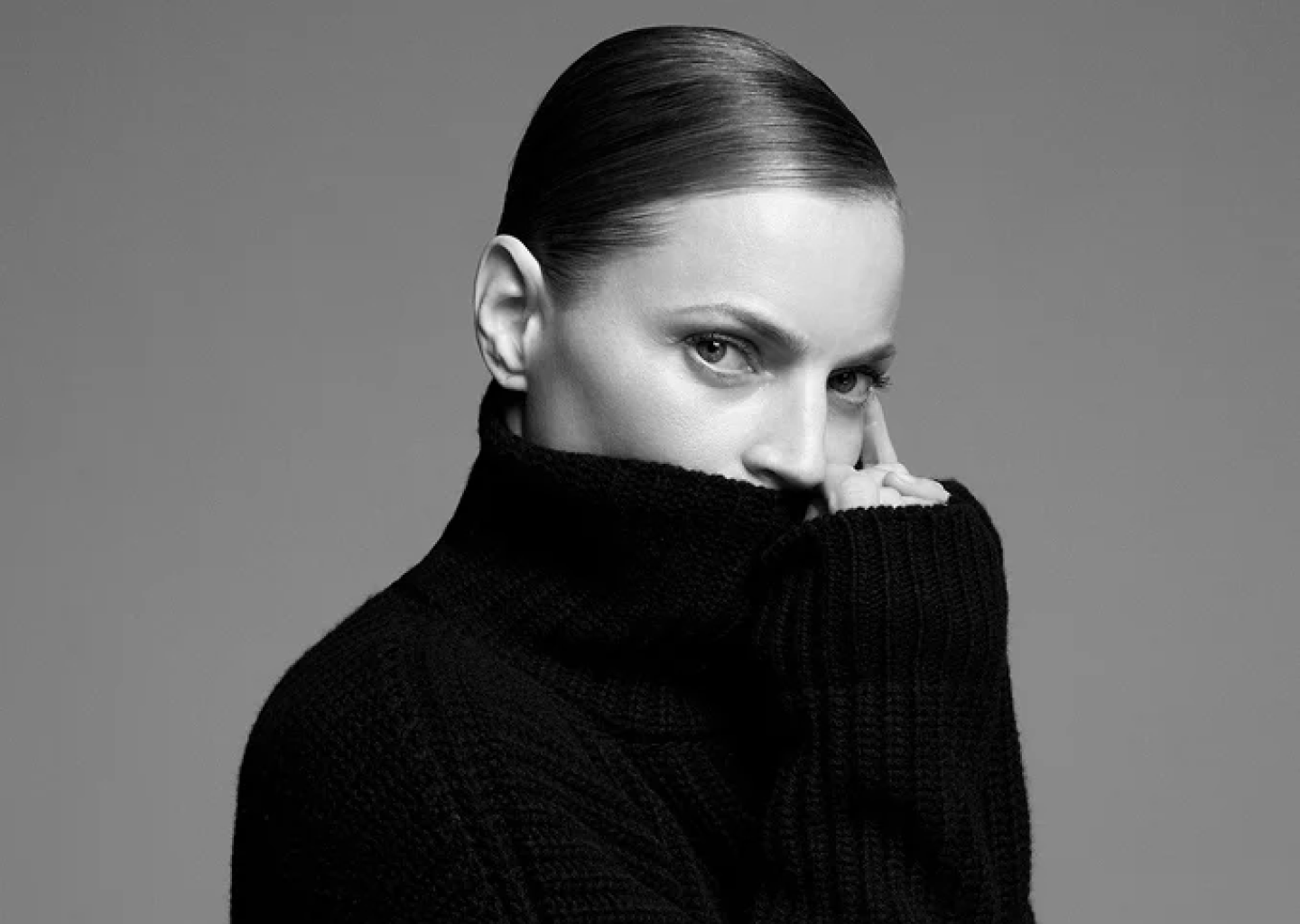
Source: Goop Instagram
Founded by Gwyneth Paltrow, Goop has spent over 15 years turning wellness into a luxury experience. Brand’s philosophy states: “We do not believe that beauty products need to be toxic to us in order to be luxurious and effective – and we have the clinical testing to prove it.” Clean doesn’t mean boring. Beauty can be toxin free, luxe, and proven effective.
Why it stands out:
Standout items include the Youth‑Boost NAD+ Peptide Rich Cream, Youth‑Boost Peptide Serum, Vitamin C + Hyaluronic Acid Glow Serum, Lift + Depuff Eye Masks, and Glycolic Acid Overnight Glow Peel. All featured among Goop’s bestsellers.
Clean Formulas: brand leans into conscious, clinically tested ingredients like peptides, NAD+ and high‑strength vitamin C. Blending clean beauty principles with measurable performance – an approach that appeals to customers who want luxury that works.
Goop expanded into 800+ Ulta Beauty stores nationwide after strong early performance online. Second‑quarter sales were up ~21 % year‑over‑year with wholesale revenue increasing ~73 %. That’s a solid sign of demand for its premium formulation approach.
Keys Soulcare by Alicia Keys
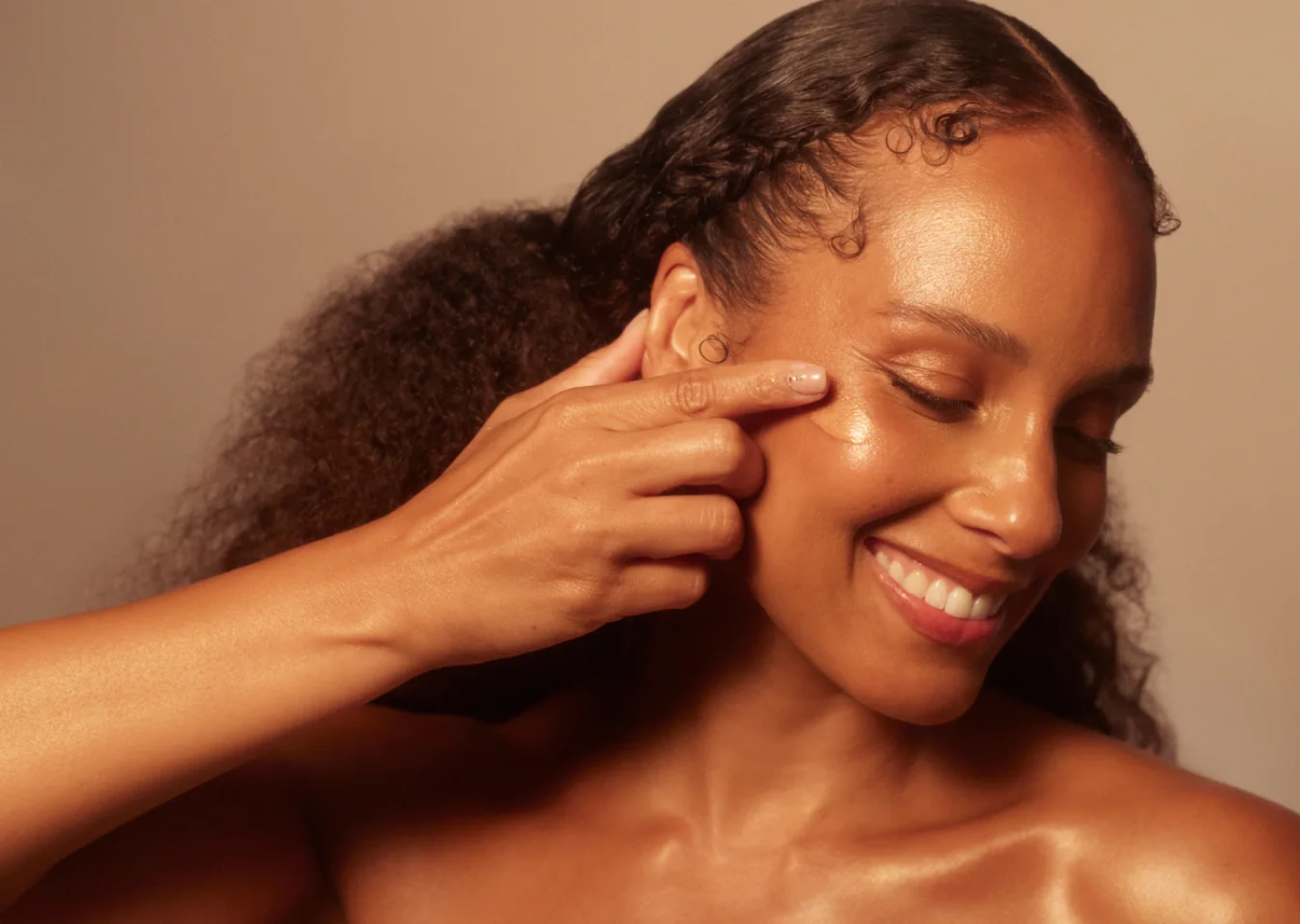
Source: Keys Soulcare Instagram
Founded in 2020 by multi‑talented Alicia Keys, Keys Soulcare isn’t just another celeb skincare line. It’s a holistic soulcare experience. It blends clean formulas with intentional rituals and positive affirmations. The brand invites you to care for both skin and soul. It turns daily routines into moments of nourishment and self-connection.
Why it stands out:
Ritual‑rooted identity: instead of just “skincare,” Keys Soulcare blends skin + soul care. Affirmations and philosophy that beauty is about body, spirit, mind, and connection.
Fan favorites: Golden Cleanser, Be Luminous Exfoliator, Let Me Glow Serum, and Skin Transformation Cream combine gentle, effective ingredients. For example, bakuchiol, hyaluronic acid, ceramides, and niacinamide.
Originally an online release, the brand has expanded into major retail channels such as Ulta Beauty in the U.S. and Sephora Canada.
The Outset by Scarlett Johansson
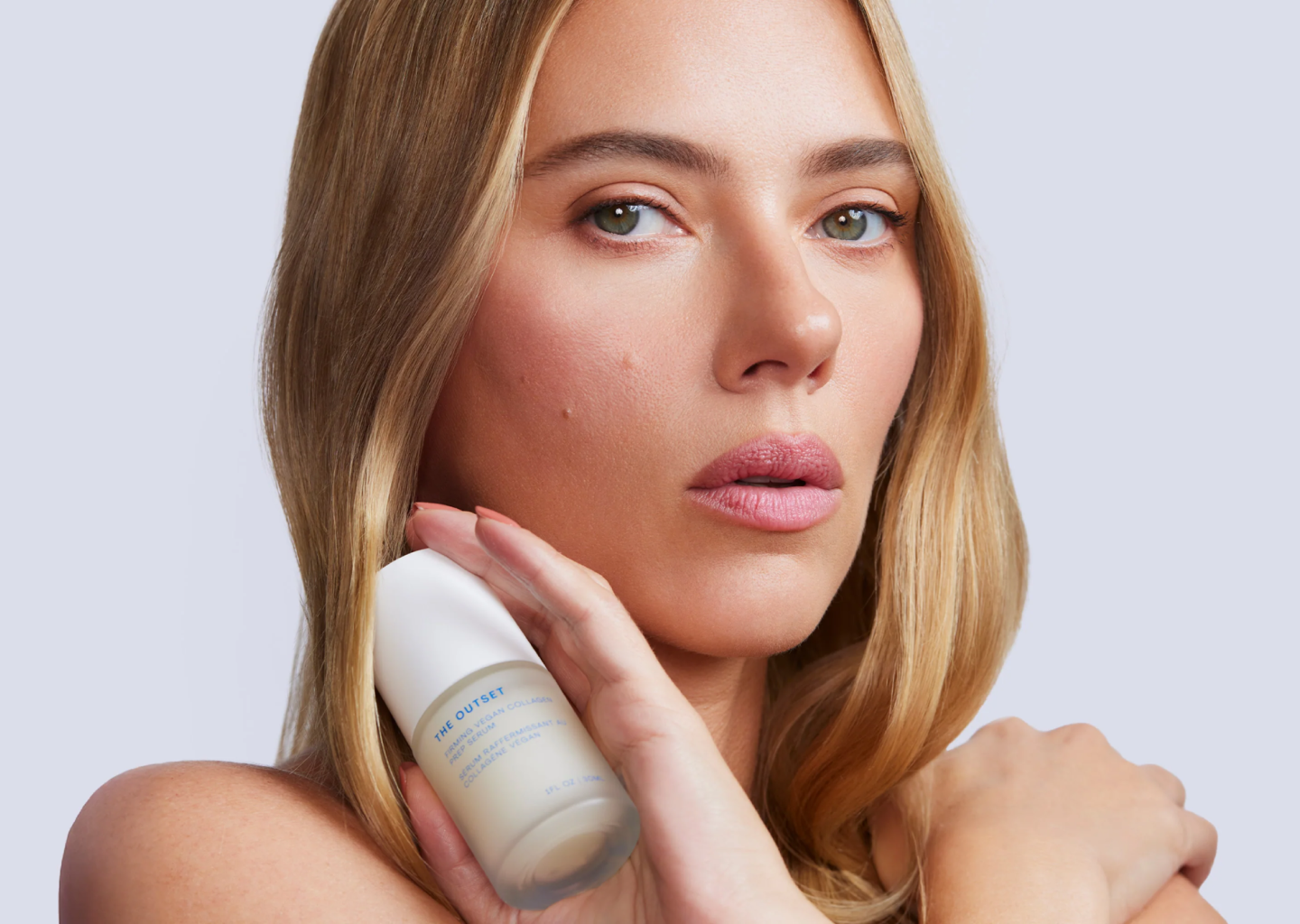
Source: The Outset Instagram
Launched in 2022 by Scarlett Johansson, The Outset is the “white T‑shirt” of skincare. Simple, clean and effective without the fuss. Born from Johansson’s own skin struggles, the brand simplifies routines with gentle, hydrating essentials.
Why it stands out:
Reports estimate The Outset has annual revenue around ~$153 million. That makes it one of the more successful celebrity skincare brands despite its minimalist positioning.
Best sellers: Lip Oasis™ Glossy Treatment has become a cult favorite, selling out seven times. It’s praised for both gloss and moisture benefits.
Accessible luxury: most products are priced below $55, positioning the brand as high quality yet affordable.
By excluding questionable ingredients and leaning into plant-based hydration, The Outset is all about clean, gentle skincare.
S'ABLE Labs by Sabrina Elba
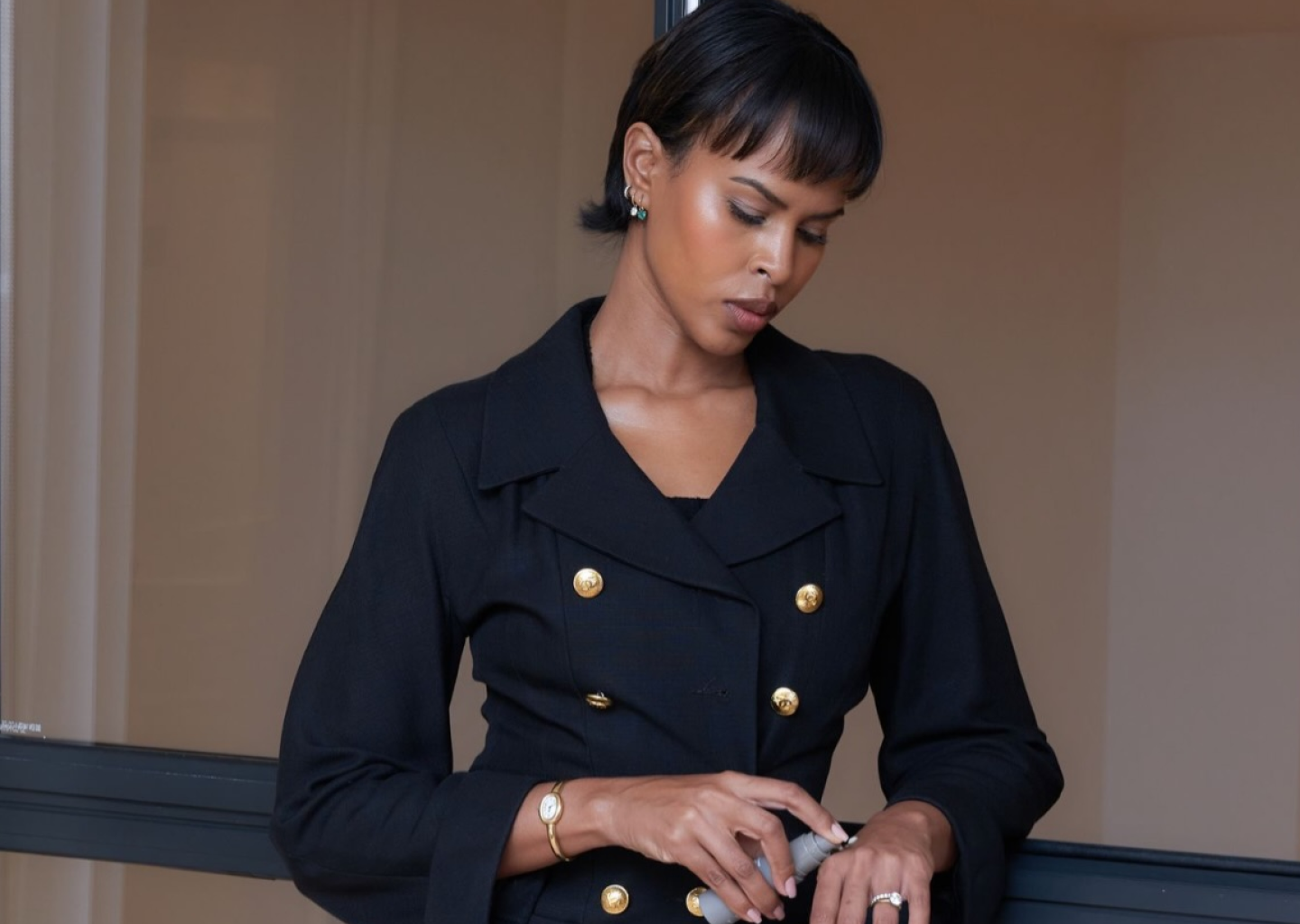
Source: Sable Labs Instagram
Launched in 2022, S’ABLE Labs is a skincare with a misson. Melanin inclusive formulas that actually work for deeper tones. Blending African botanicals with modern science, the line targets concerns like hyperpigmentation and uneven tone.
Why it stands out:
Melanin-smart hero products: flagship products like the Black Seed Toner and Moringa Lip Salve have become go-to picks.
Ingredients are responsibly sourced from smallholder farmers across Africa. The brand partners with groups like Farm Africa to support livelihoods.
Their products are dermatologist tested, vegan, fragrance‑free, and pregnancy safe. Formulated to soothe inflammation and support overall skin health for all skin types. Especially sensitive or melanin‑rich skin.
Celebrity Luxury Skincare Brands Leading the Premium Market
The rise of celebrity luxury skincare brands shows that customers will pay premium prices. Success comes when branding, formulation, and storytelling truly resonate.
Below we explore some of the most popular celebrity luxury skincare brands today:
Victoria Beckham Beauty
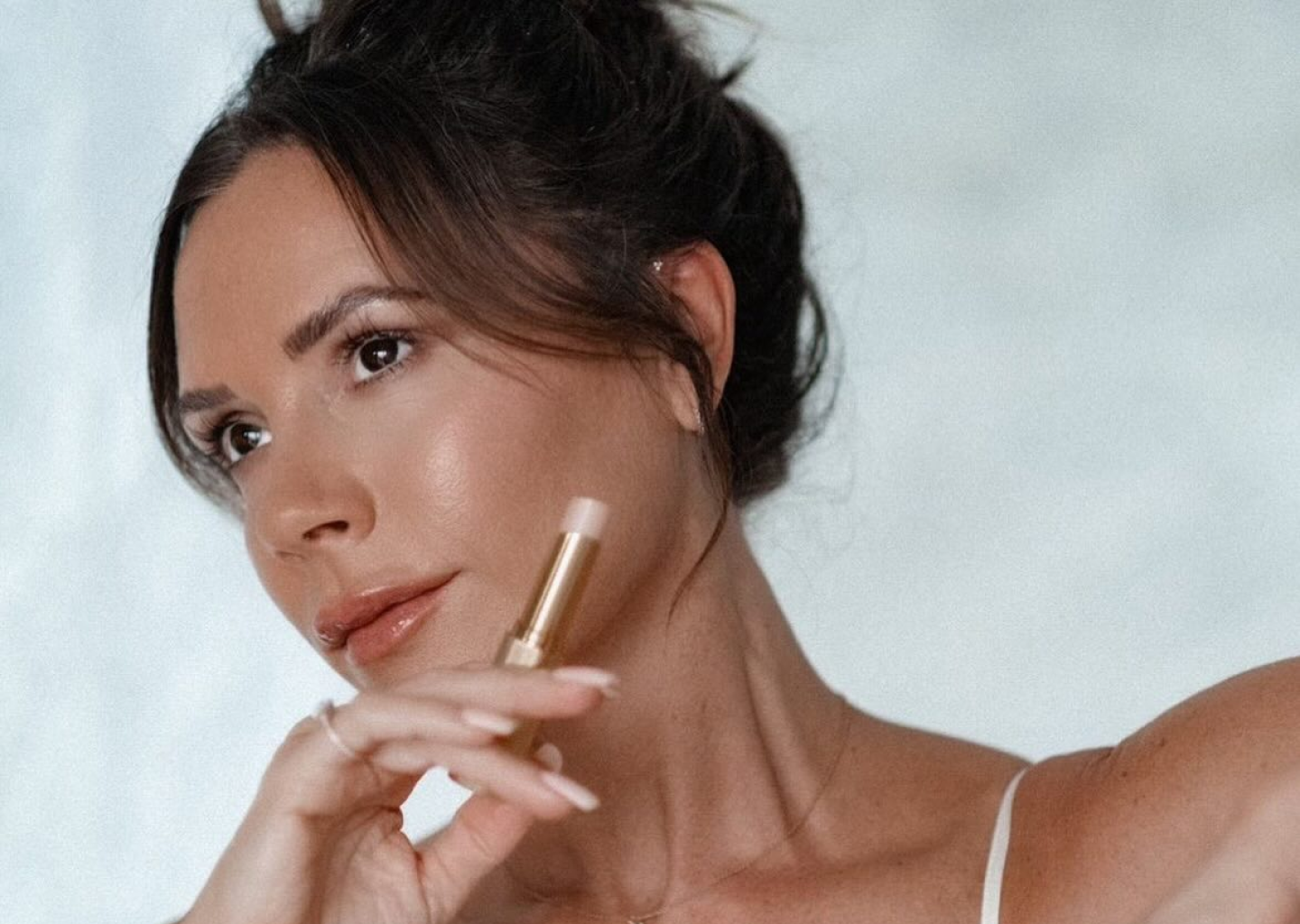
Victoria Beckham Beauty combines chic design with effective skincare. Fancy enough for your vanity, powerful enough for your skin. Prices for luxe formulas like TFC8‑powered serums and moisturizers start around $75–$165. And they can go even higher.
The packaging? Think high‑end minimalist chic – elegant, glossy, and unmistakably curated for a luxury vanity. Products are packed with peptides and amino acids to firm and smooth the skin. They’re designed to boost hydration and give your skin a radiant glow.
Victoria Beckham Holdings has seen some serious commercial momentum as well. This beauty and fashion business reported $150 M in revenue in 2024, marking its fourth consecutive year of double‑digit growth. And skincare is becoming a bigger part of the business.
What makes it pop: Victoria Beckham Beauty is like haute couture for your skin. Sleek design, smart formulas, and steady sales show people will splurge for style and results.
Augustinus Bader: Celebrity Partnerships & Premium Market Positioning
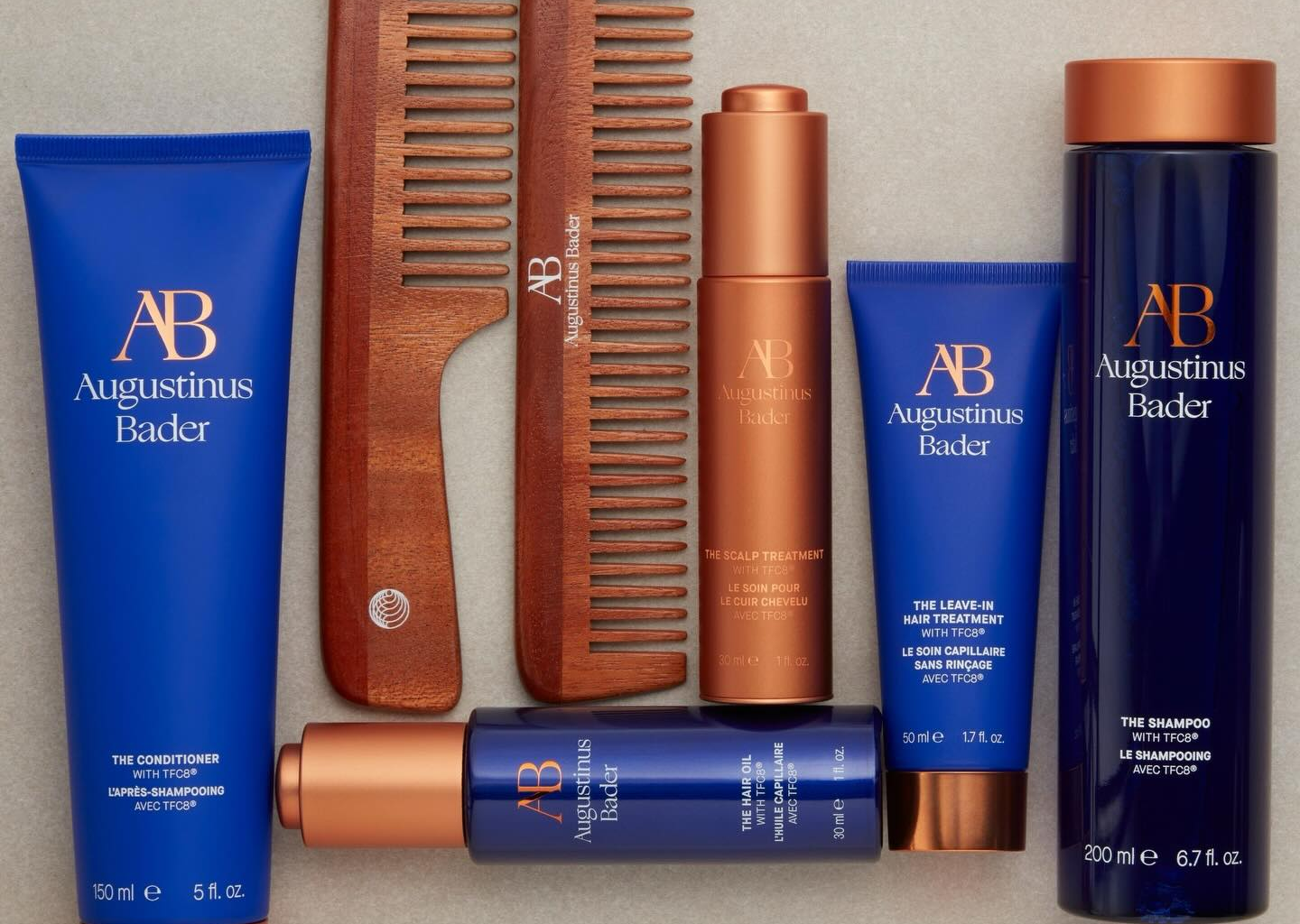
Source: Augustinus Bader Instagram
Augustinus Bader has become one of the most talked-about names in celebrity luxury skincare. And it’s not just because of star power. This brand mixes science with strategy. Celebrity partnerships boost credibility. Luxury positioning seals the deal.
Products are priced in the premium to ultra-luxury tier. Core formulas like The Rich Cream retail between $250 and $300. Limited editions and larger sizes can exceed $400. This pricing strategy clearly signals prestige and exclusivity.
Science first, fame second
At the center of the brand is its patented TFC8 technology, developed by stem-cell biologist Augustinus Bader. Clinical trials report improvements in skin elasticity up to 110%, firmness improvements of 36% after 4 weeks of The Rich Cream use. The same product showed reductions of fine lines and wrinkles.
Beauty you can see, luxury you can feel
Signature navy and copper packaging reflects luxury. It shines in every detail. Limited‑edition and designer collaborations makes it feel like a must-have. Overall aesthetic is simple, elegant, and exactly what high-end customers expect.
Celebrity associations and collaborations
Augustinus Bader’s celebrity involvement often reflects meaningful product usage and co-creation.
Hailey Bieber
Hailey has proudly shown she uses The Rich Cream. She even called it her everyday go-to on social media and interviews.
DUA by Augustinus Bader
In late 2025, Augustinus Bader teamed up with pop star Dua Lipa. They created a three product skincare line that is more affordable. Products are priced between $40-$85.
This move broadens the reach. DUA is tailored toward Milennials and Gen Z – skincare users who want results but can’t always afford luxury prices. Forbes describes this line as “accessible luxury”.
Jennifer Anniston – timeless beauty
Unlike Dua Lipa, Aniston is not an official collaborator or co-founder. However, She is widely mentioned as a fan who uses products and boosts brand’s prestige.
She uses Augustinus Bader products on the set of The Morning Show. Beauty and lifestyle outlets list the actress as one of the celebrities who swear by The Rich Cream.
Dr. Barbara Sturm: Science‑Led Luxury Meets Celebrity Credibility
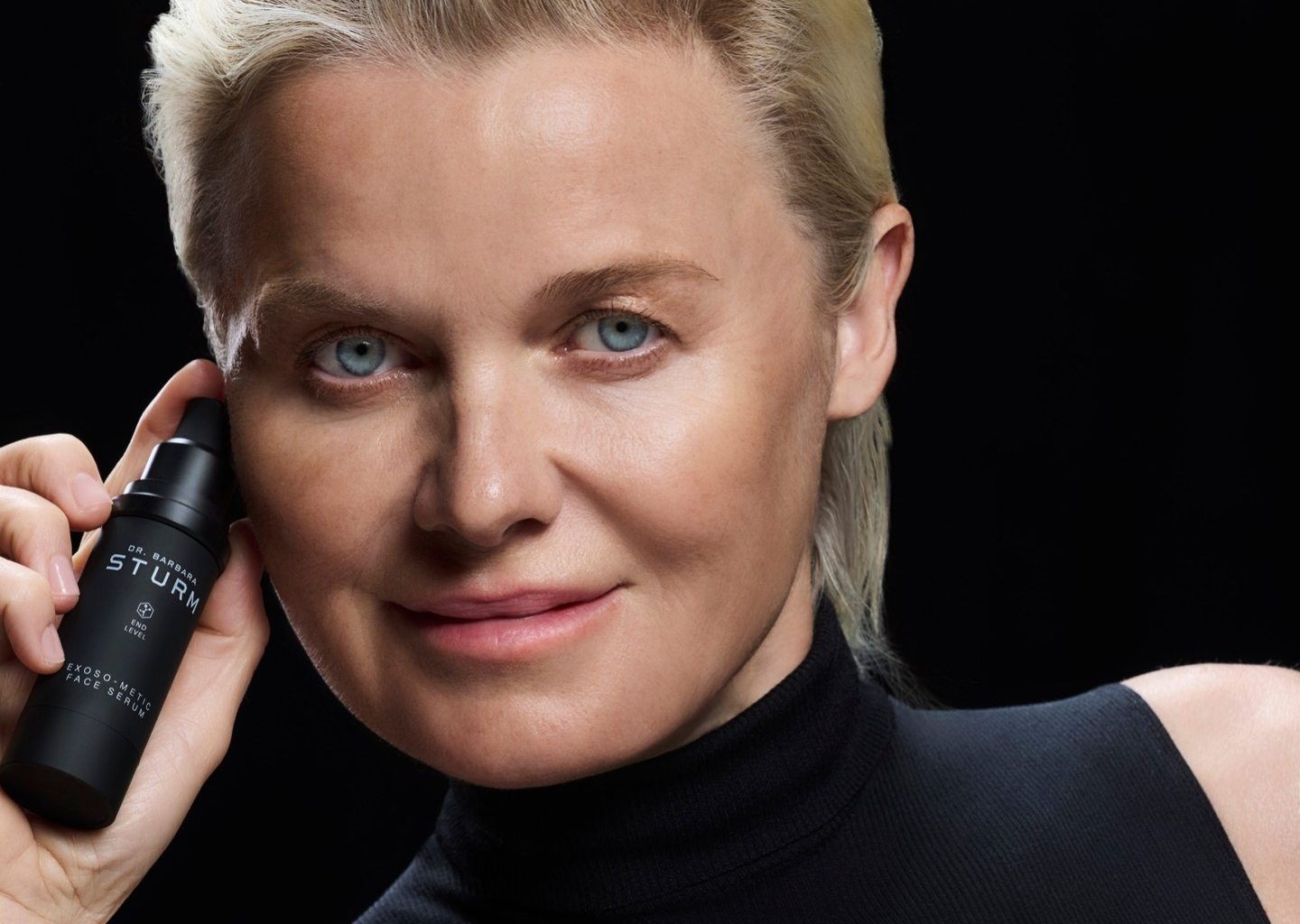
Source: Dr. Barbara Sturm Instagram
Dr. Barbara Sturm is a German molecular skincare brand rooted on decades of scientific research. It focuses on anti‑inflammatory skincare and cellular healing. Dr. Barbara Sturm is a former orthopaedic and aesthetics doctor who launched her skincare line in 2014.
The line includes serums, creams, and targeted treatments. They’re designed to calm, repair and boost skin health. It’s clinical skincare with a luxury feel. The brand has grown into a global cult favourite. It has more than 300 products and a loyal following among luxury skincare customers.
Price and packaging – premium without compromise
Pricing is positioned within the luxury skincare tier. Hero products like the Hyaluronic Acid Serum retail at around $300+, reinforcing its premium status.
Packaging mirrors that positioning. Understated, with clear typography and minimalist design. It feels like a science-forward investment rather than a trendy beauty impulse.
Clinical credibility and formulation philosophy:
Brand avoids fragrances, parabens, and harsh irritants. Focus is on botanicals, hyaluronic complexes, and molecular-level ingredients. One of the most popular products – Hyaluronic Acid Serum – has been backed with clinical data.
Celebrity involvement and organic partnerships
The brand isn’t built on paid campaigns. It’s backed by celebrities who genuinely use it, and in some cases, invest in it. That kind of support builds prestige and buzz.
Oprah Winfrey: investor and advocate
One of the most notable figures associated with the brand. She publicly shared that she’s used Sturm products for years. She even invested in the company.
The media mogul has her “Favorite Things” lists where she mentions products like StrumGlow Face Drops.
Other celebrities using the brand
Celebrities like Hailey Bieber, Katie Holmes, Bella Hadid, and Victoria Beckham speak about the brand naturally. They use the products and love to mention that in interviews and beauty features. For example, Katie Holmes said she regularly uses hyaluronic serum and creams from Dr. Barbara Strum’s line.
These ladies are not official ambassadors or campaign faces, but long-time users who return. That kind of visibility feels genuine. It shows that the brand’s reputation comes from real results, not paid promotion.
Celebrities With Makeup Lines That Changed the Industry
Celebrity makeup lines aren’t just vanity projects – they’re shaping the beauty industry. These stars mix creativity, culture, and clever marketing to reach fans and set trends.
Rihanna - Fenty Beauty
40+ shades at launch – set the gold standard for inclusivity.
Broad appeal across skin tones.
Viral hits: Pro Filt’r Foundation, Gloss Bomb Universal Lip Luminizer.
Selena Gomez - Rare Beauty
Mission-driven: “break down unrealistic standards for perfection”.
Focus on mental health and self-expression.
Products are soft, wearable, and highly Instagrammable.
Ariana Grande - R.E.M Beauty
Targets younger, trend-conscious customers.
Playful packaging and limited edition drops.
Social-first approach: TikTok, Instagram, fan-driven content.
Halsey - About Face
Bold, experimental, edgy.
Inclusive shades, fun, creative textures.
Appeals to Gen-Z self-expression and diversity.
Millie Bobby Brown - Florence by Mills
Teen-focused, clean, cruelty free products.
Bright packaging and fun names.
TikTok tutorials, relatable messaging as marketing strategy.
Addison Rae - Item Beauty
Early TikTok influencer line.
Affordable, fun, and social-media ready.
Strong appeal to Gen Z digital-first shoppers.
Why Some Celebrity Beauty Brands Fail
Not every celebrity brand becomes a beauty empire. Sometimes you need more than just a famous name. Star power may drive the launch. Performance drives the refill. If the formula disappoints, customers disappear.
Overpricing without proof is another fast track to failure. Luxury needs receipts: clinical data, standout ingredients, elevated packaging. Otherwise, it’s just expensive hype.
And differentiation matters. The world doesn’t need” another clean beauty” line. It needs a reason to care.
Finally, authenticity isn’t optional. If the founder’s lifestyle doesn’t align with the brand story, customers will notice.
Celebrity Beauty Brands That Didn’t Stick
They tried, but didn’t succeed. Here are some examples of celebrity beauty brands that just didn’t work.
Twentynine Palms – Jared Leto’s wellness/beauty line
Actor Jared Leto’s brand launched with high‑profile buzz and a celebrity backing party. But hype quickly faded. The brand was shuttered within about a year. Weak customer interest showed that celebrity alone isn’t enough to sustain sales.
Sevin Nyne – Lindsay Lohan’s self‑tanning line
Sevin Nyne self‑tanner was plagued by product quality issues – including spray nozzles that caused uneven application. That damaged customer trust. It failed to gain a loyal audience and faded from relevance shortly after launch.
Jaclyn Cosmetics – influencer beauty brand by Jaclyn Hill
Beauty YouTuber Jaclyn Hill’s namesake line ran into major quality control problems at launch. Customers received cracked, melted, or otherwise defective products. The resulting backlash forced social media apologies and long‑term reputational damage. Product missteps can sink a brand fast.
What Entrepreneurs Can Learn from Celebrity Beauty Brands

It’s cool and useful to research celebrity brands for inspiration. But the main takeaway should be the importance of niche, your target audience and brand message. All of these celebrity brands have a clear mission or a specific target audience in mind – often both. When working on your skincare brand, start by defining your desired customer. Who are they, and why do they truly need your product?
Then think beyond the formula. How will your product impact their daily life? How will it look and feel in their home? Whether you’re building a niche skincare line or exploring private label manufacturing, there are some powerful lessons here.
Hero Product Focus
Start with one standout item that defines your brand.
Examples: Fenty Beauty’s Pro Filt’r Foundation, Kylie Jenner’s Lip Kits.
Builds recognition, credibility, and buzz.
Clear Niche
Know exactly who you are speaking to and why they need your products.
Example: Rare Beauty targets self-expression and mental health-conscious consumers.
Helps marketing resonate deeply instead of appealing to everyone.
Consistent Aesthetic
Visual identity should match your brand personality.
Examples: Haus Labs = bold and colorful (edgy and playful), JLo Beauty = sleek and clinical (luxury-focused).
Every touchpoint, from packaging to social media, communicates your brand values.
Emotional Storytelling
Share a mission, value, or story your audience can relate to.
Examples: Rare beauty promotes breaking unrealistic beauty standards; Fenty Beauty highlights inclusivity.
Creates emotional connections that drive loyalty.
Clean Ingredient Positioning
Be transparent about formulations and ingredients.
Example: Humanrace by Pharrell Williams emphasizes clean, sustainable, gender-neutral products.
Appeals to conscious customers who want results + responsibility.
For more inspiration on clean, effective products and successful skincare business models, look into the best skincare brands and clean skincare brands.
How To Start Your Own Skincare Line Using Selfnamed
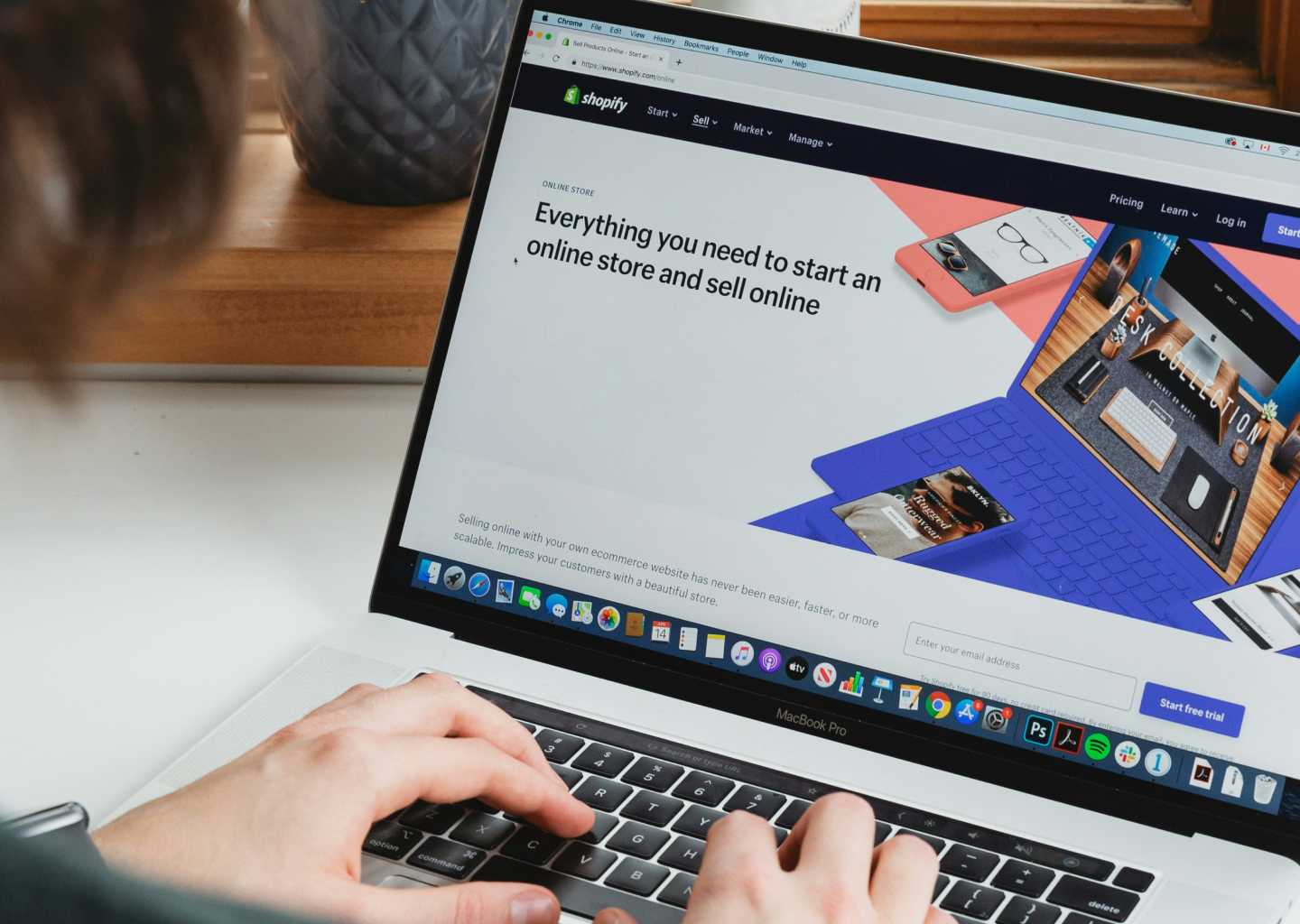
Inspired by these celebrity stories? Ready to take things to the next level? Selfnamed is here to help you create your own skincare line. The process is designed to be simple, smooth, and stress-free from start to finish. When you decide on your ideal customer and product range, there are only a few simple steps to take:
Select product sample sets. You can choose from more than 30 high-quality, organic or natural certified skincare products made in Northern Europe.
Add your style. Selfnamed offers an easy-to-use design studio to create labels and packaging. You can work with pre-made print-ready templates or create your design from scratch.
Start selling your products. There are no minimum orders. You can easily adjust the volume to your needs.
These are the basic steps to starting your own skincare line – from the comfort of your home. Best of luck with your business!
Final Thoughts
Celebrity beauty brands succeed when they combine star power with smart strategy. Hero products, clear niche, cohesive design, storytelling, and trustworthy ingredients. Entrepreneurs can apply these lessons to build brands that are memorable, credible, and built to last.
The world of celebrity beauty brands is no longer a trend. It’s a dominant force shaping the future of the global beauty industry.
Frequently Asked Questions
-
There are about 50-100 celebrity beauty brands globally.
-
Rhode, Fenty Beauty, Rare Beauty, and Kylie Cosmetics are leading names in celebrity beauty. Their success is measured by both revenue and social media dominance.
-
Many are. Brands like Rhode, Humanrace, and The Outset focus on ingredient transparency, dermatologist-backed development. However, performance varies by brand.
-
Rhode, JLo Beauty, Humanrace, Goop, Keys Soulcare, The Outset, and S’ABLE Labs stand out in celebrity skincare. They’re known for unique approaches and positive consumer feedback. These brands rank among the best.
-
Victoria Beckham Beauty, JLo Beauty, and collaborations involving Dr. Barbara Sturm and Augustinus Bader are among the most recommended celebrity luxury skincare brands.