Best Clean Skincare Brands to Know in 2026
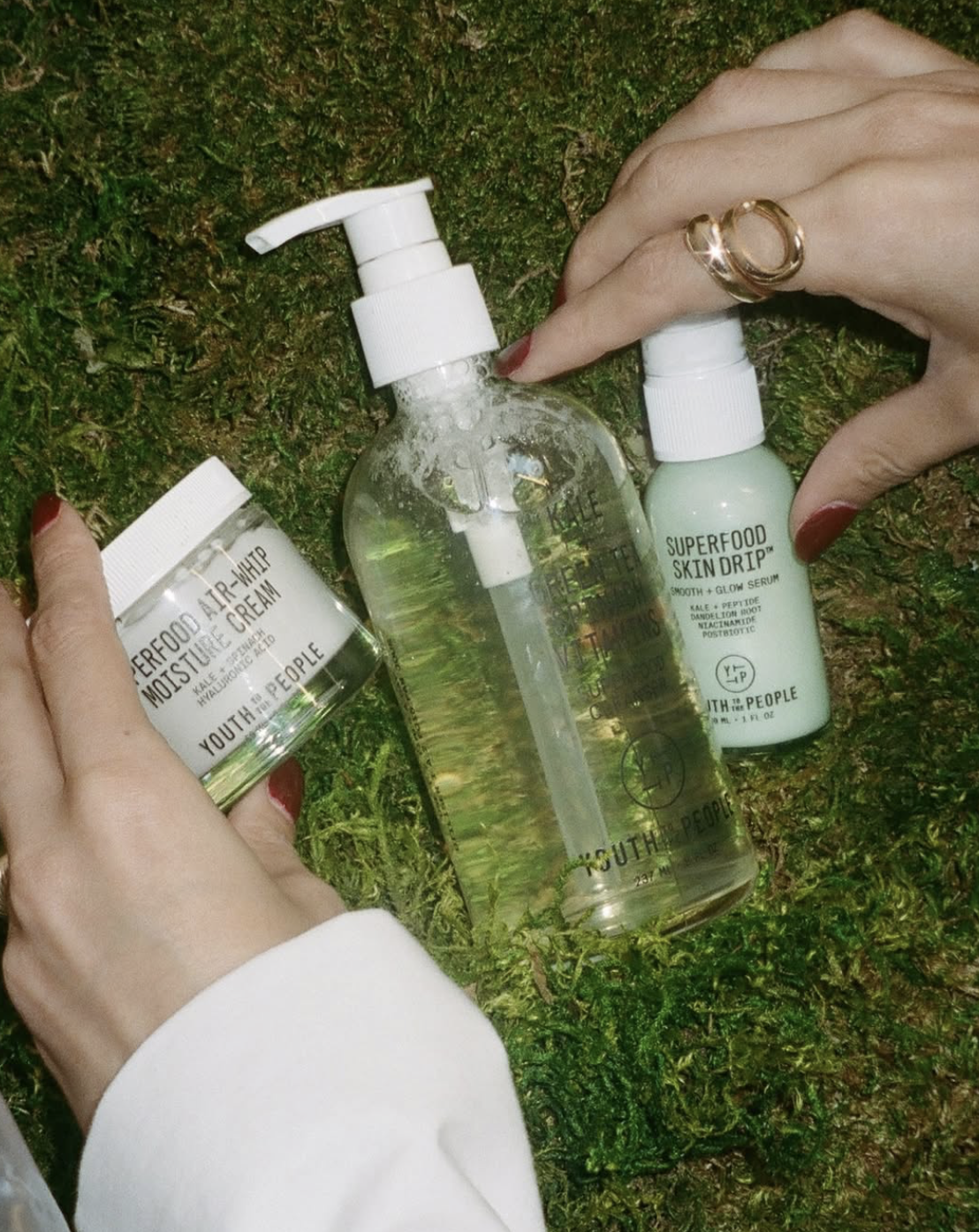
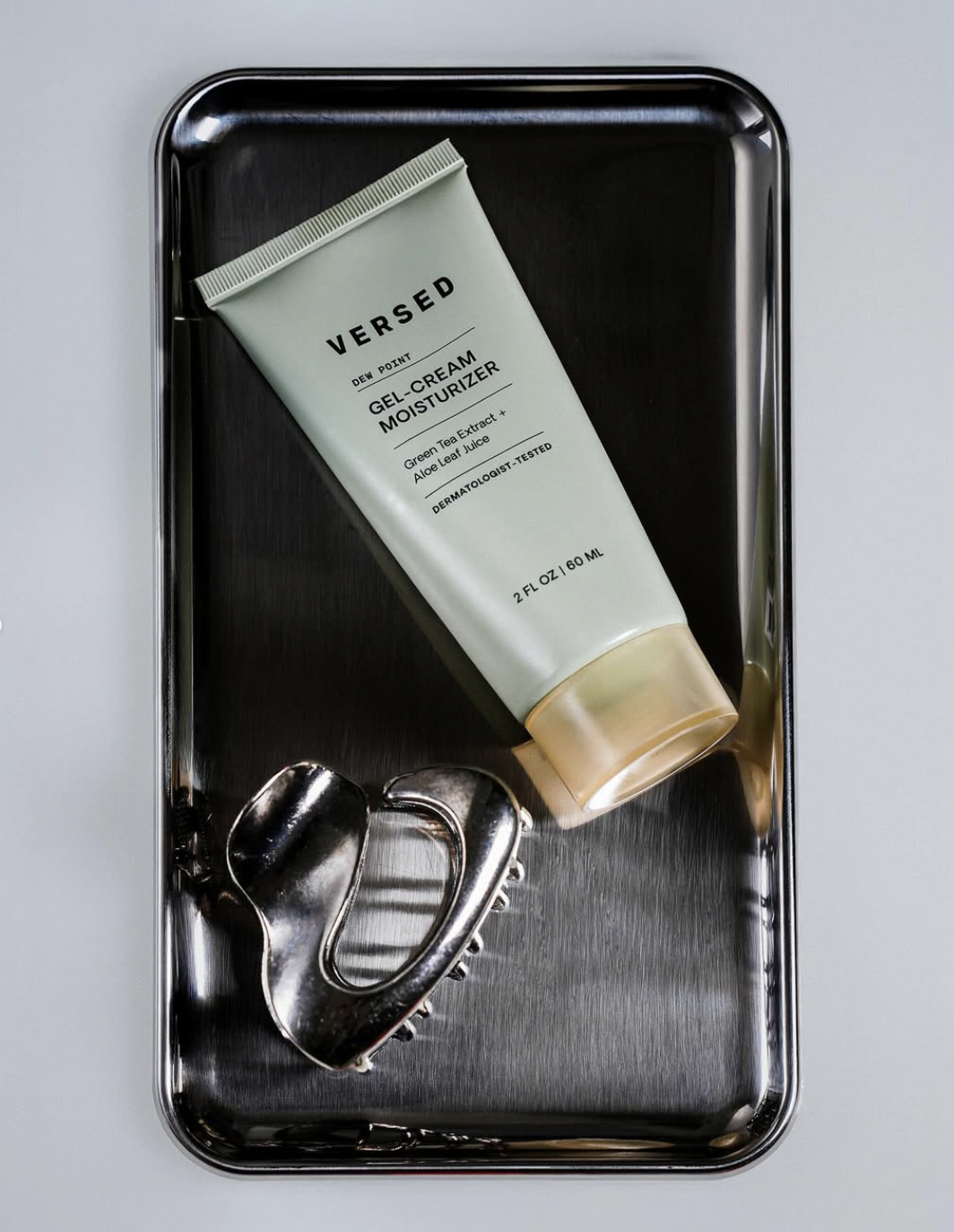
Table of Contents
Clean beauty has moved beyond being just a mere trend. It's now a major player in the global skincare arena. This surge is fueled by consumers who are more informed about ingredients, have strong values, and are increasingly discerning. Social media platforms like TikTok also play a significant role, pushing the popularity of products promising swift and visible results. Treatments that are convenient and effective are especially popular right now, often because of social media influence.
If you want to start your own brand, this shift brings both opportunities and challenges. There is strong demand for clean skincare, but since the word "clean" is not regulated, you need to build credibility. Trust is paramount.

Clean Skincare Brands: What Makes a Brand Truly “Clean”?
Calling a skincare brand “clean” should not be just a buzzword or a guessing game. It should be based on real standards you can point to. The term “clean skincare” is used often, but it’s rarely defined the same way by different retailers and brands, which can cause confusion. So what does “clean” actually mean?
At its core, clean skincare means products are made without ingredients known or strongly suspected to be harmful to people or the environment. Ingredients don’t have to be all-natural; safety and transparency are what matter most. Science-backed formulation is key. The specific substances in a product, especially the active ingredients, are what really affect skin health and safety. Clean beauty focuses on pure, natural, and non-toxic ingredients.
At Selfnamed, we see “clean” and “responsible” as the same. Our approach to clean beauty is defined by our Clean Beauty Standard. This standard clearly shows our commitment, the ingredients we leave out, and the safety rules we follow. Clean ingredients are gentler on the skin and cause fewer allergies, which is why many dermatologists recommend clean skincare for sensitive skin.
Transparency is central to our approach. We believe sharing a full ingredient list for every product is essential to build trust and ensure safety.
Key Principles of Clean Skincare Brands
The most credible clean skincare brands follow three foundational principles. Together, they form the holy trinity at the core of clean skincare. Natural skincare uses the power of plant extracts and oils that are rich in vitamins and nutrients, often choosing organic ingredients to ensure purity, safety, and eco-friendly practices.
Ingredient Safety
Clean formulations are all about avoiding harmful ingredients. Parabens, phthalates, formaldehyde-releasing preservatives, certain sulfates, and controversial synthetic fragrances are a “no-go”. Clean skincare brands avoid synthetic fragrance, as it can be a common irritant and is often left out of clean products. Some brands are also avoiding chemical UV filters, silicones, and PEGs, depending on their own clean standards.
Retailers like Sephora and Ulta have attempted to bring clarity to the category by publishing their own clean ingredient lists and standards. This shows a wider industry move toward transparency and alignment.
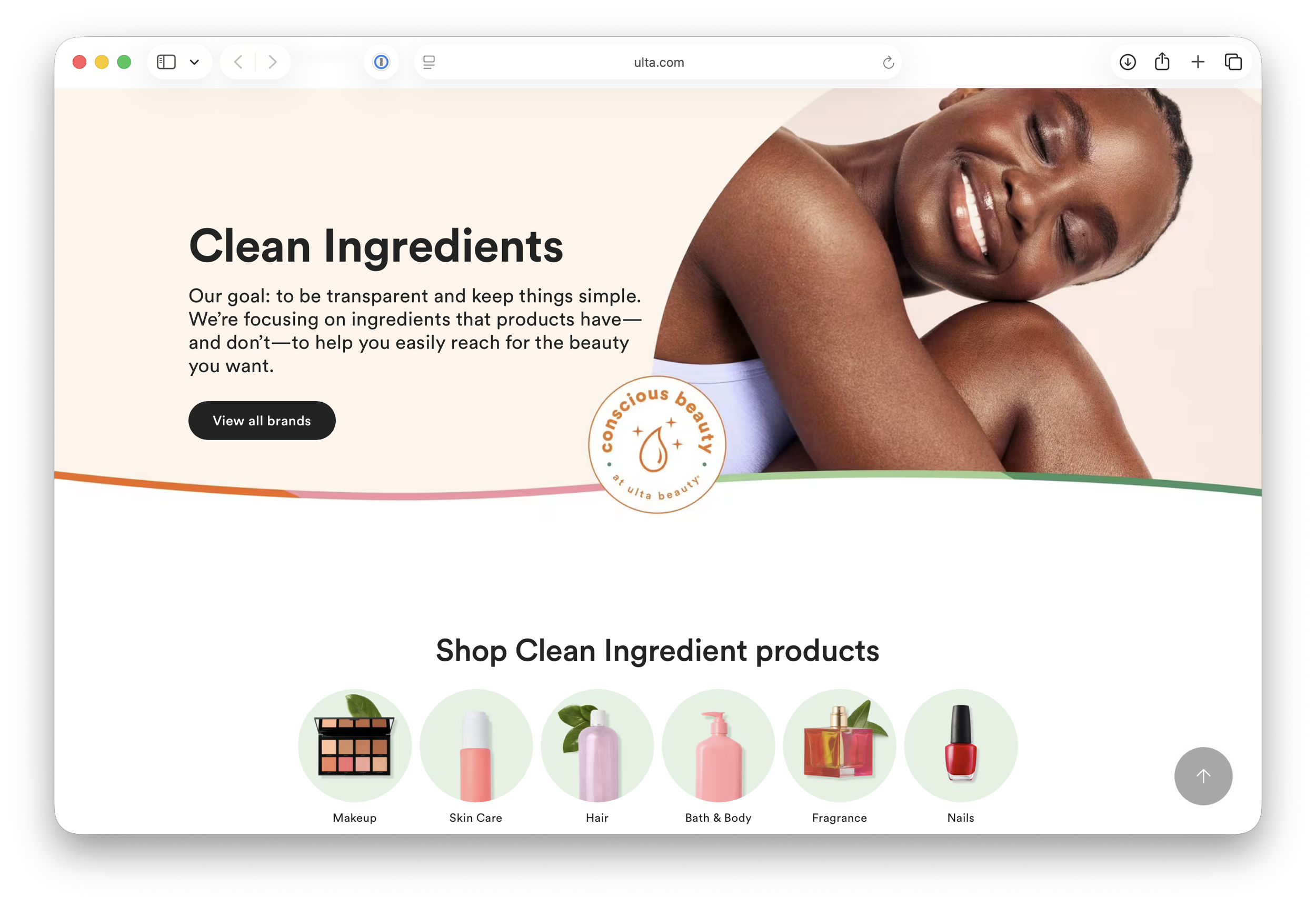
Source: Ulta
Some people think that all-natural ingredients are good and all chemicals are bad. But that’s not entirely true. Everything around us is made of chemicals, including water and plant extracts. Many natural ingredients can cause irritation or allergic reactions. In fact, some synthetic ingredients, such as lab-made hyaluronic acid or vitamin C, are often more effective and better studied than their natural alternatives.
The Allure Clean Standard defines clean products as those free from specific harmful ingredients, including parabens and phthalates. Many clean skincare products are formulated to be gentler on sensitive skin by avoiding irritants.
Radical Transparency
Today’s consumers are expecting more than just a “clean” label. They are curious about why particular ingredients are included. Where do the ingredients come from? And how are they processed? The best clean skincare brands share full INCI lists, explaining ingredient functions in simple and understandable language. Avoiding any vague claims.
Transparency is also a sign of trust for investors and retail partners, especially in a market where greenwashing is still a concern.
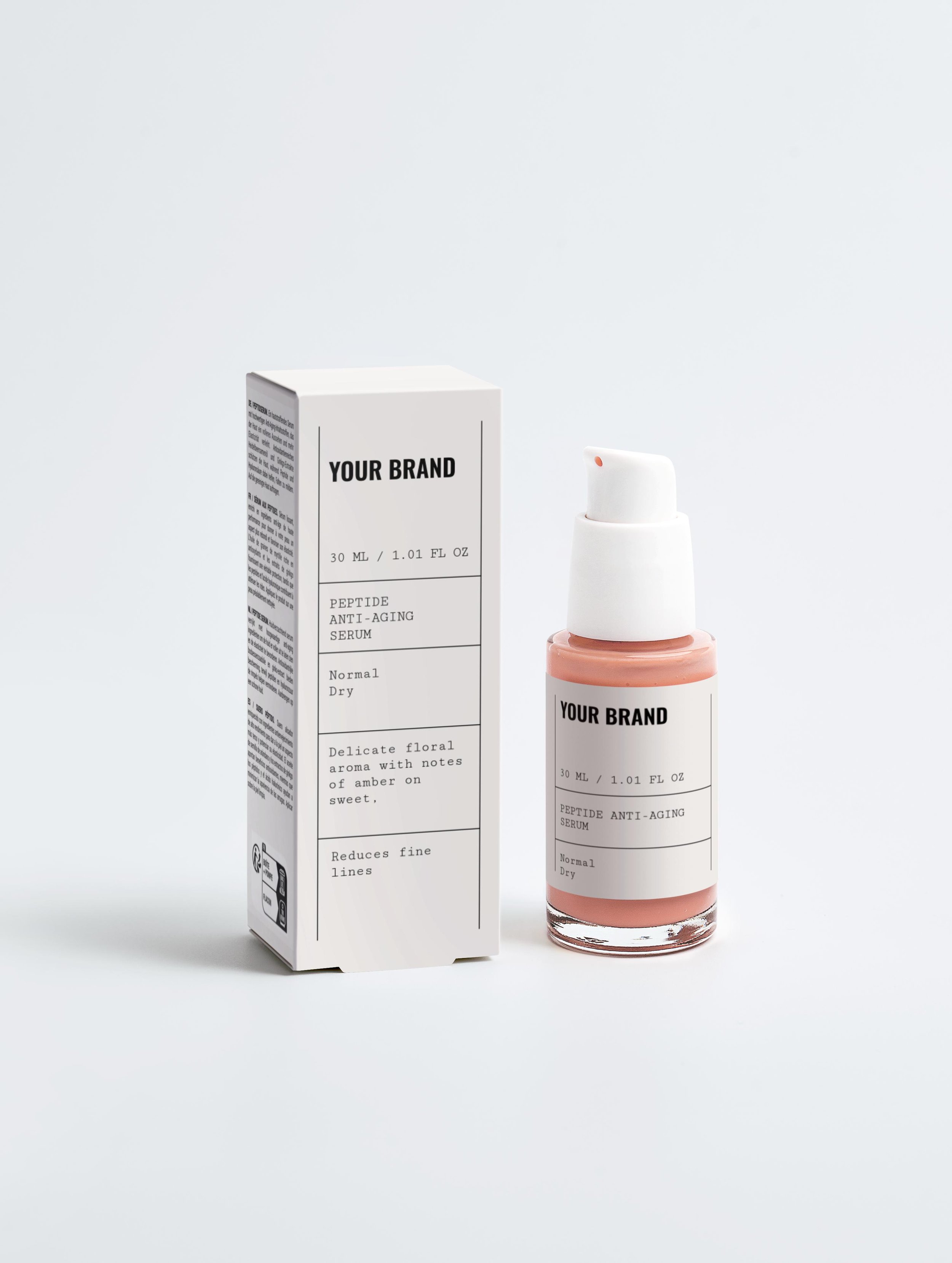
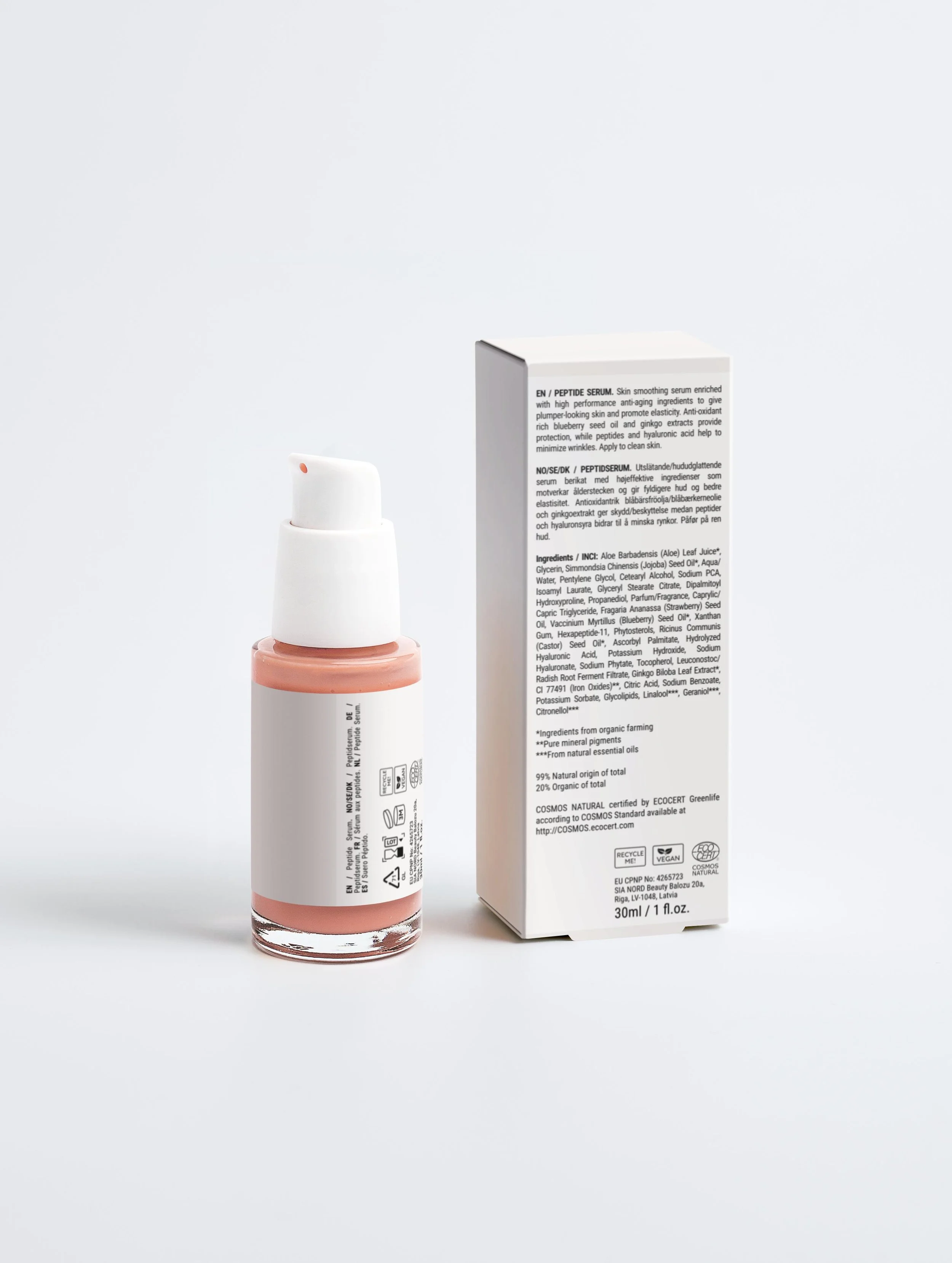
If you sell private label cosmetics with Selfnamed, ingredient list automatically appears on packaging and is visible in the Design Studio.
Ethical and Sustainable Practices
Not all clean skincare brands focus on sustainability, but many are making real efforts in sustainable sourcing, cruelty-free testing, and eco-friendly packaging. Some brands now use plastic-free packaging to reduce waste and support eco-friendly values. Others make products in small batches, focusing on quality, craftsmanship, and a personal touch that sets them apart from mass-produced brands. Brands with 'farm-to-face' transparency source ingredients directly from growers to ensure quality and safety. Today’s clean beauty consumers care about more than just ingredients; they want brands to stand for something bigger than the formula.
And for founders, the message is clear: “clean” is not a marketing ploy. It is a series of intentional choices. “Clean” should be seen in every part of the brand, from formulation and manufacturing to messaging.
Certification and Verification: Proving Clean Skincare Claims
Certification and verification have become essential tools for both brands and consumers. As more people seek out natural skincare and clean skincare products, the need for clear, trustworthy standards has never been greater. Certifications help cut through the noise, offering proof that a skincare line truly lives up to its clean beauty promises.
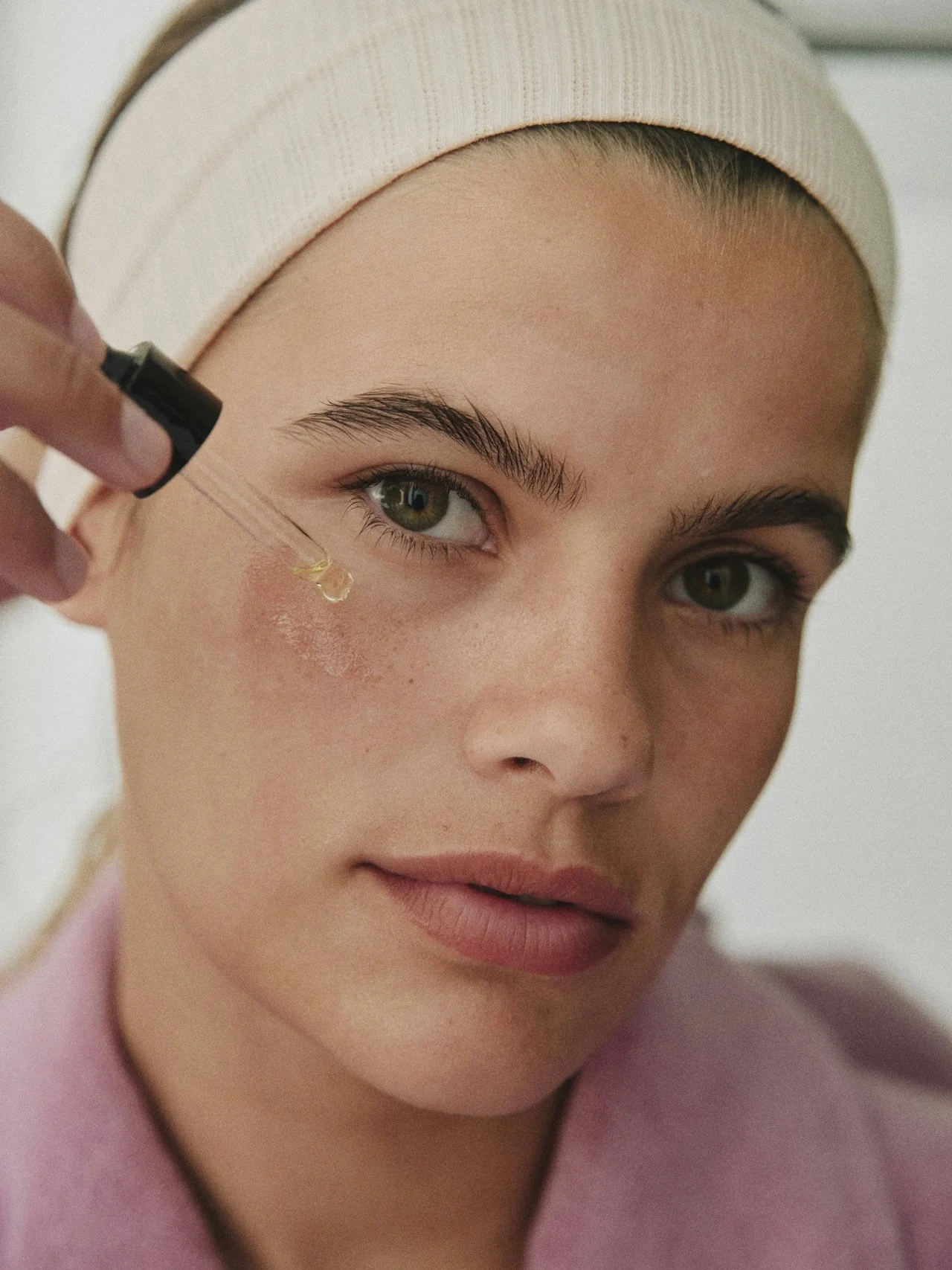

For anyone with sensitive skin, or those looking to address concerns like dry skin, dark spots, or age spots, knowing exactly what’s in your skincare products is crucial. Certifications such as Leaping Bunny, EWG Verified, USDA Organic, and Certified Natural provide that extra layer of assurance. These seals aren’t just marketing, they represent rigorous standards for natural ingredients, cruelty-free testing, and eco friendly packaging.
For example, a moisturizer formulated with hyaluronic acid and vitamin C can earn EWG Verified status, meaning it meets strict criteria for safety and sustainability. A body wash made with shea butter and plant extracts might carry the USDA Organic label, guaranteeing that its ingredients are organic and responsibly sourced. Brands like True Botanicals and Juice Beauty have built their reputations on these very principles, offering clean skincare products that are both gentle and effective.
Top Clean Skincare Brands to Know
Many of today’s most respected clean skincare brands are also recognized by leading beauty authorities. Annual roundups like Allure’s Best of Beauty Clean Skincare awards help spotlight brands that balance clean formulation with proven performance. Whilst reinforcing that clean beauty can still deliver real results.
The following brands are frequently cited when people ask, what are the best clean skincare brands? Each brand offers a different perspective on how clean beauty can be built, scaled, and communicated.
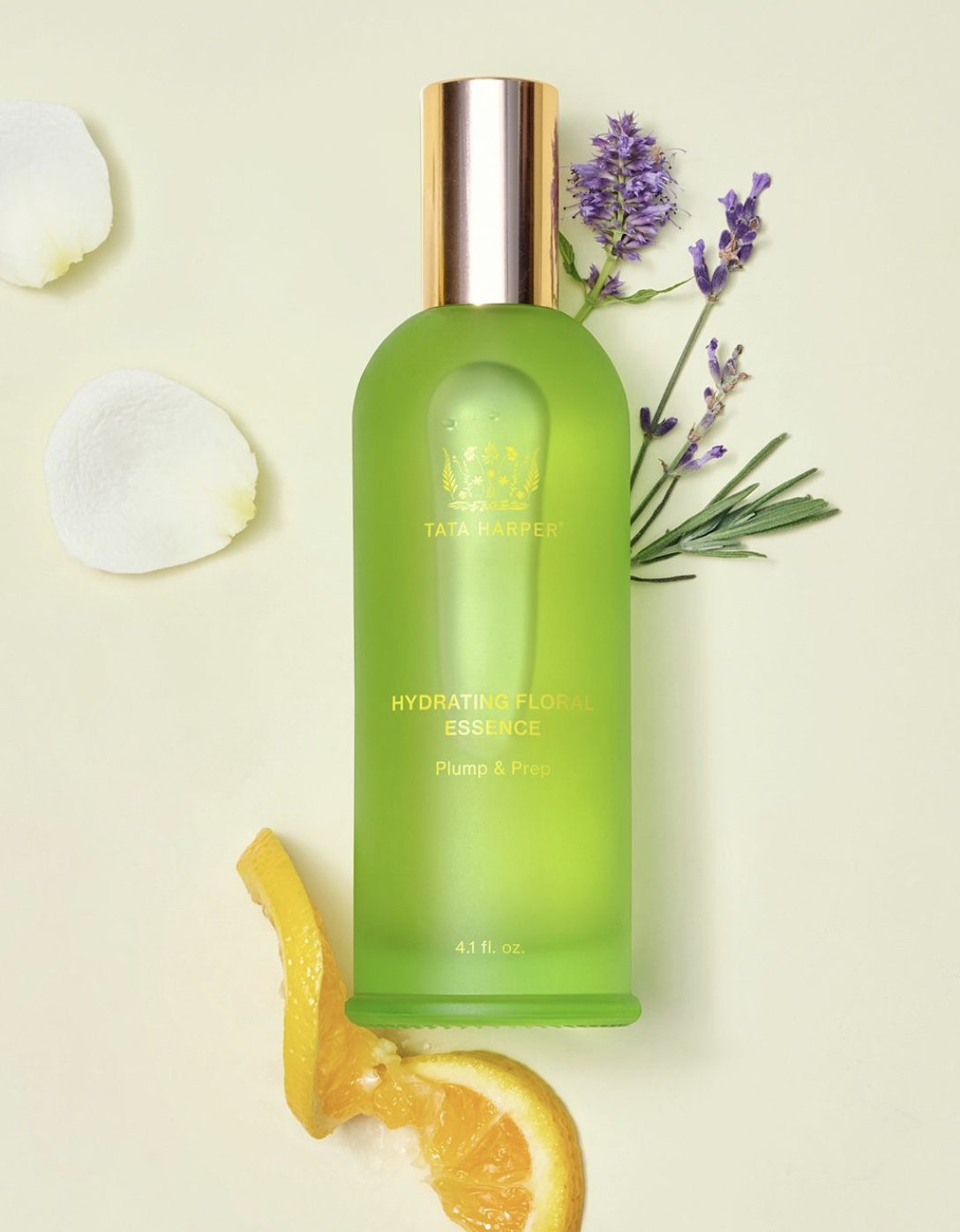
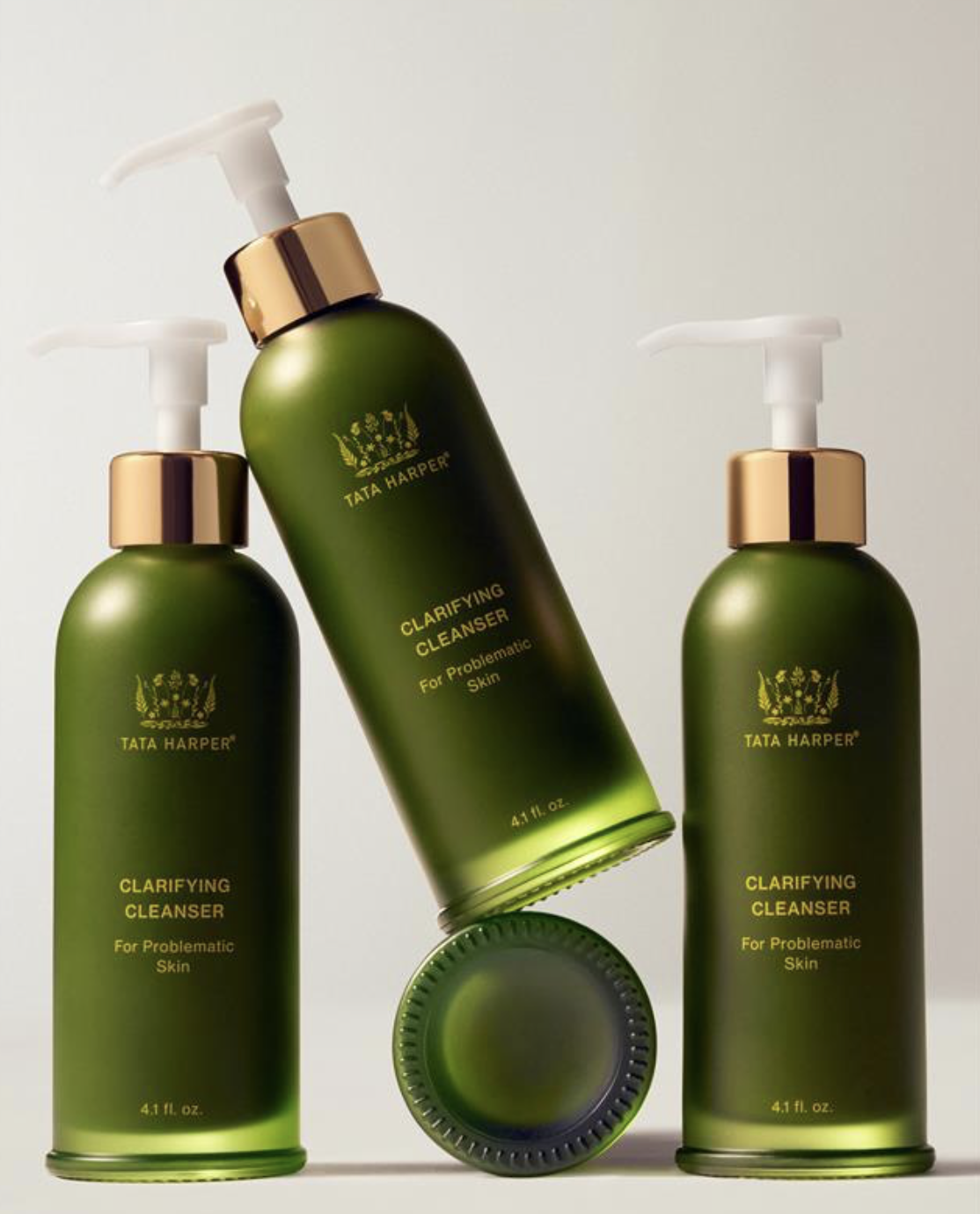
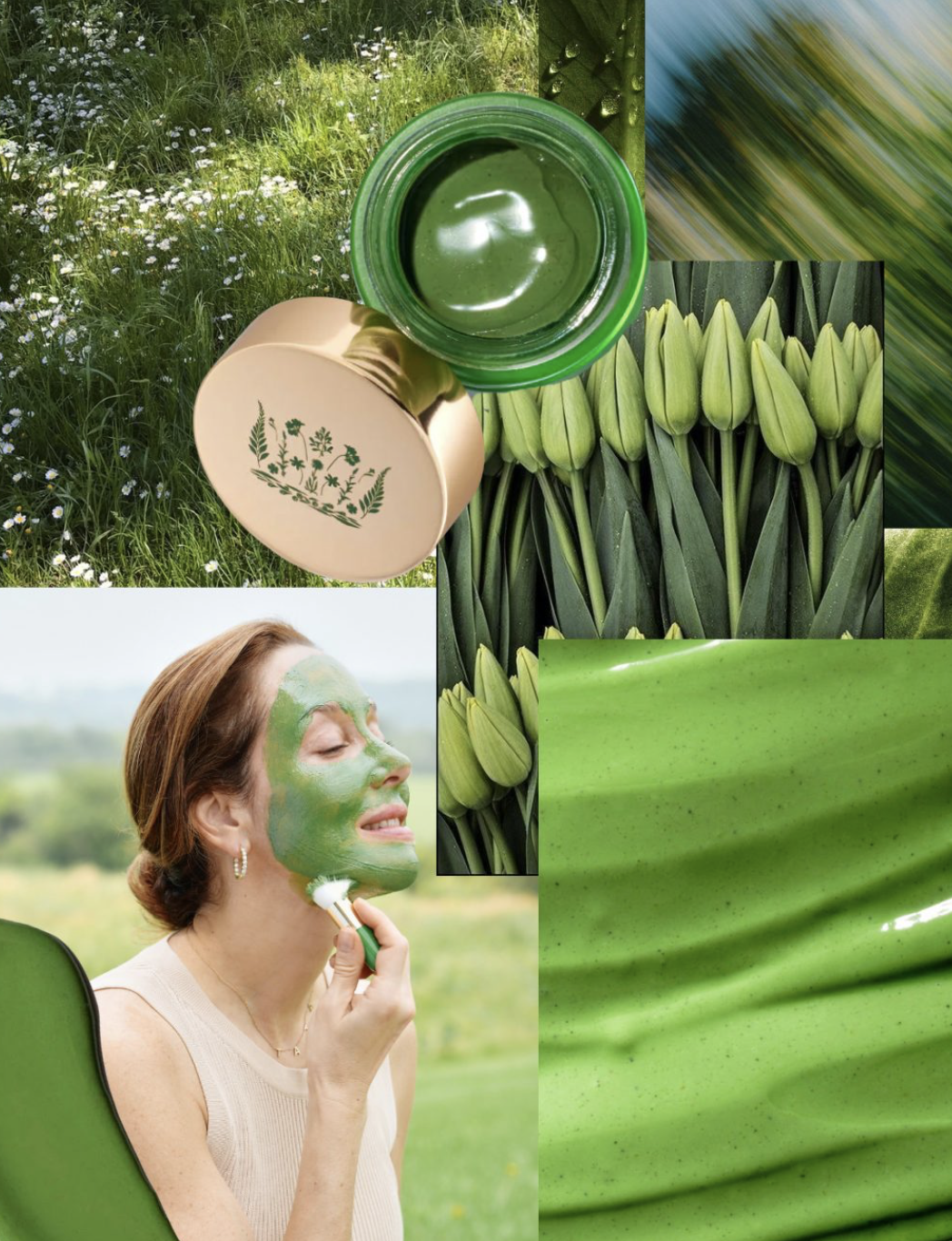
Tata Harper
The pioneer of modern clean beauty. Tata Harper is a luxury clean skincare brand. It strongly believes in the coexistence of high performance and natural purity. The brand's idea was born out of a personal health scare in the founder’s family. This pushed Tata, the founder, to create non-toxic and high-efficacy products without compromise.
Since the brand's very beginning, on an organic farm in Vermont, it has stayed true to natural ingredients and complex formulations. “Healthy luxury” has always been the brand's core promise.
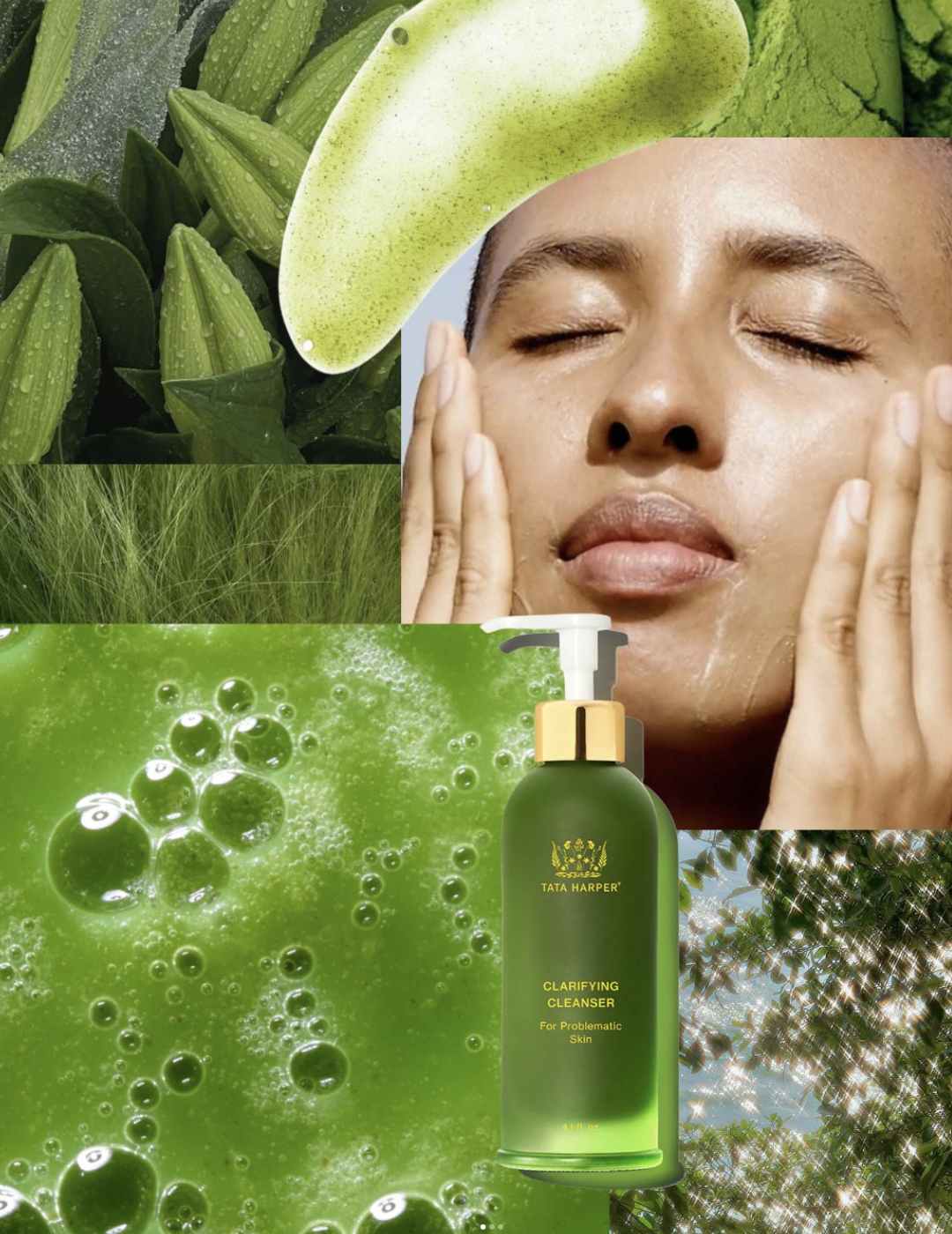
Source: Tata Harper Instagram
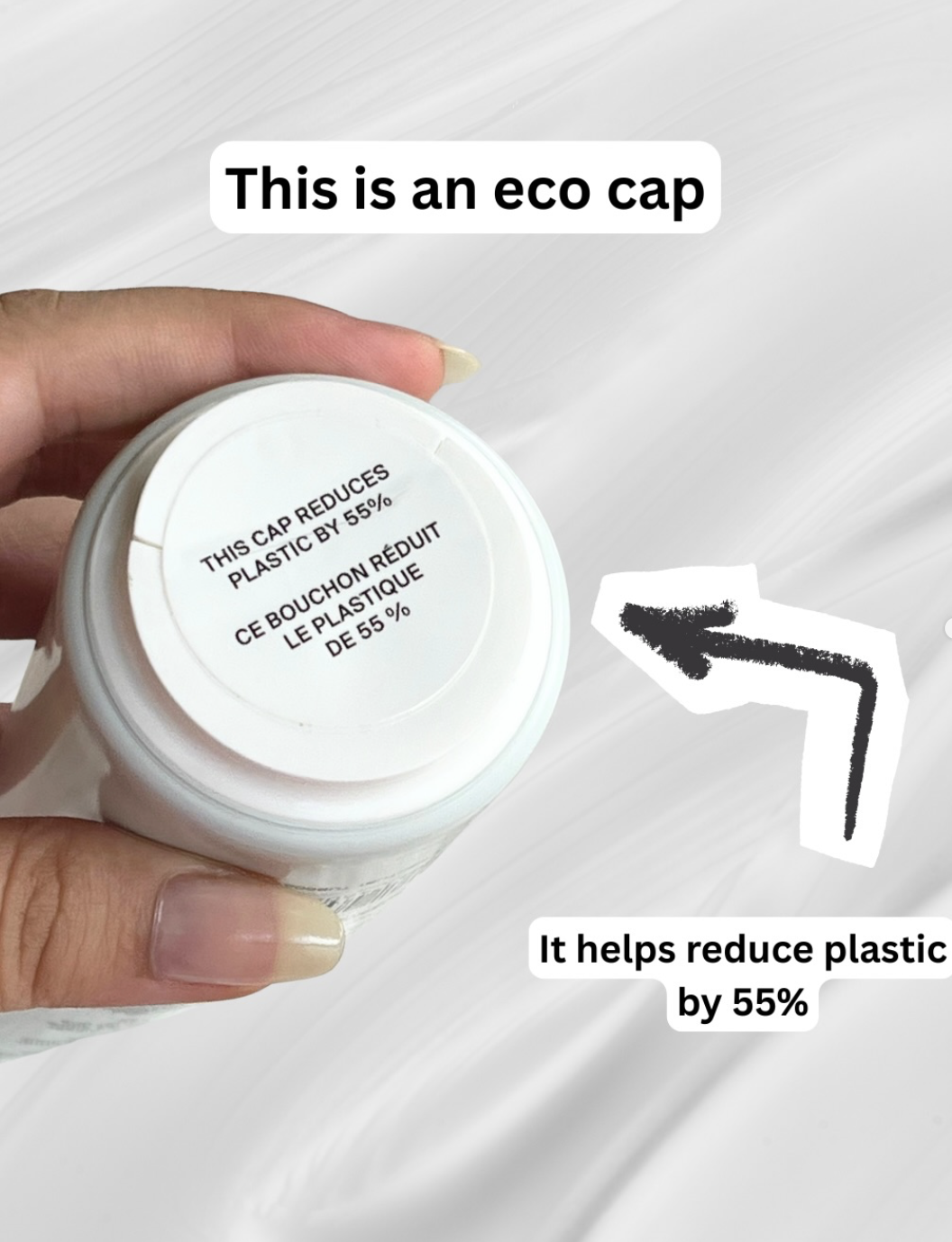
To grow smarter, the brand also leverages data and AI. Tools like Klaviyo have helped the brand boost conversions and optimize customer communication. Sustainability has also been a priority. Refillable packaging has been designed to cut waste and encourage long-term customer commitment.
Tata Harper has shown how the power of founder credibility (personal standards, health journey, and uncompromising mindset) has become the brands strongest tool. The brand positioned itself as the gold standard of clean, using education and proof to justify premium pricing. If you want to build a successful clean skincare brand, don’t dilute your message. Lead with conviction, show your work, and let transparency do the selling for you.
Cocokind
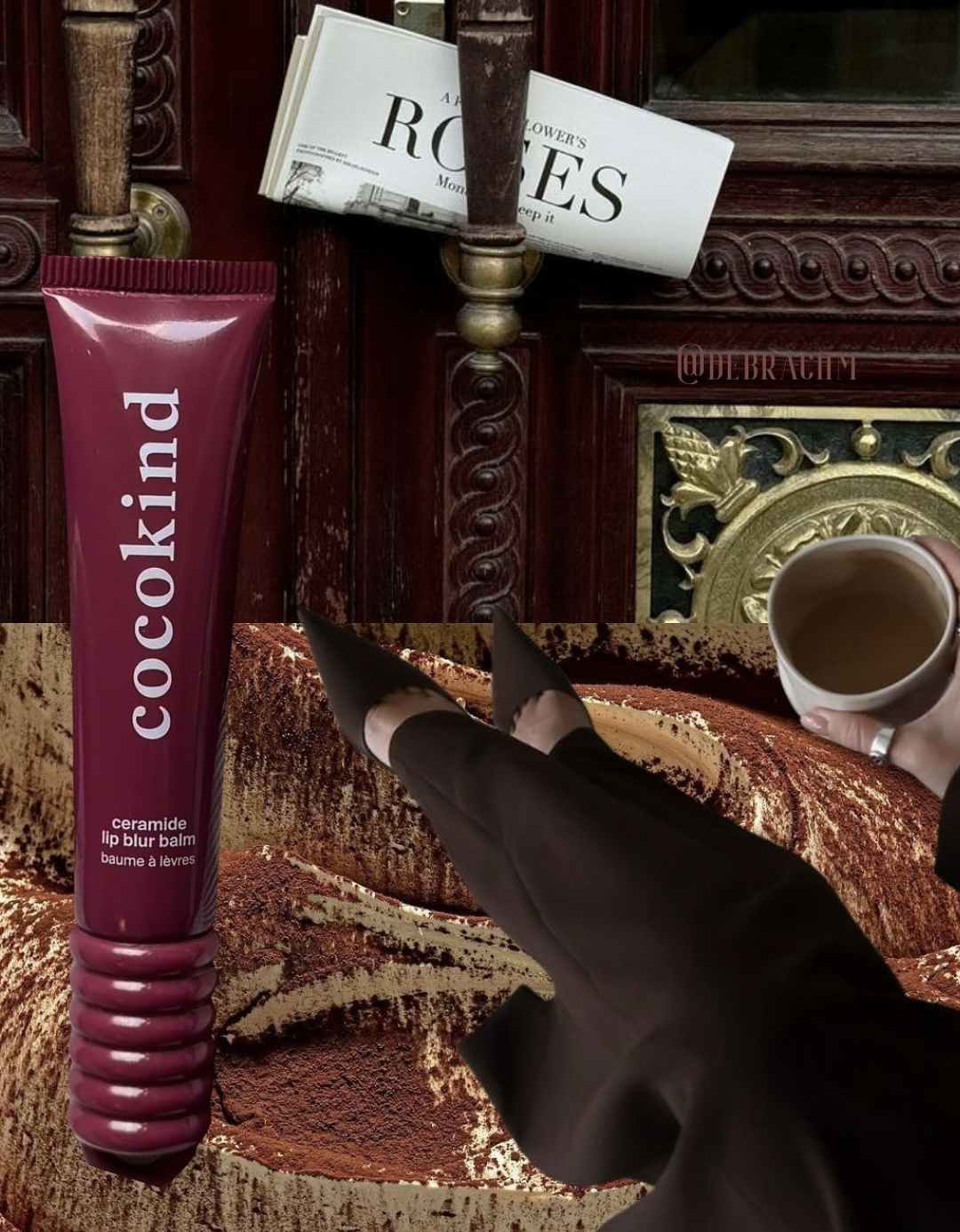
Cocokind isn’t your typical skincare brand. It was built with real people in mind. The brand was founded in 2015 by Priscilla Tsai, with a goal to make an effective and gentle skincare that would be suitable and affordable to everyone. By affordable we mean really affordable. Cocokind’s products are all priced below $25 dollars, and their bestselling turmeric spot treatment costs only $9.
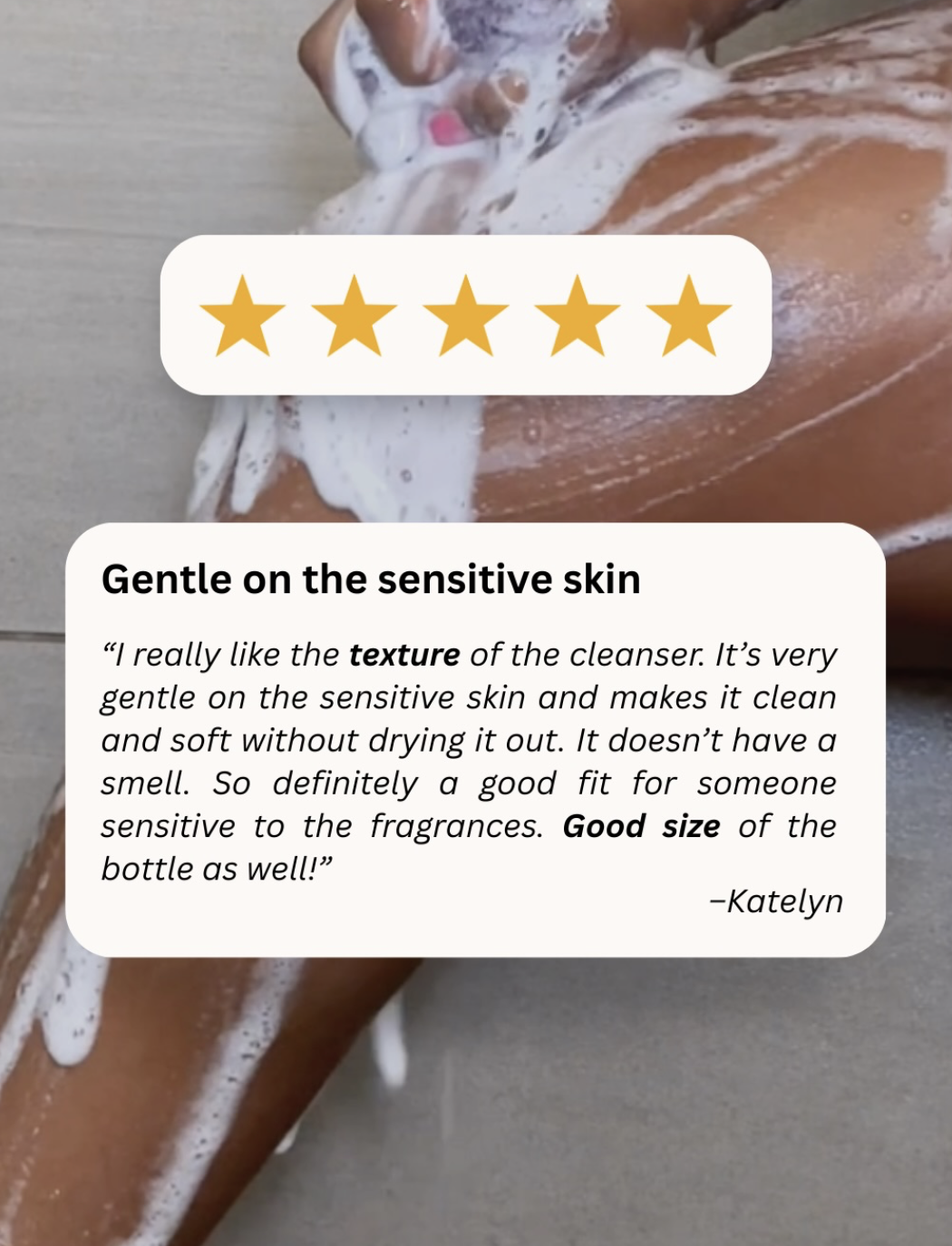
Cocokind’s product range is rooted in plant-based formulas that nourish, calm, and support skin’s natural barrier. Products like cleansers, serums, moisturizers, and spot treatments that actually work for sensitive skin have been praised by customers.

Source: Cocokind Instagram
The brand didn’t just hustle online; Tsai built authentic trust early by personally responding to customers in Instagram comments and DMs. That authentic connection helped Cocokind earn its place in major retailers like Target, Whole Foods, Urban Outfitters, Anthropologie, and Ulta Beauty. From day one, the brand’s marketing has been human and straightforward. Cocokind leads with founder stories, ingredient transparency and sustainability messaging that actually makes sense.
The big takeaway? When you lead with purpose and speak to people like people, you don’t just build customers, you create believers. Cocokind proves that a brand can thrive in a crowded, competitive skincare market by focusing on values, building community, and making customers feel seen rather than sold to.
OSEA Malibu
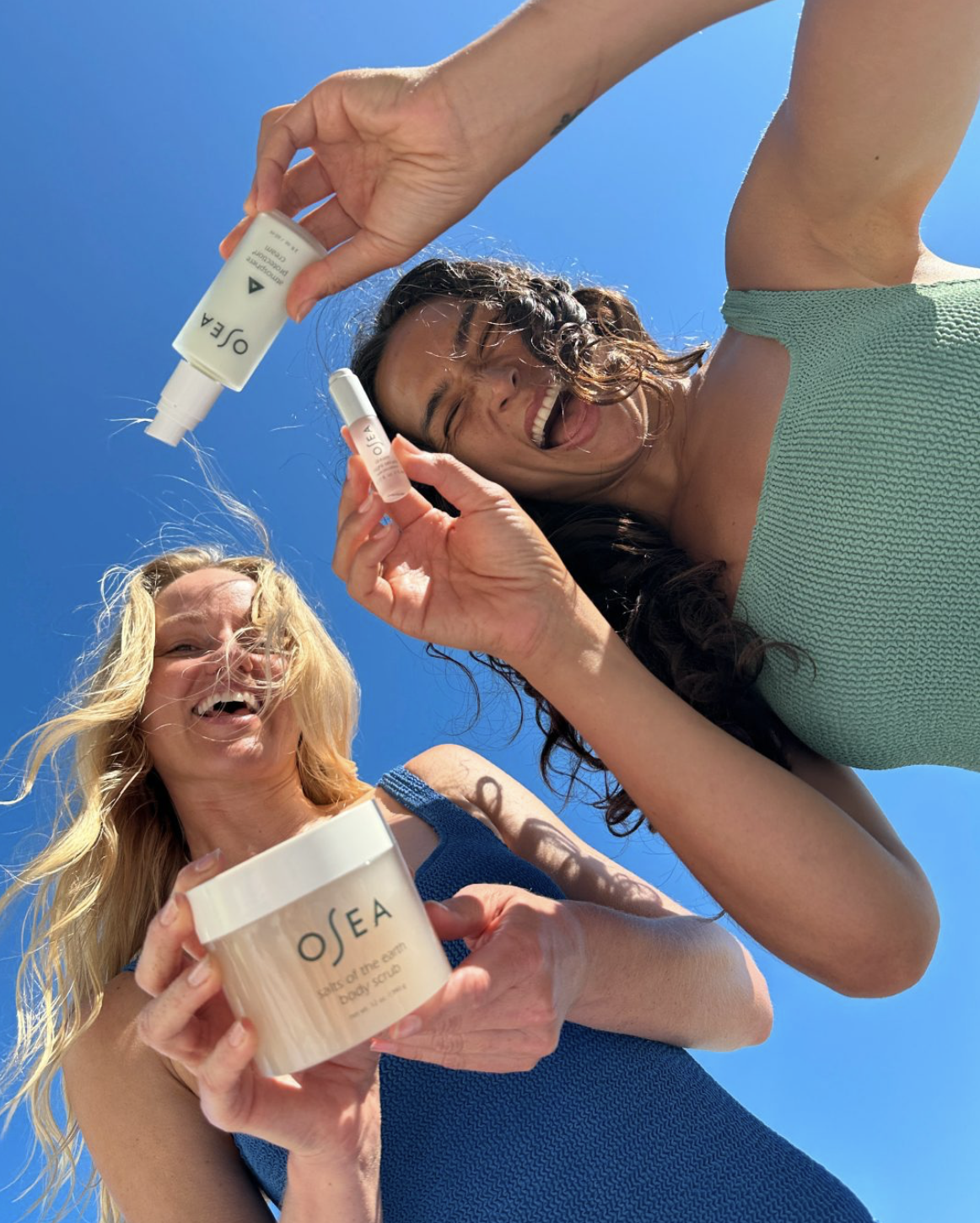
OSEA Malibu has built its name by staying true to science-backed formulas inspired by the ocean. And that was long before “clean beauty” even existed. Founded with a passion for seaweed, algae, and marine plants nearly 30 years ago with an anti-trend mindset. OSEA Malibu has grown into a $100M powerhouse without chasing hype.
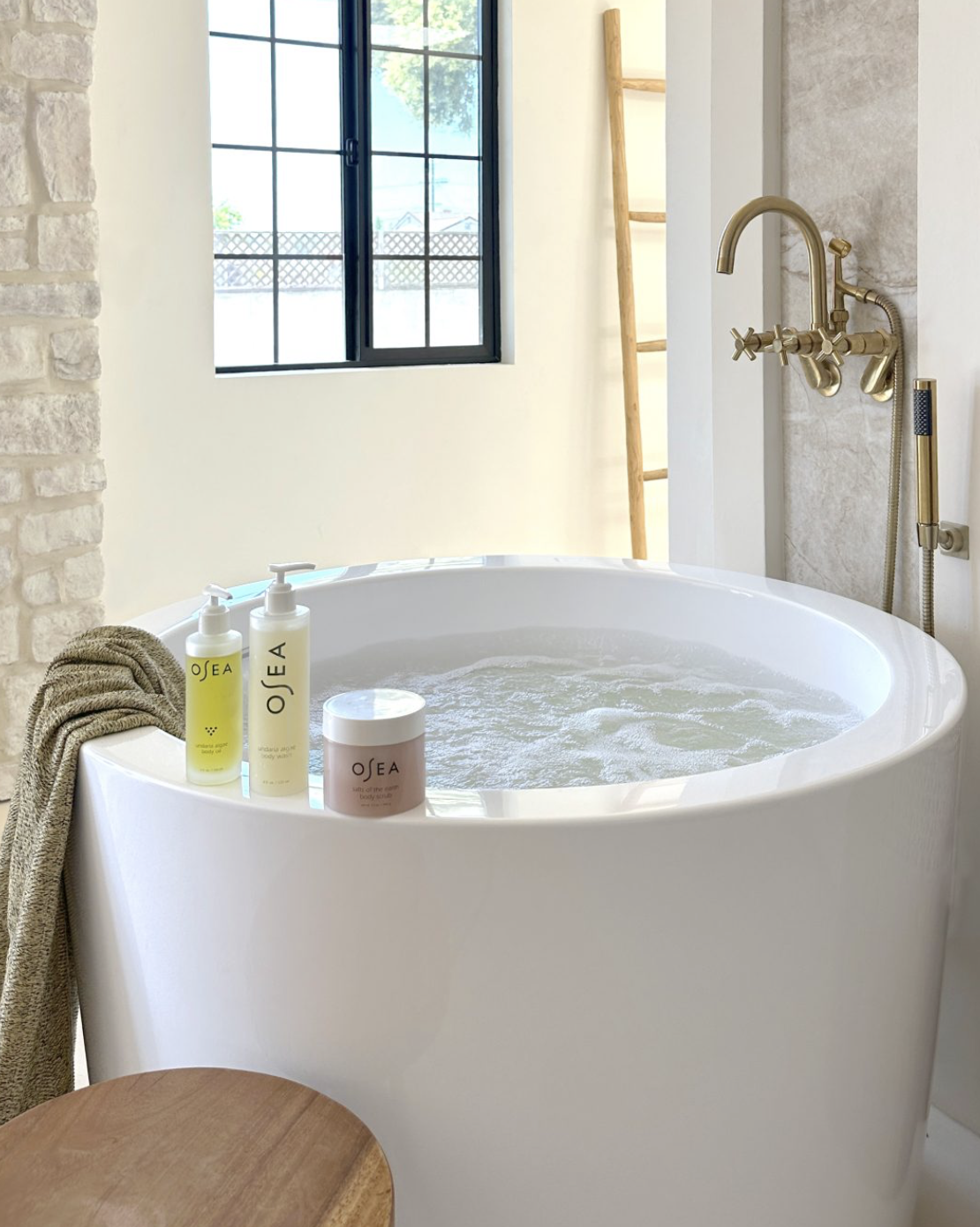
The brand turns curiosity into confidence by educating consumers on what ingredients do and why they matter. Communication is clear, honest, and based on real benefits.The sensory storytelling makes skincare feel like a special ritual, not just a simple routine. SPA at home experience.
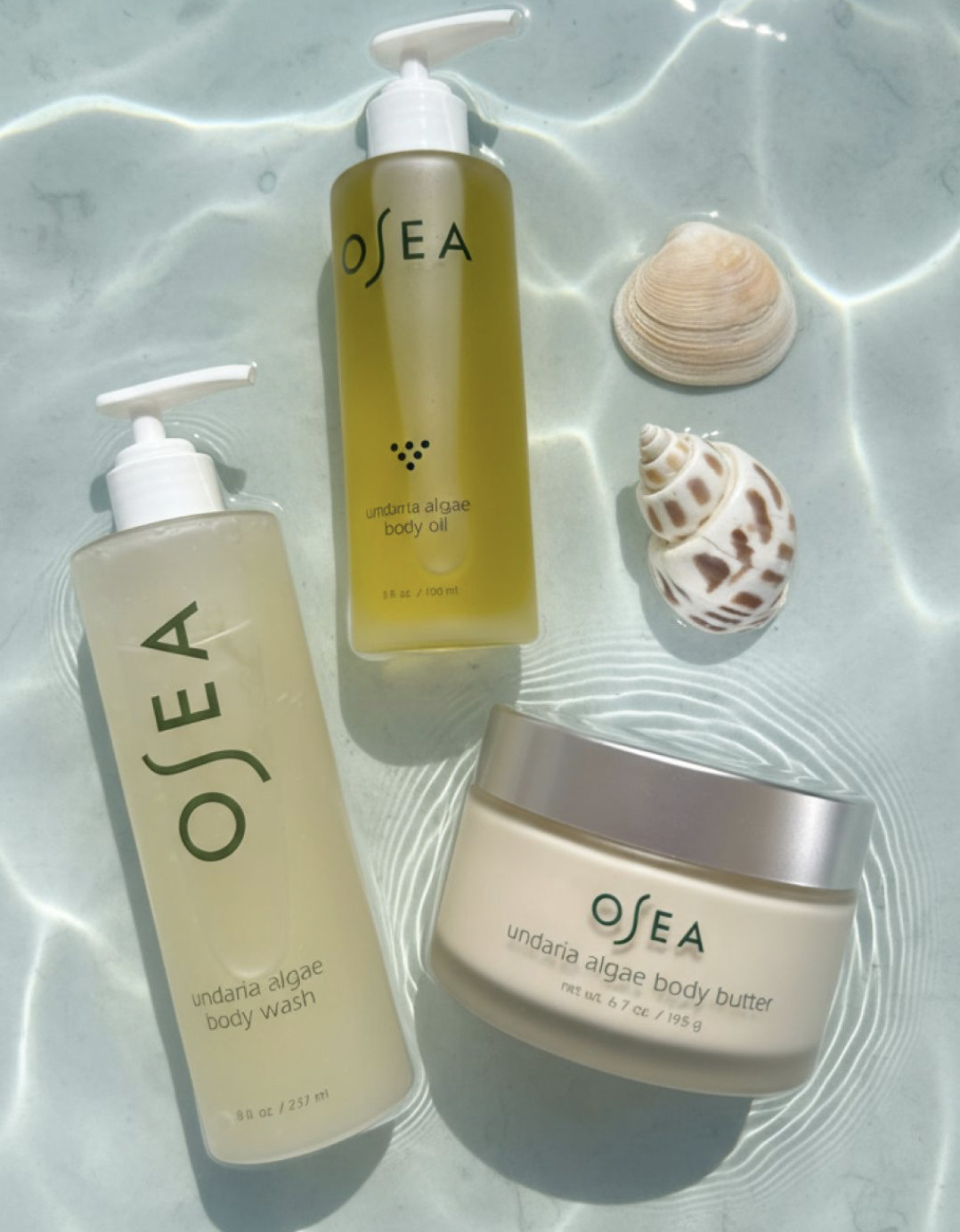
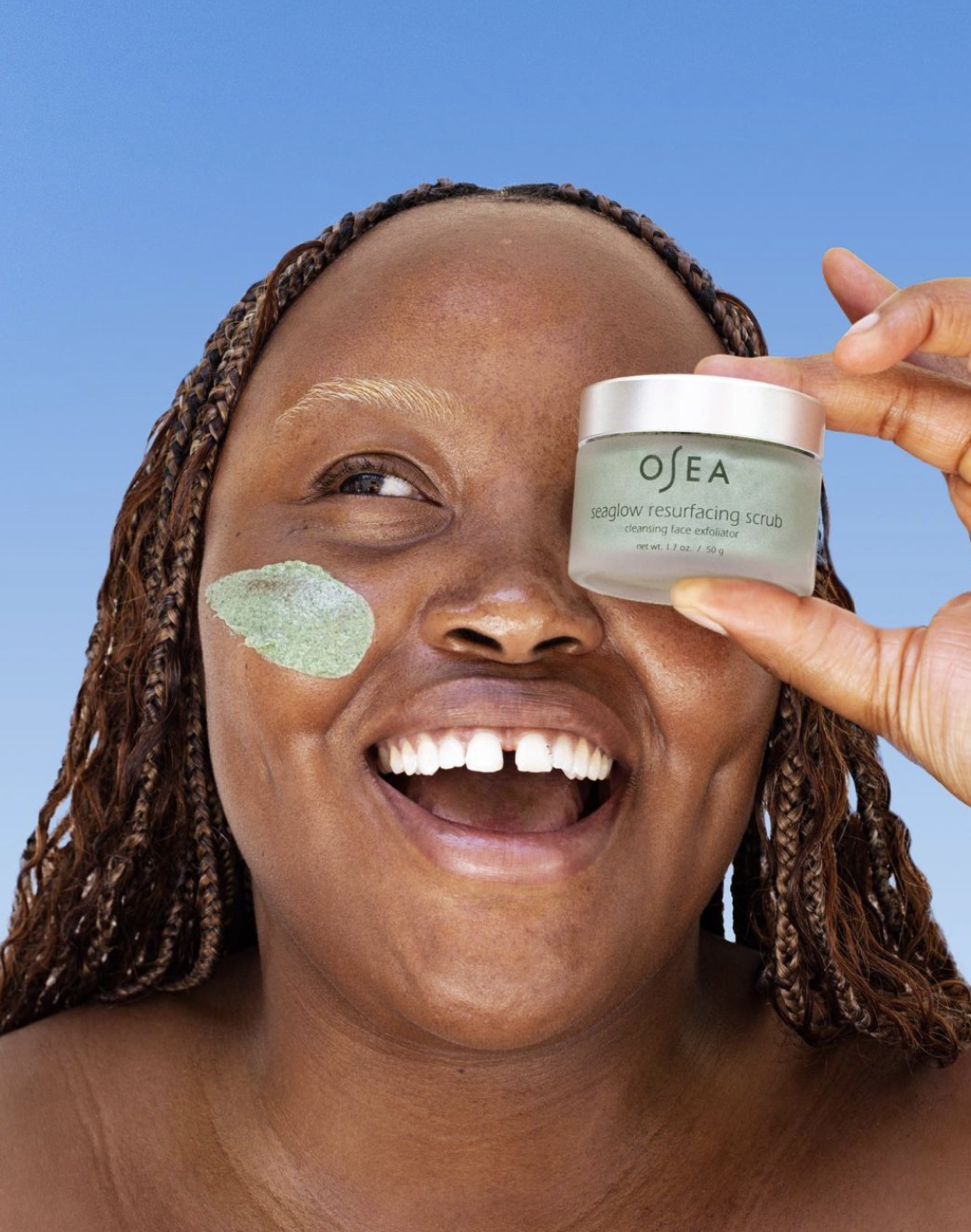
Source: OSEA Malibu Instagram
Its hero product, the Undaria Algae Body Oil (by the way, Victoria Beckham's favourite) proves the point. One bottle sells every 30 seconds. Clear example of how a single standout product can anchor an entire brand. Instead of splurging on endless product launches, OSEA sticks to a “less is more” approach. The focus is set on a tight lineup of proven, high-performing products.
The brand wins by blending strong storytelling, credible sustainability, and smart influencer partnerships that extend beyond beauty into wellness and lifestyle. Creative campaigns like the Leap Year sale show how the history of the brand can be moulded into memorable moments that drive real sales. The takeaway for any clean skincare founder is to lead with one great product, communicate with substance, and build trust through consistency.
Youth To The People
The clean beauty brand built on a superfood-driven skincare philosophy and a family legacy, inspired by the founders’ aesthetician grandmother. Youth To The People is well known for their innovative “do-it-all” products. Retinal + Niacinamide Youth Serum is one of them. It combines fast-acting actives with clinical-grade performance.
To reinforce its “for the people, by the people” ethos, the brand practices conscious business through ethical sourcing, eco-friendly apparel, and nonprofit partnerships. It’s positioned as a minimalist luxury brand and also commands premium price points. Definitely appealing brand to those who seek clean and effective routines.
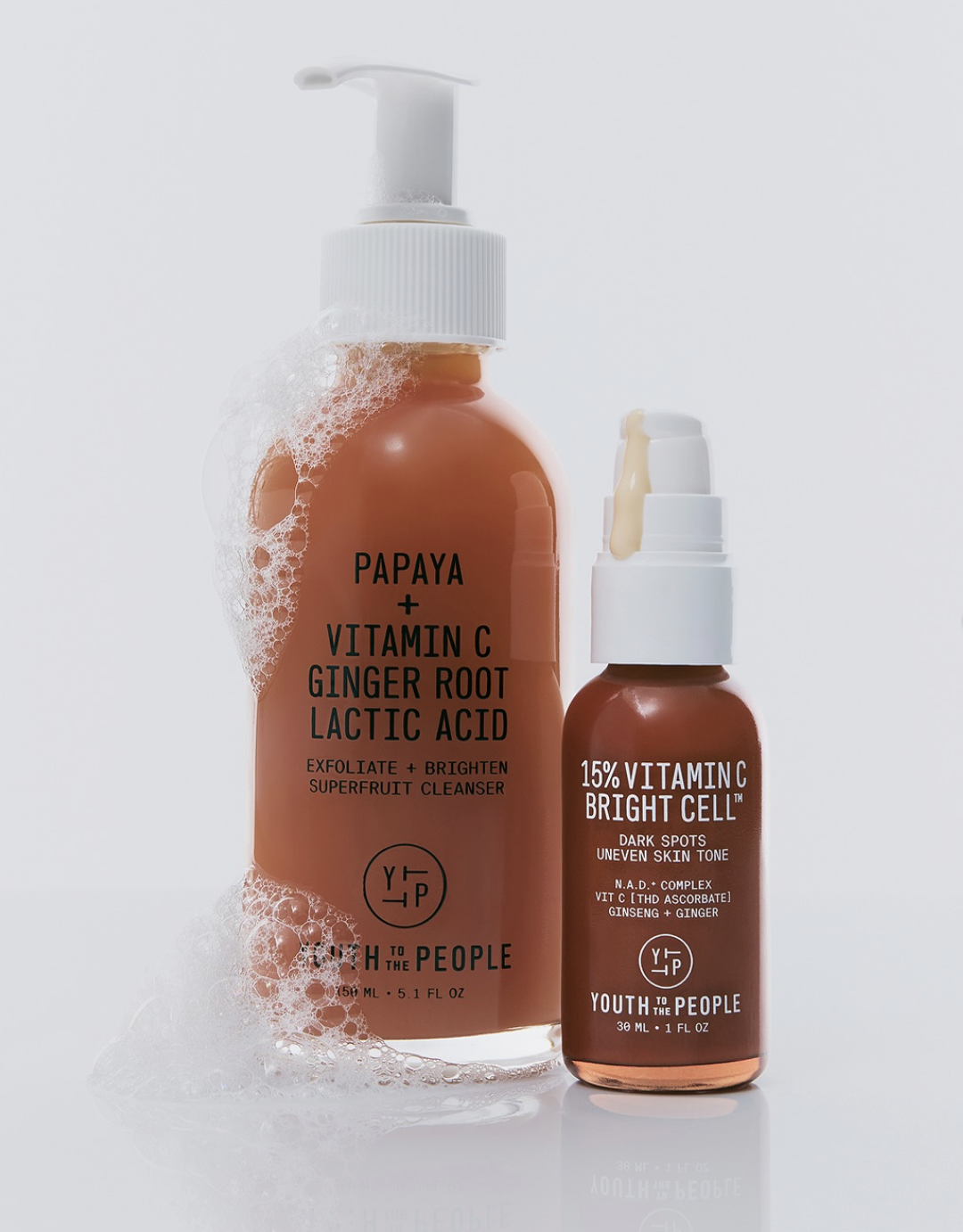

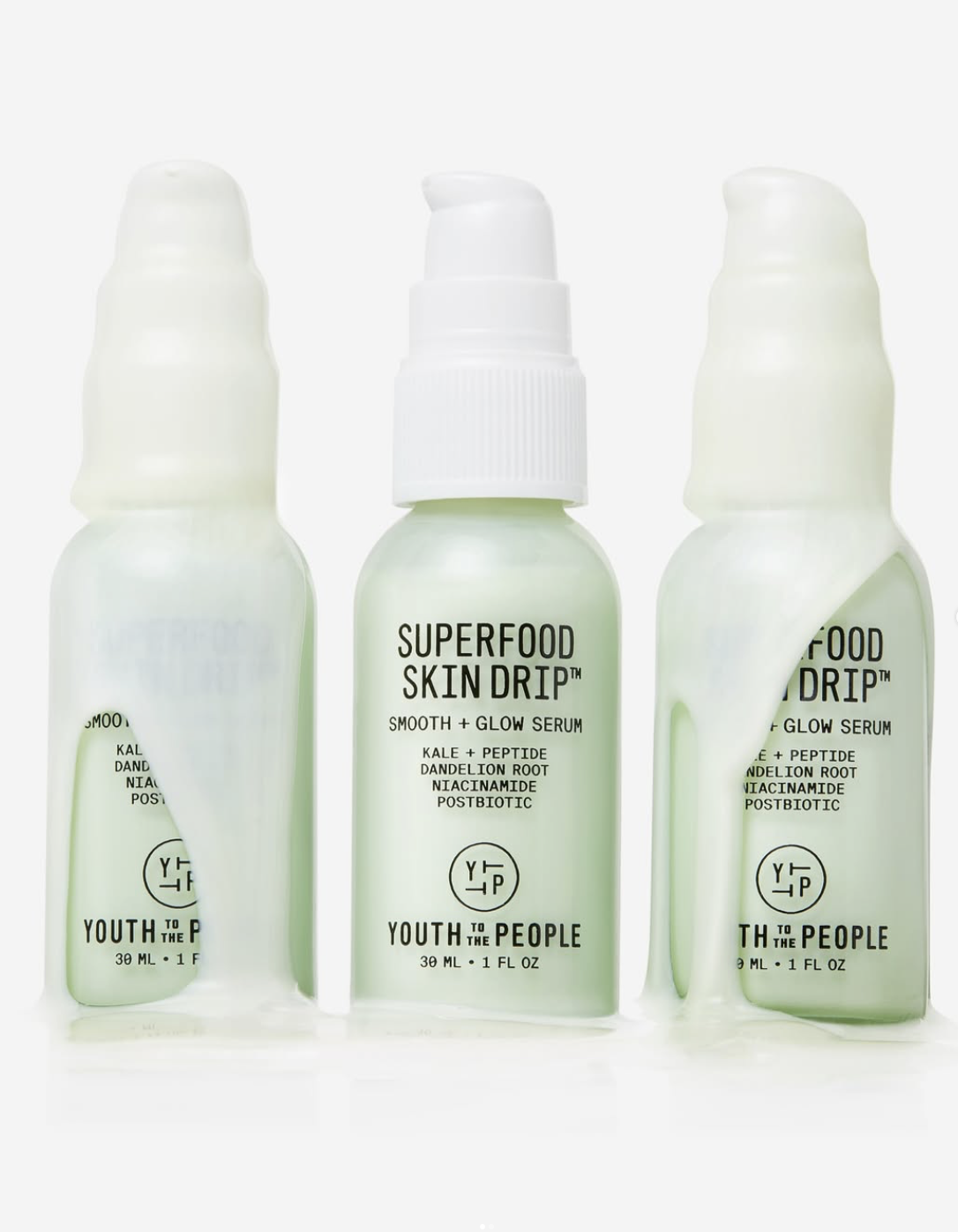
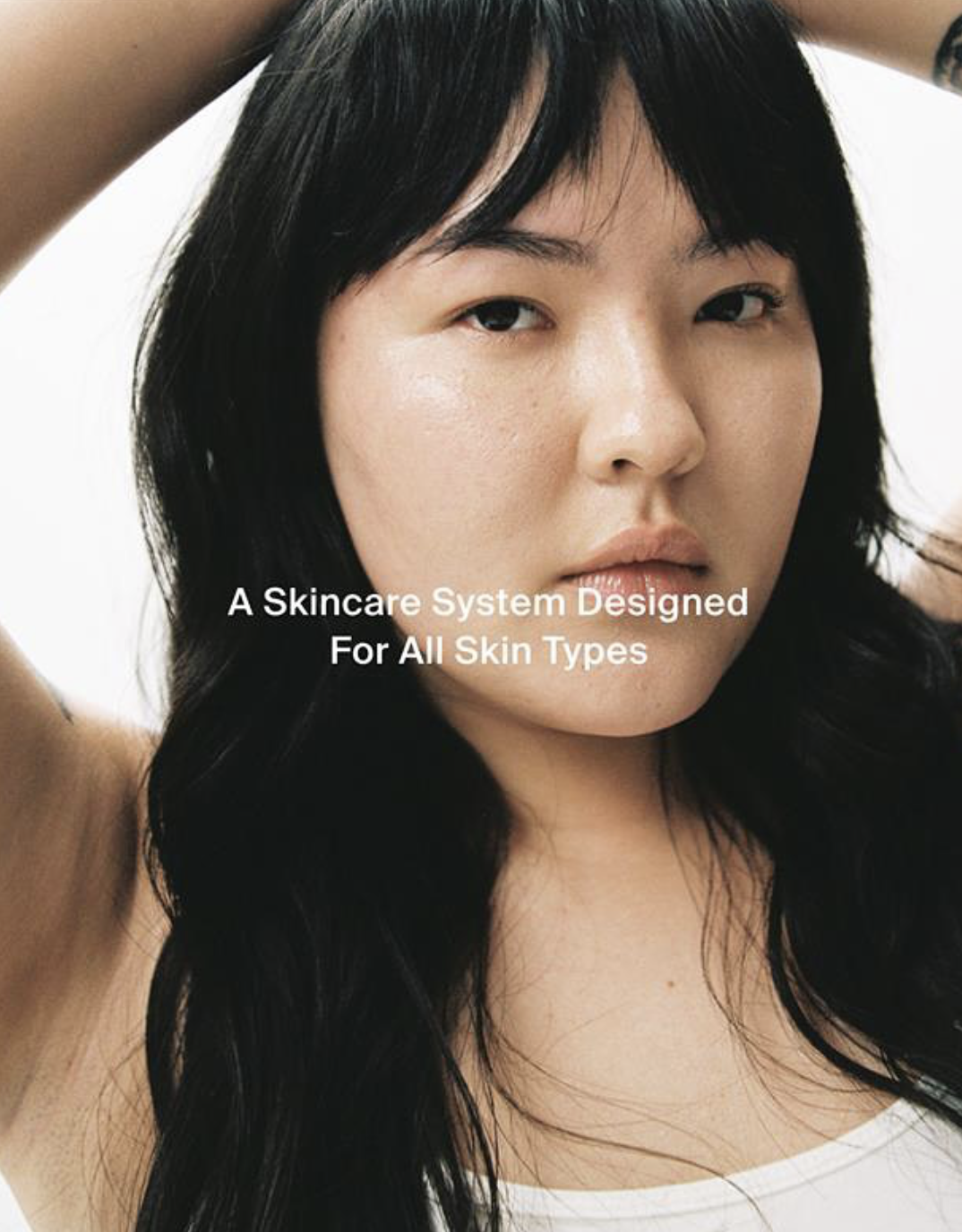
Source: Youth To The People Instagram
The honest customer feedback has highlighted some challenges, including ones about packaging quality. Also, questions over marketing claims versus the product value have emerged.
All in all, Youth To The People possesses strong brand storytelling and product-market fit, but is also facing operational and transparency issues. Which are not uncommon in competitive clean beauty markets.
True Botanicals
Clean beauty can be both science led and highly profitable. And True Botanicals prove that by successfully aligning science, data, and operations. The brand successfully pairs clinically proven formulas with smart digital strategies to drive real business growth, not just buzz.
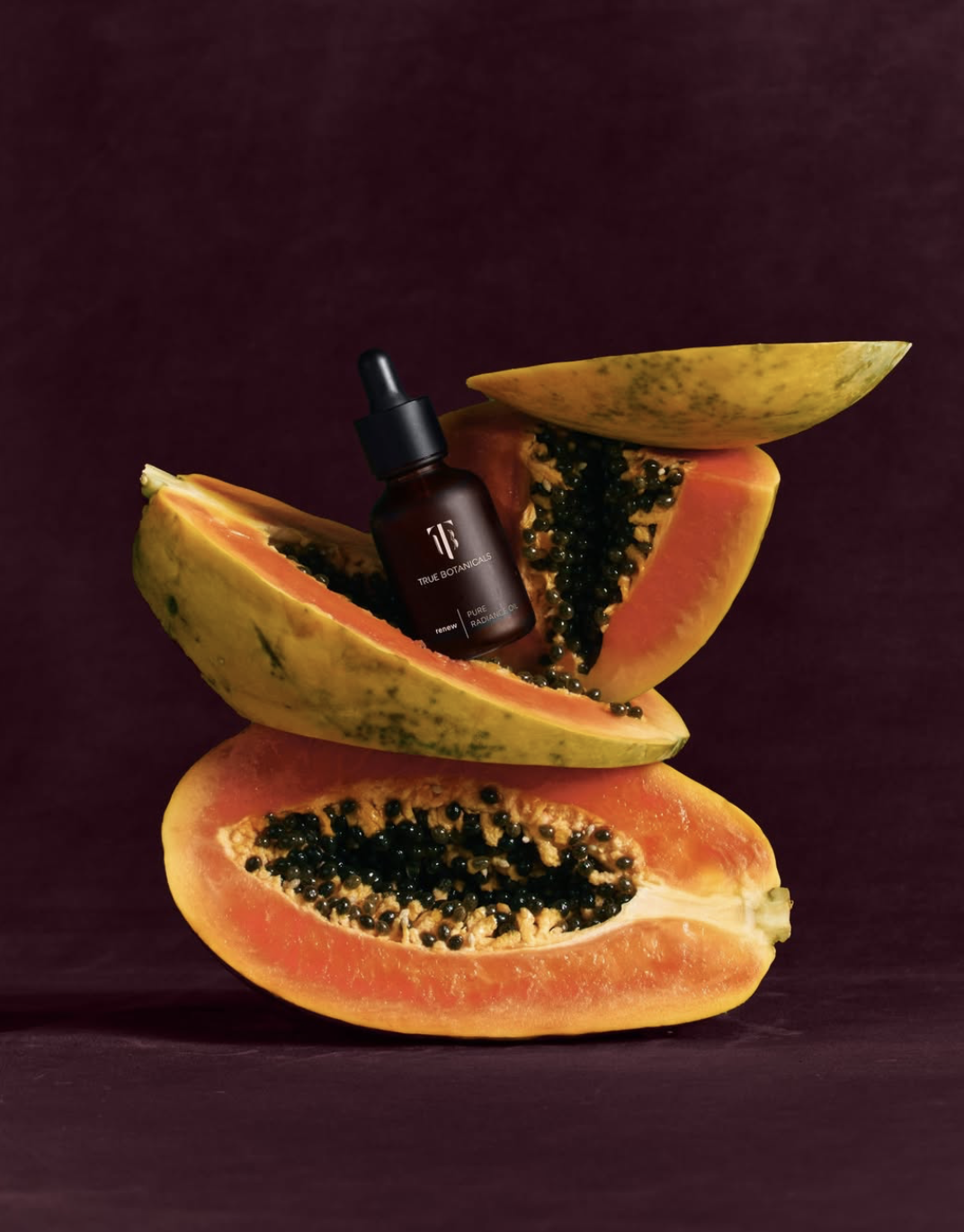
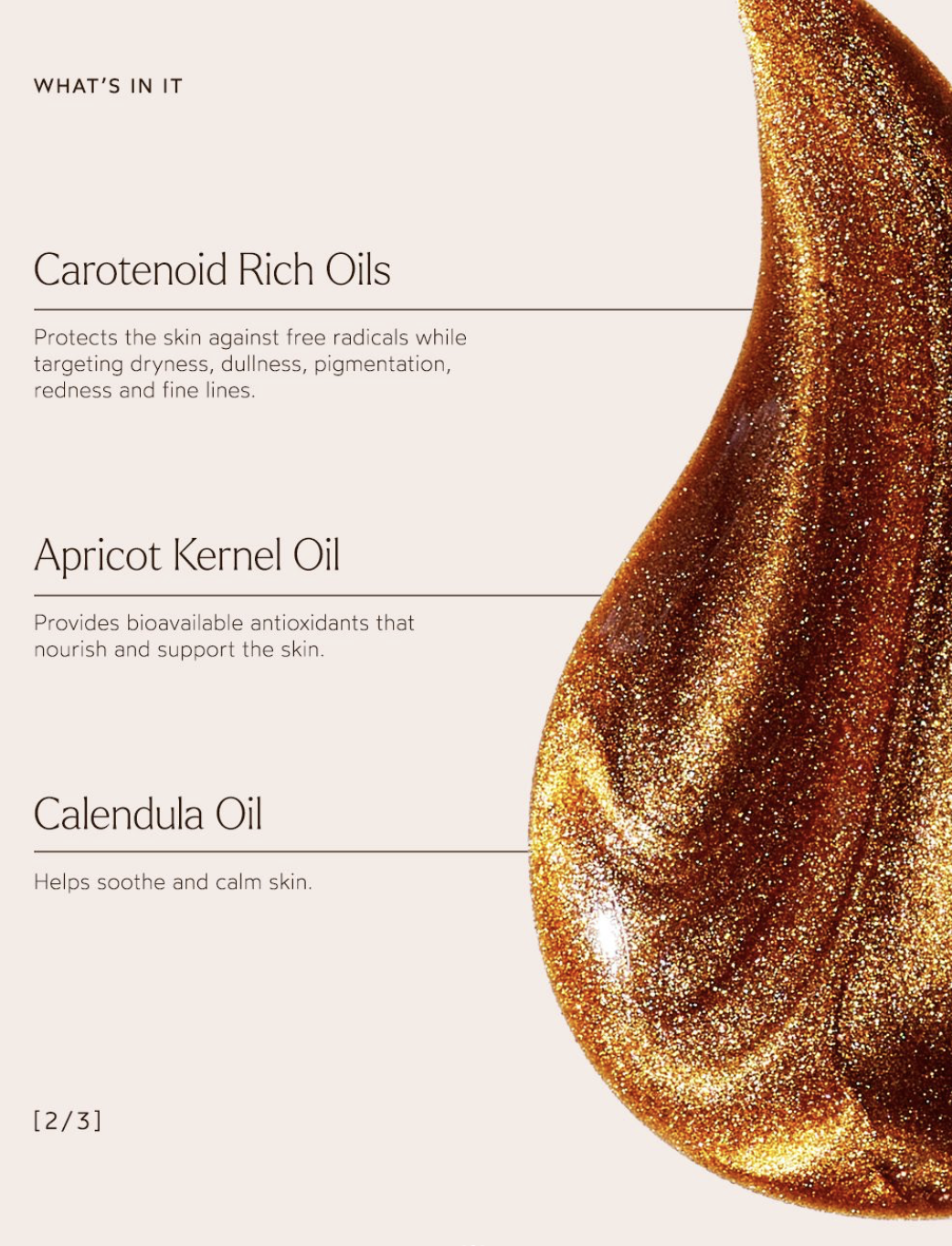
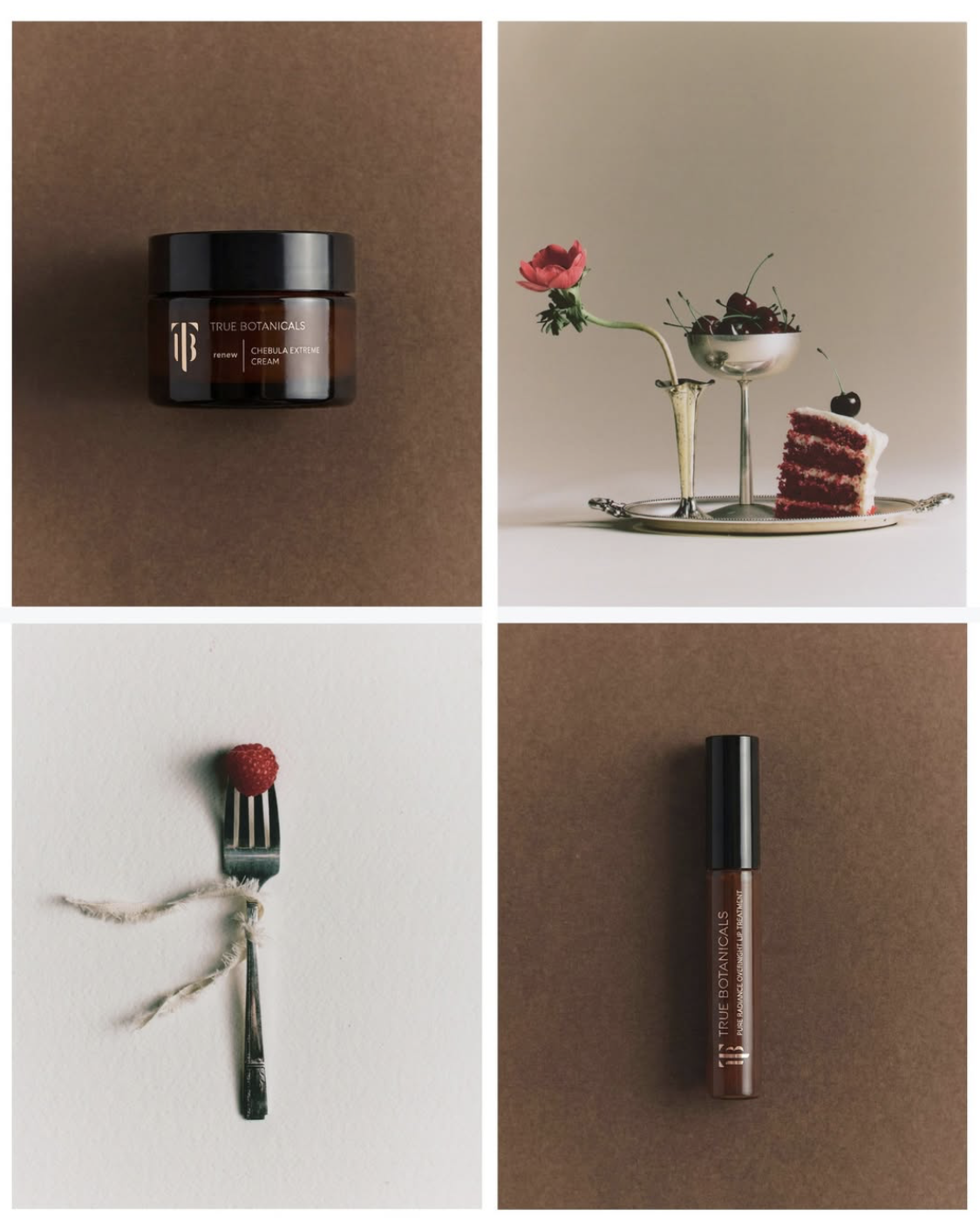
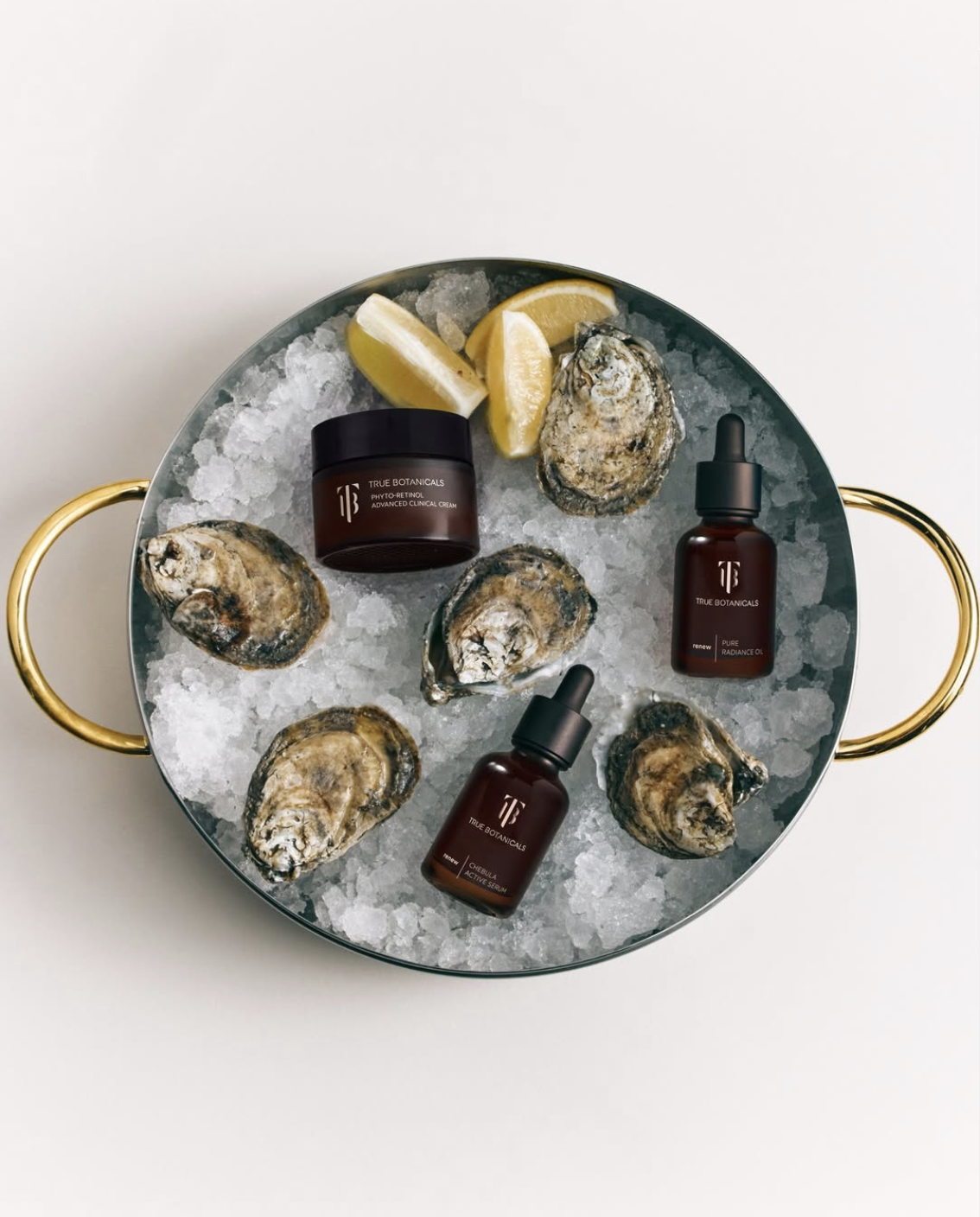
Source: True Botanicals Instagram
The brand has made significant investments in clinical trials to validate performance of its products. And by relying on testing and data instead of gut feeling, True Botanicals have improved customers' shopping patterns and significantly increased it’s revenues. Superior results demonstrated by clinical trials played a critical role in building consumer trust and media credibility.
Celebrities including Olivia Wilde, Laura Dern, and Brooke Shields and Jessica Chastain have graced the brand’s advertising campaigns. True Botanicals has shown that clean and effective skincare, backed by science and smart execution, can scale into a serious business.
Versed
Versed sets a strong example of how clean beauty is not limited to luxury. It is often included in lists of the best affordable clean skincare brands. It shows how clean beauty can be effective, transparent and affordable simultaneously.
The core audience of the brand is millennials and Gen Z. It targets its audience with science-backed formulas containing ingredients like retinol and vitamin C, but without luxury pricing or unnecessary complexity.
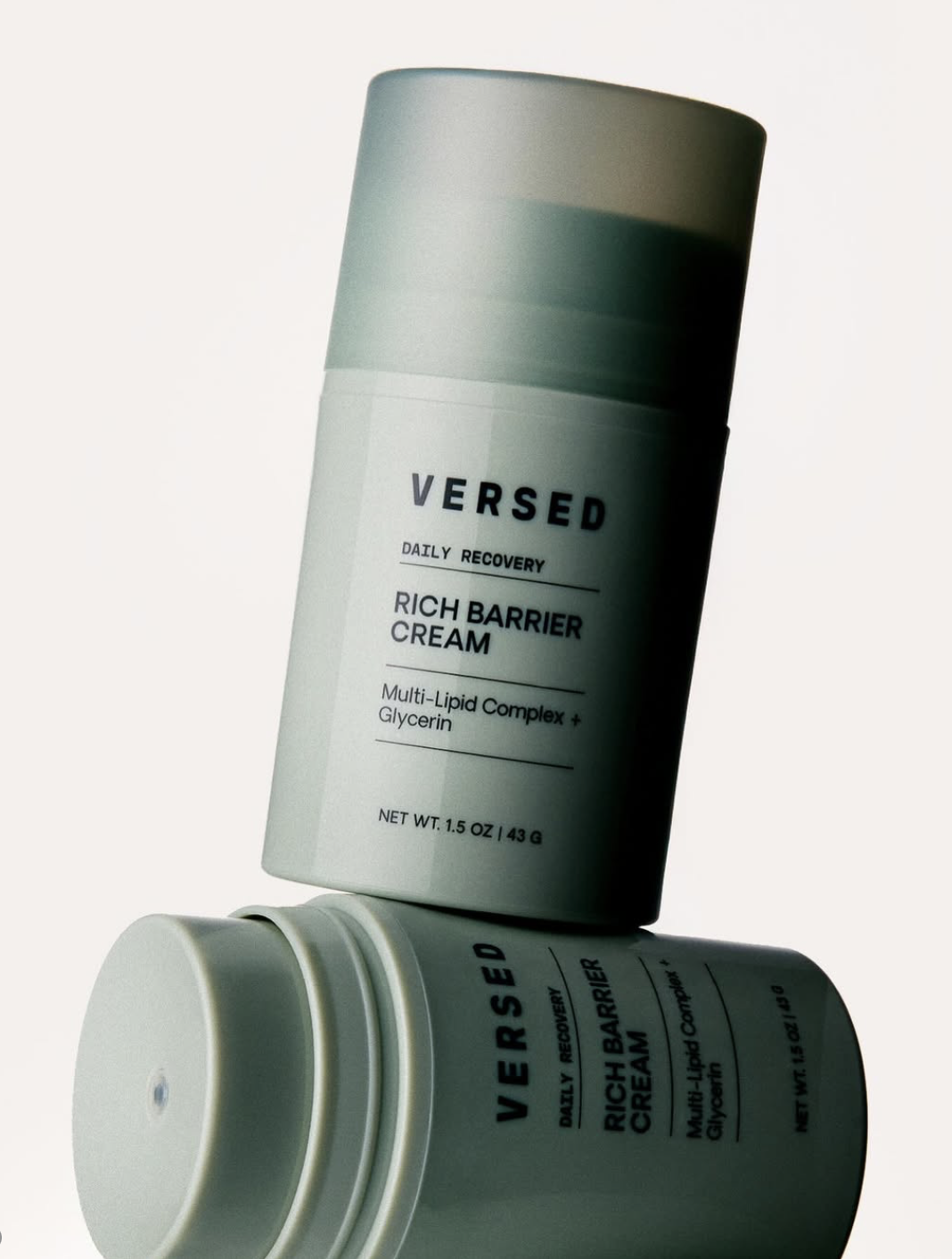

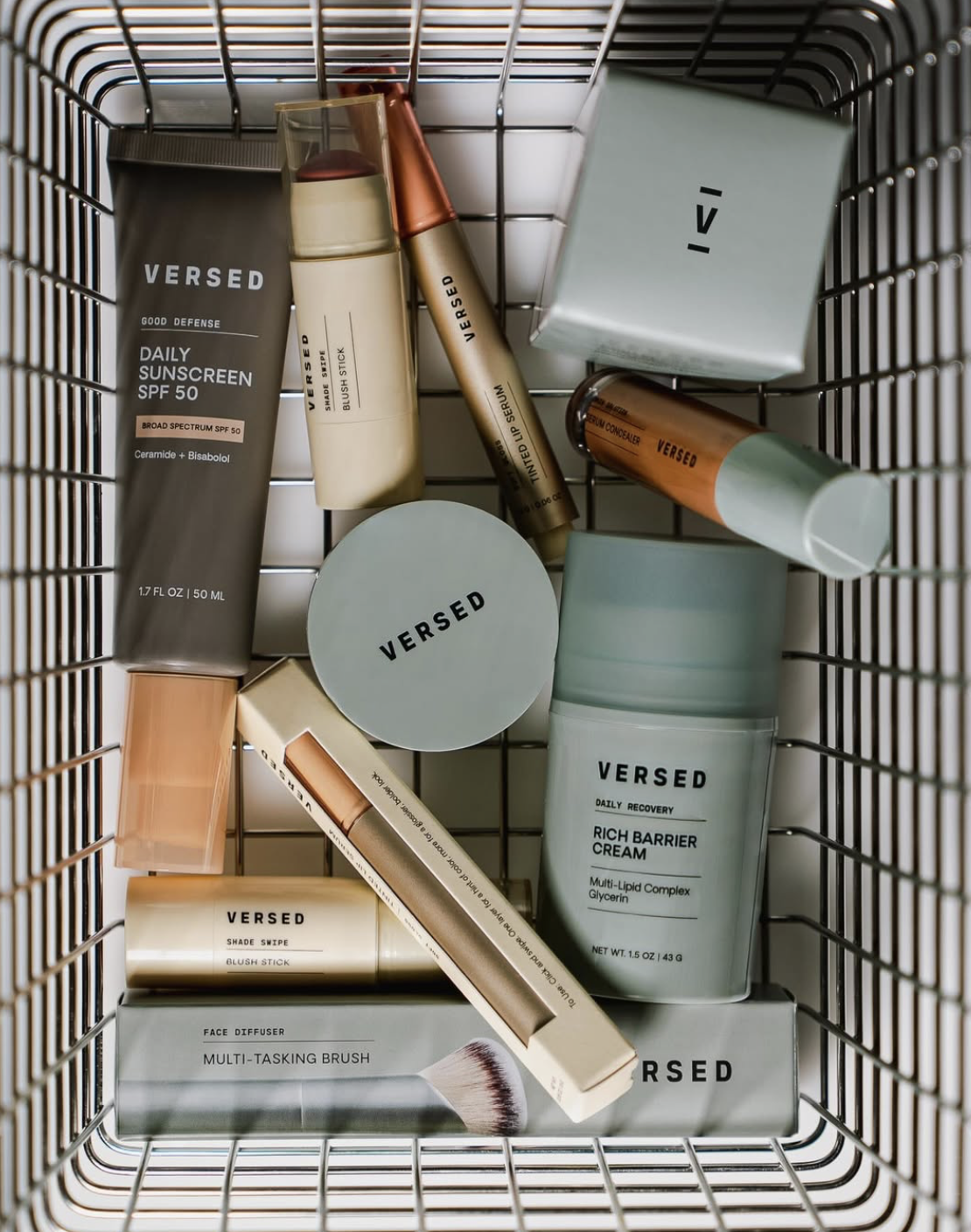
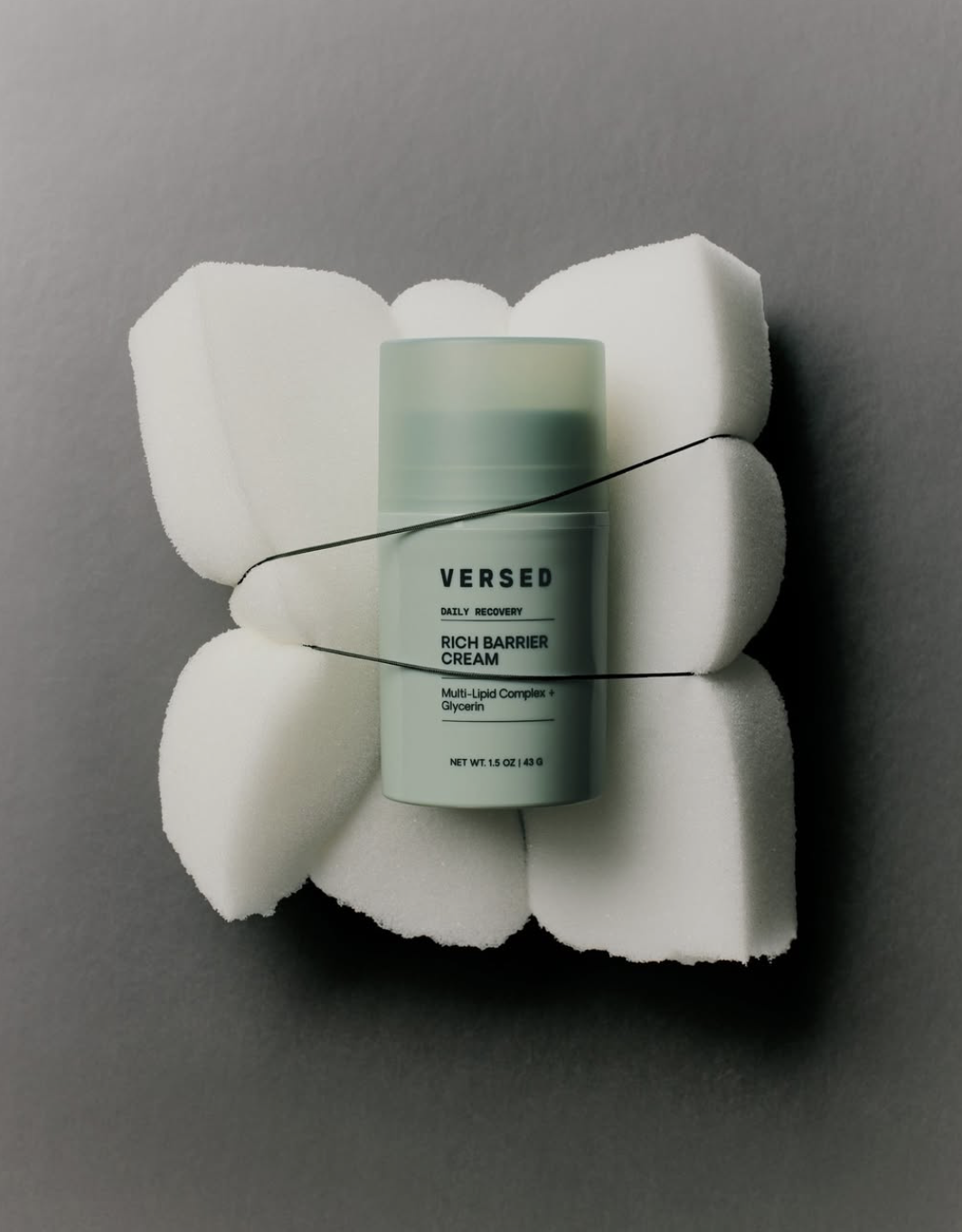
Source: Versed Instagram
Versed has successfully empowered consumers who feel overwhelmed by skincare. That was achieved by focusing on education and clear, honest ingredient transparency. Its digital-first growth strategy, especially on TikTok, helped build massive engagement and reach at a low cost. Versed also involves its community directly in product development, turning its customers into active brand advocates.
In short, Versed has proved that clean beauty doesn’t have to be expensive or ineffective. It can be results-driven and widely accessible.
Herbivore Botanicals
Herbivore Botanicals sets an example on how clean and natural ingredients paired with minimalist design can build a cult beauty brand.
It all started with handmade soaps on Etsy. Then, by focusing on transparency, ethical sourcing, and powerful plant-based formulations, it evolved into a Sephora staple. The brand’s iconic, visually compelling packaging and sensorial products created a real viral buzz.
Despite all success the brand had gained, aesthetics and natural claims alone were not enough to stand out in the long term. Herbivore Botanicals had to change its strategy by adding more clinical proof, refreshing hero products, and diving into new categories like body care.
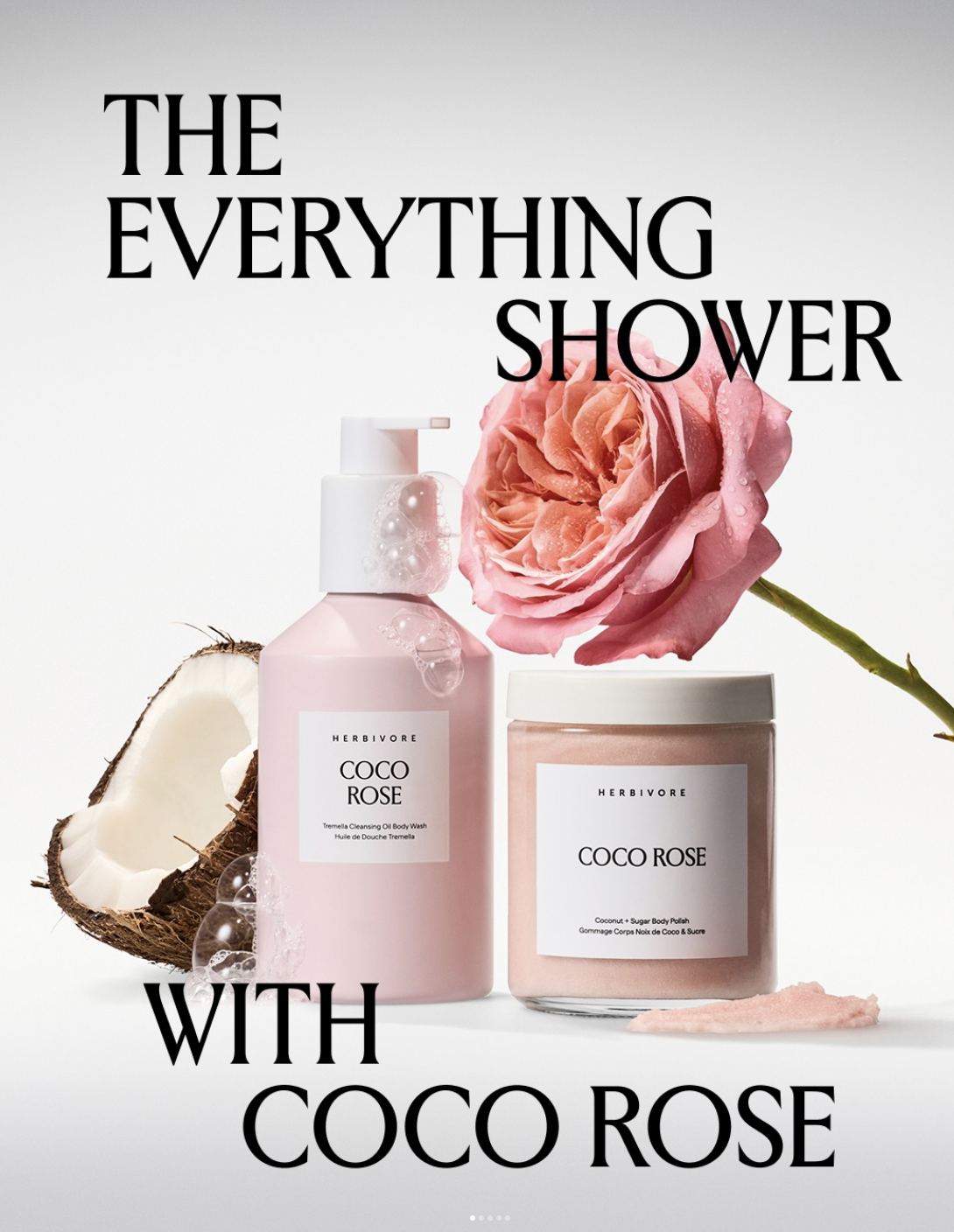
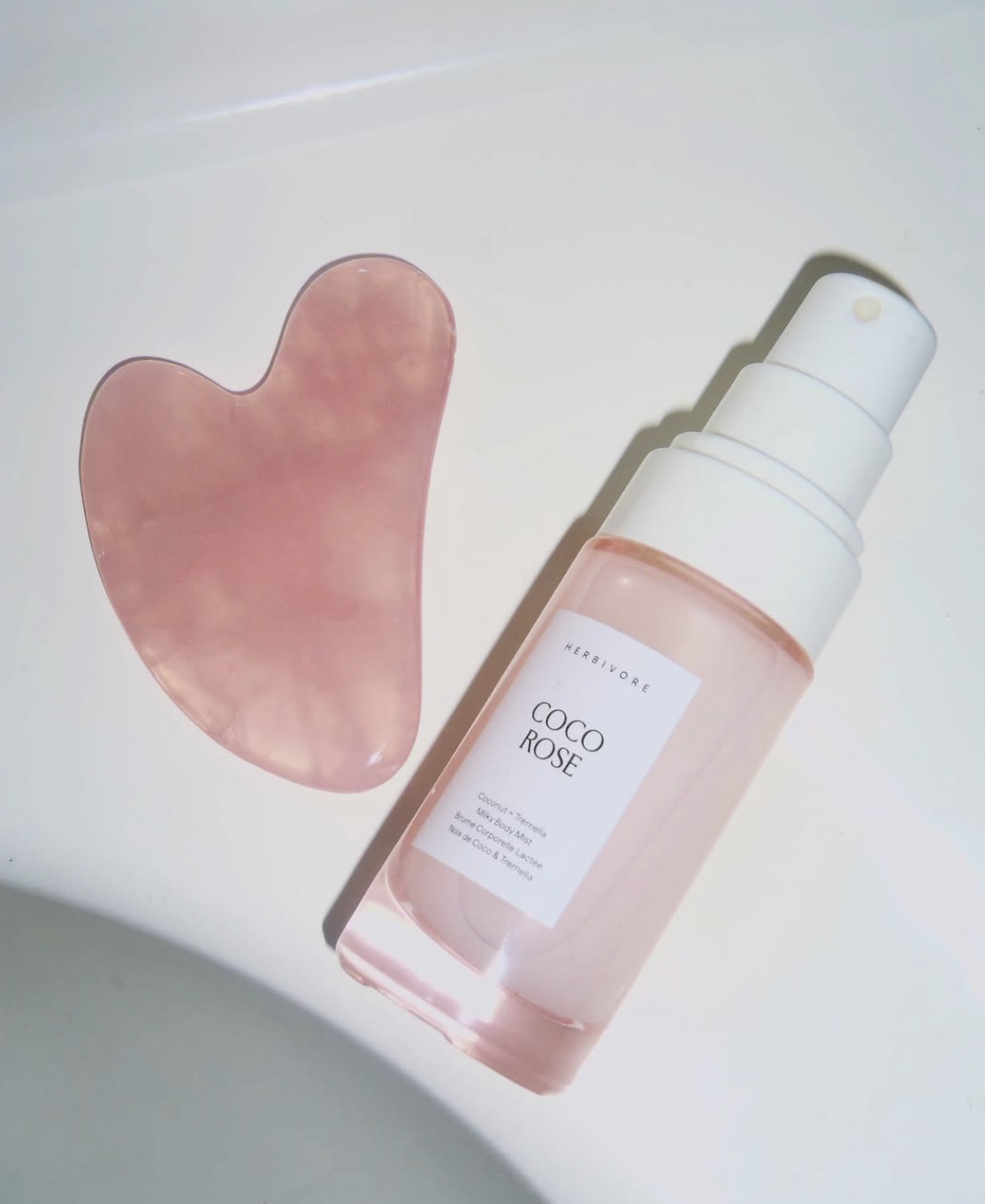
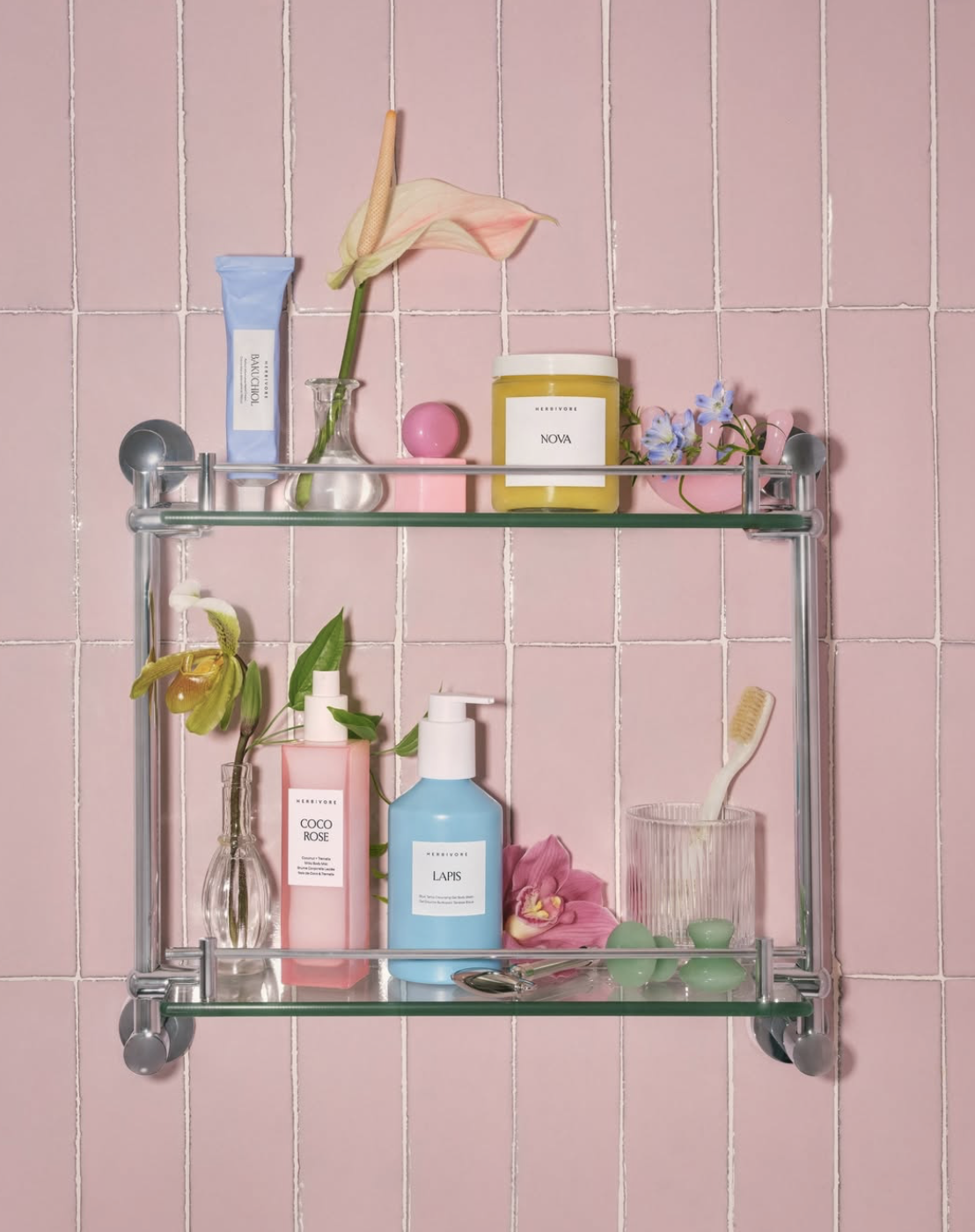

Source: Herbivore Botanicals Instagram
The journey of Herbivore Botanicals is standing proof that authenticity and design can spark an early success, but adaptability is still very much essential to stay relevant in a maturing clean beauty market.
These examples represent just a fraction of the best clean beauty skincare brands on the market today, and they illustrate an important point. There is no single formula for success, but we can learn a thing or two from each one of them.
Tata Harper and True Botanicals show that luxury and science can justify premium pricing when transparency and performance are beyond doubt. Cocokind and Versed prove that clean skincare can be affordable and still feel trustworthy. But you have to talk to people like humans and build a community around you. OSEA and Youth To The People demonstrate the power of storytelling and values, whilst reminding that trust can be broken if claims don’t match results. Herbivore Botanicals teaches that strong aesthetics can start a movement, but staying relevant requires evolution and proof.
The biggest lesson is quite simple, really. Clean beauty only wins when it’s real, consistent, and backed by proof. Build a brand around one core truth, communicate it honestly, and let real results and real people do the selling for you.
Tips for Aspiring Clean Skincare Brand Owners
If you are a purpose-driven entrepreneur considering launching your own clean skincare brand (with ingredients so pure you could eat them for breakfast), it’s crucial to ground that vision in clear standards and smart execution. Adopting clear clean standards or innovative formulations can be a game changer for new brands, setting them apart in a crowded market. Good intentions are always applaudable, but clean beauty is not just about that. It also carries discipline, transparency, and long-term credibility.
Partnering with the right manufacturer can take on the heavy lifting of ensuring product quality and compliance. That allows you to focus on building your brand and connecting with your audience.
Define your clean standard in advance
Start by defining your clean standard. Clearly point out which ingredients you exclude and why. If you miss this part, “clean” will quickly turn into a vague marketing claim rather than a meaningful brand principle.
Formulation expertise is top priority
Stability testing, safety assessments, and practical performance are essential for clean products. You have to ensure safety and efficacy for your customers. Therefore it’s absolutely necessary to pay attention to the precise dosage and delivery of active ingredients such as vitamin C, retinol, or ceramides. In natural and organic skincare formulations, minerals play a crucial role alongside vitamins and botanicals, helping to heal, restore, and support long-term skin health while maintaining eco-friendly and safe standards.
Increase trust by educating people
Build your trust through educating your customers, as educated customers are far more likely to become loyal customers. Be honest and clearly explain your decisions through thoughtful content. Explain your formulation choices, sourcing decisions, and product limitations. Transparency goes beyond ingredient lists.
Hero products should come first
Instead of launching a wide range of products, concentrate on a small, well-executed lineup. Including a versatile balm can address multiple skin concerns (such as hydration, soothing irritation, or repairing minor cuts) and become a hero product in your collection. Investing in high-quality, efficient formulations can boost your brand’s reputation and increase customer satisfaction.
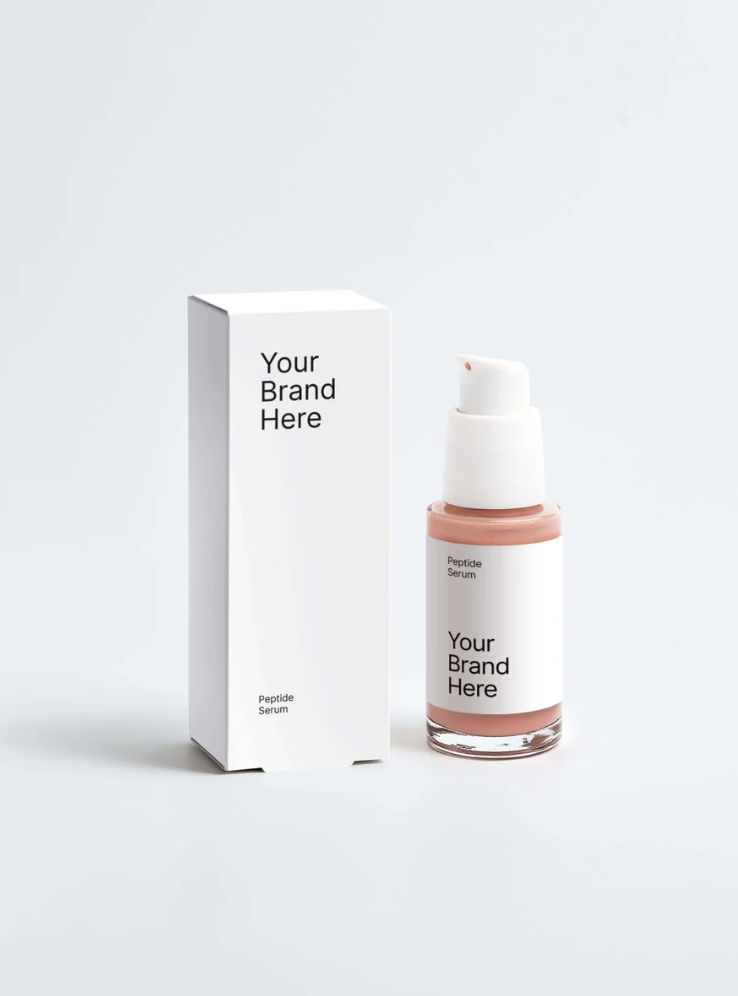

Selfnamed’s Peptide Anti-Aging Serum is a bestseller for 3 years in a row.
Pick your partners wisely
Your manufacturer defines the credibility of your brand because their quality controls, testing practices, and integrity will have a direct impact on how your brand and your products are perceived. In one sentence, your manufacturer is a reflection of your brand.
Partnering With the Right Manufacturer. Why Selfnamed Stands Out?
For many founders, the difference between a clean skincare concept and a successful brand comes down to execution. This is where Selfnamed steps in. We partner with brand owners to bring clean and effective skincare to life by using proven, ready-to-launch formulas. It’s done with precision, transparency, and consistent quality. From packaging to shipping, Selfnamed supports every step of the process. We’re making sure that your brand delivers real results without compromising on standards and quality.
Selfnamed is a private label manufacturer built specifically for clean beauty entrepreneurs. Our approach is grounded in safe ingredient standards, regulatory awareness, and startup-friendly flexibility. If you’re building a clean beauty brand that deserves to be taken seriously, Selfnamed is the partner that will help you make that happen.


Selfnamed’s key advantages:
Strict clean beauty standards aligned with modern retail expectations and clearly documented through Selfnamed’s Clean Beauty Standard
Pre-formulated face care products designed for clean positioning and performance, including cleansers, serums, moisturizers, and masks
Transparent ingredient documentation that supports ingredient education, compliance, and accurate claims, guided by Selfnamed’s concerns and claims framework
Low MOQs that enable founders to test and scale responsibly
By combining clean formulation expertise with operational simplicity, Selfnamed allows founders to focus on brand building without compromising on safety or quality.
Conclusion
Clean skincare focuses on thoughtful formulation, transparency, and trust, rather than vague promises or fleeting trends. Leading clean skincare brands show that upholding these standards leads to long-term success and customer loyalty. These brands deliver benefits such as improved hydration and overall skin health, helping consumers maintain supple, nourished, and healthy skin.
Aspiring founders have both a genuine opportunity and a responsibility. Building a clean skincare brand requires industry knowledge, clear positioning, and reliable partners. With market insight and a manufacturing partner such as Selfnamed, founders can transform their clean beauty vision into a scalable, credible business. Looking ahead, the clean skincare market in 2026 will emphasize biocompatible ingredients and third-party safety certifications, further raising the bar for product safety and efficacy.
Frequently Asked Questions
-
Clean skincare brands formulate products without ingredients known or suspected to be harmful. Main priority is safety, transparency, and ethical practices. Many clean skincare brands also design their products to help minimize the appearance of pores, promoting smoother and more radiant skin.
-
Brands such as Tata Harper, Youth to the People, True Botanicals, Versed, and Herbivore Botanicals are frequently recognized among the best clean skincare brands.
-
Start by defining your clean standard, identifying your target audience, and selecting your hero products. Consider starting with small-batch production to ensure quality and flexibility as you grow your brand. Then partner with a manufacturer experienced in clean beauty.
-
Avoid ingredients that include parabens, phthalates, formaldehyde releasers, certain sulfates, and synthetic fragrances, depending on your clean standard. While some oils can be comedogenic, many clean skincare brands use beneficial plant-based oils that nourish and hydrate the skin.
Must read