How To Start A Hair Care Line: A Step-by-Step Guide

The fastest-growing hair care brands aren’t owned by legacy beauty giants. Indie and creator-led brands are consistently outshining legacy hair care companies. Especially when it comes to trust, community, and speed of culture. While legacy brands are boxed in by years of positioning, indie brands are gaining momentum. Legacy brands are struggling to scale personalized experiences through responsive products, tailored recommendations, and direct engagement, while indie brands build them into their DNA.
Thanks to their agile mindset and authenticity, indies are able to create tight-knit communities, respond to trends in real time, and spot cultural shifts earlier. As a result, they can achieve stronger growth, emotional connection, and lasting customer loyalty.
This has opened the doors for aspiring brand owners. If you’re one of them and want to know how to start your own hair care line, explore private labeling, or build a scalable ecommerce brand, this article will help you turn your idea into a sustainable business. It will show you what actually moves the needle when building a hair care brand. And believe me, you won’t need a factory or massive capital to start with.
Why Now Is the Perfect Time to Start a Hair Care Brand?
The global hair care market is booming and is projected to generate a whopping $100 billion by 2026. It's one of the most resilient and opportunity-rich segments of the beauty market. Consumers are investing more intentionally in self-care, wellness, and products that reflect their personal values. On average, 70% of people say they buy from brands that share their values or personal beliefs.
This shift is pushing the natural hair growth trend forward, with a focus on low-manipulation styling, scalp care, and natural, chemical-free products. As a result, the natural hair care market is projected to reach USD 16.99 billion by 2030. Demand for natural formulas, scalp health solutions, textured-hair products, and personalized routines has grown over the past decade.
Step 1: Research the Market & Validate Your Hair Care Business Idea
Before launching products, thoroughly conduct market research to understand customer needs, industry trends, and opportunities for product line expansion. This will help you analyze your target market and competitors, allowing you to tailor your products and marketing strategies effectively. You should understand what people actually want and what’s missing in the hair care market.
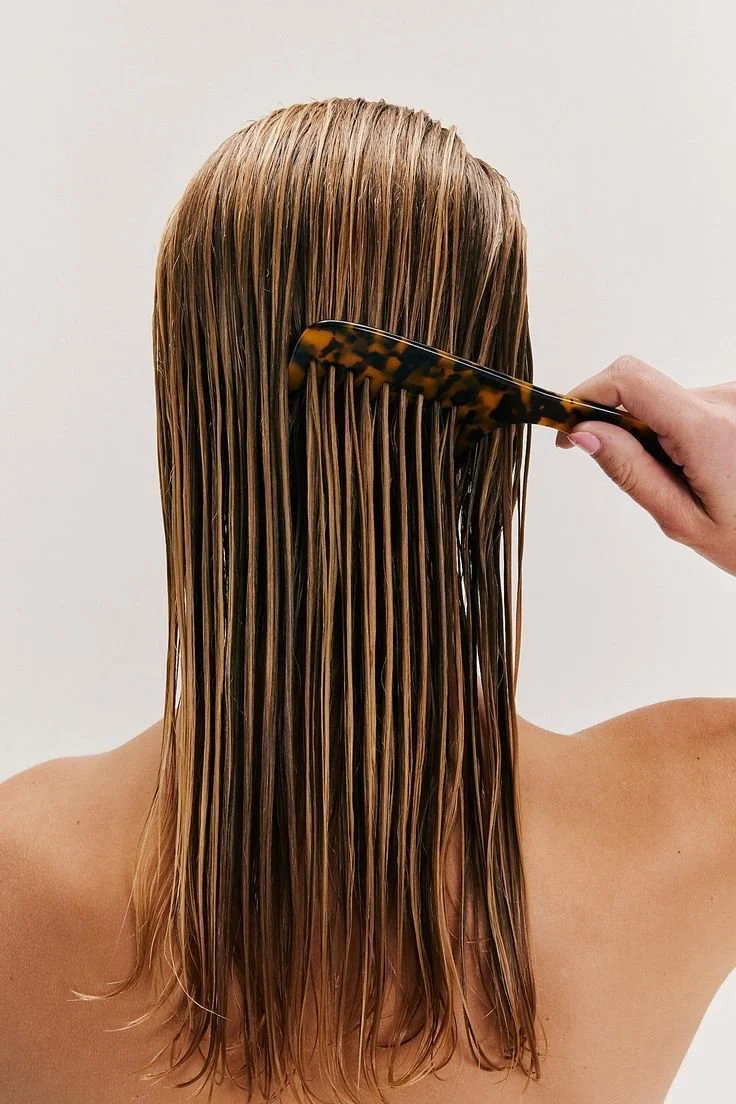
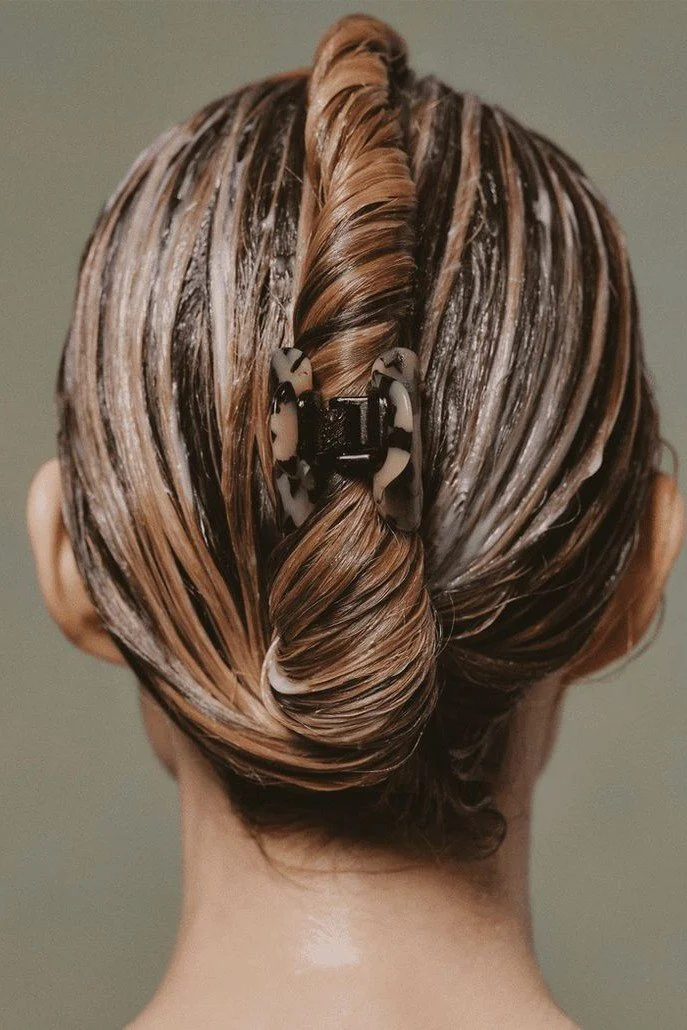
Understanding Hair Care Market Trends
Take a closer look at what’s trending in hair care right now. Trends will show you which direction demand is actually heading and will help you spot where there’s room for improvement. Use these trends to guide your product ideas, brand positioning, and overall strategy plan.
Hair care trends that are particularly hot right now:
Natural formulas without sulfates or silicones
Scalp care positioned as skincare
Products for curly, coily, and textured hair
Minimalist routines with multifunctional products
Ingredient transparency and clean beauty standards
Your brand shouldn't be based purely on trends; use trends for inspiration. Trend-only brands rarely last simply because they’re built on temporary demand. When trends fade, the brand loses a defined audience and lacks clear differentiation. Therefore, it no longer has a real reason to exist. Niche clarity and solving real customer problems is the key to success in the long-term. Let trends be your guide, but develop products that’ll be relevant long after the hype fades.
Competitor & Gap Analysis
To get a deeper understanding on what’s really going on in the market, analyze and take a closer look at well established, big brands and fast-growing indie brands. What are their best-selling products? What are their pricing policies? Which ingredients are raising red flags for customers?
Customer complaints and reviews show the real truth. They point out what actually frustrates people, what isn’t working for them, and where existing brands are failing.
Large hair care brands dominate through scale, visibility, and consistency. They’re powered by massive distribution networks, heavy marketing budgets, and well established R&D. But behind the polish, many still use harsh or outdated ingredients designed for mass appeal instead of long-term hair and scalp health.
They often fall flat when it comes to serving curly, coily, and textured hair, leaving large groups of consumers overlooked. Premium lines can sometimes feel overpriced for what they actually deliver. There is also a little educational support, and customers are often left guessing on how to care for their hair properly. These gaps are a great opportunity for smaller, more focused brands to win by offering cleaner formulas, more inclusive products, fair pricing, and better education for consumers.

How to Validate Demand Before You Spend Money
Before making any investments in formulas, packaging, or branding, make sure there is a real demand out there. Approach your potential customers directly. Use surveys to gather information about their hair concerns and buying habits.
Spend some time exploring platforms like Reddit, TikTok comments, and Amazon reviews. These are great platforms to look into when researching what people are actively asking for or complaining about. These honest conversations reveal unmet needs and product gaps you can use for building your brand.
Before spending that dime, you can also create pre-launch waitlists or basic landing pages to test interest and collect e-mails. Don’t skip the keyword research. It’s the easiest way to find out what people are actually searching for and what they care about. A consistent search volume around specific hair concerns is a strong signal that the problem is real and worth solving.
Business setup and legal requirements
When learning how to start a hair care line, you need to take a look at the legal aspect as well. It’s better to select a business structure such as an LLC. Then you can register your company and obtain both licenses and permits. But when you’re just starting out, you don’t need to immediately register anything.
Step 2: Choose a Profitable Niche & Target Audience
To survive in the competitive market, you have to identify your niche. It is a strategic decision, probably one of the most important decisions you will make when learning how to start a hair product line. Product formulations, branding, messaging, pricing, and even marketing channels will all depend on the niche you focus on. Brands that try to be for everyone often struggle to grow. Focus on a specific audience and solve real problems. That will help you to stand out in the crowded market.
Understanding the demographics and specific hair needs of your target market is crucial. Some of the niche markets that you can target are offering natural products for 4C hair or solutions for post-menopausal thinning. Make sure to gather customer insights and their bigger challenges. Then you can create an organic hair care product to address those challenges.
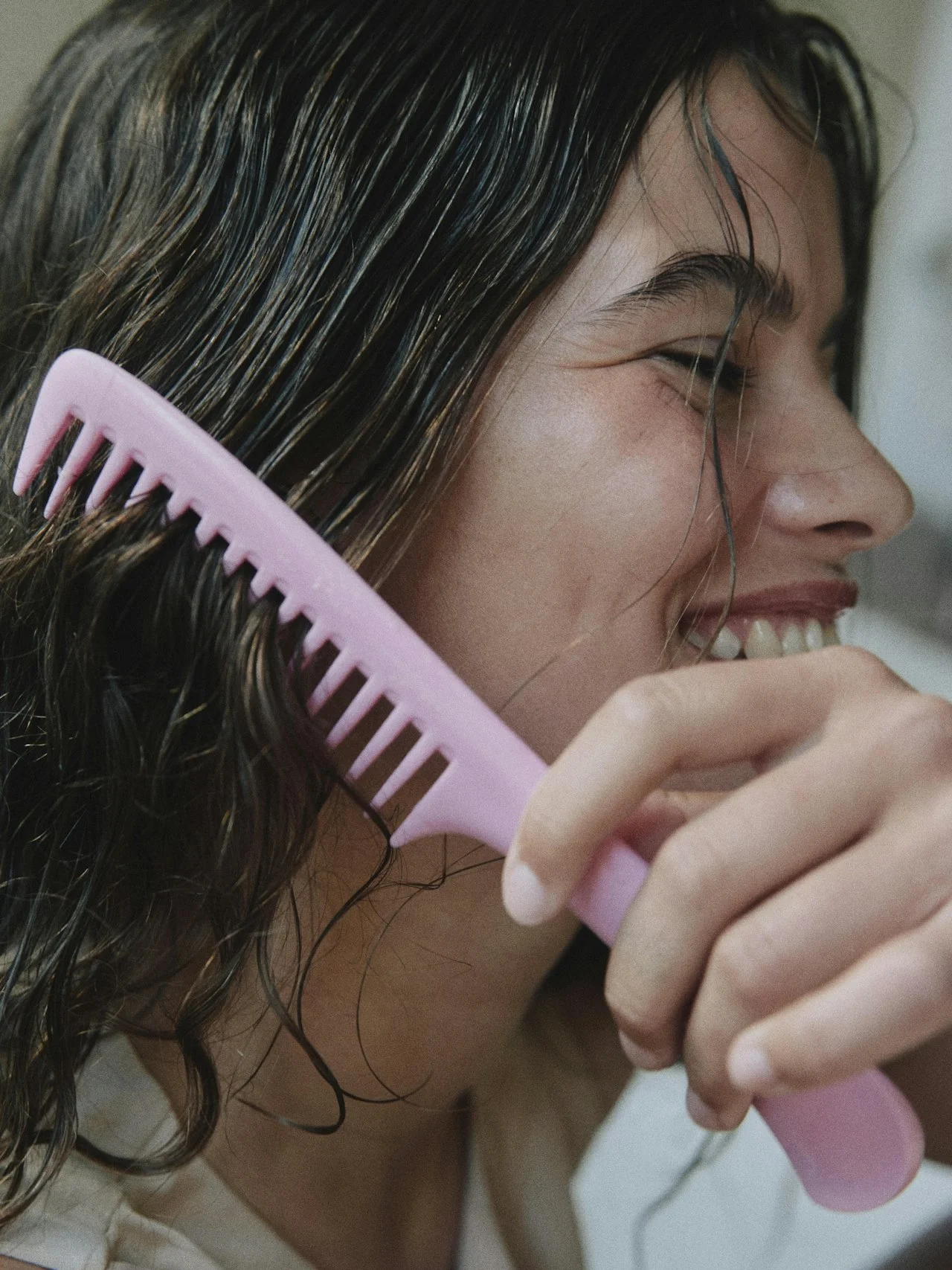
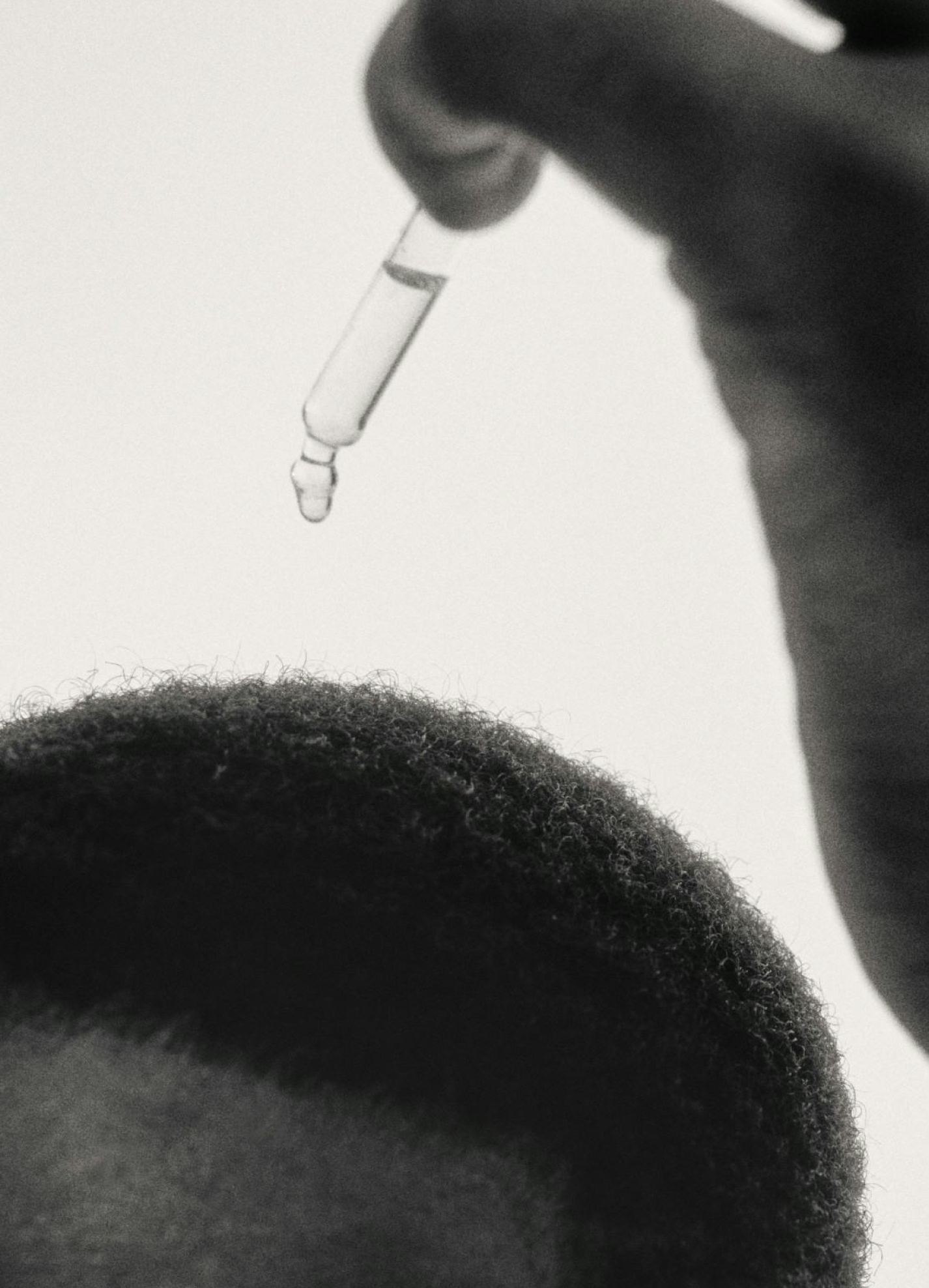
High-Demand Hair Care Niches
Certain niches in the hair care market are consistently in high demand because they actually solve problems. Natural and textured hair, for example, requires products that celebrate curls, coils, and waves while keeping hair moisturized and manageable.
Scalp care is another booming area. It’s no longer a secret that healthy hair starts with a healthy scalp. Postpartum and menopausal hair loss, kids’ hair care, and eco-friendly or refillable products (for environmentally conscious shoppers) are also seeing huge demand.
These examples are just a starting point. Feel free to mix and match, or explore other niches based on your research and the specific needs of your target audience.
Once you've found your niche, you can create targeted products and marketing that truly resonate, rather than trying to appeal to everyone and ending up generic.
Defining Your Ideal Customer
Define your ideal customer, and the rest of the process will get much easier. Products, messaging, and marketing will all hit harder once you've established who you’re talking to. Research target demographics and interview people to guide product development.
What is their hair type and main concerns? What lifestyle do they lead? And what actually drives their purchases? Is it an ingredient list, price, or ethics? A lot of questions, yes, but they’re essential. No guessing here. When you really get to know your customer, every decision becomes purpose-driven and intentional.
Sure, the formula is important. But so are confidence, identity, and self-care. When your customers feel truly seen and understood, they stick around and become your biggest fans.
Step 3: Create a Hair Care Line Business Plan
Before you spend a dime, develop a business plan covering every aspect of your envisioned company. Your hair care line business plan should outline your brand's mission and positioning. Define your target audience, and detail your product line. Also, include pricing strategy, sales channels, marketing plan, and an overview of startup costs and expected profit margins. A thorough and well-structured plan ensures smarter decisions and sets your brand for sustainable growth. For a deeper dive into marketing strategies for beauty products, you might find this guide helpful.
Pricing & Profit Margins Explained
Now, let’s talk numbers. In order to run a successful hair care brand, you have to understand your pricing and profit margins. You need to know the difference between wholesale margins and direct-to-consumer (DTC) margins. How private-label costs affect your pricing, and what you actually take home after production, packaging, marketing, and fees.
Your business plan doesn’t need to be formal or investor-ready, but it does need to force you to think like a business owner, not just a creative founder. A solid hair care business plan gives your brand direction, helps you price with confidence, and prevents costly mistakes that can quietly chew away your profits as you grow. This will be a helpful read if you are wondering how much does it cost to start skincare business.

Step 4: Hair Care Product Development
Developing your hair care products is where your ideas start to take shape. Having a clear process makes all the difference. From initial concept to finished formula, every step matters. Learn more about the process in this hair care and skincare product development guide.
Private Label vs Custom Formulation
When creating your line, you’ll need to decide between private-label products and fully customized formulas. The easiest way to start a hair care business is to partner with a private label or white label manufacturer to create products aligned with your brand vision. Many suppliers offer a range of ready-made formulas you can customize with your preferred packaging.
Private-label products allow you to brand ready-made formulas for faster launch and lower risk, while custom formulas give you full control over ingredients and performance. For a detailed breakdown of private-label options read our private label skincare guide.


Focus on curating a product line that fits your brand identity and addresses your niche’s key needs. Here are some examples of private-label products that you could adapt: the Keratin Hair Mask, the Deep Cleanse Scalp Scrub with Rosemary & Mint, and the Keratin Volume Boost Shampoo and Conditioner.
You can learn more about selecting the right starter products in this guide with MSc. Pharmacist Ksenia Kumachova.
Ingredient Standards & Brand Values
Choose formulations that align with current market trends and consumer needs. The products also need to align with your brand values around factors like natural, organic, vegan, ethically sourced, cruelty-free, eco-friendly, or locally sourced.
Transparency is key. Sharing ingredient stories and highlighting the benefits of each component will most certainly build customer trust and loyalty. It makes your brand feel real. For more information on ingredient standards and claims, see Selfnamed’s Skincare Product Claims.
Decisions made at this stage directly affect performance, customer satisfaction, and long-term retention. Always test samples thoroughly before launching to ensure they meet your standards.
Step 5: Branding & Packaging That Actually Sells
The next step on how to start a natural hair care line is to build a unique brand. Branding and packaging are the first interaction a customer has with your product. And that visual impression can be a deciding factor at the point of purchase. Strong branding makes your hair care brand recognizable, trustworthy, and memorable. It helps your products stand out rather than disappear in the sea of look-alike products.
Building a Hair Care Brand
Your brand is not just a logo or color palette. It’s so much more than that. It represents your story, your values, and your product benefits. It creates an emotional connection with your audience. A strong brand clearly communicates why your products exist.
Develop your brand story, mission statement, tone, visual aesthetic, and other branding elements that resonate with your audience and set you apart. With a clear brand story, your customers won’t need convincing.
Packaging Design That Converts
Great packaging doesn’t need to be complex or expensive, it just needs to do the trick. The best packaging design successfully blends functionality and aesthetics. It clearly communicates your brand, reinforces your brand image, and appeals to customers. Also, try to use eco-friendly materials whenever possible and make sure your packaging is practical and easy to use. With the right tools you can create customized, stylish and retail-ready packaging in no time.
Time is money. And you can easily save time (and money) with Selfnamed.
With Selfnamed’s Quick Design feature, you can instantly try on different packaging styles for your sample sets and have them ready in under a minute. It’s perfect for fast idea testing.
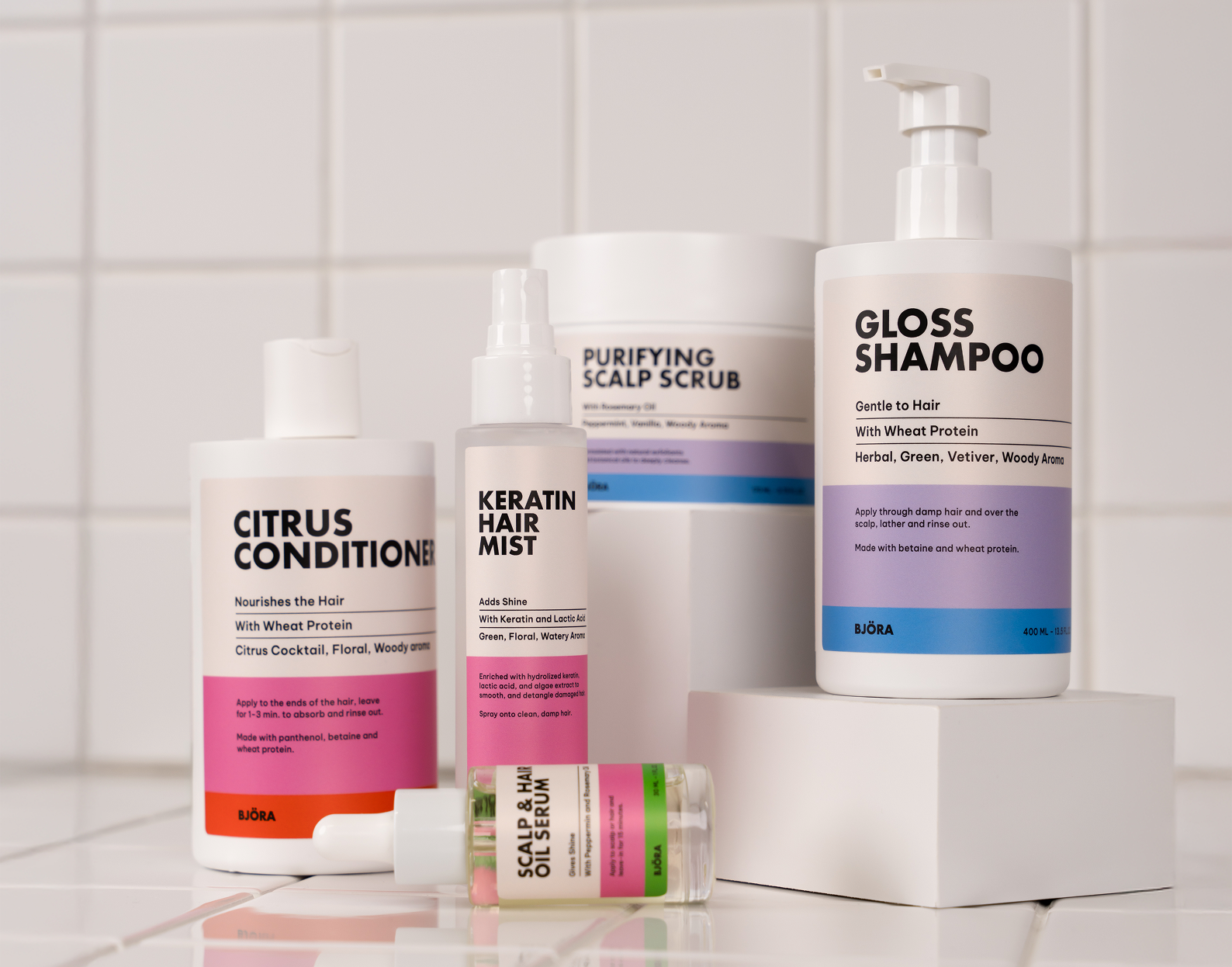
If you want to have more creative control, the Design Studio allows you to try on ready-made designs, tailor them to your brand, or create your own style from scratch. These options let you launch your products quickly without overthinking the whole design process.
Follow labeling regulations. Clear labeling and accurate, compliant claims are essential for building trust and transparency. Clean and minimal packaging with clearly listed benefits always performs best. Honest claims, readable labels, and functional design are what you always have to aim for, and they're easy to achieve when the structure is already done for you.
If you’re looking for inspiration, explore these guides on Skincare Packaging Ideas, Beauty Packaging Trends for 2026, and Skincare Packaging Design.
Step 6: How to Start a Hair Care Line With No Money
Short on budget? You’ve got this! Starting a hair care brand doesn’t have to mean massive investments. With the right model and smart execution, you can validate demand, build an audience, and generate sales before investing heavily in inventory. The goal here is simple: sell before you spend.
Low-Budget & No-Inventory Models
If you’re tight on cash, no inventory model is your best friend. Dropshipping allows you to sell products without holding inventory, and you will be paying for products once a customer places an order. You can learn more about the perks of dropshipping.
Print-on-demand style private labelling works similarly. It allows you to launch with branded products while skipping large minimum orders. Pre-orders are another powerful tool that works in your favour. It will help you test demand for your products and fund your first production run.
Free & Low-Cost Marketing Channels
When money is tight, attention becomes your currency. Organic TikTok is one of the fastest ways to reach new customers. Use this channel to educate, share routines, and real, honest results. Influencer seeding and user-generated content (UGC) help build trust faster than any sales page and without paid ads. Use email waitlists to capture interest early and turn it into sales when launching. These channels don't require big budgets. But they reward discipline, consistency, and creativity.
Lean models and free marketing channels at the start are powerful tools for understanding what actually works. If people are willing to wait, sign up, and talk about your product before it even exists, that means you’re on the right path and already building something meaningful.
Conclusion: Tips for Long-Term Success
Starting a hair care line might seem rather overwhelming at first, but it doesn’t have to be. You don’t need a factory or to invest millions. Besides, you have all the tools to research your market, validate demand, and build a brand that truly connects with your audience.
Succeeding with a hair product line requires identifying what your audience needs, formulating effective and safe products tailored specifically to them, creating a consistent brand identity that resonates with them.
The increasing demand for natural hair care products highlights the importance of understanding diverse demographics, including individuals with natural hair or those transitioning to it.
Strive for the highest quality, listen to customer feedback, stay aware of market trends and compliance issues in the industry, and be willing to adapt products and messaging as needed. With passion and diligence, your distinctive hair care product lines can flourish.
-
Yes! Many successful founders started with no background in cosmetics chemistry or the infrastructure to formulate their own products. Start small, research a lot, and work with a reliable partner when it comes to product formulation and manufacturing.
-
The costs of starting a hair care line vary a lot, depending on your business model and wants. If you’re just starting out, you can launch a hair care brand with no upfront investments, using dropshipping. However, if you’re looking to order in bulk and resell hair products in physical locations, you’re going to need some investments to make the first order.
-
They key to making your hair care brand stand out is figuring out who you’re selling to. That way you can curate a product catalog that speaks to a specific audience. Then, by customizing the product packaging and investing time in your marketing efforts, you’ll be able to truly stand out in the hair care market.
-
In most cases, you don’t need a special license to sell hair care products, as long as you’re using a private label manufacturer to produce the products. They typically handle any regulatory requirements that are needed to sell the products.
-
When working with Selfnamed, there are no minimum order quantities for hair care products. This means that you can start your hair care brand with no upfront investments.