The Beauty Packaging Trends Redefining Product Design in 2026
Table of Contents
Beauty packaging has never been more exciting than it is right now.
As we head into 2026, beauty brands have more options than ever to get creative with how their products show up in the world. Smarter materials. More flexible formats. Better sustainable packaging solutions. Bold colors and interesting textures. Smart packaging tech. Beauty packaging trends are giving brands new ways to stand out and build real connections with consumers.
Packaging now shapes brand perception, influences purchasing decisions, and plays a key role in the customer experience. So, in the fast-moving beauty industry, the right packaging can turn a great product into a memorable one.
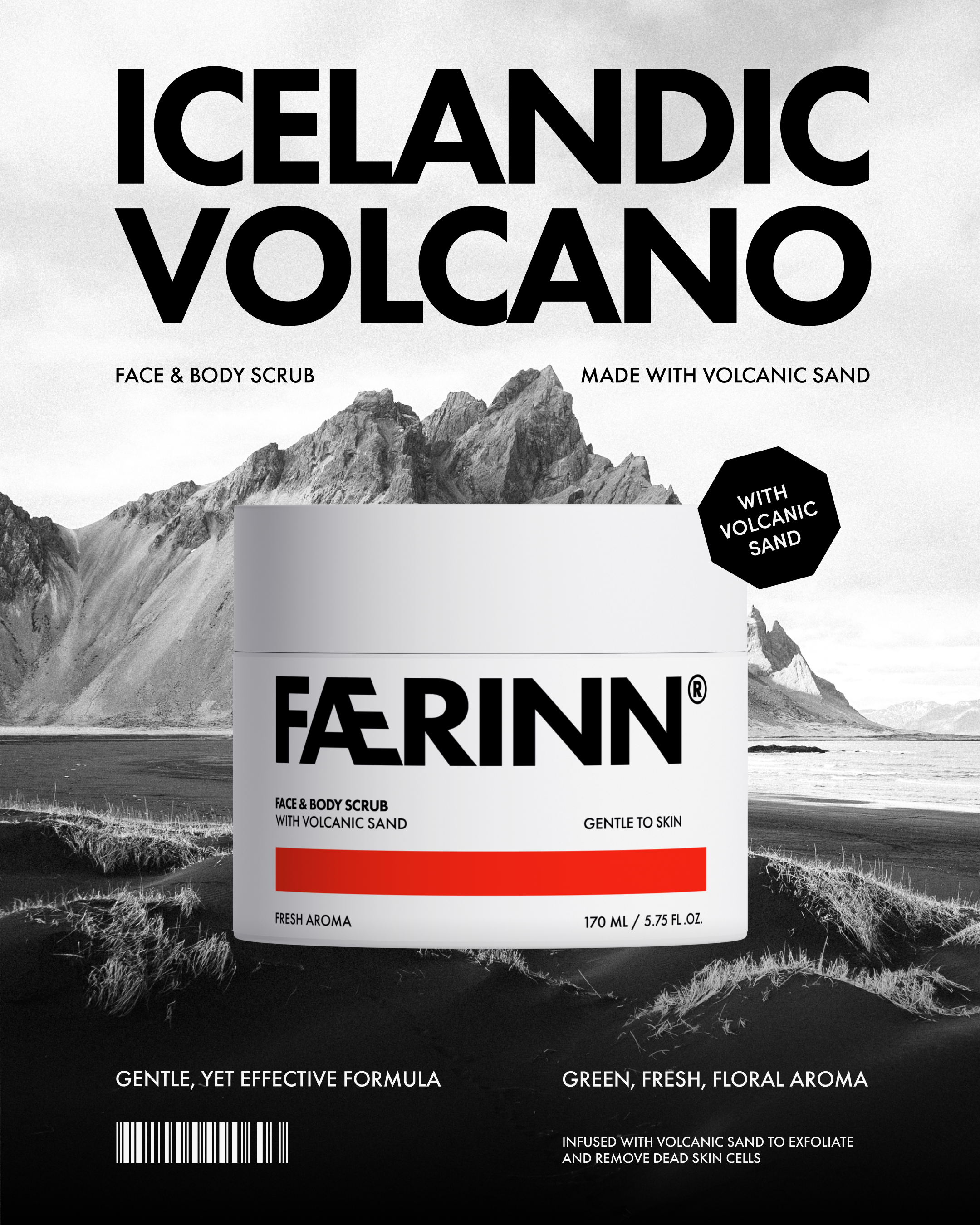
Selfnamed’s Icelandic Volcano Face & Body Scrub
For brands launching something new or giving an existing product line a refresh, today’s cosmetic packaging trends make it possible to balance visual appeal, sustainability goals, and consumer preferences without making things complicated.
Let’s take a look at what’s driving modern beauty packaging trends in 2026 and how brands can use them to their advantage.
What’s Shaping Packaging in 2026?
So what’s actually shaping modern beauty packaging trends right now? It’s not one big change. It’s a lot of shifts happening at the same time. Consumer demand, new regulations, sustainability goals, and on top of that, the way beauty products are discovered and purchased today.
One of the biggest drivers is sustainability. More people are paying attention to sustainable beauty packaging, recycled content, reusable packaging, and eco friendly materials when they choose beauty products. In fact, a 2025 survey by McKinsey & Company shows just how influential this shift has become – 77% of U.S. consumers say recyclability is extremely or very important when they think about packaging sustainability.
Social media and shopping habits are playing an important role as well. As platforms like TikTok shape how beauty products are discovered, visual appeal has become a real driver of consumer behavior and purchasing decisions. Packaging that shows up well on screen – bold colors, clean silhouettes and minimalism – helps beauty brands cut through the noise in a crowded market and strengthens brand perception.
Rising costs are forcing beauty brands to get smarter about packaging. With packaging now seen as essential to brand success, many founders are choosing cost effectiveness, scalable packaging solutions that still protect visual appeal and sustainability goals. That’s why standardized bottles and modular formats are shaping today’s beauty packaging trends.
While these shifts push brands to rethink and adapt, together they open up more creative space for beauty brands to build packaging that truly reflects who they are.
Top Beauty Packaging Trends for 2026
So, what are the beauty packaging trends to watch in 2026? Let's take a look!
Sustainable Materials
Plastic packaging still shows up a lot in the cosmetics world, but what customers expect from it has changed. Brands are being pushed toward recycled content, smarter material choices, and packaging that creates less waste overall.
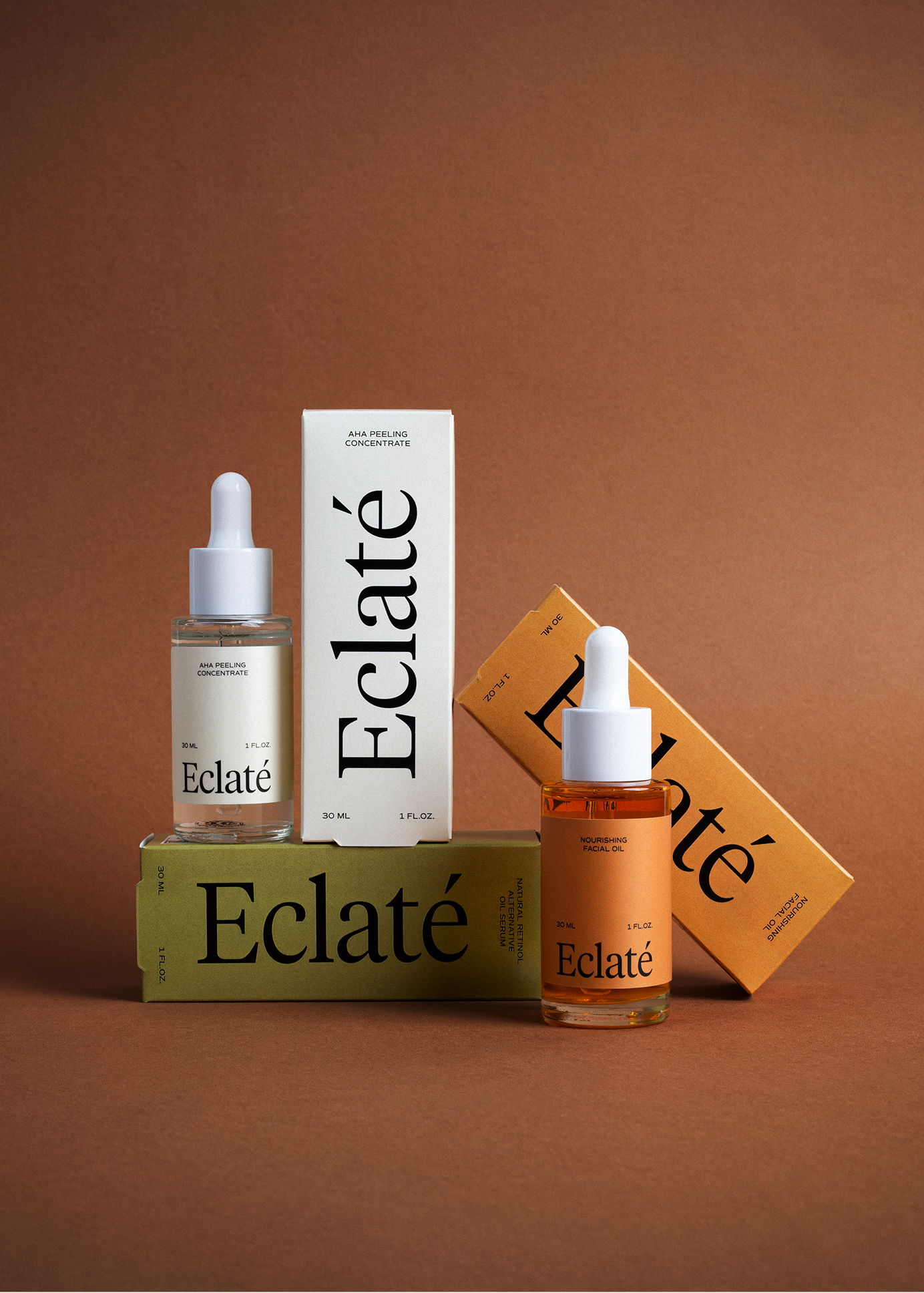

Mono-material setups make recycling less confusing, and glass has made its way back into premium skincare because it lasts, looks good and is easy to recycle or reuse.
Refillable And Reusable Systems
Studies show that more consumers are likely to repurchase when refill options are available, especially in skincare and haircare. That makes 2026 a real opportunity for beauty brands to roll out refillable containers, modular packaging, and refill pods that work with the same outer packaging long term.
These sustainable packaging solutions can not only reduce waste, but also build brand loyalty and encourage repeat purchases.
Minimalist, Clean, and Clinical Branding
Clean, simple skincare packaging is still everywhere – and for a reason. The whole “derm beauty” look and minimalist designs with scientific labels, modern neutral colors, and clean design, makes products feel trustworthy. It’s the kind of packaging that says, “this works”, without shouting about it.
And as a bonus, simpler designs usually mean fewer materials and less ink, which fits naturally with sustainable beauty goals and helps reduce environmental footprint.
Bold Color Play
Bold color is how beauty products get noticed in the first place.
Research shows that 63% of Gen Z say social media motivates them to try new beauty products, which explains why high-saturation packaging, playful shapes, and shelf-friendly formats are everywhere. In a social-first world, visual appeal drives consumer behavior and purchasing decisions fast. So, if packaging doesn’t pop on screen or in an unboxing, it’s easy to scroll past.
Smart Packaging And Tech Integration
QR codes have become an easy, practical way for beauty brands to share ingredient transparency, sustainability details, or refill and recycling instructions without cluttering labels. In fact, a 2024 survey by GS1 US found that 79% of shoppers are more likely to purchase a product if it includes a scannable barcode or QR code that gives them the extra product information they want.
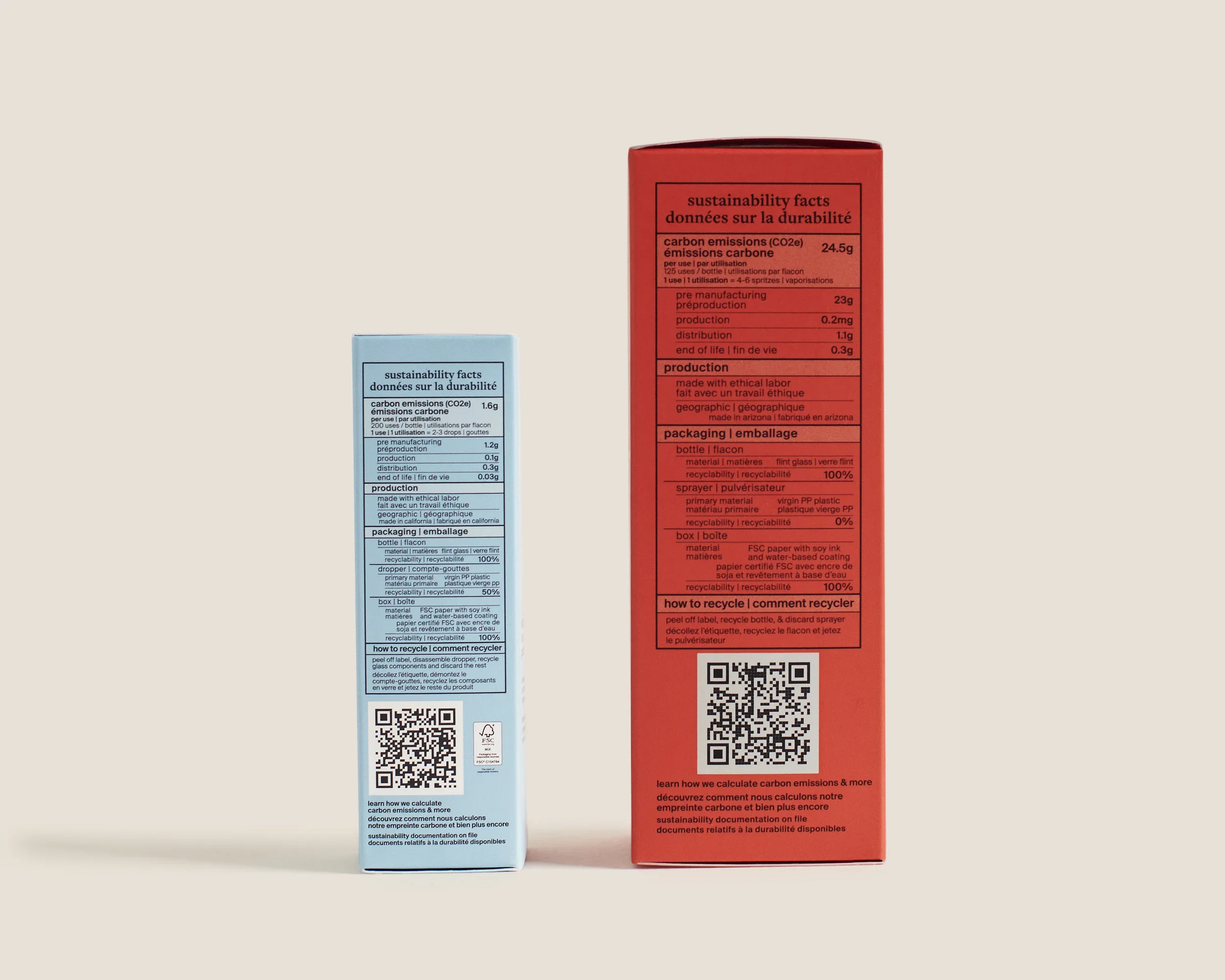
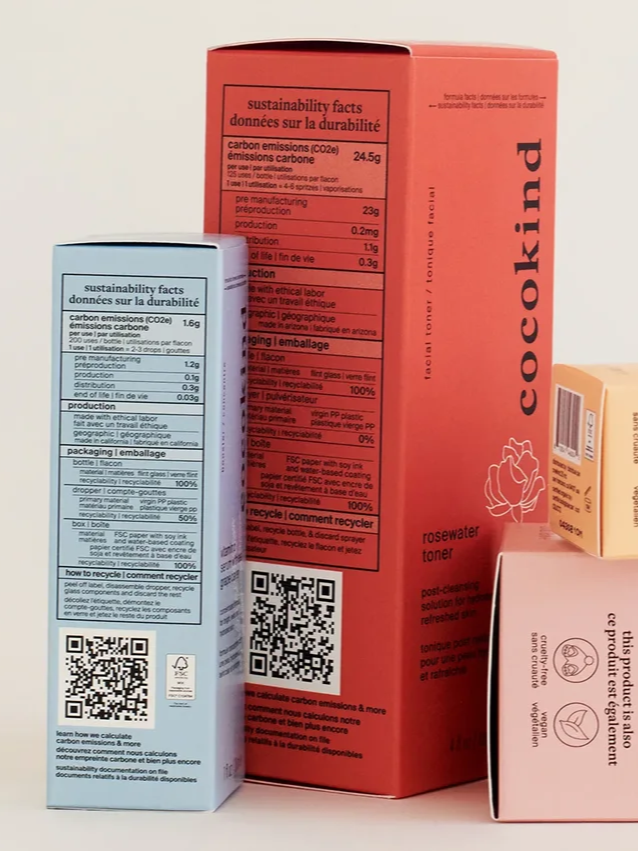
Source: Cocokind
Add in features like batch verification or NFC for authenticity, and this kind of interactive packaging builds trust and improves the consumer experience.
Sensory And Textural Cosmetic Packaging
Soft-touch finishes, matte textures, and subtle grip details can change how a beauty product is perceived and used, especially in spaces like bathrooms or showers.
A 2025 study on consumer repurchase intentions in cosmetics found that packaging design – including materials and overall look – has a direct impact on whether customers are willing to buy again. Thoughtful textures and finishes add perceived quality and improve the consumer experience.
Accessible, Ergonomic, and Inclusive Packaging
Easy-open closures, pump alternatives, better grip, and more ergonomic packaging shapes make beauty products easier to use for older consumers and people with disabilities – and honestly, they make life easier for everyone.
According to the World Health Organization, around 16% of the world’s population lives with some form of disability, which makes accessibility a real design responsibility. As beauty brands rethink beauty packaging trends, inclusive and ergonomic packaging is becoming part of more responsible design, aligned with real consumer preferences, sustainability goals, and a more human-centered beauty industry.
Looking ahead to 2026, these trends point to a new kind of beauty packaging. One that leaves room for creativity and intention, without choosing between design and sustainability.
Micro-Trends to Watch
Alongside the bigger ones, there are smaller cosmetic bottle packaging market trends popping up in the background as well.
3D-printed caps and components are starting to show up in short runs, mostly because they let beauty brands test new ideas without committing to expensive tooling or creating unnecessary waste. It’s a practical move, especially for small teams.
Algae-based plastics and other bio-based materials are also popping up in packaging solutions. They’re still early, but they reflect how much pressure there is to find eco-friendly alternatives that reduce plastic waste and environmental footprint.
Brands are also rethinking labels. Ultra-thin labels or printing directly on the bottle, use fewer packaging materials, make cosmetic packaging easier to recycle, and fit clean, minimalist designs really well.
And when it comes to pumps and closures, mono-material solutions are becoming part of wider cosmetic bottle packaging market trends. Fewer mixed materials means easier recycling and smarter long-term design.
None of these changes are flashy on their own. But together, they show how beauty packaging is slowly becoming more intentional, more sustainable, and a little smarter every year.
What These Beauty Packaging Trends Mean for Beauty Brands
For beauty founders looking ahead to new product launches, these latest trends are less about copying what’s popular and more about making choices that last. Effective packaging now shapes brand perception long before someone tries the product. It influences purchasing decisions, sets expectations, and plays a huge role in how beauty products feel in real life.
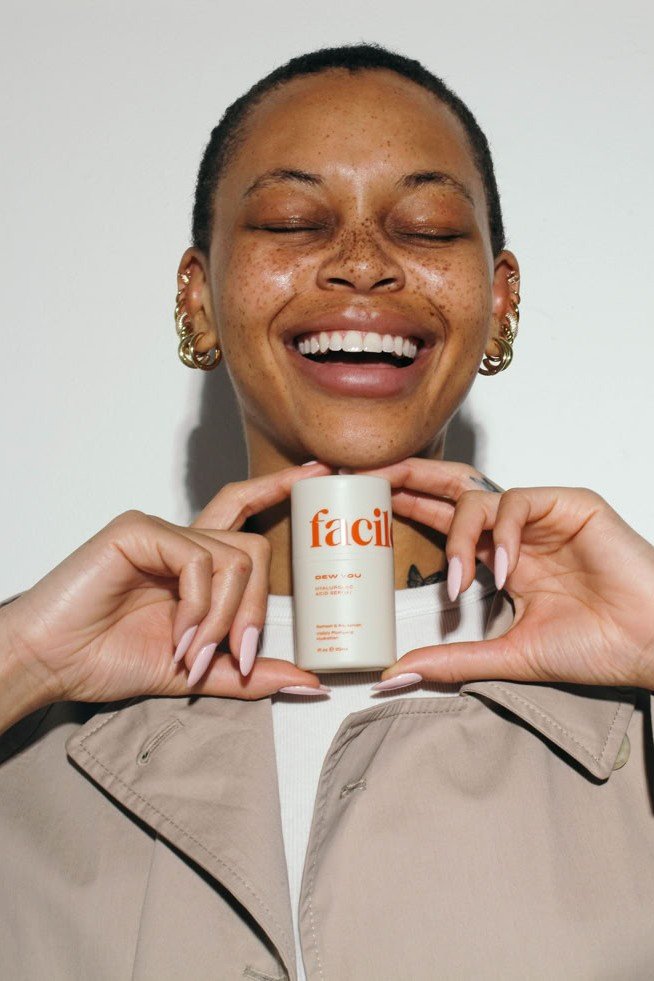
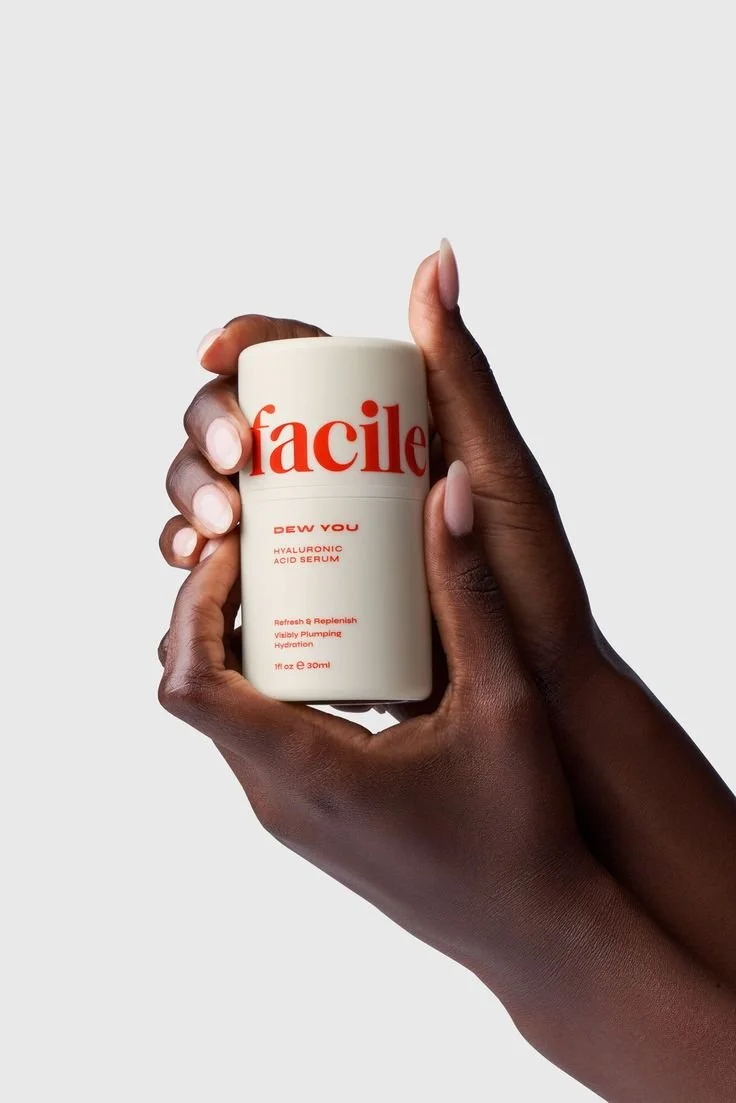
Source: Facile Skin
This matters even more for private label skincare products. When formulas feel similar, packaging is often what makes a brand stand out. Sustainable packaging, refillable containers, and eco-friendly materials are not only environmentally friendly options. They also help tell a brand story about values.
And, of course, smart, well-designed packaging makes products easier to use, easier to trust, and easier to remember. So it’s one of the most powerful tools for building product lines, brand loyalty, and long-term relevance in the global beauty industry.


Product Packaging Trends Shaping What Comes Next
Looking ahead, skincare and cosmetic packaging trends 2026 make one thing clear – packaging is no longer just a functional afterthought. It’s often the first thing people notice, the reason they pick something up, or remember it later. In a crowded market, a great packaging can be what gives a brand a real competitive edge.
The key takeaways are clear. Brands that invest in thoughtful, flexible packaging can meet sustainability goals, respond to changing consumer behavior, and improve the overall customer experience without adding unnecessary complexity. For private label brands especially, packaging does a lot of the heavy lifting when formulas across the market feel familiar.
At the end of the day, modern beauty packaging is about helping brands show who they are. The right packaging choices build customer trust, strengthen brand stories, and keep brands relevant as the beauty industry continues to move forward.
Frequently Asked Questions
-
Refillable packaging, better materials, and design that actually feels intentional. You’re seeing more recycled and recyclable packaging, cleaner minimalist looks, bold color for social-first brands, and small tech touches like QR codes.
-
It’s expected now. Most consumers notice what packaging is made from and whether it feels wasteful. Brands don’t need to be perfect, but they do need to show they’ve thought it through.
-
PCR plastics, mono-material packaging, and glass are everywhere, especially in skincare. Bio-based and biodegradable options are starting to show up too, mostly in small steps rather than full switches.
-
Think about how you want your product to feel in someone’s hands. Serious, playful, clinical, premium? Packaging should support that feeling. Trends help, but brand fit matters even more.
-
Using samples, short pilot runs, or standard packaging you can customize, is a practical way to catch usability issues early, see how real customers react, and tweak the design before locking into a bigger production order.
Must read