Table of Contents
Running a skincare brand is about creating great products or giving customers an exceptional experience, but getting there takes a lot more than catching the first trend you see.
A big part of building a beauty brand today is staying up to speed. Knowing what’s changing, what people are buying, and figuring out how those changes can actually help your business.
You can make decisions based on gut feeling, and sometimes that works. But it’s a lot safer when your choices are backed by data and real industry experience leading the market.
Let’s look at the latest beauty industry statistics, what they tell us about the market heading into 2027, and what that means for your business.
Key Takeaways
The beauty market is still growing, but people are becoming more careful about what they buy and which brands they trust.
Skincare, hair care, and fragrance offer exciting opportunities, especially for cosmetics brands that focus on solving real customer problems.
Social media can help people discover your products, but quality and a good customer experience are what bring them back.
Clear ingredients, honest claims, and fair pricing matter more than fancy packaging or jumping on every new trend.
Top Beauty Industry Statistics at a Glance
How much is the beauty market growing? Where are people spending their money? What's changing as we head into 2027?
| Figure | Statistic | Year |
|---|---|---|
| Market size and growth | ||
| $590 billion | Projected size of the global beauty market | By 2030 |
| 10% | Year-over-year growth in global beauty sales | 2026 |
| ~5% | Forecast annual growth of the beauty industry | Through 2030 |
| Online and social commerce | ||
| 28% | Share of global beauty sales made through ecommerce | 2026 |
| 6x | How much faster online beauty sales are growing than in-store sales | 2026 |
| $4 billion | Projected US beauty sales on TikTok | 2026 |
| 53% | Consumers who say they shop through social platforms | 2026 |
| Category trends | ||
| 3rd | Fragrance's rank among global beauty categories, after overtaking makeup | 2026 |
| $20.48 billion | Global vegan cosmetics market value | 2025 |
| $21.88 billion | Projected global vegan cosmetics sales | 2026 |
| 40.45% | Skincare's projected share of vegan cosmetics sales | 2026 |
| Consumer behavior | ||
| 52% | Consumers willing to pay more for convenience | 2026 |
| 49% | Consumers willing to pay more for locally made products | 2026 |
| 49% | Consumers who've received beauty recommendations from generative AI | 2026 |
| 63% | Consumers who say they prioritize mental wellness | 2026 |
Global Beauty Market Size and Growth
The beauty industry is a major part of retail, and recent beauty industry statistics show that demand is still climbing, even as shoppers become more selective.
How Big Is the Beauty Industry?
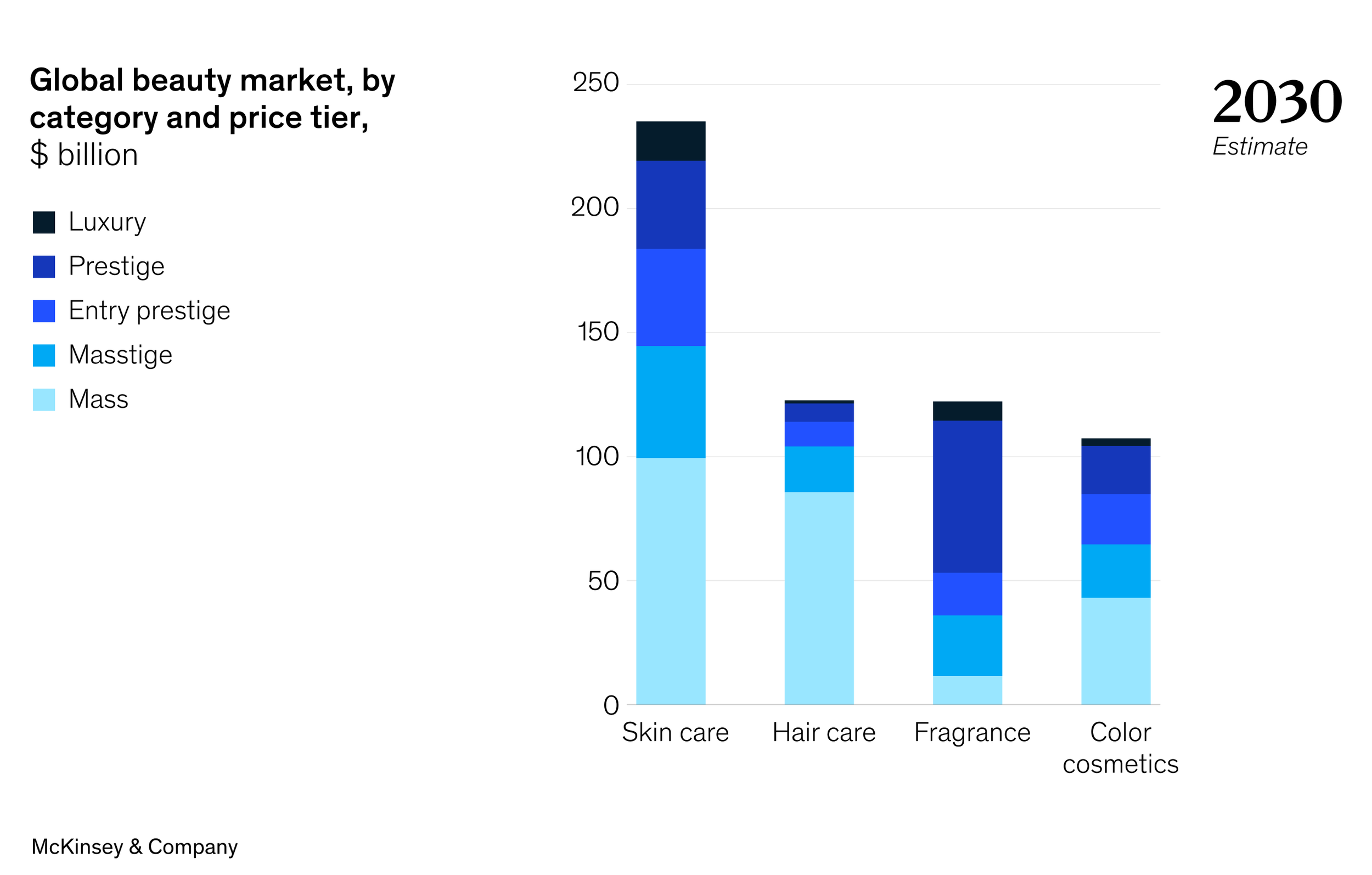
The global beauty market is expected to reach $590 billion by 2030, growing by around 5% a year, according to McKinsey's June 2026 State of Beauty report.
The forecast covers the four main beauty categories: skincare, haircare, fragrance, and color cosmetics. And while the industry isn't growing quite as quickly as it did a few years ago, there's still plenty of interest in beauty products.
The difference is that customers are becoming harder to impress. They're comparing prices, checking ingredients, reading reviews, and thinking twice before spending money.
A beautiful product and clever marketing can get someone's attention. But if the product doesn't live up to expectations, they're unlikely to come back for more.
Market Size by Source
If you've looked up beauty statistics before, you've probably noticed that the numbers don't always match.
One report says the industry is worth hundreds of billions, while another gives figures that hard outpace it. So which one should you trust?
Well, it depends on what's being measured.
Some reports focus on skincare, haircare, makeup, and fragrance. Others include a much wider range of personal care products.
Here's a quick comparison of the latest figures.
| Source | What it covers | Market size |
|---|---|---|
| McKinsey | Skincare, hair care, fragrance, and makeup | $590 billion forecast by 2030 |
| Statista | Beauty and personal care, including oral care, deodorants, and shaving products | $754.37 billion estimated for 2026 |
| Fortune Business Insights | Cosmetics, including skincare, hair care, and makeup | $375.62 billion forecast for 2026 |
The figures look very different, but the reports simply cover different products and sample sizes.
Growth by Region
Beauty is growing worldwide, but not everywhere at the same pace. Here's where things stand, based on the latest beauty industry statistics.
| Region | Outlook | Why it matters |
|---|---|---|
| Latin America | One of the fastest-growing beauty markets through 2030 | More people are spending on beauty, making it a market worth watching. |
| Southeast and Central Asia | Expected to grow quickly through 2030 | Rising incomes are giving shoppers more room to try new beauty products and brands. |
| Asia Pacific | Already a major beauty market, with $141.31 billion in cosmetics sales in 2025 | There's plenty of demand, but also plenty of competition. |
| Europe | Steadier market growth expected through 2030 | Customers are watching what they spend, so price and product quality both matter. |
If you're thinking about selling abroad, don't get too caught up in market size. Look at local consumers' shopping habits, popular ingredients, and what customers are willing to pay. Follow beauty market trends that help you find a market which makes sense for your brand.
Beauty Statistics by Category
Not every beauty category is growing in the same way. Skincare is still a big part of the market, fragrance is having a moment, and even everyday hair care is getting more in-depth attention.
Let's look at the beauty product industry statistics and key trends behind each category.
Skincare

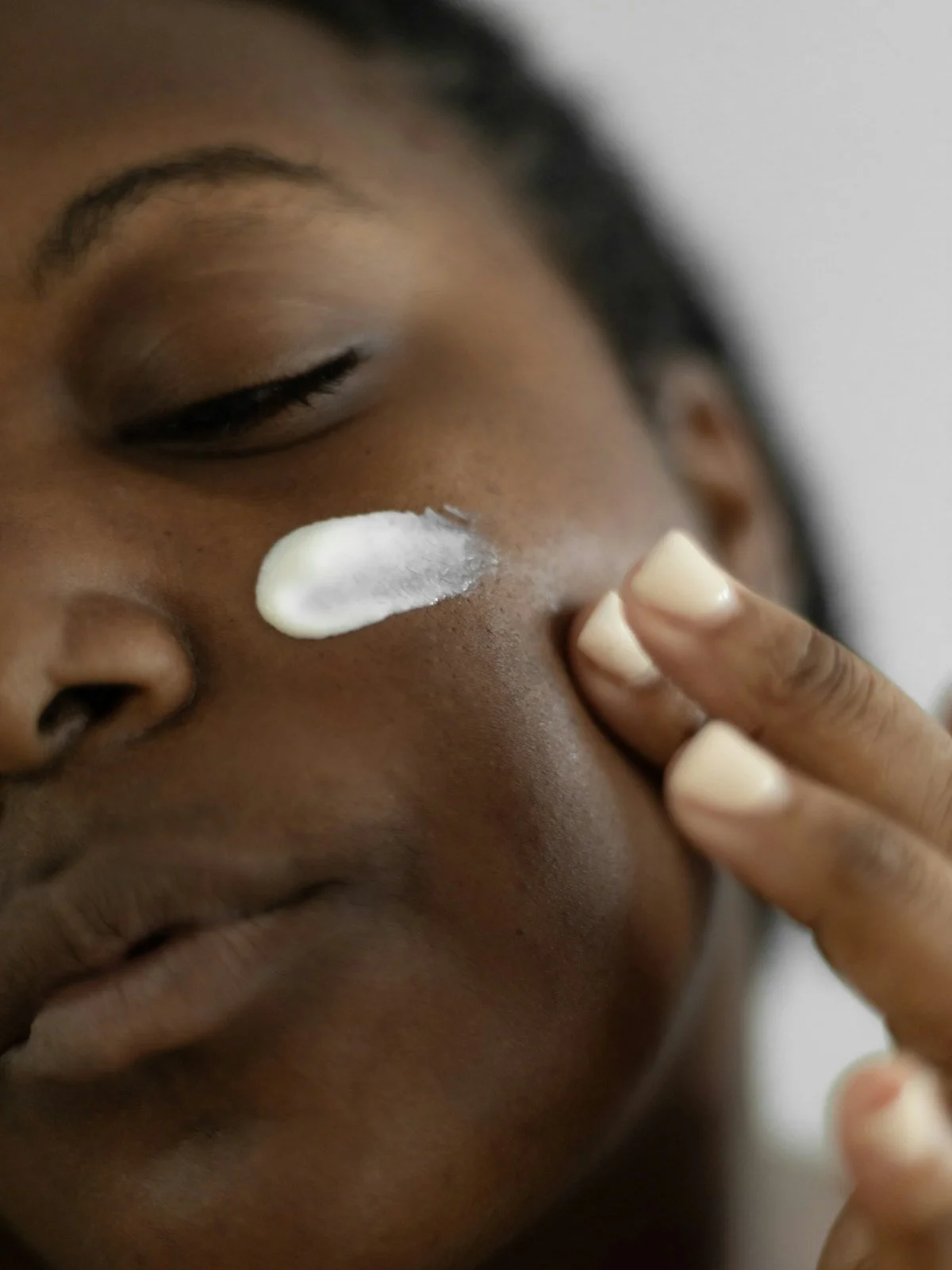
Skincare remains one of the biggest parts of the beauty industry. However, people now want skincare products that work for their skin, fit their budget, and are easy to use.
McKinsey's 2026 research shows that affordable, dermatologist-backed products and Korean skincare brands are putting pressure on luxury skincare. People are happy to spend less if they're getting good results.
And skincare is doing particularly well on social media. US skincare sales on TikTok Shop grew at an annual rate of nearly 300% between 2023 and 2026.
For new brands, this is a good reminder to focus on the basics: a clear skin concern, ingredients people understand, and honest product claims. You don't need a complicated routine to win someone over.
Hair care


Hair care has moved well beyond shampoo and conditioner. People are paying more attention to scalp health, hair damage, and products that make their hair feel healthier.
McKinsey's 2026 outlook expects premium and affordable haircare brands to perform better through 2030 than those sitting somewhere in the middle.
Professional-style treatments and more advanced formulas are attracting customers who want salon-quality results at home. At the same time, affordable brands are bringing similar ideas to supermarket shelves.
If you're exploring hair care products, think about a specific problem you can help solve.
Fragrance
Fragrance is one of the most interesting categories to watch right now. It's now the third-largest beauty category globally, ahead of makeup, according to McKinsey's 2026 report.
People are also having more fun with perfume. Instead of sticking to a single signature scent, they're layering fragrances, trying niche brands, and choosing different scents depending on their mood.
Smaller brands are getting noticed, too. NielsenIQ's 2026 analysis found that independent fragrance brands recorded 46% sales growth, compared with 11% for large beauty conglomerates in the study.
It's a good example of how a distinctive product and a memorable brand story can help smaller companies stand out.
Makeup
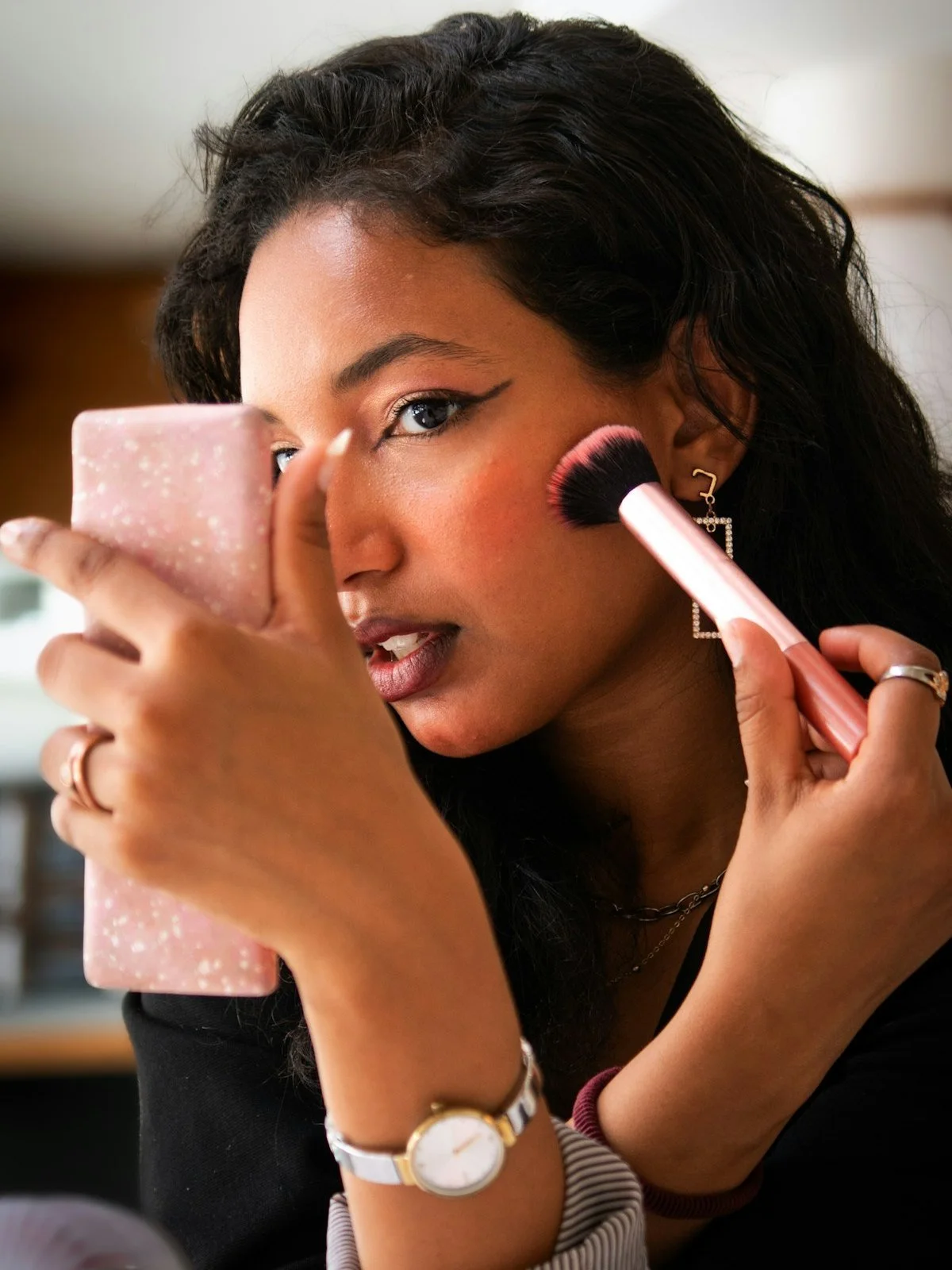

We've gone from bold makeup to the barely-there, clean-girl look, and now we're reaching for color again. Blush, bronzer, and statement lips are back in the spotlight, but people still want makeup that feels good on their skin.
According to Circana's August 2026 report, US makeup sales grew 3% in prestige beauty and 5% in mass retail during the first half of 2026. Blush and bronzer saw double-digit gains in prestige stores.
And skincare-inspired makeup isn't going anywhere. A September 2026 report from Cosmetics Business found that tinted moisturizer sales in Europe's prestige market grew 15% in the first half of 2026.
The sweet spot might be a little of both: fun colors, easy-to-wear formulas, and products that look great without feeling heavy.
Men’s Grooming
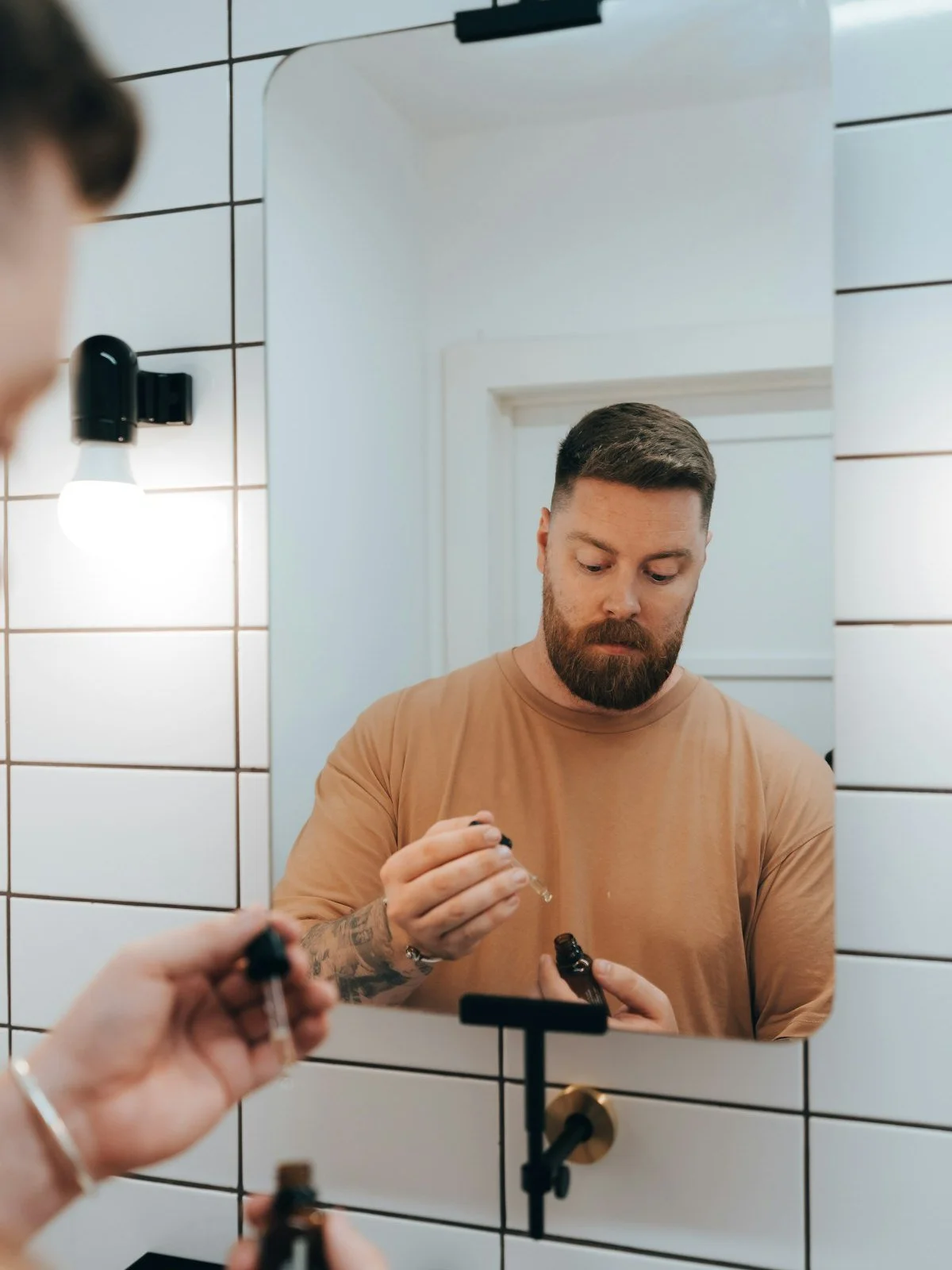
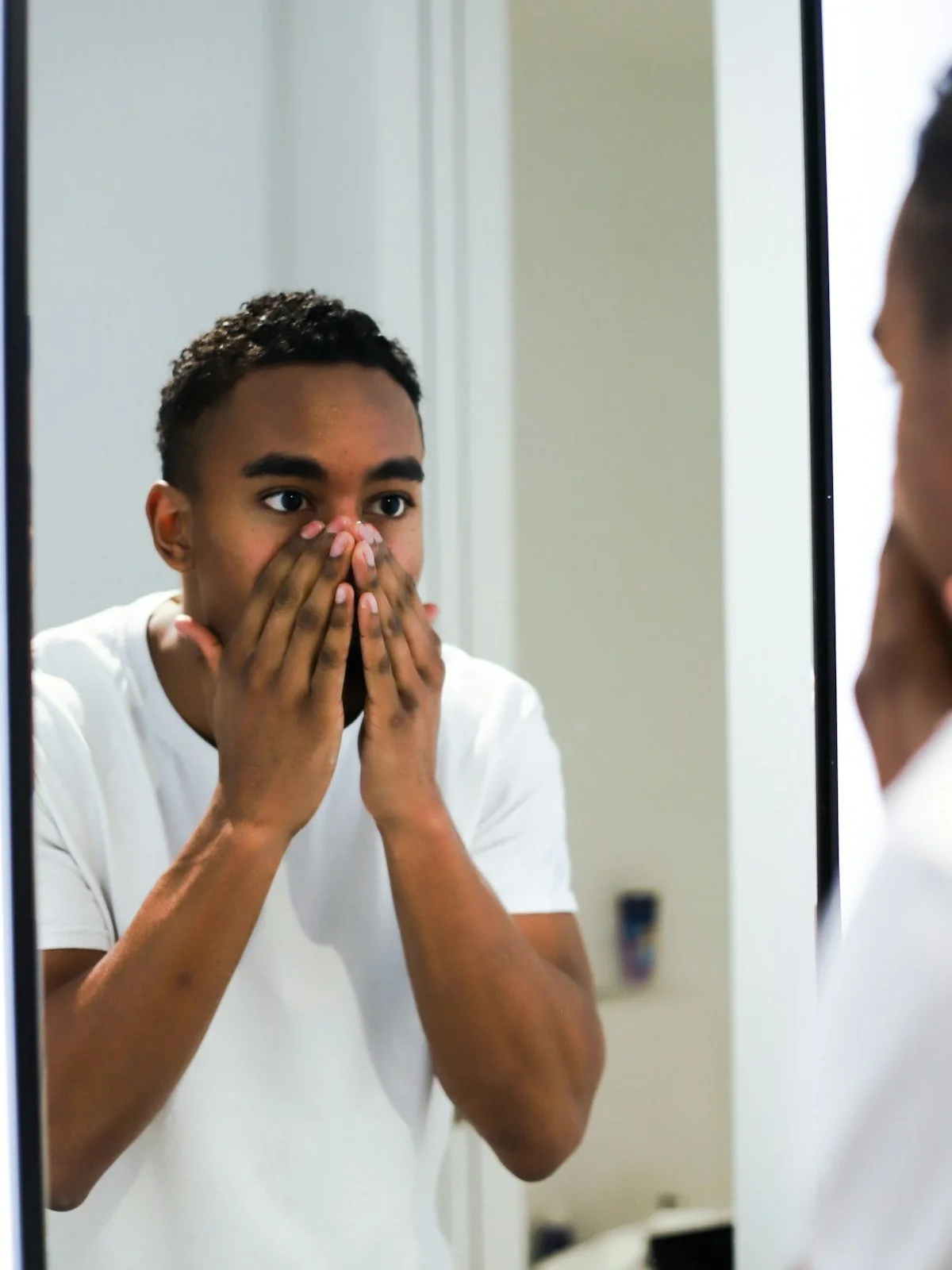
Men's grooming has moved well beyond shaving and beard care. Skincare, fragrance, and anti-aging products are becoming part of everyday routines.
In NielsenIQ's 2026 research, 36% of men said looking their best matters more than it did five years ago, while 54% said the same about aging well.
Here's the interesting part – across ten Western European markets, skincare products marketed to all genders saw 7% year-over-year growth in 2026, while men's-specific products saw no growth.
For new beauty brands, that's worth noting. A good cleanser or moisturizer doesn't always need a separate men's range. And it definitely doesn't need a black bottle labeled FOR MEN.
| Category | Key statistic | Source |
|---|---|---|
| Skincare | US TikTok Shop sales grew nearly 300% annually from 2023 to 2026. | McKinsey, 2026 |
| Hair care | Affordable and premium brands are expected to lead market growth through 2030. | McKinsey, 2026 |
| Fragrance | Now the third-largest beauty category globally, ahead of makeup. | McKinsey, 2026 |
| Makeup | US sales grew 3% in prestige and 5% in mass retail in H1 2026. | Circana, 2026 |
| Men's grooming | 36% of men care more about their appearance than five years ago. | NielsenIQ, 2026 |
Beauty Ecommerce and Social Commerce Statistics
If the beauty market is still growing, the next question is where those sales are actually happening. For more and more skincare brands and customers, the answer is: online.
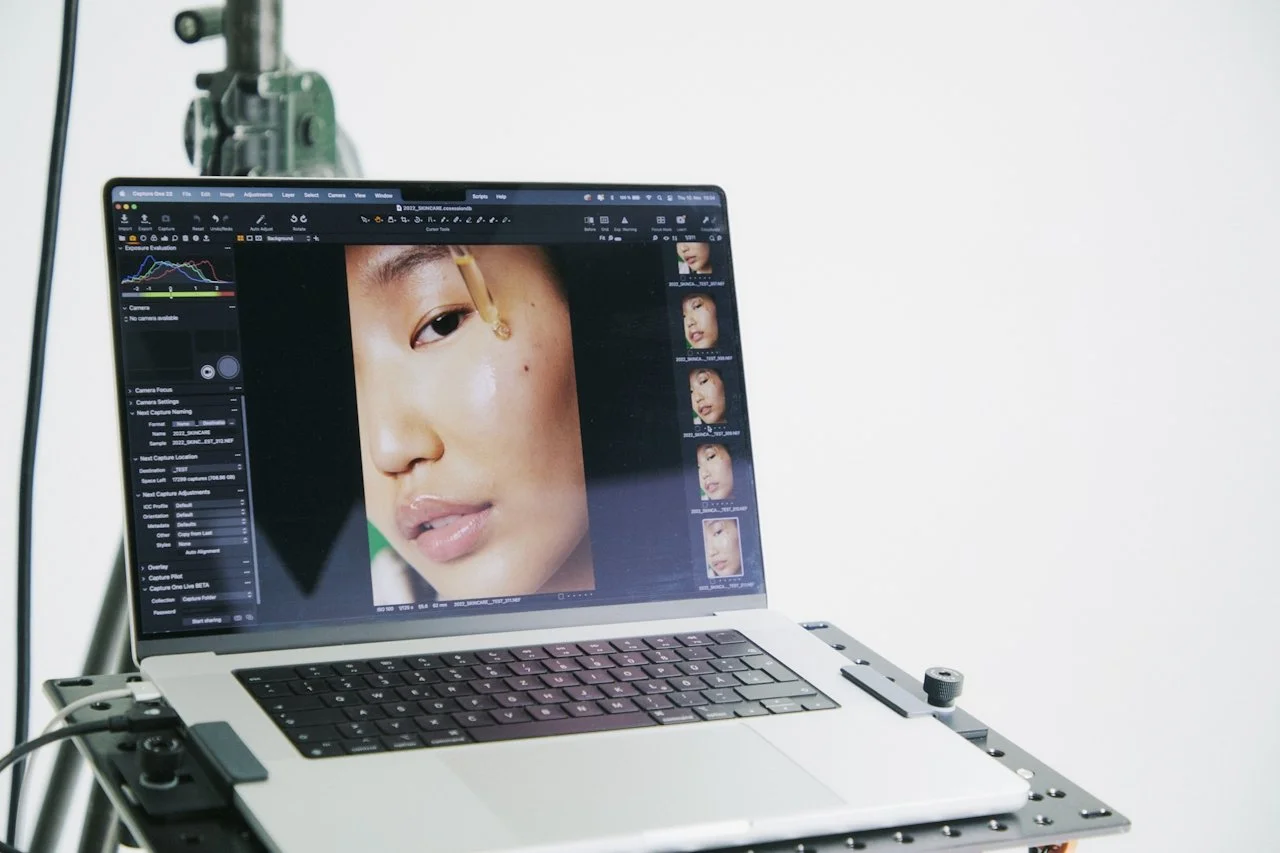
Online shopping has become one of the main ways beauty brands grow, especially in skincare. According to McKinsey's 2026 report, ecommerce now accounts for 28% of global beauty sales, making it the industry's largest sales channel. If you don't have your own store yet, you can build a free ecommerce website with Wix and upgrade when you're ready to take orders.
And social media is becoming a shopping destination of its own. US beauty sales on TikTok are expected to reach nearly $4 billion in 2026. People aren't just watching beauty influencers anymore. They're buying the products they see, often without leaving the app.
This means you have to start paying attention to emerging trends, making product launches easy to discover, and giving customers a reason to trust what they're buying.
| Figure | Statistic | Source |
|---|---|---|
| 28% | Share of global beauty sales that happen online | McKinsey, 2026 |
| 6x | How much faster online beauty sales are growing than in-store sales | NielsenIQ, 2026 |
| ~$4 billion | Forecast US beauty sales on TikTok | McKinsey, 2026 |
Beauty Consumer Statistics
Beauty shopping has slowed down, but in a good way. People are taking more time to research skincare products, read ingredient lists, and compare beauty brands before buying.
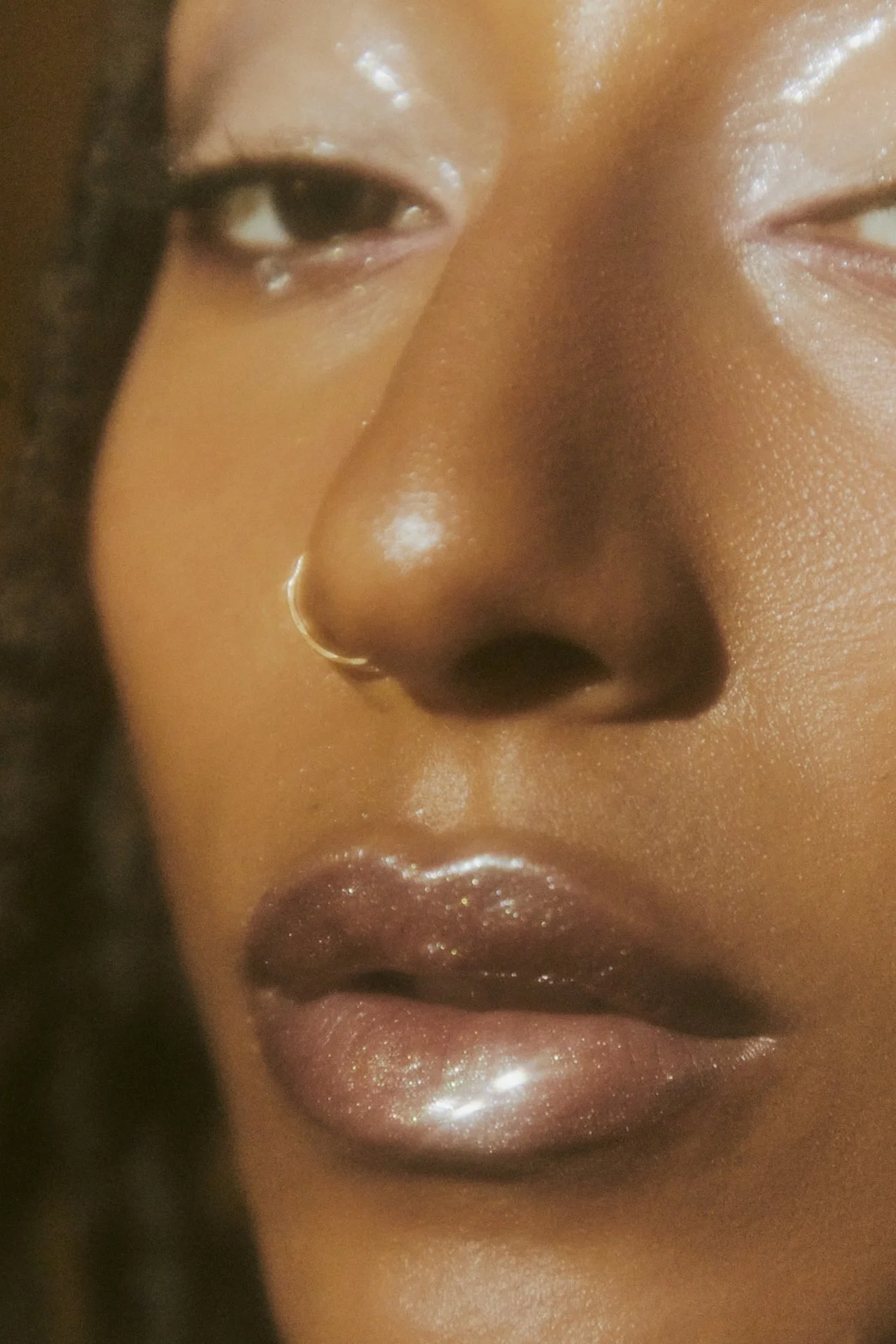

And much of that research happens online. A 2026 US beauty shopping study found that 42% of shoppers look up products online even while browsing in stores.
Younger generations, especially Gen Z, are helping shape consumer behavior. They discover products through social media, follow beauty trends, and look for brands that feel genuine.
Price and convenience matter, too. According to NielsenIQ's 2026 research, 52% of consumers would pay more for convenience, while 49% would spend extra on locally made products.
Consumer demand is still there. People just want to feel good about what they're buying.
| Figure | Statistic | Year |
|---|---|---|
| 42% | Consumers who research beauty products online while shopping in stores | 2026 |
| 52% | Consumers who would pay more for convenience | 2026 |
| 49% | Consumers who would pay more for locally made products | 2026 |
Clean, Vegan, and Sustainable Beauty Statistics
Sustainability and ethical beauty aren't just nice ideas anymore. People genuinely care about what goes into their skincare, whether products are cruelty-free, and how much packaging ends up in the bin. And honestly, it's good to see these things getting more attention.
The interest is showing up in sales, too. The vegan cosmetics market is expected to reach $21.88 billion in 2026, with skincare making up around 40% of it.
Packaging matters just as much. A 2026 US survey found that 62% of shoppers had bought something with sustainable packaging in the previous six months.
Of course, people are getting better at spotting empty promises. According to Mintel's 2026 research, 59% of UK adults worry about greenwashing in beauty and personal care.
And that's something beauty brands should take seriously. Nobody expects every small skincare business to have everything figured out. But choosing better packaging where possible, being honest about ingredients, and not making claims you can't back up? Those are good places to start.
| Figure | Statistic | Year |
|---|---|---|
| $21.88 billion | Forecast global vegan cosmetics market value | 2026 |
| 40.45% | Skincare's expected share of vegan cosmetics sales | 2026 |
| 62% | US shoppers who bought products with sustainable packaging | 2026 |
| 59% | UK adults concerned about greenwashing in beauty | 2026 |
Beauty Tech and AI Statistics
As more beauty shopping happens online, the way people choose products is changing along with it. Technology is becoming part of the buying process, especially in skincare and cosmetics, where finding the right product for your skin can take a bit of guesswork.
And the market is growing quickly. According to The Business Research Company's 2026 report, the global beauty tech market is estimated to reach $89.94 billion in 2026, with a forecast of $146.04 billion by 2030. That includes beauty devices as well as technology services, so it's not just artificial intelligence.
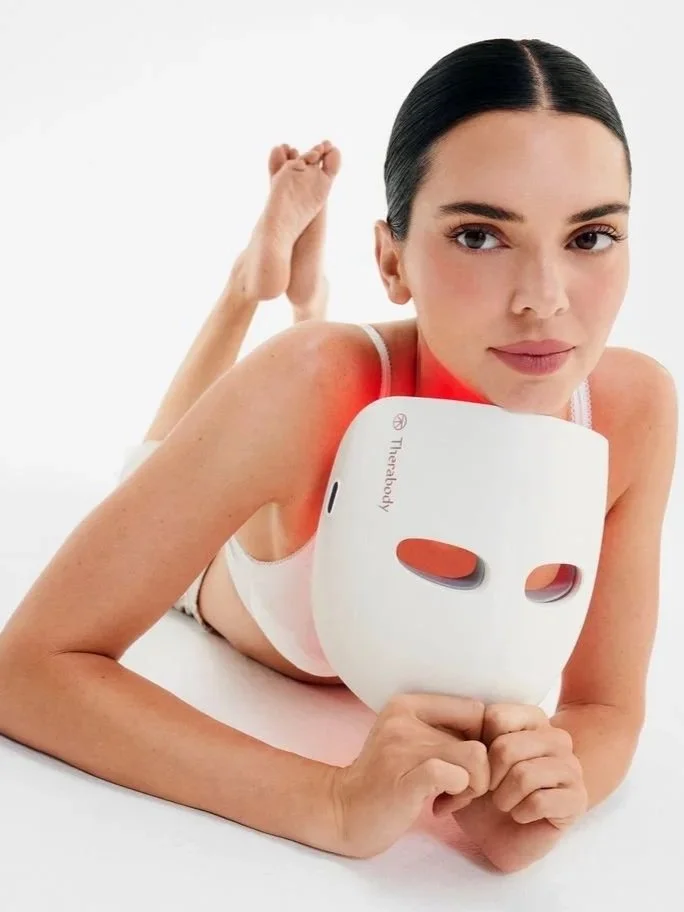
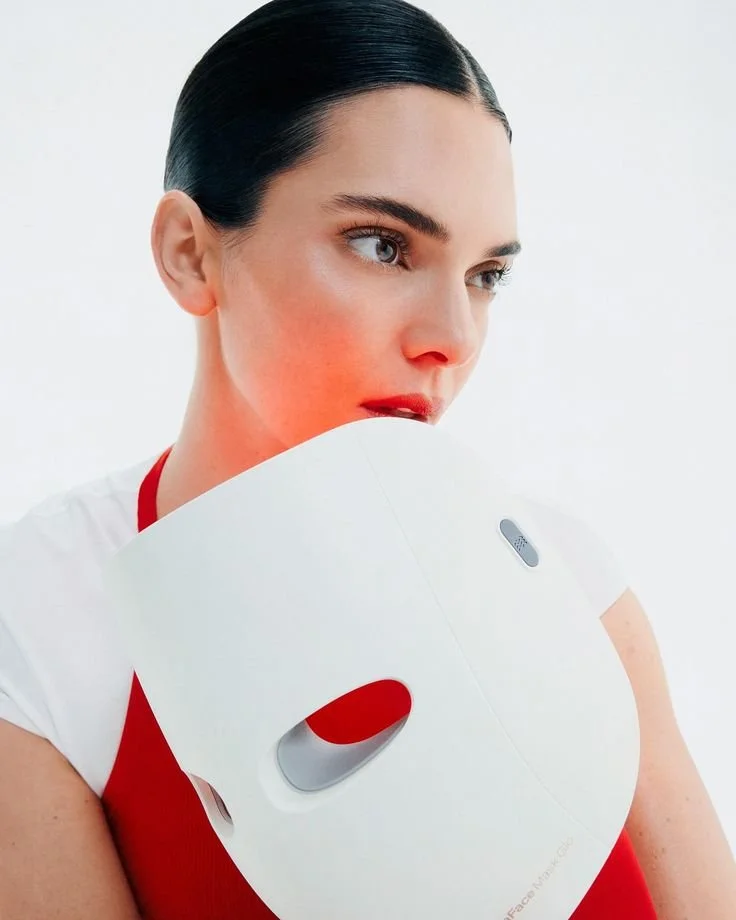
What's interesting is how people are actually using these tools. A 2026 US consumer survey by Nomura Research Institute found that around half of respondents were positive about AI-powered skin analysis and personalized product recommendations.
Beauty companies are picking up on these consumer trends, offering virtual try-ons, skin analysis tools, and better ways to compare products online. And for anyone trying to keep up with trending skincare products, these tools can make the search a little less overwhelming.
Still, no amount of clever technology can make up for a disappointing product. The useful part is helping someone understand what they're buying and whether it's right for them.
| Figure | Statistic | Year |
|---|---|---|
| $89.94 billion | Estimated beauty tech market value | 2026 |
| $146.04 billion | Forecast beauty tech market value | By 2030 |
| ~50% | US consumers who responded positively to AI-powered skin analysis and personalized recommendations | 2026 |
Health and Beauty Industry Statistics
Getting enough sleep, eating well, managing stress – we know these things matter for our health. But they're also becoming a bigger part of how people think about beauty. After all, there's only so much a face cream can do when you're running on four hours of sleep.
In a 2026 survey by BCG and WWD, around 80% of highly engaged beauty consumers connected beauty with their physical and mental wellbeing.
Social media influence plays a part, too. A 2026 Pew Research study found that 38% of health and wellness influencer posts included product promotions. With so much advice floating around, it can be hard to tell what's genuinely useful and what's just another product being sold.
There's no need to turn every product into a wellness miracle. A good cleanser or moisturizer won't fix someone's sleep schedule, and it shouldn't promise to. But it can make taking care of their skin a little easier, and that's valuable on its own.
| Figure | Statistic | Year |
|---|---|---|
| ~80% | Highly engaged beauty consumers who associate beauty with wellbeing | 2026 |
| 38% | Wellness influencer posts that included product promotions | 2026 |
What Beauty Industry Statistics Mean for Brands in 2027
It's great to see the beauty market growing. But if you're running a skincare business, what you really want to know is how to turn that market growth into actual revenue.
The beauty industry statistics 2026 reports give us some clues. The hair care segment is changing, skincare is holding strong, and cosmetics are getting more playful. Still, not every trend will make sense for your brand.
Here's what you need to focus on:
Listen to your customers. Questions about dry skin, ingredients, or product results can tell you more about demand than a list of trending products.
Be picky about what you launch. Look at pricing, competition, and whether a product fits your existing range before investing. If you're starting from zero, understanding the skincare product development process can help you avoid expensive mistakes.
Make shopping easier. Clear descriptions and honest claims help people understand what they're buying.
Watch your own numbers. Market data is useful, but repeat purchases and revenue show what's actually working.
Big beauty companies can afford to experiment with entire collections. Smaller beauty brands need to be a little more careful with their time and money.
That's where private label products can give you an advantage. By working with a reliable manufacturer like Selfnamed, you can choose from ready-made skincare, hair care, and cosmetics formulas. Add your own branding, and test new cosmetics and skincare products without committing to large orders.
You don't need to chase every trend in 2027. Just find the ones that make sense for your customers and build from there.


What’s Next for Beauty Brands?
There's a lot happening in beauty right now, and it's exciting to see how much the industry keeps changing. New ingredients, different shopping habits, more interest in wellness, and smaller beauty brands finding their place alongside the big names.
But if there's one thing to remember from these beauty industry statistics 2027, it's that a growing market doesn't guarantee a successful brand.
People have more choices than ever. They can compare prices in seconds, check ingredients, watch honest reviews, and discover a new skincare brand while scrolling through TikTok. Getting their attention is one thing. Giving them a reason to come back is another.
You don't need to launch ten new products, follow every trend, or have the biggest marketing budget. Sometimes it's better to spend that time improving a formula, listening to what customers keep asking for, or making your product information a little easier to understand.
Use these numbers to spot opportunities, question your assumptions, and figure out where your brand might fit. And keep checking what's changing, because what works in beauty today might look quite different a year from now.
So take the research, combine it with what you know about your customers, and don't be afraid to start small. You don't have to be the biggest beauty brand in the market. You just have to build one that people are genuinely happy to buy from again.
Frequently Asked Questions
-
Huge! And there's still room for new beauty brands. The global market covers everything, including everyday skincare, hair care, luxury perfumes and cosmetics. It's a competitive space, but people are always looking for products that suit their needs, budget, and lifestyle.
-
Not exactly. Market growth is becoming steadier, but people haven't stopped buying beauty products. Customers are simply being more careful with their money. They're comparing prices, reading reviews, and making sure something is worth buying before adding it to their cart.
-
Products that solve everyday problems are always popular. For example, gentle skincare, scalp treatments, moisturizing products, and makeup that's easy to use. There's also demand for affordable alternatives to expensive favorites. People love discovering something that works without costing a fortune.
-
Fragrance is having a great moment, especially smaller perfume brands offering something different. Skincare and hair care are doing well, too. But growth depends on the market you're looking at, so it's worth checking what people actually buy in your area before jumping into a new category.
-
Skincare-inspired makeup, scalp care, personalized beauty, and sustainable packaging are getting plenty of attention. Social media is still where many trends take off. One day everyone's talking about a new ingredient, and the next it's a lip product nobody can keep in stock.
-
Earning people's trust. There are so many beauty brands and companies promising amazing results that it's hard to know who to believe. For smaller companies the answer isn't necessarily a bigger marketing budget. Good products, honest claims, and helpful customer service can do more for long-term revenue than another viral campaign.
Must read