Table of Contents
Key Takeaways
Food is one of beauty's most powerful marketing languages.
Sensory storytelling helps consumers "feel" products before they buy them online.
Brands like Rhode and Skims are turning food-inspired aesthetics into cultural phenomena.
Gen Z and Gen Alpha are driving demand for flavour-, texture-, and nostalgia-led beauty experiences.
The most successful beauty brands use food metaphors to communicate texture, benefits, and lifestyle – not just to look trendy.
Have you ever been tempted to taste the deliciously strawberry scented lipstick you have? Or found yourself briefly confusing a rich vanilla face cream with dessert? That’s how powerful sensory marketing is in beauty.
Food in beauty marketing isn’t anything new, but there’s a clear trend that we can’t keep ignoring. It’s popping up on our Instagram feed and tempting us on store shelves – it’s food mixing with beauty and fashion and vice versa. Is it tinned fish that David Protein is marketing, or a luxury skincare launch disguised as a pantry staple? Hard to tell. Whatever the case may be, it’s clear that in 2026 brands are competing for the same cultural real estate: appetite.
So how can your brand use food-inspired marketing effectively, and what are some good examples of brands doing it right now? Let's take a closer look.
Why Food Works for Beauty Brands
Creamy cakes, crunchy fries, … burgers – just listing these foods makes me hungry. And it’s clear – our brains are wired to respond to food. Long before we evaluate a product, visual cues like colour, shine, texture and shape trigger emotional and sensory associations that influence how we feel about it. That’s why food-inspired marketing has become such a powerful tool for beauty brands.
At its core, food beauty marketing is an extension of sensory marketing. Popularised by branding experts such as Martin Lindstrom in Brand Sense, sensory marketing focuses on engaging multiple senses – sight, smell, touch, taste and even sound – to create stronger brand recall and emotional connections. The more senses a brand can activate, the more memorable it becomes.
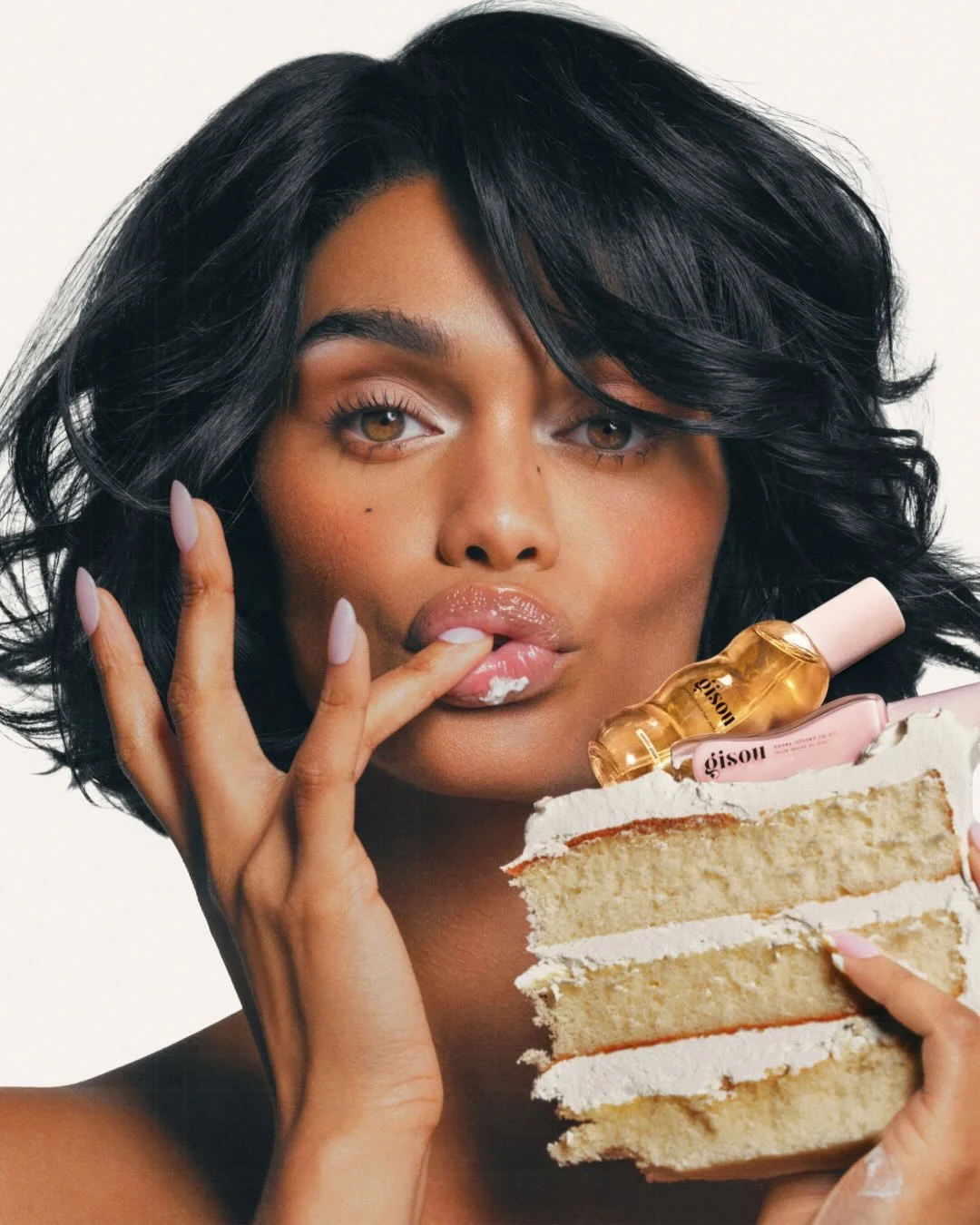
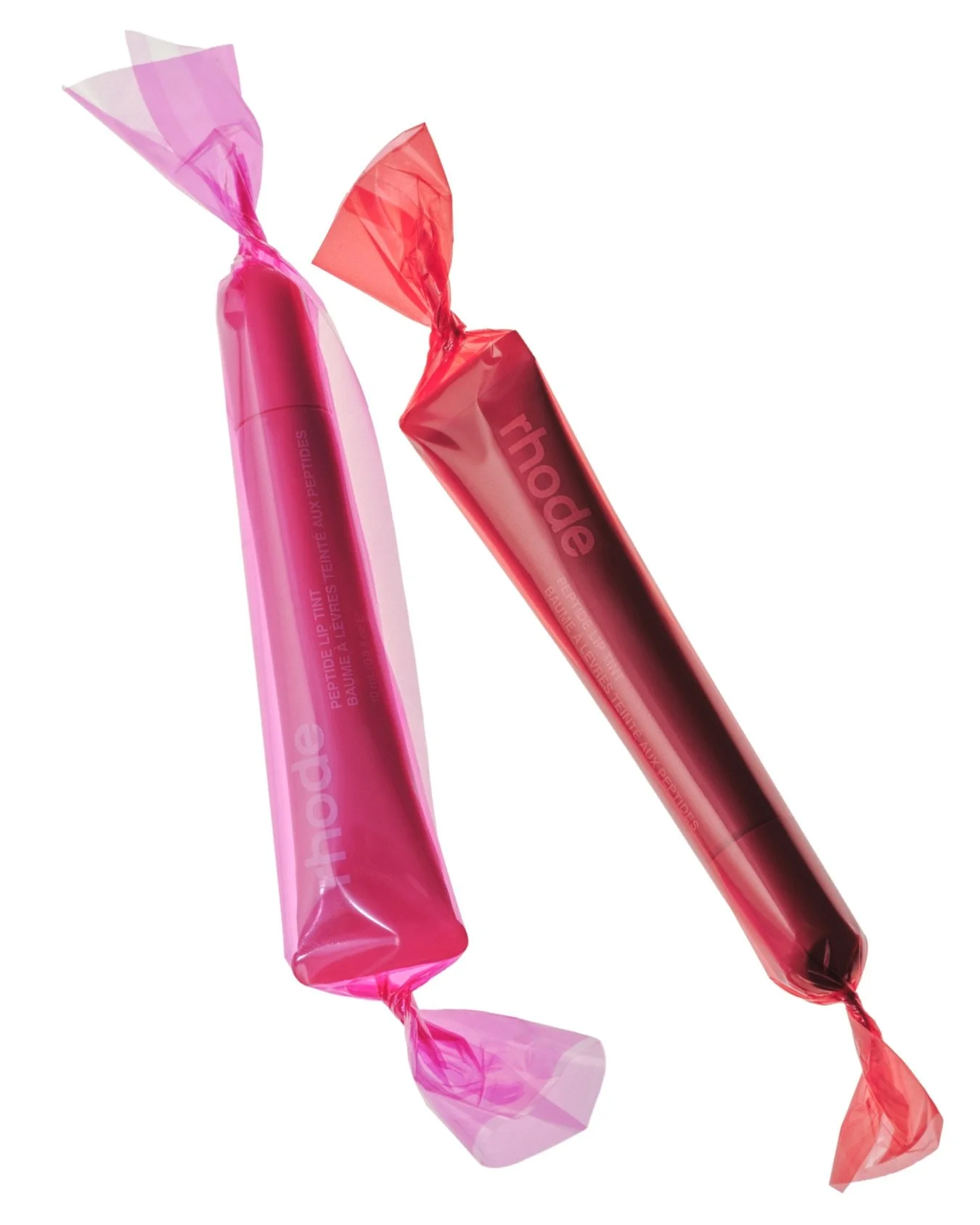
Food visuals are particularly effective because they naturally mirror beauty product textures. Think of honey-like serums slowly dripping from a pipette, frosting-inspired moisturisers whipped into peaks, glossy lip products resembling fruit preserves, or jelly masks that wobble like dessert.
For digital-first beauty brands, food-inspired content serves another purpose: it helps compensate for the lack of physical product testing. So while you can’t smell a lip balm or feel a moisturiser's texture, an image can convey it.
Sensory Storytelling: Turning Products Into Edible Metaphors
The strongest beauty food marketing builds entire product stories around edible metaphors.
Terms like "glazed donut skin," "jelly lips," "marshmallow blush" and "butter balm" instantly communicate texture, finish and emotional payoff.
Language plays an equally important role. Compare the phrase "occlusive barrier moisturiser" with "Barrier Butter." One sounds clinical and technical; the other sounds simple and sensory-driven. Brands increasingly use food-inspired names to make products feel more accessible to younger audiences.
Recent examples include product names such as "Butter Balm," "Glazing Milk," "Jelly Tint," "Strawberry Glaze," and "Milk Shake Leave-In Conditioner." These names communicate benefits while creating stronger emotional engagement.
How Leading Brands Serve Up Tempting Campaigns
Food-inspired marketing takes many forms. Let’s explore examples that demonstrate how brands across beauty, fashion and lifestyle categories are using food to build attention, emotion and community.
Rhode: Building a Brand Language Out of Dessert
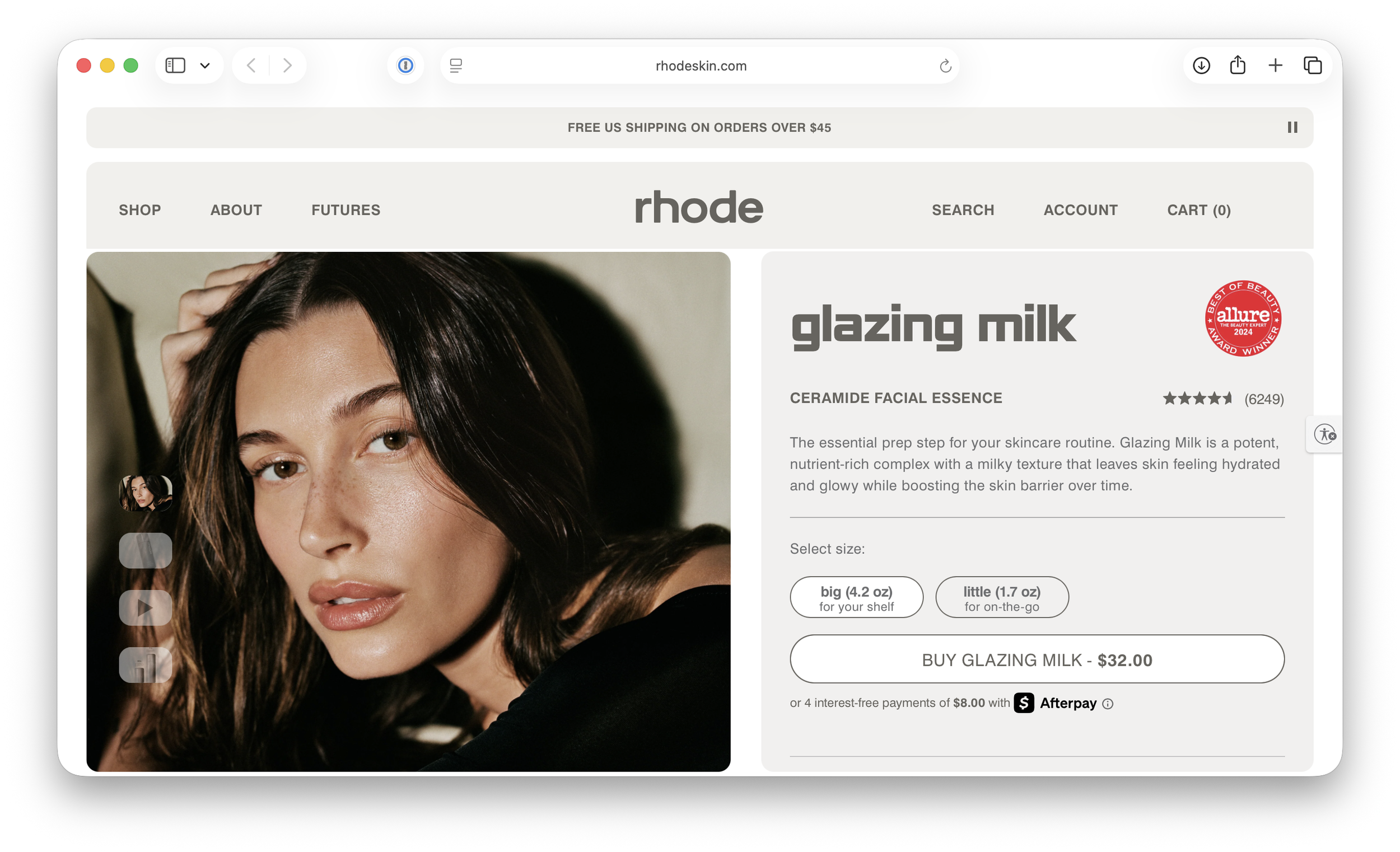
When Hailey Bieber launched Rhode in 2022, she introduced a new beauty vocabulary. The concept of "glazed donut skin" quickly became synonymous with the brand and helped define an entire trend.
Source: Rhode
Products such as Peptide Glazing Fluid, Glazing Milk and Barrier Restore Cream changed skincare terminology into a menu. Even when discussing barrier repair or hydration, Rhode framed benefits through the language of glaze, milk and buttery textures.
Later launches, including strawberry-inspired product drops and seasonal campaigns, further reinforced Rhode's bakery-adjacent world. The strategy resonated strongly with Gen Z and younger millennials already communicating through food metaphors on TikTok and Instagram.
Skims: From Pancakes to Pop-Ups
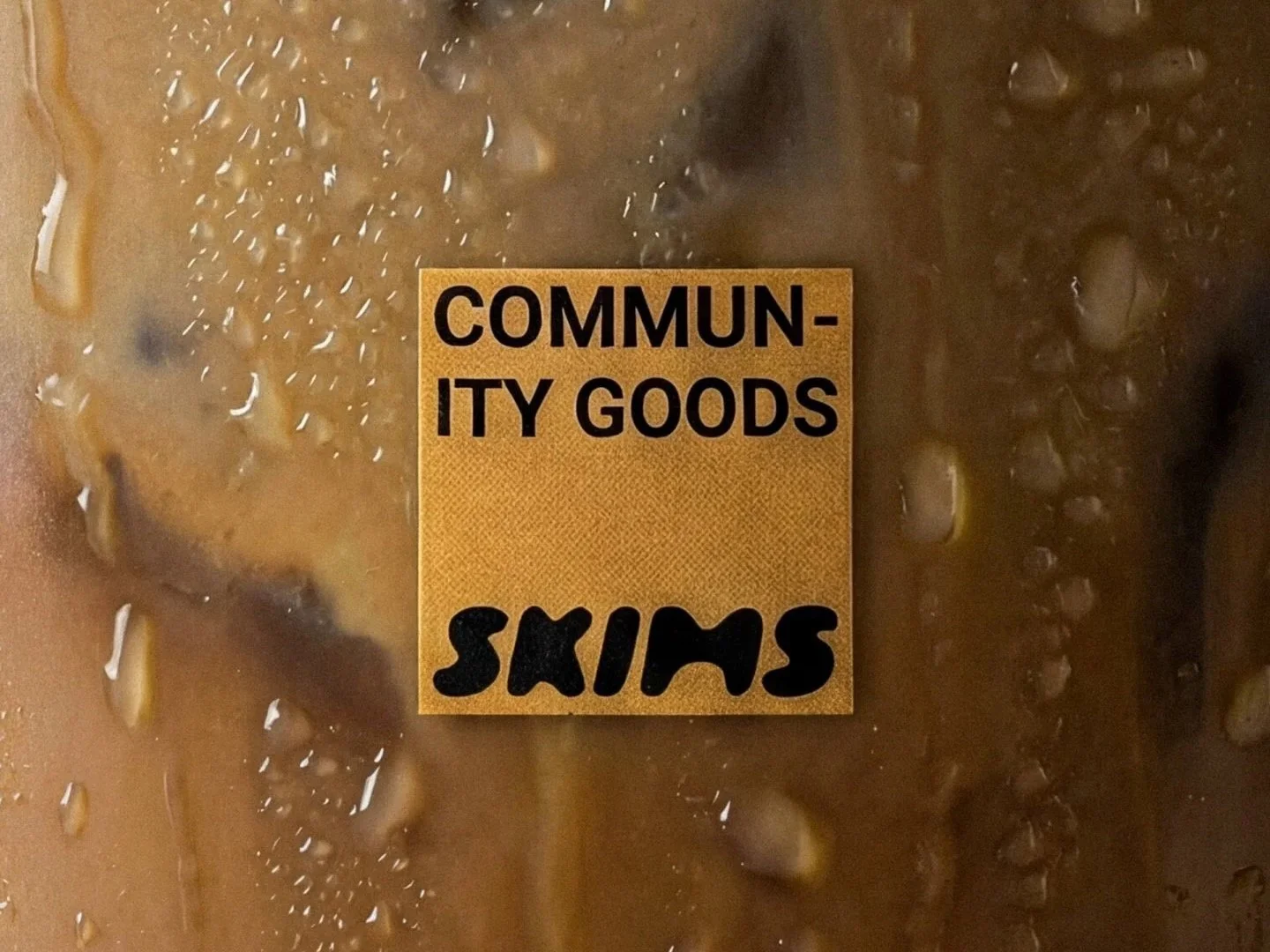
Skims has consistently used food imagery as part of its broader lifestyle branding strategy.
Across social media, the brand regularly incorporates milkshakes, pancakes, butter and diner-inspired visuals into campaigns. Rather than functioning as direct product metaphors, these food references create a mood: cosy, comforting and socially shareable.
Pop-up experiences have extended this concept offline, combining branded food moments with shopping experiences. Visitors engage with comfort-food-inspired environments that reinforce Skims' positioning around relaxation and everyday luxury.
The visual language is particularly effective on TikTok and Instagram Reels, where slow-pour syrup, melting butter and frothy drinks create satisfying loops.
Jacquemus: Luxury Fashion with Bread and Butter
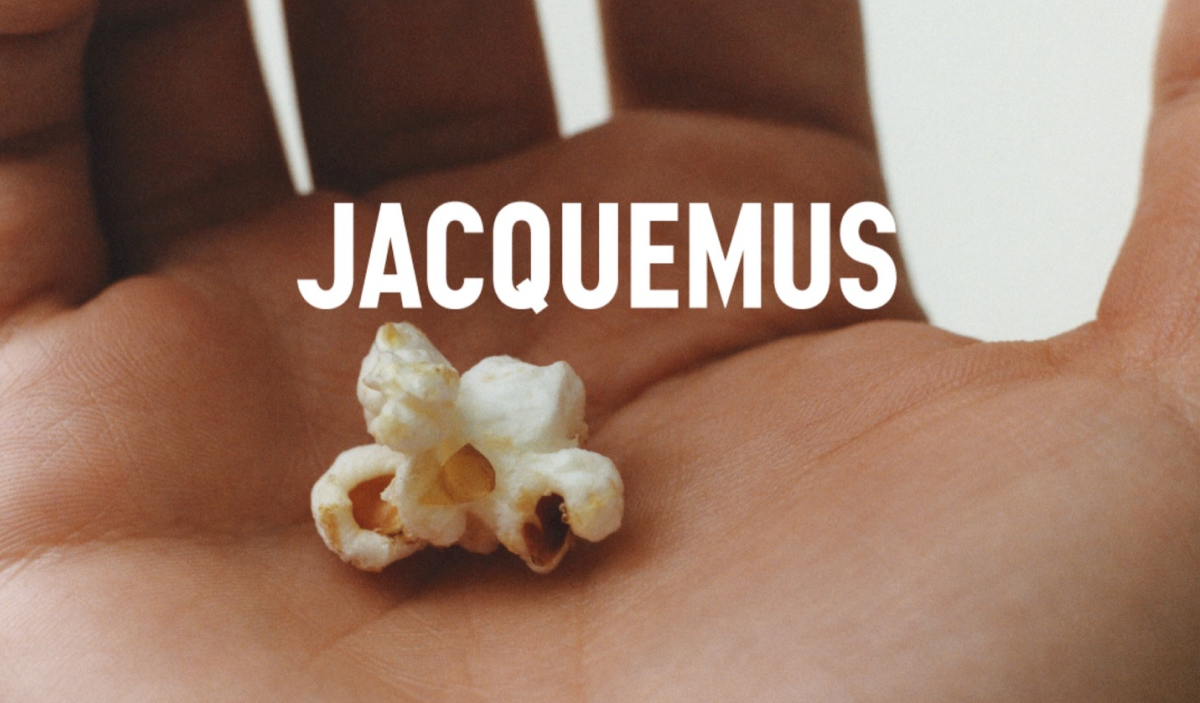
Few luxury brands have embraced food imagery as playfully as Jacquemus.
Recent campaigns have featured bread, butter and everyday pantry staples positioned alongside high-fashion accessories and runway moments. Social content showing oversized butter blocks creates a contrast between ordinary household items and luxury fashion.
The result feels both aspirational and relatable. Food acts as a visual bridge, making the brand more approachable without diminishing its premium positioning.
Vaseline South Africa x Krispy Kreme: Glazed Skin, Glazed Doughnuts
In 2025, Vaseline South Africa partnered with Krispy Kreme to promote its CeraGlow range during the height of the glazed-skin trend.
The collaboration centred around a simple but powerful insight: both skincare and doughnuts could be described as "glazed." PR boxes paired full-sized skincare products with original glazed doughnuts, creating a genuinely multi-sensory unboxing experience.
Local creators and influencers amplified the campaign across Instagram and TikTok, generating user-generated content that linked shine, texture and indulgence across both categories.
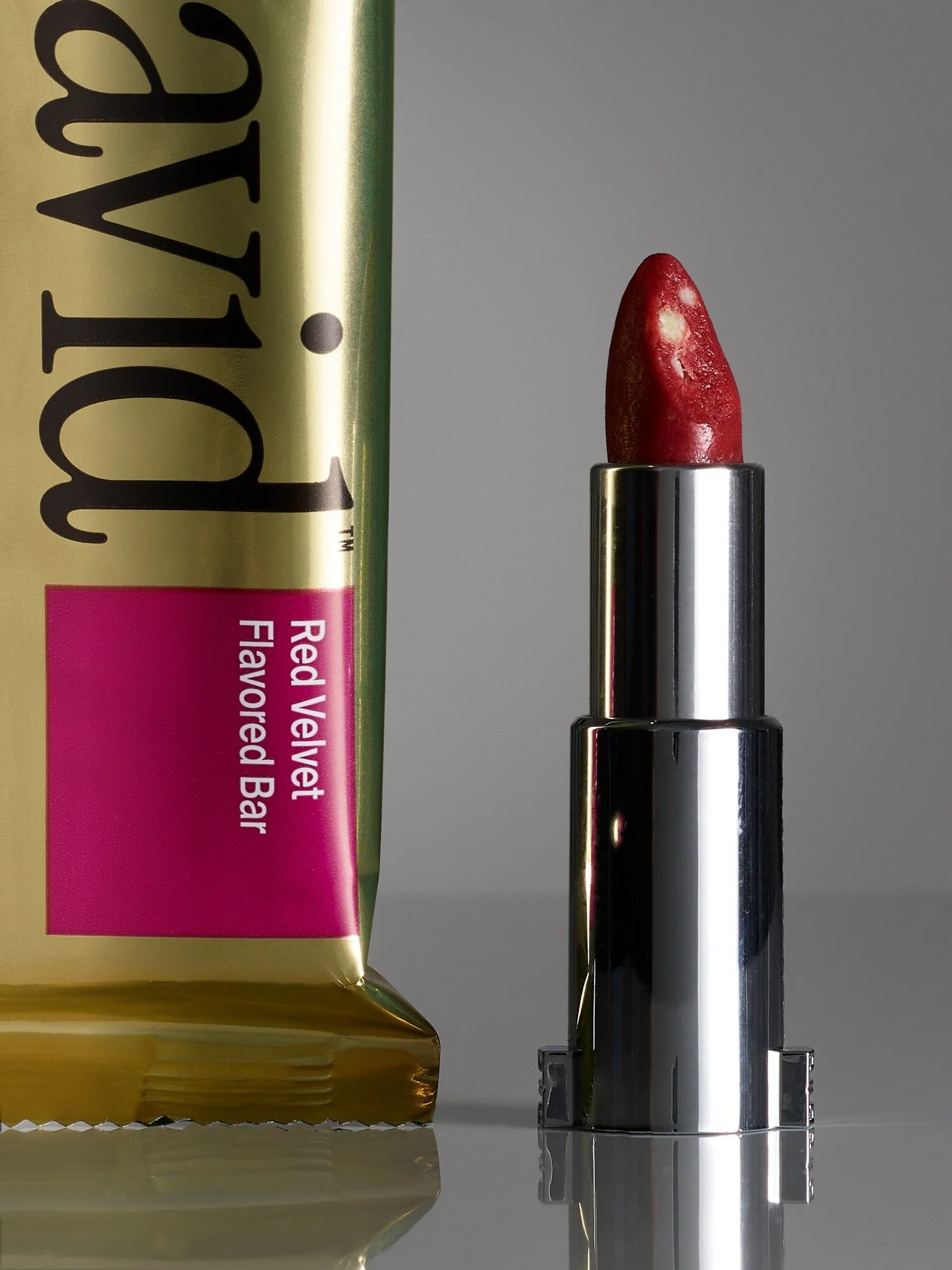
David Protein: Rebranding Tinned Fish As Luxurious And Sexy
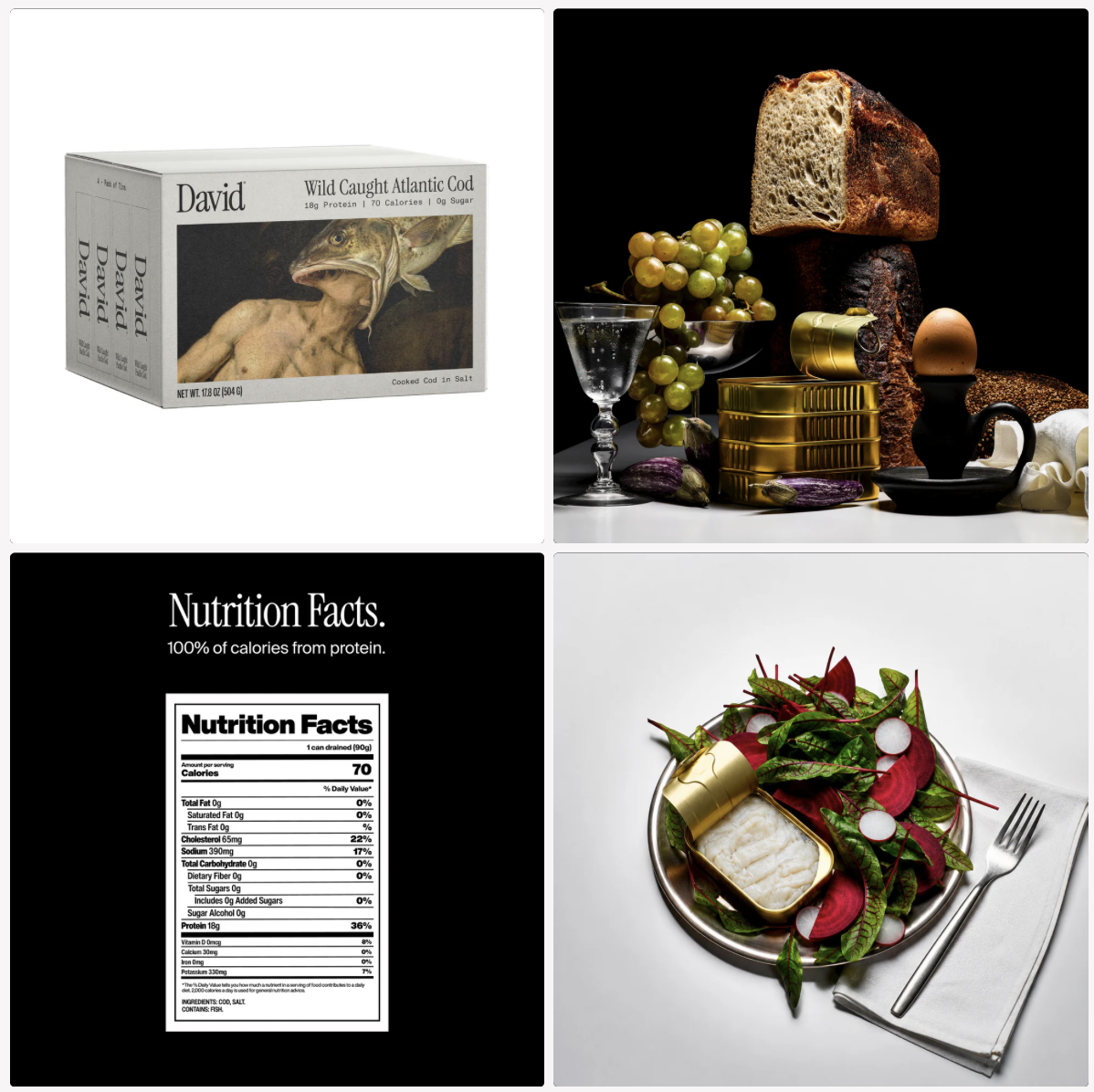
Tinned fish was once considered one of the least glamorous grocery categories. David Protein changed that through muted colors, luxurious lifestyle photography, and premium storytelling.
Source: David Protein
The brand demonstrates how visual identity can completely reshape consumer perception. This is similar to how Rhode elevated everyday moisturisers through aspirational imagery and language.
Graza: Making Olive Oil Feel Like Streetwear
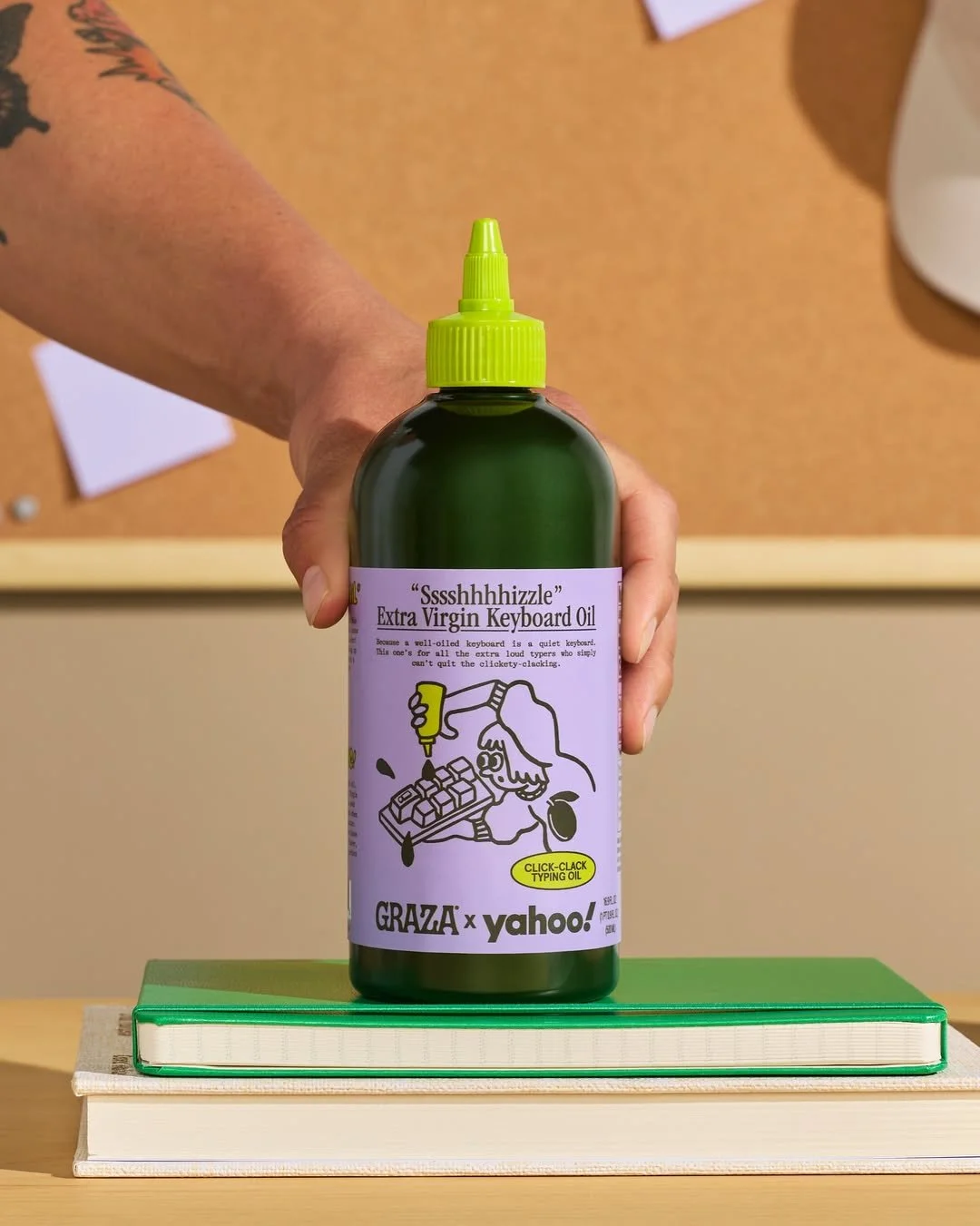
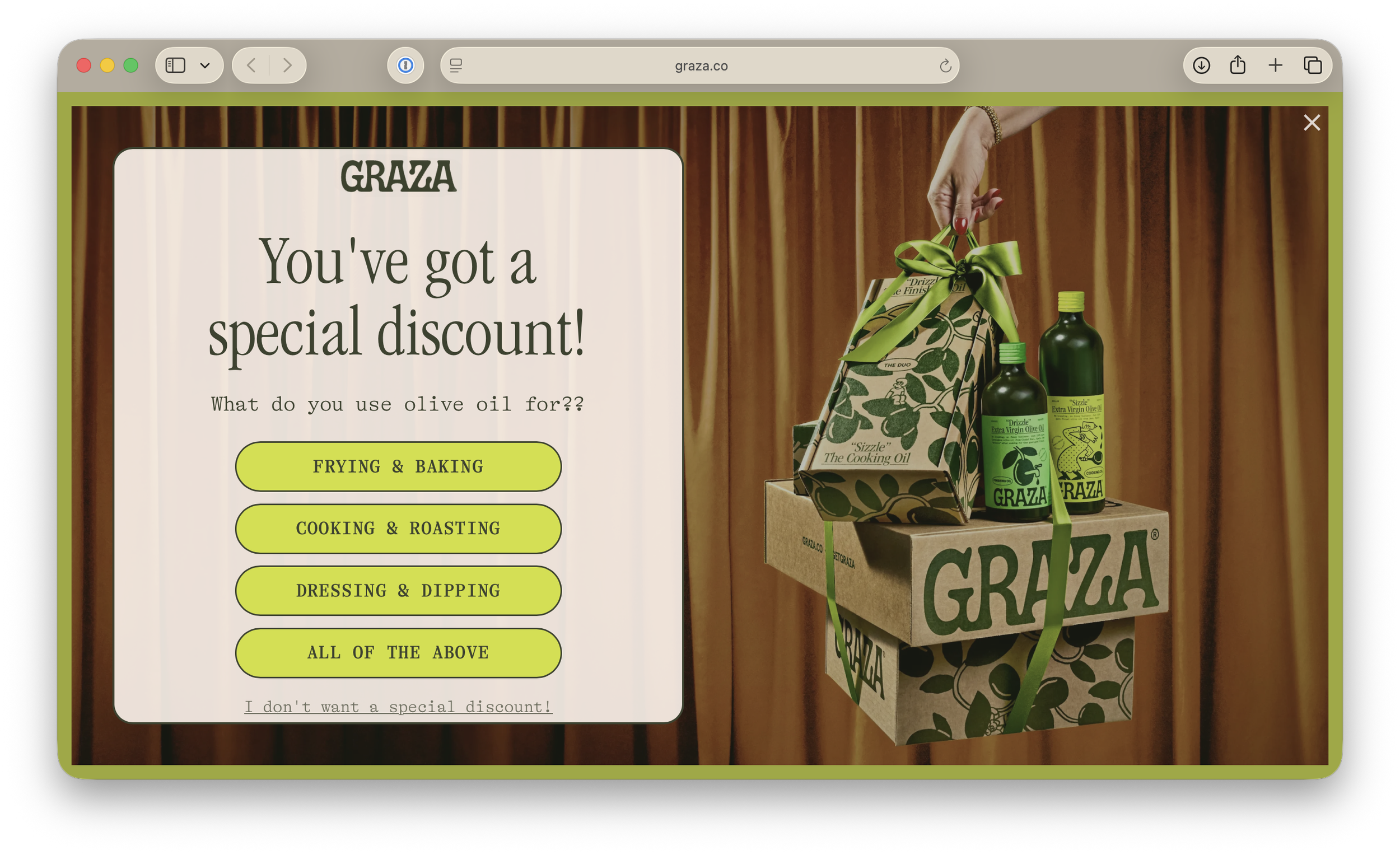
Graza became famous not because it reinvented olive oil, but because it reinvented how olive oil looked.
Source: Graza
By packaging olive oil in bright, squeeze-bottle containers inspired by restaurant kitchens rather than luxury food halls, the brand made a traditional pantry staple feel modern, playful, and Instagram-friendly. The lesson for beauty marketers is clear: packaging can transform a familiar product into a cultural object.
Olipop and Poppi: Turning Gut Health into Pop Culture
For years, digestive health products were packaged like pharmacy items. Brands like Olipop and Poppi changed that by borrowing heavily from soda branding, nostalgia, and colourful FMCG design.
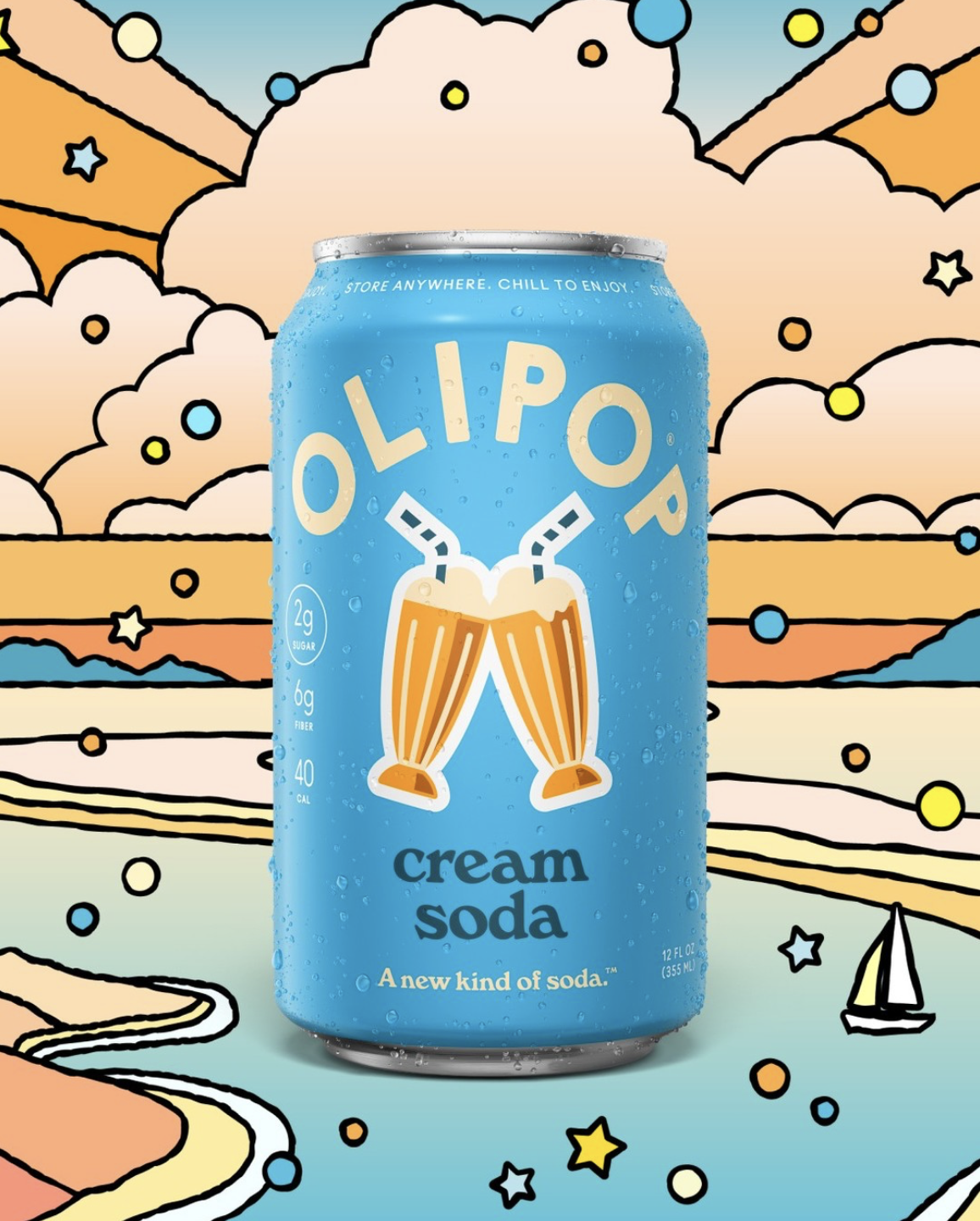
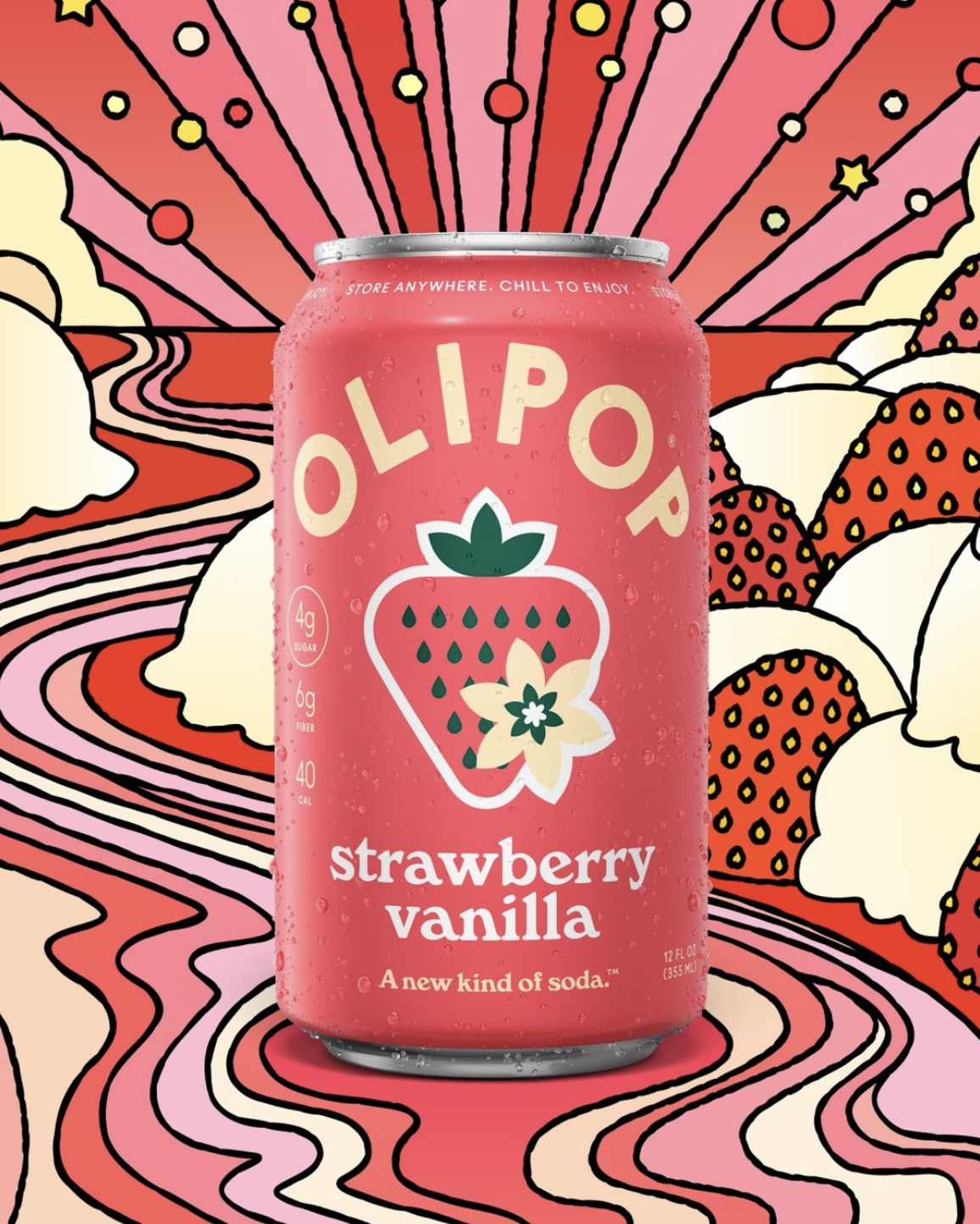
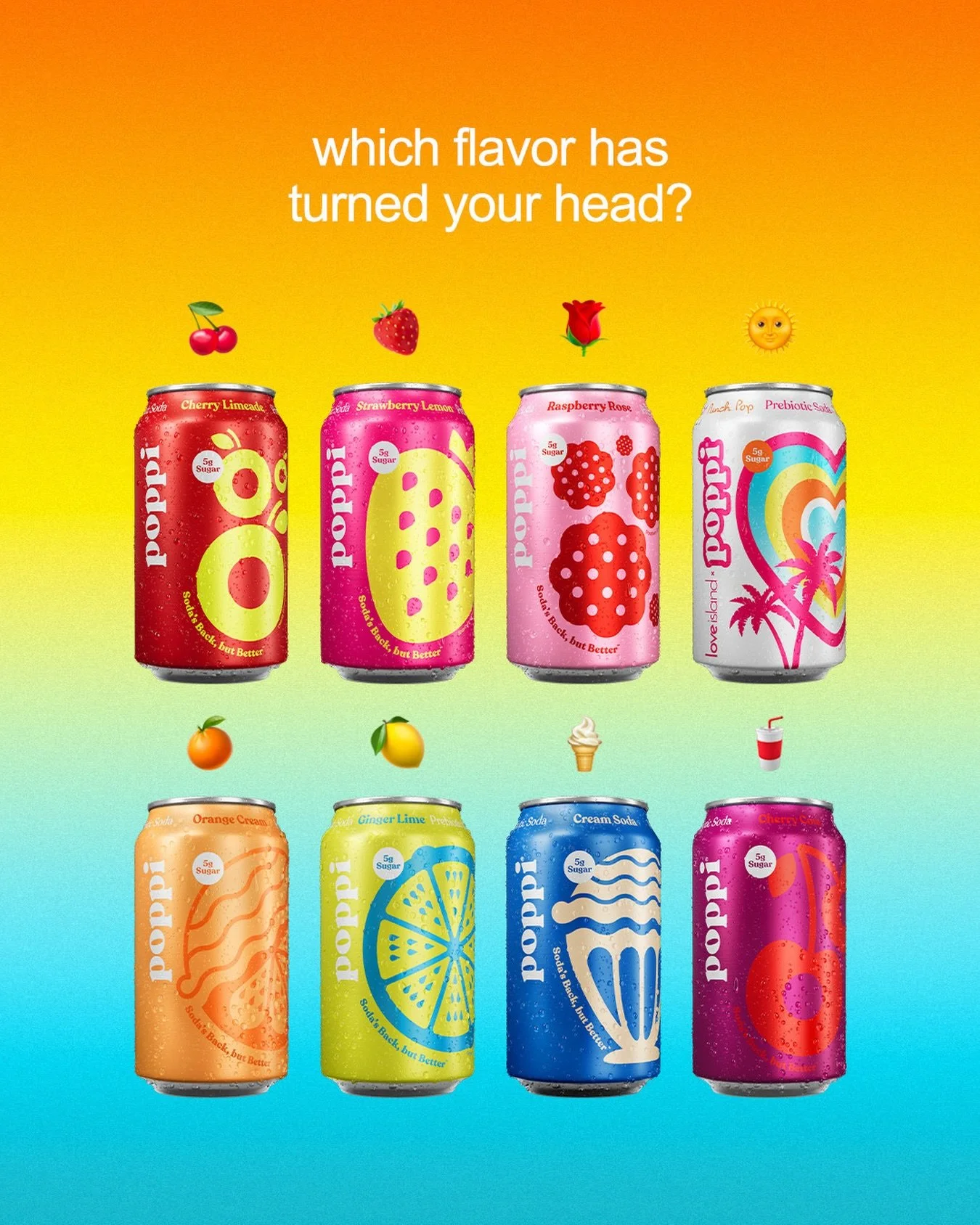
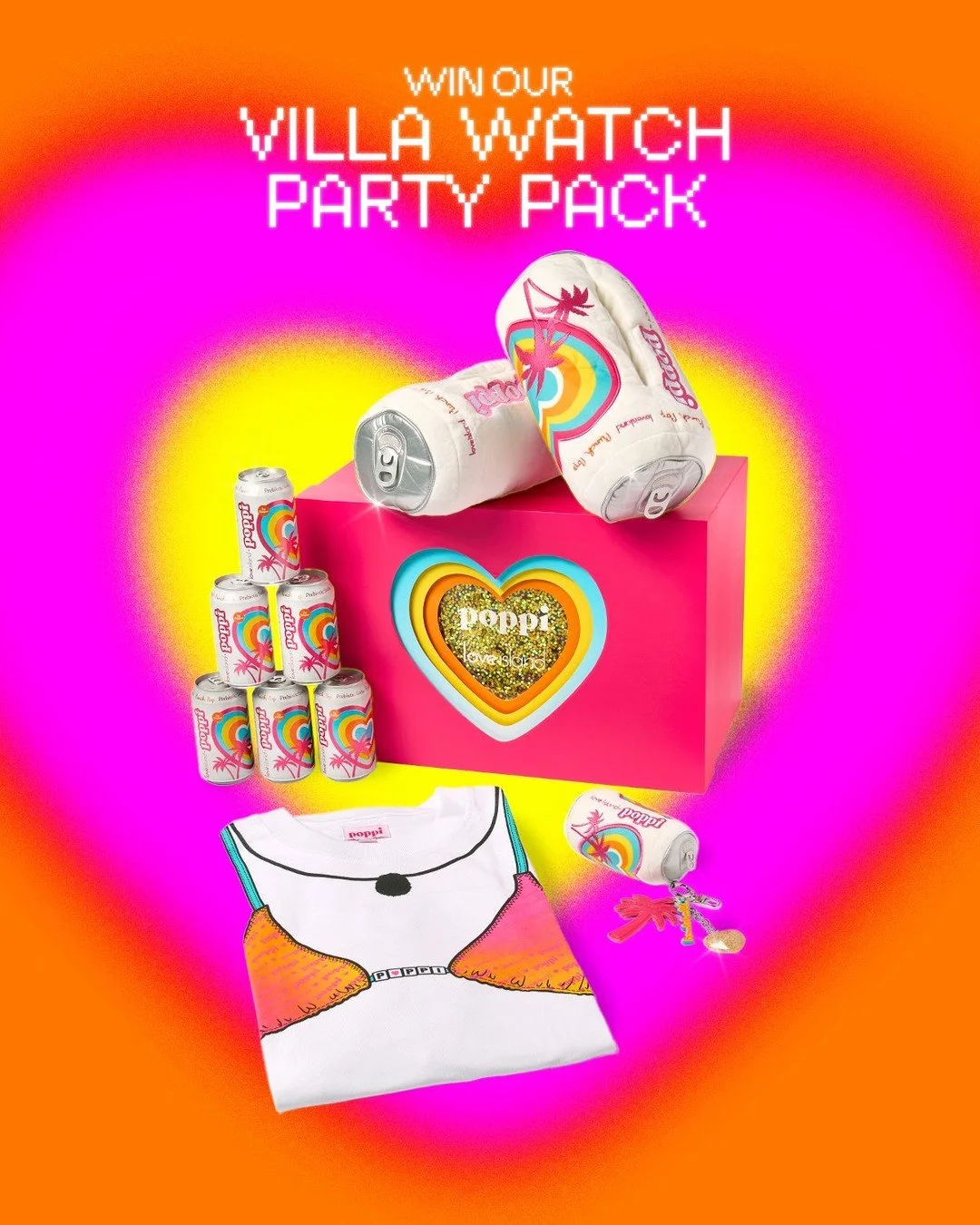
Both brands transformed fibre and gut health into something consumers actively wanted to display on social media. Their success demonstrates how sensory branding can make functional benefits feel emotionally rewarding. That’s a lesson beauty brands increasingly apply to skincare categories such as barrier repair, hydration, and microbiome health.
Gen Z and Gen Alpha Love Flavour-Driven Beauty
Gen Z and Gen Alpha have grown up in a world where food content dominates digital culture. Mukbang videos, recipe creators, coffee aesthetics, ASMR cooking clips and unboxing videos have blurred the boundaries between food and entertainment.
It's no surprise that these audiences are drawn to beauty products inspired by familiar flavours and food experiences. Without a doubt, there’s a strong growth in food-beauty crossover launches, particularly within lip care, body care and fragrance categories. Limited-edition flavours and nostalgic collaborations continue to perform particularly well among younger consumers.


How to Use Food Sensory Marketing in Beauty
For beauty brands, food-inspired storytelling doesn't require a complete rebrand. Some of the most successful strategies begin with small, low-risk experiments.
Start with:
Food-inspired shade names
Dessert-inspired product descriptions
Texture-focused photography
Seasonal campaigns
Limited-edition packaging
When choosing a food world, ensure it aligns with your brand identity. Minimalist brands may perform better with milk, honey, oats or tea-inspired visuals, while playful brands can lean into ice cream, sweets and bakery aesthetics.
Partnerships can also be highly effective. Local cafés, bakeries and beverage brands often share similar audiences and can provide opportunities for limited-edition collaborations, influencer kits or experiential activations.
At the same time, brands need to establish clear guidelines. Avoid unnecessary food waste during events, remain culturally sensitive when referencing global cuisines, and be mindful of messaging that could unintentionally connect beauty standards with unhealthy food relationships.
The Cherry On Top
As beauty becomes increasingly visual, social and ecommerce-driven, sensory storytelling offers brands a powerful way to communicate product benefits while creating emotional connections.
The most successful examples, like Rhode and Skims, use food because it helps consumers instantly understand texture, performance and mood.
As Gen Z and Gen Alpha continue to shape consumer culture, the brands that create genuine cravings through sensory experiences will have a distinct competitive advantage. The opportunity for brands is clear: audit your current visual identity, product naming and content strategy, and identify where a carefully chosen food-inspired element could make your brand more memorable, more shareable and ultimately more desirable.
-
Current beauty packaging trends focus on creating products that are visually engaging, highly shareable, and aligned with consumer values.
Food-inspired packaging is particularly popular, with brands using designs that resemble desserts, beverages, fruits, and pantry staples.
Successful packaging today balances aesthetics with functionality, helping consumers instantly understand a product's texture, benefits, and brand personality.
-
The best collaborations begin with audience alignment. Brands should identify foods, flavours and cultural references that already resonate with their target consumers and reflect their existing brand personality. Operational considerations – including production timelines, licensing agreements and content compatibility – should be evaluated before launch. Starting with small pilots, such as co-branded PR kits or limited-edition drops, can help validate demand before committing to larger partnerships.
-
Track both awareness and commercial metrics. Reach, impressions, engagement rate, saves and shares provide visibility into audience response, while sell-through rates, average order value and product-specific revenue reveal commercial performance. Qualitative indicators such as user-generated content, social sentiment and brand lift surveys can also help assess whether consumers find the campaign memorable and emotionally engaging.
-
Yes. Beauty brands must comply with cosmetic regulations in every market they operate in, including ingredient disclosure and allergen requirements. Products should be clearly identified as non-edible, especially when they closely resemble food.
-
The strongest brands go beyond generic sweets. Consider owning a more distinctive territory, such as café culture, regional desserts, savoury comfort foods or wellness-inspired ingredients. Combining food cues with another brand pillar – such as science, sustainability or wellness – can also help create a more differentiated identity that feels authentic.
-
Absolutely. Clinical brands can use food associations in a subtle, benefit-led way. Ingredients such as oats, chamomile, olive oil and rice already have strong connections to both food and wellness. Rather than adopting highly playful dessert aesthetics, clinical brands can use food imagery to make benefits more relatable while maintaining scientific credibility and consumer trust.
Must read