Building a Hair Care Routine for Hair Growth That Customers Trust
Table of Contents
Every hair growth product starts with the same thing – hope.
Hope that this routine will finally be the one that sticks. Hope that small changes will add up. Hope that healthier, fuller-looking hair is possible with the right products and a little patience.
If you're building a hair care brand, that hope is worth understanding. Your customers aren't simply looking for another shampoo, serum, or oil. They're testing routines. They want to understand which habits are actually worth keeping and which ones are simply a trend.
Instead of looking for one product that does it all, customers are paying closer attention to scalp health, moisture, breakage, and ingredients that fit into a routine they can realistically follow.
And the better you understand what customers are really looking for, the easier it becomes to create products they'll keep reaching for.
Let's break down what makes a hair care routine for hair growth effective, why protecting existing hair deserves just as much attention as encouraging new growth, and what customer routines can teach you about building a hair care line people genuinely value.
Key Takeaways
Healthy hair growth starts with the scalp, making scalp care the foundation of an effective routine.
Supporting hair retention by reducing breakage is just as important as helping customers grow new hair.
Clean beauty continues to shape hair care, with customers placing greater value on transparent ingredients and purposeful formulations.
Hair Growth Starts With Your Scalp
When people shop for hair growth products, they usually focus on what they can see. Longer hair. Less breakage. More volume. The scalp rarely gets the same attention, even though that's where every strand begins.
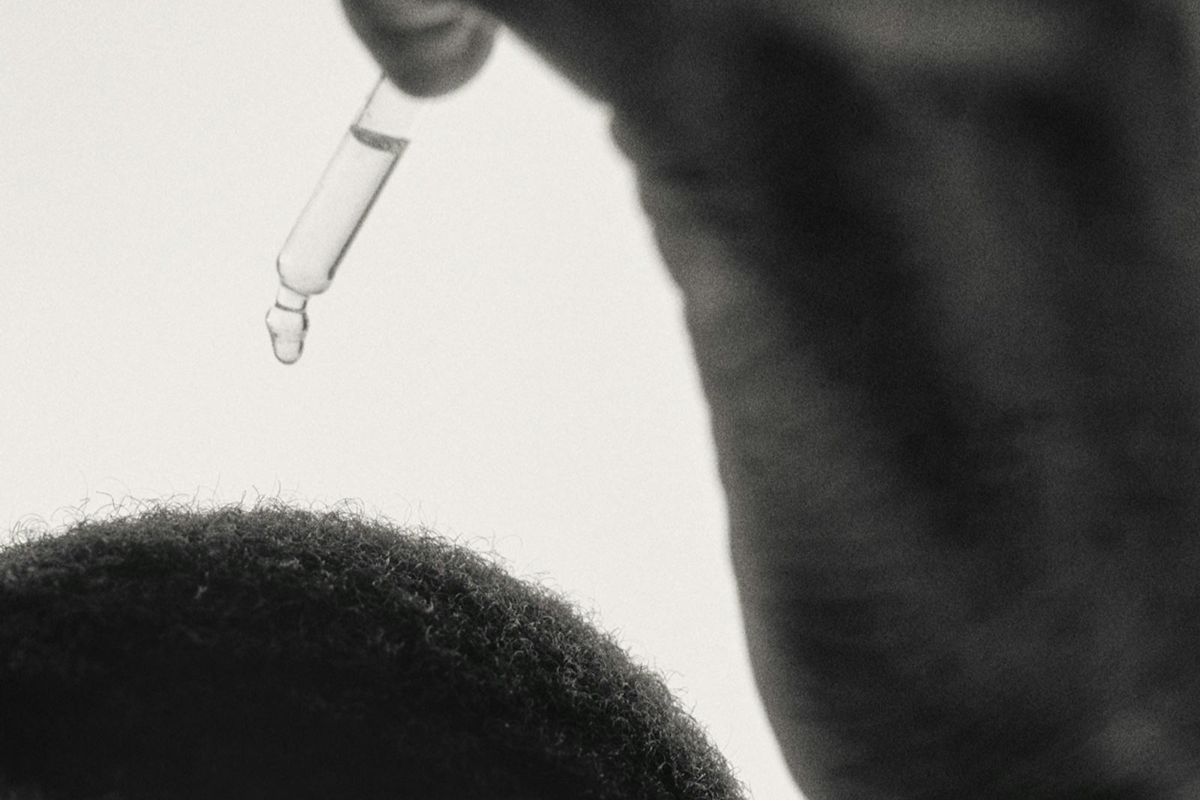
But hair care isn't just about shampoos and conditioners anymore. Scalp scrubs, exfoliating serums, strengthening oils, and leave-in treatments have become part of the same conversation. And customers are adding these products to their routines because they finally understand how each step fits into the bigger picture.
A Healthy Scalp Sets the Tone for Everything Else
Think of the scalp as the starting point for the rest of the hair care routine for growth. Every hair follicle sits there, making scalp health an essential part of that journey.
Research has shown that the condition of the scalp influences both hair growth and hair retention, reinforcing why healthy-looking hair starts below the surface rather than in the visible strands alone.
That doesn't mean scrubbing harder or washing more often. In fact, the opposite can happen. Finding the right balance is what really matters.
Wash too often with harsh products, and the scalp can start to feel dry. Leave styling products, dry shampoo, and excess oil sitting for too long, and buildup becomes part of the routine instead. A comfortable, well-cared-for scalp gives every other product a better place to do its job.
It's also one of the reasons scalp-focused products continue to gain attention. Gentle exfoliators, lightweight serums, and nourishing oils give brands a way to address a part of hair care that many customers are only beginning to understand.
The Products Make More Sense When They Work Together
One product rarely carries the whole routine anymore.
A shampoo removes buildup. A scalp serum helps care for the skin beneath the hair. A few drops of rosemary oil before wash day become a weekly ritual. Each product has a simple job, but together they create a hair care routine for hair growth and thickness that feels complete.
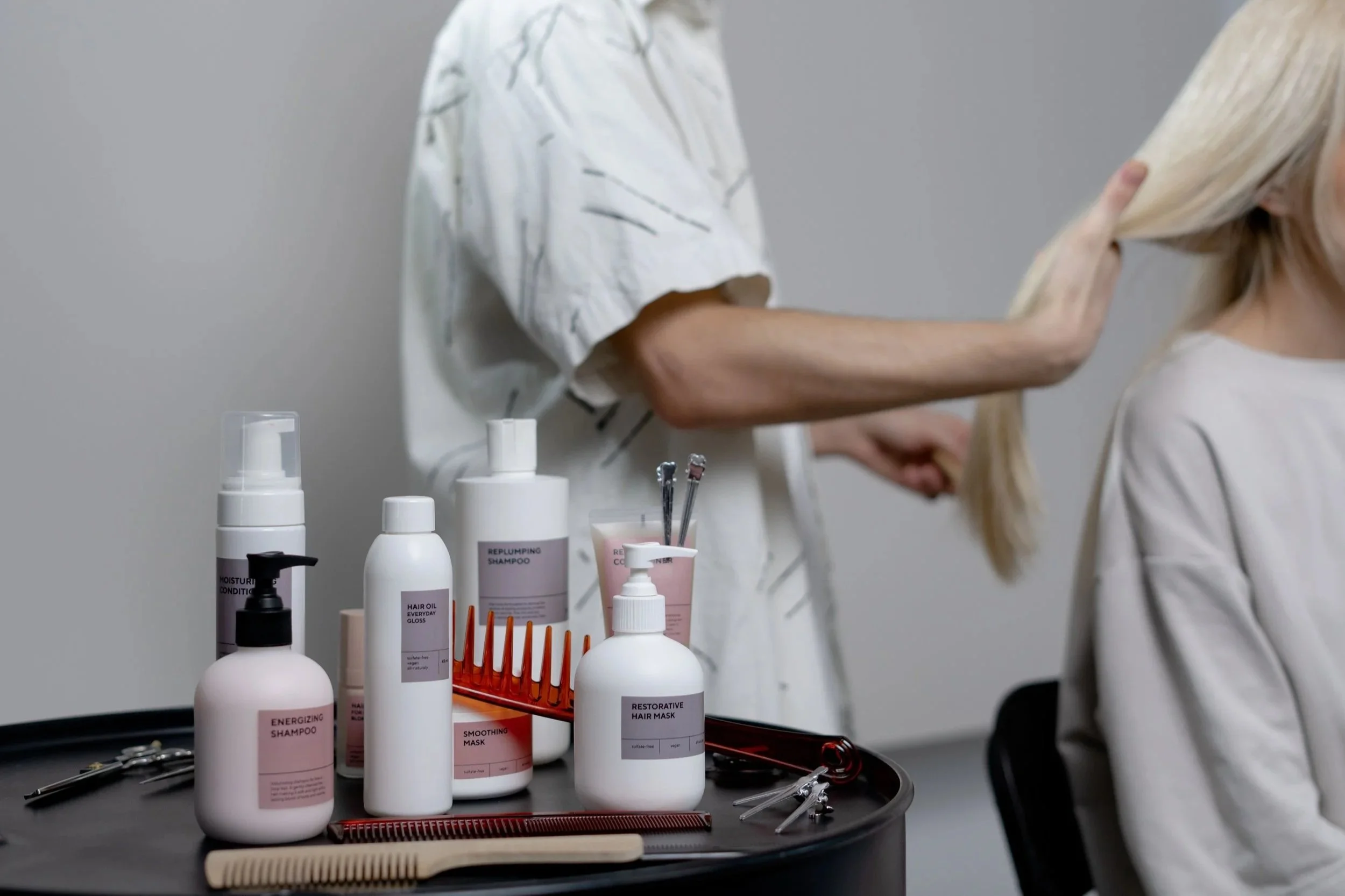
That's a useful way to think about product development. Instead of asking, "What should our next product be?" it can be more valuable to ask, "What's missing from our customer's routine?" That question often leads to products people naturally use together and keep coming back to.
The Difference Between Hair Growth and Hair Retention
One question sits behind countless customer searches for hair growth products – why won't my hair grow? In many cases, it already is. The part that often gets overlooked is what happens after the hair leaves the scalp.
Hair growth begins inside the hair follicles, where new strands form before growing through the scalp. According to the National Center for Biotechnology Information, healthy scalp hair grows about 0.35 mm per day, or roughly 0.5 inches (1.27 cm) each month. Growth rates naturally vary from person to person, but slower-looking progress doesn't always mean slower growth.
Hair retention is about keeping that new length. Every day, hair is exposed to brushing, heat styling, coloring, tight hairstyles, and simple things like rubbing against clothing or a pillowcase. Over time, that wear can lead to split ends and hair breakage, so strands snap before reaching their full length. From a customer's perspective, it can feel as though their hair has stopped growing when it's actually struggling to hold onto the growth that's already there.
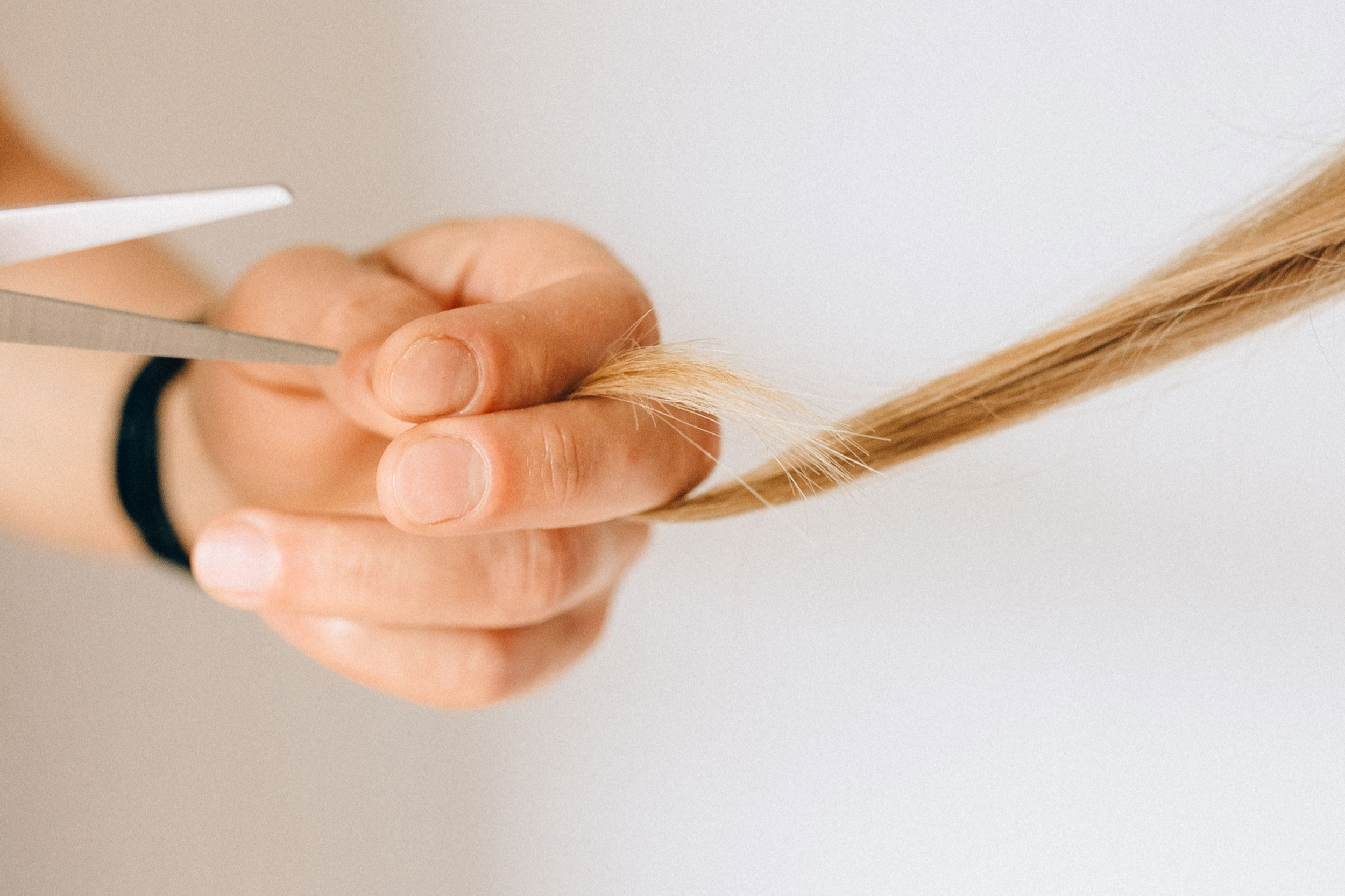
That's why a hair care routine for hair growth goes far beyond the scalp. Conditioners, masks, leave-in treatments, and lightweight oils all help strengthen dry hair, reduce breakage, and protect the length customers have already achieved.
It's a useful reminder that hair growth is only part of the story. Products that help customers hold onto healthy, stronger-looking hair can be just as valuable as those designed to support new growth.
The Best Hair Care Routine for Hair Growth
Building a hair growth collection is a bit like putting together a puzzle. Every product has its own job, and when one piece is missing, the routine doesn't give you the full picture.
Start With Products That Support Scalp Health
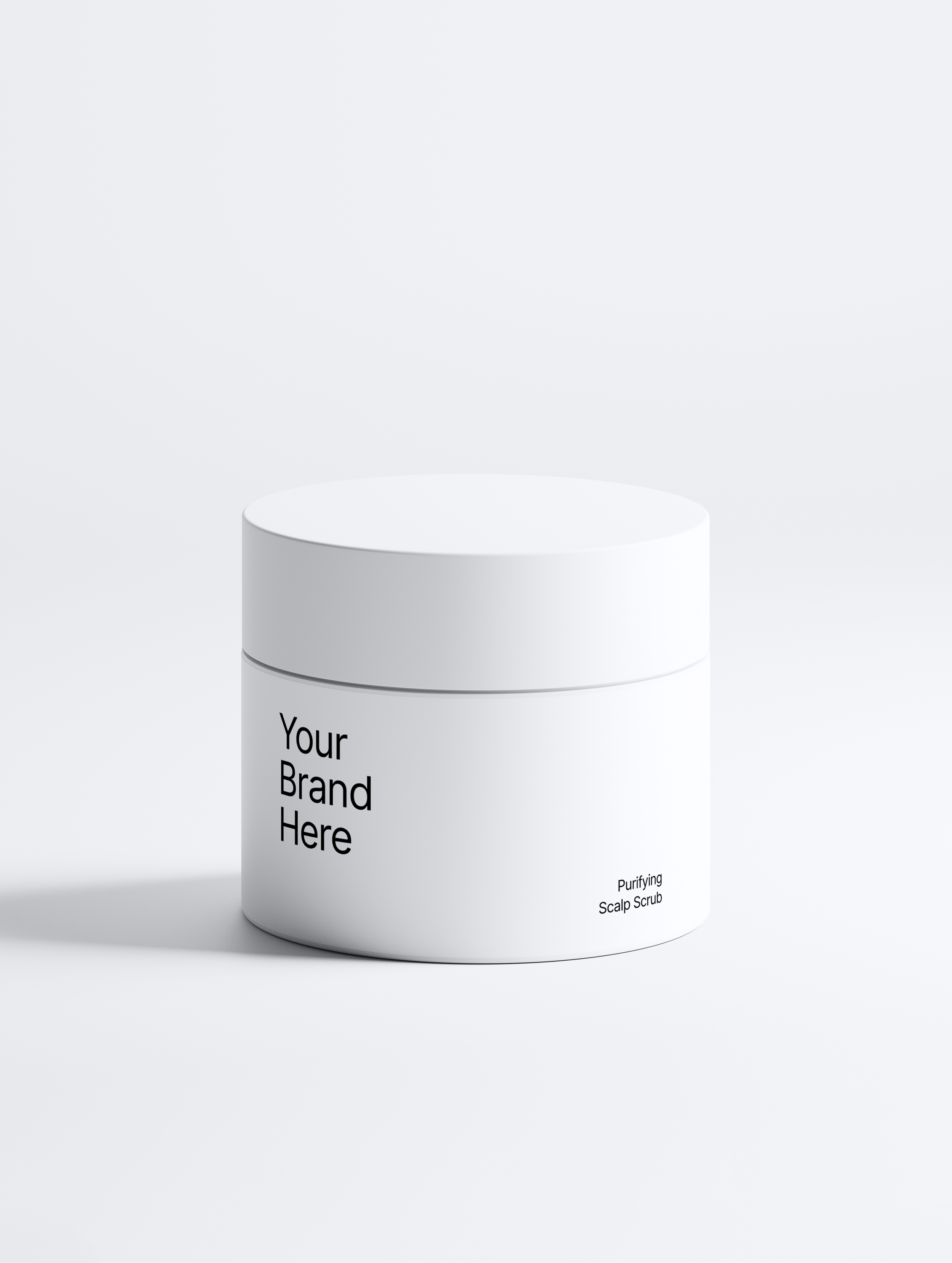
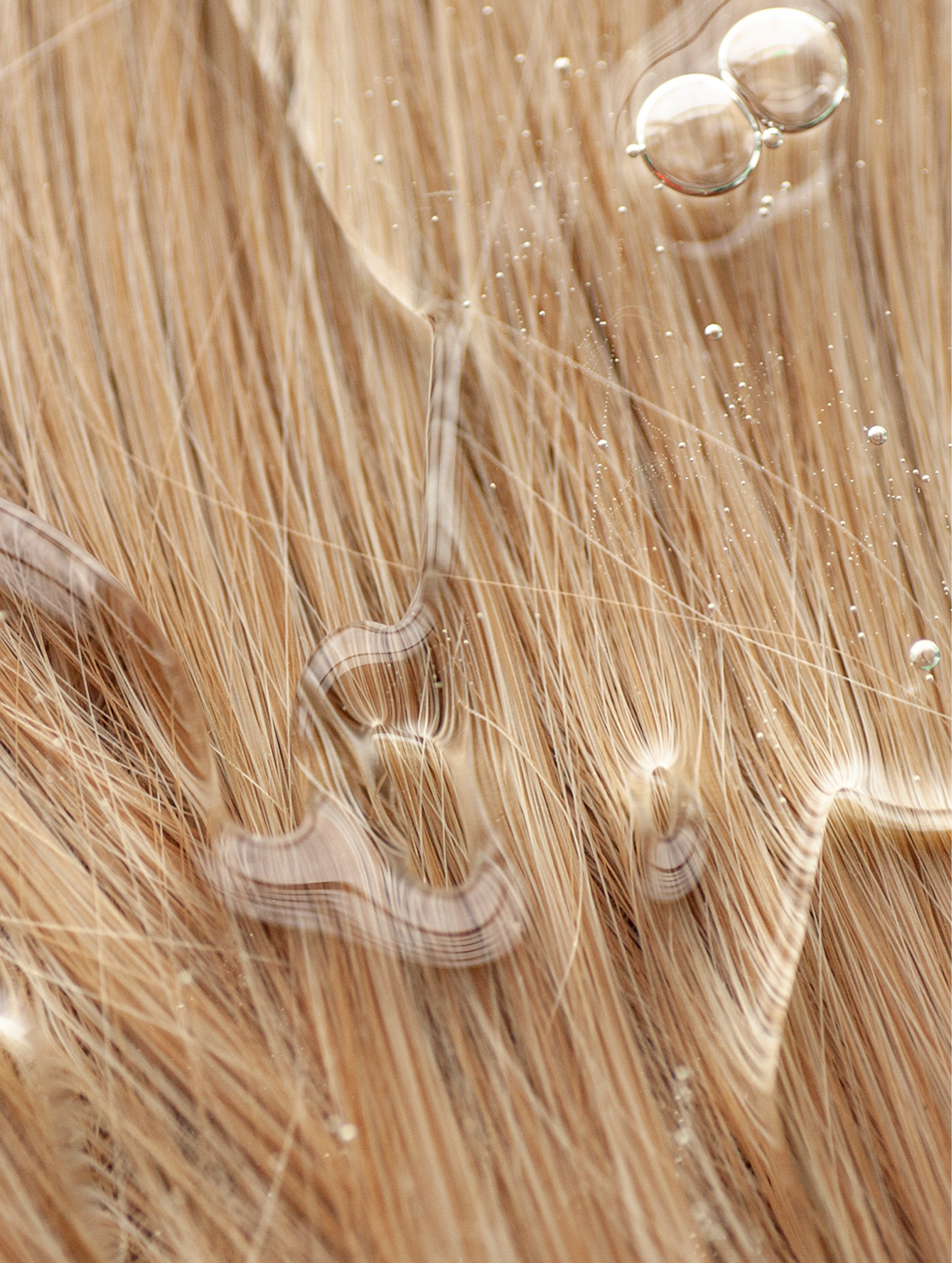
Scalp care is often the first piece of that puzzle. It makes sense. Every strand starts below the surface, where the hair follicles are found, so the scalp is the natural place to begin when building a hair care routine focused on long-term hair health.
That thinking has expanded the category far beyond shampoo. Scalp scrubs, exfoliating serums, and gentle cleansers now sit alongside more familiar products.
Build Around Products That Reduce Hair Breakage
For many customers, keeping what they already have is just as important as helping grow hair. Products that improve manageability and strengthen the hair fiber naturally fit here, including conditioners, leave-in treatments, and nourishing oils. Together, they help reduce hair breakage and support hair thickness over time.
Hair Masks Turn Everyday Care Into a Ritual
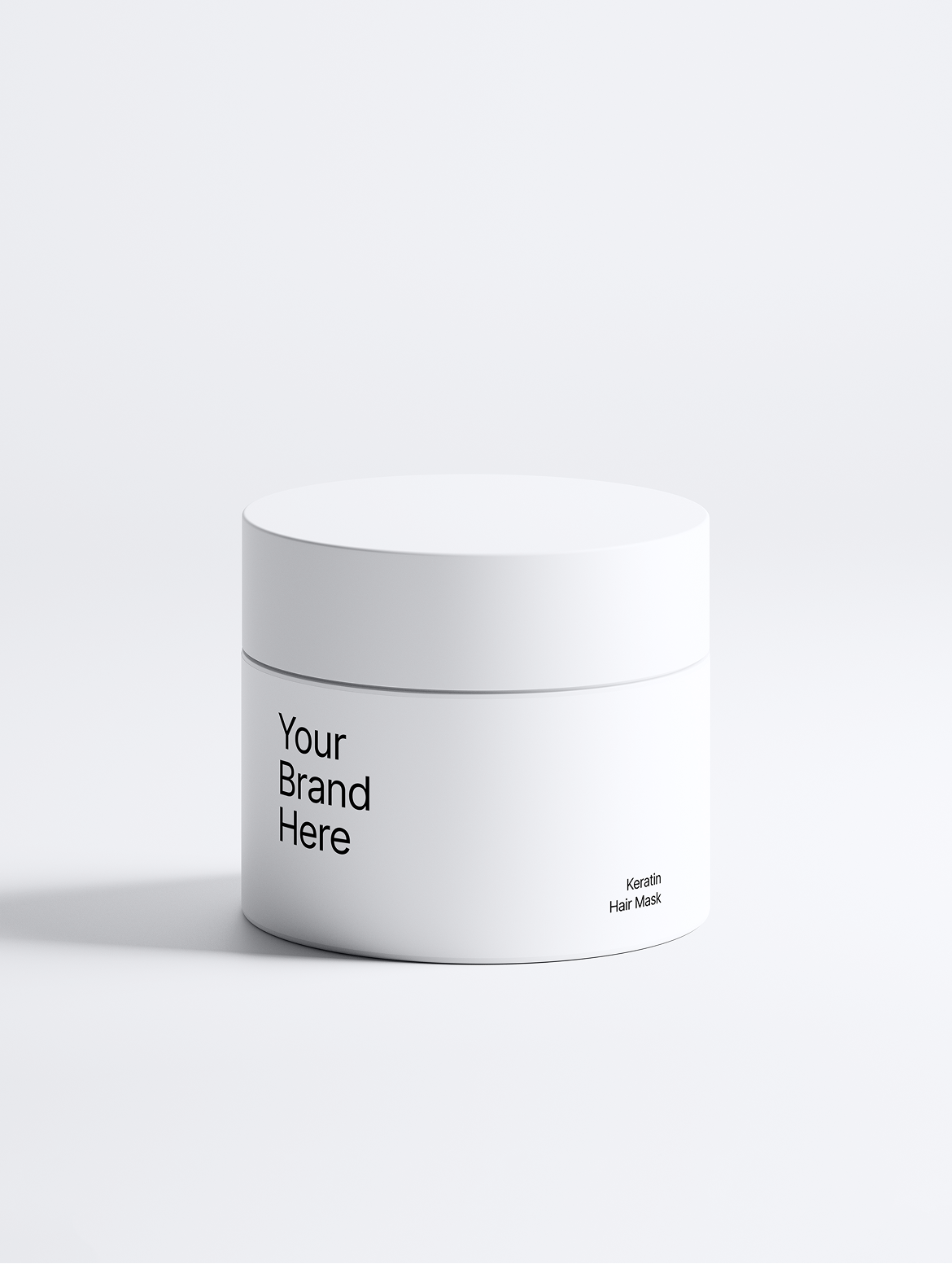
Unlike shampoo or conditioner, hair masks invite customers to slow down and spend more time caring for their hair. That makes them a valuable addition to collections focused on dry hair and repair, while naturally fitting into a hair care routine.
Protection Is Just as Important as Growth
Customers don't only judge results by how quickly their hair grows. They notice how it looks and feels after months of styling, brushing, and daily wear. Products that help protect the hair from heat and tension support healthier-looking hair density while helping reduce visible damage over time.
Scalp Oils Continue to Grow in Popularity
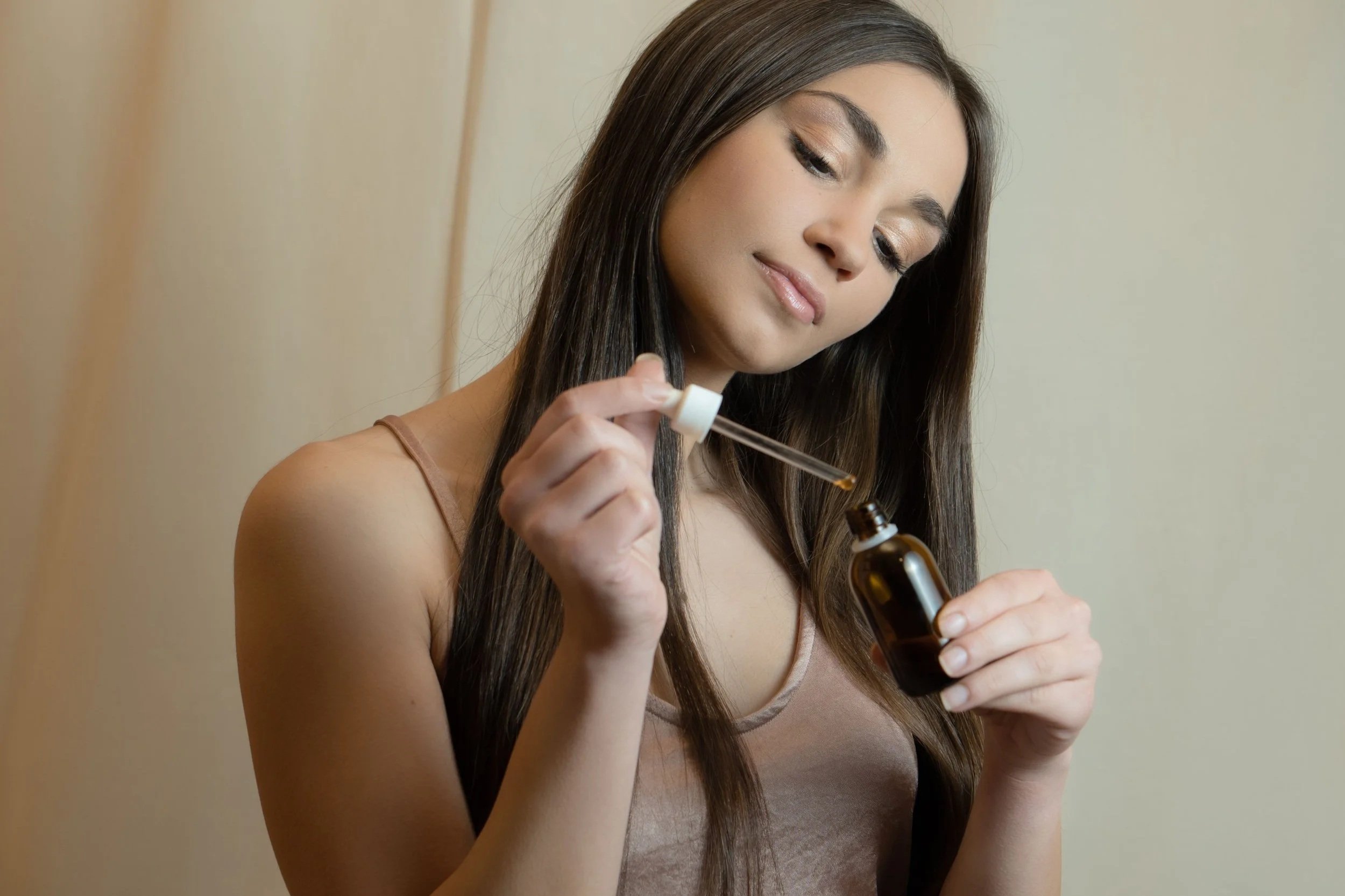
Few ingredients have attracted as much attention as rosemary oil. On its own or as part of a serum, it’s become a familiar ingredient in routines focused on hair health, hair thinning, and the appearance of hair loss. For brands, scalp oils also create another reason for customers to come back between wash days.
Don’t Overlook the Products That Maintain Results
Healthy-looking hair isn't only about new growth – it's also about maintaining the ends. Products that help reduce hair breakage work hand in hand with regular trims, making it easier for customers to keep the length they've already achieved.
The Growing Demand for Clean Beauty Hair Care Products
Trends come and go, but the strongest beauty brands are built around changing customer expectations. In hair care, those expectations are becoming much clearer. Customers want products with recognizable ingredients, straightforward claims, and formulas that fit naturally into their daily hair care routine for hair growth.
Ingredient Transparency Builds Trust
Customers now more than ever want to understand the products they're buying. Research from Cosmetics Business found that 72% of consumers want brands to explain what ingredients do, while 60% expect transparency about where those ingredients come from. As a result, clear ingredient communication has become just as important as the formula itself.
Less Can Say More
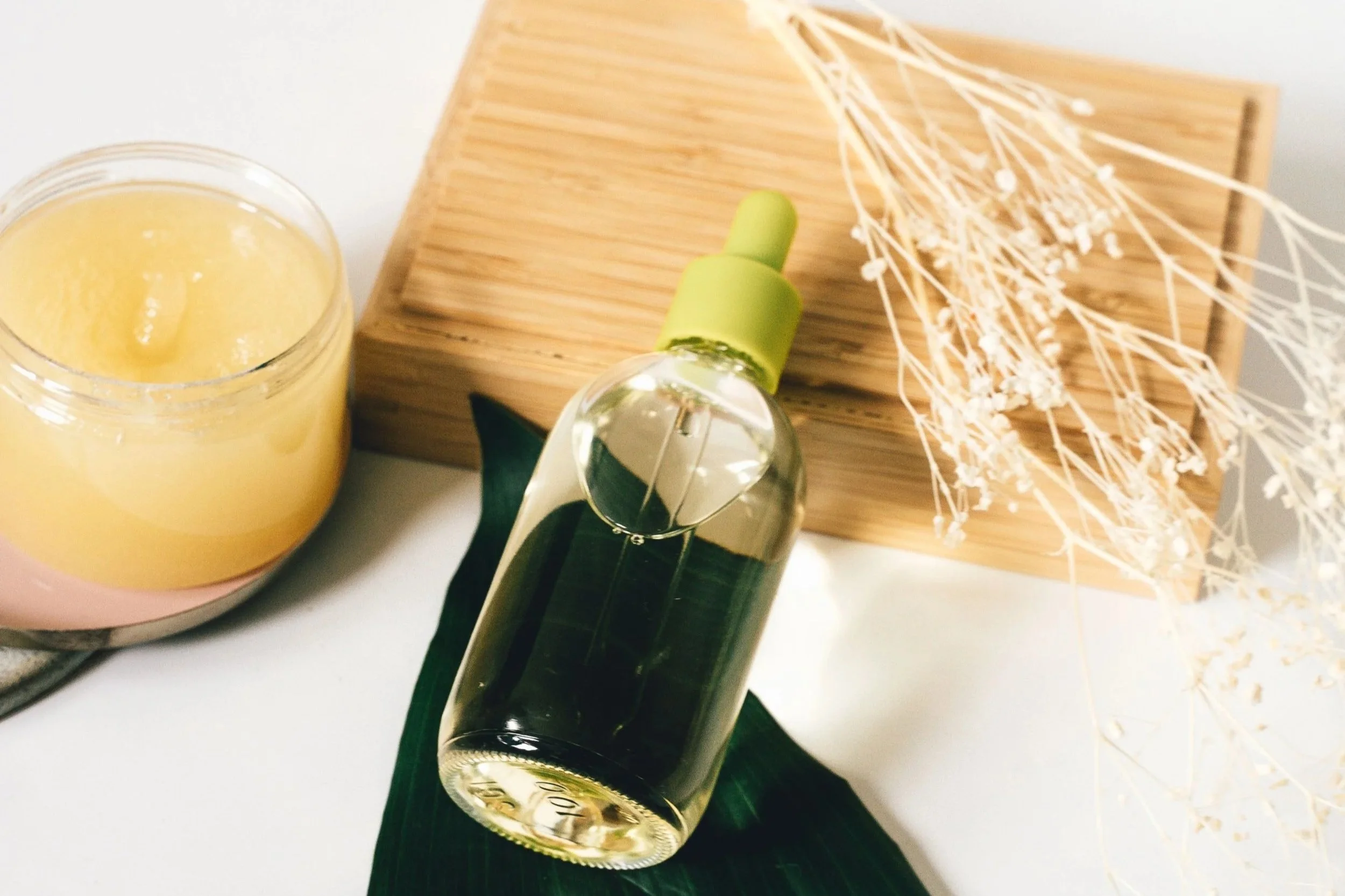
Minimalist formulations are changing how brands position their products. Rather than promising to solve every hair concern at once, many successful products focus on doing one job well. That approach makes it easier for customers to understand the formula, while giving brands a stronger, more authentic story to tell.
Scalp Care Is Driving Category Growth
Scalp care keeps showing up wherever people discover new beauty products. Scroll through social media, browse new launches, or look at fast-growing hair care brands, and you'll find scalp serums, exfoliating treatments, and botanical oils sitting alongside shampoos and conditioners. It's becoming a standard part of the routine rather than an extra step.
Grand View Research estimates the global hair and scalp care market will grow from $88.2 billion in 2025 to $150.5 billion by 2033, driven by demand for products targeting concerns like hair thinning, hair loss, dryness, and overall hair health.
Build Your Hair Care Line With Selfnamed
Building a product range around these trends and bringing new ideas to market can be much simpler with the right partner. Selfnamed offers retail-ready hair care products, including scalp treatments and hair masks. Many formulas are COSMOS-certified by ECOCERT, and with no minimum order quantities, you can introduce new products without committing to a large inventory.


A Daily Hair Care Routine Is What Customers Remember
Every hair care routine begins with the same hope – healthier, stronger, longer-looking hair. By the end of that journey, most customers realize that lasting results don't come from one product alone. They come from a routine that supports the scalp, protects the hair they already have, and fits naturally into everyday life.
As you build your hair care line, that's the perspective worth holding onto. The best hair care routine isn't the one with the longest product list or the boldest promises. It's the one where every product has a clear purpose and works naturally alongside the rest of the collection.
When you understand what customers are really trying to achieve, it's easier to create products they'll keep reaching for. Instead of focusing only on products that promise to grow your hair, you have the opportunity to build routines. Ones that customers trust, enjoy using, and come back to again and again.
Frequently Asked Questions
-
Growing longer hair is usually a gradual process. It's common to see fewer broken strands and smoother-looking ends before a noticeable change in length.
-
The routine itself matters more than the number of products. A healthy scalp, a good conditioner, heat protection, and habits that protect the hair from everyday damage all work together over time.
-
Yes, especially when they're used as part of a wider routine. Oils help keep hair feeling softer and better hydrated, while scalp oils like rosemary oil have become a popular addition to many hair care routines.
-
That depends on the person. Some scalps need washing more often than others, but the goal stays the same – a clean, comfortable scalp without excess buildup or dryness.
-
Not exactly. Hair grows from the hair follicles beneath the scalp, so trimming doesn't affect growth speed. It simply removes split ends, making it easier to keep the length that's already growing.
-
You'll see ingredients like rosemary oil, peptides, caffeine, niacinamide, and botanical extracts in many modern formulas. Each one plays a different role, which is why they're often combined instead of used on their own.
-
Many routines combine a gentle shampoo, conditioner, scalp serum, hair mask, leave-in treatment, hair oil, and a heat protectant. Each product supports a different part of the routine.
Must read