Table of Contents
Hair is always the star of the show. Shine, strength, volume, and repair – the promise beauty brands build entire product lines around. The scalp? That usually stays in the background.
As skincare routines become part of everyday life, people have started looking at beauty a little differently. They want products tailored to specific concerns, pay more attention to ingredients, and build routines instead of relying on one product to do everything.
Naturally, that way of thinking has reached hair care too. After all, the scalp is skin too.
A healthy scalp is now widely seen as the foundation for healthy-looking hair.
For beauty brands, this shift is changing what a hair care collection looks like. A shampoo and conditioner are no longer the whole story. Scalp scrubs, serums, and oils are becoming products customers actively look for, creating room for entirely new routines.
The brands that understand what customers expect from a scalp care routine are the ones best positioned to grow with the category.
Key Takeaways
Scalp care has become one of the fastest-growing opportunities in hair care.
The strongest scalp care collections solve specific scalp concerns, not every concern at once.
Private label formulas help brands launch and test new scalp care categories faster.
Why Is Scalp Care Becoming a Major Beauty Trend
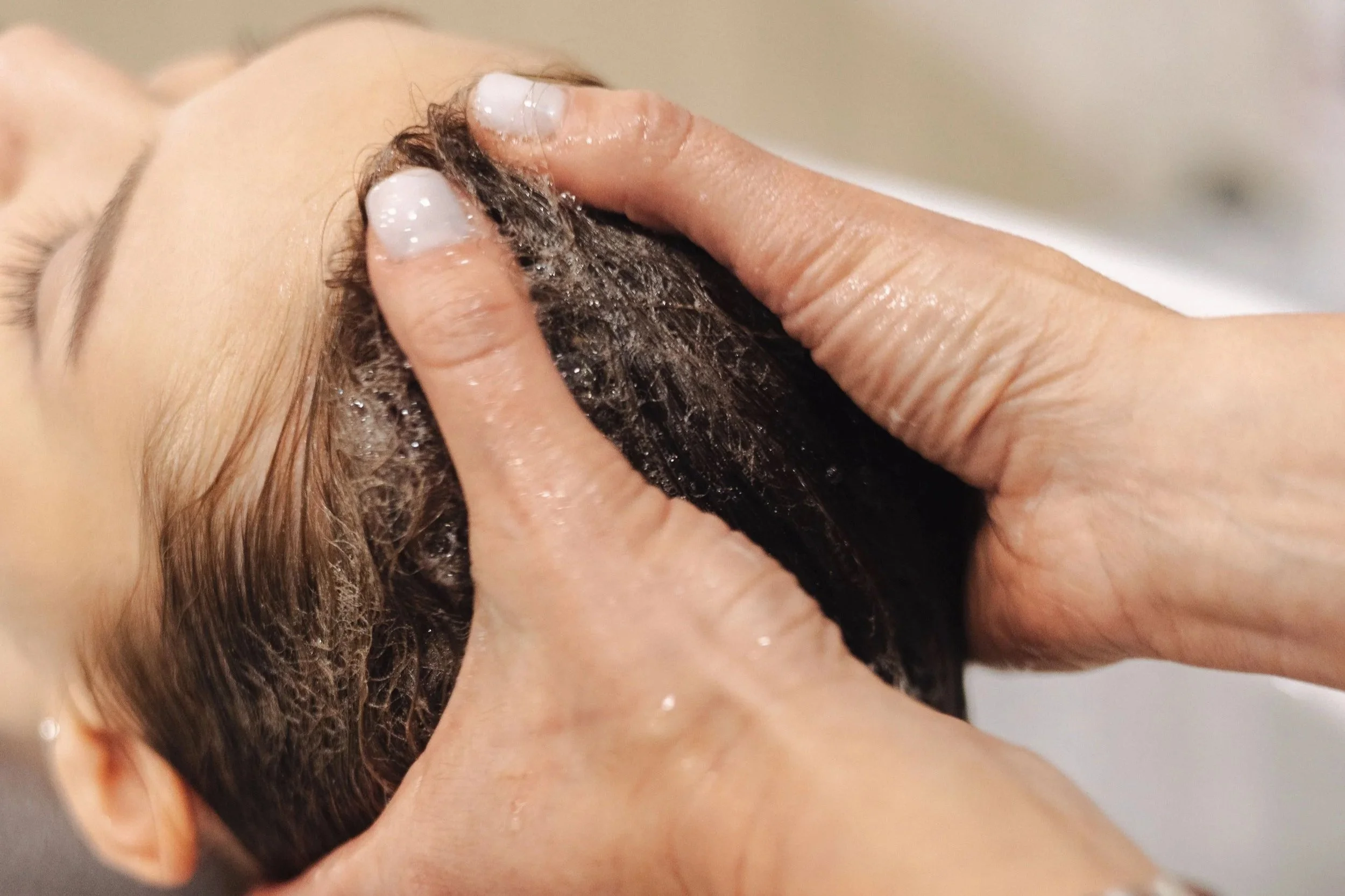
Customers are becoming much more intentional about their hair care. Instead of choosing products based only on the end result, they're paying closer attention to what influences the condition of their hair in the first place. That naturally brings the conversation to scalp health.
It's also changing the questions people ask before buying a product. Rather than looking only for more shine or volume, many want solutions for an oily scalp, a dry scalp, product build-up, or a scalp that simply doesn't feel balanced. Those concerns have created demand for products that fit into a regular scalp care routine.
Education has played a big part in that shift too. Dermatologists, hairstylists, beauty creators, and ingredient-focused communities have made conversations about hair health much more accessible. Customers are learning what ingredients do, how different scalp types behave, and why one routine doesn't work for everyone.
If you're building a hair care collection, that changes how you think about product development. Instead of asking which shampoo to launch next, it opens the door to products that complement the rest of the routine.
The Four Steps Behind a Healthy Scalp Care Routine
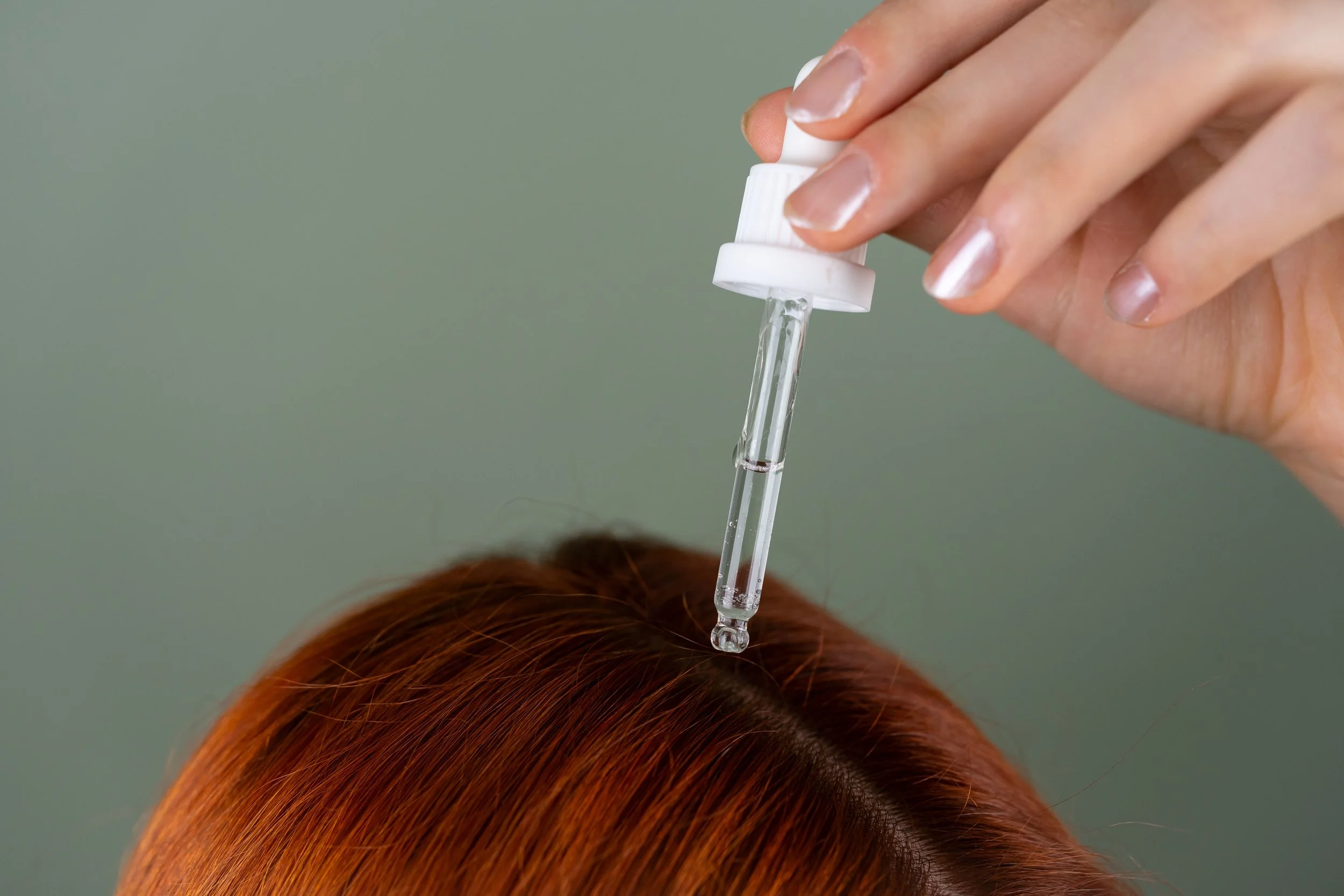
Every product in a scalp care routine has its own job. Some products prepare the scalp, others keep it balanced, while a few are designed to tackle specific concerns. Looking at the routine step by step also makes it easier to understand why scalp care has grown into its own category.
Most scalp care routines follow the same structure:
Cleansing. Scalp-friendly shampoo washes away excess oil, sweat, styling products, and the build-up that naturally collects on the scalp between wash days.
Exfoliation. Washing hair and exfoliating the scalp aren't quite the same thing. A scalp scrub reaches the residue shampoo can leave behind, including dead skin cells.
Hydration. Hydrating treatments help restore moisture after cleansing and exfoliation, leaving the scalp feeling balanced.
Targeted treatments. This is the most flexible part of the routine. Customers with an oily scalp may choose a lightweight serum, while someone with dry skin is more likely to reach for a nourishing oil. The product changes, but the idea stays the same – match the treatment to the concern.
One thing is worth keeping in mind if you're developing a scalp care range. Customers rarely discover every product at the same time. Many start with a shampoo, then add a scrub, serum, or oil as their routine evolves. Building products that work well together gives them a natural reason to come back to your brand instead of looking elsewhere for the next step.
Key Products Every Scalp Care Collection Should Include
Every growing beauty category develops its own "must-have" products. Scalp care is no different. A handful of product types have become the foundation of modern scalp care collections, giving you a practical base to start building your own range.
Scalp Scrubs
For many customers, a scalp scrub is the product that changes how they think about scalp care. It offers a deeper cleanse than shampoo alone, helping lift away excess oil, dead skin cells, and styling product build-up that collects on the skin of the scalp.
If you're looking to add this category to your collection, our Deep Cleanse Scalp Scrub, Rosemary & Mint is a good option as a ready-made private label formula.
Natural exfoliants, rosemary oil, and peppermint oil create a refreshing treatment that supports a healthy scalp while fitting naturally into a weekly routine.
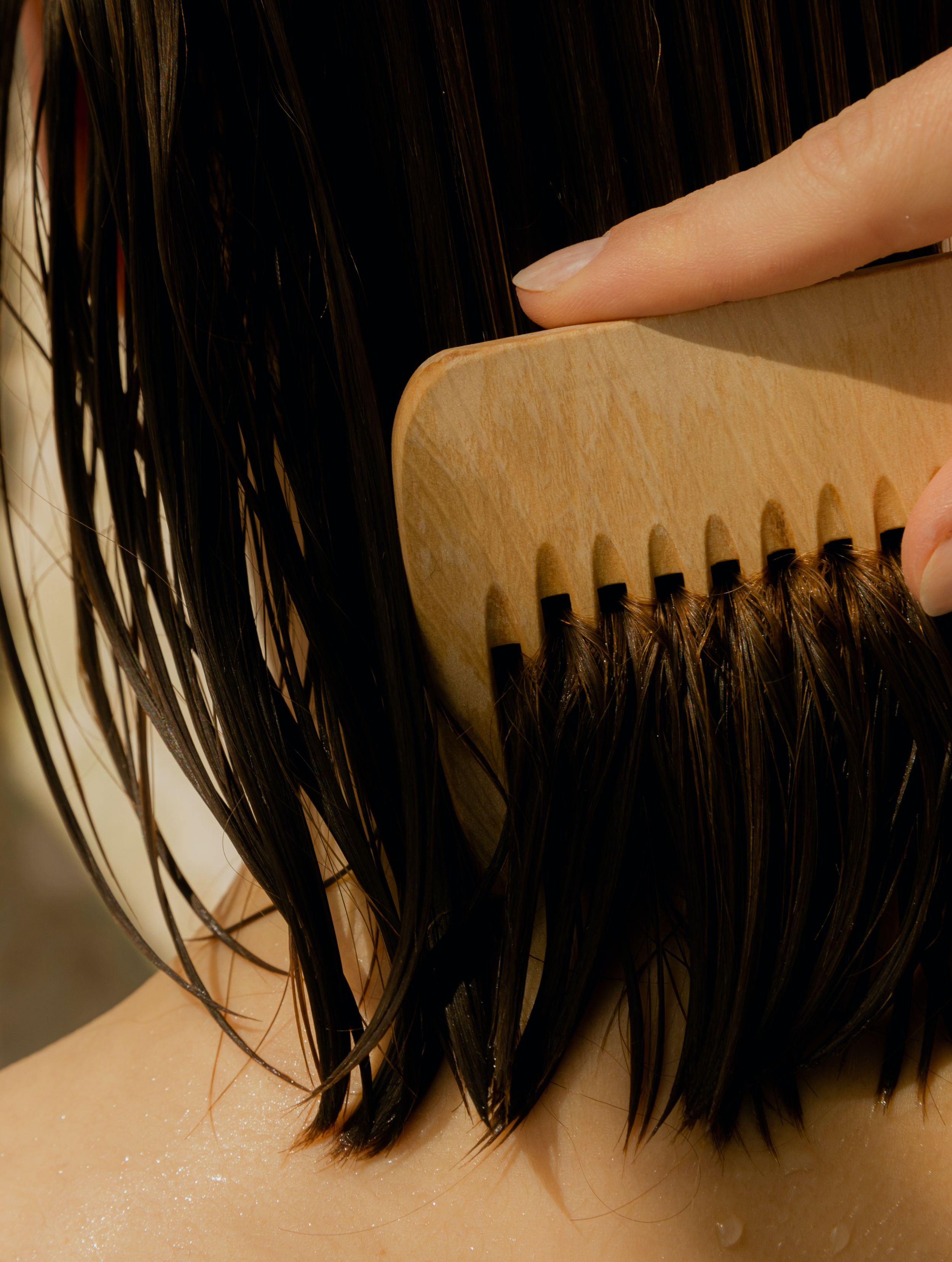

Scalp Serums
Leave-on serums have become one of the clearest signs that scalp care is borrowing ideas from skincare. Instead of being rinsed away, they stay on the scalp, giving active ingredients more time to work.
For example, our Scalp Care Exfoliating Serum combines lactic acid with sodium hyaluronate to gently exfoliate while helping maintain moisture and comfort.
For brands expanding beyond traditional rinse-off hair care products, it's an easy way to introduce a treatment step into the collection.

Scalp Oils
Scalp oils continue to attract customers who enjoy slower, more intentional beauty rituals. A few drops before washing can turn an everyday routine into a moment of self-care, which is one reason scalp oiling has become so popular.
Rosemary Hair & Scalp Strengthening Oil, for instance, is a product that nourishes both the scalp and hair before washing.
Infused with rosemary and peppermint oils, it complements the rest of a scalp care product range. While also appealing to customers looking for products that support hair health and a healthy scalp.


Hair Care Routine for Oily Scalp
An oily scalp isn't a niche concern. A multinational study involving more than 19,000 participants found that 12.9% of men and 11.1% of women reported having oily hair.
That represents a large group of customers looking for products that help manage excess oil while keeping their hair feeling fresh and their scalp comfortable.
One of the biggest misconceptions is that oily scalps simply need stronger cleansing. In reality, customers are usually looking for balance. They want their hair to stay fresh for longer without washing it every day.

A routine often includes:
a balancing shampoo to remove excess oil, sweat, and everyday build-up;
a scalp scrub to give the scalp a deeper cleanse and lift away product residue that shampoo can leave behind;
a lightweight scalp serum to help keep the scalp balanced without weighing the hair down;
a lightweight scalp oil, when needed, as part of a pre-wash treatment designed for oily skin types.
If you're developing products for this category, pay close attention to how the formula feels after application. Customers with an oily skin usually notice lightweight textures just as much as the ingredient list. Products that leave the scalp feeling clean, fresh, and comfortable are far more likely to become part of a regular routine.
Hair Care Routine for Dry Scalp
A dry scalp is one of the most commonly misunderstood scalp concerns. Customers often confuse it with dandruff because both can cause flaking. The difference is that a dry scalp lacks moisture, while dandruff is usually linked to excess oil and the overgrowth of a naturally occurring yeast.
That matters when you're deciding which products belong in your collection. Customers with a dry skin are usually looking for comfort and hydration, not a deeper cleanse.
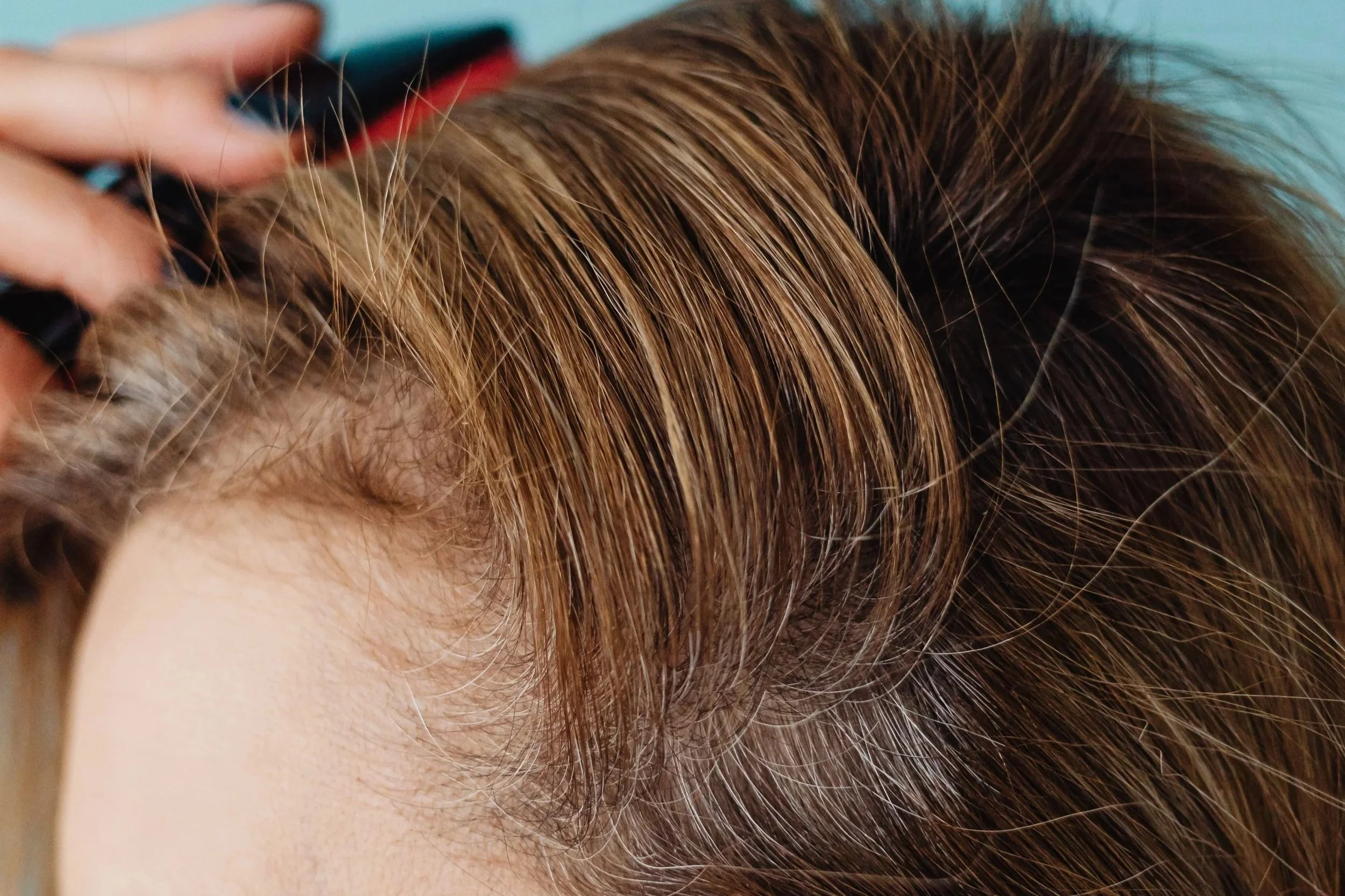
Their routine often looks like this:
a gentle shampoo that cleanses without disrupting the scalp's moisture balance;
a hydrating serum that helps replenish moisture and keeps the scalp feeling comfortable after washing;
a nourishing scalp oil that works well as a pre-wash treatment for customers experiencing ongoing dryness;
a mild exfoliating product that helps lift away loose flakes while preparing the scalp for leave-on treatments.
Customers dealing with scalp dryness often stay loyal once they find something that works. Comfort isn't something they want to keep experimenting with, which makes this category well suited for repeat purchases.
Trending Ingredients in Scalp Care
Ingredients often tell you where the beauty industry is heading. When the same ingredients start appearing across shampoos, scalp serums, scrubs, and oils, it's usually a sign that customer expectations are changing too.
Rosemary Oil Is Still Leading the Conversation
Rosemary oil is no longer just another botanical ingredient. It has become one of the names customers actively look for when shopping for scalp care products.

Much of that interest comes from research suggesting rosemary oil may help improve blood flow around hair follicles, supporting healthy hair growth.
It also changed the way many people approach hair care. Scalp massage, pre-wash oiling, and dedicated scalp treatments have become part of regular routines.
It's also one of the few ingredients that customers recognize before they even start comparing formulas. That familiarity has helped rosemary oil move from the kitchen cupboard to one of the most searched ingredients in hair care, making it a natural addition to different products.
Skincare Ingredients Are Finding a New Home
The ingredients in scalp care are starting to look very familiar.
Hyaluronic acid, niacinamide, panthenol, and lactic acid have all crossed over from skincare into scalp care. Customers already recognize these names, that's why trying a scalp serum or treatment feels much more natural. They aren't learning a whole new ingredient list. They're seeing familiar ingredients used in a different way.
Customers Are Looking at More Than the Formula
As more brands launch scalp care products, ingredients alone stop being enough to stand out. Younger customers expect to see effective formulas in modern marketing.
Certifications, sourcing, vegan claims, and cruelty-free credentials become another way of deciding which product feels more trustworthy.
How Beauty Brands Can Build a Scalp Care Product Line
Launching a scalp care range isn't about offering the biggest selection. The brands customers remember usually make it easy to understand who each product is for and why it belongs in the collection.
If you're planning your first scalp and hair care line or expanding the one you have, these are the areas worth thinking about.
Build around one scalp concern first. An oily, dry, or sensitive scalp all call for different products and messaging. A focused collection is often easier for customers to understand than trying to solve every concern at once.
Choose products that naturally lead to the next purchase. A shampoo often introduces someone to the category. A scalp scrub, serum, or oil gives them a reason to come back. Looking at your range as a customer journey helps you build a collection that grows over time.
Keep the communication simple. Customers don't always know the difference between scalp hydration, exfoliation, or barrier support. Explaining what each hair care product does in everyday language makes the collection much easier to shop.
Think beyond the formula. Packaging, textures, fragrances, and certifications all shape how customers experience a product. Two formulas with similar ingredients can feel completely different depending on how they're presented.
Start with proven formulas. If you're entering the market while demand is growing, ready-made private label products let you focus on building your brand, marketing, and customer experience instead of spending months developing formulas from scratch.


Why Private Label Scalp Care Products Offer a Faster Route to Market
Scalp care is still evolving, which makes timing an important part of launching a new collection. Spending a year developing formulas from scratch can mean entering the market after customer demand has already shifted.
Private label gives you a different starting point. Instead of investing your time in formulation and testing, you can focus on the parts of the business your customers actually see. Your brand identity, packaging, product positioning, and marketing.
It's also a practical way to test a category before expanding it. Launching a small collection lets you see which products resonate with your customers, making future decisions based on real demand.
For many beauty brands is a way to launch sooner, learn faster, and grow the collection as the business grows.
Hair Health Starts With The Scalp
Scalp care is now part of everyday hair care. Customers have started paying as much attention to the scalp as they do to the hair itself. Which explains why products like scalp scrubs, serums, and oils have become regular additions to many routines.
For beauty brands, that changes what a complete collection looks like. It's less about adding more products and more about making sure every product has a clear role. When customers understand why a product is there, they're much more likely to see its value.
But remember – customer expectations won't stand still, and neither will this category. If you want to stay relevant, keep listening, keep refining your collections, and make scalp care simple for your customers.
Frequently Asked Questions
-
Healthy-looking hair starts with a healthy scalp. When the scalp feels balanced and comfortable, it's much easier to keep the hair looking its best too.
-
It can help create better conditions for hair growth, but it isn't a guaranteed solution for hair loss. Think of it as supporting healthy growth, not replacing medical treatment.
-
They can look similar, but they're caused by different things. One happens because the scalp lacks moisture, while dandruff is usually linked to excess sebum and a naturally occurring yeast.
-
Usually not. Most people use it once or twice a week before washing, but the right frequency depends on the product and your hair.
-
A good starting point is a shampoo, an exfoliating treatment, a leave-on serum, and a nourishing treatment used before washing. Not everyone needs every product, but those four cover the basics.
-
Yes. A lightweight formula used before washing can work well, even for people who produce more sebum. Choosing the right product matters more than avoiding scalp oils altogether.
Must read