Body Care Trends 2026: Skinification, Deodorant Innovation & Key Shifts

Table of Contents
Traditional body care was refreshingly simple. We grabbed whichever body lotion happened to be available, and deodorants were considered successful if they got the job done. Bonus points if they didn’t leave white marks on clothing. By the standards of the time, that was enough to impress most of us.
Fast forward to 2026, and the category looks very different. People are reading ingredient lists, searching for barrier-supporting formulas, and building body care routines that would have seemed excessive just a few years ago.
It may sound like something lifted straight from a "my body, my temple" motivational poster from the early 2000s, but there's some truth to it. People are giving the skin on their body the same level of attention once reserved for their faces. Ingredients once associated exclusively with facial skincare are now appearing in body washes, lotions, deodorants, and targeted treatments.
The beauty industry has a name for this shift – skinification. And it’s influencing nearly every corner of the body care category.
Many of the body care trends defining 2026 can be traced back to this idea. Its influence can be seen almost everywhere. Let's take a look.
Key Takeaways
Body skin now receives the same attention as facial skin.
Formulations are becoming highly targeted and results-driven.
Skinification is driving innovation across all body care categories.
Sensory experience and body care rituals rival product efficacy.
Brands must blend science, experience, and trend-awareness to win.
The Rise Of Skinification In Body Care
If you've spent any time following beauty trends over the past few years, you've probably come across the term "skinification”.
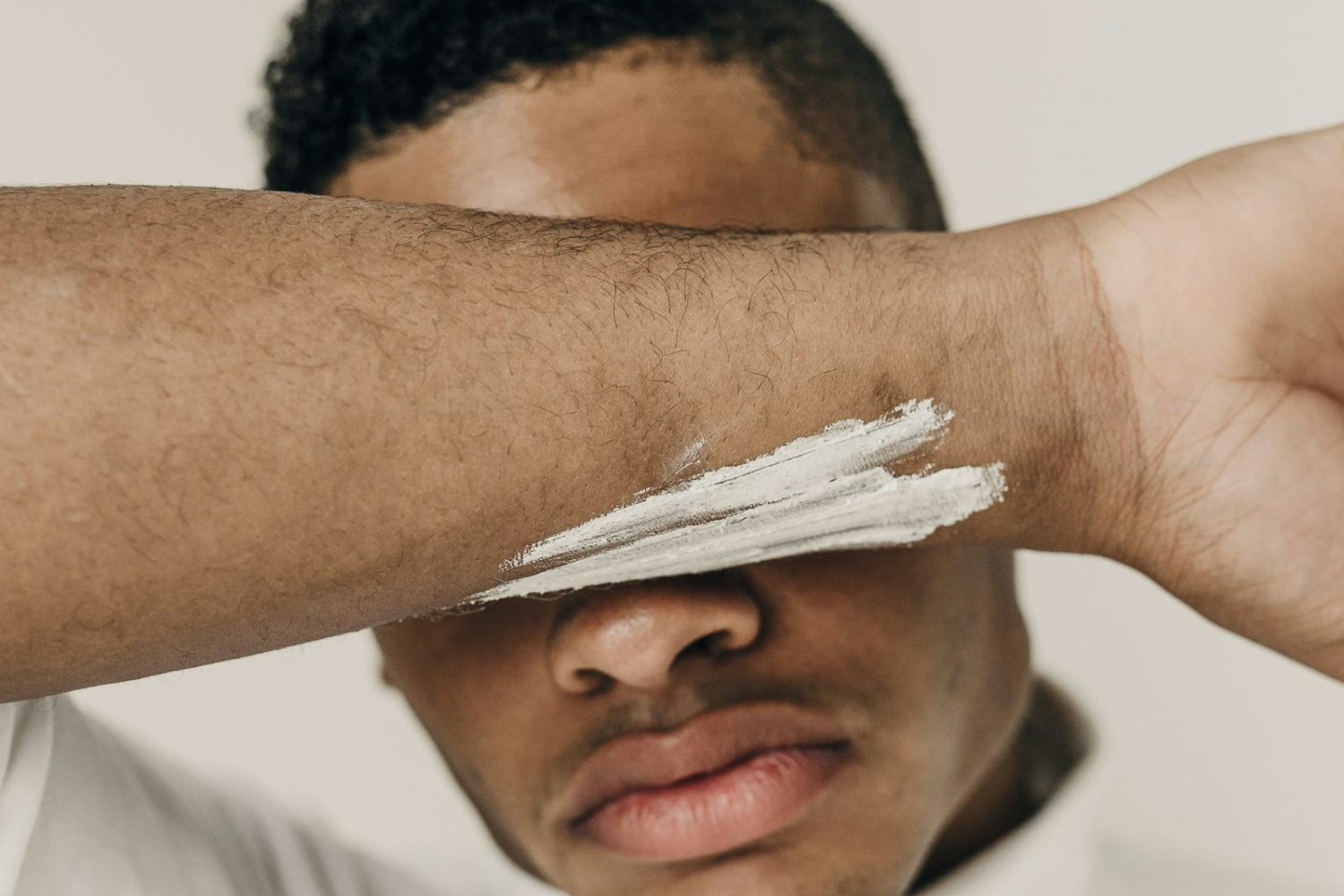
Simply put, skinification means bringing skincare thinking into other beauty categories, such as body care and makeup. It's the idea that the skin on your body deserves the same level of care and attention as the skin on your face.
That's why ingredients once associated mainly with facial skincare are now appearing in body washes, lotions, deodorants, and other body care products. Instead of focusing solely on cleansing or hydration, these products are being developed to support skin health, address specific concerns, and deliver targeted results.
The trend first took off in hair care, where ingredients once reserved for the face started showing up in shampoos, conditioners, and scalp treatments. Before long, the same idea made its way into body care.
How Skincare Logic Is Moving Into Body Care
The easiest way to spot skinification is by looking at how expectations have changed.
Until recently, body care products had fairly straightforward job descriptions – cleanse, moisturize, and keep odor at bay. But now many people are looking for products that do more than the basics.
Ingredients that once flew under the radar are now influencing what people buy and why. Many people are also becoming more intentional about their routines, choosing products based on the results they're hoping to achieve. Concerns such as rough texture, body acne, dryness, and uneven tone are all helping shape those decisions.
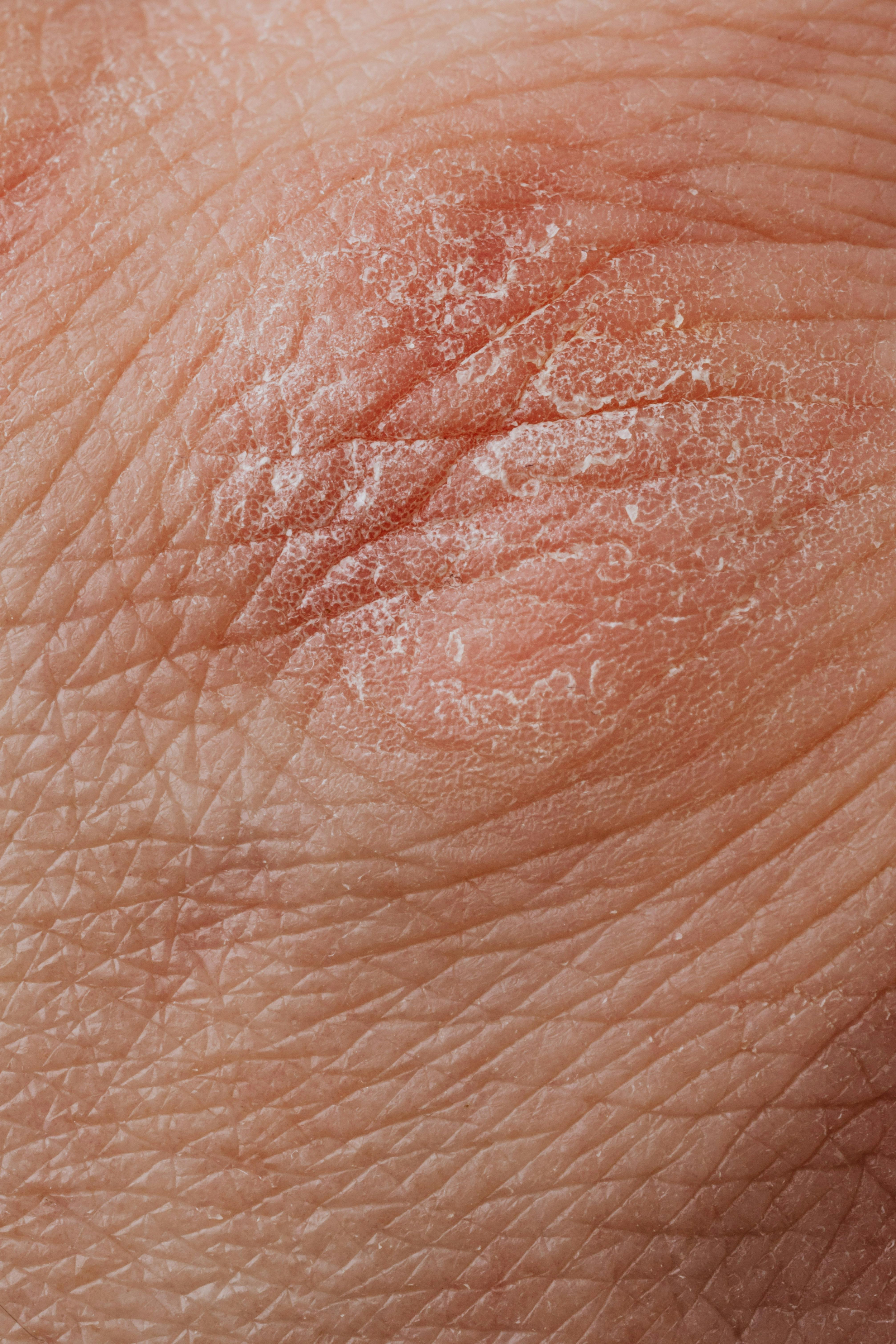
It's also encouraging a more layered approach to body care, with different products serving different purposes rather than a single product trying to do everything at once.
In other words, body care is increasingly being approached with the same mindset people once reserved for the skin on their face.
Body Care Trends 2026: What's Driving The Category
Body care isn't what it used to be.
A category that once was dominated by basic body washes, lotions, and deodorants has become considerably more ambitious. Today's products blend influences from skincare, wellness, fragrance, and even social media-driven beauty trends.
What was once a fairly straightforward part of the beauty industry is becoming far more dynamic.
A few key shifts sit behind this evolution:
From Cleansing To Treatment-Led Body Care
One of the biggest body care trends in 2026 is the move away from simple cleansing and moisturizing toward treatment-led body care.
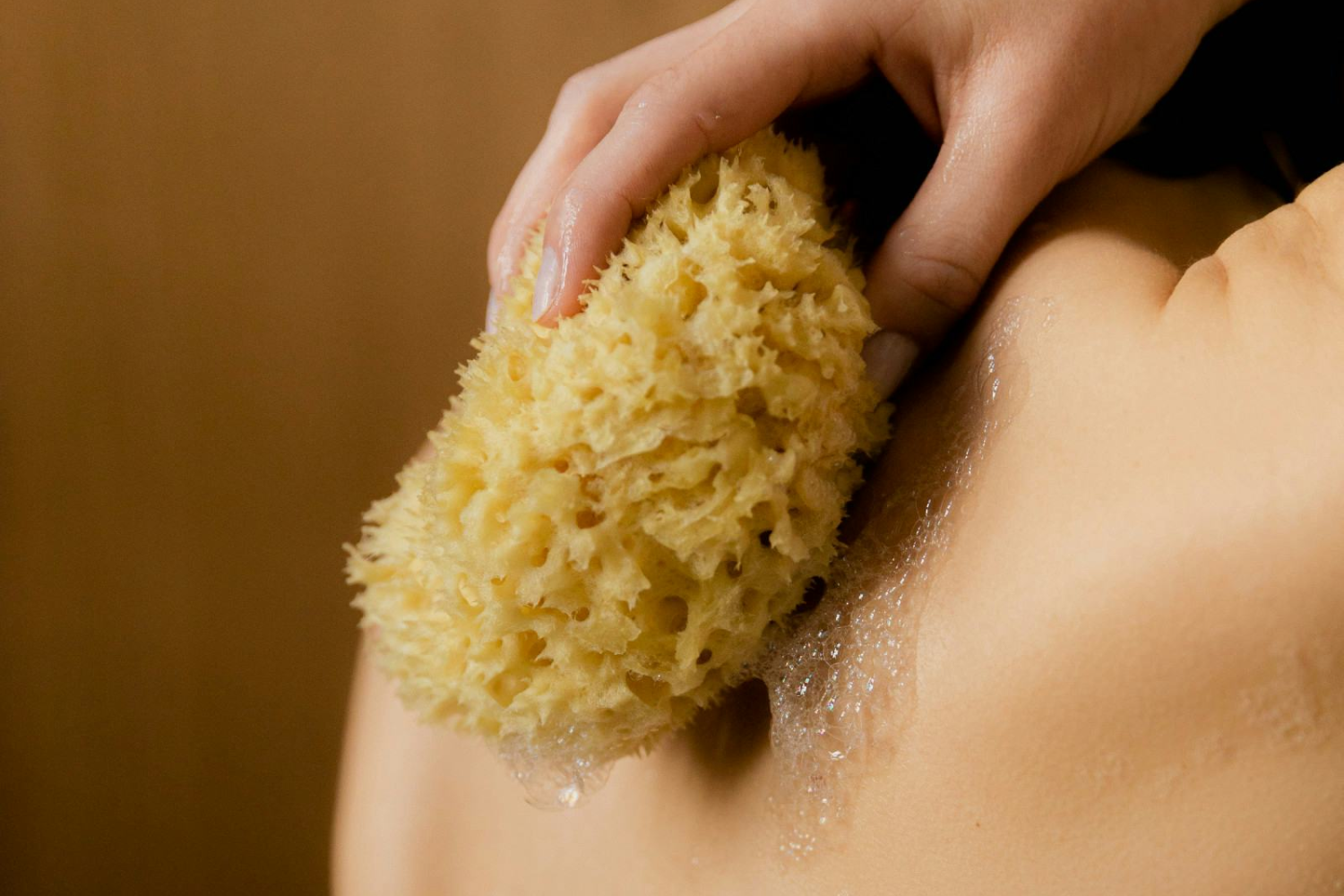
Hygiene is just the baseline
Keeping skin clean and moisturised is the minimum standard. But the bar has moved, and many people are now looking for products that do more than simply cover the basics.
Dry skin, rough texture, body acne, uneven tone, keratosis pilaris, and compromised skin barriers are among the concerns people are increasingly looking to address. And as a result, brands are developing products designed to tackle these issues rather than relying on one-size-fits-all solutions.
Treatment, not just moisture
A modern body care routine might include a chemical exfoliant, a treatment-focused body serum, and a moisturizer designed to address a specific concern.
AHAs, BHAs, and retinol are no longer ingredients reserved for the face. They're increasingly appearing in body care products that help improve texture, tackle body acne, and reduce the appearance of "strawberry skin.
Vogue's 2026 body care trend roundup also highlighted the growing appetite for treatment-focused products designed to address specific concerns rather than simply cleanse or moisturize.
What might once have looked like a skincare enthusiast's weekend hobby is gradually becoming a fairly normal part of many body care routines.
New product formats
As people are adding more steps to their body care routines, it's no surprise that new product formats are emerging alongside them.

Body serums, leave-on exfoliants, treatment sprays, and serum-style body washes are becoming increasingly common. Rather than expecting one product to solve every problem, people are choosing products based on what they actually want them to do.
Body care is now mirroring face care, where each product plays a distinct role.
Ingredient-Led Innovation
Ingredients have become one of the biggest purchase drivers in body care.
Just as people learned to recognize ingredients like hyaluronic acid, niacinamide, ceramides, and peptides in face care, they're now looking for many of the same ingredients in body products.
Key ingredients
Several ingredients are appearing consistently across modern body care formulations:
Urea: valued for its ability to soften rough skin while supporting hydration.
Niacinamide: commonly used to support the skin barrier and improve overall skin appearance.
Ceramides: help strengthen and maintain the skin's protective barrier.
Hyaluronic Acid: supports hydration and moisture retention.
Peptides: increasingly used in formulations focused on skin conditioning and skin appearance.
Urea deserves a special mention. It has been used in dermatology for decades, but now it's finding a wider audience, since more customers are looking for solutions to rough, dry skin.
It's particularly popular in body care products, and is designed for areas where skin tends to be thicker and more prone to dryness.
We explored its benefits in more detail in our article on Urea: the secret to softer, healthier skin.
The K-beauty influence
K-beauty has a habit of keeping the rest of the beauty industry on its toes.
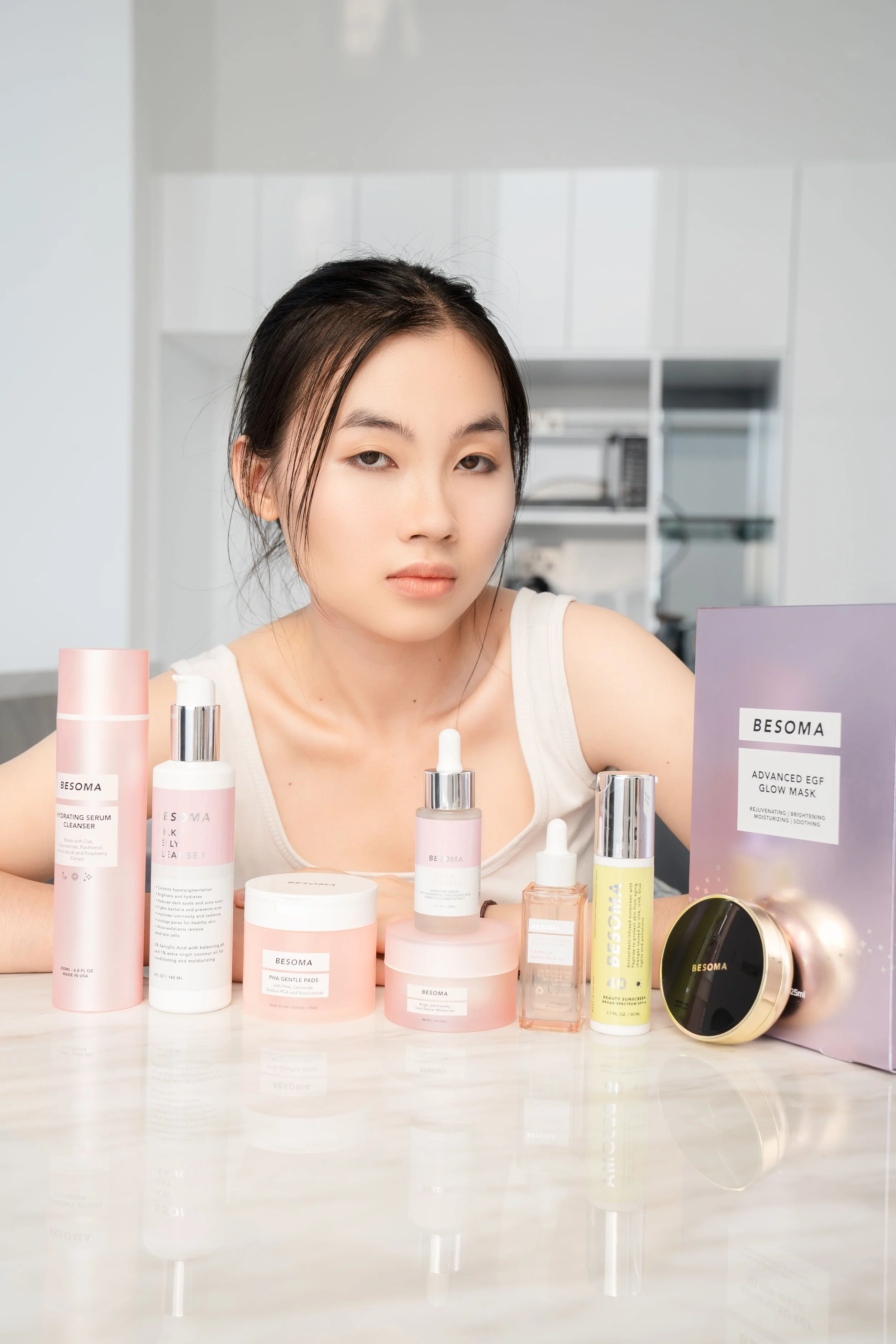

New ingredients, unusual textures, and fresh treatment concepts often gain traction there first before spreading more widely. Social media has made that process even faster.
PDRN is one of the latest ingredients generating attention, alongside advanced peptide complexes and other ingredient-led innovations. Whether every trend lasts is another question, but consumers are clearly becoming more comfortable experimenting with new ingredients.
And once something becomes popular in face care, there's a good chance it'll eventually find its way into body care too.
Skin longevity
Immediate results and quick fixes are great. But maintaining healthy skin over time? That's what many people are really aiming for.
Rather than focusing solely on visible concerns, many formulations are designed with long-term skin resilience in mind.
It's another sign of how far body care has come.
For beauty brands, helping customers understand ingredients can be just as important as the ingredients themselves. We've explored some of the ingredients appearing across today's beauty products in our article on trending skincare ingredients 2026.
Functional Beauty Meets Sensory Experience
Results matter, but so does the experience of getting there. Body care continues to naturally lend itself to rituals and moments of self-care.
Texture matters
Texture variations and application experiences have unlocked a whole new level of product enjoyment.
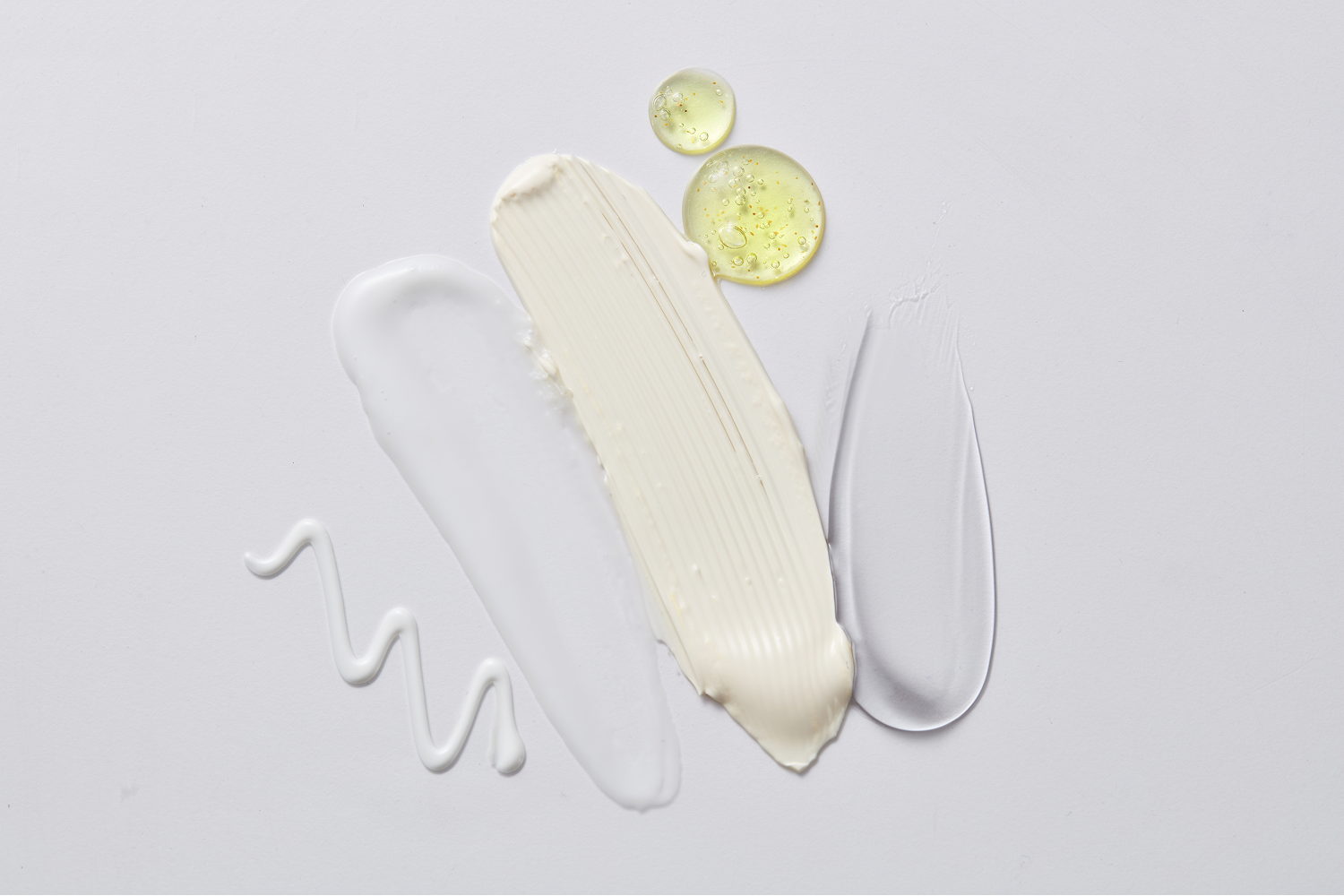
Lightweight gels, whipped creams, silky body oils, oil-to-milk cleansers, and spa-inspired body washes are helping transform everyday routines into experiences people genuinely enjoy. Even a two-minute shower can feel a little more indulgent with the right product.
The ritual effect
Applying a body lotion, enjoying an evening shower, or taking a few extra minutes for a body treatment can feel like a small act of self-care on an otherwise busy day.
It's these small care rituals that often turn body care from a routine into something a little more meaningful.
For many, body care rituals are no longer just about maintaining healthy skin. They're also an opportunity to slow down, switch off, and enjoy a few moments to themselves.
Beyond fragrance
Fragrance layering is a good example of how scent is becoming more than just a pleasant addition to a product.
Rather than reaching for a single fragrance, many people are building scent through multiple products. They're combining body washes, lotions, mists, and oils to create scents that feel more personal.
For some, fragrance has become just as much a part of the ritual as the products themselves.
It's another sign of how much more thought now goes into everyday body care.
Social media and self-care routines
Platforms like TikTok and Instagram have helped bring body care into the spotlight. Routines that were once fairly private are now being shared, discussed, and experimented with.
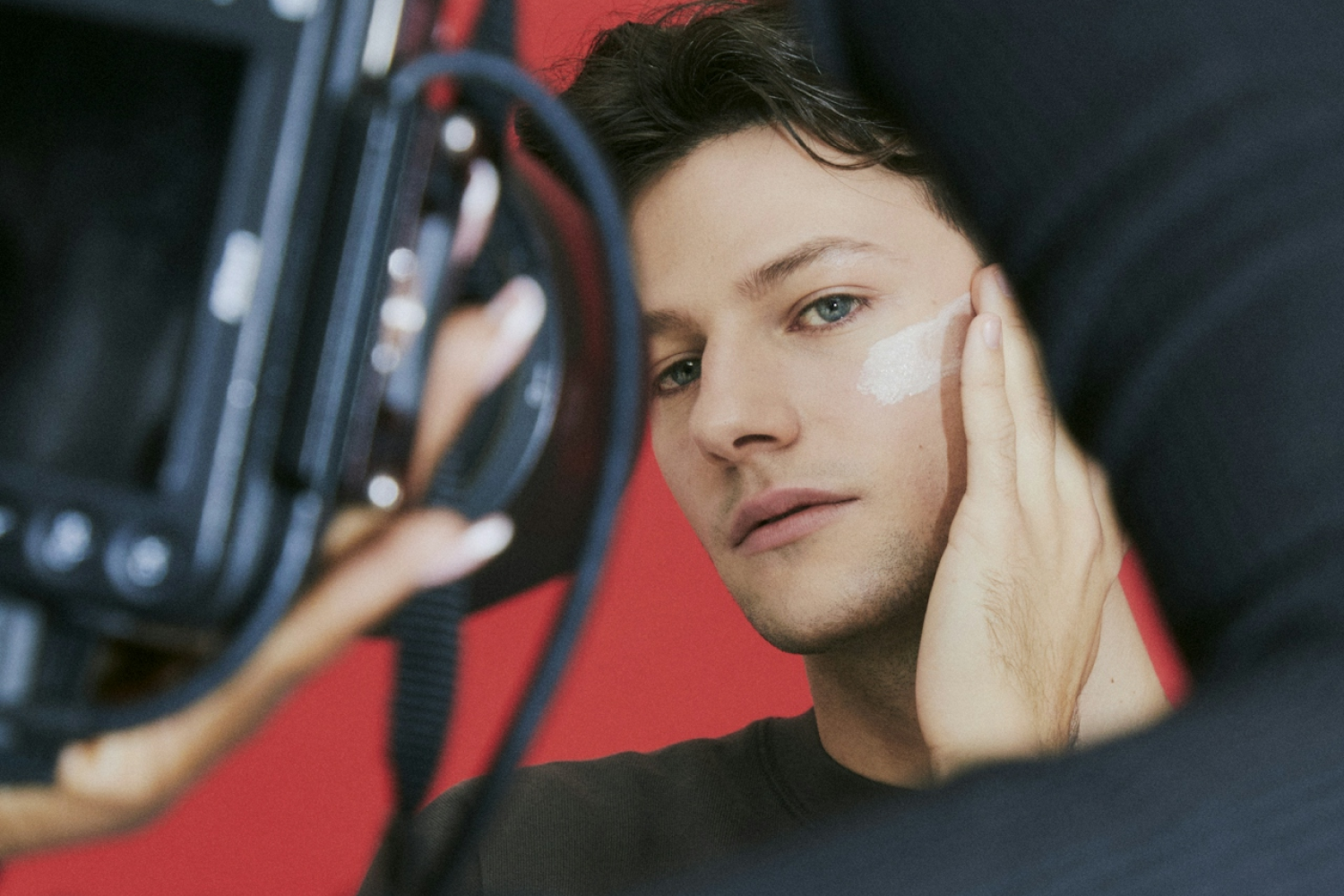
Trends such as the "everything shower", fragrance layering, and highly personalized body care routines have encouraged people to spend more time thinking about products they may have previously overlooked. Some routines now involve enough products to make a body wash-and-go approach feel almost quaint.
Not every viral trend lasts, of course. But many of them introduce people to new ingredients, product formats, and body care rituals that have gone on to become part of their daily habits.
Key Innovations In Deodorants
Few categories illustrate the skinification trend better than deodorants.
For decades, deodorants were largely judged on one thing – whether they prevented odor. Today, expectations are considerably higher. In fact, underarms have become enough of a focus that some industry observers now describe them as a skincare category in their own right.

So, what's changing?
Underarms have traditionally been treated as a practical problem to solve rather than skin to care for. Yet they put up with a lot.
Between shaving, sweat, friction from clothing, and daily product use, it's hardly the easiest environment for skin. And for a long time, most of us probably didn't think twice about what was in our deodorant. Not anymore.
As people become more selective about what they use on their skin, deodorants are evolving too:
Aluminum-free formulas are becoming increasingly popular.
More brands are taking a microbiome-friendly approach to odor control.
Soothing and barrier-supporting ingredients are appearing alongside traditional deodorizing agents.
Skincare-inspired actives are making their way into everyday deodorants.
Beyond freshness
Freshness still matters, but comfort and overall skin wellbeing are also becoming part of the picture.
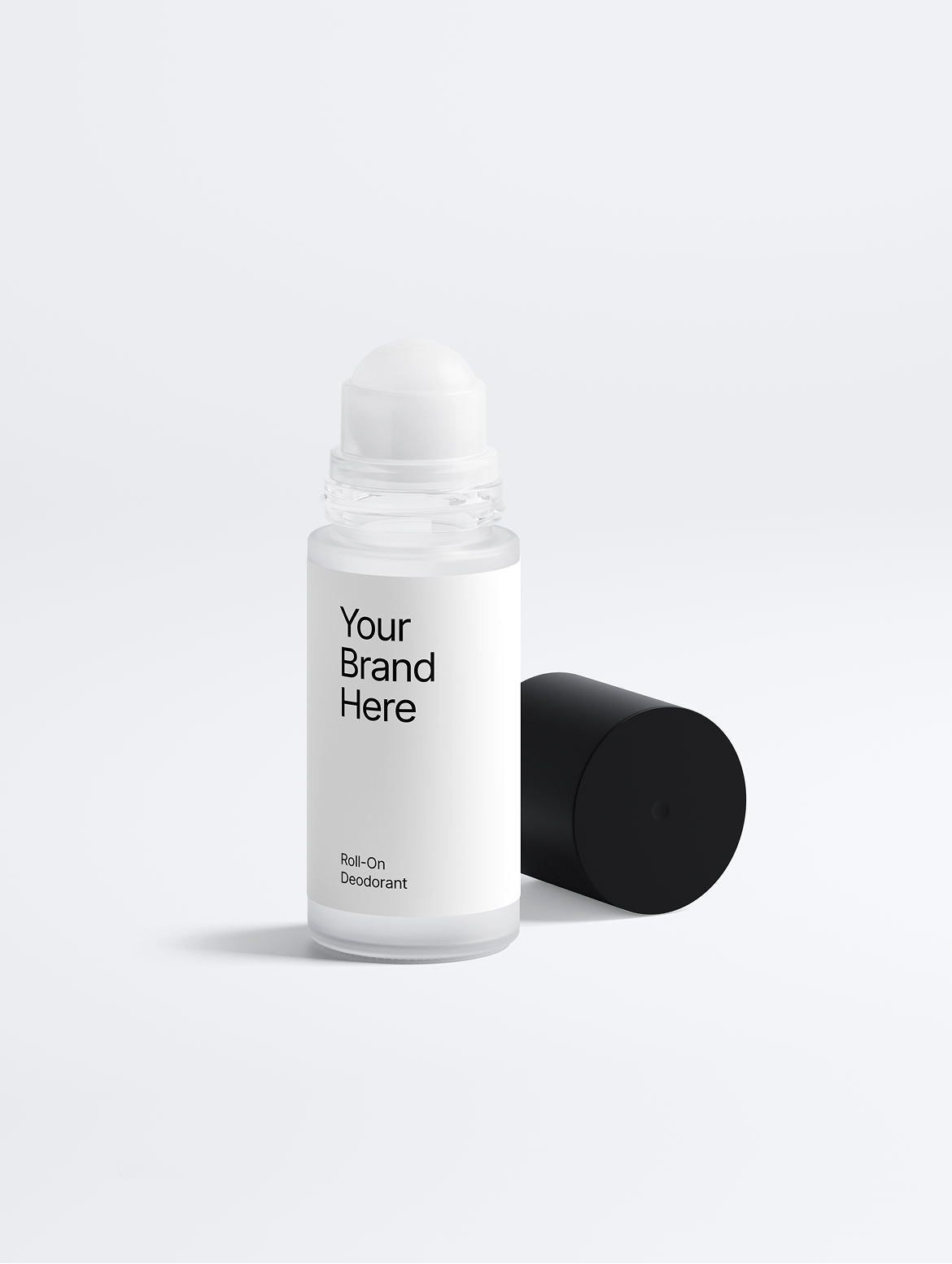
Aluminum-free roll-on deodorants fit neatly into this trend. Created with both freshness and skin comfort in mind, they often incorporate ingredients that help keep underarm skin comfortable. Which is particularly important for an area that is frequently exposed to friction.
The deodorant aisle may not look dramatically different, but what's inside the products certainly is.

Opportunities For New And Growing Brands
Body care may be evolving, but one thing hasn't changed – people are still looking for products that solve real problems.
As people look for products that do more than the basics, new formats and targeted solutions are creating opportunities for both new and established brands. Whether you're expanding an existing range or launching a body care line from scratch, there is plenty of room for innovation.
What Brands Should Develop Now
A few categories stand out in particular.
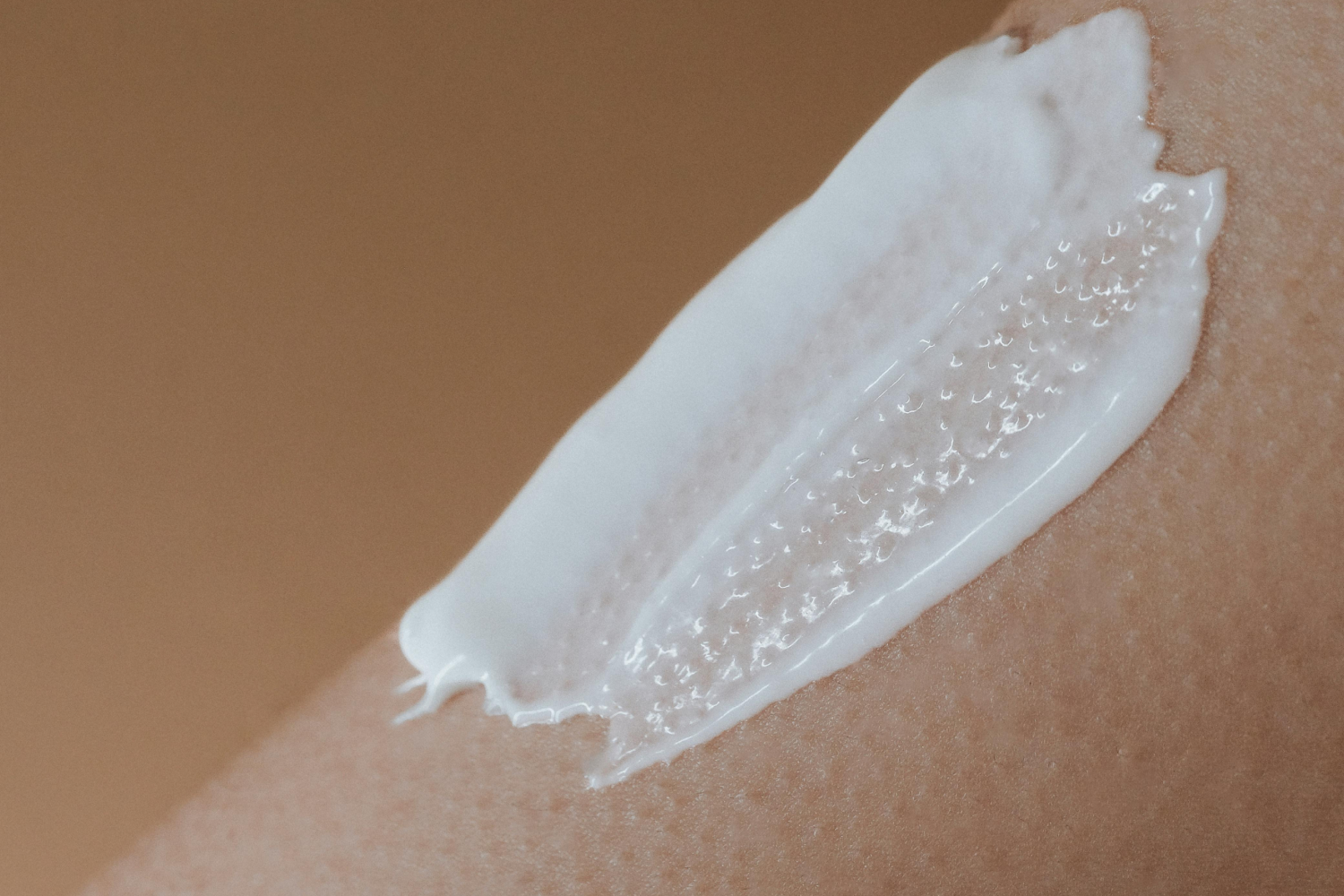
Body serums are a good example. Lightweight and often packed with active ingredients, they're appealing to people who want something a little more targeted than a traditional moisturizer. Whether the focus is texture, skin comfort, or addressing a specific concern, they bring a distinctly skincare-inspired feel to body care.
Treatment-focused body lotions are becoming more common as well. Concerns such as rough skin, dryness, uneven tone, and barrier health are encouraging brands to move beyond simple moisturizers and develop more specialized formulas.
The same thing is happening in deodorants. What was once a fairly straightforward category is becoming much more sophisticated, with aluminum-free formulas, microbiome-friendly approaches, and skincare-inspired ingredients all finding their place in everyday products.
Products that combine efficacy with a strong sensory experience are also attracting attention, particularly as body care becomes more closely linked with self-care and body care rituals.
Taken together, these categories tell a fairly clear story. People aren't simply looking for more products. They're looking for smarter ones.
And body care isn't the only category moving in this direction, either.
The same themes are showing up across the broader beauty industry. At Cosmoprof Bologna 2026, one of the world's leading beauty trade events, ingredient-led innovation, personalization, and efficacy-driven formulations remained key talking points. We take a closer look at these trends in our article on Cosmoprof 2026 beauty trends.
For brands, the challenge is spotting these trends early enough to act on them. Our article on how to find trends in beauty takes a closer look at where trends come from and how to spot them before they go mainstream. After all, timing can be just as important as the trend itself.
How Private Label Helps Your Brand Move Faster
Identifying a trend is one thing. Bringing a product to market before the opportunity passes is another.
Developing formulations from scratch can be time-consuming, particularly in a category that is evolving as quickly as body care. Private label manufacturing allows brands to move faster by building on proven formulations while still creating a distinct brand identity. Rather than spending months developing products from the ground up, brands can build on formulations that already align with many of today's body care trends.
This approach can be particularly valuable for founders looking to test new concepts, expand an existing product range, or respond to emerging trends without navigating the complexities of full-scale product development. With no minimum order quantities, it's also easier to validate new ideas before committing to larger production runs.
At Selfnamed, brands can choose from a growing range of private label body care products, including formulations designed around many of the trends shaping the category today. Explore our private label body care collection or browse the full body care product range to discover body products ready for customization and launch.


Conclusion
Body care is getting smarter.
From ingredient-led body washes and body serums to skincare-inspired deodorants, body care is becoming far more thoughtful and specialized, with products designed around individual needs and goals.
People aren't simply looking for more products. They're looking for products that solve specific problems, fit naturally into their routines, and make everyday care feel more enjoyable.
For beauty brands, that creates plenty of opportunities to develop products that feel relevant to how people care for their skin today.
As it turns out, the skin below the neck had a few requests of its own.
If there's one takeaway from the trends shaping 2026, it's that body care is no longer an afterthought. And judging by where the category is heading, it's unlikely to become one again anytime soon.
Frequently Asked Questions
-
Skinification means treating the skin on your body with the same care you give your face. It’s moving away from basic "cleanse and moisturize" routines to using targeted, ingredient-led products that actually solve specific concerns like dryness or rough texture.
-
2026 is all about results. Think high-performance ingredients, stronger barriers, and dedicated body rituals. People are ditching one-size-fits-all lotions for specific serums, exfoliants, and microbiome-friendly formulas that prioritize long-term skin health.
-
Deodorants are growing up. They’re no longer just for masking odor; they’re becoming skincare-first products. Expect to see more aluminum-free formulas that actually soothe, protect, and balance your skin microbiome instead of just covering up scent.
-
Start by offering solutions, not just products. Consumers want body serums, targeted treatments, and sensorial experiences. If you want to move fast, private label manufacturing lets you launch these high-demand formulas without the headaches of full-scale product development.
Must read