Trending Skincare Ingredients for 2026

Table of Contents
The beauty industry is entering a more deliberate era shaped by the less-is-more philosophy. Choosing the right trending skincare ingredients matters just as much as choosing the right product category. And that's especially important for brands planning new launches.
Customers spend more time looking at ingredient lists than many brands realize. They want ingredients they recognize. Formulas they understand. Products designed with a specific purpose in mind.
Those expectations are easy to spot in new product development. The skinification trend encourages brands to create products with a clear purpose. Science-backed ingredients give those formulas credibility, while skin barrier support remains a priority across almost every skincare category.
For beauty brands, ingredient selection goes beyond formulation. It shapes how easy a product is to explain, how it compares with similar formulas, and whether customers see a reason to choose it over something else.
Here's a closer look at the top trending skincare ingredients, why they're attracting attention, and what they can bring to your next product line.
Key Takeaways
Barrier-first skincare continues to drive ingredient innovation.
Customers are choosing products with ingredients they recognize and trust.
Biotechnology is reshaping how cosmetic ingredients are developed.
What’s Driving Skincare Ingredient Trends in 2026?

Every ingredient that stays relevant solves a clear need. That's what connects many of the products launching across the skincare industry.
You can see it in new product collections, ingredient launches, and industry events such as Cosmoprof Bologna 2026 and Premiere Orlando 2026. These events bring together beauty brands, formulators, manufacturers, retailers, and ingredient suppliers to share what's shaping future product development.
Across both events, four ideas kept coming up. Stronger skin barrier support. Ingredients backed by research. Better ingredient education through AI. And greater transparency around formulations and sourcing.
Those ideas explain why certain ingredients keep earning a place in new formulations and continue to shape the future of skincare.
Barrier-First Skincare Continues to Lead
A strong skin barrier sits at the heart of many skincare formulas. Hydration, brightening, anti-aging, blemish care, and sensitive skin products all benefit from ingredients that help strengthen and protect it.
Search behavior reflects that interest. Google Trends reports a 200% increase in worldwide searches for "skin barrier" over the past year, showing just how much attention barrier health receives.
For beauty brands, barrier-supporting ingredients offer plenty of room to grow a product line. Ceramides, panthenol, beta-glucan, and urea fit naturally into cleansers, serums, moisturizers, masks, and targeted treatments. The same ingredient can support several product types while addressing different skin concerns.
That's one reason barrier-supporting ingredients continue to appear across new skincare launches. They give your brand the flexibility to expand a collection without moving away from a clear product philosophy.
Evidence-Backed Beauty Is Replacing Marketing Hype
Research gives ingredients staying power. The more evidence behind an ingredient, the easier it becomes for you to explain its role in a formula. And for your customers to understand why it's there.
In a 2025 survey, 45% of luxury beauty shoppers said medical professionals influence the beauty products they choose. It shows that clinical credibility, proven efficacy, and personalized solutions continue to shape purchasing decisions. Especially in premium skincare.
When you're building a skincare line, research gives you something valuable to build around. It helps you explain your formula, support your claims, and differentiate your products in a crowded market.
That's one reason many of the trending ingredients share the same foundation. They come with proven benefits, clear applications, and evidence that's easy for customers to understand.
Sustainability Requires Transparency
Two products can contain similar ingredients and still tell completely different stories. The difference often comes down to transparency.
When customers compare products, they often look past the front of the packaging. They check the ingredient list, look for recognized certifications, and pay attention to how openly a brand talks about sourcing and manufacturing. Small details help answer a simple question – can I trust this product?
That gives you another way to stand out. Explain why you chose a particular ingredient. Tell customers what a certification means. Use clear INCI names and avoid claims that need guessing. Those details make a product easier to understand and easier to trust.
That's also where sustainability becomes much more tangible. It stops being a broad brand value and becomes something customers can actually see in the way you talk about your products.
AI Is Making Ingredient Education More Accessible
If a brand can’t explain why a product works, consumers are scrolling past it.
Consumers want to understand why an ingredient works, not just be told that it does. Brands that can clearly explain the science behind their formulas are the ones earning real trust.
AI is playing a growing role in this shift. From precise skin diagnostics to personalized, day-to-day routine building, AI tools are helping consumers make better, more informed decisions based on their individual skin needs.
The data reflects this change in behavior. Glycolic acid alone generates over 110,000 global monthly searches – a clear sign that ingredients, not brands, are increasingly driving skincare discovery.
Trending Skincare Ingredients Every Beauty Brand Should Know
If you're wondering which skincare ingredients are popular right now, this list offers a good place to start. Some ingredients have decades of research behind them. Others reflect recent advances in biotechnology and formulation science. Together, they highlight the ingredients shaping new product development and the future of skincare.
Peptides
Peptides are one of the foundations of premium skincare.
They're also one of the few ingredients customers already understand. People associate peptides with firmer, smoother-looking skin, which makes them an easy ingredient to recognize on a product label. At the same time, research continues to expand what peptides can do, with new peptide technologies giving brands more ways to develop targeted formulas.
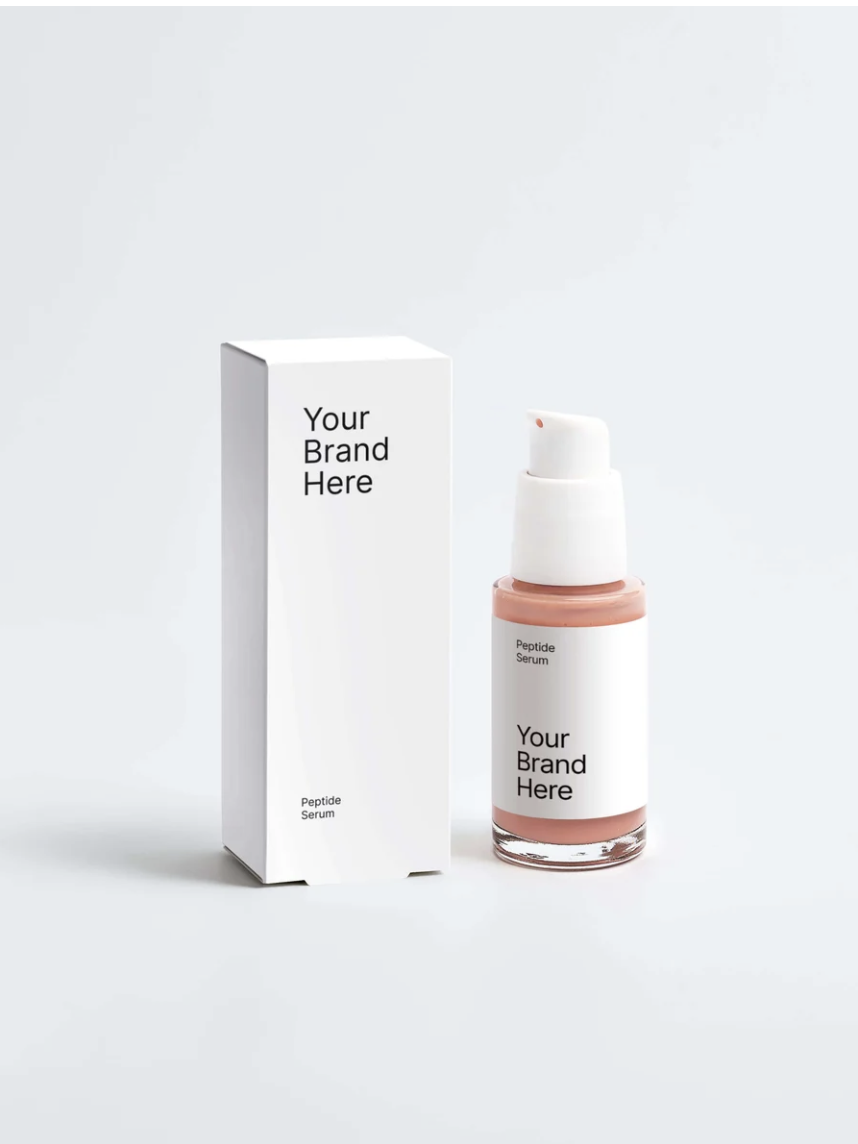
Selfnamed’s Peptide Anti-Aging Serum
That's why peptides give you plenty of room to grow. They already have strong customer recognition. They're backed by years of research. And they continue to evolve through new formulations. That's one reason they remain among the top trending skincare ingredients year after year.
Exosomes
Exosomes have quickly become one of the most talked-about ingredients in skincare. Much of that interest comes from regenerative skincare. An area of research that explores how to support the skin's natural renewal processes.
Researchers continue to study how exosomes help cells communicate with one another and the role they may play in visible skin repair. While the science continues to develop, the ingredient already reflects a much bigger shift toward biotechnology and advanced skincare formulations.
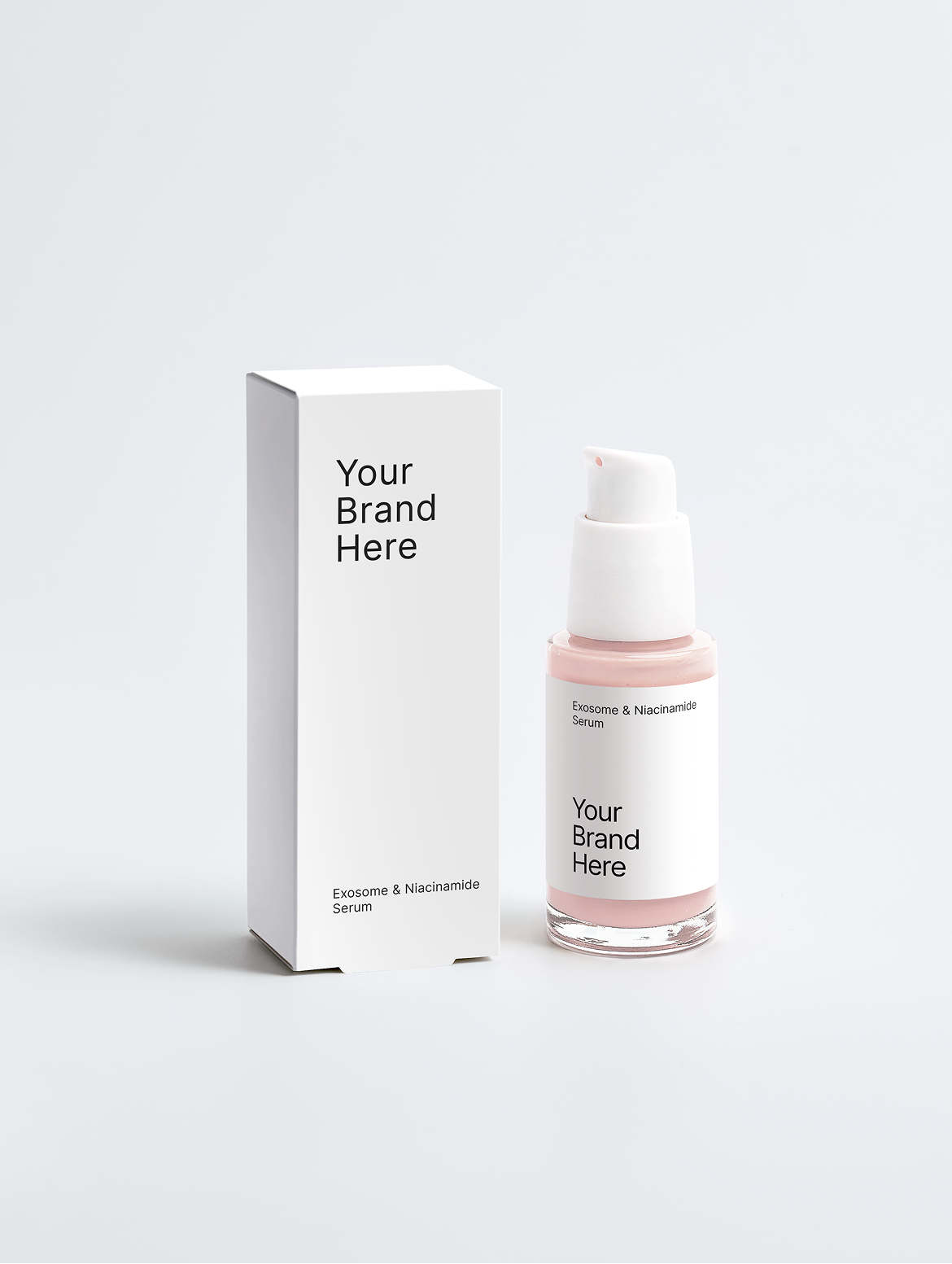

Selfnamed’s Exosome & Niacinamide Serum
Exosomes offer a way to introduce next-generation science into your product range while tapping into one of the fastest-growing areas of ingredient innovation.
Panthenol
Panthenol keeps appearing in new skincare launches because it fits one of the biggest priorities in skincare today – skin barrier support.
Panthenol is also known as provitamin B5. It helps attract moisture, support barrier repair, and improve overall skin comfort. Those benefits make it a natural choice for products designed for dry, sensitive, or stressed skin.
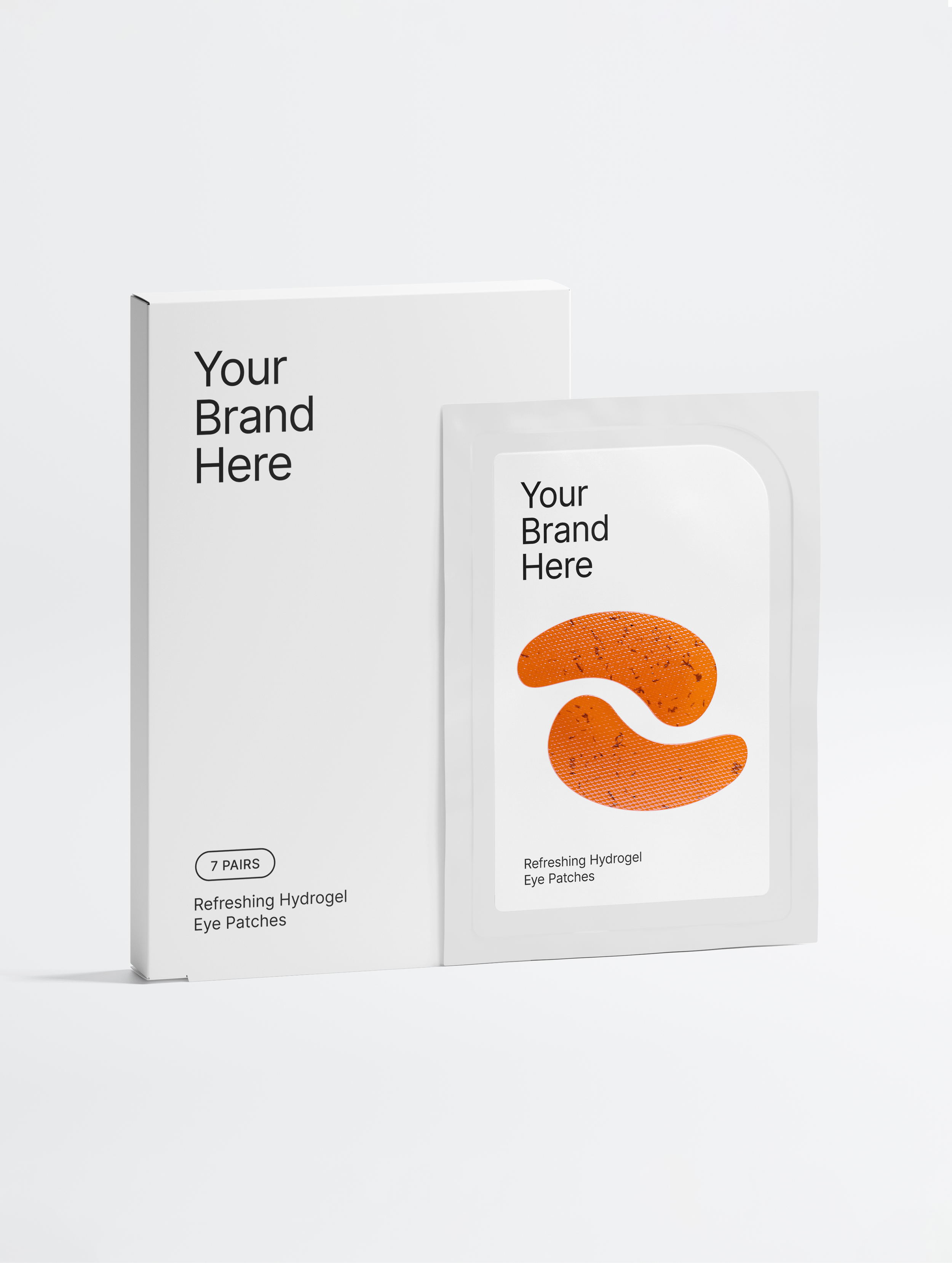

Selfnamed’s Anti-Fatigue Hydrogel Eye Patches (With Panthenol)
Its popularity also comes from how easy it is to formulate with. Panthenol pairs well with ceramides, hyaluronic acid, beta-glucan, and niacinamide, allowing you to build products around a shared barrier-supporting story.
For your brand, that creates opportunities across moisturizers, serums, cleansers, masks, and recovery treatments. One ingredient can support several product categories while staying true to the same product philosophy.
PDRN (Polydeoxyribonucleotide)
Some of the most interesting trending ingredients come from regenerative medicine. PDRN is one of them.
Its background in regenerative medicine naturally sparks interest among brands developing premium formulas. Researchers are exploring how PDRN supports visible skin repair. Which is why it increasingly appears in products inspired by professional skincare treatments.
Exosomes, peptides, and PDRN often appear in the same conversation because they reflect the same direction in product development. The focus shifts toward supporting the skin's own renewal processes with advanced active ingredients.
If you're planning a new skincare launch, PDRN offers something customers may not already have on their shelf. It gives your product a stronger innovation story while fitting naturally into the growing interest in regenerative skincare.
Bakuchiol and Natural Retinol Alternatives
Retinol may still be the benchmark, but it's no longer the only ingredient customers look for. Bakuchiol earns its place by offering brands another way to talk about smoother-looking, firmer skin.
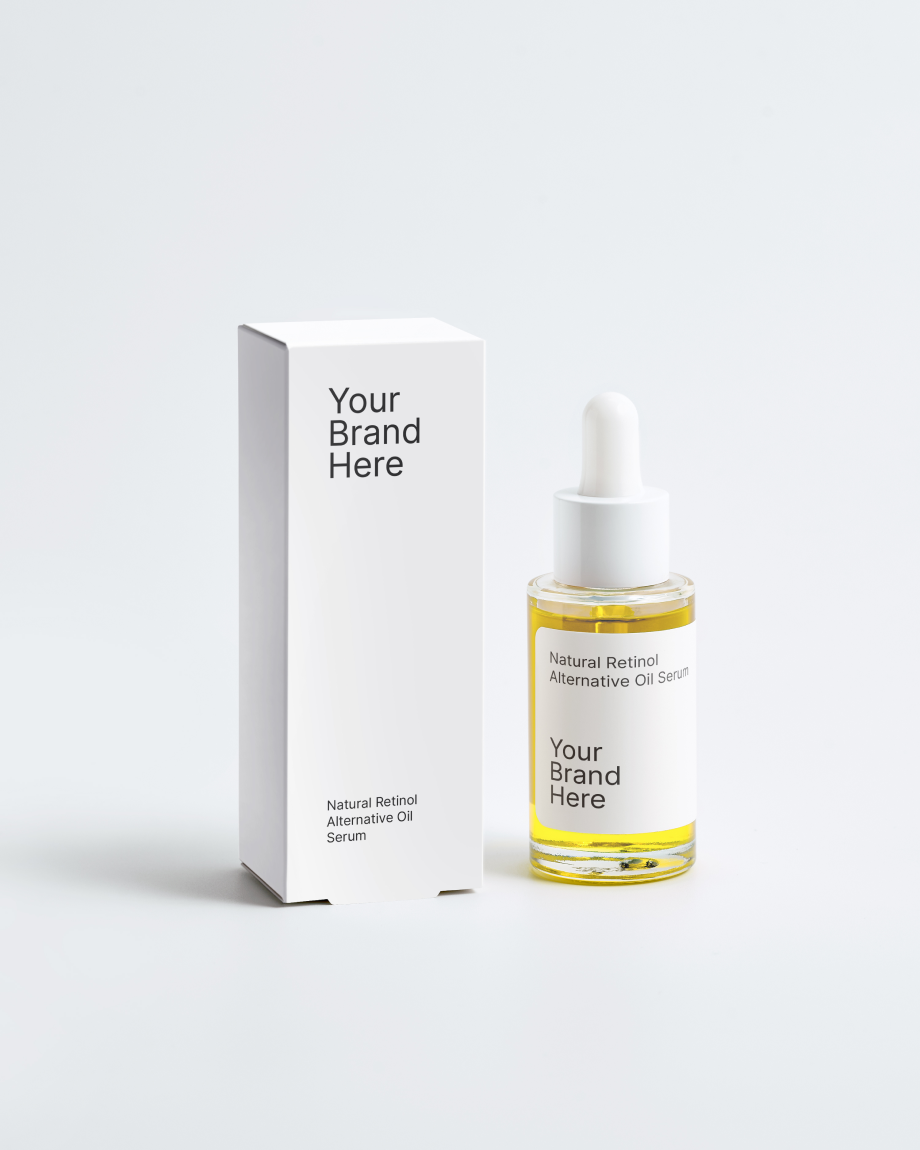
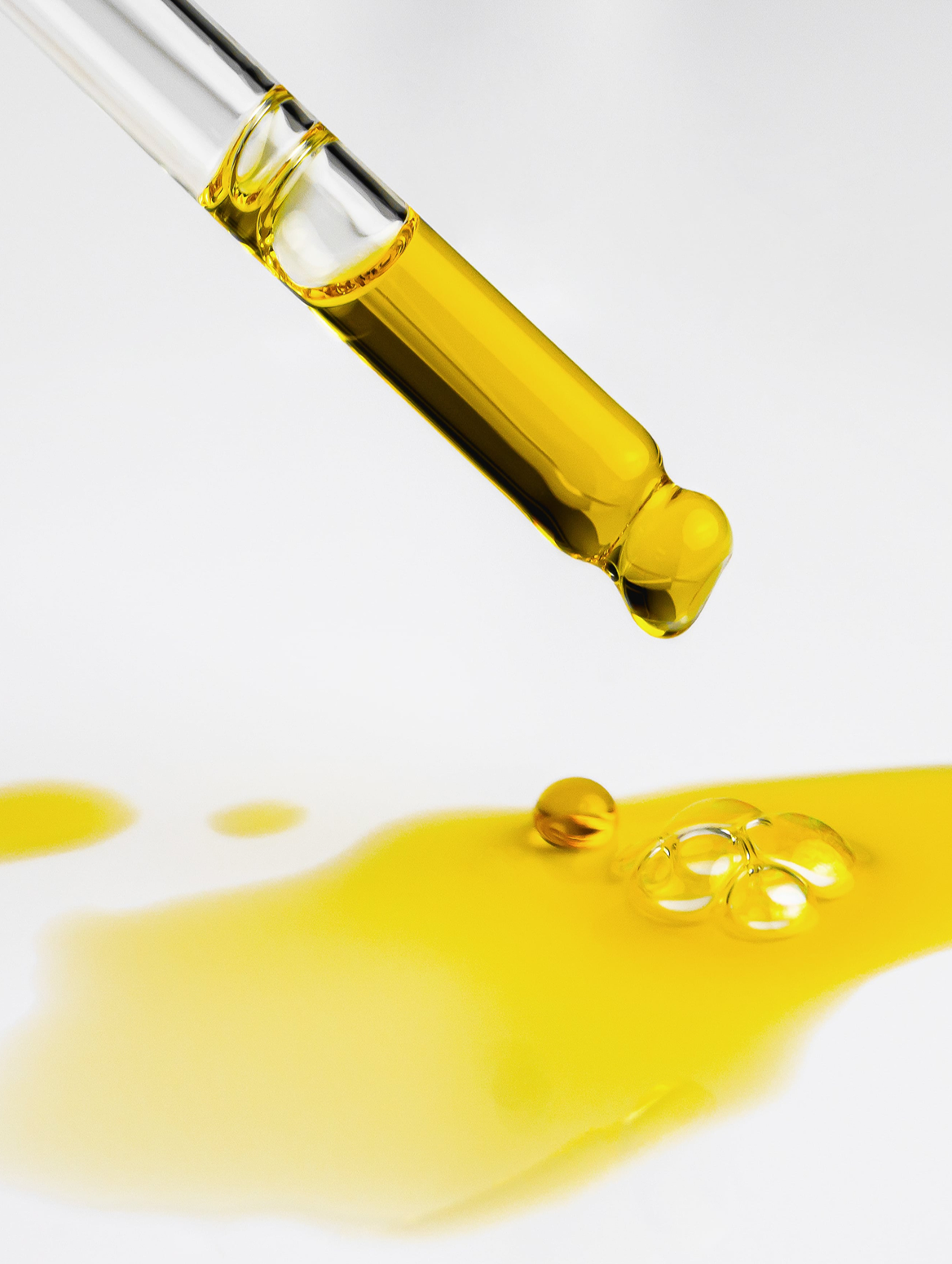
Selfnamed’s Natural Retinol Alternative Oil Serum
It offers many of the benefits associated with retinol, including smoother-looking skin and improved firmness, while coming from natural ingredients. That's one reason bakuchiol continues to appear in discussions around retinol alternatives.
Bakuchiol gives you a familiar ingredient with broad customer appeal and a clear place in modern skincare.
Kojic Acid
Dark spots rarely disappear as quickly as customers hope. Marks left behind by breakouts, sun exposure, or hormonal changes often take weeks or even months to fade, so brightening products remain a popular part of many skincare routines.
Kojic acid is one of the ingredients customers often come across during that search. It helps reduce excess melanin production and is frequently combined with vitamin C or niacinamide to create formulas that target uneven-looking skin from different angles.

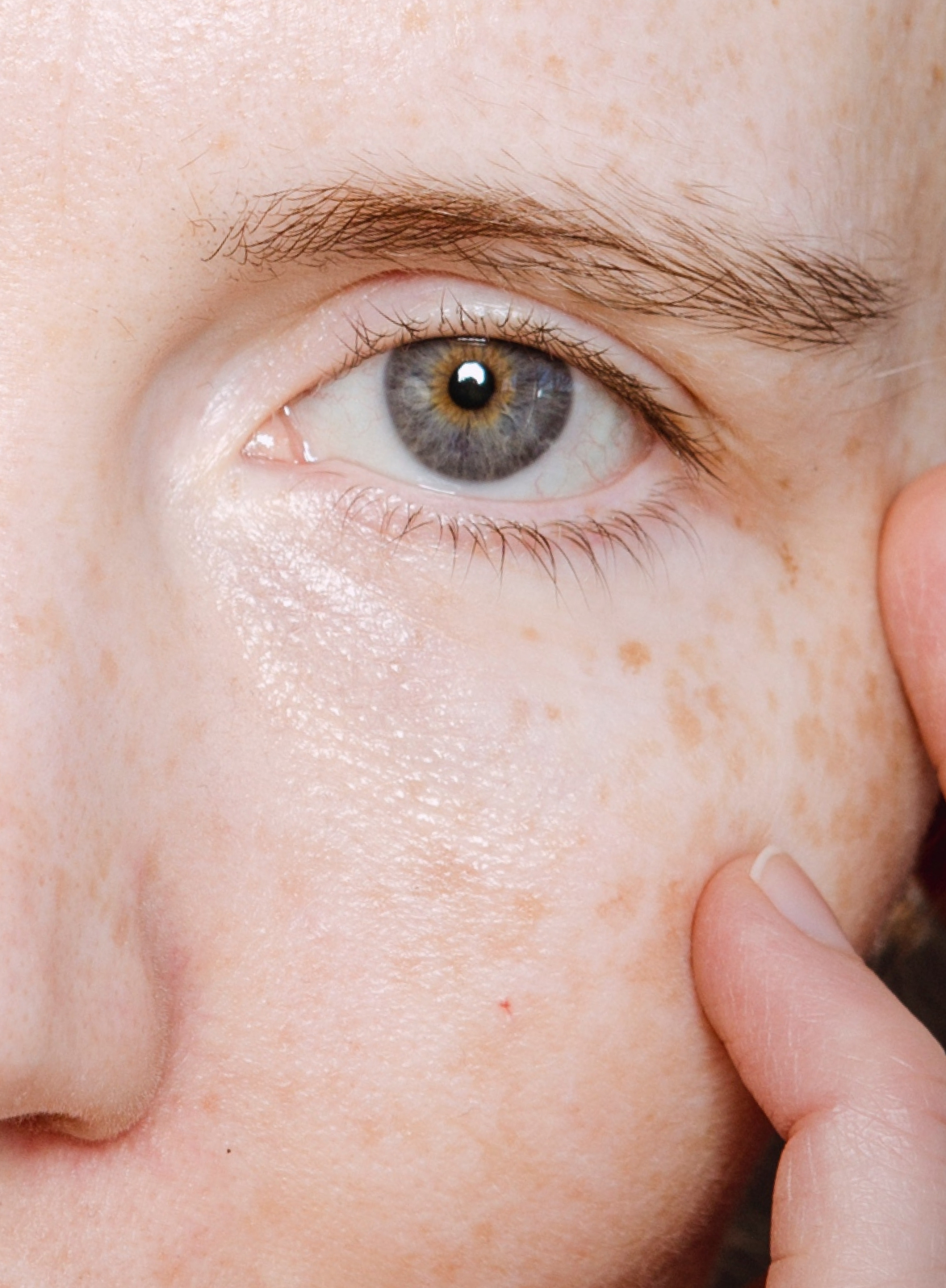
Discover Kojic Acid Products
If brightening products are part of your collection, kojic acid is already an ingredient many customers recognize and actively look for.
Ceramides
As awareness of the skin barrier grows, many people look for products that help support it, making ceramides a familiar choice across all kinds of skincare routines.
They help support the barrier function and keep moisture where the skin needs it. That's why they're so often combined with hyaluronic acid, panthenol, and other hydration-focused ingredients.
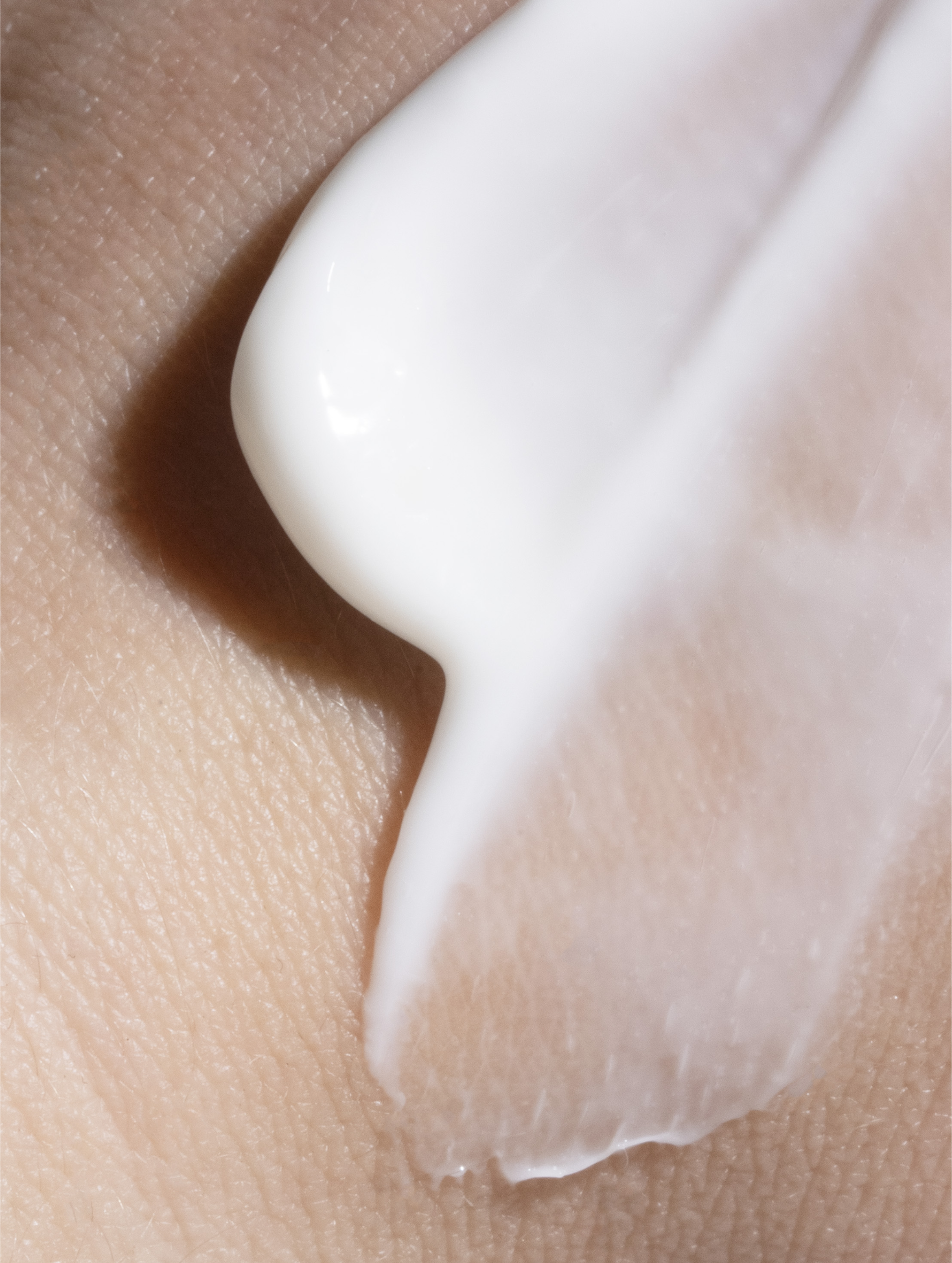

Read about the benefits of our Ceramide Barrier Night Cream
If you're developing hydration-focused products, ceramides already come with something valuable – customer trust.
Prebiotics
The skin microbiome is no longer a niche topic. Customers ask about it, search for it, and increasingly expect brands to take it into account when developing new formulas.
That growing awareness puts prebiotics on more ingredient lists. They help support the beneficial microorganisms already living on the skin. It makes them a good fit for products designed for everyday use.


Try Selfnamed’s Bioactive Prebiotics Jelly Serum
Prebiotics also reflect a wider change in skincare. Healthy-looking skin comes from consistency, not just stronger active ingredients, and that's exactly where they fit.
Urea
Some cosmetics ingredients stay relevant because they solve everyday skin concerns really well. Urea is one of them.
Dry, rough, and flaky skin is something many customers deal with year-round. Urea helps by drawing moisture into the skin while gently softening rough areas.


Discover Selfnamed’s Urea Products
That's also why urea appears in such a wide range of products. You'll find it in facial moisturizers, body creams, foot care, and hand treatments.
Vitamin C
Dark spots often last longer than the breakout itself. Add sun spots and uneven skin tone, and it's easy to see why brightening products stay in demand. A global study of 48,000 adults found that one in two people experience at least one pigmentary disorder.

Discover the trending Vitamin C Serum
That's one reason vitamin C remains a skincare staple. It helps improve the appearance of dark spots, brighten uneven-looking skin, and provides antioxidant protection against everyday environmental stress.
Vitamin E
You don't often see vitamin E promoted as the hero ingredient. That's never really been its job.
Instead, vitamin E strengthens a formula as a whole. Its antioxidant and moisturizing properties make it a natural partner for vitamin C and other active ingredients, which is why it appears in everything from serums to daily moisturizers.

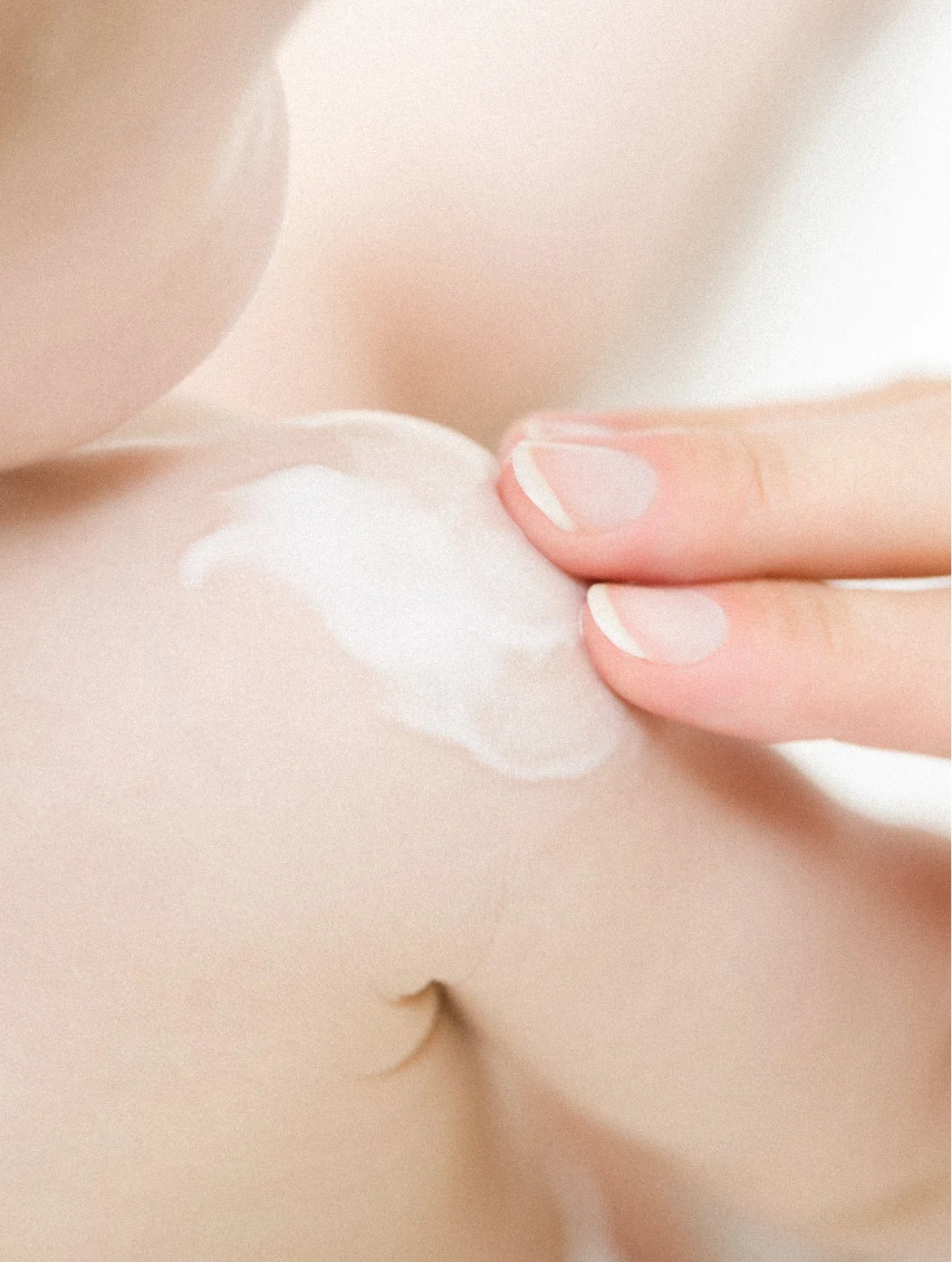
Vitamin E is a core ingredient in our Baby Body Lotion
Sometimes the ingredients customers notice least are the ones formulators value most.
Keratin
Hair damage is one of the biggest reasons people rethink their haircare routine. A global study of more than 19,000 people found that 47% of women and 30% of men reported having damaged hair.
Regular coloring, heat styling, and sun exposure all weaken the hair over time. Because hair is naturally made of keratin, hydrolyzed keratin helps coat damaged areas of the hair fiber, leaving hair feeling stronger, smoother, and easier to manage. Research also shows it can increase mechanical properties by around 40%.
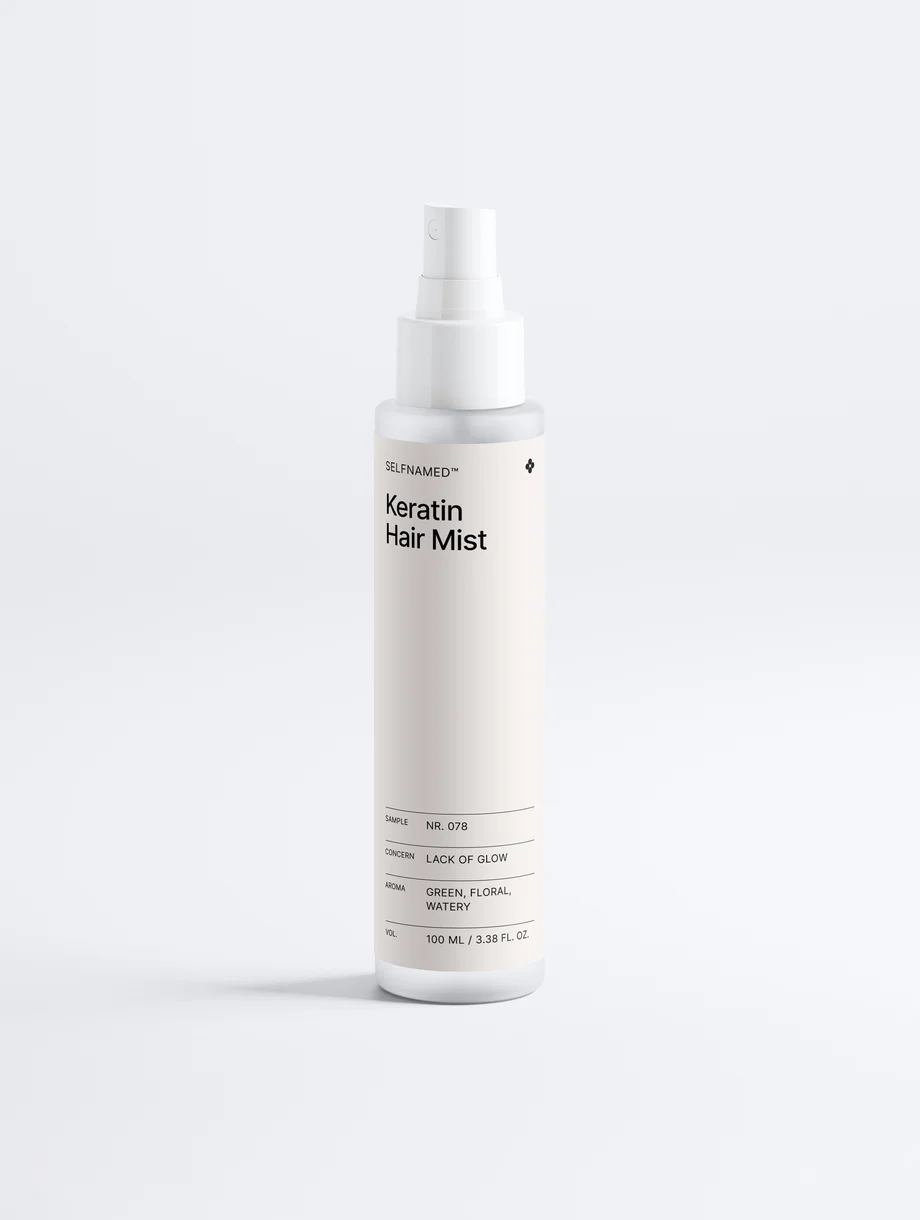

View Selfnamed’s Keratin Products
Keratin remains a trusted ingredient for brands developing repair-focused shampoos, conditioners, masks, and leave-in treatments.
Rosemary Oil
Customers are becoming more intentional about their haircare. They're no longer choosing products based only on the end result. More people want to understand what affects the condition of their hair in the first place, and that naturally brings the conversation to scalp health.

View Selfnamed’s Rosemary Hair & Scalp Strengthening Oil
That shift has helped rosemary oil become one of the most talked-about ingredients in haircare. Research exploring its potential role in supporting hair growth, together with growing interest in scalp care, has made it a popular choice for scalp serums, shampoos, and pre-wash treatments.
Snow Mushroom (Tremella Fuciformis)
Snow mushroom is often introduced as the botanical alternative to hyaluronic acid. That comparison has helped put the ingredient on more formulators' radar.
Like hyaluronic acid, it helps attract and hold moisture, leaving skin feeling soft and hydrated. Its natural origin also makes it a good fit for brands developing botanical-inspired skincare.
It's an ingredient that combines familiar hydration benefits with a fresh product story.
Next-Generation Copper Peptides
Peptides already have a place in skincare. What's changing is the technology behind them.
Copper peptides are a good example. Researchers are developing new versions with better stability, giving you more flexibility when creating advanced skincare products. At the same time, studies continue to explore their potential role in improving skin firmness, texture, and visible skin repair.
The ingredient reflects a wider direction in skincare. Brands aren't replacing trusted ingredients every year. They're finding ways to make them perform better.
Beta-Glucan
You've probably seen beta-glucan on an ingredient list without giving it much thought. That may be starting to change.
Naturally found in oats, mushrooms, and yeast, it helps hydrate the skin while supporting recovery and reducing visible irritation.
That's one reason it's appearing in more products for sensitive skin. Research has also shown that beta-glucan can deliver hydration comparable to hyaluronic acid, giving you another option for moisture-focused products.
Postbiotics
Prebiotics may be more familiar, but they're only part of the story. Postbiotics are the beneficial compounds created during fermentation, and they're beginning to appear in more skincare formulas as microbiome research continues to expand.
Produced during fermentation, postbiotics help support the skin's natural balance and are becoming a popular addition to products for sensitive skin and daily use.
Bio-Fermented Bakuchiol
Bakuchiol has been around for a while, but fermentation is giving the ingredient a second wave of attention.
Instead of looking for the next big cosmetic ingredient, many brands are improving the ones they already use. Bio-fermented bakuchiol fits that approach, combining a well-known retinol alternative with advances in fermentation technology.
It's the kind of development customers may never notice directly, but it's changing how modern skincare formulas are built.
Lab-Grown Botanicals
When people think about skincare innovation, they usually think about discovering a new ingredient. In reality, some of the biggest changes are happening much earlier in the process.
Lab-grown botanicals come from plant cells grown in controlled conditions rather than crops grown in the ground. The goal isn't to create a different ingredient. It's to produce the same botanical compounds without relying so heavily on weather, harvest seasons, or inconsistent raw materials.
As beauty brands look for more dependable sources of natural ingredients, lab-grown botanicals are becoming part of the conversation.
If you're wondering what the next trending skincare ingredients are, look beyond individual active. The future belongs to science-backed, multifunctional ingredients that solve real skin concerns and help you create products people trust.
Trending Ingredients You Can Sell Today
You've seen what each ingredient does. Here's where they already live in our range – real formulas you can put your name on, with no minimums and no starting from scratch.
| Ingredient | What it's for | Where to find it at Selfnamed |
|---|---|---|
| Peptides | Firmer, smoother-looking skin | Across our anti-aging face care range |
| Exosomes | Next-gen support for the skin's natural renewal | Exosome & Niacinamide Serum |
| Niacinamide | Evens the look of tone and supports the barrier | Niacinamide Gel Moisturiser, Exosome & Niacinamide Serum |
| Panthenol | Barrier support and comfort for dry, stressed skin | Urea + Panthenol Body Cream, plus our conditioner range |
| Natural retinol alternative | Smoother, firmer-looking skin without retinol irritation | Retinol Alternative Serum, Eye Serum & Moisturiser (built on Bidens Pilosa, our botanical answer to retinol) |
| Kojic Acid | Targets the look of dark spots and uneven tone | Targeted Dark Spot Care with Kojic Acid, Dark Spot Face Cream with Kojic Acid, Brightening Face & Body Exfoliator |
| Ceramides | Barrier support and locked-in moisture | Ceramide Hydrating Night Cream |
| Prebiotics | Supports a balanced skin microbiome | Bioactive Prebiotics Jelly Serum, Microbiome Prebiotics Face Mist |
| Urea | Softens rough, flaky skin and draws in moisture | Urea + Panthenol Body Cream |
| Vitamin C | Brightens uneven tone and adds antioxidant defense | Retinol Alternative Serum, and across our targeted face treatments |
| Vitamin E | Antioxidant backup that rounds out a formula | Across our antioxidant-rich face and body formulas |
| Keratin | Coats and strengthens damaged hair | Keratin Shine Leave-In Hair Mist, plus Keratin Volume Boost Shampoo & Conditioner |
| Rosemary Oil | Scalp care and a fresh, herbal finish | Rosemary Hair & Scalp Strengthening Oil, Deep Cleanse Scalp Scrub |
Ready to build with any of these? Pick a formula, add your brand, and launch. Start with one bottle or a thousand, and grow from there. Browse the full catalog.
What These Ingredient Trends Mean for Beauty Brands
Ingredient trends come and go, but the best products rarely chase every new ingredient. The brands that last are usually the ones that understand why an ingredient matters before deciding whether it belongs in a formula.
Build Around Customer Needs
It's easy to get caught up in whatever ingredient is generating the most attention. Today it's exosomes. Tomorrow it might be something else.
Instead of asking, "Which ingredient is trending?", start with a different question – "What problem is my customer trying to solve?"
People don't buy a serum because it contains a specific ingredient. They buy it because they want brighter skin, a healthier skin barrier, or stronger-looking hair. The ingredient simply helps deliver that result.
The strongest products are built around customer needs first. The ingredient comes second.
Focus On Science, Transparency, and Ingredient Education
Customers have never had easier access to ingredient information. Before buying a product, many read reviews, compare ingredient lists, and look for research to understand how a formula works.
That doesn't mean every product needs a long list of active ingredients. It means customers want to understand why each ingredient is there.
When you can clearly explain what an ingredient does, how it supports the formula, and who it's designed for, you're giving customers a reason to trust your brand.
The same applies to broader product claims. If your brand uses terms like "clean beauty," make sure you can explain what they actually mean.
Avoid Common Ingredient Trend Mistakes
Every year brings a new ingredient that promises to change skincare. That doesn't mean every trend belongs in your next product.
One mistake brands often make is adding ingredients simply because they're popular. A longer ingredient list doesn't automatically make a better formula.
It's also worth remembering that some of the biggest ingredients – like niacinamide, ceramides, and vitamin C – were once new too. They didn't last because they were trendy. They lasted because they worked.
That's a good way to think about ingredient trends. Don't ask whether an ingredient is getting attention today. Ask whether it will still make sense in your formula a few years from now.
How to Develop Products With Trending Ingredients Through Selfnamed
Knowing which ingredients are trending is one thing. Turning them into products people want to buy is another. Selfnamed helps youdo that without starting from scratch.
Formulations That Perform
A good formula is about more than adding popular ingredients. Selfnamed gives you access to over 200 stability-tested products developed with ingredients that work well together, so you can focus on building your brand instead of developing formulas from the ground up.
Compliance From Day One
Bringing a cosmetic product to market means more than choosing the right ingredients. Every product also needs to meet regulatory requirements before it can be sold.
We take care of the compliance side from the start.
Faster Product Launches
Beauty trends don't wait, and neither should your product launch.
Instead of spending months developing a formula from scratch, you can start with products that are already developed and simply make them your own. With no minimum order quantities, it's easy to test a new idea, see how it performs, and grow from there.
Scale as Ingredient Trends Evolve
Trends will change, and your product line should be able to change with them. Whether you're adding a new serum or expanding into another category, we give you the flexibility to keep building without starting over.


Build Products That Outlast Trends
Skincare ingredients will continue to change, but that doesn't mean every new ingredient deserves a place in your product line. The real challenge is knowing which ones are worth building around.
The biggest ingredient trends for 2026 have a lot in common. They're backed by research. Designed to solve specific skin concerns. And easy for customers to understand. That's why ingredients like peptides, ceramides, panthenol, and exosomes continue to attract attention while new biotech ingredients keep entering the market.
For your brand, the goal isn't to keep up with every trend. It's to choose ingredients that fit your products, make sense for your customers, and give you a clear story to tell.
When every ingredient has a purpose, your products become easier to explain, easier to trust, and much easier to remember.
Frequently Asked Questions
-
Right now, ingredients like peptides, ceramides, panthenol, niacinamide, vitamin C, exosomes, PDRN, bakuchiol, and kojic acid are getting the most attention. They all address common concerns such as skin barrier support, hydration, pigmentation, and signs of aging.
-
Biotechnology is shaping many of the next skincare trends. Ingredients like exosomes, PDRN, postbiotics, bio-fermented bakuchiol, and lab-grown botanicals are becoming more common as brands look for new ways to improve formulas.
-
Most ingredient trends start long before they reach social media. They usually begin with new research or professional treatments, then gradually make their way into products as more brands adopt them.
-
No. Some ingredients become popular because they're new, while others stay popular because they work. The best formulas use ingredients for a reason, not simply because they're trending.
-
Start with the skin concern you want to solve, then choose ingredients that fit that goal. If you're using a private-label partner like Selfnamed, you can also launch products built around proven formulas instead of starting from scratch.
Must read