What Is Kojic Acid? The Ingredient Every Skincare Brand Should Use

Dark spots. Uneven skin tone. Ask any person invested in skincare and this is near the top of the list of their concerns. It shows up after sun exposure, from old acne scars, or from melasma that just won't fade. Hyperpigmentation is one of the most common skincare concerns out there – and one of the hardest to solve.
That's exactly why it's such an opportunity.
Over the years, though, one ingredient has managed to stand out for tackling these stubborn issues.
It’s kojic acid.
Today, it’s a go-to active in products built to target uneven pigmentation.
In this article, you'll learn what kojic acid is, how it works, and what benefits and side effects to expect. You'll also see how it compares with other brightening ingredients – and why it's worth considering for your own product range.
Table of Contents
What is Kojic Acid?
Kojic acid is a naturally derived ingredient produced during fermentation. It was first discovered in a fungus called Aspergillus oryzae. What started as a by-product of food production was later found to have valuable skincare benefits. It's now one of the most recognized brightening ingredients in skincare.
So, what is kojic acid used for in skincare? Its popularity comes from the way it affects melanin, the natural pigment responsible for the color of our skin, hair, and eyes. When excess melanin builds up in certain areas, it can lead to concerns such as sun spots, post-acne marks, melasma, and other forms of hyperpigmentation.
This ingredient slows down tyrosinase activity – the enzyme that makes melanin. As a result, it gradually helps fade the appearance of discoloration.
Compared to stronger skin-lightening agents such as hydroquinone, kojic acid is generally considered a gentler option, making it a mainstay of long-term brightening routines.
You'll find kojic acid in a wide range of cosmetic products, including:
Serums
Face creams
Spot treatments
Cleansers
Chemical exfoliants
Face masks
It’s also often paired with other active ingredients, including glycolic acid, tranexamic acid, niacinamide, and vitamin C, allowing formulations to target pigmentation from multiple angles.
Kojic acid has been used in skincare for years, is well researched, and continues to be trusted by both customers and formulators. For skincare professionals and beauty entrepreneurs alike, it remains a versatile ingredient that can support a wide variety of brightening-focused product concepts.
How Kojic Acid Works
To understand what kojic acid does to the skin, it's worth looking at how pigmentation develops.
Our skin naturally produces melanin, the pigment responsible for its color and part of its natural defense against UV radiation. However, sun exposure, acne, hormonal changes, and inflammation can trigger excess melanin production, leading to dark spots and hyperpigmentation.
Kojic acid works upstream: it reduces how much new melanin the skin produces. As the skin naturally renews itself, existing discoloration gradually fades over time.
Understanding Melanin Production
Melanin is produced by specialized skin cells called melanocytes, which rely on an enzyme called tyrosinase to create pigment. When the skin is exposed to UV rays or inflammation, tyrosinase activity increases, producing more melanin.
While this is a natural defense mechanism, it can also lead to unwanted pigmentation, such as sun spots, post-acne marks, and melasma. Because hyperpigmentation has different causes, many brightening ingredients work by regulating how much pigment the skin produces. Surface exfoliation is only part of the picture.
How Kojic Acid Targets Hyperpigmentation
This ingredient addresses hyperpigmentation by inhibiting tyrosinase. By slowing this process, it reduces excess pigment production.
Existing dark spots don't disappear overnight. And that’s completely normal. Brightening ingredients work with the skin's natural renewal cycle, so consistent use is key.
Kojic acid is also commonly combined with ingredients such as niacinamide, vitamin C, tranexamic acid, and alpha arbutin, which target pigmentation through different mechanisms.
If you're interested in building formulations with complementary active ingredients, our guide on how to choose skincare ingredients explores how different ingredients work together to create effective, balanced skincare products.
Kojic Acid Benefits for Skin
Understanding how kojic acid works is only part of the picture. The next step is looking at how those mechanisms translate into visible skincare benefits.
One of the reasons kojic acid has stuck around is that its benefits extend beyond fading dark spots. Whether discoloration is caused by sun exposure, acne, or hormonal changes, it can help improve the appearance of uneven pigmentation while supporting a brighter-looking complexion.
Some of its key skincare benefits include:
Helping fade dark spots and other forms of hyperpigmentation
Supporting a brighter, more even-looking complexion
Reducing the appearance of post-acne marks
Providing antioxidant protection
Working well alongside other active ingredients in brightening formulations
Help Fade Dark Spots
Whether dark spots develop from sun damage, post-inflammatory hyperpigmentation, or melasma, kojic acid can help reduce their appearance over time.
Kojic acid gradually helps fade the appearance of dark spots over time. Because the process relies on the skin's natural renewal cycle, results build gradually over weeks, making consistent use an important part of any brightening routine.
It's also worth pairing in formulation and messaging with daily sun protection, since UV exposure drives new pigmentation and can undo the results customers are paying for.
Help Improve Uneven Skin Tone
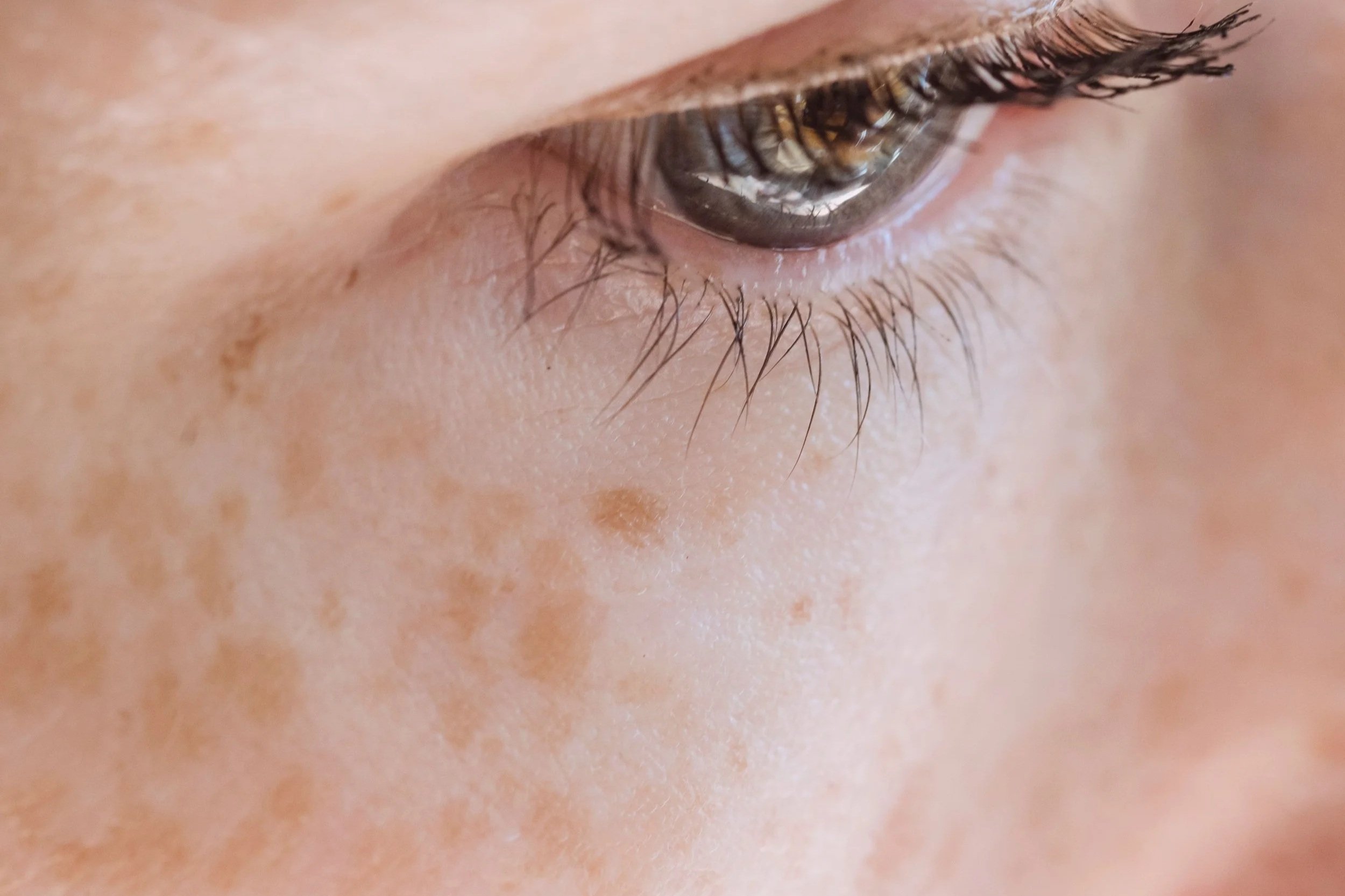
Dark spots aren't the only sign of hyperpigmentation. Many people experience uneven skin tone caused by multiple small areas of discoloration, leaving the complexion looking dull or patchy.
Kojic acid can help improve overall skin clarity by gradually reducing visible discoloration. It evens out the tone you already have without changing your natural skin color.
It's worth being clear with your customers that brightening doesn't mean whitening the skin or producing dramatic skin-lightening effects. Instead, it refers to improving radiance and reducing the appearance of discoloration. Learn more in our guide to what brightening means in skincare.
Support Post-Acne Mark Reduction
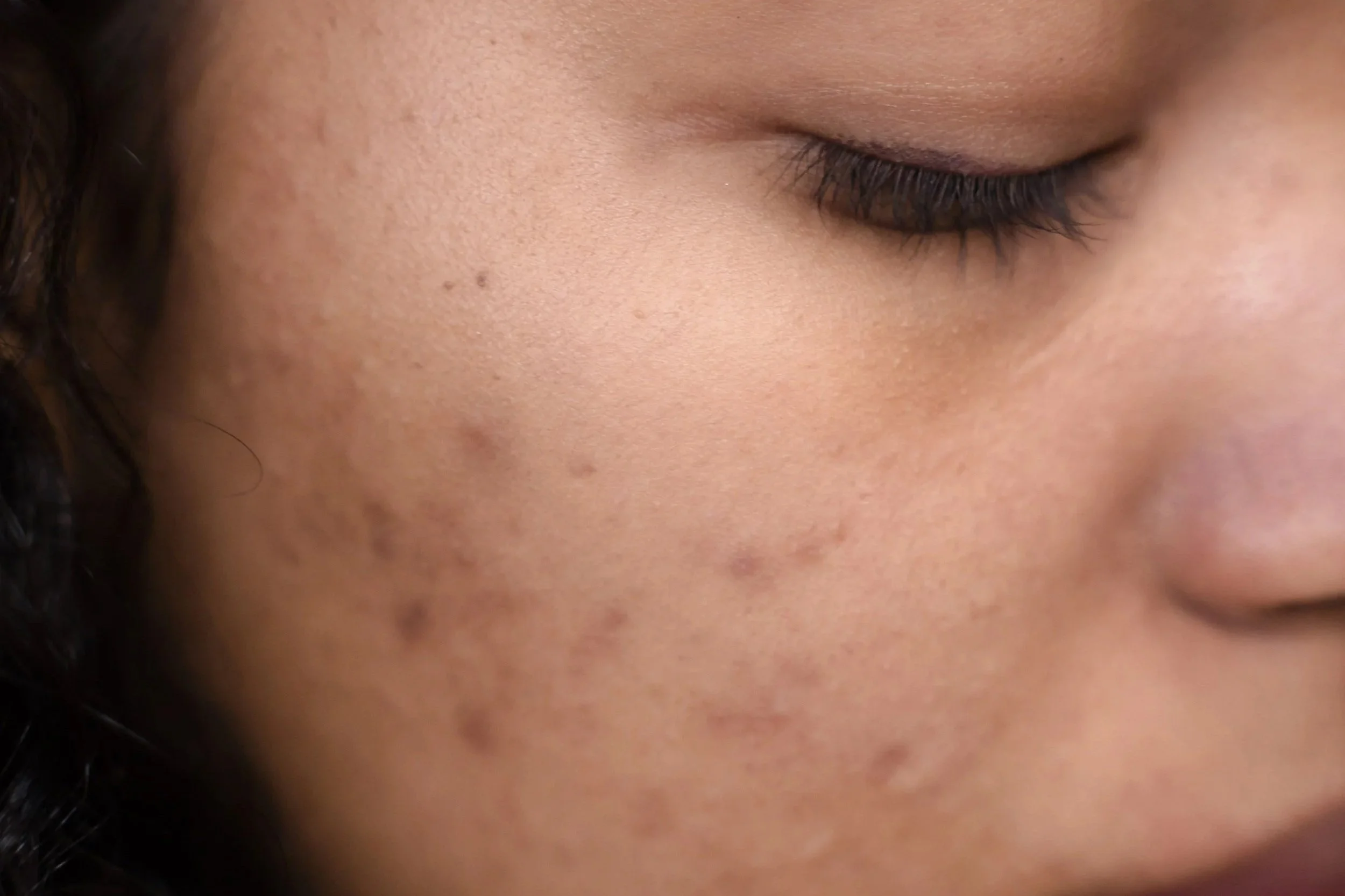
For many acne-prone customers, the breakout isn't the worst part. It's the marks that linger long after it's healed – and that's exactly the concern a brightening product can speak to.
Post-inflammatory hyperpigmentation (PIH) develops when inflammation triggers excess melanin production. While kojic acid isn't an anti-inflammatory ingredient, it can gradually fade the appearance of these dark marks as the skin naturally renews itself.
It also has some antimicrobial properties, which means it may help reduce acne-causing bacteria. For people dealing with both breakouts and the dark marks left behind, that's another benefit. However, it shouldn't be considered an acne treatment on its own.
Antioxidant Properties
On top of that, it works as an antioxidant, helping to protect skin from everyday stress and sun damage.
Environmental stressors, including pollution and UV exposure, generate free radicals that contribute to premature skin aging and can worsen the appearance of uneven skin tone over time. Antioxidants help neutralize these free radicals, supporting healthier-looking skin.
While brightening remains its primary role, the antioxidant properties of kojic acid make it a valuable addition to formulations designed to improve overall skin appearance.
Works Well in Multi-Active Formulas
One of kojic acid's biggest strengths is how well it pairs with other skincare ingredients.
You'll often find it combined with ingredients such as glycolic acid, tranexamic acid, niacinamide, alpha arbutin, or vitamin C. Each ingredient supports the skin differently, allowing formulations to target pigmentation from multiple angles while also addressing concerns such as skin barrier function, hydration, or texture.
For example:
Vitamin C brightens the complexion while providing antioxidant protection.
Niacinamide supports the skin barrier and improves uneven tone.
Tranexamic acid is often used to target stubborn pigmentation concerns such as melasma.
Gentle exfoliating acids, including glycolic acid, encourage skin cell turnover, helping reveal fresher-looking skin.
Medicube has developed an entire Kojic Acid + Turmeric product line. It combines kojic acid with complementary ingredients such as niacinamide, glycolic acid, turmeric, and vitamin C across multiple formulations. This illustrates how brands can build complete brightening collections around a single, recognizable active ingredient.
Is Kojic Acid Good for the Skin?
For most skin types, the answer is yes, and that’s good news for brands weighing it up. When formulated correctly and used as directed, kojic acid can help improve the appearance of hyperpigmentation, dark spots, and uneven skin tone.

Like any active ingredient, results depend on factors such as skin type, product formulation, and consistent use. While many people tolerate kojic acid well, introducing it gradually and following the product's instructions can help minimize irritation.
Suitable Skin Types
Kojic acid suits a wide range of skin types, which makes it an easy fit for a broad customer base. It's especially relevant for pigmentation-related concerns, including:
Hyperpigmentation
Sun spots
Melasma
Post-acne marks
Uneven skin tone
Dull-looking skin
Because it targets excess pigment rather than altering the skin's natural color, kojic acid can be incorporated into brightening routines across a wide range of skin tones.
Many modern formulations also combine kojic acid with hydrating and barrier-supporting ingredients, making products more comfortable for regular use.
Sensitive Skin Considerations
Although kojic acid is generally considered gentler than some traditional skin-lightening ingredients, it's still an active ingredient. Some people, particularly those with sensitive skin, may experience temporary redness, dryness, or mild irritation when introducing it into their routine.
To help customers get the best results, recommend introducing it gradually, patch testing first, and following the product's instructions. Pairing it with a moisturizer helps relieve any dryness.
Because UV exposure can contribute to hyperpigmentation, daily sunscreen is an important part of any brightening routine. Pairing kojic acid with a broad-spectrum sunscreen helps prevent hyperpigmentation caused by UV exposure and supports long-term brightening results.
One common customer misconception is worth heading off in your product education: sunscreen doesn't replace kojic acid. It complements the brightening effect by helping prevent UV-induced pigmentation.
Kojic Acid vs Other Brightening Ingredients
No single brightening ingredient works best in every situation, as each targets pigmentation differently. Understanding these differences helps customers choose products that match their skincare goals while helping beauty brands develop more effective formulations.

Kojic acid is often combined with other brightening actives to create more complete skincare products. The comparisons below explain how it differs from other popular brightening ingredients and why these combinations are so common.
Kojic Acid vs Vitamin C
Both kojic acid and vitamin C help brighten the complexion, but they work differently. Kojic acid reduces excess melanin production, while vitamin C provides antioxidant protection and supports skin radiance. Because their benefits complement one another, they're often combined in brightening formulations.
Kojic Acid vs Niacinamide
While kojic acid helps reduce excess melanin production, niacinamide supports the skin barrier, improves uneven skin tone, and reduces redness. Because they target different concerns, they're frequently combined in formulations designed to improve overall skin clarity.
Kojic Acid vs Alpha Arbutin
Both kojic acid and alpha arbutin help address hyperpigmentation by reducing excess melanin production through different mechanisms. Many formulations combine both ingredients to address different forms of hyperpigmentation.
Kojic Acid vs Hydroquinone
Hydroquinone is a potent pigment-reducing ingredient, but its use is regulated in many countries. Kojic acid offers a gentler cosmetic alternative suitable for long-term brightening routines, making it a go-to in products designed to improve the appearance of discoloration.
Why Kojic Acid Is a Strong Addition to Skincare Lines
As customers become more knowledgeable about skincare ingredients, they're looking beyond marketing claims and paying closer attention to product formulations. Ingredients like kojic acid are no longer unfamiliar scientific terms. They're active ingredients many shoppers seek out when looking for solutions for dark spots and uneven skin tone.
For skincare brands, this creates an opportunity to build ingredient-led product collections that address one of customers' most common skincare concerns while educating them about how these formulations work.
Customer Demand for Brightening Solutions

Dark spots, acne scars, and sun damage are some of the most common skincare concerns, which is why brightening products continue to be in demand. Kojic acid has been around for years. And for good reason – people trust it. It addresses these concerns while offering brands a well-recognized ingredient with a long history of cosmetic use.
As ingredient awareness grows, education has become just as important as formulation. Most people still don't know exactly what kojic acid is or how it works, giving brands an opportunity to explain its benefits in a clear and accessible way. When customers understand what an ingredient does and what results they can realistically expect, they're more likely to feel confident trying it.
That growing focus on ingredient education reflects wider industry trends. Customers expect brands to explain not only what an ingredient does but also why it belongs in a formulation. Our guide to trending skincare ingredients 2026 explores how ingredient-led product development continues to shape the beauty industry.
Opportunities for Private Label Brands
One of kojic acid's biggest strengths is its versatility. You can add it to serums, creams, masks, moisturizers, and targeted treatments. That flexibility makes it easy to build a complete brightening product collection around a single, recognizable ingredient.
Another advantage is that customers are already familiar with kojic acid. That familiarity means brands can skip the introductions and focus on educating customers about how kojic acid works, what benefits it offers, and how it fits into a complete skincare routine.
Many successful skincare brands combine kojic acid with complementary ingredients. Together, these ingredients target pigmentation from different angles while supporting overall skin health.
As Gay Timmons, President of Oh, Oh Organic, puts it:
"Transparency is about full disclosure, not just listing ingredients."
That same principle applies when marketing kojic acid products. The best brands go beyond the label. They explain why the ingredient was chosen, how it works, and what customers can realistically expect from using it.
Whether it's an established beauty company or an emerging indie brand, clear ingredient communication and realistic product messaging help build long-term customer trust.


How Selfnamed Helps Brands Launch Kojic Acid Products
You don't have to create new formulas from scratch to offer kojic acid products. Selfnamed already has options you can put your own branding on, which makes things much easier.
For brands interested in selling brightening skincare, Selfnamed offers include:
Brightening Face & Body Exfoliator with Kojic Acid, designed to gently exfoliate while supporting a brighter, more even-looking complexion.
Targeted Dark Spot Care with Kojic Acid, created to help address localized pigmentation concerns.
Dark Spot Face Cream with Kojic Acid, for daily brightening across the face.
These ready-made formulations allow brands to focus on building their business, branding, and customer relationships while offering products built around ingredients customers already recognize and trust.
Conclusion
Kojic acid has become one of those ingredients people keep asking about, and for good reason. It helps fade dark spots, improve uneven skin tone, and works well alongside other active ingredients, making it a valuable addition to modern skincare formulations.
For beauty brands, the key is to be clear and honest. Explain how it works, communicate the benefits without overpromising, and help customers understand how it fits into a complete skincare routine. Building that trust is just as important as choosing the right formulation.
Whether incorporated into serums, creams, exfoliants, or targeted treatments, kojic acid remains a trusted ingredient that can help brands expand their brightening product collections with solutions customers already recognize and understand.
Frequently Asked Questions
-
Kojic acid is a naturally derived ingredient produced during fermentation. In skincare, it reduces the appearance of hyperpigmentation by slowing excess melanin production and is commonly used in products designed to brighten and even out skin tone.
-
Kojic acid helps reduce the appearance of hyperpigmentation by slowing excess melanin production. Over time, it gradually fades the appearance of discoloration
-
Yes. When formulated correctly and used as directed, kojic acid can be an effective ingredient for improving the appearance of hyperpigmentation, dark spots, and uneven skin tone. Like any active ingredient, results depend on the formulation, your skin type, and consistent use.
-
Many kojic acid products can be used regularly, but the ideal frequency depends on the formulation. If you're new to kojic acid, introduce it gradually and follow the product's instructions.
-
Yes. Daily sunscreen is recommended when using kojic acid because it protects against UV-induced pigmentation and manages potential sun sensitivity, supporting long-term brightening results.
-
Yes. Kojic acid and vitamin C are often used together because they brighten the skin in different ways. Kojic acid targets excess melanin production, while vitamin C provides antioxidant protection.
-
Results vary depending on the individual, the formulation, and the type of pigmentation. Many people notice gradual improvements after several weeks of consistent use, although more stubborn discoloration may take longer to fade.
-
Kojic acid is suitable for many skin types, but people with sensitive skin may experience temporary redness, dryness, or mild irritation when first introducing it into their routine. Performing a patch test, introducing products gradually, and using daily sunscreen can help improve skin tolerance and support the best results.
Must read