How to Find Trends in Beauty Before They Go Viral
Table of Contents
Beauty trends don’t start on TikTok. They start in search bars, group chats, and late-night Reddit rabbit holes most brands overlook.
Trends can seem random. One day, no one is talking about an ingredient. The next, it’s everywhere – appearing as the next big thing.
But nothing appears overnight. By the time something goes viral, it’s usually been building for months.
If you want to understand how to find trends early, the key isn’t chasing noise – it’s spotting patterns. Early signals show up in rising search queries, shifts in demand, and changing audience behavior.
For skincare founders and indie beauty brands, timing matters. The advantage goes to those who recognize momentum early and act before it peaks.
This guide breaks down how beauty trends are born, and how to find trends before they explode. You’ll learn where to look, how trends evolve, and how to identify real opportunities early. Let’s go!
Where Beauty Trends Actually Come From
Beauty trends aren’t randomly invented in a marketing meeting.
Most trends start quietly and are shaped by a mix of cultures. Technology, science, and everyday consumer behavior – they all affect what becomes a trend. Trends are built slowly, gathering momentum across different spaces before suddenly becoming “everywhere”.
Subcultures & Online Communities
Some of the most interesting beauty trends don’t start in big brand labs. They start in small corners of the internet that most brands aren’t even watching:
Reddit skincare threads where people obsess over ingredients;
Niche TikTok creators are experimenting with unusual routines;
Discord groups swapping honest product experience;
Estheticians comparing treatment results and skincare professionals sharing what actually works in the real world;
Dermatologists and cosmetic chemists often break down research or share their takes on platforms like X and LinkedIn.
Pay attention to these spaces and you’ll spot ideas before they reach marketing campaigns or store shelves. This is where real experimentation happens.
Consumers test routines, debate ingredients, and break down formulas, often ahead of major brands. What starts as a niche discussion can grow into a broader trend.
Take slugging, for example – the practice of sealing skincare with an occlusive like petrolatum. It circulated in online communities for years before going mainstream, just like skin barrier repair and microbiome-focused skincare.
For founders, these communities act as early trend signals. When the same ideas appear across platforms, it often points to a shift in consumer thinking.
Cultural & Societal Shifts
Beauty doesn’t exist in a vacuum – it moves with the world around it. Changes in society often shape how people approach skincare and cosmetics, sometimes subtly, sometimes all at once.
Economic pressures: When budgets are tight, routines become more practical. Consumers favor simplified, multifunctional products that do more with less. This shift helped fuel skinimalism – minimal steps, minimal products, maximum impact.
Wellness trends": The global wellness movement isn’t just about fitness or nutrition – it’s influencing beauty too. Consumers now prioritize long-term skin health, driving trends like barrier repair, gentle formulations, and microbiome-supporting ingredients.
Sustainability concerns: Environmental awareness is reshaping shopping habits. Refillable packaging, responsible sourcing, and low-waste products are gaining importance. Brands are responding by rethinking product design to align with these expectations.
These shifts are gradual, but when consumer priorities change, they can transform the entire beauty market.
Read more:
For a deeper look at recycled materials, refillable systems, and smarter, lower-waste packaging formats, see beauty packaging trends for 2026.
For the ins and outs of how visual identity, packaging systems, and brand positioning are evolving in the next cycle, see our design branding trends shaping 2026.
Search Behavior (Where Trends Quietly Start)
Search data is one of the most underrated places to spot a trend early.
Before people post about something, they Google it first, because “just Google it” is still the world’s most trusted universal piece of advice. They look for answers, reviews, or ways to fix a problem. That curiosity shows up in search long before it becomes visible on social media, and it’s all captured in real-time trends data.
It starts small: a few searches for a new ingredient, a technique, or a skincare concern. At first, it seems insignificant, but over time patterns emerge.
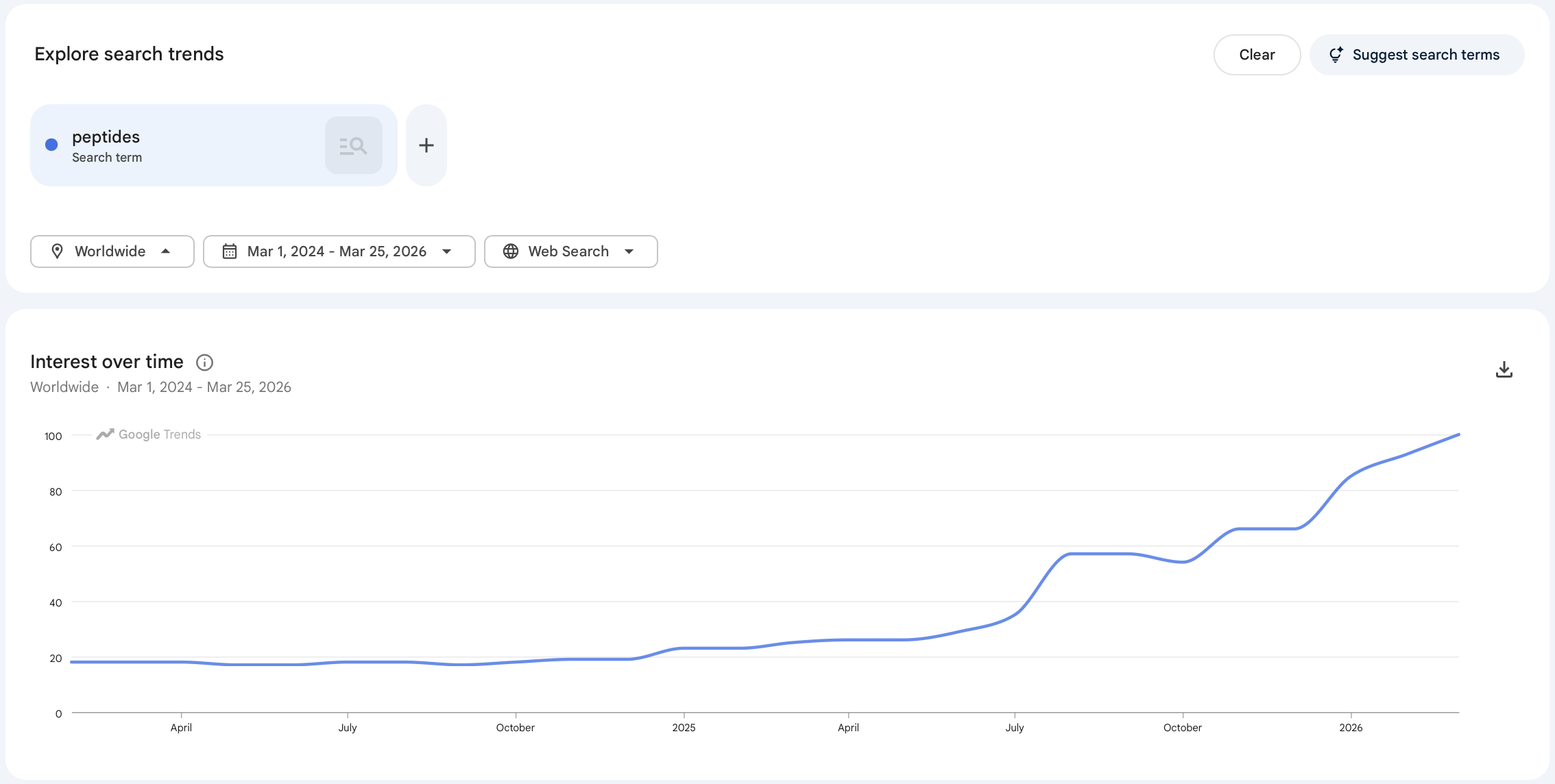
Learning how to find keyword trends gives founders a real advantage. Instead of chasing hype, you can spot rising demand as it happens.
Tools like Google Trends and other emerging-topic platforms often show the growing interest around ingredients or skincare concerns months before they become mainstream conversations.
In simple terms, search data shows you what people care about before they start talking about it publicly. (Yes, even before TikTok decides it’s a personality trait.)
The Nostalgia Cycle
Beauty has a habit of repeating itself.
Every couple of decades, old trends come back. But they’re never exactly the same. A new generation rediscovers past aesthetics and gives them a modern twist.
That’s exactly what we’re seeing right now. Looks from the late ’90s and early 2000s are everywhere again. Brown lip liner, glossy lips, frosted eyeshadow, minimalist makeup – it’s all back, just in an updated version with better formulas and a more modern cultural lens.
Many of these looks match up with current 2026 makeup trends, where nostalgia blends with innovation, creating a modernized throwback.
For founders, these cycles aren’t random – they’re predictable. And once you spot the pattern, you can begin to anticipate what’s coming back next (yes, even the trends like low-rise jeans we swore would never return). 😃
Influencers & Celebrity Amplification
Industry influencers can make trends go supernova.
Once something starts gaining traction in smaller communities, it only takes one viral video or celebrity mention to push it into the mainstream.
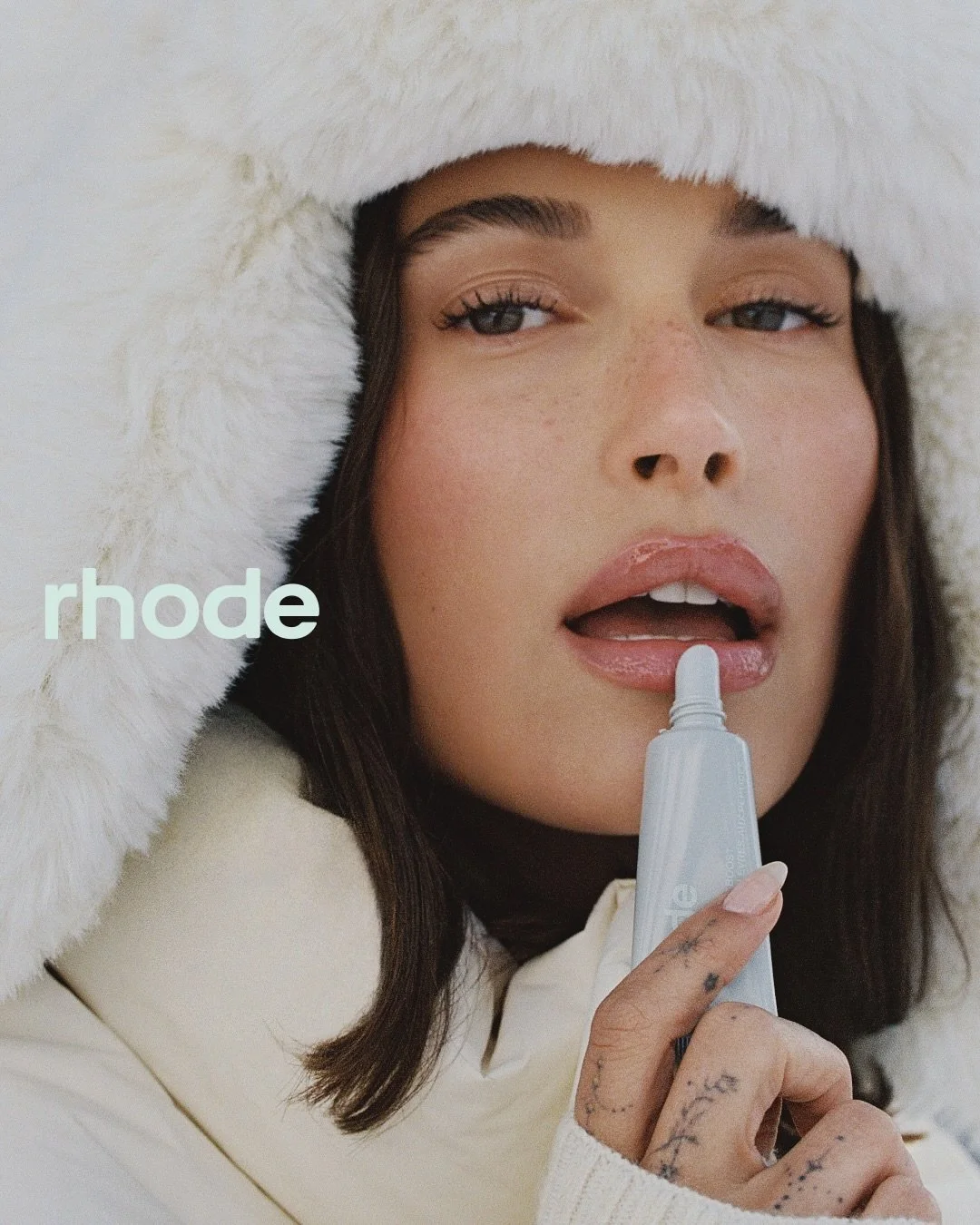
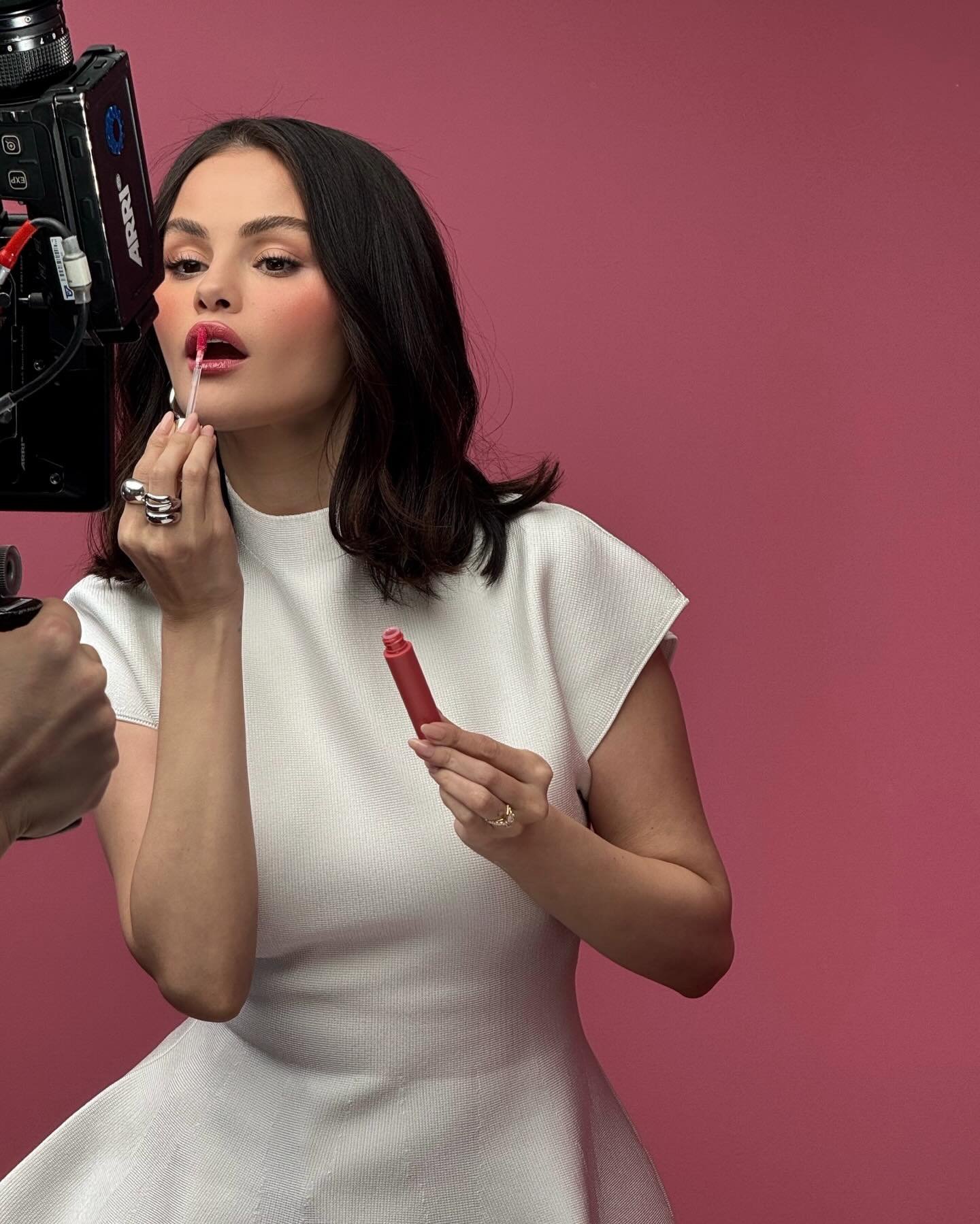
Source: Rhode & Rare Beauty
But brands that have set their focus on long-term growth need to look earlier than public breakout moments. Otherwise, you’re not early, you’re just very on time.
The Trend Lifecycle (From Signal to Saturation)
Beauty trends might feel somewhat chaotic, but most of them actually follow a rather logical pattern. They don’t just appear fully formed. They evolve, gain momentum, and hit the peak.
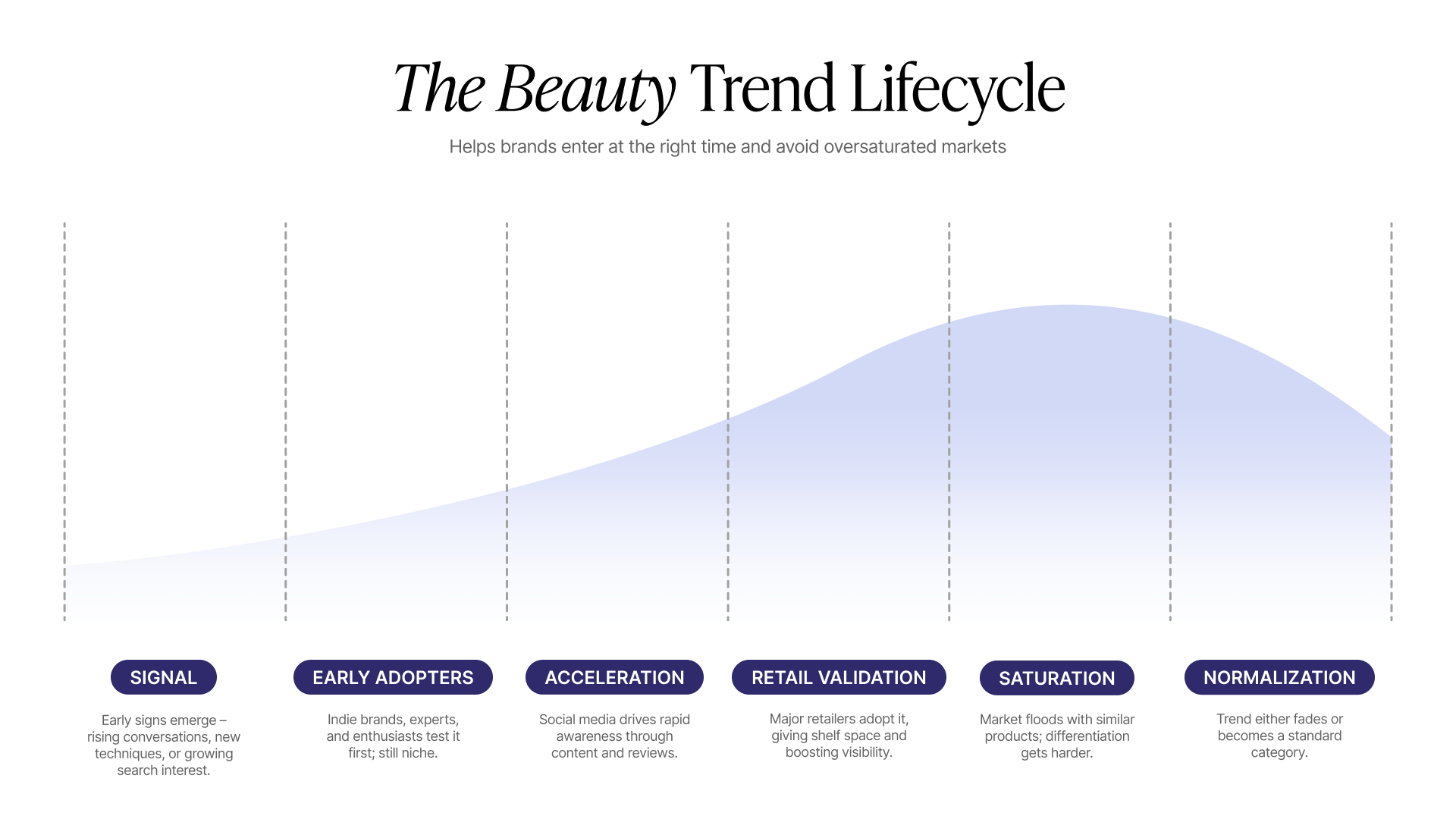
1. Signal
Signal is the earliest stage that everything begins with. This could be repeated conversations about an ingredient, a new formulation technique emerging in cosmetic science, or growing consumer searches around a specific skin concern.
2. Early Adopters
The next stage is the early adopters. Those are indie brands, dermatologists, and skincare enthusiasts who are willing to be the first ones to try out and experiment with the idea. At this stage, the trend still feels niche.
3. Acceleration Phase
Once social media begins to amplify the concept, the trend enters an acceleration phase. Tutorials, product reviews, and influencer content are rapidly starting to spread awareness.
4. Retail Validation
If the trend starts doing well and takes off, the big stores don’t stay on the sidelines for long. That’s usually when beauty giants (like Sephora and Ulta Beauty) step in and bring it into their stores. They give it shelf space, feature in curated collections, and sometimes even build entire product sections around it. And before you know it, multiple brands are launching similar versions.
5. Saturation
Eventually, saturation kicks in. As more brands start offering nearly identical products, the market fills up and becomes crowded. Differentiation becomes harder, and the initial excitement loses momentum.
6. Normalization
At this point, the trend either fades or becomes a normalized category within the beauty industry.
Understanding this lifecycle helps founders to detect whether they’re entering the market early enough to compete or whether it’s already too late. It helps brands avoid building products for already overheated markets.
How to Find Trends Before They Go Mainstream
Spotting top trends early takes more than scrolling social media feeds.
Founders who consistently identify opportunities usually rely on structured research and multiple information sources.
So if you want to actually spot trends early and master how to research industry trends, you have to stop looking at what’s already happening and start paying attention to what’s starting to happen.


How to Research Industry Trends (Beyond Social Media)
Social media is fun, but it’s mostly the echo, not the source. If you want the real signals, you need to dig a bit deeper and peek behind the scenes.
Industry reports – Sources like WGSN, McKinsey, and Mintel track consumer behavior, ingredients, and category shifts long before trends hit TikTok.
Indie brand launches – Small brands move fast and experiment freely. When multiple indie brands test the same concept or ingredient, it’s a signal.
Trade shows & seminars – Formulators, chemists, and suppliers preview ideas 12–24 months ahead of mainstream launch.
Ingredient suppliers – Often the first to signal what will become commercially viable, shaping the next wave of products.
For founders, combining these insights with a strong skincare marketing guide helps turn early signals into real opportunities.
How to Find Keyword Trends Using Search Data
If you want to know where demand is heading, search data is one of the cleanest signals you can look at. People don’t always post what they’re curious about, but they do search for it. And that gap is where emerging trends usually show up.
Google Trends – It’s often cited among the go-to tools for trend research as it tracks rising interest over time. Look for steady upward growth, not just short spikes, to identify early trend signals.
Exploding Topics – Surfaces ideas gaining traction before they go mainstream. Great for spotting emerging ingredients, product formats, or consumer concerns.
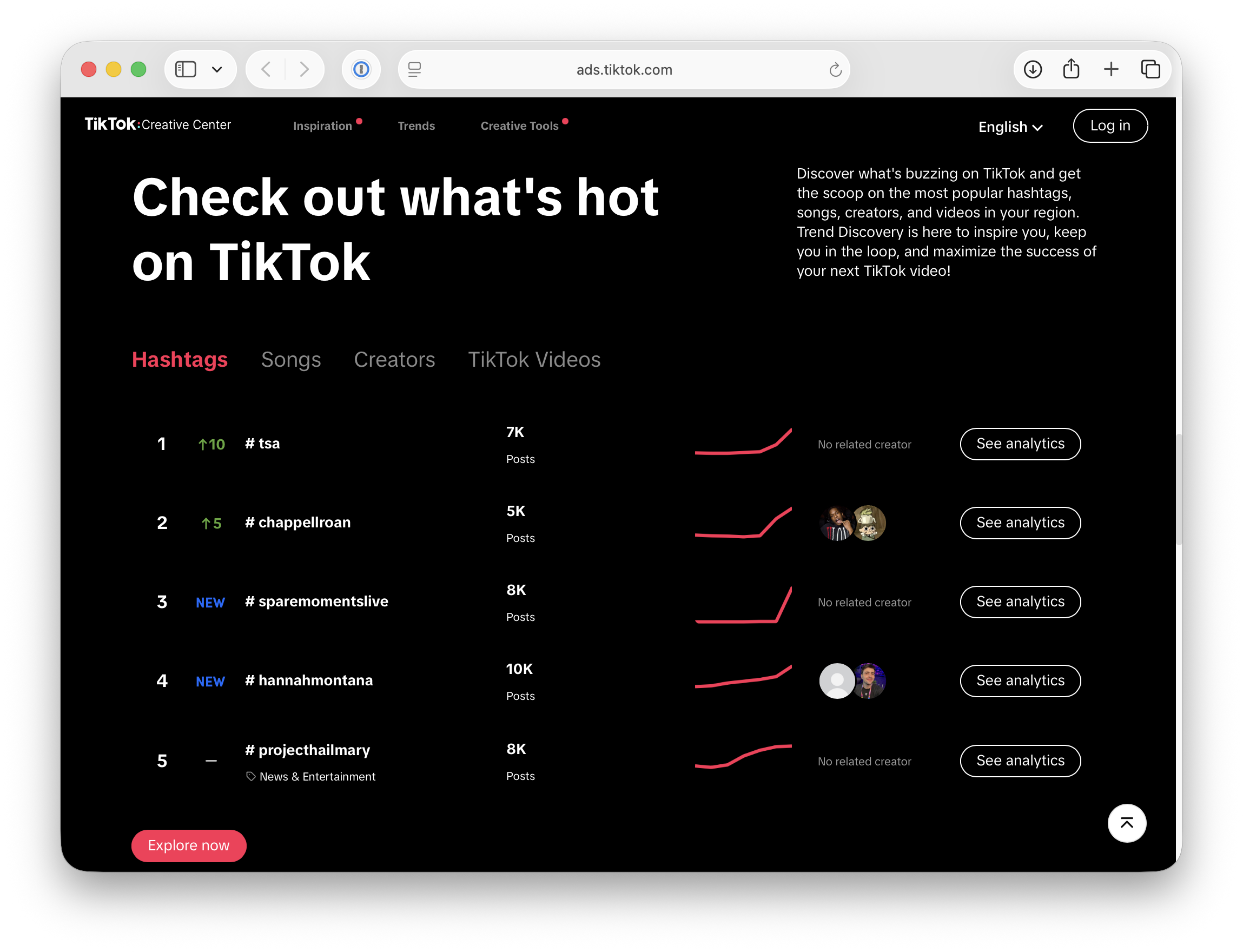
TikTok Creative Center – Shows real-time momentum in social conversations. Focus on repeated phrases, ingredient mentions, and persistent patterns across creators rather than viral spikes.
Amazon Autocomplete – Reveals active purchase intent. Keywords consistently suggested indicate products people are already searching to buy.
Reddit Keyword Tracking – Reddit’s honest discussions expose early-stage problems and unmet needs. Track recurring phrases or questions to spot emerging trends before they appear elsewhere. Tools like Redreach or Octolens can help, or you can manually monitor threads.
How to Find Social Media Trends
Social media accelerates trends, but real signals come from patterns, not viral posts.
Look for repetition – Trends show up across multiple unrelated creators, not just one viral post. If the same ingredient, routine, or concern keeps appearing, it’s an early signal.
Monitor comments – Questions, struggles, and requests reveal unmet needs. Recurring comments are often stronger indicators than the posts themselves.
Watch hashtag longevity – Real trends resurface over time. One-off spikes are noise; consistent hashtags indicate staying power.
For brands preparing to sell products online, recognizing these signals early can shape both product development and digital strategy, especially when aligned with emerging beauty ecommerce trends 2026.
Case Examples of Trend Evolution in Beauty
If you really want to understand how trends work, it helps to look at real examples. Because once you see the pattern a few times, you start realizing that it’s actually not that random.
Most trends follow a similar path. They start small, gain credibility somewhere (usually not where you’d expect), and then suddenly feel like they’re everywhere.
Here are a few examples you’ve definitely seen play out.
Clean Beauty
The clean beauty movement started with consumers, not retailers. Early conversations on blogs, forums, and small communities asked: What’s actually in my products? Is it safe long-term?
As demand grew, brands responded. Retailers created “clean” categories, products were reformulated, and ingredient transparency became a key marketing point.
Eventually, people began questioning what “clean” really means, sparking discussions around regulation and transparency.
Today, clean beauty isn’t even a trend, it’s the baseline expectation.
Barrier Repair & Skin Microbiome
This trend started with science, not social media. Dermatologists and researchers studied the skin barrier and microbiome long before it appeared in marketing.
Initially technical, the concepts were later translated for consumers, linking them to real concerns like sensitivity, irritation, and overusing active ingredients. Online conversations about repairing skin spread quickly.
When TikTok picked it up, barrier repair and gentle routines became mainstream skincare priorities.
Skinimalism
Skinimalism shows how trends reflect lifestyle shifts, not just products. It emerged as consumers sought simplicity and efficiency over long, multi-step routines.
People grew tired of 10-step skincare routines and constant experimentation. Economic pressure made them more selective, favoring fewer, multifunctional products and intentional routines.
Hair care follows the same macro pattern as skincare. Especially around simplification, scalp health, and multifunctional formulations. You can explore how these shifts are translating specifically into the hair care trends of 2026.
What began as practicality quickly became a trend, influencing product design, branding, and formulation strategies across the industry.
Should You Always Follow Trends?
Short answer: no. Chasing every trend usually means you’re already too late.
Trends are useful only when they fit your brand. The question isn’t “Is this trending?”—it’s “Does this align with our long-term vision?” Following the wrong trend can dilute your brand faster than it helps.
That said, trends can be helpful:
Early-stage visibility – Plugging into a rising trend can get your brand noticed faster than creating demand from scratch.
Traction – Aligning with trends makes your offering easier to understand and instantly relevant.
Product expansion – When you’re thinking about expanding your product line, trends can be surprisingly useful as a guide. They give you a sense of where interest is heading.
But trends aren’t a cheat code. Forcing one that doesn’t fit your brand feels off and can backfire. Operational realities – supply chain limits, sourcing, and production – also determine if you can execute properly.
Timing matters too. Some trends burn bright and fade fast. Acting too late wastes resources and effort.
Sustainable growth comes from knowing when to lean in and when to sit out. Trends are signals, not instructions. Long-term positioning almost always matters more than showing up late to something that wasn’t right for you in the first place.
Final Thoughts
Trends rarely start where they’re obvious. By the time something feels everywhere, it’s usually been quietly building in search data, niche communities, and small experiments.
Trend spotting is about noticing things early. Repeating signals—like questions popping up in multiple places or indie brands testing similar ideas—are the real indicators.
For brands, it’s not about predicting the future; it’s about paying closer attention than most. The advantage comes from spotting small shifts before they explode.
The brands that win aren’t chasing everything—they’re selective. Not every trend matters, and trying to follow them all often achieves nothing.
In the end, success comes from understanding what’s happening right now, just a little earlier and better than everyone else.
Must read