Skincare Marketing Guide For Beauty Brands in 2026
Table of Contents
Building a beauty business is quite like building a house, don’t you agree? First come the foundation, launching the business, choosing where and how you’ll sell, creating a product catalog. With many little bricks in between, then comes the exterior. That’s how you present your business, how you attract your customers, that’s your skincare marketing!
For your house to sell, the exterior should be as refined and quality as what’s hiding inside. And for your efforts to work, there needs to be an understanding and system in place, and that’s exactly what we’re looking for today.
Keep reading to find out where and how you should do your marketing for cosmetics that’ll help your brand shine through all the noise!
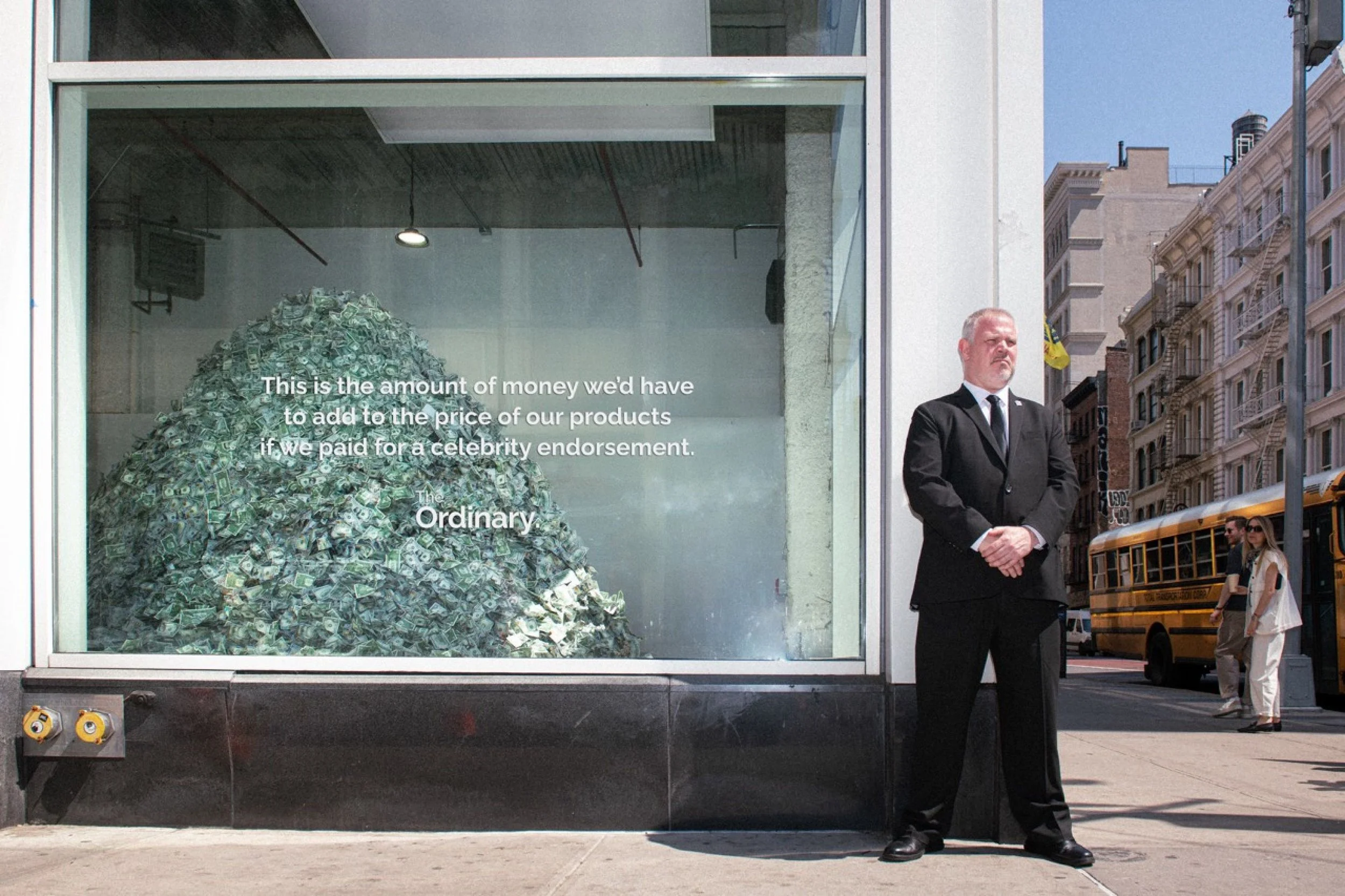
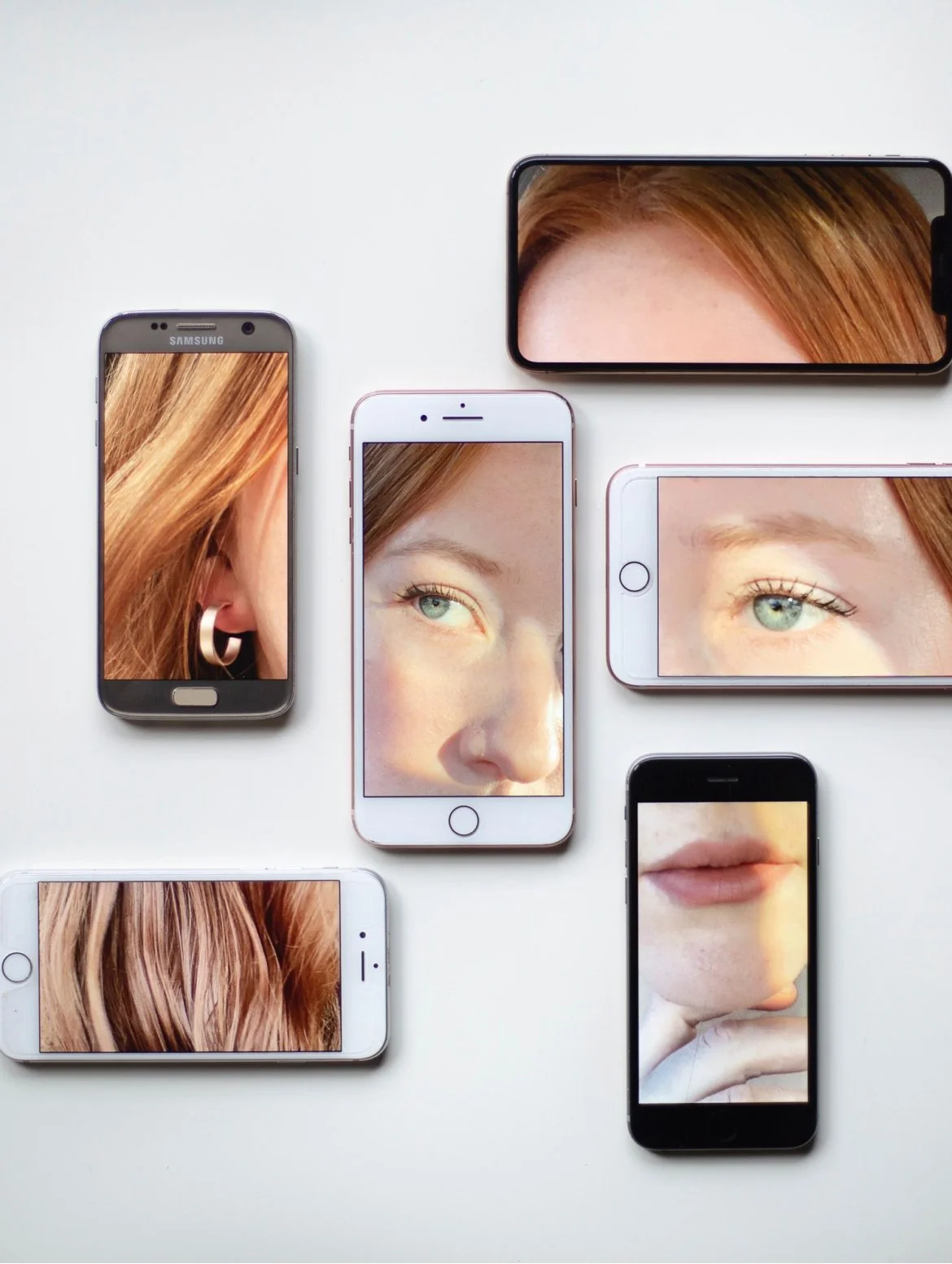
The Cost of Influence installation for The Ordinary x Uncommon Campaign
Source: CreativeBoom
What is Skincare Marketing and Why It’s Different
Skincare marketing is diverse, and with it you’re combining many things: you promote your brand and its products, attract customers, and aim to keep them coming back. At the same time, you’re also nurturing the existing relationships with the customers who’ve already trusted your brand before.
Marketing strategies for skincare products can look quite different than marketing different product categories (e.g. clothing) because this area demands thoroughly and continuously educating your customers.
You’ll want to educate your customers about everything that’s on top of the modern shoppers mind when they go looking for skincare products:
The safety of your products,
Different skin types and products best suited for them,
The ingredients in your products,
The sustainability of your manufacturing process and products themselves.
Transparency in the skincare industry is highly valued, and I’m sure you understand why, as we use such products on our precious face and skin, and don’t want to risk any damage.
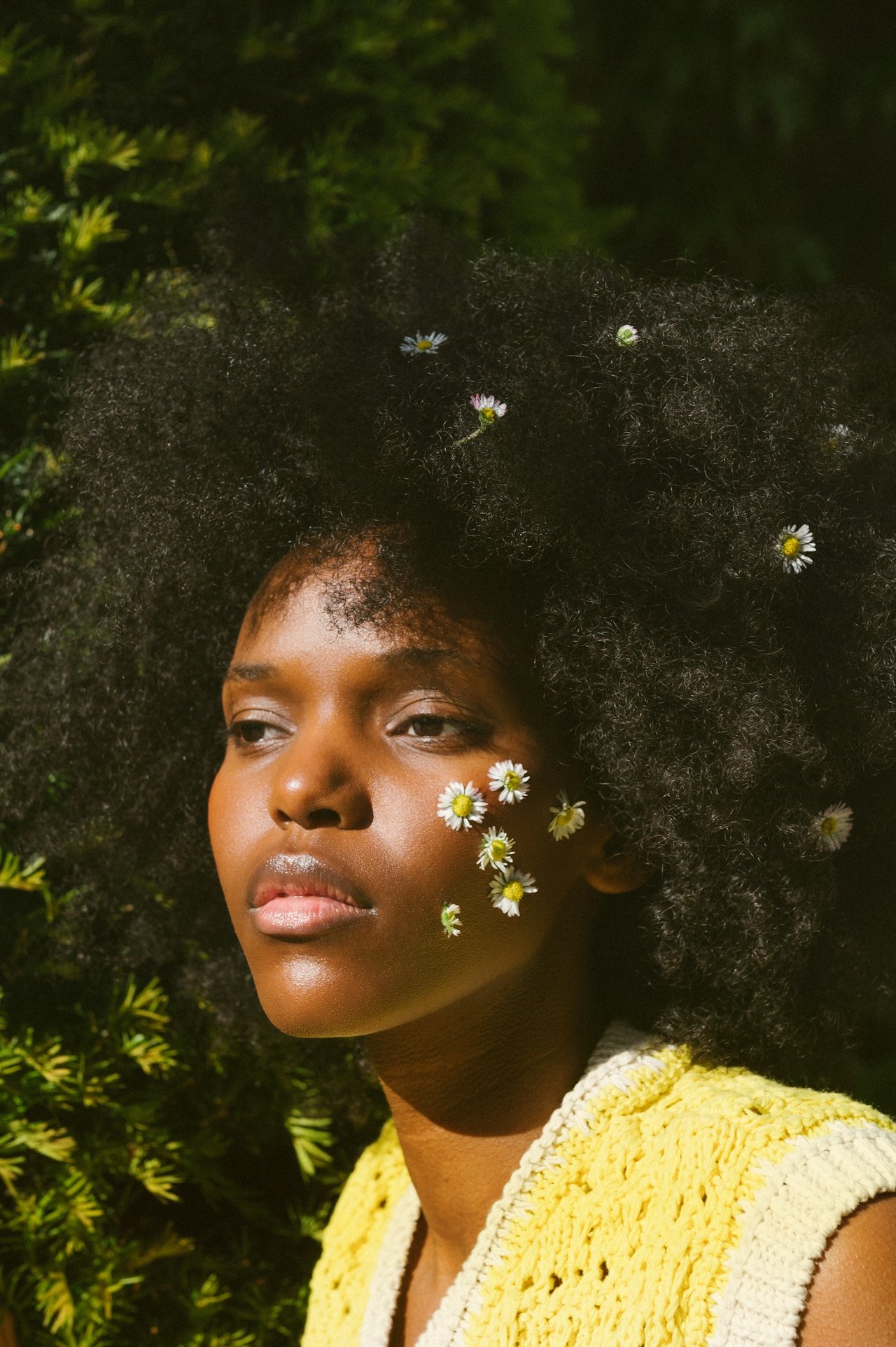
The more you can reveal about your brand and its products, the better! Brands, like Tata Harper, who consistently preach this somewhat of a radical transparency stay winning and on the consumers’ good side.

Building a Skincare Marketing Strategy
Before even delving into where and how you’ll promote your products, your brand needs to have a foundation in place which is your skincare marketing strategy. Beauty as a category is relatively crowded and, let’s just say, the consumers have options to choose from.
You need to have a strong strategy in place to identify your place in the market and know where you’re better than your competition, and you can’t do that without a little bit of innovation and experimentation. Even marketing experts predict that in 2026, brands that are willing to take risks will be rewarded with growth and shape the future of the industry rather than businesses that’ll play it safe.
So, without further ado, let’s learn how to build a skincare marketing strategy.
Defining Your Target Skin Concerns and Audience
The starting point of all marketing strategies for skincare products should be the same — defining who you’re selling to. Your potential customers don’t go searching for something generic like a serum or a cream, they look for products that can address their concerns, like a hydrating serum for acne-prone skin.
You can start by building a customer persona which is a fictional character that describes your ideal customer. This will help you bring clarity into who you want to help and attract, and also what kind of products you should focus on.

Brand Positioning in a Saturated Market
I’ve already mentioned how the skincare market has many options in a plethora of beauty niches. This makes having a strong brand positioning critical, as it’ll define why customers should choose your products over anyone else’s.
A successful brand positioning often comes from what your customers want, what you can do best, and where your competitors are lacking. Find the holy grail between these, and you should have positioning that has to be woven into all your skincare marketing efforts.
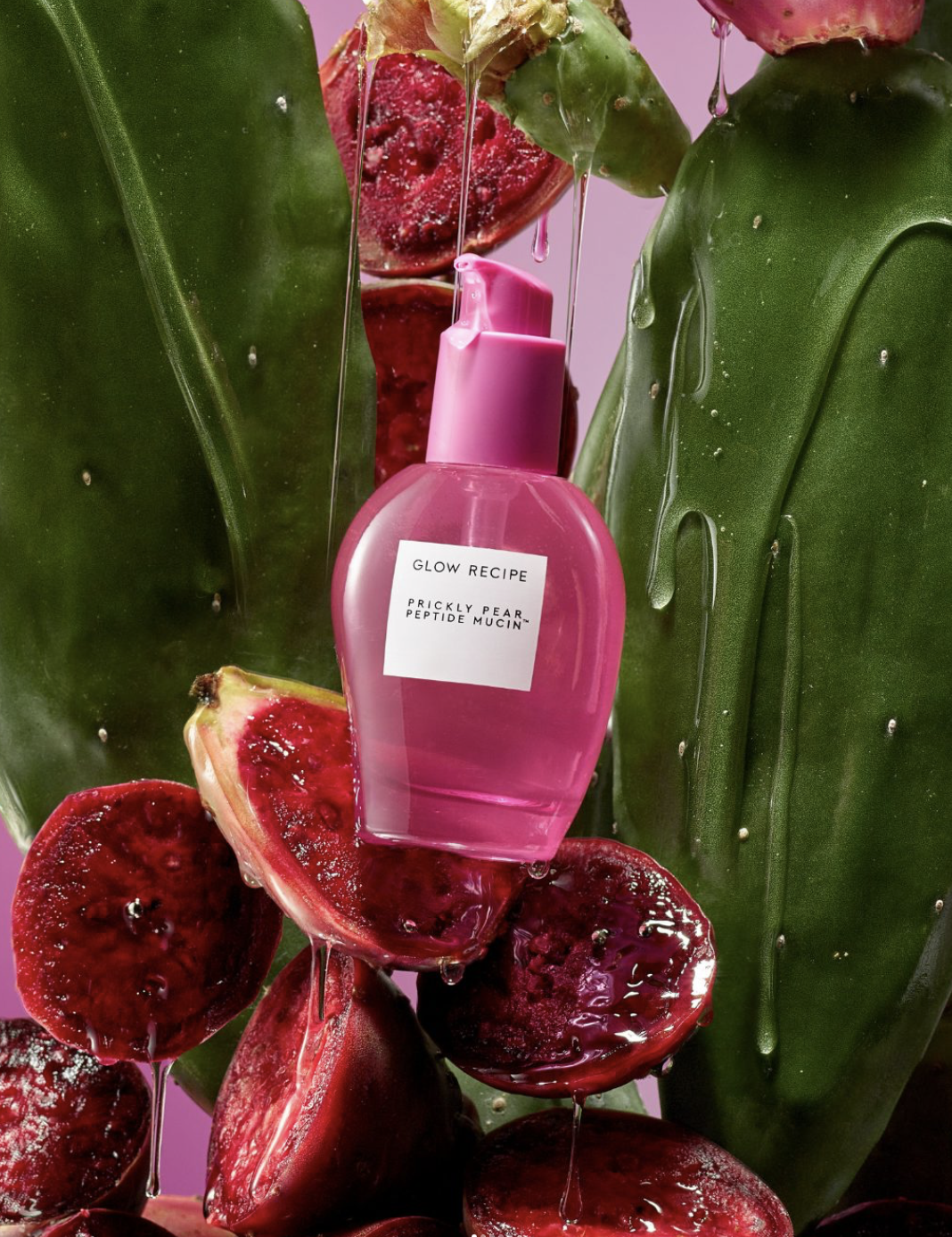
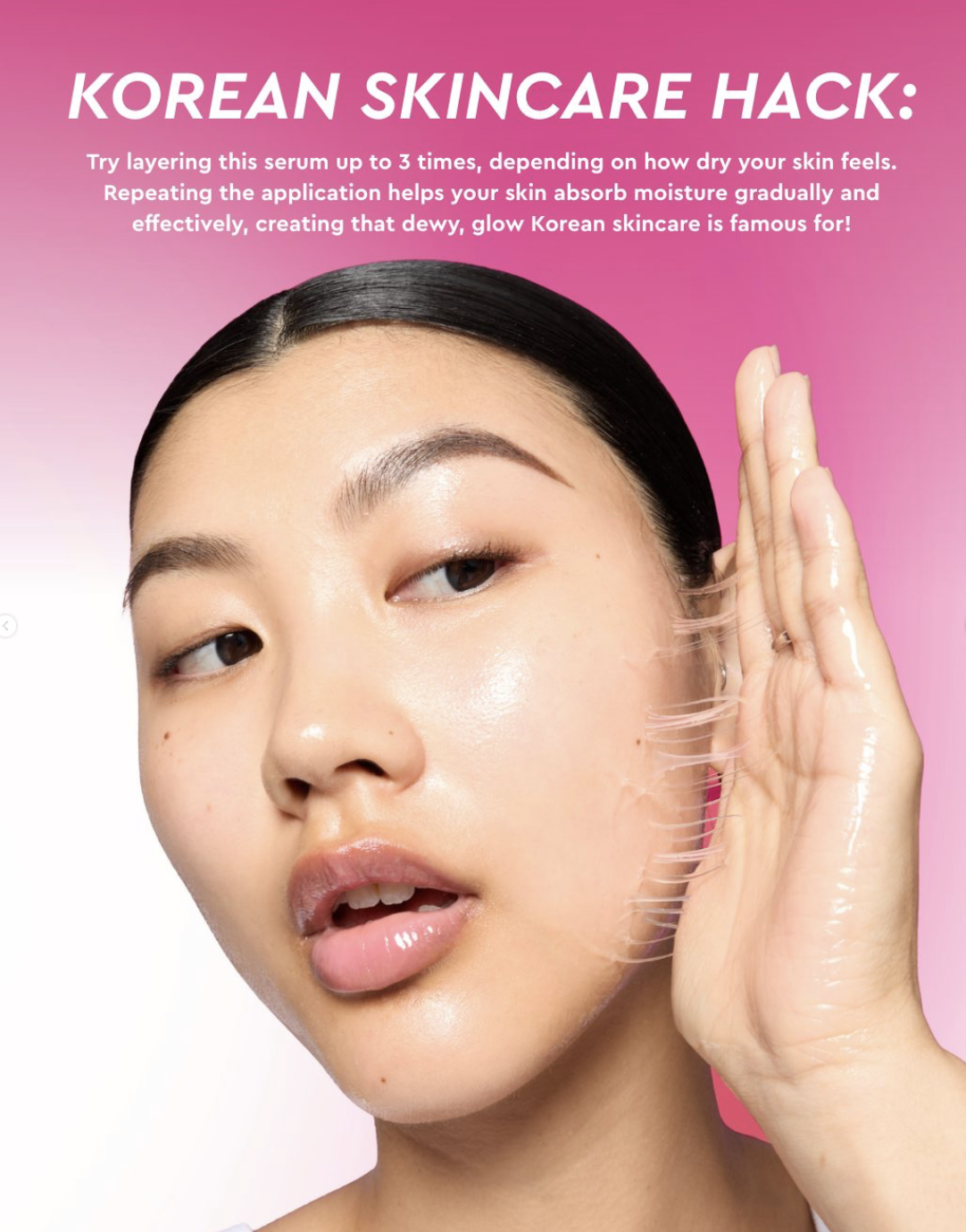
Glow Recipe embraces a fun, "K-beauty inspired" aesthetic, using fruit-based ingredients to create a sensory experience.
Source: Glow Recipe Instagram
Crafting Messaging That Educates Without Overpromising
So you’re crafting your cosmetics marketing strategy, and let’s say, you’ve defined your customer and know where your brand is positioned in the space. Now, it’s time to create messaging your brand is going to use in storytelling, marketing materials, and so on.
This is an excellent moment to learn from other new business owners and don’t make the same mistakes. Many see this step as to boast about products and sometimes even attribute some wild claims to them.
What you want to do instead is to offer the ever so important transparency we spoke of before, and be realistic about your products and the ingredients. Realistic doesn’t mean bad or ineffective, and it’s your chance to educate and provide value to your customers.
Setting Clear Marketing Goals and KPIs
As someone who’s had the chance to work with many brand’s marketing strategies, let me tell you one thing: those beautiful words on paper will only work if you’ve set goals and parameters by which you’ll measure the success.
I’d describe your skincare marketing strategy as a map, but your goals as the roads on that map that’ll show the lead and tell you where to go, and what to do. And of course, you also have to define what strategy looks like for you and set Key Performance Indicators (KPIs).
Some common KPIs to measure in the beauty industry are:
Customer Acquisition Cost (CAC) — the total expense of acquiring a single customer,
Return on Ad Spend (ROAS) — your revenue for every dollar spent on ads,
Average Order Value (AOV) — how much a customer spends on your store on a single order on average,
Conversion Rate (CR) – how many of your website visitors convert into buyers,
Customer Lifetime Value (CLV) — how much revenue you can expect from a single customer in the entirety of your relationship.
Skincare Brand Digital Marketing Channels
Once you craft and refine your marketing strategy, it’s time to put it to work and implement it into the real world through skincare brand digital marketing efforts. Here we’ll look at the many digital marketing channels that you can use to promote your brand and its products,
Social Media Marketing for Skincare Brands
Social media for skincare brands is non-negotiable. Like it or not, it’s where most of the customers now discover new products, be it through trends, hauls, or reviews. And let’s be honest, a lot of beauty customers appreciate the mix of products that truly work and look good, so having an aesthetic online presence is only beneficial for a skincare brand.
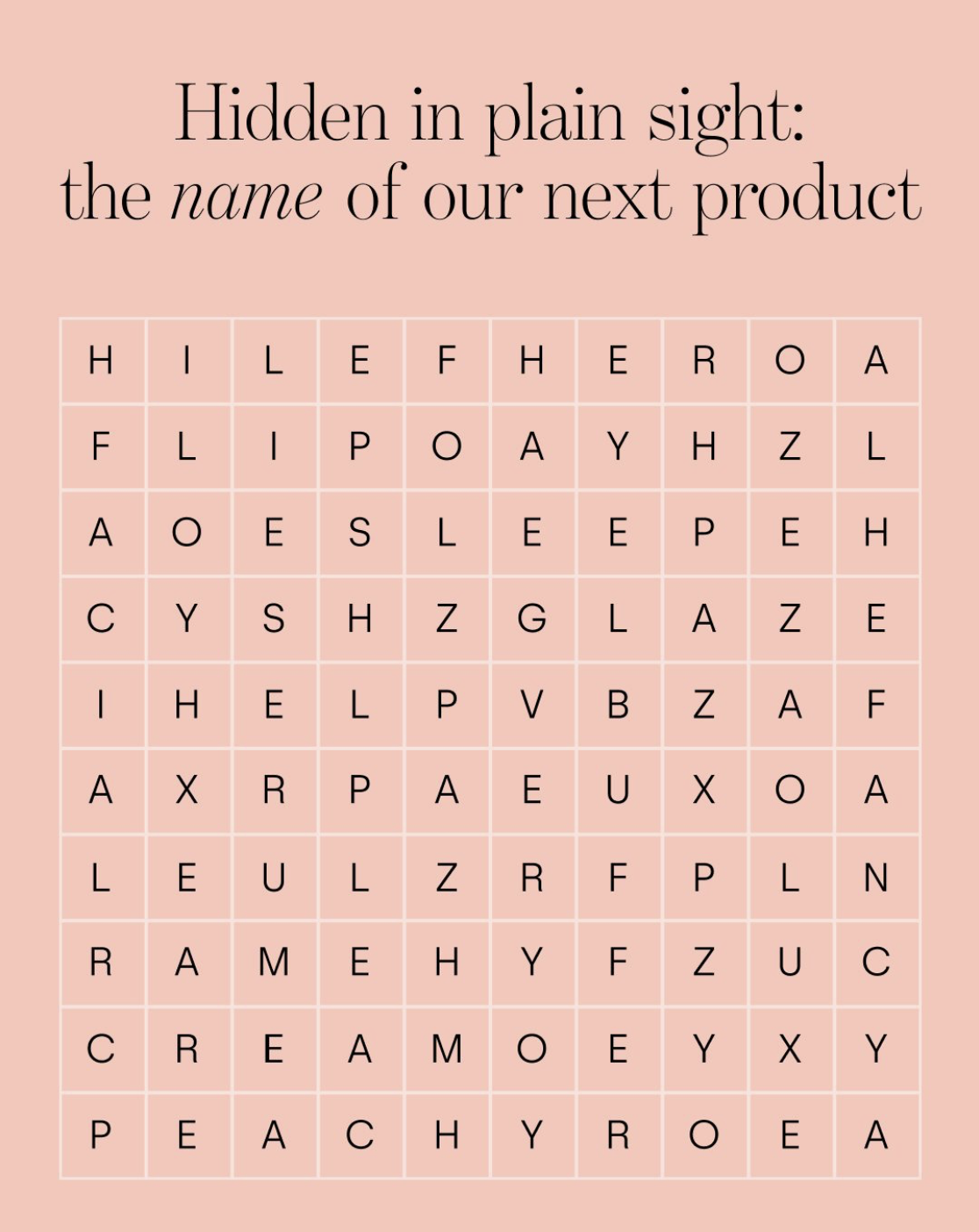
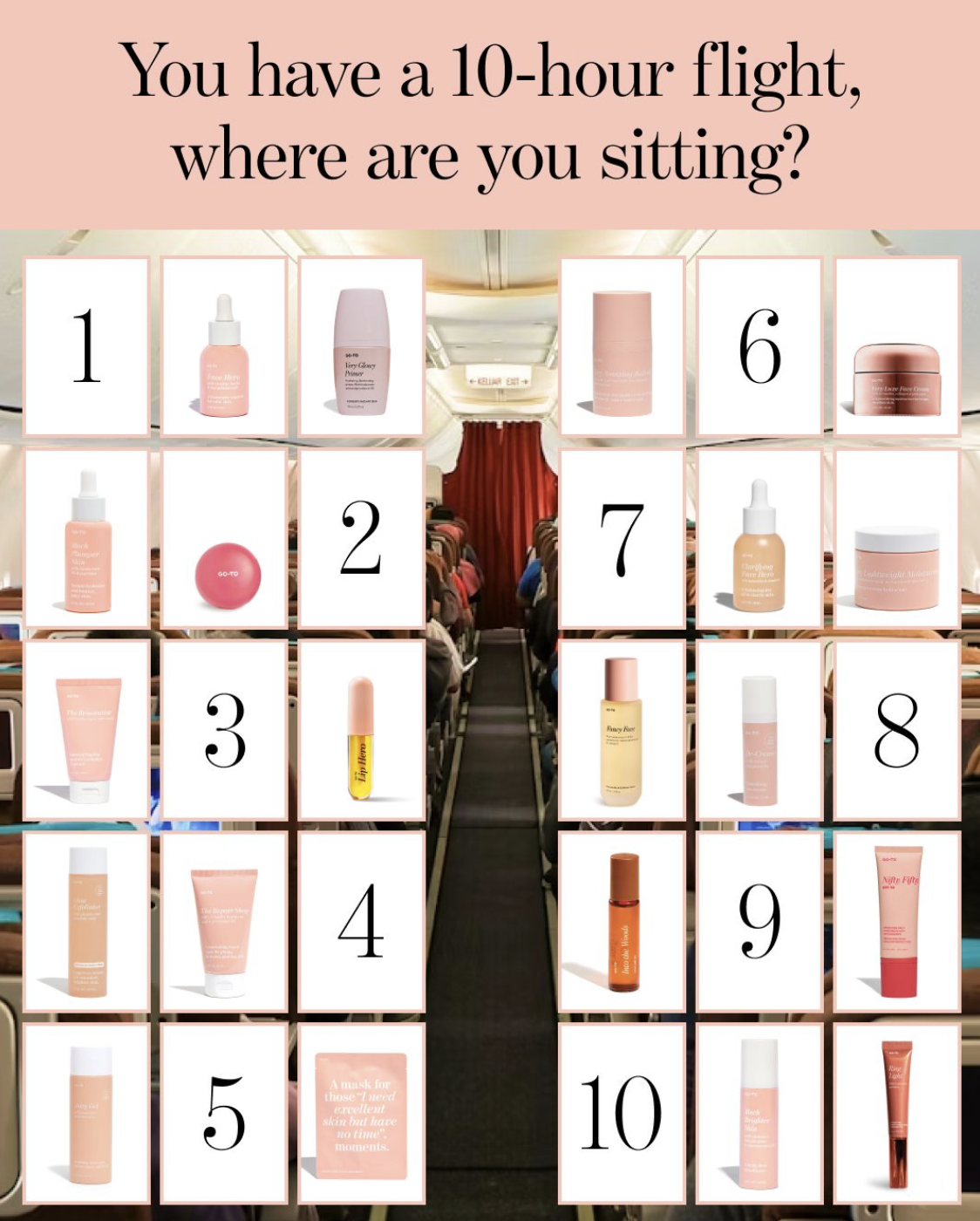
Go-To Skincare uses fun and interactive posts to engage their audience on Instagram.
You don’t have to be intimidated by social media, though. I know it can feel like a lot at first and make you wonder how you can make your brand visible, but the good news is that on many platforms the algorithms are constantly changing, allowing for smaller accounts and brands to reach a wider audience (like the FYP principle on TikTok). Plus, isn’t it great how much skincare promotion ideas for your brand you can gather just by scrolling on your phone?
Main places for beauty brands to hang out online in 2026 are:
Instagram — for aesthetic and short-form video content,
Facebook — for a mix of educational and aesthetic content,
TikTok — for short-form videos (tutorials, showcases, trends),
Pinterest — for all things aesthetic and inspirational,
Youtube — for long-form educational content.
Paid Ads and Performance Marketing
Essentially, paid online ads are a way for brands to reach customers more effectively when executing their skincare marketing strategy. They allow you to capture customers based on their demographics and what they’re searching for. Two of the most effective paid channels are Google Ads and Meta Ads.
Google Ads allows you to show ads to customers who are already looking for products or solutions based on their skin concerns. Since the customer is already searching for that, it shows that they have a strong intention to buy.
Meta Ads (on Facebook and Instagram) help you create awareness and demand for your products, when the customer is still debating and considering what they want to purchase.
Influencer and Creator Partnerships
We already explored how beauty is booming on social media, and third-party opinions are a significant driving force to shopper’s decisions. So, influencer and UGC creator partnerships can be of great value if your skincare marketing goal is to build trust in your brand and products.
When we think of creators, we often think of the influencers with millions of followers, but nowadays there’s a space for everyone! For example, there are nano-influencers with barely a couple of thousands of followers, but with a community so tightly-knit you’d be surprised.
What I’m trying to say is that working with influencers and creators is now more affordable, if you’re willing to do the effort and research smaller creators and build more meaningful relationships with them and their communities. And professionals agree that micro communities will be a major force to reckon with in the future of social media.
And as your brand grows and your possibilities too, you can then approach bigger influencers that could take your message further. Step-by-step!
Content Marketing and SEO
A skincare brand’s digital marketing definitely can’t do without content marketing. This type of marketing focuses on creating value for their customers, through things like blog articles, white papers, case studies, how-tos, podcasts, and more. Here you have an opportunity to attract your customers through constant and quality education on your own channels.
In your content marketing you can educate your customers about the ingredients you use in your products, how to create routines using your products, (fair) comparisons of your and your competitors’ products, and so on. The opportunities really are endless as long as you’re a brand that evolves and grows.
Having a SEO (search engine optimization) strategy in place, however, will help the customers find the content that they need more easily, by including relevant keywords and links into your content, as well as ensuring your website works well. Marketing’s always quite multidisciplinary, so hey, your website is exactly what we’re going to talk about next!
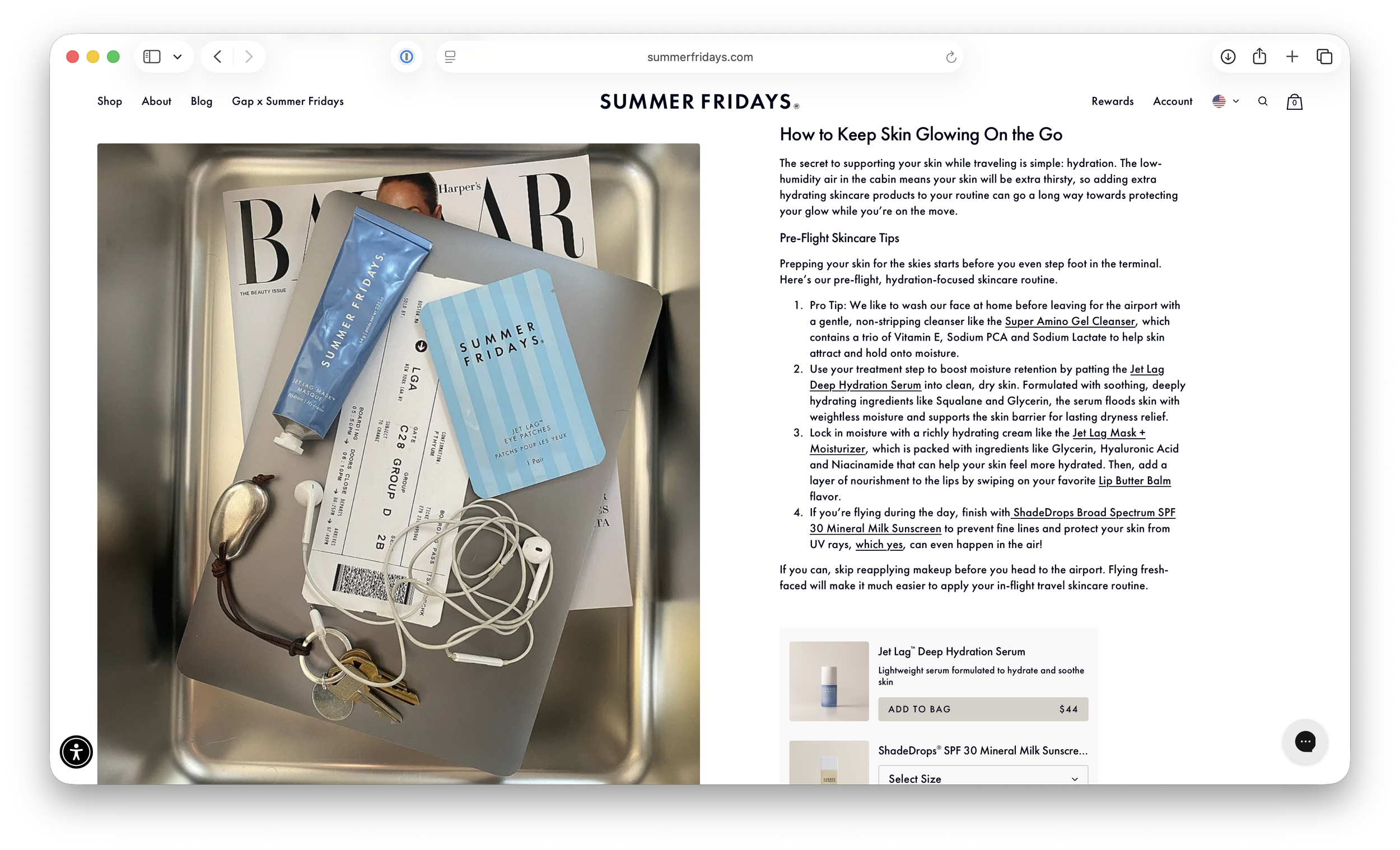
Source: Summer Fridays Blog
Website and Conversion Optimization
I think the case with good websites is that we often don’t notice or take the fact that they’re good for granted. Any business that doesn’t want to risk losing customers because of an underperforming website has to make sure it loads fast, isn’t overly cluttered, and is easy to navigate.
Especially important in skincare marketing is to look after your product pages. From my experience I always check these things to ensure that it’ll be easy for the customer to decide on their purchase:
Product descriptions — your product descriptions should have clear information on all the necessities (ingredients, sizes, warnings) without unneeded fluff,
Images/visuals — the product page should have high-quality imagery with the product from multiple angles, ideally you’d also have a short video of the usage or consistency demonstration too,
Pricing — it needs to have pricing that’s understandable for the customers (no hidden fees at the checkout, please),
Reviews — a product without any reviews may raise red flags, so if you don’t have any yet, put out incentives for your customers to gather them,
User experience (UX) — the navigation and all the buttons should be easily seen and navigated to.
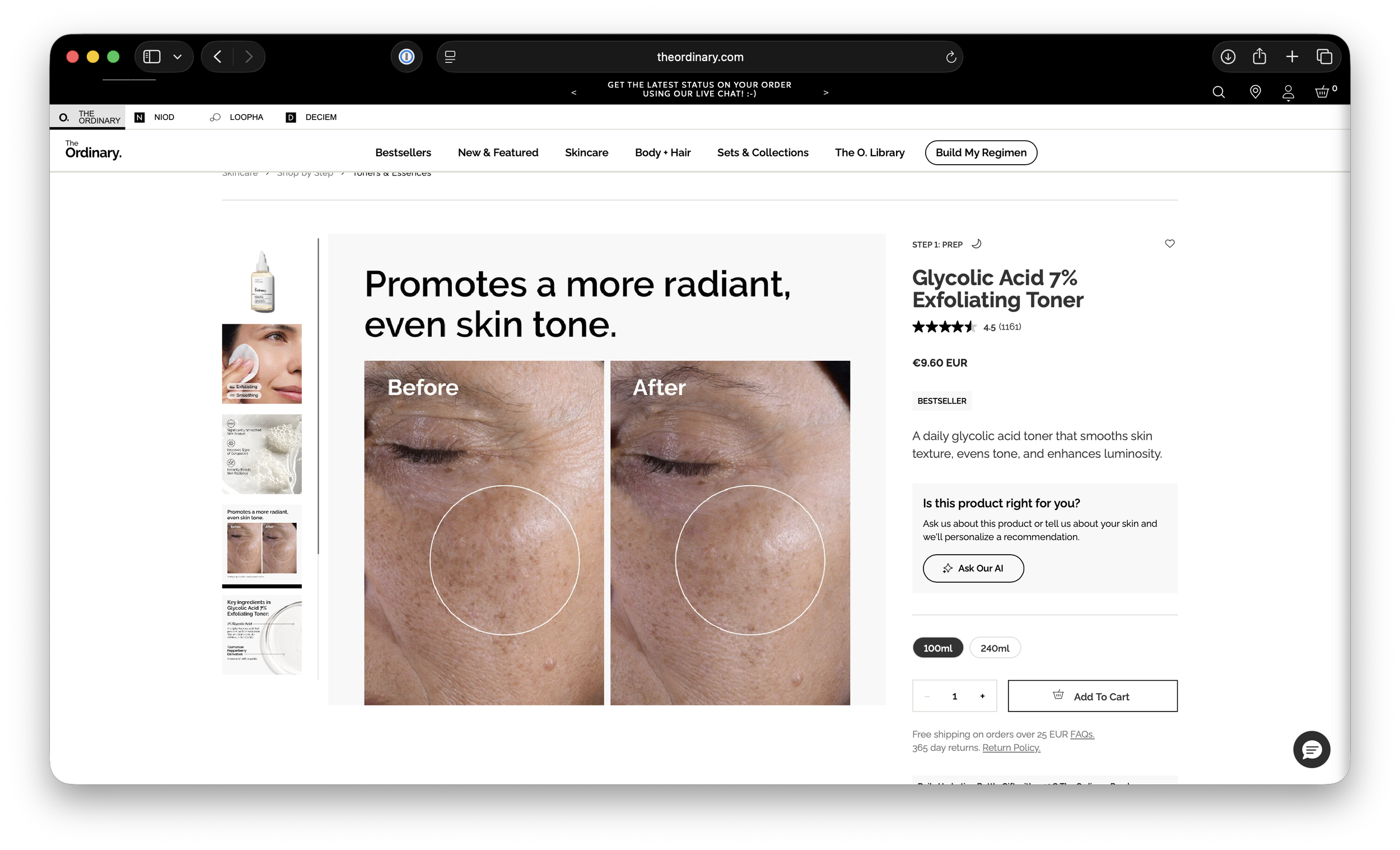
Source: The Ordinary
Optimizing conversions in skincare means that you’re removing any friction or obstacles your customers might have when they’re going through your website or are intending to make a purchase. That means having the technicalities like shipping information, checkout, and FAQs accessible and clear.
Email Marketing
In all skincare marketing strategies, there’s also a place for email marketing. That’s everything from more technical emails about purchases and registrations to creating promotional materials like newsletters and special offers for your customers.
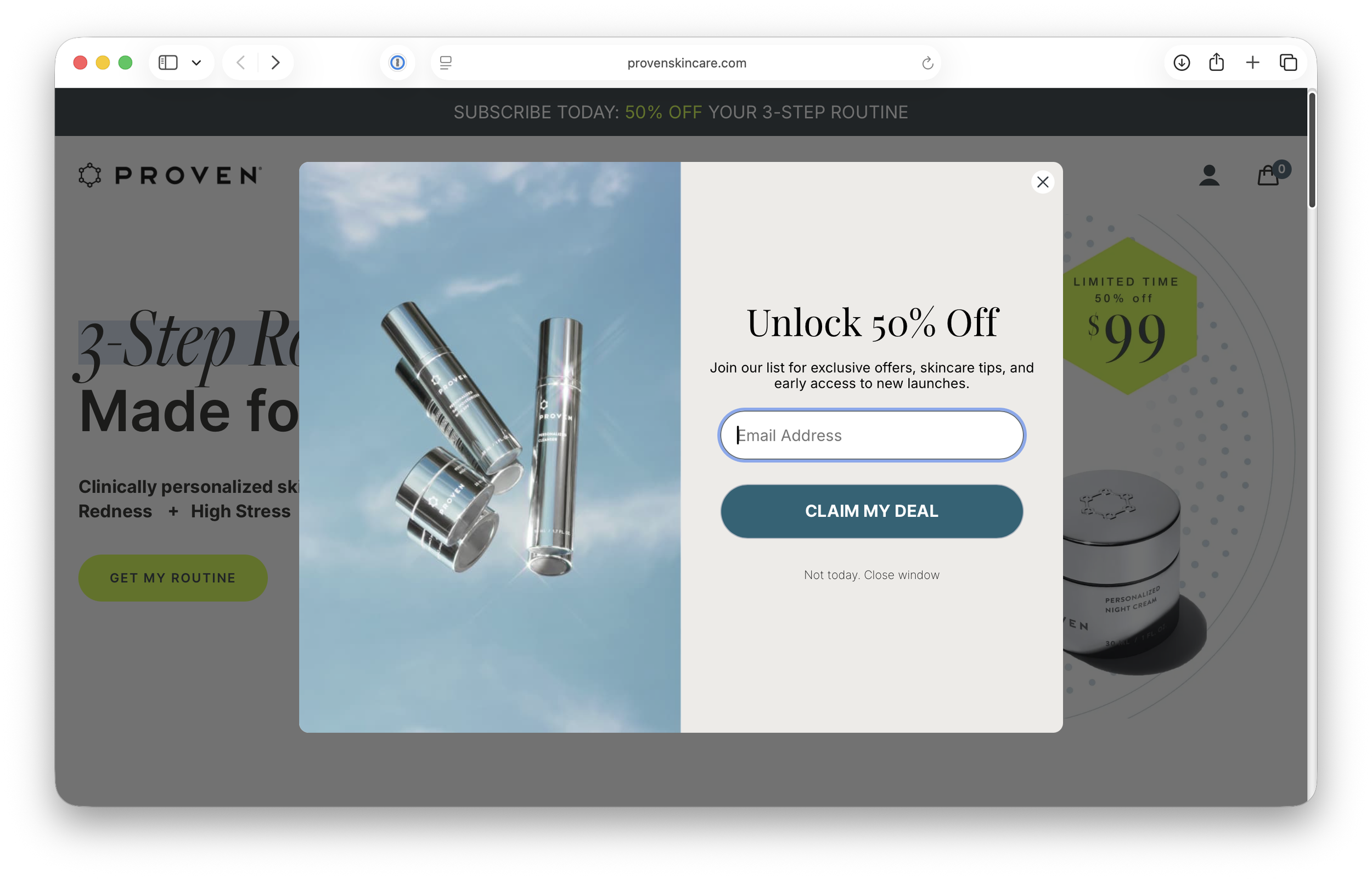
Proven Skincare masters personalized and quiz-driven communication with appealing incentives.
It’s one of the most effective and trusted channels for marketers worldwide because it gets you direct access to the customer in the channel that they use daily. What’s more, it’s a channel worth focusing on as you can create a truly personalized experience for your customers based on previous orders and behaviours.
For example, for someone who’s struggled with dry skin, you can offer your new moisturizing serum. Data shows your customer has abandoned their cart 2 times? Nudge them with a discount coupon!
Skincare Promotion Ideas That Build Trust (With Examples)
To get your creative juices flowing for your next campaigns, let’s look at some skincare promotion ideas and brands that looked good doing them!
Education-First Campaigns
Some of the most skincare marketing campaigns focus on the good ol’ education angle, rather than driving urgency with discounts. It works because you’re clearing any doubts your potential customers might have and you position your brand as a trusty and knowledgeable player in the industry.
Example: La Roche-Posay
The French skincare brand La Roche-Posay has consistently used education and dermatologist-backed claims in their marketing strategy. They’ve gone even further with they #BehindTheBreakout campaign that encourages acne acceptance while simultaneously highlighting their products that could help with this concern.
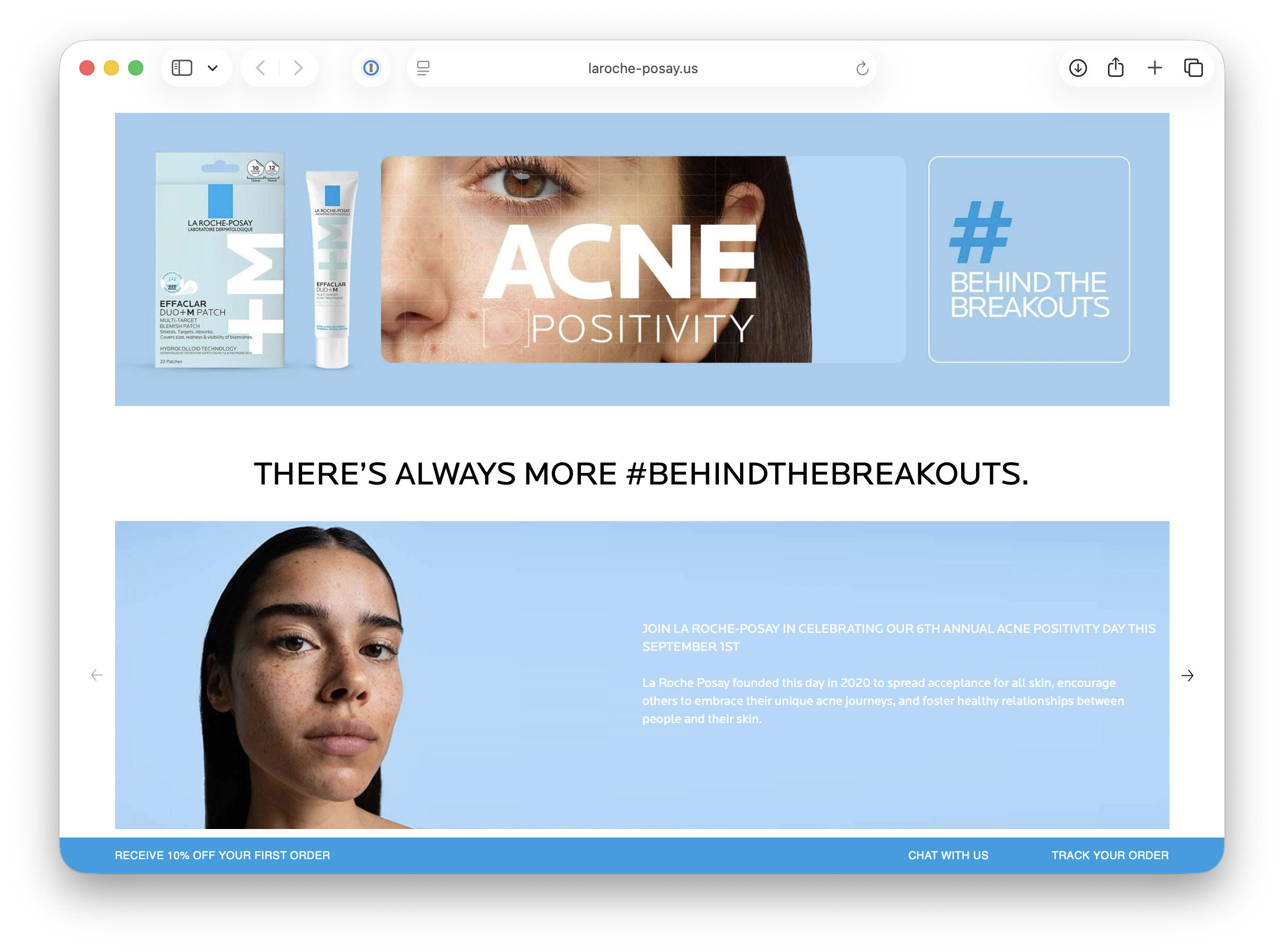
Source: La Roche-Posay
User-Generated Content
Nothing proves a product works more than experiences of living, breathing people, right? That’s why user generated content with reviews and before-and-afters work so well. It proves to the world that your product is worth their money. Bonus points, because it’s not your brand telling them so, but a creator who’s excited and truthful about their skincare.
Example: Glow Recipe & Beauty of Joseon
Both the Korean skincare-inspired Glow Recipe and the K-Beauty brand Beauty of Joseon include and trust UGC creators in their marketing (social media, emails).
Low-Risk Entry Points and Trials
Beauty and especially skincare is deeply personal, and sometimes to fully trust a brand you might need a reinforcement, something that doesn’t make you commit fully if the products just don’t work for you. Here’s where sample sizes and trial kits come into play!
You can offer your customers bundles of travel-sized products to give them the opportunity to introduce themselves to your brand and convince them to return in the future.
Example: Drunk Elephant
Skincare brand Drunk Elephant offers a few standalone minis, but what knocks it out of the park is their The Littles set with five travel-sized products that they describe as: “Our favorite skincare essentials to cleanse, exfoliate, brighten, firm, and hydrate (..)”
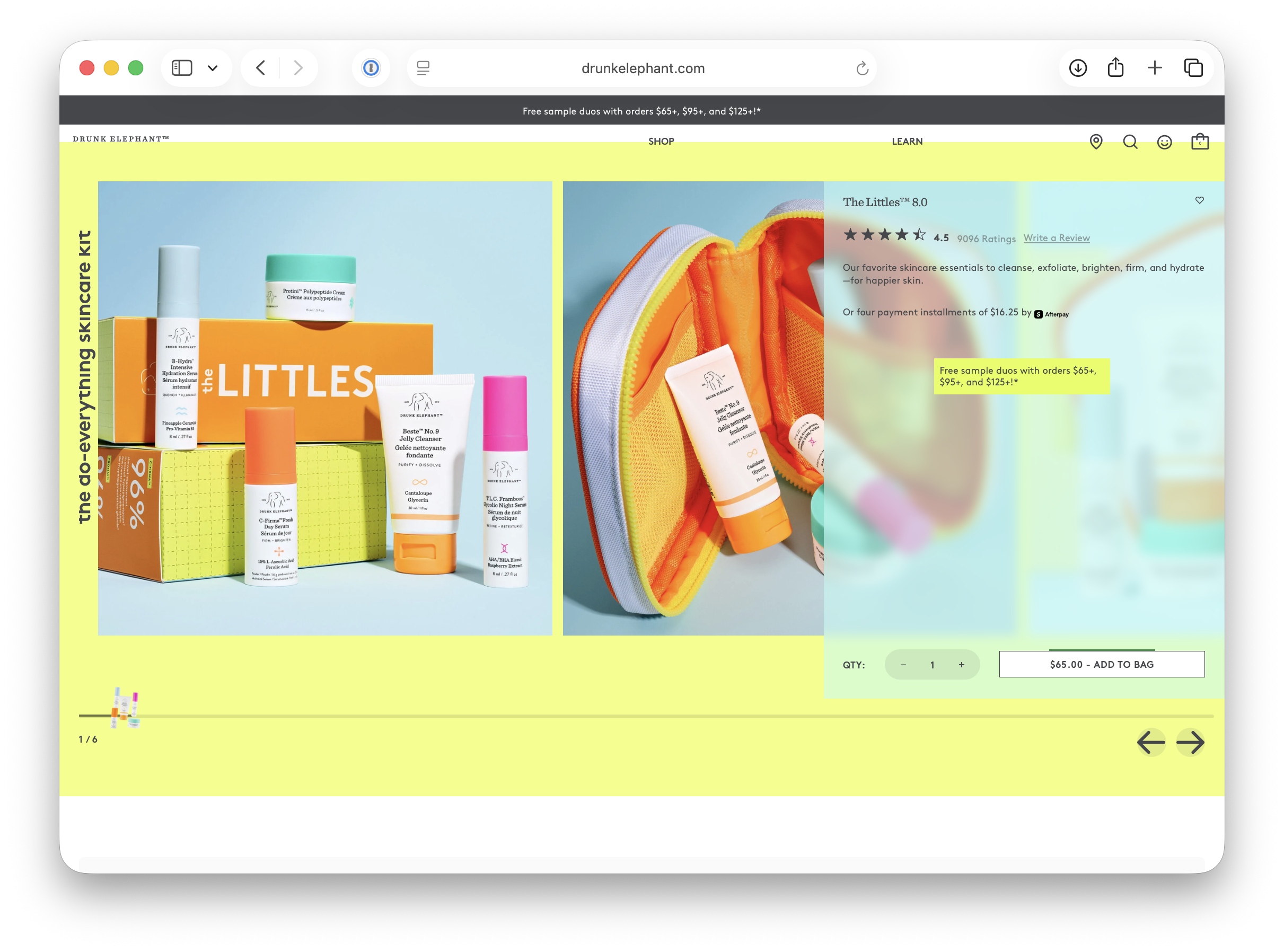
Source: Drunk Elephant
How Selfnamed Helps Skincare Brands Market Smarter
Skincare marketing might seem like a lot, but it’s much easier when you have good tools that simplify the construction of the whole thing from the ground up. Selfnamed not only offers ready-made formulations for you to sell, but can also aid with marketing them.
Previously we spoke about the importance of quality visuals in your product pages. You can use Selfnamed’s free product mockups to create visuals for your site, social media posts, and even emails. It’s great if you don’t have enough resources for professional photoshoots just yet.
Selfnamed also has plenty of educational material on our blog. It’s a little meta, but hey, you’re reading it right now! 😄 Here you can find resources about all things skincare and business, and it’s made specially for you, and we’d be glad if you find this knowledge useful and worthy to pass on to your own customers.
On Youtube, you can also find an archive of Selfnamed webinars and tutorials about products and all the nitty gritty about different ingredients.
Learning about skincare marketing doesn’t and shouldn’t happen in a vacuum, so we've created something really exciting — the Selfnamed Hub! It’s a private community on Discord where you can connect with other skincare brands, share insights and advice, and overall collaborate and learn together.


Final Thoughts
The principles of building a skincare marketing strategy already tells us what brands will keep winning. The skincare brands that aren’t afraid to be transparent, do their best to educate their customers, and sprinkle a little risk-taking in the middle.
To make that come true, remember to know who you are, get inspired and learn from others, and use all the tools you have available to you. Sometimes the most effective things are closer and more affordable than we think. Good luck!
Frequently Asked Questions
-
The most effective skincare marketing strategy in 2026 and beyond is to focus on educating your customers about your products, their ingredients, and the concerns they address. It positions your brand as a knowledgeable and transparent player in skincare.
-
Marketing for cosmetics should begin by defining who you’re selling to, understanding your brand positioning, crafting your messaging accordingly, and setting goals.
-
The digital channels that work best depend on your skincare marketing and brand positioning, but for a lot of brands they are social media channels, paid ads, content marketing, and email marketing.
-
Your skincare marketing spend will be relative to the size of your brand. With limited resources, you should first focus on organic and owned channels, such as social media, email, and content marketing. As your beauty brand grows, you can look into investing more in paid ads and creator-led campaigns.
-
Selfnamed has resources that make skincare marketing efforts for beauty brands easier. You can use their high-quality product mockups for visuals on your website, social media, and email campaigns. You can also check out Selfnamed educational webinars on products and their ingredients.
Must read