How Much Does It Cost To Start a Dropshipping Business in Skincare?
Table of Contents
If you’re thinking about starting a dropshipping business, the first thing you’re probably trying to understand is the cost.
Dropshipping has become a popular way to start an online business, especially in skincare and beauty. You don’t need to stock products in advance. You don’t need a warehouse. You can sell products online without tying up your budget before the first order comes in.
That said, starting a dropshipping business still comes with real expenses. Some appear right away. Others show up as your store gains traction. Understanding how much does it cost to start a dropshipping business helps you plan clearly instead of guessing as you go.
So, let's walk through setup costs, product costs, marketing, and ongoing expenses, and look at how Selfnamed helps skincare founders keep startup costs realistic without cutting corners.

Understanding Dropshipping Costs for a Skincare Brand
A skincare dropshipping business works a bit differently than many other ecommerce models. Products are produced and shipped after a customer places an order, which means spending follows demand instead of coming first.
Some costs are tied to simply running an online store. Others only appear when sales happen. Both matter.
In skincare, expectations are higher. Product quality, packaging, and fulfillment shape trust quickly. Customers notice details. They notice delivery speed. They notice consistency. Those expectations influence where your money goes from the start.
Once you understand how these costs behave, budgeting and pricing become much easier.

Startup Costs: Setting Up Your Skincare Store
Setting up your skincare store is where your first real dropshipping startup costs appear. These expenses create the foundation of your dropshipping business.
Ecommerce Business Platform
Your ecommerce platform is where your dropshipping store lives – where customers browse, place orders, and pay.
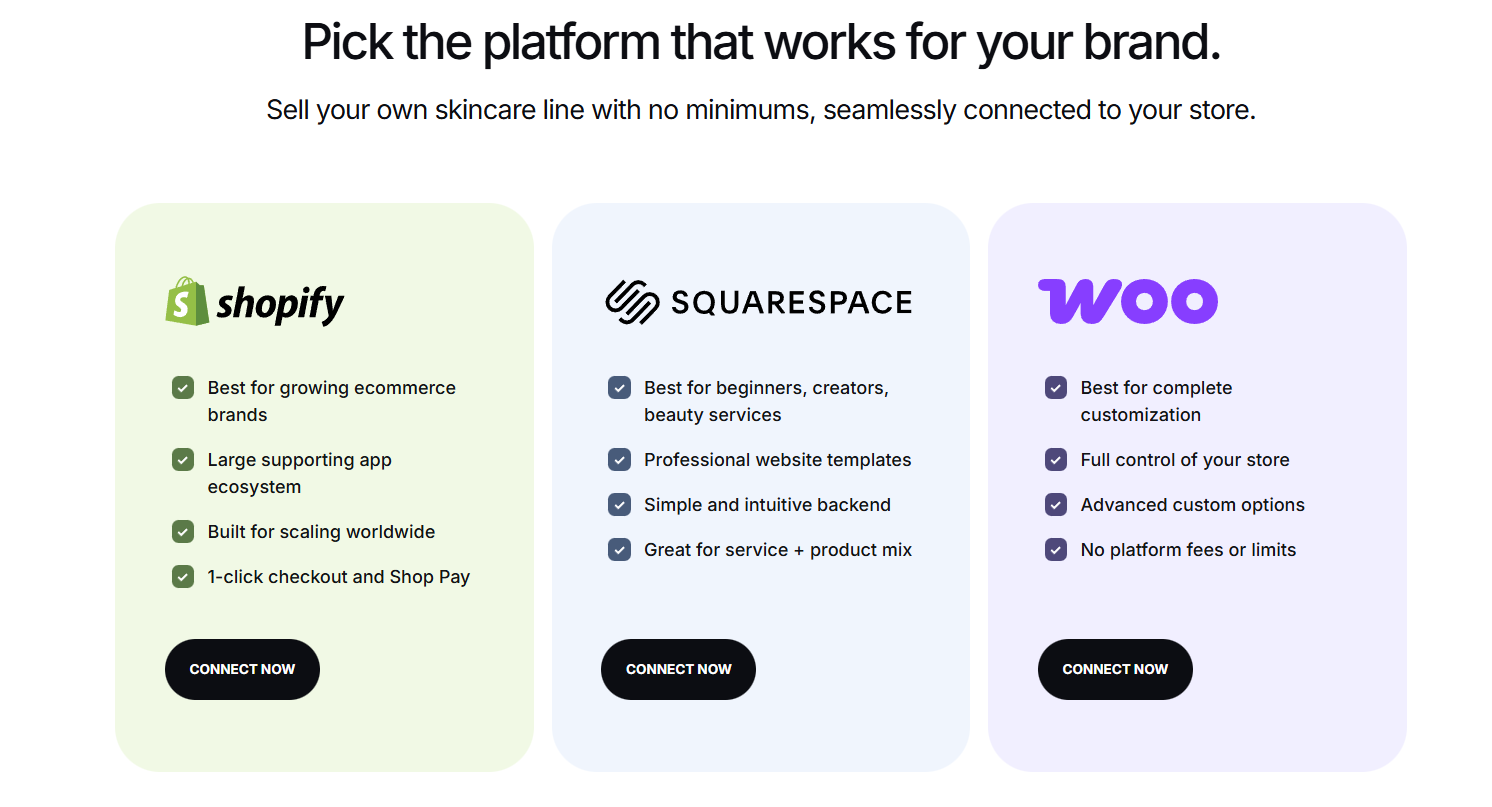
Most founders choose Shopify, Squarespace, WooCommerce, or Wix:
Shopify plans start around $29 per month.
Squarespace ecommerce plans usually range from $23 to $49.
WooCommerce itself is free, with hosting typically costing $5 to $30 per month.
Wix ecommerce plans usually range from $29 to $39 per month.
A basic plan is usually more than enough to get started.
Domain Name
Your domain name is your store’s web address. A good one helps people remember your brand and trust it.
Most domains cost between $10 and $50 per year. It’s a small line item, but it affects how professional your store feels.
Store Design
In skincare, customers want clarity, clean product pages, and an easy checkout experience, so store design is one of the most important touchpoints.
Many dropshipping businesses launch using free themes included with their ecommerce platform. Premium themes usually cost $100 to $300 as a one-time purchase and are often added later, once branding becomes more defined.
Hosting And Security
Hosting costs are simply what keep your ecommerce store online and loading when someone visits it. Security matters just as much, because customers need to feel comfortable entering their details at checkout.
If you’re using Shopify store or Squarespace, hosting and SSL security are already included in what you pay each month. With WooCommerce, hosting is a separate line item and usually costs somewhere between $5 and $30 per month. Most hosting providers include SSL by default, so customers see a secure checkout.
Essential Tools
As your store comes together, you’ll probably need a few tools to make things easier. Email marketing, order syncing, and basic automation are common early additions.
Most of these tools charge monthly fees. Early on, this usually adds $10 to $100 per month, depending on how much you automate.
Business Registration
Before you start selling, you’ll need to sort out the legal side of the business. This means registering the business and choosing a basic structure so everything runs properly from the start.
In the US, registering a small business and setting up an LLC can cost between $50 and $500 depending on the state. Some states also charge an annual renewal fee, which can range from $0 to a few hundred dollars. Other countries have similar one-time registration costs, usually in the same general range.
Product Costs: What Selfnamed Offers
Product costs work differently in a dropshipping business. Instead of buying inventory upfront, costs appear as customers place orders.
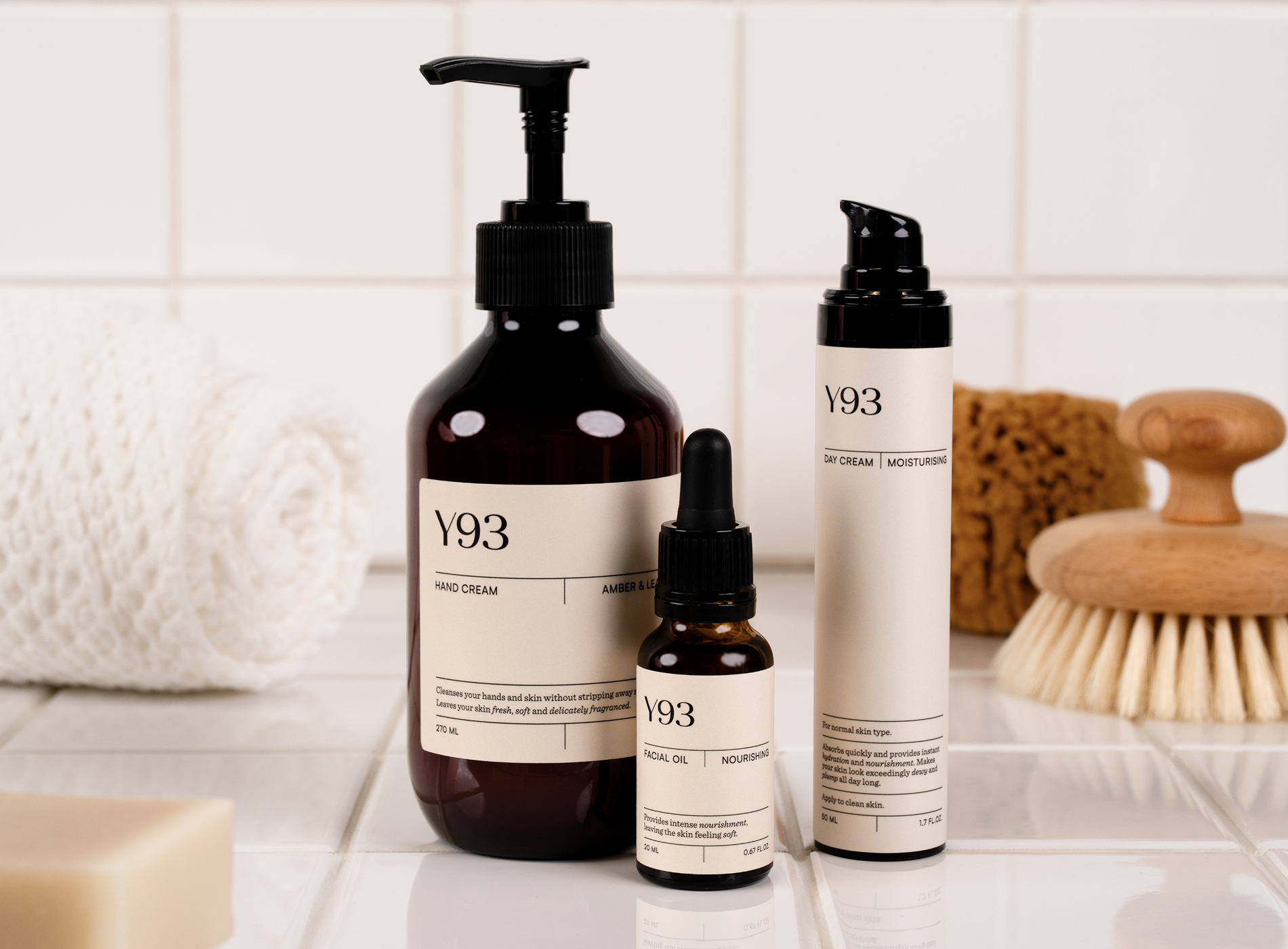
With Selfnamed, the process stays simple. You select the products you want to sell and list them in your online store. When a customer places an order, the product is produced, packed, and shipped. The product cost is settled after the sale is completed.
This keeps product spending closely tied to what customers choose to buy. You can sell one unit at a time, introduce new products gradually, and expand your catalog whenever it feels right. Packaging, labeling, and fulfillment all move through the same system, which keeps daily operations easy to stay on top of.
As a result, product expenses remain predictable, and the early months of running a skincare ecommerce business feel far easier to plan and manage.
Marketing Costs for Your Skincare Dropshipping Business
Marketing is the part that helps potential customers come across your products, figure out if they trust your brand, and decide whether they want to buy your products. But how much does it cost?
Paid Ads And Early Momentum
Many skincare business founders start with paid ads because they offer quick visibility. Social media ads and Google Ads are common entry points across major sales channels, especially when you’re trying to get your first consistent sales.
Early ad spend is usually kept intentionally small. A lot of online stores begin with a daily budget of $5 to $15, which often translates to a $100–$300 monthly marketing budget. This stage is about learning which messages help you sell products and which platforms bring in the right traffic.
Influencers And Creator Reach
Creators are another way to get your products in front of new people. In skincare, smaller influencers often work best because their content feels more personal and believable.
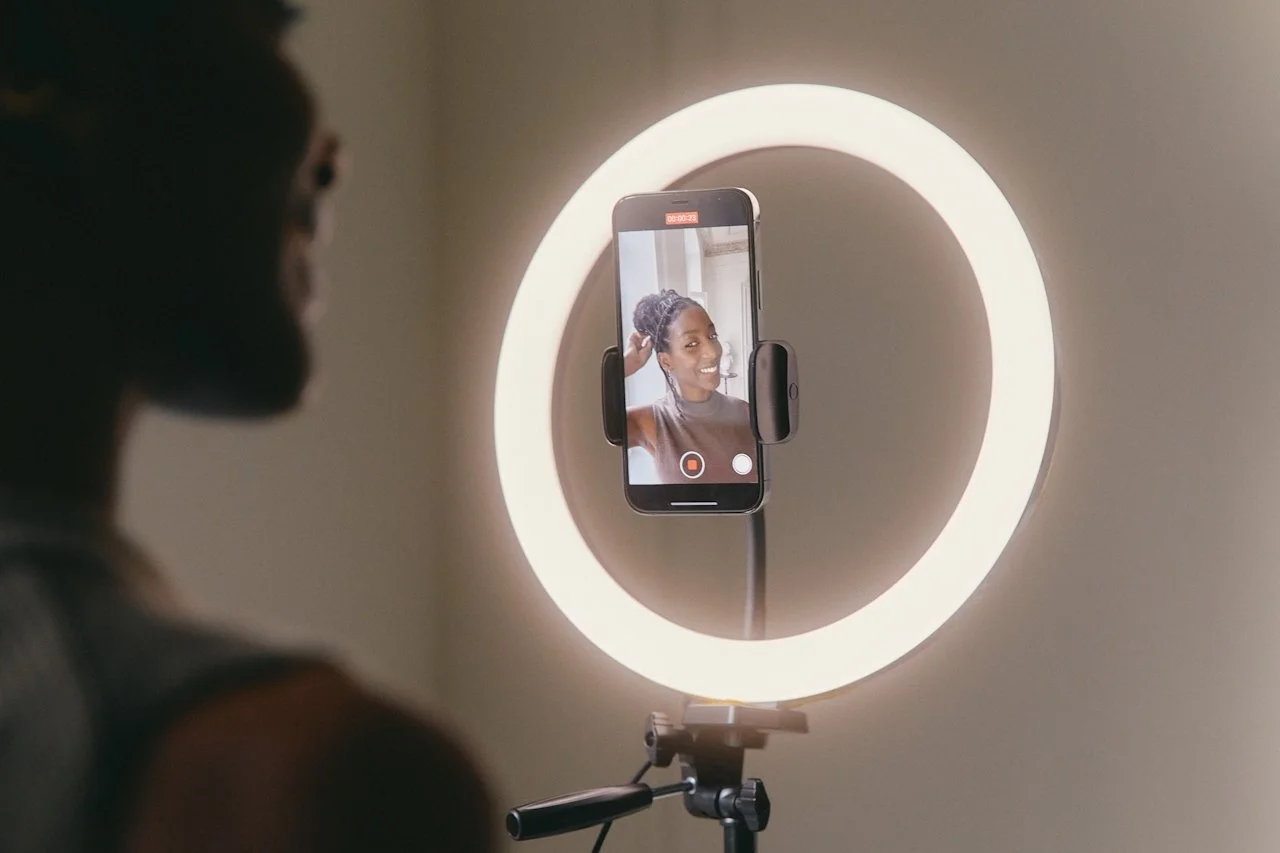
Some partnerships are just product gifting. Others include paid posts, usually anywhere from a small fee to a few hundred dollars. These collaborations usually support your ads rather than replace them, helping your brand show up more often without relying on one channel.
Email And Organic Growth
Not every marketing strategy requires ad spend. Email marketing helps you stay connected with people who already visited your online store or showed interest. Many email tools offer free plans early on, with costs increasing gradually as your list grows.
Alongside email, you can focus on ways to generate organic traffic through blogging, social content, product education, and consistent posting. These efforts take time, but they often become one of the most reliable ways to reach potential customers without increasing your marketing budget.
Marketing costs shift as your business grows. Early spending focuses on testing and learning. Over time, the focus moves toward refining what works across major sales channels and, in some cases, selling through an online marketplace alongside your own store. That flexibility is what allows an online store to grow steadily.
Operational Costs
Once your online store is up and running, and orders start coming in, you'll notice a new category of expenses. These are the everyday business expenses that keep things moving while your business grows.
Payments And Transaction Fees
Every time you sell products, a small portion of the order goes to payment processing. That’s just part of running an ecommerce business.
For most online stores, transaction fees sit around 2.4% to 2.9% of the sale, plus about $0.30 per order.
Software And Dropshipping Tools
As orders increase, software tools can help you support daily operations and handle email marketing, order tracking, analytics, and customer communication.
Many of these dropshipping tools start with free plans. Later on, subscription fees usually land somewhere between $10 and $100 per month.
Customer Support And Order Questions
Customer support becomes part of everyday operations as you sell products online. This includes answering questions, sharing order updates, and processing returns or reshipments.
Some founders manage this through a shared inbox at first. Others use helpdesk tools that usually cost $10 to $50 per month, depending on features and volume. Clear communication here supports customer satisfaction and repeat purchases.
Admin, Accounting, And Taxes
Running an online business also means keeping finances organized. You need to see what you’re earning, what you’re spending, and what needs to be set aside for things like income tax and sales tax based on how your business is set up.
For this you can use basic accounting software to keep everything in one place. It usually costs around $10 to $70 per month, and saves you a lot of effort as revenue grows and transactions start adding up.
How Selfnamed Helps Reduce Costs for Beauty Brands
When you look at the full picture – startup costs, product costs, marketing, and operations – the biggest savings usually come from simplification. That’s where Selfnamed makes a real difference for beauty brands.
We keep product costs tied directly to sales. This means you can sell skincare products through your online store, and you pay for them only after a customer places an order. That structure keeps cash flow lighter and makes budgeting easier in the early stages of a dropshipping business.
Packaging, fulfillment, and shipping move through the same system. You’re not stitching together separate tools or coordinating between multiple partners, which keeps both the workflow and the costs easier to manage as the business grows.


Estimated Total Costs for Starting a Skincare Dropshipping Business
When you look at everything together, starting a skincare dropshipping business usually takes less upfront money than you might expect. For anyone trying to understand how much to start a dropshipping business, the key thing to know is that costs are spread out and tend to grow alongside your online store.
To get started, you’re usually spending a few hundred dollars. That usually covers the basics – your ecommerce platform, domain name, a few essential tools, hosting if you need it, and business registration.
Later on, your monthly costs usually settle somewhere around $50 to $150. That covers platform fees, software, and the essential tools.
On top of that, many founders set aside a $100 to $300 marketing budget for social media ads, Google Ads, or small creator collaborations, so keep that in mind as well.
Because product costs are paid after a sale happens, you’re not tying up money in inventory. That’s what keeps the cost to start dropshipping lower and more flexible. You spend as your business grows, which makes it easier to build a successful dropshipping business without taking on unnecessary risk.
Cost-Saving Tips for Skincare Entrepreneurs
When you’re starting a skincare dropshipping business, saving money is about choosing where to spend it so it actually moves your online store forward. Here are a few tips you can focus on to keep costs controlled while you build toward a profitable business.


Start Small And Control Upfront Fees
Keep upfront fees simple from the very beginning. A basic setup gives your dropshipping store room to grow before you start adding upgrades, tools, or extra features.
Many dropshipping platforms offer free plans or low-cost entry options. Starting there lets you launch with minimal costs and keep your budget focused on things that directly support sales and customer growth.
Keep Your Ad Spend Tight And Intentional
Starting with $5 to $15 a day on social media ads or Google Ads lets you try different messages and visuals with your target audience. When you notice what brings in potential customers, increasing ad spend starts to feel like a clear next step rather than a guess.
Use Organic Traffic To Balance Paid Channels
Helpful content, short videos, and relevant keywords give customers reasons to find your online store on their own.
Using clear keywords on your product pages and writing content that answers real questions helps your store show up in search. When you post consistently and keep your site optimized, organic traffic starts to build naturally. Over time, this becomes one of the most effective marketing strategies and gives you steady visibility alongside paid ads.
Choose Reliable Suppliers And Flexible Pricing
Consistent quality and smoother fulfillment usually mean fewer shipping issues and fewer refund requests, which keeps costs easier to manage.
Bulk pricing often becomes useful later on. In the early stages, flexible product costs fit a low risk business model much better. Paying per order keeps cash flow lighter while you figure out which products customers actually want.
Stay Focused On Your Target Audience
Knowing who you’re selling to helps you save money everywhere else. When your target audience is clear, your messaging, ads, and content become more effective.
This focus helps your dropshipping store compete alongside worldwide brands by being specific rather than broad.
Grow Channels Gradually
Your own online store gives you a solid base and full control over how your brand shows up. As things grow, adding an online marketplace can help you reach more people, especially when it feels like the right moment.
Taking sales channels one step at a time keeps costs in line with what customers are actually buying and helps you grow toward a profitable business without putting pressure on your budget too soon.
Start Dropshipping With Clear Costs From Day One
So, how much does it cost to start a dropshipping business? Well, it’s less about a single number and more about how you choose to build your business. You’re usually starting with a few hundred dollars, then letting costs grow alongside your online store.
The real advantage of dropshipping is that costs move with the business. You’re selling, learning, adjusting, and then reinvesting, instead of spending heavily before you know what works. That makes the whole process feel more grounded and easier to manage.
With a clear view of the costs and a setup that supports flexibility, starting a dropshipping business is a practical way to turn an idea into something real, built step by step, on terms that actually work for you.
Frequently Asked Questions
-
You can start with a few hundred dollars. That usually covers the basics like your store setup, domain, and a couple of tools. Since products are paid for only after a sale happens, you’re not putting money into inventory upfront.
-
Yes. You run the online store and focus on the brand, while products are produced and shipped only when someone places an order. That’s what makes dropshipping feel much lighter to manage at the beginning.
-
A lot of new stores start small, usually around $100 to $300 a month. That gives you room to test ads, create content, and see what actually brings customers in.
-
Everything runs through one system. Products, packaging, and fulfillment are handled together, and you pay only when something sells. That keeps costs predictable and avoids the pressure of bulk orders or juggling multiple suppliers early on.
Must read