Beauty Ecommerce Trends to Watch in 2026
Table of Contents
The beauty industry is shifting, month by month, year by year. As someone who’s woven into the threads of this space, you need to know what will sway the demands and behaviours of your customers.
In beauty ecommerce, every touchpoint with shoppers is crucial, and trends can be a significant factor in the choices they make. Being agile and open to innovations can be key to a successful future of your brand.
We’ve saved you a ton of research and compiled the highlights from beauty ecommerce trends of 2026 – to make you a better business owner that can make informed decisions based on industry trends and how they will impact your audience.
The State of Beauty Ecommerce Going Into 2026
Before we dive into what will shape 2026, we first have to understand the background and beauty ecommerce trends of 2025.
For starters, experts in retail noticed a decline in foot traffic to physical beauty stores. In the US only, from 2024 to 2025 the decline was about 2%. It makes sense with the aftermath of a couple long years spent at home only, as well as convenience and innovations in online shopping.
In the past years, including 2025, more and more shoppers have prioritized sustainability in their day-to-day life, and that’s impacted their beauty purchases too. Now people are paying more attention to ingredient lists of their favorite products and educating themselves about harmful additives to make sure they don’t harm themselves or our planet.
Beauty tech was also on the rise — we see more and more how the physical and digital worlds are merging to create a seamless customer journey for everybody. In 2025, beauty ecommerce trends were driven by virtual try-ons, personalized recommendations, and diagnostics thanks to technology like AI, AR, and others.
Beauty Ecommerce Trends of 2026
But now, we have a new era ahead of us, so let’s see what new beauty commerce trends are predicted to rise and which ones will transform and continue on from previous years.
Trend #1: Hyper-Personalization
As you already saw, the beauty ecommerce space is rapidly taking advantage of the latest tech and innovations that can create a bespoke, highly personalized experience for the customers.

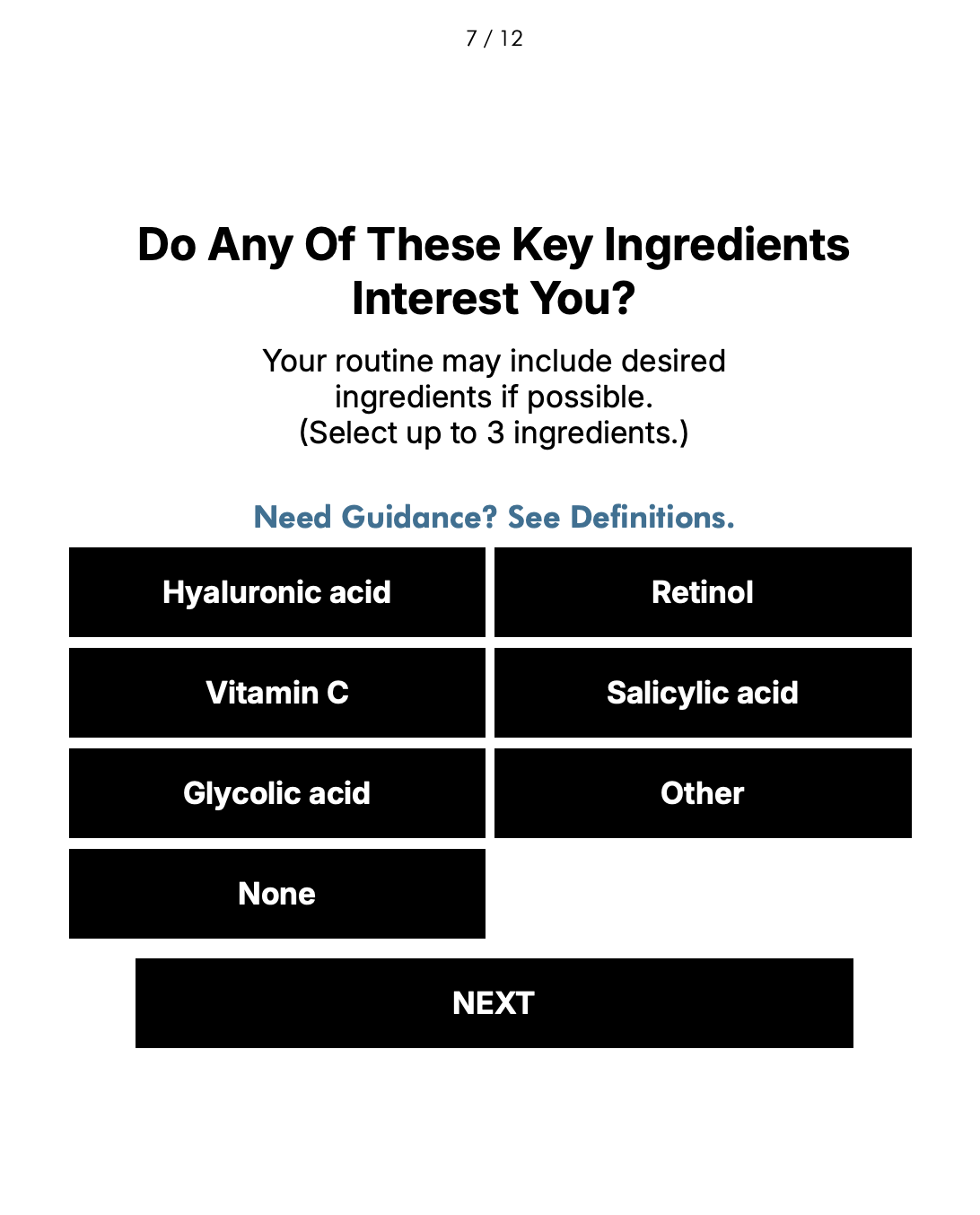
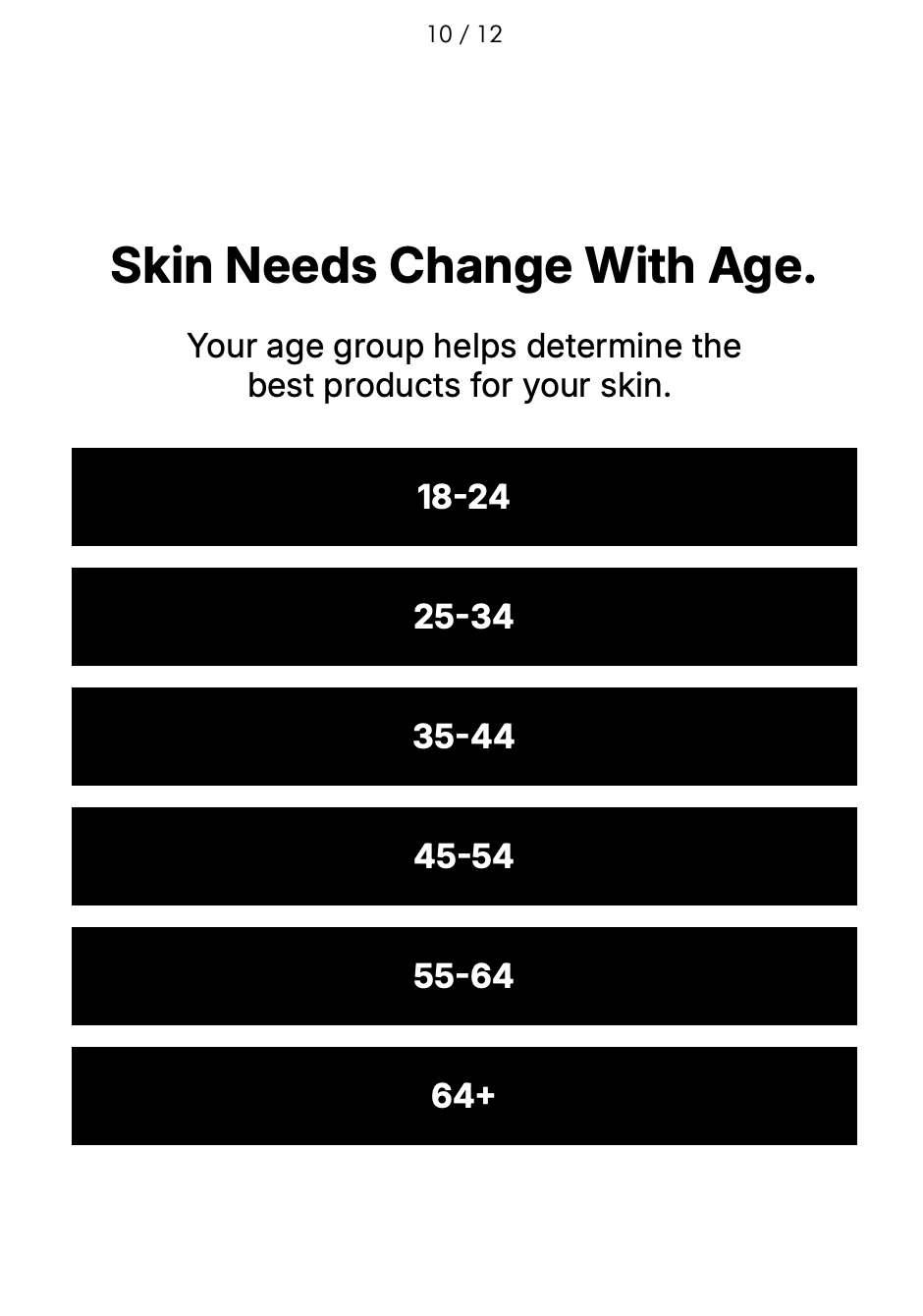
SkinCeuticals online diagnostic tool for building your best skincare routine
Beauty brands have noticed that customers appreciate hyper-personalized product recommendations based on their skin concerns, skin type, and even shopping behaviours. That’s why they use different tactics like offering custom, online skin diagnostics and tests, product quizzes, and analytics to determine what will truly be the right thing for the customer.
What It Means For Your Brand
Your brand should take personalization seriously and introduce tools that can create a seamless and personal experience in your shop. It goes beyond knowing your customers and how they shop — personalization can actually impact your sales, increase the average order value, and reduce product returns. And all of that because you could pinpoint with great accuracy what actually suits the customer right!
Trend #2: AI Personal Shoppers
We’ve reached a time where AI chatbots are an everyday commodity rather than a new thing we’re still getting used to. That’s why it’s no surprise that one of the beauty ecommerce trends of 2026 is that people are now using conversational AI and chat bots as advisors for their beauty and skincare purchases.
It goes hand-in-hand with what we already know: your customers value convenience, and using AI to explain their needs can help them spend less time scrolling and deciphering different products and the ingredients, and get to the purchase quicker.
What It Means For Your Brand
To make your products easily discoverable and seen by AI chat engines, your website should have complete clarity. Your product descriptions should have clear benefits, including use cases, and skin concerns they address, so it’s easy for AI to connect all the dots and recommend your product to the right person.
Trend #3: Transparent Beauty
It’s no secret that what we once understood as “transparent beauty” reserved for niche, nature-inspired brands, has now spilled into the mainstream beauty industry. And here’s exactly why that’ll continue into beauty ecommerce trends of 2026.
Nowadays, consumer literacy when it comes to beauty product ingredients is extremely high, mainly thanks to how much easier it’s to access information and educate yourself than it was, say, 20 years ago. Not to mention the rapid improvement of search engines and the aforementioned AI language models that make it even simpler.
Both consumers and regulatory bodies are putting more pressure on brands to avoid flashy buzzwords and shady marketing tactics to advertise their products. There’s strong demand for ingredient lists that comply with INCI standards, comprehensible use cases, and product safety certifications.
What It Means For Your Brand
Being transparent about your brand, products, and ingredients should go beyond just following beauty ecommerce trends. It should also be a sign to you to do a somewhat of an audit of your brand and its assets. Thoroughly go through products and see whether your ingredient list goes by the INCI systems, check your sustainability claims and if they’re based on facts you can prove, and so on.
Trend #4: Social Commerce
Social has completely transformed the beauty ecommerce space in the last few years. It’s expected that in 2026, social commerce platforms will be the primary beauty shopping channel for many consumers.
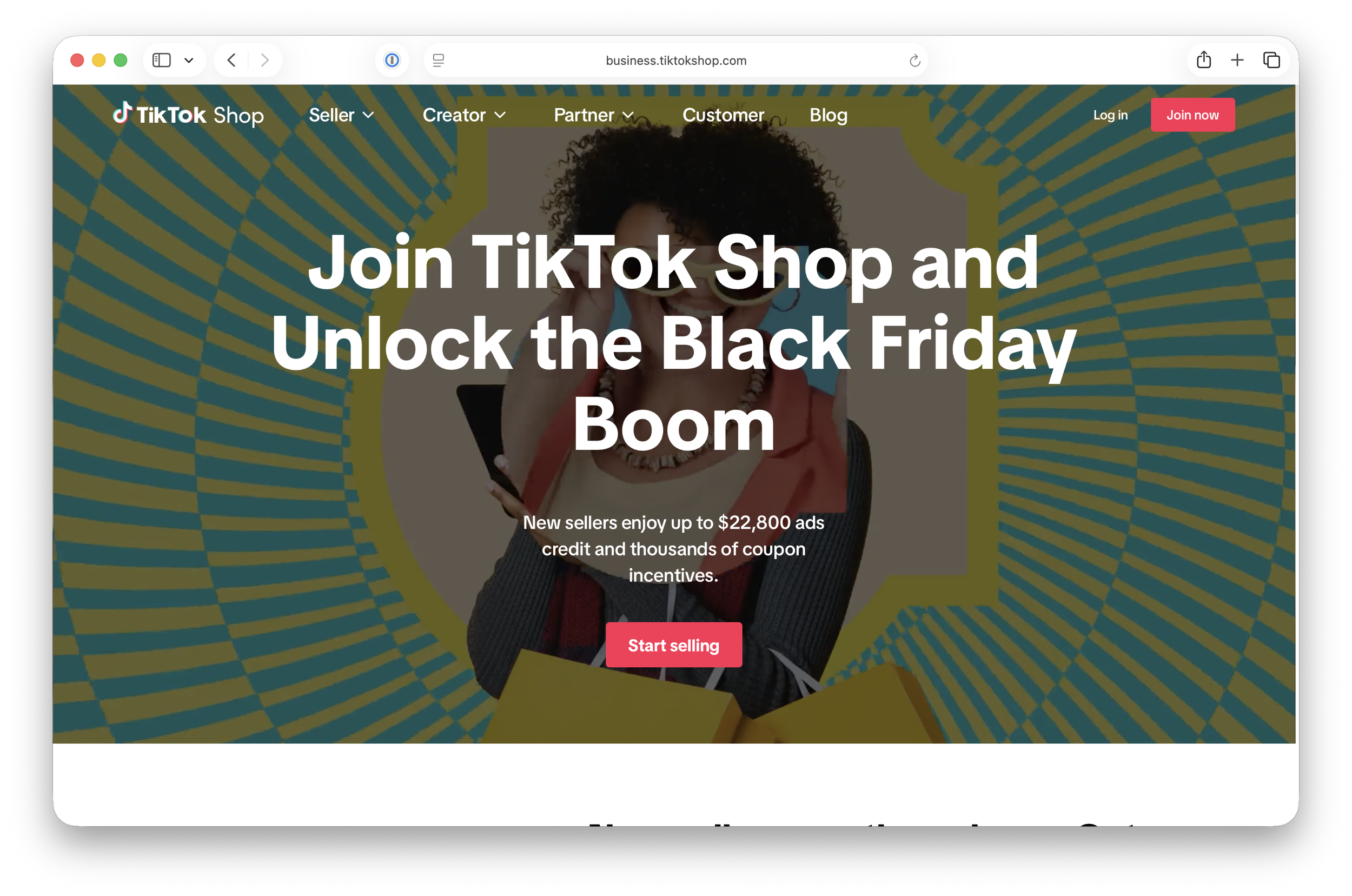
Source: TikTok Shop
I’m sure even you’ve enjoyed how convenient and seamless it’s to quickly grab a product from a TikTok shop without going through too much hassle and changing the app you’re on. Your customers feel the same!
What It Means For Your Brand
Thankfully, beauty and social are a match made in heaven, and it’s the place to be for all beauty and skincare brands, so penetrating these channels are less of a challenge. Where you need to put in work is to create a great experience for your customers.
Doing a live-shopping event? Posting a collaboration with a creator using your products? Publishing a tutorial? Always remember that the “Shop” button should be right next to your content, so your customers can quickly get the product they might just fell in love with!
Trend #5 Speed in Product Launches and Adapting to Trends
One of the key factors of a beauty ecommerce store’s success in 2026 is also speed. Many brands are already rethinking and reshaping their product launch strategies due to the fact of how fast our world moves — a viral trend one day can lead to product shortages in stores the next day. And if your brand fails to capture it, it’s missing out on potential additional revenue.
That’s one of the reasons why private label manufacturing is catching momentum as a favorable choice of many founders. With private label, launching a product no longer takes months or even years, you can now work with ready-made formulas and launch a product incredibly quickly.
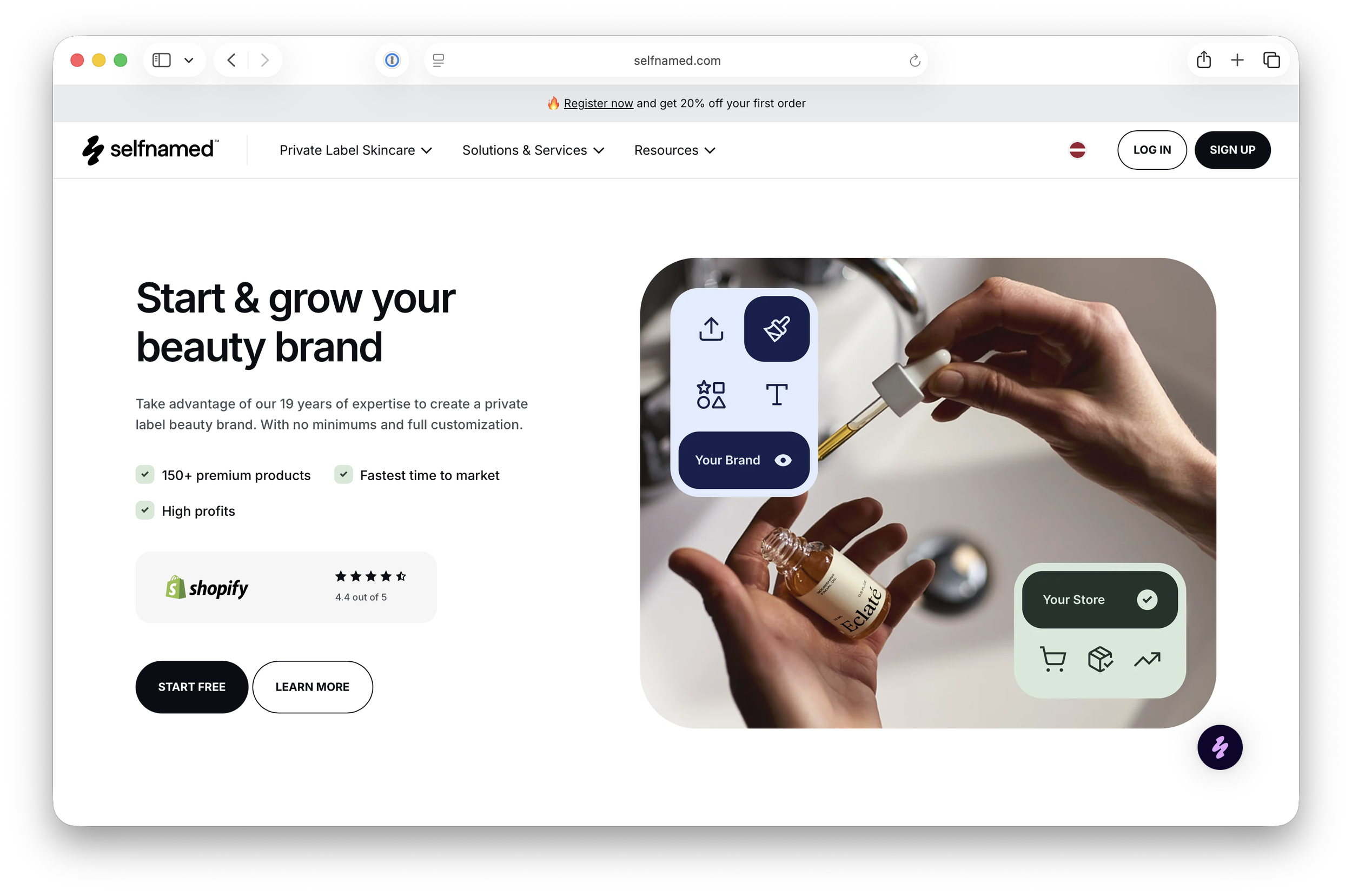
Launch fast with Selfnamed
Where private label wins is that even if you’re experimenting with a new product and launching faster than with traditional manufacturing methods, your risk is minimal. That’s due to the fact with many manufacturers that you only pay for what you sell. But of course, always look into private label production company’s minimum order quantities.
What It Means For Your Brand
You can look into private label beauty manufacturers like Selfnamed. They have extensive experience in beauty and skincare, specializing in organic, cruelty-free, vegan, high-quality formulas.
Selfnamed requires no upfront investment and has no minimum order quantity. All it takes to start is to browse their catalog, choose a product, and add your branding to start selling.


Trend #6: Tech-Enabled Skincare
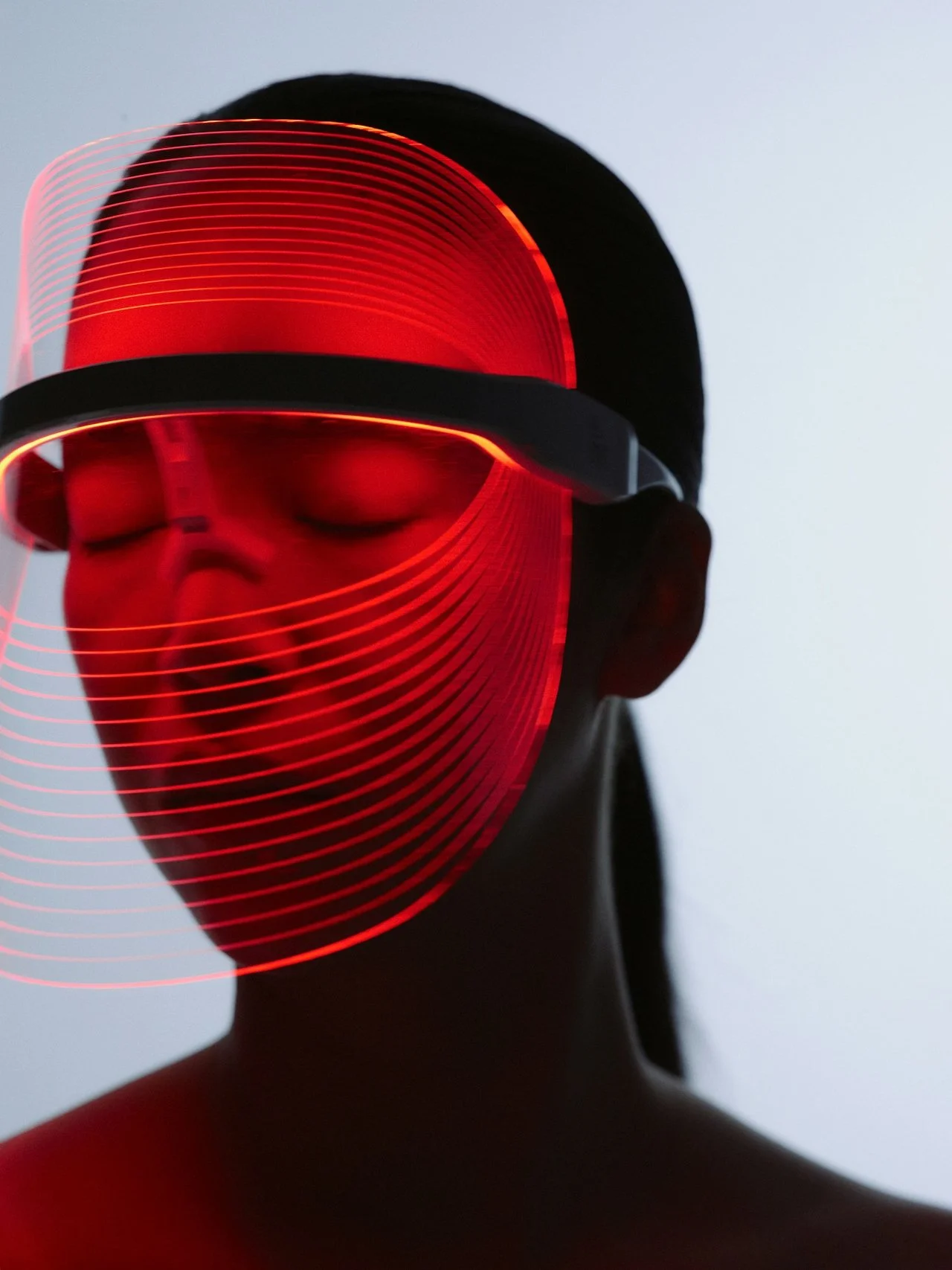
Have you recently seen those red light masks slightly resembling something out of Star Wars? 👽 Even if you haven’t, that’s one of the rising beauty ecommerce trends at the moment. More broadly, it’s tech-enabled skincare with smart devices and at-home diagnostics tools.
As with the popularity of at-home treatments and skincare rituals, people are looking for devices that can bridge the gap between going to the salon and treating yourself at the comfort of your home.
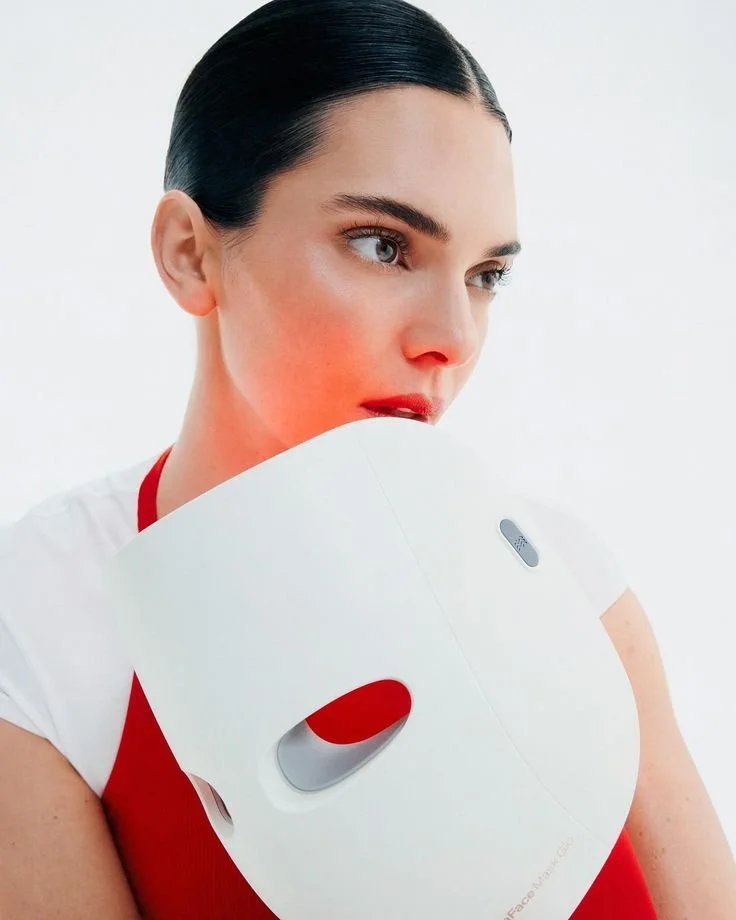
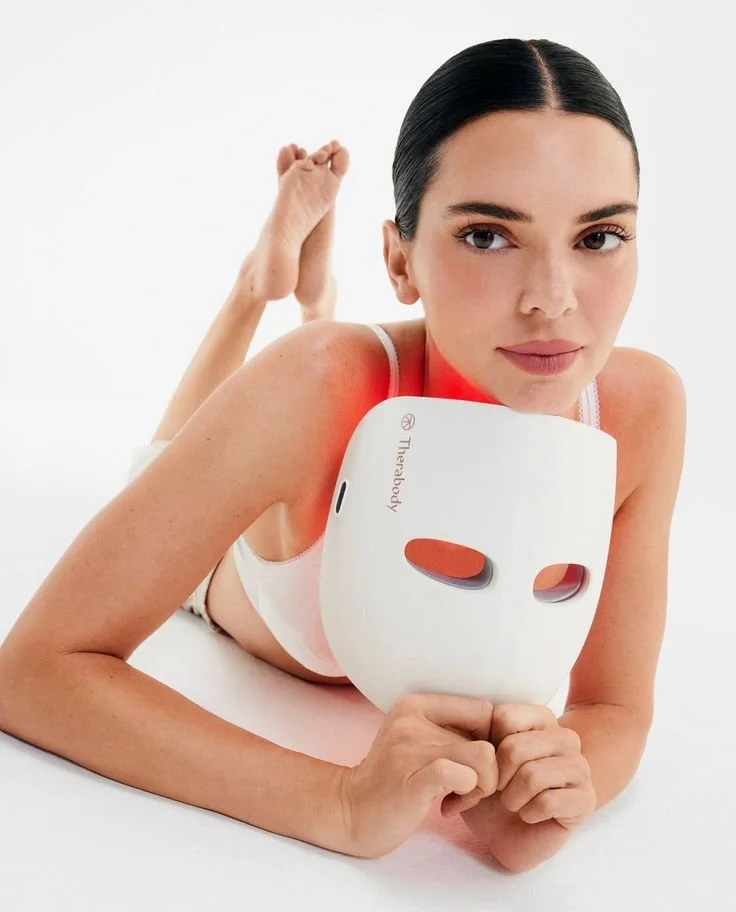
The best devices, however, don’t only serve one purpose, they adapt to the customer. They might have sensors that can measure different parameters about your skin and recommend changing the routine or settings of the device. I, personally, have a face cleansing brush from Foreo that has sensors that measures my skin hydration levels and changes the brush settings accordingly. We really are living in the future, aren’t we?
What It Means For Your Brand
As a beauty brand owner, looking into adding beauty devices to your product catalog can build a longer-term loyalty. Adding tech is a step toward being a one-stop shop for all your customer needs, deepening your relationship.
My biggest suggestion, however, is to only consider this if it makes sense to your brand. Not only that, electronics is a completely different ball park than skincare products, and requires immense testing to make sure the product’s safe.
The Big Picture: What’s Next?
As we went through the beauty ecommerce trends of 2026, I think we can see some overarching themes emerge: efficiency, transparency, and speed. This just tells us that you can and should still stay true to your brand while making tweaks that’ll only better your customers’ experience.
Here’s a quick cheat sheet of your next steps to keep with you in 2026:
Choose products that fulfill the claims you’re promising to not compromise customer trust,
Design your branding in a way that’s understandable and complies with globally-recognised guidelines,
Keep an eye out for viral moments to see if you can push and promote an existing product of yours or see if you can launch one quickly and safely to jump on the trend,
Launch efficiently and don’t keep your customer waiting — 6 months later it might already be too late,
Position your brand to 2026 customer expectations to prove that you’re not staying behind, but are evolving with the times — it’s not always about product listings, more often it shows in your values.
See You in 2026!
The beauty ecommerce trends are, of course, predictions, but also show us the way where the beauty space and the world in general is moving toward.
That means we’re diving head-first into innovations and tech-advancements, and beauty ecommerce is at the forefront of it all. And it’s an exciting place to be as a brand owner! You have the opportunity to show the customers you hear them and are ready to be a trusty partner in this journey.
Wishing you the best of luck and happy customers that see your hard work in 2026!
Frequently Asked Questions
-
Some of the biggest beauty ecommerce trends for 2026 are: hyper-personalization, approaching AI in searching for beauty products, transparent beauty, shift toward social commerce, speed in production, and tech-enabled skincare.
-
One of the fastest-growing categories in digital beauty is definitely hyper-personalization. As a brand owner, you can take advantage of this beauty ecommerce trend by introducing AI or are solutions to your website, creating product quizzes, and fine-tuning your analytics for the best recommendations.
-
AI is already shaping beauty ecommerce. Customers are now increasingly using conversational AI to explain their skin concerns, and find the best products for their needs. That’s why a beauty brand’s website should be clear and AI-friendly.
-
In 2026, a big beauty ecommerce trend is the shift toward social shopping. It means that for beauty brands, being on platforms like TikTok Shop, Instagram Shop, and Pinterest Shopping, can be highly valuable.
Must read