Inside the Playbook of Top Ecommerce Brands in Beauty
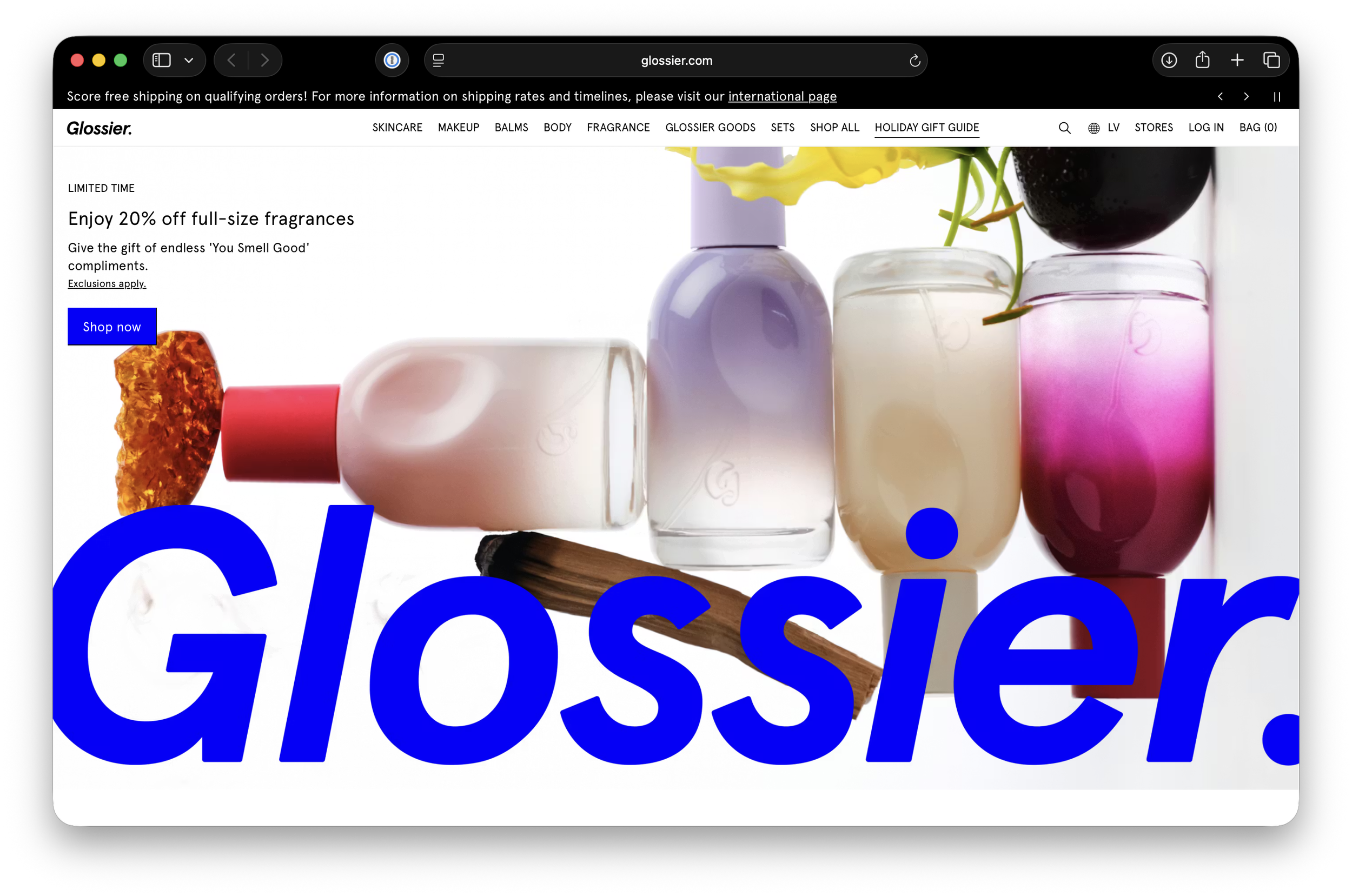
Table of Contents
If you followed beauty ecommerce closely this year, you probably noticed a shift. The brands that performed best weren’t chasing attention. They were building systems that worked.
The top ecommerce brands grew because they understood how people shop online today. Customers are more careful. They read ingredients. They compare brands. They expect the online store experience to feel clear, reliable, and worth their time.
In a crowded market filled with similar-looking launches, the strongest ecommerce beauty brands focused on fundamentals – high-quality products, honest communication, and a seamless online shopping experience from first click to delivery.
Let's take a look at what those brands did differently, which strategies actually drove ecommerce success, and how founders can apply the same thinking to build a beauty brand that holds up over time.
What Defines a Winning Ecommerce Beauty Brand Today?
Spend enough time looking at ecommerce beauty brands, and you start to notice the same things over and over. Some brands keep growing their online sales. Others struggle, even with decent traffic. Most of the time, it’s not about the product idea. It’s about how the ecommerce business is built.
Beauty is still one of the strongest ecommerce product categories in the world. More consumers worldwide are buying beauty products through an online store instead of in physical retail. That puts a lot of pressure on brands to get the basics right. The top ecommerce brands tend to do that consistently.
Here’s what that actually looks like in practice.
The Ecommerce Store Is Where Everything Happens
For most beauty brands today, the ecommerce store isn’t just one sales channel. It is the business. This is where customers form their first impression, decide whether they trust the brand, and choose whether to buy or move on.
The top ecommerce brands put real effort into their ecommerce websites. Product pages are clear and easy to understand. Ingredients are listed properly. Benefits are explained in simple, honest language. The checkout process feels quick and user friendly instead of frustrating.
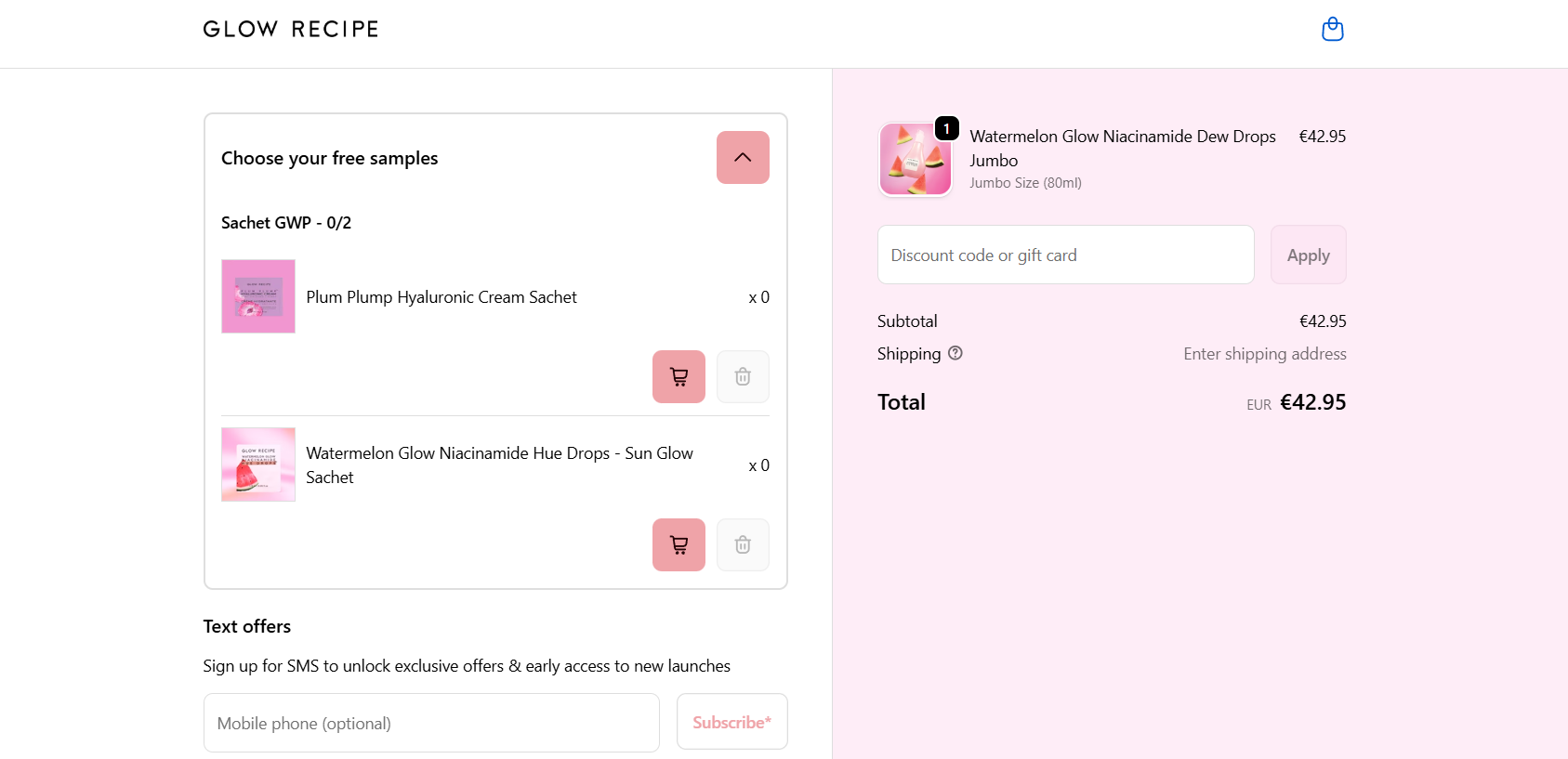
Source: Glow Recipe
In fact, data shows that around 70% of online shoppers abandon their cart before completing a purchase, often because an ecommerce website feels slow, confusing, or difficult to navigate. That’s why a seamless online shopping experience matters more than most beauty brand founders might expect. When an ecommerce store feels simple and reliable, customers are far more likely to complete a purchase and come back for more.
Beauty Brands Are Built for Customer Research
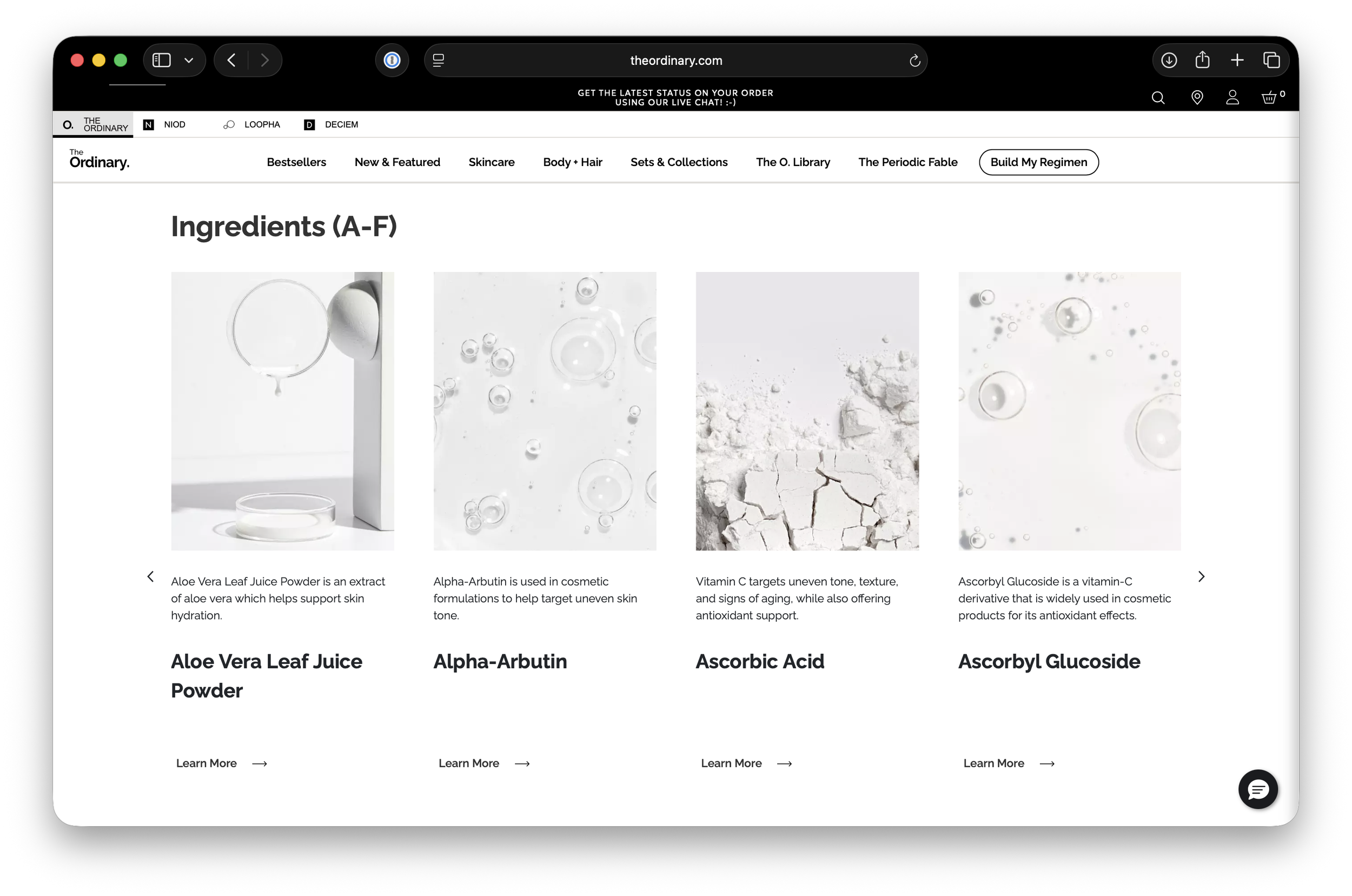
When shopping online, most customers compare ecommerce brands, read reviews, and pay close attention to ingredients.
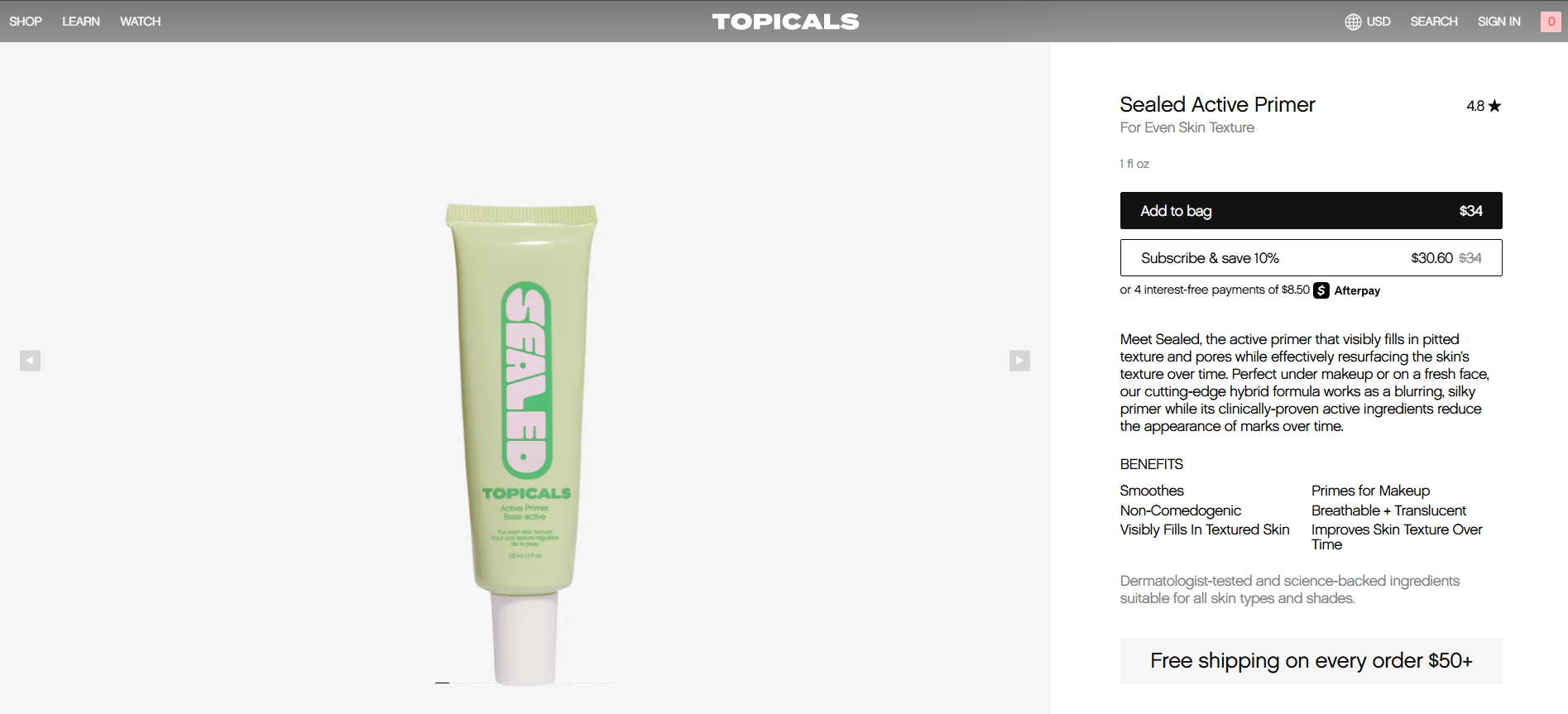
Source: Topicals
Beauty shoppers increasingly rely on digital channels, online research, and trusted information before purchasing, especially in skincare and personal care. So, ingredient transparency and clear product information often make the difference between someone buying from an ecommerce store or moving on to the next option.
Because of this, the successful beauty ecommerce brands 2025 put a lot of emphasis on clarity. They explain what each product does, who it’s meant for, and what’s actually inside the formula. That level of transparency helps build trust, and in beauty ecommerce, trust is what drives ecommerce sales, repeat purchases, and long-term brand loyalty.
Social Media Feeds the Ecommerce Funnel
A lot of beauty discovery now happens before someone ever visits an online store.
People see products on TikTok, Instagram, or from creators they trust. By the time they land on an ecommerce website, they’re already interested. What they’re looking for at that point is confirmation.
Brands that connect their social content directly to strong product pages tend to perform better than those treating social and ecommerce as separate things.
Mobile Online Stores Shape the Experience
Most beauty ecommerce traffic now comes from mobile. In fact, industry data shows that over 60% of ecommerce visits, and more than half of online shopping time happen on phones.
This is why the top ecommerce companies design their ecommerce websites mobile-first. For most customers, the phone is the brand touchpoint. A smooth mobile experience isn’t just good design. It’s a major driver of ecommerce success and online sales.
Clear Guidance Drives Ecommerce Conversions
Beauty products aren’t one-size-fits-all, and too many choices can slow online customers down.
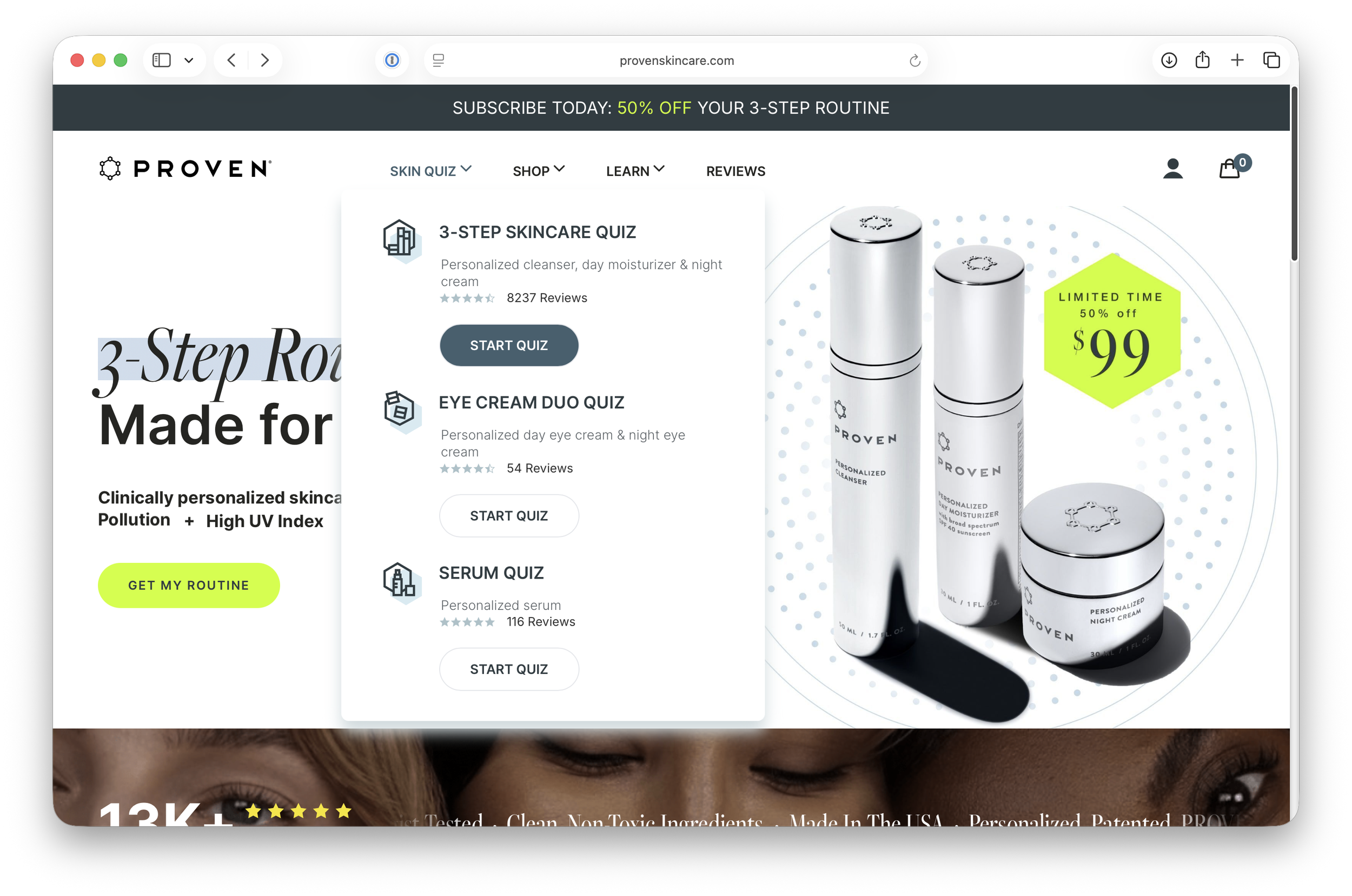
That’s why guidance matters in an ecommerce store. According to research, marketers see an average increase of 20% in sales when using personalized experiences, like tailored recommendations, clear product guidance, and relevant suggestions.
The ecommerce brands that do this well keep their product lines focused, explain differences in simple language, and make it easy for customers to decide. The shopping experience feels lighter and more confident, and that’s what leads to stronger ecommerce sales and repeat purchases over time.
Operations Affect Brand Perception
In an ecommerce business, what happens behind the scenes reaches customers pretty quickly.
Late deliveries, inconsistent quality, or unclear packaging show up in reviews, returns, and lost trust. Research shows that 32% of customers stop buying from a brand after a single bad experience, and in ecommerce, delivery issues are one of the most common causes.
That’s why long-lasting ecommerce companies take operations seriously from the start. Reliable production, clear compliance, and a delivery service that meets expectations matter just as much as marketing. You can bring customers to an online store, but if execution falls short after checkout, repeat ecommerce sales disappear.


Operations may not be visible, but they strongly shape how customers experience and remember a brand.
So, winning ecommerce beauty brands focus on the basics. They make their online store easy to shop, their products easy to understand, and the entire experience easy to trust. When those pieces are in place, growth feels a lot more predictable.
Lessons From Top Ecommerce Beauty Brands
When you look at the top ecommerce companies in beauty, one thing becomes clear – they’re not winning because they found a loophole. They’re winning because they built solid ecommerce businesses that match how people actually shop online.
These brands operate in a crowded market, sell physical beauty products (not digital products), and compete with both large online retailers and small businesses. What sets them apart is how they run their online business day to day.
Here’s what some of the strongest brands got right.
Glow Recipe Turning Social Attention Into Online Sales
Glow Recipe understood early that discovery doesn’t start in an online store. It starts where customers already spend time.
What they did well:
used social platforms to educate consumers worldwide;
created content that answered real questions;
sent high-intent traffic to product pages that matched the message.
Their ecommerce store doesn’t need to convince potential customers from scratch. By the time online shoppers arrive, they already know what they’re looking for.
Key takeaway? If you want to drive conversions, your social content and your online store have to work together as one system.
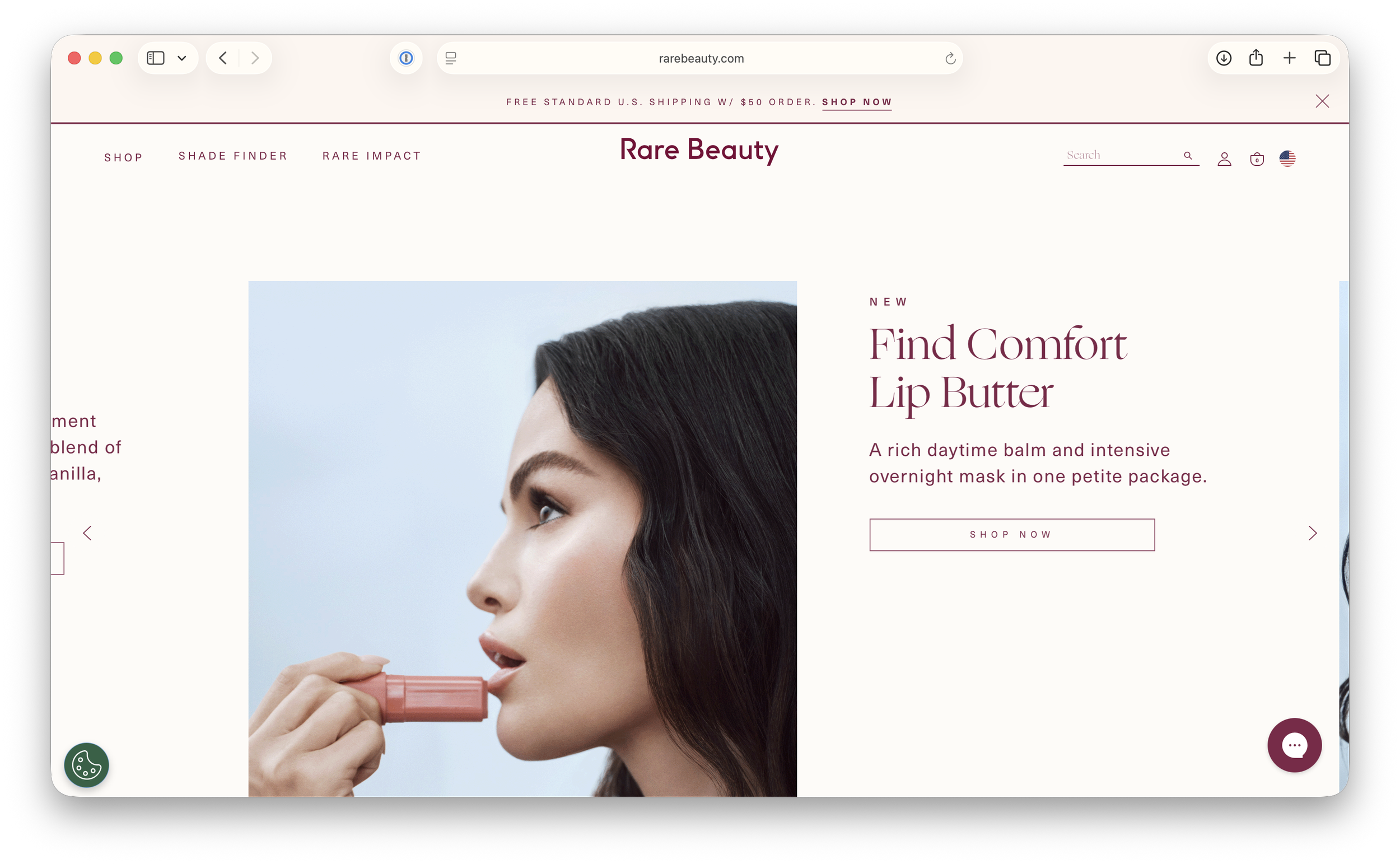
Rare Beauty Building a Recognizable Brand
From the start, Rare Beauty was less concerned with how many products it could launch and more focused on how the brand would make people feel.
What they did well:
put brand recognition ahead of volume;
kept the message consistent across their ecommerce website and marketing campaigns.
That approach helped Rare Beauty stand out in a very crowded beauty category. By the time customers reached the online store, they already knew what the brand stood for. In 2025, Rare Beauty was named the most popular celebrity beauty brand – not because it had the most products, but because people trusted it.
Key takeaway? In a crowded ecommerce market, trust and recognition often matter more than how many products you sell.
Topicals Making Skincare Easier to Understand
Topicals entered skincare knowing it was already crowded and confusing for most people. Instead of trying to sound smarter or louder than everyone else, the brand focused on being clear and direct.
What they did well:
talked openly about real skin concerns without hiding behind beauty language;
explained ingredients and product benefits in simple, everyday terms;
used humor and culture to make skincare feel less intimidating;
let customer feedback and experiences show up on product pages.
Topicals understood that beauty isn’t just about selling products. It’s about selling a connection. Their tone makes people feel like their skin concerns are seen and taken seriously, without being treated as something to fix or hide. More than anything, Topicals sell a feeling. The idea that you can still live your life, feel confident, and enjoy your world – even with chronic skin conditions.
Key takeaway? When a brand makes customers feel understood, buying feels natural instead of forced.
Glossier Turning Customers Into the Brand
Glossier didn’t begin with products. It began with listening.
Before the ecommerce store existed, there was a blog and a community sharing what they liked, what they wanted, and what felt missing. Glossier paid attention and built products around those conversations instead of guessing.
What they did well:
let word-of-mouth drive growth naturally;
made customers feel involved, not marketed to;
carried that community feeling into the online store.
People shared Glossier because it felt personal. Not because of big campaigns, but because they felt part of something.
Key takeaway? When customers feel included, loyalty and ecommerce growth follow on their own.
These brands all did different things, but they shared the same foundation. They made their ecommerce stores easy to use, their products easy to understand, and the customer journey easy to follow.
Myth vs Reality: What Actually Makes Ecommerce Beauty Brands Win
When people look at successful beauty ecommerce brands 2025, they often assume those brands had everything figured out from day one. Big budgets. Big teams. Big reach. That’s usually not how it happened.
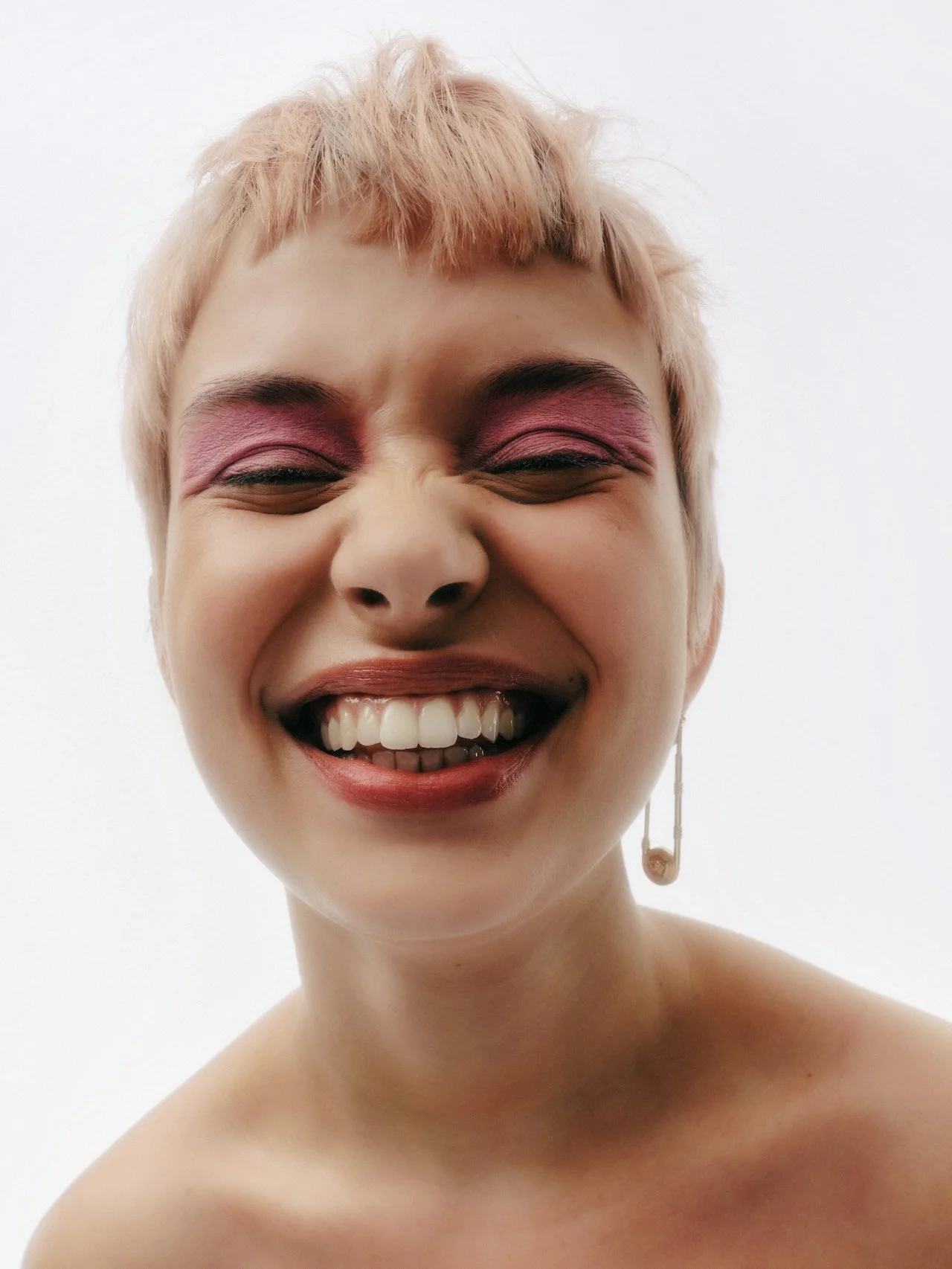
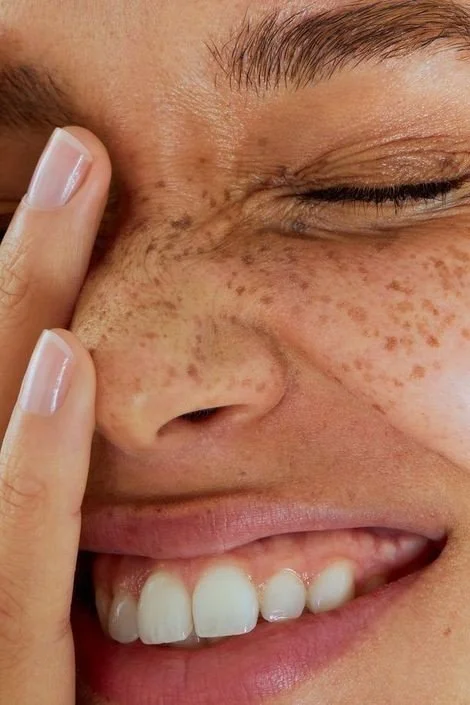
Myth – you need huge budgets to win
In reality most beauty ecommerce brands didn’t start with much money. They started by knowing their target audience and building an online store that was easy to use. High traffic doesn’t help if people land on a site and don’t understand what’s being sold.
Myth – you need a full range of products
A lot of brands slow themselves down by launching too much too fast. A smaller product line is easier to explain and easier for customers to choose from. It also makes the business model easier to manage early on.
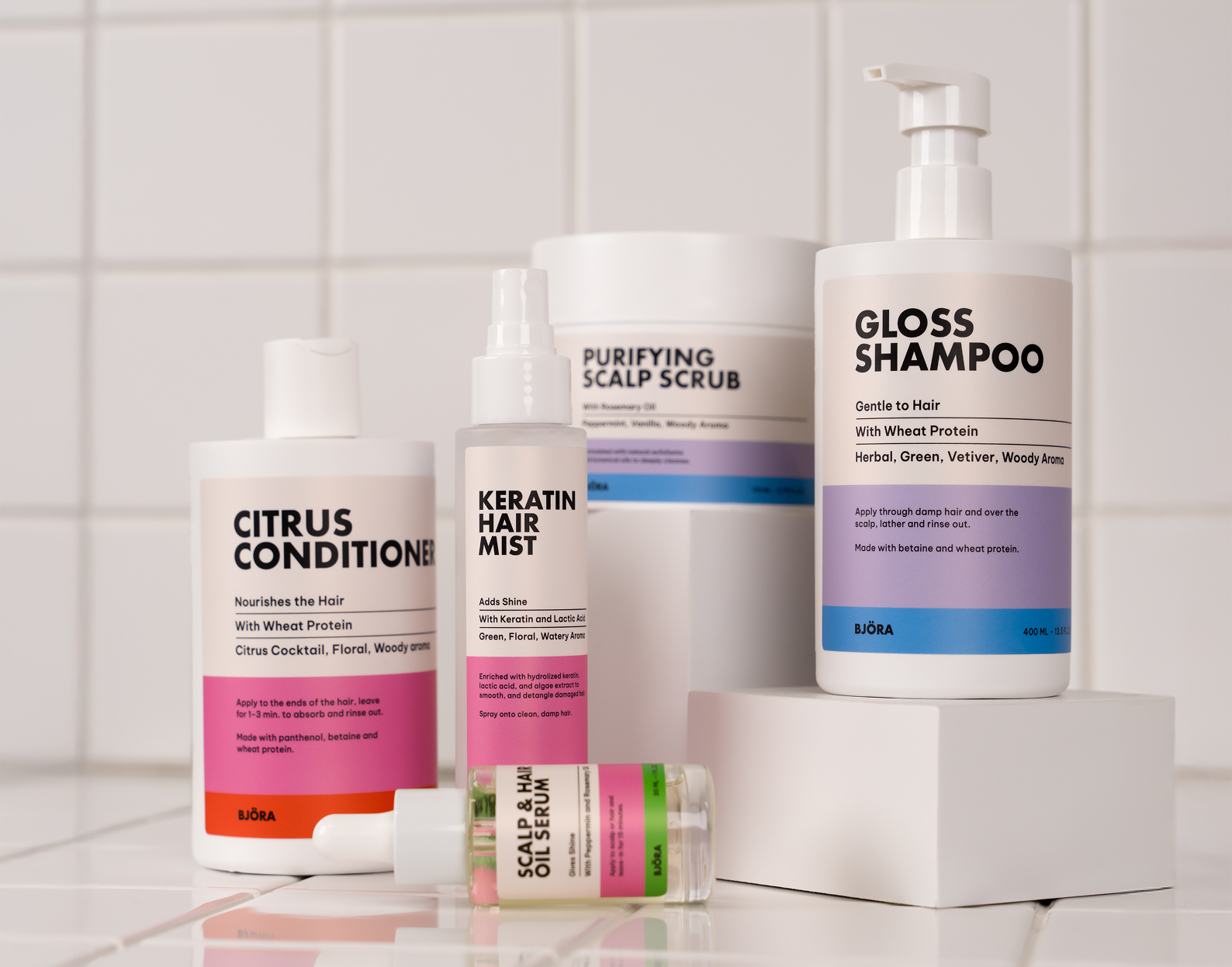
Explore Selfnamed’s Hair Care Products
Myth – you have to rely on third party sellers to grow
Many strong brands, including beauty B2B ecommerce brands and DTC brands, focus on selling through their own ecommerce store. For example, a simple Shopify store gives more control over the customer experience than most marketplaces ever will.
Myth – sustainability is optional
Customers notice how brands create products. Things like recycled materials and honest sourcing aren’t extras anymore. They’re part of how trust is built.
The Data Behind Successful Ecommerce Brands
According to Statista, the global online beauty and personal care market was worth about $257 billion in 2025, and it’s expected to keep growing over the next few years, reaching $338 billion by 2029.

For ecommerce business owners, that growth is both an opportunity and a challenge. More demand also means more competition.
Think with Google shows that consumers move through a full funnel online, often researching, comparing, and revisiting before they buy. Brands that remove friction at each step with clear product pages, simple navigation, and a smooth checkout are far more likely to convert interest into sales and get potential customer attention.
How You Can Win Next Year
Winning next year isn’t about chasing every new tactic. It’s about tightening the basics and moving faster where it actually counts.
Launch products faster than you overthink them
Test, launch, learn, and adjust. If you can bring products to market quickly, you stay relevant. Platforms like Selfnamed make that easier by removing a lot of the usual friction around formulation, production, and setup.
Start your beauty brand with Selfnamed
Stay compliant and transparent
Clear ingredient lists, proper labeling, honest claims. It builds trust, avoids problems later, and makes customers feel safe buying from your online store.
Build branding and packaging that converts
In ecommerce, your product page and packaging replace the sales associate. If it’s hard to understand or looks generic, customers hesitate. Simple design, clear benefits, and readable information help customers decide faster.
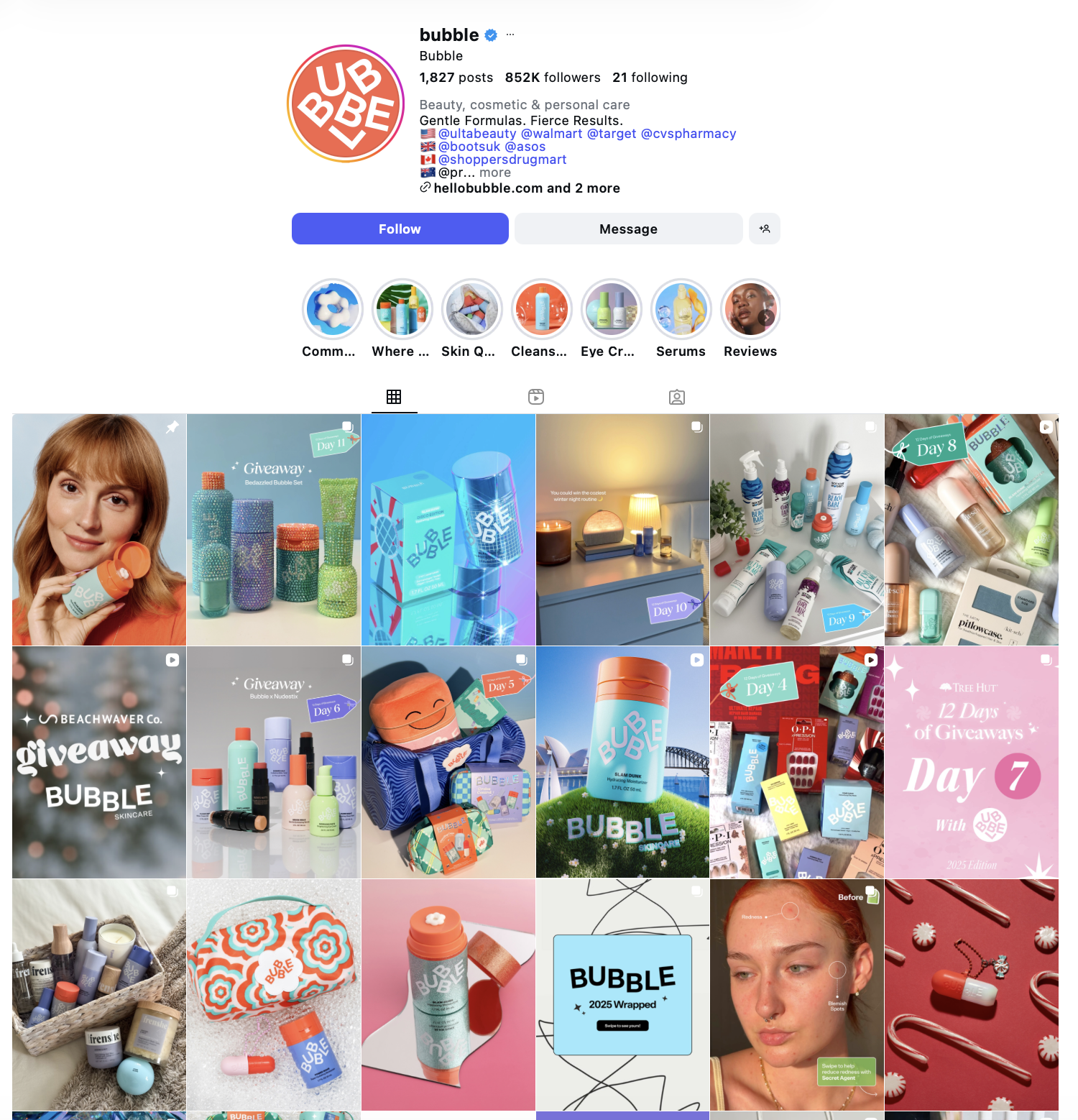
Prioritize social commerce testing
Social media is where interest starts. Use it to see what people respond to, then send that traffic to focused product pages. Don’t treat social and your ecommerce store as separate things. One should support the other.
Optimize supply chain efficiency
Late shipments and stock issues undo a lot of good marketing. A smooth supply chain and reliable delivery service are part of the customer experience, whether you want them to be or not.
Collect and act on customer data
Reviews, returns, repeat orders all tell you what’s working and what isn’t. The best ecommerce brands use that feedback to improve products.
At the end of the day, the brands that win build systems that let them move fast, stay clear, and keep the shopping experience easy.
The Ecommerce Basics That Win
The top ecommerce brands in beauty that won were paying attention. They made their ecommerce stores easy to use. They sold products they actually believed in. They didn’t make people work to understand what they were buying.
In a crowded market space, that matters. People notice when an online store feels clear. They notice when delivery shows up on time. They notice when a brand does what it says it will do. That’s what builds trust, and trust is what keeps people coming back.
You don’t need to do everything. You just need to do the important things well. That’s how beauty brands last.
Must read