The Best Skincare Brands and What They Get Right
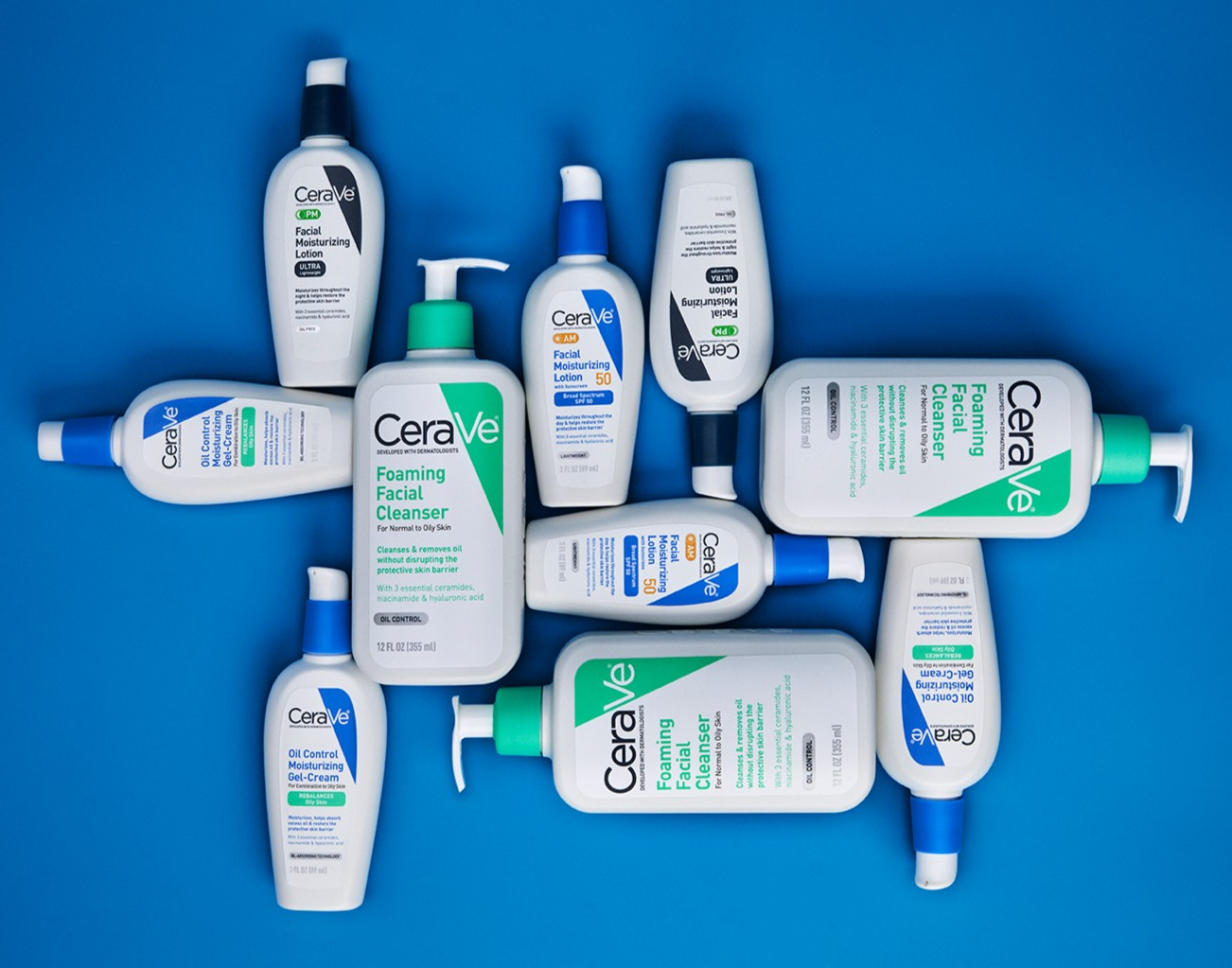
Table of Contents
In skincare, a “good formula” alone doesn’t cut it anymore.
There’s a lot of skincare brands making a lot of decent skincare products. What really sets the best skincare brands apart is their brand focus and how they present overall.
We can go even deeper – how they’re positioned, whether people trust them, how the products perform on real skin, and whether a dusty legacy brand still feels relevant. All of this combines into brand perception.
A good formula might get attention, but it’s not what keeps customers loyal. The best skincare brands understand how to fit into real routines, different skin needs, and everyday life.
The skincare brands doing well right now, including long-established names and newer, fast-growing ones, usually have a few things in common. They understand their audience, they’re clear about their ingredients, and they know where they fit into a real, everyday skincare routine.
Whether you’re building or scaling a skincare brand, developing private label skincare products, or analyizing competition, let’s look at what are the best skincare brands right now, and what they can teach you about standing out.

The Ordinary & Herbivore Botanicals
What Makes a Skincare Brand Great
What actually makes a skincare brand stand out? When you look across different price points, the best skincare brands usually get a few simple things right.
Those basics are what build trust, bring customers back, and help a brand stick around instead of disappearing.
Ingredient Quality And Formulation Science
Great skincare brands keep formulations simple and intentional.
If a skincare brand markets for sensitive or acne-prone skin but pushes strong actives like retinoids and exfoliating acids that cause irritation when overused, you have to ask a question about formula accountability.
That’s why successful skincare brands focus on balance with gentle, yet effective formulas – supporting skin cells, protecting the skin barrier, and allowing natural cell turnover without stressing the skin.
The result? Products that work in real skincare routines and across different skin types.
Effectiveness And Real Results
Whether products are clinically tested, recommended by a board-certified dermatologist, or simply trusted through years of real-world use, the best skincare brands tend to work in a consistent, predictable way.
For most people, that shows up gradually. Skin feels more balanced, reactions happen less often, texture evens out over time, or routines become easier to stick with.
Of course, results depend on skin type and how products are used, but product reliability and consistent results are what keep customers coming back.
Ingredient Transparency
Transparency builds trust.
Customers really do read labels now, especially when it comes to skincare. Ingredient lists matter, clear INCI names matter, and so does honest wording on the front of the bottle. This is even more true for anyone with sensitive skin or specific concerns.
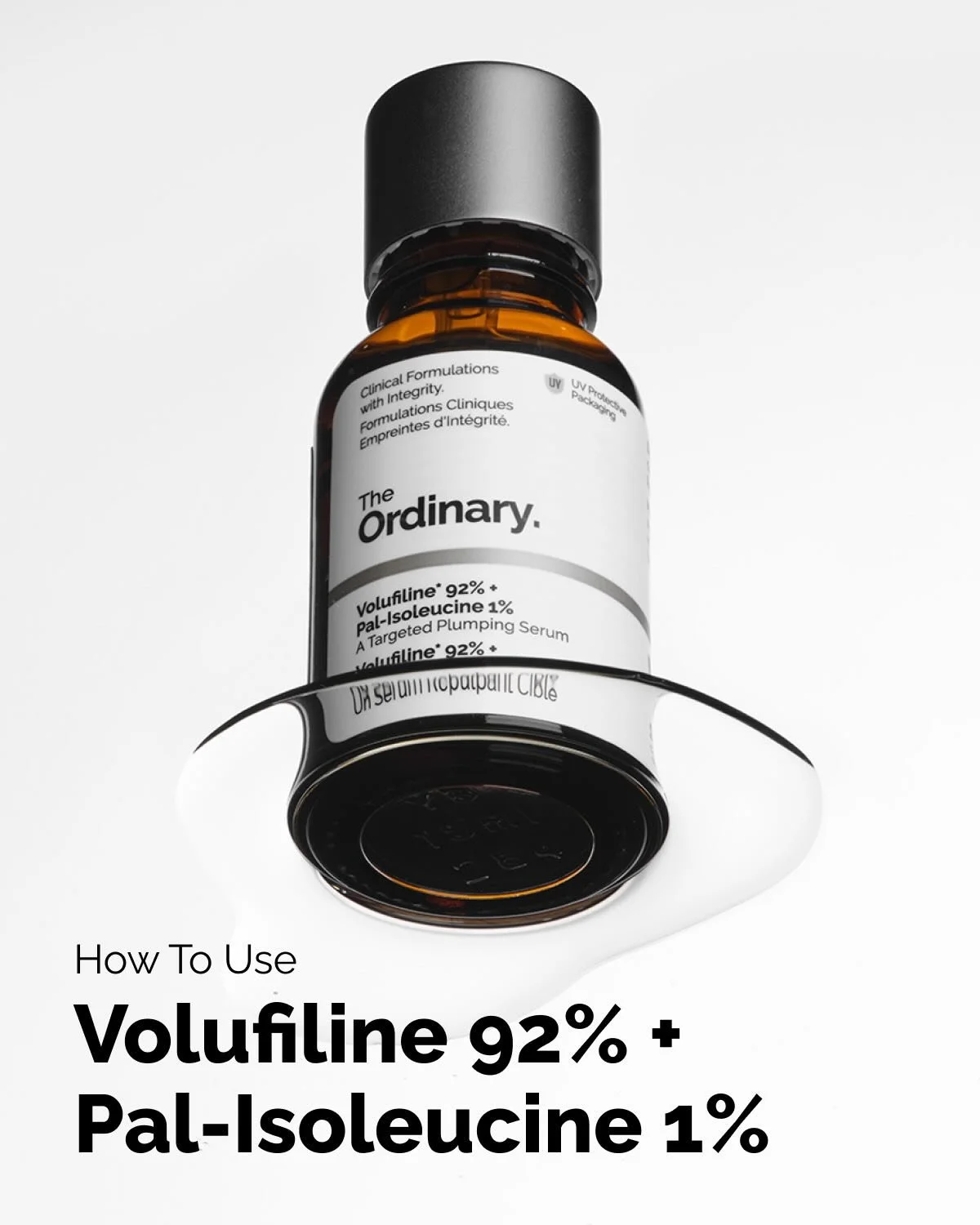
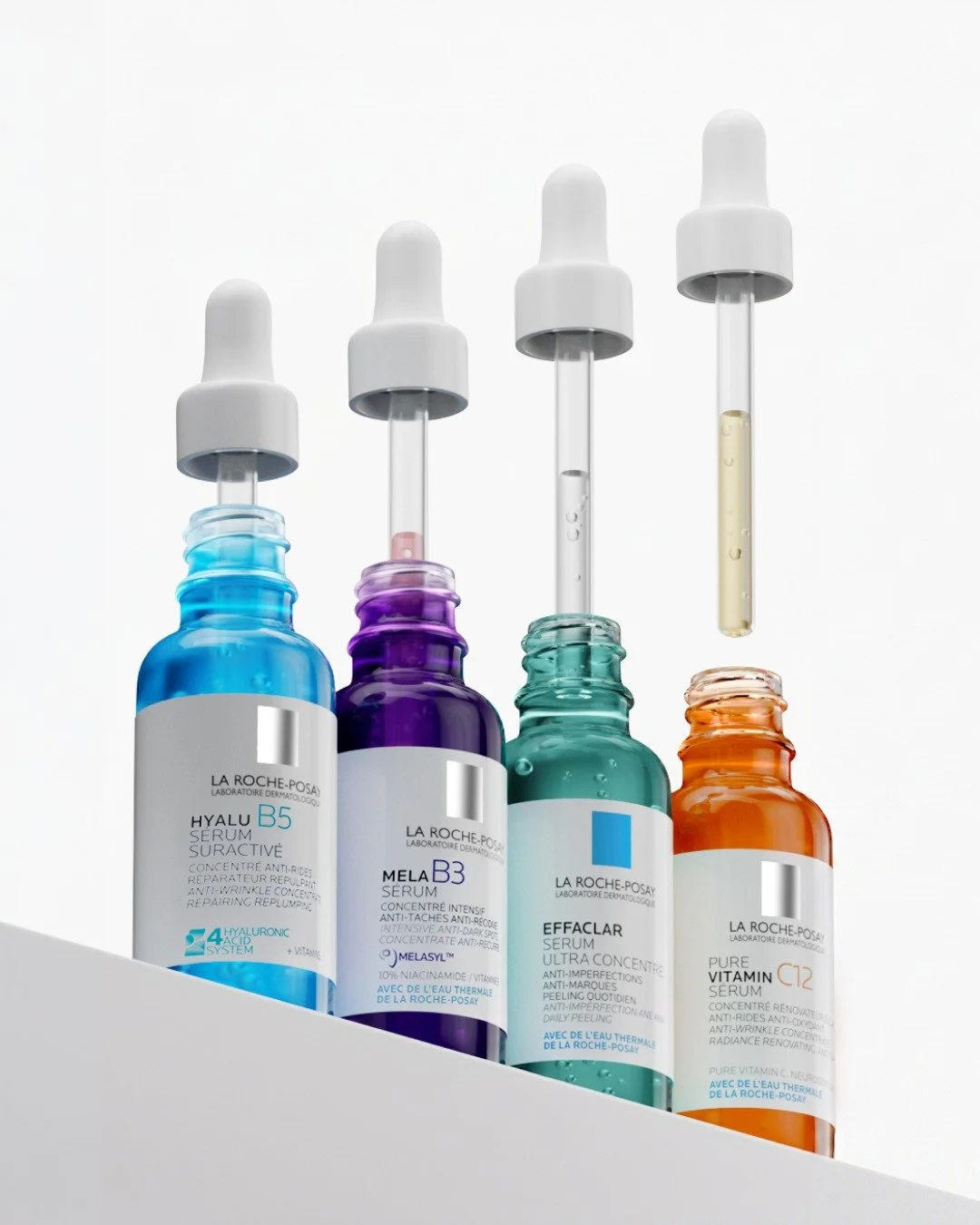
With stricter regulations in places like the EU, full ingredient disclosure has become the norm. So, skincare brands that are open about what’s in their products and why they’re using those ingredients tend to earn more trust.
Popularity And Cultural Relevance
Popularity and relevance do matter as well. The skincare brands customers stick with usually understand how products are actually used day to day. This is especially true with Gen Z.
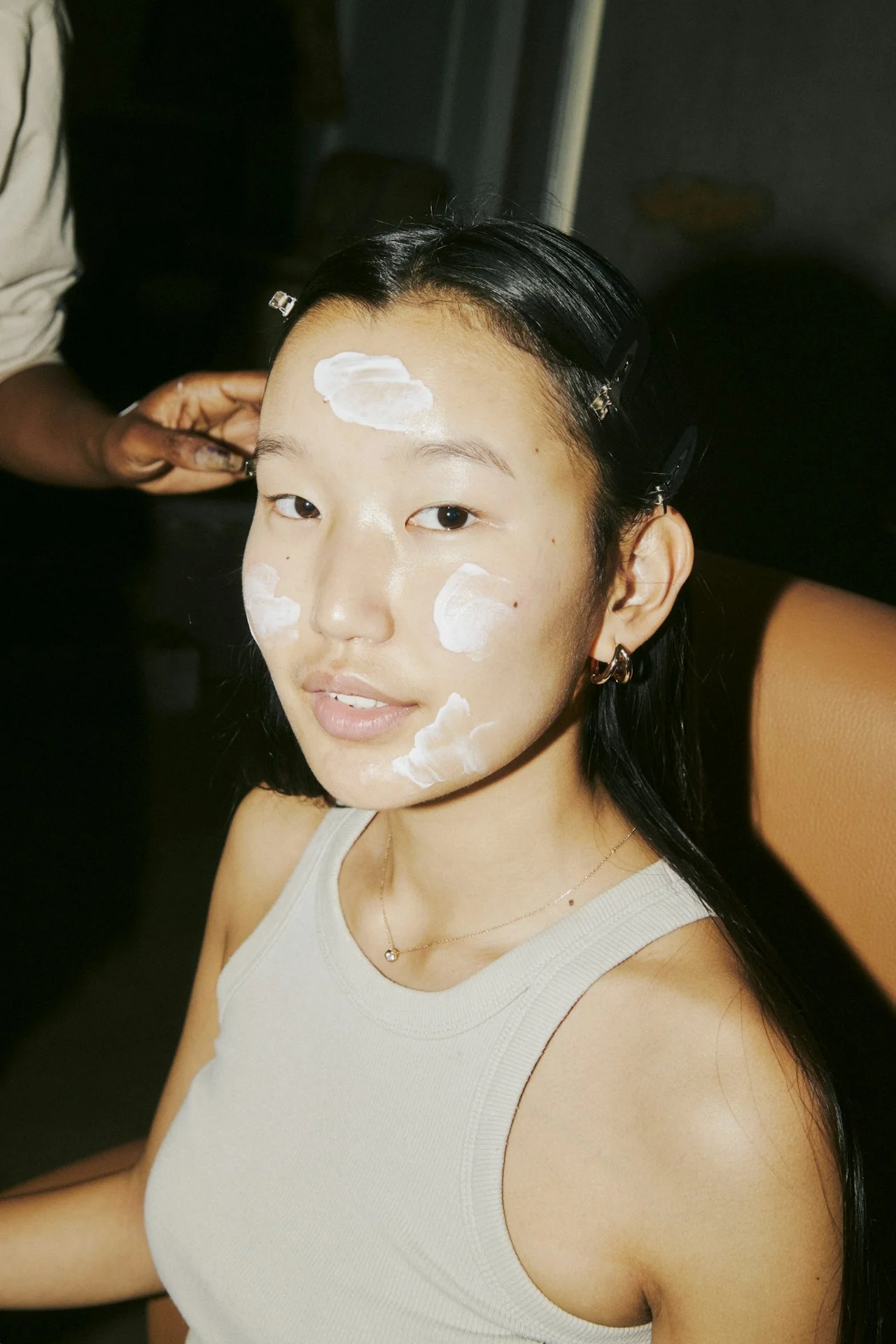
A large share of younger consumers discover skincare brands through social media, particularly TikTok and Instagram, and that often shapes what they try next.
This has also changed how people talk about skincare, with ‘skin goals’ becoming a common way to describe desired results and routines. Brands that show up consistently, talk openly about real skin concerns, and represent different skin types and skin tones tend to feel more relatable and easier to trust over time.
Innovation And Tech Integration
And then there’s innovation.
With more skincare shopping happening online, customers want to understand what a product does, who it’s for, and why it makes sense for their skin.
That’s why many skin care brands now offer things like skin analysis tools, ingredient breakdowns, or simple guidance that helps narrow choices.
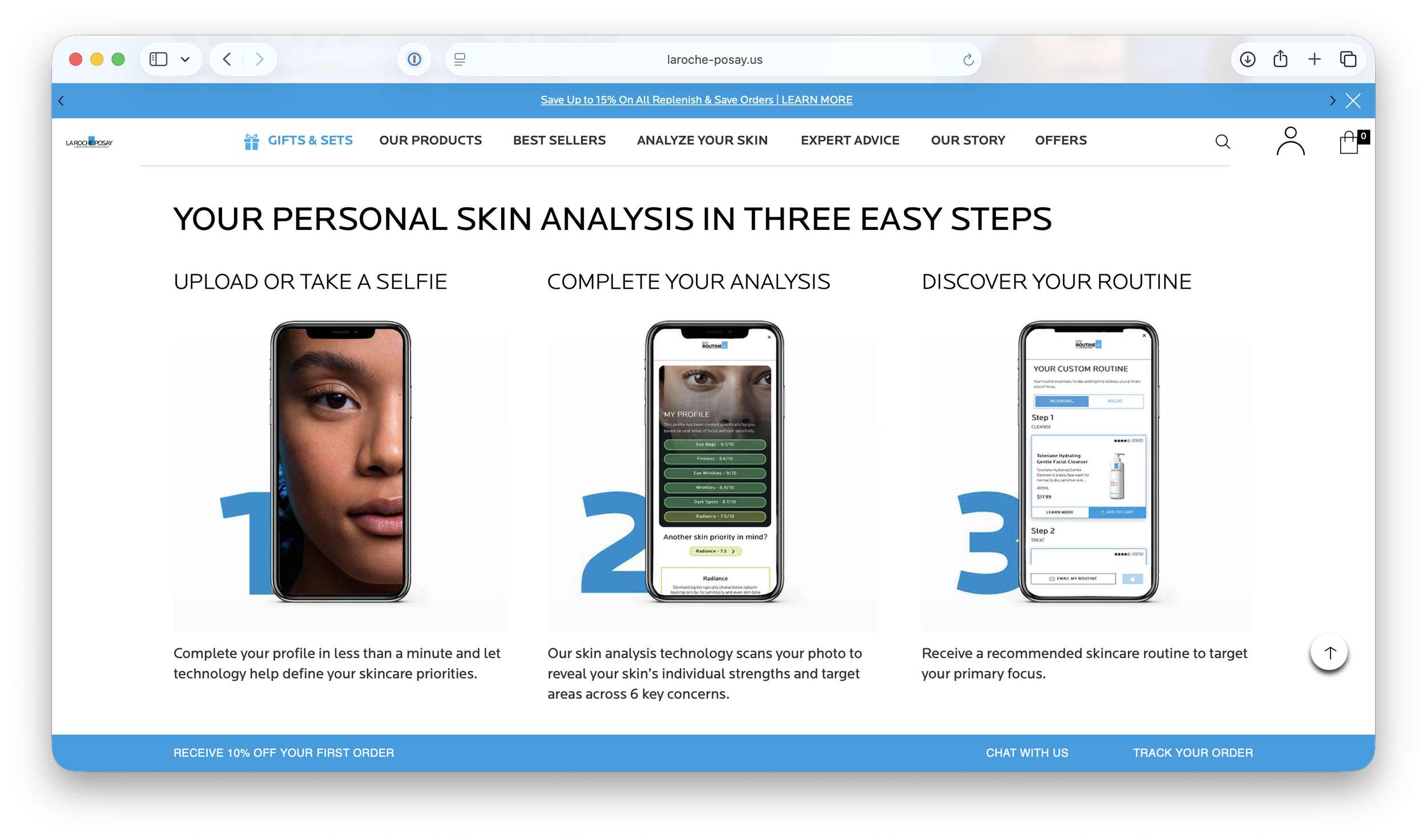
Source: La Roche Posay
Taking all of these factors together, success is usually not about hype or how often a brand launches something new. It’s about getting the basics right, being consistent, and making products customers trust enough to keep using them without overthinking it.
Top Established And Widely Popular Skincare Brands
These popular skincare brands, especially some of the best affordable skincare brands throughout the years, have consistently been part of everyday routines, built customer trust, and shaped what many people now expect when they pick up a skincare product.
L’Oréal Paris
L’Oréal Paris is one of those brands that develops not just hair care and makeup, but also skincare products for a huge range of skin types, ages and routines. And what it does well is making skincare feel approachable.
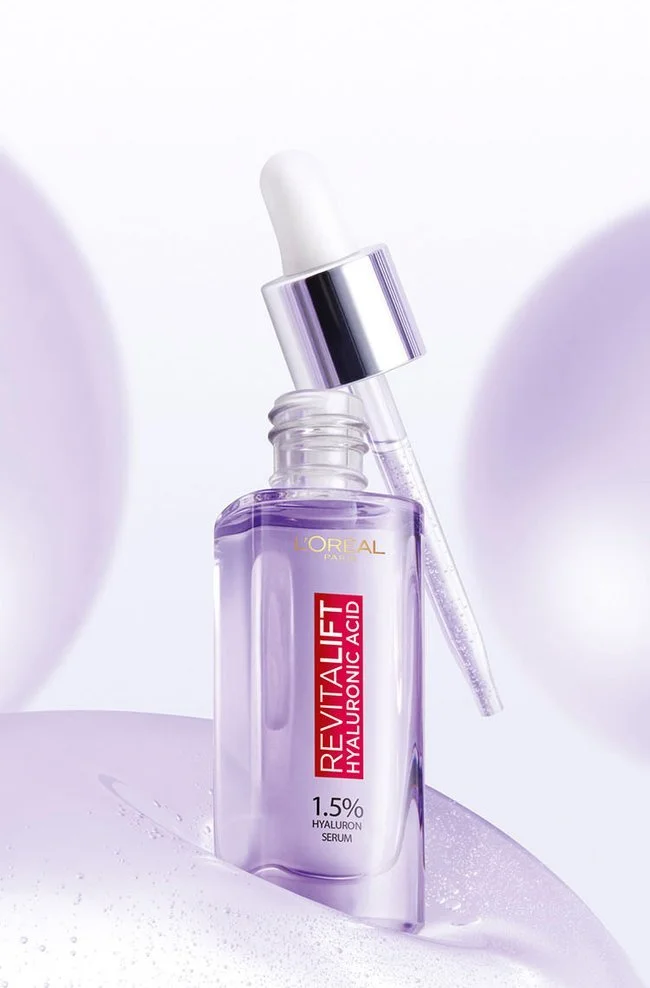
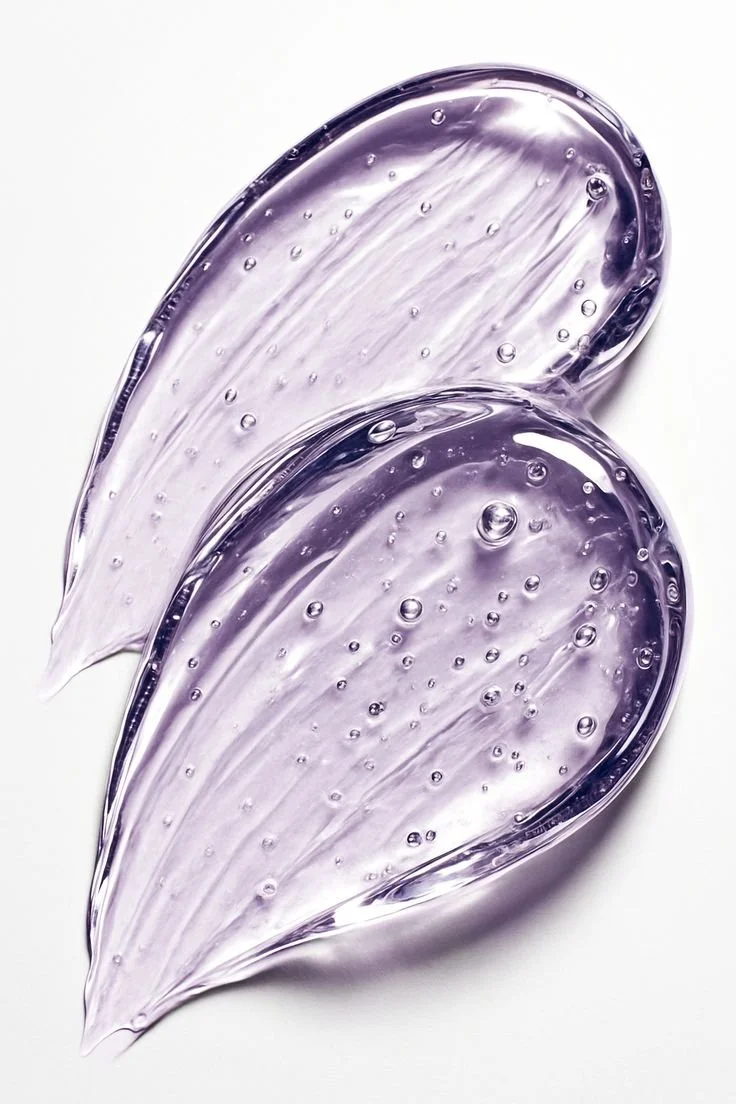
Source: L’Oréal Paris
Ingredients like vitamin C or hyaluronic acid are introduced in a way that fits easily into a basic skincare routine, which is why so many customers stick with the brand for years.
Brand strenghts:
Works with dermatologists in global research labs at a scale most brands can't match.
Translates skincare science into approachable formulas, from broad spectrum sun protection to eye cream for fine lines.
Uses tools like the Skin Genius AI skin analysis to personalize skincare across every skin type.
Works across generations, from first-time users to those focused on premature aging and fine lines.
Signature offerings:
Best known for gentle cleansers, moisturizer options, and a hydrating serum lineup.
Many formulas pair hyaluronic acid and vitamin c for dry skin, dullness, and anti aging concerns.
Eye cream products target fine lines, dark circles, and premature aging.
Routines stay simple, which makes them easy to stick with.
L’Oréal Paris shows that being one of the greatest skincare brands sometimes just means making skincare work for most people, most of the time.
Estée Lauder
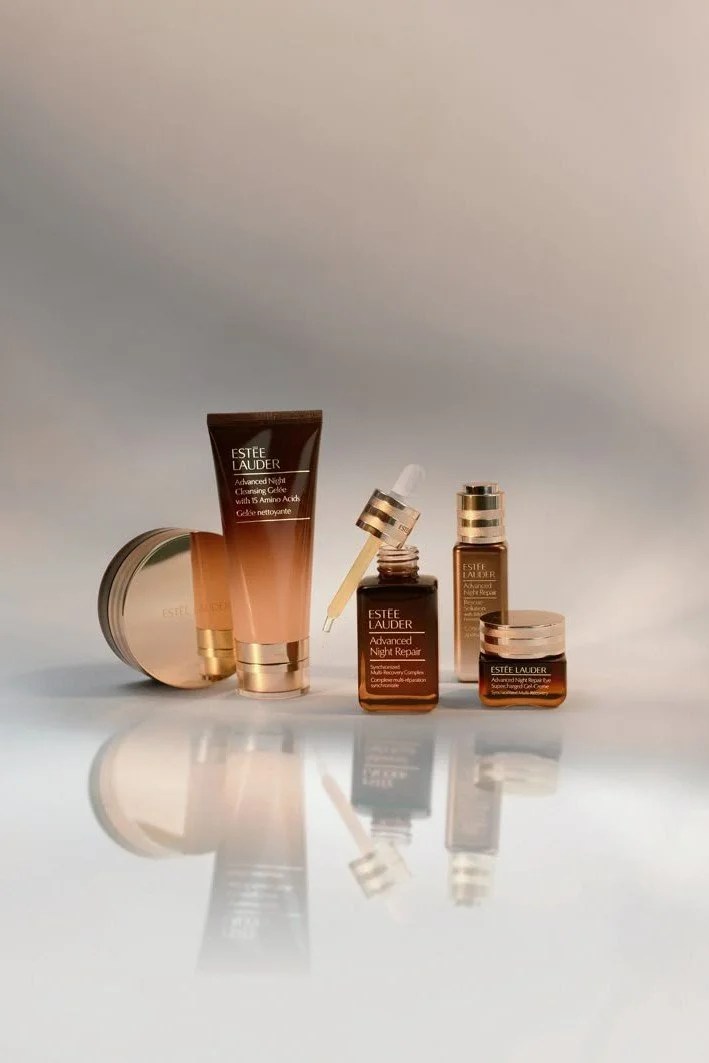
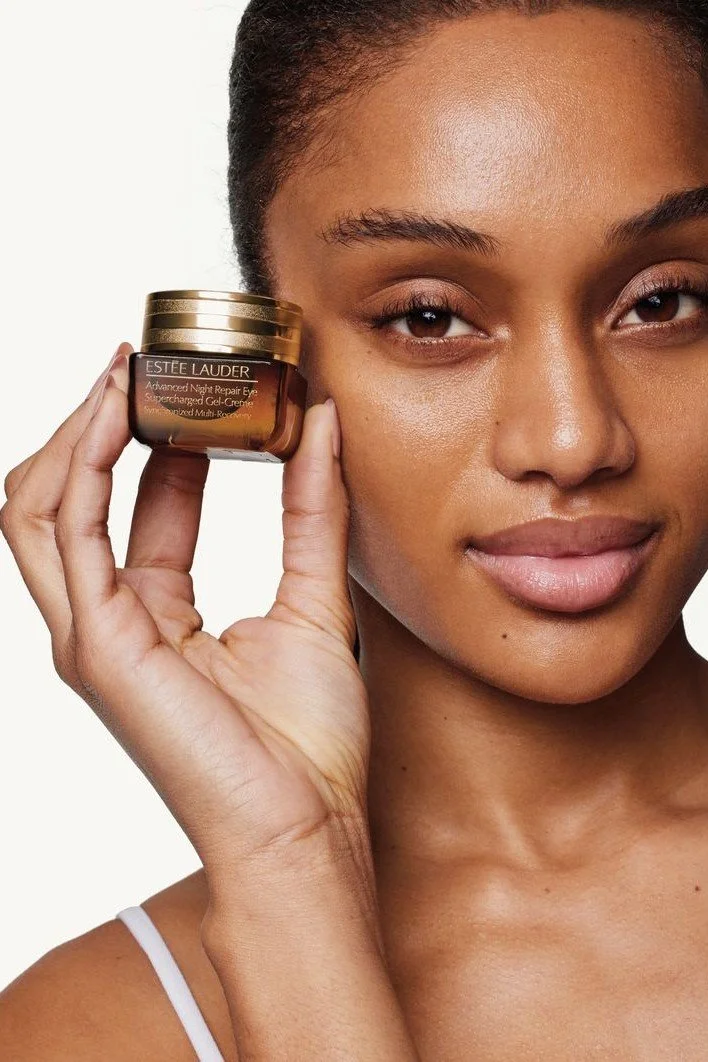
What makes Estée Lauder one of the best skin care brands today? It has kept its identity while adapting to how people shop for skincare now. The brand focuses on helping customers choose with more confidence.
Source: Estée Lauder
Estée Lauder offers virtual consultations, skin analysis features, and skincare quizzes that help customers figure out what actually fits their skin type and concerns, making skincare easier for them.
Brand strenghts:
Communicates in a calm, steady way that builds trust over years.
Offers online skin assessments guided by skincare professionals and dermatologists.
Uses AI and data tools to personalize routines around skin goals and specific concerns.
Pairs high concentration formulas with the guidance customers need.
Signature offerings:
Best known for a hydrating serum lineup, antioxidant serums, and eye cream formulas for radiant skin.
Many products target fine lines, dark circles, and premature aging.
Virtual consultations and skincare quizzes help match the right brand to actual skin needs.
For anyone building a skincare brand, Estée Lauder is a good reminder that growth doesn’t always come from louder launches or bold claims. Clear positioning, helpful guidance, and respect for how customers make decisions can be just as powerful.
CeraVe
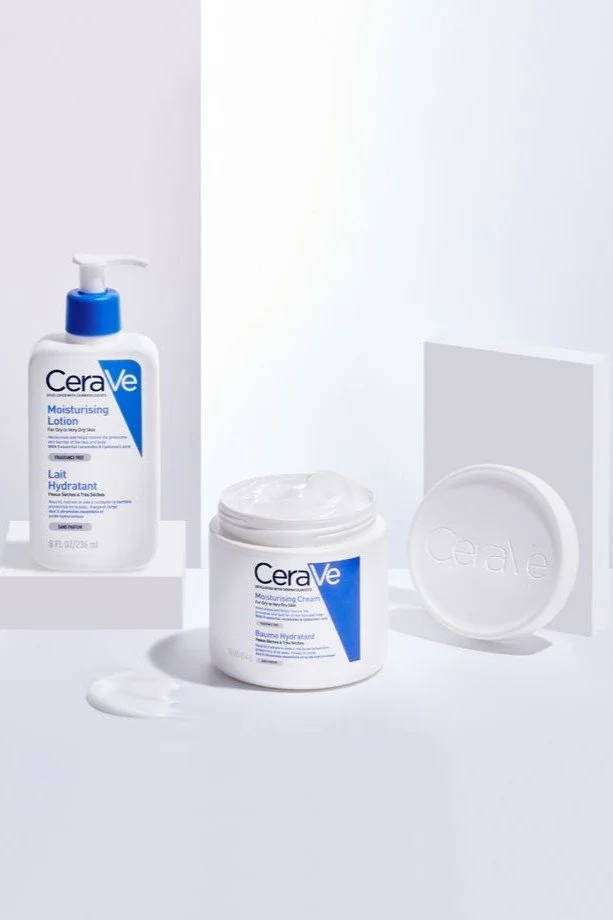
CeraVe focuses on basic skin needs, that’s why so many people reach for the brand when their skin is acting up, feeling irritated or just needs a reset.

Source: CeraVe
What really works in the brands favor is how clearly it talks about skin. CeraVe keeps things practical and explains routines and ingredients in a simple way.
Brand strengths:
Developed with dermatologists and often the first brand recommended for sensitive skin or acne prone skin.
Built around ceramides and hydrating ingredients that support the skin barrier without leaving skin feeling stripped.
Uses plain, educational language that helps customers improve skin health.
Affordable, easy to find, and endorsed by dermatologists – one reason it's widely seen as one of the best skincare brands for barrier repair.
That’s also why CeraVe is often included among the best skincare brands for sensitive skin and barrier repair.
Signature offerings:
Best known for gentle cleansers, moisturizer formulas, and creams for everyday skincare routine use.
Most products focus on restoring moisture, calming irritation, and keeping the skin barrier healthy.
Targeted treatments for acne prone skin and gentle cleansers that lift dead skin cells without causing irritation.
CeraVe is a good reminder that sometimes the strongest position is just being clear, dependable, and easy to trust.
The Ordinary
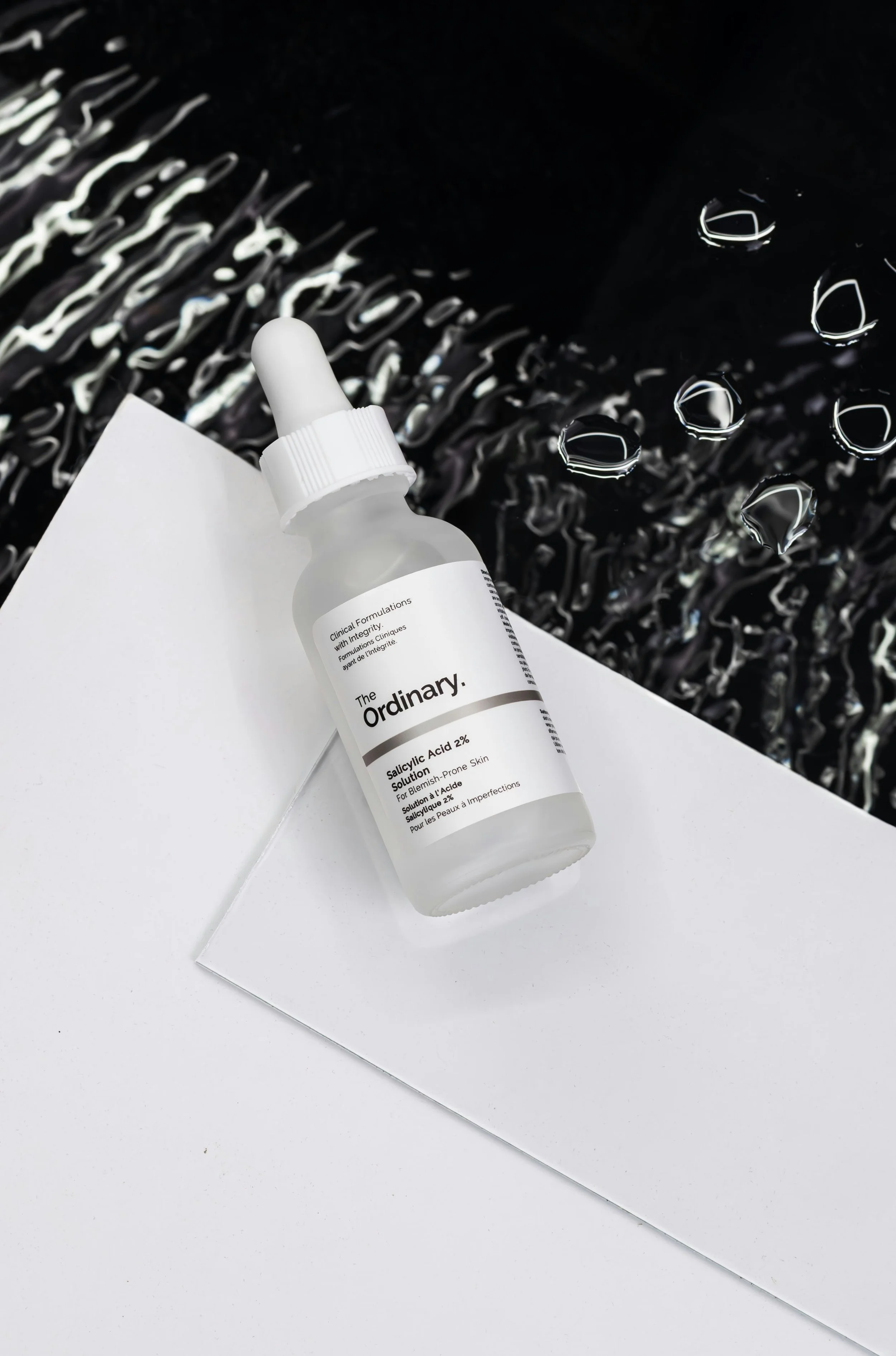
The Ordinary takes a very different route from most skincare brands. Instead of selling an image or a lifestyle, it focuses on function. Product names are literal. Labels are clear. That approach reflects how many people shop for skincare today.
Source: The Ordinary
One of the brand’s biggest strengths is how it makes ingredient knowledge accessible. It encourages customers to understand what they’re using and why, and to build routines around their actual skin needs.
Brand strengths:
Names products by their active ingredient, making it easy to build routines around specific concerns.
Encourages education over hype, so customers learn what high concentration actives like glycolic acid or salicylic acid actually do.
Respected by skincare professionals and dermatologists for transparency around formulas and pricing.
Its pricing strategy also helped position the brand among the best affordable skincare brands for ingredient-focused routines.
Signature offerings:
Best known for a serum lineup that targets one ingredient at a time, from vitamin c formulas to a hyaluronic acid hydrating serum to retinol.
Popular for treating acne, uneven texture, dry skin, and redness without overloading the routine.
Exfoliating products clear dead skin cells from the skin's surface and unclog pores for more radiant skin.
Antioxidant serums and treatments address dark spots, fine lines, and premature aging.
For beauty and skin care brands, The Ordinary is a strong example of how clarity and education wins in a market that’s often saturated with empty promises and marketing fluff.
La Roche-Posay
Source: La Roche-Posay
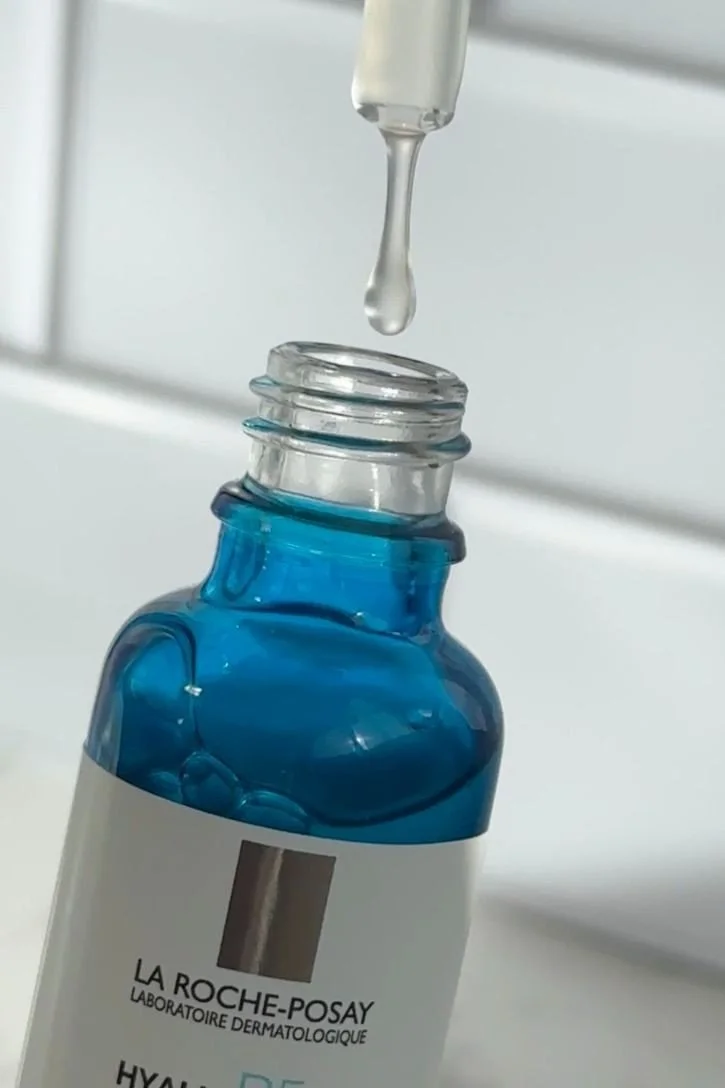
La Roche-Posay focuses on sensitive skin, careful testing, and works closely with dermatologists. It’s the kind of skincare customers reach for when their skin is irritated, reactive, or simply not cooperating.
Brand strengths:
Trusted by dermatologists and skincare professionals, and a regular fixture in clinical and pharmacy settings.
Often chosen by people with sensitive skin or easily irritated skin who can't afford to experiment.
Formulas are clinically tested with tolerance and skin safety as the priority.
Communicates in a clear, clinical way that reassures long-term users.
Signature offerings:
Best known for gentle cleansers, barrier-supporting moisturizer formulas, and targeted treatments for acne prone skin.
Sunscreens deliver broad spectrum sun protection that dermatologists routinely recommend.
Designed to deliver real results through long-term use – the kind of staples that earn a permanent spot in a customer's bathroom cabinet.
This brand is a good reminder that by sticking closely to clear skin needs and earning professional trust, you can build credibility that lasts well beyond trends.
The Best Luxury and High-End Skincare Brands
These luxury skincare brands are built on performance, experience, and long-term trust.
Many of the best luxury skincare brands compete less on trends and more on long-term trust, formulation experience, and exclusivity. For many customers, they represent the best skin care at the highest level – anti aging, refined textures, visible glow, and formulas that feel intentional.
For brands looking to grow into their full potential, as well as those just stepping into the skincare world, this list of the best high-end skincare brands offers a clear lesson in how positioning and product experience can support premium pricing.
La Mer
La Mer leans heavily into calm, repair, and routine. The messaging is slow and restrained, and the brand rarely reacts to trends.
Sisley-Paris
Sisley-Paris however focuses on craftsmanship and botanicals, positioning plant-based skincare as something refined and performance-driven.
SkinCeuticals
SkinCeuticals stands out by taking a more medical approach, using clear language around ingredients and building trust through science and professional use.
What these brands have in common isn’t just luxury skincare products. It’s clarity. They know what they stand for and repeat it consistently. That creates connection. And when people feel connected to a luxury brand and trust it, they’re more likely to stay loyal and pay more over time.
Indie Skin Care Brands Changing The Conversation
Indie skincare brands are usually the first to move when something shifts. They notice how people talk about their skin, what they’re tired of, and what feels missing.
Because they’re smaller, they can be clearer and more direct. That’s often why people trust them, especially when it comes to the best clean skincare brands.
A lot of these skincare brands grow because they focus on a few real needs instead of trying to cover everything. Simple routines. Clear ingredients. Products that support the skin barrier and fit into everyday life.
Here are some of the best examples:
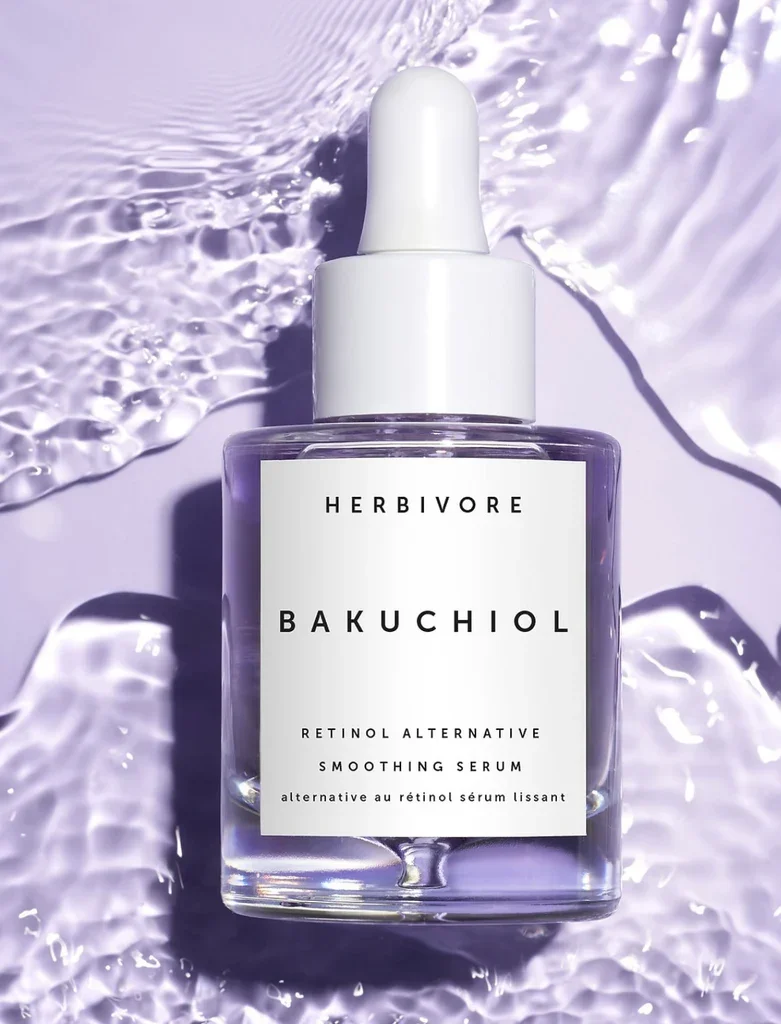
Herbivore Botanicals
Herbivore Botanicals feels open and transparent. Ingredients are easy to read. The focus stays on glow, moisture, and skin texture without pushing complicated routines.
Tata Harper
Tata Harper takes a more controlled approach. By managing its own production and sourcing, the brand positions natural skincare as something precise and intentional.
OSEA Malibu
OSEA Malibu connects skincare to lifestyle. The messaging is relaxed, the formulas focus on hydration and sensitive skin, and the brand feels consistent wherever you see it.
For those building skincare brands, one thing is clear – when a brand knows who it’s for and communicates that well, growth tends to follow.
How Skincare Brands Fit Different Skin Types And Needs
There isn’t one answer for what are the best skincare brands, because most customers don’t shop for skincare in the same way.
Skin type, daily routine, past reactions, budget, and even lifestyle all play a role. Some people want the simplest skin care products possible. Others enjoy building a routine step by step. The brands that work best usually know exactly which role they’re playing.
Best Skincare Brands for Sensitive Skin
Brands like CeraVe and La Roche-Posay are often chosen when skin feels irritated or out of balance. These are the brands people reach for when they’re dealing with redness, eczema, breakouts or a damaged skin barrier.
Best Affordable Skincare Brands for Ingredient-Led Routines
The Ordinary tends to attract customers who want to understand what they’re using. Clear ingredient lists and single-actives like hyaluronic acid, vitamin C, azelaic acid and chemical exfoliants make it easier to target acne, uneven skin texture, dullness or clogged pores while controlling cell turnover.
Prestige and luxury skincare experiences
La Mer, Dior, Chanel, and SkinCeuticals appeal to customers who care about performance and experience. These routines often focus on anti-aging, wrinkles, dark circles, glow, and protection from environmental stressors, using serums, creams, and sunscreen designed for long-term use.
Best Clean Skincare Brands and Botanical Routines
Brands like Herbivore, Tata Harper, and OSEA are often included among the best clean skincare brands. They focus on transparency, simple routines, and ingredients customers recognize. The emphasis is usually on moisture, a healthy glow, and products that feel easy to use day after day.
For beauty entrepreneurs, the takeaway is pretty simple. The most popular skincare brands don’t try to solve every skin problem at once. They pay attention to how customers actually use skincare and build products that fit naturally into those routines.
For a deeper look at emerging clean beauty companies, see the best clean skincare brands to know in 2026.
Men’s Skincare Brands Worth Knowing
Men’s skincare continues to grow quickly. Especially as more customers look for simple, easy-to-follow routines focused on shaving, hydration, acne, and oil control.
Some of the best men's skincare brands keep routines straightforward and focus on practicality rather than overly complicated product systems.
Well known brands like Jack Black, Brickell, and Lumin have built strong audiences by offering accessible products and clear messaging around men’s skin concerns. Their success also shows how important positioning and audience understanding have become in skincare.
The continued growth of this category also reflects broader demand for practical, easy-to-use products. See the best men's skincare products to sell for more insights.
For beauty entrepreneurs, the takeaway is pretty simple. The most popular skincare brands don’t try to solve every skin problem at once. They pay attention to how customers actually use skincare and build products that fit naturally into those routines.


What Makes a “Best Skincare Brand” in 2026
The idea of the best skincare brands is shifting. Having one hero product or a wave of good reviews isn’t enough anymore. The brands that stand out now tend to get a few basics right and repeat them well, over time, across the entire skincare journey.
Clear ingredients and formulas backed by real science
Customers want to know what they’re putting on their skin. What is this product formulated with? What is it supposed to do? Does it actually help with things like skin cell turnover, breakouts or long-term skin health?
Research shows that 68% of consumers want clear explanations of what ingredients do when they’re evaluating beauty and skincare products.

Ethics, sustainability and clean beauty
Ethics and sustainability are a big part of the conversation now too. Customers more and more notice where ingredients come from, how products are packaged, and whether brands are realistic about what they can deliver.
In fact, 77% of consumers say recyclability matters a lot to them when they think about sustainability.
Accessibility and availability
Accessibility still matters a lot. If customers can’t easily buy a product or keep it in their routine, they’ll move on. The most successful skincare brands make it easy to stick with what works.
Inclusivity across skin needs
Products are expected to work across skin tones, skin types and real concerns, including reactive skin, acne-prone or sensitive skin.

Smart, practical innovation
Innovation is less about novelty and more about usefulness now.
Better sun protection, clearer instructions, packaging that’s easy to use and tools that help customers choose without stress.
Current market shifts also show how quickly customer expectations around skincare continue to evolve. Our blog on beauty industry statistics every skincare brand should know highlights some of the biggest trends shaping skincare brands today.
Stand Out With the Right Skin Care Products
When you look at the brands that are doing the best, it’s rarely because they chased every trend or tried to do everything at once. They stuck to a clear point of view, paid attention to how people actually use skincare, and built products that fit into real lives.
For brands looking to launch or scale more efficiently, working with experienced partners can make product development and operations much easier.
Selfnamed supports beauty entrepreneurs with private label skincare, helping brands create customized products and collections tailored to their audience.
For ecommerce businesses, skincare dropshipping offers a way to launch without holding inventory. And sample sets give founders a simple way to explore formulations, textures, and product quality before building a full range.
For more guidance on positioning and long-term growth, see our blogs on skincare marketing for beauty brands in 2026 and finding your niche in the skincare market.
For anyone building a skincare brand, that’s the real takeaway. Stay consistent. Be honest. Make products that genuinely help. That’s what builds trust with customers and supports lasting growth.
Frequently Asked Questions
-
The best skincare brands usually combine effective formulations, ingredient transparency, strong customer trust, and products that fit naturally into everyday skincare routines. Brands like CeraVe, La Roche-Posay, The Ordinary, Estée Lauder, and SkinCeuticals are often recognized for consistently meeting different skin care needs.
-
The best skincare brands tend to balance science, usability, and consistency. Customers look for products that support long-term skin health, work across different skin types, and provide clear ingredient information without relying on exaggerated claims.
-
CeraVe and La Roche-Posay are widely considered some of the best skincare brands for sensitive skin because they focus on barrier support, gentle formulations, and dermatologist-backed product development.
-
Some of the best clean skincare brands and natural skincare brands include Herbivore Botanicals, Tata Harper, and OSEA Malibu. These brands focus on ingredient transparency, botanical formulations, and routines designed to feel simple and approachable.
-
The Ordinary and CeraVe are often considered among the best affordable skincare brands because they combine accessible pricing with effective ingredients, straightforward routines, and strong customer trust.
Must read