Best Skincare Routine for Acne and the Products That Go With It

Table of Contents
Acne isn’t a rare problem anymore. For a lot of people – especially Gen Z – it’s something they deal with daily. Not something they hide, not something they’re ashamed of, but something they manage.
Acne is no longer seen as a flaw that needs to disappear overnight. It’s real. It’s visible. And people have learned to live with it while still wanting to feel good in their skin.
At the same time, customers have become more conscious. They read ingredient lists. They compare routines. They pay attention to how their skin responds. And they’re looking for the best skincare routine for acne and products that actually support their skin long-term.
And that raises the standard. Because today, offering high-quality acne products isn’t a competitive advantage anymore. It’s the baseline.
So let's break down what the best skincare routine for acne actually looks like – step by step – and how to choose the right products to support it.
Understanding Acne-Prone Skin

Before you can build the best skincare routine for acne-prone skin, you need to understand what your customer’s skin is actually dealing with.
Because acne isn’t just one issue. It’s a combination of processes happening at the same time, and if you don’t account for that, your product or routine won’t deliver the results customers expect.
What Acne-Prone Skin is Really Like
At its core, acne prone skin is dealing with a few key factors:
excess oil from overactive oil glands;
build-up of dead skin cells that don’t shed properly;
growth of acne causing bacteria;
clogged pores that develop into visible breakouts.
This is why acne presents differently across people. Some experience occasional acne breakouts, while others deal with more persistent concerns like hormonal acne or deeper inflammatory acne that can lead to acne scars and post acne marks.
Skin type adds another layer. Customers may have oily skin, highly sensitive skin, or a combination of both, for example, excess oil paired with areas of dryness caused by aggressive treatments.
And this is where many products fail. They target acne as a single problem, instead of addressing the full picture of how skin behaves.
Common Mistakes and Misconceptions About Acne Skincare
Many acne routines fail not because of lack of effort, but because of common mistakes:
over-cleansing, which disrupts the skin and increases oil production;
layering too many active ingredients, leading to skin irritation;
avoiding moisturizer, which weakens the skin barrier;
using harsh treatments that damage the skin instead of supporting it;
skipping sun protection, even though sun exposure worsens marks and uneven skin texture.
There’s also a consistent misconception in the market. Stronger is often perceived as better. But in reality, most acne solutions work gradually. Overly aggressive routines often lead to new breakouts, because the skin becomes irritated and unbalanced.
This is why the most effective acne skincare routine is not the most complex one. It’s the one that supports the skin consistently, and fits into a routine customers can actually maintain.
Step-by-Step Skincare Routine for Acne
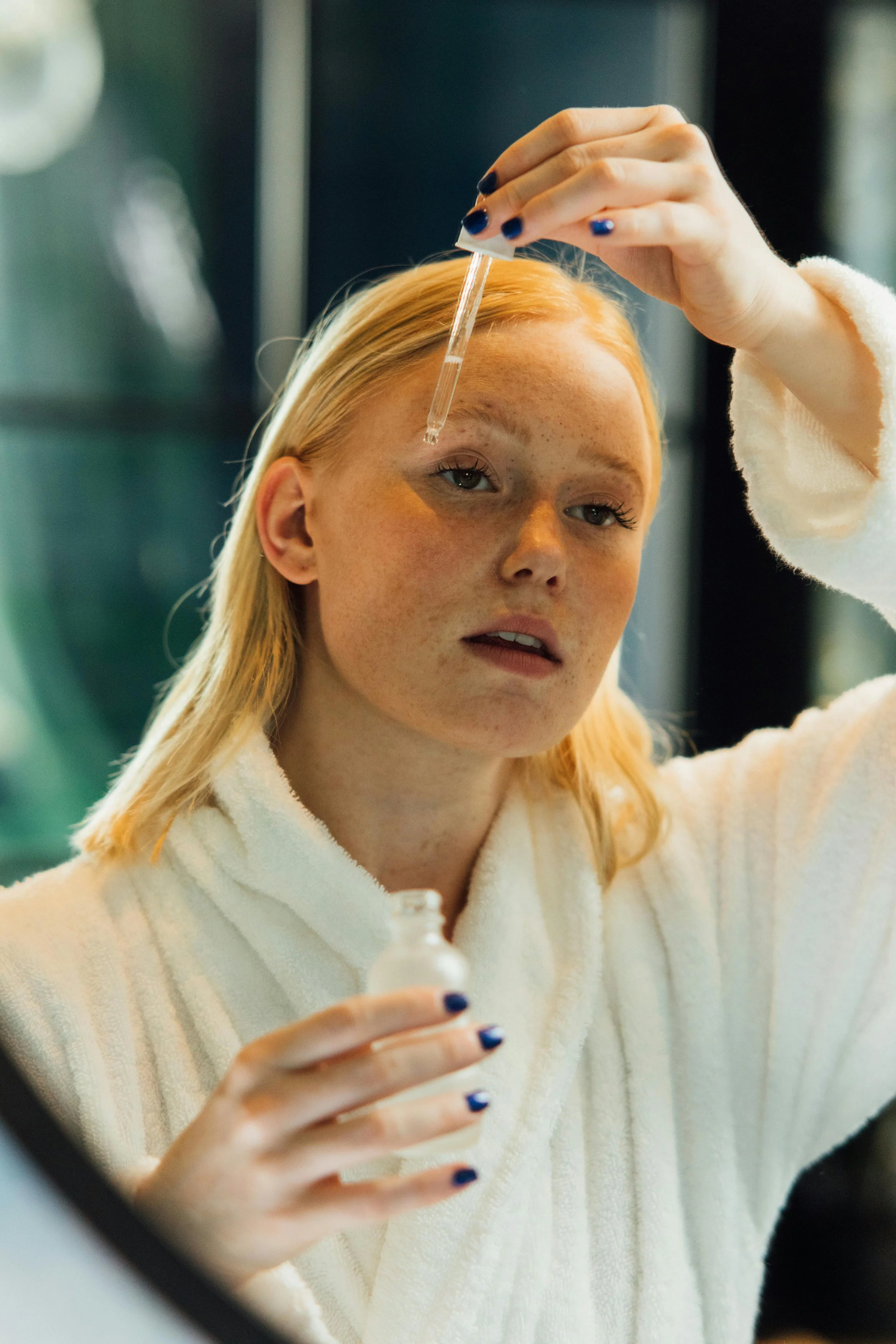
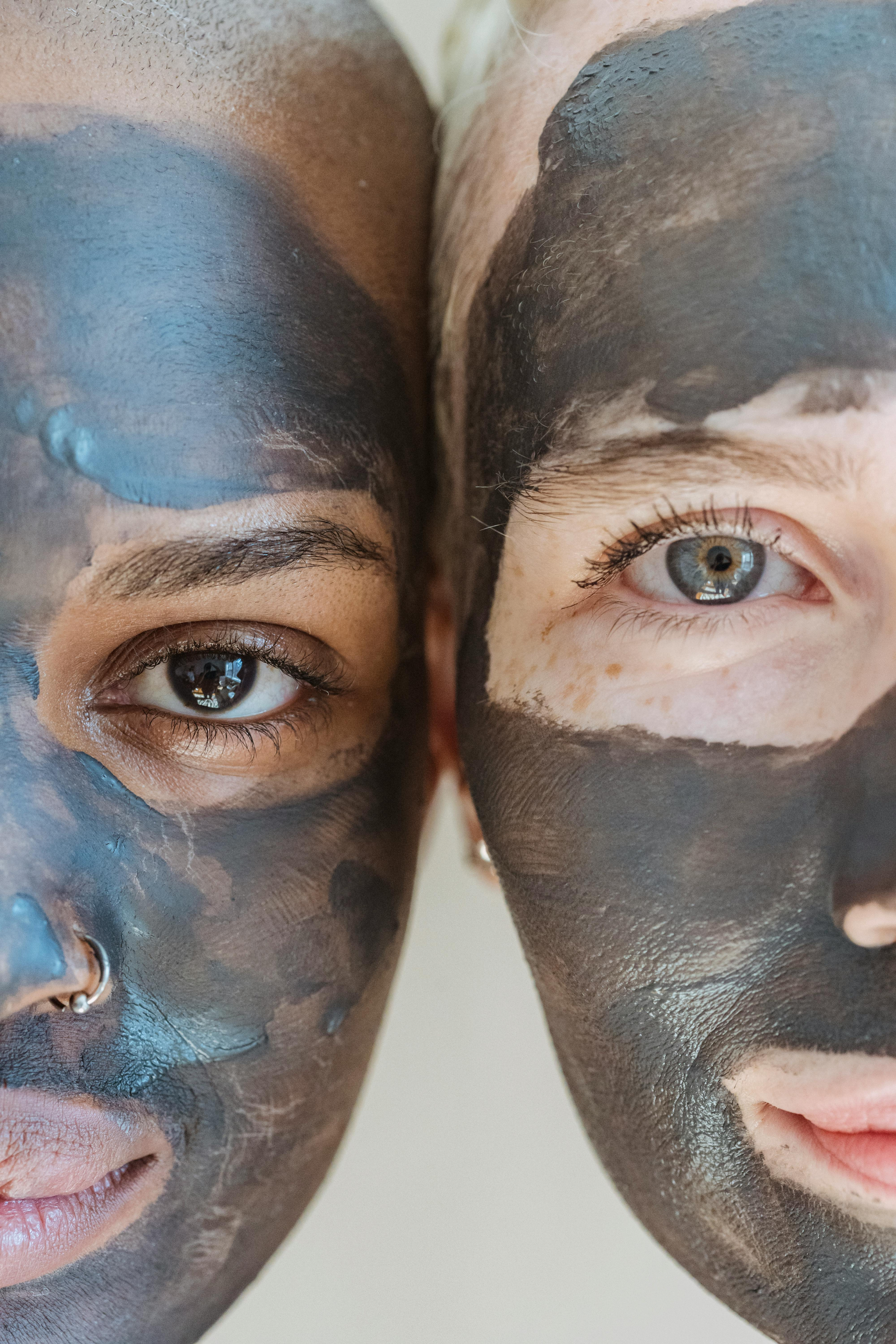
Once you understand how acne works, the routine becomes much easier to build.
The goal isn’t to do more. It’s to do the right things, in the right order, and stay consistent. That’s what makes the best skincare routine for acne actually work over time.
Morning Routine: Keep It Simple and Protective
Mornings are about balance. Start with a gentle cleanser. This helps remove overnight buildup of oil and dead skin cells without disrupting the skin barrier. If your target audience deals with oily skin or frequent breakouts, ingredients like salicylic acid can help keep pores clear.
Toners are optional, but if used, they should support the skin. Hydrating or calming formulas can help reduce skin irritation, especially for sensitive skin.
Next comes moisturizer. This is where many routines go wrong. Skipping it often leads to more excess oil and, eventually, more breakouts. A lightweight, non comedogenic moisturizer helps maintain hydration and supports a healthy skin barrier.
Finish morning routine with broad spectrum sunscreen. It’s one of those steps people overlook, but it makes a real difference. Daily sun protection helps keep acne scars from getting darker, evens out the skin over time, and protects against long-term damage from sun exposure and UVB rays.
Evening Routine: Targeting Breakouts
This is the part of the routine where real acne treatment happens, and where your product choices matter most.
Start with cleansing. At this stage, it’s about removing makeup, sunscreen, and buildup from the day. Especially for people who wear makeup, since that’s one of the easiest ways to end up with clogged pores.
Exfoliation comes next. Using something like glycolic acid or another form of gentle exfoliation helps clear away dead skin and improve skin texture, which can help reduce breakouts over time.
Then come targeted treatments. This is where active ingredients drive results – benzoyl peroxide to reduce acne causing bacteria, a topical retinoid to keep pores from clogging, or azelaic acid to calm inflammation and improve post acne marks.
And the last step – a simple moisturizer. Daily moisturizing helps maintain skin health, especially when stronger acne medications are involved, and keeps the whole routine balanced.
Weekly Care: Where You Refine the Acne Skincare Routine
Daily routines do most of the work. But weekly steps are where you improve the results, and where product choice becomes more strategic.
A clay mask used once or twice a week can help manage excess oil, reduce the look of enlarged pores, and support clearer skin without overcomplicating the routine.
Chemical peels, especially with alpha hydroxy acids, help improve skin texture, fade post acne marks, and support overall renewal.
However this is where balance matters most. Overloading the routine with too many treatments or too much exfoliation can easily worsen acne instead of improving it. The goal isn’t to add more – it’s to support the skin in a way that customers can maintain consistently.
Recommended Acne Products That Fit Into a Daily Routine
Now it comes down to choosing acne products that actually fit into daily skincare routine. And not just individually, but as part of a system your customer can follow every day.
So instead of building everything from scratch, you can use ready-made private label products that are already developed to work together. That makes it much easier to create the best skincare routine for acne – both for your customers and for your brand.
Blemish Purifying Face Wash
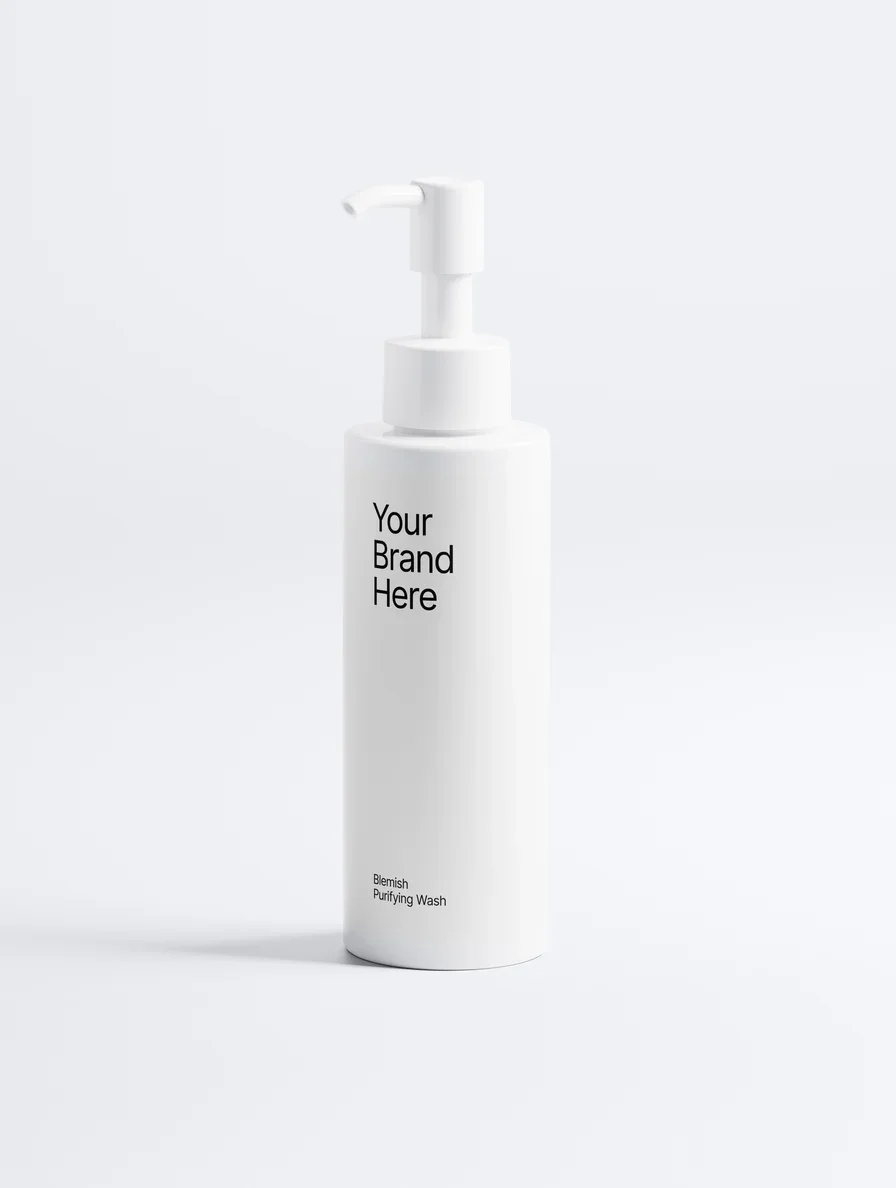
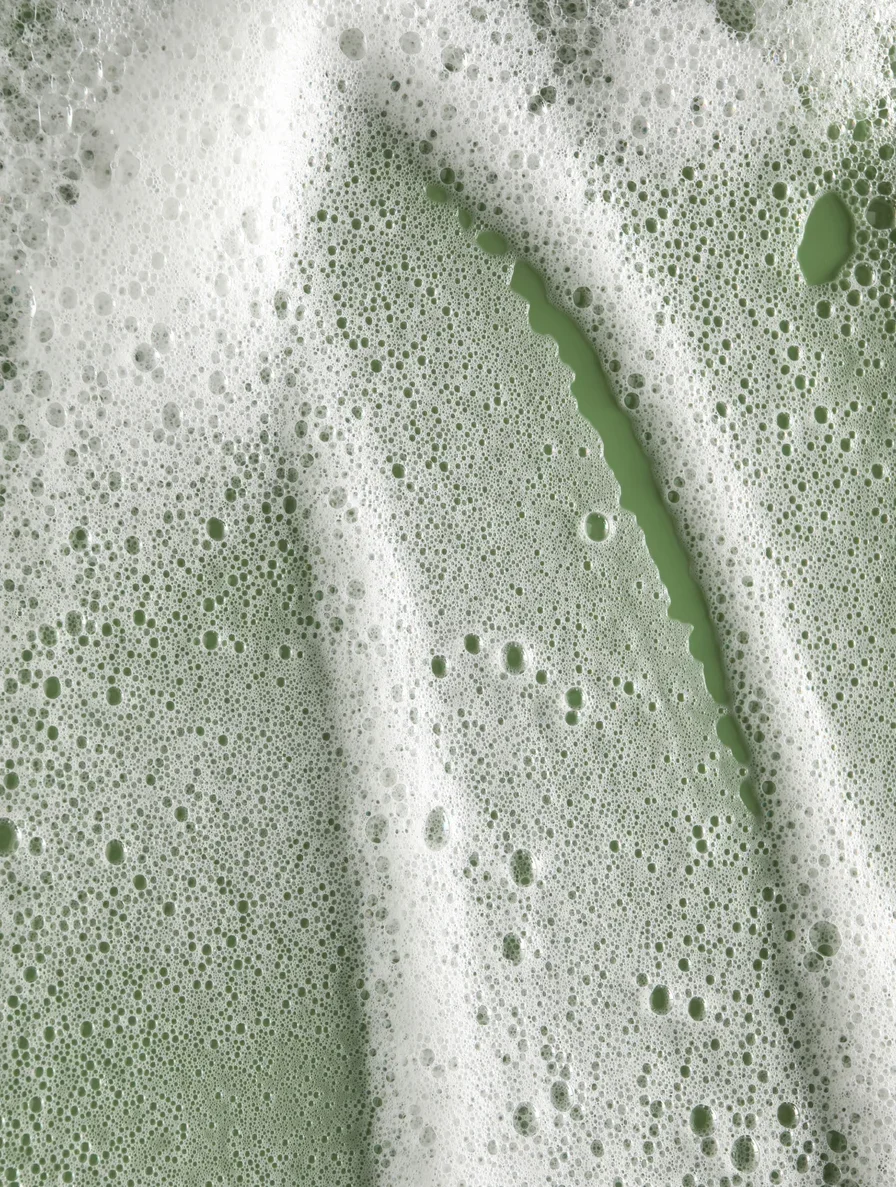
A cleanser is where every skincare routine for acne begins. For example, Blemish Purifying Face Wash helps remove excess oil, dirt, and buildup, while maintaining the skin’s natural moisture balance. That balance matters – especially for acne prone skin, where over-cleansing can lead to more irritation and breakouts.
Blemish Care Moisturiser
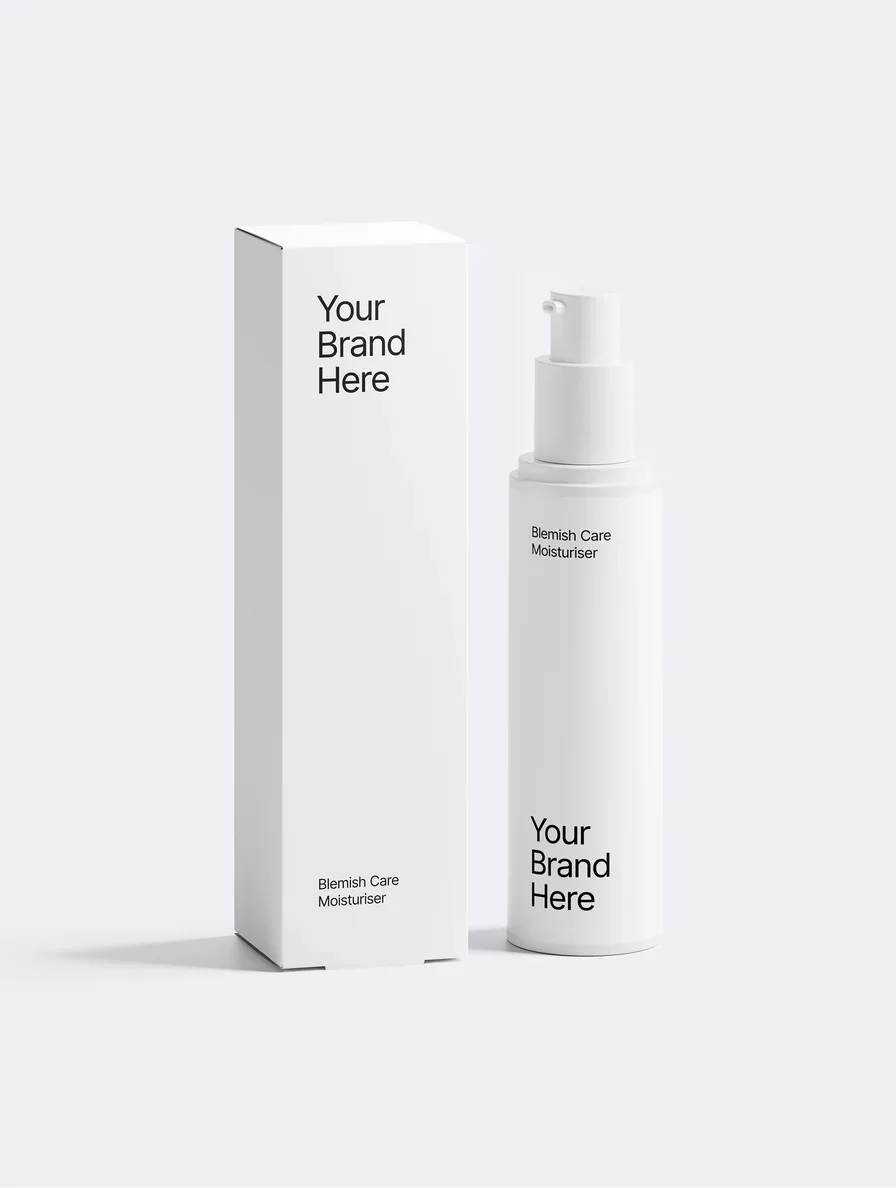
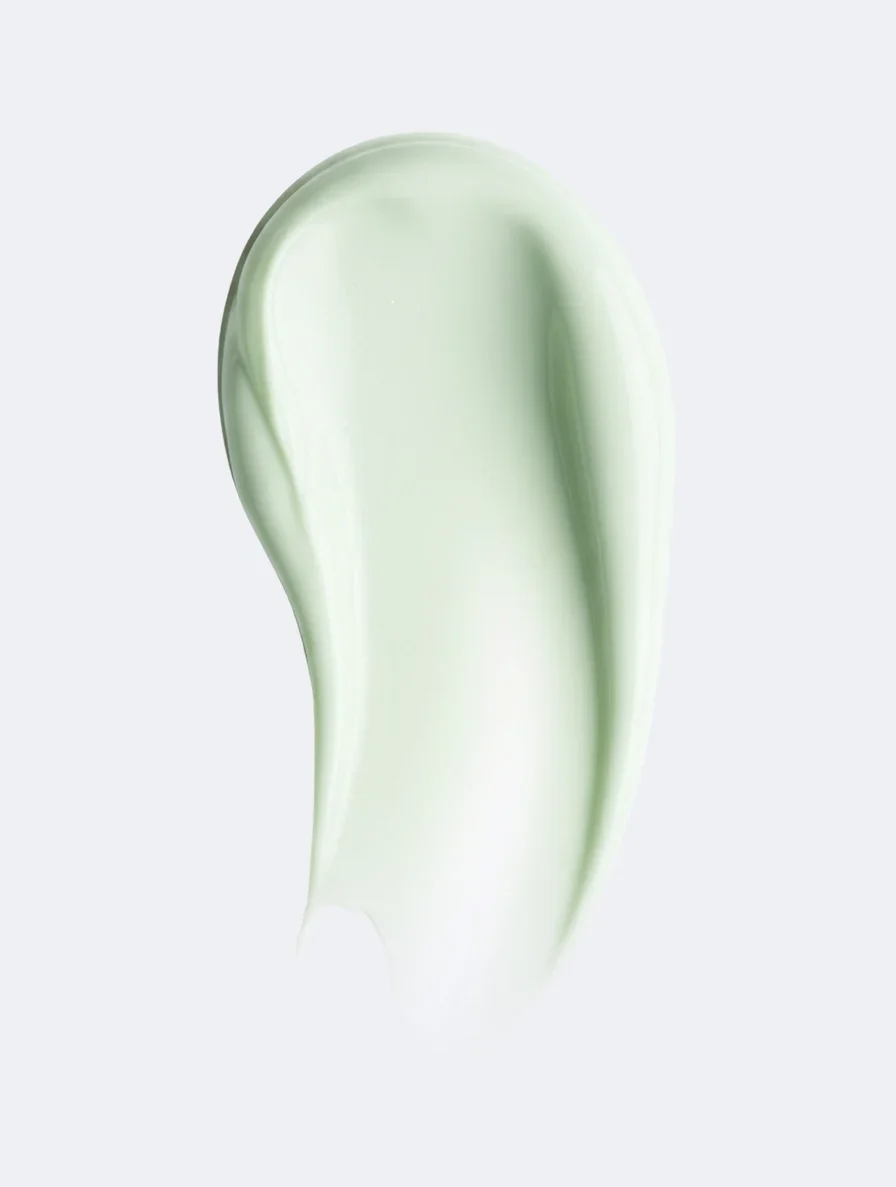
Moisturizer is often underestimated, but it’s essential in any acne routine.
The Blemish Care Moisturiser is lightweight, hydrates without clogging pores, and helps support the skin barrier. Ingredients like hyaluronic acid keep moisture levels balanced, while calming components help reduce irritation.
It absorbs quickly and supports the skin without getting in the way – which is exactly what a good moisturizer should do.
Acne Spot Care
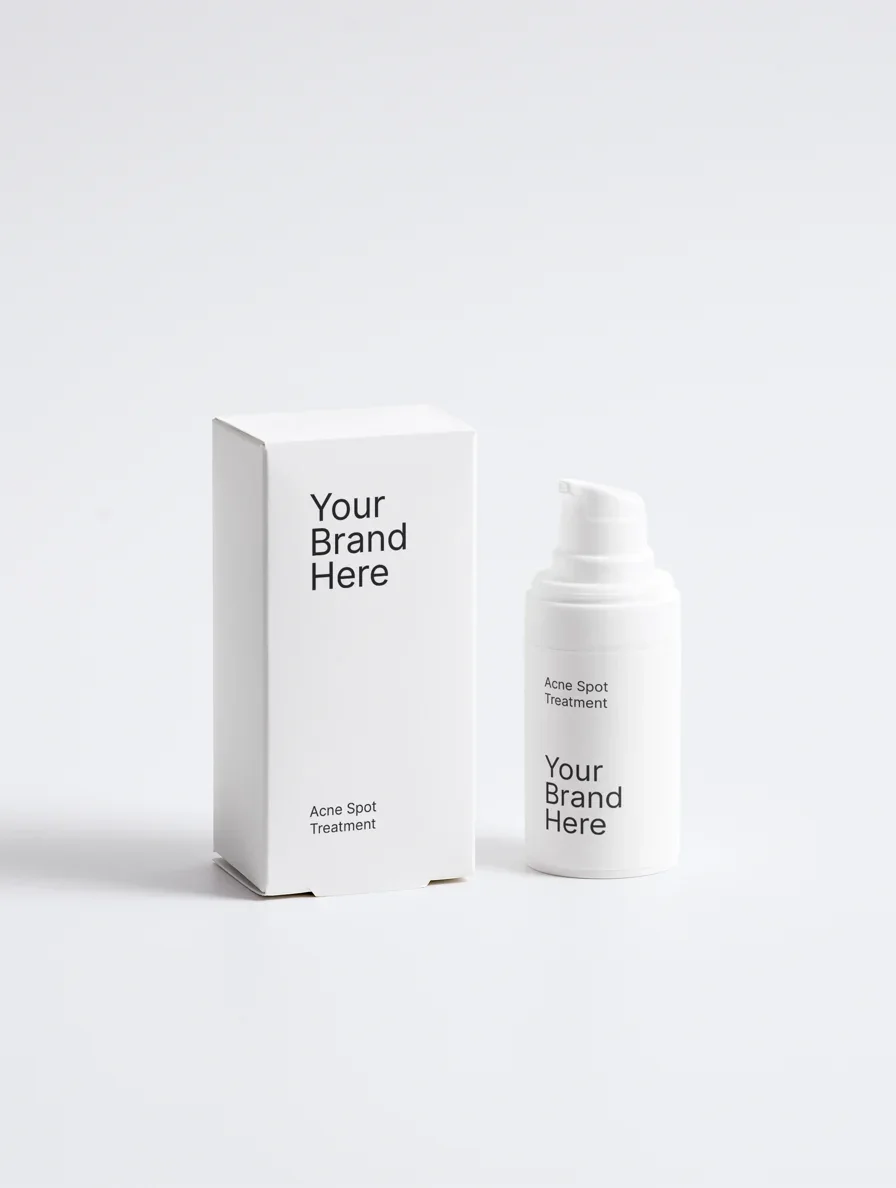
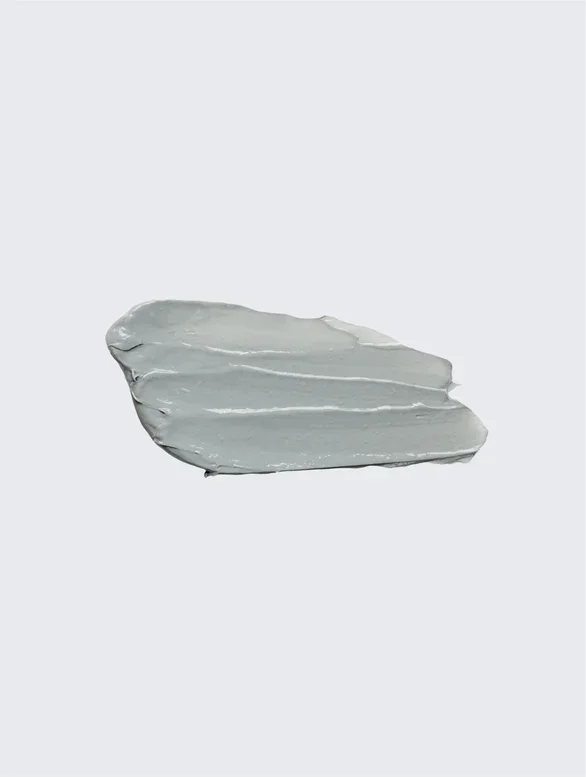
Not every skincare product needs to go all over the face.
Acne Spot Care is designed for active breakouts, helping target specific areas without overloading the rest of the skin. With ingredients like salicylic acid and tea tree oil, it helps reduce redness, calm the skin, and support clearer-looking results.
It’s a simple addition, but one that makes a routine feel more complete. Especially for targeted action when breakouts show up.
Clay Mask for Pores and Blackheads
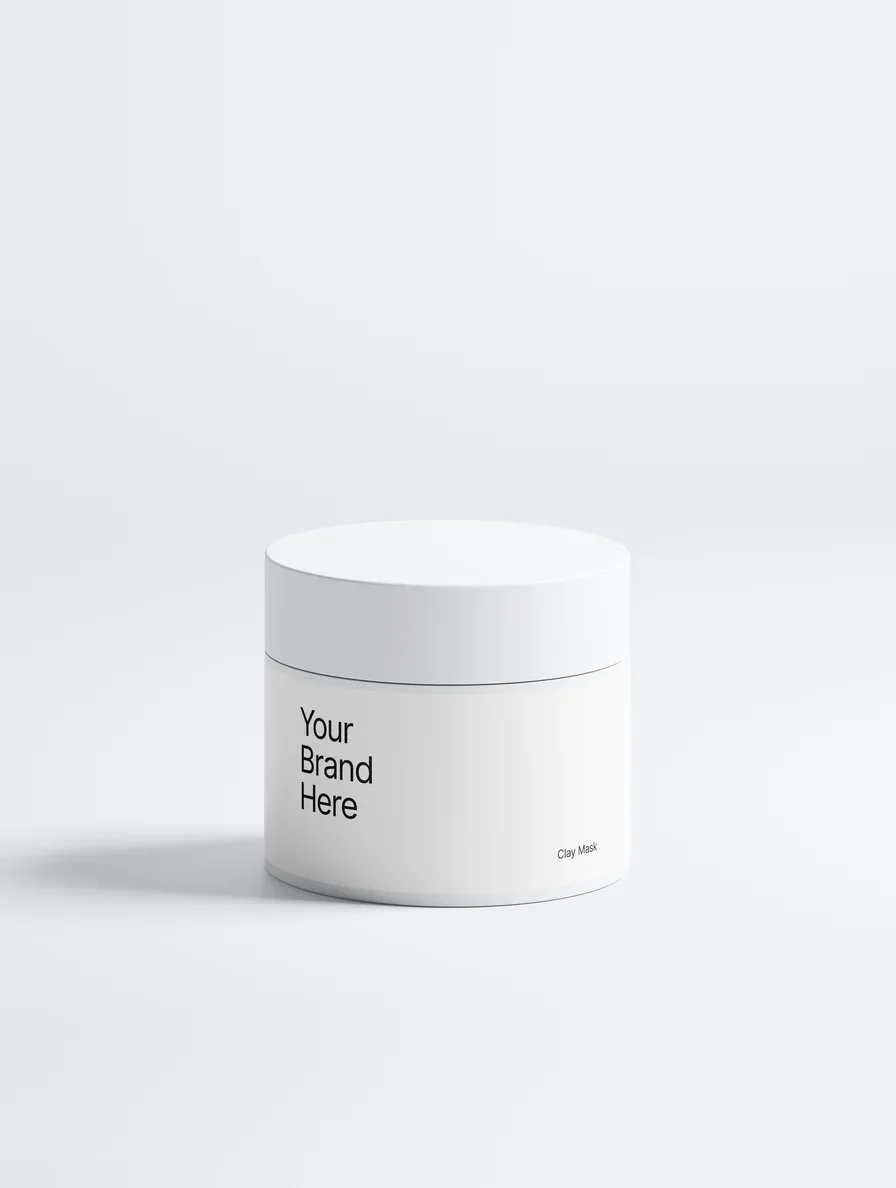

The Clay Mask for Pores and Blackheads helps absorb excess oil, refine the look of pores, and support clearer skin, especially for oily skin types.
Formulated with mineral-rich clays, it works to draw out impurities while gently removing dead skin cells. It’s a simple weekly step, but one that noticeably improves how the skin looks and feels over time.
AHA Peeling Concentrate
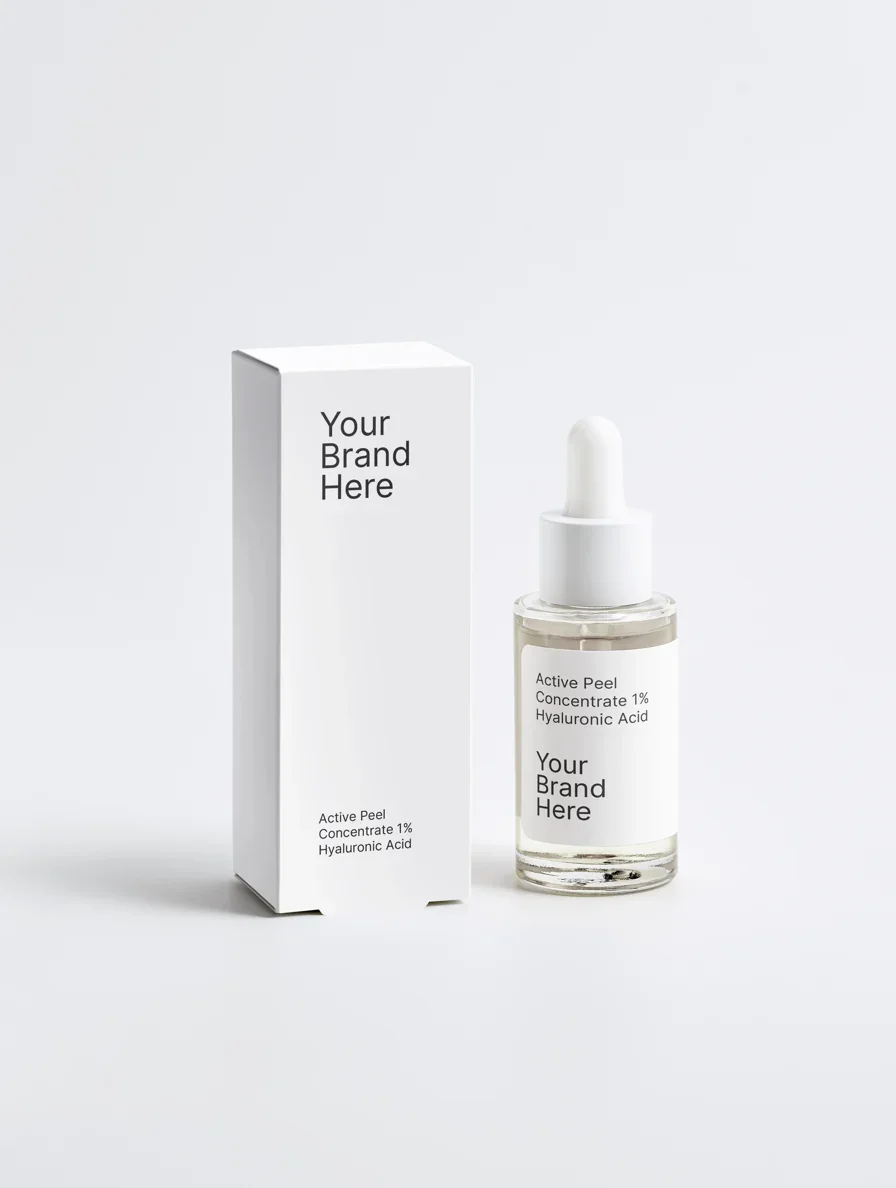
The AHA Peeling Concentrate helps lift away dead skin and gradually improve skin texture, which is key when dealing with uneven tone and post-acne marks.
It uses lactic acid to encourage skin renewal, while hyaluronic acid keeps things from feeling too dry or tight. So instead of stripping the skin, it keeps it balanced while still doing the work.
It’s not something customers use every day. But when it’s used consistently, even just once or twice a week, it’s one of those steps that quietly makes the biggest difference.
Acne Care Collection Box
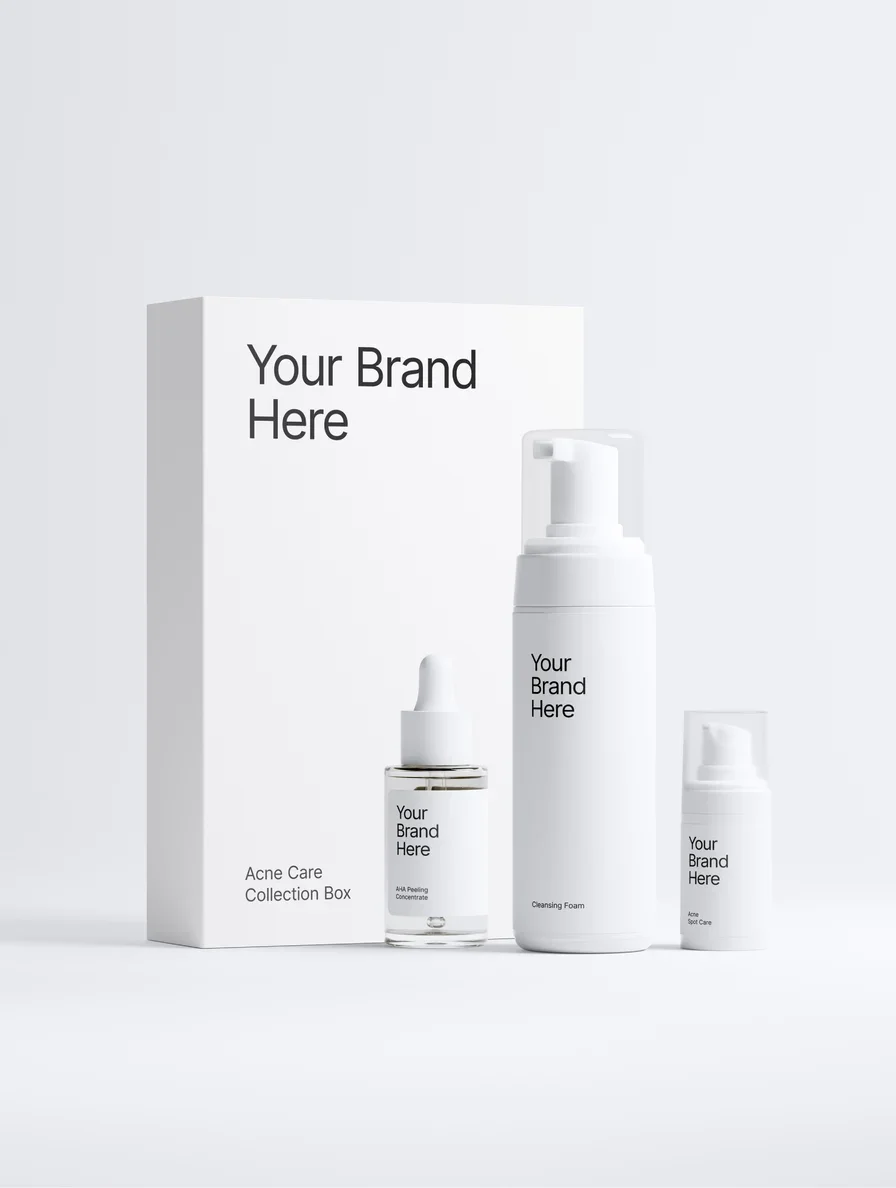

The Acne Care Collection Box brings multiple steps together into one routine, making it easier to stay consistent.
It’s a ready-made set built around what acne-prone skin actually needs. Everything works together, so customers don’t have to figure it out themselves.
And from a brand perspective, it does more than simplify routines. It gives you a complete, customisable product set that can be packaged under your own identity – something that’s becoming more valuable in a skincare market where clarity and ease matter more than ever.


How to Build and Market a Blemish Care Line
Your products and the routine they create should be built around something that actually makes sense. Because that’s how people approach acne today. They’re not thinking in single products anymore. They’re thinking in steps.
So if you want to build and market a blemish care line that works:
build around a complete routine, not just one acne treatment;
keep it simple – each product should have a clear role;
show how the routine works over time;
focus on real skin and real experiences, not perfection;
make it easy to follow – clarity always wins over complexity.
Because this connects directly to how acne solutions are marketed today. In a Gen Z–driven market, it’s not about promising flawless skin. It’s about creating products – and routines – that customers actually trust and use.
The Best Skincare Routine Starts with Understanding
The best skincare routine for acne starts with understanding how skin actually works, how routines fit into real life, and what customers can realistically stick to.
Because today, people aren’t looking for perfection. They’re looking for something that feels manageable. Consistent. Honest. Something that works with their skin, not against it.
And that’s where your brand has the opportunity to stand out. Not by offering more products, but by creating routines that make sense. Routines that work together. Routines customers come back to, every day.
Frequently Asked Questions
-
The one that’s simple and consistent. A gentle cleanser, a targeted acne treatment, a moisturizer, and daily sunscreen. That’s the base. You can build from there, but those steps are what keep the skin balanced and help reduce breakouts over time.
-
Start simple and build from there. Pick a few products that cover the basics and see how the skin reacts. Most people run into problems when they try too much at once.
-
A cleanser, a treatment product (like salicylic acid or benzoyl peroxide), a lightweight moisturizer, and sunscreen are enough to build a solid routine. Everything else is optional.
-
Yes, just not too often. They can help with unclog pores and improve texture, but using them too often usually does more harm than good. Once or twice a week is more than enough for most people.
Must read