Private Label Products for Small Businesses: Launch Fast, Brand Smarter in 2026
Table of Contents
Starting an ecommerce brand used to be slow, expensive, and honestly – a bit of a nightmare. In 2026? Easy game, if you know how to play your cards right.
And no, you don’t need a warehouse, a chemistry lab, or a 50-page business plan. Just a good idea, decent taste, and the courage to hit “publish.”
With private label products for small businesses, you can launch your own products and sell online or physically in days. Start without inventory, manufacturing, or headaches.
Beauty products lead the way here. High demand, repeat buyers, and huge branding potential – especially in a niche market where standing out is everything. And platforms like Selfnamed make it even easier with ready-made products, dropshipping, and seamless store integrations.
This guide will walk you through the 35 best private label products for small businesses in 2026, with a strong focus on the beauty category and its increased branding potential.
Let’s dive in!
Why Private Label Products for Small Businesses Are Trending in 2026
Private label isn’t something new. But now, it’s trending hard. It's being shaped by emerging trends in ecommerce. Private labeling offers opportunities to differentiate products, build brand recognition, and stand out in a crowded market. Think of it as the “shortcut” era of entrepreneurship – but in a good way. You don’t want to miss it. Here's why:
1. Low Upfront Investment
Unlike traditional manufacturing, you don’t need to invest heavily in production costs, warehousing, or bulk inventory. With private label dropshipping models, you only pay when you make a sale. That keeps startup costs low. You also don’t have to worry about the supply chain.
This way you’re not gambling your life savings on a garage full of unsold products. Low upfront investment enables competitive pricing, so small brands can compete with larger players.
Our Selfnamed beauty fulfillment platform has a detailed breakdown of how much it costs to start a skincare dropshipping business. Check to see exactly what to expect.
2. Faster Time to Market

Launching a brand used to take months or even years. Today you can go from idea to live store in days using ready-made formulations. In internet time, that speed isn’t just nice. It’s survival. Trends don’t wait.
That’s why private label products for small businesses are dominating fast-moving niches like beauty and wellness.
If you want to follow a proven framework, thisstep-by-step guide to starting a skincare dropshipping business shows how to launch without unnecessary complications. A detailed plan for your product launch turns chaos into a clear path to profit.
3. The Rise of Creator Brands
Influencers and niche creators are turning audiences into businesses faster than ever. All thanks to private label products. Audiences don’t just want content anymore. They want something to buy into. Literally.
Find out how to start a skincare brand as an influencer. It explains how creators leverage ready-made products to build authentic, profitable brands.
Real examples: influencers who turned content into beauty brands
This isn’t just a theory. It’s already happening:
Rhode by Hailey Bieber
Built on the “glazed skin” trend. Minimal products, strong aesthetic, sold out constantly.
Rare Beauty by Selena Gomez
Focused on mental health and natural beauty. Strong emotional branding means massive loyalty.
Jeffree Star Cosmetics by Jeffree Star
Built entirely from personality and bold identity. Proof that branding can be the product.
Huda Beauty by Huda Kattan
Started as a beauty blog. Now a global empire.
Reale Actives by Alix Earle
Launched recently, built on raw “get ready with me” content and real-life skin struggles. When she launched, it felt less like a random product drop and more like, “finally.”
Notice the pattern? It’s not just the product. It’s the point of view. A strong brand identity and brand recognition are key to building trust and loyalty. Especially in markets dominated by established brands.
4. Ecommerce Platforms Make Everything Easier
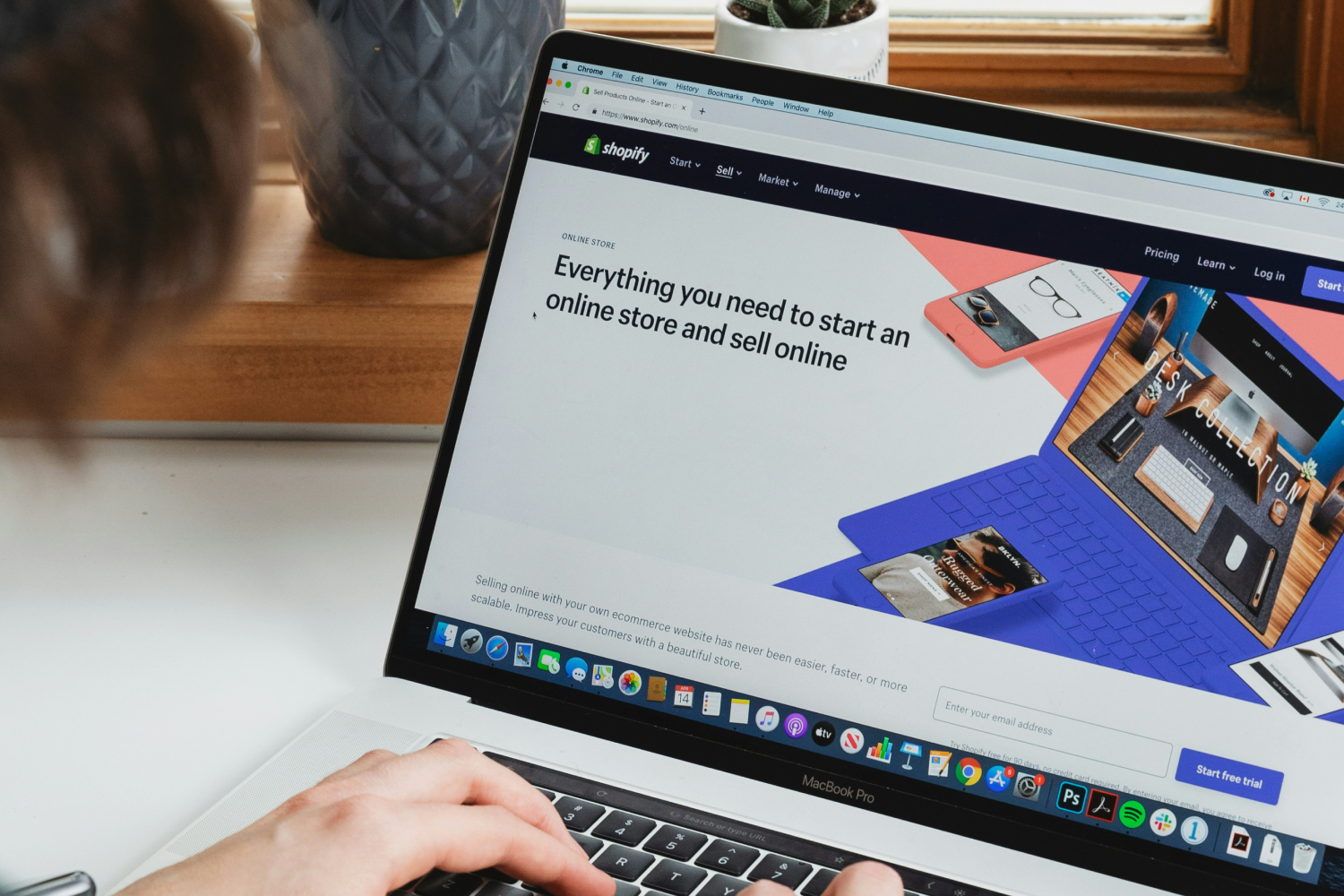
Plug-and-play integrations across Shopify, WooCommerce, Squarespace, and Wix simplify everything. Focus on branding. Focus on sales. Not on complicated tech setup. The takeaway? You don’t need an IT degree. Just a bold vision.
If you’re unsure which platform is right for your business, this comparison of WooCommerce, Shopify, Squarespace, and Wix breaks down the pros and cons.
These platforms make it easy to set up an online store and sell products without technical complexity.
How to Choose the Best Private Label Products for a Small Business
Before jumping into product ideas, use this quick checklist to find the best private label products for small businesses:
Does it solve a real problem? (irritated skin, excess oil, uneven skin tone, dull hair)
Will customers reorder it? (repeat purchases = profit)
Can you tell a unique story?
Is there a clear target audience?
Is it visually marketable on social media?
Does it match customer needs?
Is the product in high demand? Does it fit a specific niche market?
If the answer is yes to most of these – you’re on the right track!
What Actually Makes People Buy (It’s Not Just the Product)
Here’s the honest truth: most products are replaceable. Your brand isn’t.
People buy because:
It feels like it was made for them – like exclusive products designed for their identity
It fits their identity (“that girl”, “clean girl”, “gym girl”, etc.)
It looks good on their shelf (yes, aesthetics matter a lot)
People come back for quality products, but they stay for how the brand makes them feel. If your product works, that’s great. If your brand makes people feel something? That’s when it scales.
35 Trending Private Label Products for Small Businesses (2026 Edition)
Beauty is definitely the most attractive category for private label. Why? High profit margins, repeat purchases, and endless branding opportunities.
Let’s break down the top trending product categories.
Skincare
Skincare makes up a significant share of the global beauty market. It’s projected to grow steadily across the entire category over the next decade. Skincare products account for roughly 44% of total global beauty retail sales. That shows a strong growing trend. This category is also being reshaped by interest in eco-friendly products and cleaner formulations. High quality products are what keep customers coming back.
Trending products:
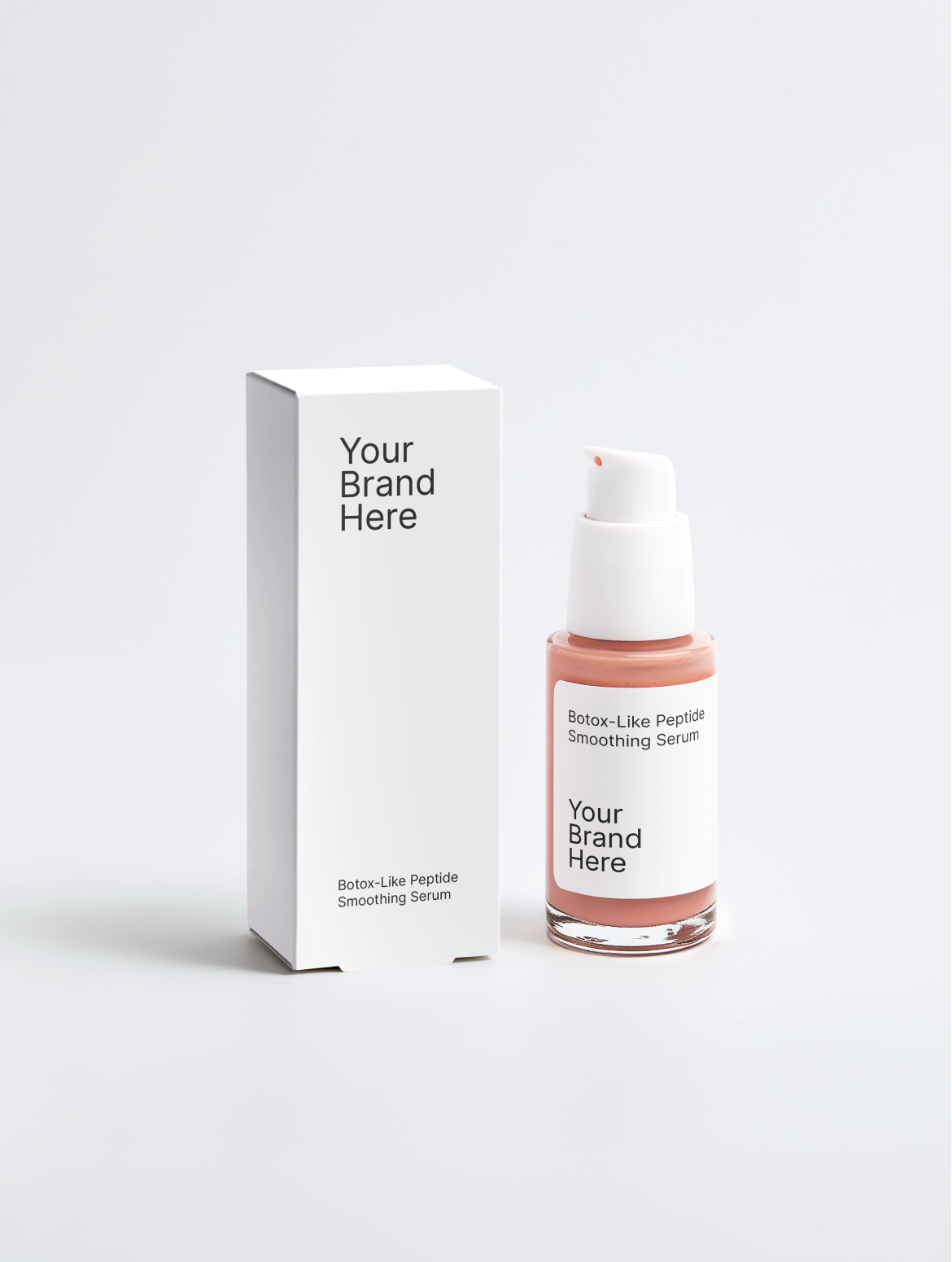
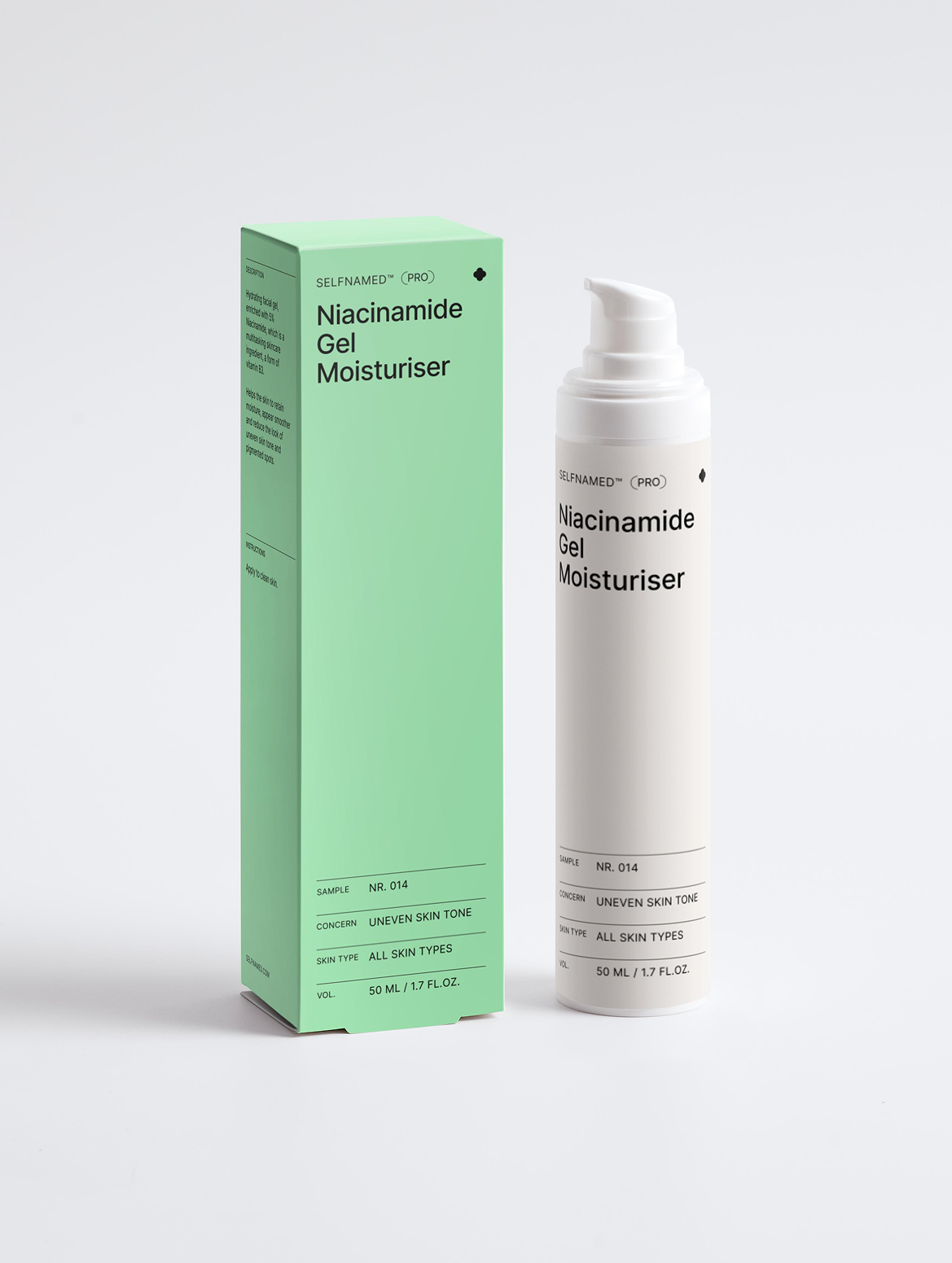
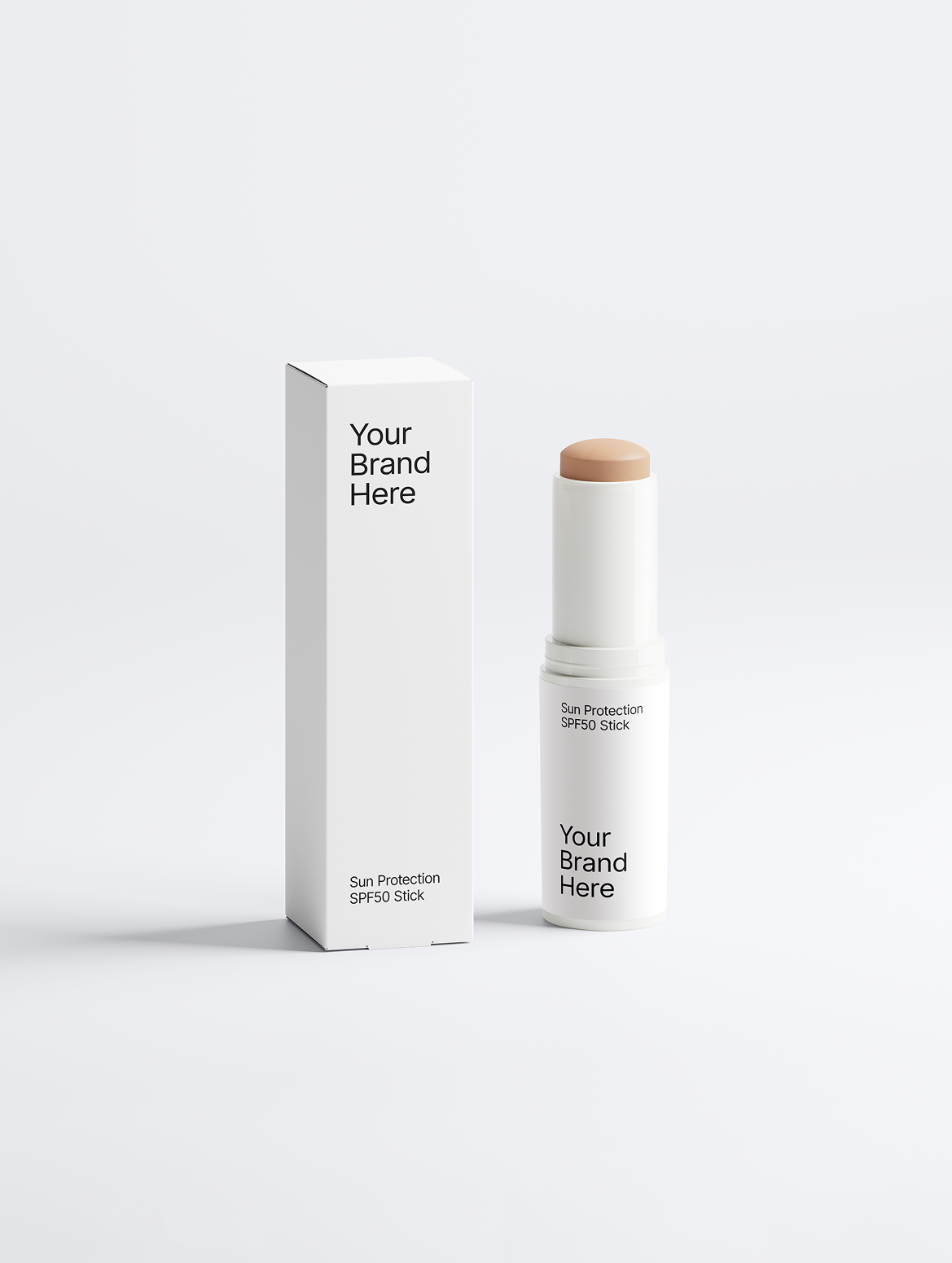
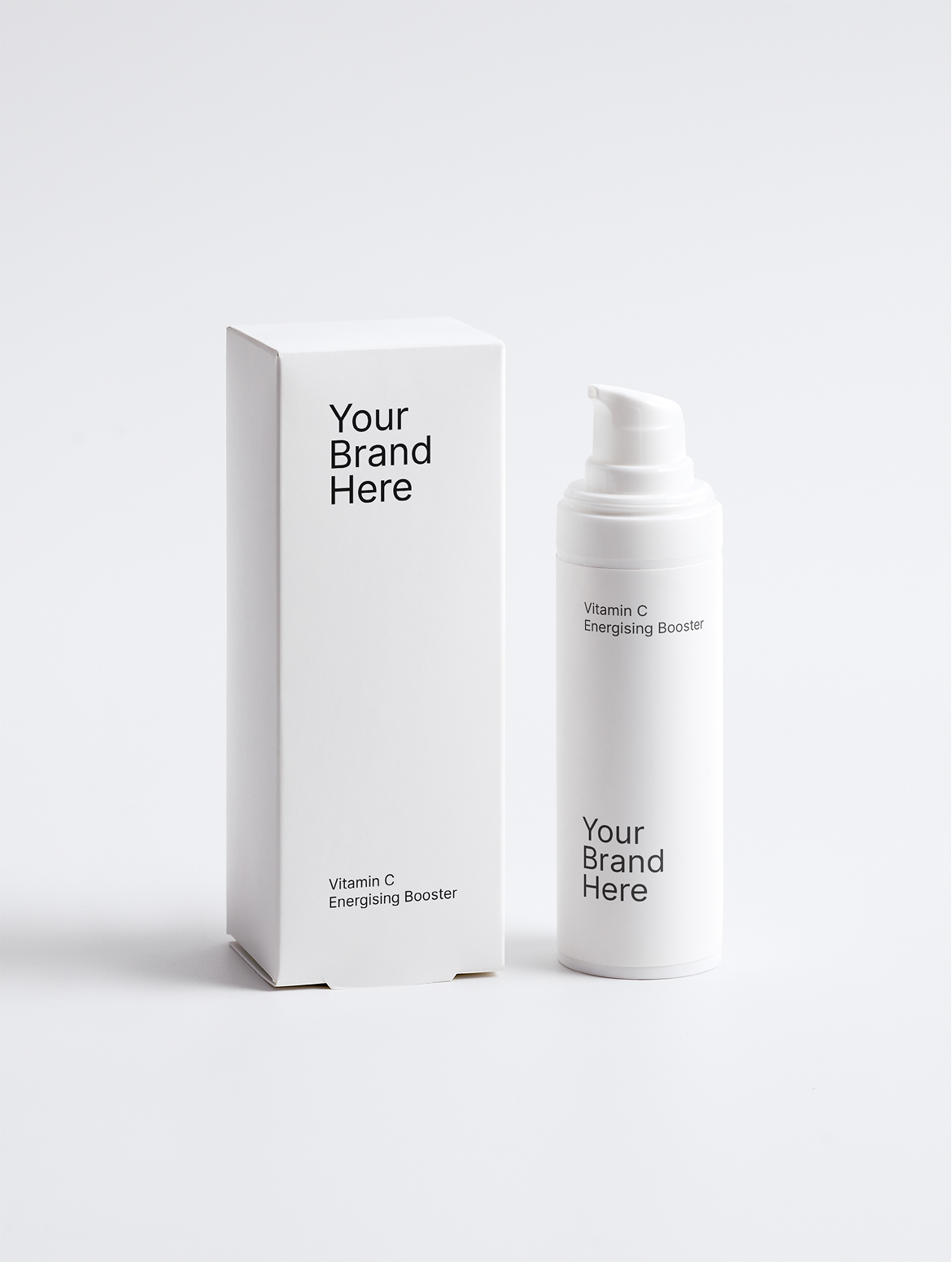
Why it works:
Skincare keeps customers coming back. In fact, about 68% of customers aged 18-34 say they prioritize skincare in their daily routine. That shows just how often young shoppers return for new products and upgrades. It’s easy to stand out. Use unique ingredients or formulas for specific skin types. A brand story that resonates across all demographics helps even more.
Advanced Body Care (“Skinification” Trend)
Body care is evolving. People now treat body skin like facial skin.
Trending products:
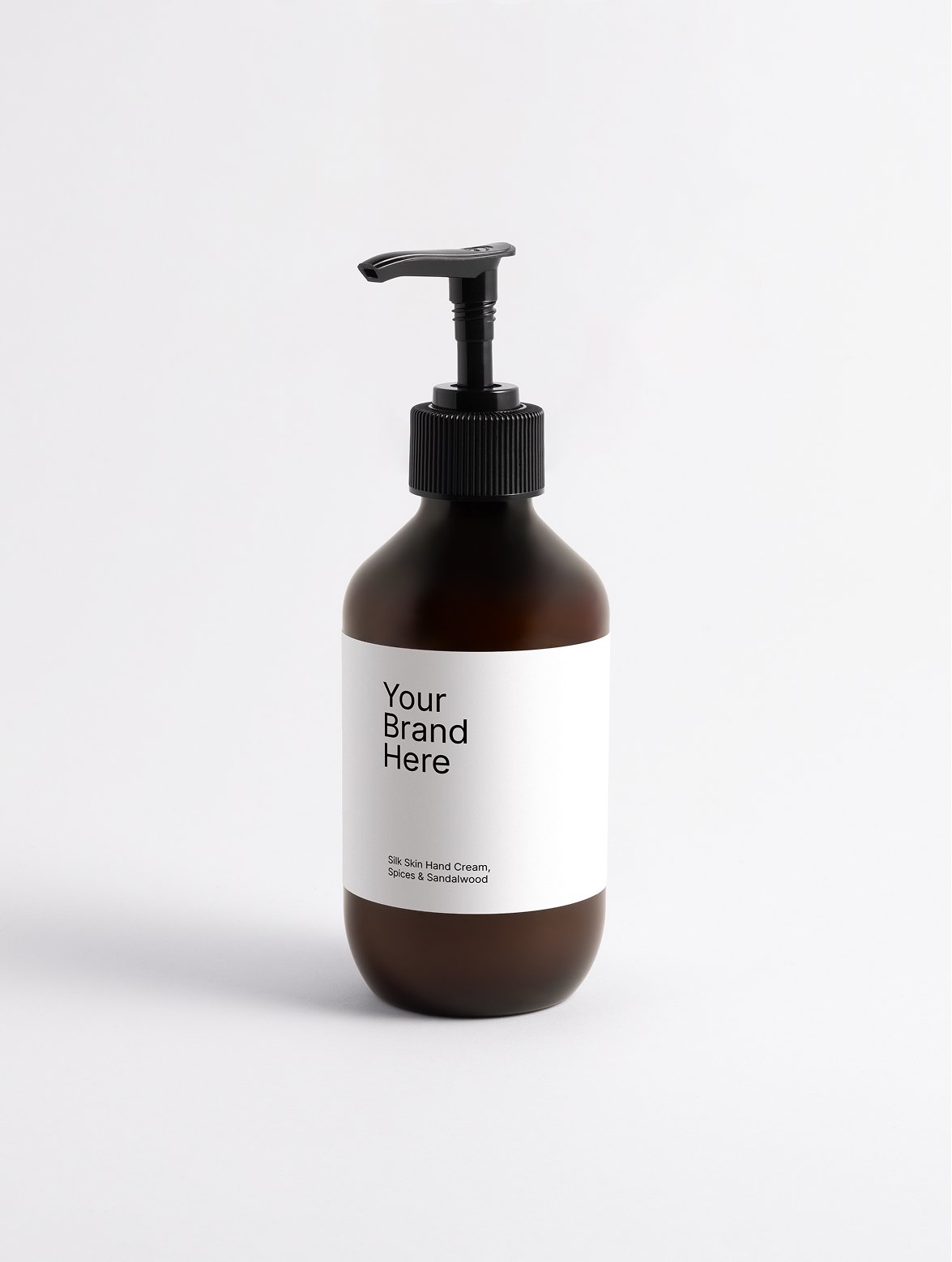
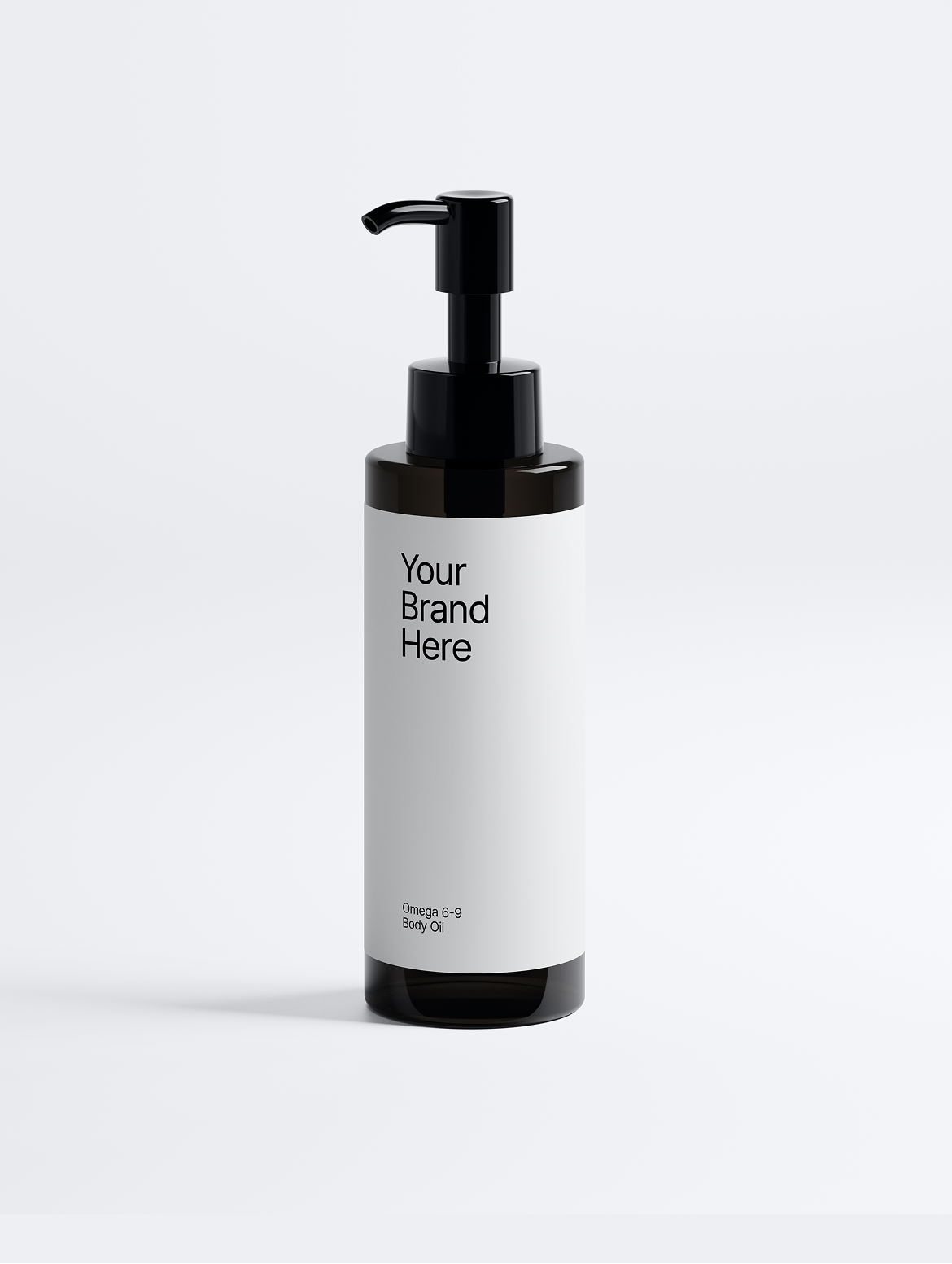
Why it works:
Body care is still less crowded than facial skincare. That gives new brands space to shine. The global body care market is growing. Forecasts show it expanding at a ~6–7% compound annual growth rate through the rest of the decade. So demand continues to rise. That growth creates room to position products as premium. With higher margins and strong appeal across different buyer groups.
Private Label Hair Products for Small Businesses (High-Growth Niche)
Hair care is one of the fastest-growing niches, making private label hair products for small businesses extremely attractive.
Trending products:
Scalp serums
Bond-repair treatments
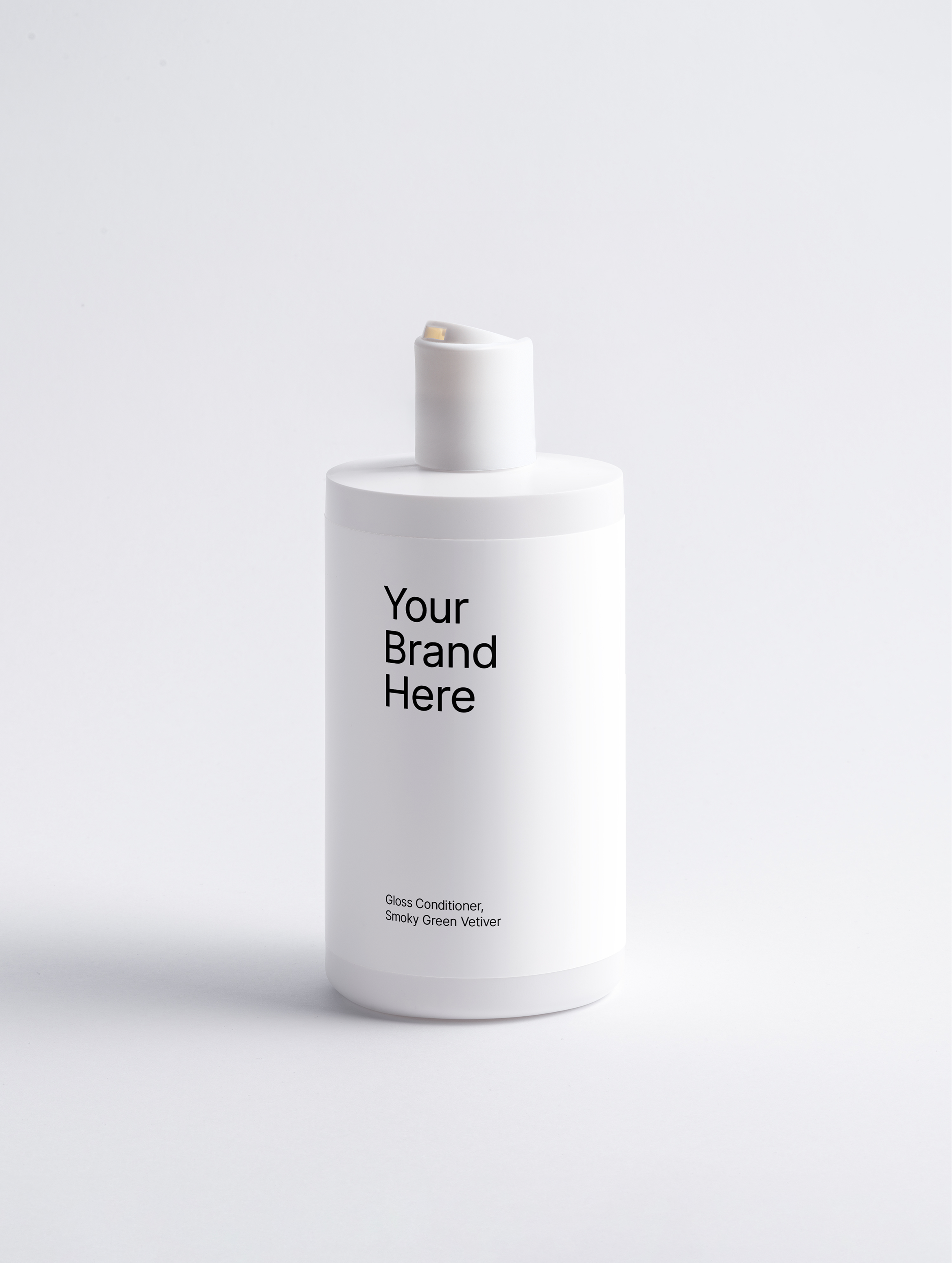
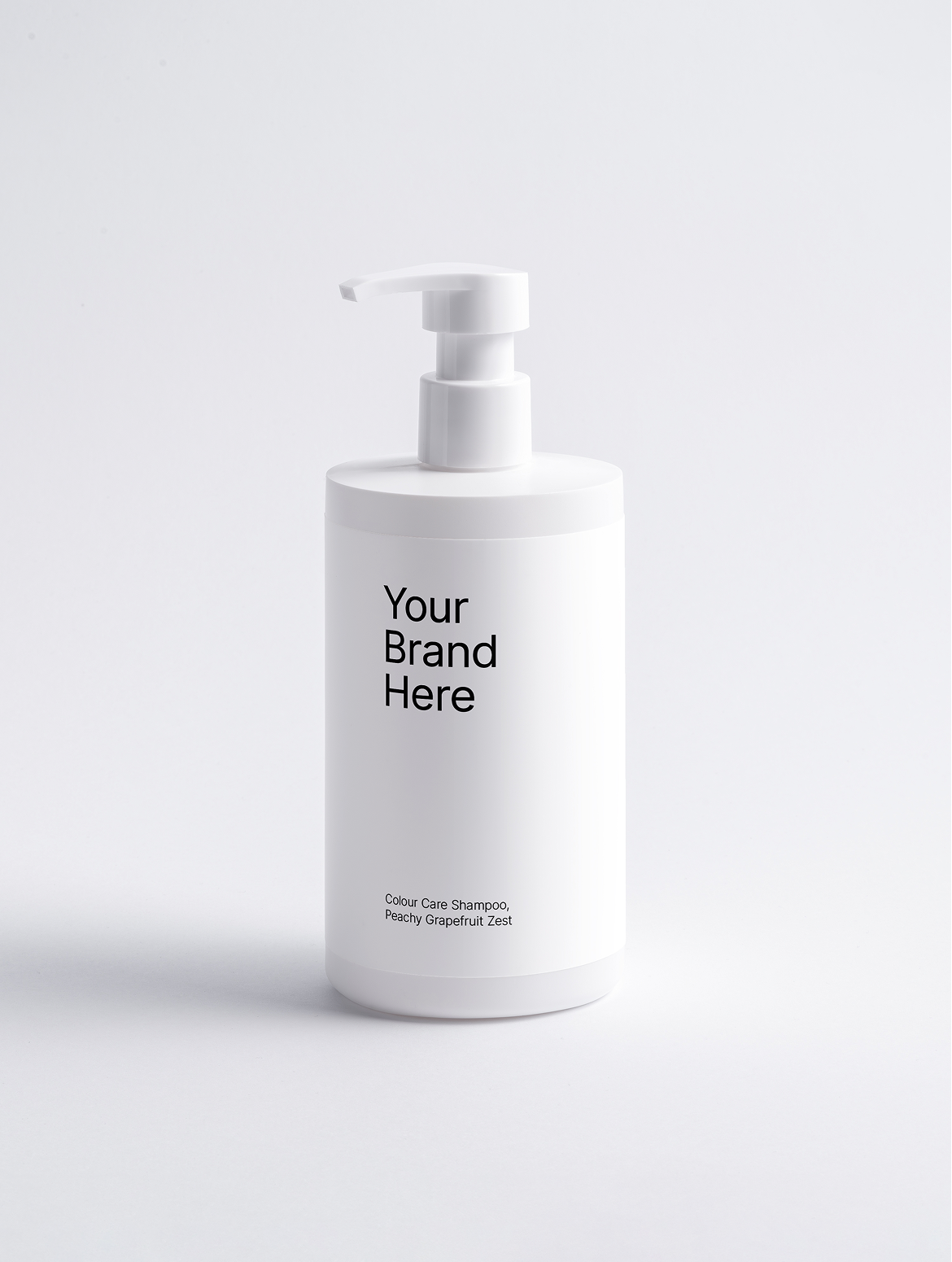
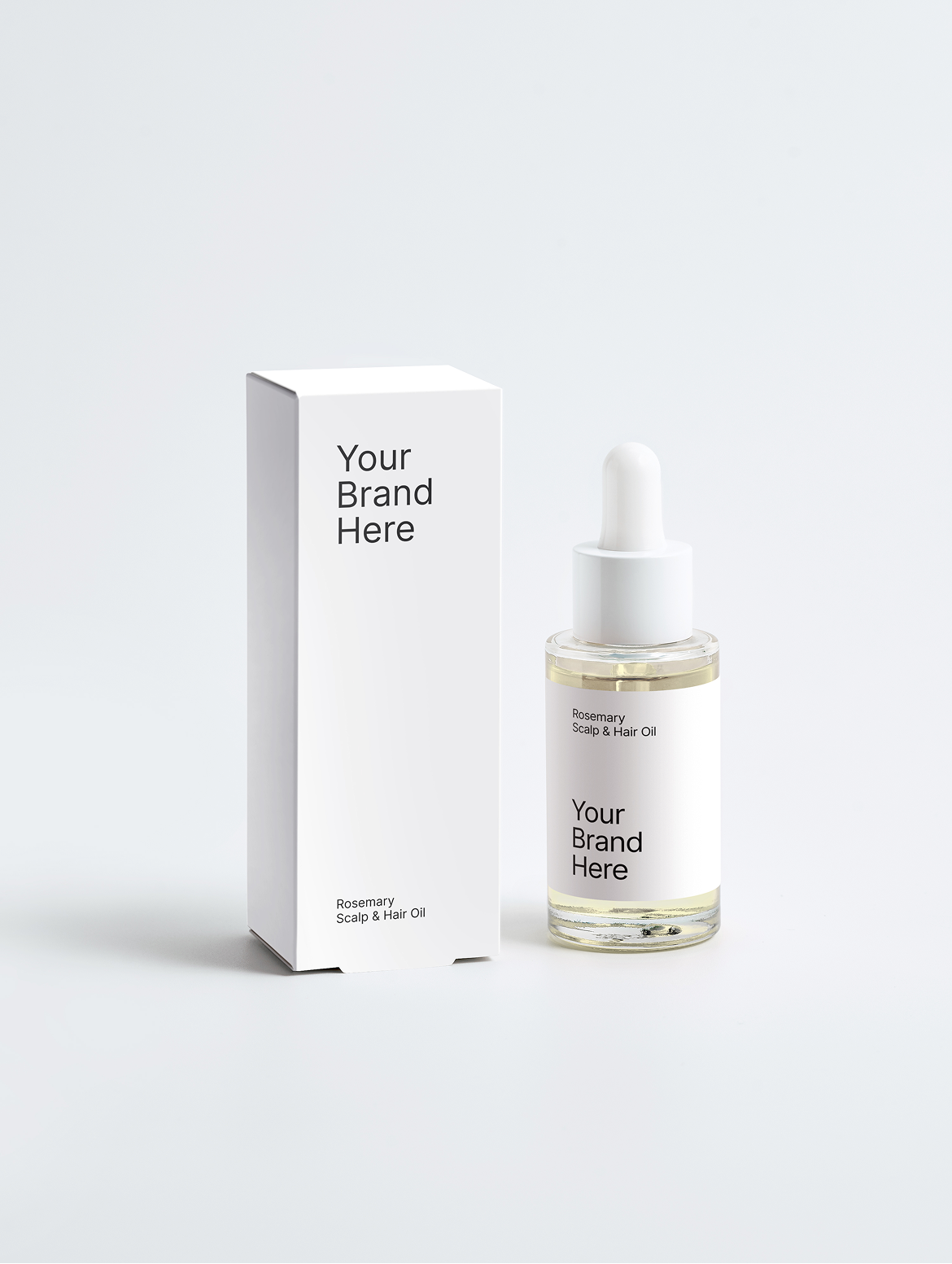
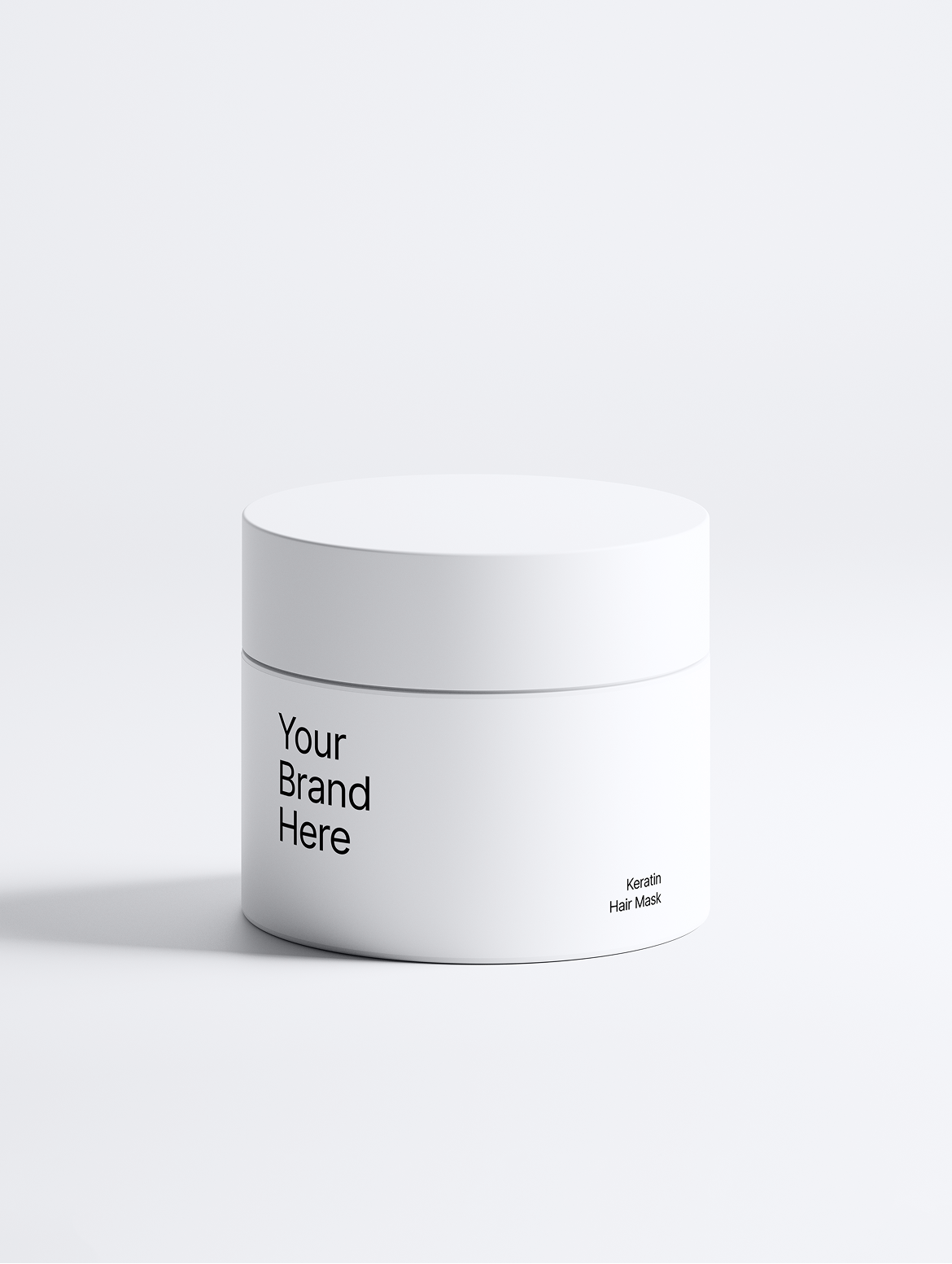
Why it works:
Hair care is huge. Bad hair days are universal. That’s exactly why this niche never goes out of style. The market topped $113 billion in 2025 and keeps growing. Niche products like scalp treatments, curly‑hair formulas, and hair‑loss solutions let brands stand out. Once customers find what works, they stick. That makes loyalty almost guaranteed.
Makeup Products (Trend-Driven & Viral)
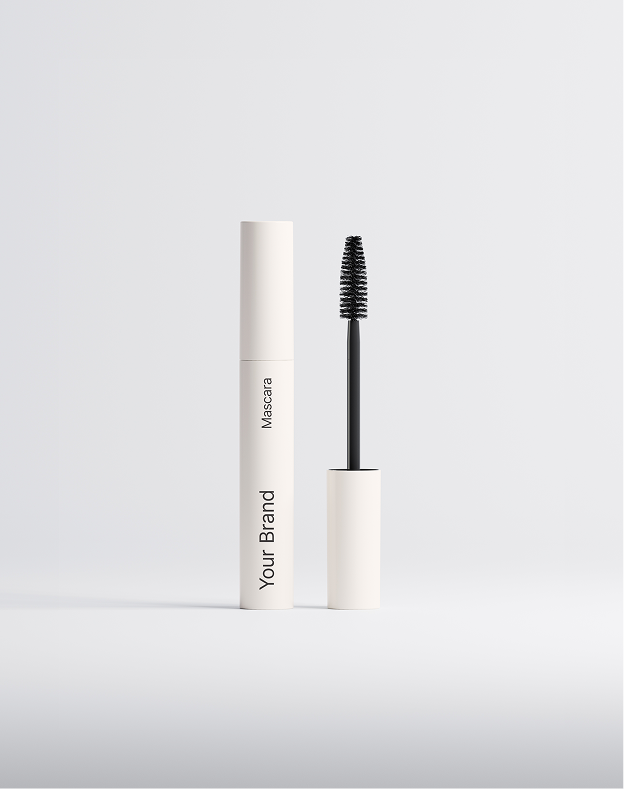
Makeup thrives on trends and virality. Perfect for social-first brands. One viral video can sell out your entire stock overnight – no pressure.
Trending products:
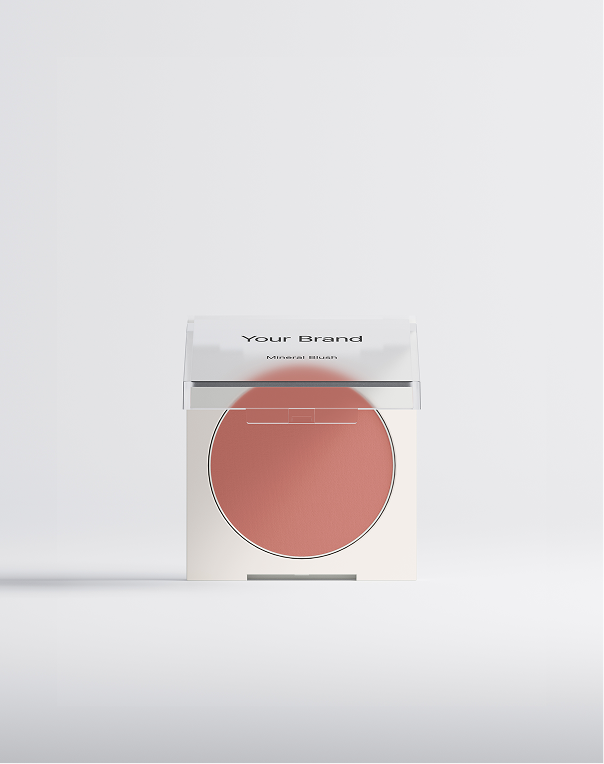
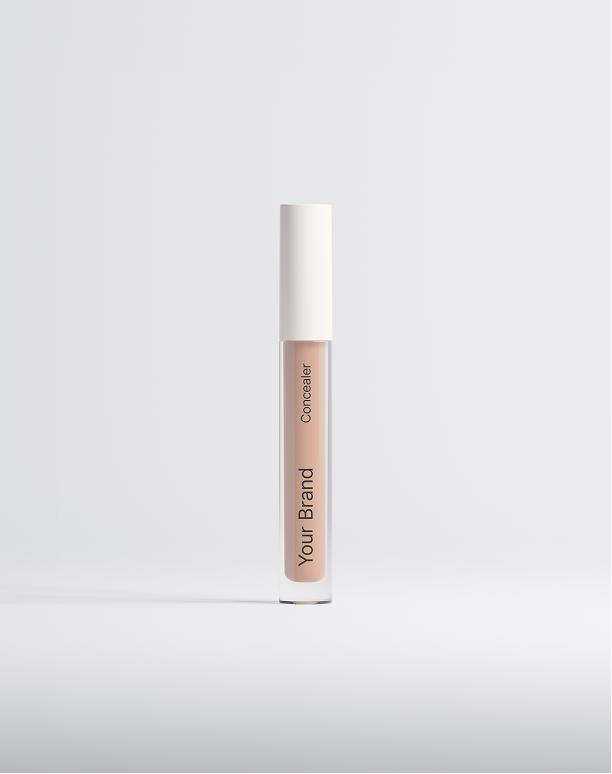
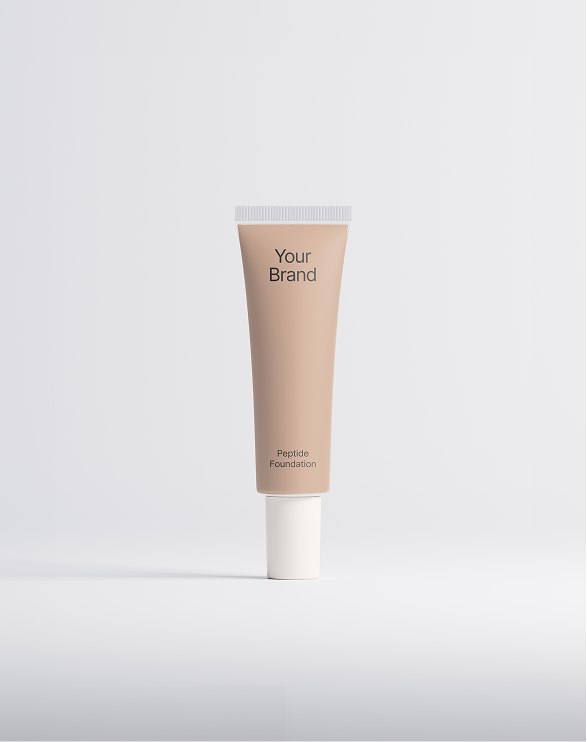
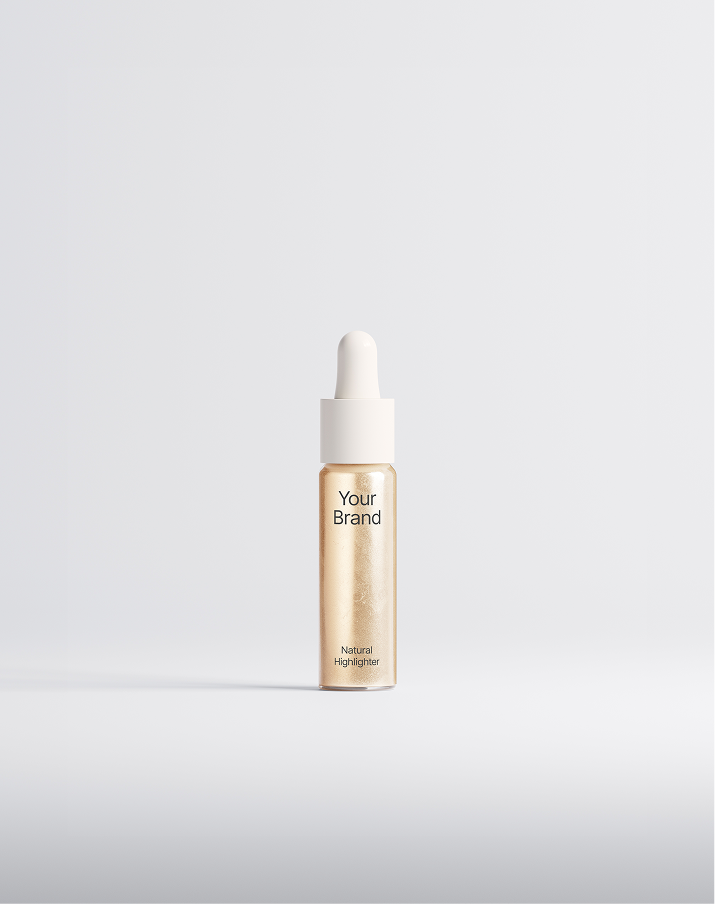
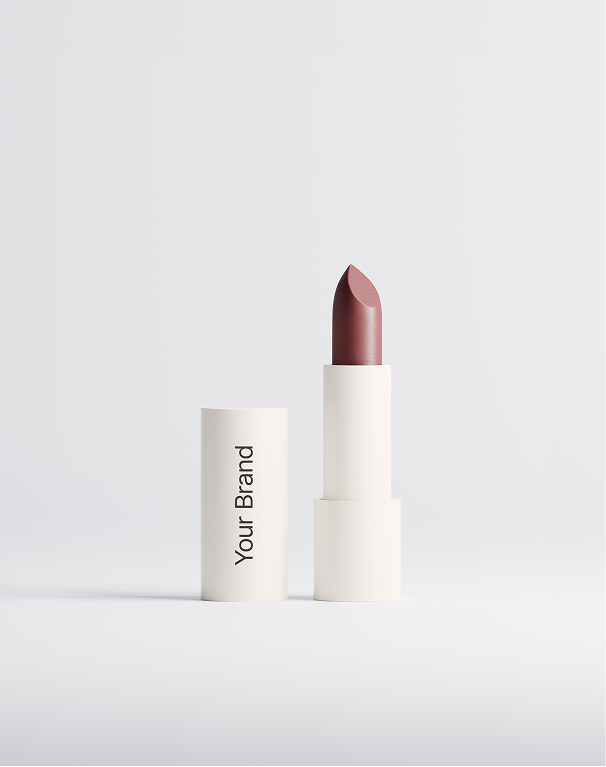
Why it works:
Makeup has huge viral potential thanks to TikTok and other social platforms driving trends and discovery. Social commerce drove a roughly 22% jump in beauty product sales, with makeup often leading the charge. Trends move fast online. Products turn into sell‑outs in days rather than months. That makes makeup ideal for influencer‑led brands. Creators can boost visibility and convert followers into customers through authentic, shareable content.
Customers often seek out branded products in the makeup category. Building a recognizable brand can significantly boost sales and profitability.
Functional Beauty (Inside-Out Trend)
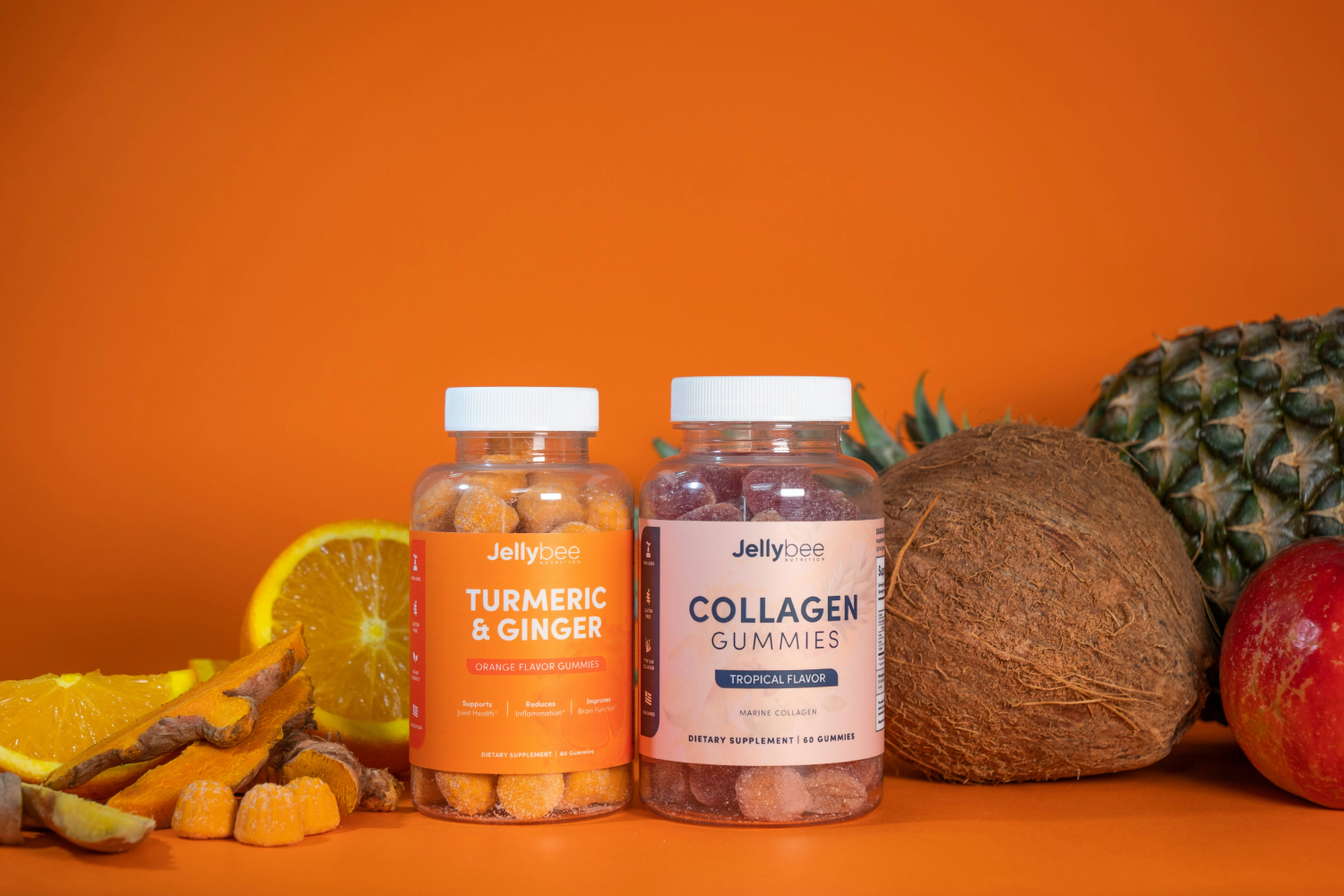
This category blends beauty and wellness. It’s beauty, but make it “I have my life together.”
Trending products:
Beauty supplements
Collagen powders
Skin vitamins
Why it works:
The “beauty from within” trend is huge. The global beauty supplement market was valued at $3.3 billion in 2024 and predicted to showcase about 9.6% CAGR between 2025 and 2034. These ingestible products cross‑sell easily with skincare routines, making them a natural add‑on at checkout.
Nail & DIY Beauty Products
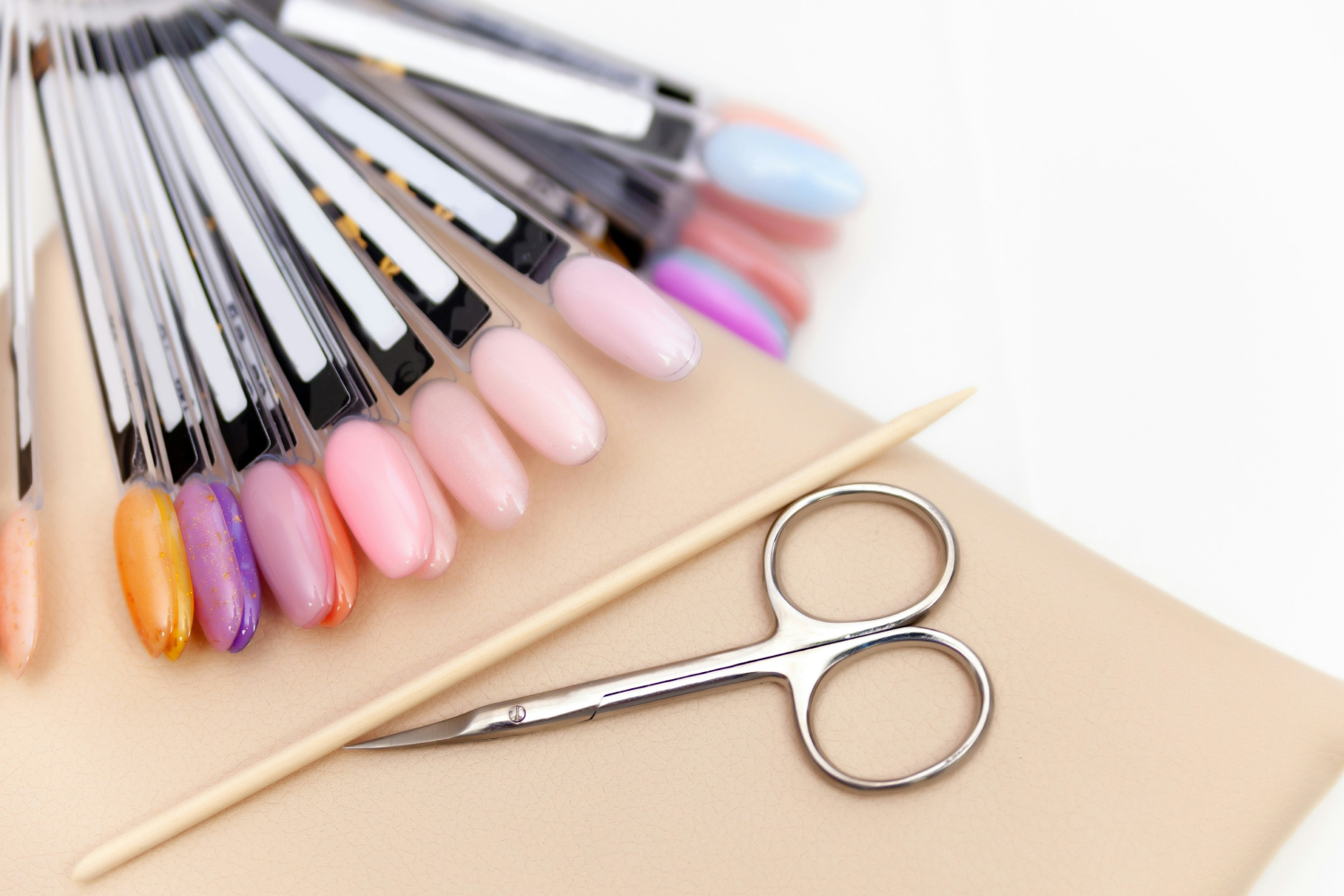
Salon results without leaving your house? That’s a business model right there. Nail and DIY beauty products are fun, fast, and highly shareable.
Trending products:
Press-on nails
Nail art kits
Why it works:
DIY nail and manicure trends are trending. The market was worth about $738 million in 2024 and is expected to reach over $1 billion by 2030 as at‑home beauty grows. These kits tap into strong personalization demand, letting customers express style without a salon visit. Easy and affordable.
Sleep, Recovery & Wellness Products
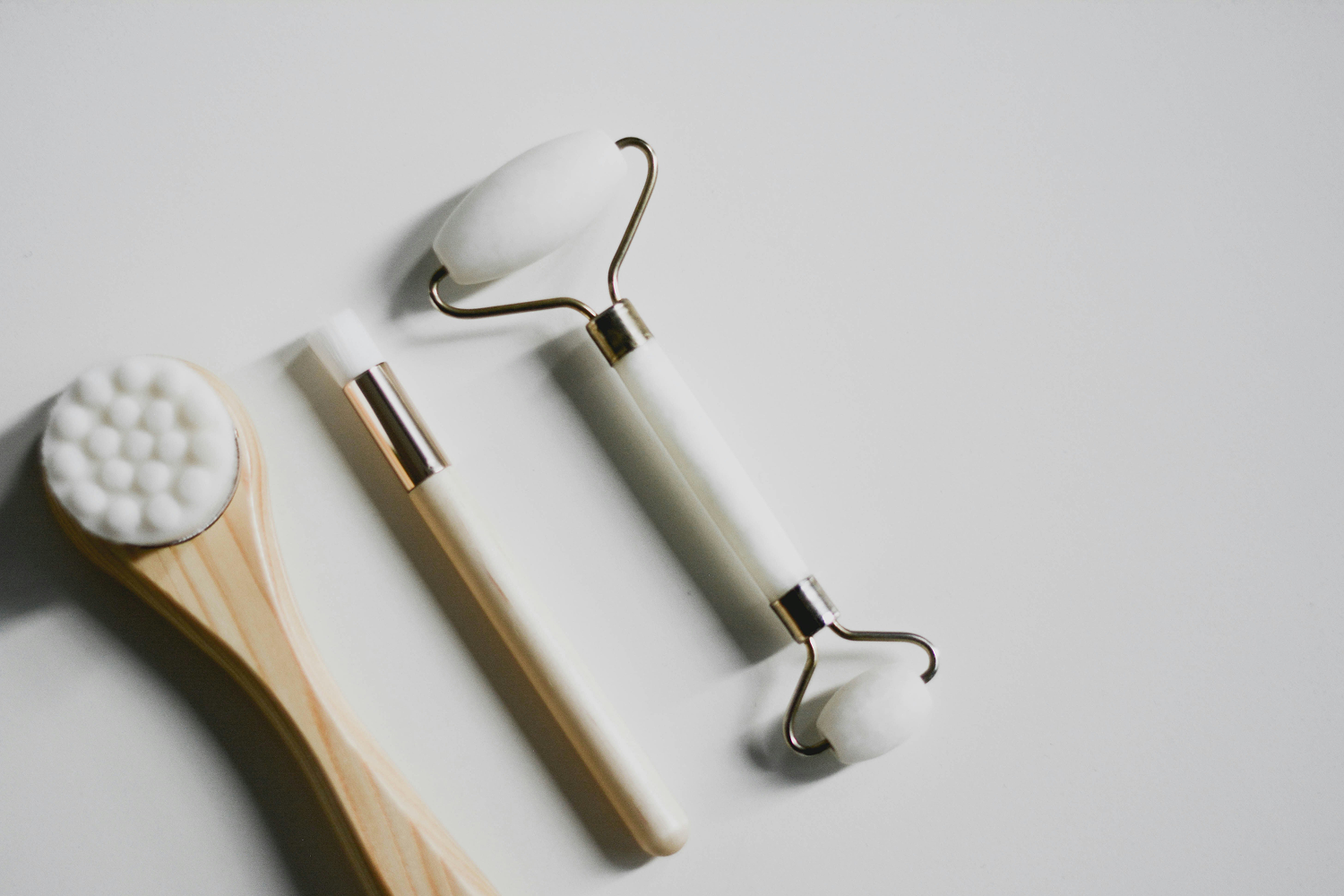
From weighted blankets to sleep masks, customers love anything that helps them relax, recover, and feel better.
Trending products:
Sleep masks
Weighted blankets
Posture correctors
Massage tools
Why it works:
Sleep and wellness products tap right into the self‑care economy. The self care industry is projected to reach about $25 billion by 2030 as customers prioritize rest and recovery. These products expand your brand beyond traditional beauty. They let you create natural bundle opportunities, turning casual shoppers into loyal routine buyers.
Functional Fragrance & Mood Products
Products that boost mood and wellness through scent. Smelling good is great. Smelling calm, focused, and emotionally stable? Even better. Functional beauty products are becoming increasingly popular as customers focus on wellness and self-care.
Trending products:
Aromatherapy rollers
Stress-relief perfumes
Essential oils
Scented candles
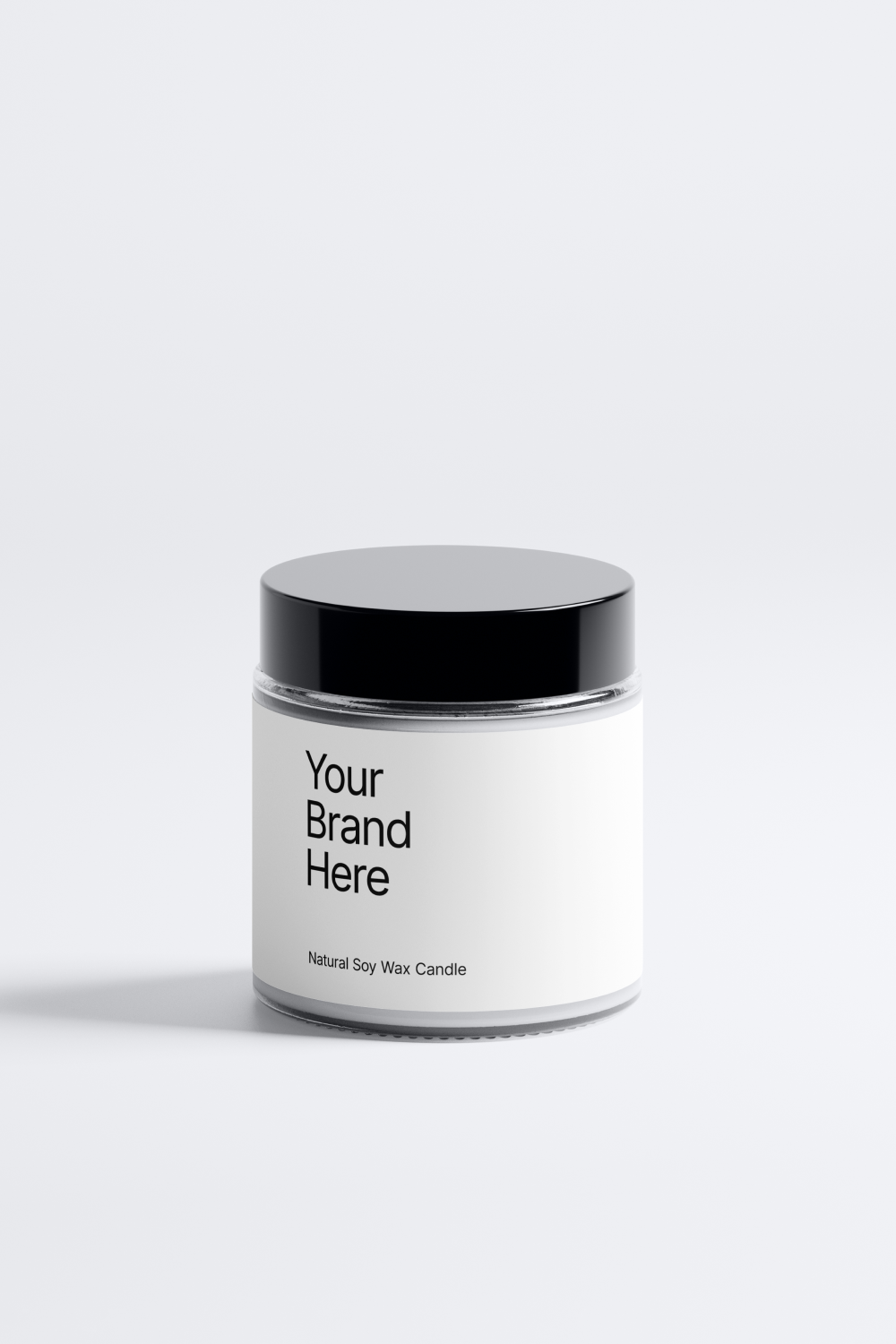


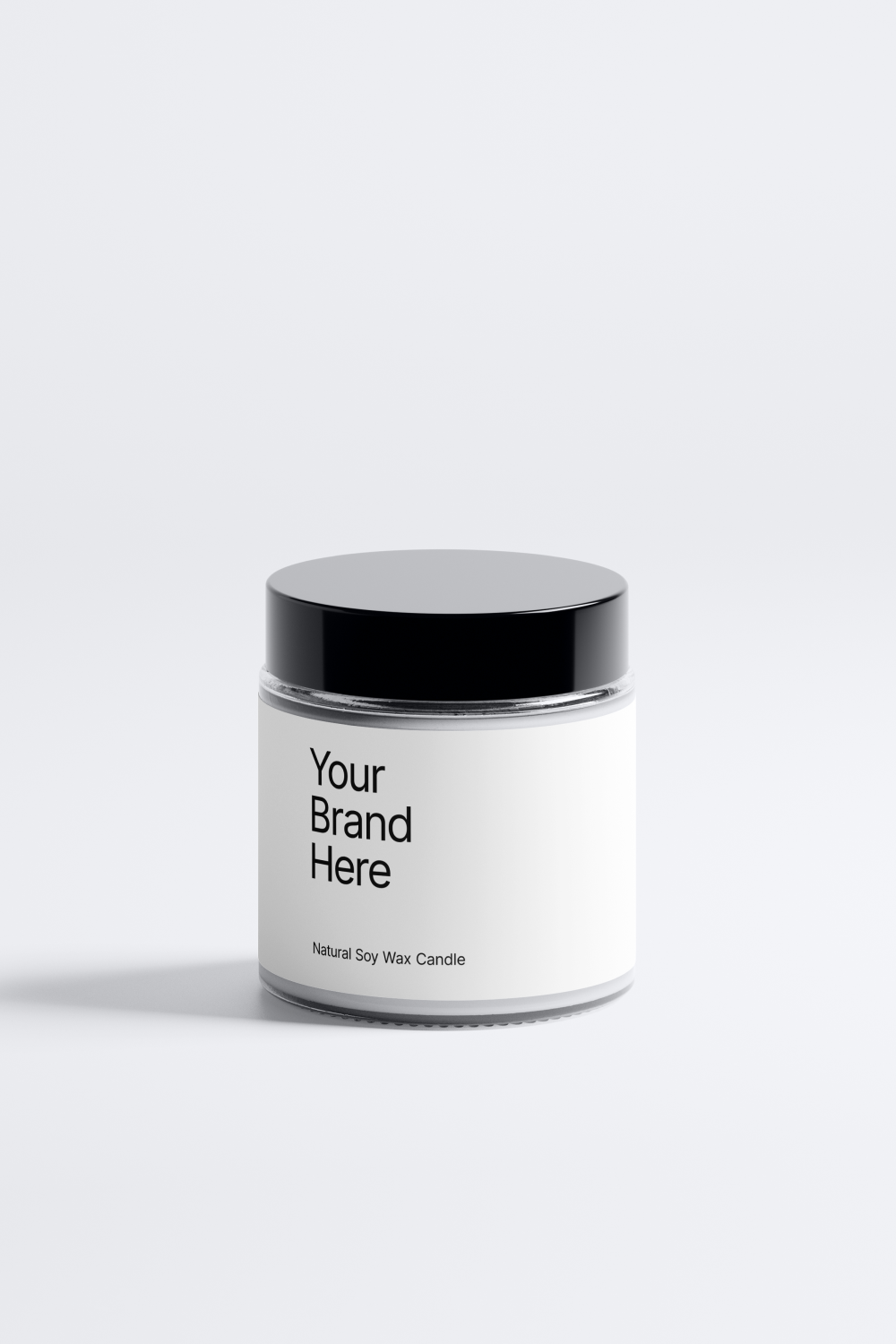
Why it works:
Functional fragrances are carving out their own lane. The global functional fragrance market is projected to grow from about $1.9 billion in 2025 to over $3 billion by 2030. Customers seek mood-boosting benefits from scents, aromatherapy, and essential oils, not just pretty packaging. Having a good mood and relaxed atmosphere is very important these days. That gives brands an emotional branding edge. These items also make great gifts and emotional connections that keep people coming back.
Everyday Ecommerce Staples
Even non-beauty products can complement your brand. These are the “add to cart” items people didn’t plan to buy… but still do.
Trending products:
Tote bags
Jewelry
Sunglasses
Journals
Phone accessories
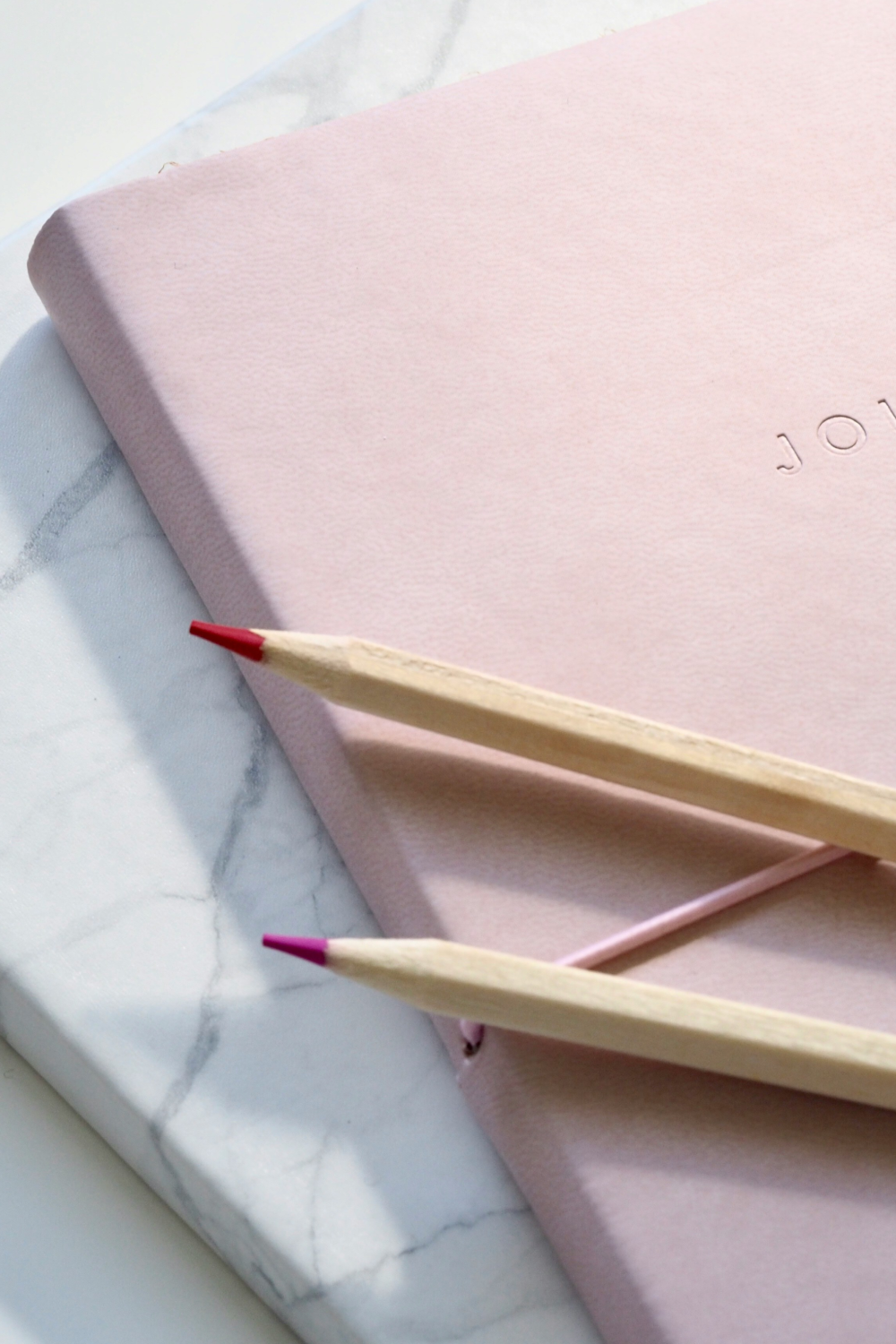
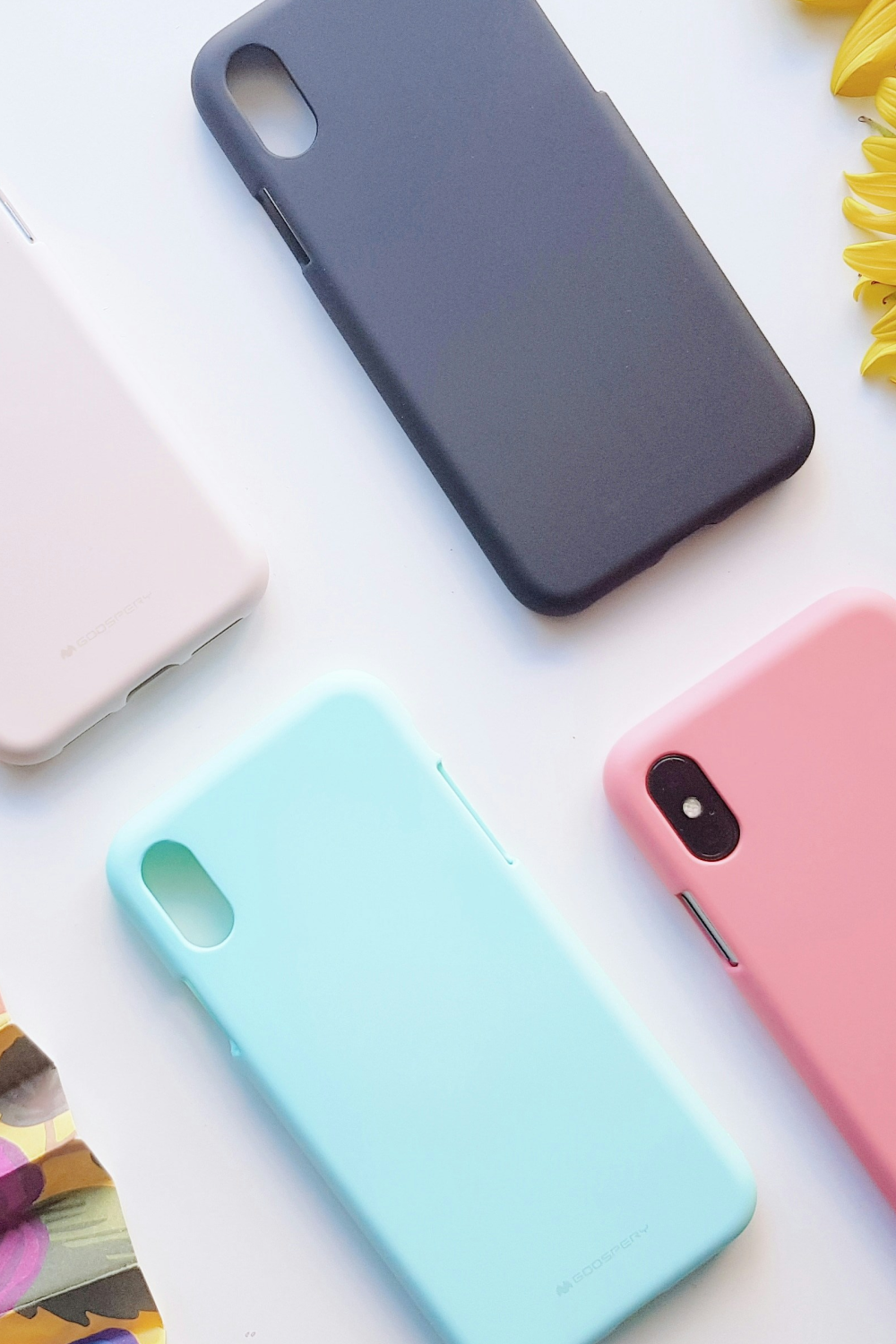
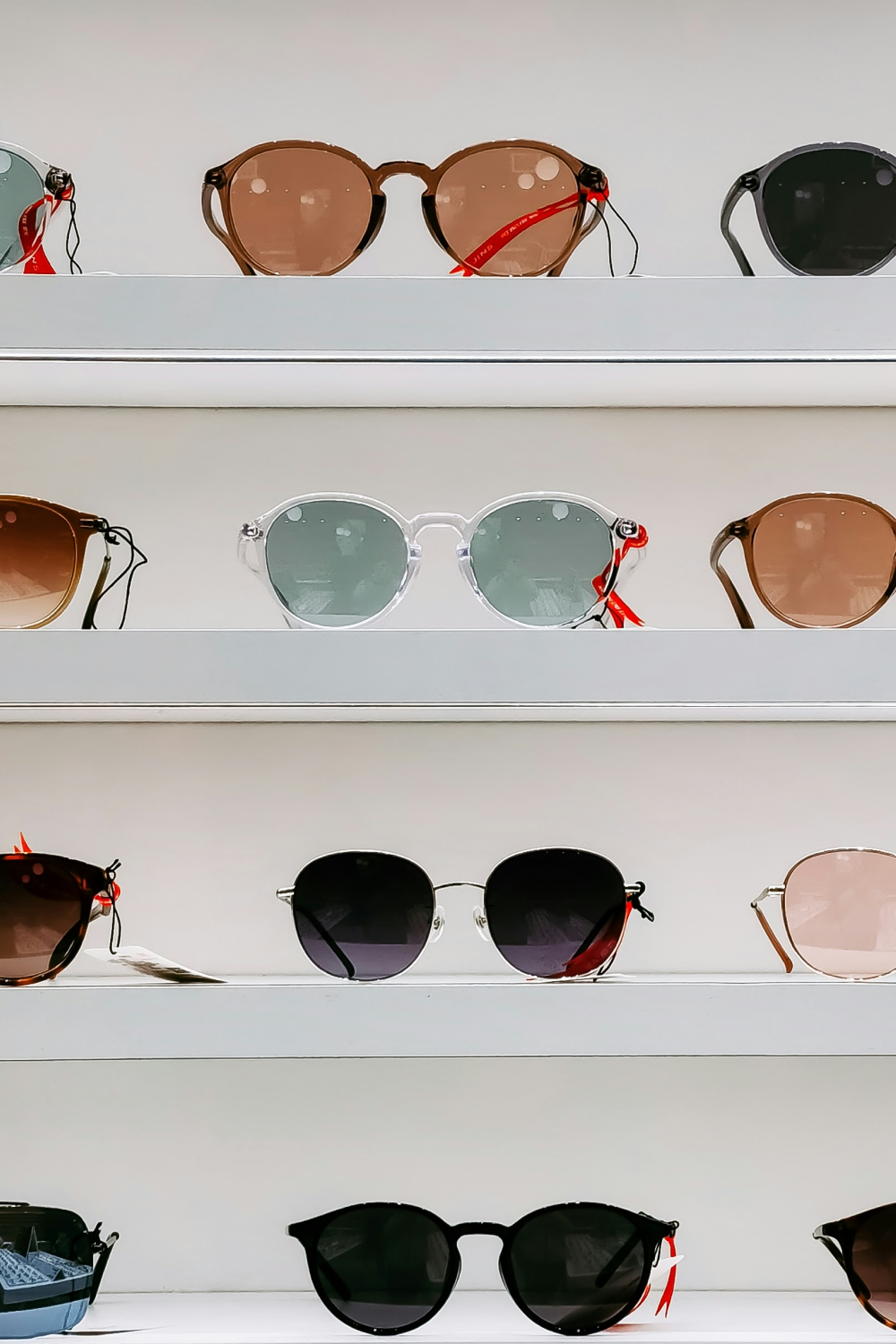
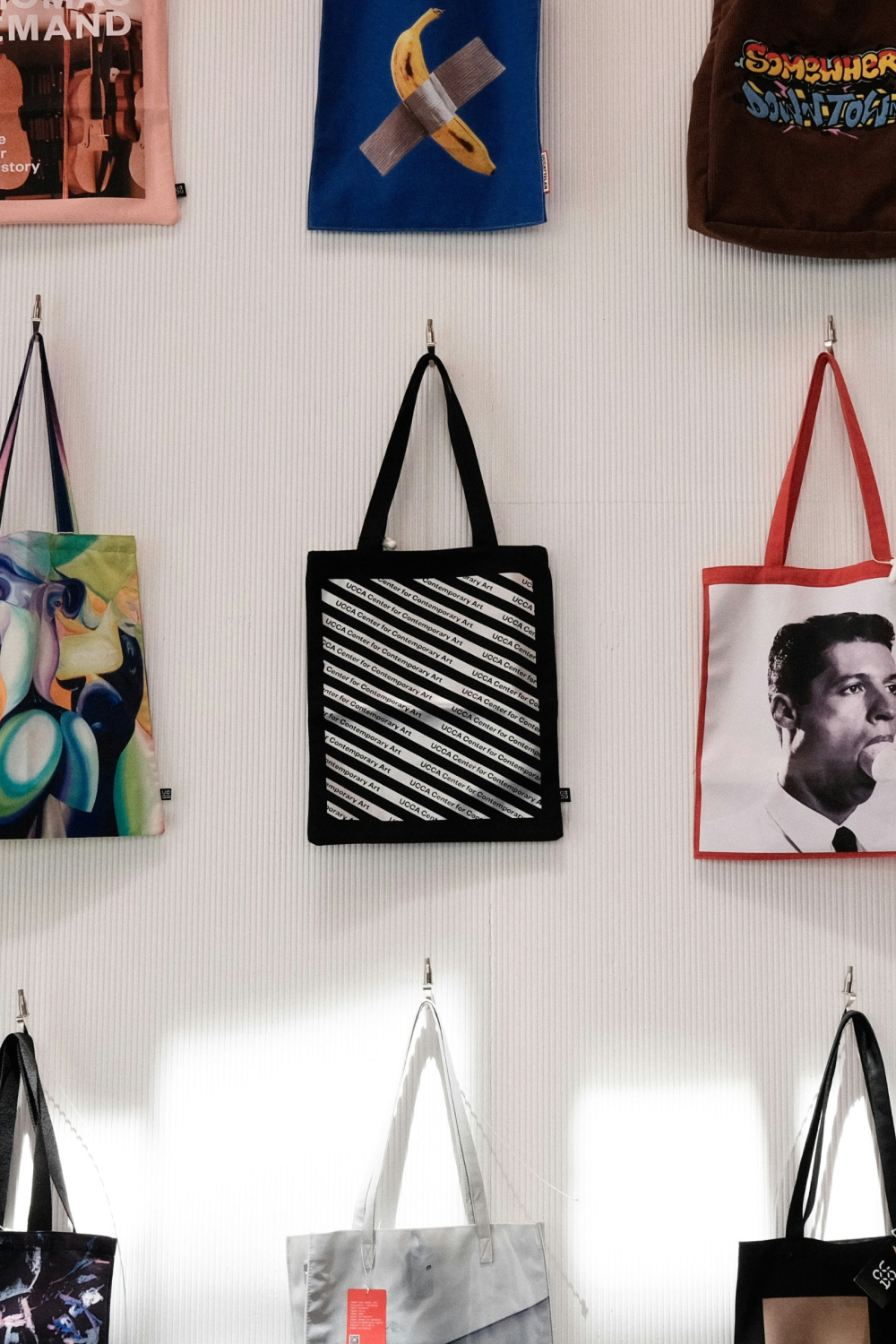
Why it works:
Everyday staples like candles, tote bags, and journals are perfect for easy upsells. The global home and lifestyle goods market is projected to exceed $1.6 trillion by 2030, showing strong growth across a broad audience.
Need Inspiration? Private Label Beauty Brand Ideas That Could Actually Work
Not sure what your brand could look like? Or what the best private label products for small businesses are? Start by identifying a niche market – focusing on a specific audience or product area is crucial for private label success.
Here are a few concepts that are simple, niche, and very 2026:
“Gym Skin” – skincare for post-workout routines (cleansing sprays, sweat-proof SPF, recovery serums)
“Sleep-First Beauty” – everything focused on nighttime rituals (magnesium creams, silk masks, calming oils)
“Overstimulated Girl Aesthetic” – stress-relief rollers, mood perfumes, calming skincare for anxious Gen Z
“Minimalist 3-Step Routine” – no 10-step routines, just cleanser + serum + SPF (for busy people)
“Hormonal Skin Care” – products tailored for cycle-based skin changes
“Travel-Size Everything” – TSA-friendly beauty kits (huge for digital nomads & frequent flyers)
“Inside-Out Beauty” – skincare + wellness supplements for a holistic routine
The best brands don’t try to sell to everyone. They feel like they were made for one very specific person.
Common Mistakes First-Time Private Label Founders Make
Trying to sell everything at once instead of focusing
Ignoring branding, customer expectations, and quality standards in favor of quick launches
Choosing products with no repeat purchase potential
Copying trends too late (TikTok moves fast)
Ignoring branding
Overcomplicating the launch instead of just starting
Done is better than perfect. Especially in ecommerce.
How to Launch a Private Label Beauty Brand in 2026
The biggest myth about starting a brand? That it’s complicated.
It’s actually surprisingly simple.
Step 1: Choose a Niche
Focus on a specific target market or audience with a clear problem:
Acne-prone skin
Hair repair
Minimalist makeup
Look for market gaps, especially in high-growth areas like supplements, where you can identify and fill unmet consumer needs. The more specific your niche, the easier everything else becomes. Broad can be boring.
Step 2: Pick 3-5 Products
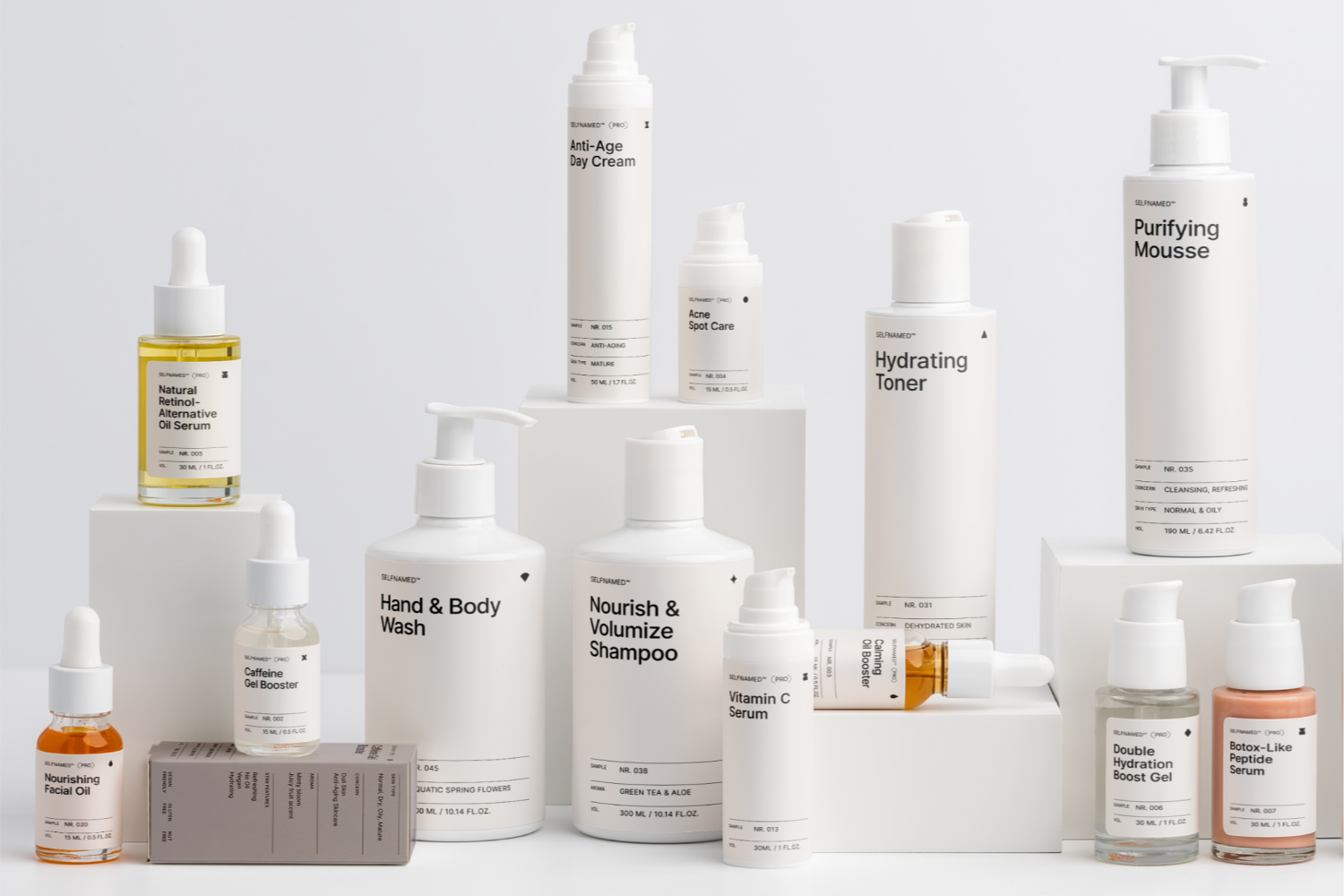
Start small. A focused private label product line is easier to market and manage. You can get some ideas and inspiration from our catalog, curated and sourced exclusively from reliable suppliers.
Step 3: Create Your Branding
Name
Logo
Packaging style
Brand story
Your brand isn’t just what you sell. It’s how you make people feel when they scroll at 11PM. Complete control over packaging, story, and consistency all lead to brand trust.
Step 4: Set Up Your Online Store
Use platforms like Shopify, WooCommerce, Squarespace, or Wix. Find out which one suits your brand and customer preferences the best. These ecommerce companies are perfect for extensive brand development without requiring technical or coding skills.


Step 5: Start Selling (Social-First Strategy)
TikTok content
Instagram reels
Influencer collaborations
If it doesn’t exist on social media, does it even exist? In ecommerce… not really. Social media drives engagement and sales these days. It’s a very powerful tool for multiple retailers. Developing an effective marketing strategy is essential for building brand presence. And also for driving sales of private label products.
You can also explore a curated list of tools to help skincare businesses grow and follow this full guide on starting your own skincare line to turn your brand into a social-first success.
Don’t forget to use customer feedback from early buyers to improve your products and marketing.
Final Thoughts: Start Small, Scale Fast
You don’t need a warehouse. You don’t need a huge budget. You don’t need everything figured out. What you do need is a starting point.
Selling private label products is one of the fastest and smartest ways to build a successful business in 2026. With platforms like Selfnamed you get ready-to-sell beauty products and fast dropshipping. Integrations with ecommerce stores make setup seamless. The barrier to entry has never been lower.
If you’ve been waiting for the “right time” to start your brand – this is it. Selling private label products is one of the fastest and smartest options to launch a brand in 2026.
You’ve got this!
Frequently Asked Questions
-
Private label products are pre-made goods manufactured by one company and sold under your own brand name. You focus on branding and marketing, while production and logistics are handled for you. This is a great model for small businesses that don’t have the capital or scaling capabilities for in house production.
-
The best private label products for small business include skincare (serums, moisturizers), hair care (oils, masks), makeup (lip oils, blush), and wellness products like supplements and aromatherapy items.
-
Absolutely! With dropshipping models, you don’t need to hold inventory. Products are shipped directly to your customers after each sale.
-
With modern platforms like Selfnamed, you can launch in just a few days. From product selection to a live store faster than ever. Pre-made formulations and ready integrations make it simple.
Must read