Best Dropshipping Niches in 2026: Profitable Ideas For Your Online Store

Table of Contents
You can choose a platform, partner with suppliers, and build a good-looking store. But finding the best dropshipping niches is the first solid lead you need to start making money online.
What are you actually going to sell?
There’s no shortage of answers. Trending products appear on TikTok, Amazon, Google Trends, and competitor stores every day. The harder part is telling the difference between a product enjoying a temporary spike and a niche with enough demand to support a business long-term.
In this guide, we’ll rank the most profitable dropshipping niches for 2026, look at what you could sell in each one, where the challenges are, and how to tell whether a niche is actually worth entering.
What Is a Dropshipping Niche?
A dropshipping niche is a specific segment of a larger product market aimed at a particular customer, need, or interest.
Skincare is a category.
Skincare for acne-prone Gen Z customers is a niche.
And you can go even further than that, as long as there’s an audience willing to listen.
The difference is specificity. A niche gives you a clearer picture of who you're selling to, what belongs in your store, and what might make someone choose you over a general marketplace.
That focus can pay off. Deloitte Digital report reveals that brands that excel at personalization are 71% more likely to report improved customer loyalty than brands with low personalization maturity.
A well-defined niche gives you a similar starting point: a specific customer whose needs, interests, and buying habits you can actually build around.
That can make starting a dropshipping business much easier:
Product selection. Build a range around related needs instead of chasing whatever happens to be trending.
Marketing. Ads, SEO, social content, and email campaigns can speak to a recognizable customer persona or concern.
Repeat sales. Relevant products for the niche create natural reasons to come back or add something else to the cart.
Brand building. Your store can become known for something instead of looking like another general marketplace.
The strongest dropshipping niches are specific enough to give the store identity, but broad enough to stay profitable and expand into new products as the business grows.
How to Find Profitable Dropshipping Niches
Look for steady demand, workable margins, repeat-purchase potential, and room to stand out. A few research tools can help you narrow the options:
Check long-term demand. Use Google Trends to see whether interest is steady or growing.
Look at search behavior. Google Keyword Planner can show how people search for products and problems within the niche.
See what people are buying. Amazon Best Sellers and Amazon Product Opportunity Explorer can reveal popular products, pricing, reviews, and competition.
Read customer reviews. Complaints about quality, packaging, price, or missing features can expose gaps worth building around.
Calculate your real profit margins. Include product costs, shipping, fees, returns, and advertising rather than judging a product by its selling price alone.
Think past the first order. Some of the most profitable niches have natural repeat purchases or plenty of related products to add later.
A promising niche should give your dropshipping business enough demand to enter the market and enough room to do something different once you're there.
The Most Profitable Dropshipping Niches for 2026
Skincare, hair care, makeup, health and wellness, pet products, fitness, and several lifestyle categories. Let’s look at each of these options and their niche potential.
Niche #1: Beauty & Skincare
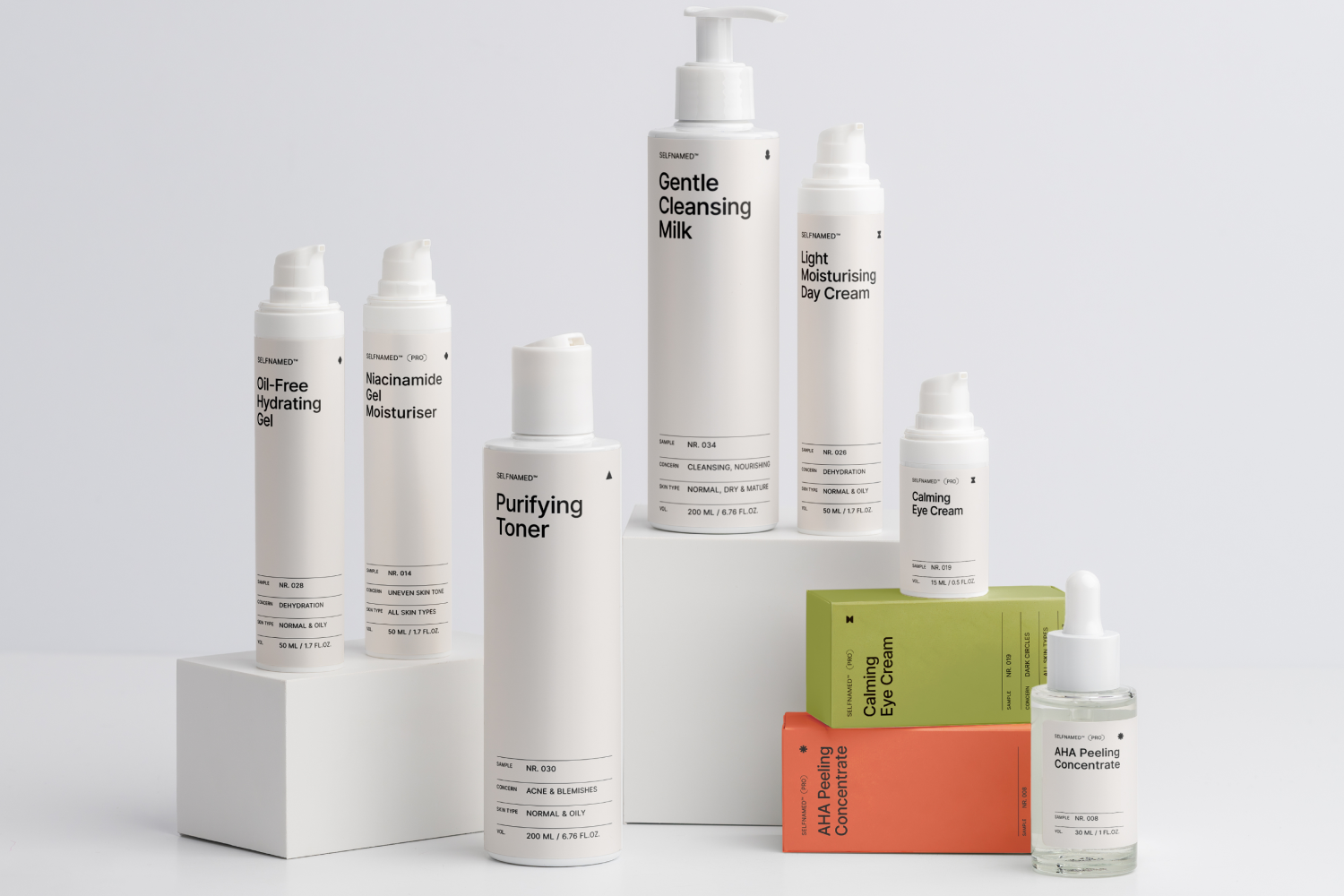
Skincare is consumable. Customers run out, they reorder. That repeat-purchase cycle is built into products people use every morning or evening.
But some of the more interesting opportunities are happening at the ingredient level. Peptides, PDRN, retinol alternatives, and other trending skincare ingredients for 2026 are giving customers new reasons to look at familiar product formats.
Getting in before the trends saturate is where brand equity is made.
Self care routines have also become a cultural fixture – your target audience is actively seeking products aligned with their values: natural ingredients, clean formulations, transparent sourcing.
High profit margins are absolutely achievable here, especially when you move beyond generic products toward dedicated niche branding with a real story to tell.
Some skincare products to sell include:
Skincare does come with a higher trust barrier. Formula quality, compliant claims, clear ingredient information, and reliable suppliers matter.
But when those pieces are in place, repeat purchases and an expandable product range give the niche strong potential for a successful dropshipping business.
Niche #2: Hair Care
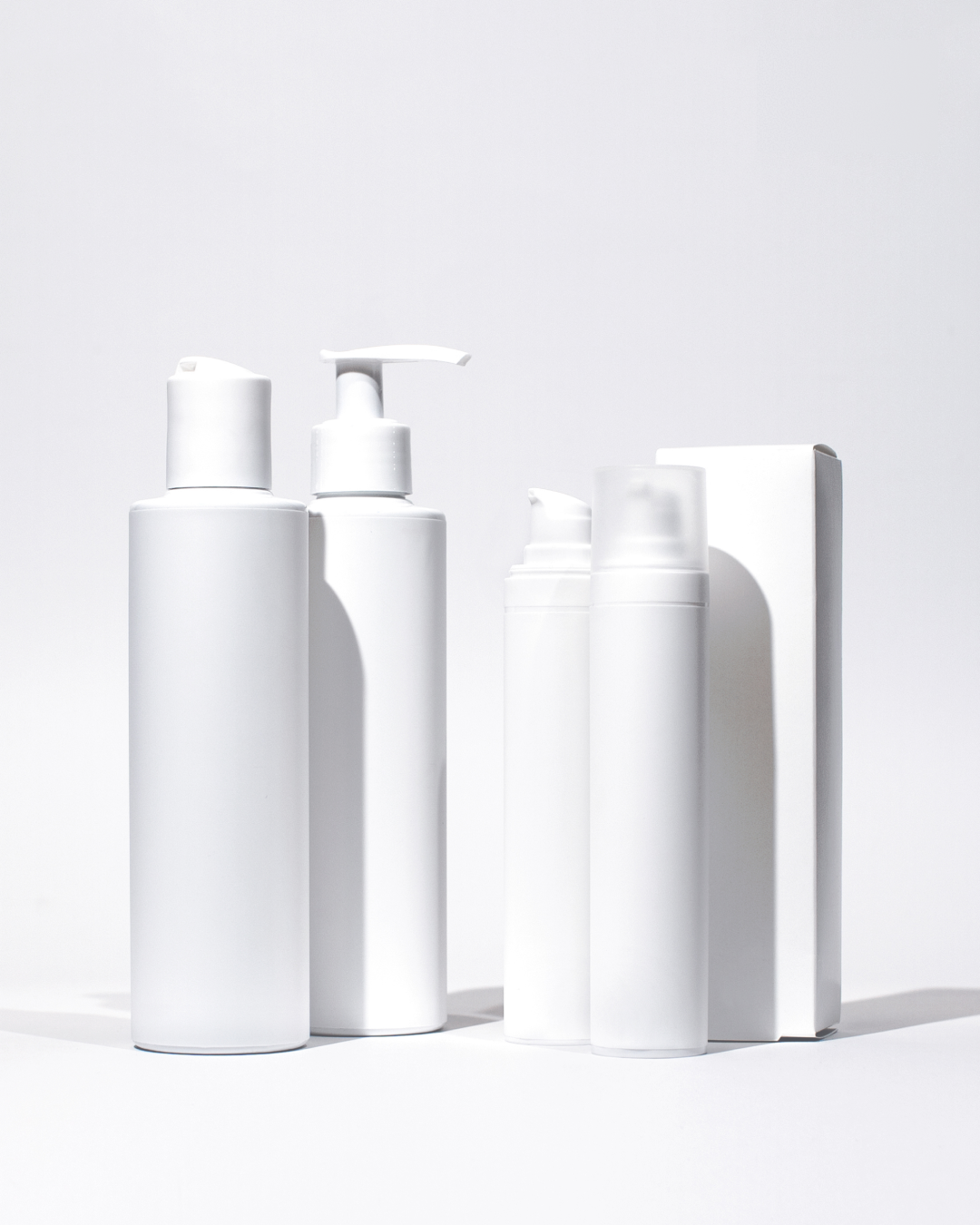
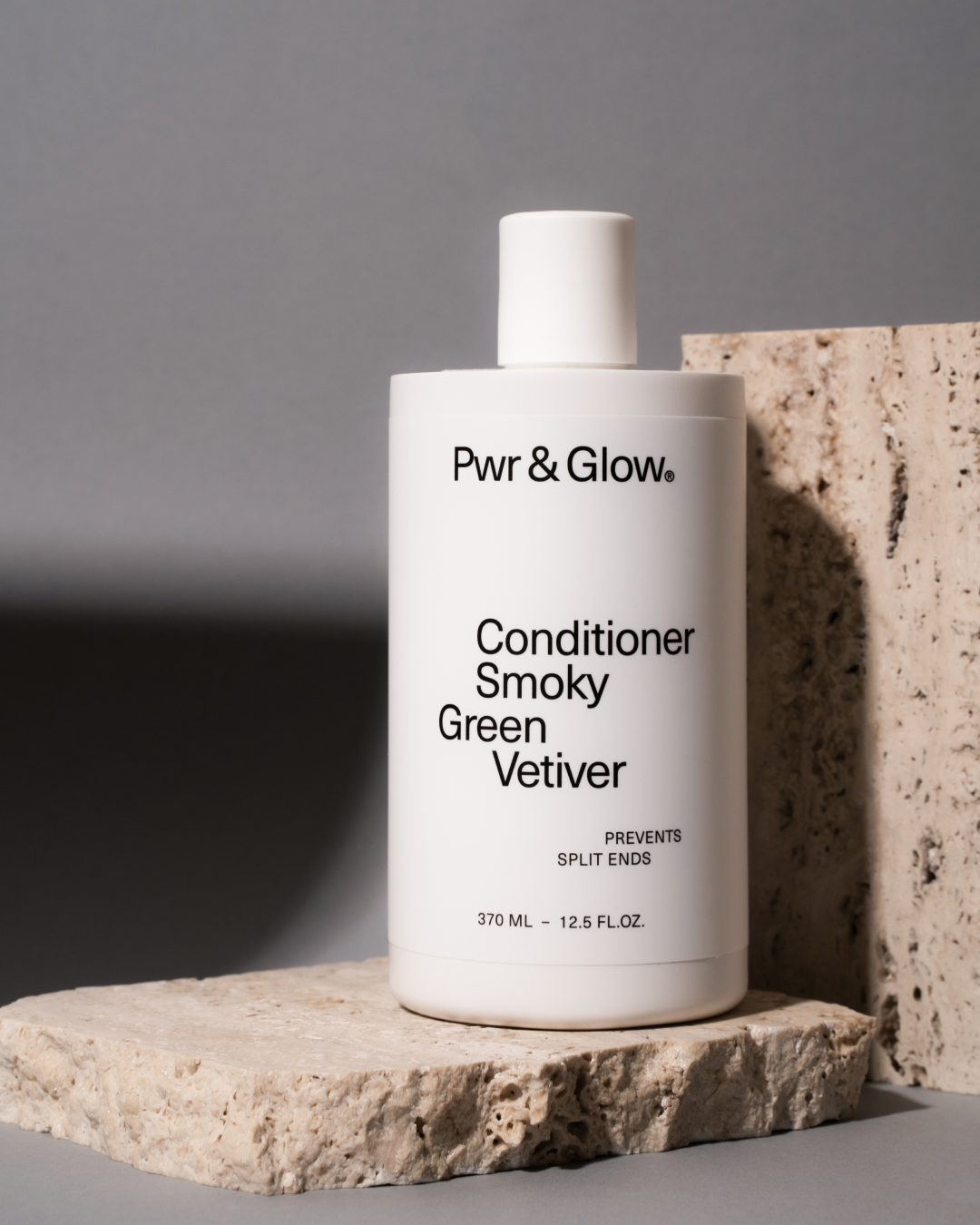
Hair care is a strong dropshipping niche because repeat-use products and growing interest in scalp care, thinning, and damage repair create plenty of ways to specialize and niche down.
Hair care is moving well beyond basic shampoo and conditioner.
Younger shoppers are especially open to bigger routines. Research shows that among adults aged 18–34, nearly 9 in 10 regularly use shampoo or conditioner, while 25% use serumsor masks and 23% use hair oils.
Scalp care is growing too: 34.5% of U.S. consumers named scalp health as a top hair concern, while 37% were concerned about preventing hair loss or thinning.
That creates room to go narrower than a general hair care store. Think dry and damaged hair, scalp care, volume, curls, or thinning. Shampoo and conditioner also run out, while masks, oils, serums, and leave-in treatments make it easy to build a wider routine around the basics.
Some hair care products to sell include:
The challenge is standing out. Hair care is crowded, so another “healthy hair” range won't say much. To make this dropshipping niche profitable, focus on a clear concern, hair type, ingredient story, or routine that gives customers a reason to choose your hair care products.
Niche #3: Makeup & Cosmetics
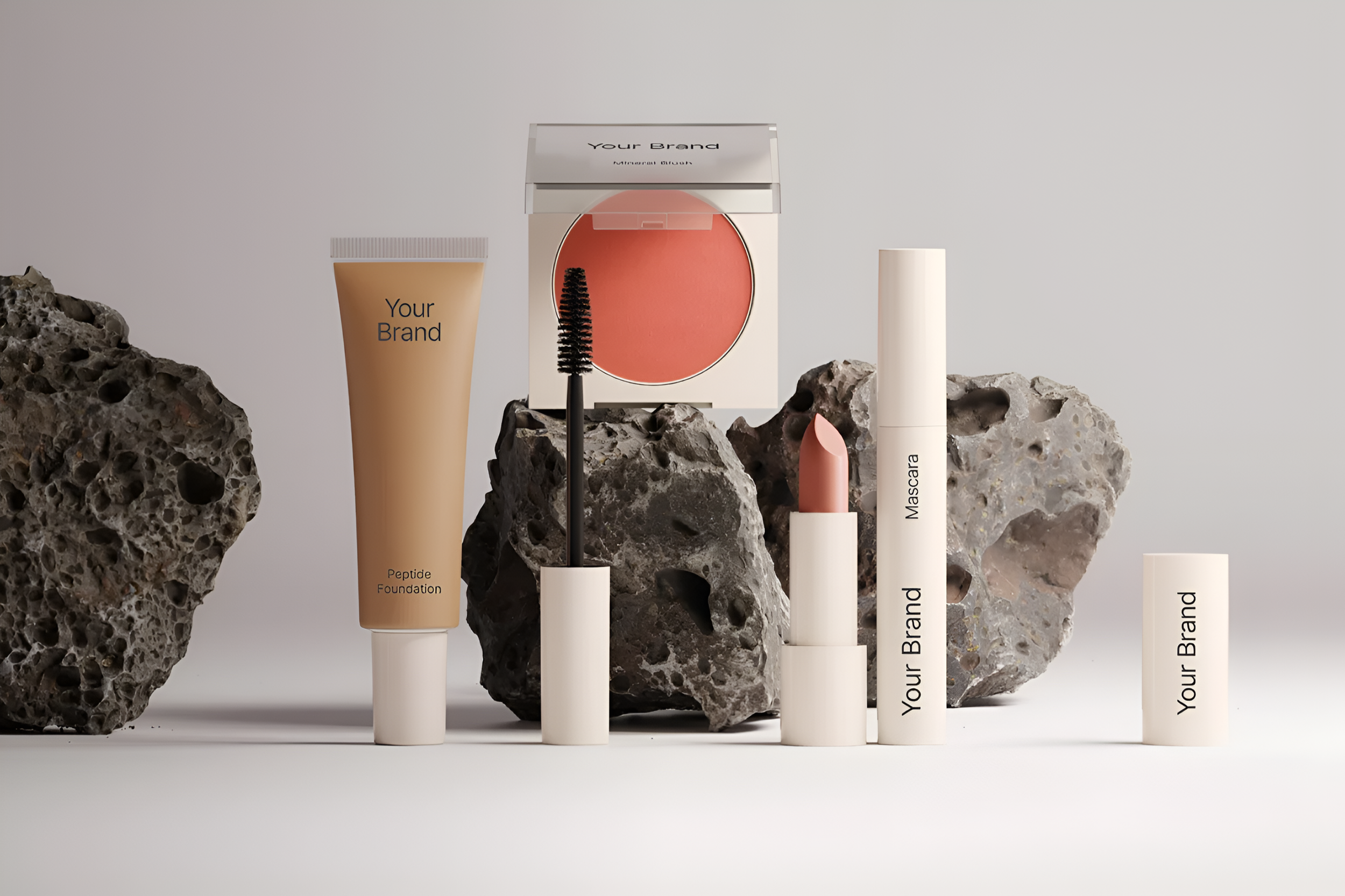
Makeup is getting interesting again. After several years of minimalist looks dominating beauty, color cosmetics are regaining momentum, helped by bolder looks and products that blur the line between makeup and skincare.
It’s also a category built for discovery. A lip oil, blush, or highlighter can be understood in seconds on video, and McKinsey expects social commerce to keep reshaping how beauty products are found and bought.
That matters particularly for Gen Z, whose most important source for both brand discovery and purchase is now social media.
That combination makes makeup a natural fit when researching the best dropshipping niches for Gen Z in 2026. The opportunity is less about carrying every shade and product type and more about creating a recognizable look, audience, or point of view.
Some makeup and cosmetics products to sell include:
lip oils and glosses;
cream blushes;
highlighters;
mascaras;
brow products;
primers;
tinted moisturizers;
makeup removers.
The challenge is how quickly trends move. What looks like one of the most profitable dropshipping niches can become crowded once the same viral products appear everywhere. A distinctive product range and strong visual identity give makeup much more staying power than chasing every trend that lands on your feed.
Niche #4: Health & Wellness
Health and wellness remains one of the most consistent performers across profitable dropshipping niches. Its biggest advantage is the range of customers you can reach, from fitness beginners and better-sleep seekers to people building self-care and recovery routines.
That demand isn't limited to a small wellness crowd. McKinsey found that 84% of U.S. consumers consider wellness a top or important priority. Gen Z and millennials also account for more than 41% of annual U.S. wellness spending despite making up 36% of the adult population.
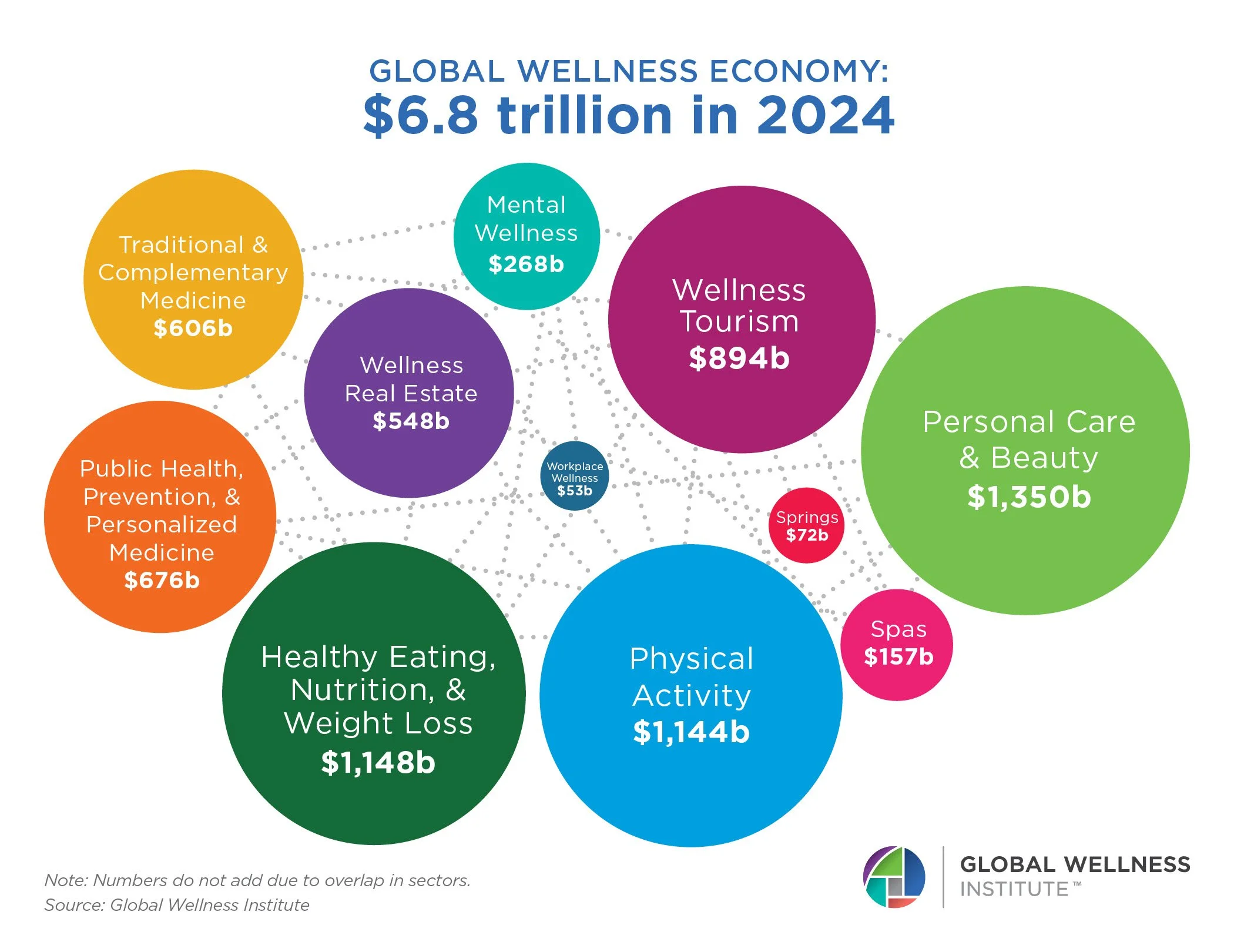
Source: Global Wellness Institute
The category is broad, though, so “health and wellness” alone isn't much of a niche. Sleep, recovery, mindfulness, grooming, or at-home self-care all give you more focused niche dropshipping ideas and a clearer target customer.
Some health and wellness products to sell include:
massage and recovery tools;
sleep masks;
aromatherapy diffusers;
wellness journals;
grooming tools;
facial massagers;
meditation accessories;
fitness recovery accessories.
Supplements come with additional safety, supplier, and regulatory considerations. Physical wellness accessories and personal care products can therefore be a simpler starting point for new sellers.
Niche #5: Pet Supplies

Pet owners don't budget for their pets quite the same way they budget for themselves. That emotional connection is part of what makes pet products such an interesting dropshipping niche.
The global pet care market is projected to reach $283.67 billion by 2033 – making it one of the most thriving markets in the entire ecommerce landscape.
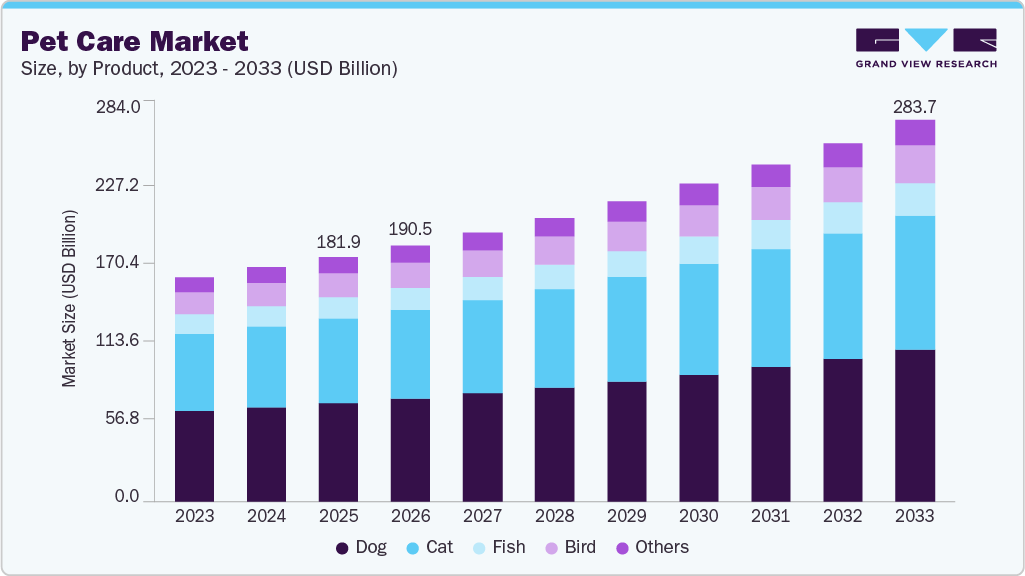
Source: Grand View Research
And the audience is huge. According to the American Pet Products Association, 95 million U.S. households owned at least one pet in 2025. That creates steady demand for everything from everyday essentials to products that make life with a pet easier, more comfortable, or simply more fun.
Loyalty is another advantage. Find a pet owner who likes your products, and there are plenty of reasons for them to return for another toy, grooming product, or accessory.
The smartest play is often to get more specific than “pet products.” You could build around travel accessories for dogs, enrichment for indoor cats, grooming, or products for a particular type of pet.
Some pet products to sell include:
interactive toys;
grooming kits;
personalized ID tags;
travel water bottles;
slow-feeder bowls;
pet beds;
harnesses and carriers;
car and travel accessories.
The challenge is choosing products that are safe, durable, and practical to ship. Bulky beds and fragile products can eat into profit margins, while smaller accessories are often easier to test and bundle.
Niche #6: Fitness & Activewear
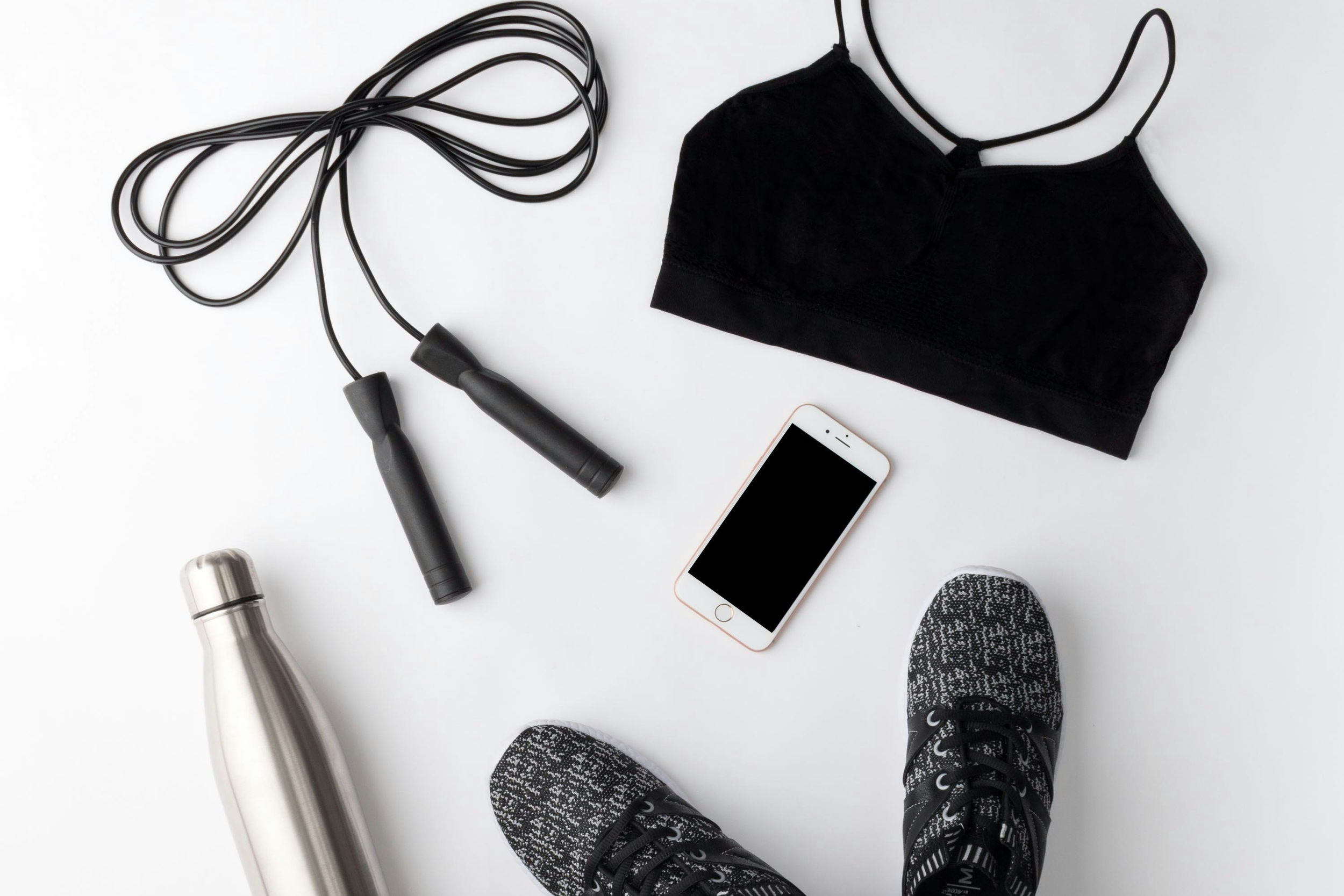
Fitness products and activewear have something useful in common: customers often see them as part of a lifestyle, not just something they need for a workout.
That connection is particularly strong among younger shoppers. McKinsey found that 51% of active consumers see fitness as more than a hobby and part of their lifestyle, rising to 59% among Gen Z and millennials. The same research found that 41% of active Gen Z and millennial consumers had started a new sport in the previous 12 months.
That leaves plenty of room to niche down around running, yoga, strength training, recovery, or a particular type of activewear. Functional clothing can be especially interesting when features such as moisture-wicking fabrics, compression, or stretch give customers a reason to choose it over a basic gym T-shirt.
Some fitness and activewear products to sell include:
resistance bands;
yoga mats;
foam rollers;
ankle weights;
gym bags;
water bottles;
workout leggings;
sports bras.
Demand is fairly consistent throughout the year, with fitness resolutions and changing routines creating additional marketing moments. The challenge is competition, particularly in generic activewear. A store built for a specific activity or customer has a better chance of standing out than one selling a little bit of everything.
Niche #7: Eco-Friendly Products
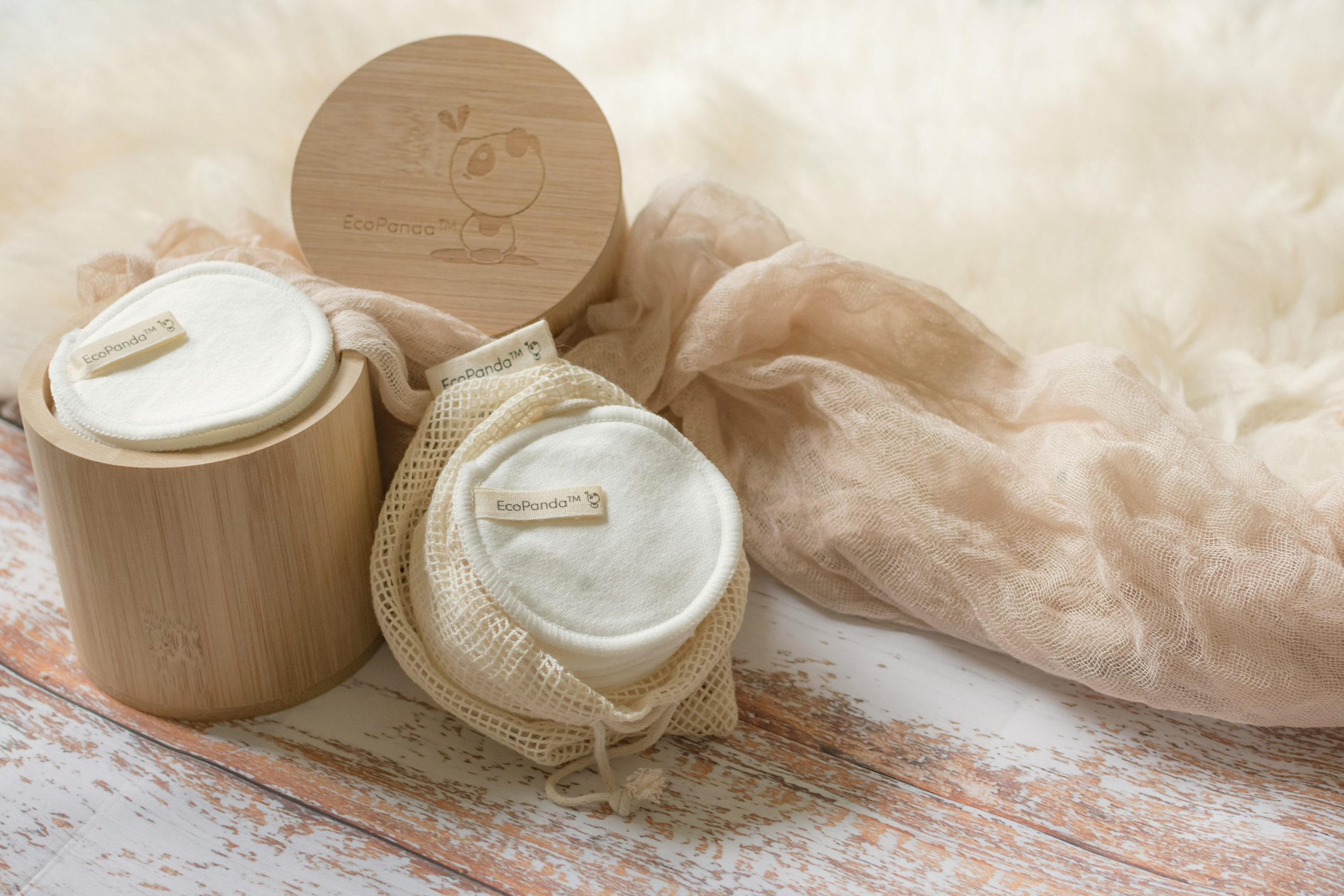
Eco-conscious consumers are now a mainstream force in purchasing decisions. For a growing share of buyers, sustainability is becoming part of what they expect from the products and brands they choose.
Deloitte found that about 4 in 10 consumers surveyed globally buy at least one sustainable product every month. Sustainability also stretches well beyond one category, with purchases spanning personal care, clothing, home furnishings, and other everyday products.
That flexibility is what makes eco-friendly products one of the more interesting trending dropshipping niches. Instead of selling sustainability as a category on its own, you can use it as the idea connecting your product range.
Some profitable dropshipping products to explore include:
reusable food storage bags;
stainless steel water bottles;
organic cotton tote bags;
natural candles;
refillable personal care products;
reusable kitchen accessories;
products made with recycled materials;
low-waste beauty accessories.
This niche also overlaps naturally with beauty, fitness, and home décor. That's why a store can carry products across several categories while keeping a consistent sustainability angle.
The challenge is backing up what you say. If you're marketing something as sustainable, details such as materials, packaging, production, and recyclability need to support that story. Vague “eco-friendly” claims won't do much to build trust.
Niche #8: Home Décor

Home décor has long been one of the more reliable profitable niches because people don't need to move house to want something new for it. A different rug, print, lamp, or set of cushions can change a room without a major renovation.
The market was valued at over $1 trillion globally in 2025 and is projected to reach $1.6 trillion by 2030. Consistent interest in home styling, driven heavily by platforms like Pinterest and Instagram, keeps this niche in a state of steady demand year-round.

Source: Grand View Research
Recent buying behavior backs that up. Among U.S. homeowners who renovated in 2025,48% bought rugs, 47% purchased pillows or throws, and 42% bought artwork.
Home décor also works particularly well online because it's visual. A product can sell a whole mood or aesthetic in a single image or short video, whether that's Scandinavian minimalism, vintage interiors, bold color, or cozy apartment living.
The key is niching down. “Home décor” is too broad. “Colorful décor for small apartments” or “vintage-inspired kitchen accessories” gives you an audience and a much clearer product direction.
Some home décor products to sell include:
wall art and prints;
decorative pillows and throws;
candles and candleholders;
ceramic vases;
mirrors;
woven baskets;
small lamps;
desk accessories.
The challenge is shipping. Large, heavy, or fragile pieces can quickly eat into margins, so smaller décor and accessories tend to make more practical dropshipping products than bulky furniture.
Niche #10: Baby & Maternity Products
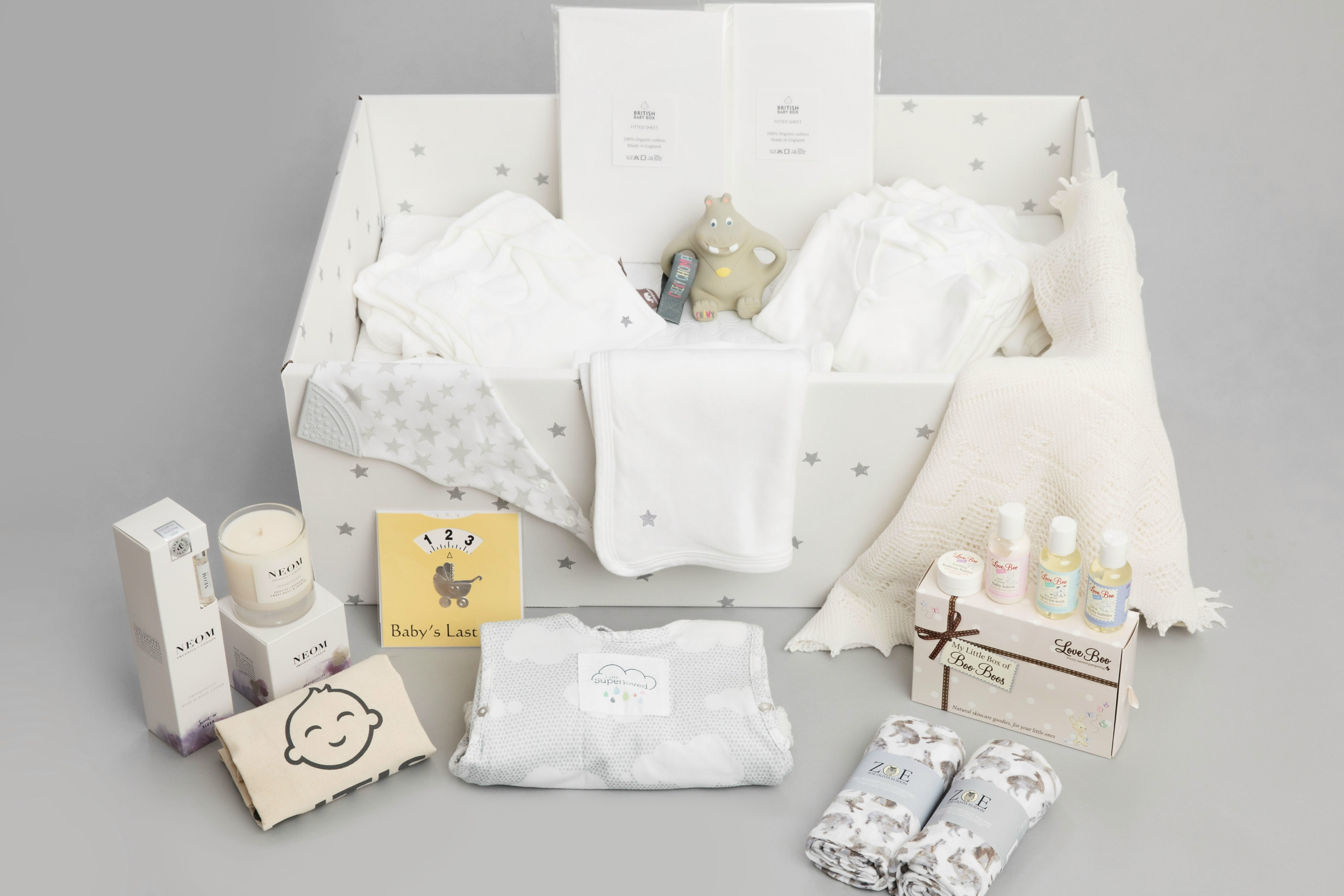
Baby products sit at the intersection of emotional purchasing and genuine necessity. Parents need the basics, but babies also grow quickly, creating new needs as they move through different stages.
The global baby care products market is estimated at $177.68 billion in 2026 and projected to reach $225.69 billion by 2031, according to Mordor Intelligence.
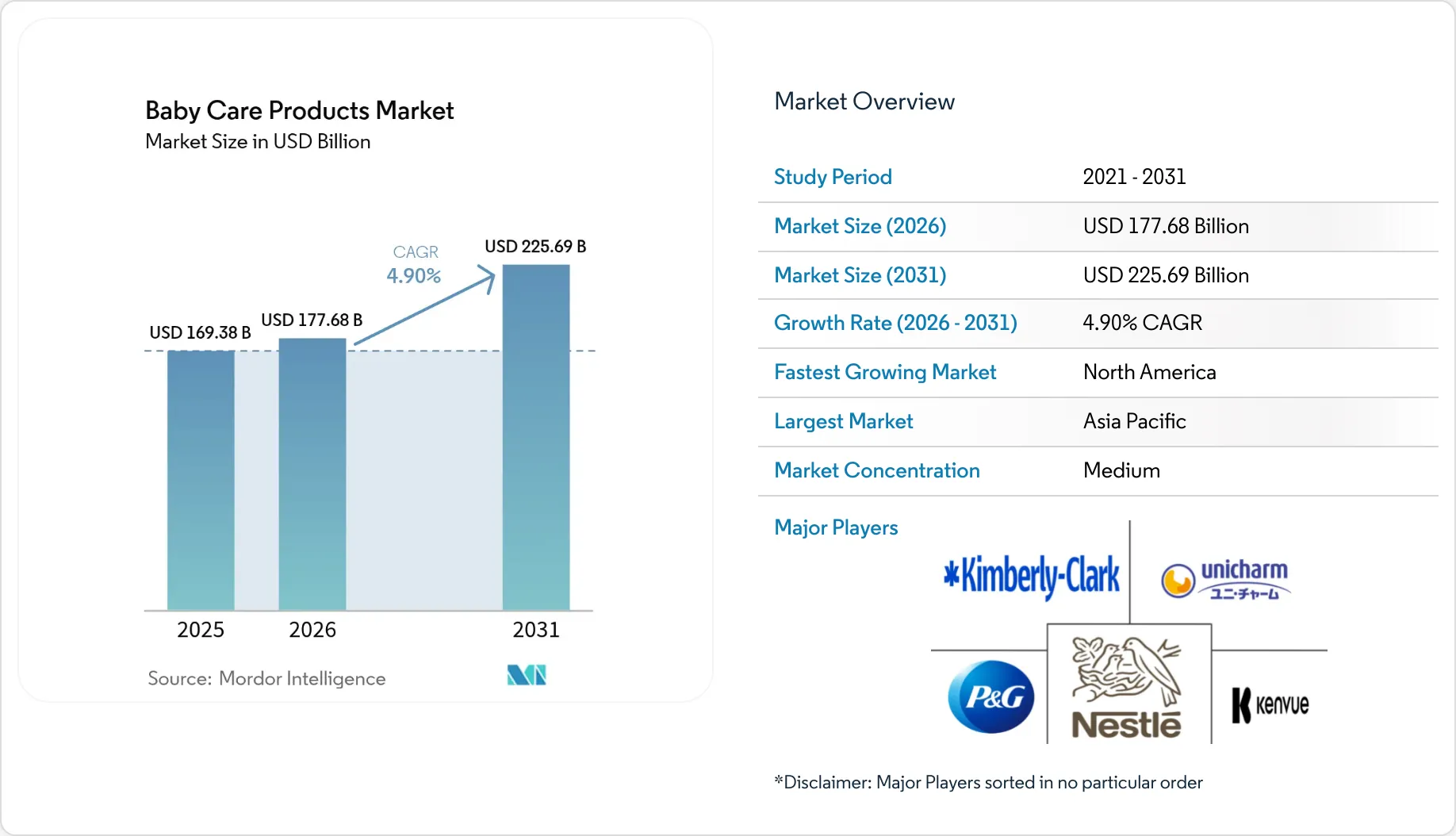
That gives the category something many profitable dropshipping niches in 2026 are looking for: reasons for the same customer to come back. Feeding accessories, bath products, clothing, toys, and on-the-go essentials can all become relevant at different points. Baby showers and newborn gifts also bring buyers into the category who aren't parents themselves.
Educational and developmental products are worth exploring too. They give you a more specific angle than a general baby store and can be built around different ages, milestones, or routines.
Some baby products to sell include:
swaddle blankets;
feeding accessories;
diaper bags;
bath accessories;
developmental toys;
baby carriers;
nursing accessories;
baby skincare.
The biggest challenge is safety and compliance. In the U.S., children's products are subject to specific CPSC requirements, which can include third-party testing, certification, tracking labels, and additional rules for certain infant and toddler products. Reliable suppliers and proper product documentation are essential here, so this isn't a niche where you want to choose products based on trends alone.
Niche #10: Kitchen Tools & Accessories
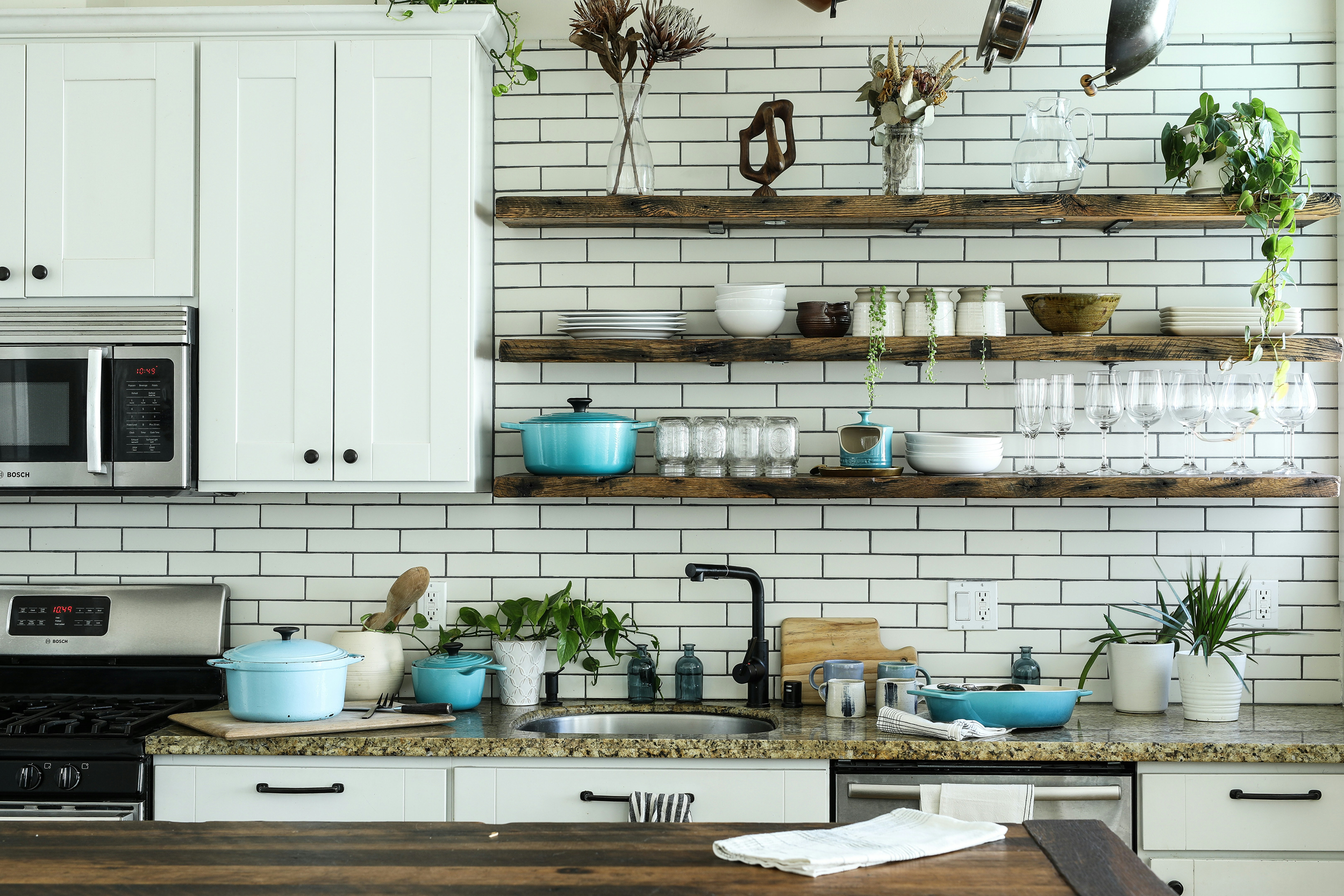
Everyone eats. That's essentially your market research done for you.
Kitchen accessories have broad, year-round appeal, but there’s another reason they belong among the best dropshipping niches: people are still investing in cooking at home. In a 2025 International Housewares Association survey, 58% of consumers said they hoped to cook at home more in the coming year, rising to 69% among Gen Z and millennials. Affordability and healthier eating were two of the main reasons.
Search interest can also give this niche a seasonal boost. Google Trends shows stronger interest in kitchen tools around key shopping and gifting periods, giving you opportunities to plan campaigns ahead of time rather than relying only on year-round demand.
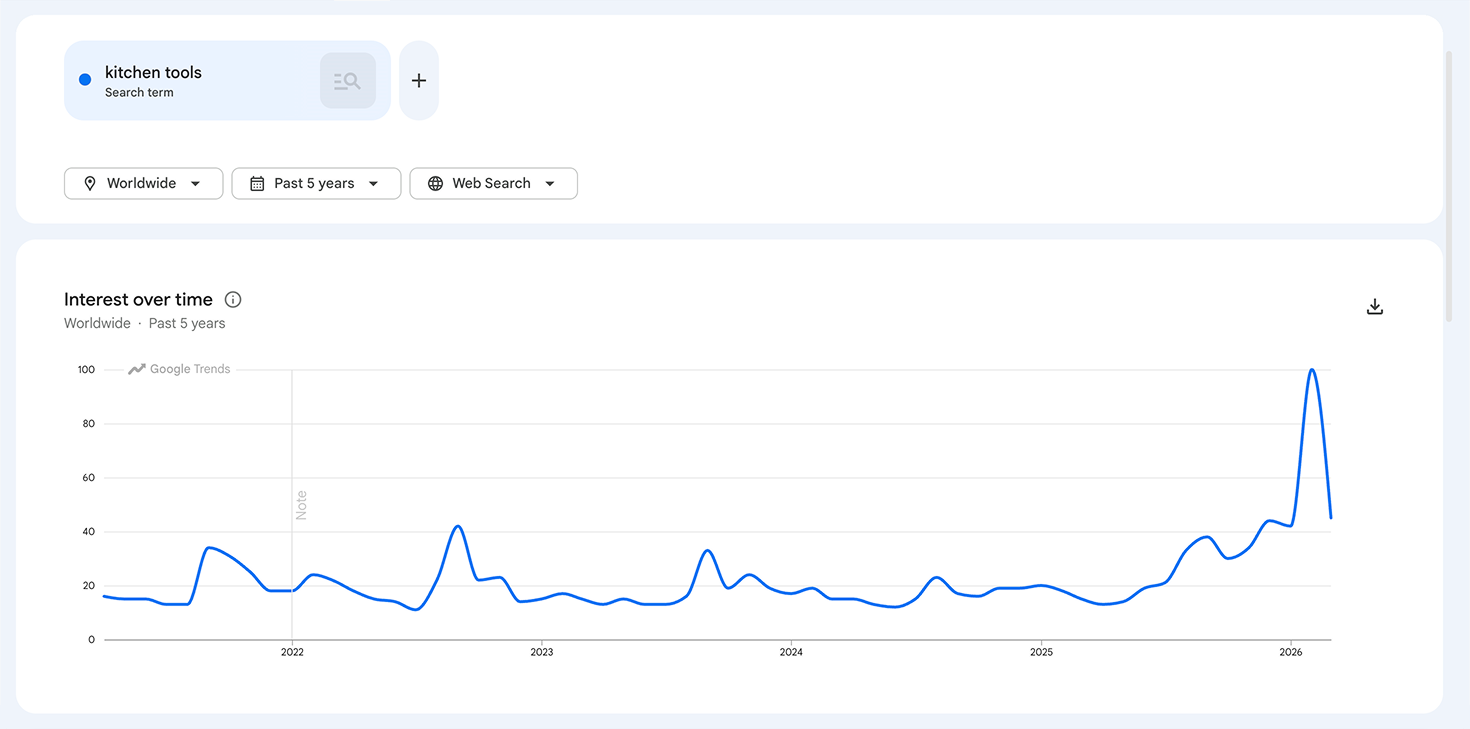
Source: Google Trends
Kitchen accessories are also easy to demonstrate. A chopper, frother, or clever storage solution can show its value in seconds, which helps explain why this category continues to sit among the best dropshipping niches for visually led content.
Some kitchen accessories to sell include:
vegetable choppers;
silicone baking mats;
measuring tools;
reusable food storage bags;
milk frothers;
digital food scales;
herb scissors;
spice storage accessories.
Gifting and bundling add another opportunity. Matching utensils, baking sets, or food-prep kits can turn several inexpensive products into a more substantial purchase.
The challenge is avoiding novelty gadgets that look clever once and then gather dust. Practical, compact products that solve a recognizable kitchen problem are usually a stronger foundation than filling a store with whatever gadget happens to be viral.
Niche #11: Car Accessories

Car accessories may be one of the more underrated niches on this list. People keep their vehicles for years, and there are always ways to make them more practical, comfortable, organized, or personal.
The spending is there too. In 2025, the U.S. accessory and performance parts market reached $52.92 billion in retail sales, while roughly one in four vehicle owners bought products to personalize or improve their vehicle.
What makes this niche practical for dropshipping is the range of smaller accessories available. You don't need to get into complicated performance parts. Products built around organization, travel, comfort, or personalization can be easier to ship and useful to everyday drivers.
Some car accessories to sell include:
trunk organizers;
car seat gap fillers;
backseat organizers;
car cleaning accessories;
interior storage solutions;
sunshades;
car trash cans;
travel accessories.
The trick is to avoid the most generic end of the market. Basic accessories are available almost everywhere, that's why a clearer use case gives you more to work with. Profitable niche angles include road trips, family cars, pet owners, commuters, or vehicle organization.
Niche #12: Gaming Accessories

Gaming has a massive audience. More than 205 million Americans played video games in 2025, and 60% of U.S. adults played at least once a week.
The opportunity for dropshippers isn't in trying to compete with major brands on consoles, controllers, or other expensive hardware. It's in the ecosystem around the gaming setup.
Cable management, protective cases, stands, desk accessories, and storage products can solve smaller problems without requiring customers to replace their main gaming gear. They also give you plenty of ways to niche down by platform, setup style, or type of player.
Some gaming accessories to sell include:
cable management kits;
headset stands;
gaming mouse pads;
controller stands;
console carrying cases;
protective cases;
desk organizers;
screen protectors.
Competition is the main challenge, and accessory spending isn't growing across the board. U.S. consumers spent $2.9 billion on video game accessories in 2025, down 7% from the previous year. That makes product selection especially important. Instead of filling online stores with basic RGB accessories, look for a particular setup, platform, or gaming community you can build around.
5 Dropshipping Niches to Avoid in 2026
Not every niche is worth your time.
Some look great on paper and fall apart the moment you actually try to run a business around them. Here are five to steer clear of – especially if you're just getting started.
1. Furniture
The margins look attractive until you price in the shipping. Furniture is bulky, heavy, and fragile – a combination that turns fulfillment into a logistics nightmare.
Damage rates are high, returns are expensive, and a single bad delivery can wipe out weeks of profit. This isn't a niche to avoid forever, but it's absolutely one to avoid until you have serious operational infrastructure behind you.
2. Basic Clothing & Apparel
The demand is real. The competition is brutal. Generic clothing is one of the most saturated dropshipping niches on the planet, with thousands of stores selling near-identical products and competing almost entirely on price (not to mention the ethical dilemma of fast-fashion.)
Add in the complexity of sizing, fit, and the return rates that come with both, and you've got a category that's genuinely hard to make work without a strong, differentiated brand. Finding niche gaps is still possible – like specialized activewear – but it’s not an easy category for beginners.
3. Consumer Electronics
Expensive products don't automatically mean healthy margins. Electronics can bring compatibility issues, defects, warranties, returns, and customers who already have strong preferences for established brands.
Accessories are a different story. Cases, stands, organizers, and other products around the device can give you access to the same customer without taking on as much technical risk.
4. Seasonal-Only Products
Holiday decorations can sell quickly when the timing is right. The problem is what happens for the rest of the year.
A store built entirely around one season can leave you with uneven sales and a very short window to acquire customers. Seasonal products work better as an addition to a year-round range than as the whole business.
5. Counterfeit-Risk Luxury Goods
Designer lookalikes and suspiciously cheap branded goods can bring trademark, authenticity, supplier, and platform problems that aren't worth building a business around.
Luxury products aren't automatically off-limits, but they require legitimate products and reliable supplier relationships. If you can't clearly verify where an item comes from and whether you're allowed to sell it, skip it.
The Smartest Way to Dropship Beauty? Meet Selfnamed
We've made the case for skincare, hair care, and makeup. Now let's talk about how to actually do it well. Because the difference between a beauty dropshipping store that grows and one that quietly fades out often comes down to two things: the quality of the products and the brand built around them.
Beauty only works with a brand behind it.
Unlike a kitchen gadget or car accessory, beauty is personal. Customers aren't just buying a serum, shampoo, or lip product. They're adding something to a routine and choosing a brand they want to trust and come back to.
Private label products make building that kind of business much more accessible. Instead of developing formulas from scratch, you can start with ready-made products and put your own branding and product story behind them.
That’s where Selfnamed comes in.
Selfnamed is a beauty fulfillment platform built for dropshippers and ecommerce entrepreneurs who want to sell branded skincare, hair care, body care, and makeup without holding inventory.
What Selfnamed Gives You
Everything to start your dropshipping journey for free, including:
200+ retail-ready beauty products. Choose from skincare, hair care, body care, and makeup formulas backed by 20 years of formulation and manufacturing expertise.
No minimum orders. Order one product to test it, dropship products as customers buy them, or move into bulk orders as you grow.
Free Design Studio. Add your logo, adjust colors, use templates, and create product mockups directly in your browser.
COSMOS-certified options. Most formulas carry COSMOS certification by ECOCERT, while production is handled by a B Corp Certified manufacturing partner.
Ecommerce integrations. Connect Shopify, WooCommerce, Squarespace, or Wix and automate the order-to-fulfillment process.
Shipping to 30+ countries. Fulfillment hubs in Europe and the U.S. make it possible to sell across multiple markets.
Transparent pricing and margin control. See product pricing and bulk discounts upfront, then set the retail prices that make sense for your positioning.
There’s also no subscription fee to get started. You can explore the catalog, work on your branding, and calculate potential margins before committing to a product.
And as the beauty market moves, you don't necessarily have to start over. Selfnamed's catalog continues to add trend-ready formulas, giving you room to test new products and expand your range as your audience grows.


How to Evaluate Your Niche Before You Commit
A niche can look promising until you run the numbers or dig into how people actually shop it. Before committing, put your idea through these five checks:
Is there consistent year-round demand? Check Google Trends over the past 12 months and five years. You want steady interest, ideally growing over time, rather than one big spike followed by months of silence.
Do the profit margins actually work? The original 30%+ target is a useful benchmark, but don't stop there. Factor in product cost, shipping, platform fees, returns, and advertising to see what you're really left with.
Is there repeat purchase potential? Ask what happens after the first order. Consumables such as skincare naturally run out, while other niches can encourage customers back through complementary products, replacements, or new releases.
Can you niche down further? “Pet products” gives you a category. “Luxury accessories for small dog breeds” gives you a much clearer customer. The more specific the audience, the easier product selection and marketing become.
Does the niche support brand building? Look for room to develop a recognizable identity, point of view, and product range. If the only real way to compete is price, building something customers remember becomes much harder.
Choosing the Best Dropshipping Niche for Your Business
The best niches for dropshipping 2026 give you somewhere to grow. Maybe that’s skincare customers coming back for products they use every day. Pet owners shopping around a shared interest. Or home décor buyers drawn to a particular style.
What matters is finding the overlap between what people want, what the numbers say, and what you can build a recognizable brand around.
Start with a clear idea, test it, and learn from what your customers actually buy. From there, one well-chosen niche can become the foundation for a much bigger business.
Frequently Asked Questions
-
It depends on what you want to build, but skincare, hair care, wellness, and pet products all have strong potential. Look for a niche people already spend money on and where there’s room to make your store feel different.
-
No. People are still shopping online, and dropshipping is still one way to reach them. What has changed is that throwing a few trending products into a generic store is much harder to turn into a lasting business.
-
Often, the basics don't add up. The product may have weak margins, the supplier may be unreliable, or the store simply looks too similar to everything else customers can find online.
-
Skincare, hair care, makeup, wellness, pet products, fitness and activewear, eco-friendly products, home décor, baby products, and kitchen accessories are all worth looking at in 2026. Car and gaming accessories also offer interesting opportunities.
-
Be careful with furniture, generic clothing, electronics, seasonal-only products, and counterfeit-risk luxury goods. They can come with expensive shipping, frequent returns, tight margins, or extra compliance headaches.
-
Start by looking at what people are searching for, buying, and talking about. Google Trends, marketplaces, reviews, and keyword research can help you spot ideas, then you can narrow them down based on demand, competition, margins, and repeat-purchase potential.
Must read