Omega-3-6-9 Benefits for Your Next Skincare Formula

Table of Contents
Barrier-first skincare is becoming one of the clearest directions in modern skincare product development.
Over the past few years, the conversation has shifted toward repair, nourishment, and lipid support. Customers have become more ingredient-aware, and many now understand that healthy skin depends on a stable barrier.
As a result, barrier-support skincare ingredients are becoming some of the most searched and discussed topics in beauty. That shift is one of the reasons omega-rich formulations are gaining attention again in 2026.
Essential fatty acids play a structural role in skin health. They help maintain moisture levels and support the recovery of the skin barrier. As a result, skin tends to feel smoother and more resilient – the qualities customers often associate with healthy skin.
So, understanding omega-3-6-9 benefits will help you design products that align with both science and current demand. It also makes it easier to build formulas around lipid-rich ingredients, which naturally fit formats like body oils, nourishing serums, barrier-support treatments, and others.
Let’s take a look at what omega-3, -6, and -9 fatty acids actually are, how they support skin, and why omega-rich formulations continue to earn a place in modern skincare.
What Are Omega-3, -6, and -9 Fatty Acids?
Omega-3, omega-6, and omega-9 are simply fatty acids – a type of natural fat the human body uses for everyday processes like cell growth, energy production, and maintaining skin health. They occur naturally in many ingredients people already know, including fatty fish, fish oil, olive oil, avocado oil, sunflower seeds, and other plant based foods.
Omega-3 and omega-6 are considered essential fatty acids, meaning the body cannot produce them on its own and must obtain them from external sources. Omega-9, on the other hand, can be produced by the body.
Omega-3 fatty acids include alpha linolenic acid (ALA), eicosapentaenoic acid (EPA), and docosahexaenoic acid (DHA). These omega-3s are often associated with fatty fish, fish oil supplements, and plant based sources like chia seeds.
Omega-6 fatty acids, such as linoleic acid and gamma linolenic acid, occur naturally in vegetable oils, corn oil, and sunflower seeds.
Omega-9 fatty acids belong to the group of monounsaturated fatty acids, with oleic acid being the most familiar example. These fats are abundant in olive oil, extra virgin olive oil, and avocado oil.
In nutrition, these fats are usually discussed in terms of diet. In skincare, the story is a little different.
Skin already contains fatty acids as part of its natural barrier. When that layer loses balance, skin can start to feel dry, tight, or irritated.
That’s one reason oils rich in omega-3, omega-6, and omega-9 fatty acids keep showing up in skincare formulas designed for dry skin, barrier support, and overall skin health.
Omega-3 Benefits for Skin


Skin concerns like dryness, sensitivity, and breakouts are very common. Studies suggest that acne alone affects around 9–10% of the global population, making it one of the most widespread skin conditions.
In many cases, these issues connect back to the skin barrier.
When the barrier becomes depleted, skin loses moisture more easily and becomes more reactive to environmental stress. Pollution, over-cleansing, harsh products, and climate conditions can all weaken the lipid layer.
That’s where omega-3 fatty acids become relevant in skincare. They help replenish lipids on the skin surface and support a more stable barrier.
Stronger Skin Barrier and Better Moisture Retention
One of the most noticeable omega-3 benefits for skin is the support it gives to the skin barrier.
The outer layer of the skin naturally contains lipids, including fatty acids, which help keep moisture in and protect the skin from everyday stress. When those lipids start to drop, the skin often feels tight, dry, or slightly rough.
Oils that contain omega-3 fatty acids help bring some of those lipids back to the surface. That’s why they are commonly used in formulas aimed at dry skin, barrier support, and better moisture balance.
Calmer Skin and Reduced Visible Irritation
Another reason omega-3 fatty acids show up in skincare is their calming effect on the skin.
Many common concerns – acne, redness, sensitivity – are tied to inflammation. Acne alone is one of the most common skin conditions worldwide.
Ingredients like EPA and DHA, both part of the omega-3 family, are often discussed in research looking at how the body manages inflammation. Because of that connection, oils rich in omega-3 fatty acids regularly appear in skincare formulas designed to help skin feel calmer and less reactive.
Smoother Texture and Healthier-Looking Skin
When the skin barrier has enough lipids, the surface of the skin tends to look smoother and more resilient.
This is why ingredients containing omega-3 fatty acids often appear in formulas designed to improve skin condition, glow, and overall skin health.
For you, this benefit is also easy to communicate. Omega-3 fatty acids support the skin’s natural lipid balance, which means your products can help customer skin feel softer, look healthier, and hold onto moisture more effectively.
Omega-6 Benefits for Skin
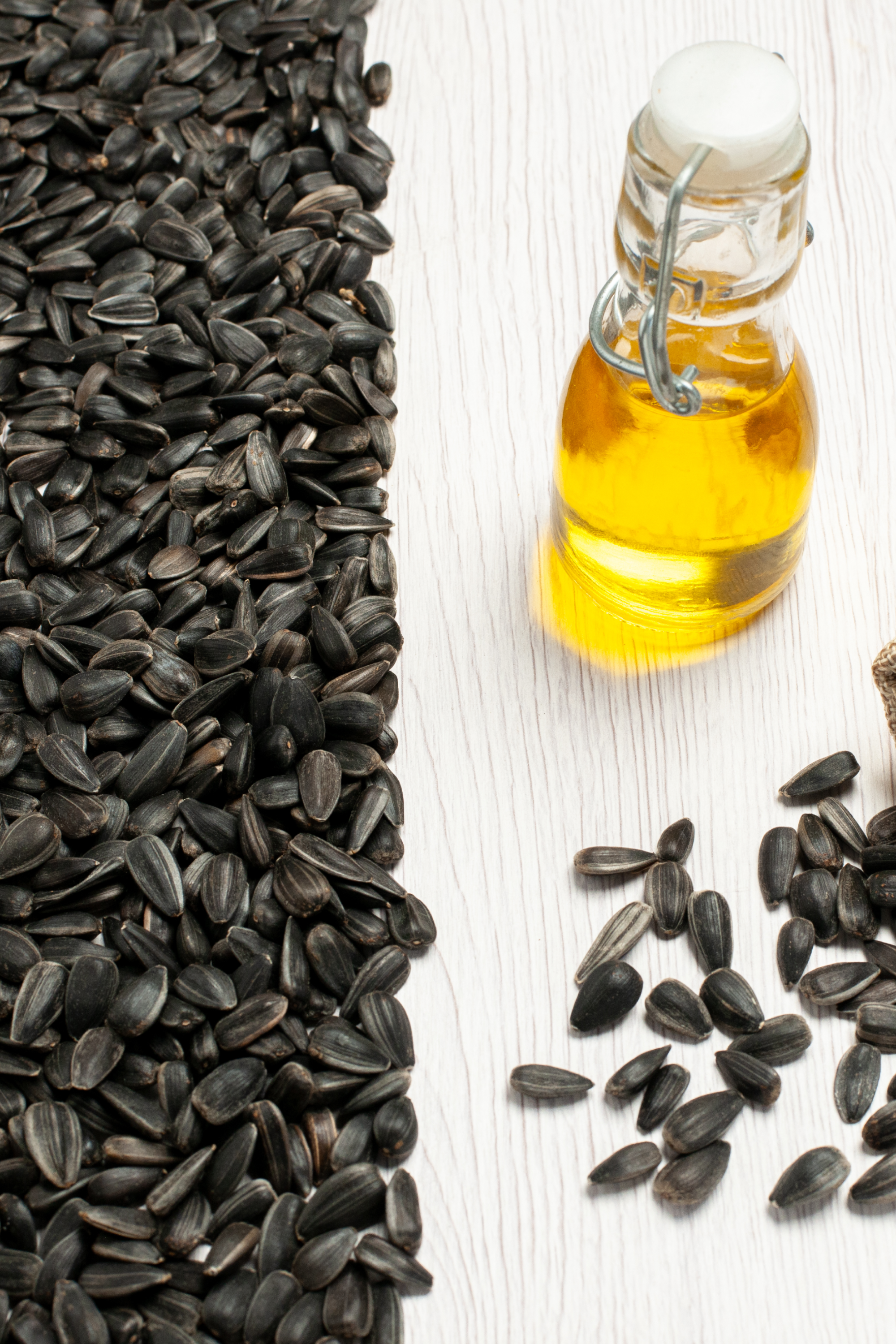

Omega-6 fatty acids appear in skincare for slightly different reasons than omega-3. While omega-3 is usually linked with calming and replenishing the skin, omega-6 fatty acids are more connected to oil balance, skin renewal, and texture.
One of the best-known omega-6 ingredients is linoleic acid. It’s a polyunsaturated fatty acid that naturally exists in healthy skin and helps support the way the skin functions every day.
Better Balance for Oily and Acne-Prone Skin
Omega-6 fatty acids are often talked about when it comes to oily or acne-prone skin.
Research has shown that people with acne tend to have lower levels of linoleic acid in their skin oil. When this level drops, the oil on the skin can become thicker, which makes clogged pores more likely.
Because of that, oils that are naturally rich in omega-6 are often used in skincare products made for combination or blemish-prone skin. They can help support a healthier balance in the skin’s natural oils.
Support for Skin Renewal
Omega-6 is also linked to how the skin renews itself.
Skin is always going through a cycle. Old cells move up to the surface and new ones form underneath. Fatty acids are part of the structure that supports this process and helps the outer layer stay in good shape.
When the skin has enough essential fatty acids, it usually looks a bit smoother and more even. That’s why oils rich in omega-6 are commonly included in products made to improve skin texture and help the skin look healthier overall.
Softer, More Flexible Skin
They can also make a difference in how skin actually feels.
Skin needs certain fats to stay soft and comfortable. When those fats are missing, the surface can start to feel tight, dry, or a little rough.
That’s one of the reasons oils high in omega-6 are used so often in body oils and richer moisturizers. They help the skin feel smoother and more flexible, and they leave it looking hydrated instead of dry or dull.
Omega-9 Benefits for Skin


While omega-3 and -6 are called essential fatty acids because the body has to get them from outside sources, omega-9 is different. The body can make it on its own. Even so, oils that contain omega-9 are still commonly used in skincare.
A good example is oleic acid. You’ll find it naturally in oils like olive oil and avocado oil. People have used these oils on their skin for a long time because they leave it feeling soft and well moisturized.
Deep Nourishment for Dry Skin
Omega-9 fatty acids, like oleic acid, are often used in skincare because they’re naturally rich oils. They sit on the skin a little longer than lighter oils, which help the skin feel moisturized.
Because of this, omega-9 oils often appear in skincare products designed for dry skin, including body oils, balms, and richer night creams.
Supporting Skin That Feels Softer With Age
As skin ages, sebum production gradually decreases. Research shows it drops significantly over time and reaches some of its lowest levels after the age of 70.
With fewer natural lipids on the skin surface, skin can start to feel drier and less supple. Oils that contain oleic acid, a common omega-9 fatty acid, help replenish some of that richness on the skin.
Because of this, omega-9 rich oils are often used in nourishing skincare products designed to leave skin feeling softer and more comfortable.
What Are the Benefits of Omega-3 -6 and -9 Together?


When you combine omega-3, -6, and -9 fatty acids in one formula, you give the skin a broader mix of lipids to work with. Each fatty acid supports the skin in a slightly different way, so together they create a more balanced result.
This is one reason omega-rich formulations are gaining attention again in 2026, especially as more brands move toward barrier-supporting skincare.
That combination creates a few clear advantages:
Stronger support for the skin barrier
Omega-3, omega-6, and omega-9 fatty acids help reinforce the skin’s natural lipid layer. When that layer stays balanced, skin holds moisture better and feels more comfortable day to day.
A natural glow customers can see
Fatty acids soften the surface of the skin. When multiple omega fatty acids are present in a formula, the skin often looks smoother and more hydrated, which naturally creates a healthy glow.
A great match for body care products
Body skin loses moisture faster than facial skin. When you use oils rich in omega-3, -6, and -9 fatty acids, you create formulas that leave the skin feeling nourished, smooth, and comfortable.
For your brand, the positioning becomes simple – omega-rich formulas support skin health while delivering the softness and glow your customers expect from modern body care.
Why Omega-Rich Body Oils Are a Smart Category Move
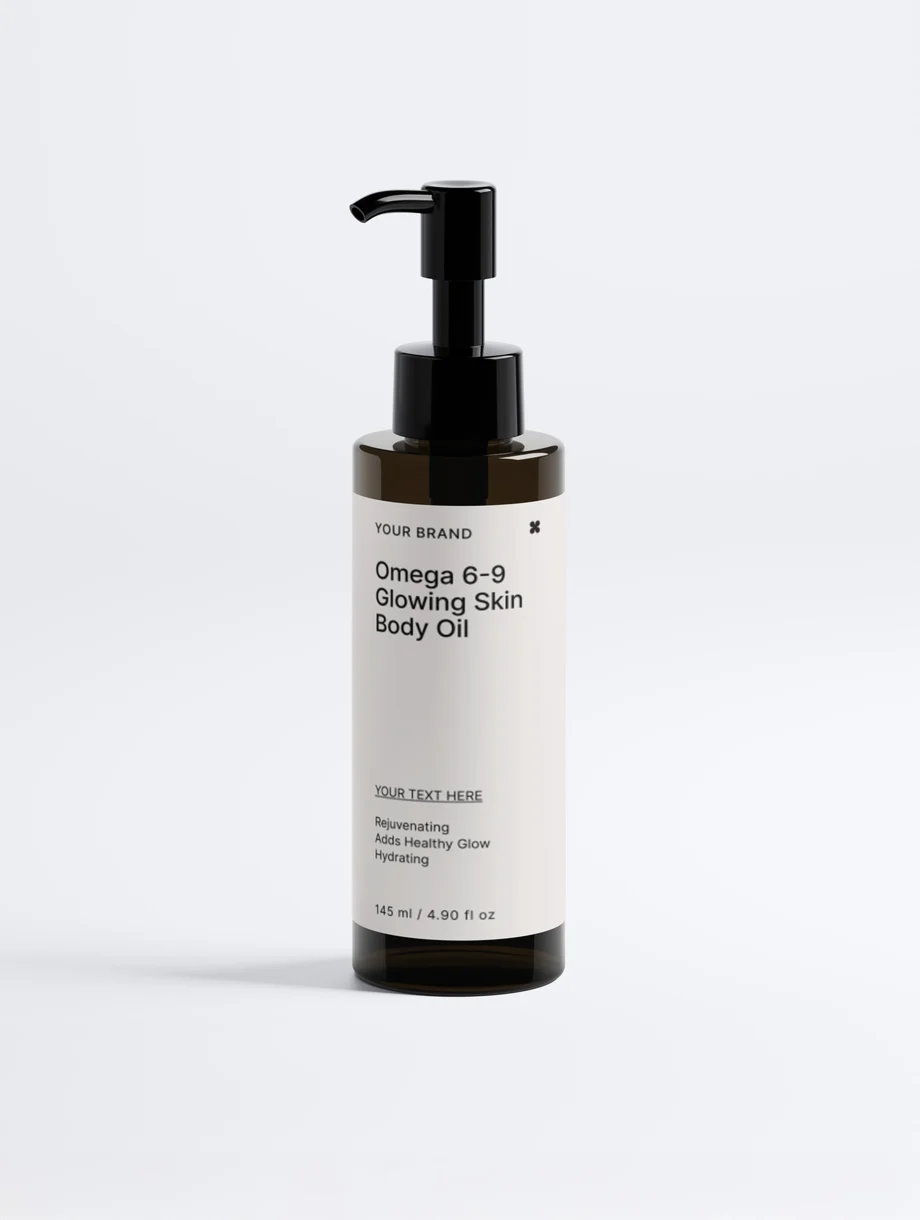

Body oils give you one of the simplest ways to introduce omega fatty acids into a skincare line. Customers already associate oils with nourishment, soft, and comfortable skin. When those oils contain omega-3, -6, and -9 acids, the ingredient story becomes even clearer.
For your brand, this product category can bring several advantages:
Easy ingredient positioning
Many omega-rich oils come from ingredients customers already know, for example, olive oil, avocado oil, and other plant oils. Because these sources feel familiar, it becomes much easier for you to explain the formula and for customers to trust what’s inside the products.
Strong demand for dry skin solutions
Dry skin is something many customers deal with, especially during colder months or with frequent washing. Oils that contain essential fatty acids help support the skin’s natural moisture balance, which makes them a natural choice for body care products designed to keep skin soft and comfortable.
A practical product to add to your line
If you want to bring omega-rich skincare into your brand, a ready-made formula can make that easier. A product like the Omega 6-9 Glowing Skin Body Oil already combines nourishing plant oils rich in omega fatty acids, giving you a barrier-supporting body oil that fits naturally into a modern skincare range.
For many founders, body oils become a smart entry point into lipid-focused skincare – a category that continues to grow as more customers look for products that support long-term skin health and hydration.
Build Your Skincare Products Around Omega-Rich Ingredients

Omega-3, -6, and -9 fatty acids give you a clear way to build products around what customers are actively looking for – barrier support, nourishment, and healthy-looking skin.
As skincare continues moving toward lipid-focused formulas, omega-rich products fit naturally into that direction. They are easy to explain, which helps customers move past common skincare misconceptions, easy to understand, and simple to integrate into formats like body oils and nourishing treatments.
So, when you build products that support the skin barrier and long-term skin comfort, you’re building a skincare line that grows with where the industry is heading.


Frequently Asked Questions
-
Omega-3, -6, and -9 fatty acids mainly support the skin’s lipid layer. When that layer has enough fats, skin tends to stay softer and holds moisture more easily. That’s why oils rich in these fatty acids often appear in products focused on nourishment and barrier care.
-
They can be. Research shows that acne-prone skin often contains lower levels of certain fatty acids. Because of that, oils rich in omega fatty acids are sometimes used in products designed for combination or blemish-prone skin.
-
Yes. The skin barrier is partly made of lipids, including fatty acids. Oils that contain omega fatty acids help top up that layer, which makes it easier for skin to keep moisture in.
-
Omega-3 is usually linked with calming and replenishing the skin, while omega-6 is more connected to oil balance and skin renewal. Both support the skin barrier, just in slightly different ways.
-
Yes. Oils that contain omega-9, like olive oil or avocado oil, are naturally richer and more nourishing. That’s why they often show up in products for dry or mature skin.
Must read