Table of Contents
Beauty marketing campaigns have had a serious glow-up.
Beauty marketing is no longer just about products. It’s about experiences, culture, and participation. Cosmetics brands are at the forefront of this shift, driving changes in how the industry connects with consumers.
The days of glossy ads and perfectly lit product shots doing all the heavy lifting are gone. Now, it’s all about immersive, creator-led, digital moments that live across social media, IRL activations, and everything in between.
If your advertising campaign doesn’t make someone stop scrolling (or better yet, get involved), you’re falling behind. The real power now lies in participation. If your audience isn’t interacting, sharing, or creating with you, you’re basically whispering into the void.
So let’s have a look at the recent innovative beauty marketing campaigns that are actually turning heads in 2026. And more importantly, why they work (and how you can steal the strategy for your business, not just admire it).
What Defines Successful Beauty Marketing Campaigns Today
The best beauty campaigns today don’t feel like marketing at all. They feel like culture and something you’d want to be a part of.
Here’s what separates ordinary and forgettable launches from successful beauty marketing campaigns:
Community-first, not brand-first
It’s no longer “look at our product.”
Now it’s “this is your space, your vibe, your story.”
The most successful beauty brands aren’t building audiences, they’re building communities that people want to belong to. Because there’s a difference – an audience just watches, but a community participates, defends, shares, and sticks around.
Brands like Glossier and Fenty Beauty built empires not by being the loudest. These brands grew because they made their audience feel seen. Different skin tones, different identities, different definitions of beauty – they created a space for all of it.
The real power move is to make your audience feel like they belong before you try to sell them anything. When people feel connected to your brand, they don’t just buy once. They come back, they bring friends, and they become your marketing.
Blending online and offline experiences
The line between online and offline? Gone completely.
IRL is back, and it’s more powerful than ever. But only when it connects to your digital presence.
The smartest campaigns blend physical experiences with social media, whether that’s a pop-up in New York or a TikTok trend that spills into real life.
Those real-world moments don’t just stay offline. They show up on Instagram, in creator content, and everywhere your audience is hanging out.
The offline moment becomes the content engine. One activation can generate hundreds of posts, reactions, and user-generated content pieces.
Your brand today lives beyond visibility. People now want to experience it, document it, share it, and put their own spin on it.
Creator-led storytelling
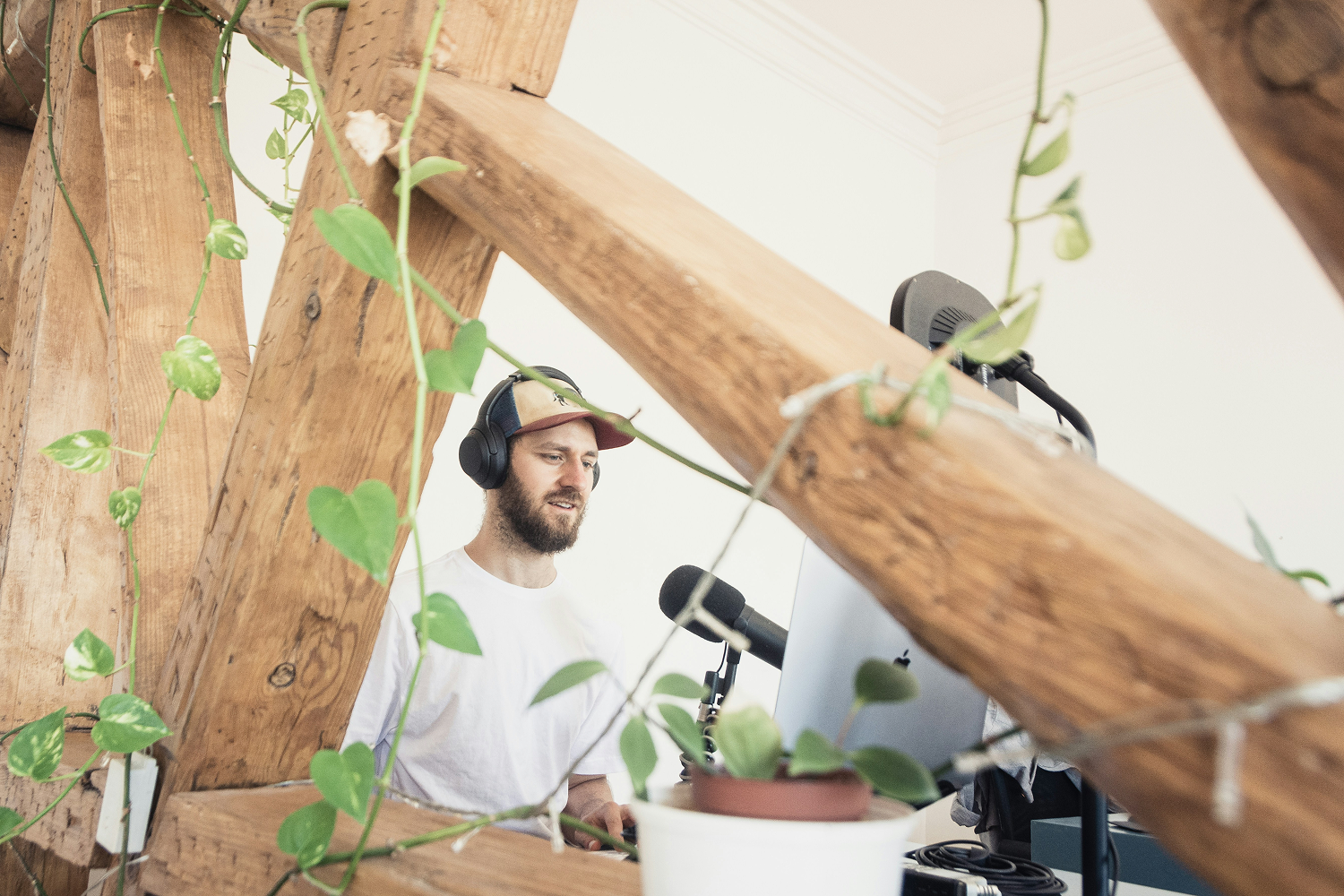
Creators aren’t just amplifiers, they’re also co-creators.
In modern marketing, the smartest brands are handing over the campaign narrative to influencers and creators. Yes, agree, that might feel risky, but it’s what makes the modern campaigns effective.
Influencers and creators understand their audience better than any brand deck ever could. They know what feels natural, what feels forced, and what will actually “land the plane”.
The best campaigns today feel like they were made by real people, not approved by ten layers of marketing managers. They’re messy but in a good way. They’re personal, relatable, and sometimes even a little chaotic.
Highly produced content with rigid scripts is now replaced by flexibility and raw, authentic energy.
Unexpected collaborations
Unexpected collaborations work because they interrupt people’s expectations.
Beauty x food. Beauty x transport. Beauty x film.
It’s the kind of crossover that makes someone pause mid-scroll and think, wait… what? And that moment of curiosity is exactly what you want to achieve.
But it’s not just about being random. The best collaborations tap into pop culture, fashion, and real-life moments your audience already cares about. That’s what gives them momentum.
Look at it this way – a lipstick launch on its own? Yawn.. easy to ignore.
A lipstick launch tied to a trending TV show, a viral dessert brand, or a major cultural event? Now that has context and energy.
These collaborations also let beauty brands borrow relevance from other industries. You’re not building attention from scratch; you’re plugging into an existing conversation.
And more importantly, they expand your audience. Someone who came for the cupcakes might stay for the nail polish. Someone who booked the ride home might discover your skincare.
Sensory and experiential moments
We’ve seen so much over the years. But now we want to feel something for a change.
Touch, smell, taste, sound – the most creative beauty campaigns blend multiple senses to create something truly memorable. The more senses you engage, the stronger the connection you create, especially when campaigns incorporate body care experiences that encourage positive body image and overall wellness.
Imagine a fragrance pop-up where you can taste scent-inspired drinks. Or a skincare and body care experience where you can physically test textures. Maybe even a makeup launch that feels like stepping into another realm?
We’re moving from passive consumption to active experience. From scrolling to feeling.
Recent Innovative Beauty Marketing Campaigns (2026)
Let’s get into the good stuff and have a look at these beauty campaigns that bring together creativity, strategy, and cultural awareness to genuinely move people (yes, sometimes even making them queue in the cold for a free drink).
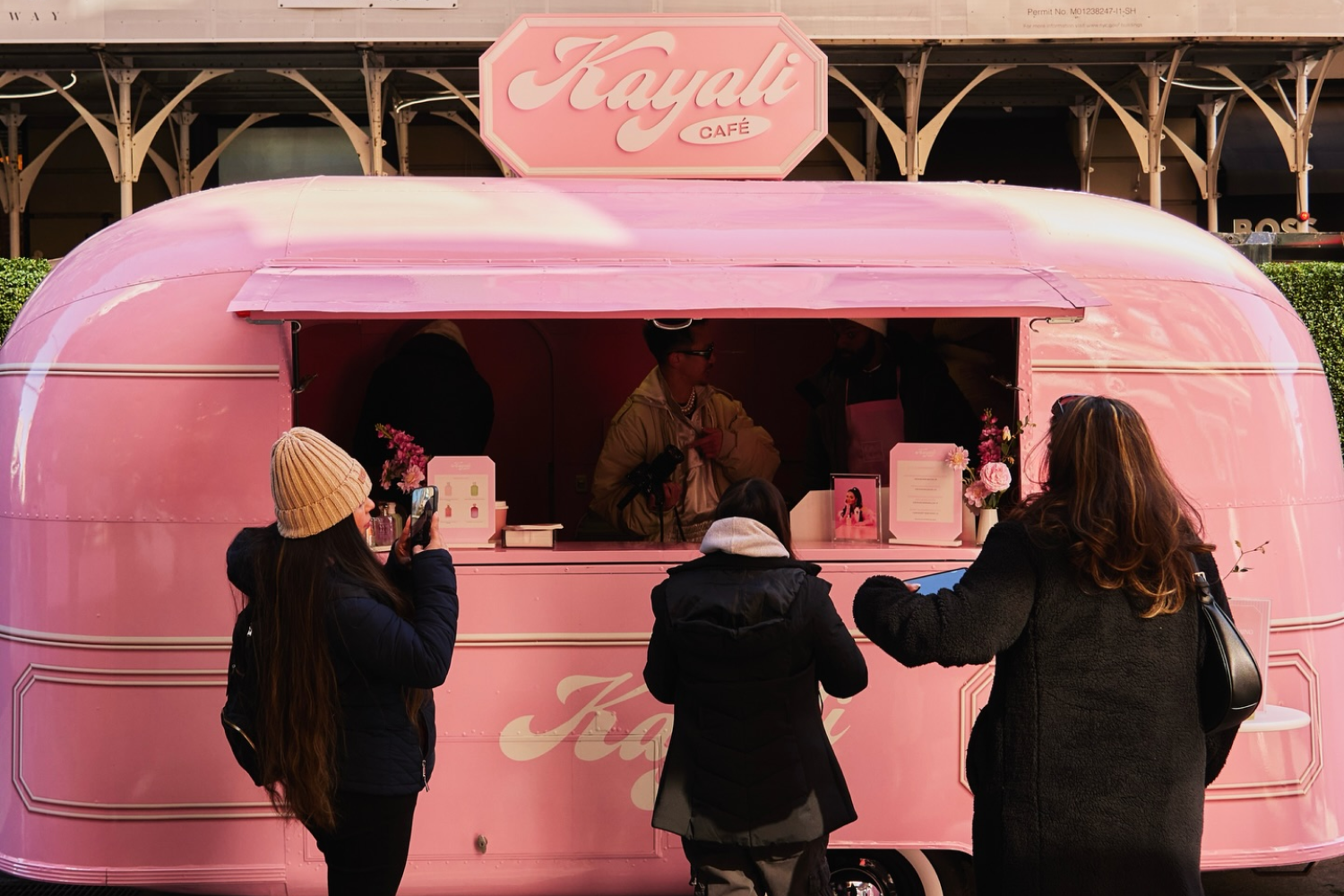
Kayali Café Pop-Up: Turning Fragrance Into Flavor
What is it:
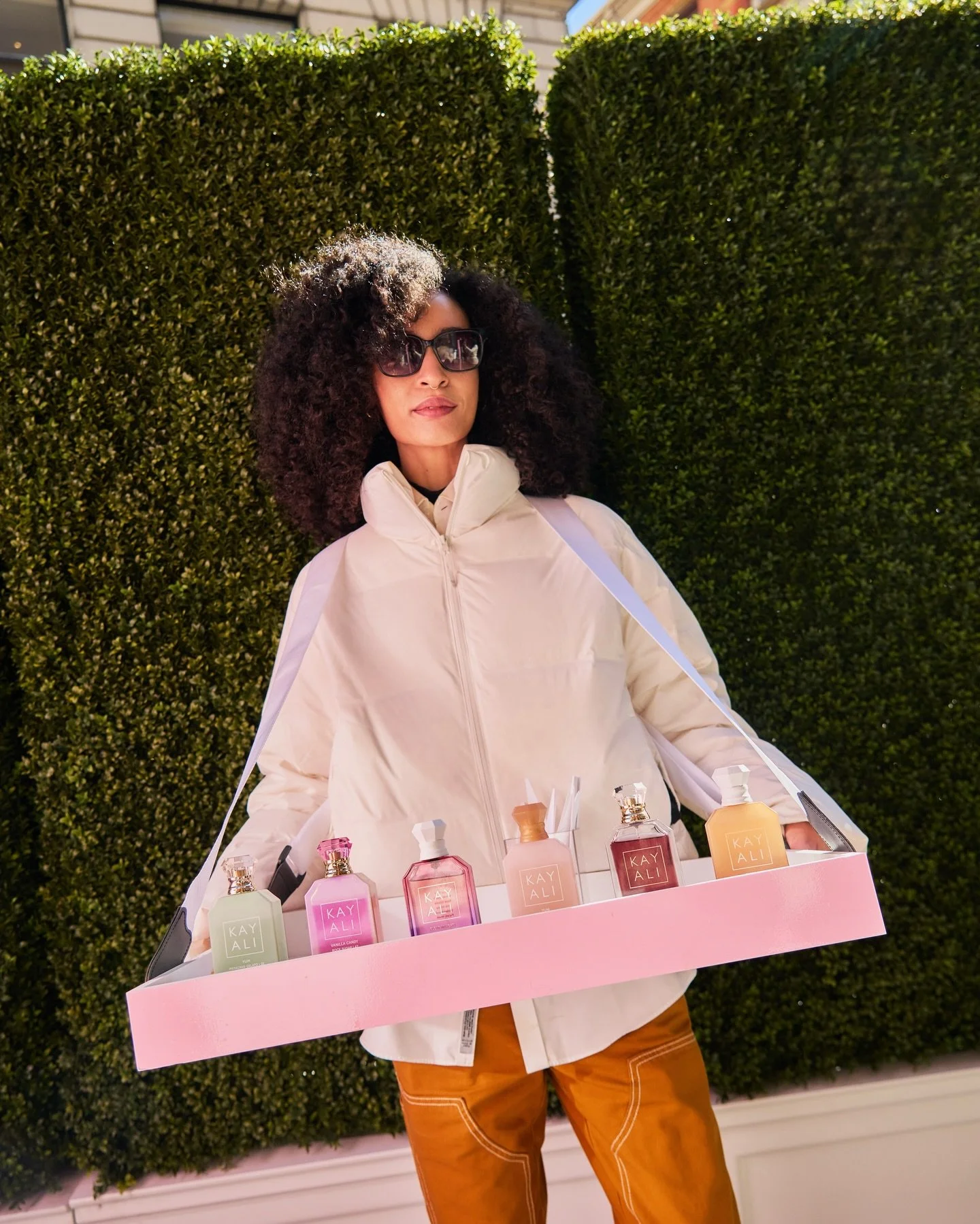
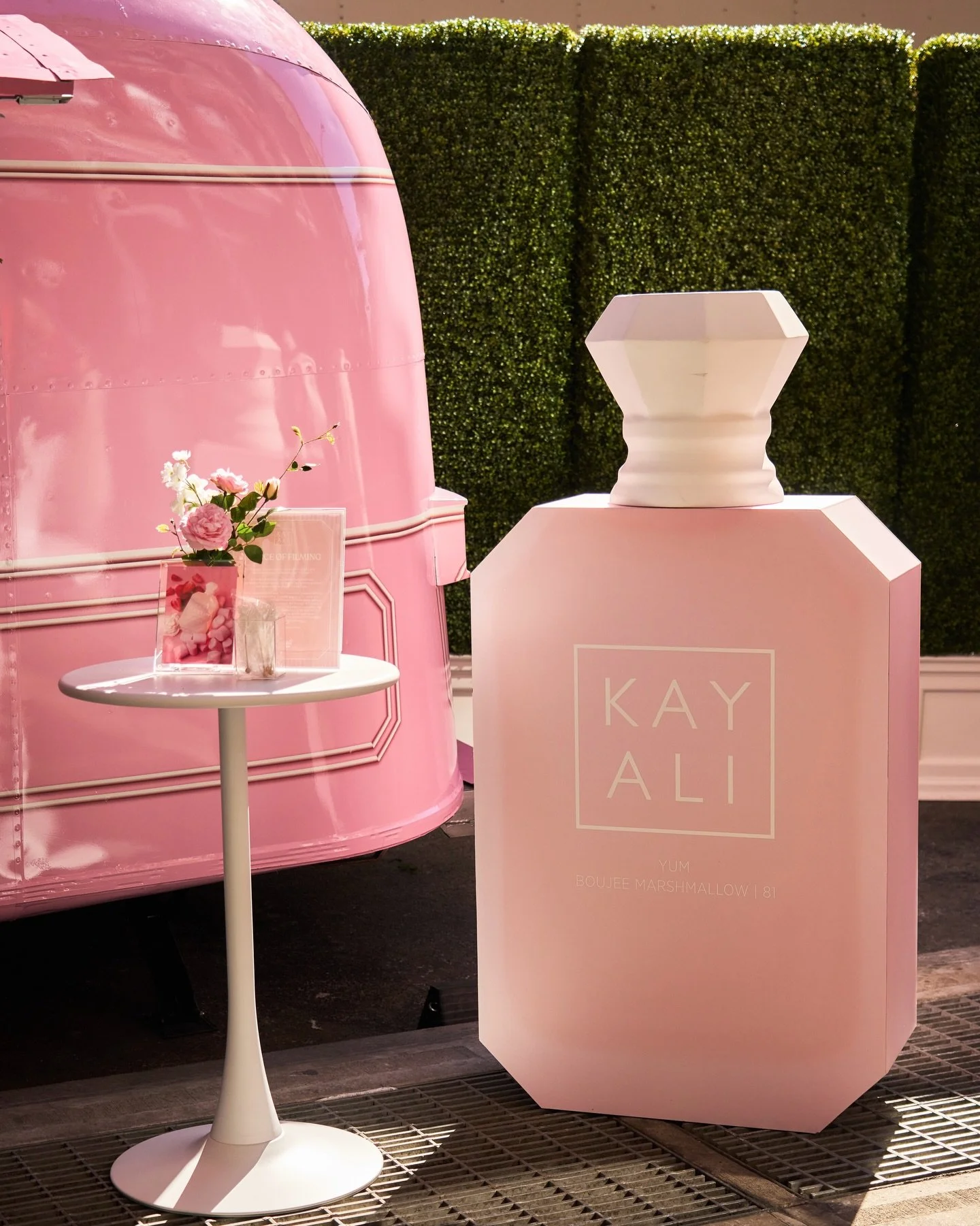
Kayali debuted an NYC “Airstream Café” pop-up where visitors could experience scent-inspired drinks, discover the collection, and fully step into the brand’s world.
It was all about drinkable perfume vibes (don’t worry, not literally).
Why it worked:
Fragrance is notoriously hard to sell online. You can’t scroll and smell it through the screen (yet). But you can film a matcha latte inspired by vanilla notes or a drink themed around amber and musk. So Kayali decided to bring scent into the physical world in a way that feels fresh, fun, and social-first. And it delivered.
The pop-up wasn’t just a retail moment – it turned into a content machine. The aesthetic design of the setup was built for Instagram and TikTok. Every corner looked like it belonged in a feed.
Also, high-foot-traffic + aesthetic setup = social media gold.
Key takeaway for brands:
If your product is hard to communicate digitally, don’t force it – translate it. Turn it into something people can feel, taste, or experience. Once they experience it, they’ll do your marketing for you.
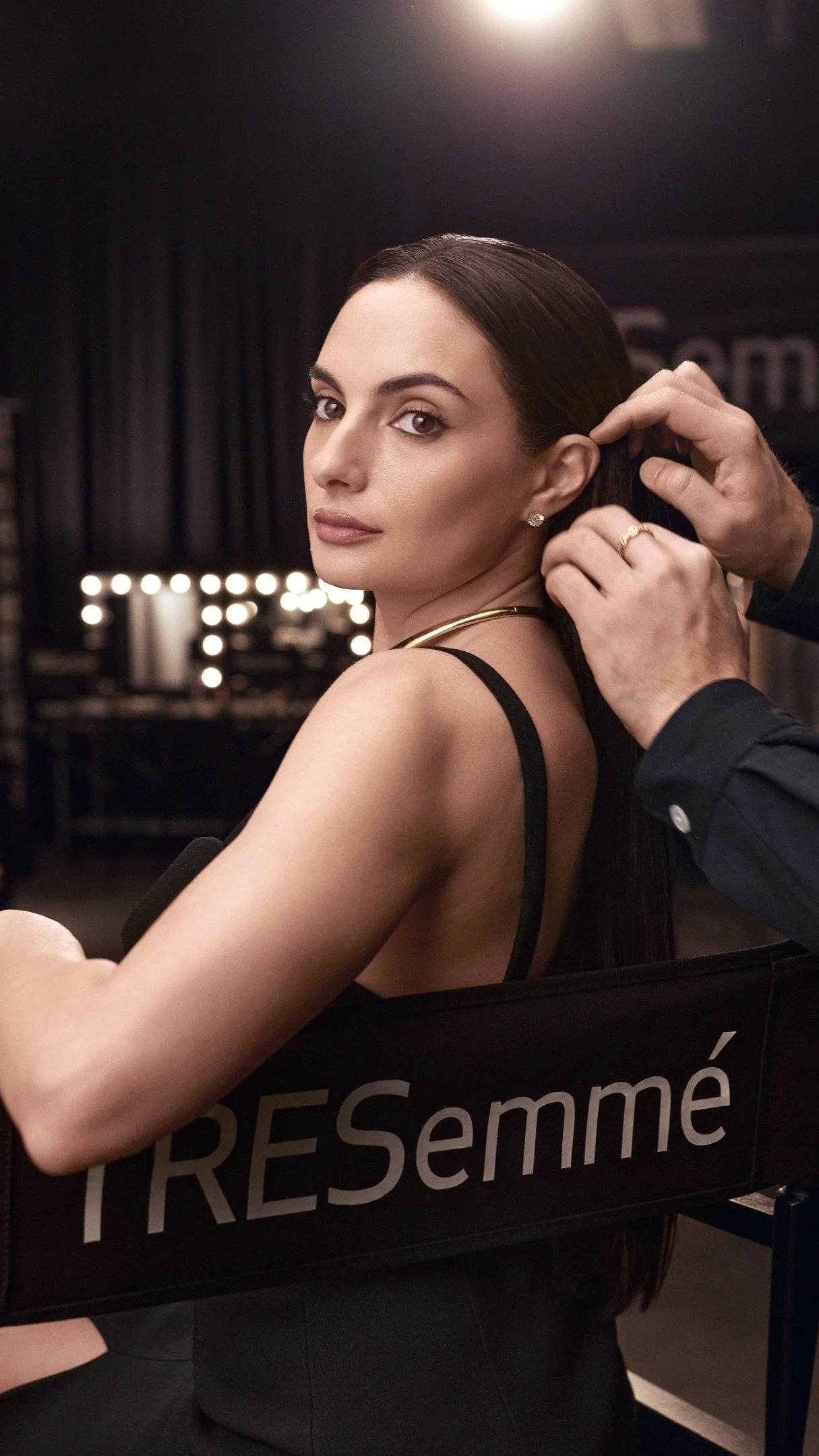
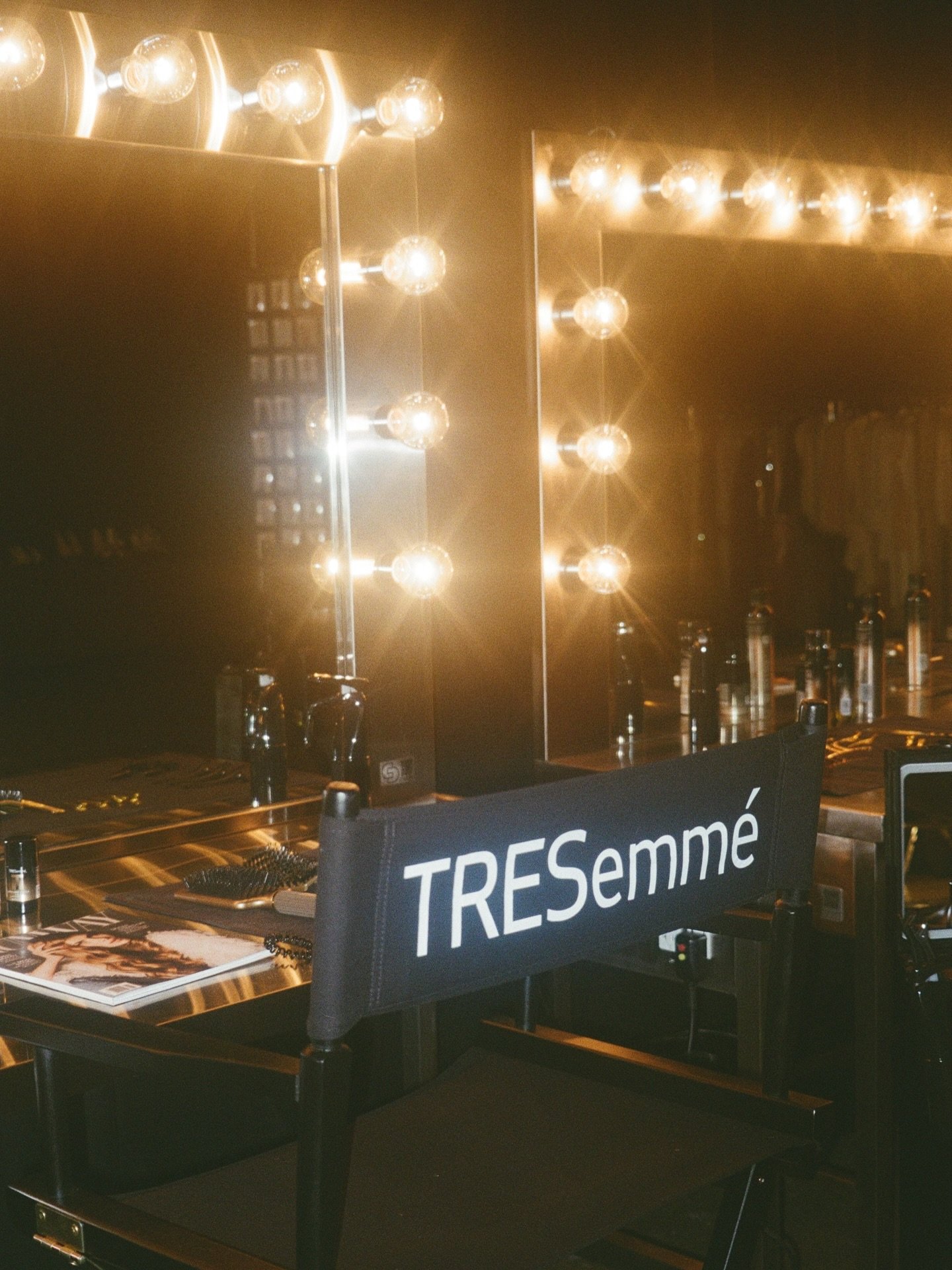
TRESemmé “Get Your Hair on the A-List”
What it is:
“Get Your Hair on the A-List” is the newest campaign by TRESemmé, positioning the brand as the official hair partner of the new movie The Devil Wears Prada 2.
Why it worked:
This is an example of cultural marketing done right.
Instead of forcing its relevance, TRESemmé merged with something that already has momentum.
See, The Devil Wears Prada is a cultural reference point that carries nostalgia, a sort of “authority” in fashion, and a built-in audience that already cares.
They managed to transfer the vibe of the film into the campaign with sleek styling, behind-the-scenes energy, and that “you have to keep up” intensity. It mirrors the aspirational lifestyle people associate with that world.
Key takeaway for brands:
You don’t always need to start from scratch. Sometimes the smartest move is to step into an existing cultural moment and to contribute in a way that feels relevant.
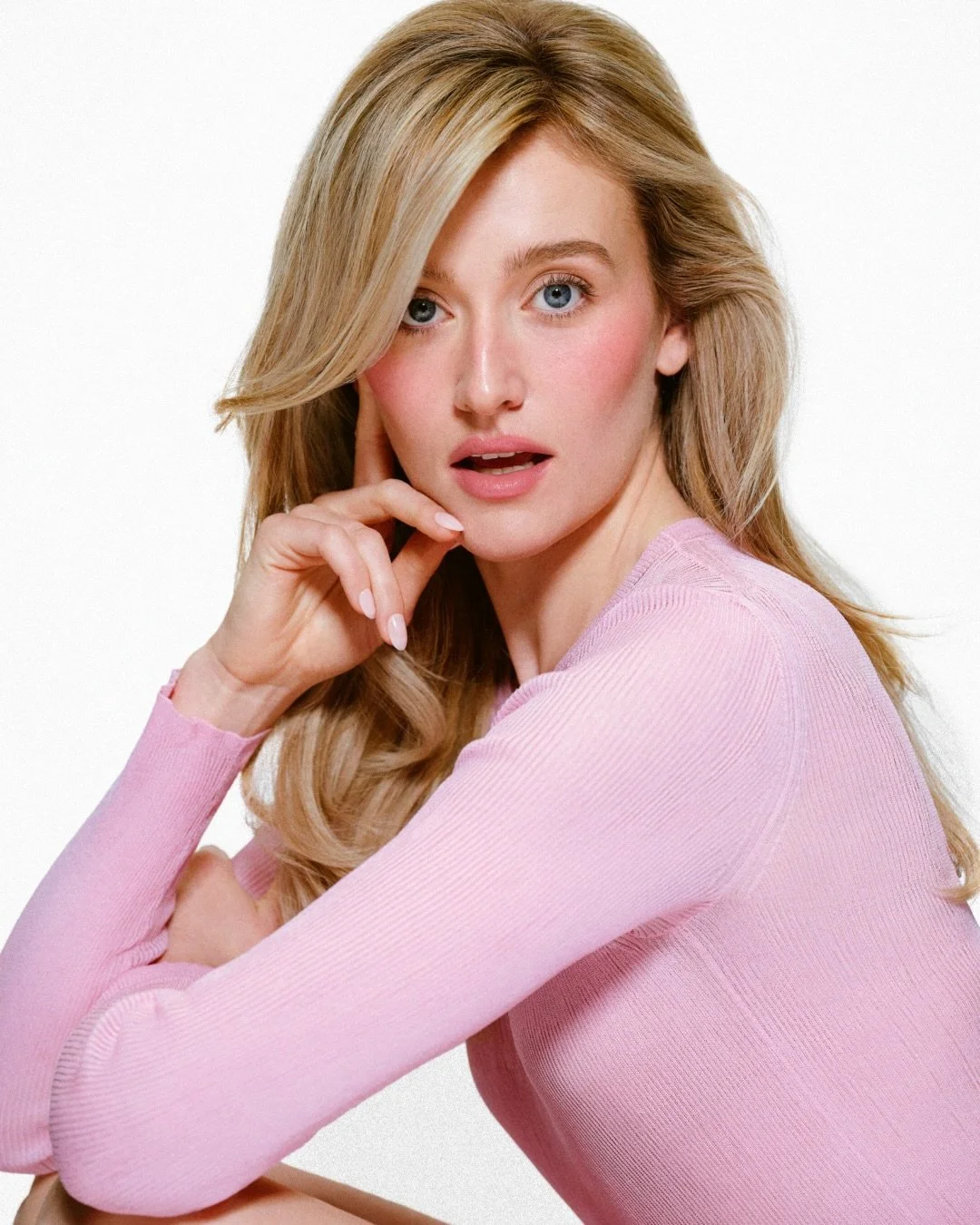
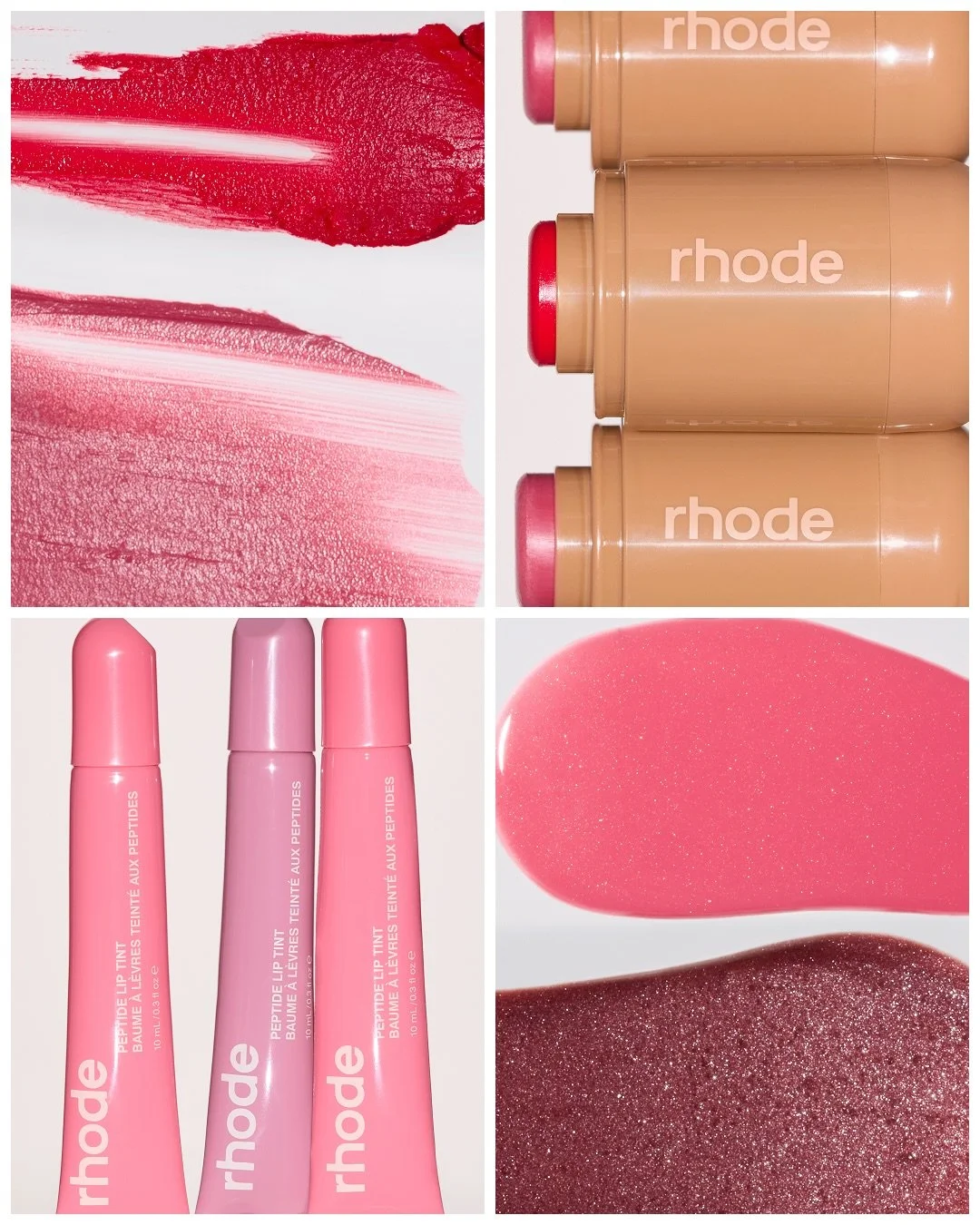
Rhode x Sarah Pidgeon – “Shades of Spring”
What it is:
A seasonal campaign “Shades of Spring” blending Rhode’s clean, minimal aesthetic with soft, actress-led storytelling, featuring Sarah Pidgeon.
Why it worked:
This campaign felt effortless as Rhode leaned into mood, feeling, and self-expression. Think fresh skin, muted tones, and that effortless “cool girl who drinks iced matcha and journals” energy.
The visuals weren’t just about makeup or skincare, they were about a lifestyle. Soft lighting, natural skin, quiet moments. It felt like you were stepping into someone’s day, not watching an ad.
And then there’s the strategic casting, which was clever and really pulled everything together.
Choosing Sarah Pidgeon elevated the entire campaign. At the time, she was having a breakthrough moment (and still is) following Love Story, where she played the effortlessly iconic Carolyn Bessette – yes, the ultimate quiet luxury, moodboard-approved trendsetter.
She was rising fast, but still felt fresh and not overexposed. That’s a very specific balance to get right. And Rhode hit it perfectly.
Sarah matched the tone, felt culturally relevant, and connected naturally with the audience. Aspirational, but still attainable.
But the real reason it landed? Gen Z.
This audience grew up surrounded by hyper-produced ads and overly filtered images. They can spot forced content instantly. What they’re craving now is something more personal, more authentic, and honestly… a little quirky and imperfect.
Rhode delivered exactly that. The campaign still looked premium, but it didn’t feel distant. It felt attainable. Like, “I could actually look like this” instead of “this is completely out of reach.”
It also channeled the “soft life” trend dominating TikTok and Instagram. Slower living, intentional routines, romanticizing everyday moments. Not loud luxury, but quiet confidence.
Key takeaway for brands:
There’s no need to be louder than anyone else. You just need to be in tune. Focus on mood, casting, and cultural timing. Make your campaign feel authentic, emotionally relevant, and easy to step into, and your audience will see themselves in it.
Clinique “Unstoppable Together”
What it is:
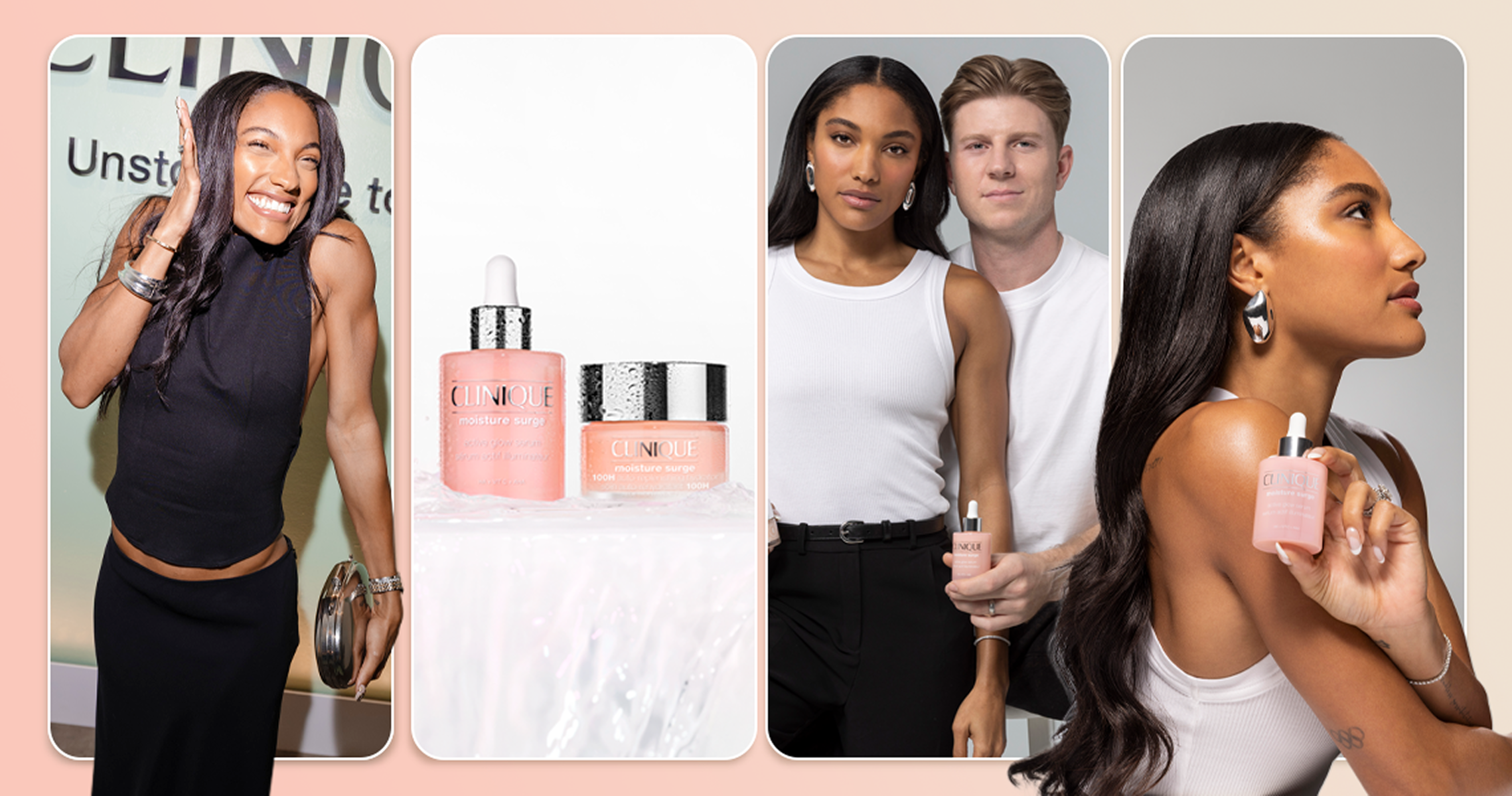
Clinique’s first major creator-led campaign featuring real-life Olympic and Paralympic power couple Tara Davis-Woodhall and Hunter Woodhall. The campaign was built around resilience, partnership, and performance.
Why it worked:
This beauty campaign was a cultural repositioning and a pretty big shift for Clinique. A brand that’s been around since 1968 (and often associated with your mom’s skincare) stepped into a completely new era of marketing.
For the first time, Clinique ditched the usual celebrity ambassador playbook and went all in on athletes and creators instead. And not just any creators, but a couple with a combined 7.7 million followers on social media, deeply connected to Gen Z.
The campaign leans into what some are calling the “performance era”. Skincare is treated almost like fitness. It’s about consistency, results, and how it fits into your daily life, not just how it looks in a mirror.
Then there’s the relationship angle. A genuinely happy, supportive couple? That stands out, especially in a digital world full of breakup drama and dating fatigue. It feels refreshing, real, and it gives people something to believe in.
Clinique also extended the campaign across media platforms like Hulu, Netflix, and TikTok, and even brought in other creators to participate as duos. That expands the idea beyond just one story into a full community-driven narrative.
Key takeaway for brands:
Don’t be afraid to evolve your strategy. Even heritage brands can stay relevant if they catch the right cultural shifts at the right time.
Baked by Melissa x Essie: Beauty Meets Dessert
What it is:
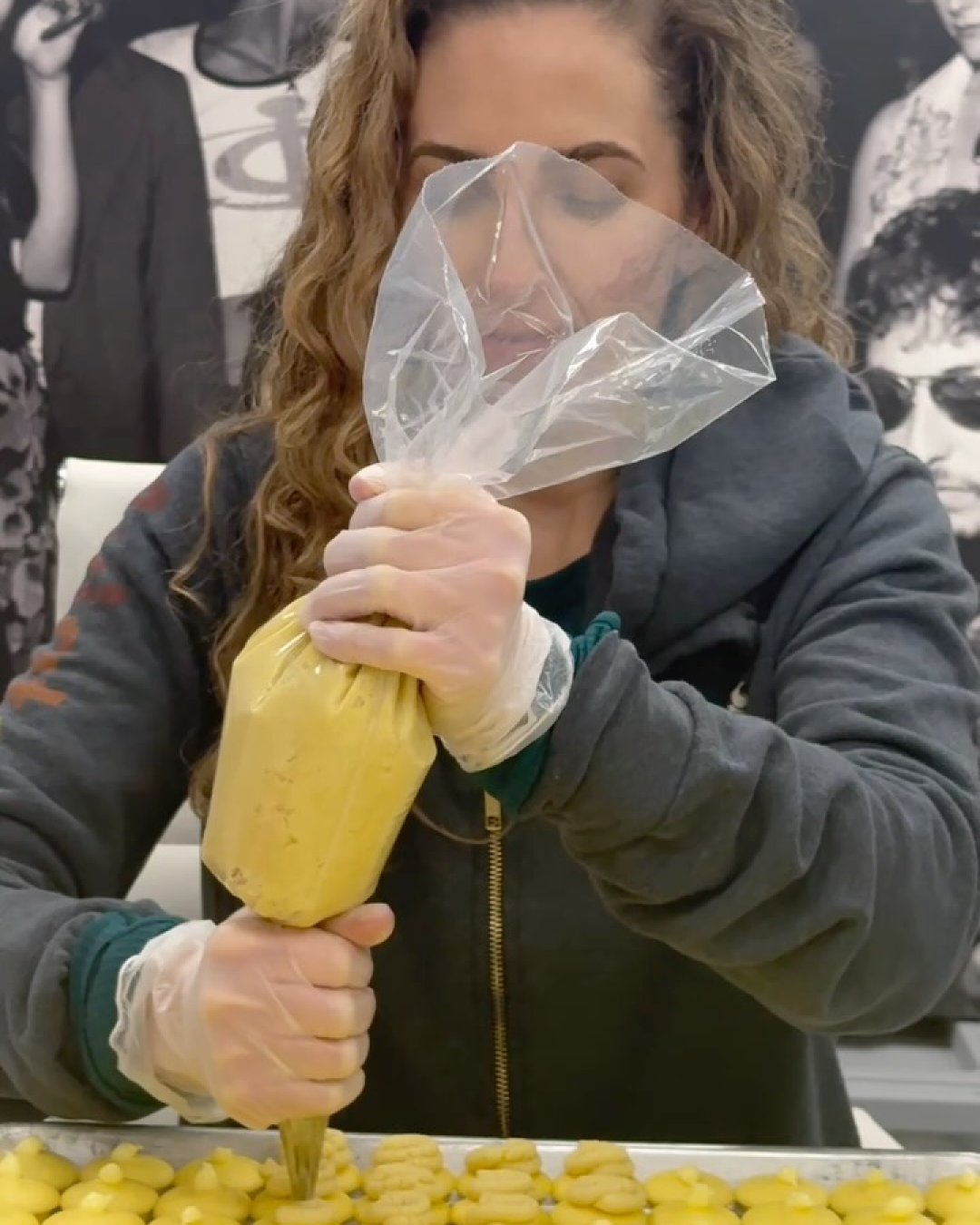
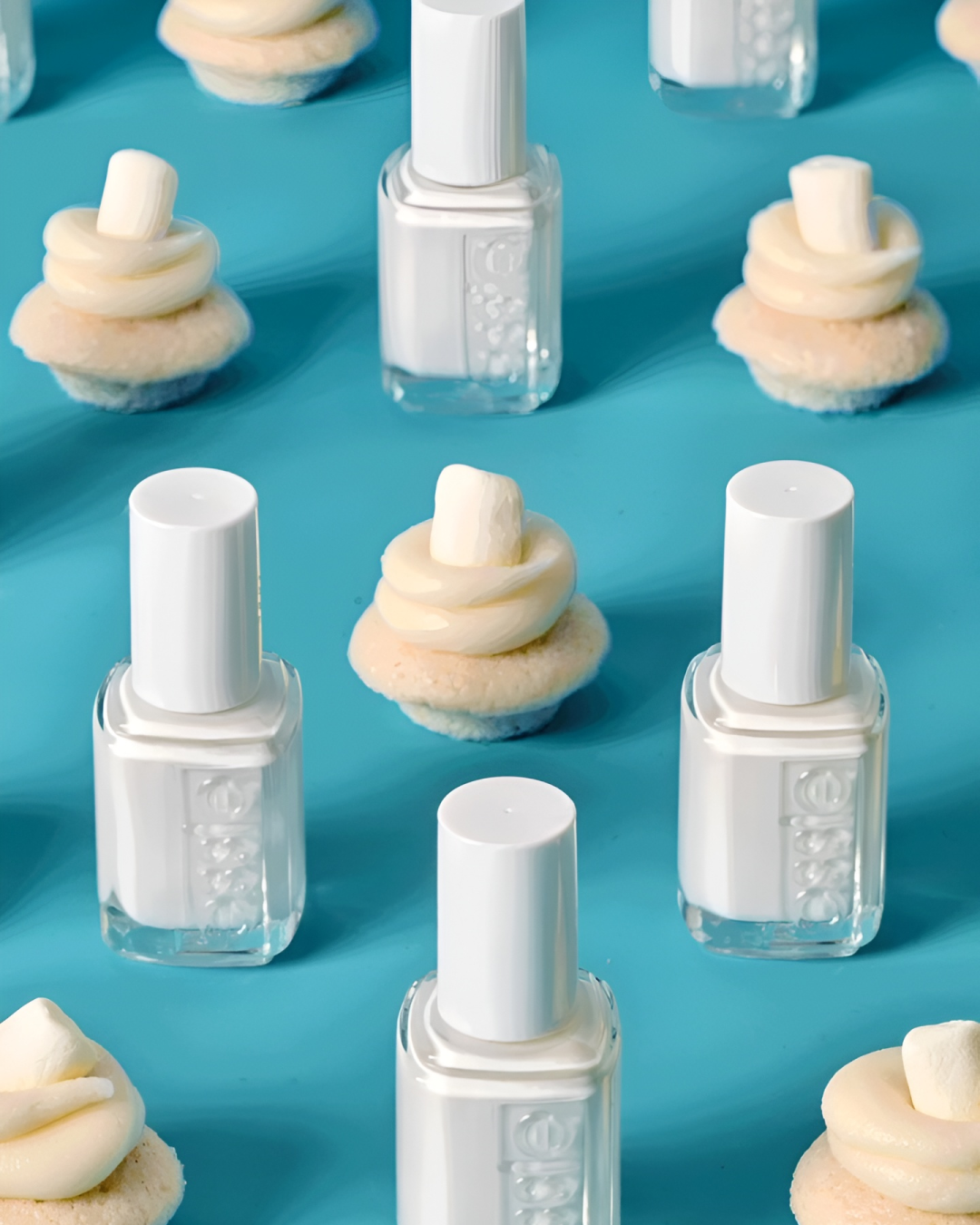
A limited-edition launch, Baked by Melissa x Essie, where Baked by Melissa turned Essie’s Gourmet Grocery nail polish collection into actual bite-sized cupcakes.
Why it worked:
This campaign blended food and beauty in a way that feels very now. We’re seeing more brands now moving toward experiences that engage multiple senses, not just visuals. It delivered on all fronts: taste, color, texture, and pure aesthetic joy.
Also, it’s rooted in self-expression. Essie has always positioned color as something personal that’s tied to memories, moods, and identity. This collaboration brought that idea to life in a playful way. Suddenly, a nail shade became a flavor, a feeling, a moment.
From a content perspective, it was built for Instagram and TikTok. Bright photos, satisfying textures, and unexpected formats hit every trigger for scroll-stopping content.
What makes it even more interesting is the choice of product. In similar cross-category collaborations, beauty brands often use lip products (like lip balms or long-wear lip colors) as a focal point. There’s a natural connection between lips and flavor, so it makes sense.
But Essie did the opposite. It blended food with nail polish – creating an unexpected twist. (Honestly, it looked so good that it almost blurred the line between manicure and the dessert menu.)
Also, the limited-time availability created urgency, while the novelty factor drove immediate attention, turning curiosity into action pretty quickly.
Key takeaway for brands:
Unexpected collaborations are about being memorable. By combining creativity, sensory experience, and a strong concept, you create a moment people want to be part of.
111SKIN x Uber: Post-Oscars Recovery Experience
What it is:
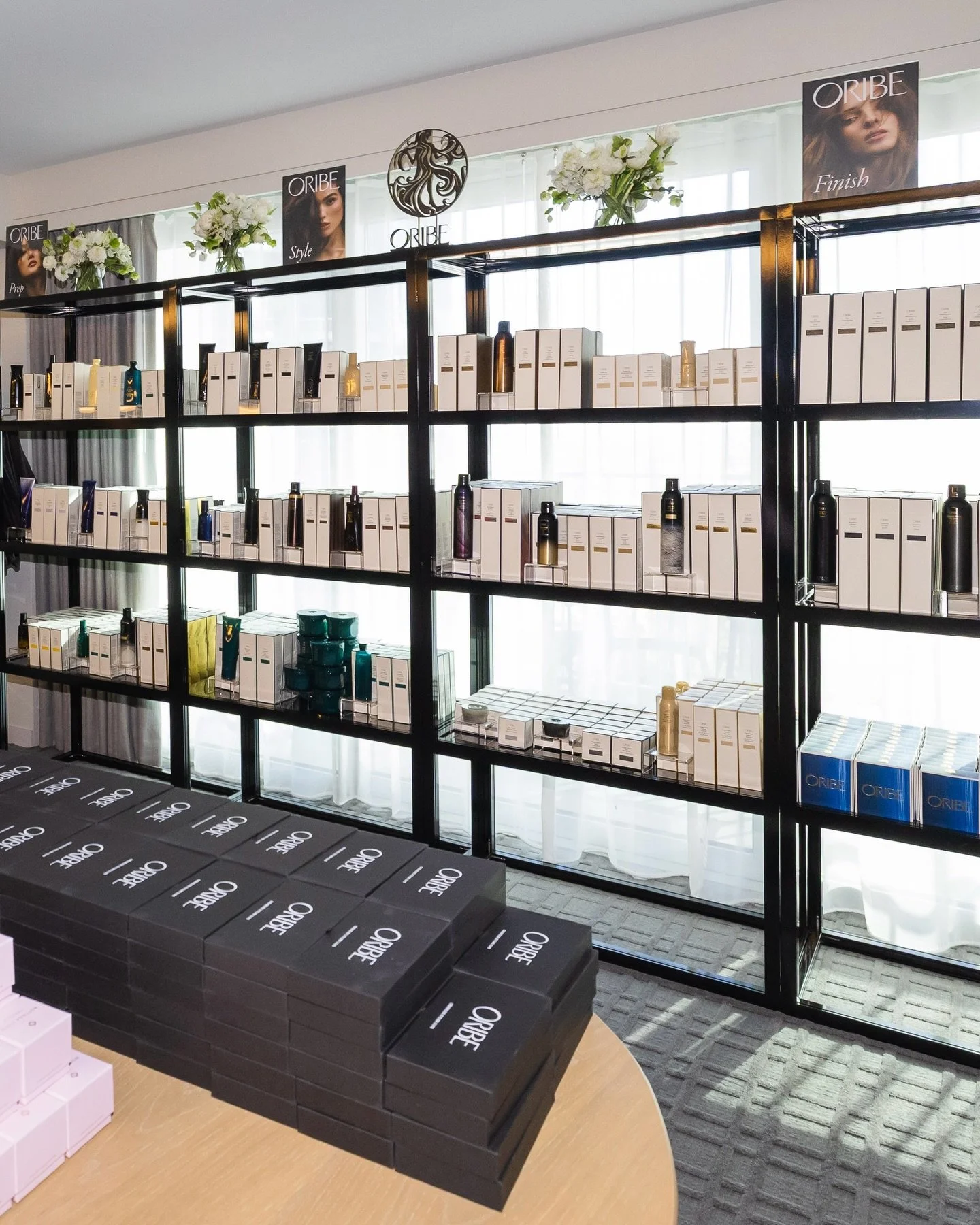
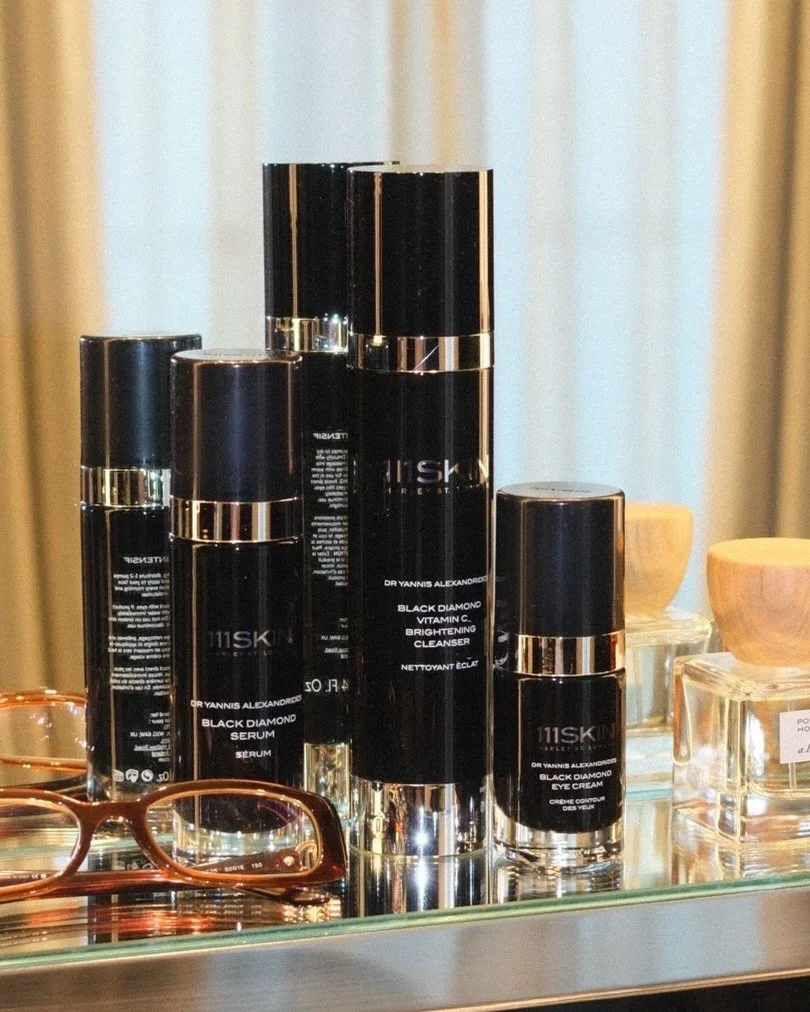
An exclusive 111SKIN x Uber “glam and recovery” experience offered by 111SKIN through Uber Black right after the Oscars, targeting high-profile attendees.
Why it worked:
During Oscar weekend, while most beauty brands focused on pre-event hype,111SKIN took that idea one step further by focusing on the after.
That moment when the glam fades, the exhaustion hits, and skincare becomes less about aesthetics and more about recovery. They brought the experience directly into the ride home.
And the Uber partnership? It was built on an existing behavior (booking a ride home) and added value without extra effort.
Key takeaway for brands:
Timing is everything. Think about when your product matters, not just what it does. Find the exact moment your product fits into your customer’s life, and then show up.
K18 Hair Flip Challenge
What it is:
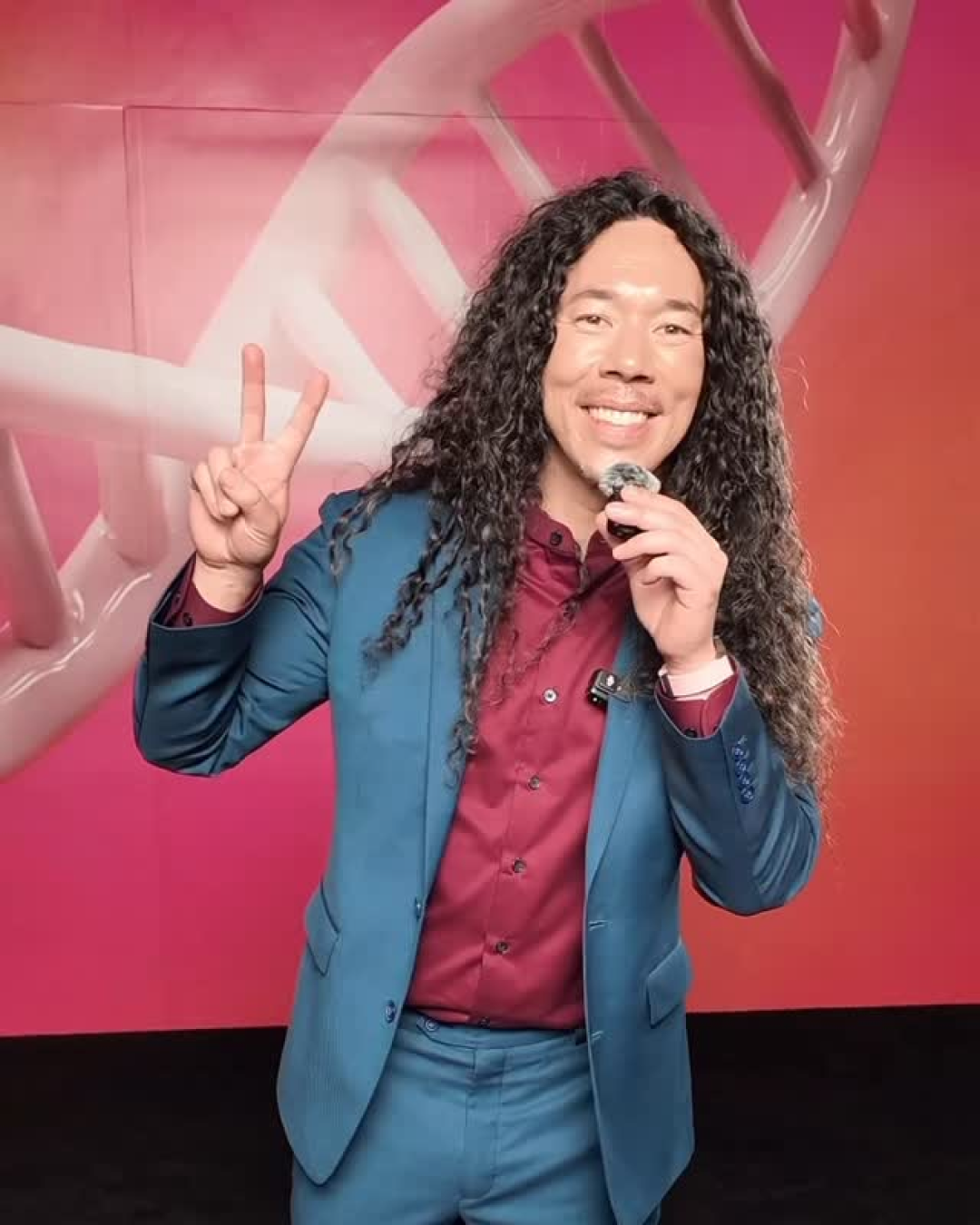
K18’s Hair Flip Challenge is a viral TikTok-driven campaign that uses the iconic hair flip as proof of healthier, stronger hair.
Why it worked:
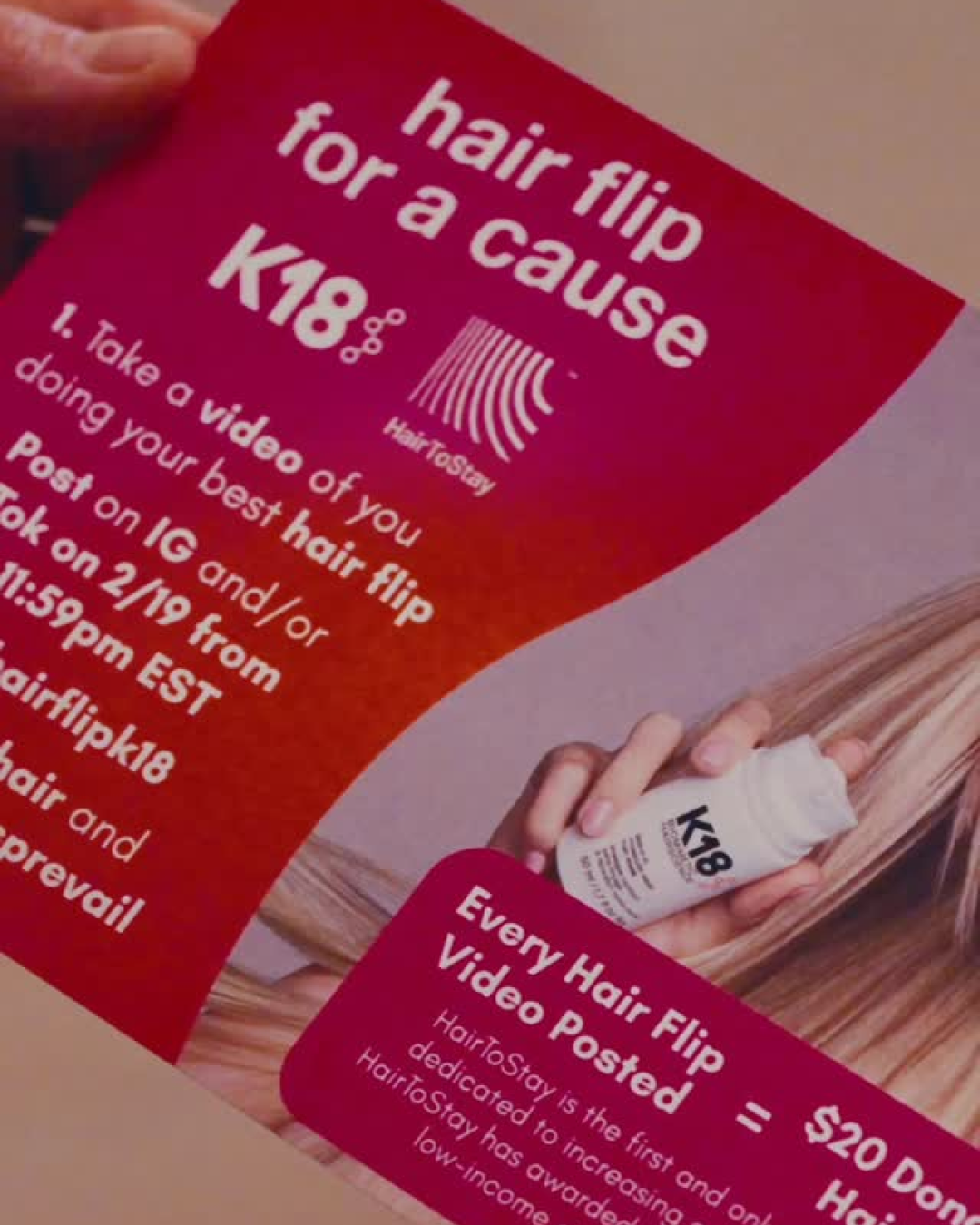
K18 originally launched the #K18HairFlip challenge years ago, and it exploded, racking up billions of views on social media.
Now, in 2026, they brought it back. This time, they teamed up with Cole Walliser, the director behind the viral GlamBOT camera you’ve definitely seen on red carpets.
K18 anchored the entire campaign in product truth. The hair flip visually demonstrated what the product does. And the evidence was documented in content.
It was also built for participation. Anyone could join, no skills were required, and it was instantly shareable on TikTok and Instagram. And that’s precisely how you scale a viral moment.
The campaign also had a defined purpose. K18 turned the challenge into a Guinness World Record attempt, aiming for the most hair flip videos in 24 hours. And it donated $20 for every video shared to a charity supporting people experiencing hair loss.
Key takeaway for brands:
If your product delivers results, emphasize that. Before-and-after content consistently performs because it shows visible results.
REFY Beauty “Hotline” Campaign
What it is:
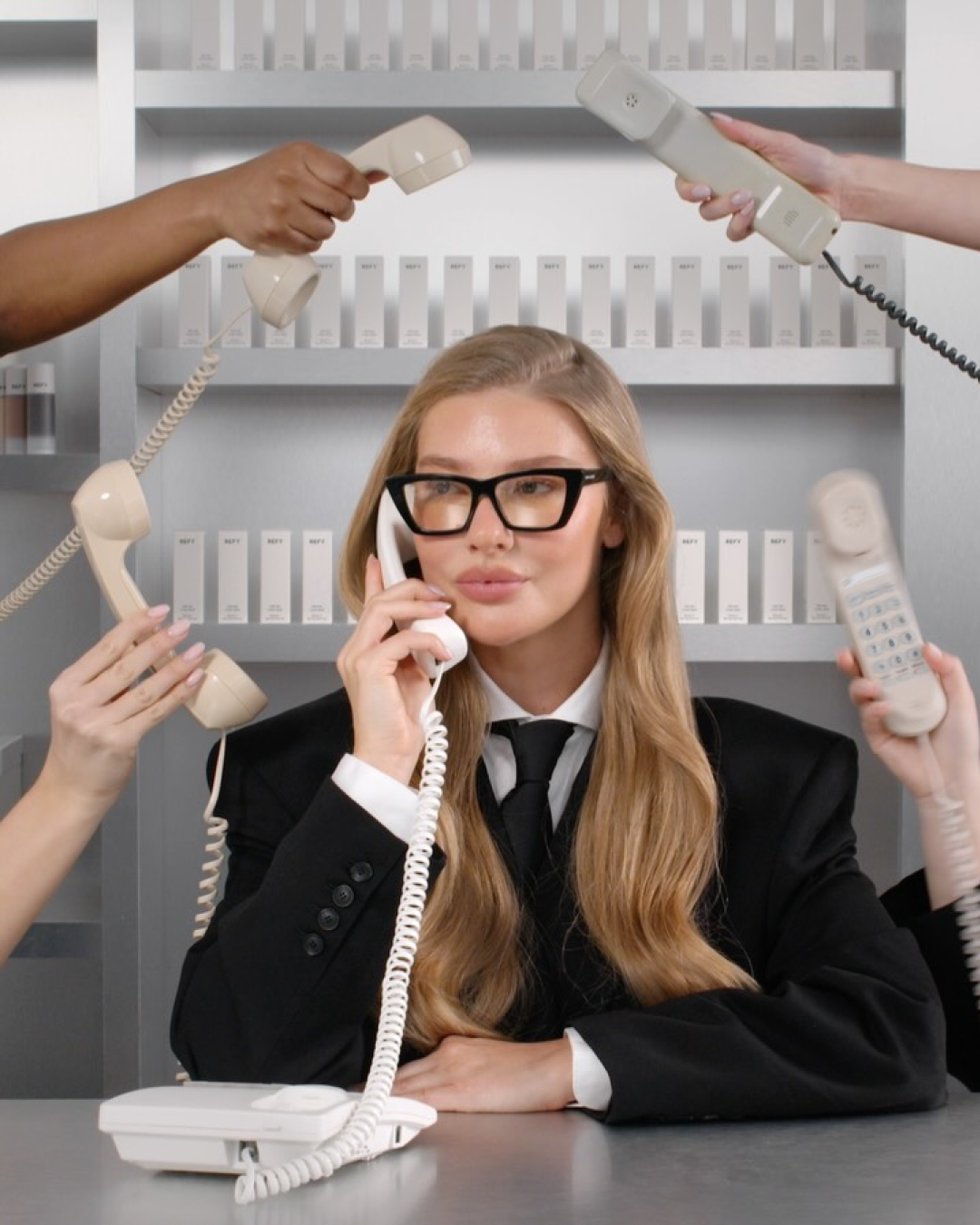
An interactive marketing campaign where customers could engage with REFY Beauty’s “Hotline” campaign in a more personal way.
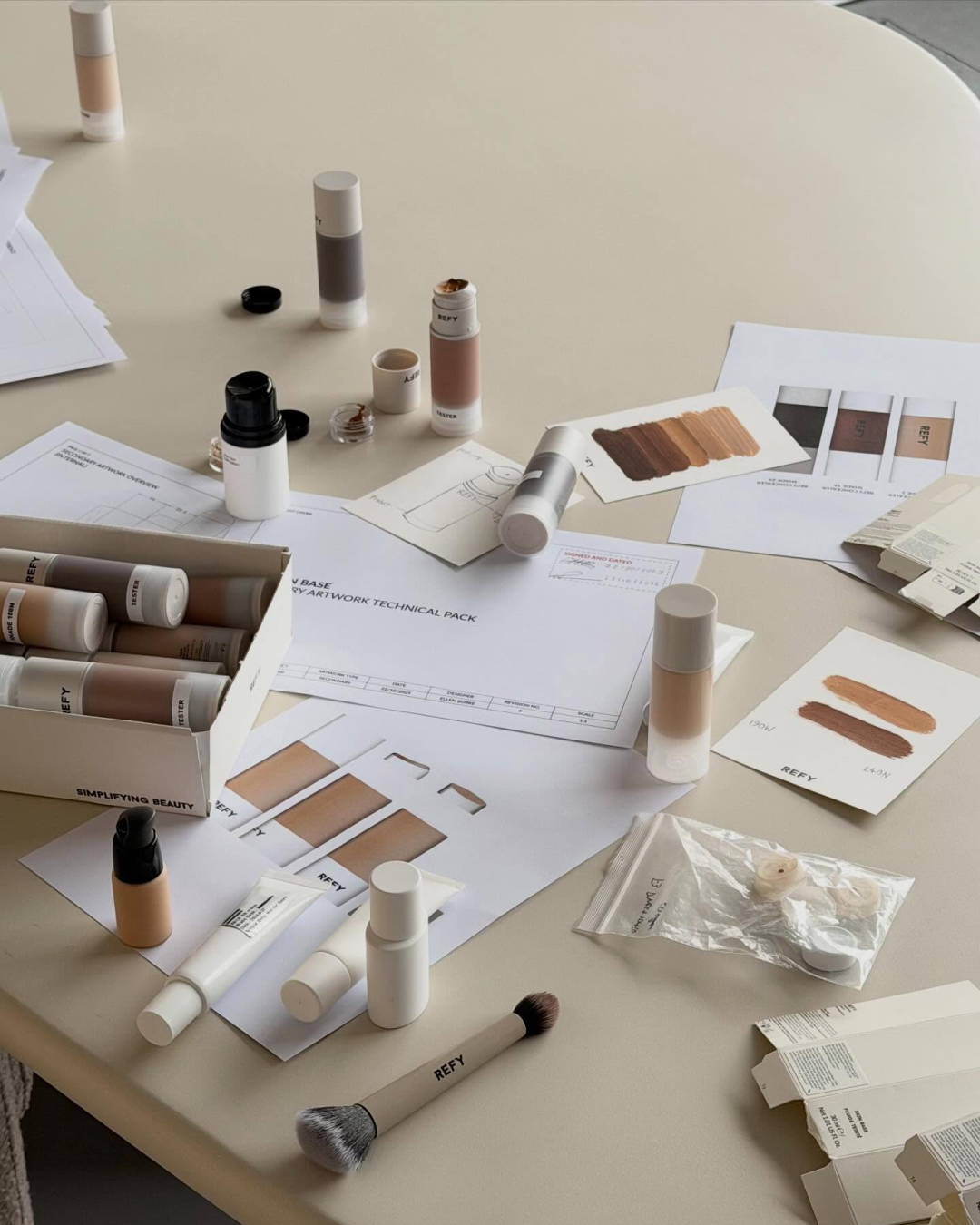
Why it worked:
This campaign totally flipped the script by changing the usual brand vs audience dynamic.
REFY Beauty invited its community to literally call in through a dedicated hotline to share feedback, product thoughts, and personal beauty experiences.
But here’s the twist – this wasn’t customer service. It was content, product development, and storytelling all rolled into one.
REFY created a space for real interaction. Something as simple as a phone call made it feel different. It wasn’t flashy, but it was human. A real emotional investment, something most brands struggle with.
Key takeaway for brands:
Interactivity builds connection faster than content ever will. If you can involve your audience in the process, you’re building loyalty.
How to Apply These Ideas to Your Own Brand
The campaigns mentioned before are all great. But not every brand is launching pop-ups in NYC or partnering with Uber.
Honestly, you don’t need a massive budget to create impact.
What you need is clarity, intention, and smart strategy.
Audience First, Product Second
Before anything else, understand who you are speaking to. Not as a demographic, but as a daily reality. What do they care about? What do they move through? What do they ignore?
The strongest campaigns don’t start with product. They begin with placement in someone’s life.
Build it from there quietly and precisely.
Participation as Strategy
Can people join in? Share it? Put their own spin on it?
If they can’t participate, they won’t remember it.
If they do, it spreads without asking permission.
Participation builds momentum. Don’t miss it.
Beyond Category Thinking
The most interesting beauty campaigns rarely look likebeauty campaigns at all.
They borrow from fashion, food, tech, and entertainment. That’s where fresh ideas come from.
If your campaign feels too expected, it probably is.
Experience Over Exposure
10’000 deeply engaged people will always outperform 1 million passive impressions.
Don’t just aim for reach, aim for impact.
People remember what they experience, not what they scroll past.
The Art of Collaboration
Not every collaboration needs to be something extra. It just needs to be relevant.
The best partnerships feel natural, not forced. They expand your brand without diluting it.
If you’re exploring partnerships, our article on the iconic beauty brand collaborations of 2026 could be a helpful read. It breaks down how to approach collaborations strategically (not just for hype).
Creators as Creative Partners
Stop scripting every word you put out there.
Creators understand their audience in ways no brand guideline ever will. Let them create the content in a way that feels natural.
For a deeper dive, read our step-by-step playbook on influencer marketing for the skincare industry.
Campaigns as System, Not Moments
Campaigns are not moments – they are infrastructure.
Each activation should connect back to your long-term marketing goals, your positioning, and your overall brand story.
Think of each campaign as a piece of a much bigger system.
To go further on standing out in the beauty industry, read our guide to marketing beauty products.


Final Thoughts
None of these beauty marketing campaigns worked just because they looked good. There’s plenty of pretty content out there that nobody remembers five seconds later.
What actually made these campaigns stand out? They made people feel something. They gave people something to do. They turned up at the right moment, in the right way, sparking the right energy.
It’s not about having the biggest budget, the perfectly polished ads, or the immaculately curated images anymore. It’s about understanding your audience, embracing cultural trends, and creating something people are willing to be part of. Not just scroll past.
More importantly, you don’t need to copy these campaigns.
You’re not launching an Oscars activation tomorrow (unless you are, in which case… that’s impressive). But you can take the thinking behind them:
be human;
be relevant;
be participatory.
At the end of the day, people don’t connect with products. They connect with moments, stories, and experiences that feel authentic to them.
So if you’re planning your next campaign, ask yourself one simple question: “Would someone actually want to engage with this… or just scroll past it?”
That answer will tell you everything you need to know.
Frequently Asked Questions
-
Successful beauty marketing campaigns today are built around participation, not just promotion. It’s about creating something your audience wants to engage with – whether that’s through social media, real-life experiences, or creator-led content. The strongest campaigns feel authentic, culturally relevant, and give people a reason to interact, share, or create alongside the brand.
-
Right now, the biggest key trends in beauty campaigns include:
Community-first marketing;
Creator-led storytelling;
Blending online and offline experiences;
Unexpected cross-industry collaborations;
Sensory and immersive campaigns.
There’s also a major shift toward self-expression, wellness, and more personal, experience-driven beauty.
-
You don’t need a huge budget to stand out. The most effective strategies include:
Focusing on your audience and their daily life;
Creating something participatory (make it easy to join and share);
Using creators as partners, not just promotion channels;
Thinking beyond traditional ads and leaning into creative ideas.
A simple, strong concept that people understand instantly will always outperform something overcomplicated.
-
Some standout beauty marketing campaigns in 2026 include:
Kayali’s fragrance-inspired café pop-up;
TRESemmé’s Devil Wears Prada 2 partnership;
Rhode’s “Shades of Spring” campaign;
Clinique’s creator-led “Unstoppable Together”;
Baked by Melissa x Essie crossover;
111SKIN’s post-Oscars Uber experience;
K18’s viral Hair Flip Challenge;
REFY Beauty’s interactive Hotline campaign.
Each of these campaigns combines creativity, cultural relevance, and smart strategy to connect with modern consumers.
Must read