Influencer Marketing for the Skincare Industry: A Step-by-Step Playbook for Brands
Table of Contents
As the social media landscape has evolved over the years, it’s become clear that this is where beauty and skincare content thrives. Some of the pioneers and real influencers were people in the beauty scene posting their GRWMs and skincare hauls.
It’s always felt like a match made in heaven that comes natural for the creators and fits well in the contemporary online world. But for brands, working with influencers often comes with challenges and even doubts. How to choose the best creator for your campaigns? Will the partnership result in sales? Is it worth it at all?
Here in this article, we’ll go through everything you need to know about influencer marketing for the skincare industry so you can jump into new opportunities informed and with a peace of mind. Let’s unbox this, shall we?
Why Influencer Marketing Works So Well for Skincare Brands
Influencer marketing for skincare brands on social media works because this category stands on three important pillars that keep the audience engaged: visual perception, trust, and education.
First, skincare is highly visual and it translates well into content. For skincare enthusiasts, it’s extremely important to see a product’s texture, how it absorbs, whether it leaves any residue, and so on, so they seek out creators that can show them just that. You also can’t forget that skincare can be tested over time, letting influencers create before-and-after content that helps customers solidify their decision on whether to purchase a specific product or not.
Secondly, customers aren’t carefree about what they put on their precious skin, and opinions from people they trust are invaluable when it comes to skincare decisions. For many, influencers are the trusted beauty advisors as they share opinions from a relatable, human standpoint.
And thirdly, more often than not, skincare requires learning — studying ingredients, understanding how a product fits into your routine, and what are the results you can expect. It’s no surprise there’s a rise in creators that lightheartedly call themselves skincare teachers or educators. They fill the gap in the market by explaining the average Joe skincare in simple terms.
Types of Influencers Skincare Brands Should Work With
Skincare influencer marketing works, that’s for sure. But there are different types of creators you can work with. Let’s check out how they differ to see what might be the best way to go for your brand.
Micro-influencers (Trust Builders)
First, there are micro-influencers who typically have from 10–100K followers. Usually such creators have higher than average engagement in this industry, because their community tends to be strong and tightly-knit. This usually happens when an influencer has successfully carved a place in a very specific niche.
Pros:
High engagement
Strong community in their niche
More relatable than bigger creators
Cons:
Limited individual reach
Content quality can vary
Budget considerations:
More affordable for new brands, smaller creators might agree on gifted campaigns
When to use:
Launching a new brand or a product
When targeting niche communities or concerns
When you look for authentic partnership rather than huge reach
Skin Experts & Professionals
When looking into influencer marketing for the skincare industry, you might also notice this specific type of influencer: skin professionals. Such creators usually have experience or education in dermatology or a related science, so they’re qualified to really dissect products and their claims in-depth.
Pros:
High credibility
Bring educational value
Helps your brand’s long-term trust
Cons:
Will be more cautious about brands they endorse
Might take longer to test your product
Budget considerations:
More likely will have higher rates than regular influencers
When to use:
When your brand enters categories that require caution and deeper education
If your brand specifically prides itself in quality ingredients
When your campaign requires backing from an authoritative figure
Founders as Creators
Now, influencer marketing for skincare brands doesn’t always follow the same formula where you approach a creator that’s not, so to speak, connected to your brand yet. Sometimes you can be the influencer. When you actively appear in your brand’s content you humanize your brand and a new level of authenticity to your audience.
Just look at Bashing owner Daisy Jing does. This brand grew from her personal struggles with acne and this story is woven into their marketing.
Pros:
Creates an authentic relationship with your audience
Deepens emotional connection
Cons:
Requires you to feel comfortable in front of a camera
Creating and appearing in the content is time-consuming
Budget considerations:
Costs your time, energy, and willingness to appear in the content
When to use:
When you’re building your brand from the ground up
If your brand’s story is deeply connected with a problem you’ve solved for yourself
If you’re passionate and ready to appear as a thought leader
Everyday Users & UGC Creators
Here we’re looking for probably the authentic group of creators, ones that aren’t even fully influencers. They’re UGC or user-generated content creators who usually create short-form videos and on some occasions also images of them trying your products. Most often brands issue a call for such creators to apply and send in their content, usually, for a symbolic incentive or compensation.
Sometimes brands can also approach so-called everyday users who have posted about their products without encouragement and ask to re-publish or use their content on their profiles or ads.
You can clearly see that Glossier uses UGC or regular people's content on their feeds. Like in this TikTok — the creator only has around 400 followers on their own account.
Pros:
Brings relatability and authenticity
Great to use in paid ads
Cons:
Creators will most likely not have significant following on their own accounts
Need clear guidelines for the type of content and quality you wish to see
Might need a considerable amount of creators to see impact
Budget considerations:
Budget-friendly option for small businesses
When to use:
When you need material for paid ad campaigns
If you want to bring relatable vibe to your socials
Skincare Influencer Marketing Content That Converts
In influencer marketing for skincare brands, the messenger is as important as the format it’s being presented in, so now we’ll dive into content that people love to see to get inspired for your next influencer campaigns.
Routine Videos
There’s a reason why skincare routines, be it day or night, have been popular ever since the first skincare creators appeared online. Routine videos are valuable for the consumer because they see multiple things at once: how the product looks and feels, how it fits into real life scenarios, and how it performs.
Tip: When creating a brief for an influencer, ask them to briefly explain each step or tell why they’ve chosen products in this specific order to provide educational value to your audience.
Ingredient Explainers
The modern consumer, especially among Millennials and Gen Z, is increasingly demanding ingredient transparency and are becoming more savvy about what’s in their products.
This type of content not only performs well, it also lessens any confusion your followers might have about your ingredients or the products themselves. Here’s how The Ordinary have done it:
Tip: The influencer should use simple language to make the content understandable and accessible, but it also wouldn’t hurt to mention how specific ingredients appear on product labels, so the shoppers know what to watch out for in the shops. Rosehip oil will be listed under its Latin name Rosa Canina fruit oil.
Skin Journey Content
Some of the most valuable content your creators can make is transformations that take time. This way it’s truthful, authentic, and can be a great help for people that deal with specific skin concerns. If they can find an influencer that deals with something similar, they’ll definitely pay attention to the products they’re using.
Tip: It’s great if your product’s helped the creator achieve their dream skin, just make sure to encourage honest feedback and documentation of the process.
FAQs and Comment Replies
Quite often comment sections can be a real gold mine, because that’s where you can see the most pressing questions and issues of your audience in real time. When these questions are addressed, you (or rather your partner/influencer) are quite literally breaking barriers toward your brand.
Even the most glamorous and popular influencers have their struggles, and Hayley Baylee is no exception. She’d decided to share her struggle with acne and what she’s tried for it while integrating a brand partnership within the video.
Tip: Group your customers’ questions into similar themes and have the creator choose from what they’re more comfortable talking about (misconceptions, products for specific concerns, side effects, claims, and more).
How to Build an Influencer Marketing System That Works
We’re getting to the real deal now. When you’re doing influencer marketing for the skincare industry, one-time campaigns might show some short-term results and moderate sales. What’ll ensure more consistent results is creating a system for your influencer marketing. Here’s how to do it.

Settings Goals
You won’t know how your skincare influencer marketing’s going without creating goals for yourself, right? Your creators can help in different areas and defining those will help you in both choosing the right people for the job and the type of partnership you’ll establish.
You can divide your goals 3 ways:
Awareness goals — you’ll focus on reach and impressions, and mostly will go for this when launching a new product or entering a new category,
Conversion goals — here you’re eyeing sales, promo code usage, and return on ad spend (ROAS), and you’ll look at these for hero product or limited drop campaigns,
Education goals — with these goals you aim for your audience to better understand your products, their ingredients, your positioning. You’ll most likely assess these when promoting your sustainable lines or when doing ingredient-first approach campaigns.
Sourcing & Vetting Creators
It might seem like a given, but the wrong influencer fit can not only give you no results, but also actively damage your brand and its image. That’s why it’s crucial to find creators that are a good and natural fit for your skincare business.
Do it by checking:
If the creator is addressing concerns your products solve,
If their audience aligns with your customer persona,
Their engagement rate (this can be a tell-tale sign if someone’s bought followers).
I always suggest going a step further beyond technicalities, even if those look good, and asking yourself if this partnership feels right.

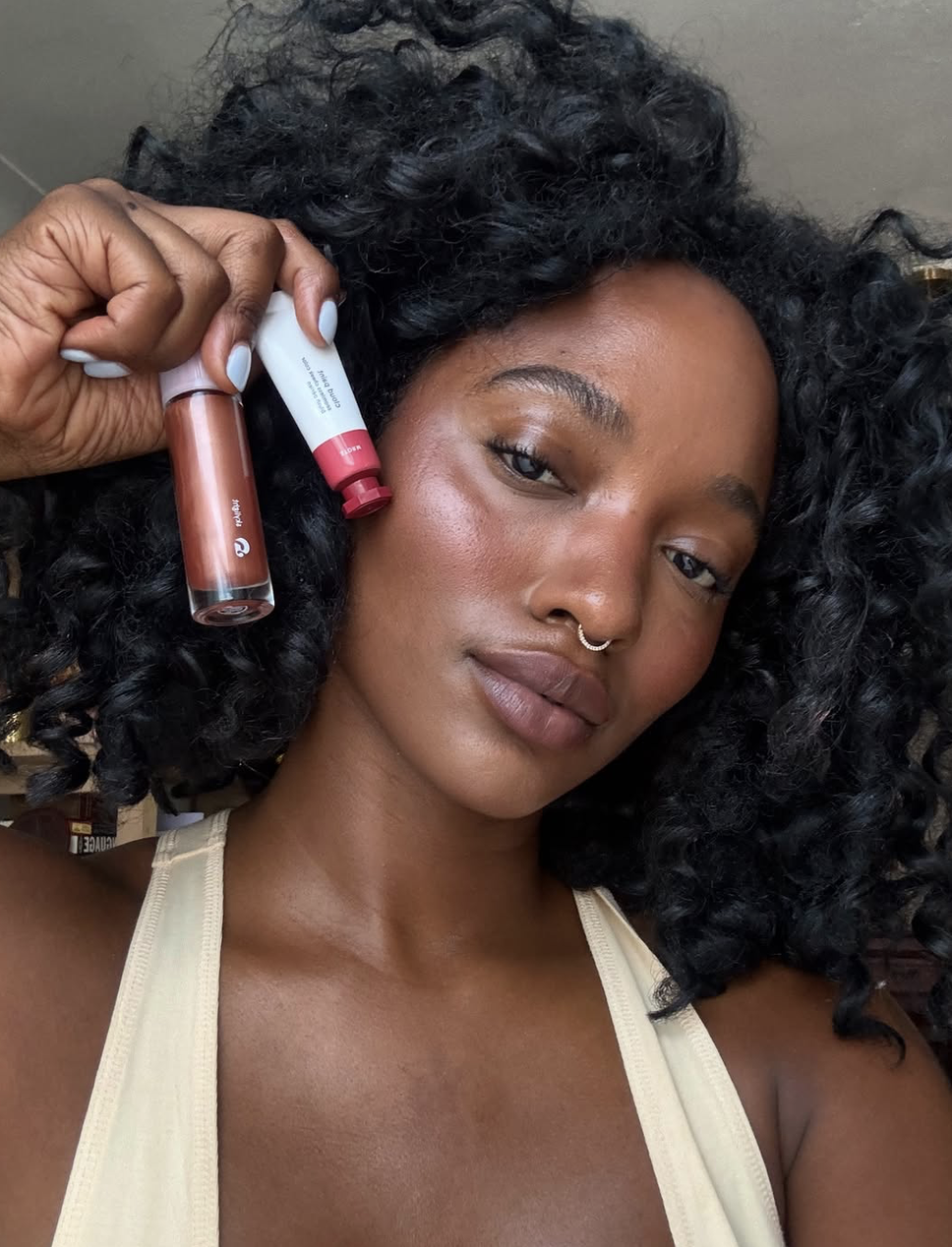
Source: Glossier Instagram
Briefing Without Over-Controlling
For a significant portion of my career, I’ve worked directly with social media and influencer marketing, and there’s one common mistake I’ve seen brands do. That’s over-scripting and trying to control everything.
One of the biggest advantages of skincare influencer marketing and creator marketing as a whole is that they essentially promote you in their own style and vibe without the content feeling like an ad. Once the audience starts feeling “the ick” of being sold too aggressively, it’s all going to go downhill.
Be open and trust the creator’s style while at the same time noting your non-negotiables. You can give a clear brief while allowing the influencer to create their own story around the product.
Repurposing Content Across Channels
Valuable content is something you can use as an asset, not a one-time thing. When briefing the creator, keep in mind where else in your owned media you can use the content they provide. That can be on your website, your email flows, paid ads, and more.
Make sure to let the creator know where and how you’re intending to use their content, because some will want to negotiate the financial side based on that.


Measuring the Success
Once you take the leap and start working on influencer marketing for the skincare industry, you have to know how to measure the success of the system you’ve built. Remember, success might not be immediate, but looking at certain areas will help you understand whether your efforts are moving the needle.
Look at:
Engagement quality. Sure, you’ll measure the basics like, video views and likes, but it’s worth checking deeper. Are there any comments and what conversations are unraveling there? Are people tagging friends and saving the content for later? All of this can show if the content is resonating with the audience enough for them to take extra steps and engage further than just viewing.
Discount code use. Quite a few brands use discount codes when partnering with an influencer, because they show how well the creator has presented your product or the high trust in their community (depending on where the content is published).
Long-term brand lift. For your system to give you real results, ideally you’re looking for long-term brand lift which can manifest in branded search volume and traffic increasing, high repeat customer and purchase rates, and overall improved brand sentiment.

Wrapping It Up
Have you noticed the overarching trend when in the influencer marketing for the skincare industry? That’s right, it’s being credible, authentic, and truthful.
That’s why today we learned about finding what fits your brand the best, because it has to feel right, align with your brand and the customer expectations — that’s the only way to create truly successful and valuable partnerships for your brand, the audience, and the creator.
It’s always about creating value rather than going viral, but you know what? If all the puzzle pieces are thought through and fit together in a nice picture, there’s a possibility that a viral moment will eventually follow. Good luck!
Frequently Asked Questions
-
Influencer marketing for the skincare industry is a marketing tactic where you work with online creators to promote your beauty brand and its products. The partnership can take place on your channels, the creator’s profiles, or in paid ads only.
-
Skincare influencer marketing is effective for small skincare brands too. Smaller brands can approach smaller influencers, and the advantage of such creators is that their community is more tightly-knit and nurtures greater trust which translates into sales.
-
Influencer marketing for skincare brands and its budget looks different for every brand. The budget depends on the size of the skincare brand and the goals you want your business to reach.
Your creator partnerships can cost close to nothing if you’re working with small creators and can negotiate payment in product. The bigger the influencer, the greater the cost of the partnership will be.
-
The best platforms for skincare influencer marketing are Instagram, TikTok, and Youtube, as short-term video is still very much trending and the best place for all skincare brands to be.
-
In your skincare influencer marketing journey, you should start by researching relevant keywords to your brand and see what topics existing creators are covering. You should also check what your competition is doing and what influencers they’re working with.
Once you’re familiar with the conversations online, you can get familiar with different types of influencers (micro-influencers, professionals, UGC creators) to see what fits your goals and capabilities.
Must read