Why Skincare Is Essential to Every Professional Hair Removal Service
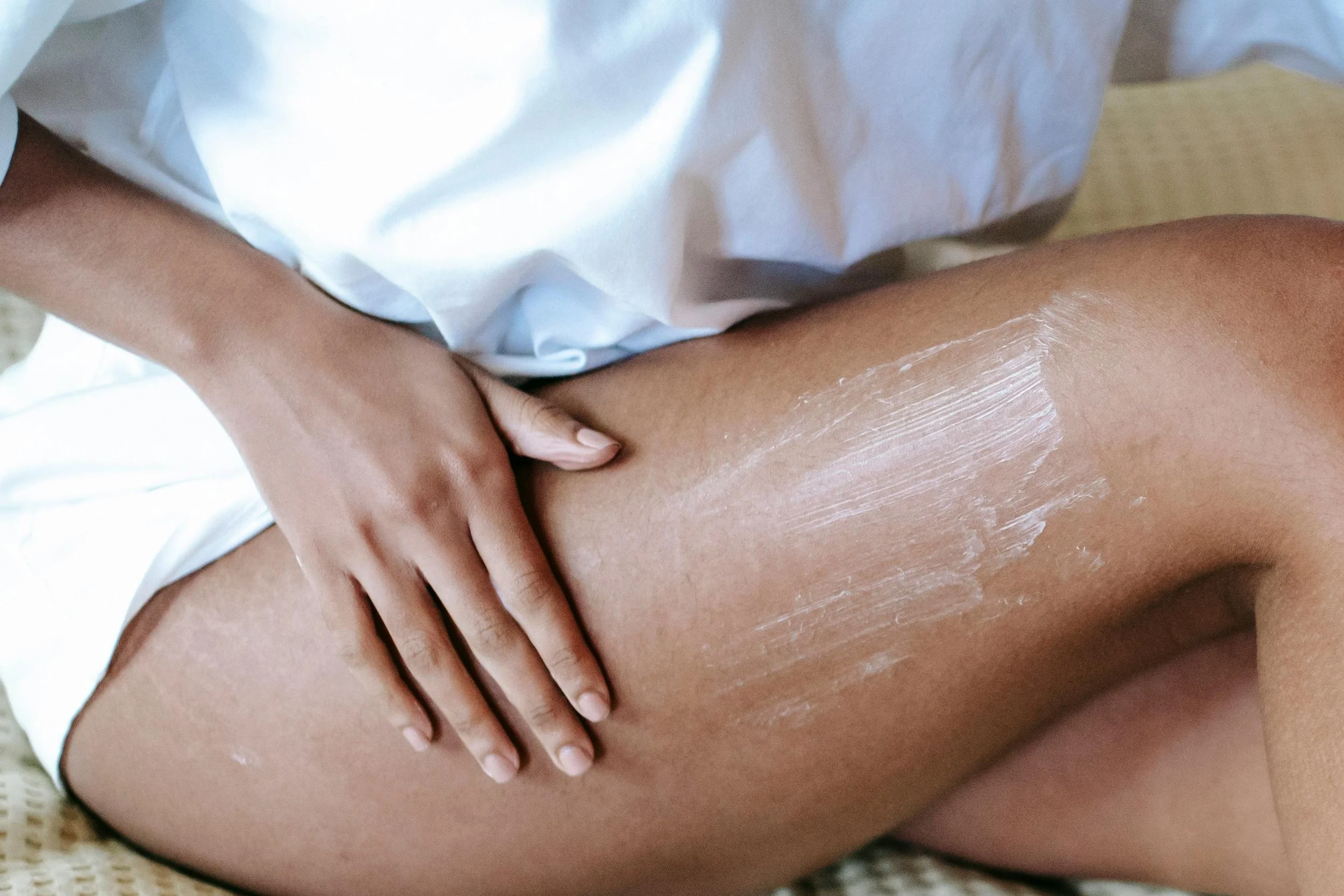
Table of Contents
Skincare is the starting point for everything in beauty. And when treatments like hair removal come into play, it’s thoughtful skincare that makes the difference between irritation and healthy results. Some methods of hair removal are well-known for requiring firm measures to pull each hair from its follicle. So, you can imagine the effect this also has on the skin.
Professional hair removal services should work together with a solid skincare routine to keep the skin not only fuzz-free but also deeply nourished and healthy. Neglecting the skin after hair removal is a common oversight in many salons. But for the sake of their customers' skin health, this shouldn't be the case.

How Does Hair Removal Affect Skin?
Different hair removal methods can affect the skin in specific ways. For example, waxing traps the hair in the sticky wax, but it also tends to take the topmost skin layer with it. Also, if not heated to a comfortable temperature, clients are at risk of burns. On the other hand, if the wax isn’t hot enough, the waxer may need to repeat the process on the same area, which may lead to irritation.
Depilatory ot hair removal creams seem like a safer choice, as the hair is dissolved and not ripped from its root. Though the harsh chemicals in these creams can cause reactions and redness if left on too long.
Using a razor without shaving gel and post-shave moisturizing balms leads to dry, flaky skin texture. The blade has removed the skin’s protective layer, so it is important to apply moisture-rich lotions post-shave.
Other methods, such as laser hair removal and electrolysis, rarely result in side effects similar to sunburn. This is due to the targeted application of heat to the hair follicle in order to inhibit its growth.
Pre-Treatment Skincare
Whichever treatment you choose, preparing the skin is essential. This starts in the shower. Cleanse your skin with gentle pH-balanced shower gels, as these remove bacteria and grime without interfering with your skin’s microbiome.
Skin cells regenerate at a relatively quick rate. In adults, the epidermis sheds, and new cells are formed every 28 days. To help the process along, it is a good idea to exfoliate regularly. Exfoliation sloughs off dull-looking dead skin cells, revealing glowing new skin underneath. This improves the appearance of your skin and increases the success of hair removal methods.
Ask the hair removal expert for any instructions you should follow prior to the appointment. They may request that you not apply any moisturizer. They may also ask you questions about medications you are taking. For example, hypertension medications can increase the risk of bruising afterwards.
Post-Treatment Skincare
Now’s the time to give your skin some TLC. After treatment, you will need to replenish the skin’s moisture barrier, which has most likely been stripped or zapped away.
Avoid lotions with added fragrances, especially for sensitive skin types. Synthetic fragrances and alcohol may dry out the skin and trigger a reaction. Instead, look for moisturising creams with natural ingredients. For example, aloe vera is known for its healing and anti-inflammatory properties.
Always seek advice from a professional hair remover, as they will provide aftercare instructions. This usually includes avoiding sun beds, saunas, and swimming. Intense exercise, causing you to break a sweat, is also not advised, as this may bring on irritation.
Skincare for Different Hair Removal Side Effects
With the right skincare routine pre- and post-treatment, the chances of experiencing side effects are minimal. Though if you do encounter ingrown hairs or redness after hair removal, here are a few skincare solutions to try.
Ingrown hairs
Painful, trapped hairs growing underneath the skin are common after shaving or epilation. Products containing glycolic acid chemically break down the dead skin cells that block in hair. Salicylic acid has a similar effect. So, invest in lotions that contain these ingredients to prevent ingrown hairs from blighting your smooth skin.
Redness and rashes
Alongside aloe vera gel, witch hazel is another soothing natural ingredient to add to your beauty toolkit. If the skin is broken, witch hazel or tea tree oil applied on a cotton pad will prevent infection and ease inflammation.
Dryness or flakiness
Perhaps you have naturally dry skin that craves moisture. If this is the case, then your moisturizer needs to be super hydrating. Hair removal processes can dry out the skin. So using the right moisturizer for your skin type is vital.
Hyaluronic acid, which holds onto water molecules, is a must-have ingredient in your moisturizing cream. Other key ingredients, such as shea butter and nut or avocado oils, act to smooth and nourish the skin. So make sure your moisturizer has at least one of these natural ingredients.
Make Skincare Part of the Service, Not an Afterthought
Hair removal doesn’t end when the last strip is pulled. Actually, that’s when skincare truly begins. Every treatment affects the skin barrier, which means proper pre- and post-care is essential for maintaining smooth, calm, and healthy-looking skin.
For salon owners, this presents a valuable opportunity. Offering targeted skincare products alongside hair removal services allows you to actively support the skin between appointments. Think gentle exfoliators to help prevent ingrown hairs, soothing formulas to reduce redness, and barrier-repair creams that restore hydration and resilience. When clients experience fewer bumps, less irritation, and longer-lasting smoothness, they connect those results directly to your expertise.
By integrating retail skincare into your service offering, you elevate hair removal from a standalone treatment to a complete skin-focused experience. It strengthens client trust, improves outcomes, and creates a natural extension of your business beyond the treatment room.


Must read