Different Skin Types Explained: The Complete Guide

Table of Contents
Most people think they know their skin type. Most don’t.
In skincare, one size certainly does not fit all. Just as every person is unique, so is their skin. And when you figure out your skin type, everything finally clicks. Your skincare routine finally caters to your skin’s specific needs, and it feels pretty amazing.
Your skin type determines how it reacts to different types of products, skin care treatments, and even environmental changes. If you misidentify your skin type, your skin care routine will most definitely fail, and the products you use will underperform. Wrongly chosen products can irritate your skin, trigger breakouts, and even worsen existing skin concerns like dryness or oiliness.
If you don't clearly understand the different skin types as a beauty brand, you can’t formulate with precision, develop targeted solutions, or build products to accommodate physiological differences. Without that clarity, proper product line segmentation becomes difficult. Claims positioning and customer education become vague, and over time, brand trust begins to erode.
So, let’s jump into the nuances of different skin types, unravelling the mysteries and unlocking the potential for your healthiest skin yet.
What Are Different Skin Types?
So, what are the different skin types exactly? From a medical perspective, skin type is a biological classification based on your skin's natural behavior. It’s primarily determined by sebum (oil) production levels, genetics, hormonal balance, skin barrier function, and environmental exposure.
Yet this is where confusion often begins. Some people assume their skin is “dry” because it feels tight in winter. Others are convinced it’s “oily” because they get breakouts. And some decide they have “sensitive” skin because one product stung that one time. These assumptions are common, but they don’t necessarily reflect true skin type.
When someone asks, “What are different skin types?”, they’re referring to how skin behaves at its core, not referring to temporary issues it may be experiencing. Because skin type tends to remain relatively stable, unlike temporary conditions. Of course, it can shift gradually with age, hormonal changes, or climate. Still, generally speaking, it doesn’t fluctuate week to week.
Now, this distinction is important as skin type influences how your skin retains moisture, how prone it is to breakouts, how it reacts to certain ingredients, and which formulations will work best. If you mistake a condition (e.g., dehydration or acne) for a skin type, you’ll use the wrong solution, and your skincare routine will end up working against you.
For skincare brands, understanding the different types of skin becomes a commercial advantage. It allows you to create targeted formulations that are designed to fix specific concerns. You can avoid sweeping claims that dilute trust. You can potentially reduce product returns as customers will see real results. And you will present your brand as knowledgeable, credible, and worth listening to.
To sum it up, build products that align with real physiological needs, not trends. Precision builds credibility.
How Many Skin Types Are There?
For a long time, skin was traditionally classified into four main types: oily, dry, normal, and combination. However, modern dermatology and cosmetic science have moved away from this basic framework. And today, most dermatologists and skincare professionals are also recognizing sensitive skin as a distinct category. So, yes, now there are five primary skin types: oily, dry, normal, combination, and sensitive.
Each skin type comes with its own set of characteristics and set of needs which should be considered when choosing products or developing a skincare line. Understanding how skin types function prevents you from blind guessing. Instead, you can choose formulations that are effective, balanced, and supportive of long-term skin health. No quick, surface-level fixes.
Still unsure where you fall? Take this quick skin type quiz.
Now let’s break down the five different skin types in detail.
The 5 Different Types of Skin Explained
Oily Skin
Oily skin occurs when glands in the skin make too much sebum, which is the waxy substance that seals in moisture. The oil in your skin is vital for keeping it healthy, but too much sebum can lead to clogged pores and acne.
The symptoms of oily skin can include:
a shiny appearance
very large or obvious pores
clogged pores and blackheads
occasional or persistent pimples
It’s also possible that the makeup consistency changes once applied on an oily skin, so I recommend using products that are designed for your specific skin type.
There are many factors that contribute to an oily skin. For some it’s simply due to genetics, while for others it can be due to hormonal fluctuations, certain medications or medical conditions, and, of course, due to diet.


Having an oily skin doesn’t necessarily mean that there’s something wrong with you. There are also benefits to it.
For example, oil helps preserve the skin, and people with this skin type usually tend to have thicker skin and fewer wrinkles. It’s a question of striking a balance between having too much oil and maintaining your skin’s natural moisture.
According to American Academy of Dermatology Association, these are some dos and don'ts for controlling oily skin:
DO wash your face every morning, evening, and after exercise;
DO choose skincare products that are labelled “oil free” and “noncomedogenic”;
DO use a gentle, foaming face wash;
DO apply moisturiser daily;
DO wear sunscreen outdoors;
DO choose oil-free, water-based makeup;
DON’T use oil-based or alcohol-based cleansers;
DON’T sleep in your makeup;
DON’T touch your face throughout the day.
It's important to note that oily skin type is a common characteristic of people with melanin-rich skin, which can also make them more prone to post-inflammatory hyperpigmentation (PIH) and keloid scars.
When dealing with breakouts on oily, darker skin, it's crucial to avoid picking or squeezing to prevent dark spots. Instead, focus on gentle, non-stripping products to manage oil and prevent irritation.
Here are some of Selfnamed products we recommend for oily skin:
Check out more options here.


Dry Skin
Dry skin occurs when skin doesn’t retain sufficient moisture. This is often caused by frequent bathing, use of harsh soaps, ageing, or certain medical conditions. Also, if you happen to live in a colder climate, it can be caused by the cold, dry winter air.
During winter months in the Northern Hemisphere, it’s not uncommon for the skin to become red, rough, raw, and itchy. Especially on your hands. To learn more about maintaining your skin and body during the cold winter months, check out Selfnamed’s guide on cosmetics essentials for every season.


According to American Academy of Dermatology Association, here are some things you can do to try pampering dry skin:
Apply moisturiser immediately after washing;
Use an ointment or cream rather than a lotion;
Use only gentle skincare products;
Choose non-irritating clothes and laundry detergent;
Add moisture to the air (for example, with a humidifier);
Drink plenty of water.
For people with fair or light skin tones, dry skin can be more susceptible to visible redness and irritation. They may also be more prone to conditions like rosacea. For those with melanin-rich skin, dryness can be particularly noticeable, presenting as a greyish or "ashy" appearance. This is often due to transepidermal water loss (TEWL).
When caring for melanin-rich dry skin, focus on ingredients that protect the skin's natural barrier, hydrate and seal in moisture, such as Urea, Jojoba oil, Sunflower oil, Olive oil, Coconut oil, Glycerin, Hyaluronic acid, or Shea butter.
Regular, gentle exfoliation is also key to remove the surface layer of dry, dead skin cells and reveal the more radiant skin beneath. Avoid harsh scrubs that could cause micro-tears and irritation.
Both – light and dark skin owners – should avoid Alpha-hydroxy acid (AHA) and retinoids. The main reason for this is to help your skin regain its natural oils, however, these ingredients will prevent that from happening.
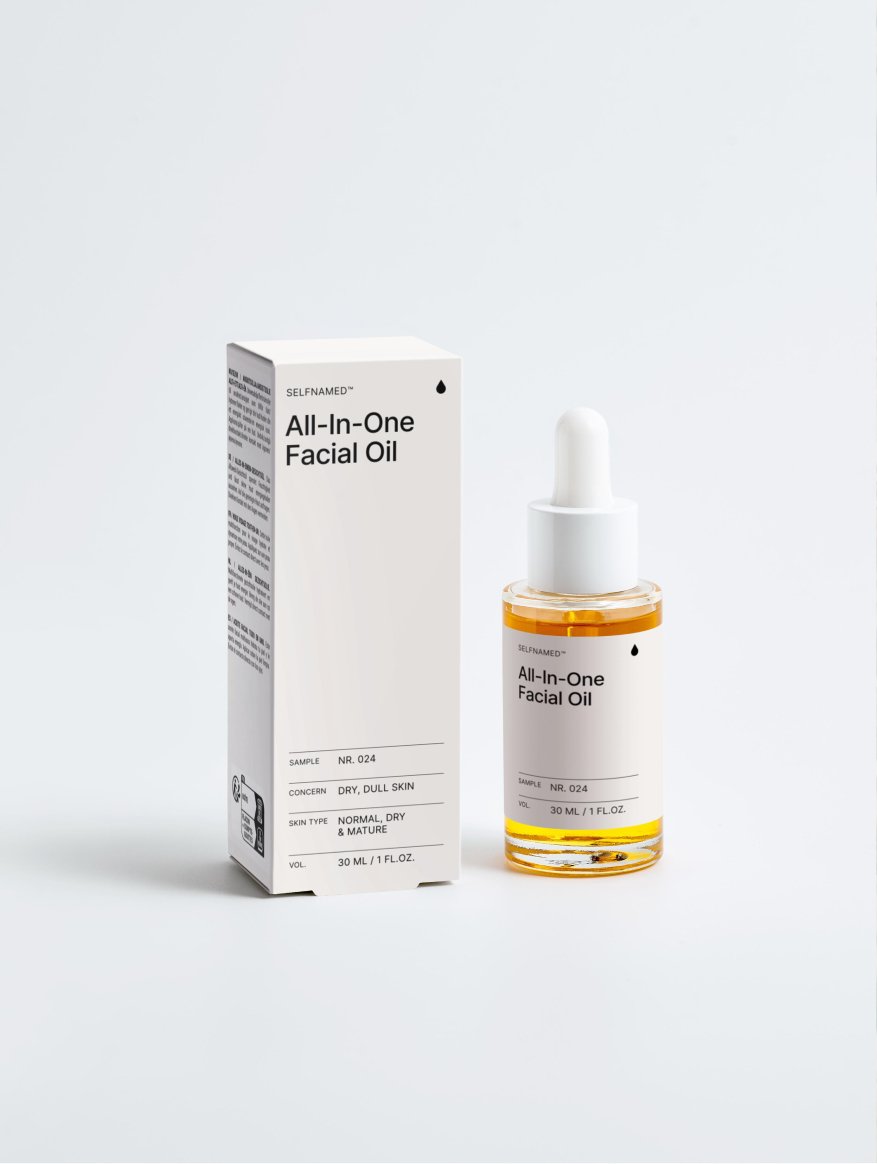
Here are some of Selfnamed products we recommend for dry skin:
Check out more options here.


Normal Skin
I already mentioned that too much sebum production will result in oily skin, and not enough – dry skin. Some people present both types, indicating they have combination skin, which I will discuss later. But, you already might be able to guess, a well-regulated sebum production is present in normal skin types.


People with this type of skin are not faced with the appearance of dryness or excess oil, so they don’t really need to buy specialised products to compensate for oil or dehydration. Of course, this doesn’t relieve them of skincare concerns, as they have to have the right routine to protect and ensure continuous moisture of the skin, as it helps to prevent it from ageing.
Here are some of the characteristics of normal skin:
less noticeable and tighter pores;
the texture is not too oily or dry;
the skin feels neither tight nor shiny soon after cleansing.
The number one rule of protecting normal skin is “Don’t fix what isn’t broken!” Having normal skin most likely means you’re doing things right and there’s really no need to complicate them. As long as you cover the key steps with scientifically-researched, gentle products, then you’ll be fine.
The basic skincare routine should include cleanser, moisturiser and an SPF. If you feel like adding an anti-ageing element, feel free to add retinol, retinol alternatives or antioxidant serums. For those with normal skin who are also prone to hyperpigmentation, a common concern across many ethnicities, consider adding a targeted serum with ingredients like vitamin C or niacinamide to help maintain an even, radiant skin tone.
Here are Selfnamed products we recommend for normal skin:
Check out more options here.


Combination Skin
As previously mentioned, there are people who present both skin types — dry and oily — which means, they have combination skin. These people have something called a T-zone, meaning that if you drew a T shape across your face, the skin inside the T would be oily, but skin on the outside of it would be dry.
While normal skin is probably the rarest type, combination, on the other hand, is the most common one. It can be due to genetics, wrong or bad skincare products, stress, lack of exercise, sun damage, and other factors. The main difference between normal skin and combination is that normal skin will feel and even appear more even, when it comes to the skin tone and texture. And, of course, it will be more balanced — neither too oily nor dry.


Here are some of the characteristics of combination skin:
sensitive cheeks;
oiliness develops very quickly;
moisturiser works well on the cheeks, but not on T-zone;
difference in pore size across your face;
flaky scalp;
acne and dryness can appear at the same time;
skin changes with the seasons.
On the bright side – even if you have a combination skin at the moment, it doesn’t have to mean that you’ll have it forever. There are plenty of ways to treat it, and most people only need small adjustments in their daily routine.
Specialists usually suggest exfoliating and using gentler cosmetics products. On top of that, you need to exercise and eat more healthily, so your skin cells can get enough oxygen and nutrients. And if you’re prone to stress, then, of course, you need to consider how to relax more often.
For people with combination skin and darker skin tones, managing the oily T-zone is crucial to prevent breakouts, which can lead to post-inflammatory hyperpigmentation. Using lightweight, non-comedogenic moisturizers on the oily areas and richer, more hydrating creams on the drier parts of the face is key.
When dealing with acne, opt for gentle treatments with ingredients like mandelic acid or niacinamide over harsh, drying products that could worsen dark spots.
For those with a lighter skin tone and combination skin, managing the different zones is still important. They may find their dry areas are more prone to redness, while their oily T-zone can still be susceptible to clogged pores. Using a gentle, balanced routine that addresses both concerns without over-stripping the skin is essential.
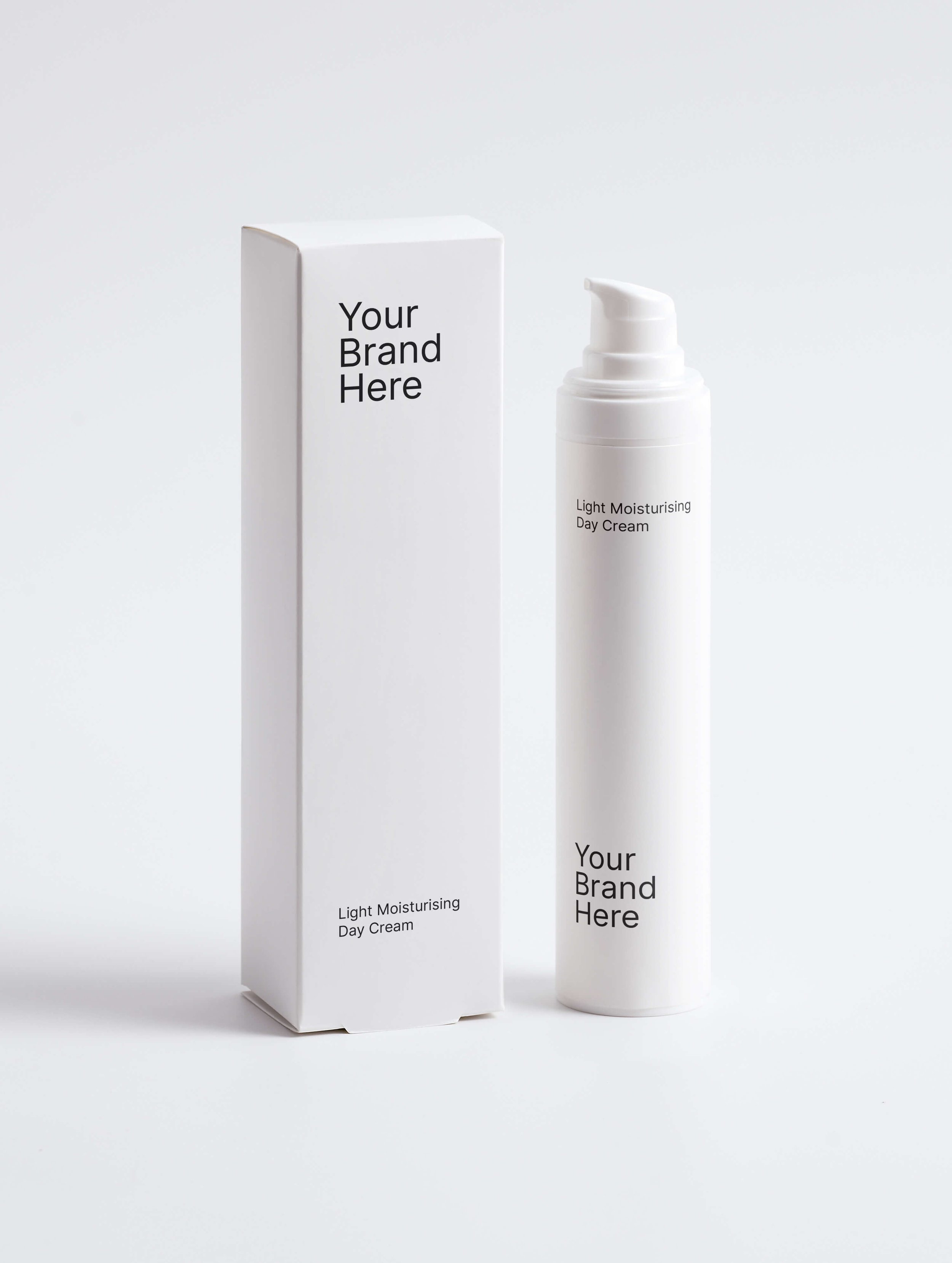
Here are Selfnamed products we recommend for combination skin:
Purifying Toner for the T zone


Sensitive Skin
Sensitive skin isn’t “dramatic”, it’s reactive. And yes, there’s a difference.
This skin type tends to over-respond to triggers that most other skin types tolerate just fine. One day, your routine feels okay, the next day, your skin is red, tight, and questioning all your life choices. It can feel unpredictable, and that unpredictability is what makes it frustrating.
Common triggers? Weather changes, fragrance, essential oils, harsh actives, over-exfoliation, stress, and even hot showers. Sensitive skin often shows visible signs after exposure to something it doesn’t like.
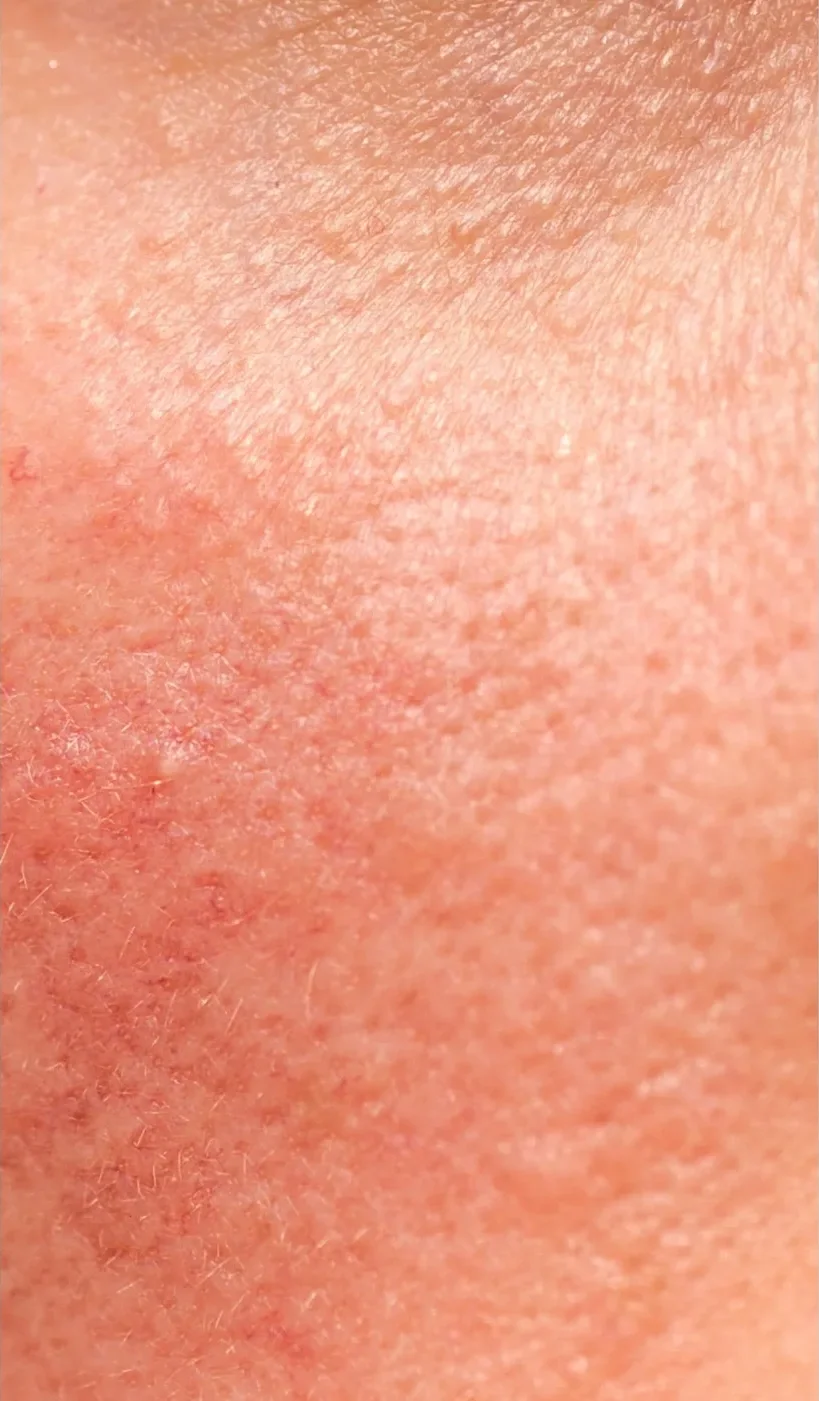
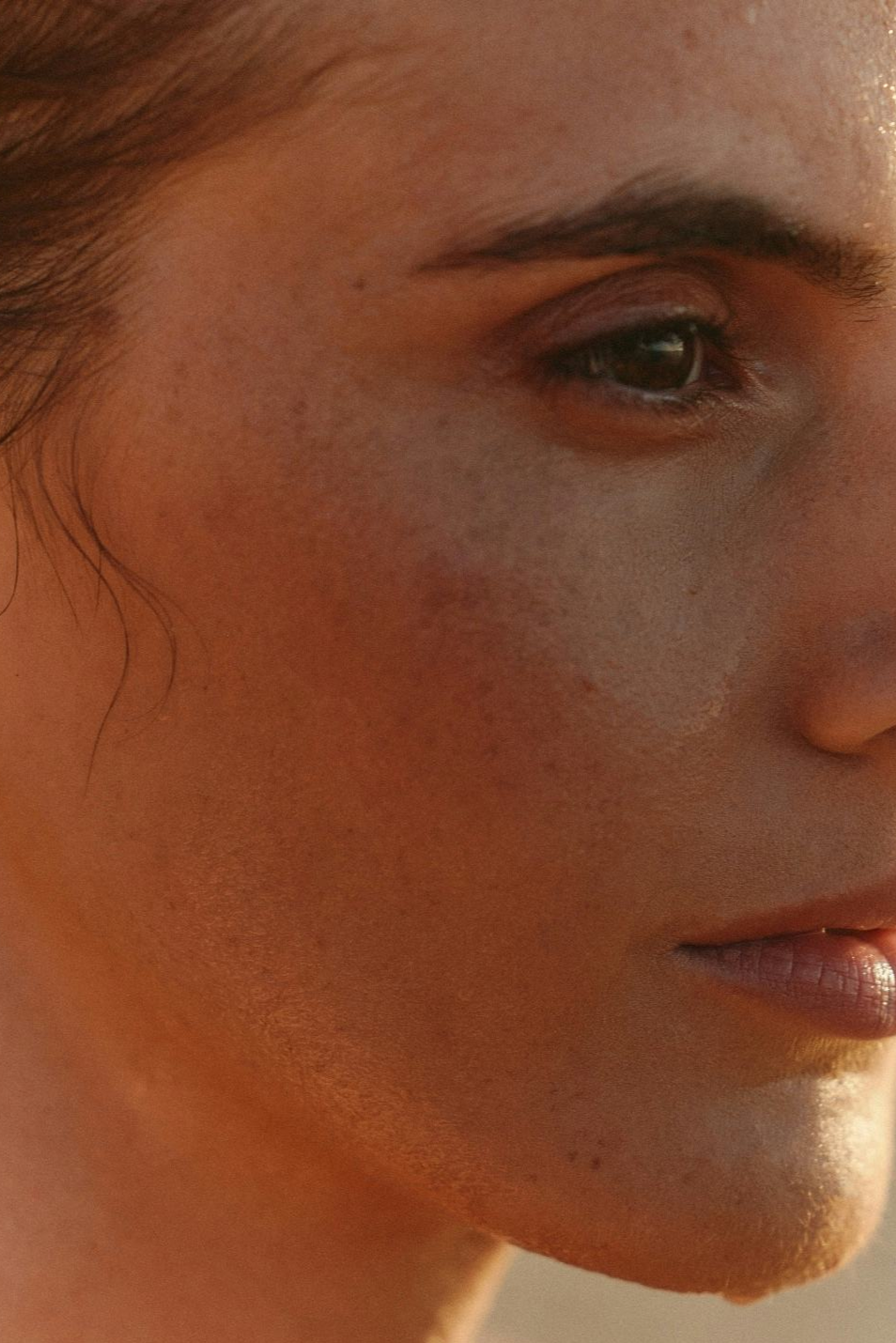
Here are some of the characteristics of sensitive skin:
redness;
stinging;
burning;
itching;
tightness.
Now, let’s clear something up. Dry skin and sensitive skin aren’t the same thing. Dry skin lacks oil, which leads to flaking and roughness. Sensitive skin is about reactivity. You can absolutely have oily or combination skin and still be sensitive. And dry skin can become sensitive, especially when the barrier is compromised, but they’re not interchangeable terms.
In most cases, barrier impairment is the real culprit. When your skin barrier is weakened, irritants get in more easily, and moisture escapes faster. That increase in transepidermal water loss leads to inflammation, discomfort, and that constant “my skin is annoyed” feeling.
And here’s something else worth mentioning. Sensitive skin is often linked to a more reactive nerve response in the skin, also called as oversensitivity of nerve endings. That is why sometimes you feel burning or stinging even when there is barely visible redness. It’s not always about what you see. It’s also about what you feel.
If you have sensitive skin, ingredient selection is everything. Avoid high concentrations of fragrance, essential oils, drying alcohols, aggressive exfoliating acids, and unnecessarily complex formulas. Sensitive skin doesn’t need twenty actives fighting for attention. It needs calm, consistent support.
Instead, focus on barrier-loving ingredients like ceramides, panthenol, allantoin, centella asiatica, and gentle humectants. Keep formulas simple. Patch test new products. And please, don’t over-exfoliate just because it’s trending. Sensitive skin thrives on restraint.
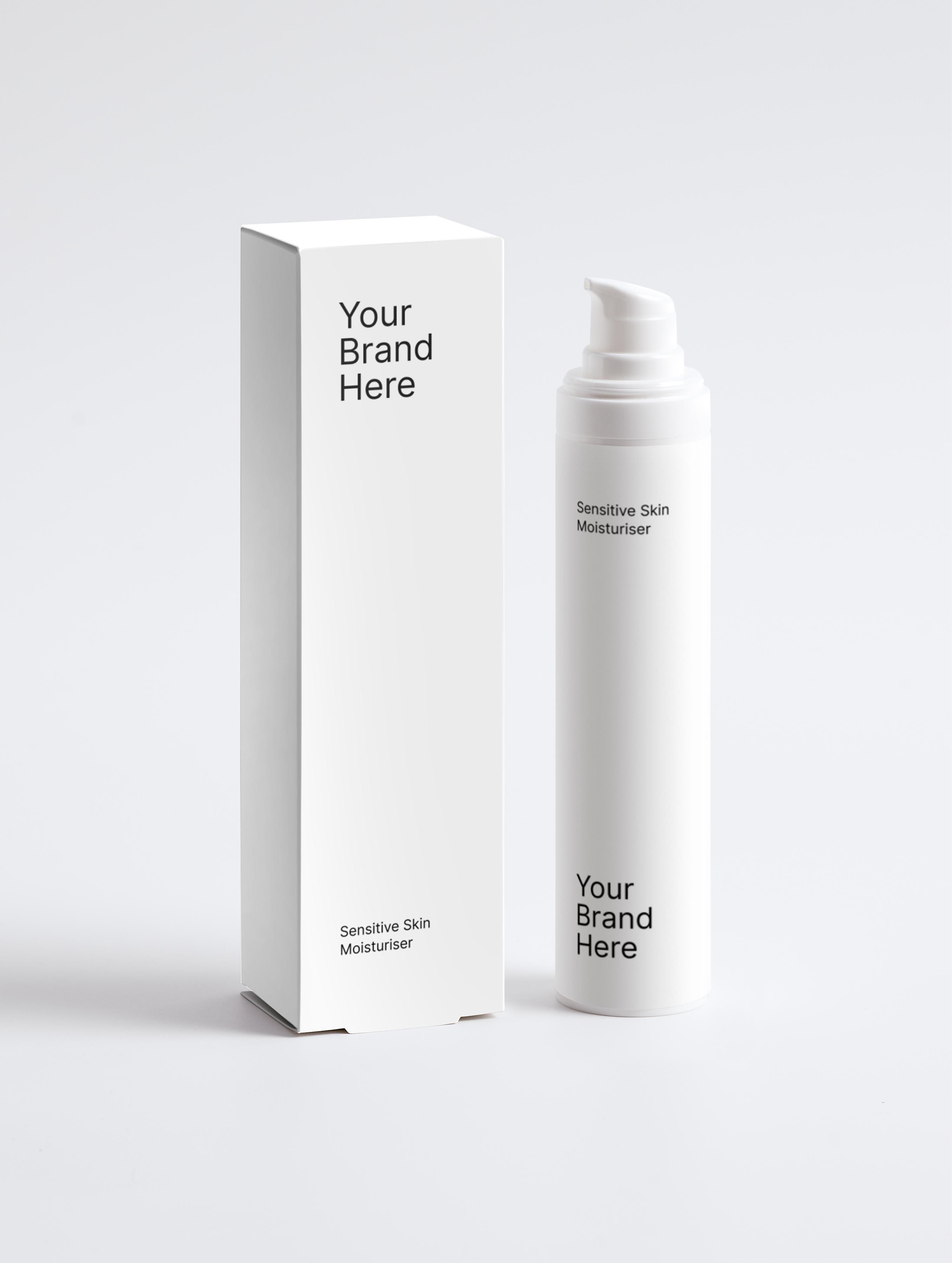
Here are Selfnamed's products that we recommend for sensitive skin:

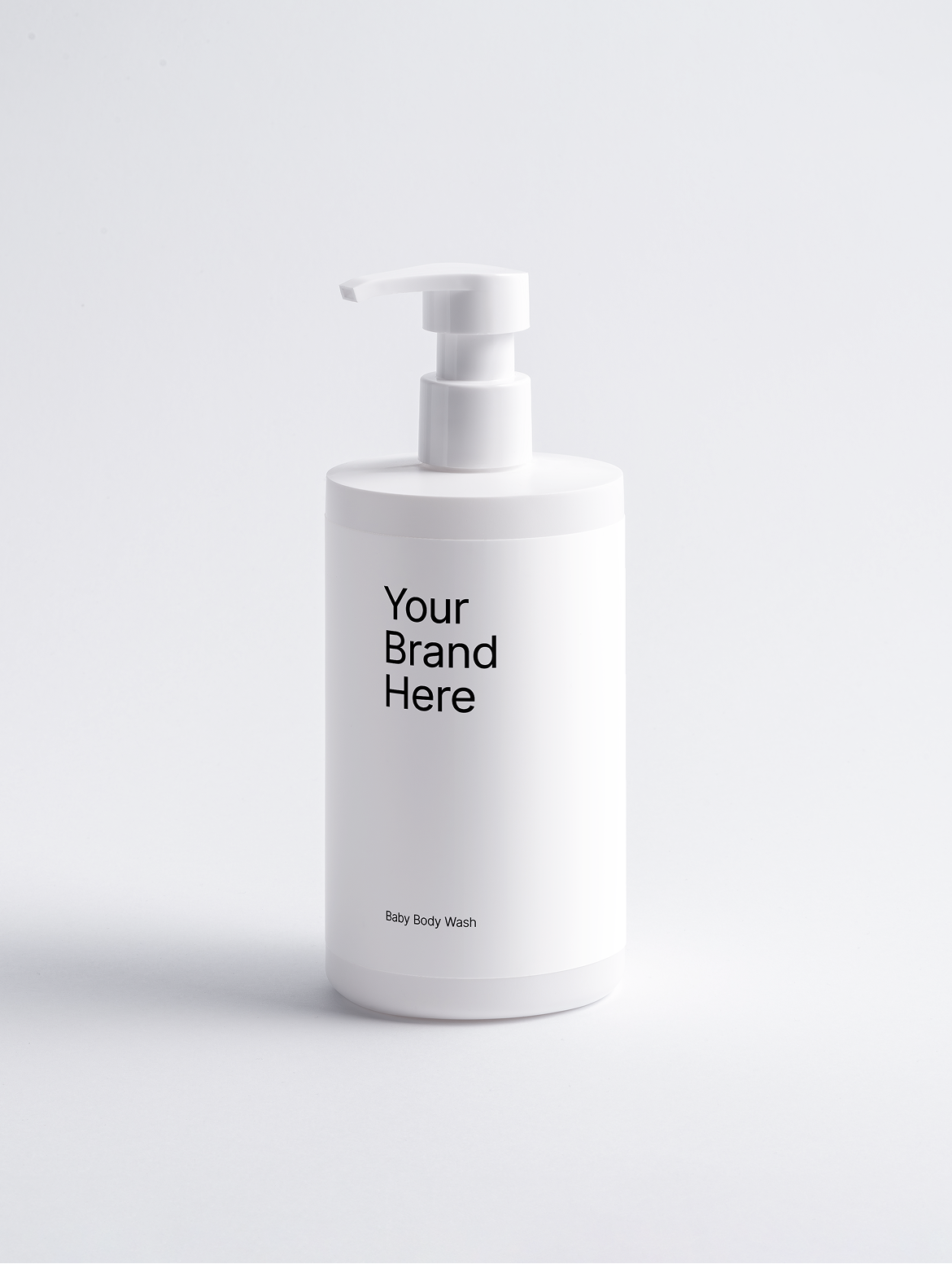
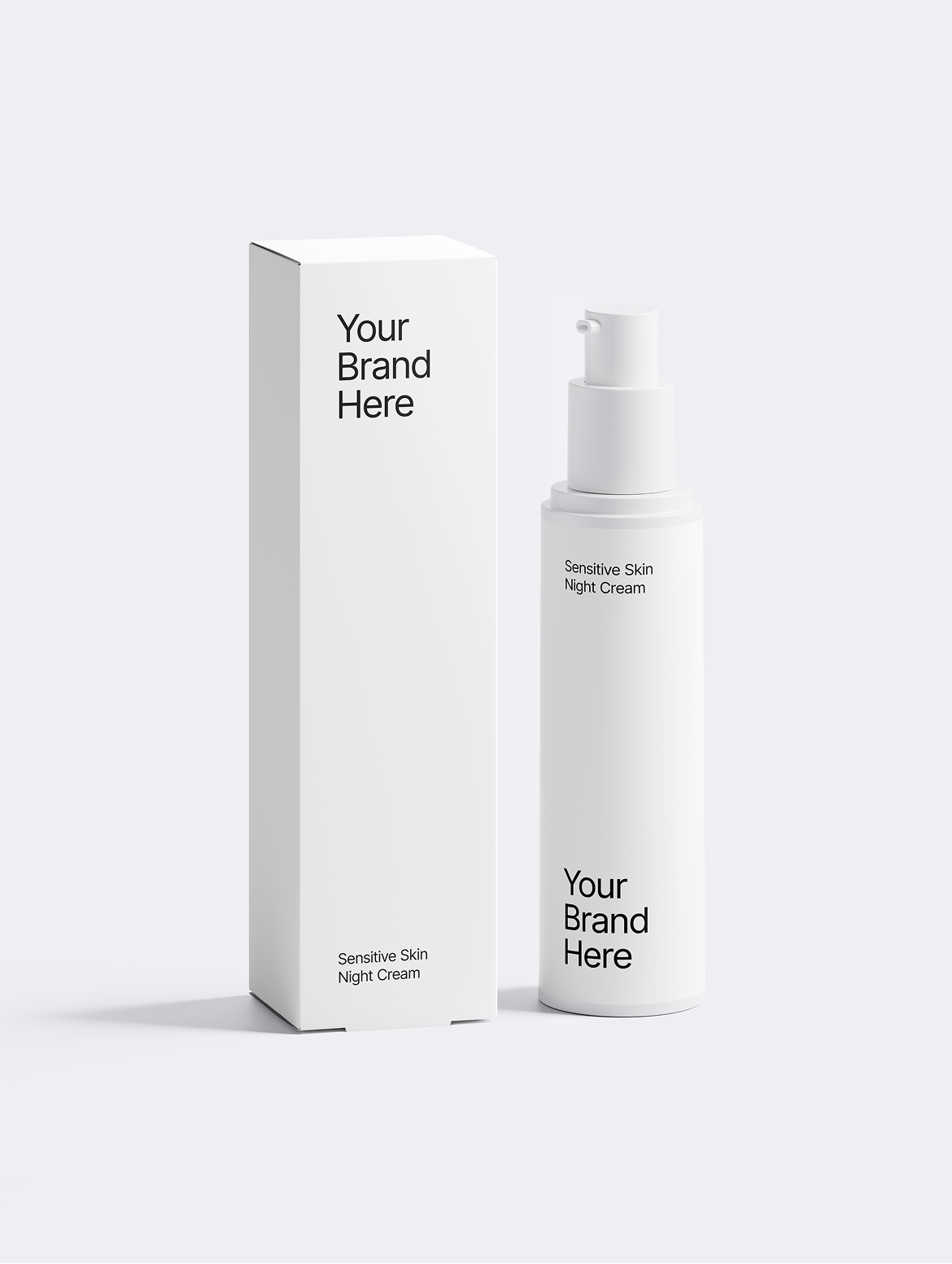
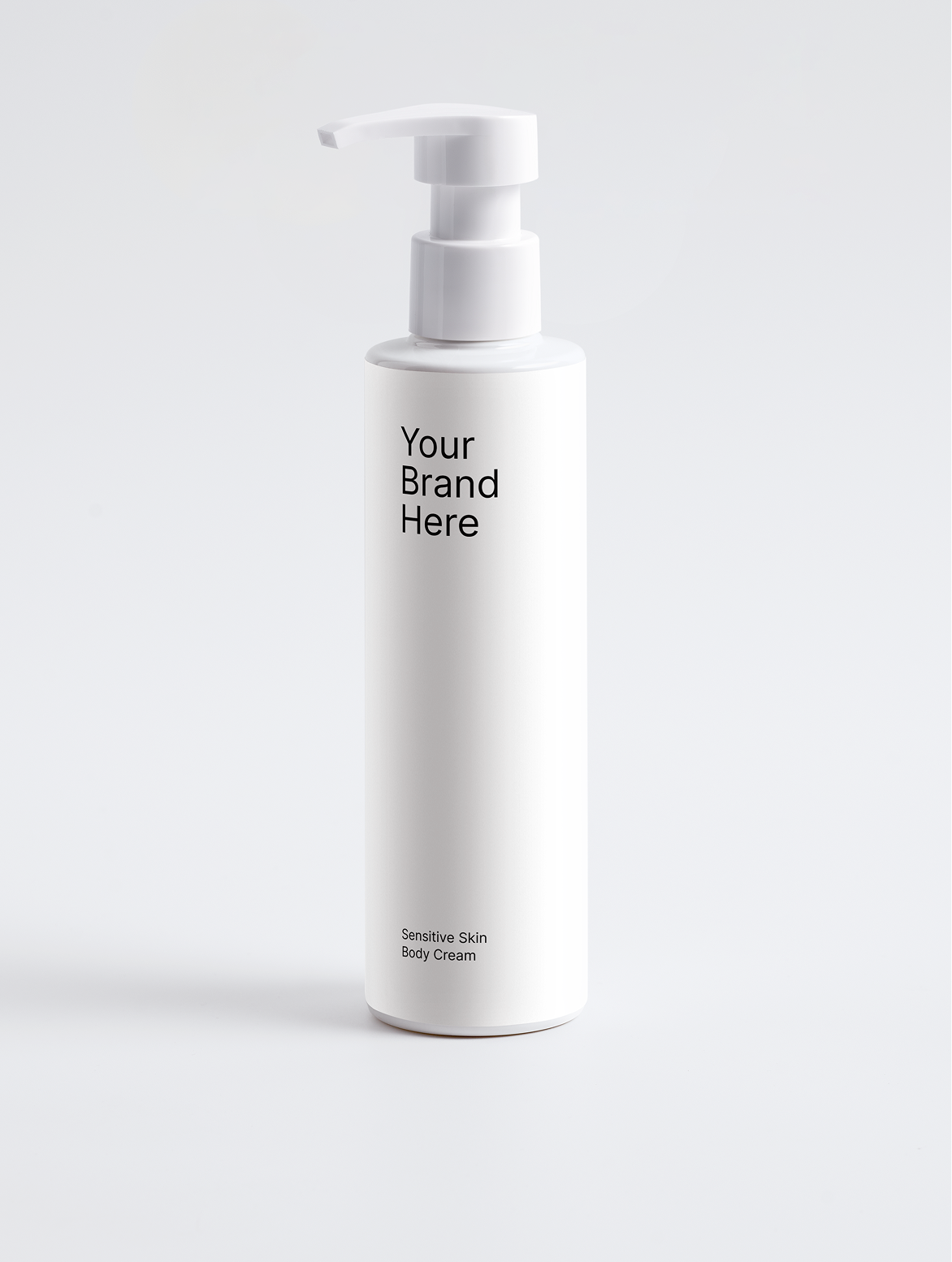
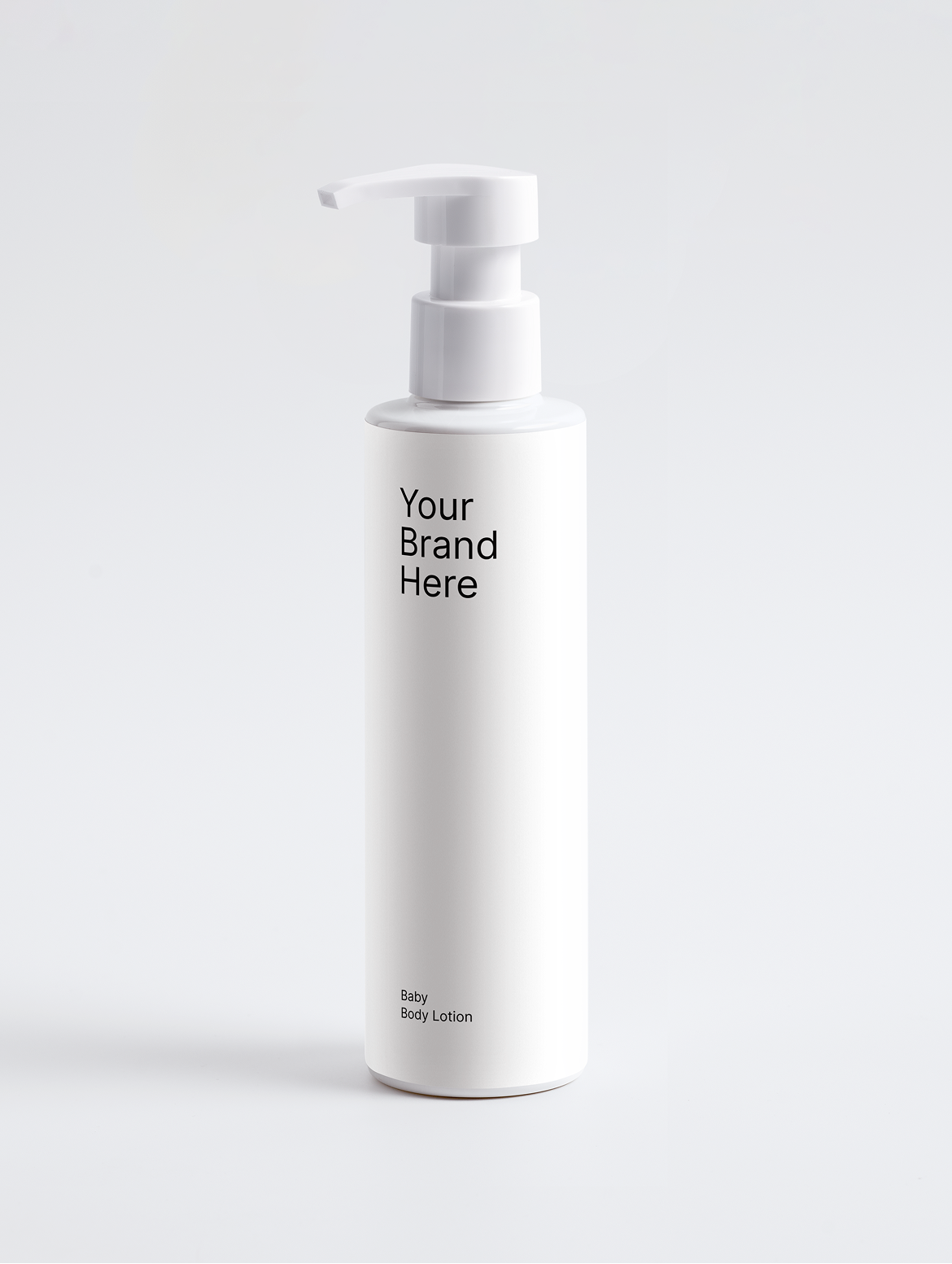
If you are an emerging brand, thinking of developing products specifically for sensitive skin, explore our guide on launching a sensitive skincare line. Safety, transparency, and thoughtful formulation should be your priority number one.
Different Types of Skin Texture
Skin texture is about how the skin looks and feels on the surface. It’s not the amount of oil it produces or how reactive it is. Basically, texture isn't the same as skin type. Oily, dry, combination, normal, and sensitive skin, all these skin types can experience texture concerns.
Skin texture is the one that usually shows us what’s happening beneath the surface. It can reveal changes in hydration levels, cell turnover, pore size, or overall barrier health.
Unlike skin type, texture is treated in order to refine and smooth the skin surface over time. Think of it as the finishing touch. Even balanced skin can look less polished if texture isn’t treated accordingly. With the right care, you can gradually improve the overall feel and look of your skin, making it appear more soft, and radiant.
Texture concerns often need targeted actives like AHAs, BHAs, PHAs, retinoids, and peptides, depending on what your skin can tolerate. Retinoids are especially effective for smoothing and boosting cell turnover, but they’re not for everyone. If your skin is more sensitive or you are just starting out, gentler retinol alternatives can give you similar benefits without overwhelming your barrier.
Smooth texture
Who doesn’t want skin that feels soft and velvety? Smooth texture is what we’re all after, regardless of our skin type. When your skin feels smooth, it has a soft, almost silky touch, pores are barely noticeable, and there are no bumps or flakes in sight.
Smooth skin usually means your hydration is balanced, exfoliation is consistent, and your skin barrier is healthy and intact. It’s the kind of texture that makes your skin look polished, fresh, and just… effortlessly put together.
Rough texture
Sometimes skin just doesn’t feel as soft or smooth as it should. That’s what rough texture looks like. It can look uneven, feel coarse, and even make your complexion appear a bit dull. Most of the time, it’s because dead skin cells are piling up on the surface, your skin is dry, or skin renewal is slowed down. When your skin isn’t shedding properly, those dead cells stick around longer than they should. That’s when texture starts to feel bumpy or uneven.
Roughness can happen to any skin type, even oily skin. It usually shows up when exfoliation is inconsistent or when the skin barrier is under stress and struggling to keep things smooth. With the right routine, you can smooth things out, refresh your surface, and bring back that soft, healthy feel.
Enlarged pores
Let’s talk about enlarged pores, those little openings that seem to make skin look uneven, especially across the T-zone. They’re super common in oily and combination skin because that extra sebum stretches the pore lining over time. Oil isn’t the only factor, though. Genetics plays a significant role, as does aging. As collagen levels drop over time, pores lose structural support and suddenly look more noticeable.
When pores get really enlarged, the skin can take on that “orange peel” look (textured, slightly dimpled, and less smooth). Enlarged pores don’t mean your skin is unhealthy, but they do affect overall texture. Even if your skin is clear and balanced, visible pores can make it look less polished than you would prefer.
Dehydrated skin
Ever notice those fine lines, tightness, or a slightly crepey look that wasn’t there before? That’s dehydrated skin talking. Unlike dry skin, which struggles to make enough oil, dehydration is all about water. It’s a temporary condition and can happen to any skin type. It shows up every time when your skin isn’t holding onto enough moisture.
When your skin is dehydrated, fine lines pop up, elasticity feels off, and the surface can feel tight or a little rough. The skin around your eyes is especially delicate, which means those little lines, known as “crow’s feet”, can appear faster. This area often needs extra TLC. You can find some great tips in this article A Guide To Taking Care Of The Delicate Skin Around The Eyes.
And don’t think oily skin is immune to dehydration. Absolutely not! It isn't about how much oil your skin produces; it’s about how well your skin keeps water where it belongs. With the right hydration, your skin can feel plump, smooth, and way more youthful.
Uneven texture
Ever catch your skin feeling a little… bumpy or rough? That's an uneven texture showing up. It can show itself as small breakouts, post-acne marks, congestion, or just irregular surface patterns that make your skin look less smooth.
A lot of things can mess with your skin’s texture. Inflammation, clogged pores, inconsistent exfoliation, and even old skin damage that never fully healed. Aging, dehydration, sun exposure, and everyday environmental stress also play a role. Basically, life happens, and your skin shows it.
The important thing to remember is this: texture is a surface-level concern. It doesn’t define your skin type. You can have balanced, healthy skin and still deal with uneven texture. It just makes the skin look a little less polished than it could be.
The good news? With consistent, targeted treatments and a bit of patience, you can smooth and refine the surface over time. Skin responds when you treat it right.
Different Types of Skin Blemishes
Let’s clear something up first: blemishes are conditions, not skin types.
Blemishes are visible skin concerns that appear because of things like inflammation, congestion, excess oil, bacteria, or even leftover marks after a breakout heals. They can be temporary or ongoing, and any skin type can experience them. Hormones, stress, barrier damage, or even using the wrong products can all trigger them.
Understanding what kind of blemish you’re dealing with makes a huge difference. Not every breakout is the same, and they shouldn’t all be treated the same either.
Blackheads (Open Comedones)
Blackheads happen when a pore gets clogged with oil (sebum) and dead skin cells, but stays open. When that buildup hits the air, it oxidizes and turns dark. It’s not dirt, even though it looks like it.
They’re most common around the nose and T-zone and are considered non-inflammatory acne, which means there’s no redness or swelling involved.
Whiteheads (Closed Comedones)
Whiteheads are similar to blackheads, but the pore closes at the surface, trapping oil and dead skin cells underneath. They show up as small white or flesh-colored bumps.
They’re also non-inflammatory, but if bacteria start multiplying inside the pore, they can turn into something more inflamed.
Papules
Papules are those small red, tender bumps that don’t have a visible white center. This is what happens when a clogged pore becomes irritated and inflamed.
They can feel sore to the touch and are considered inflammatory acne.
Pustules
Pustules are inflamed blemishes that contain pus. They appear red at the base with a white or yellow center. These form when bacteria, oil, and immune cells accumulate in the pore. Unlike whiteheads, pustules are inflammatory and should not be aggressively squeezed, as this increases the risk of scarring and hyperpigmentation.
Pustules are what most people think of as a “pimple.” They’re red at the base with a white or yellow center filled with pus.
This forms when oil, bacteria, and immune cells build up inside the pore. Unlike whiteheads, pustules are inflammatory, and squeezing them aggressively can increase the risk of scarring or hyperpigmentation.
Cysts
Cysts are deeper, larger, and often painful. They form when inflammation goes far beneath the surface of the skin.
Cystic acne is usually linked to hormonal fluctuations and tends to require more careful management. In some cases, professional or medical treatment is the safest route.
Hyperpigmentation
Ever had a breakout that finally healed, but the dark mark refused to let you forget it? That’s hyperpigmentation. It happens when your skin produces too much melanin and leaves patches that are darker than the surrounding area. It’s common, usually harmless, and can show up as freckles, sun spots, melasma, or those stubborn marks left behind after acne. And yes, it’s especially common in skin of color, because higher melanin levels make pigment changes more visible.
There are three common types of hyperpigmentation:
sun spots (sometimes called age or liver spots), which develop after repeated UV exposure;
melasma, which shows up as larger, patchy areas of pigment and is often triggered by hormonal changes like pregnancy or birth control;
post-inflammatory hyperpigmentation (PIH), the dark marks left behind after acne, cuts, rashes, or irritation heal. They’re your skin’s way of storing a little bit of history, even if you wish it didn’t.
The main triggers? Sun exposure, inflammation, and hormonal shifts. UV radiation stimulates melanin production. Inflammation (even from picking at a breakout) can signal your skin to produce extra pigment. Hormones can make everything more reactive. And sometimes certain medications can increase the likelihood of discoloration, too.
Hyperpigmentation can appear brown, black, gray, red, or pink, depending on your skin tone and how deep the pigment sits. It isn’t dangerous, but it can linger longer than the breakout itself, which is exactly why it feels so frustrating.
Redness (Post-Inflammatory Erythema)
Redness is another common after-effect. Instead of a dark mark, the skin is left with a pink or red tone where inflammation once was. Often referred to as post-inflammatory erythema (PIE).
Unlike hyperpigmentation, which involves excess melanin, redness is related to dilated or damaged blood vessels near the skin’s surface. It gradually fades but can take time, especially if the skin barrier is compromised. This is especially common in lighter skin tones and can take time to fade as the skin fully heals.
How Different Skin Types Influence Ingredient Selection


Understanding skin type isn’t just helpful. It’s everything when it comes to building effective skincare.
Oily, dry, normal, combination, and sensitive skin don’t just look different; they also function differently. Sebum production changes. Barrier strength changes. Water retention, pore activity, and inflammatory response, they all vary. And those differences directly determine which ingredients will create balance and which ones might cause utter chaos.
Oily Skin
If you’re working with oily skin, your formulation usually sets its focus on oil regulation without stripping the barrier. That means lightweight hydration, non-comedogenic structures, and ingredients like niacinamide, zinc PCA, salicylic acid, and smart humectants that control that extra shine without over-drying your skin.
Dry Skin
With dry skin, the conversation shifts. Now it’s about lipid replenishment and barrier repair. Ceramides, fatty acids, cholesterol, shea butter, and occlusive agents become essential because the goal is to reduce transepidermal water loss and restore comfort.
Combination Skin
Combination skin is where things get strategic. With multi-functional formulas, you’re balancing hydration and oil control at the same time. This is where ingredient synergy really matters. You need actives that multitask without overwhelming either side of the face.
Sensitive Skin
And then there’s sensitive skin. This is where formulation discipline really shows. Low-irritation systems, minimal fragrance, and smart preservative choices. Barrier-supportive ingredients like panthenol, centella asiatica, and allantoin. Trend ingredients don’t matter here. Tolerance, stability, and long-term skin health do.
If you’re building a skincare brand, ingredient selection isn’t about adding “whatever active is trending on TikTok”. It’s about alignment. Your formula needs to match the biological behavior of the skin type you’re targeting.
Claims like hydrating, oil-control, soothing, or barrier-repairing aren’t marketing decorations. They must be backed by ingredient logic, correct concentrations, and a formulation structure that actually delivers results. When there’s a mismatch between skin type and ingredient system, performance suffers, and so does your brand’s credibility.
When building or refining a product line, start by understanding skin biology before marketing positioning. In case you are willing to deep dive into the strategy behind ingredient selection, this guide on How to Choose Skincare Ingredients is a strong starting point.
And when you’re thinking about how those ingredients translate into real, defensible marketing language, review our Concerns & Claims section to make sure your formulation aligns with claims you can confidently support.
Developing Products for Different Skin Types
Market Segmentation
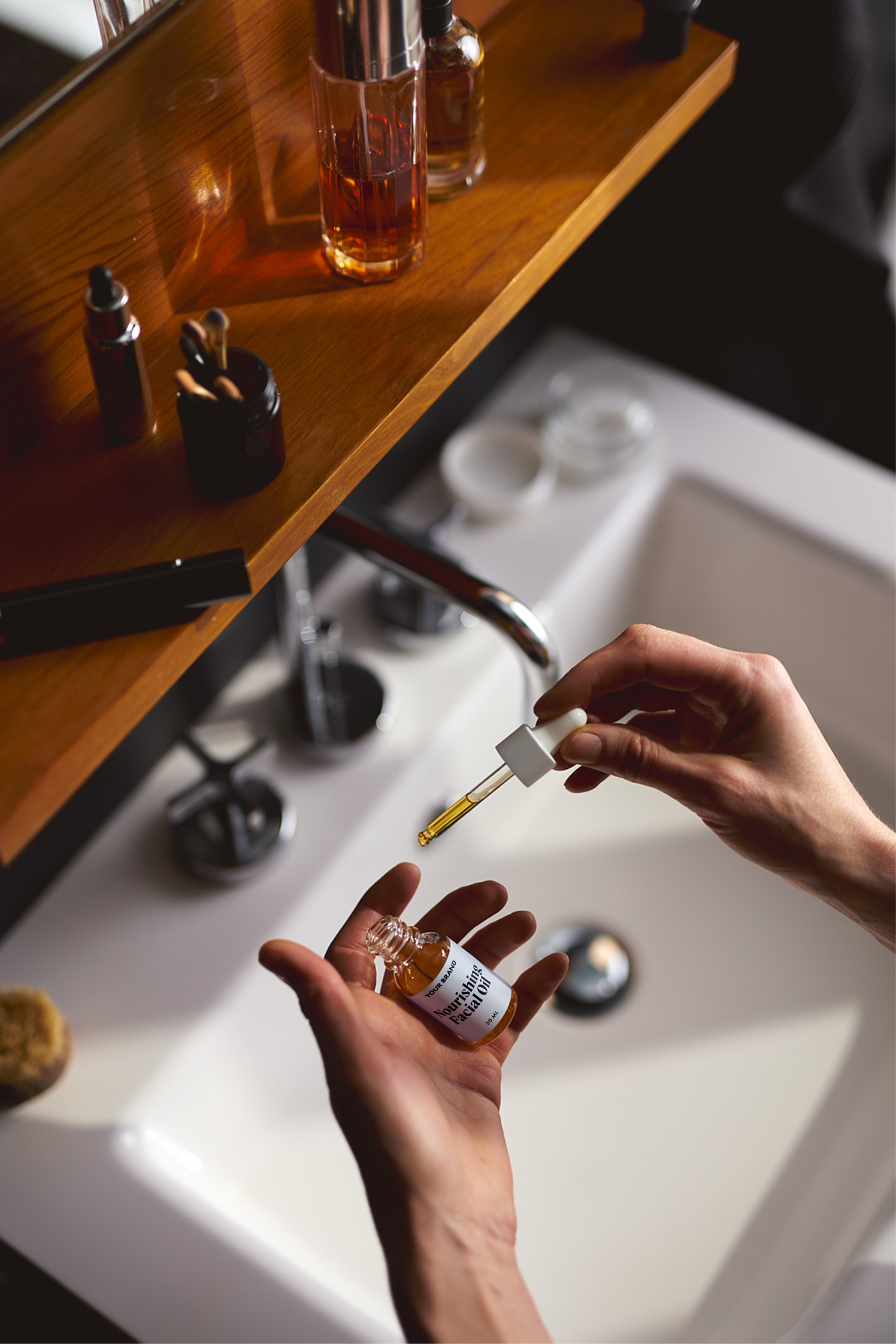
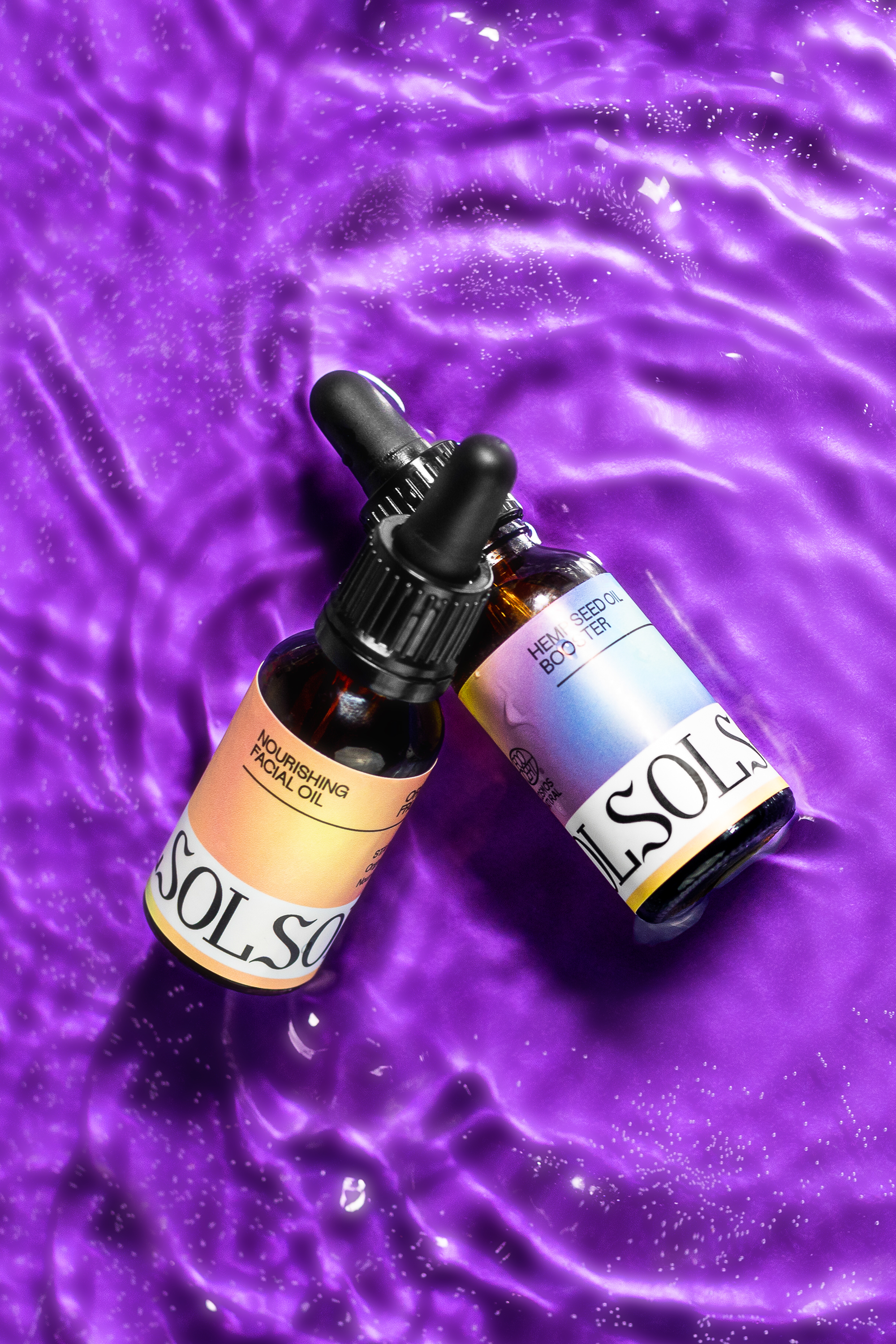
When you’re developing products for different skin types, you’re basically doing market segmentation in action. You’re recognizing that not everyone’s skin behaves the same, and each group wants targeted solutions, not one-size-fits-all. Consumers want products that feel like they were created specifically for them.
Product Line Structure
Once you know who you’re formulating for, your product line structure becomes much clearer. Instead of random launches, you create categories that actually make sense. Maybe it’s an oil-control range for breakout-prone skin, a barrier-repair line for dry or compromised skin, and a calming collection for sensitive types. When your lineup is structured around real skin behavior, it becomes easier for customers to navigate, and easier for you to expand strategically.
Clean Beauty Positioning
Now let’s talk about clean beauty positioning. If you’re going to claim your brand is clean, that philosophy has to show up in your formulations, not just your marketing. Ingredient transparency, safety standards, and thoughtful exclusions matter. If you need a framework, the Clean Beauty Standard is a solid place to start, so your positioning is grounded in something real.
Claims Alignment
And then there’s claims alignment, which is where many brands slip up. If your product says barrier-repairing, the formula needs ingredients that actually support barrier function. If you claim oil control, there should be sebum-regulating actives doing that work. Claims aren’t just marketing language, they’re promises you are making. And those promises need to be backed by ingredient logic and formulation structure.
Private Label
If you’re looking to develop faster or test a concept before building from scratch, exploring Private Label Face Care can be a strategic move. And a very smart one. It allows you to launch with professionally developed formulations that already align with specific skin concerns, and then refine your positioning from there.
At the end of the day, developing for different skin types is about being intentional. Know who you’re serving. Build formulas that match their biology. Structure your line in a way that makes sense. And make sure your claims reflect what your products can truly deliver. Build trust, and your brand will last.
How To Start Your Own Skincare Line Using Selfnamed

Selfnamed is here to help create your own skincare line by making the process as simple and seamless as possible. As soon as you decide on your ideal customer and product range, there are only a few simple steps to take:
Select product sample sets. You can choose from more than 30 high-quality, organic or natural certified skincare products made in Northern Europe.
Add your style. Selfnamed offers an easy-to-use design studio to create labels and packaging. You can work with pre-made print-ready templates or create your design from scratch. You can also choose our design service.
Start selling your products. There are no minimum orders, meaning you can easily adjust the volume to your needs.
Before making a custom order, we recommend looking at our sample set selection. These sets contain curated product lines for different skin types, letting you choose the best products for your brand. This way you can test the products — their consistencies, textures, fragrances, as well as packaging quality.
There are the basic steps on how to start a skincare line from the comfort of your home. Best of luck with your new endeavour!
Conclusion: Why Understanding Different Skin Types Is Non-Negotiable
Look, skincare isn’t magic, it’s biology. When you actually know your skin type, your routine starts working instead of just sitting there like that plant you keep forgetting to water. Hydration, oil control, barrier repair, all of it clicks into place. Your skin looks better, feels better, and you stop spending tons of money on an army of products, guessing what might help.
For brands and entrepreneurs, this is your secret weapon. Understanding skin types allows you to create formulations that truly deliver, structure your product lines intelligently, and position your brand with credibility. Claims aren’t just words; they’re promises backed by real science. And when you align every product with real skin biology, your customers notice. Trust builds, results show, and your brand doesn’t just survive, it thrives.
Understanding skin types sets the stage for better routines, better formulations, better brand positioning, and better results. Nail the science, and both your skin and your brand win. And yes, unlike that forgotten gym membership, your skincare actually works when you show up.
Frequently Asked Questions
-
Your skin type is basically how your skin behaves at its core. Things like oil production, hydration, and sensitivity. It’s not about temporary breakouts or dryness; it’s the underlying biology that stays fairly consistent over time.
-
Traditionally, there were four: oily, dry, normal, and combination. Nowadays, most experts include sensitive skin as a fifth type. So five main types to know, each with its own quirks and needs.
-
Yes, but slowly. Aging, hormones, climate, and lifestyle changes can shift your skin type over months or even years. But it’s usually stable enough that you can build a routine around it without constantly switching products.
-
Texture is how your skin feels and looks on the surface. Think smooth, rough, uneven, or dehydrated. Unlike skin type, texture can change quickly depending on hydration, exfoliation, inflammation, or sun damage.
-
Blemishes are conditions, not types. They include things like blackheads, whiteheads, papules, pustules, cysts, hyperpigmentation, and redness. Any skin type can get them under the right triggers like hormones, stress, or inflammation.
-
Sensitive skin is a skin type. It’s all about how reactive your skin is. Dry skin can sometimes act sensitive, but sensitivity itself can affect any type (oily, combination, or normal). The key is that sensitive skin needs gentle, barrier-supportive care.
Must read