Table of Contents
Acne marketing used to follow one idea – fix it fast and hide everything else.
That worked when people weren’t talking about their skin. But Gen Z changed that. They grew up seeing real faces online – breakouts, texture, irritation, all of it – shared without filters or edits. What used to be hidden is now visible, and that visibility reshaped expectations.
Today, acne isn’t just something to get rid of. It’s something people manage while still wanting to feel confident in their skin. The rise of skin positivity and acne acceptance made that shift clear. People aren’t looking for perfection anymore – they’re looking for honesty.
And that changes how you market acne solution products.
If your message still focuses on quick fixes and flawless results, it feels out of place. Because your audience already knows acne doesn’t work like that. They want products that make sense for their skin, and brands that speak like they understand it.
That’s the real shift. And it’s why acne marketing today looks completely different from what it used to be. So let’s break down how to market acne products in a way that actually works today.
Understanding the Acne Skincare Market
The anti acne cosmetic market is growing fast, but it’s also becoming more competitive and more informed.
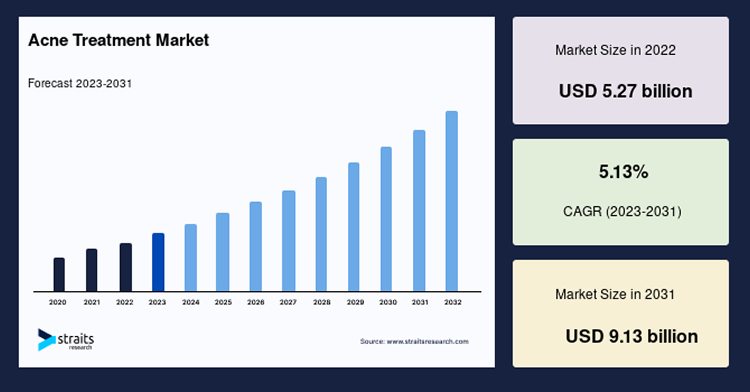
Source: straitsresearch.com
Acne (acne vulgaris) is still one of the most common skin conditions, affecting about 9.4% of people worldwide, with the highest prevalence in adolescents. In fact, between the ages of 12 and 24, around 85% of people experience acne at some point. It impacts both teens with acne-prone skin and adults with different acne types, including moderate acne, stubborn acne, and even severe acne, which keeps demand for effective solutions consistently high.
Globally, the acne treatment market is expected to reach over $13 billion in the coming years, showing just how large and active this category has become.
Target Audience and Consumer Behavior
Acne isn’t something that fits into one age group anymore. It shows up in your teens when your skin is just starting to figure itself out, sticks around in your twenties with random breakouts, and for a lot of people, follows them well into adulthood as stubborn acne or lingering acne scars.
Some deal with constant oiliness, others struggle with sensitive skin that reacts to everything. For some, it’s the occasional flare-up or even inflammatory acne before an event. The experiences are different, but one thing is the same – expectations are higher than ever.
Key Demographics: Gen Z Leads, But Not Alone
Gen Z is definitely pushing things forward when it comes to how acne products are marketed, but they’re not the only ones paying attention.
They’ve just grown up in a different way. Looking things up, double-checking claims, comparing skincare products. And when it comes to skincare, most of these trends come from social media. They see people sharing what works, what didn’t, what broke them out, what helped.
So instead of trusting a brand right away, they watch real people use the product first. They pay attention to how someone’s skin reacts over time.
Millennials and older consumers are still deeply engaged as well, especially those dealing with moderate acne or severe acne later in life. The difference is that Gen Z sets the tone. They shape expectations around transparency, education, and what “good” marketing looks like.
And right now, that means one thing – authenticity. Gen Z actively rejects overly polished messaging and prefers brands that feel real, relatable, and honest
Pain Points: What People Are Actually Struggling With
Behind every purchase is frustration.
A lot of products are too harsh, leaving the skin irritated or overly dry. Routines can feel confusing, and not everything works the same for every acne type. Some treatments help at first, but new breakouts come back. And if someone has sensitive skin, there’s always that concern about making things worse.
Then there are the issues that don’t go away quickly – redness, inflamed skin, acne scars, dark spots.
After a while, it gets frustrating.
And most people already understand what causes acne – excess oil, clogged pores, dead skin cells, and acne causing bacteria – but knowing that doesn’t mean they’ve found something that actually works.
Motivations: What Drives Customer Decisions Today
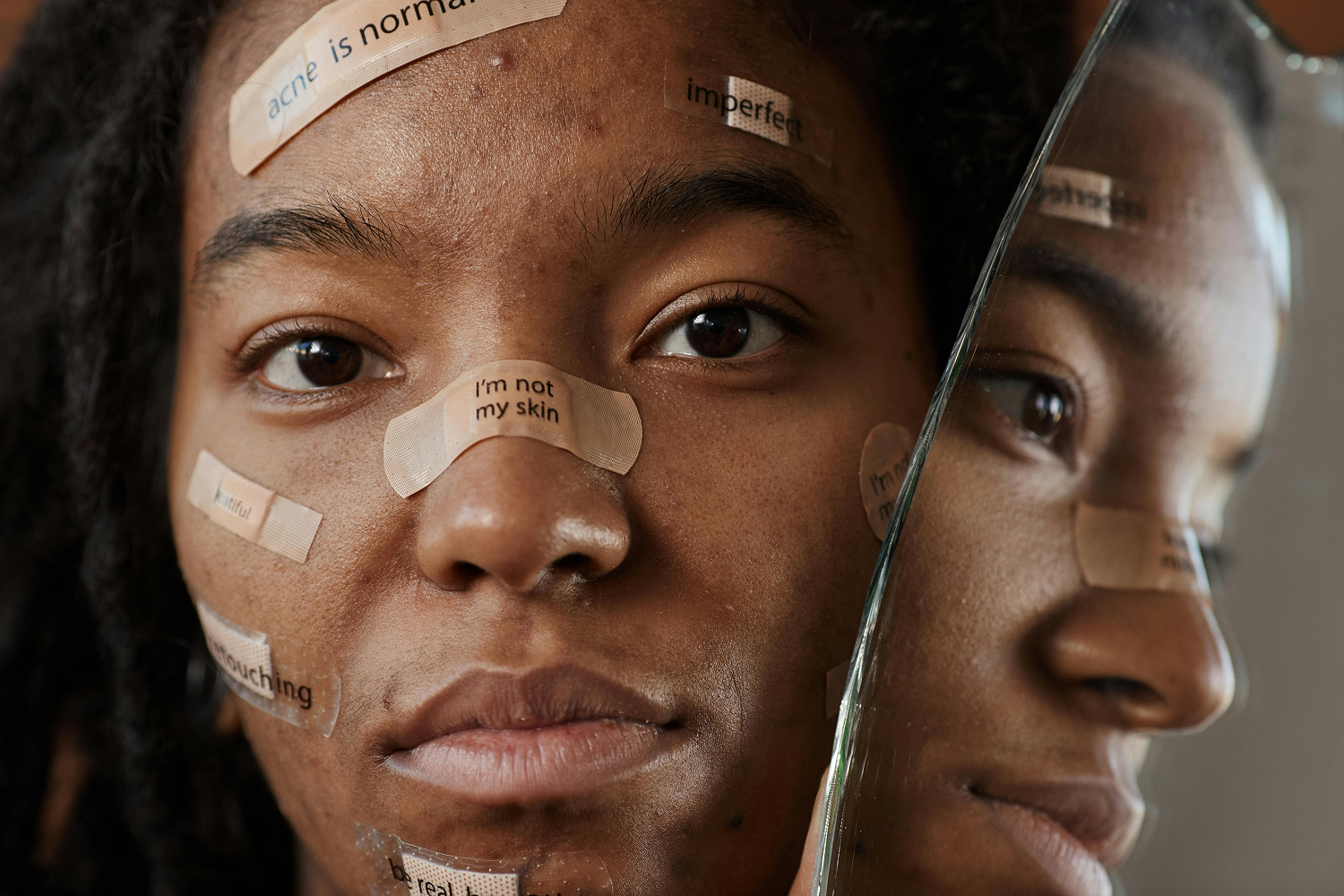
Today’s consumer isn’t just trying to fix acne. They’re trying to feel better in their skin while managing it.
That’s a big difference. Gen Z, especially, is driven by emotional value. They look for brands that align with how they see themselves – open, expressive, and not defined by “perfect skin” standards.
That’s why acne marketing shifted so drastically.
The Cultural Shift: From Hiding Acne to Showing It
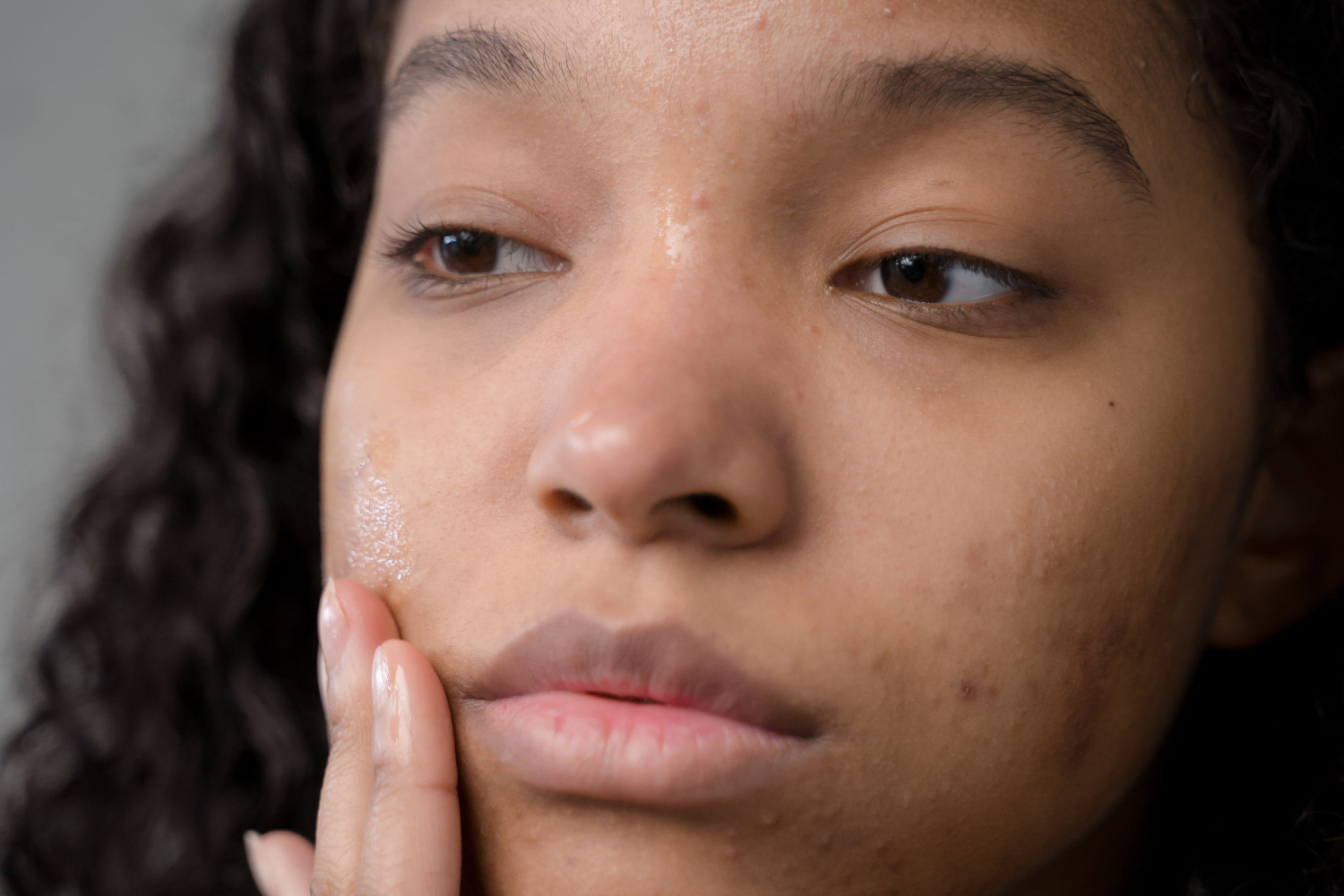
Acne is no longer something people automatically hide. Social media changed that. Real skin is visible now – breakouts, texture, progress – and people are more comfortable showing it. In fact, authenticity and relatability are now more influential than polished brand messaging.
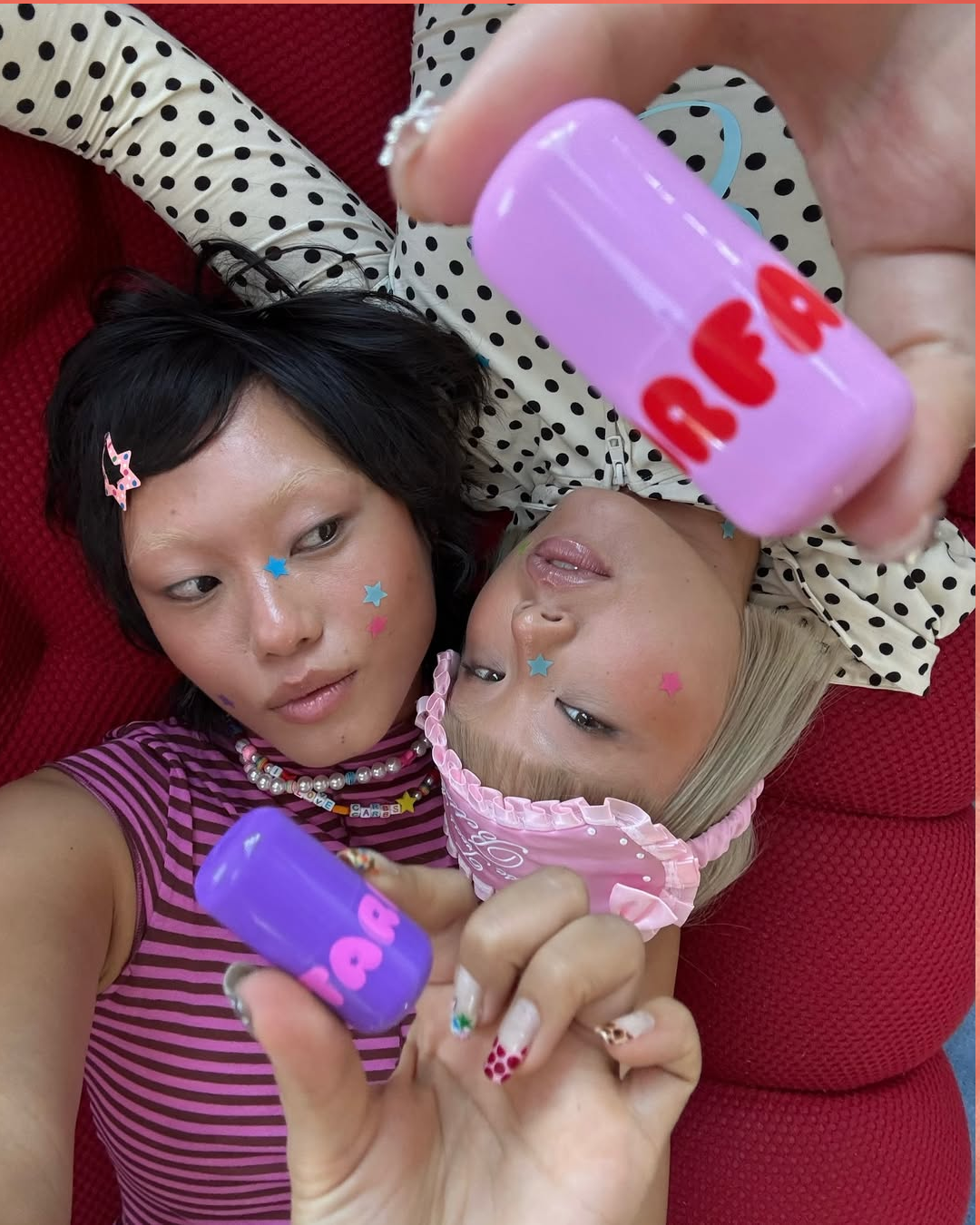
Brands like Starface picked up on this shift early on. Instead of treating pimple patches as something you hide, they made them something you actually wear. Bright, noticeable, even fun. Suddenly, dealing with a breakout didn’t feel like something you had to cover up.
Customers aren’t just searching for the "best acne treatment” anymore. They’re looking for products that fit into their everyday life, don’t mess up their skin, and feel right for how they see themselves.
Marketing Strategies and What’s Driving Industry Trends
Once you understand your audience, your strategy becomes much clearer.
You’re no longer just trying to market acne products – you’re showing how they fit into real routines for acne prone skin, oily skin, and sensitive skin. That shift is what’s driving the acne prone skincare products market today.
Because the brands that grow are the ones that feel relevant, not just effective.
Digital Campaigns
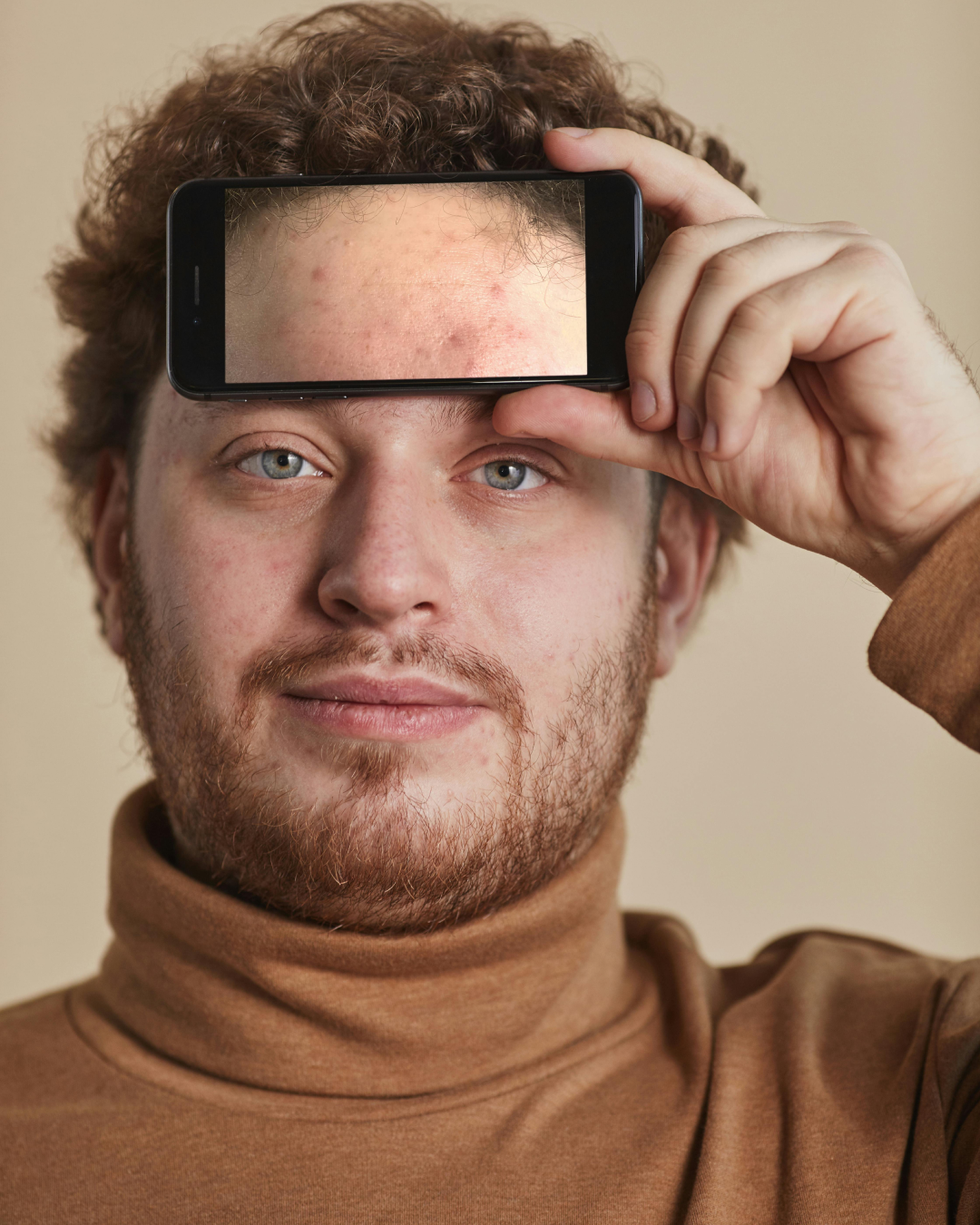
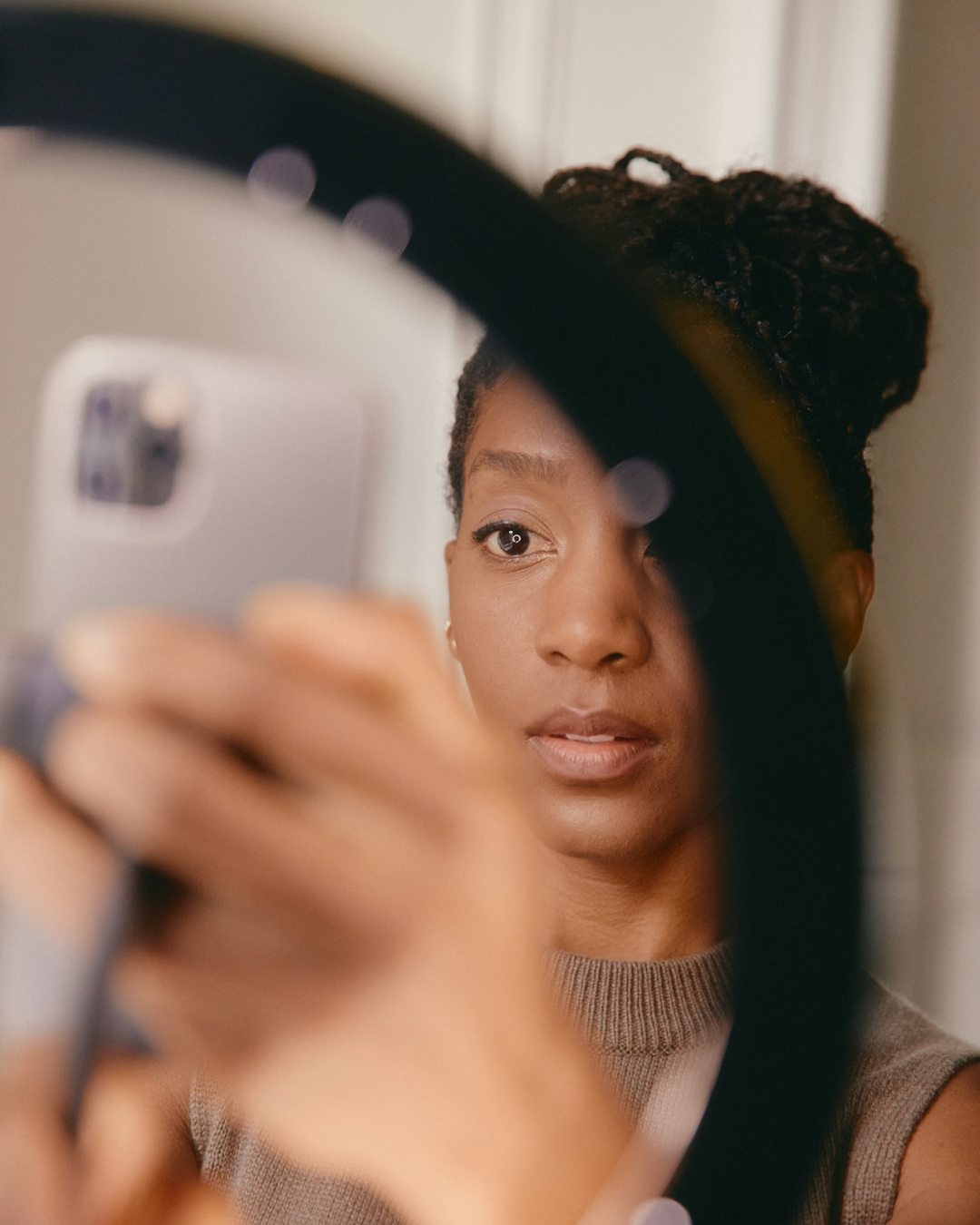
Most customers discover and compare acne products online through ecommerce and social media. But they’re not just browsing, they’re researching.
They look at active ingredients like salicylic acid, benzoyl peroxide, and adapalene gel, trying to understand how these acne fighting ingredients unclog pores, remove excess oil, and reduce inflammation without causing skin irritation or dry skin.
That’s why content matters. Instead of pushing one acne treatment, you need to create a marketing strategy that shows the process, not just how or when acne clears.
People also want reassurance. They’re cautious about acne medications, over the counter products, and anything that might trigger an allergic reaction – especially with sensitive skin.
The same applies to influencer marketing. People trust creators who show real routines – how they’re treating acne, what works, what doesn’t, how their routines help prevent breakouts, and how products affect skin cells, skin redness, and dark spots over time.
Offline Strategies
Even with digital growth, offline experiences are becoming more valuable.
As market research shows, customers want more than products. They want understanding. They want to know why their skin reacts, why they get new breakouts, and how to build a routine that works long-term.
Pop-ups, consultations, and in-person events give people that clarity.
And the most effective ones don’t just display products – they create experiences. Interactive spaces, quick consultations, and “phygital” activations that blend digital with real-life touchpoints are becoming powerful ways to build loyalty.
Because when people can engage, ask questions, and actually experience products, it sticks. They’re not just buying – they’re understanding. And when people understand their skin, they trust what they’re using.
Examples from Successful Brands That Redefine Acne Care Marketing
Some brands have already figured out where the market is going, and they’re building around it instead of fighting it. You can see it clearly in how they approach their acne products and respond to current industry trends.
Starface
Starface saw the shift early. Instead of treating acne like something you need to hide, they made it visible. Their patches aren’t just functional topical products that help unclog pores. They’re something people actually want to wear. It fits perfectly with the increasing awareness around acne and how different skin types deal with it. The product didn’t change everything – the perspective did.
Topicals
Topicals feel more grounded in reality. They talk about acne the way people actually experience it – not as something that disappears overnight, but something you manage. Their messaging lines up with what you’d hear from a dermatology association – acne is ongoing, and the treatment needs to reflect that. They don’t ignore things like dry skin, irritation, or how long it takes to see smoother skin, and that honesty is what makes customers trust them.
Bubble
Bubble takes a simpler approach, but that’s exactly why it works. They focus on everyday skincare, making innovative formulations feel easy to understand. Nothing feels overcomplicated. In a space where there’s constant high demand and too many options, that clarity stands out.
Squish
Squish leans more into the fun side, but there’s still substance behind it. They focus on real concerns – breakouts, clogged pores, keeping skin balanced without tipping into dry skin.
All of these brands are doing the same thing in different ways. They’re not just selling a solution. They’re building around how people actually think about acne now – more aware, more informed, and a lot less interested in quick fixes.
Tips for Launching Your Acne Products
The market is full of acne products, from everyday OTC acne products to more advanced acne treatment solutions. Customers already know how to compare, which means your success comes down to clarity, not complexity.
Launch Quickly with Selfnamed
With Selfnamed you can launch quickly using ready-made, high-quality private label skincare products and focus your energy on building the brand, not just the formula.
What matters is choosing products that fit into a routine customers will actually follow. For example, a mild cleanser or a face wash that helps keep the skin clean without stripping it. A daily moisturizer that supports the overall complexion, and a targeted solution for acne spot care that focuses directly on active acne lesions.
Simple routines win because customers actually stick to them.


Choose Formulations That Make Sense
Customers are looking for advanced formulations with acne fighting ingredients that deliver results without causing more problems like irritation or dryness. For instance, products with anti-inflammatory benefits and balanced ingredients are more appealing because they treat acne while still respecting the skin.
Your product should clearly communicate:
what kind of treatment it is;
how it helps acne without damaging the skin;
why it works long-term, not just short-term.
Get Your Positioning Right
This is where many brands go wrong. Trying to be everything – for every skin type and every acne concern – usually weakens your message. Strong brands are specific.
Focus on one clear problem your acne treatment solves. Be clear about who it’s for. Show how it fits into a daily routine.
Customers don’t connect with “the best.” They connect with “this is for me.”
Build a Brand That Feels Real
Your branding should reflect how people actually experience acne.
Show real skin. Talk about progress, not instant results. Be honest about what your product can and can’t do. Because at the end of the day, customers don’t just buy acne products. They buy something that feels like it understands their skin, and their experience.
The Best Acne Treatment Today Is More Than Just Results
Acne marketing isn’t about quick fixes anymore.
The category is growing fast, driven by strong market growth and increasing awareness. People understand their skin better and better. That means they’re not looking for empty promises. They’re looking for products and brands that actually make sense.
So if you want to succeed in this space, it comes down to one thing. Build an acne treatment that fits into real life, and market it in a way that feels just as real.
Because the brands that win today aren’t the ones that promise perfection. They’re the ones people trust.
Frequently Asked Questions
-
Be real. That’s the starting point. Gen Z and Gen Alpha don’t respond to perfect skin messaging. They want to see how products actually work – on real people, over time. Focus on transparency, simple explanations, and showing routines, not just results.
-
You don’t need a huge product range. A few well-chosen acne products that fit into a clear routine are enough. Using private label solutions can help you launch quickly, so you can focus on branding and positioning instead of spending years on development.
-
The biggest shift is toward honesty and long-term care. Customers are more informed now. They understand ingredients, expect transparency, and want products that support their skin over time. Skin positivity, real-skin content, and demand for gentle but effective formulations are all shaping the market.
-
Social media. Platforms like TikTok and Instagram work because people can see real results, real routines, and real experiences. Influencer marketing also plays a big role – especially when creators show the full process, not just the outcome.
Must read