Why Skinification Is Changing Everything We Expect From Makeup
Table of Contents
Skinification is all the craze. Ten-step routines have been compressed into on-the-go sticks. Hair care, skincare, and body care are blending into one another. And one product now promises to diminish your pores, hydrate your skin, smooth wrinkles, repair relationships, and fix your life along the way.
And truthfully, we’re here for it.
ButI don’t see skinification as just a trend. I see it as a correction.
For years, makeup was allowed to ignore the skin underneath it. Performance was defined by how well a product covered, lasted, and concealed, often without much regard for what it did to the skin in the process.
We’re over that era now.
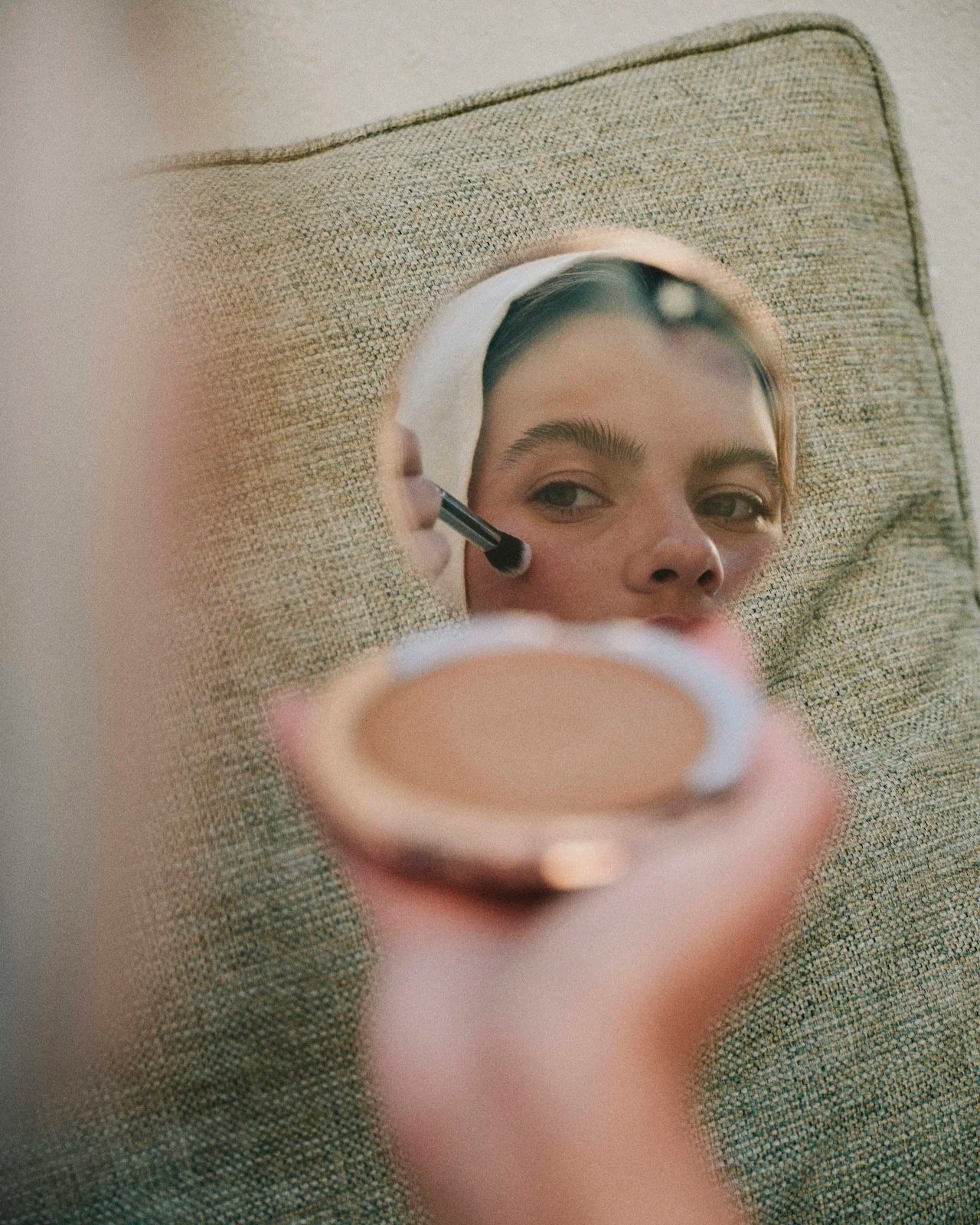
Makeup Is No Longer Allowed To Be Skin-Neutral
What I find most interesting about skinification isn’t the novelty of hybrid products. It’s the shift in expectation behind them.
Consumers are no longer willing to treat makeup as something that simply sits on the skin.
They expect more. And more importantly, they understand more.
They read ingredient lists. They recognize actives. They ask questions about barrier health, comedogenicity, and long-term wear impact. And they're increasingly unwilling to accept trade-offs that damage skin over time for the sake of short-term visual perfection.
At the same time, there’s a very clear contradiction shaping this moment: we want more from products, but we want less complexity in our routines.
That tension is exactly where skinification sits.
What I see emerging is an expectation:
Makeup should do more than one thing
It should support the skin, not stress it
And it should feel as good at hour eight as it does at application
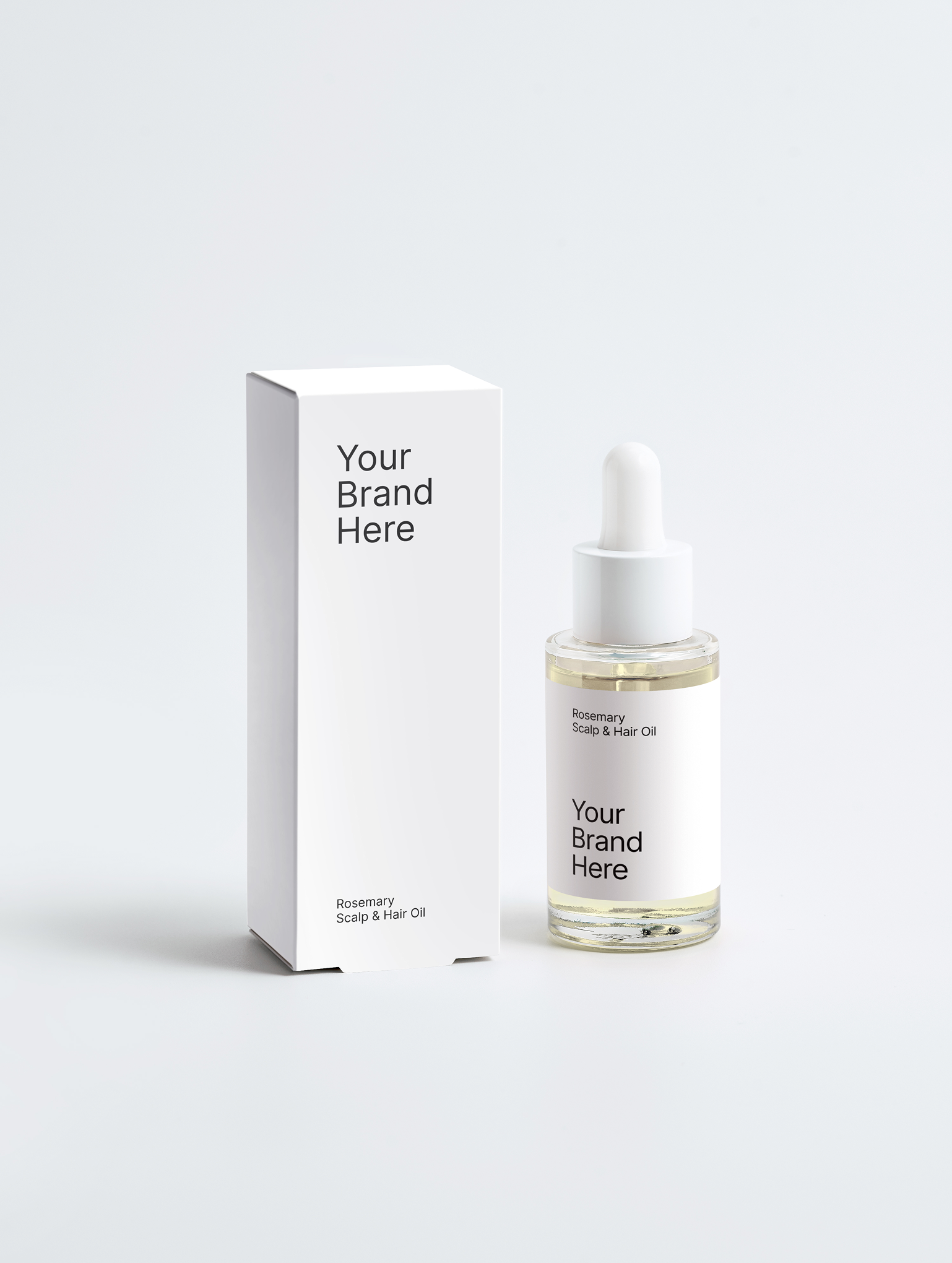
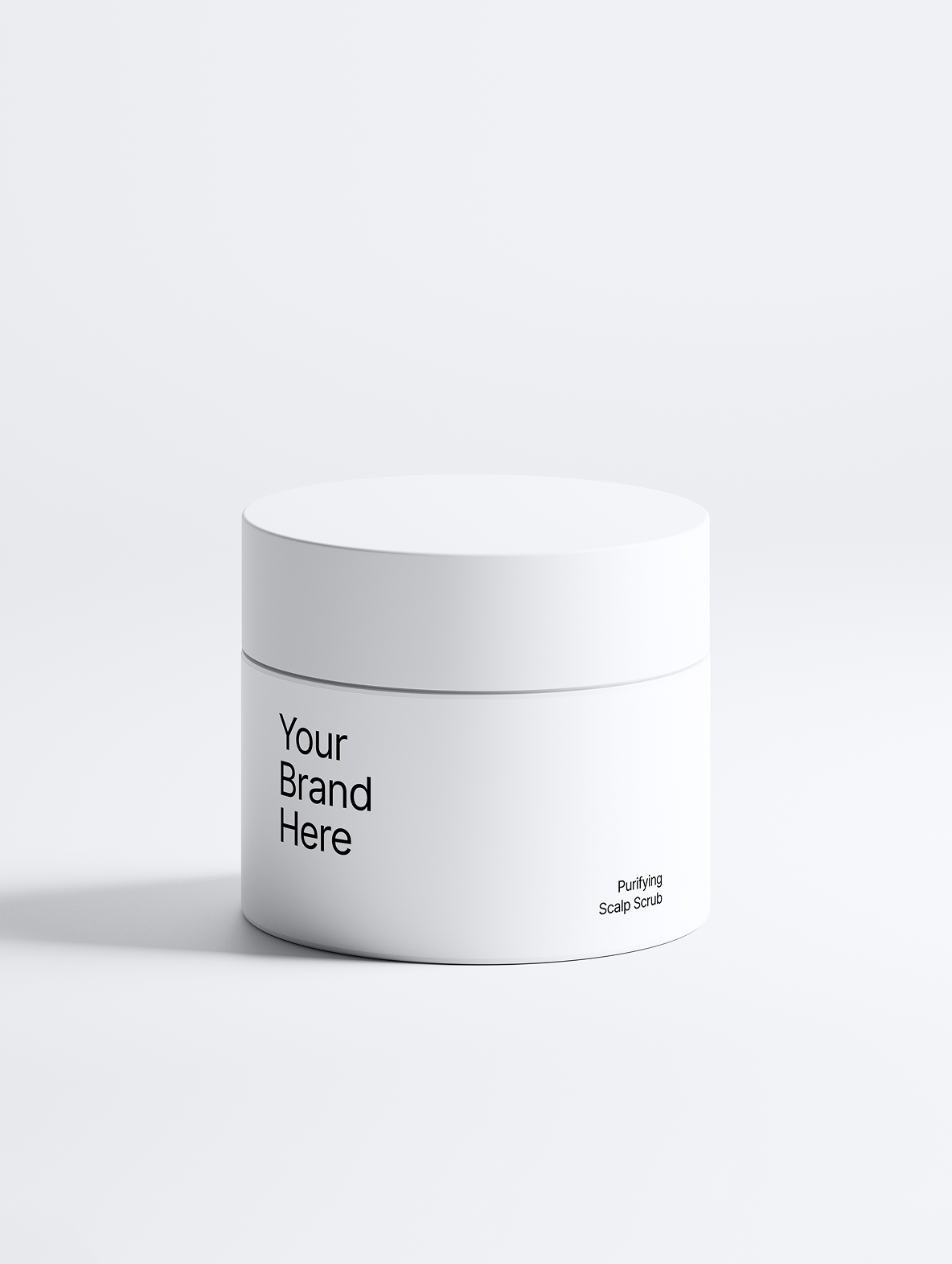
Also, skinification isn’t limited to the face. The scalp is increasingly viewed as “skin with hair,” with the same needs: exfoliation, barrier support, hydration, and balance. This is where scalp-focused products like Deep Cleanse Scalp Scrub and Rosemary Hair & Scalp Strengthening Oil fit in, targeting buildup, comfort, and overall scalp health.
Even body care is following the same logic, with products like the 5% Urea + 2% Panthenol Body Cream bringing traditionally dermatological ingredients into everyday routines.
Skinification Is Not What People Think It Is
There’s a common misunderstanding that skinification means makeup is becoming skincare.
It isn’t.
A foundation isn’t a serum. A tinted product isn’t a moisturizer. And no amount of marketing can change the reality of formulation concentration, delivery systems, and wear environment.
But that’s not the point.
To me, skinification means something more practical, and more meaningful.
It means creating makeup that respects the skin it sits on.
In practice, that shows up as hybrid formulations built with skincare principles in mind:
We see foundations and complexion products infused with ingredients like niacinamide or peptides. We see lighter, more breathable texture systems. We see formulations designed to support the skin rather than mask it completely.
The goal isn’t maximum coverage but balance – comfort, wearability, and skin integrity over time.


Clean Makeup Holds The Key
Clean makeup has always prioritized skin compatibility over extreme coverage. It has always asked a different question: not “how much can we hide,” but “how well can this live on the skin?”
As skinification grows in popularity, those questions are becoming mainstream expectations.
In practice, that means:
Emollients chosen for glide, comfort, and light wear
Oils and waxes selected for flexibility rather than heaviness
Bio-based film formers that help products adhere without suffocating the skin
At the same time, performance is no longer compromised in the way it once was.
We now have coated pigments that improve stability and reduce oxidation. Also, we have texture systems that bridge the gap between natural formulation bases and high-performance wear. And finally, we have clean formulas that match conventional makeup in performance while exceeds it in skin compatibility.
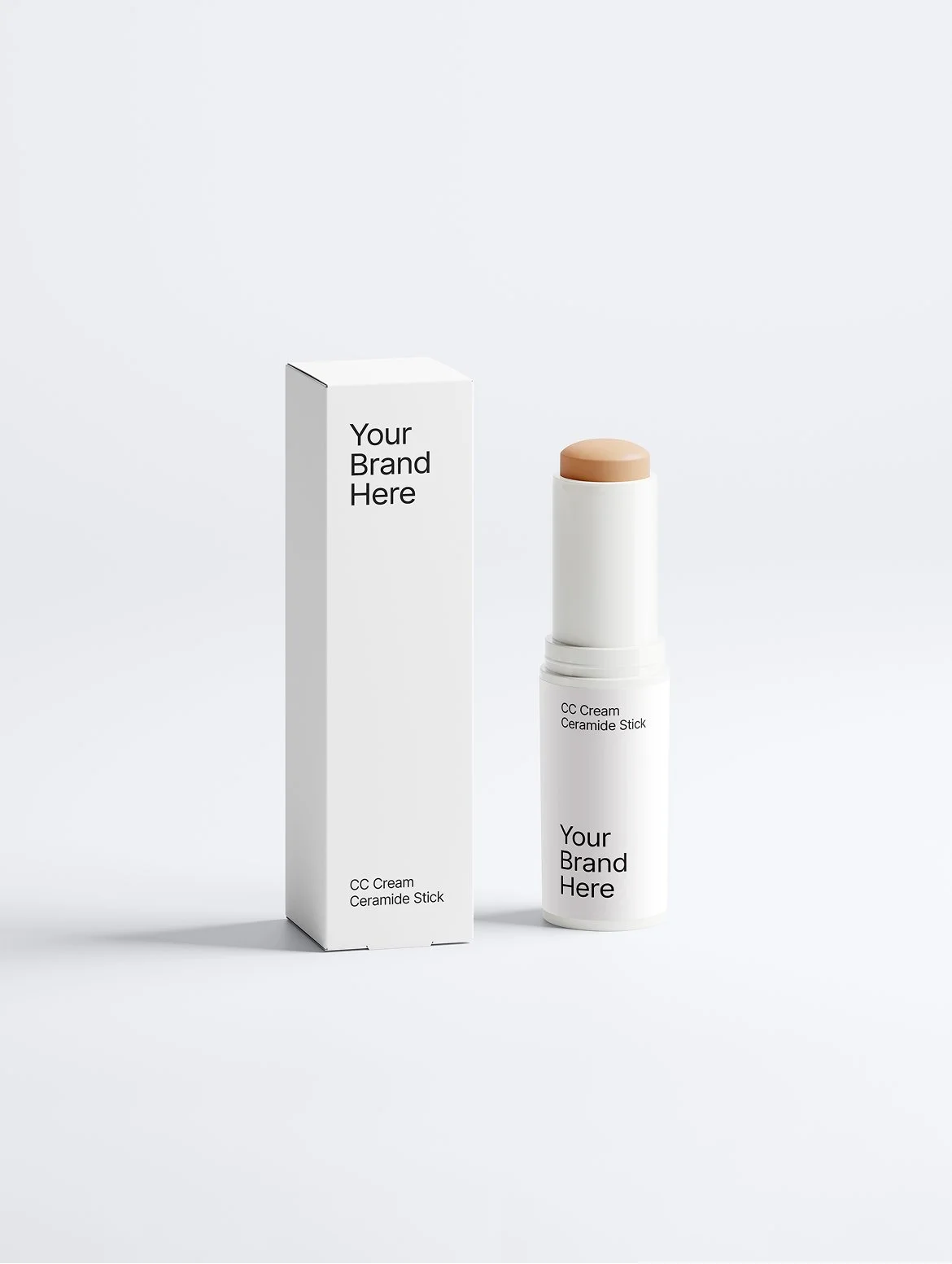
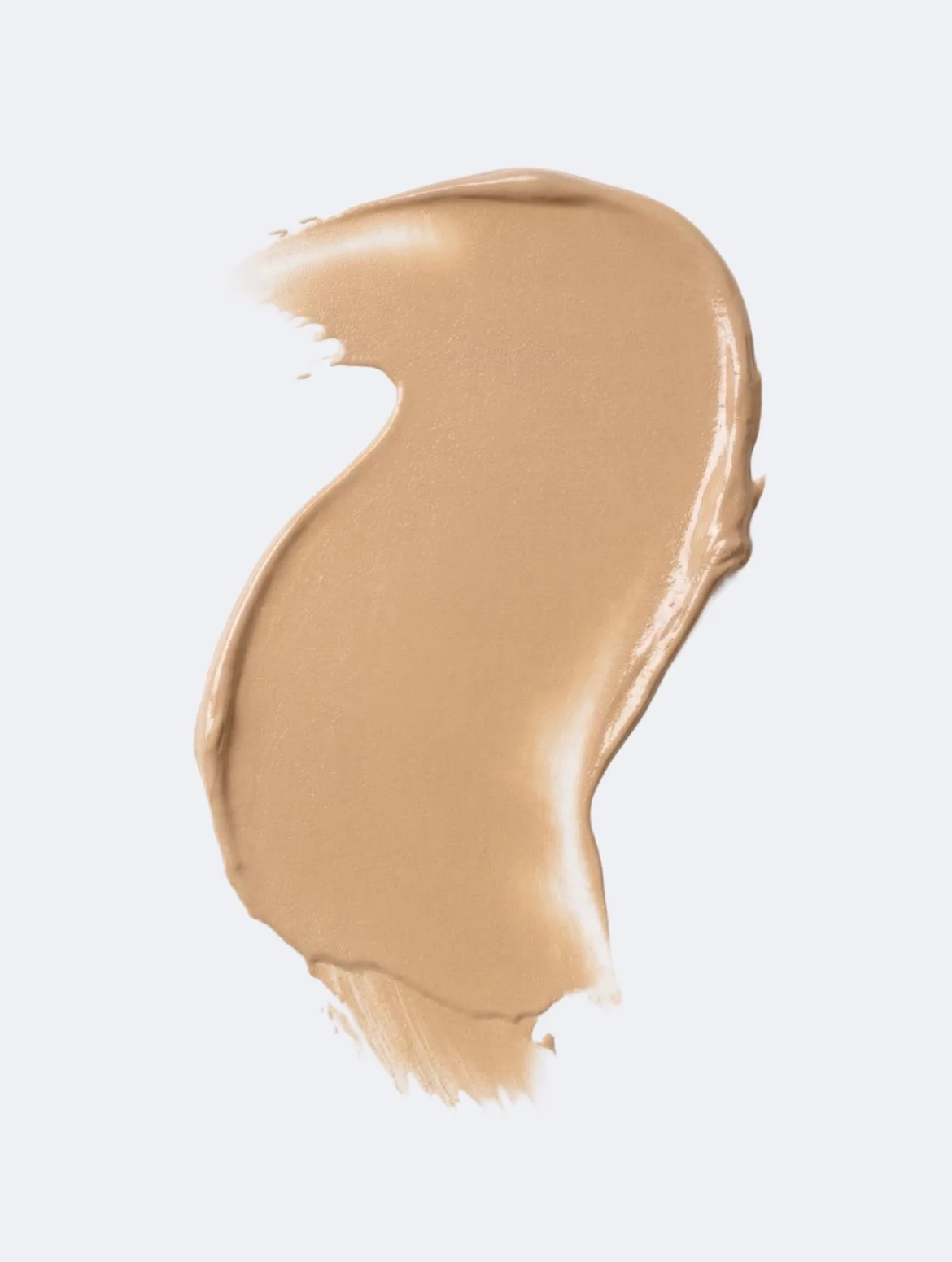
Check out the CC Cream Ceramide Stick – our hero hybrid product that combines skincare with makeup.
Performance Is Redefined
For a long time, “good makeup” meant something very specific.
Full coverage. Long wear. Flawless finish.
But I believe we’re now actively rewriting it.
Performance now includes:
How makeup behaves after hours of wear
How the skin feels underneath makeup
And what the skin looks like once makeup is removed
This is a much more demanding standard, but also a more honest one. Because makeup lives on skin, moves with skin, and is removed from skin.
And once you start evaluating performance across that full cycle, priorities naturally shift.
This Is Not A Short-Term Trend
There’s always a temptation in beauty to label everything as a trend. But what we’re seeing with skinification is a structural change in expectation.
Over the coming years, I expect we’ll see:
More advanced hybrid formulations
More intelligent use of active ingredients in makeup
Continued improvements in texture science and pigment stability
And a narrowing gap between “makeup” and “skin-supportive makeup”
Of course, surface trends will continue to come and go. Finishes will cycle. Formats will go viral. Packaging will evolve.
Nevertheless, makeup will continue to work with the skin, not against it.
The Takeaway
Skinification is changing how we think about makeup and changing what we're willing to accept from it.
And I think that’s long overdue.
For too long, we accepted the idea that beauty and skin health were separate priorities. That makeup could be either effective or comfortable. Either high-performance or skin-friendly.
That trade-off no longer feels necessary.
And in that shift, I see the future of the category.
Must read