Sensory Marketing: How Beauty Brands Can Create Memorable Customer Experiences
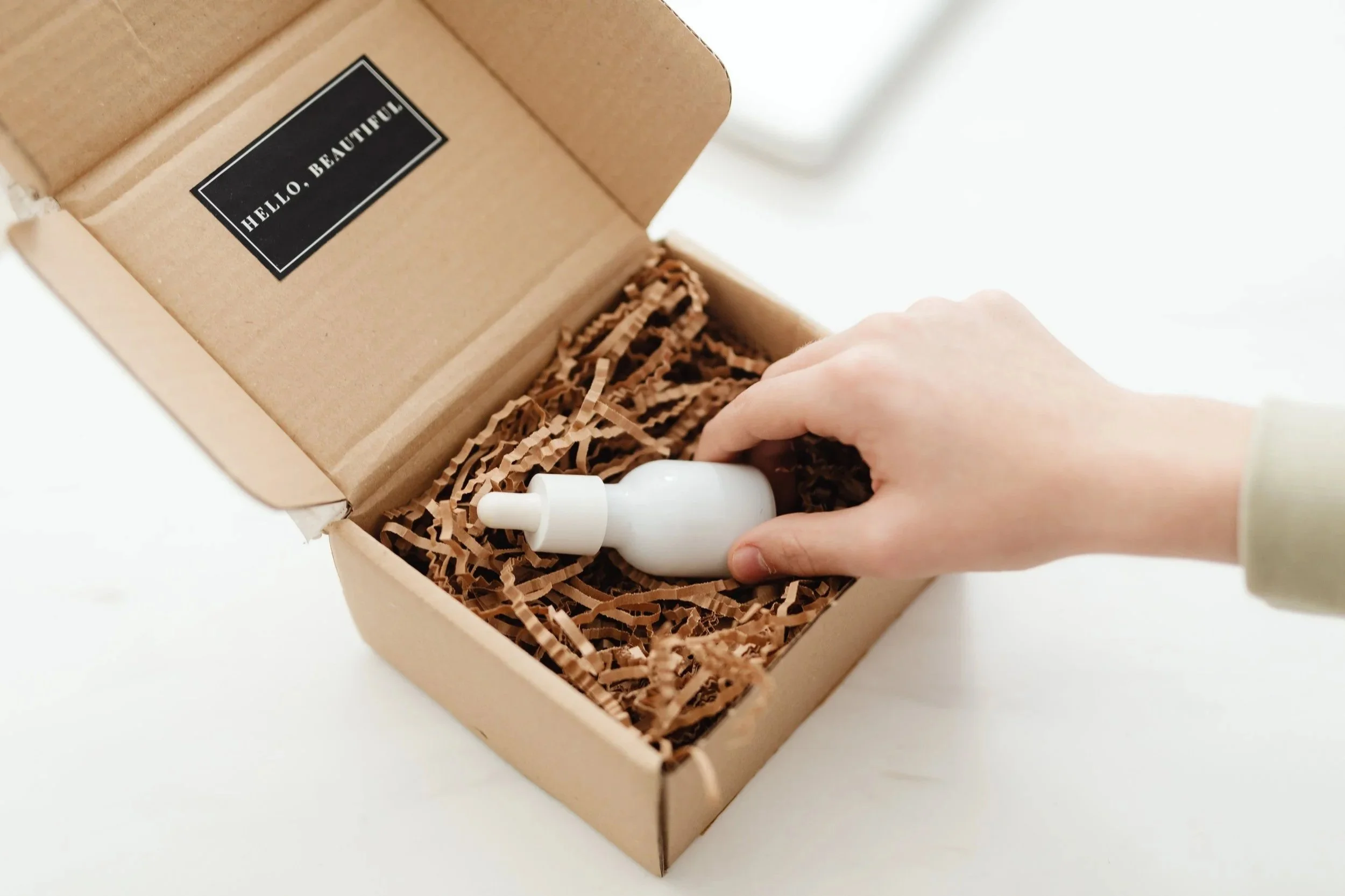
Table of Contents
Think about the last beauty product you genuinely loved. Chances are you remember more than the results. You remember how it felt, smelled, looked, or even sounded.
Maybe it's the satisfying click of a magnetic cap, the silky texture of a serum, or a signature fragrance that instantly reminds you of your favorite brand. Those details aren't accidental. They're designed to create a satisfying experience linked to the brand.
Products alone are not enough to stand out. Customers pay attention to how products look, feel, smell, and even sound throughout the buying journey.
In this article, you'll learn what sensory marketing is, why it works, and how beauty brands can apply it to create memorable customer experiences in 2026.
Key Takeaways
Sensory marketing uses the five senses to strengthen brand perception.
Memorable experiences help brands stand out in competitive markets.
Every customer touchpoint influences purchasing decisions.
Consistent sensory branding builds stronger customer loyalty.
Beauty brands can use texture, scent, packaging, and storytelling to create lasting emotional connections.
What Is Sensory Marketing?
Here’s the quick sensory marketing definition. It's the intentional use of the five human senses – sight, sound, smell, touch, and taste – to influence brand perception.


In other words, instead of focusing only on what a product does, sensory marketing shapes how customers experience it.
The goal may be to attract attention, but it’s more about creating positive emotional associations that make products more memorable, encouraging return customers.
Sensory marketing influences every stage of the customer journey, including:
The look and feel of the packaging
The texture and fragrance of the product
The unboxing experience
Website visuals and social media content
The emotions customers associate with the brand
Every interaction contributes to the overall brand experience. Customers evaluate products through the combination of everything they see – touch, smell, sound, and experience throughout the buying journey.
Sensory experiences are particularly powerful because they're closely linked to memory. While customers may forget the exact wording of a product description or advertisement, they're far more likely to remember how a product looked, felt, or smelled.
Why Sensory Experiences Influence Buying Decisions
Buying decisions aren't always rational. In the beauty industry, products are closely connected to confidence, self-care, and personal identity, making positive emotions an important part of the customer experience, and often the result they’re trying to achieve.
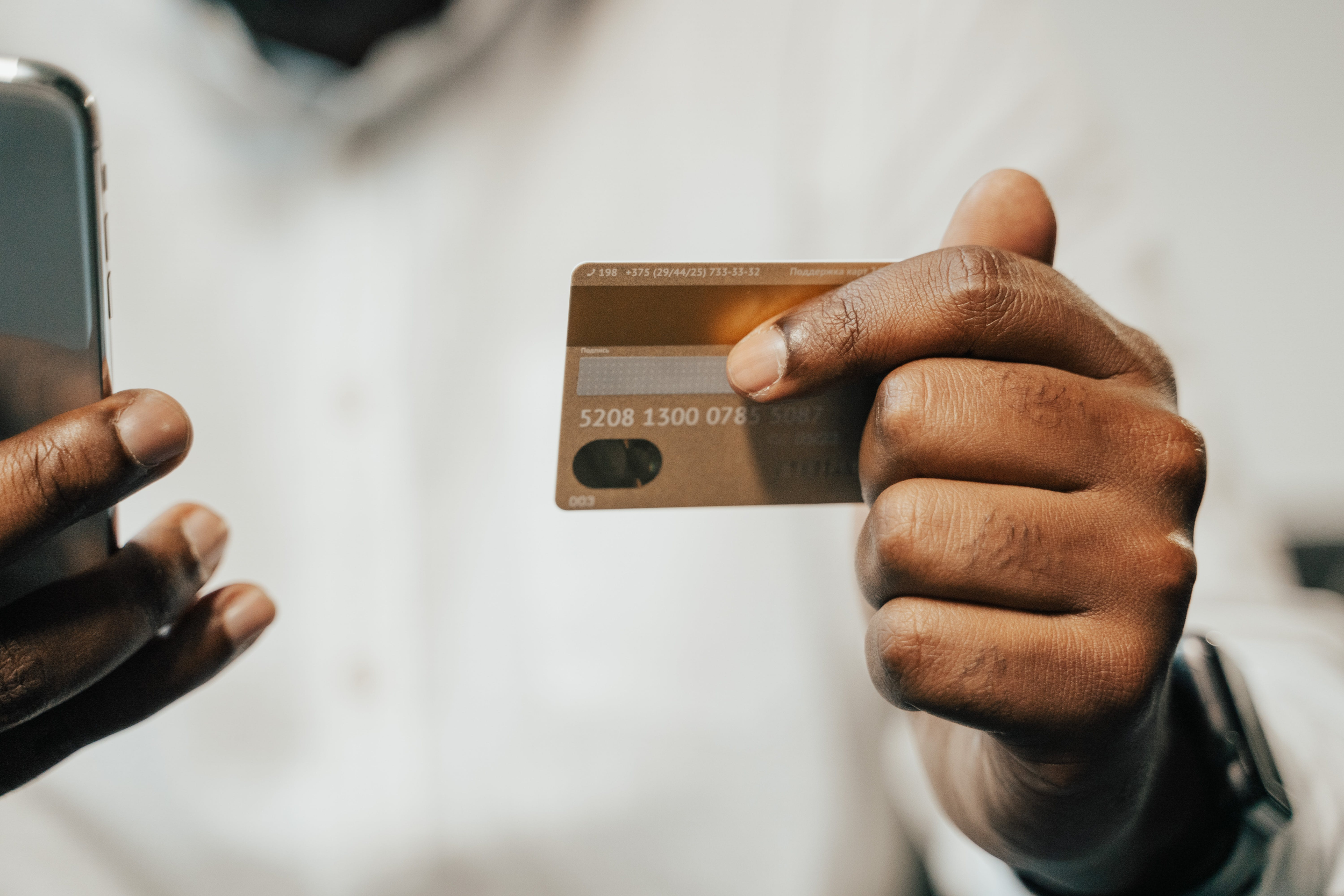
Sensory marketing helps shape those emotions. A signature fragrance, luxurious texture, premium package, or engaging product video can influence how customers perceive a product long before they try it.
This is especially valuable online. Customers rely on product photography, texture descriptions, videos, and packaging to imagine what using a product will feel like. The easier it is to picture that experience, the more confident they often feel about making a purchase.
When applied consistently, sensory marketing can help beauty brands:
Increase brand recognition
Create emotional connections
Improve the unboxing experience
Encourage repeat purchases
Strengthen long-term customer loyalty
The strongest sensory brands create consistent experiences across every customer touchpoint. That consistency makes the brand more recognizable long after the purchase.
This approach is particularly effective when marketing to Millennials and Gen Z, who increasingly value authentic, experience-driven brands. Our guide to Marketing to Millennials and Gen Z explores how these changing expectations are influencing the beauty industry.
How the Five Senses Shape Customer Experience
Every interaction shapes how customers remember a brand. The five senses work together to influence perception, build emotional connections, and make products more memorable long before customers judge their performance.
Sight
Visual identity creates first impressions. Before customers touch or try a product, they're already forming opinions based on what they see.
Beauty brands use visual consistency to reinforce product positioning. Minimalist packaging often communicates simplicity and premium quality, while bold colors and playful typography can make products feel energetic and fun.
Visual elements include:
Brand colors
Packaging design
Typography
Product photography
Social media content
Together, these touchpoints strengthen brand recognition and make products stand out in crowded markets.
Glossier is a good example of visual consistency in action. Its minimalist packaging, soft pink color palette, clean typography, and natural product photography create an instantly recognizable identity across stores, social media, and ecommerce.
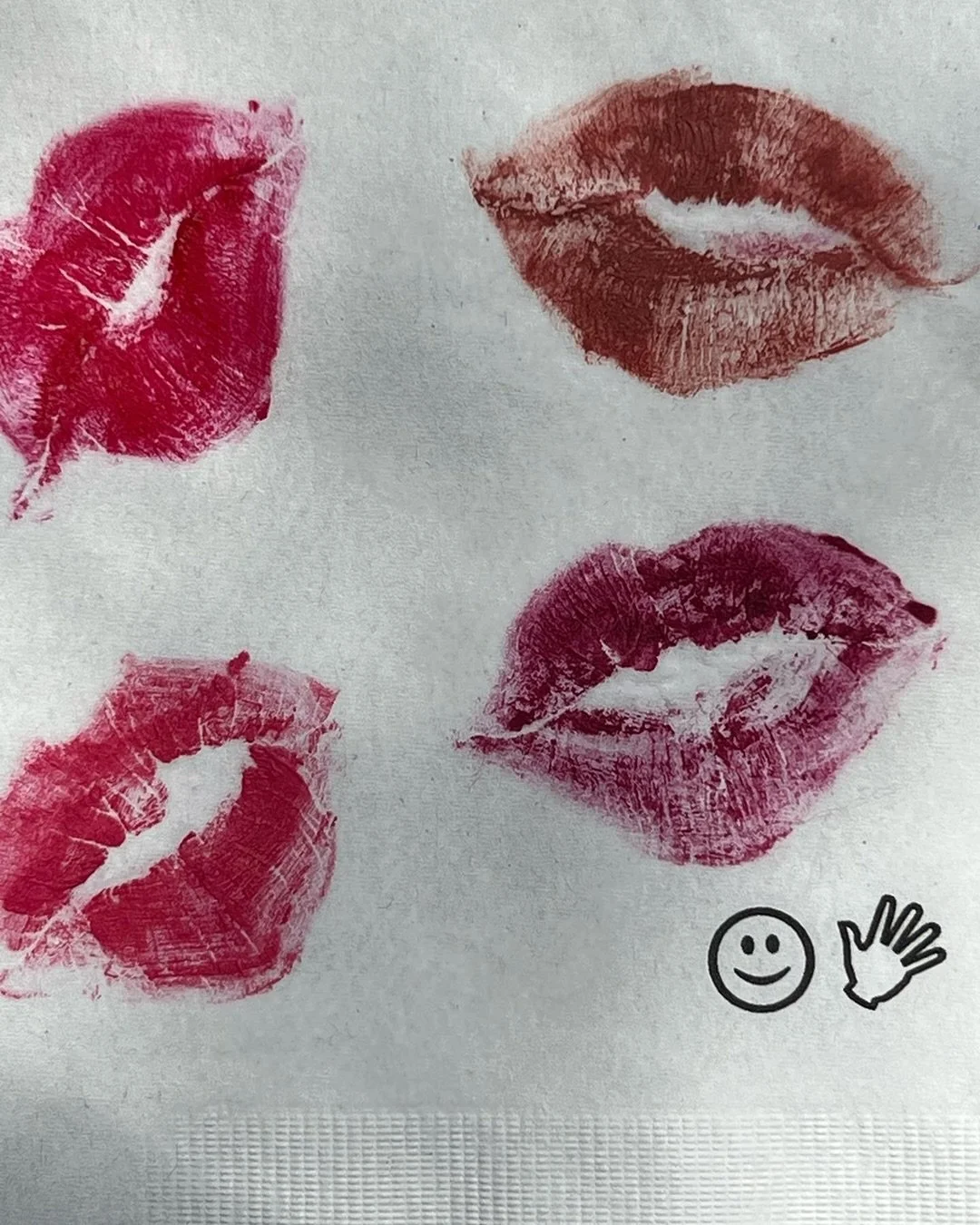
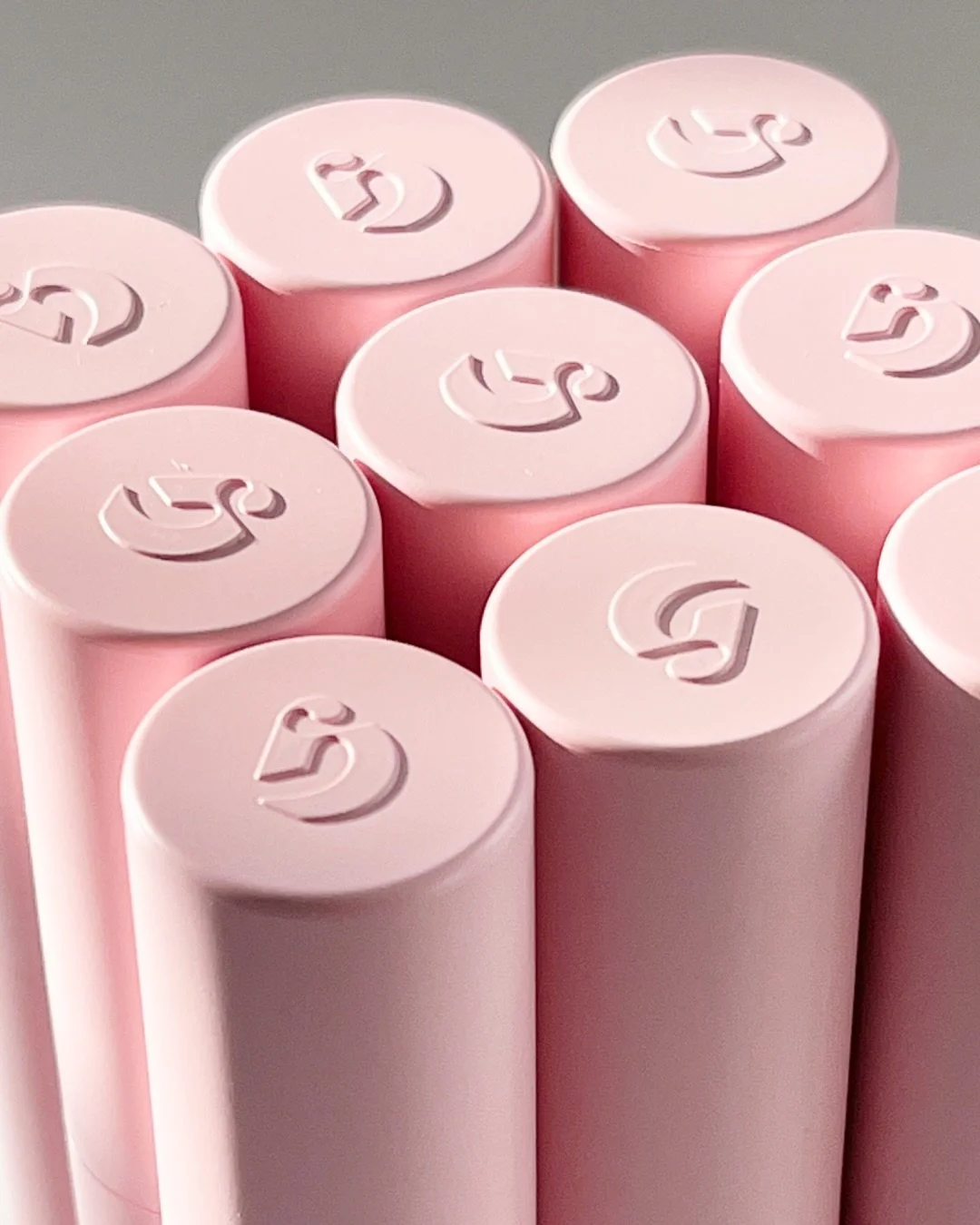
Source: Glossier Instagram
Sound
Sound often goes unnoticed, but it actually shapes atmosphere and brand perception just as much as visuals.
Examples include:
Store playlists
Social media audio
Product videos
The click of premium packaging
ASMR-inspired product demonstrations
These subtle cues can make products feel more luxurious and memorable. Short-form video platforms have made sound even more important. ASMR content, satisfying product demonstrations, and recognizable audio all help make beauty products more engaging online.
For example, Rare Beauty frequently shares close-up application videos where subtle sounds, soft background music, and satisfying product textures work together to create a calming, immersive viewing experience.
Smell
Fragrance is closely linked to memory, making it one of the strongest emotional triggers in sensory marketing.
Beauty brands use scent to:
Create signature brand identities
Make routines more enjoyable
Encourage repeat purchases
Build stronger emotional associations
Unlike visual branding, fragrance often stays with customers long after they've finished using a product. That makes it one of the strongest tools for reinforcing brand recognition.
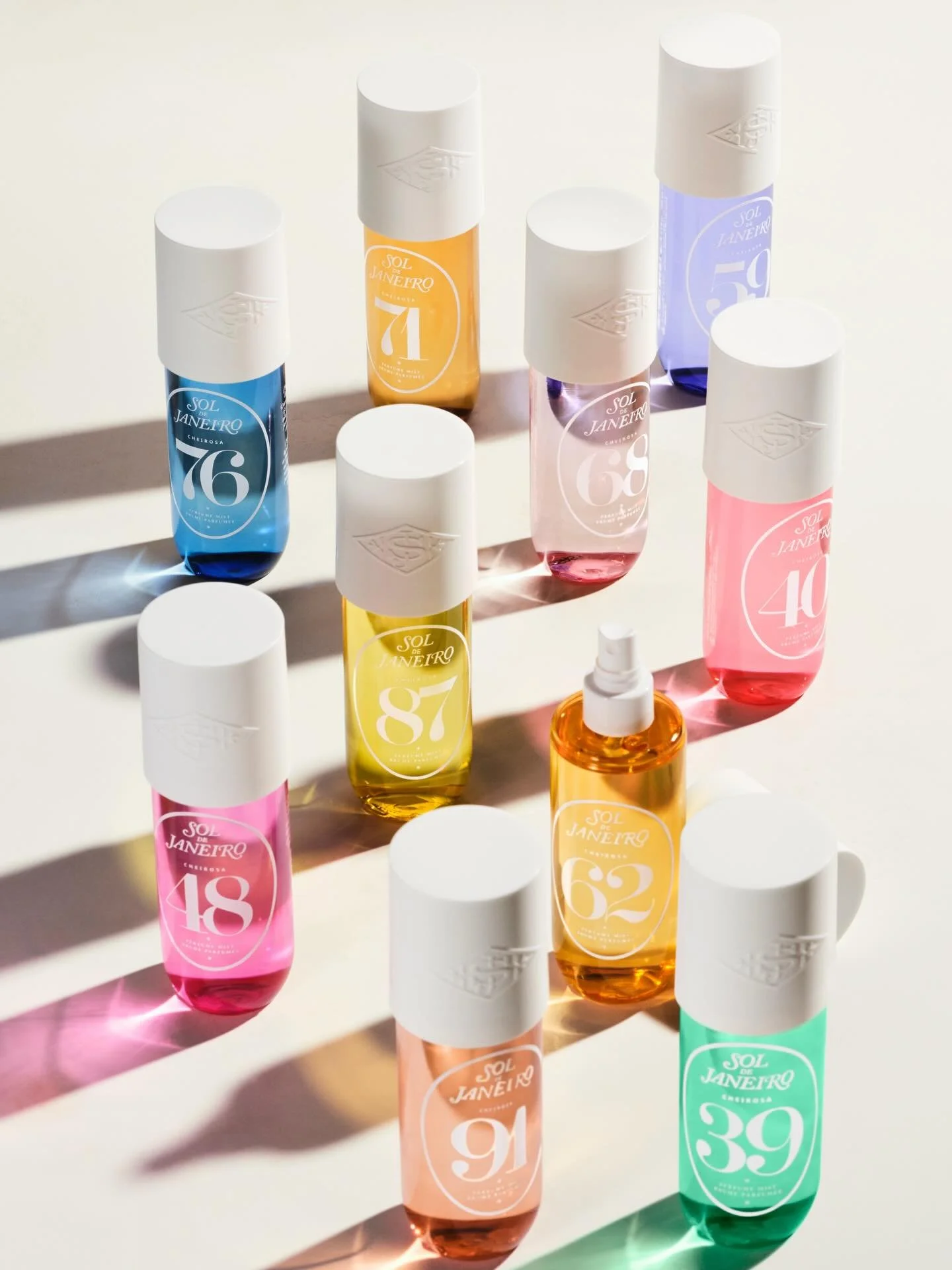
Sol de Janeiro has built much of its brand identity around fragrance. Signature scents such as Cheirosa 62 have become so recognizable that many customers buy multiple products in the same scent, from body creams to body mists, creating a consistent sensory experience across the entire range.
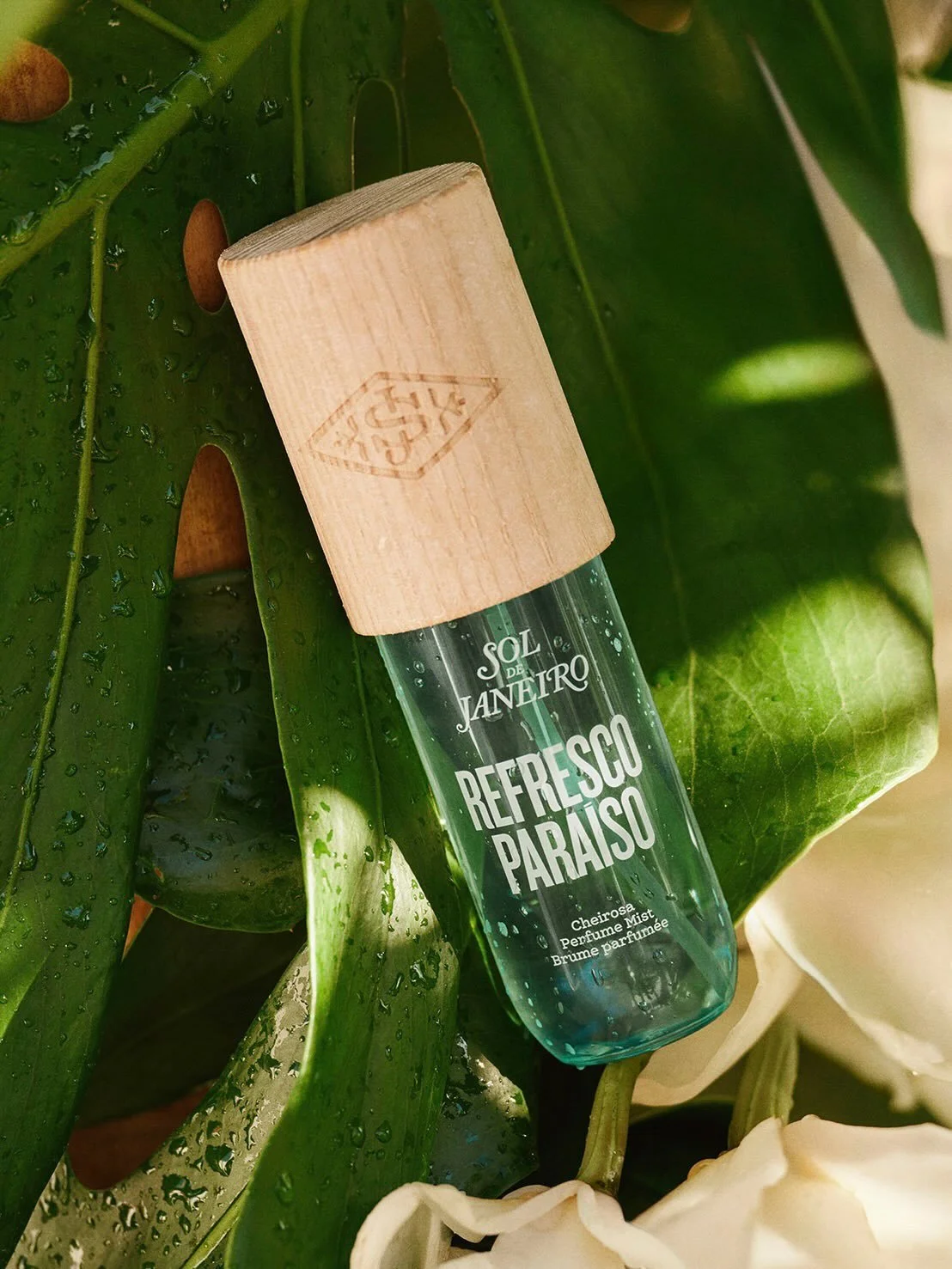
Source: Sol de Janeiro Instagram
Touch
Texture influences how customers judge quality before they see visible results.
This includes:
The weight of packaging
Cream and serum textures
Soft-touch finishes
Applicators
Premium materials
These tactile details reinforce the overall brand experience.
Texture also shapes expectations about performance. Lightweight gel formulas may suggest freshness and hydration, while richer creams often communicate nourishment and comfort. Even the resistance of a pump or the smoothness of a jar lid can contribute to the perception of quality.
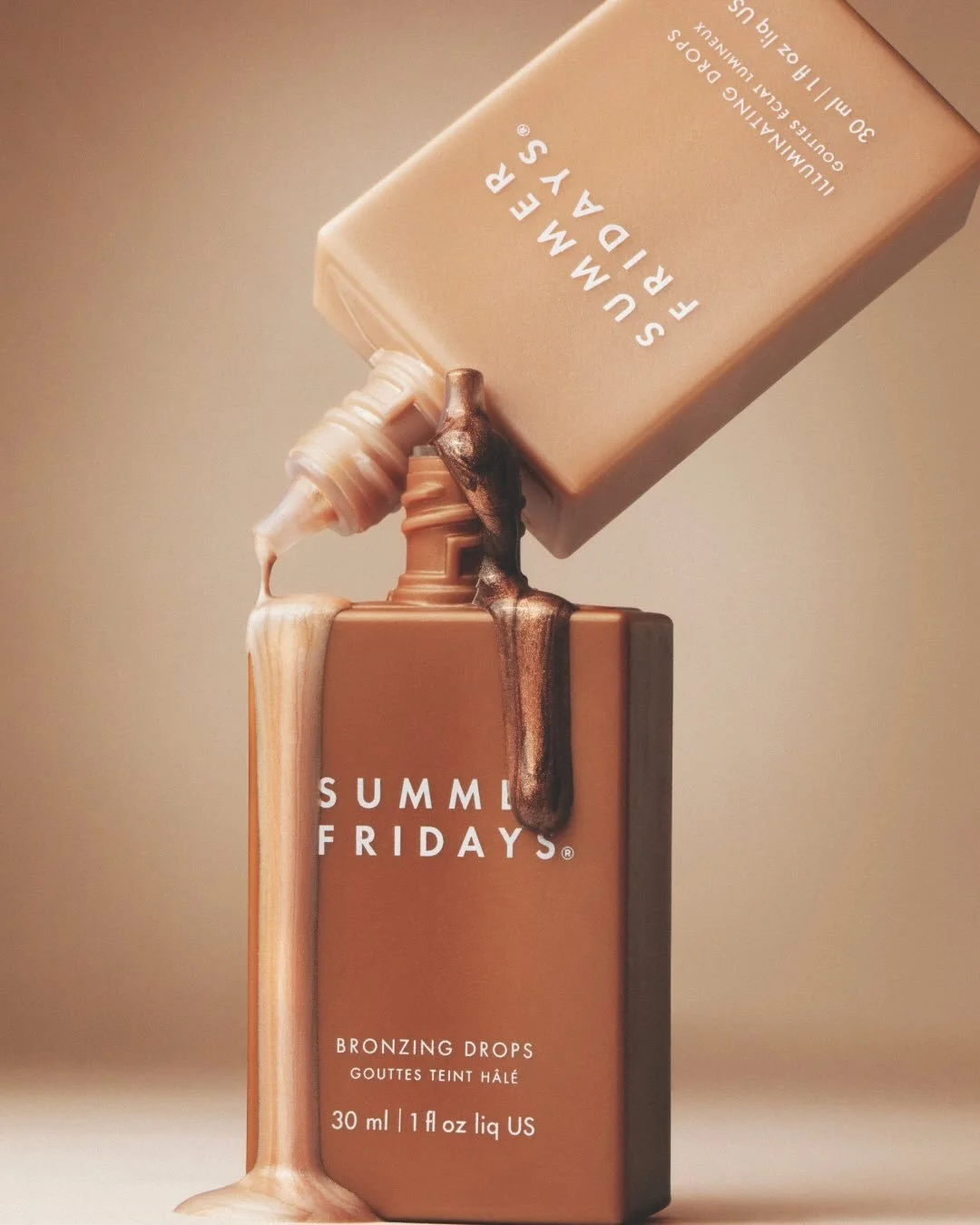
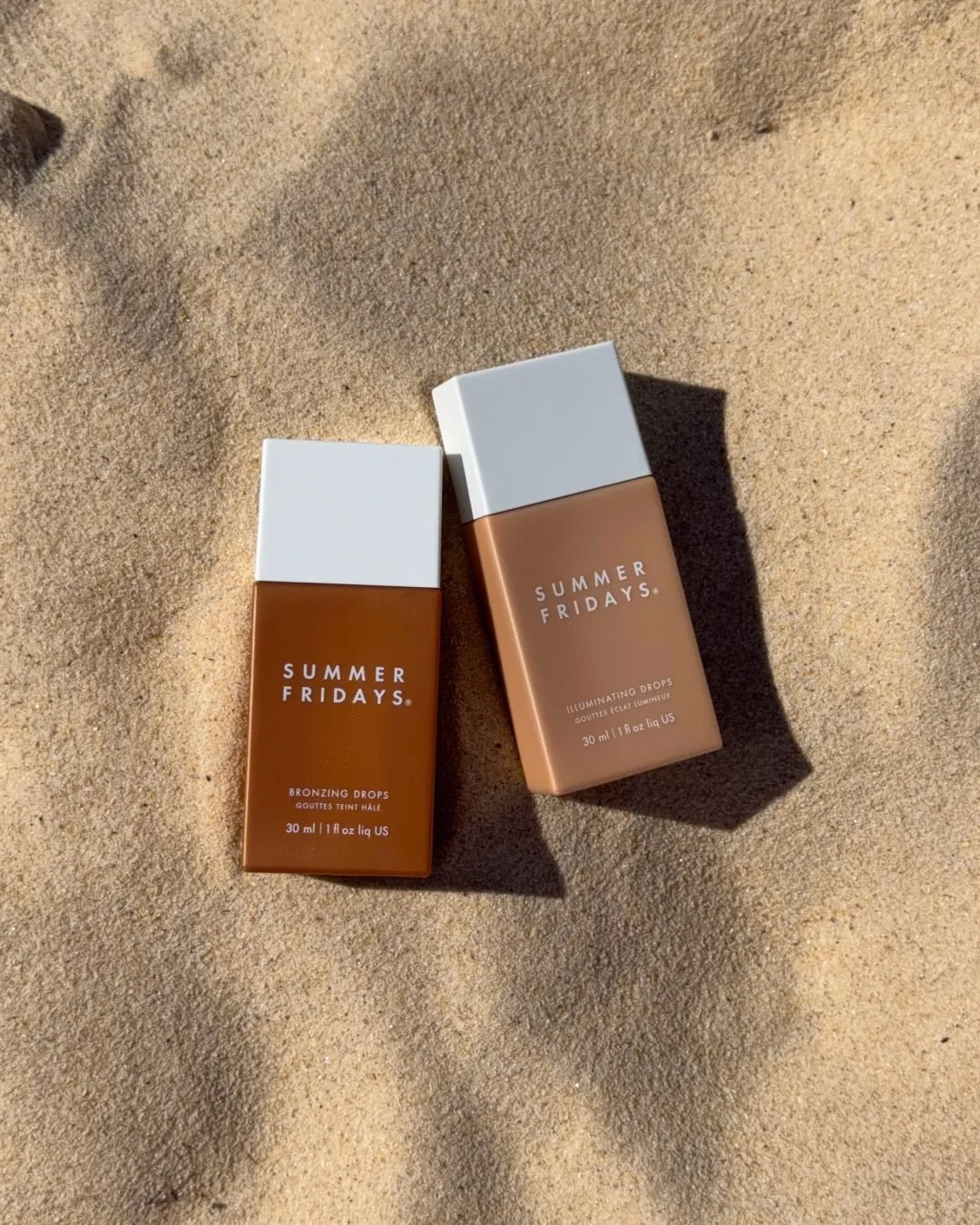
Summer Fridays has built much of its appeal around rich, buttery textures that make products feel comforting and luxurious from the first application.
Source: Summer Fridatys Instagram
Taste
Taste plays a smaller role in cosmetics but remains relevant in beauty supplements, flavored lip care, collagen drinks, and wellness products.
Even skincare brands often borrow food-inspired flavors, colors, and textures to make products feel more indulgent and emotionally engaging.
This strategy appeals to customers by making products feel satisfying. Even without tasting a product, people often associate dessert-inspired colors, names, and textures with comfort and enjoyment.
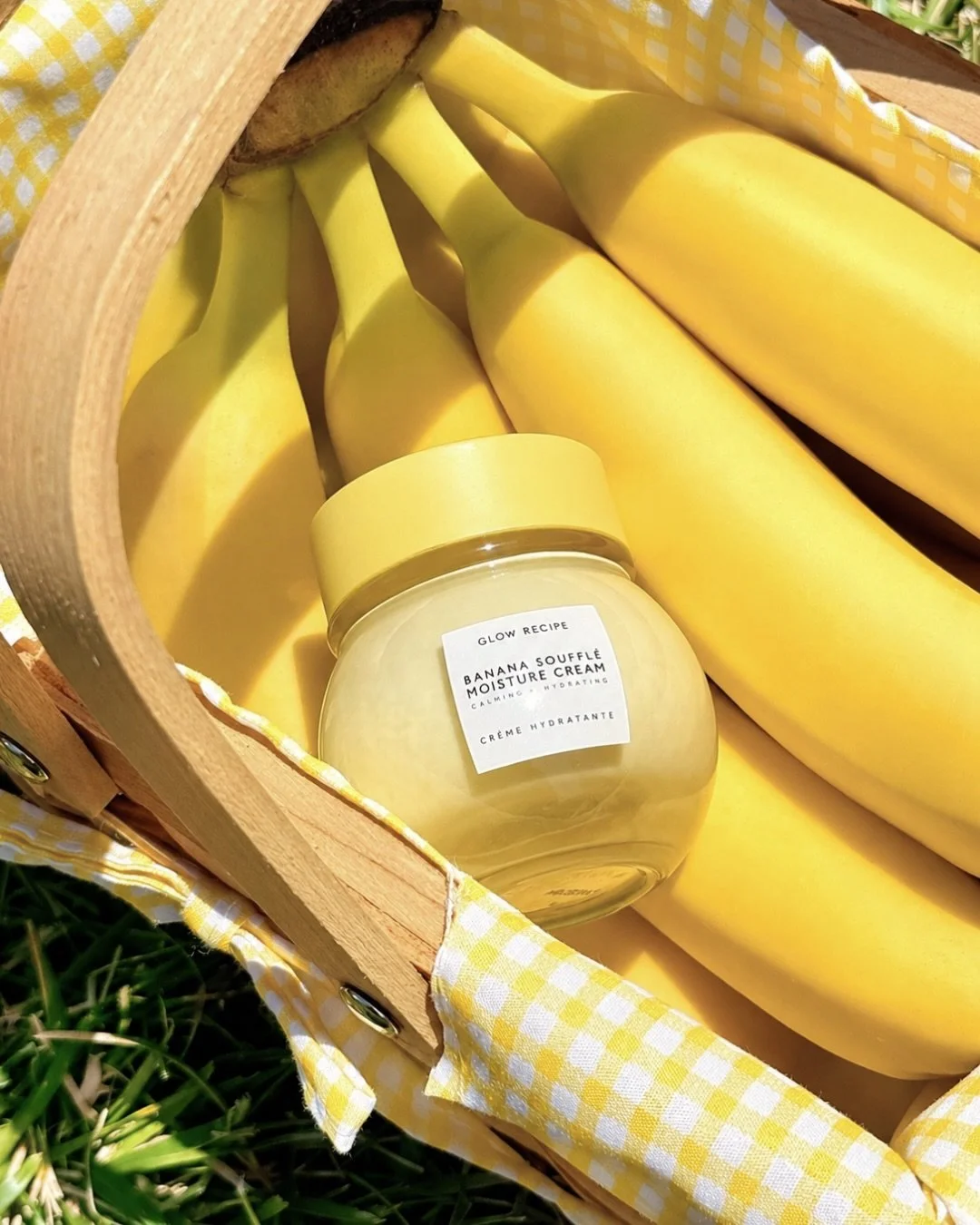
Glow Recipe is a strong example here. Fruit-inspired ingredients such as watermelon, plum, and avocado appear throughout the brand's products, colors, and visual identity. Together, these elements encourage customers to associate skincare with fresh foods and satisfying experiences.
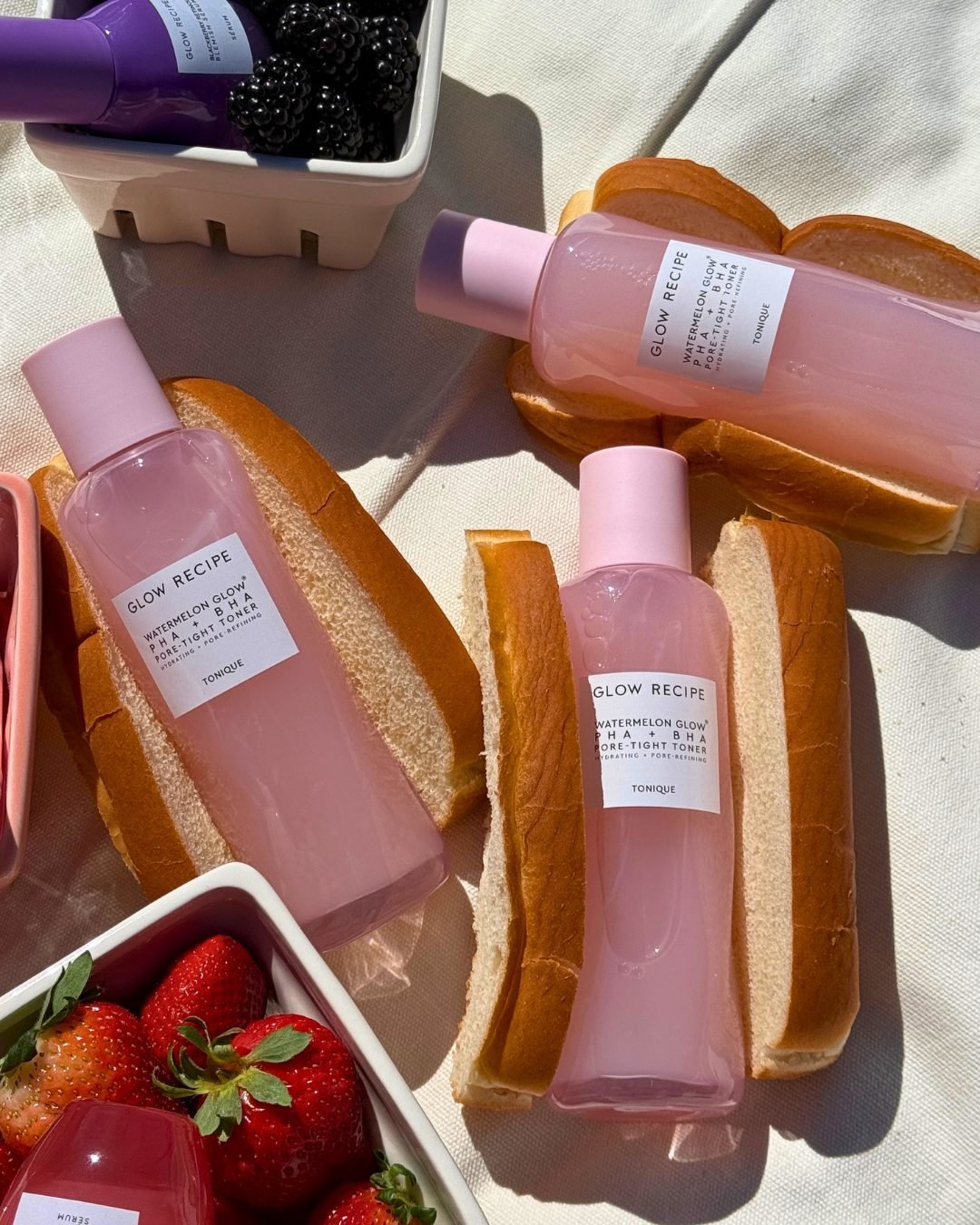
Source: Glow Recipe Instagram
Sensory Marketing Examples From Leading Brands
Sensory marketing isn't limited to one product category or one type of customer experience. Some brands focus on creating immersive retail environments, while others use texture, fragrance, or visual storytelling to make products instantly recognizable.
The strongest examples combine several senses at once, creating experiences that customers remember long after they've finished using the product.
Lush Sensory Marketing: Creating Immersive Brand Experiences
Lush has long been one of the best-known brands that use sensory marketing. Walking into one of its stores is a multi-sensory experience. Colorful product displays, distinctive fragrances, product demonstrations, and interactive shopping environments are all working together to capture attention.
As the brand has evolved, Lush has also recognized that highly stimulating environments aren't suitable for everyone. To make its stores more accessible, the company partnered with KultureCity to introduce sensory-friendly initiatives, creating a more comfortable shopping experience for customers with sensory sensitivities.
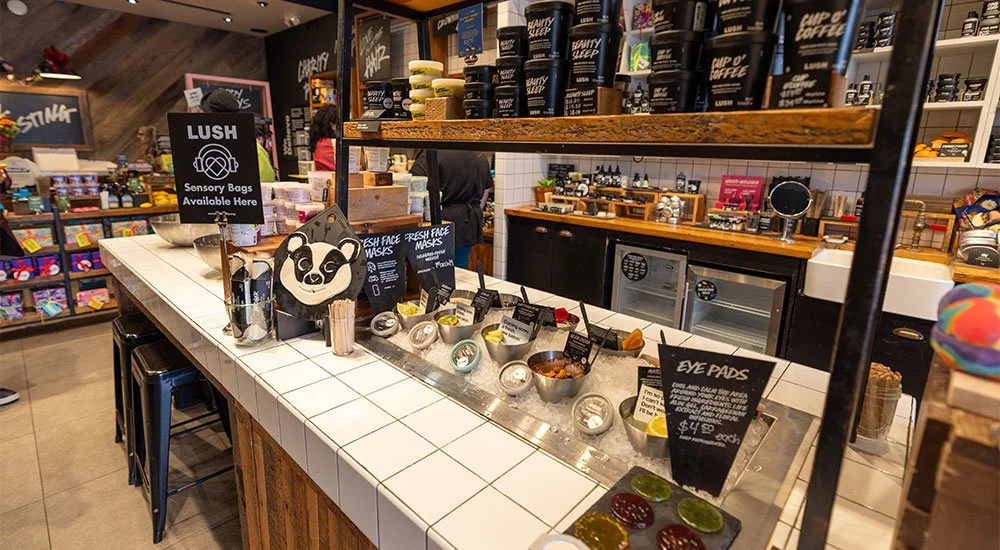
This demonstrates that effective sensory marketing isn't about creating the loudest or most stimulating experience. It's about designing experiences that feel intentional, welcoming, memorable, and appropriate for the intended audience.
Rhode Sensory Marketing: Turning Skincare Into a Lifestyle
One of the most recognizable examples of Rhode sensory marketing is the brand's ability to make skincare feel almost edible.
From the famous "glazed donut skin" aesthetic to glossy product photography and minimalist packaging, Rhode consistently creates products that look smooth, hydrated, and irresistible. Rich textures and highly shareable content reinforce the same sensory message across every platform.
Rhode sells more than skincare. It sells a feeling. A fresh, dewy, effortless version of healthy skin.
Short-form video plays a key role in bringing that feeling to life. Close-up product photography, glossy finishes, and application videos help customers imagine how products will look and feel before they ever try them. This reduces uncertainty and strengthens purchase confidence.
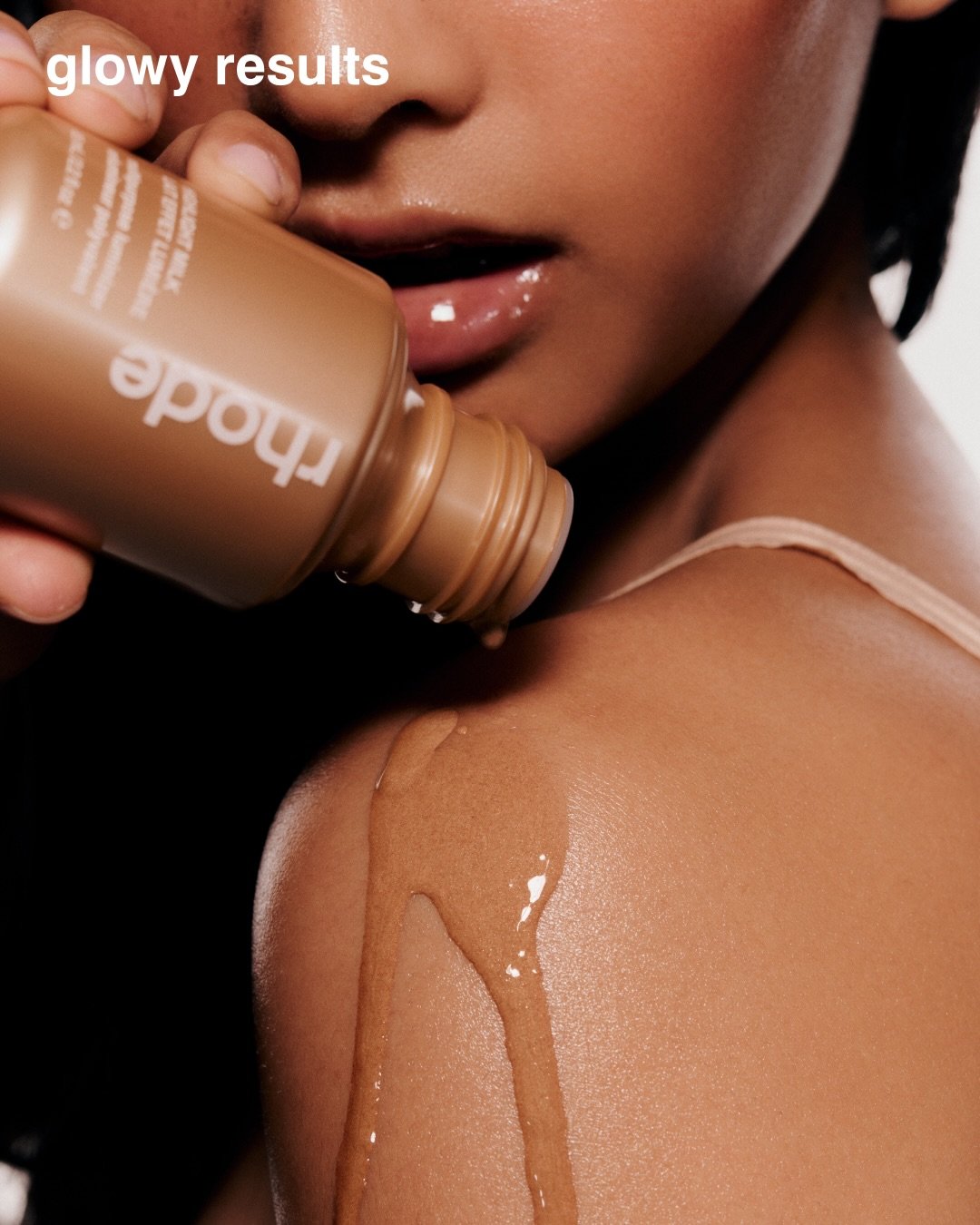
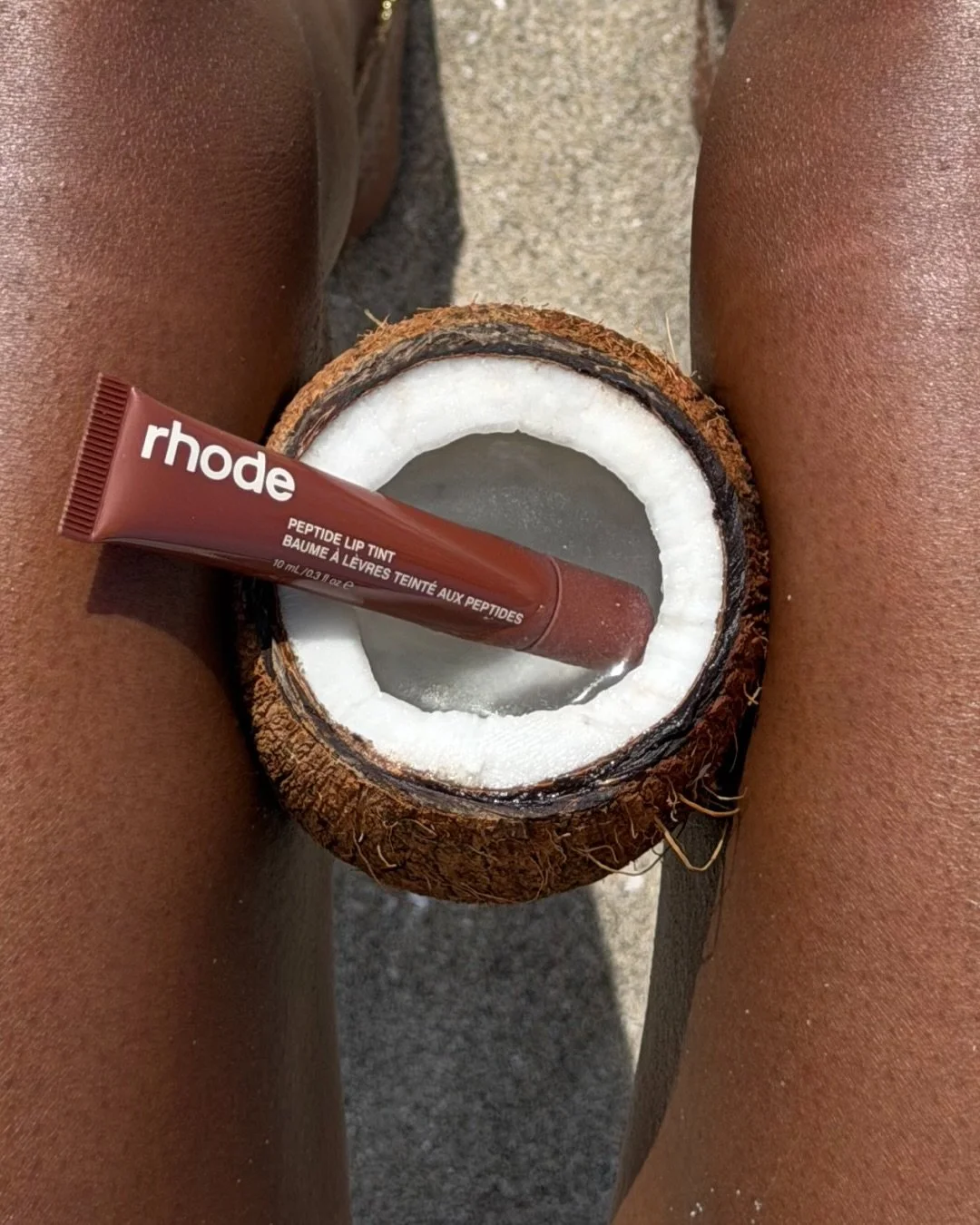
Source: Rhode Instagram
Rhode isn't the only beauty company using strong sensory branding to build a loyal following. Many celebrity-founded beauty brands have developed distinctive visual identities and memorable customer experiences that extend beyond their products. Our guide to 10 celebrity skincare brands for inspiration explores several examples and the branding strategies behind their success.
Gisou and Fae Beauty Sensory Marketing: Making Beauty Products Feel Good Enough to Eat
Several beauty brands are using food-inspired textures, colors, and fragrances to create stronger emotional connections with customers.
Gisou is inspired by honey. Its golden packaging, syrup-like textures, and honey-infused formulas reinforce a consistent brand story that customers immediately associate with nourishment and luxury.
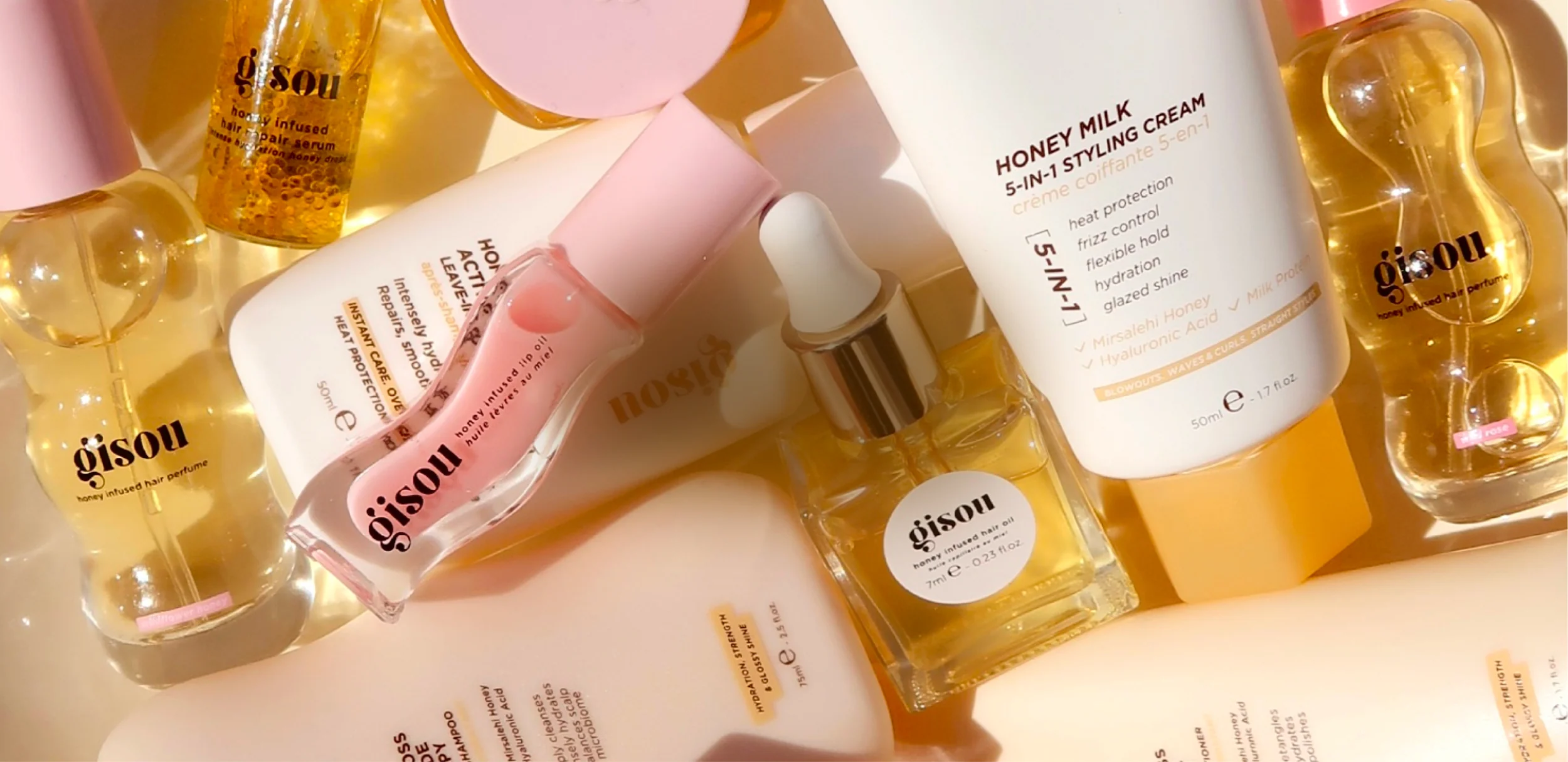
Source: Gisou.com
Similarly, Fae Beauty uses rich, dessert-inspired textures in products like its Whipped Body Butter, turning everyday skincare into a comforting, indulgent ritual.
Although each brand has its own identity, they demonstrate the same principle: products become far more memorable when customers can see, imagine, and almost experience them before making a purchase.
The same sensory principles apply across beauty categories, including hair care. If you're building a hair care brand, this hair care marketing guide explores practical strategies for creating memorable product experiences and stronger customer connections.
How Beauty Brands Can Use Sensory Marketing
Strong sensory branding doesn't happen by chance. It comes from creating consistent experiences across every customer touchpoint. From the first impression online to the moment a product becomes part of someone's daily routine.
Beauty brands don't need flagship stores or large marketing budgets to apply sensory marketing successfully. Small, thoughtful details can have a lasting impact on how customers see a brand and whether they choose to return.
Product Texture and Scent Experience
Product performance is important, but the way a product feels and smells often shapes the overall experience. A silky serum, a rich body butter, or a signature fragrance can all influence how customers perceive quality and remember a brand.
When developing new products, think beyond the formula itself. Texture, fragrance, absorption, and the application experience all shape how customers feel about using a product and influence whether it becomes part of their daily routine.
Small details can leave a lasting impression. Fast absorption, a non-greasy finish, and a subtle fragrance all contribute to a more premium experience and encourage customers to reach for the product again.
The right formula plays a major role in shaping the overall sensory experience. If you're developing your own collection, explore Selfnamed's private label beauty products to find skincare, hair care, and body care formulas designed to support your brand vision.


Packaging Design
Packaging creates the first physical interaction between a customer and a brand. Colors, typography, materials, finishes, and opening mechanisms all communicate something about a product before it's even opened.
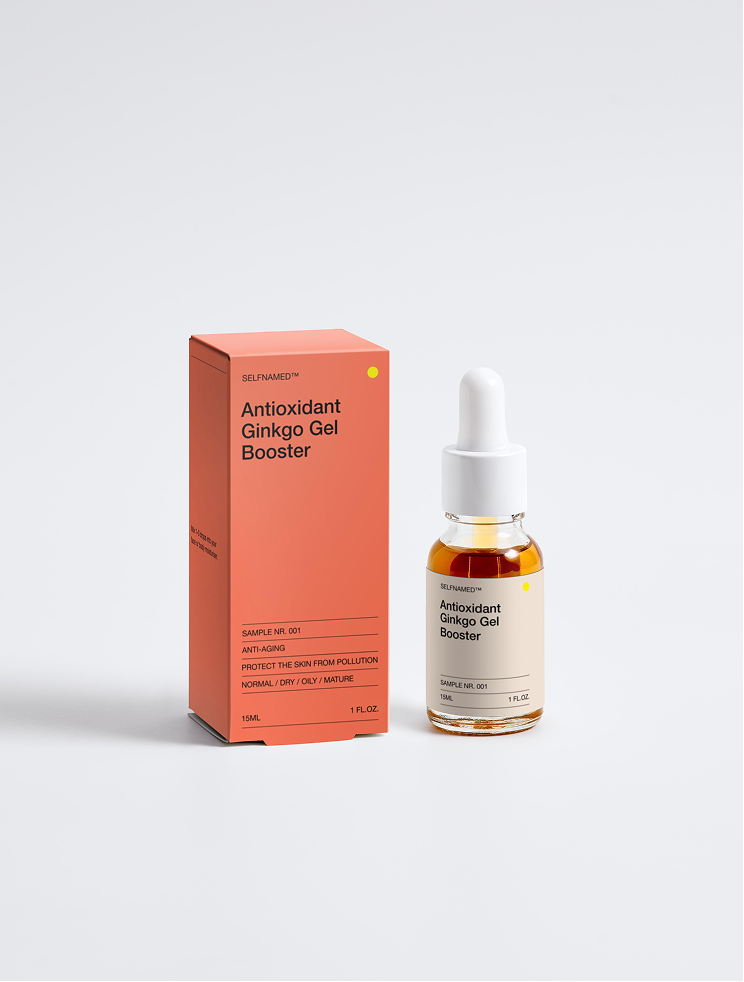
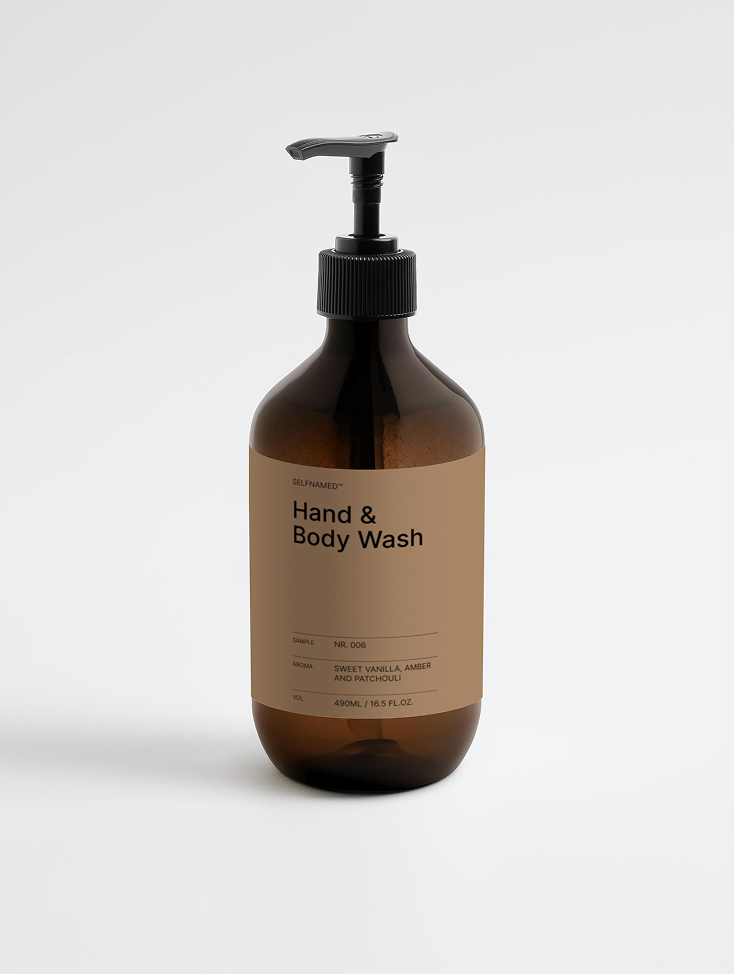
Selfnamed's mockup packaging: Amber Hand & Body Wash and Antioxidant Ginko Gel Booster
Effective packaging communicates:
Product quality
Sustainability
Brand personality
Premium positioning
Attention to detail
Consistent branding design helps customers recognize products instantly across retail shelves, websites, and social media. Features such as refillable containers, recyclable materials, magnetic closures, and premium finishes reinforce these qualities while strengthening a brand's identity.
Well-designed packaging also creates more memorable unboxing experiences and strengthens a brand's positioning long before customers try the product itself.
For inspiration, explore our guide to design branding trends 2026.
Retail and Ecommerce Experiences
Every interaction, from browsing a website to receiving an online order, shapes how customers experience a brand.
Beauty businesses should create a consistent experience across every touchpoint, including:
Product photography
Website design
Social media content
Email marketing
Retail displays
Unboxing experiences
Visual consistency, storytelling, and thoughtful sensory cues help create a seamless brand experience that customers recognize wherever they interact with the business.
Customers should experience the same brand personality whether they discover a product on Instagram, browse a website, or open a delivery box. Consistency across these touchpoints builds familiarity and trust.

Creating that consistency requires a well-defined marketing strategy. If you're looking for practical ideas, this skincare marketing guide explores how beauty brands can build cohesive customer experiences across websites, social media, email marketing, and product launches.
Building Emotional Brand Connections
The strongest beauty brands create experiences that customers remember long after they've finished using a product. Familiar sensory cues, such as a recognizable fragrance, distinctive packaging, or a signature visual style, help reinforce brand identity over time.
Consistency is what turns those memorable moments into lasting relationships. When customers repeatedly encounter the same colors, textures, fragrances, and visual identity across products and marketing, they begin to associate those sensory cues with the brand itself. Over time, that familiarity builds trust, encourages repeat purchases, and strengthens customer loyalty.
Whether you're selling online or in stores, every interaction should reinforce the same brand identity. This guide to marketing beauty products shares practical strategies for creating a consistent customer journey across multiple channels.
Conclusion
Today's customers remember more than product performance. They remember how a product looked, felt, smelled, and fit into their daily routine.
That's why sensory marketing has become an important part of modern brand building. Every interaction contributes to the overall brand experience. From product texture and packaging to visual identity and digital experiences, each touchpoint strengthens emotional connections.
For beauty businesses, sensory marketing offers an opportunity to stand out in a competitive market while building stronger relationships with customers. Thoughtful, consistent sensory experiences can improve brand recognition, encourage repeat purchases, and support long-term customer loyalty.
As customer expectations continue to evolve, brands that create memorable sensory experiences will be better positioned to build lasting relationships and stand out in a competitive beauty industry.
Frequently Asked Questions
-
Sensory marketing is a strategy that uses the five senses – sight, sound, smell, touch, and taste – to influence how customers perceive a brand. By creating memorable sensory experiences, businesses can strengthen brand recognition, build emotional connections, and encourage long-term customer loyalty.
-
Sensory marketing is effective because buying decisions are often influenced by emotions as much as product performance. Visual identity, fragrance, texture, packaging, and other sensory cues help create positive experiences that customers remember long after making a purchase.
-
Some of the best sensory marketing examples come from beauty brands like Lush, Rhode, Glow Recipe, Gisou, and Fae Beauty. These brands use combinations of scent, texture, packaging, color, and storytelling to create memorable customer experiences that improve brand identity and encourage loyalty.
-
Many leading beauty companies use sensory marketing to stand out in competitive markets. Lush creates immersive retail experiences, Rhode has built its identity around the "glazed donut" aesthetic, Glow Recipe combines fruit-inspired scents and textures, while Gisou and Fae Beauty use distinctive formulas and packaging to reinforce their brand stories.
-
Beauty brands can apply sensory marketing by designing products and experiences that engage multiple senses. Texture, fragrance, packaging, visual branding, websites, and unboxing experiences all influence how customers perceive a brand and whether they choose to return.
-
No. Sensory marketing is just as valuable for ecommerce businesses. Product photography, videos, packaging, storytelling, and unboxing experiences all help shape customer perception and create memorable brand experiences. Even before a customer tries the product.
Must read