Beauty Salon Marketing: Where to Focus Your Time and Budget
Table of Contents
A full appointment book can make marketing feel like a problem for another day. But salon calendars change quickly. A few cancellations, clients waiting longer to book their next appointment, or a new competitor nearby can suddenly leave gaps that need filling.
Consistent beauty salon marketing helps prevent your business from disappearing between appointments.
That consistency can take many forms. An eye-catching social media post, a review from a happy client, an email reminding someone it's time to rebook, or a product they take home – advertising strategies you can create right now to keep the relationship fresh after the salon.
Good marketing builds on small touchpoints. The goal is to attract new clients, give existing clients reasons to return, and create more ways for people to spend beyond the treatment room.
So, how do you market a beauty salon without trying every tactic at once? Let's take a look at where to focus your time and marketing budget, which channels make sense for salons, and how services, retail products, and your brand can work together.
Key Takeaways
Consistent marketing keeps your salon visible between appointments.
Reviews, social media, local SEO, loyalty programs, and retail products can turn interest into bookings and increase the value of existing clients.
Private label skincare and haircare can generate revenue while keeping your salon brand in clients’ homes.
What Is Beauty Salon Marketing?
Beauty salon marketing covers all the ways people discover your salon, decide to book, and remember your business after they leave.
Social media strategies play a large part, along with Google search results, customer reviews, referrals, email marketing, promotions, and the experience customers have in the salon.
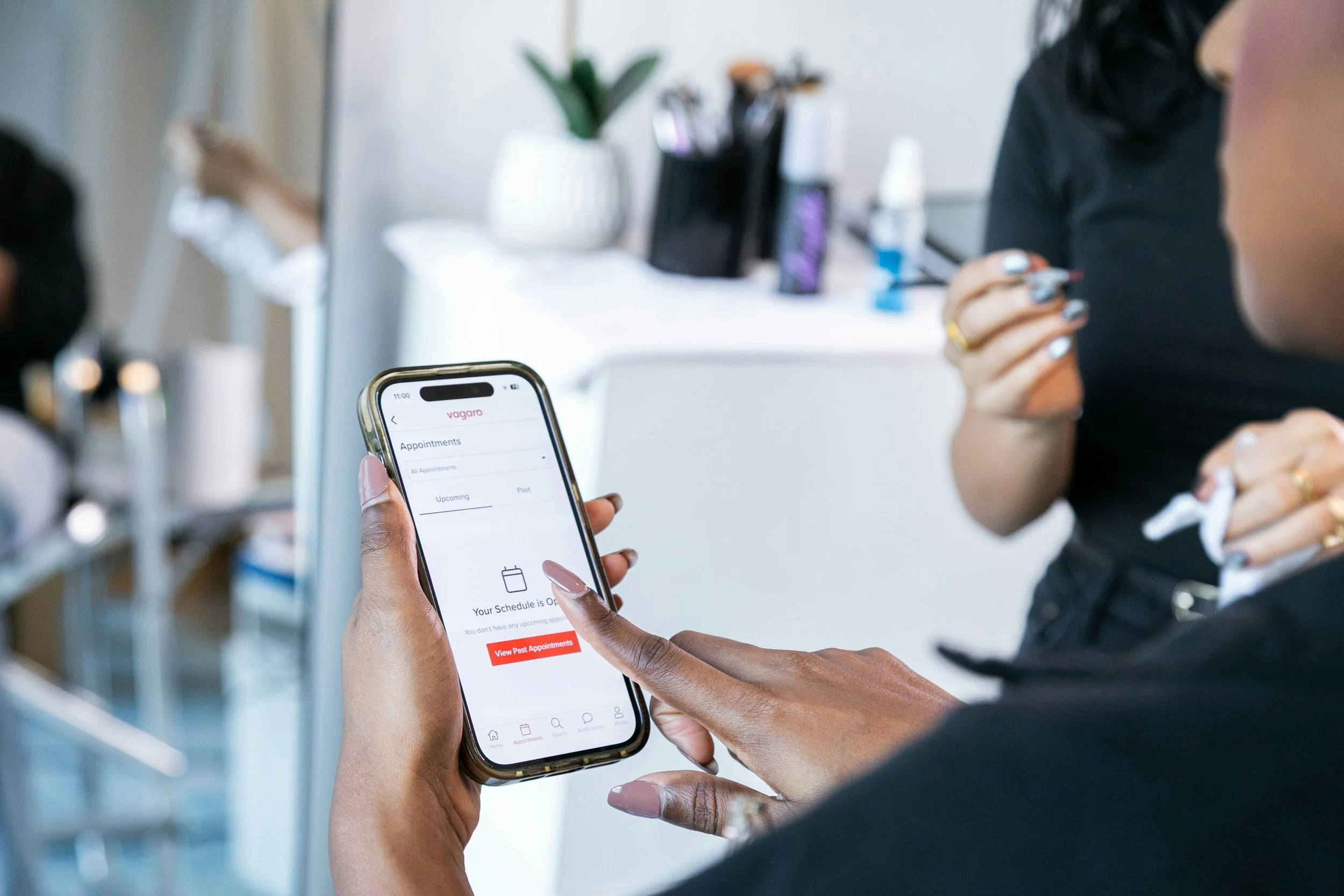
Your retail shelf can be part of that marketing too.
Private label skincare and haircare put your salon's name onto products clients can purchase during visits, keeping your brand visible between appointments. And the added benefit – if you pick the right supplier, you get a quality set of beauty products a customer can confidently use to continue their salon routine at home.
Different channels play different roles.
For example, McKinsey and The Business of Fashion found that 30% of global beauty customers use social media brand pages for inspiration, while 7% named them as a source of brand discovery. Physical stores, recommendations from friends and family, online stores, and influencers all contribute in different ways.
Good salon marketing gives you more than one way to grow. A social post can spark interest, a review can lead to a booking, and a branded product can create revenue long after the appointment is over. When these pieces work together, marketing becomes part of how the salon earns.
What Is the Target Market for a Beauty Salon?
Two customers can be the same age, live in the same neighborhood, and have completely different reasons for choosing a salon. One wants a quick appointment that fits around work. Another will travel across town for a colorist they trust. Someone else may choose a salon based on the products used during a facial.
That’s why defining your target market takes more than a list of demographics. Create a customer persona your salon is best equipped to serve, then look at what matters to them when deciding where to book.
A useful customer persona should answer:
What do they come to you for? Regular maintenance, specialized treatments, hair color, bridal services, skin concerns, or something else.
What do they value? Price, convenience, expertise, atmosphere, premium products, or building relationships with a trusted professional.
How do they choose a salon? Google reviews may influence one group, while another relies on social media, recommendations, or influencers.
What else might they buy? Their needs can reveal opportunities for treatment packages, memberships, or products to use at home.
A niche makes those answers even sharper. Being known for curly hair, sensitive skin, bridal beauty, or premium facials gives new clients an immediate reason to consider you and existing clients an easy reason to recommend you.
Once that picture is clear, your marketing plan becomes easier to build. You can choose marketing tactics based on where your ideal customers spend their time and what influences their decisions. That’s a much stronger starting point for marketing a beauty salon than trying to reach everyone who happens to live nearby.
How to Market a Beauty Salon
A salon can do brilliant work and still have empty spaces in the calendar. Knowing how to market a salon means making that work easier to recognize, find, trust, and, eventually, book.
1. Build a Strong Brand
Your brand gives people a shortcut for understanding your salon.
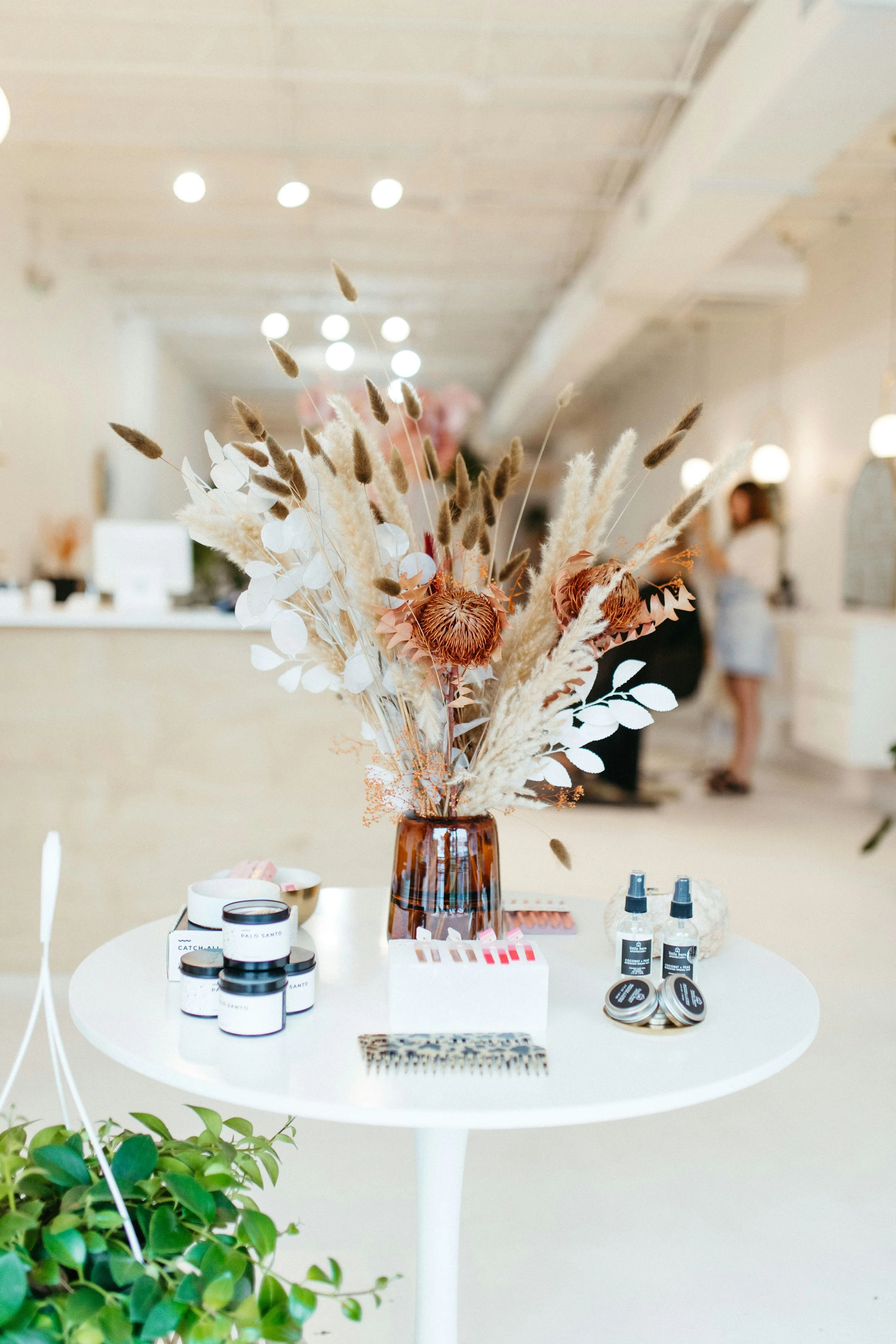
A potential client should be able to look at your website, Instagram, interior, service menu, or product shelf and get a sense of what kind of experience you offer.

That becomes especially important as beauty customers get more selective. McKinsey reports that the global beauty market is becoming increasingly saturated, and customers are more skeptical about where they spend. This means you have greater pressure to prove your value.
Start with the details people actually notice.
Your specialty, price point, visual identity, tone of voice, salon experience, and the products you use or sell. Building a private label skincare or haircare range can strengthen that identity too, because instead of recommending products from different specialists, why not use your own?
2. Optimize Your Online Presence
When someone hears about your salon, there's a good chance they'll look you up before they book. Your online presence should make that search useful.
Start with your Google Business Profile.

Keep your address, opening hours, phone number, services, photos, and booking link up to date. Reviews matter here too, especially when someone is comparing several salons nearby.
Your website has another job.
Don’t have a website yet? Get one. It’s surprisingly easy to host a business website for online booking and ecommerce. The added benefit? You’re training search engines to understand what you offer, helping customers quickly find the right service.
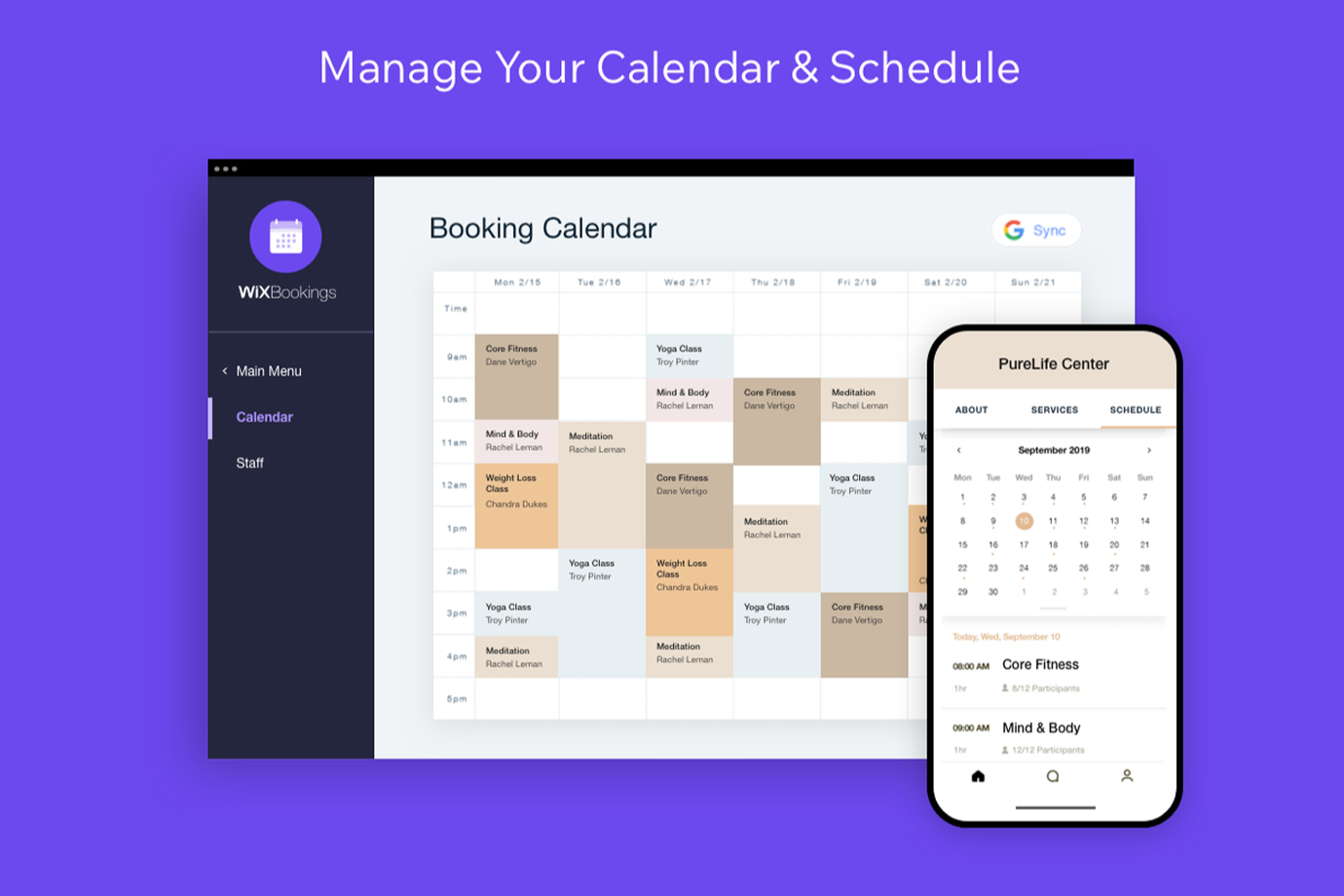
Source: Wix Bookings app
Use clear SEO keywords throughout your service pages, headings, page titles, and descriptions. And keep the language natural. Keywords should describe services customers are already searching for.
Read more: Explore successful beauty websites for inspiration:
3. Invest in Social Media Marketing
Social media is your living portfolio.
Before booking, people get to see your work, meet the people behind it, and get a feel for the salon itself. Transformations, treatment clips, client results, quick beauty tips, and behind-the-scenes content all give potential clients something useful to judge you by.
Influencer marketing connects local audiences.
BBB National Programs found that 58% of customers have made a purchase after an influencer endorsement, while 35% have made four to six purchases based on influencer advertising. For salons, local micro-influencers can be especially relevant because their followers are more likely to live close enough to book.
Paid ads give strong content another push.
Evolut's analysis of 500 top-performing Meta beauty ads found that 36.8% used user-generated content, while product demonstrations appeared in 38.8%. That means real treatments, transformations, and customer experiences can also become effective ads.

You don't need every marketing channel at once.
Start where your customers spend their time and learn which content gets attention and bookings. Then use paid promotion to extend the pieces that already work.
4. Encourage Clients to Leave Reviews and Refer Friends
Choosing a salon takes trust.
Customers want some reassurance before they let someone cut their hair, treat their skin, or change their look. Reviews give them a chance to hear from people who have already been in the chair.
And almost everyone checks them. BrightLocal's 2026 survey found that 97% of consumers read reviews for local businesses. It also found that 83% of people asked to leave a review went on to write one.
Make it easy for happy customers to leave reviews while the visit is still fresh. A follow-up email or text with a direct link, or a QR code at reception, removes the extra effort.

Referrals can work alongside reviews. Give regular clients an easy way to recommend your salon to a friend, with a treatment upgrade, salon credit, or another reward for a successful referral. In both cases, your clients help put real experience behind your marketing.
5. Create Loyalty Programs
Getting someone through the door once is only the beginning. A loyalty program gives customers an extra reason to choose your salon when it’s time for their next appointment.
Make rewards feel like part of the salon experience.
A complimentary treatment add-on, early access to a new service, or credit toward retail products can give regular customers something to look forward to.
Free samples can work as a reward too.
For example, let customers try a skincare or haircare product after a certain number of visits. They get something useful, and your salon gets a chance to introduce a product they may come back to buy.
6. Run Seasonal Promotions
Seasonal promotions work best when there's a genuine reason for the offer. Wedding season, summer hair care, holiday gifting, back-to-school appointments, or winter skin concerns already give customers a reason to think about beauty.
Build the promotion around that moment. For example, a summer package might combine a hair treatment with an aftercare product. Holiday campaigns can pair gift cards with retail sets.

This is also where your product line can make promotions more interesting. Instead of repeatedly discounting appointments, bundle a service with a complementary salon-branded product or create limited seasonal sets.
Beauty Salon Marketing Ideas That Increase Revenue
Some salon marketing ideas are purely for visibility and customer retention. Others can increase what each appointment is worth and create revenue that continues between visits. The key is to monetize your marketing plan without making every client interaction feel like a sales pitch.
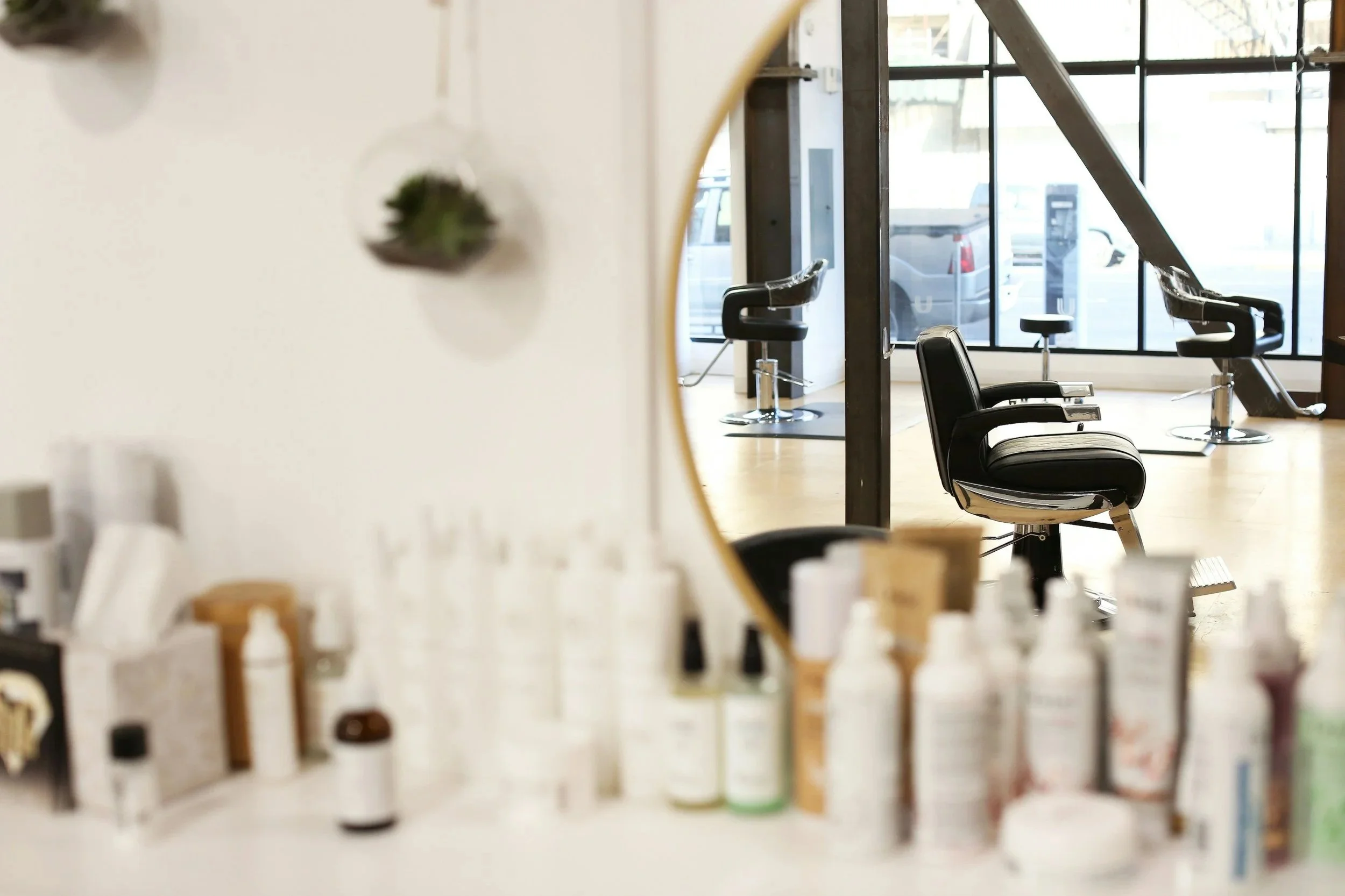
Create your own branded products and bundles. Pair a salon treatment with skincare or haircare products that customers can continue using at home. Use Selfnamed to create your own private label products and combine them into aftercare kits, treatment bundles, or retail sets.
Make service upgrades relevant. Upselling works best when the extra service makes sense for the appointment. A conditioning treatment alongside a color service or a targeted mask during a facial gives clients an easy way to enhance what they already booked.
Put gift cards to work. Gift cards bring revenue in before the appointment happens and can introduce new clients to the salon through someone they already trust. They also give you something concrete to promote through social media and email marketing, especially around seasonal gifting occasions.
Turn frequent visits into memberships. Monthly facials, blowouts, manicures, or other repeat services can work well as memberships. For a salon, that means more predictable recurring revenue. For clients, it makes regular appointments easier to build into their routine.
These marketing tactics all work with spending that already makes sense around a salon visit and your customer persona:
continuing a treatment at home;
upgrading an appointment;
giving an appointment as a gift;
booking the next visit in advance.
Why Private Label Products Can Help Grow Your Salon
We’ve talked a lot about selling private label as part of your marketing strategy. But what exactly does that involve? Private label is a business model that lets you sell curated products – skincare and hair care – to your customers from an established platform with reliable suppliers.
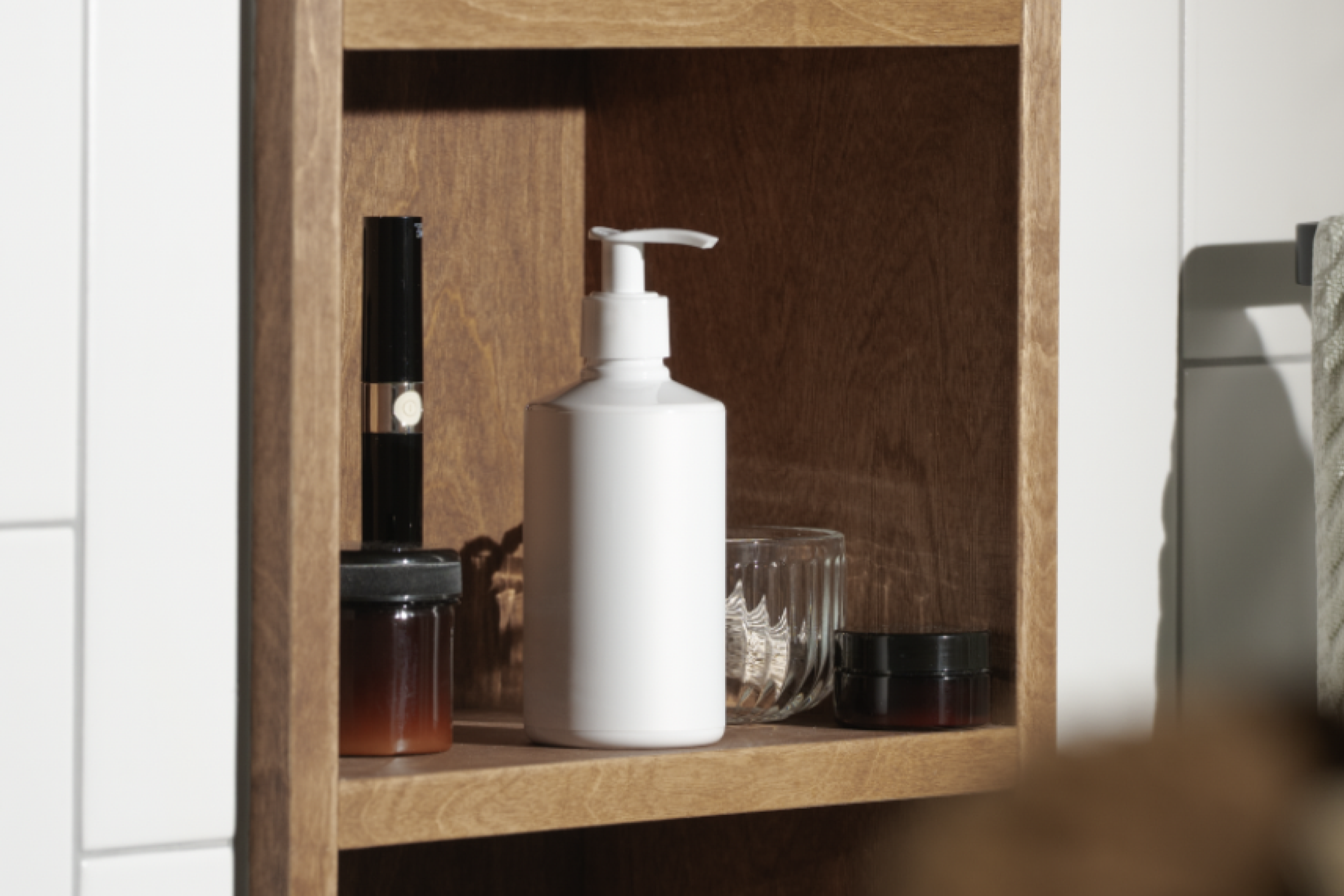
So instead of contracting a beauty manufacturer, which involves high initial costs, you design and prepare ready-made branded salon products. Once you’re branding’s in place, you get to purchase wholesale inventory with no order minimums, stocking only the amount you need.
A salon usually gets a few hours with a client each month. A product sitting in their bathroom gets much more time. Your own product line can help you:
Stay part of the client's routine. Your brand stays visible at home, giving clients another reason to remember and return to your salon.
Create another revenue stream. Retail sales give you a way to earn beyond the number of appointments you can fit into a day.
Make your salon easier to remember. Branded products can reinforce your expertise and give new clients something they can only buy from you.
Build a more professional brand. Products carrying your salon's name can make the business feel more established and turn the retail area into part of the overall brand experience.
Check out Selfnamed’s catalog of private label beauty products and add your salon branding in just a few steps. We’ve got all you need to generate revenue with a product line prized for scientifically-backed actives and rigorous clean-beauty certifications.


Common Beauty Salon Marketing Mistakes to Avoid
Salon marketing gets expensive when time and budget go toward things that never lead anywhere. Take a quick look at these common mistakes to help keep your efforts stay focused:
Trying to appeal to everyone. A clear audience makes your offers, content, and messaging much easier to shape.
Posting only when you have time. An inactive feed can make the salon look inactive too, so choose a schedule you can realistically maintain.
Leaving reviews unanswered. Replying shows potential clients that you pay attention to the customer experience, including when feedback is critical.
Focusing only on new clients. Existing customers already know your work, making rebooking, email marketing, and loyalty offers worth your attention.
Treating retail as decoration. Give products a clear role in the salon experience, train your team to recommend them, and make it easy for customers to understand what they're for.
The best marketing tactics are usually the ones your salon can keep doing routinely and reliably.
Turn Marketing Into a Natural Part of the Business
The strongest salon marketing rarely comes down to one big campaign. It comes from showing up consistently in the places that matter to your clients, making your salon easy to find, and giving people good reasons to come back.
Start with the areas that make the most sense for your salon. That might mean improving your Google presence, getting more serious about reviews, building a better social media routine, or introducing your own skincare and haircare products.
Over time, those efforts can help you build a salon people recognize, return to, recommend, and buy from beyond the treatment room.
Frequently Asked Questions
-
Start by making it easy for people to find and trust your salon. Google, social media, reviews, referrals, and regular communication with clients can all play a part.
-
It depends on what your salon does best. Think about who books your services, what they care about, how much they spend, and what keeps them coming back.
-
There’s rarely one strategy that does everything. A good mix brings new people in while keeping your regular clients interested and coming back.
-
Show people what you’re good at. Share real results, keep your Google profile current, collect reviews, and make booking as simple as possible.
-
Post often enough that your salon feels active and current. For many salons, a few strong posts each week is a realistic place to start.
-
It can be. Retail gives clients something to use between appointments and gives the salon another way to earn without adding another booking to the day.
-
They put your salon’s name on products clients take home and use regularly. That can bring in retail revenue while keeping your brand part of their beauty routine.
Must read