How to Increase Salon Revenue: Proven Strategies That Grow Profits
Table of Contents
A busy salon isn't always a profitable salon. Revenue depends on more than the number of appointments you book. Pricing, retail sales, client retention, and recurring revenue streams all play an important role in long-term business growth.
Running a small beauty salon, a spa, or a salon suite? There are plenty of opportunities to grow your salon business without extending your working hours or constantly finding new clients.
In this guide, you'll learn practical strategies to increase salon revenue, improve profitability, and grow your beauty business. We'll also explore how private label skincare and haircare products can support long-term business growth.
Key Takeaways
Growing salon revenue doesn't always require more clients.
A healthy salon revenue model includes multiple income streams.
Increasing average client spend boosts profitability.
Private label products create revenue beyond appointments.
Understanding How Salons Grow Revenue
Salon revenue grows when you improve one or more of three factors: the number of clients you serve, how much each client spends, and how often they return.
While attracting new customers is valuable, especially through beauty salon marketing, many businesses discover that increasing average transaction value and improving client retention produce faster and more sustainable growth.
A simple way to think about it is this:
Salon Revenue = Number of Clients × Average Client Spend × Visit Frequency
Every strategy in this guide improves at least one part of that formula. Understanding this relationship makes it much easier to identify where your biggest opportunities lie.
Where Does Salon Revenue Come From?
Most salons generate income from much more than appointments alone. A diversified salon business generates income from multiple sources throughout the customer journey.
Common salon revenue streams include:
| Revenue stream | Examples |
|---|---|
| Salon services | Haircuts, coloring, facials, massages, manicures, aesthetic treatments |
| Retail product sales | Shampoo, conditioner, skincare, styling products, beauty tools |
| Service packages | Bridal packages, facial series, hair treatment bundles |
| Memberships | Monthly treatments, subscription-based beauty plans |
| Gift cards | Holiday gifts, birthdays, special occasions |
| Premium upgrades | Scalp treatments, intensive masks, LED therapy, luxury add-ons |
| Private label products | Your own branded skincare or haircare products |
Many small salons depend almost entirely on service income, meaning revenue stops when appointments stop. Retail products, memberships, and recurring purchases create additional income that's not tied directly to working hours.
Additional revenue streams also improve the client experience. Homecare products help clients maintain their results between appointments while creating new opportunities for your business.
What Is a Healthy Salon Revenue Model?
A healthy salon revenue model doesn't rely on a single source of income. It combines services with recurring revenue streams that continue generating sales between appointments.
For example, imagine two salons that each serve the same number of clients every month:
The first salon earns revenue almost exclusively from treatments. Once the appointment ends, the client leaves without making another purchase until their next visit.
The second salon offers premium add-ons, recommends personalized homecare products, encourages clients to rebook before leaving, and sells its own branded skincare line. Although both salons provide similar treatments, the second salon earns significantly more from each customer over time.
This is why sustainable business growth is often driven by improving customer lifetime value rather than simply increasing client volume.
The longer clients stay loyal – and the more products and services they purchase throughout their relationship with your salon – the more profitable your business becomes.
As you evaluate your own salon, ask yourself:
Are clients purchasing products after their treatments?
Do most clients rebook before leaving?
Are you offering services at different price points?
Does your business generate revenue between appointments?
Could your existing clients spend more without feeling pressured?
The answers will help identify which revenue opportunities deserve your attention first.
The following strategies focus on practical ways to strengthen each part of your salon revenue model. From increasing average transaction value to creating entirely new income streams that support long-term business growth.
How to Increase Salon Revenue
Growing your beauty salon revenue doesn't always mean attracting more clients. Often, the biggest opportunities come from increasing how much existing clients spend, encouraging repeat visits, and adding new revenue streams.
If your goal is to increase salon revenue this year, start with the strategies that best fit your business. Even a few small changes can have a significant impact over time.
Increase Average Client Spend
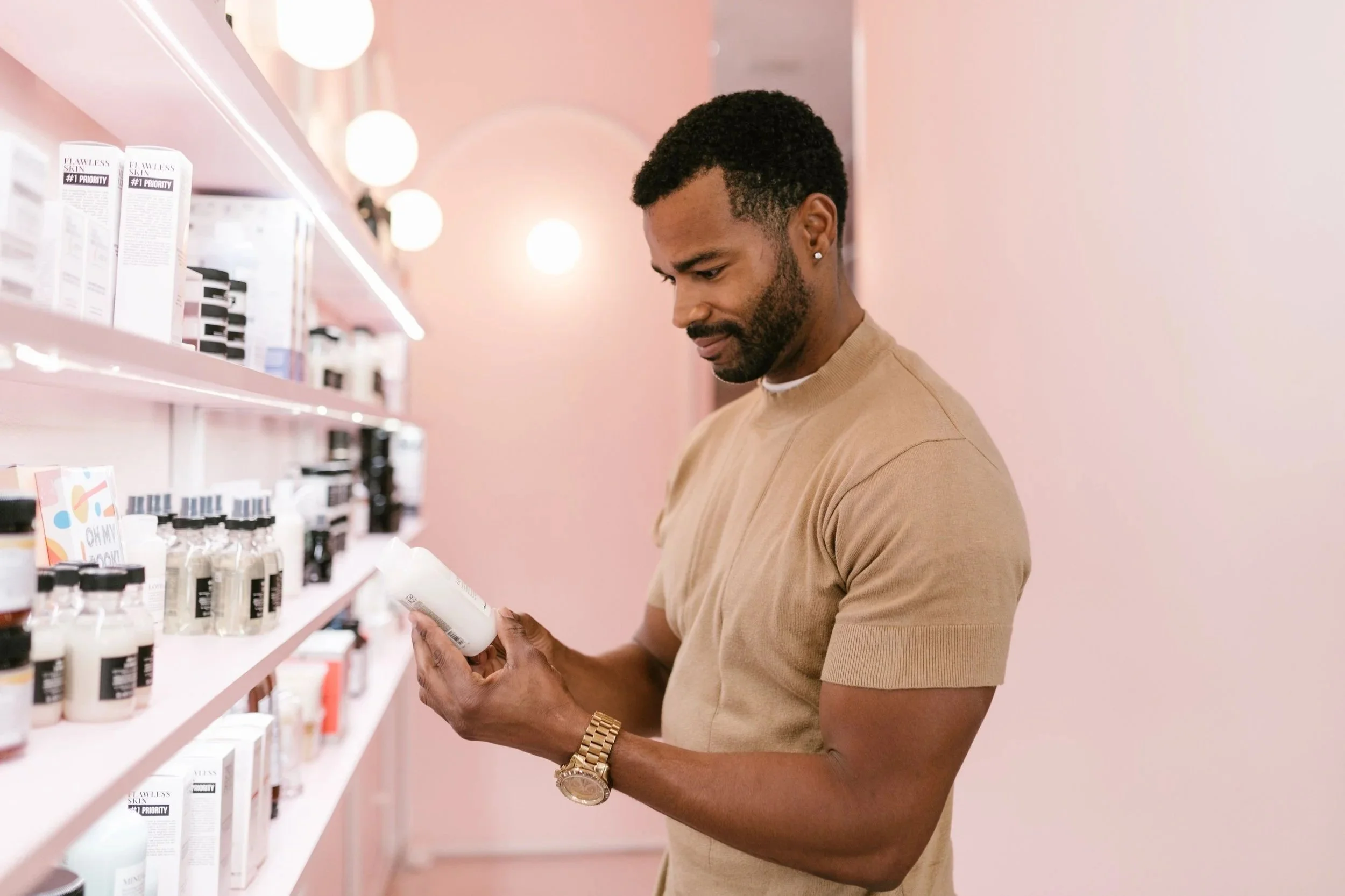
The fastest way to grow revenue is to get more from the appointments you already have booked. Every strategy below adds value to a single visit, from retail products clients take home to upgrades and packages that make each booking worth more.
1. Sell Branded Skincare and Haircare Products
Selling retail products is one of the easiest ways to increase salon revenue without adding more appointments to your calendar. It also helps clients maintain their results at home, creating value beyond the salon visit.
Instead of only stocking third-party brands, consider offering your own private label skincare or haircare products. Clients are more likely to remember your salon, return for repeat purchases, and recommend your brand to others when they can continue their beauty routine at home.
For example, after a facial, recommend a cleanser, serum, and moisturizer that complement the treatment. After a hair service, suggest a shampoo and conditioner designed to protect the results.
If you're wondering which products are worth offering, explore our guide to beauty salon must-have products.
2. Create Product Bundles
Choosing between multiple products can feel overwhelming. Product bundles simplify the decision while naturally increasing the average purchase value.
Combine complementary products into routines that support a specific treatment or beauty goal. For example, after a balayage appointment, recommend a color-safe shampoo, conditioner, and heat protectant. Following a facial, suggest a cleanser, serum, and moisturizer to help clients maintain their results at home.
Bundles also work well as seasonal collections, holiday gifts, travel sets, or post-treatment recommendations, creating more opportunities to increase retail sales throughout the year.

3. Increase Prices Strategically
Many salon owners avoid raising prices, but reviewing them regularly helps protect profit margins as business expenses increase.
Introduce small, gradual price adjustments and explain the added value behind them. Clients are generally willing to pay more when they understand the value they're receiving. Perhaps you've invested in premium color products, completed advanced balayage training, or enhanced your appointments with a relaxing scalp massage. Make sure clients understand these improvements when updating your prices.
At the same time, review your service menu to ensure your pricing reflects current demand and your team's expertise.
4. Add Service Upgrades and Add-Ons
Service upgrades are an effective way to increase the value of every appointment.
Think about this – someone booking a haircut could also enjoy a nourishing scalp treatment, while a client coming in for a facial might appreciate an LED therapy session or hydrating booster.
The key is to recommend upgrades because they genuinely benefit the client. Not simply to increase the bill.
5. Create Service Packages
Service packages encourage clients to book more treatments while increasing the value of each visit.
For example, you could offer bridal beauty packages, facial series, hair color maintenance plans, or seasonal skin renewal treatments. Bundling complementary services makes the experience more convenient while encouraging clients to commit to multiple appointments.
Packages are also an excellent way to introduce customers to services they might not have booked individually.
Keep Clients Coming Back
A client who returns is worth far more than a one-time booking. These strategies turn a single appointment into an ongoing relationship, through better retention, easy rebooking, loyalty perks, and the tools that keep your salon on their radar between visits.
1. Improve Client Retention
Client retention is one of the biggest drivers of long-term salon revenue. Returning clients typically spend more, trust your recommendations, and are more likely to refer friends and family.
Building loyalty starts with the client experience. Personalized recommendations, follow-up messages, birthday offers, and excellent customer service all encourage clients to come back. Even small details, such as remembering a client's preferred treatment or asking how they're getting on with a product you recommended, improve the relationship.
2. Encourage Clients to Rebook Before Leaving
Rebooking should be part of every appointment. Not something clients have to remember once they get home.
Train every team member to finish appointments with a personalized recommendation based on the client's treatment, and offer an easy way for clients to rebook using your website.
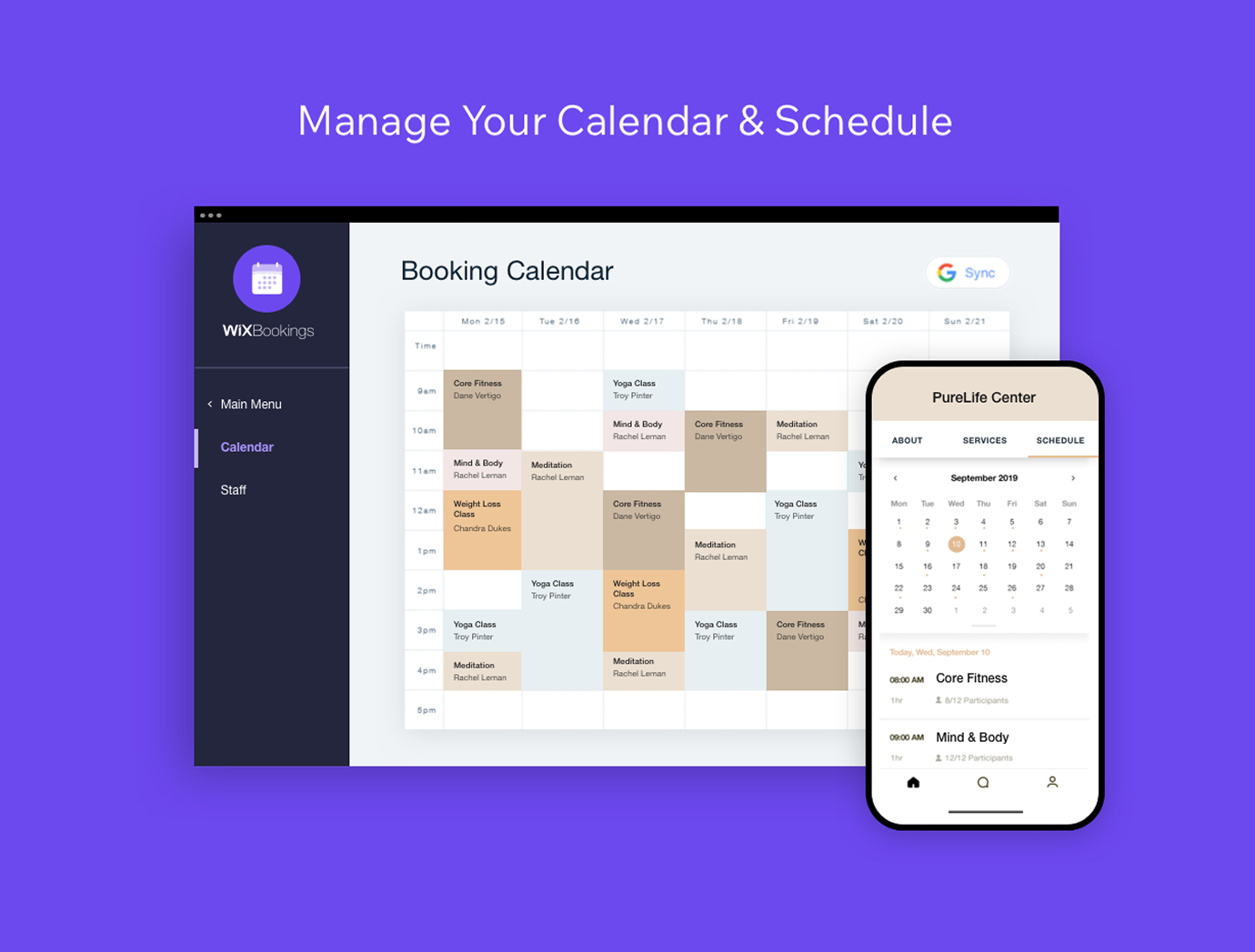
Source: Wix Bookings App
For example, after a balayage appointment, you could say: "To keep your color looking fresh, I'd recommend seeing you again in eight weeks. Would you want to book that now?" After a facial, you might say: "Your skin will benefit from another treatment in about six weeks. How about we find a time that works before you leave."
Presenting rebooking as professional advice helps clients stay on track with their beauty goals while creating a more predictable appointment schedule for your salon.
Many clients appreciate the reminder, and your appointment calendar stays fuller as a result.
3. Launch a Loyalty Or Membership Program
Loyalty and membership programs encourage repeat business while creating recurring revenue.
Offer benefits such as exclusive discounts, complimentary treatments, early access to promotions, or monthly beauty memberships. For example, members could receive one facial per month, 10% off retail products, priority booking, or a complimentary birthday treatment.
The goal is to build long-term relationships, not simply offer discounts.
4. Use Salon Revenue Growth Tools
The right technology can help you improve efficiency, strengthen client relationships, and increase salon revenue.
Booking software reduces missed appointments, CRM systems help personalize the client experience, and email marketing tools keep your salon top of mind between visits. Analytics platforms can also help you identify your best-selling services, most profitable products, and busiest booking periods.
For example, if your booking software shows that scalp treatments are frequently added to hair appointments, consider promoting them more actively or turning them into a dedicated service package.
Move Your Salon Upmarket
You don't have to compete on price. Moving upmarket means offering premium services, a sharper menu, and positioning that draws clients who happily pay for expertise. These three strategies work together to raise both what you charge and who you attract.
1. Introduce Premium Services
Premium services allow you to charge higher prices while attracting clients who value expertise, personalization, and results.
Look for treatments that complement your existing services, such as advanced facials, scalp therapies, anti-aging treatments, or luxury hair rituals. These services don't need to replace your current offerings. They simply give clients the option to upgrade their experience.
Before adding a new treatment, make sure there's demand in your local market and that your team has the training to deliver consistent results.
2. Expand Your Service Menu
Expanding your service menu is another way to grow your business, especially if you're already serving a loyal client base.
Start with services that naturally fit your business. A hair salon could introduce brow shaping or scalp treatments, while an esthetician might add chemical peels or LED therapy. Adding complementary services encourages clients to book more during a single visit instead of visiting multiple businesses.
Focus on quality over quantity. A carefully selected menu is often more profitable than offering every treatment available.
3. Attract Higher-Value Clients
Not every client contributes equally to your business. Attracting higher-value clients can have a bigger impact than simply increasing appointment numbers.
For example, a salon specializing in blonde transformations or anti-aging skincare will naturally attract a different audience than a salon promoting affordable express treatments. Clear positioning makes it easier to attract clients who value your expertise and are willing to invest in it.
Strong positioning also helps your salon stand out in a competitive market, making it easier to grow salon revenue without competing on price alone.
Market Your Salon and Reach New Clients

Sometimes growth does mean new faces. These strategies widen your reach without a big ad budget, by using social media, local partnerships, and gift cards to bring first-time clients through the door and fill quieter periods.
1. Use Social Media to Drive Bookings
Social media is one of the most effective marketing tools for attracting new clients and encouraging bookings.
Go beyond polished before-and-after photos by sharing consultations, treatment steps, product recommendations, and the expertise behind every service. This type of content builds trust and helps attract new customers.
For example, a short video explaining how to care for balayage at home or why a specific facial is recommended for dehydrated skin can educate followers while showcasing your expertise. Content that answers common client questions is often more valuable than promotional posts.
If you sell beauty products, social media can also encourage purchases between visits. Our skincare marketing and hair salon marketing guides share practical ideas for promoting beauty products and building a stronger online presence.
2. Partner With Other Local Businesses
Partnering with local businesses can introduce your salon to new audiences without increasing your advertising budget.
Consider collaborating with bridal boutiques, fitness studios, photographers, wellness clinics, makeup artists, or local influencers. Referral partnerships, joint events, and exclusive client offers can help both businesses grow while creating additional value for customers.
For example, a bridal boutique could recommend your salon to brides preparing for their wedding, while you recommend the boutique to clients shopping for a dress. These partnerships create value for both businesses and their customers.
The best partnerships benefit everyone involved. Including your clients.
3. Offer Gift Cards and Seasonal Promotions
Gift cards generate revenue before the appointment even takes place and often introduce new clients to your salon.
Seasonal promotions around holidays, Mother's Day, Valentine's Day, or wedding season can also encourage bookings and retail sales. Focus on creating value through limited-time bundles, complimentary upgrades, or exclusive gift sets instead of relying on large discounts.
This approach protects your profit margins while making your promotions feel more special.
How Private Label Products Can Increase Salon Revenue
A salon visit is only one part of the client journey. What happens between appointments matters just as much.
Private label products let clients continue their skincare or haircare routine at home using products created exclusively for your salon. That strengthens your brand while creating an additional source of revenue.
The best part? Launching your own product line is easier than many salon owners think.
With a private label supplier, you customize professionally developed skincare and haircare products with your own branding, without formulating anything from scratch.
With Selfnamed, the formulas are already developed and stability-tested. You add your logo and colors in our free Design Studio, then order what you need. There are no minimum orders, so you can start with a single bottle to test a product committing.
Here's how using a private label supplier like Selfnamed helps.


Create an Additional Revenue Stream
Service revenue depends on your team's time and availability. Retail products, on the other hand, can generate income every day.
Whether clients purchase products after a treatment or reorder them later, you're creating revenue beyond the salon chair. With Selfnamed's no-minimum model, you can even dropship products one by one as clients buy them, so you're not tying up cash in stock you have to store.
Connect your online store to Shopify, Squarespace, Wix, or WooCommerce and orders sync automatically. We pick, pack, and ship under your brand name.
This is especially valuable for a small beauty salon or salon suite looking to increase revenue without hiring more staff or extending opening hours.
Strengthen Customer Loyalty
When clients use your branded skincare or haircare at home, they continue interacting with your salon long after their appointment.
This keeps your business top of mind and encourages repeat visits. Because the products carry your salon's branding and can't be bought anywhere else, clients come back to you to restock, not a drugstore shelf. They become familiar with your recommendations and are more likely to return for both services and retail purchases.
Extend the Salon Experience Beyond Appointments
A salon visit shouldn't end when the client walks out the door.
Recommend products that support the treatments clients have received and explain why they're important. After a chemical peel, recommend a gentle cleanser, hydrating serum, and SPF to support recovery at home. Following a keratin treatment, suggest a sulfate-free shampoo to help maintain the results for longer.
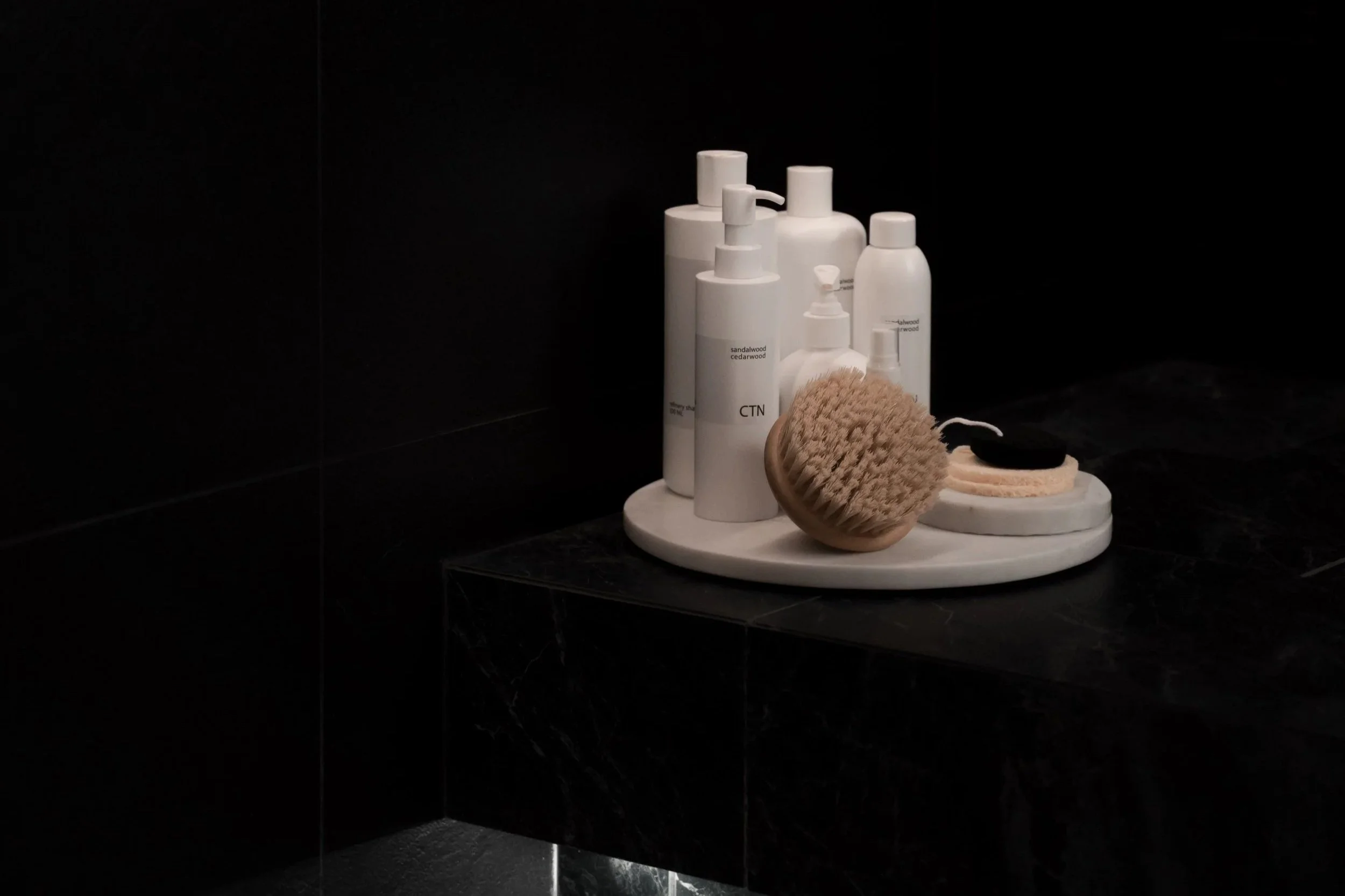
Selfnamed's catalog spans 200+ products across face care and hair care, so you can match a homecare product to almost any treatment on your menu.
The formulas track current demand too, from skin-barrier ingredients to trending actives, so your shelf stays relevant. These recommendations help clients maintain their results while reinforcing the value of your professional expertise.
Build a Stronger Beauty Brand
Your brand is more than your logo or salon interior. It's every interaction clients have with your business.
Offering your own product line helps create a consistent brand experience across both services and retail. Put your salon branding on every product, and rely on Selfnamed for organic certified European formulas, so your line stands for clean, high-quality beauty.
Over time, your salon becomes known not only for treatments but also for products clients can't buy elsewhere. If you're ready to explore this opportunity, this guide to private label products for salons explains how to launch your own branded skincare or haircare line with professionally developed formulations.
Conclusion
Increasing salon revenue rarely comes down to one big change. It's usually the result of many small improvements that work together over time.
Better pricing, stronger client retention, thoughtful retail recommendations, premium services, and private label products all contribute to a healthier, more profitable business. Together, they create a salon that's less dependent on appointment volume alone.
You don't have to implement every strategy at once. Start with one or two changes that will have the biggest impact on your business. Small improvements made consistently often deliver the strongest long-term results.
Frequently Asked Questions
-
You can increase salon revenue by improving client retention, increasing average spend, introducing premium services, selling products, encouraging rebookings, and adding recurring revenue streams such as memberships or private label products.
-
A small beauty salon can increase revenue by focusing on existing clients instead of relying solely on new ones. Upselling complementary services, selling retail products, launching loyalty programs, and encouraging repeat bookings are all effective ways to grow without significantly increasing operating costs.
-
There isn't a single answer because a salon's revenue depends on factors such as location, services, pricing, team size, and client demand. Instead of comparing your salon with industry averages, focus on improving your own revenue model, profitability, and customer retention year after year.
-
The best way to increase retail sales is by recommending products that support the treatments clients have received. Personalized recommendations, product bundles, and educating clients about homecare routines make retail sales feel helpful rather than promotional.
-
Yes. Private label products create an additional revenue stream while strengthening your salon's brand and increasing customer loyalty. Because clients can continue purchasing products between appointments, private label skincare and haircare can support long-term business growth.
Must read