Skincare Content Ideas for Instagram & TikTok That Build Trust and Sales in 2026
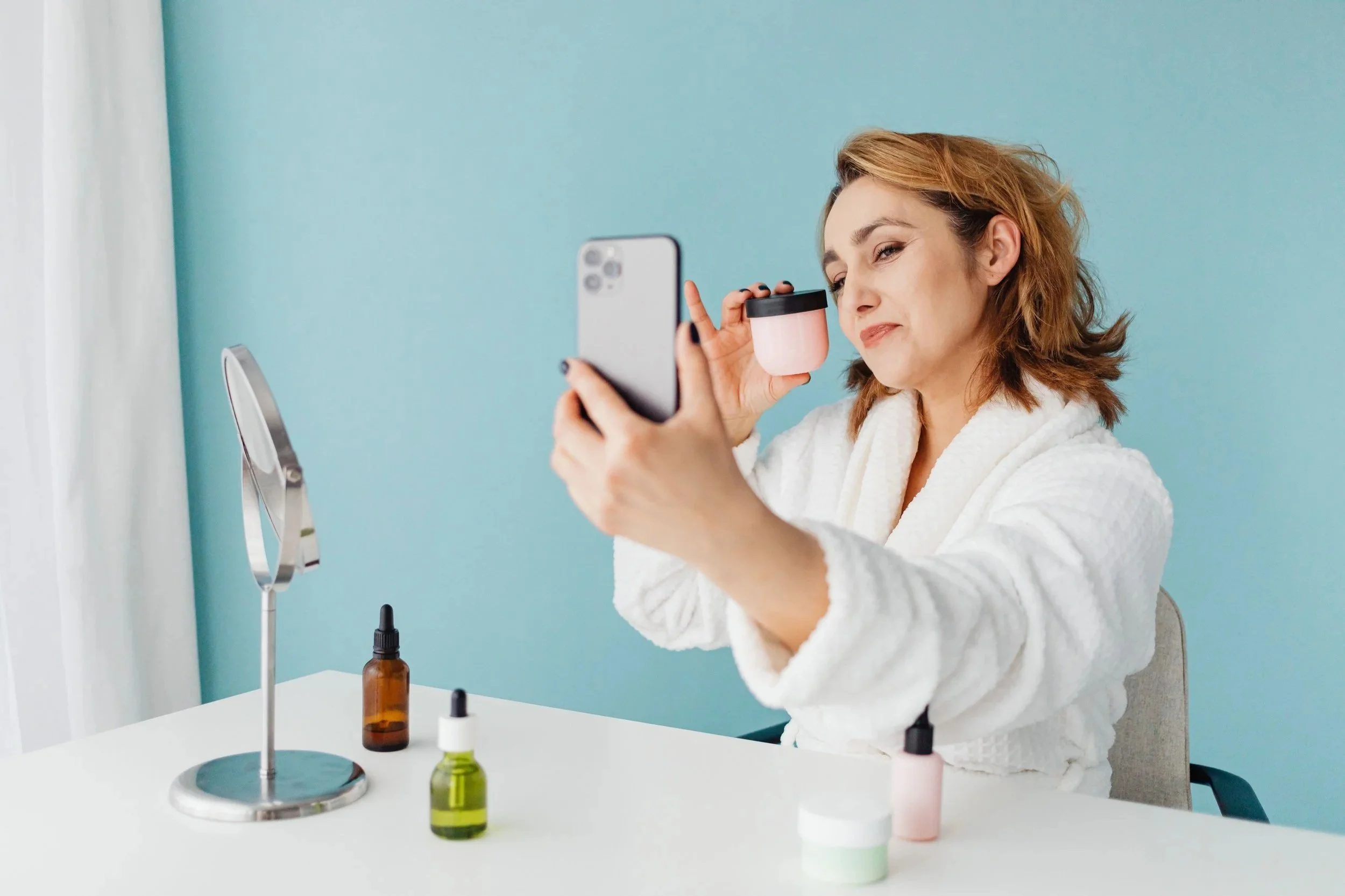
Table of Contents
Scroll through Instagram or TikTok for a few minutes and you'll see countless skincare products competing for attention. Every brand in the beauty industry promises glowing skin, stronger skin barriers, or must-have ingredients inspired by the latest trends. It's becoming more and more difficult to know what to trust.
Skincare is rarely an impulse purchase. Customers are more diligent at comparing ingredients, researching routines, reading reviews, and looking for brands that educate rather than simply sell. That’s why the most successful beauty brands use social media to build trust first and foremost, promoting products second.
In this guide, we’ll share practical skincare content ideas for Instagram and TikTok. We’ll break down which content types work best on each platform, and how to create multiple pieces of marketing content that build engagement, credibility, and long-term growth.
Key Takeaways
The best skincare brands tailor content to each platform instead of posting the same thing everywhere.
One strong content idea can become multiple posts across Instagram and TikTok.
Consistency comes from a repeatable content system, not constant brainstorming.
Authenticity beats perfection across social media and among new beauty customers.
Why Skincare Content Performs Differently on Social Media
People don't usually wake up and decide to buy a cleanser or serum on impulse. That’s why both skincare brands and skincare influencers focus heavily on education and trust-building before promotion. Most skincare purchases involve research, comparison, and reassurance.
That makes social media much more than a promotional channel. For modern beauty brands, beauty content has become essential for building trust and attracting new customers. It's where customers decide whether your brand is credible.
Think about the questions people ask before buying skincare:
Is this suitable for my skin type?
Which ingredient actually solves my problem?
Can I combine this with the products I already use?
Will it fit into my current routine?
Can I trust this brand?
Every one of those questions is an opportunity to create content. Your next high-performing post is probably hiding in your customer inbox.

The brands that grow consistently on social media aren’t the ones with the biggest advertising budgets, but those that become trusted sources of information. A 30-second reel explaining the difference between dehydrated and dry skin often outperforms a polished product shot. Just because it solves a real problem.
This is especially true in the beauty business, where trust and education matter more than traditional ad spend.
Promotional content still has a place. Including product launches, testimonials, and offers. But timing matters. Educational content builds credibility first, making promotional posts feel like helpful recommendations rather than ads.
A useful way to think about your content mix is:
Educational content answers questions.
Community content starts conversations.
Promotional content introduces products naturally.
When those three pillars work together, social media becomes a trust-building ground instead of a sales catalogue.
If you're developing your broader growth strategy alongside your social channels, our skincare marketing guide explores how content fits into the complete customer journey, from discovery to repeat purchases.
25 Skincare Content Ideas for Instagram

Instagram works best when content is designed to be saved, revisited, and shared. The strongest skincare content starts at visual appeal but must communicate genuine usefulness.
On Instagram, educational content should come first, with promotional content supporting it later. Think less "Buy this serum" and more "Here's why your skin is behaving like this."
Below you’ll find a structured set of skincare content ideas for Instagram. They’re designed to educate audiences and support the best skincare routine content over time.
Use Reels to Teach and Simplify
Reels are your discovery engine, but only if they solve something quickly. Every reel should start with a problem, not a product.
Three signs your skin barrier is damaged
A 30-second morning skincare routine breakdown
One ingredient explained in simple terms (e.g., niacinamide or ceramides)
“Why your skincare routine isn’t working” diagnosis
How to layer skincare products in the correct order
One common skincare myth explained (per reel)
Before vs after switching to a simpler routine (focus on education, not transformation)
Each of these works because it gives viewers something actionable in under a minute.
Turn Carousels Into Save-Worthy Skincare Guides
Carousel posts are where you earn long-term engagement. People save them because they feel like mini reference guides. If reels earn attention, carousels earn saves.
Beginner skincare routine breakdown
Winter skincare routine checklist
Dry vs dehydrated skin explained
Acne-safe ingredient guide
Ingredients you should never mix together
Step-by-step skincare routine flowchart
“What your skin concern actually means” (acne, sensitivity, dullness)
Ingredient spotlight (what it does, who it’s for, how to use it)
These are strong Instagram carousel post ideas for skincare brands because they stay relevant long after posting.
While carousels are built for long-term value and saves, stories serve a different role. They create daily interaction and keep your brand top of mind.
Use Stories to Build Daily Connection
Stories are mostly about relationship building. Not every story needs to sell. Sometimes it just needs to remind people you're there.
Poll: “What’s your biggest skin concern right now?”
Q&A box: “Ask us anything about skincare”
Ingredient quiz (true or false format)
Behind-the-scenes product development clips
Customer routine resharing (user generated content-style)
These small interactions quietly strengthen trust over time.
Beyond daily engagement, skincare brands also need a stronger emotional layer. This is where founder-led content becomes important. It builds identity and not just visibility.
Founder-Led Content That Builds Brand Identity
People love to buy the story behind your products.
Why the brand was created
A day in the life of the founder
Product formulation journey (what took time and why)
Packaging and design decisions explained
Lessons learned from customer feedback
This is where indie brands have a real advantage over larger competitors. For example, Alix Earle does it right with her brand Reale Actives. Everybody knows her. And she uses it to spread the word about her brand in a genuine way.
30 TikTok Skincare Content Ideas

TikTok behaves very differently from Instagram. Users aren’t looking for polished content. They want to discover something quickly. The faster you get to the point, the longer they'll stay.
That’s why the best TikTok skincare content ideas focus on hooks, speed, and relatability. Below are TikTok skincare content ideas grouped by format so you can build a consistent posting system.
Hook-Driven Educational Videos
On TikTok, the first 2 seconds decide everything. Start with a problem, not an introduction.
“Stop scrolling if your skin feels tight after cleansing…”
Three skincare mistakes almost everyone makes
Why your moisturizer isn’t actually working
The most misunderstood skincare ingredient
Before you buy another serum, watch this
Why your skin gets worse before it gets better
Retinol mistake beginners always make
One thing dermatologists wish people understood about skincare
These formats work because they instantly create curiosity.
Simple Ingredient Education
Skincare education performs best when it feels effortless, not technical.
Ceramides explained in 20 seconds
Niacinamide: what it actually does
Vitamin C myths explained
AHA vs BHA difference made simple
What “skin barrier repair” really means
Do you actually need active ingredients?
Each of these builds authority without overwhelming the viewer.
GRWM and Routine-Based Content
Routine videos perform extremely well because they feel personal and realistic.
Morning skincare routine for sensitive skin
Night routine after wearing makeup
Gym-to-home skincare routine
Travel skincare essentials unpacking
ASMR skincare routine (textured sounds, product application, cleansing sequences)
“Skin reset” routine after breakouts
These work especially well when you explain why each step is used.
Behind-The-Scenes and Founder POV
TikTok audiences strongly connect with transparency.
Packing customer orders
Product development process behind a formula
A day in the life of a skincare founder
Testing new skincare formulations
Photoshoot or content creation behind the scenes
These videos build emotional trust more than polished ads ever could.
Reaction, Trends, and Conversation Content
TikTok is a conversation platform – don’t be afraid to use it as one.
Stitching skincare misinformation and correcting it
Reacting to viral skincare routines
“Things I agree/disagree with as a skincare founder”
Breaking down trending skincare advice
POV: “You finally found a routine that works”
These formats feel native to TikTok because they respond to existing content instead of starting from scratch.
What High-Performing Skincare Content Looks Like in Practice
The best skincare content on TikTok feels like real people sharing experiences, answering questions, or reacting in real time.
You can already see this approach in how top-performing creators structure their videos. Fast hooks, simple education, and a strong sense of relatability rather than production-heavy storytelling.
Immediate hooks and simple skincare explanations perform best because they feel natural and useful within seconds.
That’s also shaping how brands build campaigns in 2026. Instead of isolated ads, they now create content ecosystems where education, entertainment, and participation work together.
We break this down further in our analysis of recent beauty marketing campaigns.
Common Skincare Content Mistakes to Avoid
Knowing what to post is only half the challenge. Equally important is recognising the habits that stop good content from performing.
If your engagement has plateaued or your social channels feel repetitive, one of these mistakes could be the reason.
Treating Every Post Like an Advertisement
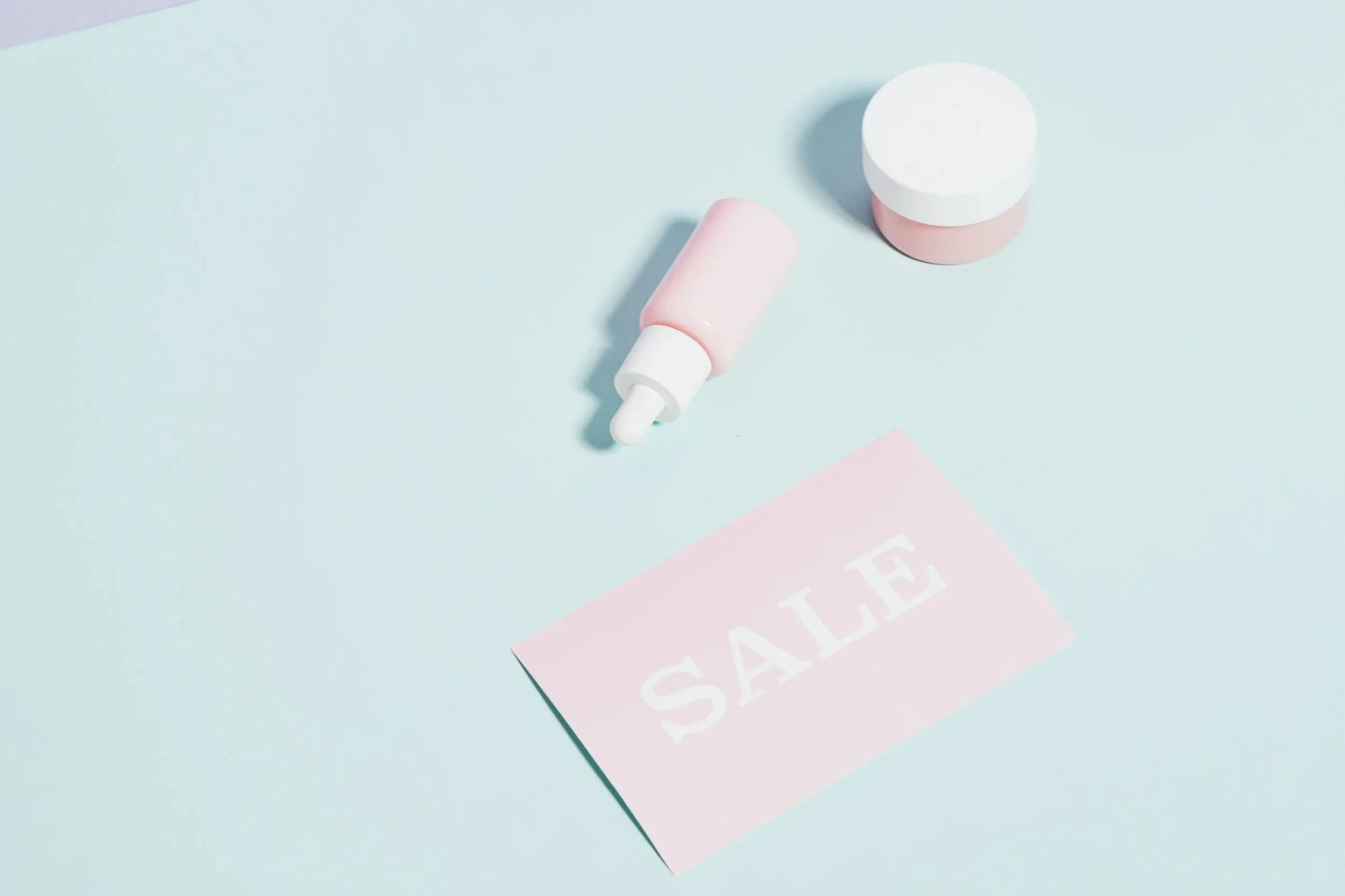
Imagine following a skincare brand that only posts product photos with captions like “Shop now” or “New arrival.” Most people would lose interest quickly. Nobody follows a skincare brand to watch commercials all day.
Social media is where customers research brands before buying, so constant promotion skips the trust-building stage.
A better approach is to balance promotional content with educational and community-focused posts that teach, answer questions, or start conversations before asking for a sale.
Over-Editing Skin
Customers have become much more sceptical of flawless, airbrushed visuals.
Perfect skin, heavy filters, and unrealistic before-and-after photos can actually reduce credibility because they create expectations that don't reflect reality.
Instead, embrace natural lighting, visible skin texture, and authentic demonstrations. Showing real skin doesn't make your brand look less professional. It makes it look more trustworthy.
Ignoring Customer Questions
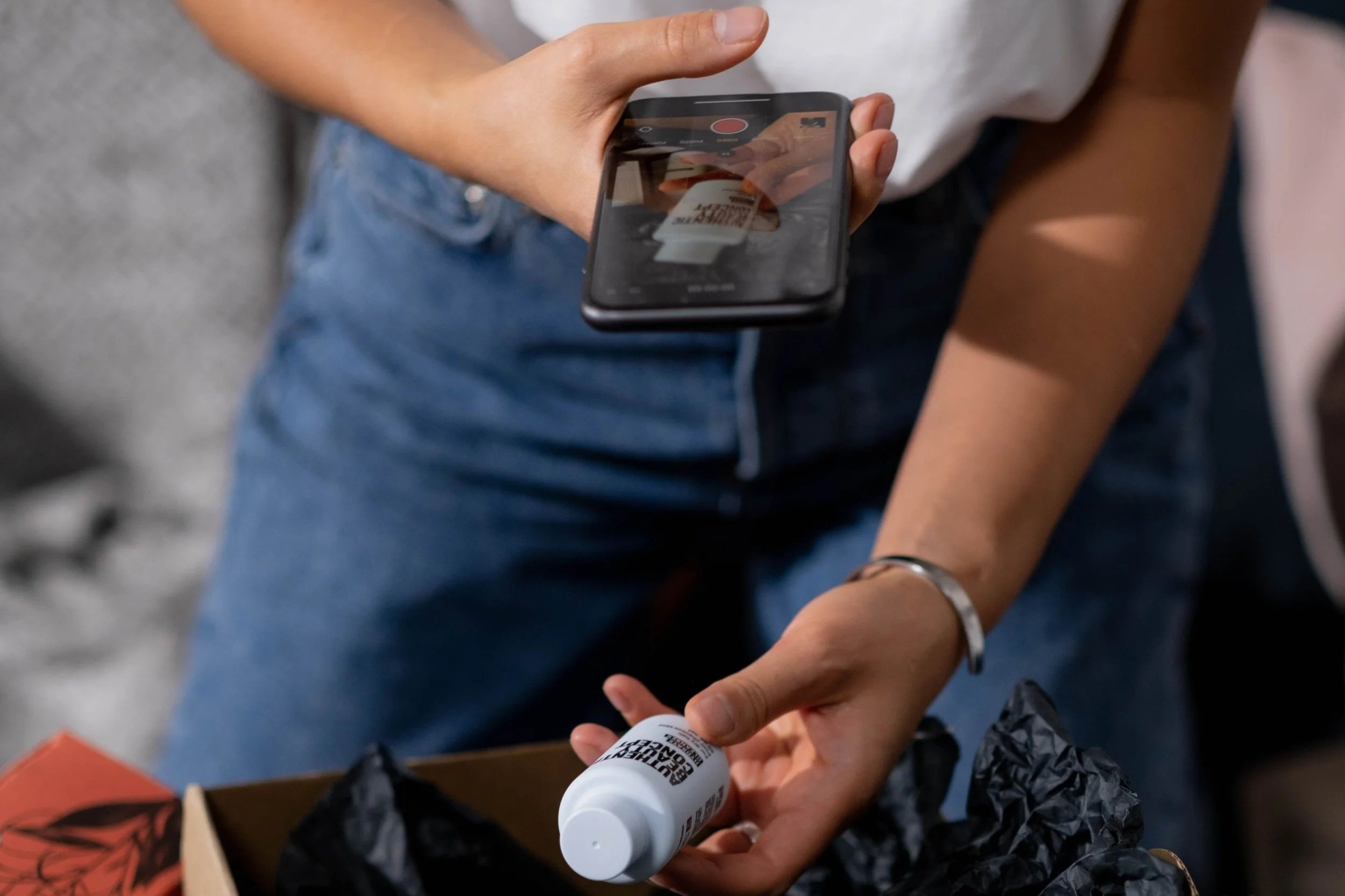
Your comments, DMs, reviews, and customer support inbox are some of the best sources of content ideas for skincare brands.
If multiple customers ask whether a product is suitable for sensitive skin, turn it into content across multiple formats:
Instagram Reel
Carousel
TikTok video
Instagram Story
Blog post
Email newsletter
One question can quickly become multiple pieces of content.
Chasing Every Trend
Trends can increase visibility, but they shouldn't define your strategy.
If a trend doesn't align with your brand voice or educate your audience, it's totally okay to skip it.
A useful guideline is to ask:
"Would this still make sense if the trend disappeared tomorrow?"
If the answer is yes, it's probably worth creating.
Forgetting to Show the Humans Behind the Brand

Customers want to know who they're buying from. If every post features products but never the people behind them, your brand can start to feel impersonal.
Whether it's your founder, formulator, marketing team, or warehouse staff, showing the people behind your brand builds a stronger emotional connection than product photos alone.
How to Build a Monthly Skincare Content Calendar
One of the biggest challenges for social media managers is creating content consistently.
Without a plan, you'll often end up posting another product photo simply because it's quick to create. A content calendar helps you avoid that.
Rather than planning one post at a time, start by choosing a monthly theme that aligns with seasonal concerns, product launches, or customer questions.
For example:
January – Skin barrier repair
March – Spring skincare refresh
June – Sun protection
September – Back-to-school skincare
November – Dry winter skin
Once you've chosen your theme, build your content around a few consistent pillars.
Four Content Pillars Every Skincare Brand Needs
A simple framework looks like this:
| Content Pillar | Goal | Examples |
| Educate | Build trust | Ingredient explainers, routine tips, myth-busting |
| Engage | Start conversations | Polls, quizzes, Q&As, customer questions |
| Inspire | Build emotional connection | Founder stories, behind the scenes, customer journeys |
| Promote | Drive conversions | Product tutorials, launches, reviews, bundles |
Notice that only one pillar is directly promotional? That's intentional.
Educational and community-focused content creates the trust that makes promotional posts much more effective.
A Sample Weekly Content Calendar
Instead of trying to invent seven unrelated posts, build your week around one central topic.
Let's say your theme is skin barrier repair.
| Day | TikTok | |
| Monday | Carousel: 5 signs of a damaged skin barrier | "Stop scrolling if your skin feels tight…" |
| Tuesday | Stories Q&A about sensitive skin | Reply to a customer comment |
| Wednesday | Reel: Simple barrier repair routine | GRWM featuring the routine |
| Thursday | Customer testimonial | Behind-the-scenes product packing |
| Friday | Founder video explaining ingredient choices | POV: Running a skincare brand |
| Weekend | Community poll and routine reminder | Texture and ASMR video |
With this approach, you're not creating twelve completely different ideas. You’re exploring the same topic from different angles.
It's a much more sustainable way to produce skincare social media content ideas without burning out your team.
Repurpose Before You Create Something New
One of the most effective ways to stay consistent is to stop asking, "What should we post next?"
Instead, ask: "How else can we present this idea?"
For example, if you've written a blog about vitamin C, you can turn it into:
an Instagram carousel summarising the key points
a Reel answering the biggest customer question
a TikTok myth-busting video
an Instagram Story quiz
a founder video explaining why you chose that ingredient
an email newsletter linking back to the article
One topic becomes an entire week's worth of content. Don't create more. Create smarter.
As your strategy evolves, it's worth thinking beyond individual posts and considering how social content supports your wider marketing efforts. Selfnamed's articles on marketing to Millennials and Gen Z and baby care marketing examples offer useful inspiration for adapting your messaging to different audiences while maintaining a consistent brand voice.
And if you're preparing to launch your own skincare line, pairing a strong content strategy with high-quality products is just as important. Explore Selfnamed’s product catalog and learn more about private label options to see how you can build a brand that's ready for both social media and ecommerce.


Conclusion
The skincare brands that stand out in 2026 will be the ones creating the most useful content. The goal isn't to post more. It's to post with purpose.
Educational Reels, informative carousels, founder stories, customer conversations, and authentic TikToks all serve the same purpose: helping people make better skincare decisions. The good news is you don’t need to reinvent your strategy every week. One strong idea can be repurposed into an Instagram carousel, Reel, TikTok, Story, email, or blog post. This makes content creation more efficient while keeping your messaging consistent across platforms.
The most effective skincare content focuses on real questions, clear expertise, and the people behind the brand.
Frequently Asked Questions
-
There's no single magic hour, and any article that promises one is guessing. The best time to post is when your audience is actually online, and that's specific to you. Check your Instagram and TikTok analytics for when your followers are most active, then post around those windows and adjust as the data comes in. Consistency matters more than chasing a perfect timestamp.
-
Post as often as you can stay useful, not just visible. A realistic starting point for most skincare brands is three to five times a week on each platform, with TikTok usually rewarding a higher frequency than Instagram. But a steady three posts a week beats seven rushed ones. Build a rhythm your team can actually keep, then increase it once it feels easy.
-
Content pillars are the handful of themes every post ties back to, so you're not reinventing your strategy each week. For skincare, four cover it: Educate (ingredient explainers, routine tips), Engage (polls, Q&As, customer questions), Inspire (founder stories, behind the scenes), and Promote (launches, tutorials, reviews). Notice only one is directly promotional. That's on purpose. The other three build the trust that makes promotion land.
-
Start with one strong topic, then ask how else you can present it instead of what to make next. A single blog on vitamin C becomes an Instagram carousel of the key points, a Reel answering the top customer question, a TikTok myth-buster, a Story quiz, and a founder video on why you chose the ingredient. One idea, a week of content. Don't create more, create smarter.
-
Roughly one part promotion to three parts everything else. Skincare is rarely an impulse buy, so people research and compare before they trust you with their skin. Lead with content that teaches, answers real questions, and shows the people behind the brand. When you've earned that trust, your product posts read like helpful recommendations instead of ads.
Must read