Baby Care Marketing Lessons from Top Brands
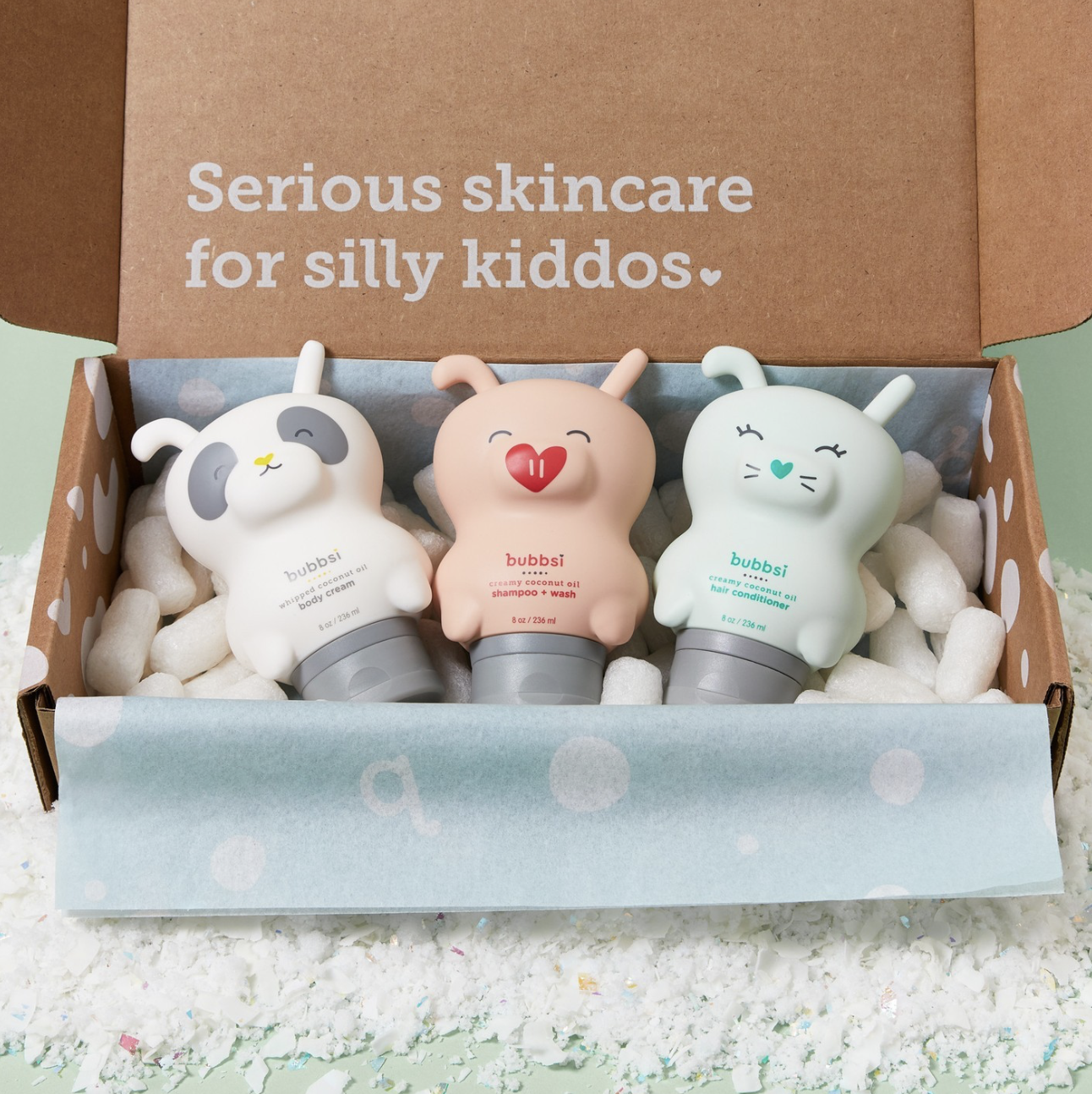
Table of Contents
Baby care marketing isn’t skincare marketing.
In skincare, beautiful packaging and strong positioning creates curiosity. In baby care, curiosity alone is rarely enough. Parents don’t browse. They investigate. They compare ingredients. They look for reassurance long before they consider adding a product to their cart.
That transforms the role marketing plays. It stops being primarily about persuasion and starts becoming a signal of safety, credibility, and emotional understanding. Because when it comes to babies, the emotional bar is higher.
Baby care marketing lives in a space where logic and emotion meet. Parents want products that feel gentle, trustworthy, and thoughtfully made, but they also want to feel understood by the brands they choose. When you manage to communicate both, trust builds naturally.
If you're stepping into this skincare product category, studying real baby care marketing examples can shorten the learning curve significantly. Some campaigns have built remarkable loyalty. Others generated attention but struggled to earn long-term confidence. Together, they reveal what parents respond to, and what they reject.
Let’s take a closer look.
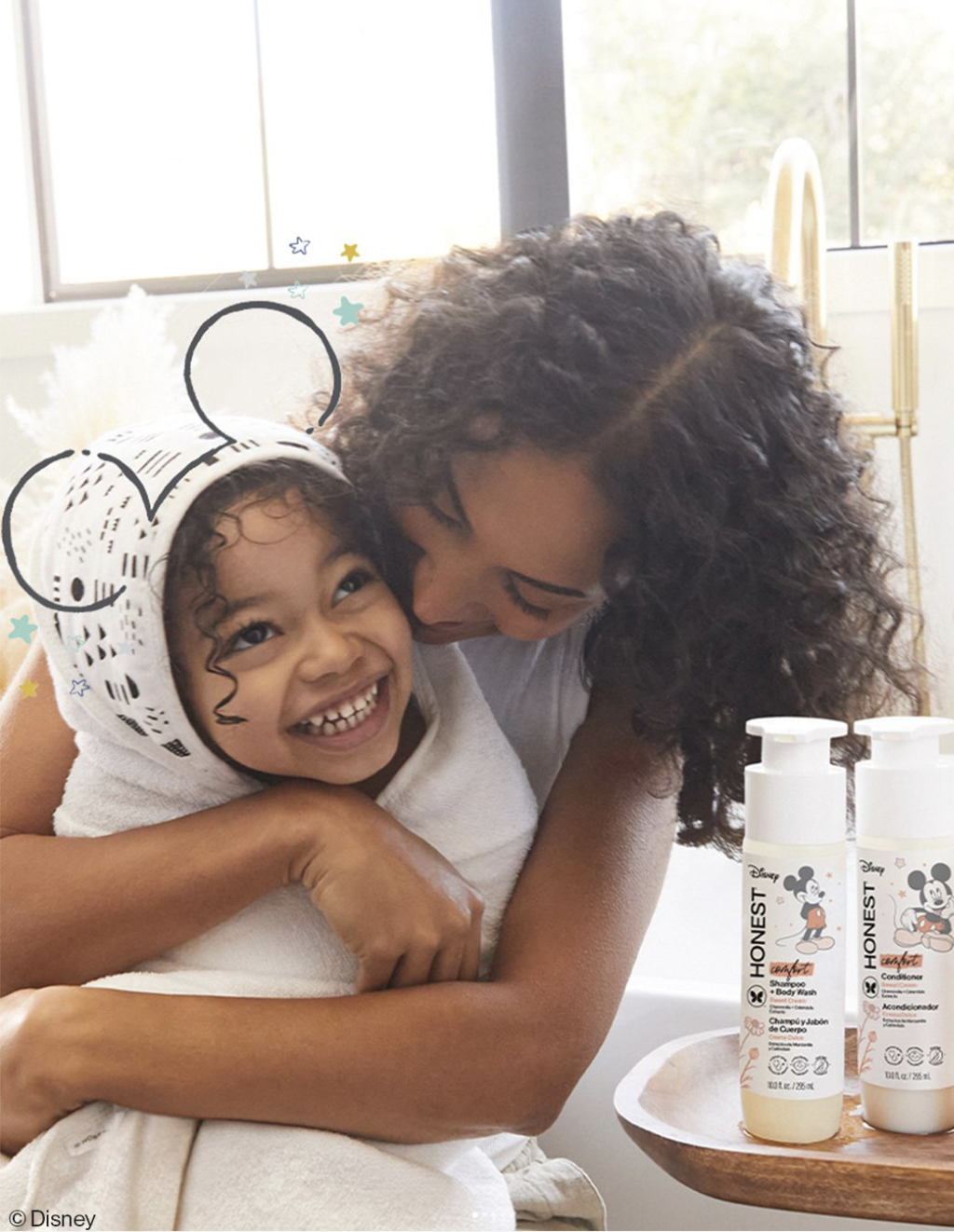
Source: The Honest Company & Shay Mitchell Instagram
What Makes Baby Care Marketing Different?
Marketing baby products asks you to communicate differently. Parents rarely make quick decisions in this category. Instead they slow down, compare options, and look for signals they can trust.
That hesitation is rooted in care. When someone shops for themselves, they might experiment. When they shop for a baby, the stakes feel higher. Research shows that parents actively look for advice, reviews, and reassurance before choosing products for their children.
So what shapes baby skincare marketing most?
Emotional purchasing behavior
Buying for a baby is rarely logical alone. It’s protective, instinctive, and deeply emotional. Brands that acknowledge this tend to feel more trustworthy.
Safety-first messaging
In baby care, safety is simply the starting point. Clear testing standards, transparent labeling, and well-explained ingredients help parents relax into the decision.
Ingredient transparency
Parents actively read labels. They want to know what touches their baby’s skin and why it’s there. Clear ingredient communication signals confidence and often becomes a competitive advantage.
Source: Bubbsi Instagram
Social proof from other parents
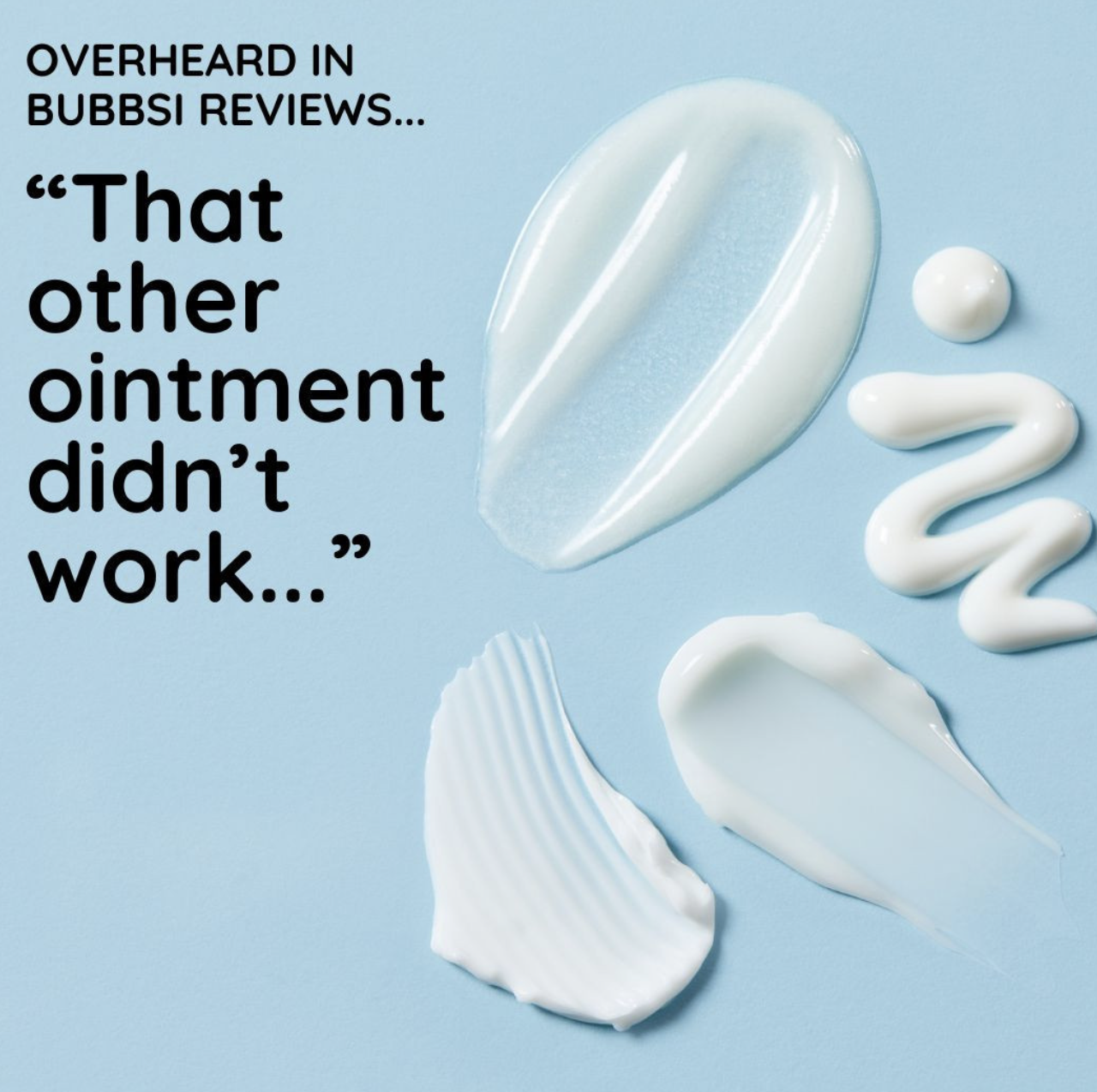
Many parents feel more comfortable choosing baby care products that other parents already use. So hearing what worked for someone else can make the decision feel less overwhelming. Recommendations, casual conversations, parenting communities, online reviews, and social media marketing often become part of that process, simply because they reflect real experiences.
This is especially noticeable in the baby skincare market, where trust matters a great deal. Parents generally prefer products that seem familiar and widely accepted rather than something completely unknown. Companies that understand this tend to focus on earning that trust over time, which often leads to stronger and more lasting customer relationships.
7 Baby Care Marketing Examples To Learn From
Baby care product marketing is one of the hardest categories to get right. You’re not just selling baby products. You’re stepping into someone’s parenting journey. Into late nights. Into first baths. Into moments that feel small but carry enormous weight.
So, in a space shaped by trust, one wrong signal can create hesitation. One right one can build loyalty that lasts for years. Some brands understand this instinctively. Others learn it the hard way.
Here are baby skincare marketing examples you can learn from.
1. Pipette Baby: UGC-Driven Trust
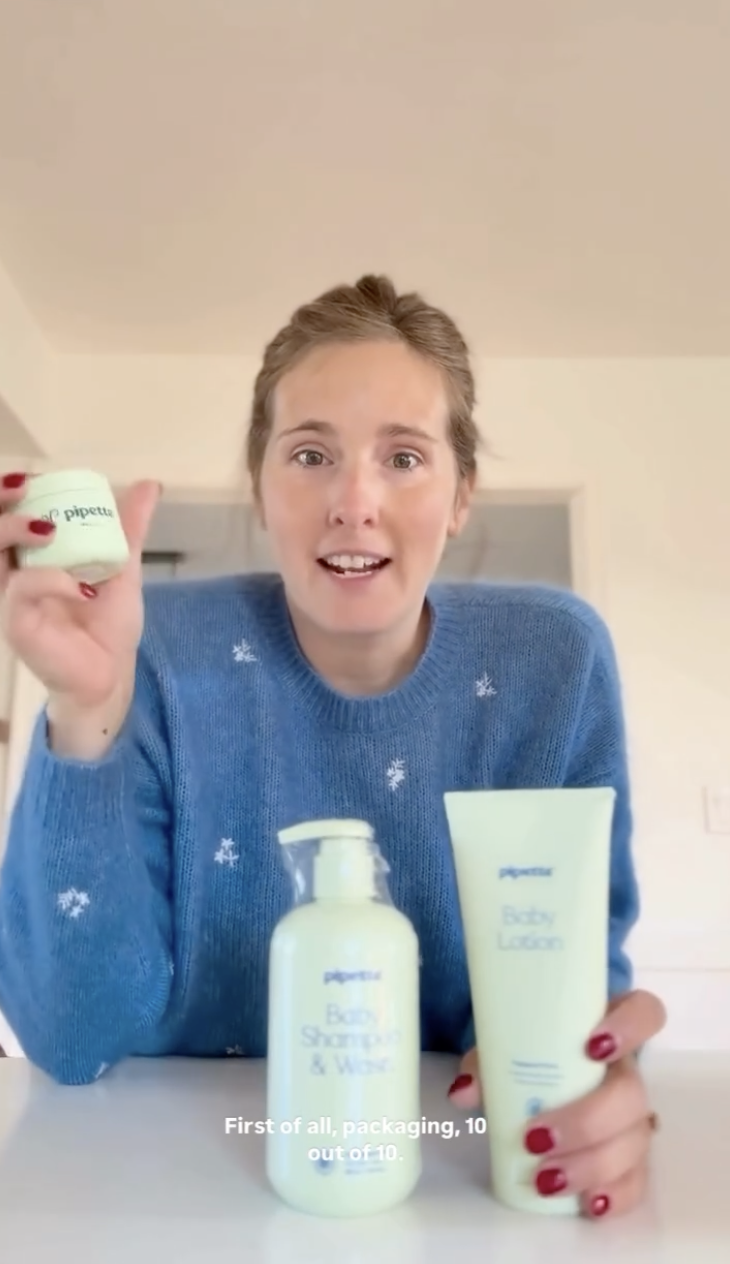
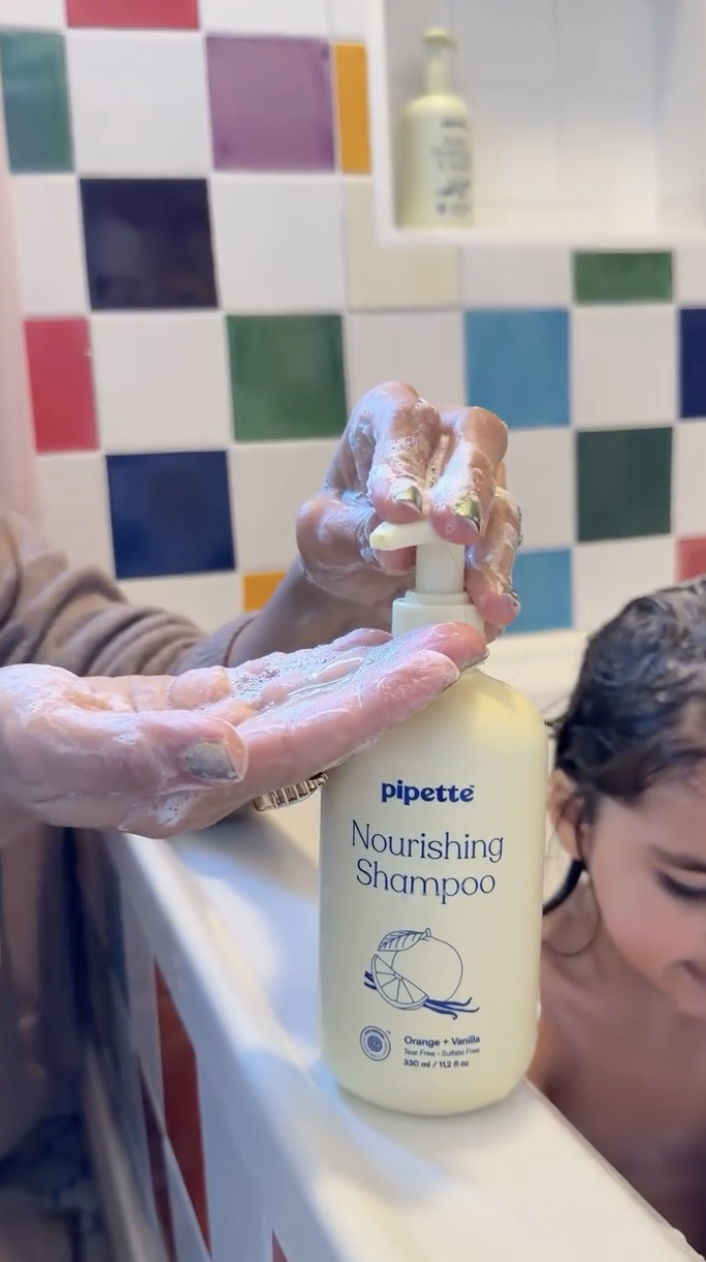
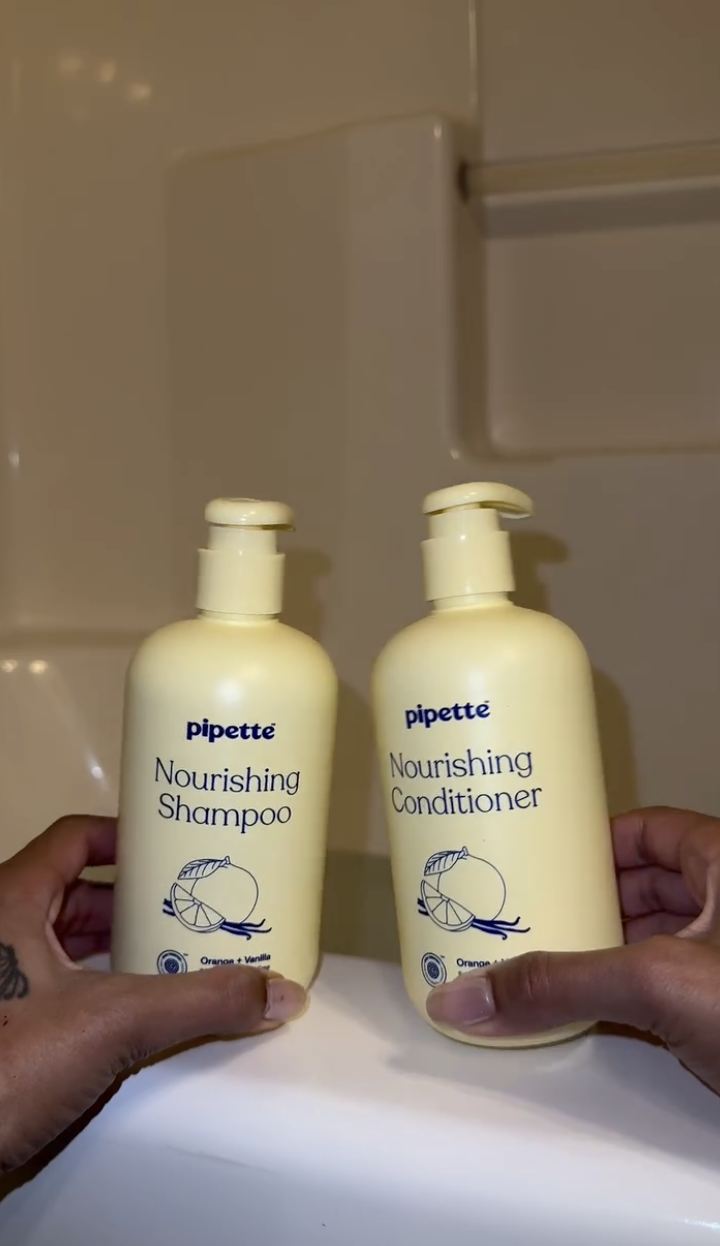
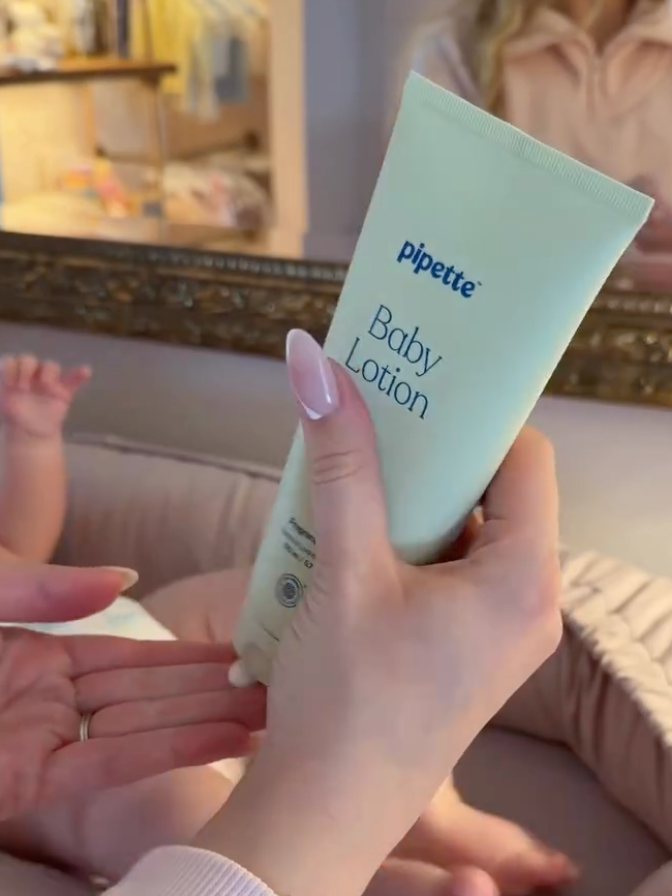
Pipette Baby skincare marketing leans on parent-generated content. For example, real bath time clips, personalized experiences, and everyday routines. Even their clean ingredient positioning feels conversational, not clinical.
Source: Pipette Baby Instagram
It works because it feels peer-recommended. In baby care marketing, user generated content wins. Parents trust other parents. And real-life moments almost always outperform polished ad creatives.
2. Figaro Baby: Performance-Driven Baby Product Marketing
Figaro Baby takes a structured approach to baby product marketing strategy. The brand leans on a full-funnel Amazon strategy – DSP campaigns, Sponsored Ads, and strong retail visibility. Instead of leading with emotion, it builds momentum through data.
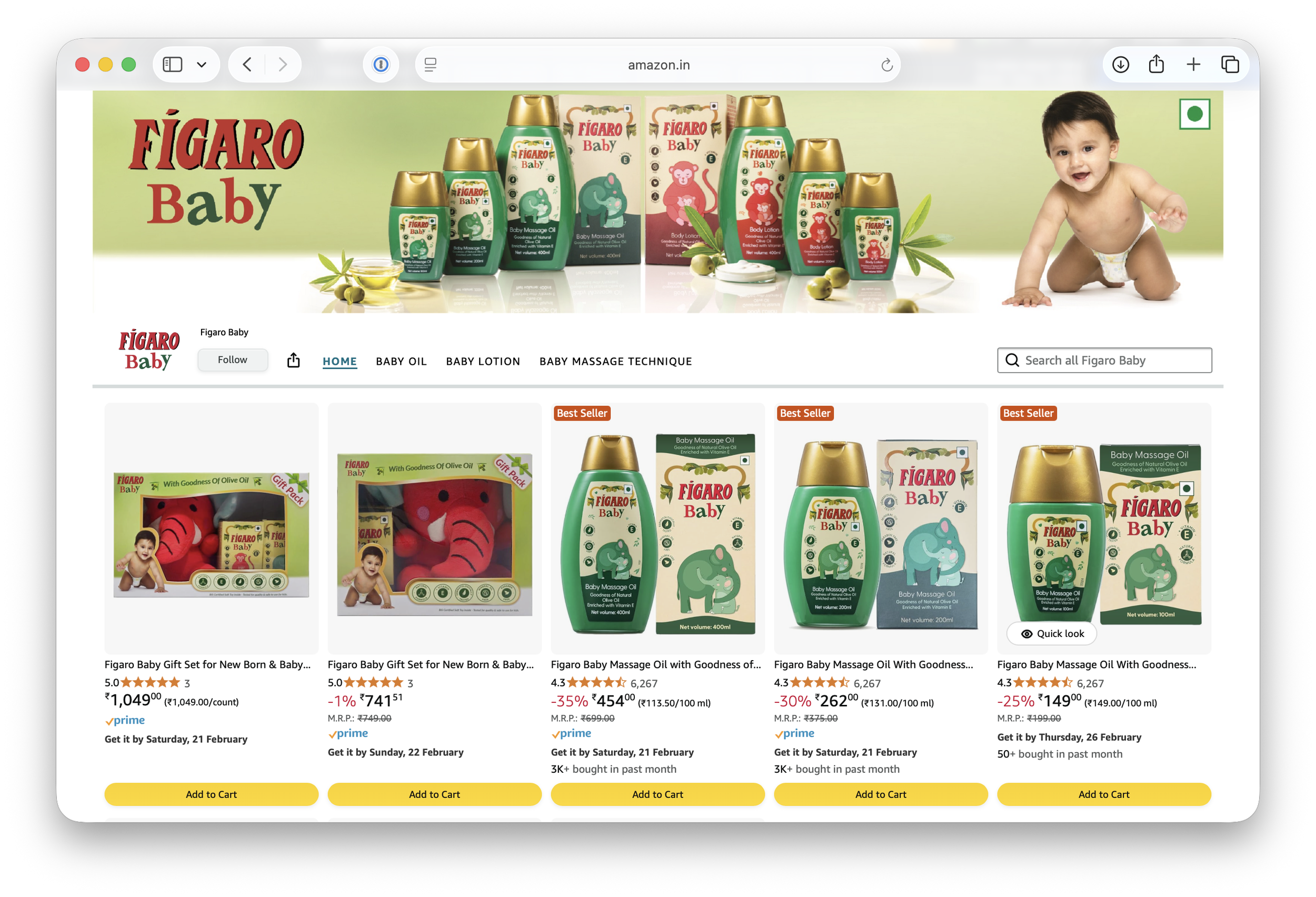
It works because brand awareness connects directly to conversion. Every step is measurable. Every layer supports scale.
The lesson? Baby care product marketing needs structure. Brand story builds loyalty, but retail strategy and scalable digital advertising drive sales.
3. The Honest Company: Emotional Storytelling That Builds Loyalty
The Honest Company builds its baby skincare marketing around real moments. And it starts with parents. In the “Honest Moments” campaign, you see real birth stories, messy hospital rooms, exhausted smiles – the beginning of someone’s parenting journey. This kind of storytelling feels personal.
That’s why it works. The vulnerability feels real. Also, Jessica Alba’s founder presence strengthens the brand’s credibility in a category where safety and transparency shape buying decisions.
The lesson? In baby product marketing, real stories build trust, brand loyalty and meaningful connections.
4. Bubbsi: Founder Story + Ingredient Simplicity
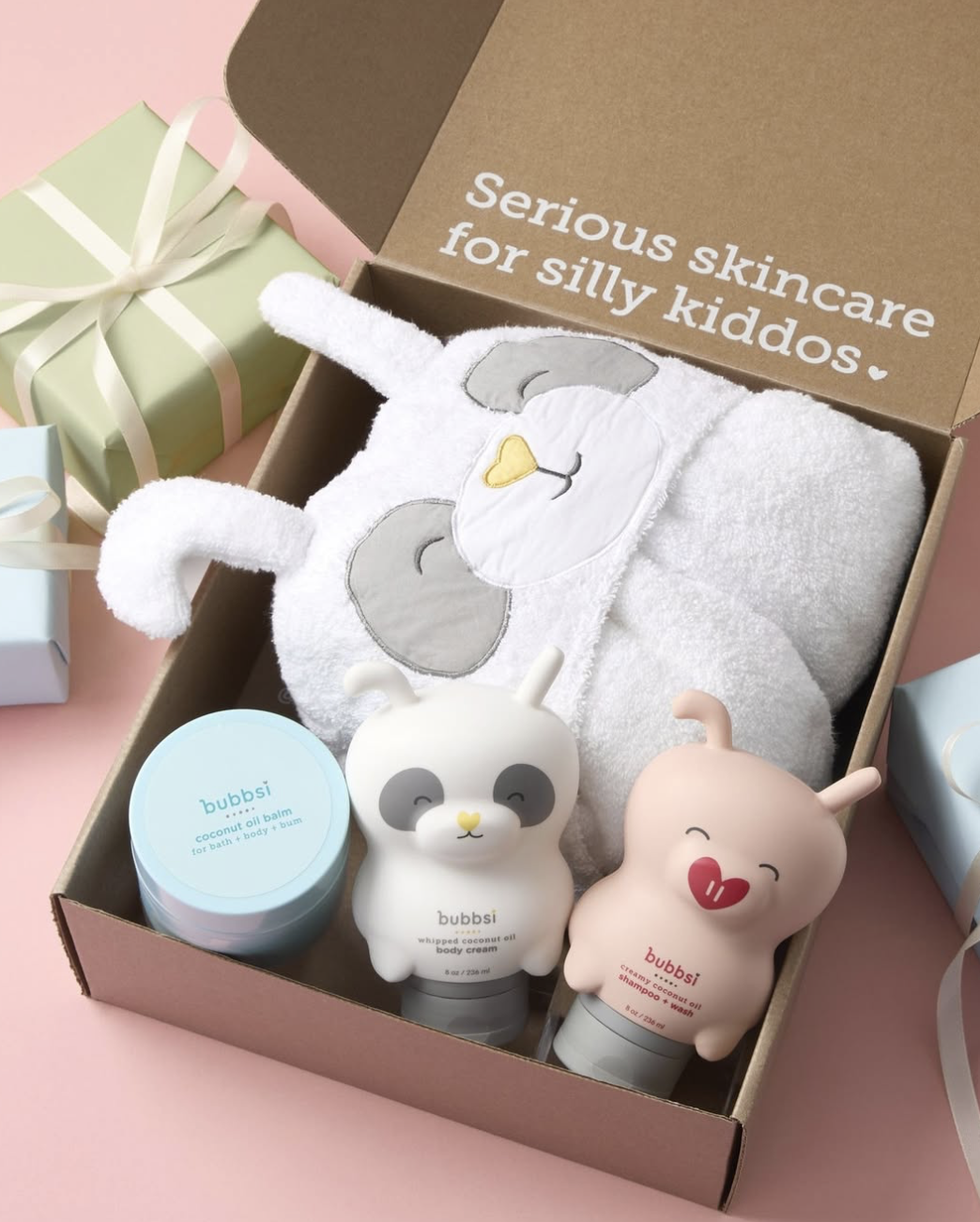
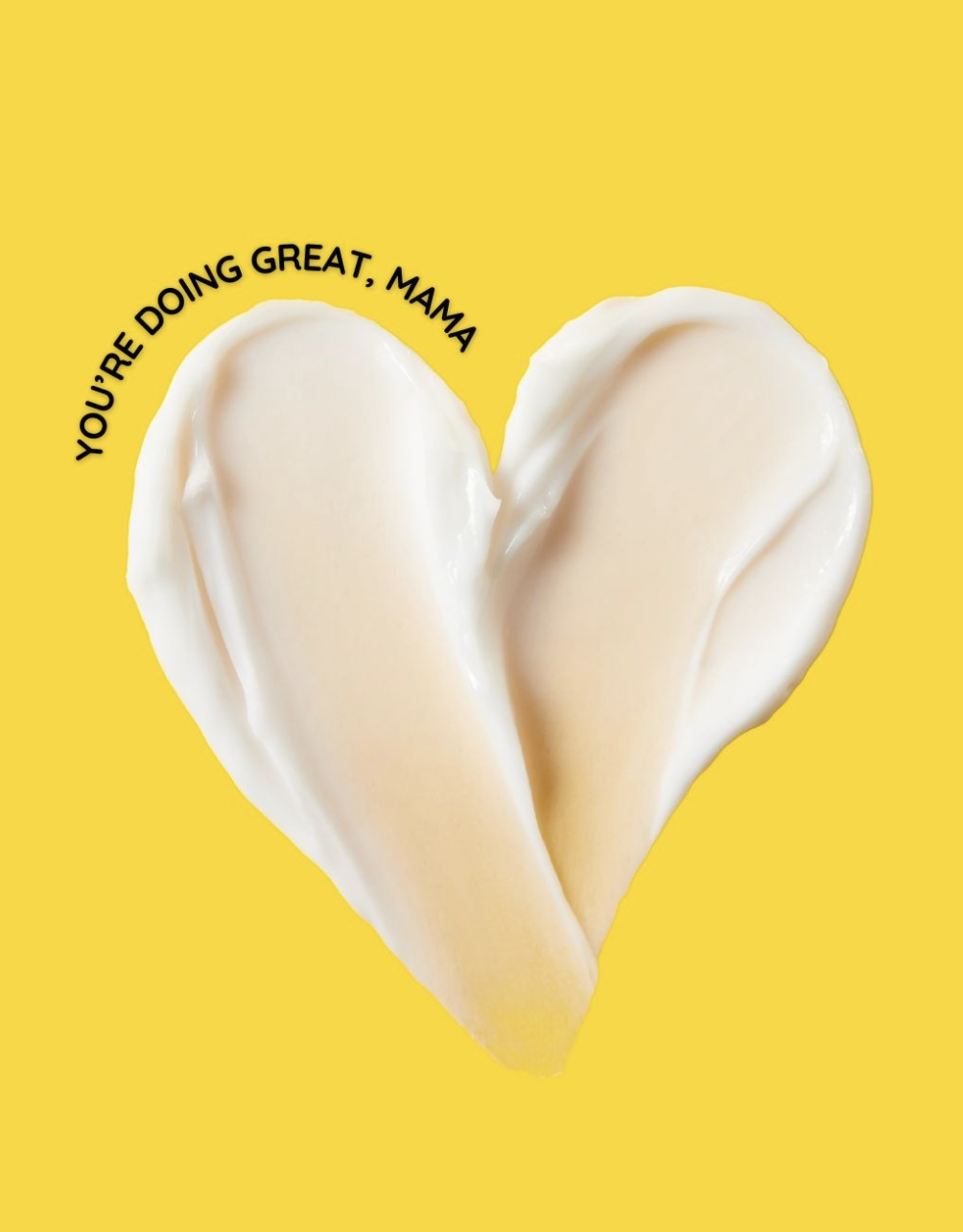
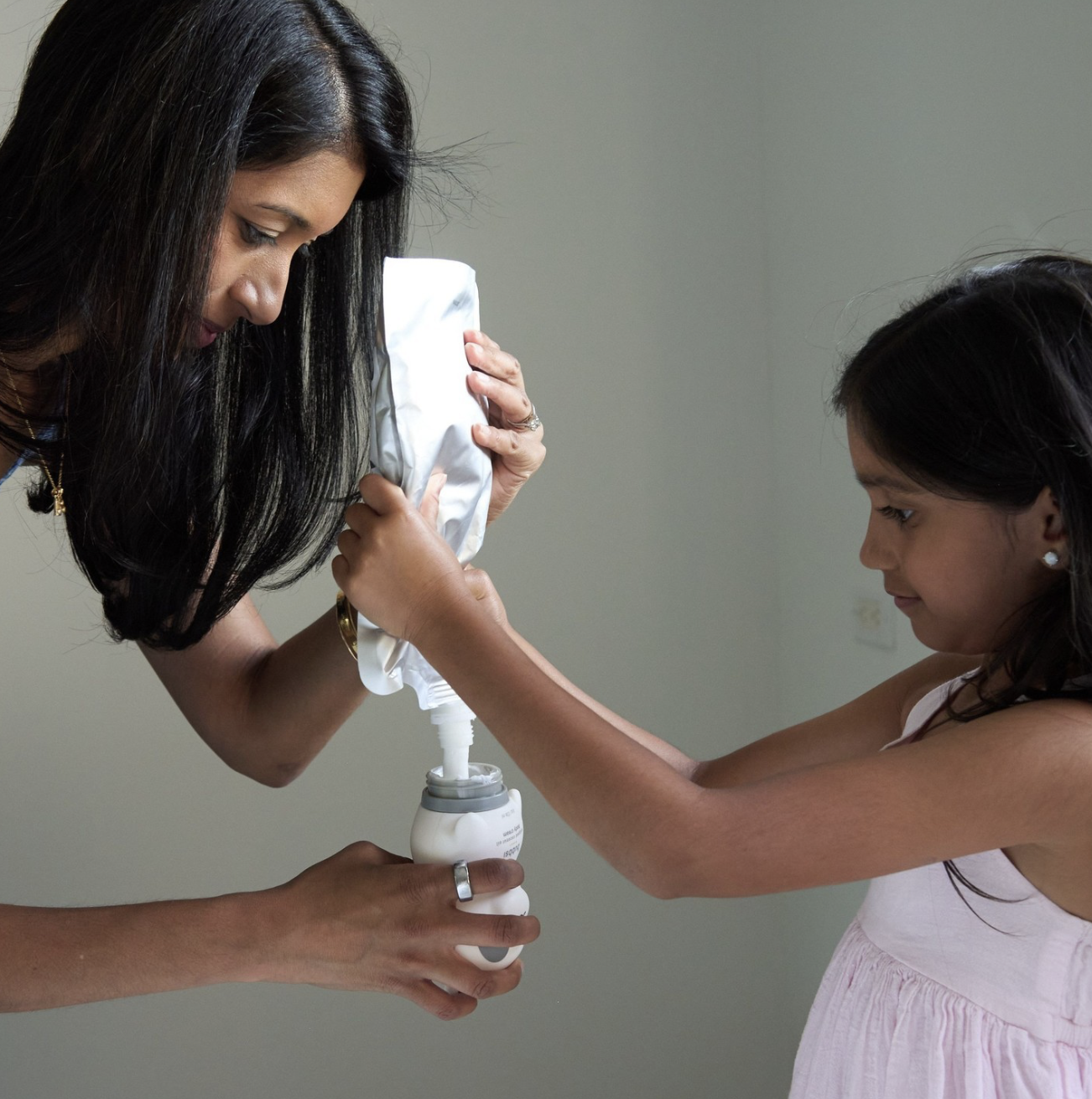
Bubbsi builds its business marketing strategy around something many brands overlook – the founder’s own story. Brand's founder Sweta Doshi speaks openly about her cultural roots and how they shape the brand’s philosophy. The products are positioned simply, with clear, gentle formulas parents can actually understand.

Source: Bubbsi Instagram
It works because nothing feels overcomplicated. The narrative is personal, the ingredients are easy to identify, and the messaging doesn’t try to impress.
So, in baby skincare marketing, clarity converts. Parents choose formulas they can explain and trust easily.
5. Babyganics: “Perfectly Imperfect Parenting”
Instead of polished, picture-perfect parenting, Babyganics leans into real life. They turn things like competitive glove matching, sled-lifting weightclass, mudroom marathons, and precision sunscreening into playful “events” that every parent instantly recognizes. It’s funny because it’s familiar.
The tone feels understanding rather than instructive. Encouraging rather than corrective.
It works because it mirrors what modern parenting actually feels like – messy, exhausting, and occasionally absurd. No judgment. No pressure. Just support.
And this example proves something important – baby product marketing that eases expectations creates far stronger emotional connections than campaigns built on perfection.
6. Rini by Shay Mitchell: Visibility vs. Credibility
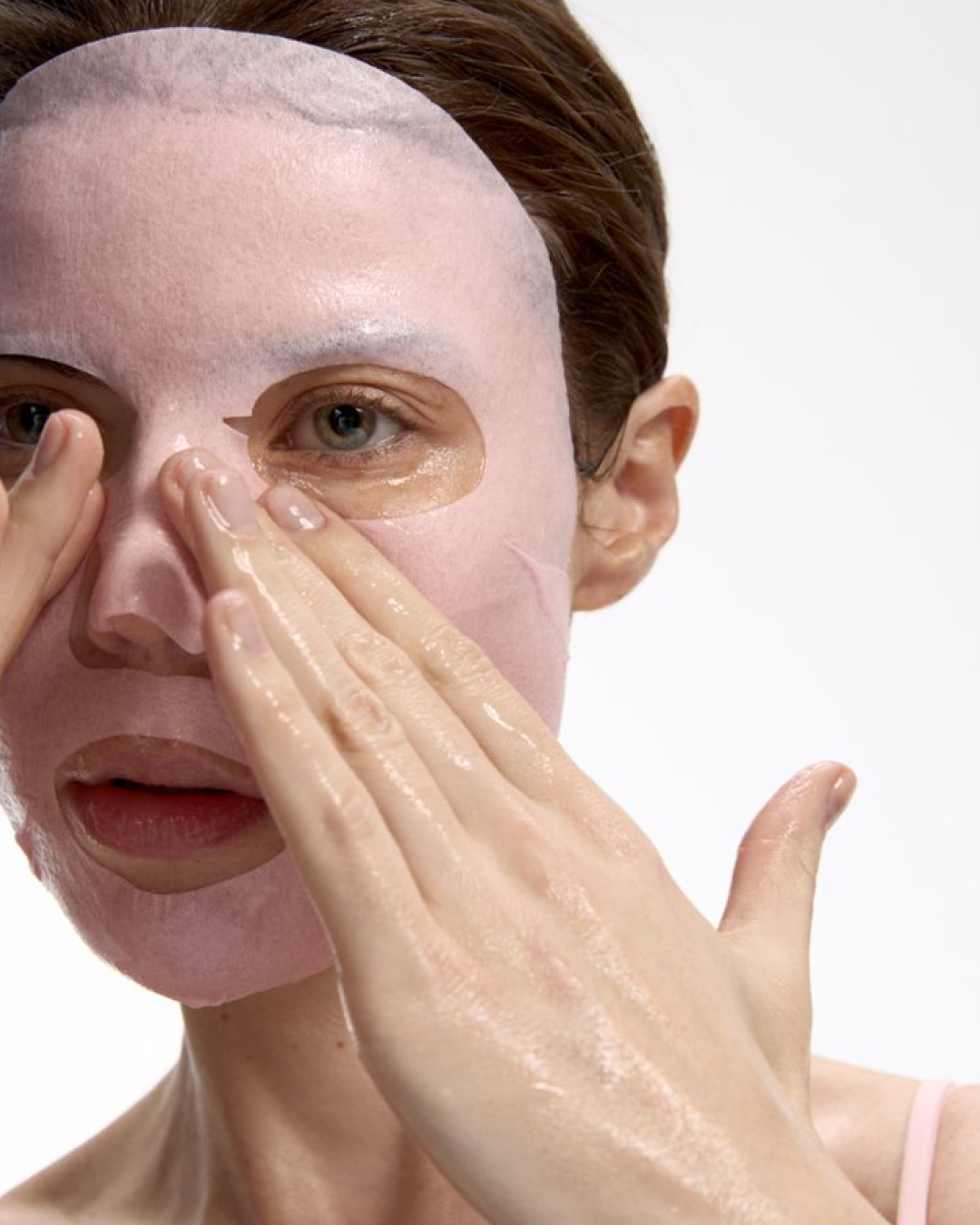
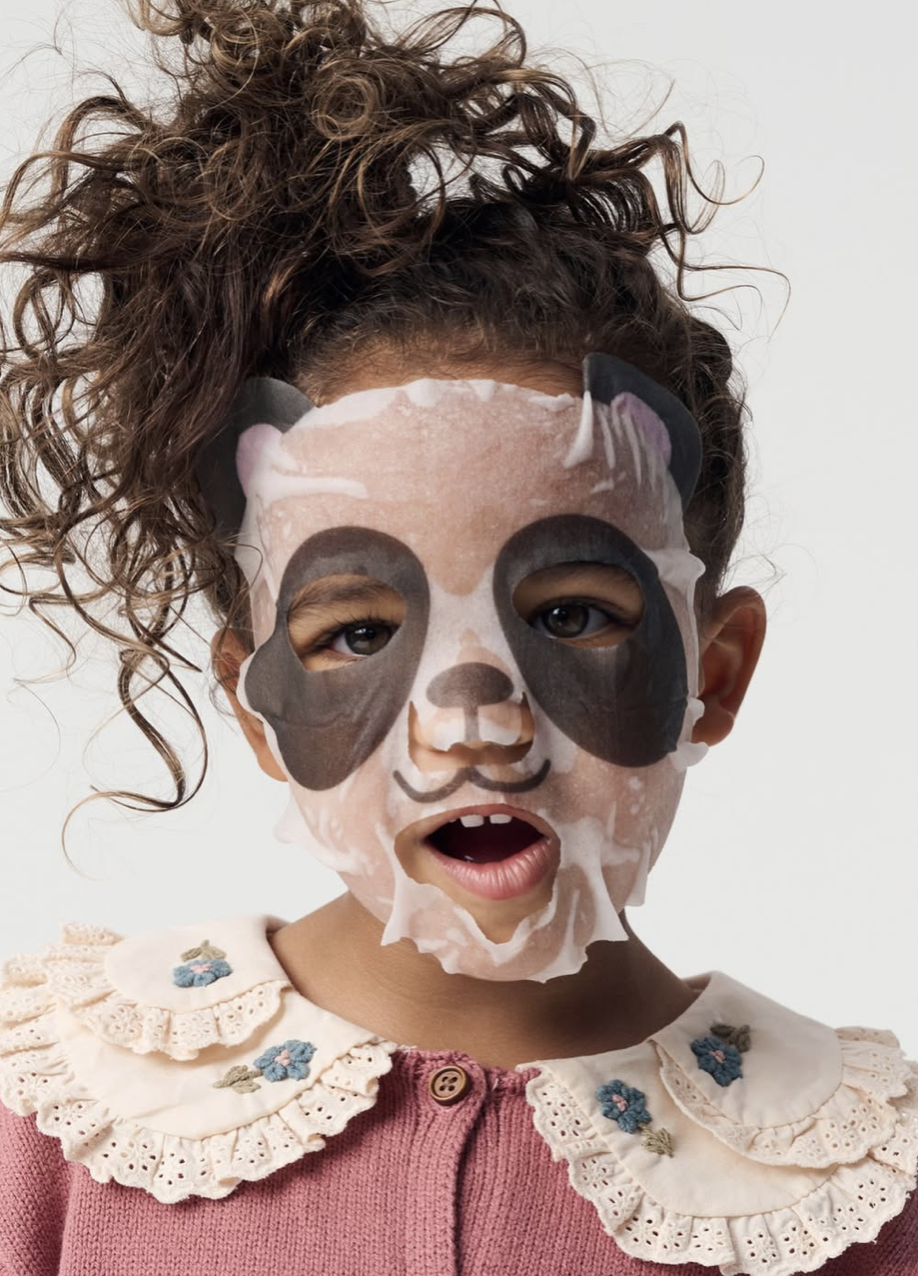
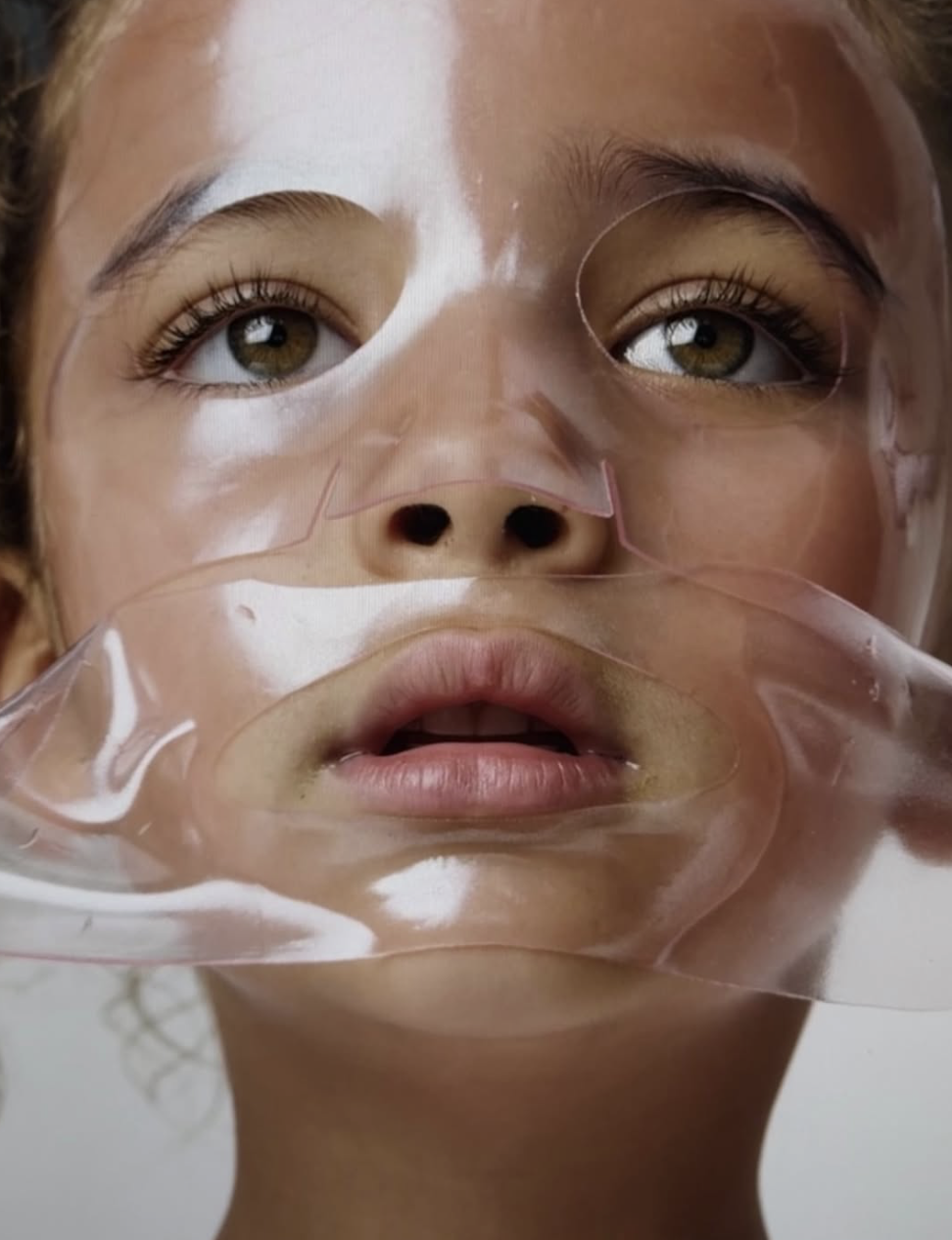
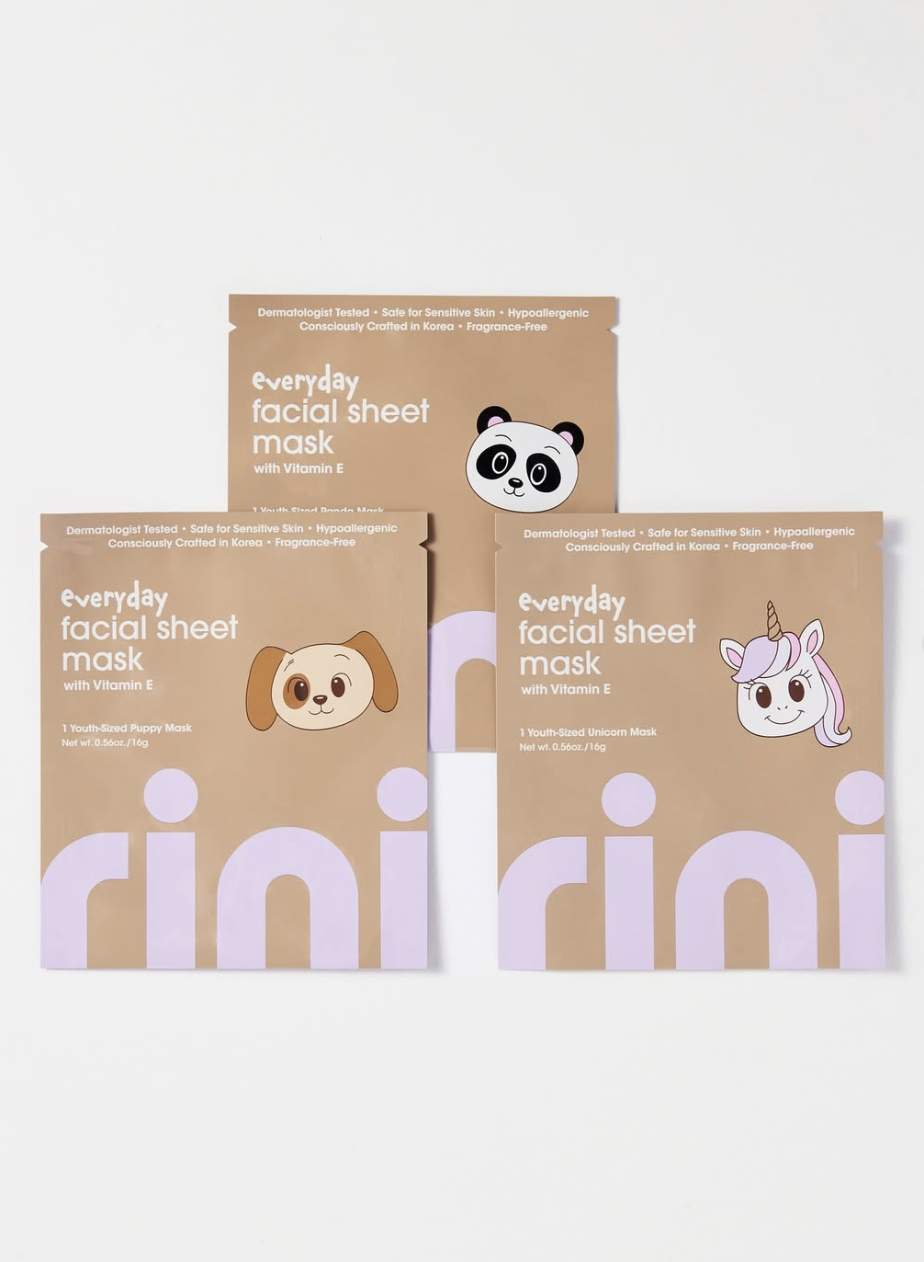
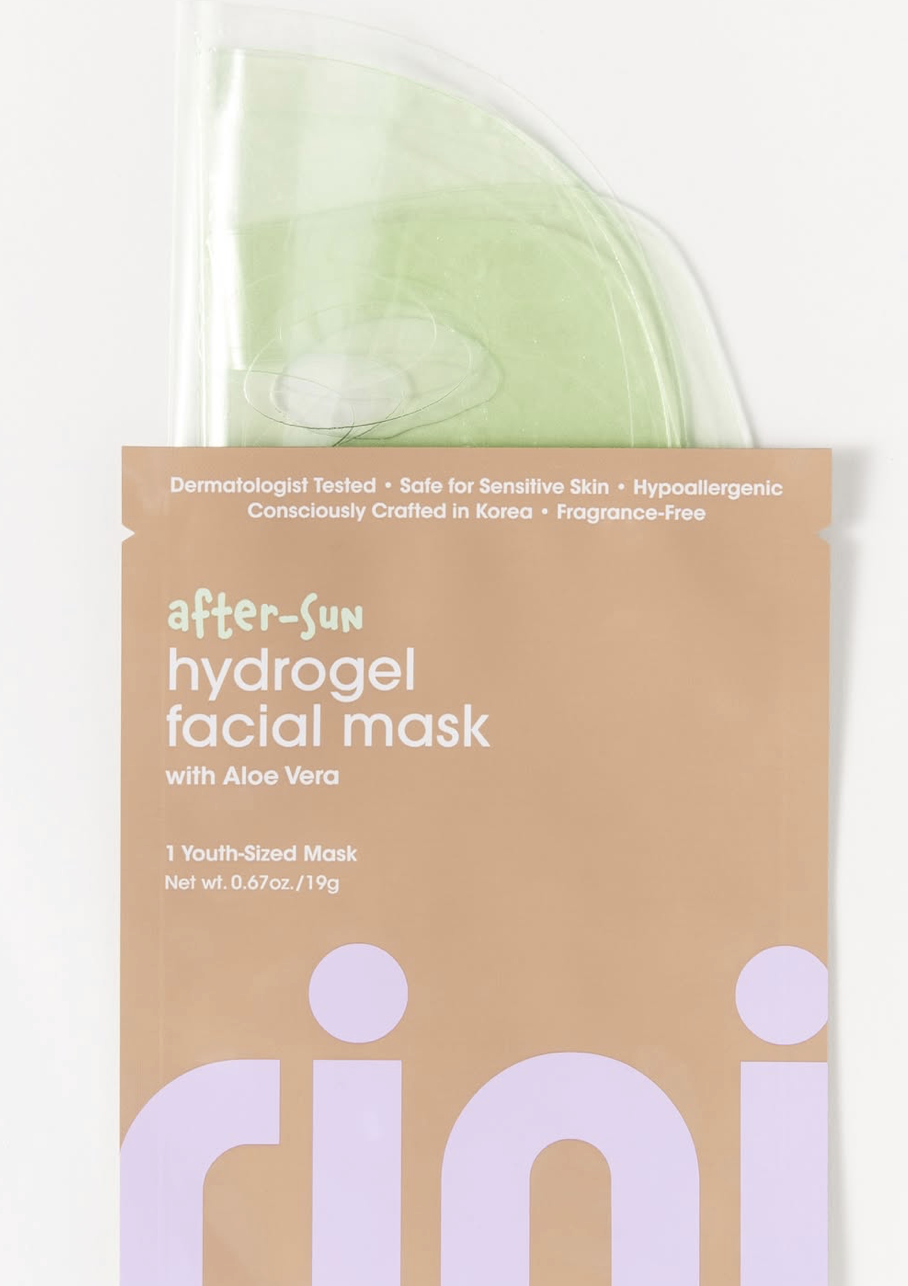
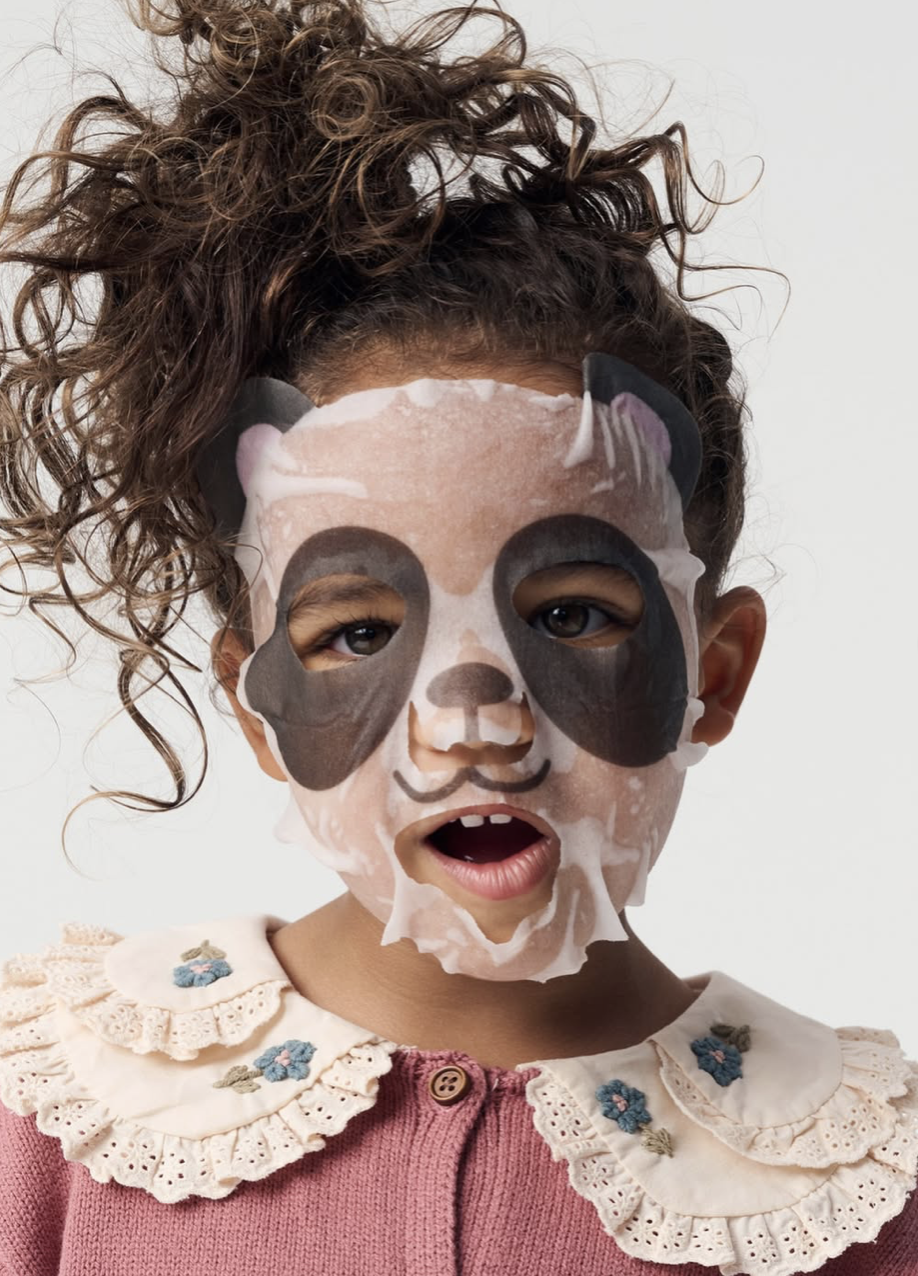
Children's products by Rini launched with immediate visibility. Founders Shay Mitchell’s celebrity presence guaranteed the brand reach, and the visuals, including children in sheet masks, sparked instant conversation across social media. From a pure awareness standpoint, it worked. The brand dominated feeds and headlines almost overnight.
Source: Shay Mitchell Instagram
But visibility and credibility don’t always move together. Many parents questioned whether beauty-focused positioning belonged in the baby category at all. For some, it felt misaligned with their expectations of safety and simplicity.
This became a clear awareness-versus-trust moment. In baby care product marketing, attention alone isn’t enough. Marketing must align with parental values.
7. Dove: When Adult Beauty Messaging Doesn’t Translate
Dove attempted to extend its well-known “Real Beauty” platform into baby care. On paper, the move made sense – leverage an established brand message across categories. But the emotional context shifted.
Parents don’t approach baby products through a beauty lens. They approach them through safety, comfort, and protection. When beauty framing entered the conversation, it created confusion about the brand’s focus.
So, the campaign simply didn’t resonate. Adult skincare narratives don’t automatically translate into baby care. In this category, messaging needs recalibration to align with parental expectations.
Together these examples show that baby care product marketing is about brands that feel the most aligned. The brands that build trust and speak to parents with clarity, empathy, and restraint.
Patterns Across Successful Baby Skincare Marketing Campaigns
When you look at the strongest baby skincare marketing examples, you can see that successful baby skincare marketing campaigns usually are the ones that show genuine understanding of parents and caregivers, and their unique challenges.
Brands showcasing them know their target audience and acknowledge parents everyday struggles – bath time chaos, packing a baby carrier, managing diapers and many others. While also keeping in mind that there’s a delicate balance in baby skincare marketing – you have to educate without overwhelming, reassure without dramatizing.
Content creation plays a huge role as well. Valuable content shared through parenting blogs, user generated content, and parenting influencers feels authentic because it mirrors real life scenarios. Micro influencers often outperform polished ads because parents are more likely to trust someone who shares photos from their own bathroom shelf.
In a space filled with children’s products and intense competition, that steady, trust-first approach becomes a real competitive advantage. Baby skincare marketing works best when it feels like it makes parents lives easier.
What Beauty Brands Can Apply to Their Own Baby Care Launch
Entering baby care product marketing comes with unique challenges. The target audience is protective, informed, and quick to notice misalignment. That's why you need a solid foundation and a clear marketing strategy.
1. Lead With Safety
In baby product marketing, safety is the baseline. That’s why dermatologically tested formulas, gentle ingredients, and transparent labeling matter so much.
For brands stepping into baby care, this doesn’t mean setting up a lab and developing everything from scratch. It means choosing a strong starting point. For example, Selfnamed's private label products like Gentle Baby Shampoo, Baby Body Lotion, Baby Foaming Wash, and Baby Body Wash are already formulated with sensitive skin in mind, giving you a reliable base to build from.
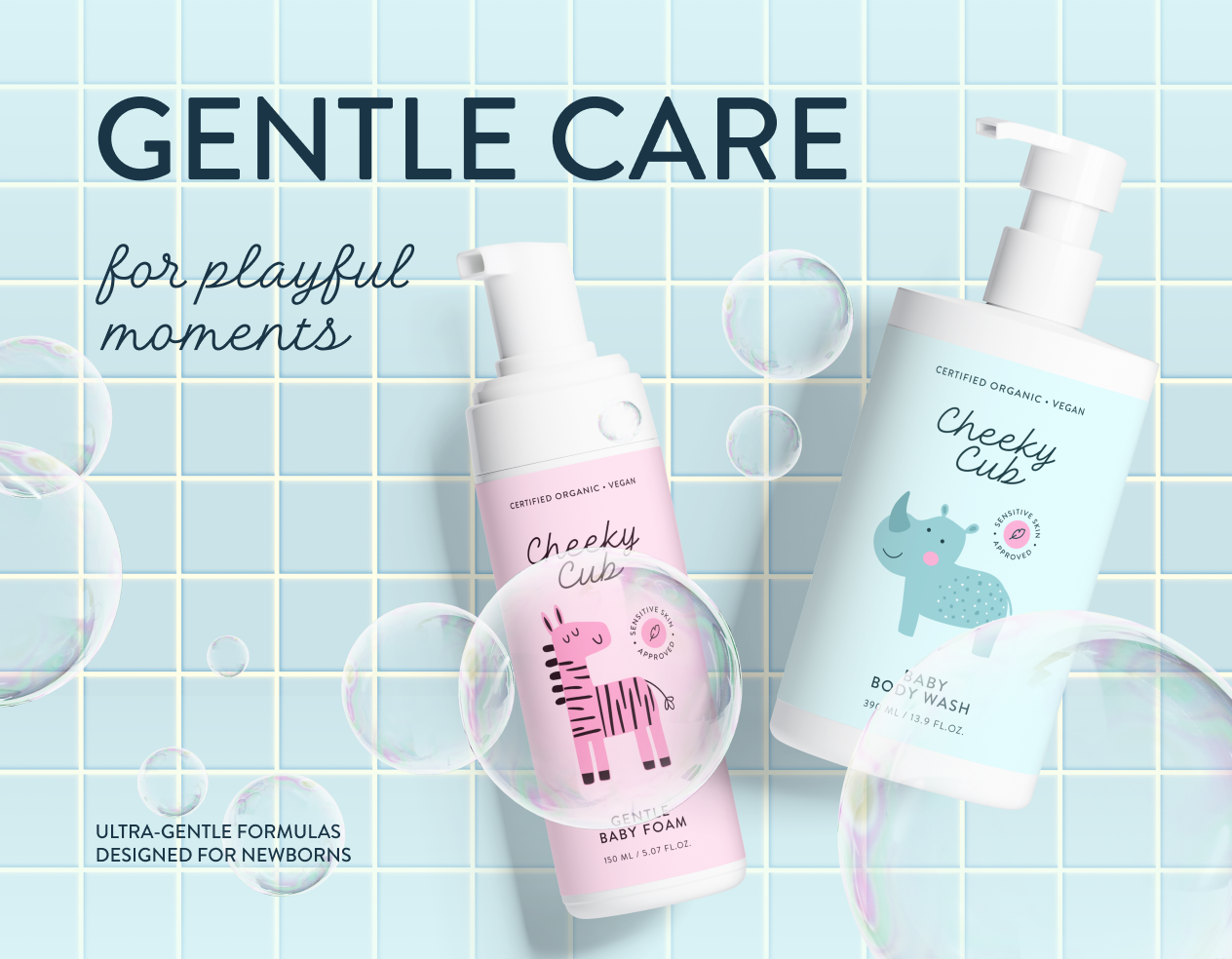
Selfnamed’s Gentle Baby Foam and Baby Body Wash
2. Build Trust Before You Sell
Baby product marketing works best when content marketing comes before paid advertising. Parenting blogs, online communities, and educational content build trust and long term relationships. Digital marketing then supports sales, not the other way around.
Customers, especially younger audiences, also pay attention to values. Eco-friendly packaging, responsible ingredient sourcing, and honest communication about sustainability quietly strengthen a brand’s credibility as well.
3. Use UGC Early
Pipette Baby proves how powerful parent-generated content can be. Babyganics shows how real-life parenting moments build connection. User generated content feels peer-recommended, and in baby skincare marketing, that difference builds trust fast.
4. Design Matters
Design carries more weight in baby product marketing than many brands expect. Parents often make first impressions in seconds, and visual cues immediately signal whether a product feels safe, thoughtful, and appropriate for children.
Soft colors, clean fonts, and uncluttered layouts create a sense of calm. Clear labeling reduces confusion. Simple packaging helps busy parents understand what they’re buying without needing to decode it.


Marketing for Baby That Actually Builds Loyalty
Launching baby care products changes how a business approaches marketing. You’re no longer competing only on aesthetics or trend appeal. You’re stepping into the lives of parents who are carefully weighing every choice for their kids.
The brands that succeed in baby skincare marketing address parents pain points calmly and clearly. They understand that kids products live inside daily routines, and they use marketing as a powerful tool to build trust and ease these everyday challenges.
When your audience feels understood, when your products genuinely make parenting feel a little easier, you build lasting relationships.
And in baby care, that long-term trust becomes your strongest advantage.
Frequently Asked Questions
-
Baby care marketing is really about reassurance. You’re not just promoting baby products – you’re speaking to parents who are being extra careful about what touches their child’s skin. It’s about safety, clarity, and showing you understand their concerns. In this space, trust comes before everything else.
-
Brands like Pipette, The Honest Company, and Babyganics do this well. They show real parents, real routines, and real stories instead of overly polished ads. The messaging feels honest. That kind of approach tends to resonate much more with parents.
-
The brands that get it right explain what’s in the product, why it’s gentle, and who it’s made for. They sound calm. Clear. Human. When a campaign feels grounded and respectful of how careful parents are, loyalty follows.
-
Where parents already spend time. That could be Instagram, parenting groups, blogs, or even email. Real stories shared by other parents tend to travel further than ads. In baby skincare, word of mouth – even digital word of mouth – carries more weight than you might think.
Must read