Skin Barrier Repair Ingredients Every Beauty Brand Should Focus On

Table of Contents
Healthy skin often comes down to how well it’s supported. Lately, more people are paying attention to that, and the skin barrier keeps coming up as an important part of it.
It’s what helps the skin hold onto moisture, stay calm, and deal with everyday stress. When everything is working well, skin feels more balanced. It looks smoother, feels more comfortable, and doesn’t react as much.
Once that balance shifts, skin feels more sensitive, redness shows up more easily, and things like breakouts or dryness take longer to settle. That’s why the focus is moving toward supporting and strengthening the skin barrier.
For your beauty brand, this gives you a clear direction to work with. You can build product ranges around skin barrier repair ingredients that support long-term skin health and line up with what your customers are already paying attention to.
Let’s take a closer look at what the skin barrier actually is, which ingredients help support it, and how you can turn that into products your customers are already looking for.
What Is the Skin Barrier and Why Does It Matter?
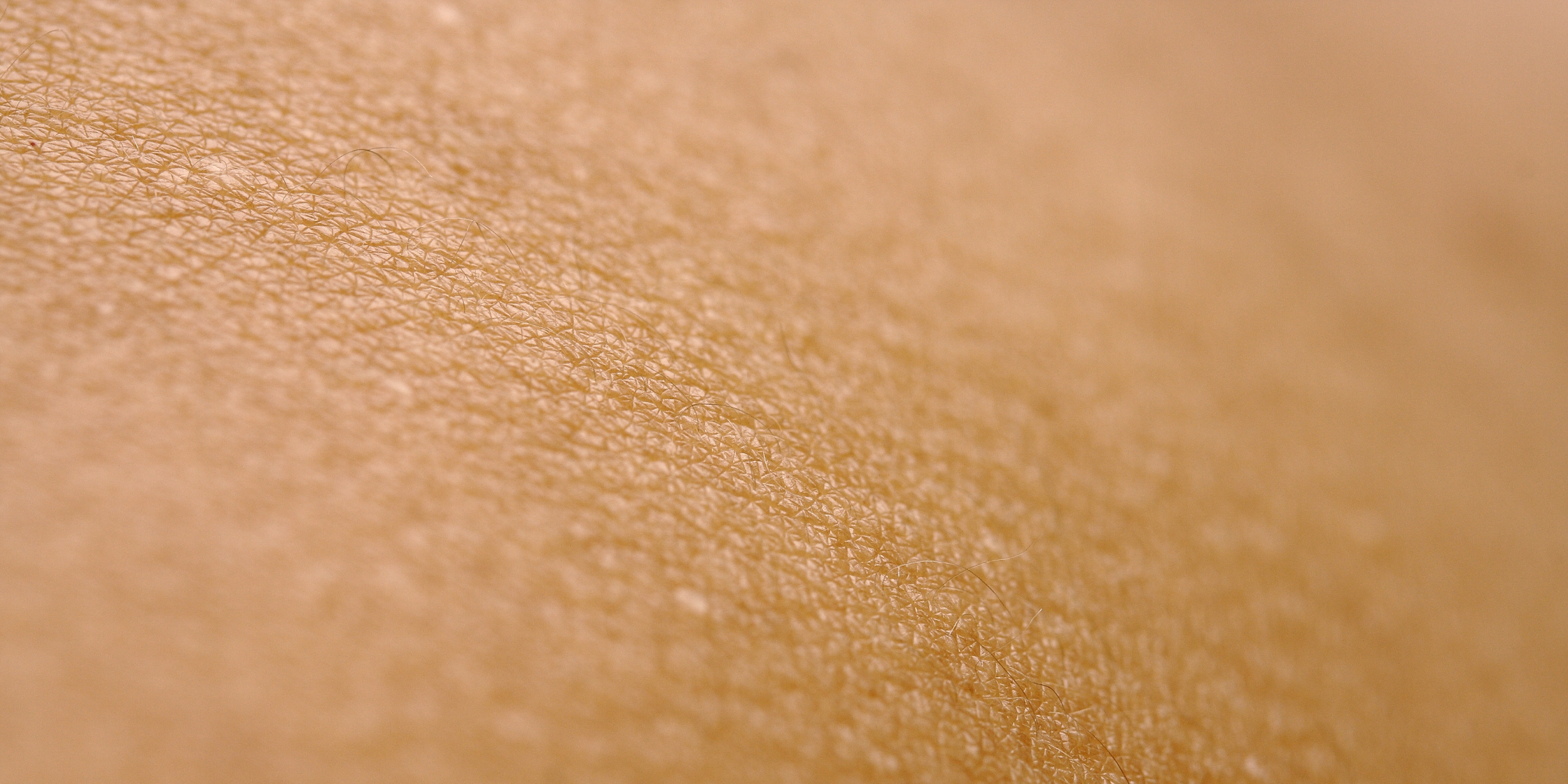
The skin barrier is the outer layer of your skin. It acts as a protective layer that helps your skin stay healthy and balanced.
You can think of it as a structure that keeps everything in place. Skin cells form the surface, and lipids like ceramides and fatty acids hold them together. This is what allows the skin to function properly.
What Does the Skin Barrier Do?
The skin barrier has a few key roles:
helps the skin retain moisture;
protects against environmental stressors like pollution and weather;
keeps the skin balanced and stable.
When it’s working well, skin looks smoother, feels more comfortable, and responds better to skincare.
Why is It Important?
The skin barrier affects overall skin health more than most people realize. It plays a key role in maintaining hydration and protecting the skin from external irritants.
It also influences how well the skin holds water. When the barrier is strong, moisture stays in more effectively. When it’s weaker, the skin loses hydration more easily, which can affect how it looks and feels.
Overall, the skin barrier helps the skin stay strong, balanced, and able to function the way it should.
Skin Barrier Repair Ingredients That Actually Work
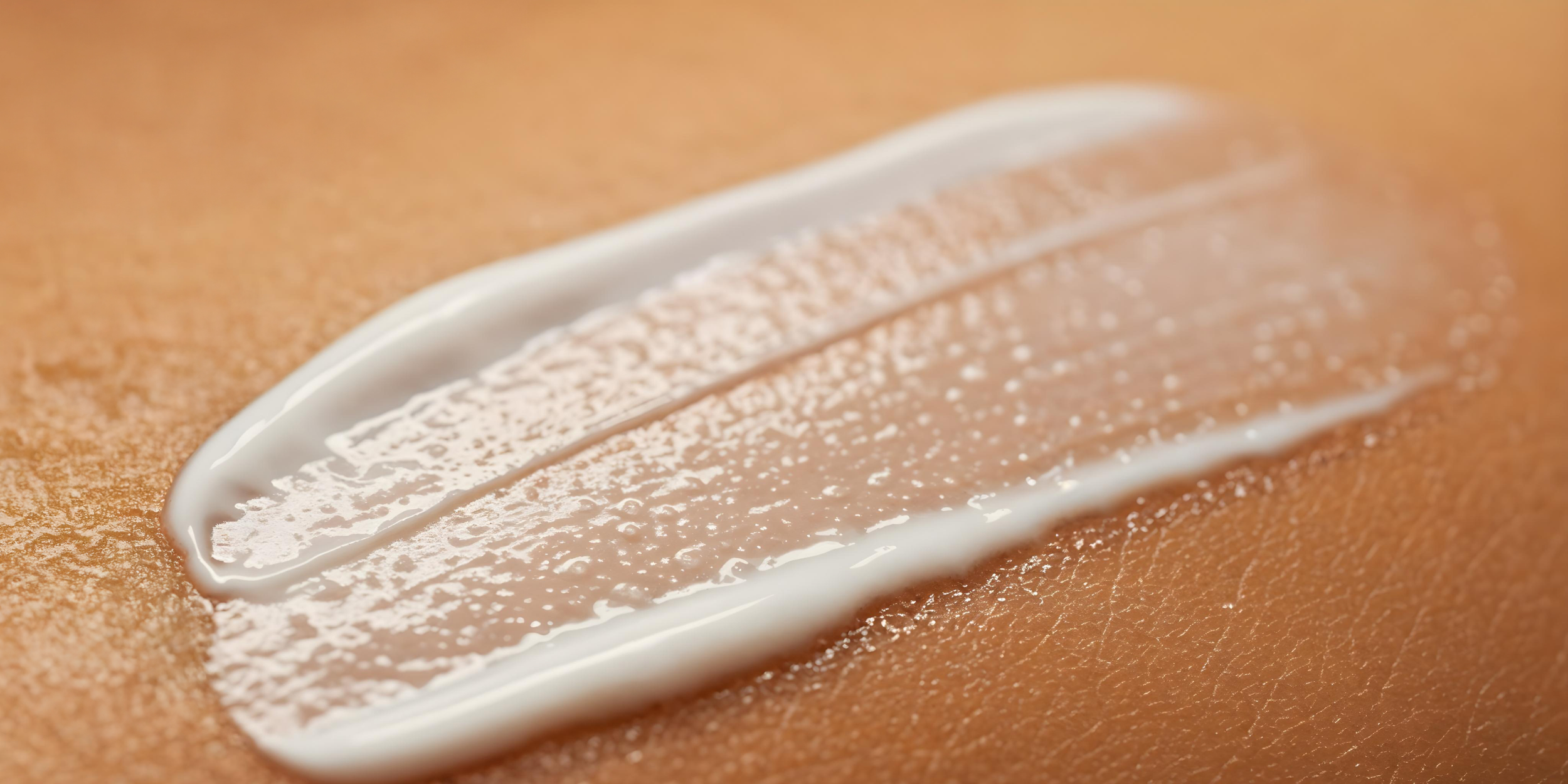
Once you understand how the skin barrier works, the next question becomes clear – what ingredients actually help repair it?
Not all skincare ingredients do the same job. Some hydrate. Some soothe. But only a few directly support barrier repair and help rebuild the skin’s protective layer.
Choosing the right ingredients for skin barrier repair means working with the skin’s natural structure – helping restore lipids, improve moisture retention, and strengthen the outermost layer.
Ceramides
Ceramides are central to maintaining a healthy skin barrier. They are naturally present in the skin and play a key role in keeping its structure intact and balanced.
As their levels drop, the skin doesn’t hold moisture as well. It can start to feel drier, sometimes a bit more reactive than usual.
That’s why they’re often used in products for dry, sensitive, or more mature skin, where those natural lipids tend to be lower.
When the skin barrier is compromised, ceramides help restore balance and support long-term barrier repair.
Niacinamide
Niacinamide is one of those ingredients that fits into almost any routine. It doesn’t replace lipids directly, but it helps the skin produce more of its own, including ceramides.
Over time, that helps improve how the skin barrier functions and how well it holds onto moisture. The skin tends to feel more balanced and less reactive.
Niacinamide helps:
support ceramide production;
improve overall skin texture;
even out skin tone;
reduce visible redness.
Because of how gentle it is, niacinamide works well across different skin types, including acne-prone and sensitive skin. It’s an easy ingredient to include in everyday skincare without overwhelming the routine.
Omega-3 and Omega-6 Fatty Acids
Essential fatty acids, especially omega-3 and omega-6, play a direct role in repairing the skin barrier. These fatty acids help rebuild the lipid layer that keeps skin cells held together and supports the skin’s natural defenses.
Together, they help replenish lost lipids, strengthen the moisture barrier, and support barrier recovery.
This is why plant-based solutions for skin barrier health, such as natural oils rich in fatty acids, are becoming more popular. They provide a direct source of the lipids the skin needs.
Hyaluronic Acid
Hyaluronic acid often shows up in barrier-focused skincare, but it plays a slightly different role compared to other ingredients.
It doesn’t rebuild the barrier itself. What it does is help the skin stay hydrated, which becomes especially important when the barrier needs support.
Hyaluronic acid helps:
attract moisture;
keep the skin hydrated;
improve how the skin feels and looks.
When the skin is lacking moisture, everything tends to feel less comfortable. Hyaluronic acid helps maintain that hydration, creating a better environment for the skin while other ingredients focus on restoring the barrier.
Hyaluronic acid works best when combined. Paired with lipids and other skin barrier repair ingredients, it helps create a more balanced and complete approach to supporting the skin.
Hydration vs Repair: Not the Same Thing
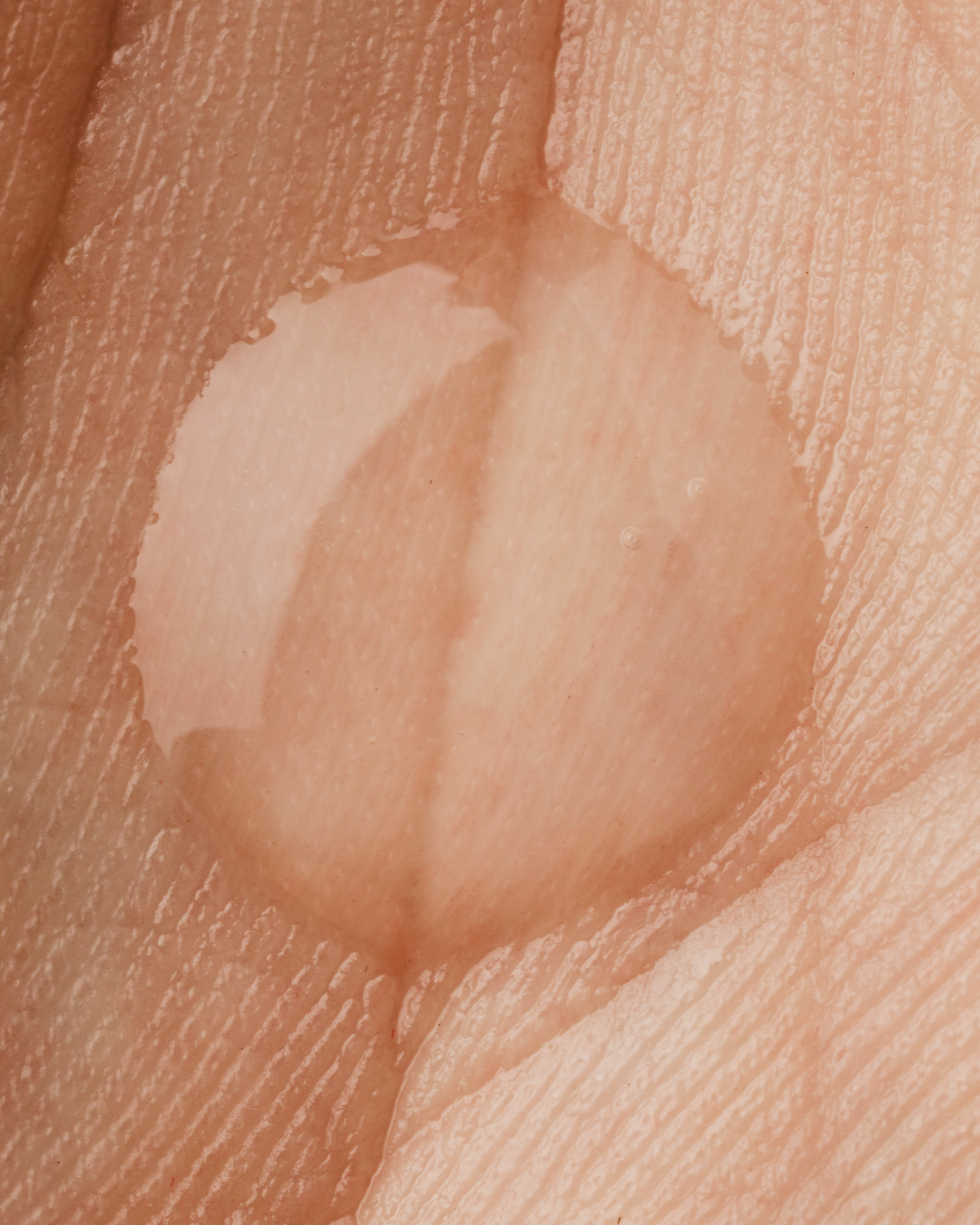
It’s easy to assume that if a product improves skin hydration, it’s also repairing the skin barrier. But those are two different things, and understanding that difference matters when you’re building skincare products.
Hydration is mostly about water. It helps the skin feel softer and more comfortable, especially when it’s feeling dry or tight. Ingredients like hyaluronic acid can make a noticeable difference quite quickly.
Barrier repair is a bit different. It’s about helping the skin hold onto that moisture so it doesn’t just disappear again. That usually comes down to lipids like fatty acids and the skin’s natural oils, which support the surface of the skin.
For your products, this means one thing – hydration can improve how skin feels, but barrier repair is what supports long-term skin health. The strongest formulations do both.
What Ingredients Repair Skin Barrier – And Which Don’t?

When you look at what ingredients repair skin barrier, it’s not as broad as it might seem. Some ingredients actually support the skin’s moisture barrier, while others mostly help the skin feel more hydrated.
The ones that support barrier repair tend to be the ingredients the skin already uses.
These include:
Ceramides
Free fatty acids
Cholesterol
Niacinamide
They help bring the skin back into balance, support its structure, and strengthen the skin barrier over time. This is especially relevant for aging skin or for skin types that need a bit more support to maintain skin health.
Then there are ingredients that are still useful, just in a different way.
For example:
These help with hydration. They make the skin feel more comfortable and help it retain moisture, but they don’t rebuild the barrier itself.
That difference is easy to overlook, but it matters. The most effective approach usually combines both – ingredients that support the barrier and ingredients that improve hydration – so that the routine stays balanced across a variety of different skin types.
Best Skin Barrier Repair Products: What to Look For
People are increasingly looking for clear solutions and ingredients they can trust. That shift is changing how skin barrier repair products are built and how customers choose them.
Instead of focusing on texture or packaging, the attention is now on products that actually help support and repair damaged skin barriers. So adding products that do exactly that to your range is a smart move.
And the good news is – you don’t have to develop them from scratch. We’ve done the research to test and prepare ready-made formulas built around these ingredients.


Our bestselling skin barrier products include:
Shape them into a full barrier-focused routine without spending months on development. It’s a more efficient way to bring relevant products to market while staying aligned with what customers are already looking for.
How Beauty Brands Can Win the Barrier Repair Trend
The skincare and barrier repair trend is more of a shift in how people think about their skin health. So getting it right matters more than just following it.
Customers are paying closer attention now. They read ingredient lists, they notice what works, and they tend to come back to products that feel reliable and easy to use.
So, for beauty brands, it’s less about adding more steps or stronger active ingredients, and more about creating something that simply makes sense and shows regular results.
A few things that consistently work:
start with barrier repair ingredients customers already recognize;
keep the routine simple and easy to follow;
focus on products that strengthen the skin barrier over time;
be clear about what the product does and why it’s there.
When a product is easy to understand and genuinely supports skin health, customers trust it. And once that trust is there, they keep coming back.
Create Products That Help Repair the Skin Barrier
The shift toward skin barrier care says a lot about how people are starting to approach skincare.
There’s more focus on ingredients people recognize, routines that feel manageable, and results that actually last. And when you look at it, a lot of that leads back to the same thing – supporting the skin barrier.
For brands, that makes the direction a bit easier to see. It’s not about doing everything at once. A few well-chosen ingredients, a routine that feels easy to follow, and products that are simple to understand can go a long way.
In the end, what stands out isn’t complexity. It’s clarity.
Frequently Asked Questions
-
The ones that actually help are the ones your skin already uses, for example, ceramides, fatty acids, and to some extent niacinamide. They help rebuild the structure, not just hydrate the surface.
-
They do different things. Ceramides help repair the barrier itself, while hyaluronic acid mostly helps with hydration. Ideally, you use both.
-
It varies, but with a simple and consistent routine, you’ll usually start noticing changes within a few weeks.
-
It helps, but not on its own. Niacinamide supports the skin’s natural processes, including lipid production, which is part of how the barrier recovers.
-
Natural oils rich in fatty acids work well – like sunflower, jojoba, or rosehip oil. They help replenish lipids and support the skin over time.
-
Oils that are rich in fatty acids tend to work well. Things like sunflower, jojoba, or rosehip oil can help support the skin and bring back some of the lipids it needs.
Must read