What to Learn From the Best Makeup Brands
Table of Contents
The beauty industry is packed.
The makeup space is competitive, fast-moving, and full of top brands that have already mastered everything from results-driven formulas to TikTok virality.
New makeup brands pop up faster than you can say “dewy glow.”
And with that comes saturation. There are so many makeup products out there that even makeup lovers can feel strangely overwhelmed just trying to figure out where to begin. Every brand promises something slightly different, slightly better, slightly newer.
It shouldn’t feel this complicated, but it does. Too many options, all convincing enough to feel like a must-have and earn a spot in your routine. Before you know it, your bathroom isn’t a curated lineup anymore. It’s a full-on Sephora shelf situation.
And here’s the thing, only a handful of beauty brands actually take off. The rest fade out before they ever really land.
But the good news is that every successful makeup brand that does make it leaves clues behind. And if you know what to look for, you can piece together what works and create something just as compelling (if not better).
Think of this as your insider guide. We’re unpacking what the best makeup brands are doing right and how you can apply those insights to your own brand and strategy.
What Makes a Makeup Brand Stand Out?
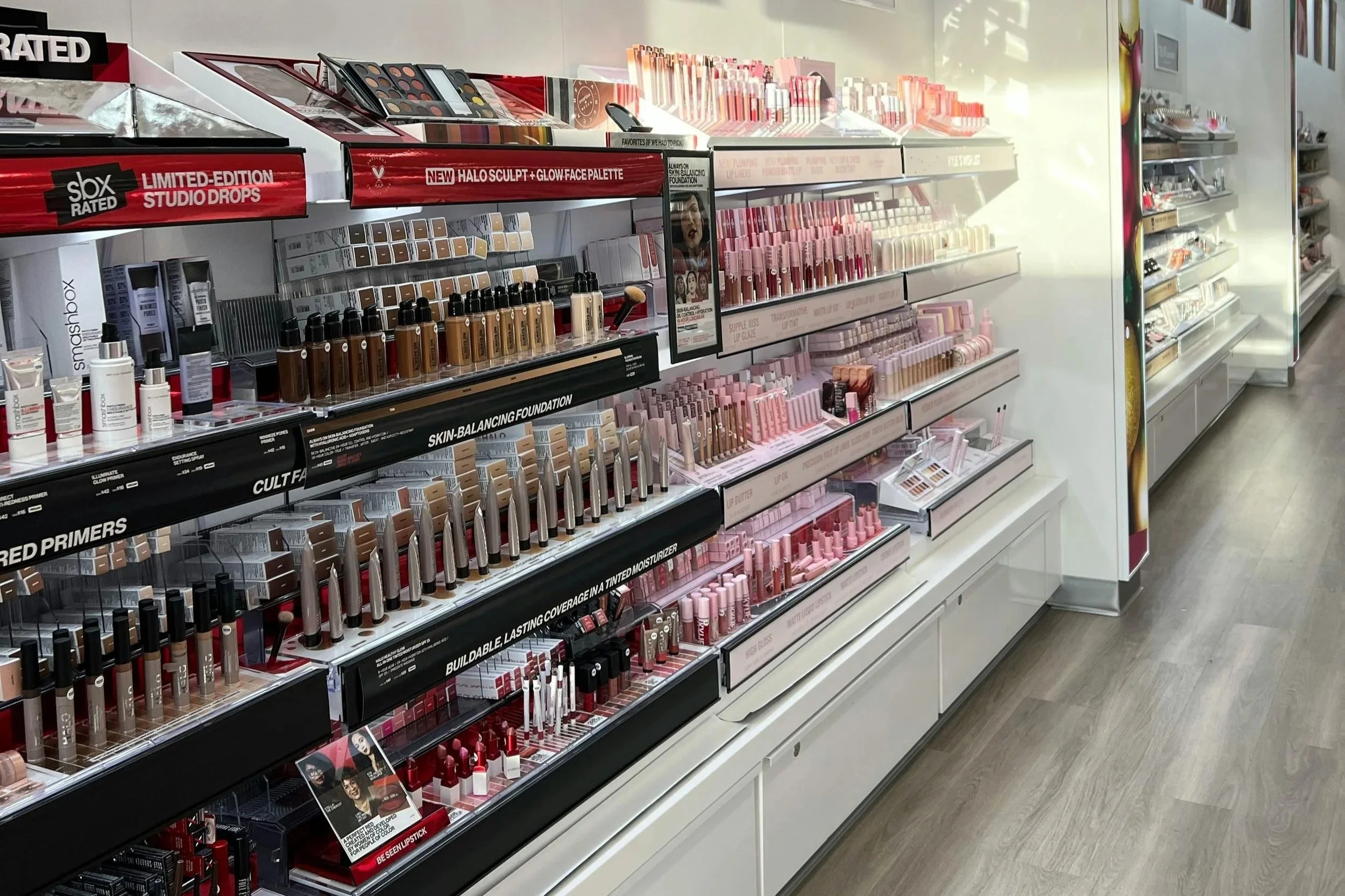
Not all brands are created equal. The ones that dominate the world of cosmetics don’t just sell products. They sell experiences, values, and results.
Consumers are overwhelmed as they keep scrolling through hundreds of makeup brands, each promising a flawless finish, better skin, and the next groundbreaking innovation. So what actually makes someone stop?
Is it bold packaging? Viral before-and-afters? A celebrity founder?
Sure. Those things grab attention. But those are hooks, not the real reason people stay.
Spoiler alert: it’s not just about pretty packaging (although yes, that helps, as no one ever impulse-bought an ugly blush). What keeps people coming back is something deeper. It comes down to a clear identity, consistent quality, and products that actually deliver on their promises.
The best makeup brands winning today combine these core elements:
1. Find Your Lane and Own It
It starts with clarity.
The strongest brands aren’t trying to be everything to everyone. They own a niche.
Broad positioning in the makeup industry might feel safer, but trying to appeal to everyone is the fastest way to become forgettable. The brands that win? They focus.
As LYS Beauty founder Tisha Thompson puts it, it’s not about doing more, it’s about “doing less, better.” The brands that succeed are the ones that get crystal clear on what they do best and own that lane unapologetically and consistently.
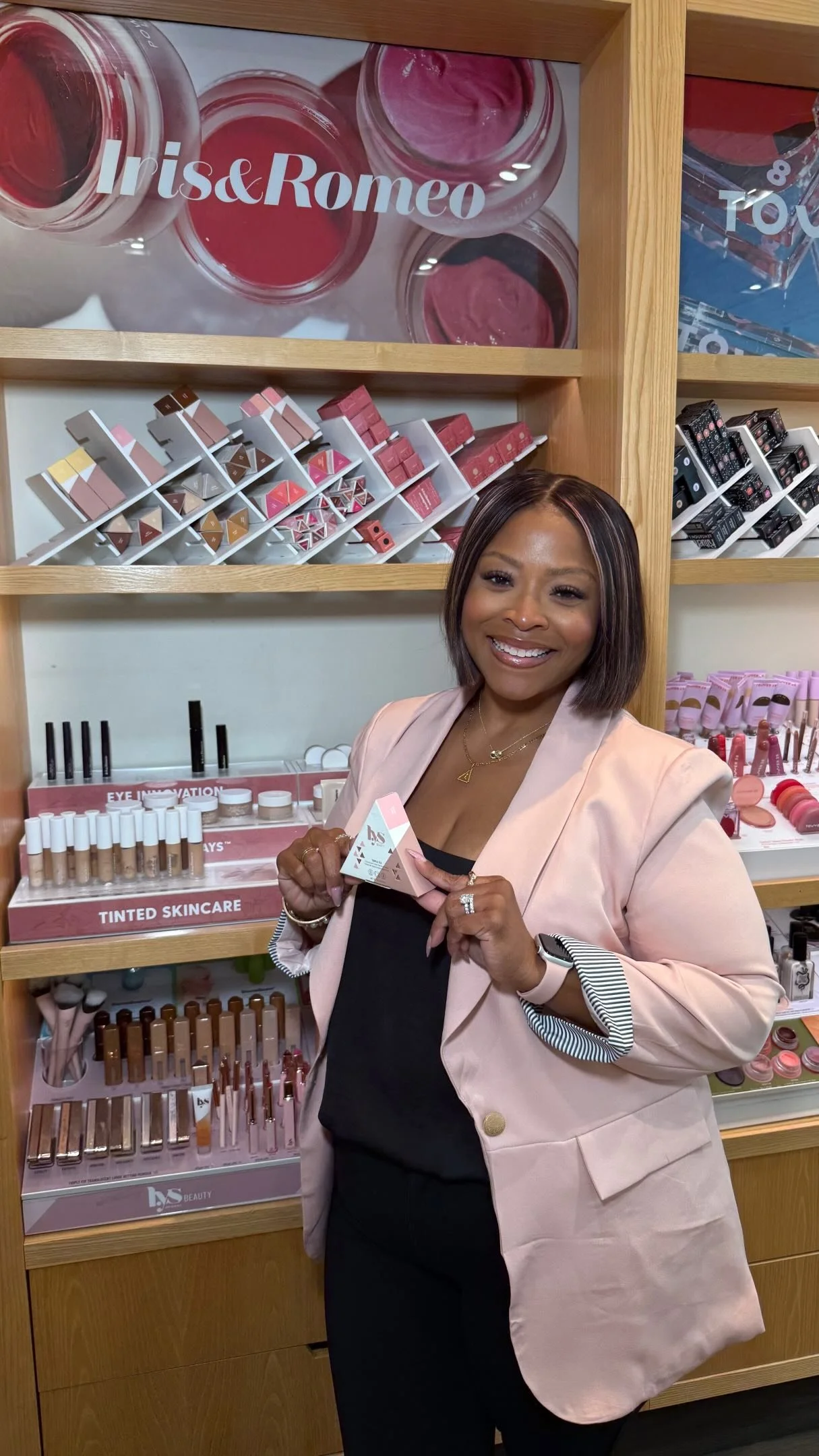
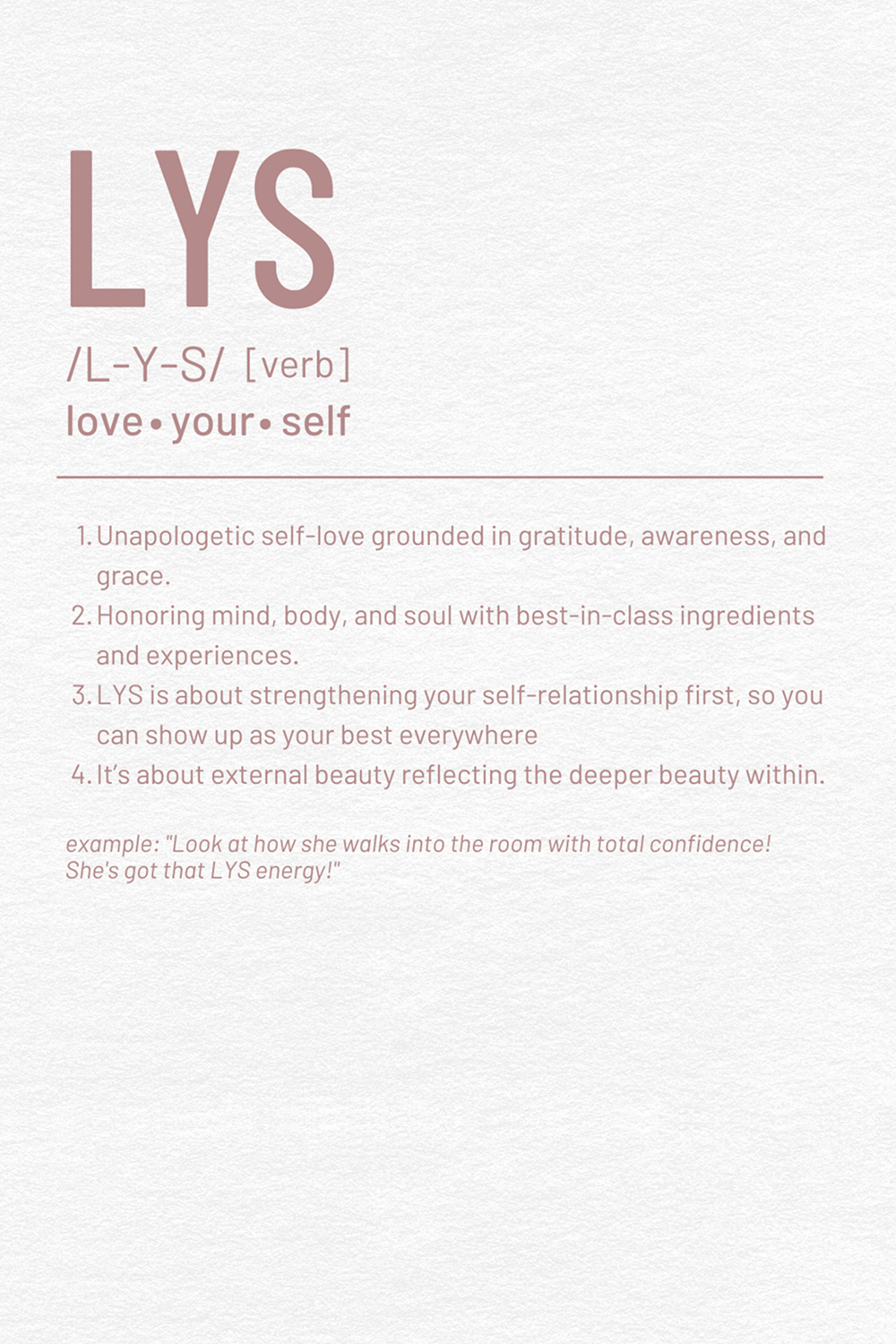
Your niche is the foundation of your entire brand identity.
It could be something like:
Natural, skin-friendly makeup designed for sensitive skin;
High-glam, bold looks with extreme pigment payoff;
Skin-first cosmetics infused with active ingredients like hyaluronic acid or vitamin C;
Minimalist, everyday essentials that deliver a fresh, dewy finish.
Once you define that focus, you commit to it fully.
Because that clarity then shapes everything. Your shades, your product line, your messaging around self-acceptance and natural beauty, even decisions like whether your products are fragrance-free or allergy-tested.
Some brands go even further and build their identity around a signature style. Think of Makeup by Mario, where the look itself becomes instantly recognizable and highly sought after.
Carving out a niche doesn’t limit you. It gives you space to build a loyal audience, a clear identity, and a recognizable brand.
Once that foundation is clear, the next question becomes just as important.
Can your products actually deliver?
2. Performance That Holds Up in Real Life
Attention is one thing. Performance is what keeps it.
Modern consumers expect more than just coverage. They want makeup that delivers real results. That means high-performance formulas with strong color payoff, high pigmentation, and comfortable, long-wearing textures that actually hold up throughout the day.
We’re talking:
A foundation with buildable coverage that feels hydrating, not heavy;
A skin tint that evens out skin tone while letting natural beauty shine through;
Lightweight textures with a natural-looking complexion and a true flawless finish.
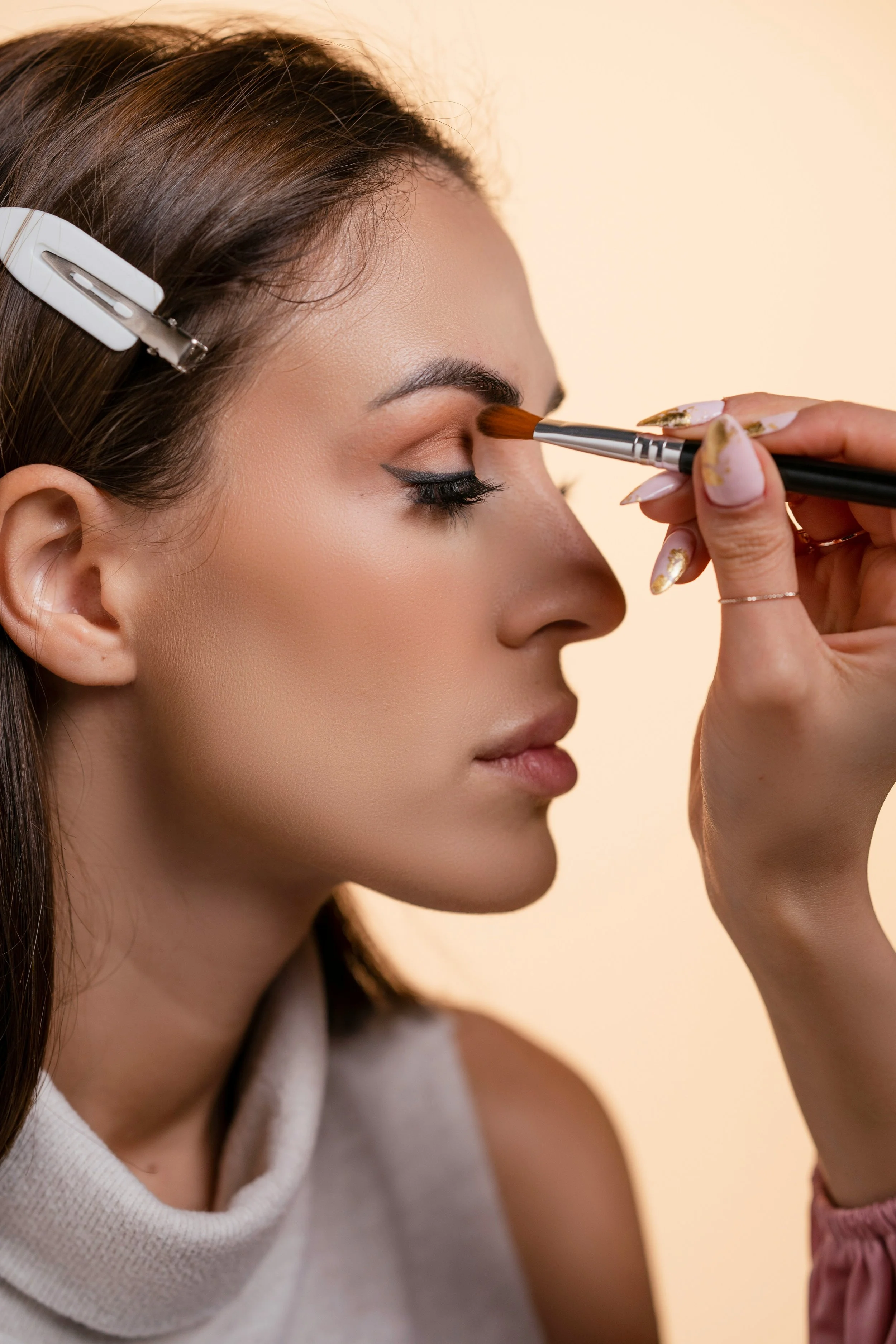
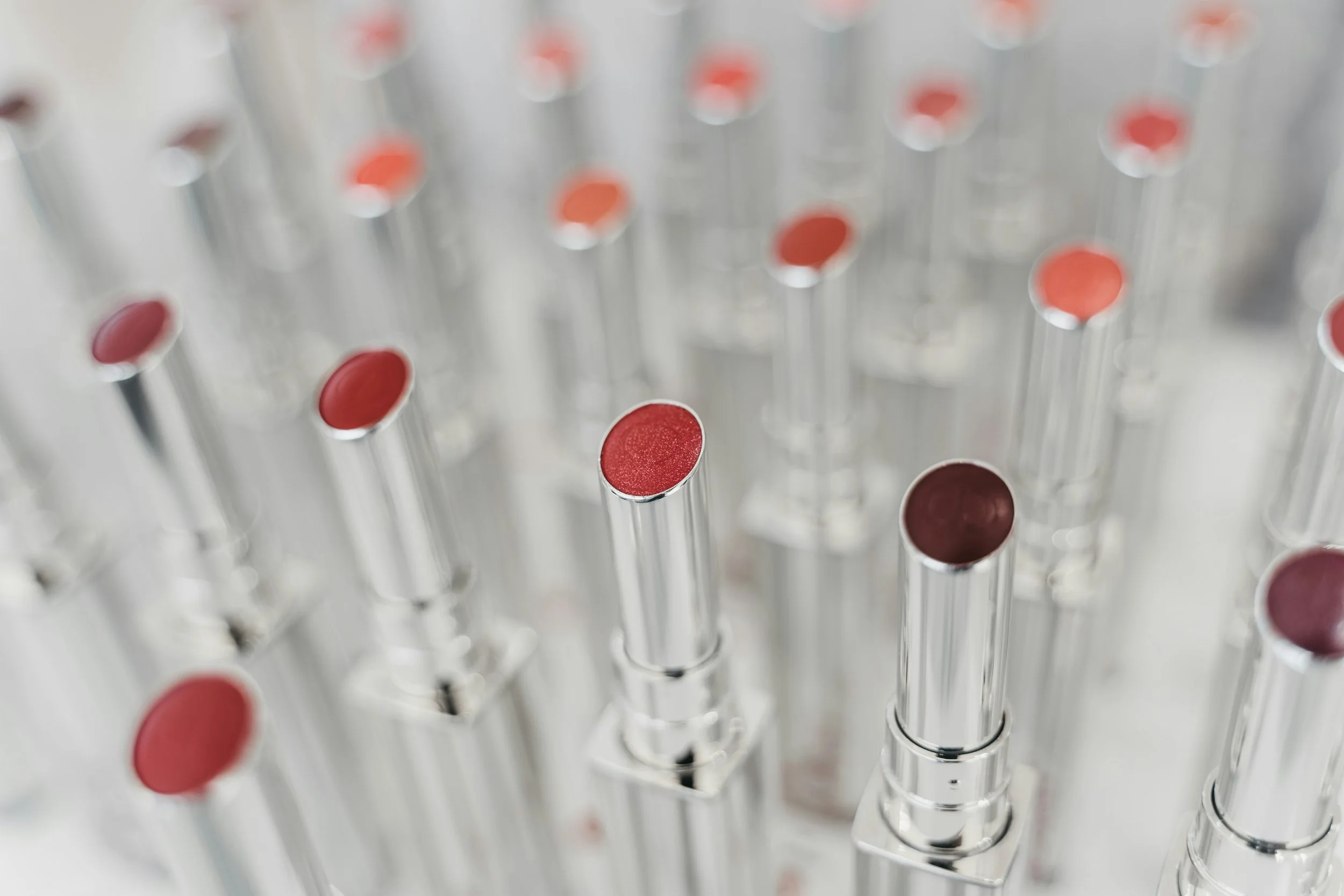
Because you’re not just competing on how a product looks in a campaign. You’re competing on how it performs at 4 PM after a long day (dark circles and all).
But performance alone isn’t enough as consumers expect something more.
3. Skincare Meets Makeup and Raises the Bar
The line between skincare and makeup has officially blurred.
Modern consumers no longer separate the two – they expect both in one.
That’s why high-performance formulas infused with skin-loving ingredients are imperative. Ingredients like hyaluronic acid, vitamin C, aloe vera, and shea butter have now become a standard.
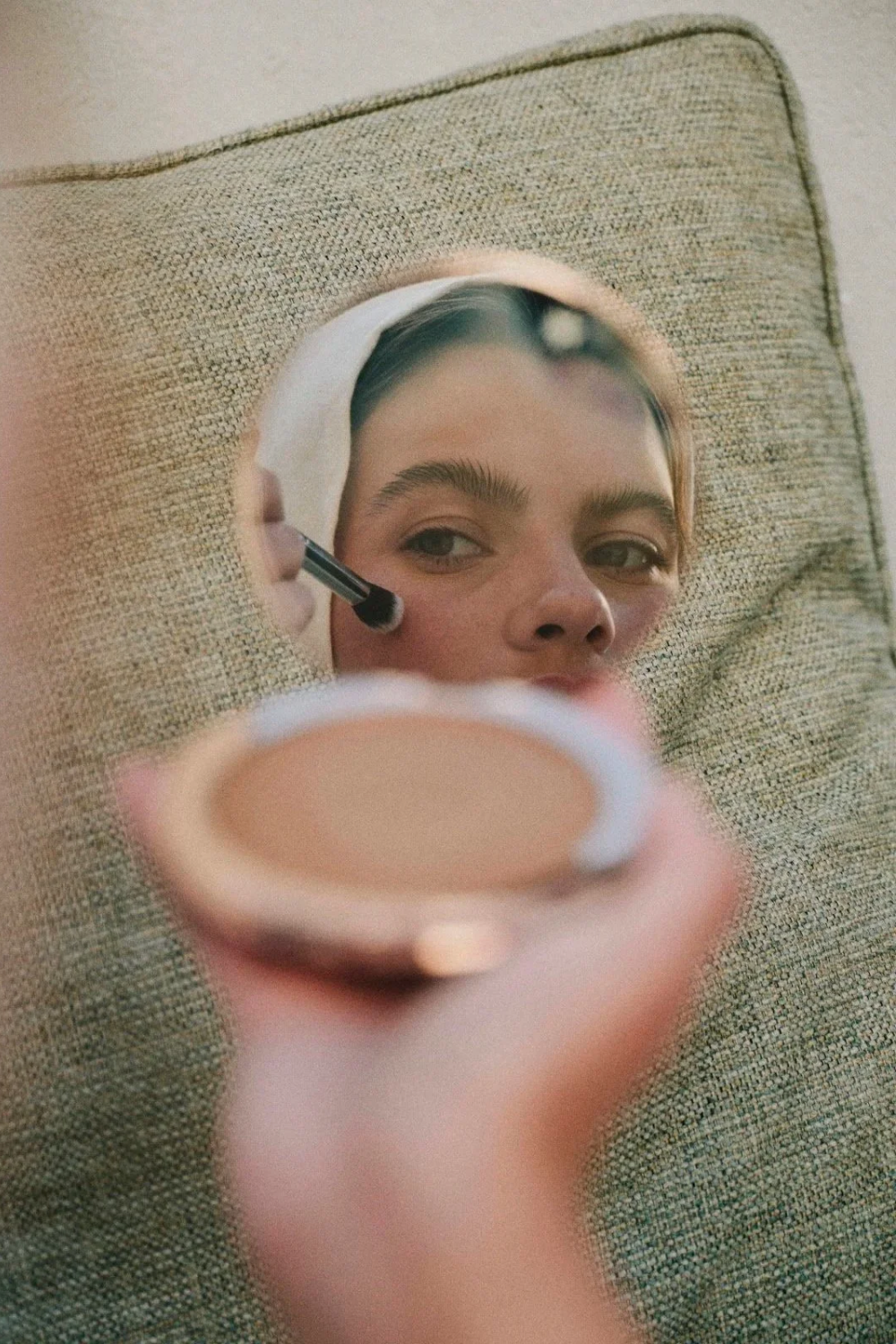
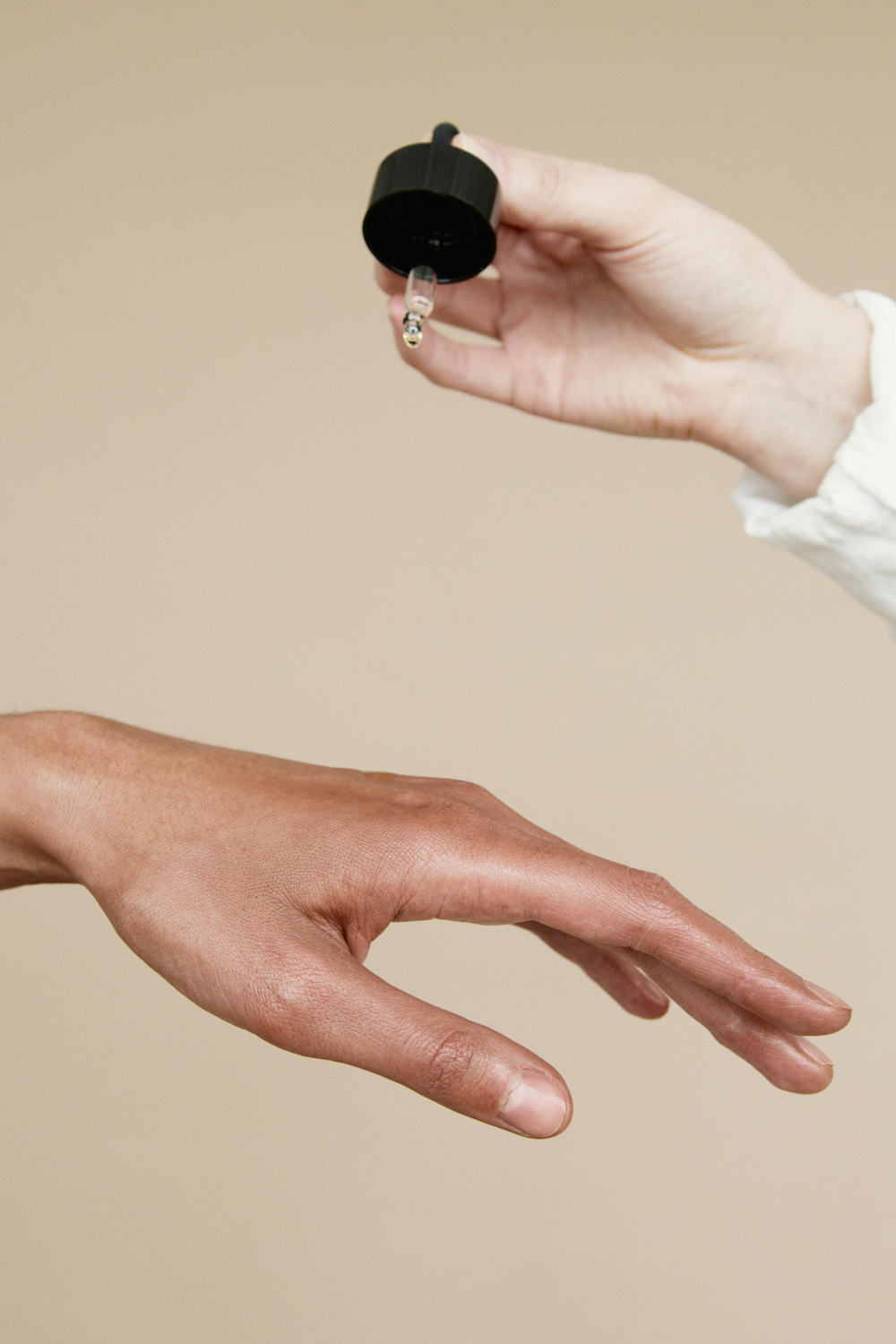
The expectation is simple. Your product should look good and do good for the skin – something that matters even more when considering the best makeup brand for mature skin.
Bonus points if your formulas go a step further and actually improve the skin over time. Think calming, nourishing, or active ingredients that support long-term results.
That’s how you move from a one-time purchase to a go-to product. And ultimately, that’s how the best makeup brands build real loyalty.
Of course, even the best formula will fall short if it doesn’t work for everyone.
For more on skin-loving formulas, you can read our article on how to choose skincare ingredients.
4. Beauty That Includes Everyone
Performance means nothing if it doesn’t work for everyone.
If your shades don’t cater to a full range of skin tone, you’re missing a big part of the picture. The brands leading the space don’t treat inclusivity as a check box. They build around it.
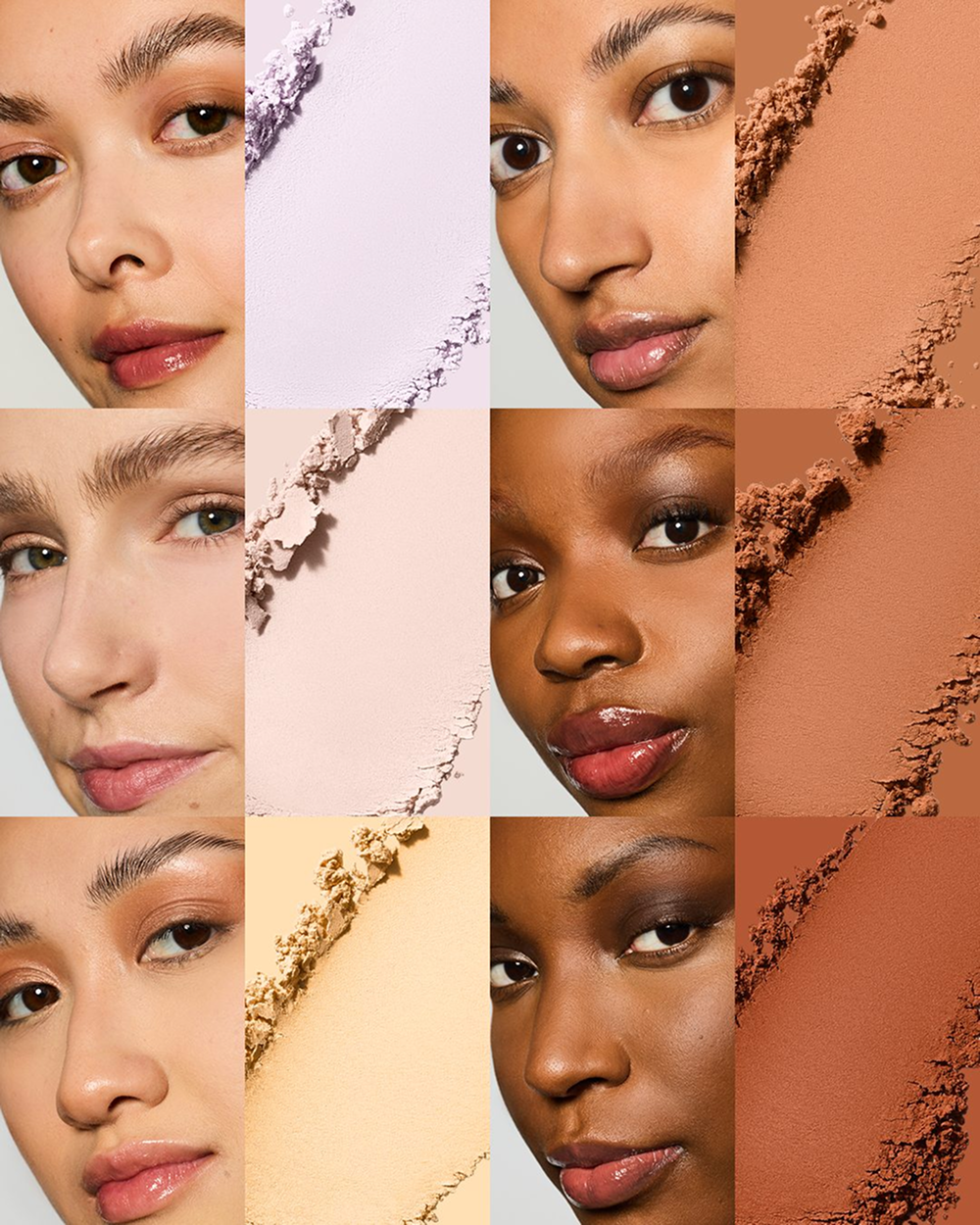
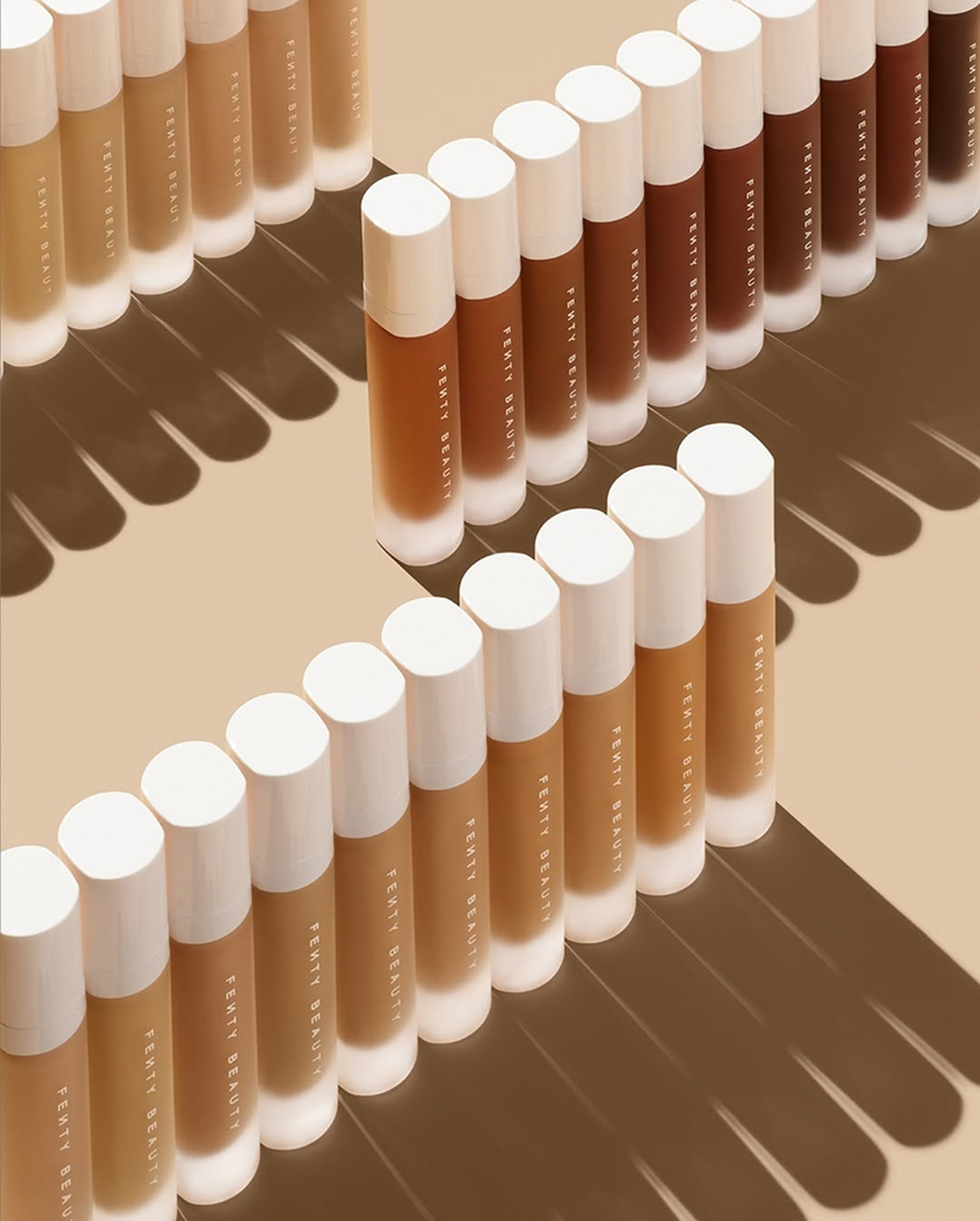
Inclusivity shows up in details. Modern brands not only obsess over complexion diversity but also understand different skin types, including sensitive skin. They also ensure that formulas perform just as beautifully on deeper tones as they do on lighter ones. And these formulations are accessible, effective, and consistent for everyone.
Because no one wants to feel like an afterthought. And the brands that get this right build their customers' trust that lasts.
Now that you’ve built that trust, the next challenge is to stay relevant.
5. Follow Trends, Don’t Chase Them
The beauty industry moves fast, so do trends. What feels fresh today may seem outdated tomorrow.
From natural makeup and lightweight skin tint formulas to high-impact bold makeup, trends shape what consumers are drawn to. They set the tone, influence demand, and often define what ends up in everyone’s makeup bag.
Right now, it’s all about:
Dewy glow and radiant finish;
Lightweight, natural-looking complexion products;
Multi-use beauty products for everyday wear;
Sustainability and sustainable packaging.
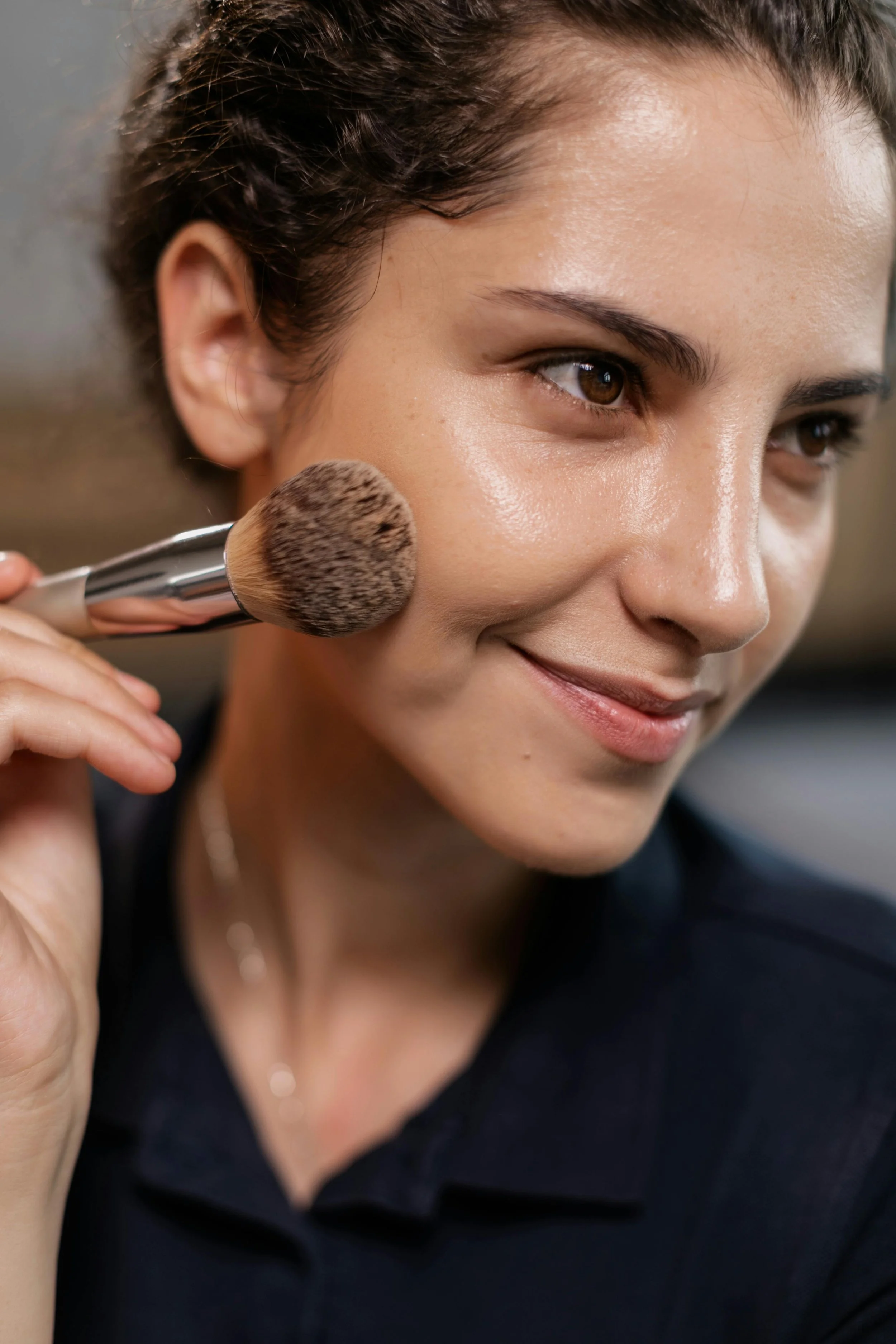
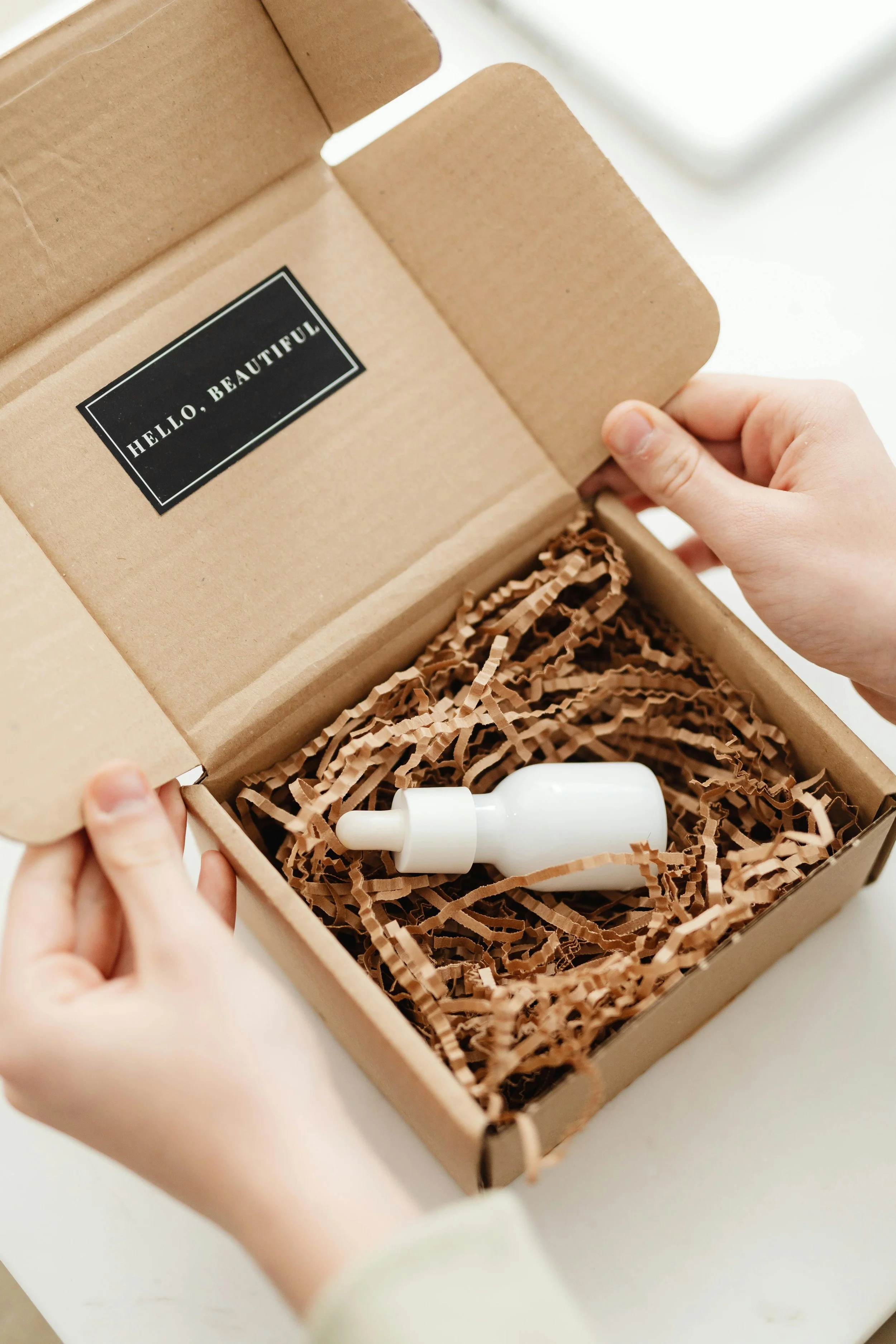
You shouldn't let trends define you. Let them guide you instead. If something is trending, you should filter it through your own identity and adapt it. Copying what's trending doesn't usually lead to anything that lasts.
If your niche is natural beauty, sheer textures with a soft, effortless glow might be your thing. If your direction is more high-impact, go for high-pigment formulas and bold finishes.
Because trends might bring people in, but originality is what keeps them.
And if you haven’t already, explore some more in our article on 2026 makeup trends to follow.
6. Branding That Actually Says Something
Before anyone tries your product, they see it.
Packaging is your first impression. It’s what stops the scroll, gets picked up, and sparks curiosity.
Whether it’s sleek minimalism, bold design, or playful packaging, how your product looks shapes how your brand is perceived.
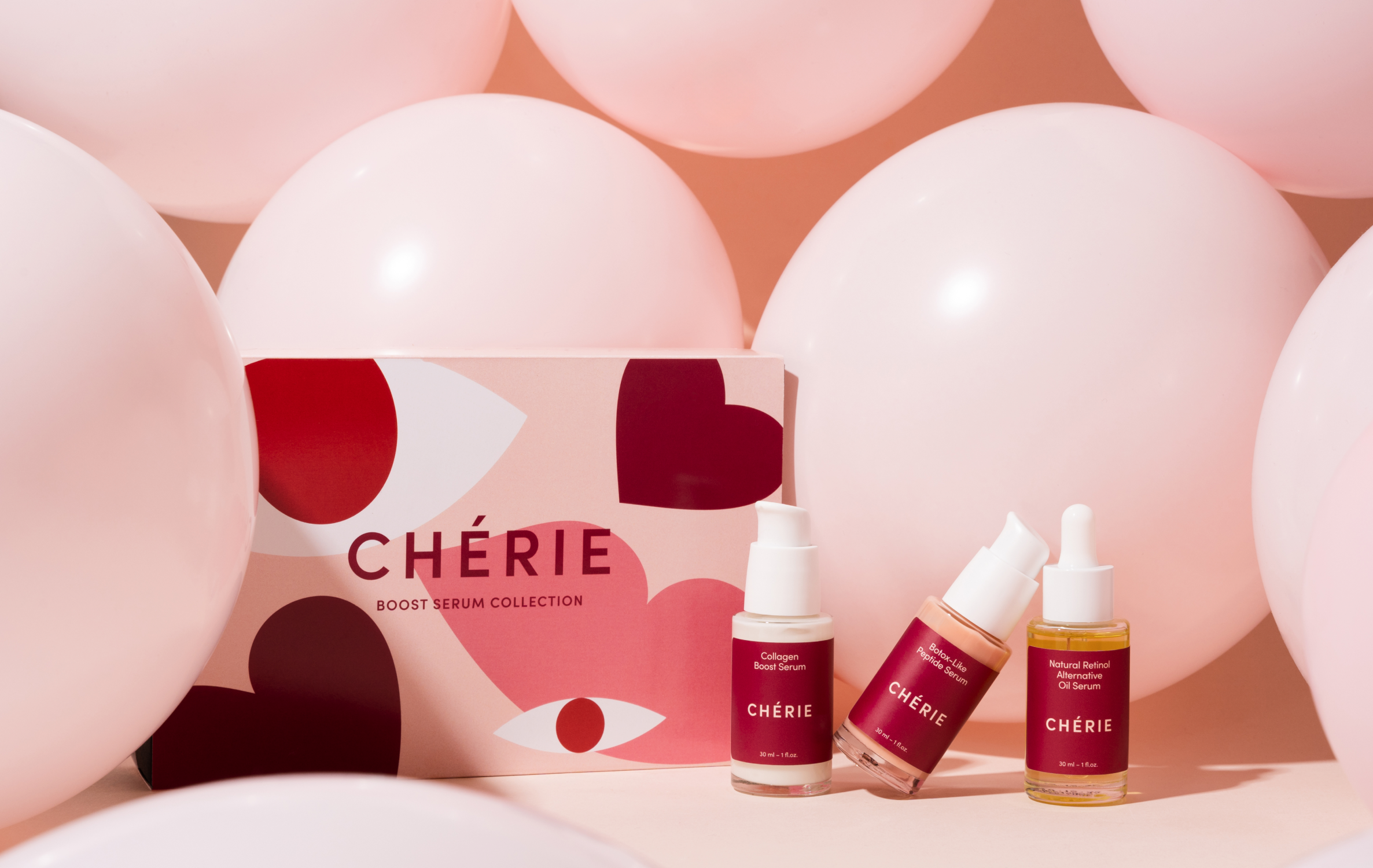
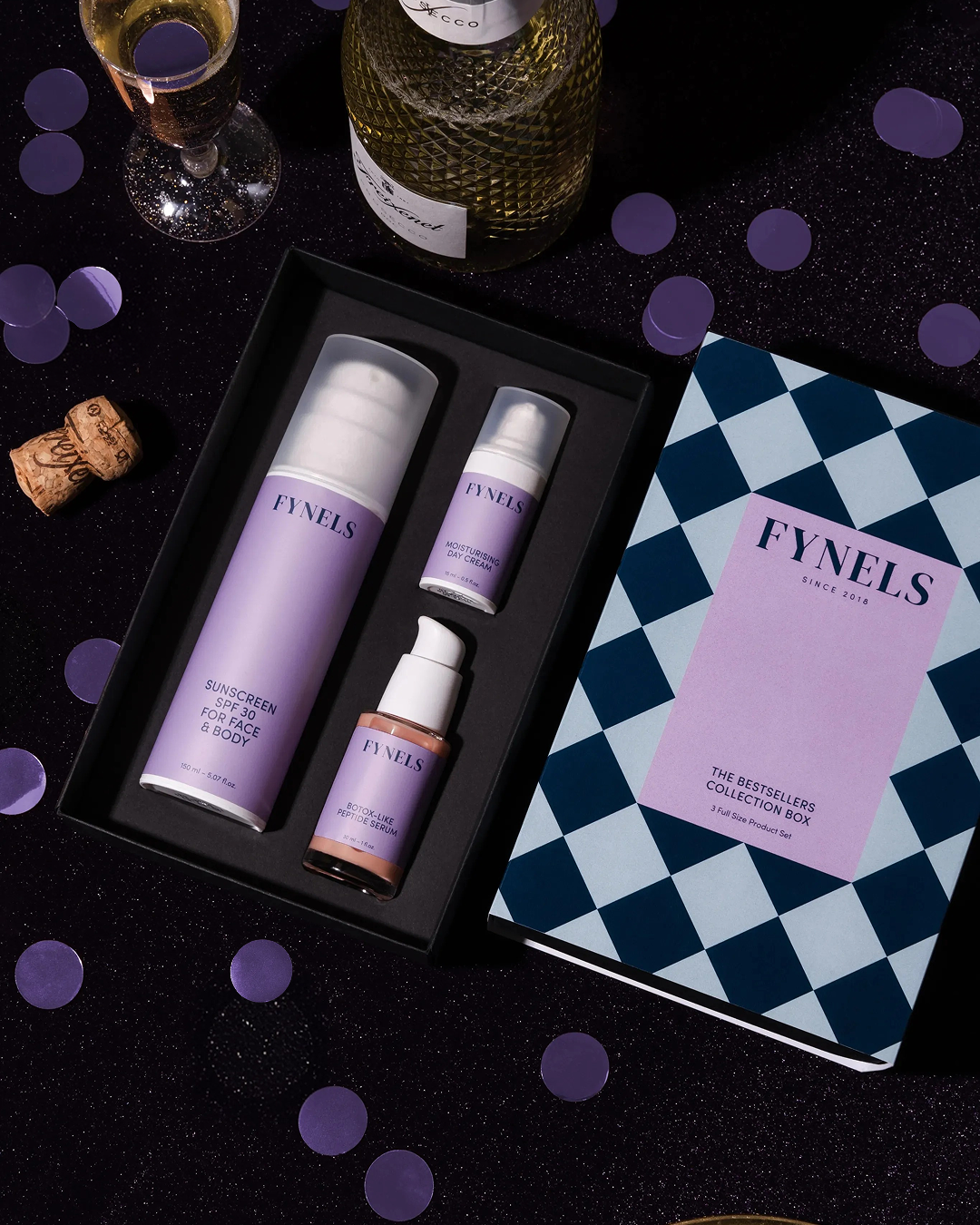
But as we said at the start, packaging alone isn’t enough.
The brands that stand out use packaging as an extension of their identity. It reflects their positioning, their audience, and their values – whether that’s luxury, accessible pricing, or sustainable packaging.
Because great packaging gets attention. (And if your packaging looks like every other beige tube… we need to talk.)
But when it aligns with strong formulas, clear identity, and real performance, that’s what makes it work.
Best Makeup Brands to Know (and Learn From)
Now that we’ve covered what makes a makeup brand stand out, let’s get practical and have a look at some of the top brands.
They didn’t get there by accident. Each one has a clear identity, a focused product line, and a strategy that works. If you’re building your own brand, this is where you should take notes.
Top Luxury & High-End Brands
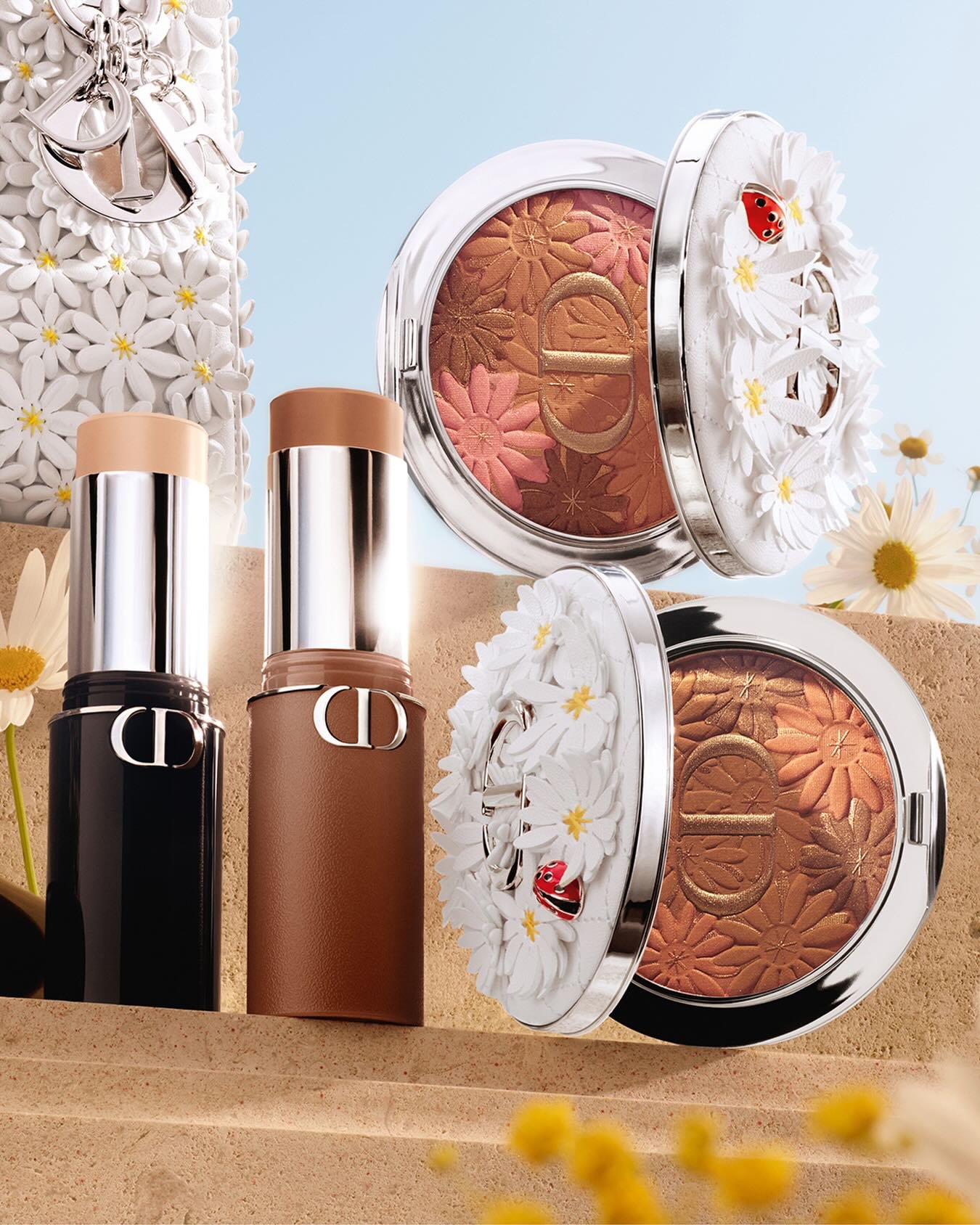
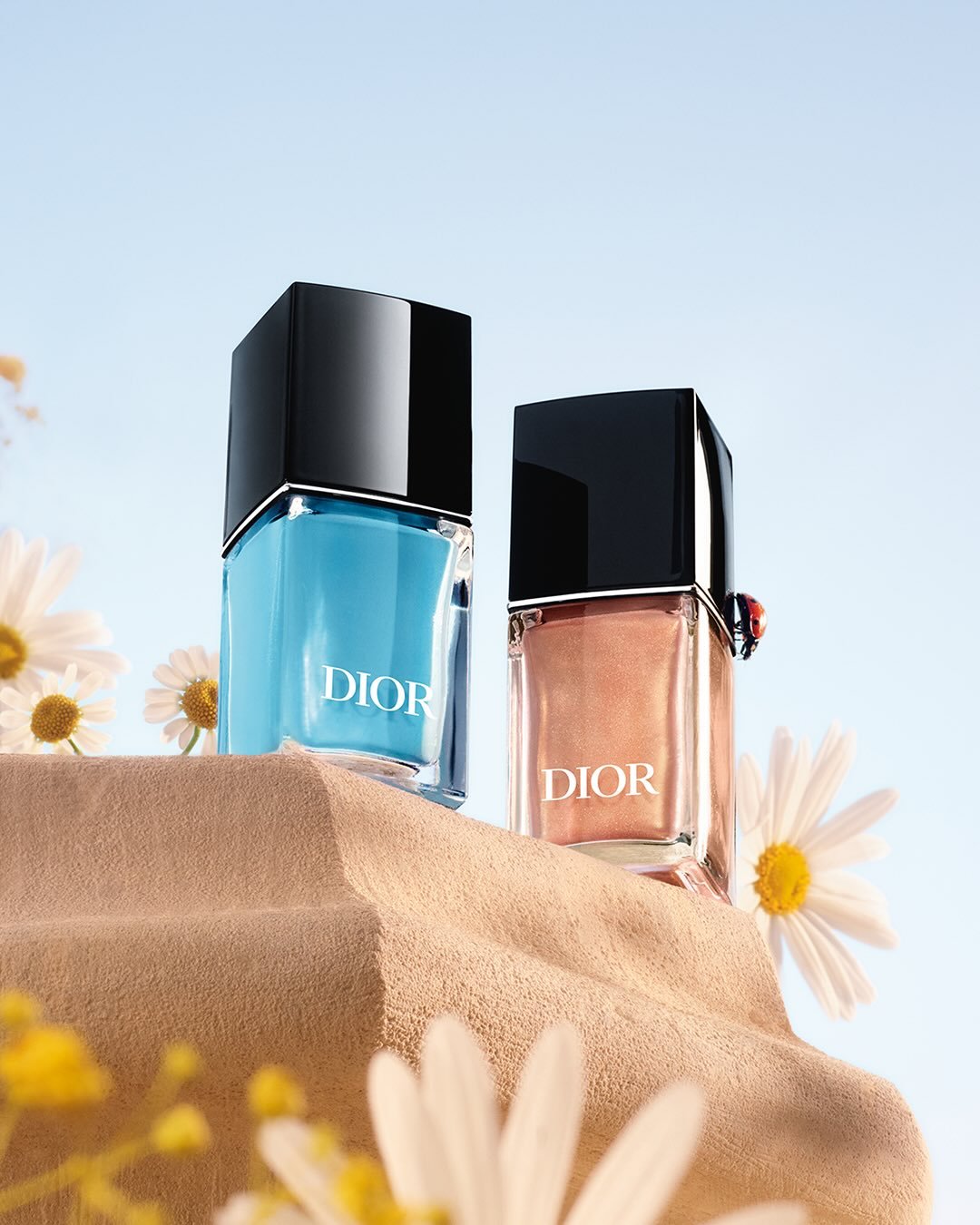
Brand positioning: Timeless luxury with a strong brand's haute couture heritage, combined with modern innovation.
Product focus: Premium foundation, refined formula, polished complexion products with a natural-looking finish.
Dior doesn’t chase trends. It defines what classic beauty looks like.
Built on a strong brand's heritage, the brand consistently delivers products that feel luxurious, from texture to packaging. The focus is on perfecting what already works.
What you can learn: Luxury is also about consistency, not just the price. If you position high-end, your quality has to show up in every detail.
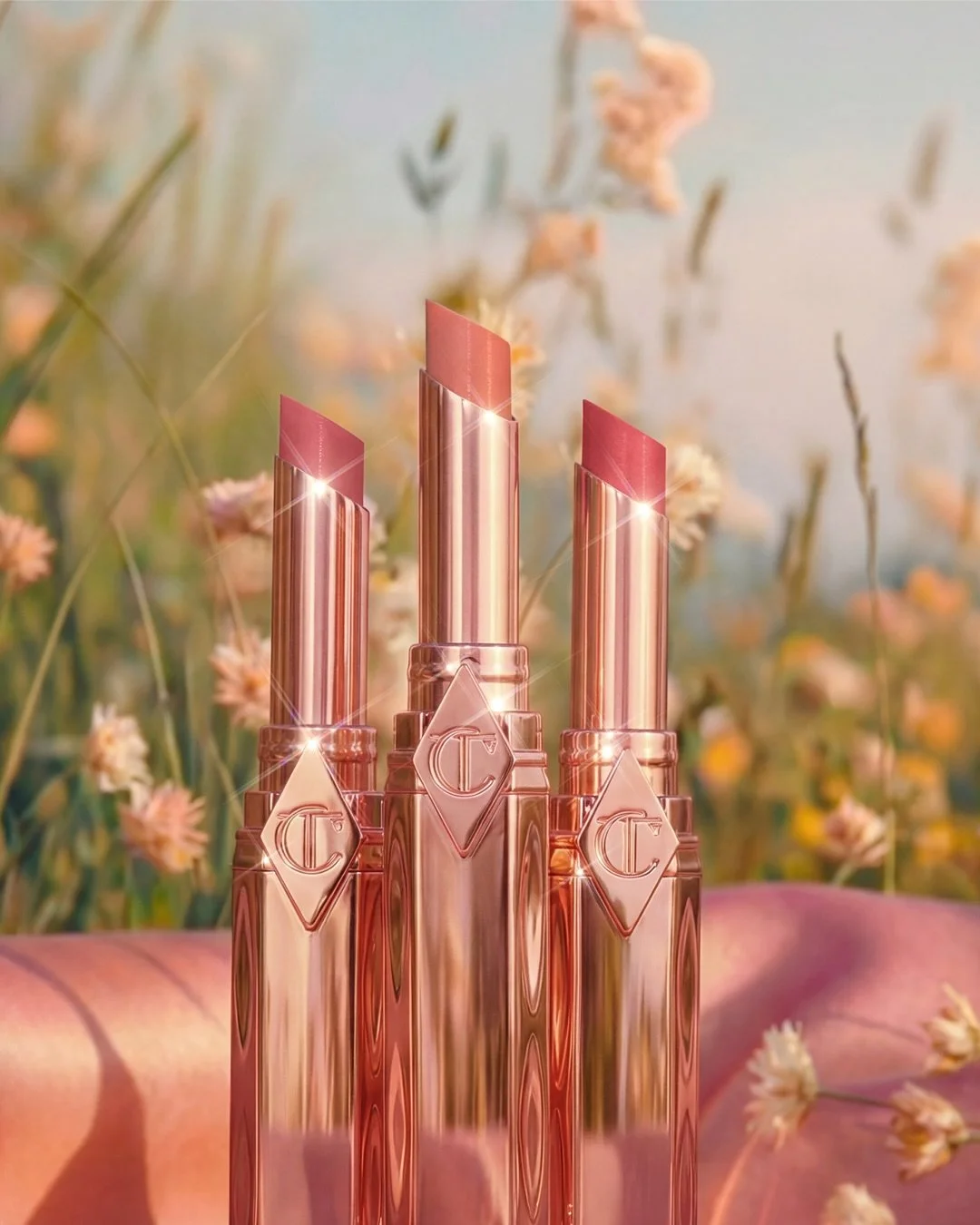
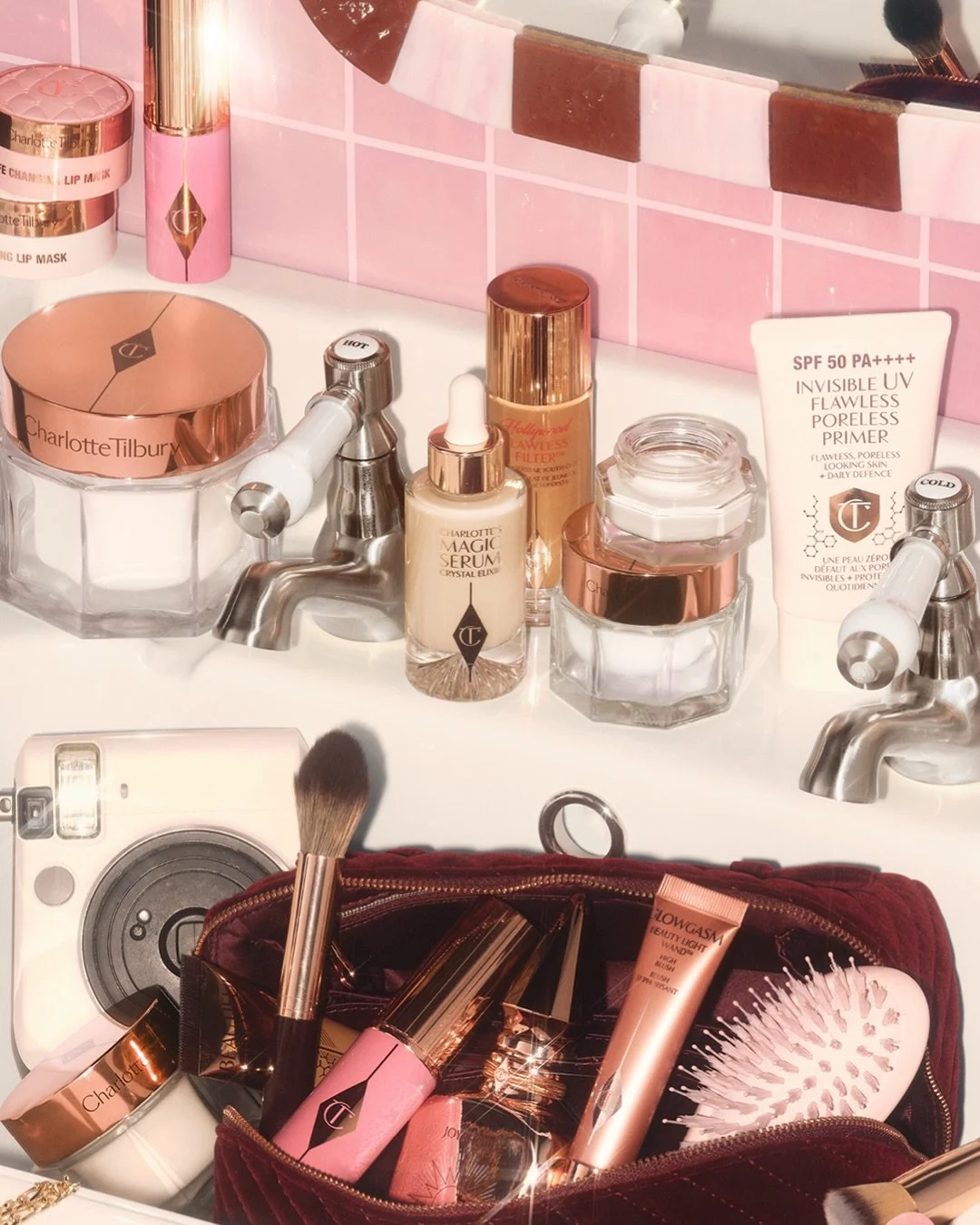
Brand positioning: Glamorous, celebrity-driven, and instantly recognizable (Charlotte Tilbury as both the founder and face).
Product focus: Glow-enhancing beauty products designed for glowing skin, radiant finish, and effortless glam.
Charlotte Tilbury has built a brand around a signature look. Think red carpet glow, but made accessible.
Her products are designed to help users easily recreate a polished, camera-ready complexion. Much like how many aspire to recreate Mario’s signature techniques (makeup by Mario) without needing a professional makeup artist's skill set.
What you can learn: Sell a transformation, not just a product. When customers know exactly what look your brand delivers, you become their go-to.
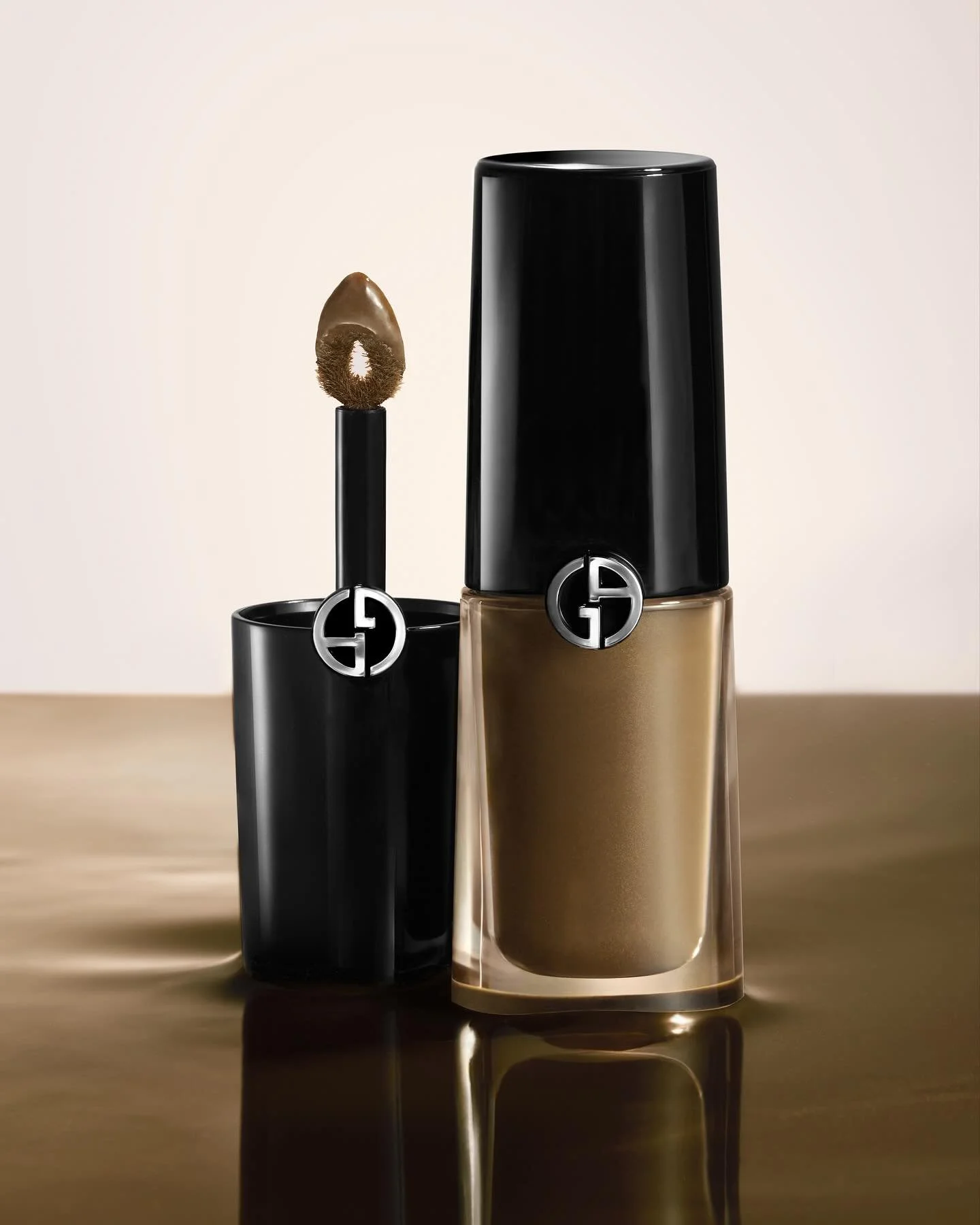
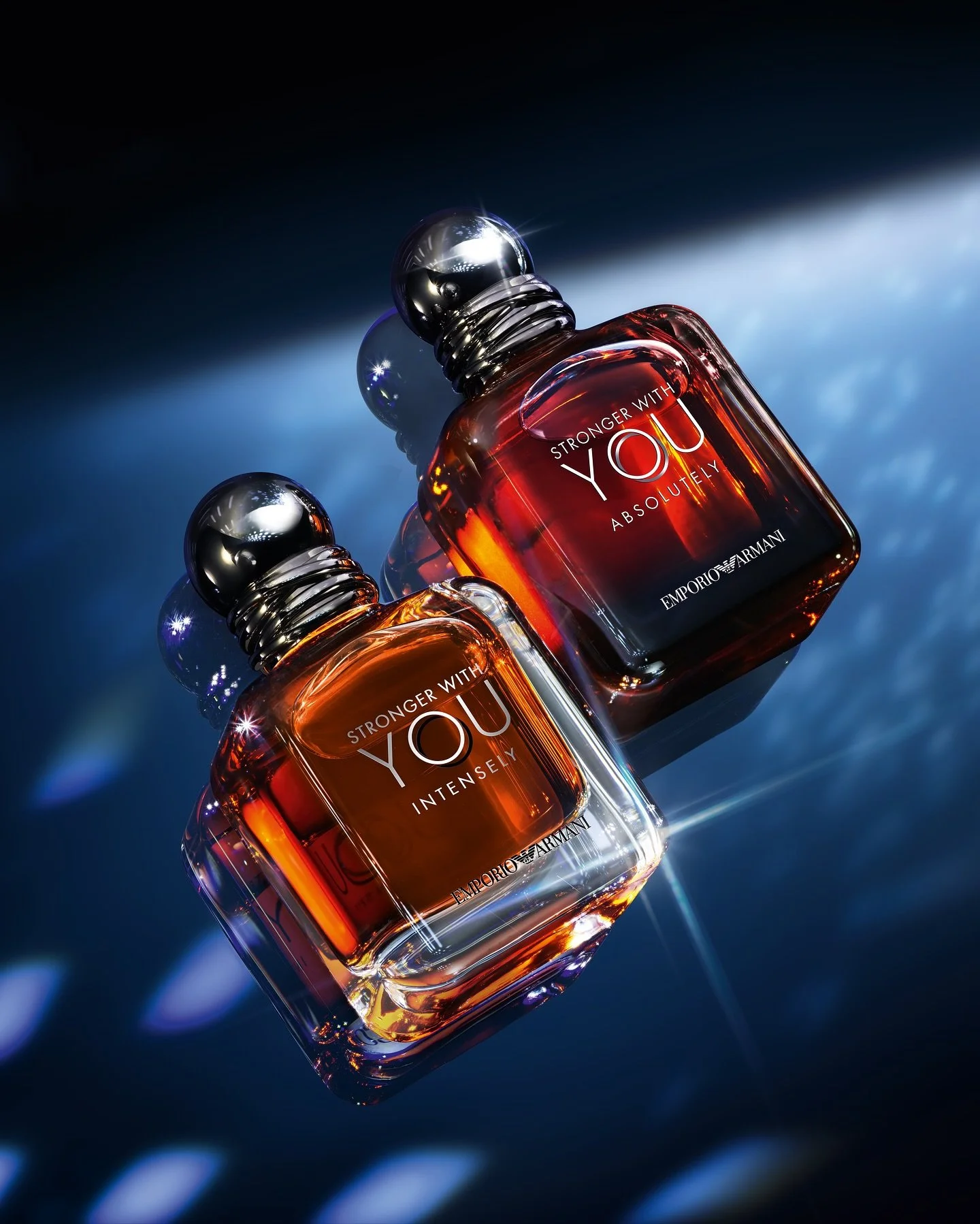
Brand positioning: Minimalist luxury with a focus on skin perfection.
Product focus: The iconic foundation with seamless, lightweight texture and a refined, natural matte finish or luminous glow.
Armani Beauty is built on the idea that great makeup should enhance, not mask.
Its hero products focus on creating a flawless, second-skin complexion that looks effortless in any light.
What you can learn: You don’t need a massive product line. Master that one category, do it exceptionally well, and let that define your brand.
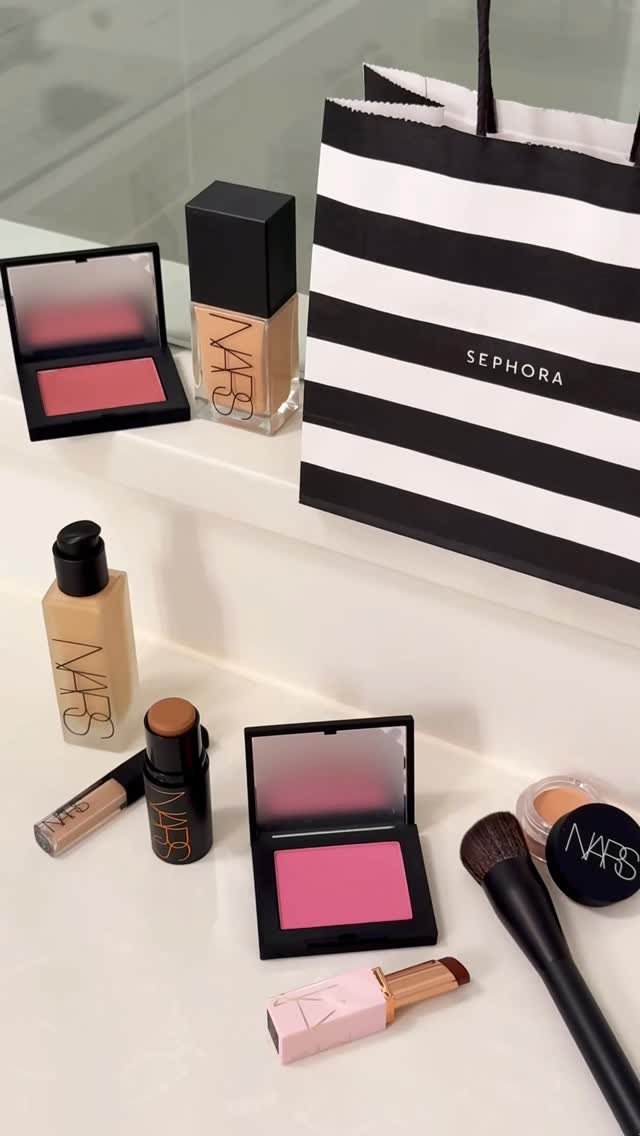
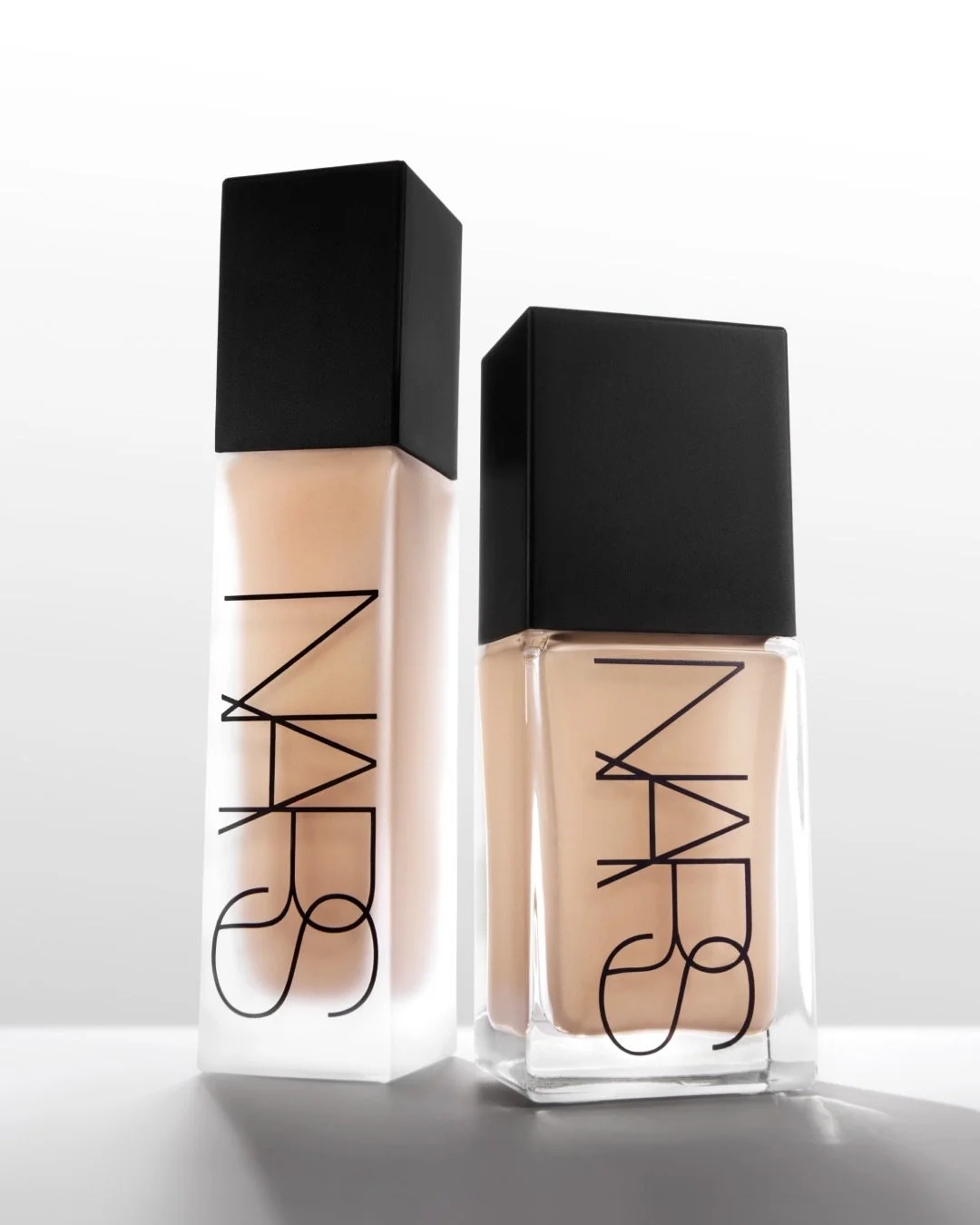
Brand positioning: Bold, artistic, editorial.
Product focus: High pigment products with strong color payoff, statement shades, and performance-driven textures.
NARS is edgy and unapologetic. The brand built its reputation on pushing boundaries, sitting in the same bold, editorial space that artists like Pat McGrath have long defined. From iconic shade names to fearless color choices, it stands out by not playing it safe.
What you can learn: Don’t be afraid of personality. If your identity is bold, commit to it fully. Bold makeup isn’t for everyone, but it has a loyal audience.
Best Mid-Range & Popular Brands
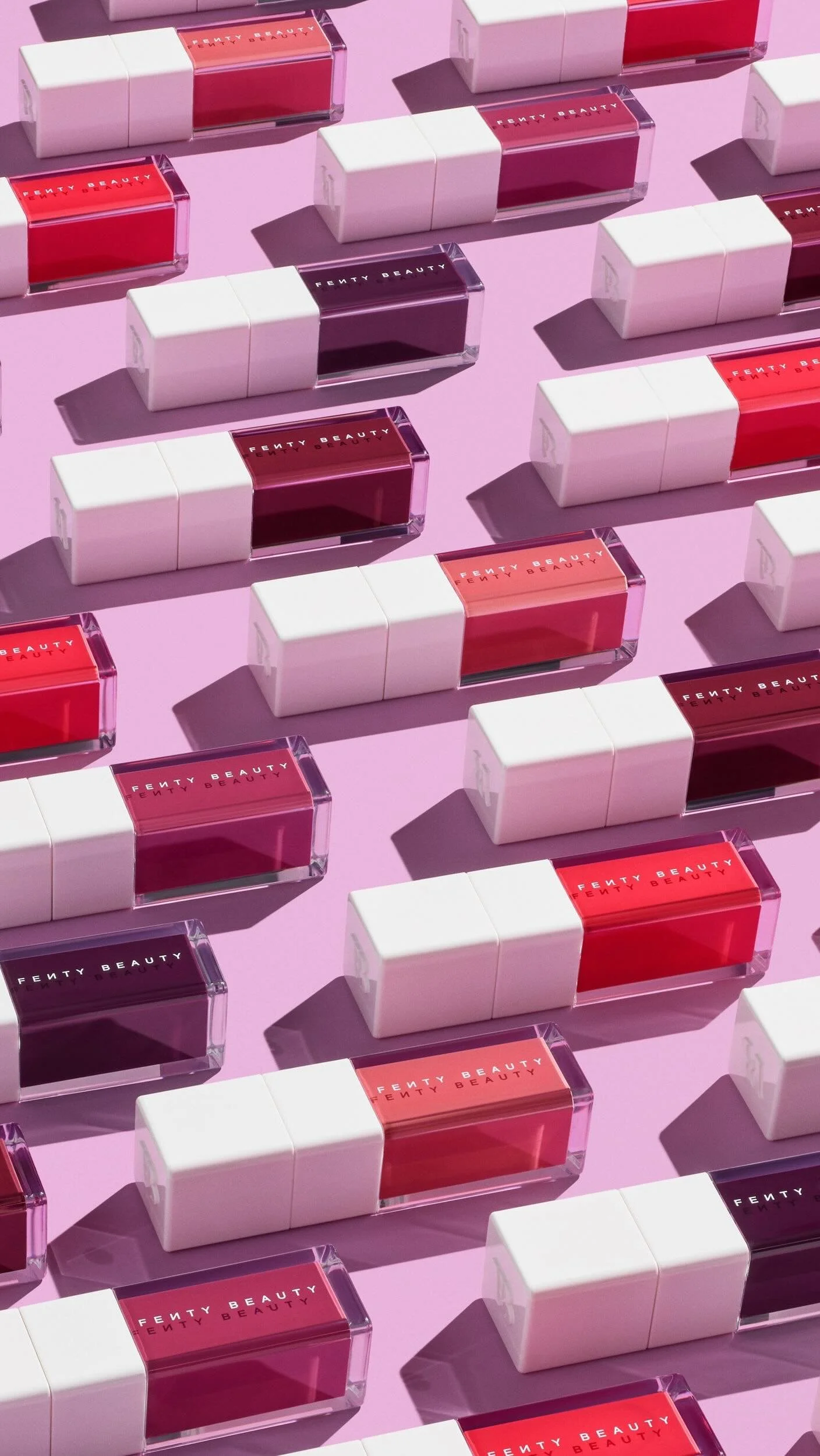
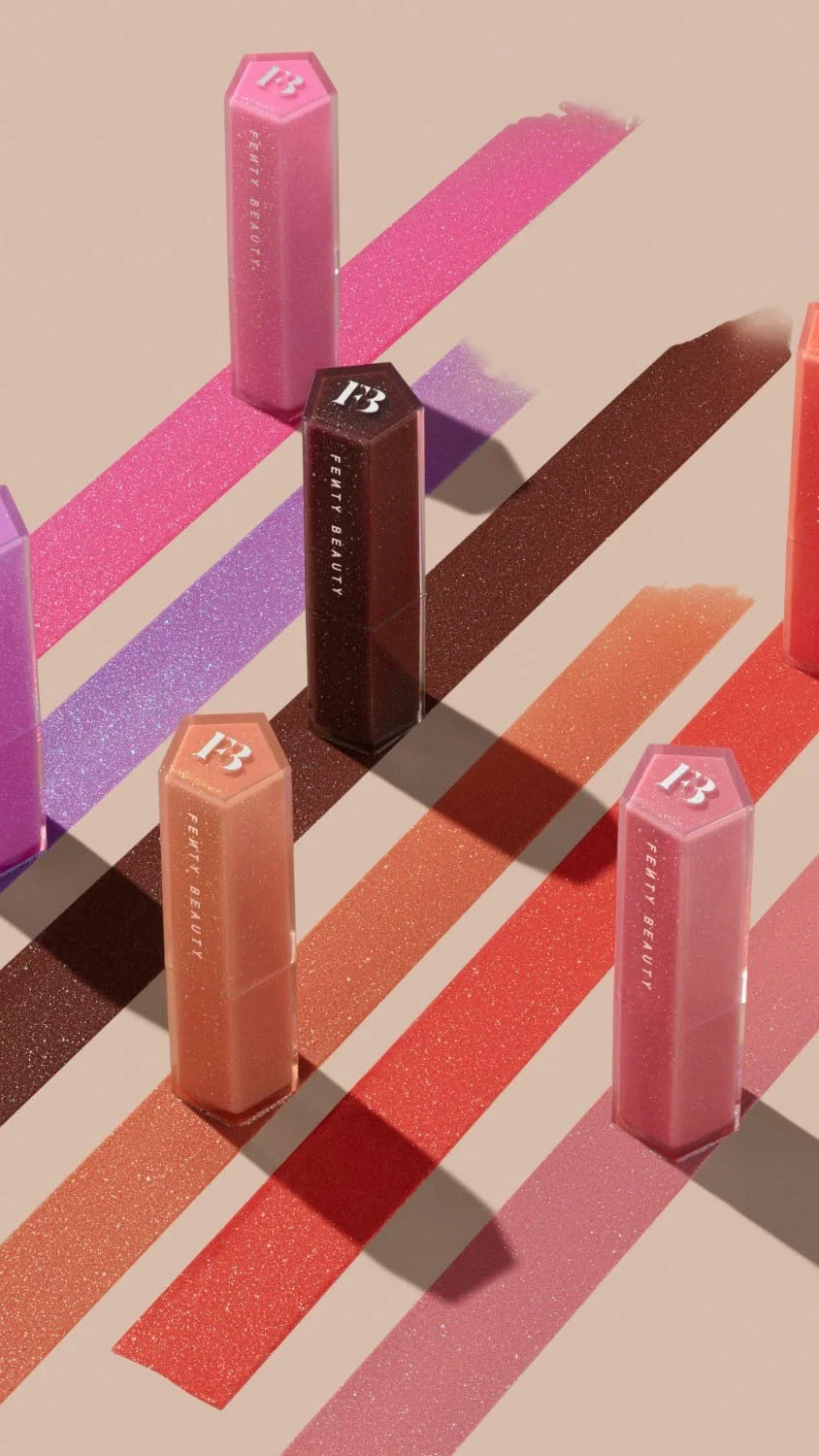
Brand positioning: Inclusive, disruptive, and industry-shifting, built on redefining what “universal beauty” actually means (founded by Rihanna).
Product focus: Wide foundation range across an expanded spectrum of skin tone, high-performance complexion products designed for real inclusivity and real-life wear.
Fenty Beauty rewrote the rules of the makeup industry by launching a groundbreaking 40-shade foundation range (later expanded to 50), instantly addressing a gap the industry had ignored for decades.
What you can learn: Inclusivity isn’t a “nice-to-have” feature you bolt on later. It’s a foundation that shapes everything from your shades and foundation development to how your entire product line is perceived. Build it in from day one. Don’t risk creating something that already feels incomplete.
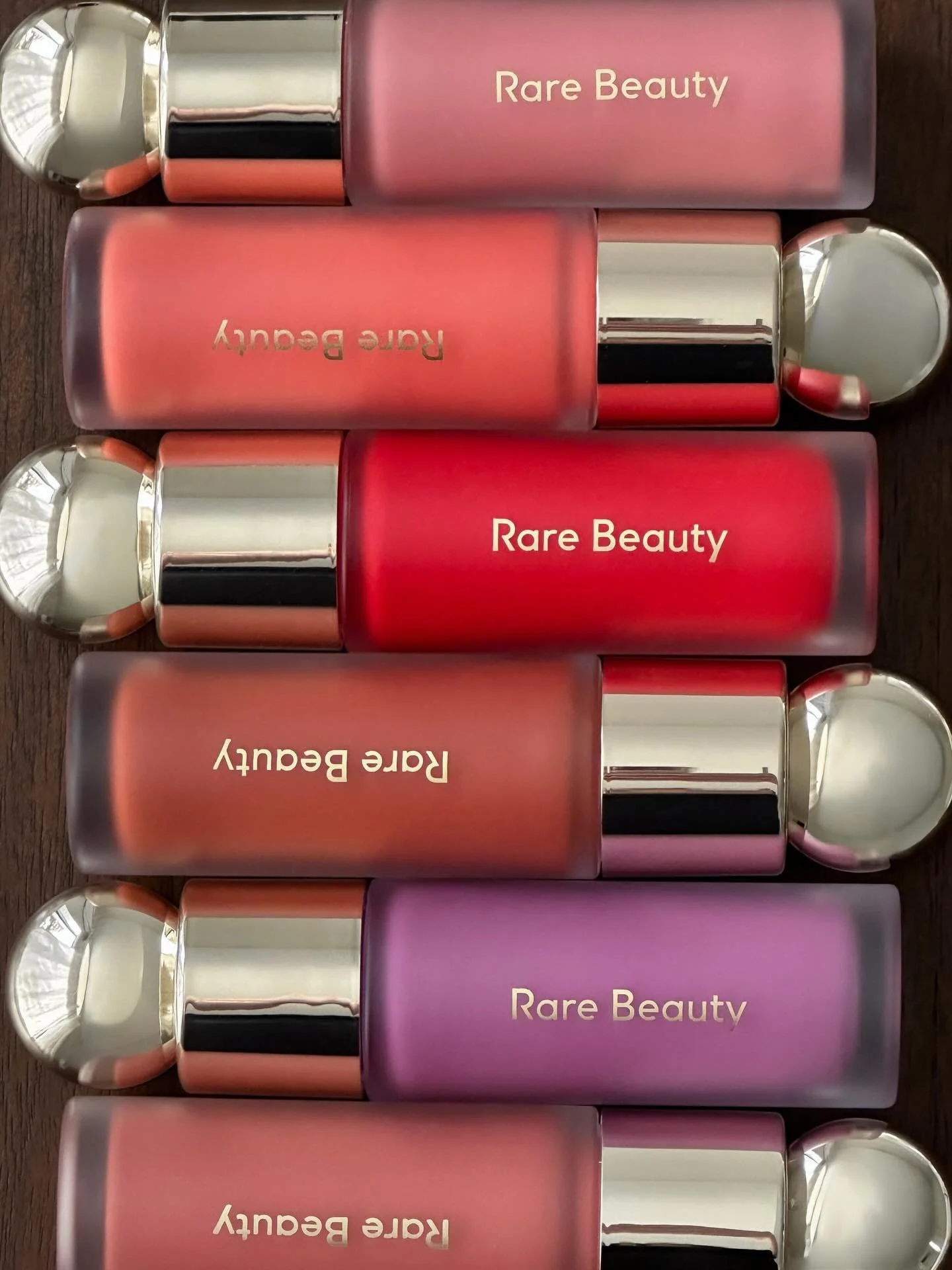
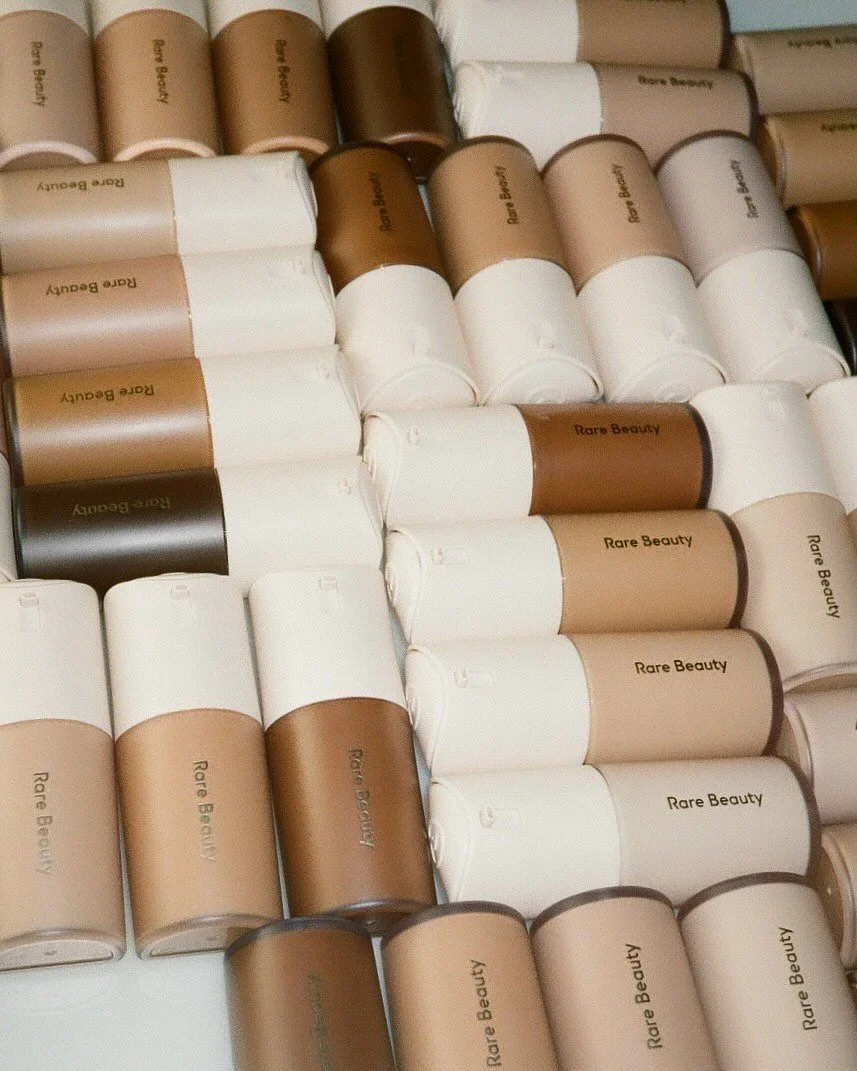
Brand positioning: Purpose-driven, emotionally grounded, built around self-acceptance (founded by Selena Gomez).
Product focus: Lightweight textures, buildable coverage, soft, dewy finish, and skin-enhancing formulas.
Rare Beauty isn’t trying to cover you up. It’s trying to let you show up instead.
Everything about the brand weaves into that idea. The textures are light, the finishes are soft, and the overall look is effortless. It’s the kind of makeup you reach for when you still want to look like yourself – just a little more rested and a little more put together.
But the real magic lies in the message. Rare Beauty moves away from perfection by celebrating natural beauty and pushing back against unrealistic standards. That’s something Selena Gomez has consistently advocated for beyond the brand itself.
What you can learn: A strong message builds a connection. When your brand stands for something meaningful, customers relate and buy into your perspective.
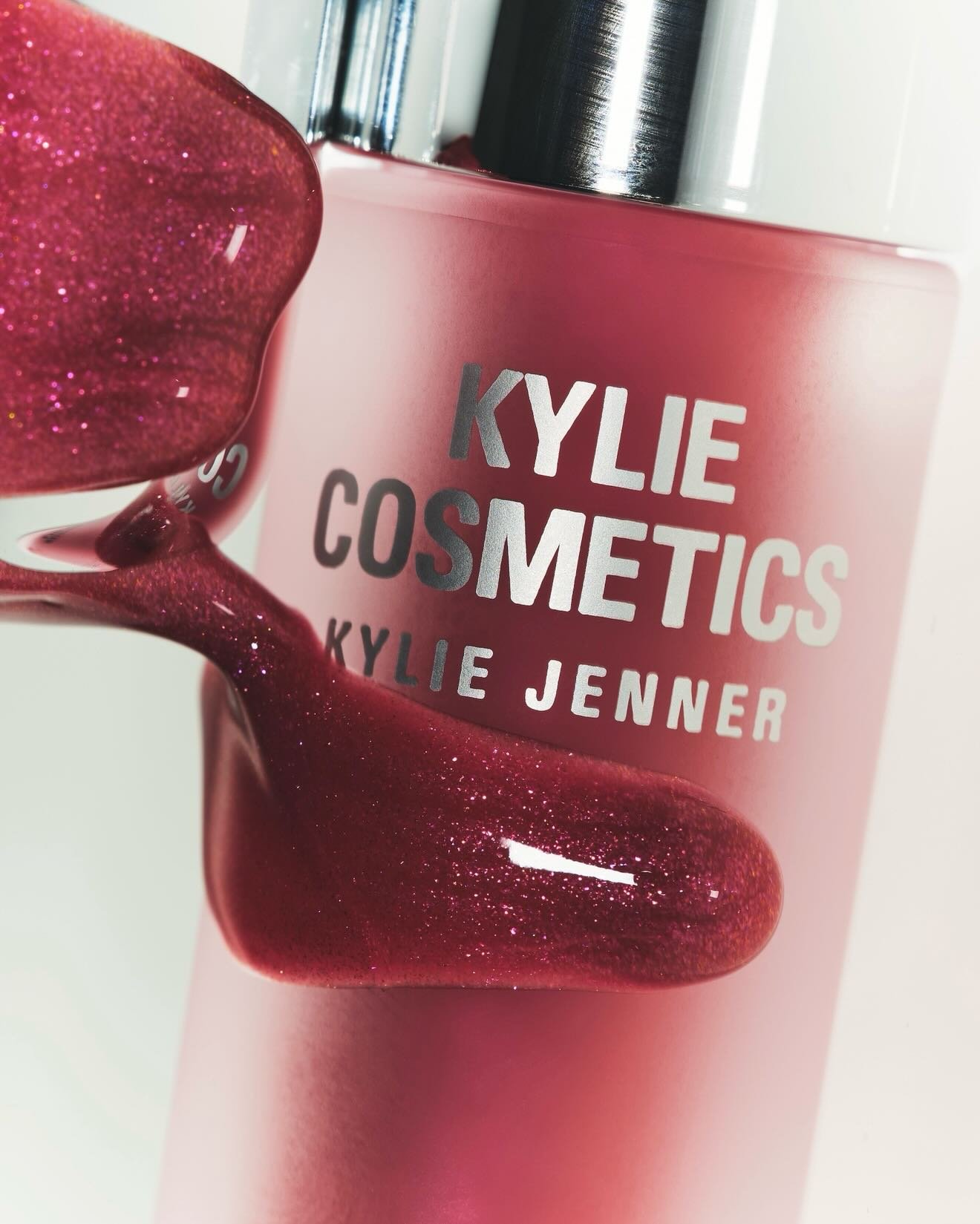
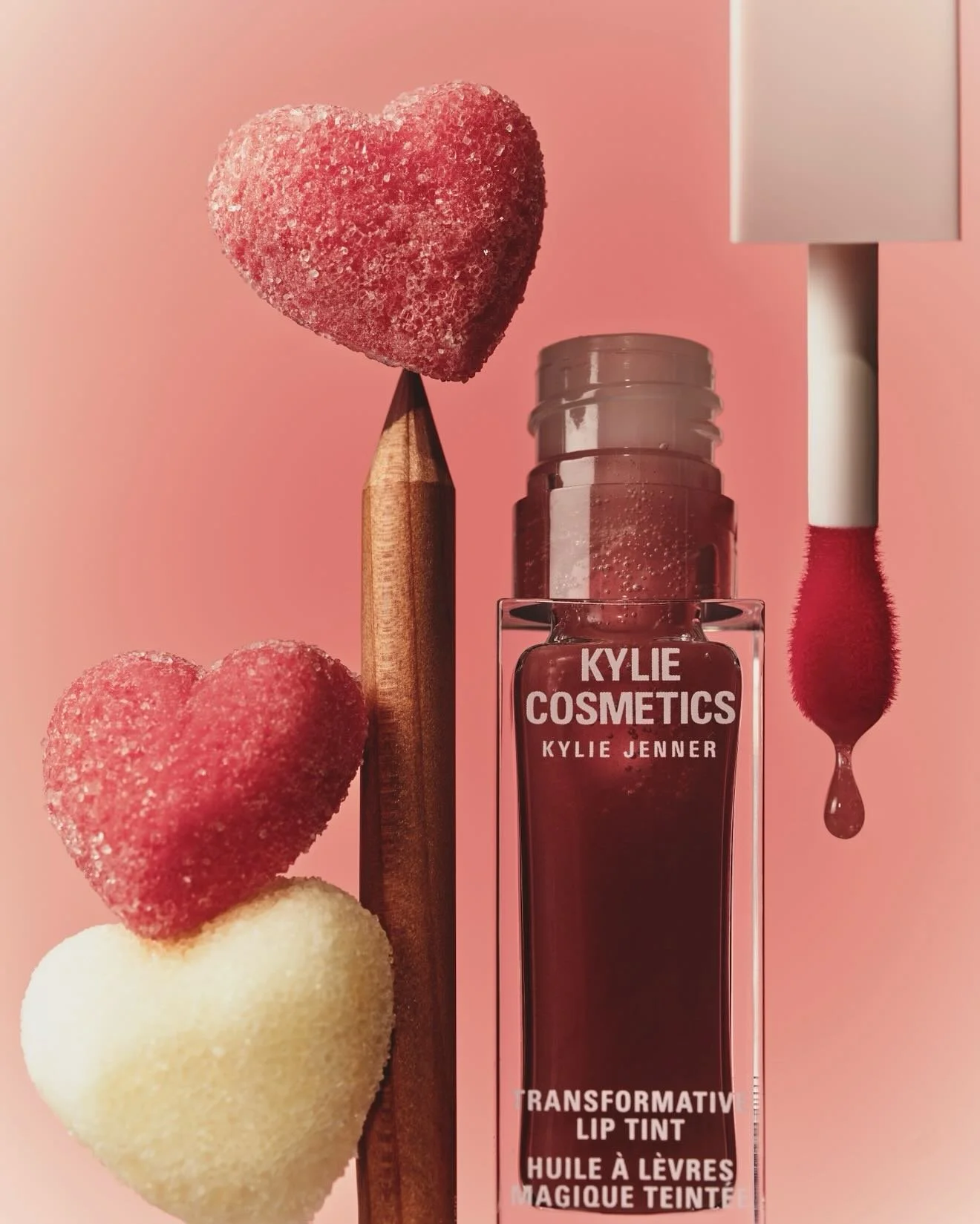
Brand positioning: Trend-driven, influencer-powered, culturally relevant (founded by Kylie Jenner).
Product focus: Lips, especially high-impact kits with strong color payoff.
Kylie Cosmetics is proof that you don’t need a massive range to make a massive impact.
It started with lip kits. That’s it. But they hit the mark with their strong pigment, clear identity, and perfect timing. Suddenly, they weren’t just products – they were must-have items.
What you can learn: You don’t need to launch everything at once. One standout product, done really well, can carry your entire brand (and your marketing).
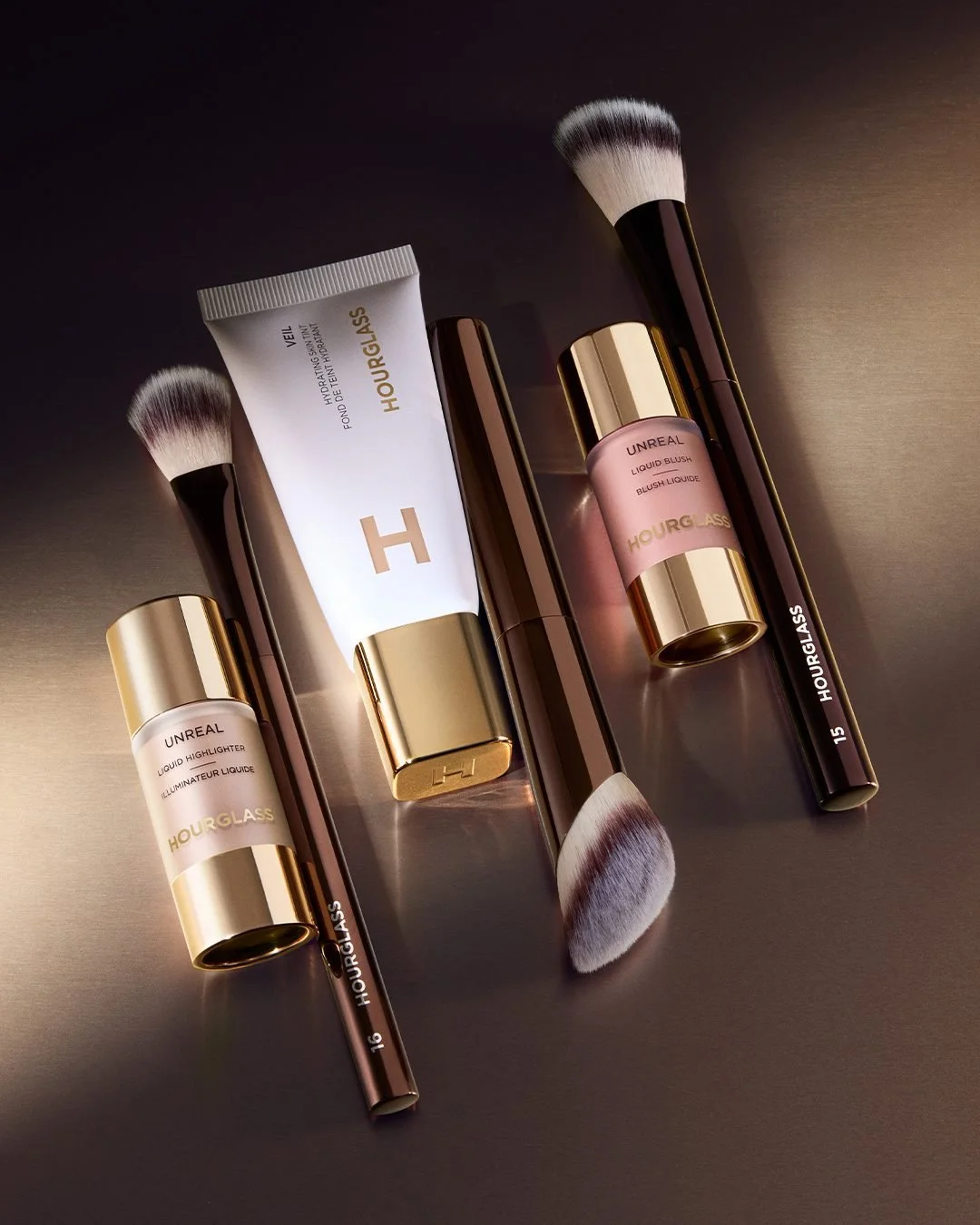
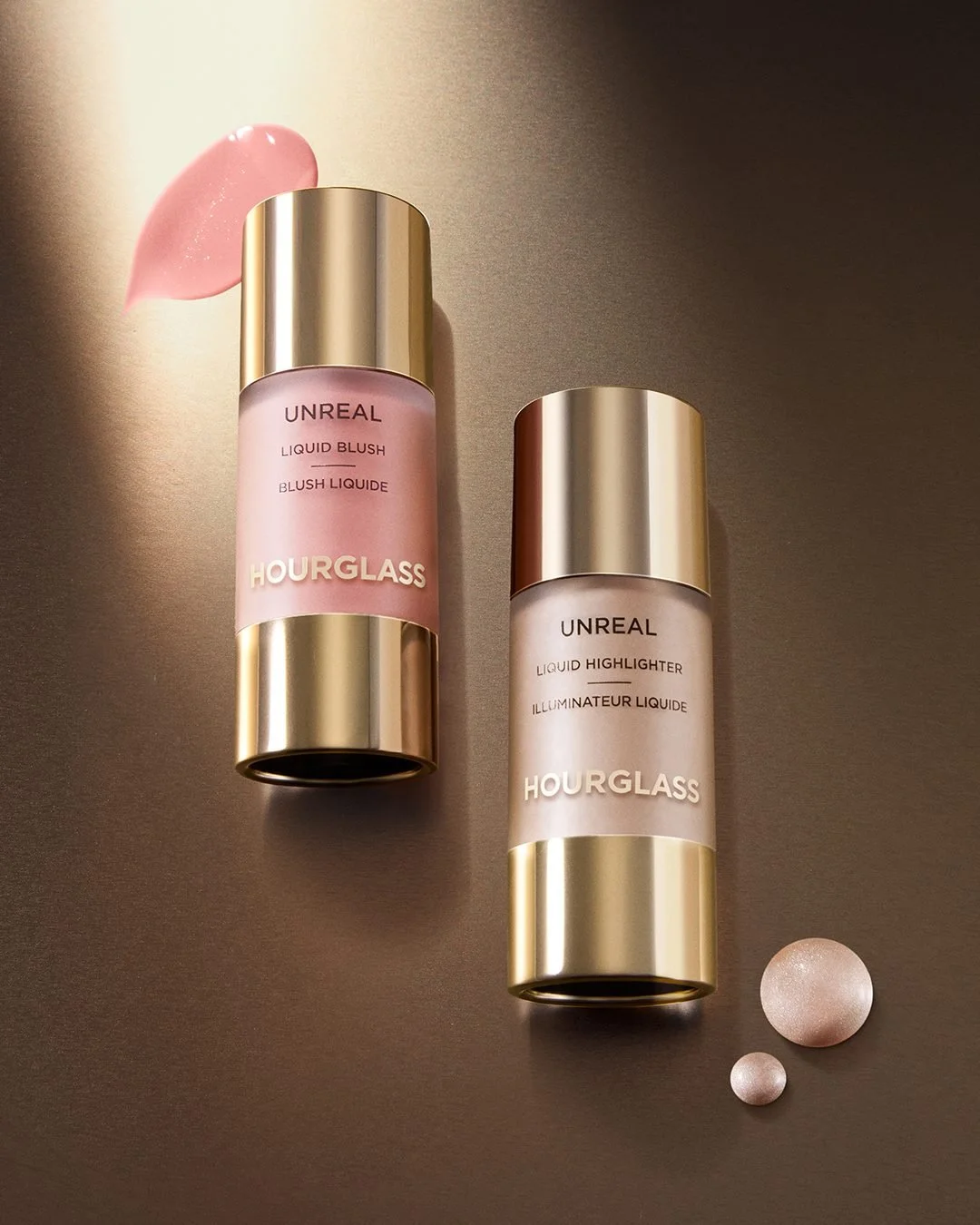
Brand positioning: Quiet luxury with a focus on innovation and finish.
Product focus: Advanced formula technology delivering flawless finish, soft shine, and a refined, radiant finish.
Hourglass is all about that “your skin, but better” effect. But a bit more elevated.
Their products are designed to play with light. Not in a glittery way, but in that subtle, lit-from-within glow that makes you look instantly well-rested.
It’s less about coverage and more about the effect.
What you can learn: Innovation speaks for itself. If your product does something visibly different, it justifies the premium position.
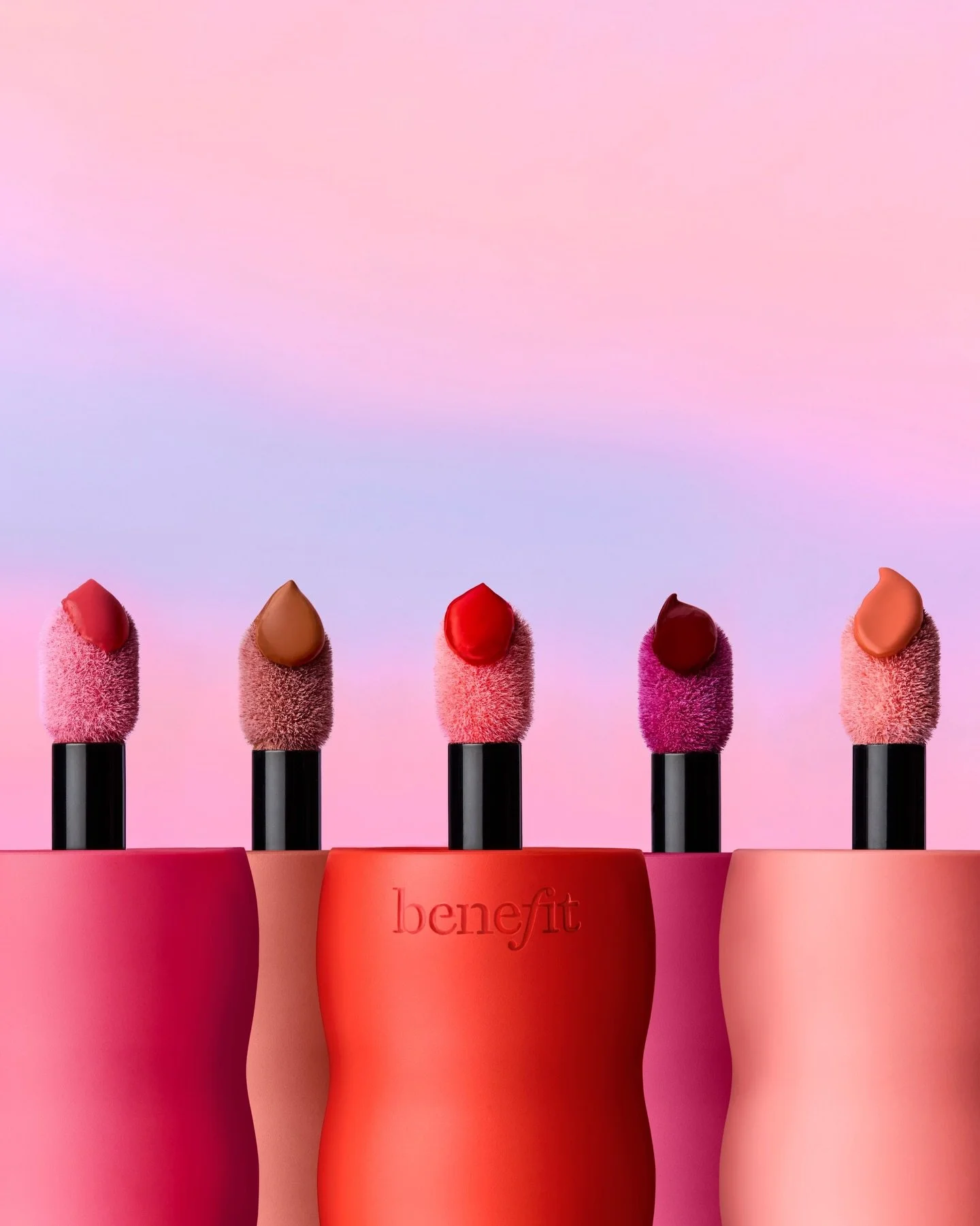
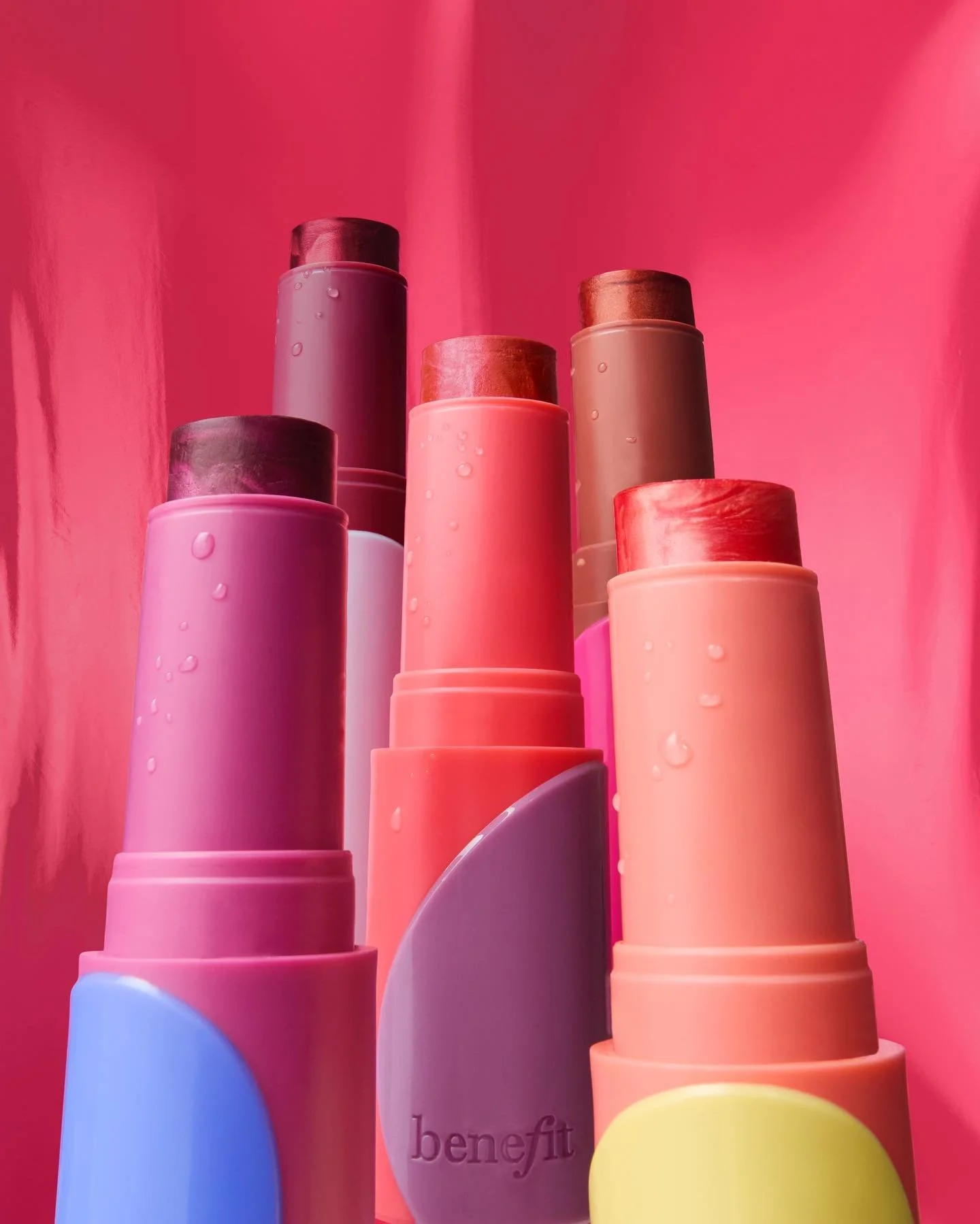
Brand positioning: Fun, cheeky, and personality-first.
Product focus: Brows, mascaras, and instantly recognizable playful packaging.
Benefit feels like that friend who doesn’t take beauty too seriously, but somehow always gets it right.
The branding is bold, a little nostalgic, and very intentional. You recognize it instantly, even from across the store.
What you can learn: Don’t underestimate personality. In a sea of minimalism, having a distinct voice (and look) can make your brand unforgettable.
Top Drugstore & Affordable Brands
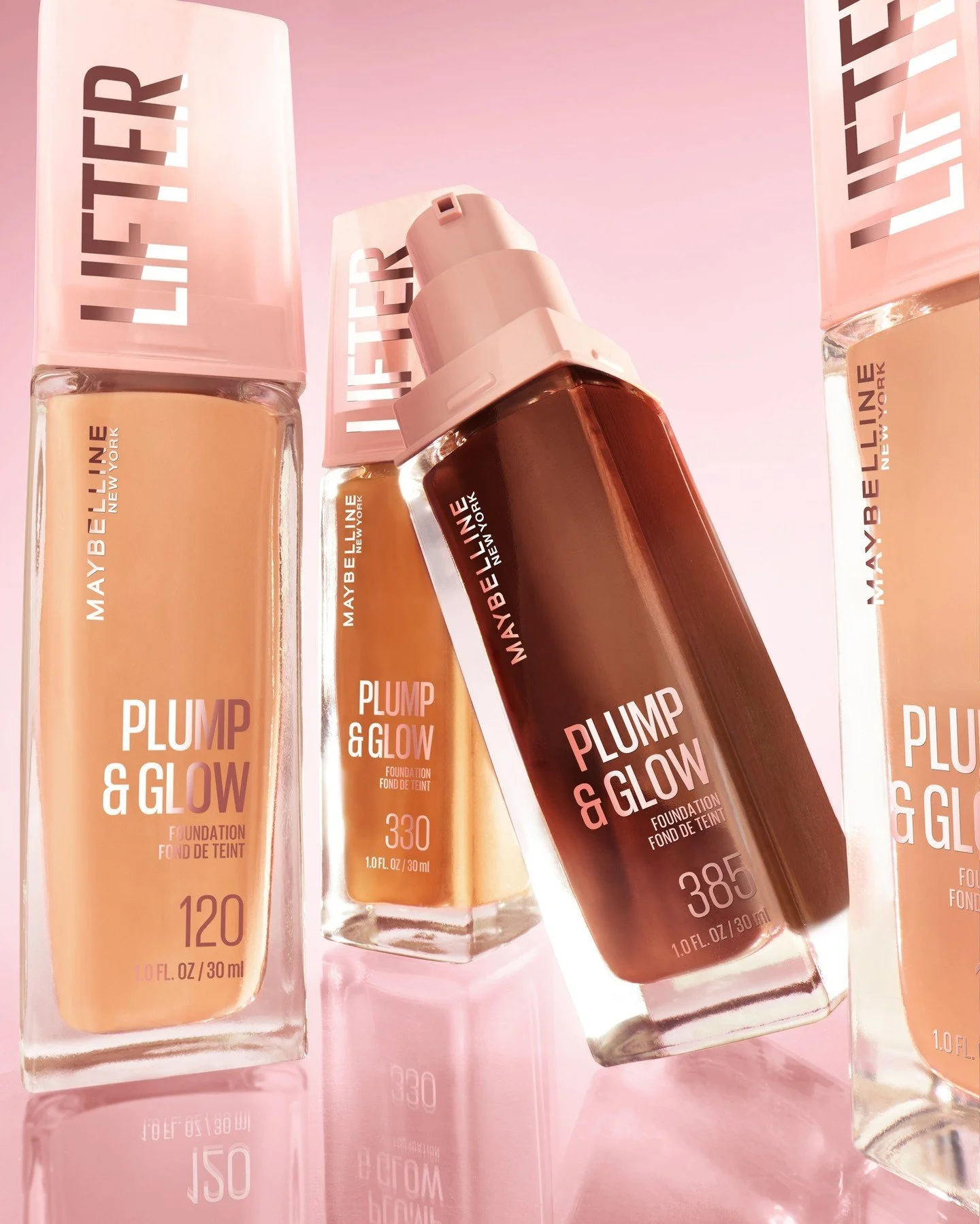
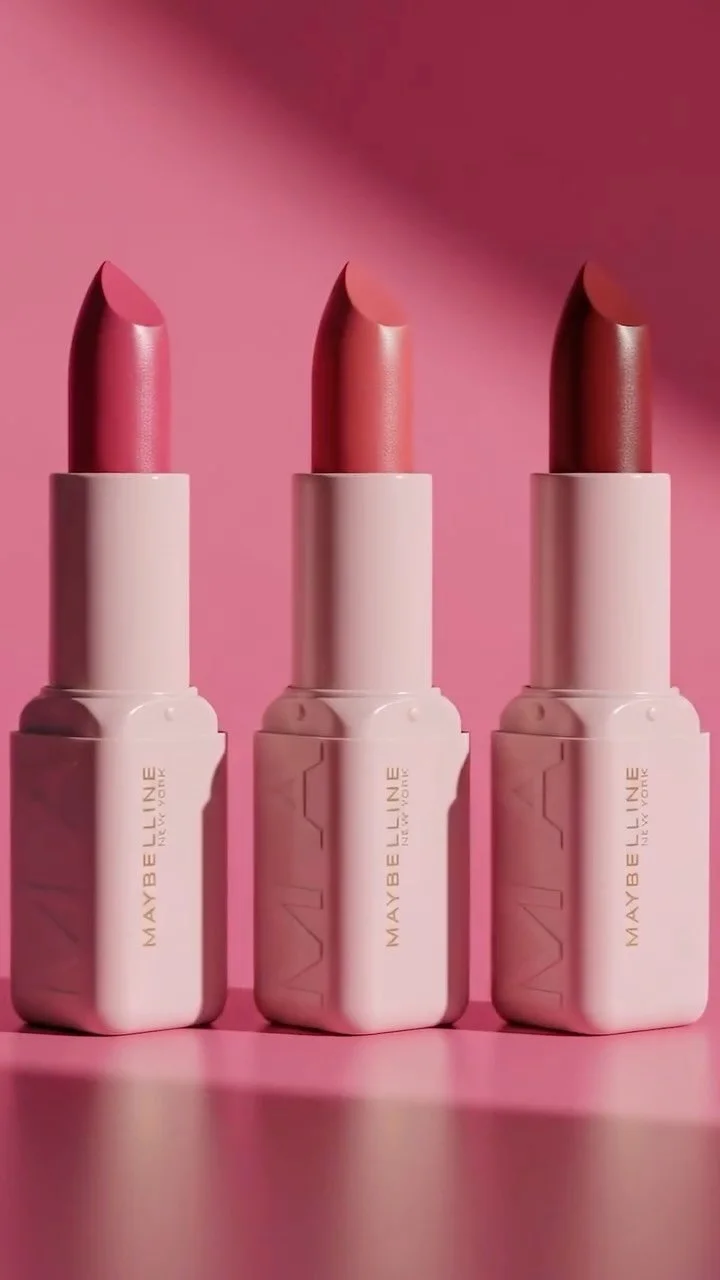
Brand positioning: Accessible, mass-market, reliable, made for everyday use.
Product focus: Core staples like foundation, mascaras, and long-wearing essentials.
Maybelline isn’t trying to reinvent the wheel. It’s making sure the wheel works every single time.
It’s the brand people go back to because it’s familiar, consistent, and gets the job done – you always know what to expect.
What you can learn: Reliability builds trust. If your product works every time, people will keep coming back. No hype required.
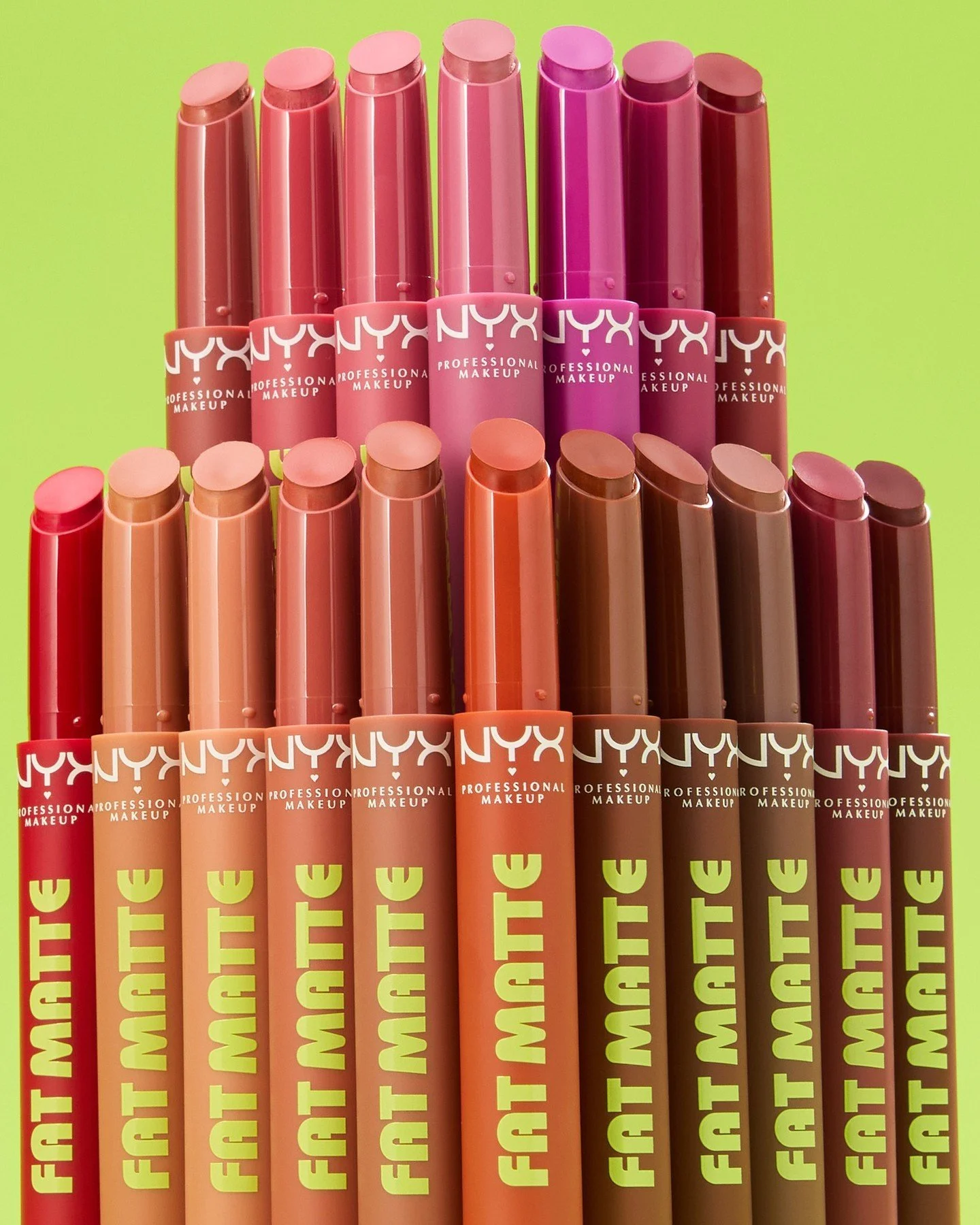
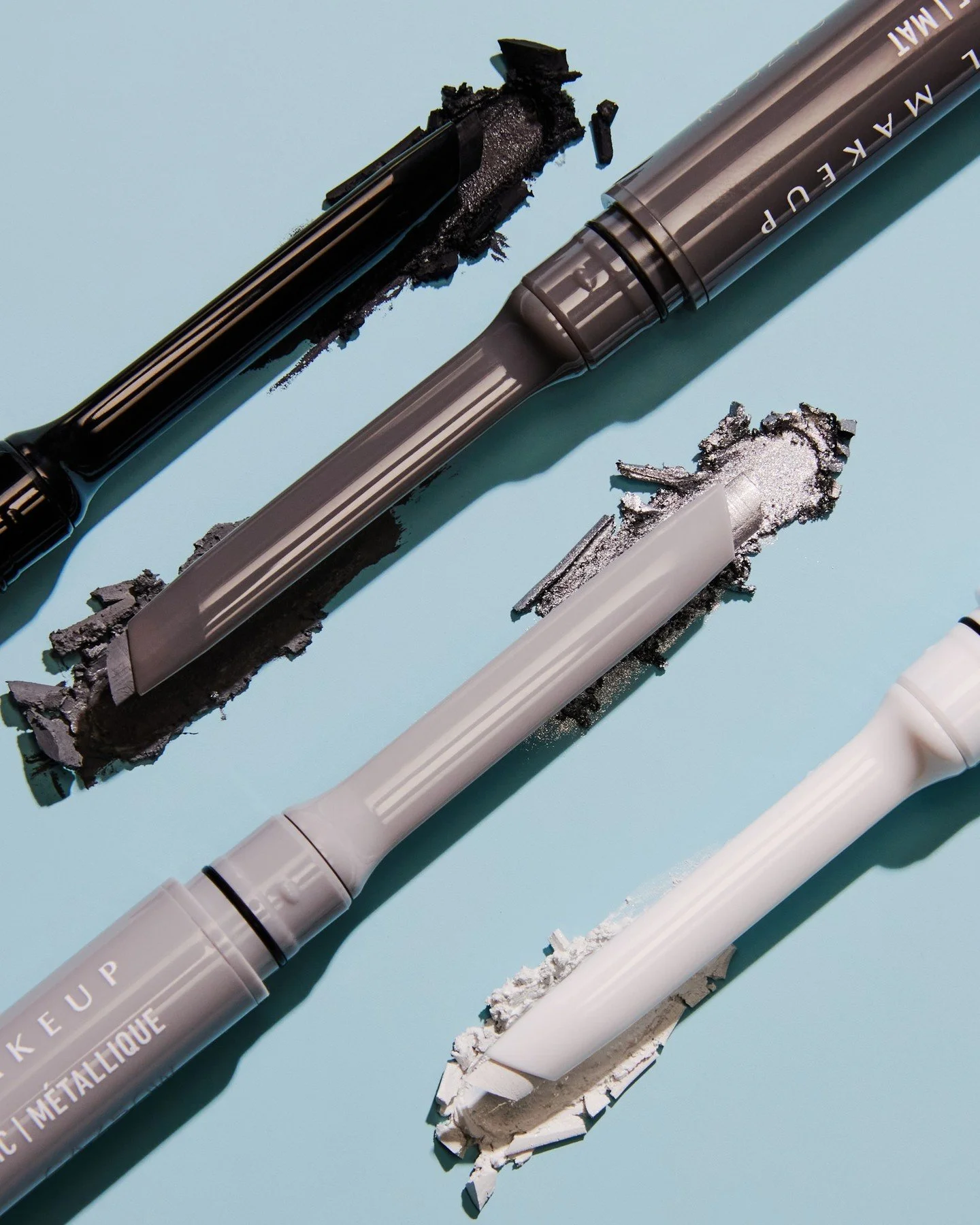
Brand positioning: Pro-inspired, budget-friendly, trend-driven.
Product focus: High pigment lips, liners, and bold color products.
NYX Professional Makeup sits right in that sweet spot between professional tools and everyday affordability.
It’s widely used by both beginners and experienced makeup artist communities. That explains a lot about its performance.
What you can learn: You don’t need a luxury price point to deliver high performance. Accessibility can be your angle.
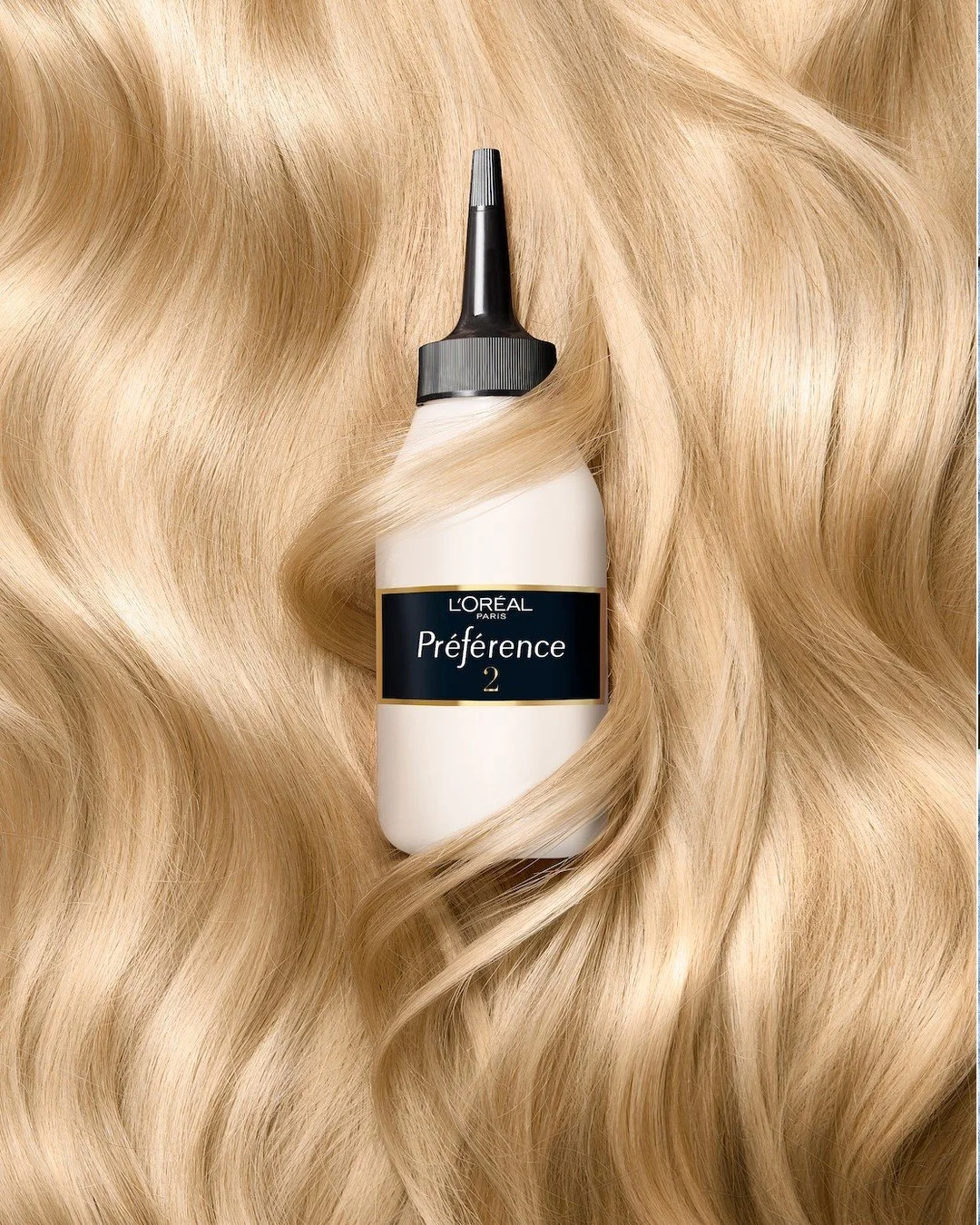
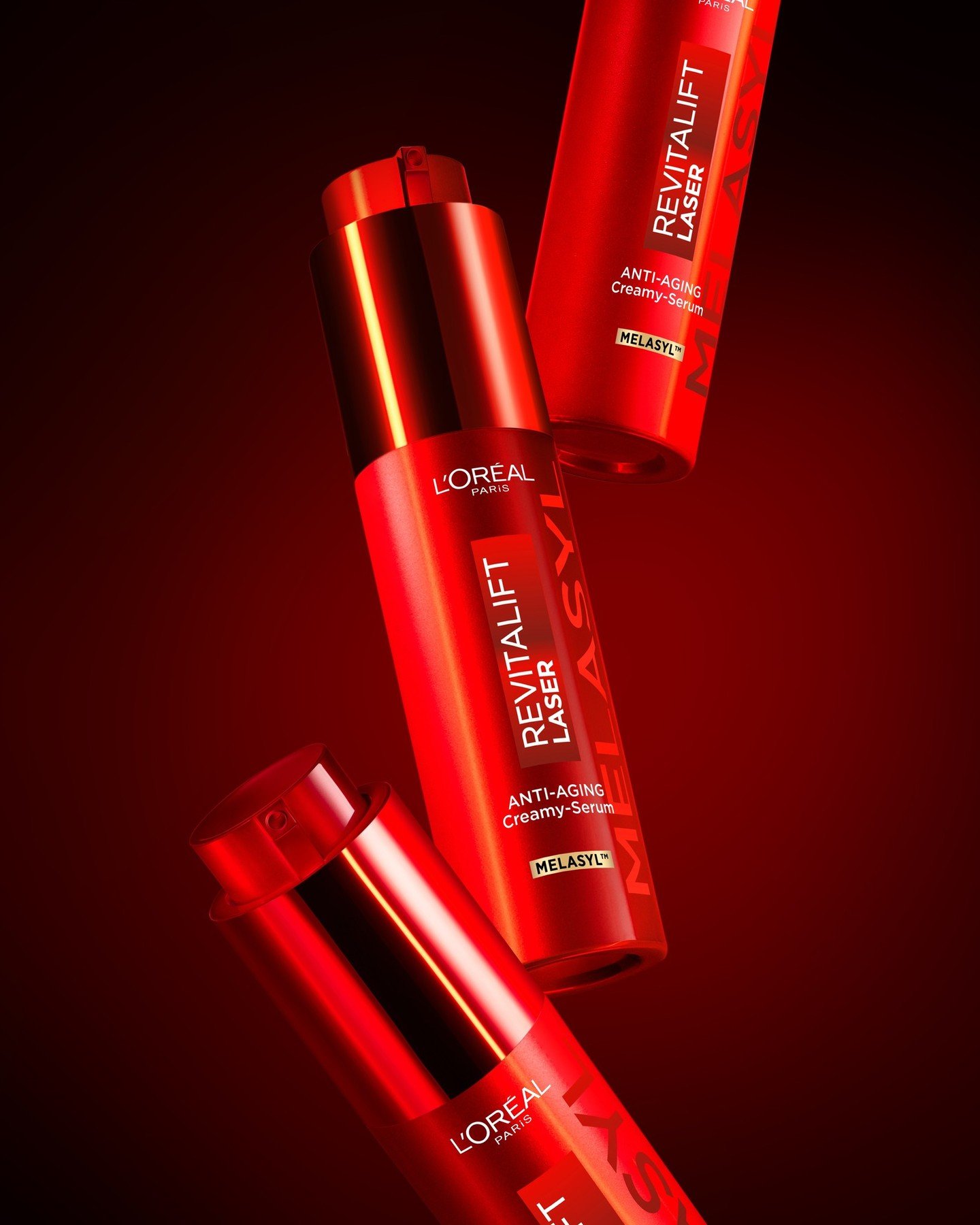
Brand positioning: Innovation at scale with global reach (L'Oréal Paris, part of a broader ecosystem alongside Estée Lauder Companies).
Product focus: A wide range of beauty products across skincare and makeup.
L’Oréal is everywhere and for a good reason.
It manages to cover a huge range without completely losing quality grip, which is no small feat.
What you can learn: Expansion only works if you can maintain standards. More products shouldn’t mean less consistency.
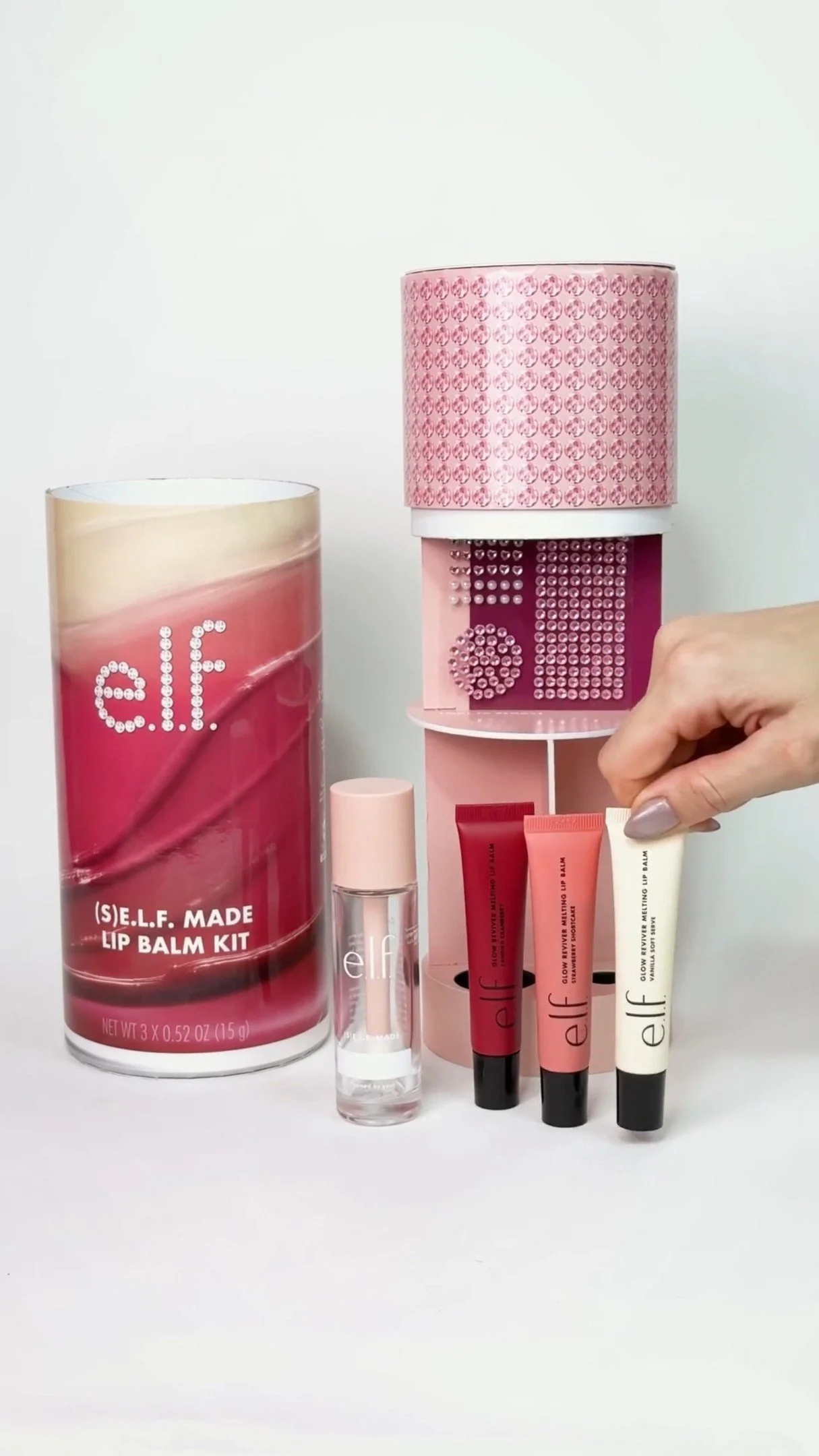
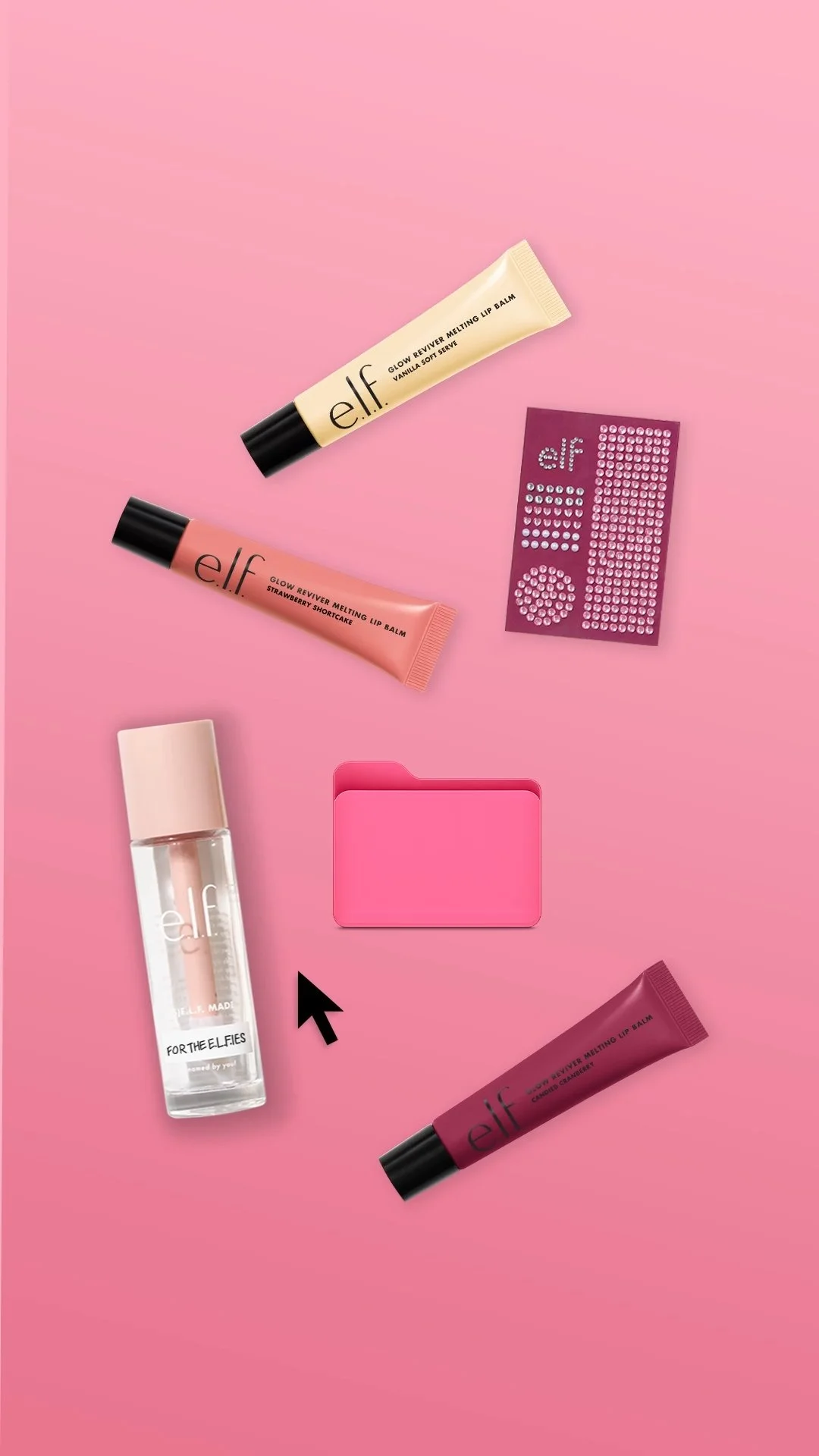
Brand positioning: Trend-driven, fast, highly accessible.
Product focus: Affordable, often viral cosmetics with strong digital presence.
e.l.f. moves fast. Really fast.
It spots trends early, gets products out quickly, and keeps prices low enough that trying something new feels like a no-risk decision.
What you can learn: Speed is a competitive advantage. If you can react quickly and keep your quality, you stay relevant.
Best Clean & Natural Brands
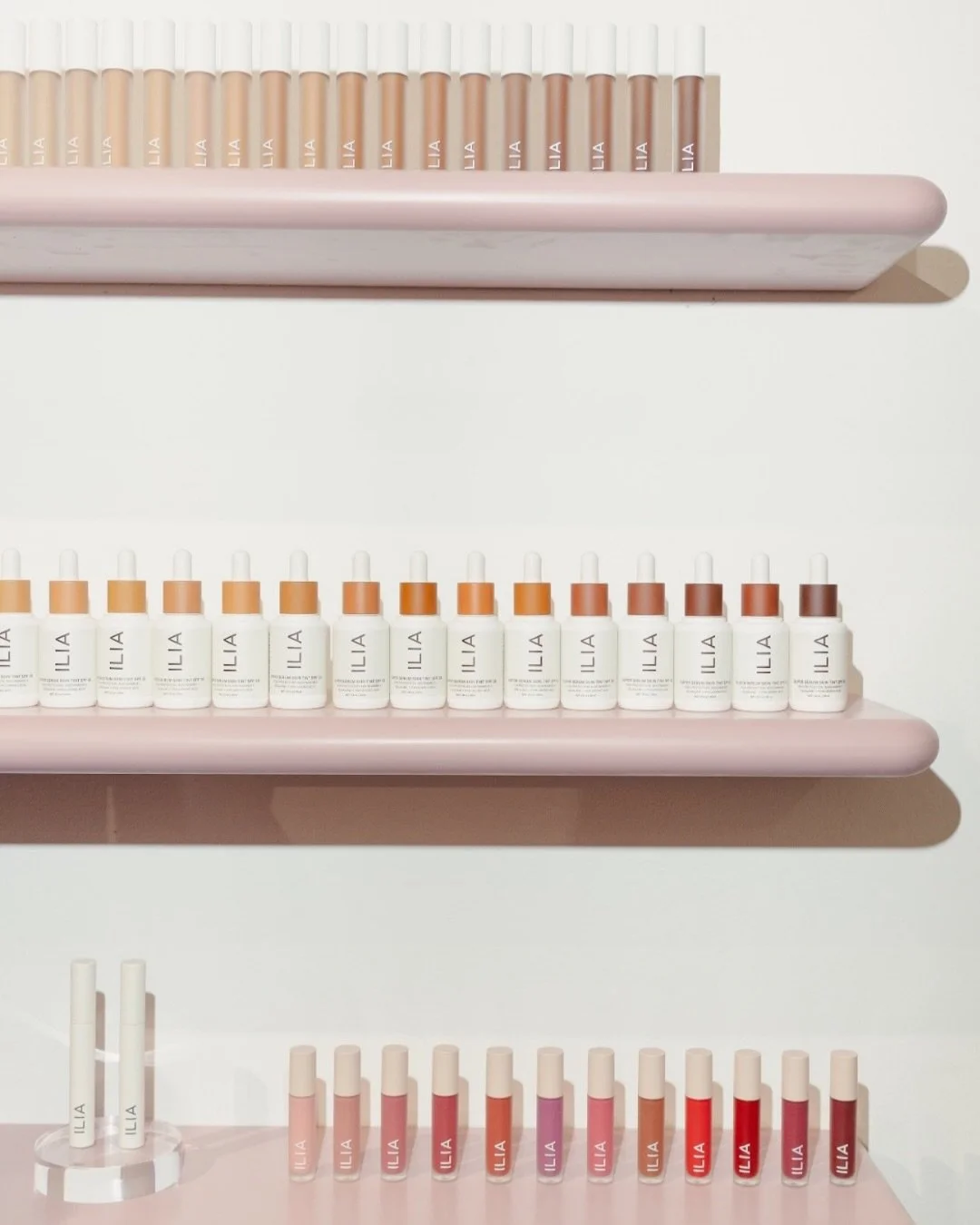
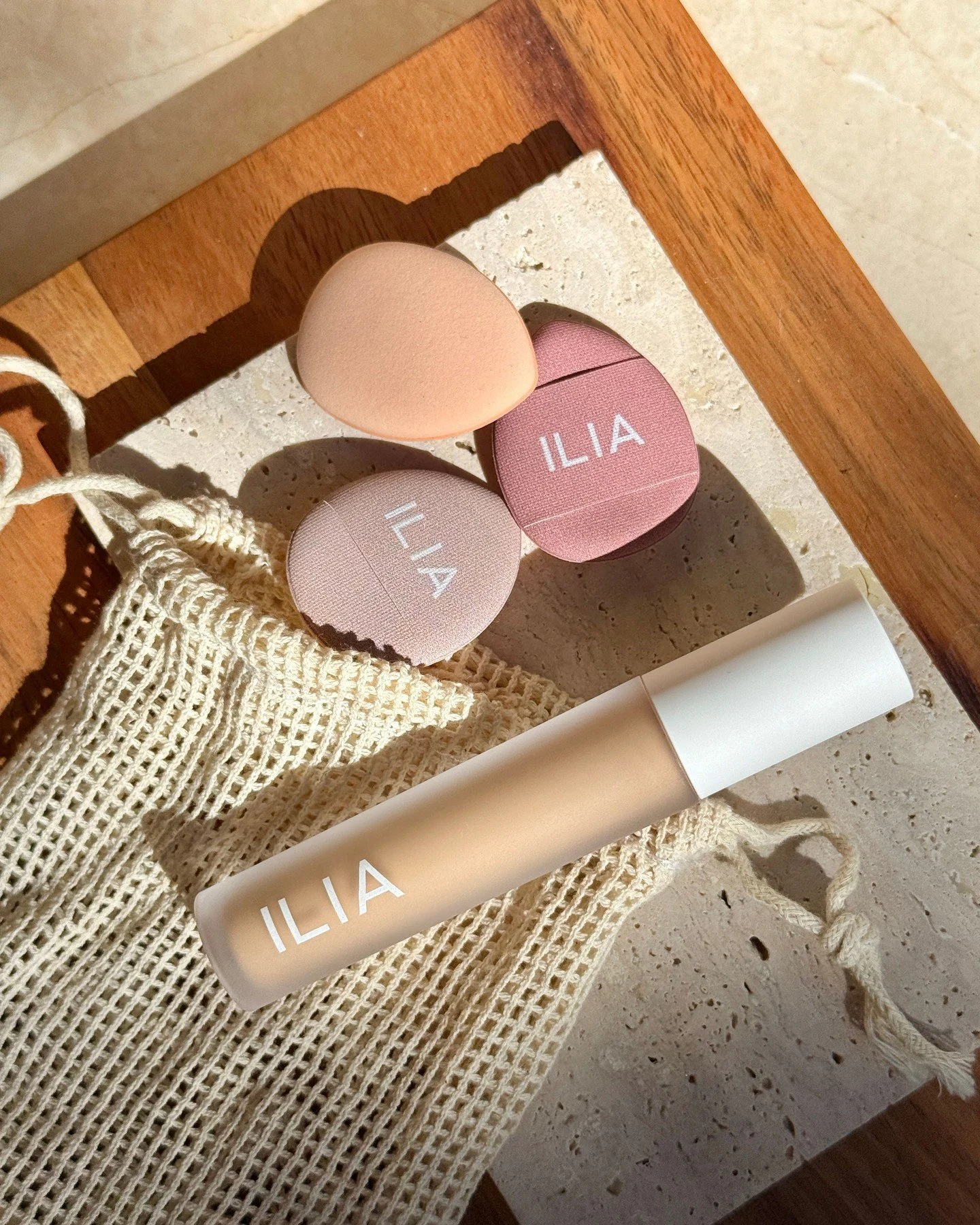
Brand positioning: Clean beauty with real performance credibility.
Product focus: Skincare-infused formula packed with skin-supporting ingredients.
ILIA sits right at the intersection of natural and effective.
It’s not just about what’s left out. It’s also about what’s included, and how well it actually works on the skin.
What you can learn: “Clean” doesn’t have to mean compromise. Performance and ingredients can coexist.
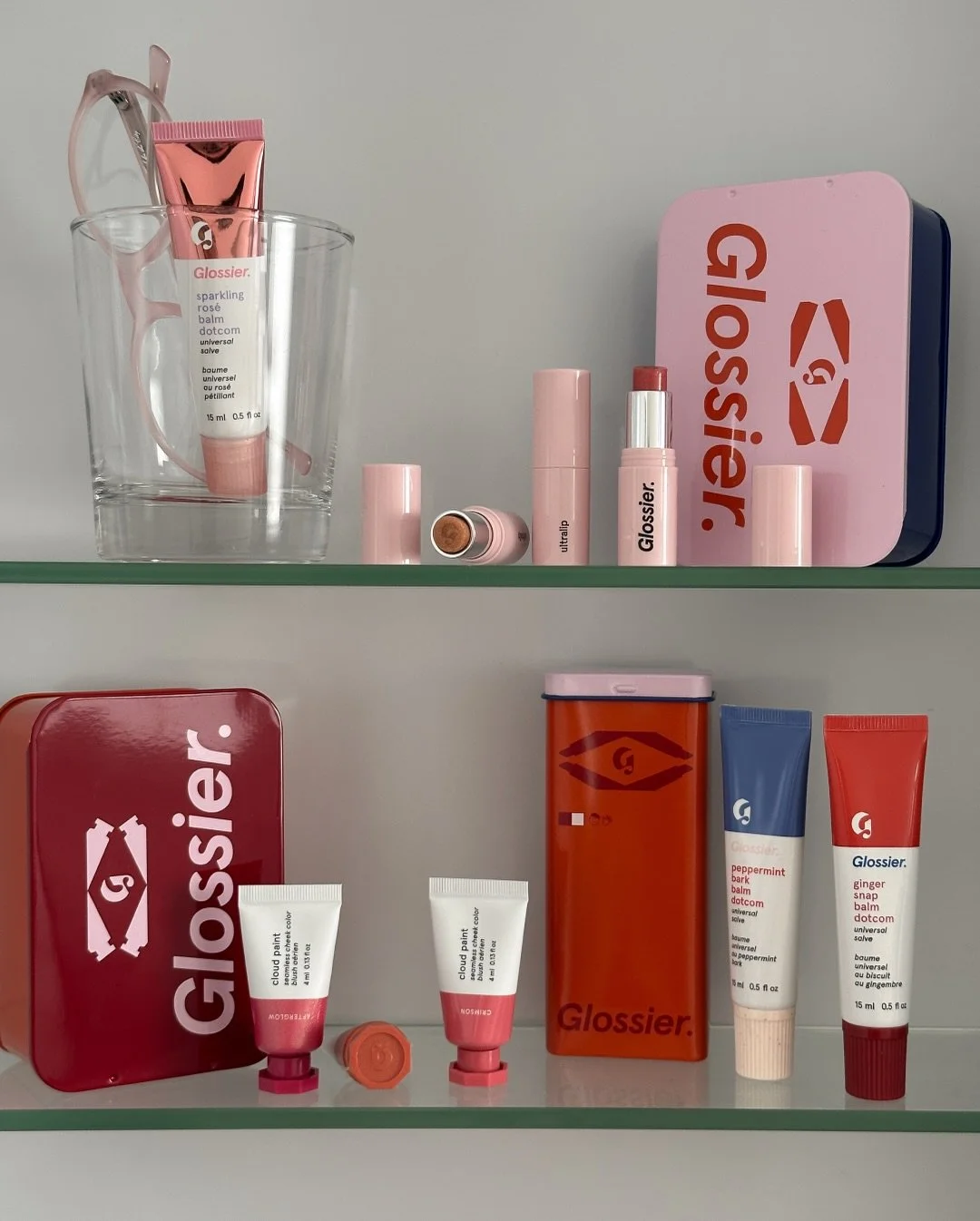
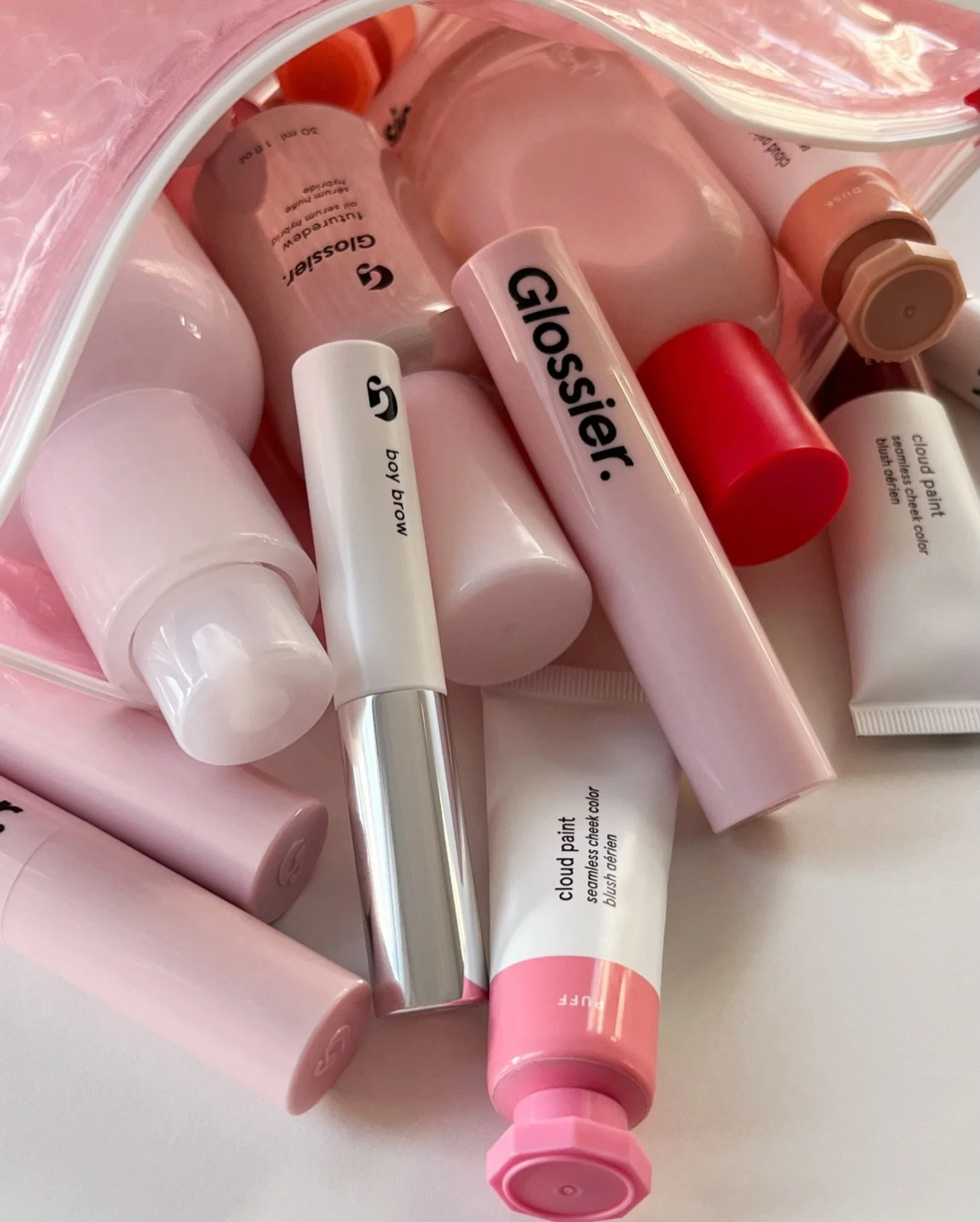
Brand positioning: Minimalist, lifestyle-driven, built on community.
Product focus: Natural makeup, everyday wear, soft luminous glow.
Glossier made “barely there” beauty a full-on movement. It’s all about enhancing what’s already there, not covering it up.
What you can learn: You don’t need complexity to stand out. A simple, focused approach can dominate if done really well.
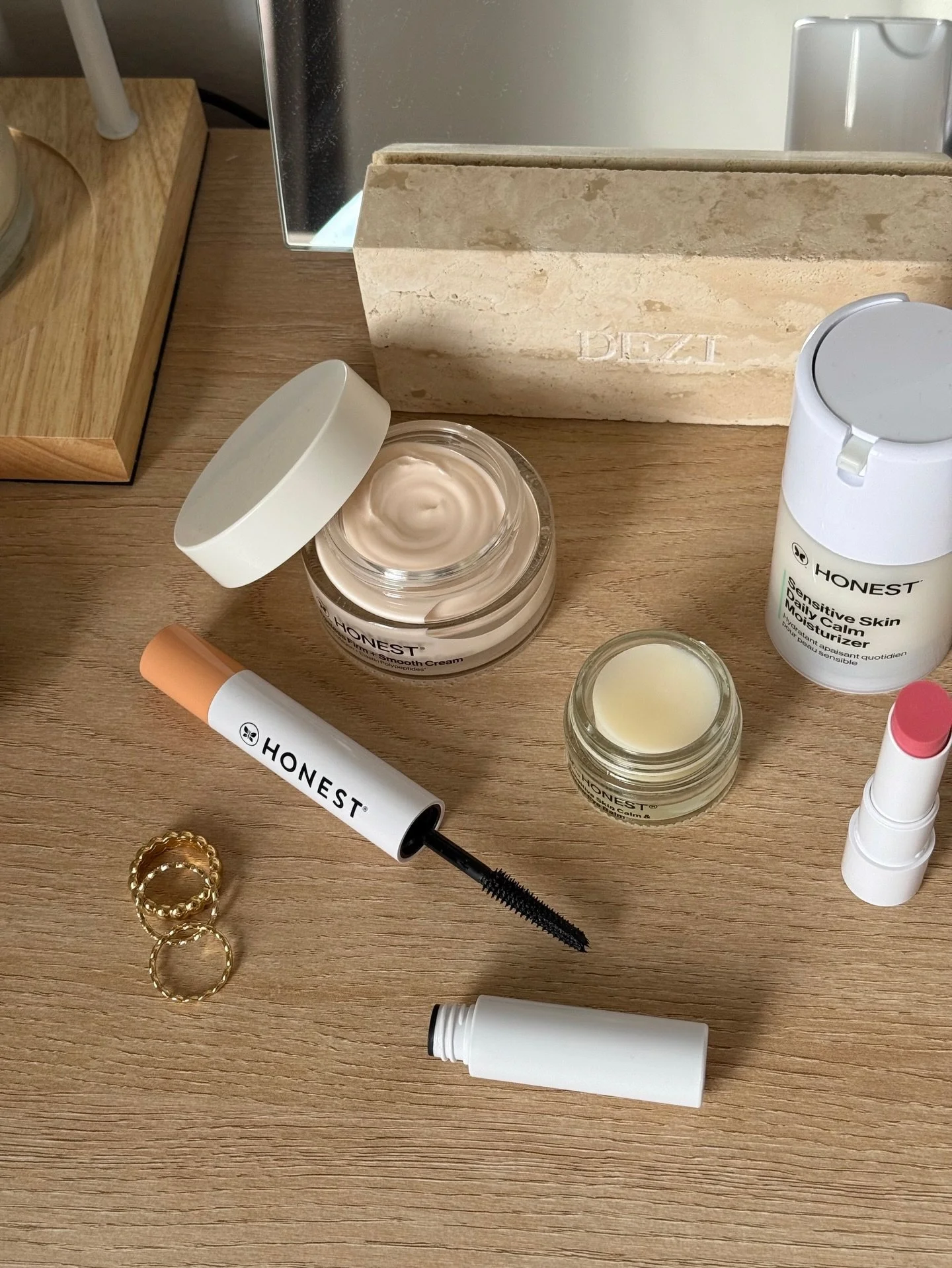
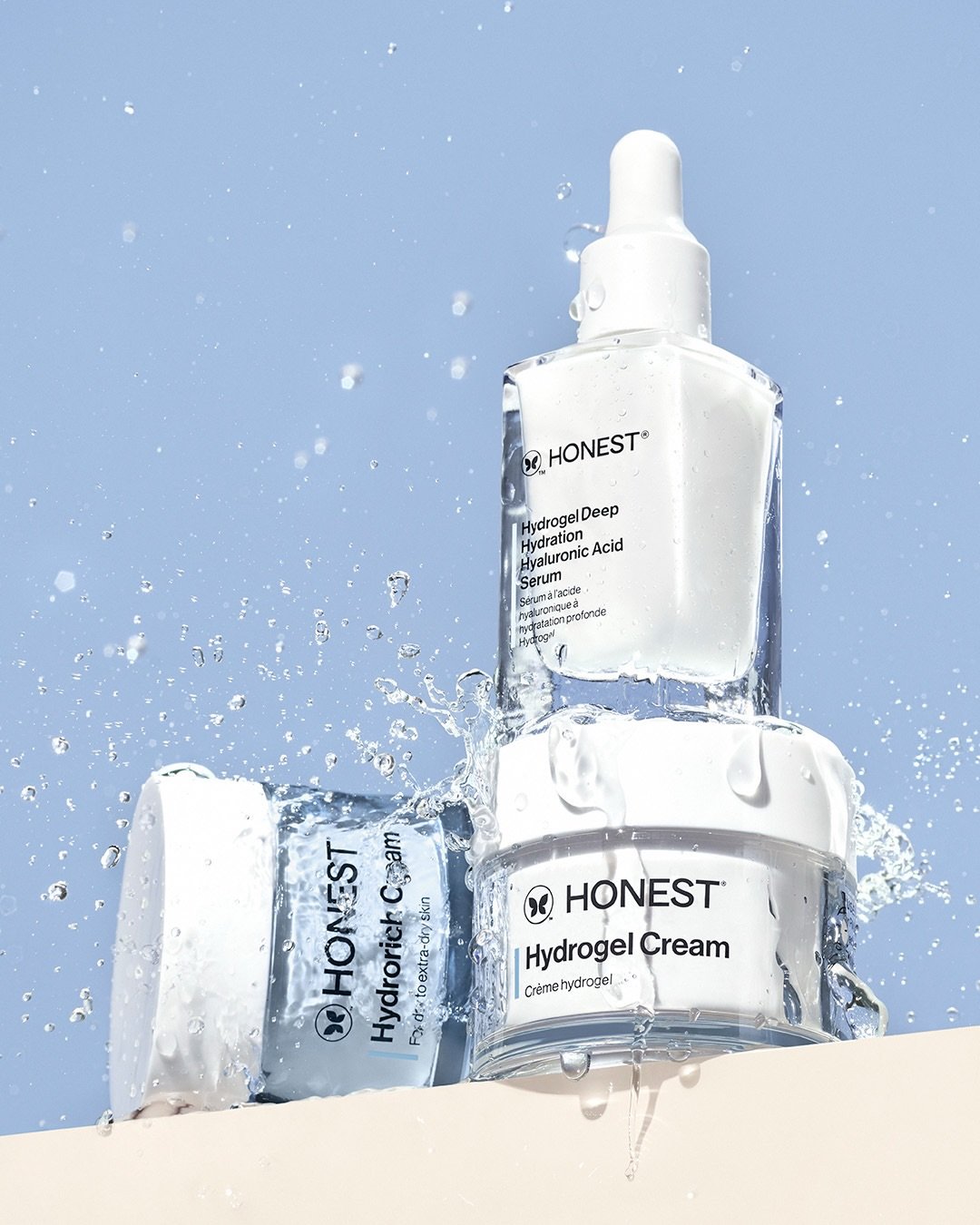
Brand positioning: Safe, transparent, ingredient-conscious.
Product focus: Allergy-tested, dermatologist-developed products for sensitive skin, formulated without added fragrance.
Honest Beauty sets safety and trust as their priority.
It’s created for people who care about what goes on their skin and want products that feel safe and reliable.
What you can learn: Transparency brings long-term loyalty. When people trust you, they choose to stick with you.
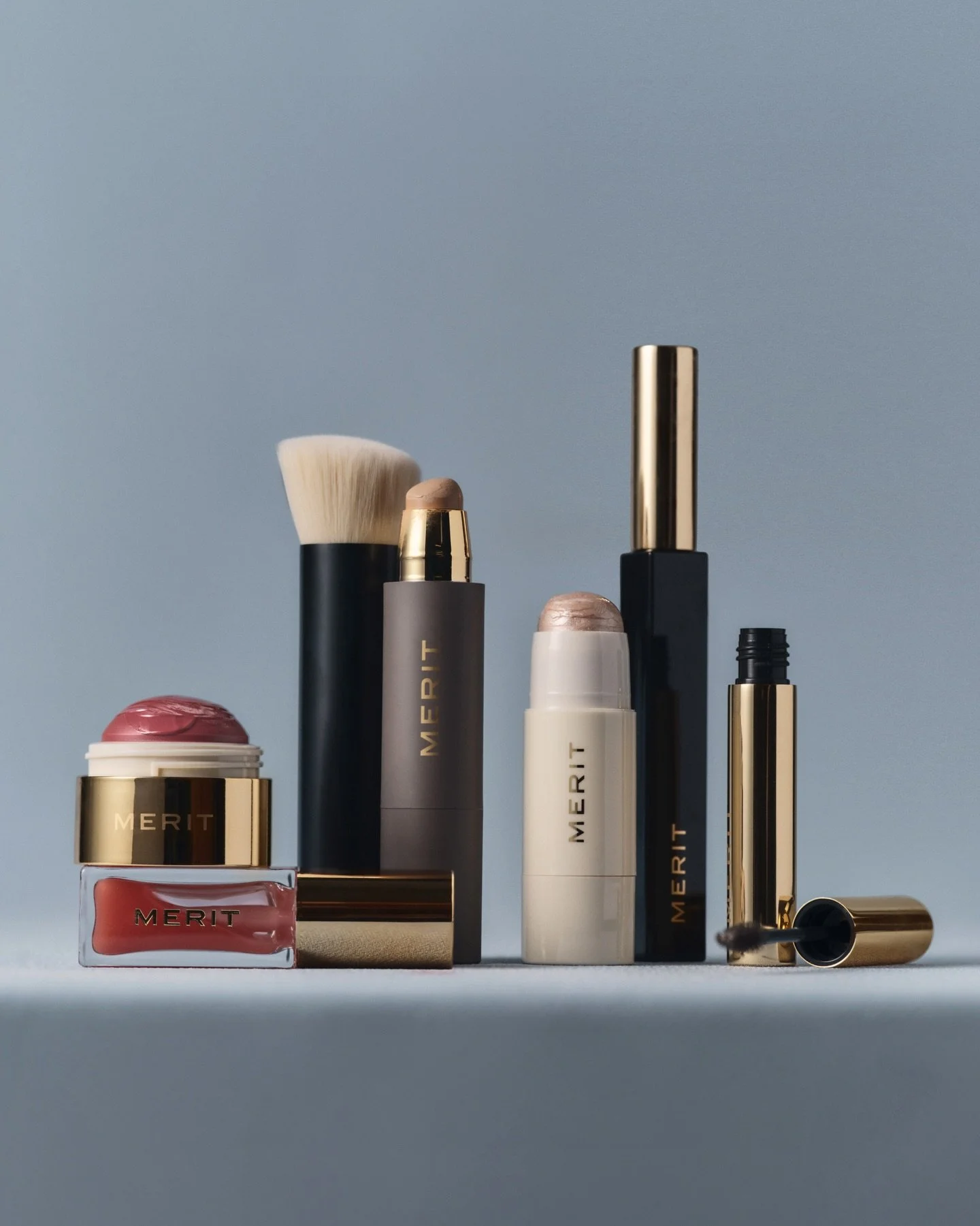
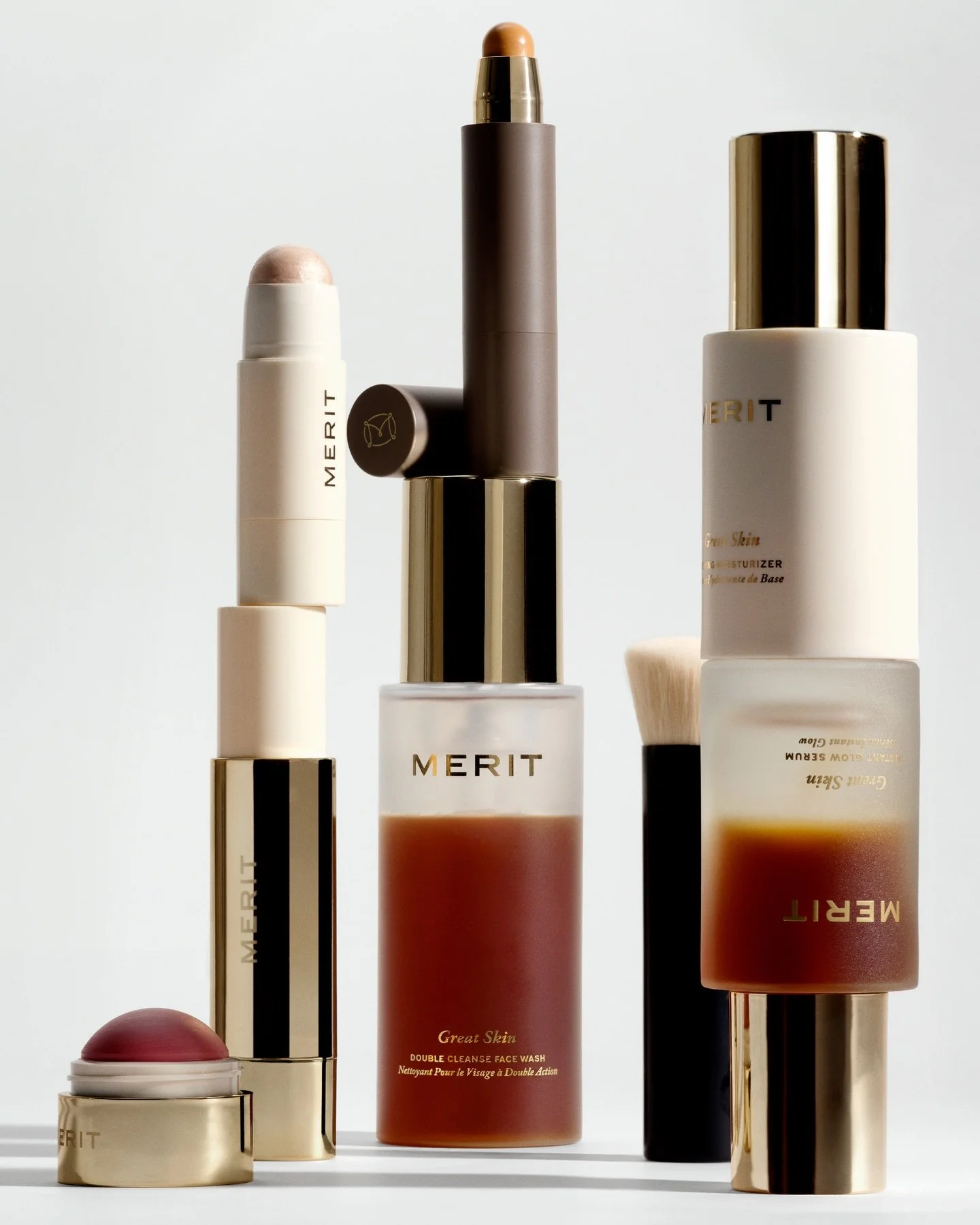
Brand positioning: Clean luxury, built for simplicity.
Product focus: Quick routines, hydrating formulas with a creamy texture, and streamlined essentials.
Merit is designed for real life. Not a 12-step routine, not a full glam moment – just easy, polished results in minutes.
It’s the kind of makeup you use when you want to look good without thinking too hard about it.
What you can learn: Convenience sells. The easier you make it for people to use your products, the more likely they are to stick with your brand.
Partnering With the Right Manufacturer: Why Selfnamed Stands Out
So far, we’ve established what makes the best makeup brands successful.
But what happens when you have the idea, the vision, even the branding figured out… and then you hit a wall when it comes to actually creating the products?
And developing makeup from scratch? Well, it’s expensive, time-consuming, and realistically not the ideal starting point for most new founders.
Now that’s where private label comes in.
In simple terms, private label means you don’t have to develop every formula from the ground up. Instead, you work with a manufacturer that offers proven, ready-to-launch formulations, which you can customize and bring to market under your own brand.
It’s how you go from the idea to an actual product without needing a full lab, a chemist, and six months of trial and error (and that’s the optimistic timeline).
Selfnamed is built to support you through every step of the process, so you can focus on building your brand without getting stuck behind the scenes.


What Makes Selfnamed Different?
So what actually sets one manufacturer apart from another?
It’s not just about what they produce. It’s about how they work with you, think, operate, and how well they support you behind the scenes. Because when you’re building a makeup brand, the right partner doesn’t just supply products – they make sure that you build something that lasts.
Selfnamed is a reliable partner built for founders who want to launch thoughtfully, move efficiently, and create products that actually hold up in real life.
Originally known for clean skincare, Selfnamed now extends that same expertise into makeup, offering a growing range of private label makeup designed for modern performance and ingredient expectations.
From formulation and testing to production and packaging, every step is handled with precision, transparency, and consistency. Allowing you to focus on building your brand, not getting lost in logistics. To learn more, read our article on how to start a makeup line with a private label manufacturer.
And here’s where Selfnamed does things differently:
Clean beauty standards that actually mean something
Consumers today are smart and paying attention.
It’s no longer just about how a product looks on the shelf. People want to know what’s actually inside. They look for fragrance-free options, thoughtful formulations, and products that align with natural beauty values.
Selfnamed builds around clean beauty principles that meet modern retail and consumer expectations, and is clearly documented through Selfnamed’s Clean Beauty Standard.
Full ingredient transparency
People read labels now. And they ask questions.
With Selfnamed, there are no vague claims and no hidden surprises.
You get clear, documented ingredient information that supports everything from compliance to honest marketing that’s guided by Selfnamed’s concerns and claims framework. That means you can confidently say what’s in your products and stand behind them.
Speed to market without cutting corners
The beauty industry doesn’t slow down, and neither should you.
Being able to launch quickly can give you a real edge. But speed only matters if the quality holds up.
With ready-to-use formulations and streamlined production, Selfnamed helps you move from idea to shelf faster without cutting corners.
Built for startups (not just big players)
You don’t need a massive team, an enormous budget, or years of development to kick it off.
Selfnamed is designed with founders and growing brands in mind, offering low MOQs, flexible production, and support at every stage. Whether you’re launching your first product line or expanding into makeup, the process stays accessible and scalable.
Because building a makeup brand today shouldn’t feel out of reach. It should feel doable.
Conclusion
If there’s one takeaway from all of this, it’s that great makeup brands aren’t built on instinct alone.
They’re built on clarity. On knowing exactly who they’re for, what they stand for, and how their products fit into someone’s everyday routine.
The brands that rise above the noise don’t try to compete on everything at once. They make deliberate choices about their formulas, their positioning, their audience, and then they stay consistent.
And here lies your opportunity.
Because while the beauty industry is crowded, it’s far from closed. There’s always room for brands that feel thoughtful, focused, and genuinely relevant.
So if you’re building your own makeup brand, don’t aim to be everywhere. Aim to be right – right for your audience, right in your execution, and right in what you bring to the table.
That’s what makes a brand not just launch, but also last.
Frequently Asked Questions
-
There isn’t one single answer. The “best” makeup brand depends on what you’re looking for – whether that’s natural makeup, full-glam coverage, skin-loving ingredients, or a specific skin type match. The strongest brands are the ones that consistently deliver on their promise and fit seamlessly into your routine.
-
Some of the most trusted budget-friendly options include NYX Professional Makeup, L'Oréal Paris, and Maybelline. These brands are known for delivering strong performance, rich pigment payoff, and reliable quality without a high price point.
-
Brands like ILIA, Merit, and Honest Beauty are often considered leaders in clean cosmetics. They focus on skin-loving ingredients, transparency, and formulations that align with natural beauty values without sacrificing performance.
-
For mature skin, the focus shifts to hydration and texture. Look for brands that offer hydrating, lightweight products with buildable coverage, radiant finish, and ingredients like hyaluronic acid. Formulas that enhance the skin rather than mask it tend to work best.
Must read