Iconic Beauty Brand Collaborations of 2026
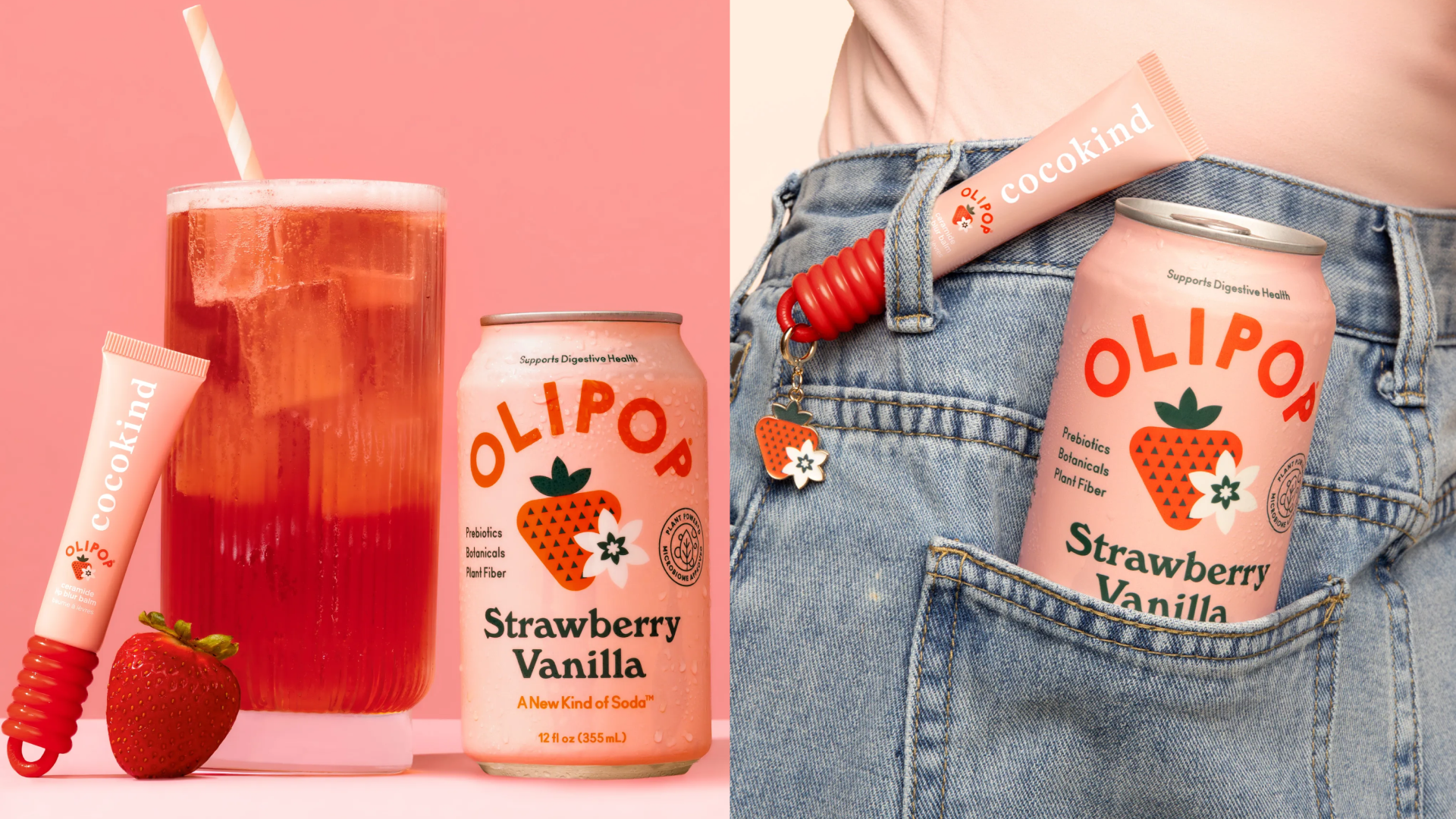
Table of Contents
Do you remember Rhode’s iconic strawberry glaze peptide lip treatment inspired by Krispy Kreme’s doughnuts? Or the Bridgeton-inspired Dove campaign? These are the beauty collabs that know how to combine the best of the both worlds. And for the brands? It’s a win-win-win. The audience doubles. The story deepens. And suddenly, the brand is part of a cultural moment.
The global beauty market is expected to grow about 5% annually through 2030. This growth trajectory supports more collaboration opportunities as brands seek new growth tactics.
Beauty brand collaborations are everywhere. They’re getting smarter and more intentional. You can say that 2026 is officially the era of collabs.
Let’s break down the best collaborations of 2025 and 2026, and what you can learn from them.
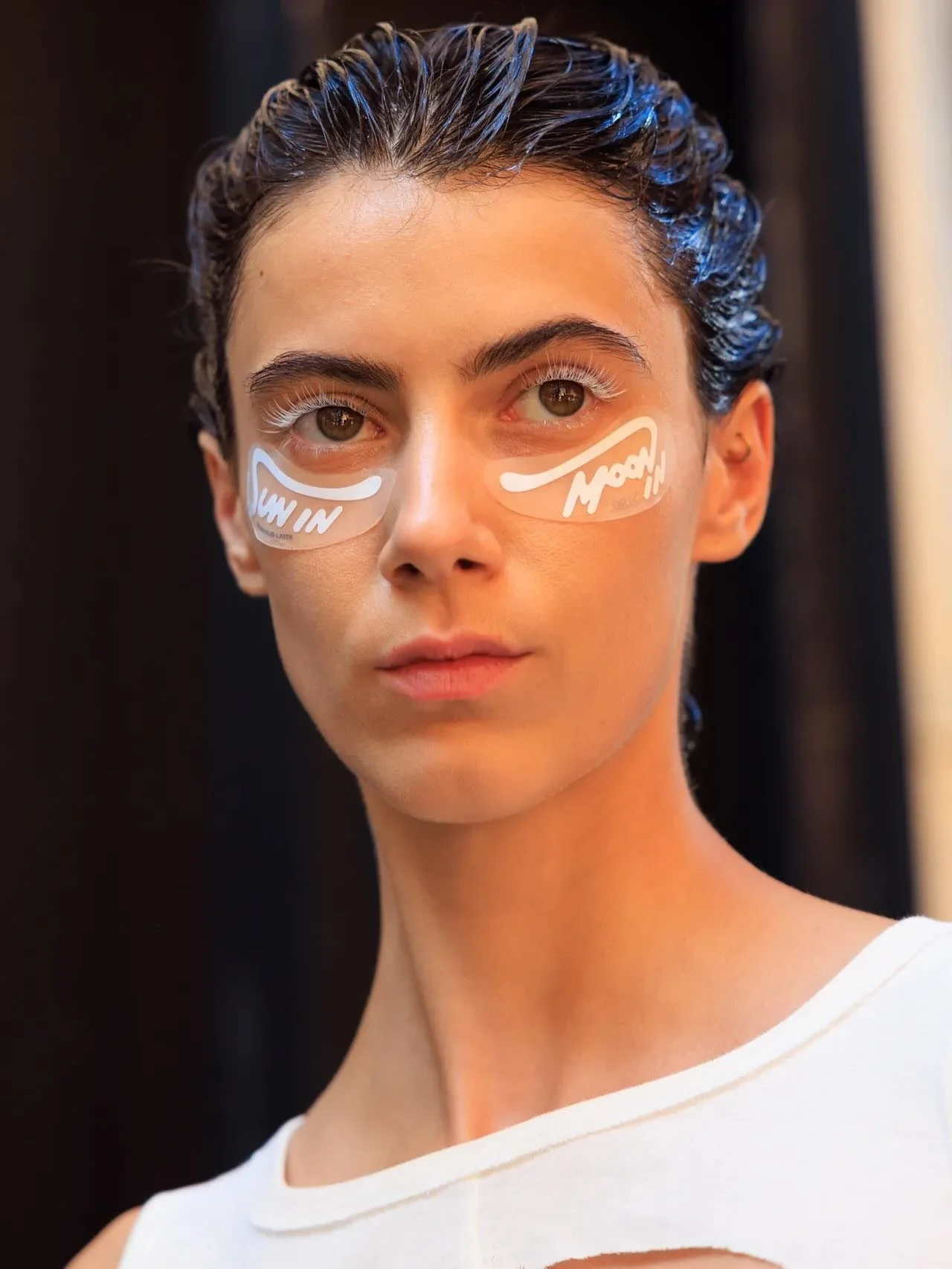
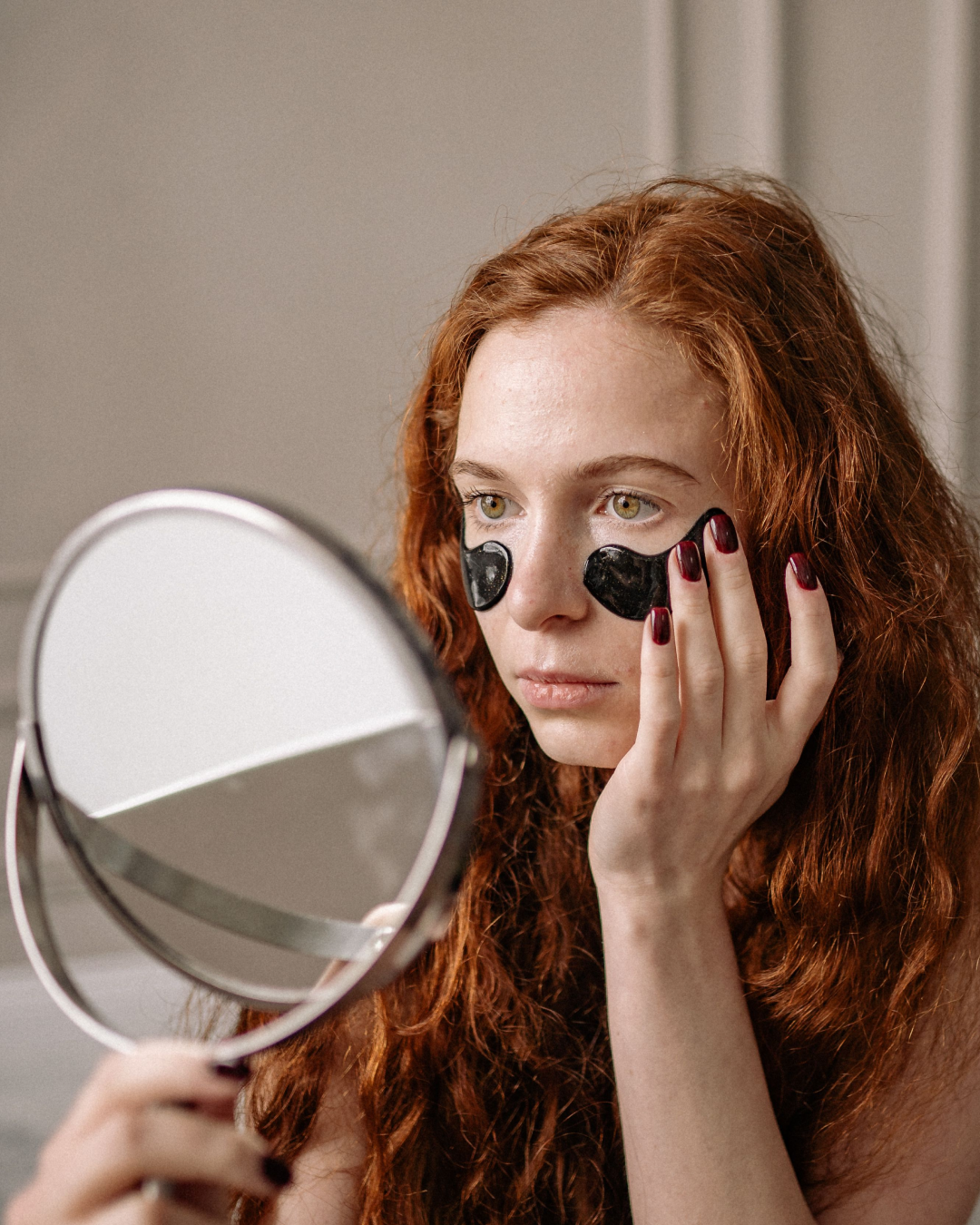
The Dieux x Eckhaus Latta collab released limited-edition reusable Forever Eye Masks, made as a skincare-as-accessory piece.
Why Are Beauty Brand Collaborations So Popular in 2026?
You’re wondering why beauty brand collaborations are so popular? The answer is simple: attention has never been harder to earn.
1. The Attention Economy Is Saturated
Paid ads are expensive. Organic social reach is unpredictable. Influencer campaigns blend together. A well-executed collaboration cuts through noise by creating a new story.
Instead of shouting louder, brands work smarter. They’re willing to share the spotlight.
2. Audience Borrowing as Strategy
One of the core mechanics behind successful beauty brand collaborations is audience borrowing. Brand A gains access to Brand B’s community, and vice versa. When audiences overlap but aren’t identical, both brands expand their reach.
This strategy is especially powerful for new skincare brands.
On that note, if you’re building your marketing foundation, make sure to read out skincare marketing guide. It’s a strong starting point.
3. Culture + Nostalgia Marketing
In 2026, beauty brands aren’t just launching products. They’re partnering with movies, fashion labels, and internet culture. Why? Because people don’t just buy formulas. They buy feelings. When a brand taps into something customers already love, the emotional connection is instant.
You may remember this iconic collab: PowerPuff Girls x ColourPop
It tapped directly into early 2000s cartoon nostalgia. The collection featured vibrant palettes, blushes, and glosses inspired by the characters. This collab successfully connected millennial nostalgia with modern beauty culture.
4. Retail Differentiation
Retail loves what it can’t keep forever. Limited drops create urgency, drive shoppers in-store, and let brands test ideas without going all-in on new product lines. And in retail negotiations, scarcity is power. That exclusivity can make brands more valuable partners for retailers.
How Do Beauty Brand Collaborations Work?
If you’re asking how beauty brand collaborations work, the mechanics are more structured than they appear.
1. Shared Audience
The strongest collaborations start with clear audience overlap. Demographics alone aren’t enough. Values, aesthetics, and lifestyle alignment also matter.
2. Co-Branded Product
This could mean:
A reformulated hero product
New packaging
A cross-category bundle
A completely new limited product
The key is authenticity. Customers can detect lazy logo swaps instantly.
3. Limited Drops
Fear of missing out drives urgency. Limited runs:
Reduce operational risk
Increase perceived value
Encourage impulse buying
4. PR Amplification
A collaboration doubles press potential. Two founder interviews. Two social media machines. Two email lists. Two influencer ecosystems.
When executed well, collaboration functions like a multiplier.
The Best Beauty Brand Collaborations of 2026
Let’s break down which beauty brand collabs are popular this year, and why they matter strategically.
e.l.f. Cosmetics x Liquid Death
e.l.f. Cosmetics partnered with canned water and beverage brand Liquid Death. Their tagline is “murder your thirst”. Intentionally dramatic and memorable.
It trades traditional product storytelling for attitude. e.l.f. brings affordable, Gen Z-loved beauty. Liquid Death brings bold, meme-friendly branding. Together, they prove that cultural energy can be just as powerful as product category alignment.
This collab was a limited-editiondrop, which helped drive hype and urgency. Limited drops create exclusivity, encourage fast purchases and social sharing.
Lesson: Brands can drive cultural relevance without relying on expensive celebrity or franchise partnerships. Strong brand voice, humor, and social-first storytelling can be just as effective.
Bubble Skincare x Olive & June
Bubble Skincare joined forces with Olive & June for a limited self-care drop combining skincare and nail culture.
This collaboration brings together Gen Z skincare and nail identity as lifestyle expression tools. It blends wellness and fashion self-care. Both brands grew through community-first, social-led marketing, which makes the partnership feel authentic and organic.
This wasn’t just a product drop. It felt like two friend groups merging.
Lesson: Community-led brands win when they collaborate with companies that share similar audiences and values. Cross-category partnerships can expand lifestyle positioning without risking brand confusion.
If you’re thinking about expanding into another product category, make sure your brand positioning is clear first. This guide on marketing beauty products can help clarify your brand story before expanding.
Dove x Bridgerton
Dove collaborated with Netflix’s Bridgerton for a romantic, Regency-inspired collection.
This collection combines nostalgia, fantasy storytelling, and retail-friendly aesthetics. The collaboration translates the show’s romance. The soft, visually cohesive packaging is aesthetically pleasing. Storytelling can drive sales. Packaging is a powerful marketing tool. Buyers tend to favor drops that feel visually and emotionally complete. And, of course, the popularity of Bridgerton definitely helps.
Lesson: Storytelling and packaging matter as much as product formulation. Brands can translate emotional narratives into physical product design to drive retail appeal.
Merit Beauty x Donni
Merit Beauty partnered with fashion label Donni for a limited lifestyle capsule.
Strong aesthetic alignment between beauty and fashion. The collaboration reinforced lifestyle branding rather than just product marketing. Merit sells a clean, effortless beauty mood. Donni extended that same aesthetic into wardrobe space. It proved that brands win when they sell a feeling rather than just an item.
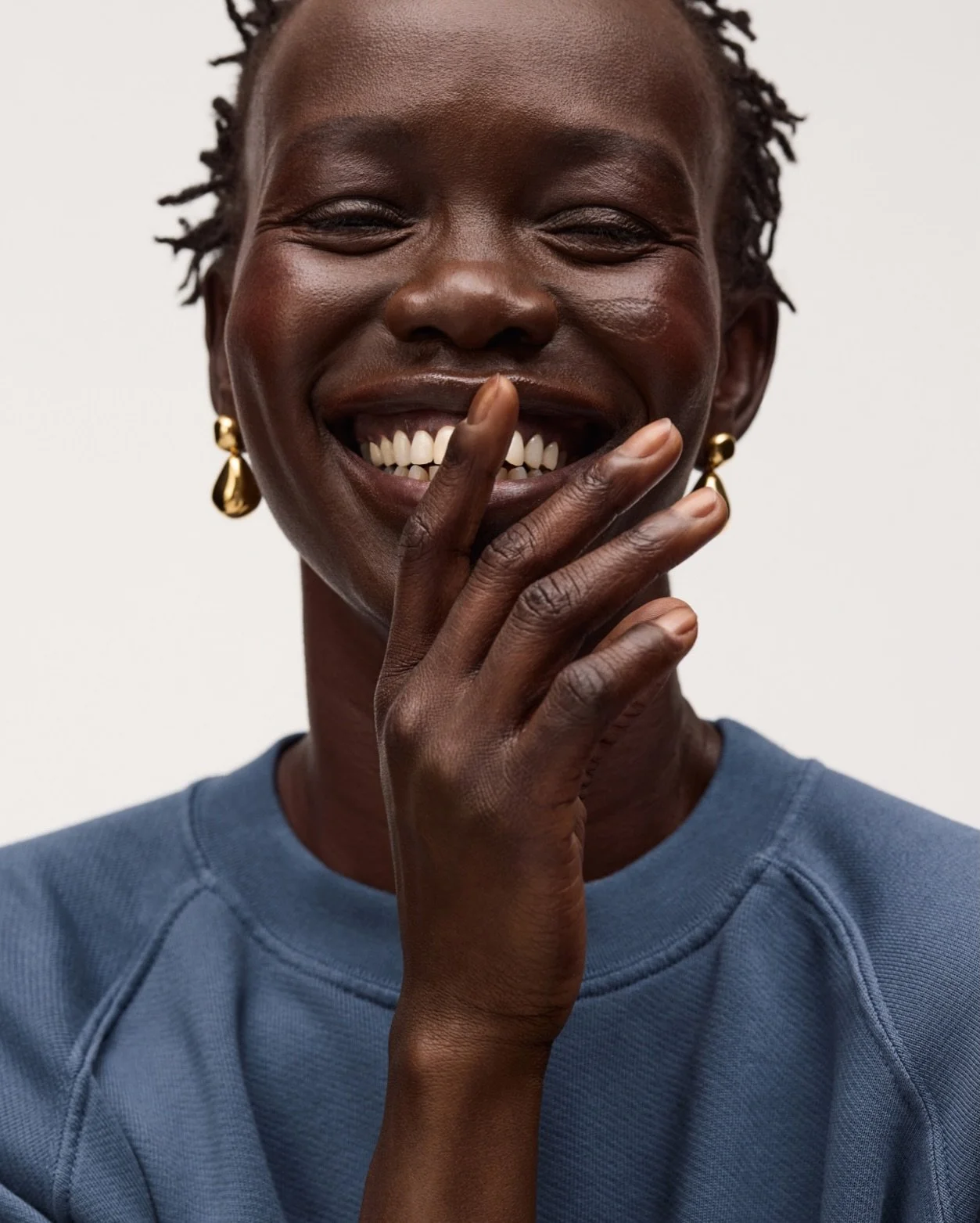
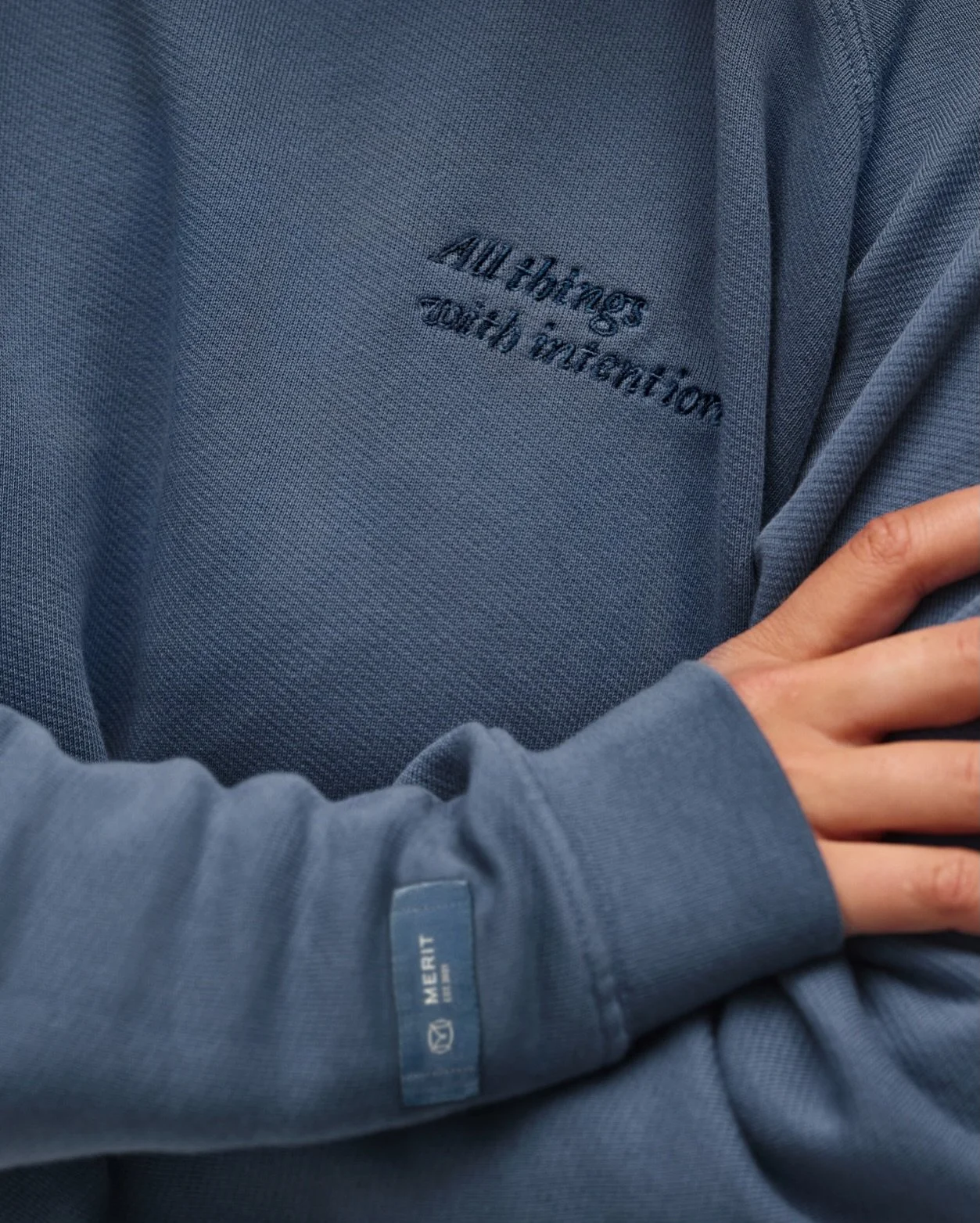
Source: Instagram
Lesson: Lifestyle alignment is more important than category alignment. Brands that sell a consistent aesthetic or mood can successfully extend into connected lifestyle worlds.
Cocokind x Drinkolipop
Cocokind and functional soda brand Drinkolipop got together to merge skincare and ingestible wellness. They tapped into clean-girl lifestyle culture and holistic beauty positioning.
The collaboration worked by connecting ingredient storytelling across beauty and wellness. It reflected the growing belief that beauty is both internal and external. Not just what you apply to your skin, but what you put into your body.
Lesson: Customers increasingly view beauty as part of holistic wellness. Ingredient storytelling and clean lifestyle positioning resonate across both skincare and ingestible products.
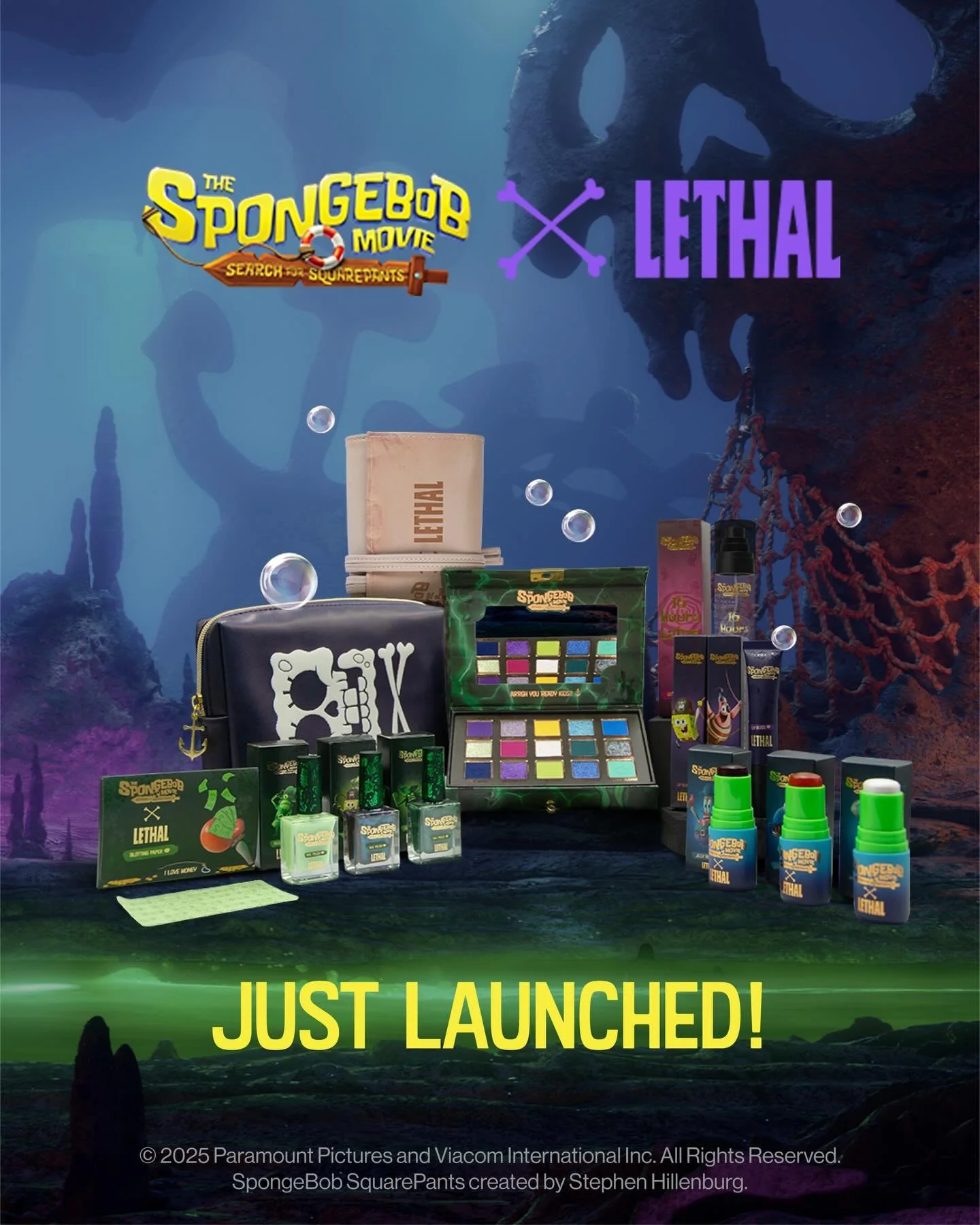
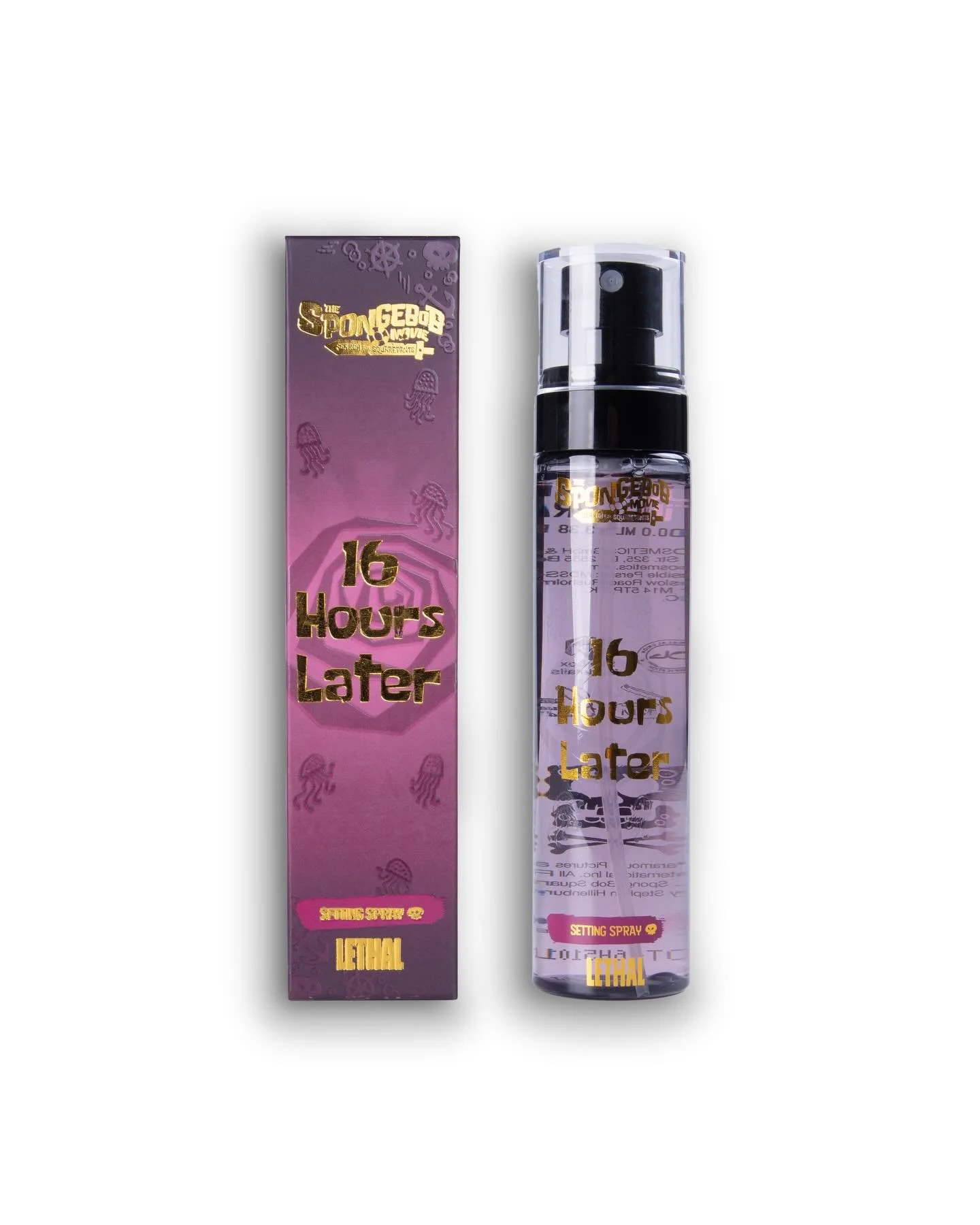
SpongeBob SquarePants Movie x Lethal Cosmetics
The SpongeBob SquarePants Movie partnered with Lethal Cosmetics for a playful, meme-driven collection. It thrived on nostalgia marketing and internet culture.
Source: Instagram
It taps into dual-layer nostalgia. Millennials grew up with SpongeBob while Gen Z embraces the franchise ironically. It creates a strong viral and collectable appeal through limited-edition drops and meme-ready storytelling.
Lesson: Nostalgia and meme culture can drive virality. Especially when brands lean into emotional and cultural dual-audience appeal. Limited-edition collectability strengthens hype and social engagement.
Honorable Mentions: Iconic Beauty Brand Collabs
Let’s look at examples of iconic beauty brand collabs that dominated headlines a few years back.
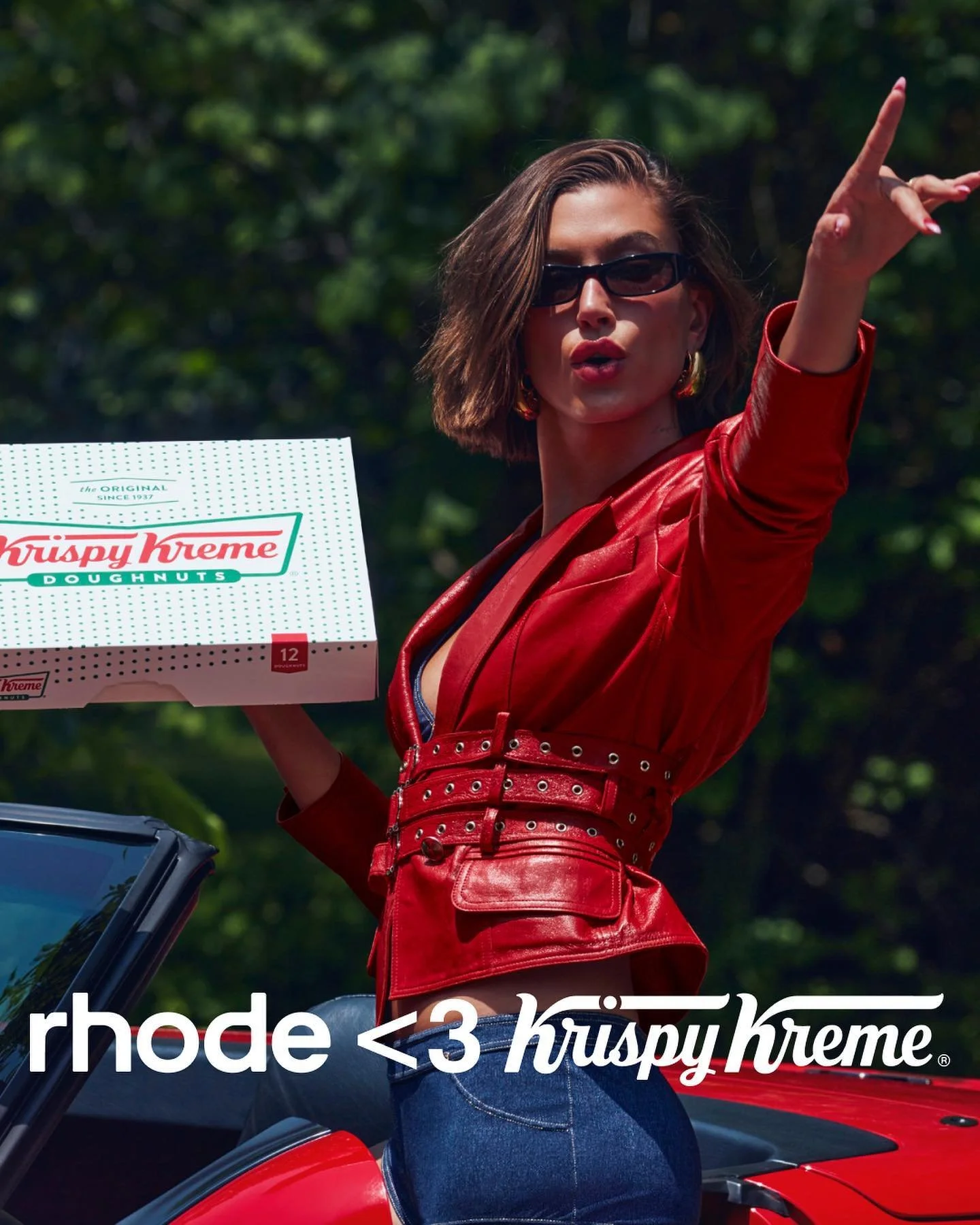
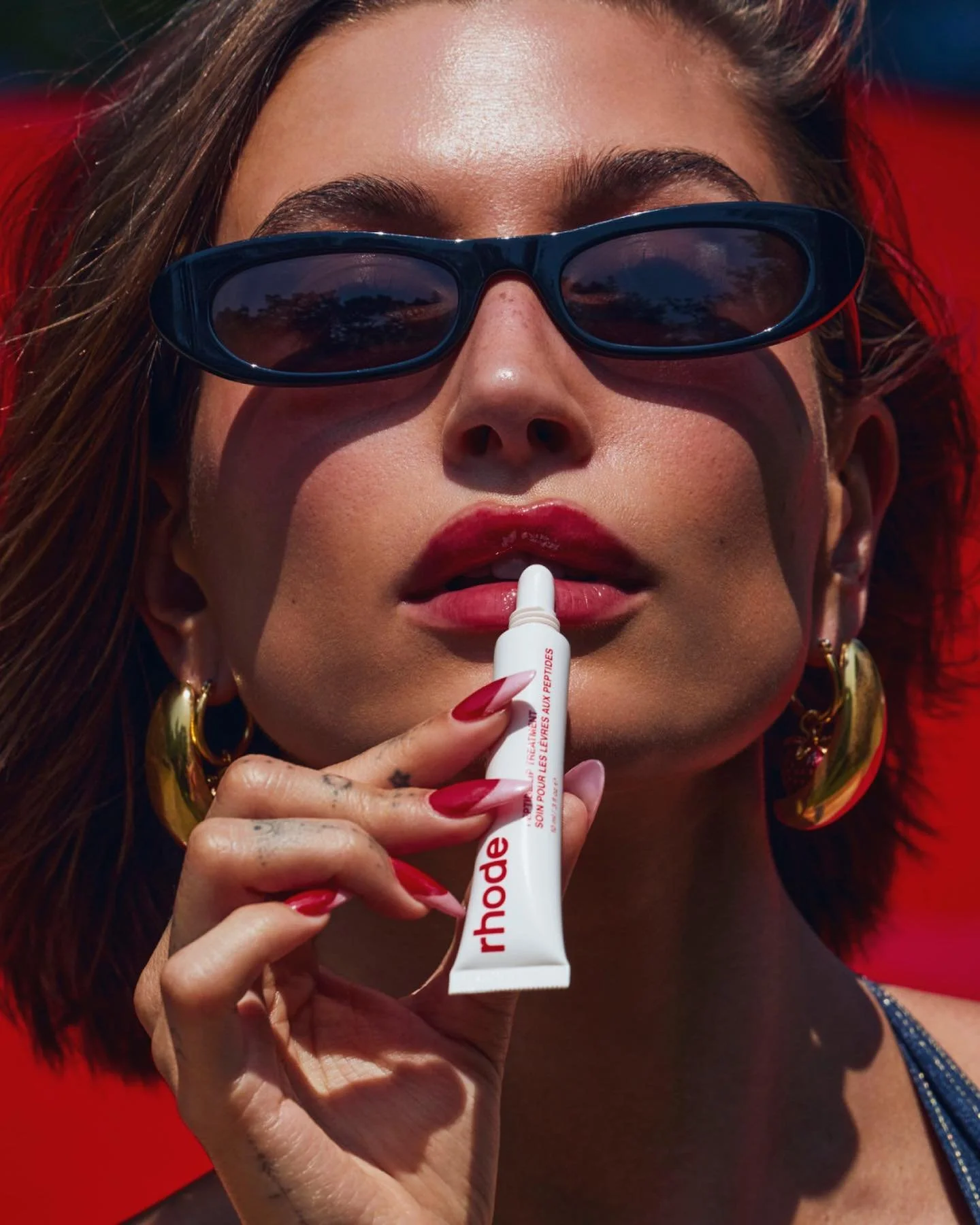
Krispy Kreme x Rhode
Krispy Kreme teamed up with Rhode for a glaze-inspired product activation. In one word – yummy! The collab cleverly connected Hailey Bieber’s “glazed skin” aesthetics with Krispy Kreme’s glazed donuts.
Source: Instagram
This collaboration stood out because the product tie-in felt instantly understandable. It extended into physical retail spaces, creating highly Instagrammable moments. When the concept is this obvious and visually strong, it practically markets itself.
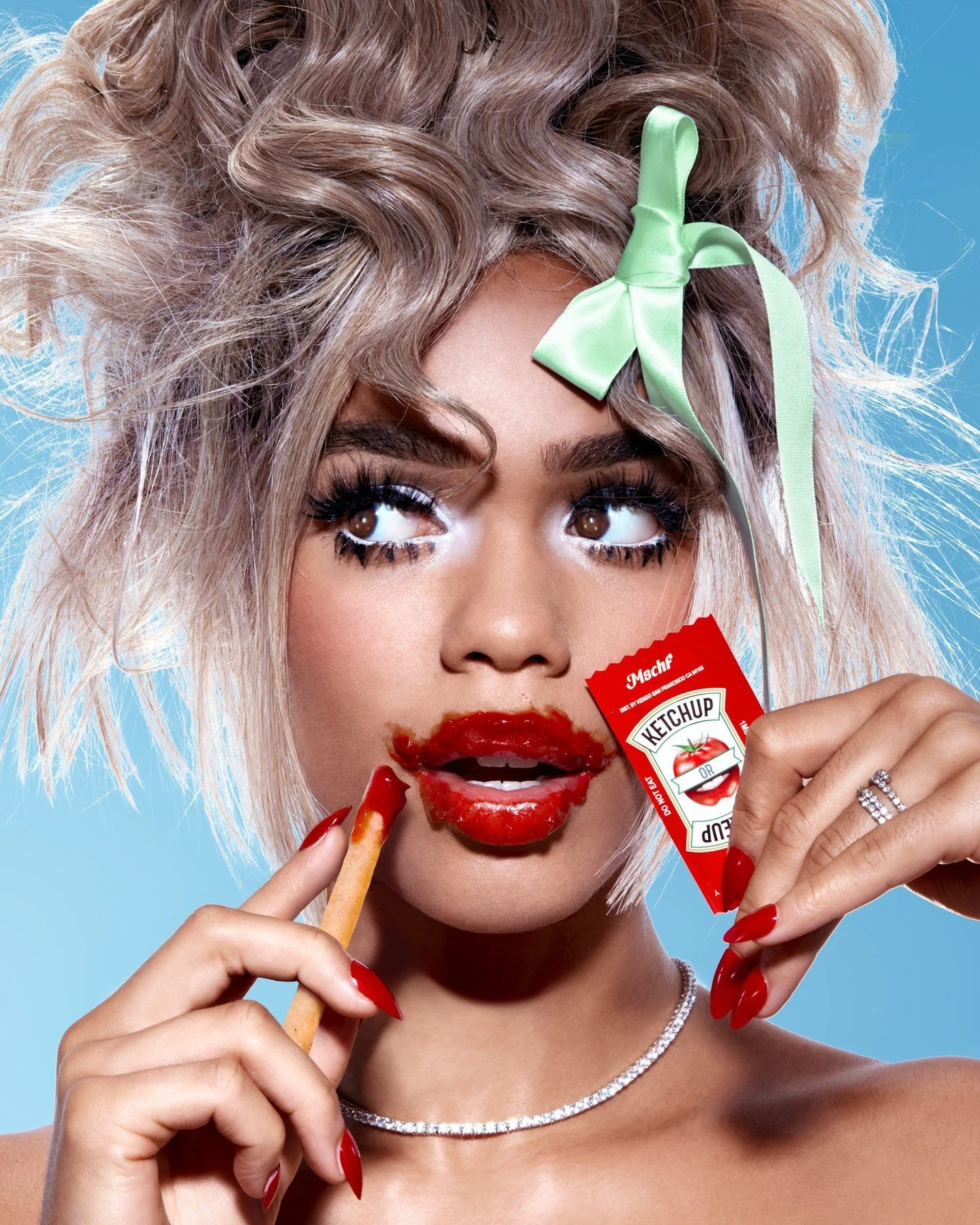
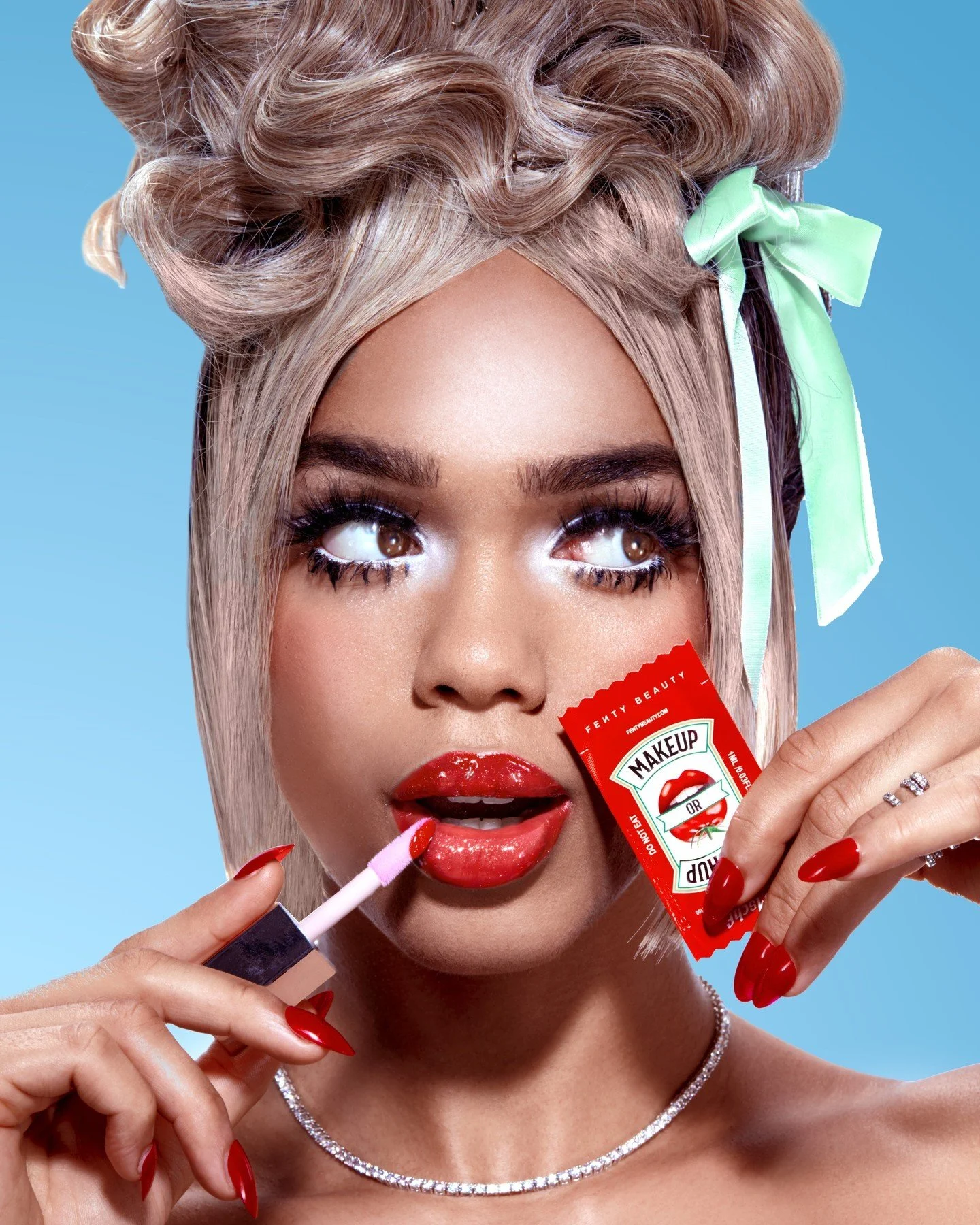
MSCHF x Fenty Beauty
Ketchup or makeup? Who knows. But it’s iconic (and kinda icky in the best way).
Source: Instagram
Art collective MSCHF partnered with Fenty Beauty in one of the boldest Fenty Beauty brand collaborations to date.
Blending shock marketing, internet virality, and cultural commentary. The collaboration worked because both brands thrive on disruption. MSCHF brought stunt-driven chaos, while Fenty Beauty doubled down on its rule-breaking DNA. It’s proof that the right partnership doesn’t weaken a brand. It amplifies what already makes it powerful.
Do Beauty Brand Collaborations Offer Value Or Just Hype?
So, do beauty brand collaborations offer value? Or are they just PR stunts?
When Beauty Collaborations Fail
Audience mismatch. If two brands don’t share meaningful audience overlap, the collaboration feels forced. Borrowed attention doesn’t convert if values, price points, or aesthetics clash. You may generate curiosity, but not sales.
Poor execution. A great concept with weak packaging, confusing messaging, or unclear product benefits will fall flat. Customers are sophisticated. If the collaboration feels like a logo swap rather than a thoughtfully developed product, they notice.
Margin compression. Limited editions often come with higher production costs. Custom packaging, smaller MOQs, revenue splits, influencer seeding. Virality doesn’t pay the bills if the math doesn’t work.
Operational complexity. Two supply chains. Two approval processes. Shared timelines. Retail coordination. PR synchronization. Collaborations multiply moving parts. For indie brands especially, that complexity can stretch already lean teams.
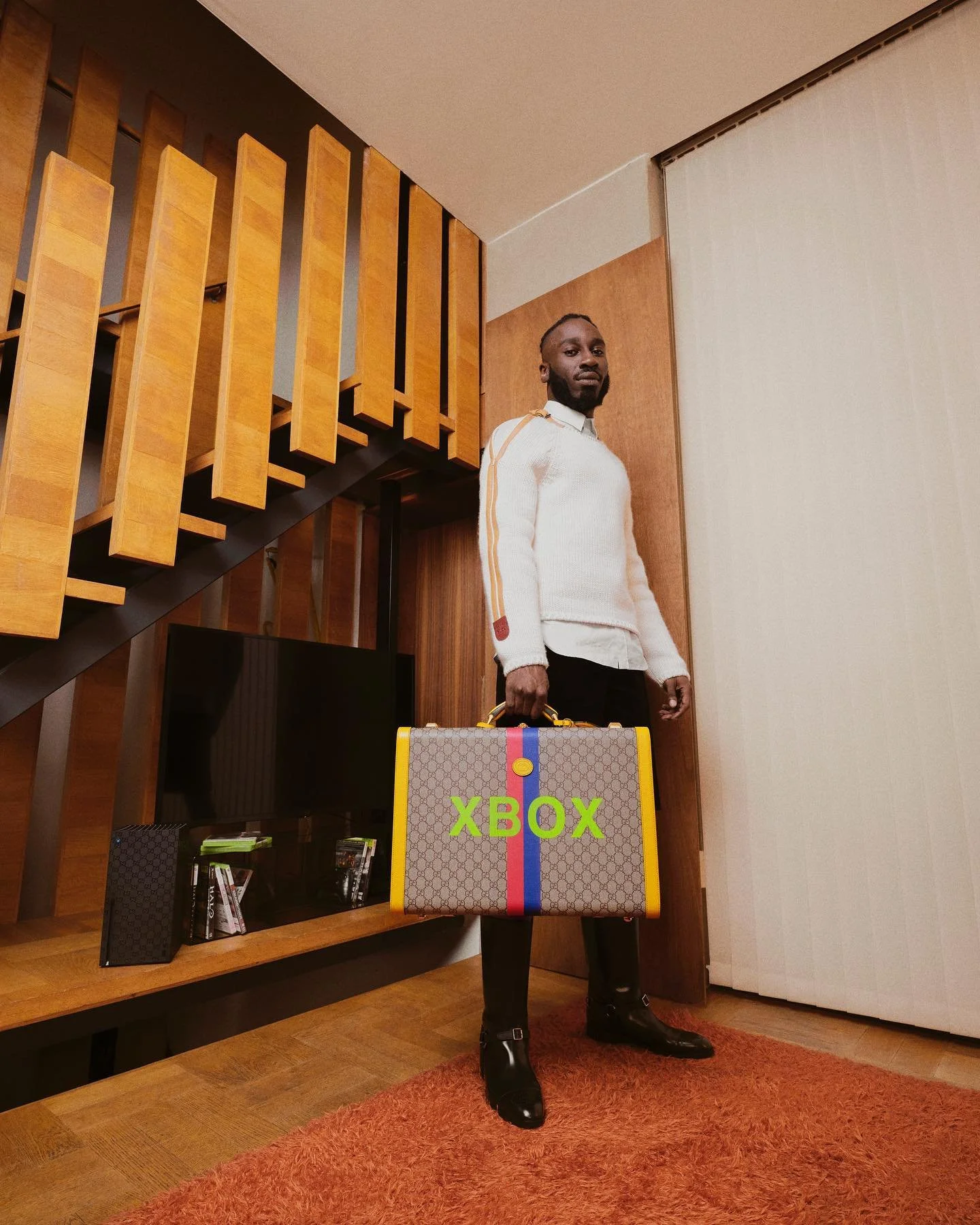
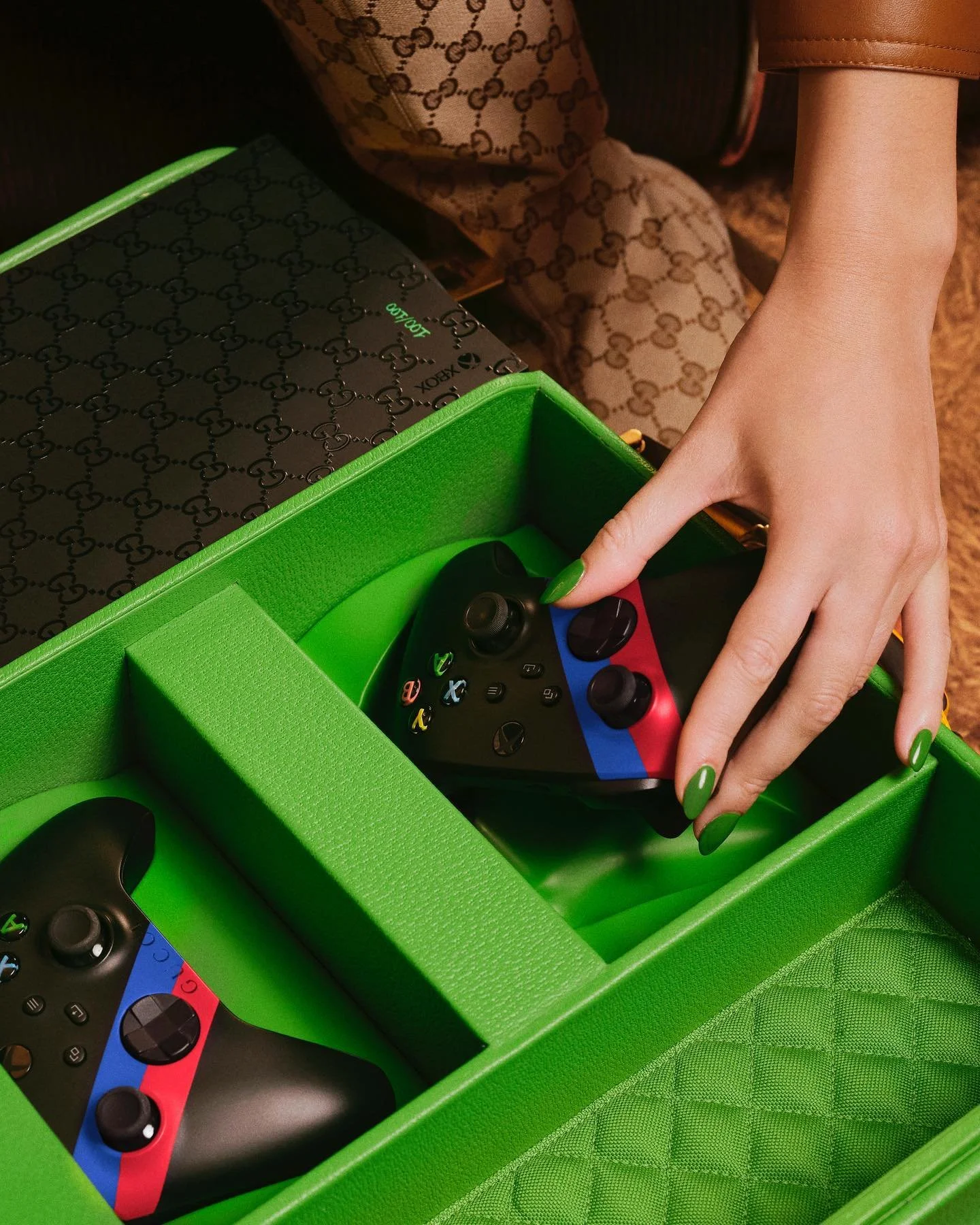
Gucci and Xbox collaborated in 2021, releasing limited-edition sets of customized Xbox Series X consoles. While it was a commercial success, it was also heavily criticized.
When Beauty Collaborations Win
But when done right, collaborations unlock serious strategic upside.
Audience expansion. The right partner introduces your brand to a new but relevant customer base. This isn’t random exposure. It’s curated borrowing. If alignment is strong, those new customers convert and stay.
Press coverage. The media loves an unexpected partnership, like MSCHF and Fenty Beauty. A well-executed collab can generate earned media far beyond what a standalone launch might achieve. Especially if it taps into culture, nostalgia, or entertainment.
Retail leverage. Retailers prioritize exclusivity and newness. A limited-edition drop can secure premium placement, endcaps, homepage banners, or even retailer-exclusive SKUs. That’s negotiation power.
Brand repositioning. The right collaboration can subtly shift how your brand is perceived. A skincare brand partnering with a fashion label elevates lifestyle positioning. A wellness crossover deepens credibility. Collaborations let you change the narrative without changing the logo.
Strong digital activation is critical here. If your social strategy isn’t solid yet, start with this guide on social media marketing for skincare business owners.
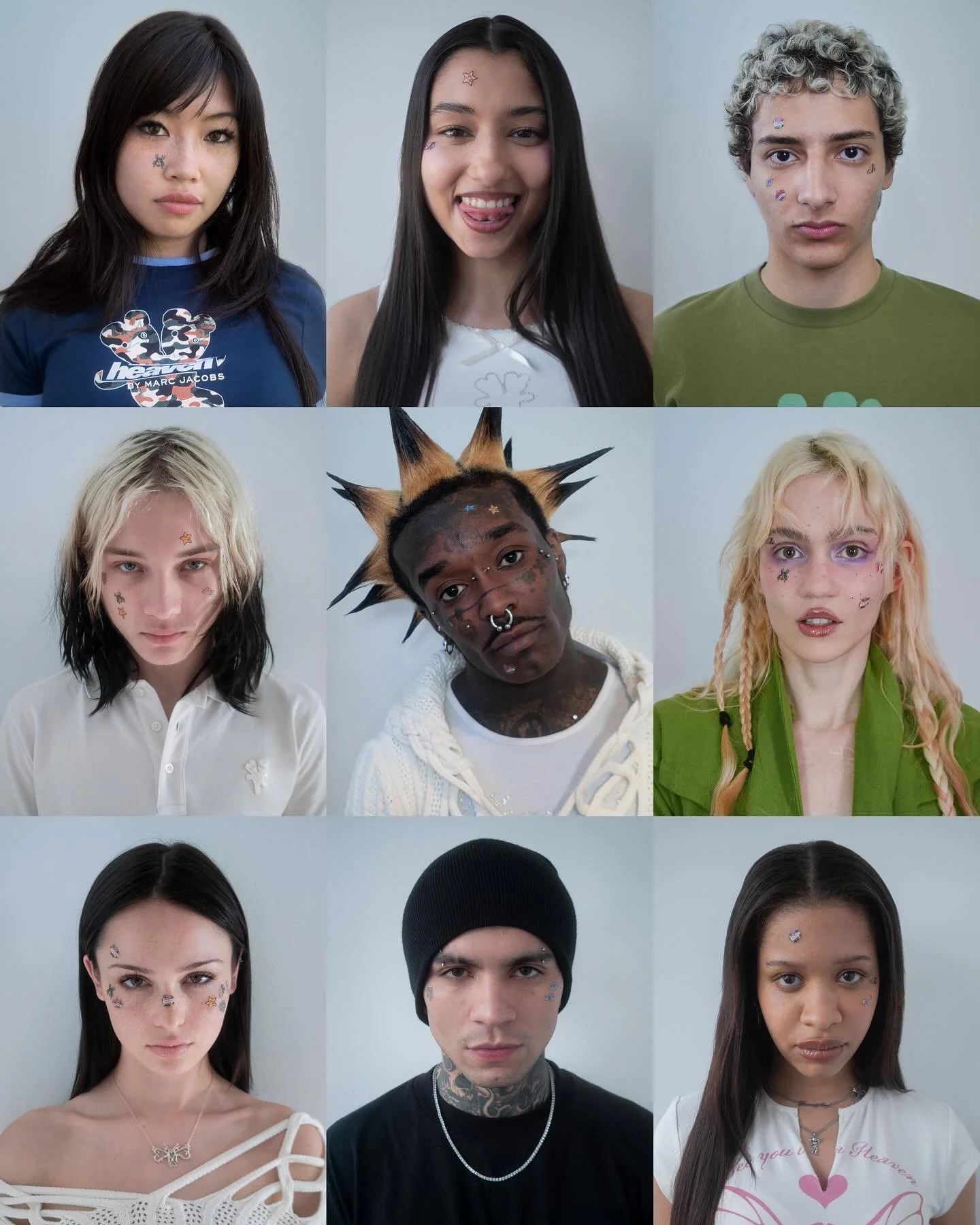
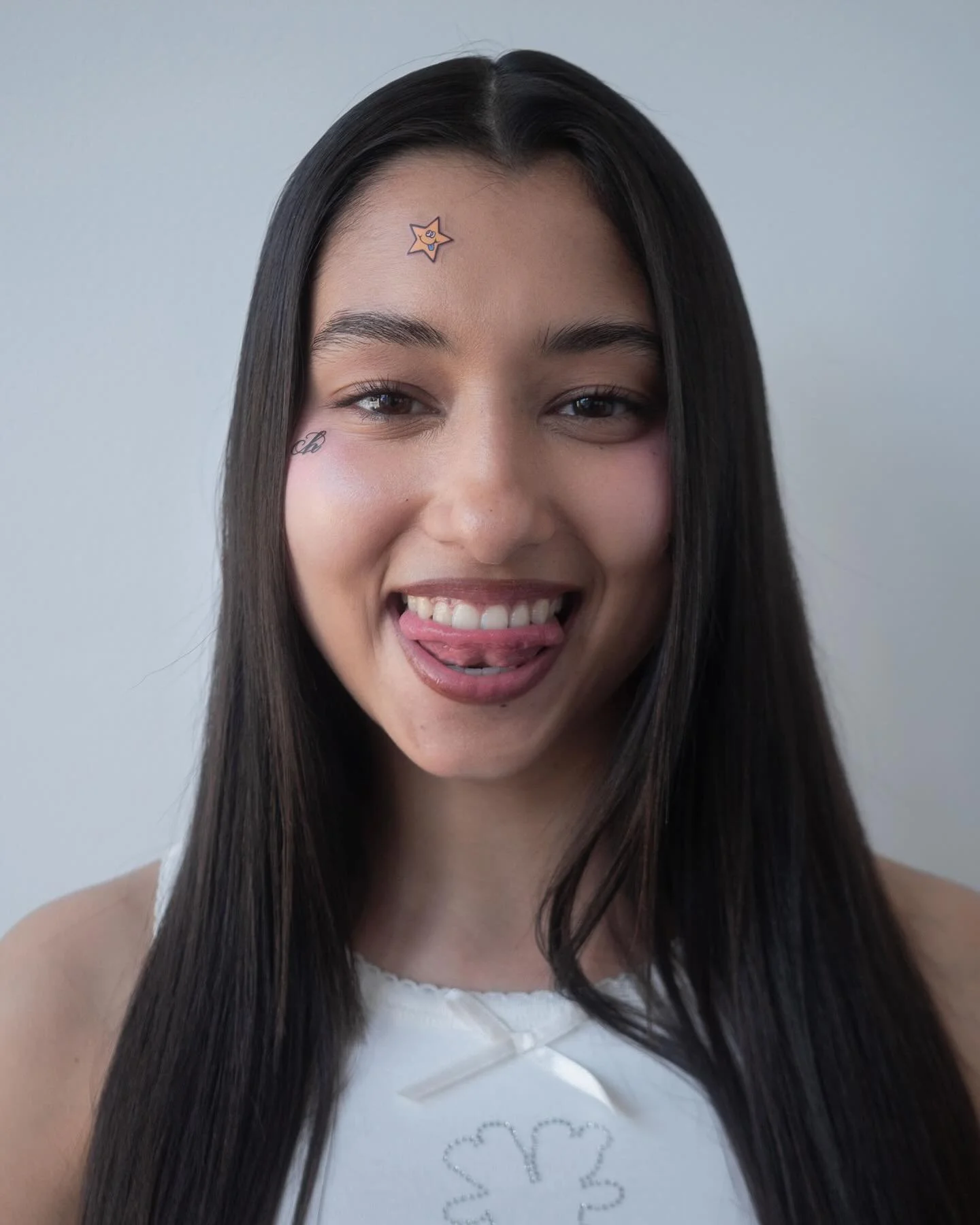
The Starface x Heaven by Marc Jacobs collaboration featured tattoo-inspired pimple patches that quickly won over both audiences.


How to Find New Beauty Brand Collaborations for Your Brand
If you’re wondering how to find new beauty brand collaborations, use this simple framework:
1. Audience Overlap Mapping
Compare customer personas.
Analyze follower demographics.
Look for cultural intersections.
2. Cultural Alignment Check
Ask:
Do we share tone?
Do we share values?
Would our communities naturally interact?
3. Shared Values Audit
Sustainability? Inclusivity? Ingredient transparency? Make sure alignment is real.
4. Product Synergy
Can products bundle naturally?
Is there storytelling potential?
Does the partnership feel inevitable?
Document this process. All of this is a part of your marketing resume.
Which Beauty Brand Collabs Are Popular This Year?
In 2026, beauty collaborations are becoming more culture and lifestyle-driven.
Entertainment IP – movies, TV, and pop culture partnerships with built-in audiences and strong storytelling potential.
Wellness crossovers – beauty is expanding into holistic health, combining skincare with ingestible or lifestyle wellness brands.
Fashion & lifestyle collabs – beauty is increasingly treated as part of personal style and identity.
Nostalgia partnerships – brands are reviving cultural moments people already love.
Community-first collaborations – brands with aligned audiences and values are partnering for more authentic marketing.
Final Thoughts
The most successful beauty brand collaborations aren’t random. They’re deeply strategic.
They answer:
Who are we?
Who do we want to reach?
What culture do we belong to?
Ultimately, the collaborations that truly resonate are the ones that feel authentic to your brand AND your audience. So if you’re a new brand on the block, the right collaboration can be your chance to define who you are from the very start.
Must read