Building Beauty At The Speed of Tech
Table of Contents
Ready. Set. Go.
Launching a beauty brand in 2026 feels like jumping into the middle of a marathon. Except this race doesn’t end. It just gets more crowded.
The global personal care and beauty market is estimated to exceed $700 billion by 2026. That’s a 3.24% annual growth rate, according to Statista. And skincare is the dominant driver of this growth.
This means new brands, new products, and new trends enter the market every single day. And while landing in Ulta or Sephora used to feel like winning, today, many brands are gone again within 12 to 24 months.
That’s the kind of data that gets your heart racing.
And you don’t want to just “keep up.” You want to be ahead. Kristaps Birmanis, the co-founder and Chief Growth Officer of Selfnamed, knows all about staying ahead and moving fast in beauty. Selfnamed directly impacts the speed of launching beauty brands. And we’re not talking about rushed formulas, but clean, conscious products designed to stand the test of time.
Keep reading as Kristaps shares what it takes to stay ahead.
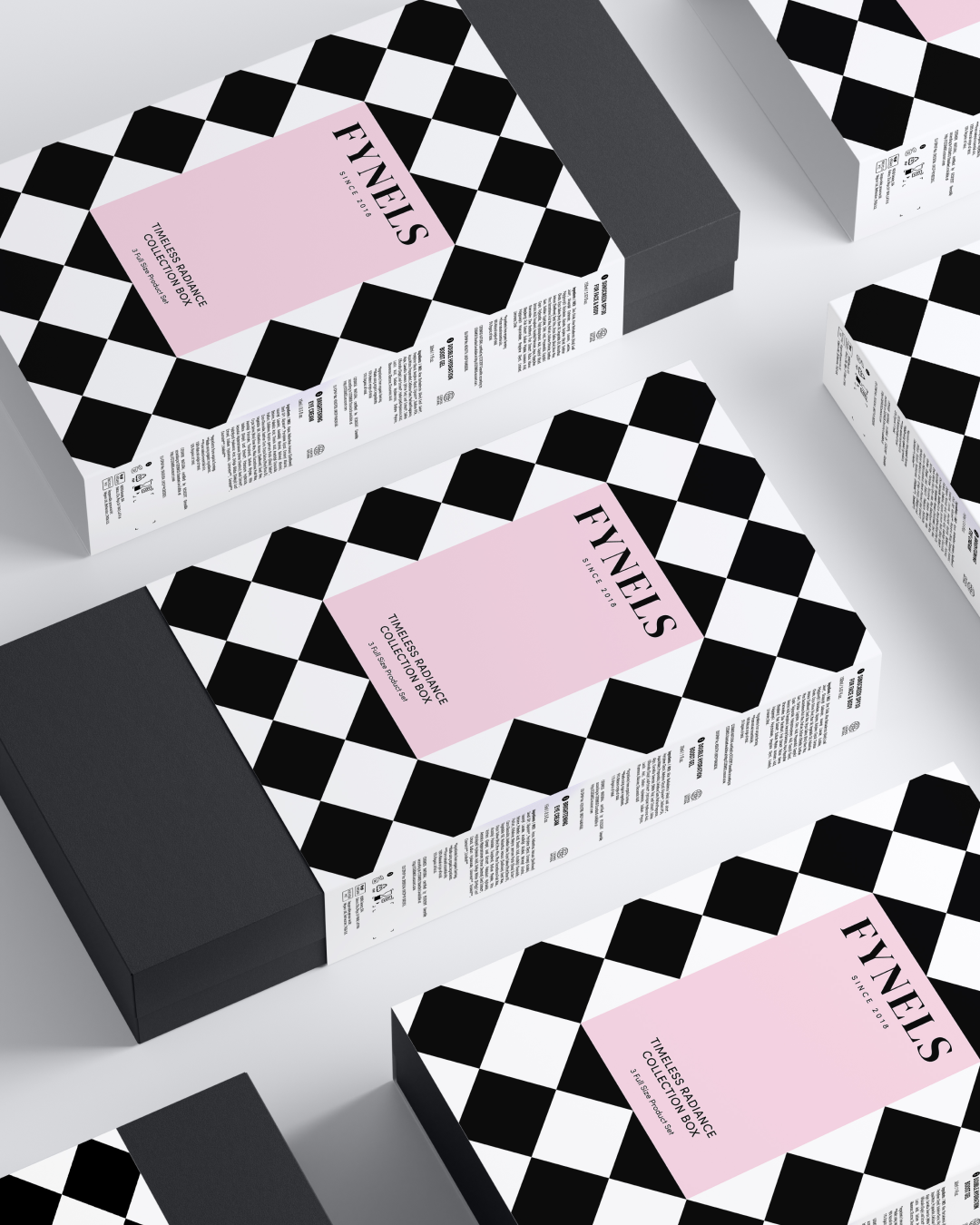
Selfnamed’s collection boxes
Growth isn’t just a number
For many beauty brands, growth is often reduced to revenue metrics.
But according to Kristaps Birmanis, the co-founder and Chief Growth Officer of Selfnamed, meaningful growth extends beyond numbers. “It’s about diversification of channels,” the CGO explains. “Successful brands balance both online and offline presence, avoiding the trap of over-reliance on performance marketing or legacy distribution alone,” Birmanis states.
Brands that succeed in ecommerce often struggle when expanding offline, while legacy brands sometimes forget the online channel. “If you consider Return-On-Investment (ROI) as a Key Performance Indicator (KPI), there’s a natural ceiling to what you can earn per marketing dollar spent,” Kristaps notes.
The rookie mistakes brands make
Speed is key, but moving fast doesn’t mean doing everything at once. One of the most common mistakes new founders make is launching too many products in an attempt to compete with established brands right away. “Even with a budget or a good team, competing with established legacy brands across many categories is tough,” Birmanis elaborates.
Instead, starting with a smaller lineup allows brands to move quickly, test the market, and build momentum around a clear hero product without spreading resources too thin.
“Starting with fewer products – maybe five – is more effective,” he says. “Focus your marketing on one superstar product, then use the others to upsell.”
This strategy simplifies marketing while creating a stronger customer journey. One standout product becomes the entry point for new customers, while complementary products help increase the value of each purchase.
“Upselling is crucial,” Birmanis adds. “One product drives marketing, and the rest support additional purchases. That combination creates meaningful growth.”
Here's where Selfnamed’s private label model comes in. At Selfnamed, founders can choose from ready-developed skincare products and launch them under their own brand, without the complexity of creating formulas or managing production. “You can quickly expand your catalog if something works,” he says, “or discontinue products without heavy inventory costs.”


For early-stage beauty brands, this approach makes it easier to move fast without losing focus. Testing, learning, and growing while building a foundation is your key to long-term success.
Small brand, big impact
Finding a space in beauty to call yours feels almost impossible. But according to Birmanis, competing with legacy players doesn’t require matching their scale. It requires focus.
Rather than trying to appeal to everyone, successful indie brands win by solving specific needs. “They compete by targeting underserved audiences and selecting niches,” he explains. “Invest in storytelling and expertise in that niche.”
When a brand positions itself around a particular skin concern, lifestyle, or community, consumers tend to view it as more credible and knowledgeable than large legacy brands trying to cover every category at once.
“People perceive niche-focused brands as more specialized than legacy brands that try to cover everything,” Birmanis says.
A strong brand story can also transform even the most everyday product into something distinctive. Take Vacation Sunscreen, for example. Instead of marketing sunscreen as a purely functional item, the brand reframed it as part of a broader lifestyle.
“They turned a common product into a lifestyle brand,” Birmanis explains. “They made sunscreen cool by tying it to a specific experience.”

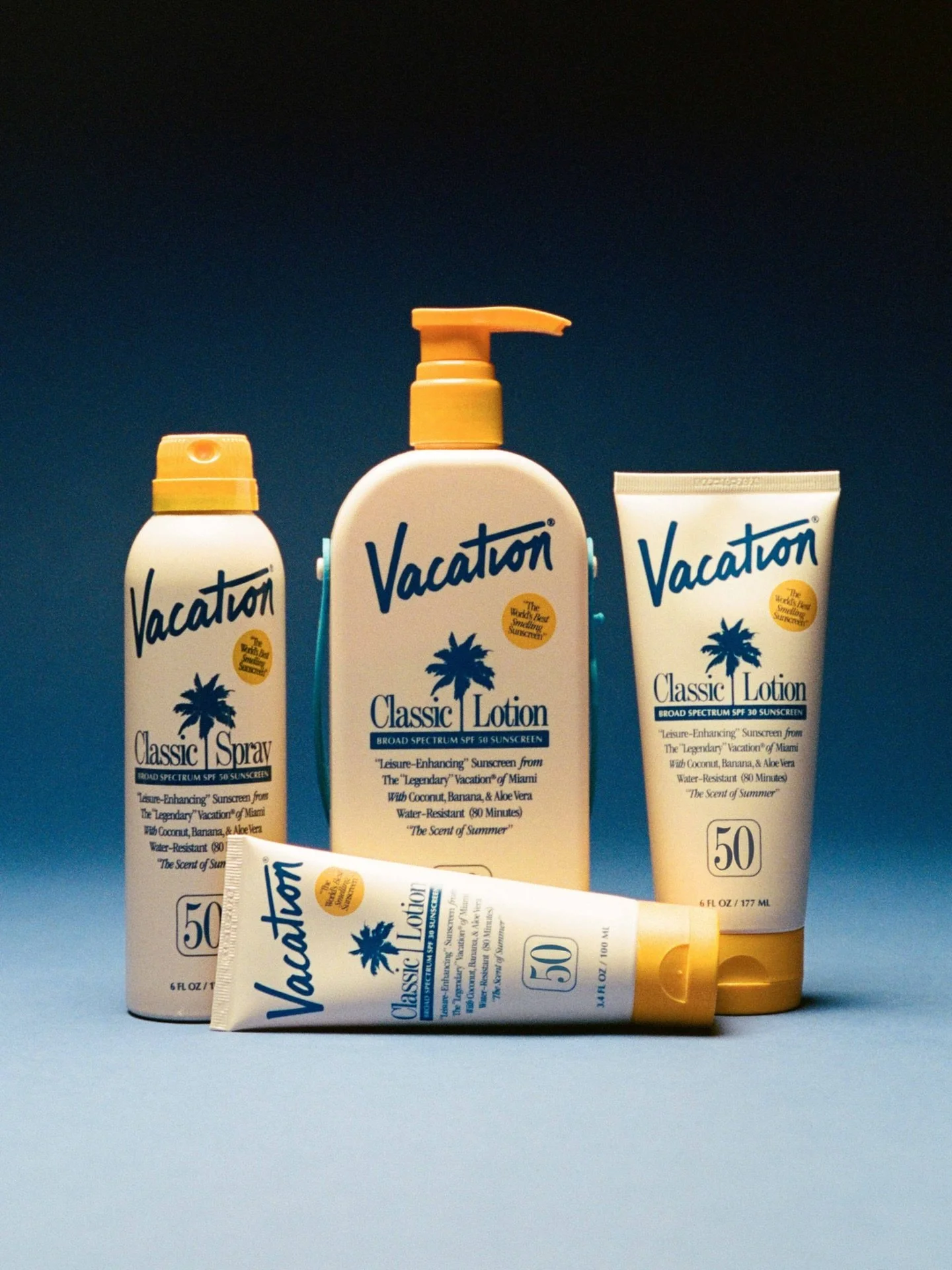
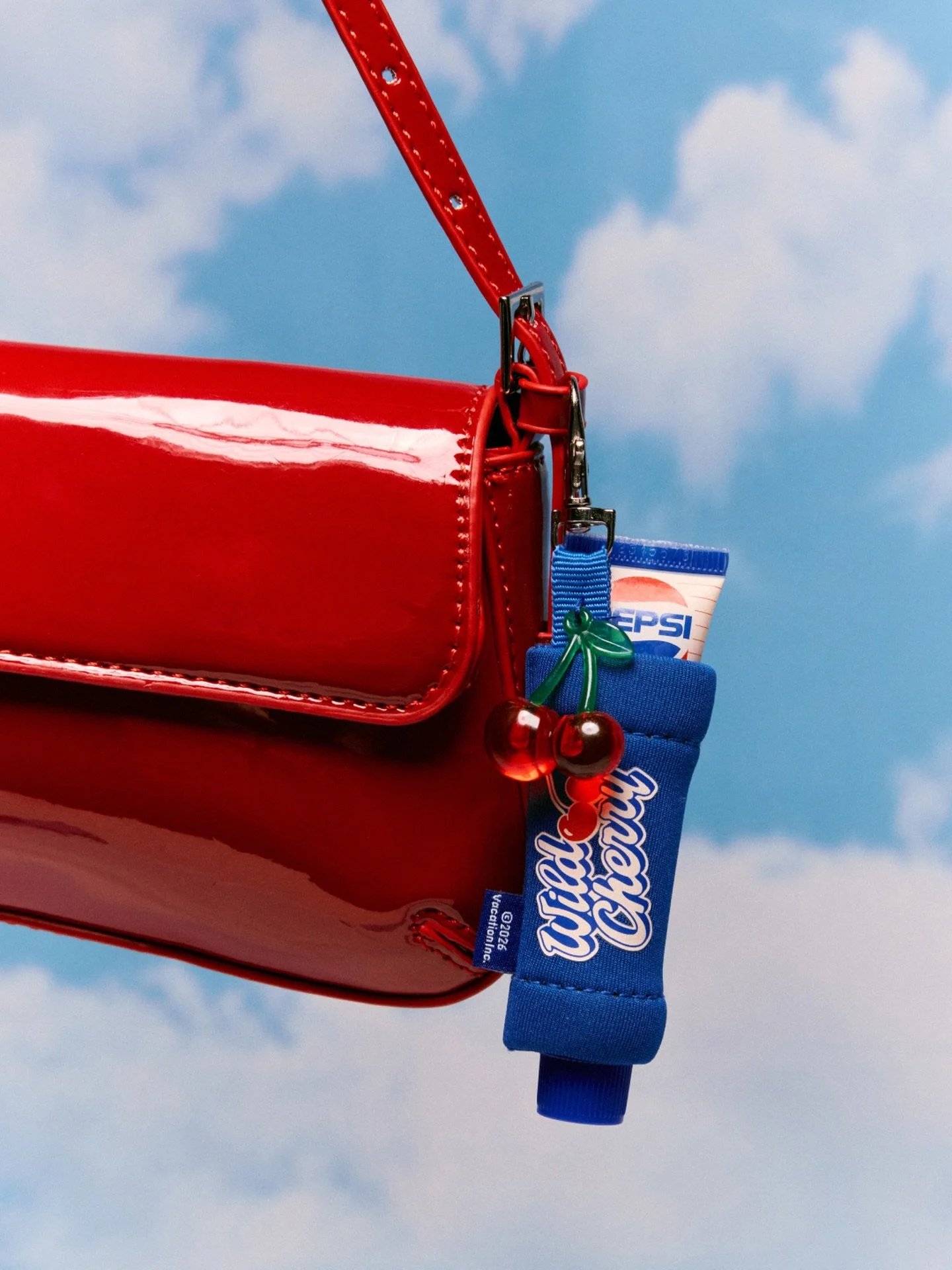
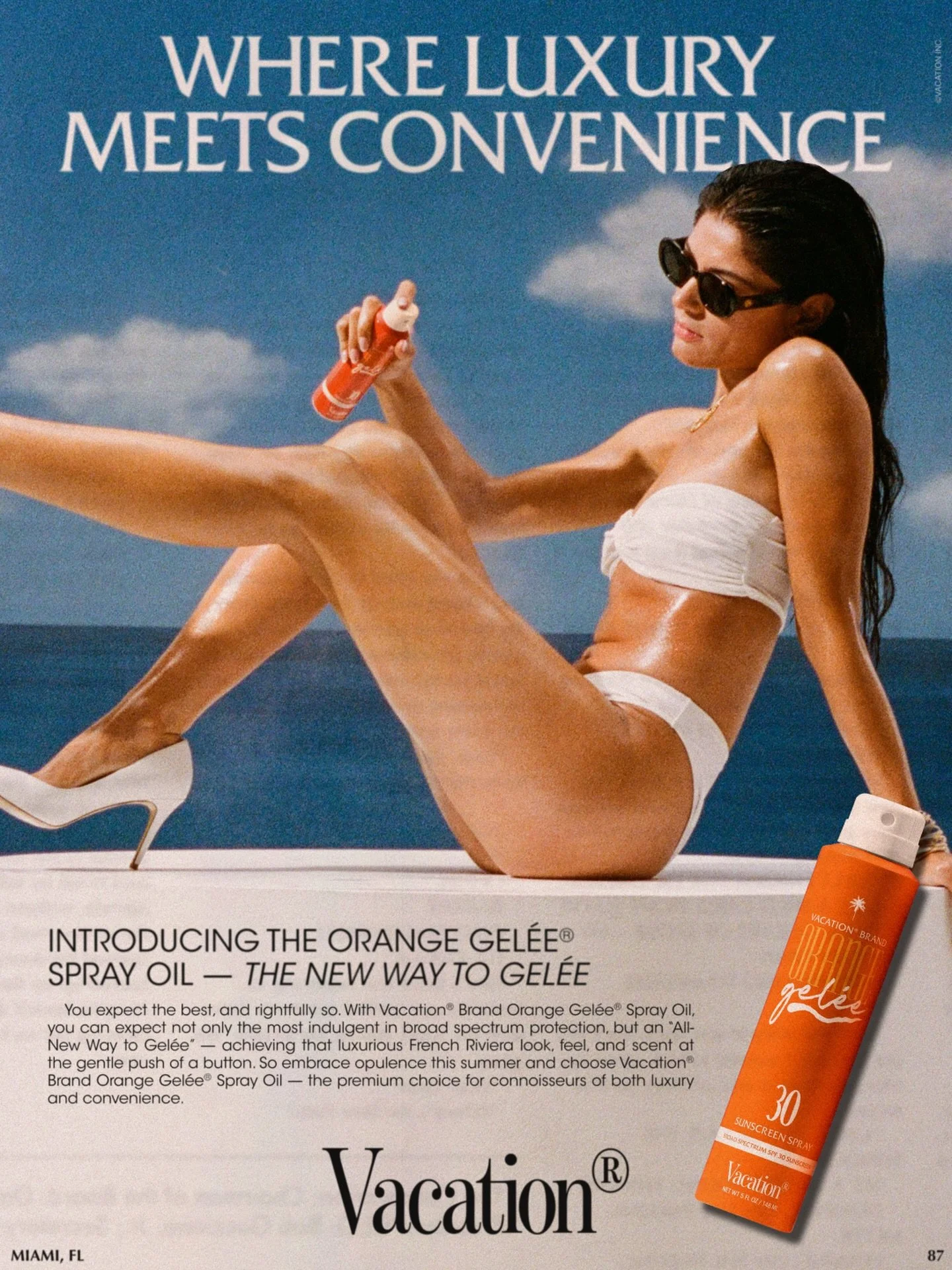
Source: Vacation Inc. Instagram
This type of positioning helps products feel more aspirational and memorable. That’s something traditional, functional marketing often fails to achieve.
AI only helps so far
AI rolls off our tongues the moment speed and personalization are mentioned. It’s everywhere in beauty conversations right now, but Birmanis isn’t buying the hype without a reality check.
“AI has the potential to personalize,” he says, “but it’s limited by the data and the humans behind it. It can replicate knowledge but not generate insights it hasn’t learned.” In other words, AI can organize, scale, and speed things up. But it won’t magically invent the next breakthrough ingredient or skincare philosophy on its own.
What genuinely excites Birmanis about the future of skincare technology is something more tangible: formula efficiency. Ingredient science is reaching a point where organic compounds can rival the performance of traditional actives.
“Organic ingredients are reaching the effectiveness of conventional ones,” Birmanis states.
One example is Selfnamed’s retinol alternative derived from Bidens pilosa extract, a plant-based ingredient that delivers retinol-like results without relying on synthetic retinoids.


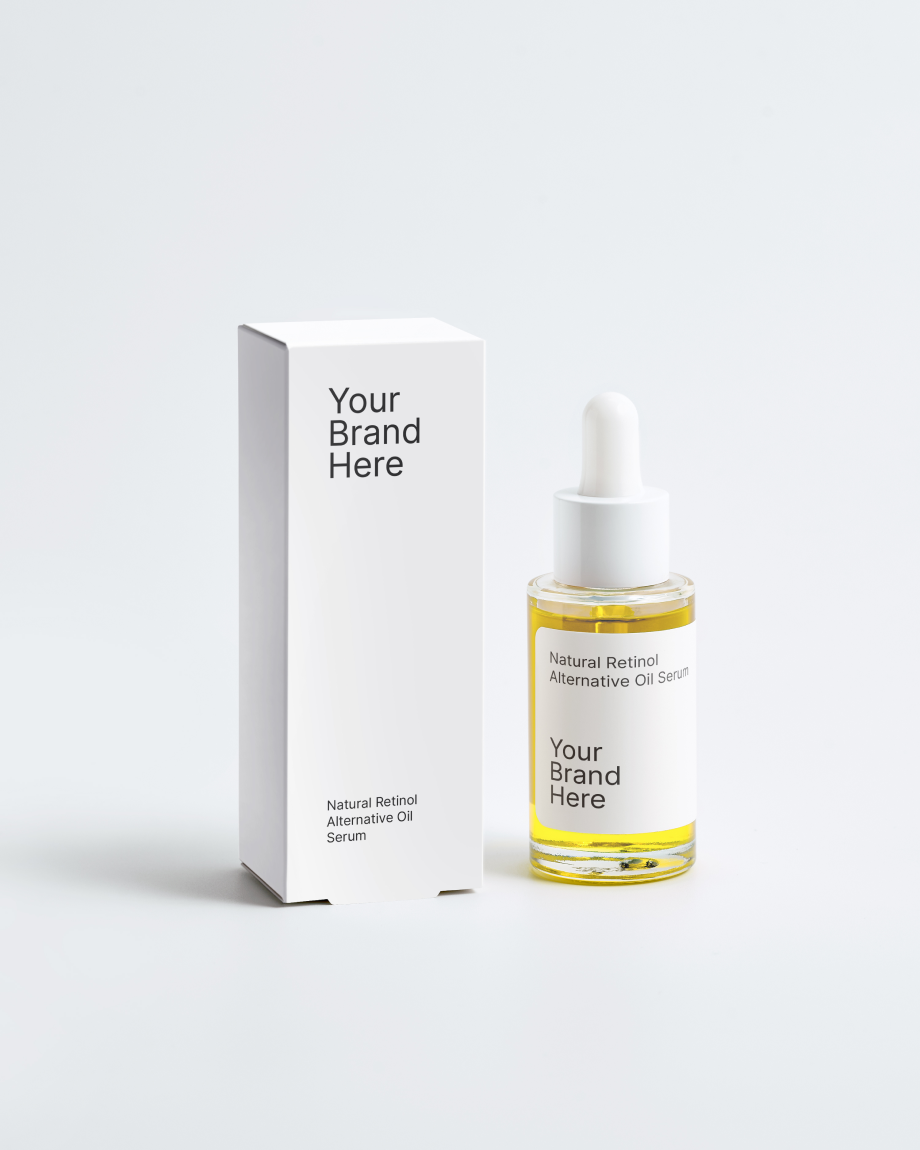

For Birmanis, that’s where the real innovation is happening. Not just in faster tools or smarter systems, but in better ingredients. These ingredients deliver visible results while aligning with the clean, conscious direction the beauty industry is moving toward.
Buzzwords that won’t go away
Looking beyond the lab, Birmanis says current industry conversations still revolve around a few dominant themes.
“K-beauty still dominates skincare trends,” he notes. “Fragrance and haircare are also growing, sometimes even faster than skincare.”
At the ingredient level, familiar buzzwords continue to drive consumer interest. Peptides, anti-aging claims, and science-backed formulations remain front and center. And despite the constant development of new ingredients and concepts, some themes never really disappear.
“Anti-aging remains evergreen,” Birmanis says, and that’s one reason why K-beauty brands, known for their anti-ageing focus, continue to grow in popularity.
Removing friction that slows you down
Building a beauty brand has traditionally meant stitching together a long list of partners – manufacturers, designers, photographers, developers, logistics providers. It’s a slow, fragmented process. But it doesn’t have to be, and frankly, many brands can’t afford it.
That’s why Kristaps’ vision is closer to how digital products are built: everything happening in one place, with the freedom to experiment along the way.
“Selfnamed is a digital skincare creation platform, a playground for beauty brands.”
In practice, that means founders can move through the entire brand-building journey inside a single ecosystem, from choosing skincare products to designing packaging and connecting to their store.
The platform also connects directly with the tools many founders already use to sell online. “We integrate with Shopify, WooCommerce, and Squarespace,” he notes, with Wix and other integrations already on the roadmap.
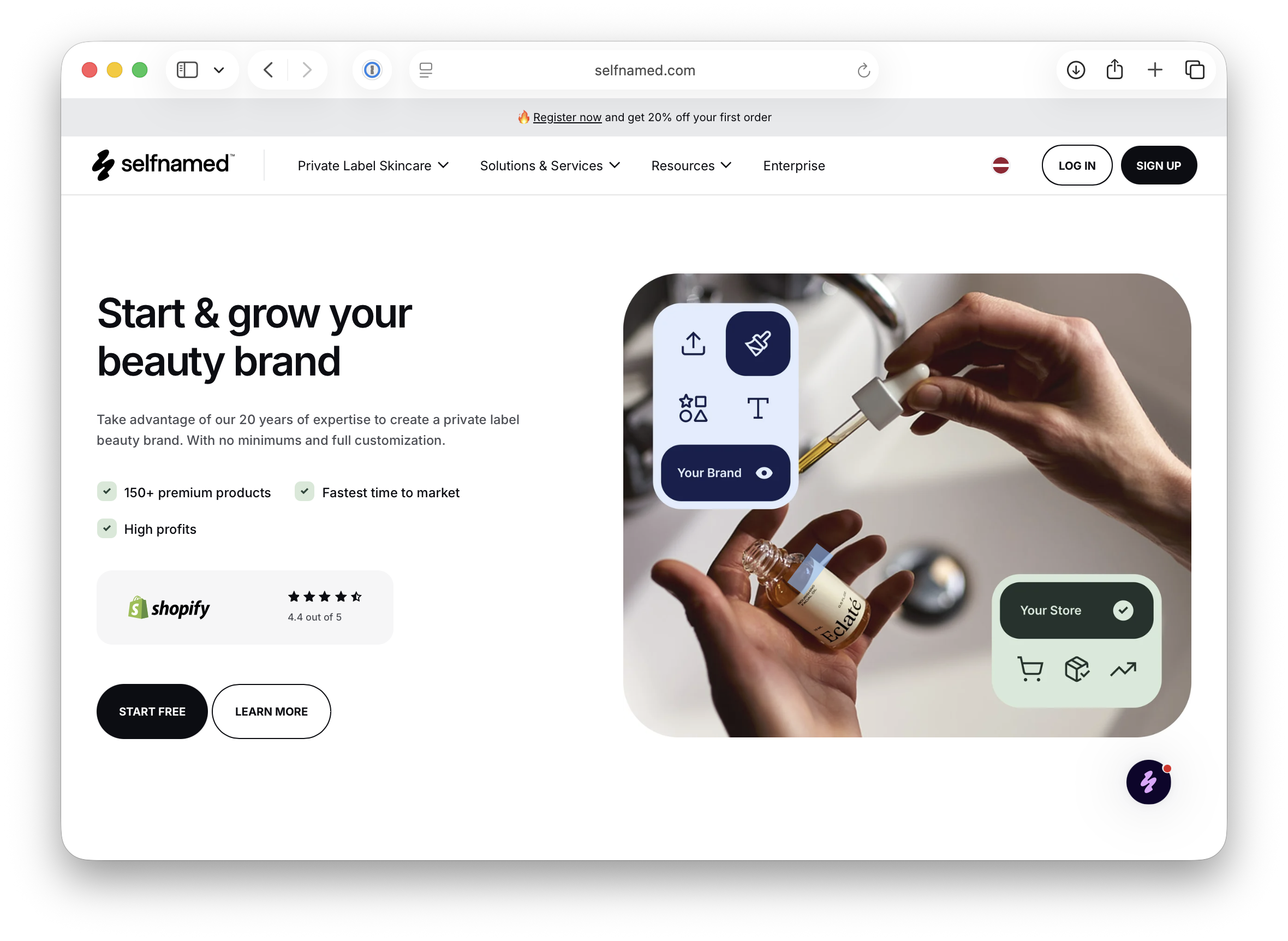
For Birmanis, the real idea is removing the friction that slows founders down. “Creativity is just one part,” he says. “Our goal is to simplify the entire product creation and launch process.”
If the beauty industry is learning anything from tech, it’s that speed and flexibility often come from having the right platform behind you.
Launching the old way is over
Building a beauty brand as we know it is dead.
For indie brands, salons, influencers, and other players in beauty, success comes down to how quickly and smartly you can bring your ideas to life.
Finding a niche, telling a story that resonates, and using tools that let you move fast without sacrificing quality is the winning formula of 2026.
As Kristaps notes, growth in beauty comes from the ability to experiment and find what works without losing time and resources in the process. The brands that do this don’t struggle to keep up. They end up setting the pace.
Must read