Gen Z Makeup Trends: What Beauty Brands Need to Know in 2026
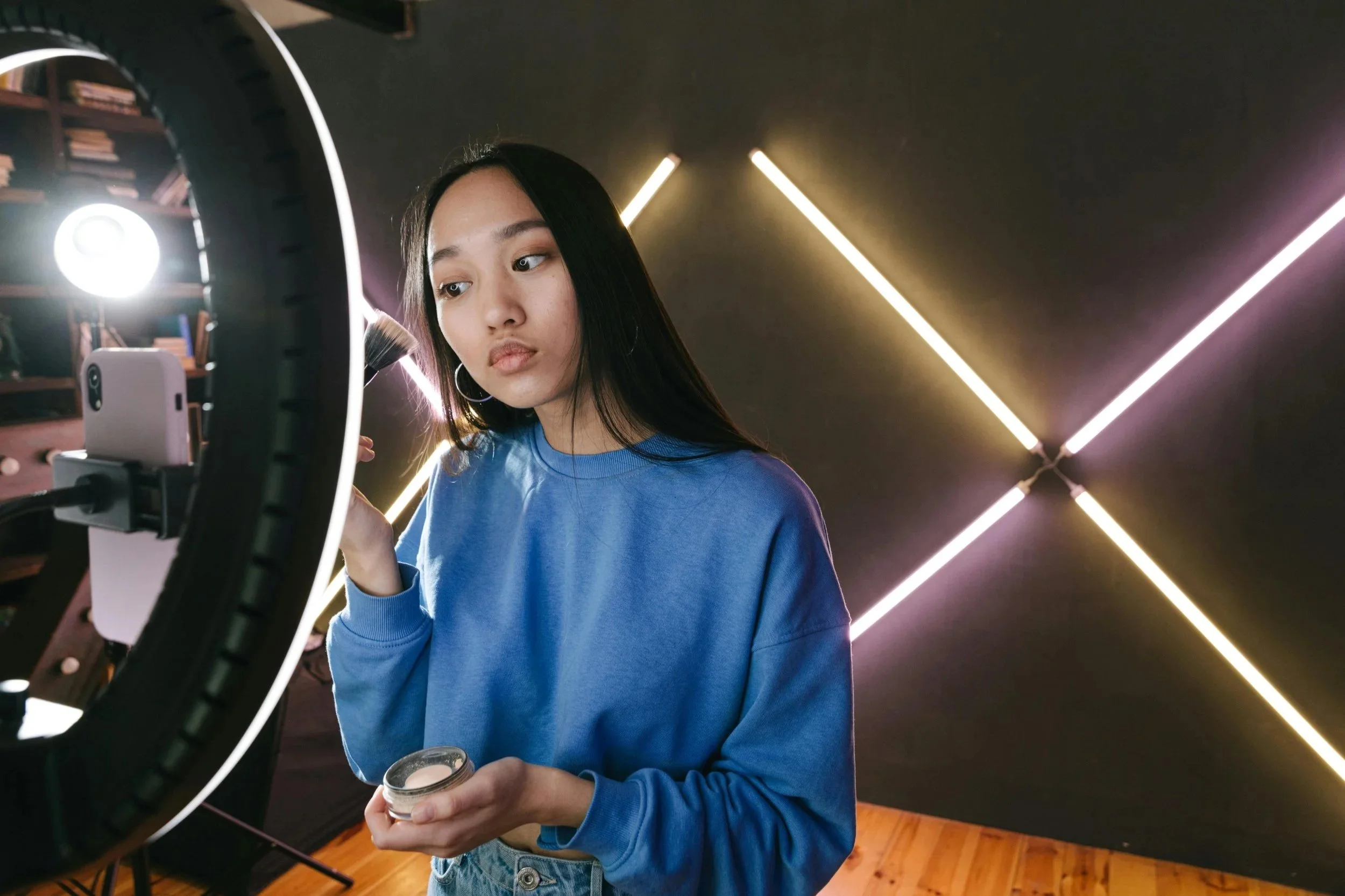
Table of Contents
Gen Z isn’t just influencing the beauty industry. They’re redefining it.
For brands, this shift isn’t optional to follow. It’s a growth necessity.
From product development to marketing, understanding Gen Z makeup trends is key to staying relevant, competitive, and profitable in today’s market.
This generation doesn’t just buy makeup. They engage with it, remix it, and expect brands to evolve with them. If you’re a beauty brand owner, retailer, or entrepreneur, Gen Z are your growth leaders. Tap into Gen Z makeup trends to expand your product lineup fast. And connect with an audience that’s not just young – but highly engaged.
Gen Z is becoming a major force in beauty, with spending power projected to reach trillions by 2030.
In this guide, we’ll break down:
What’s trending in Gen Z makeup,
How Gen Z shops for and uses makeup,
How your brand can turn these insights into real business growth.
Understanding Gen Z Makeup Preferences
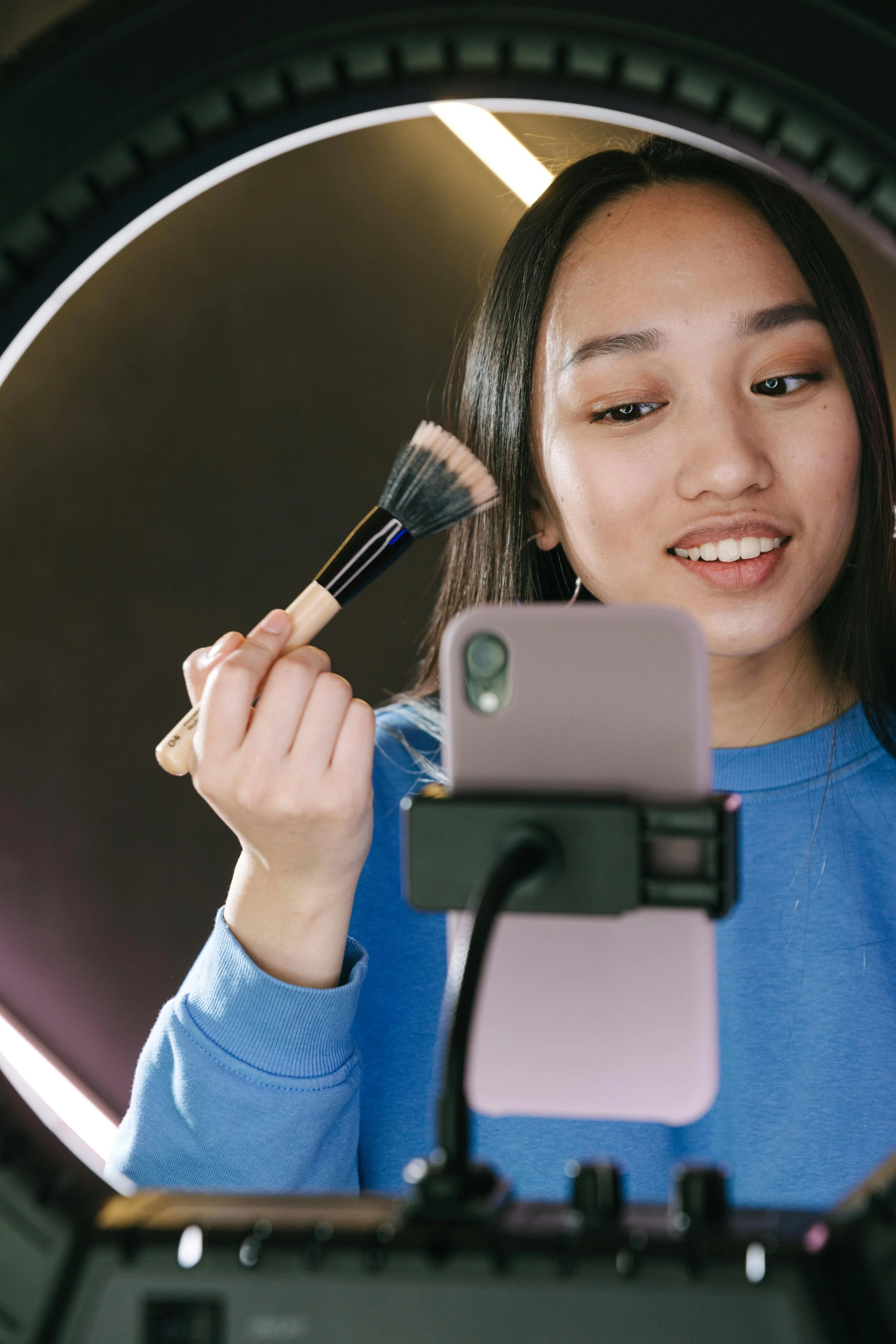
Before jumping into specific trends, it’s important to understand how Gen Z approaches beauty.
This generation values:
Self-expression over perfection
Authenticity over polish
Experimentation over rules
Makeup is no longer about “fixing flaws.” It’s about identity. For a deeper dive into Gen Z’s makeup preferences and aesthetic direction, explore Gen Z beauty trends.
Aesthetic-first, Not Routine-First
Unlike previous generations, Gen Z doesn’t follow rigid routines. Instead, they build looks around moods, aesthetics, or trends. One day it’s minimal skin. The next – bold blush or graphic eyeliner.
This means:
Products must be versatile
Shades should be expressive
Packaging needs to feel shareable
Texture And Finish Matter More Than Ever
Gen Z is highly sensitive to how products feel and look on skin.
Key preferences include:
Skin-like, breathable finishes
Cream and liquid formats
Glossy, dewy textures
Heavy matte foundations are being replaced with lightweight alternatives that enhance, not mask.
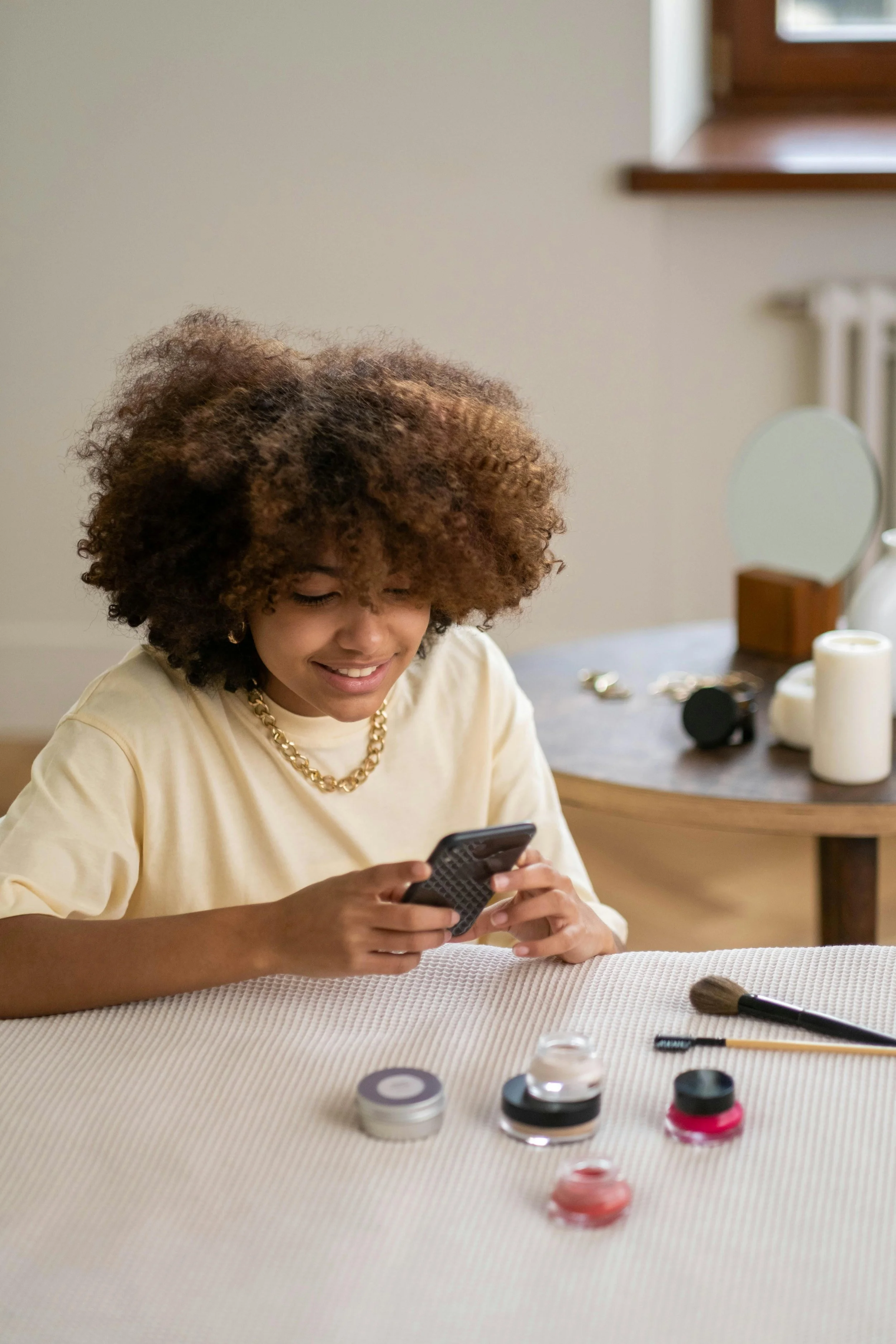
Social Media Drives Discovery
TikTok, Instagram, and creator-led content shape nearly every purchase decision.
Over 70% of Gen Z discover beauty products on social media first, with TikTok playing a leading role in shaping product discovery and purchase decisions.
Trends move fast. Yep, sometimes within days. Products go viral not because of ads, but because of:
Tutorials
“Get ready with me” videos
Honest reviews
If your product doesn’t look good on camera, it’s already at a disadvantage.
For a deeper look into how Gen Z behaves as customers, check out this guide on marketing to Millennials and Gen Z.
1. Skin First, Makeup Second
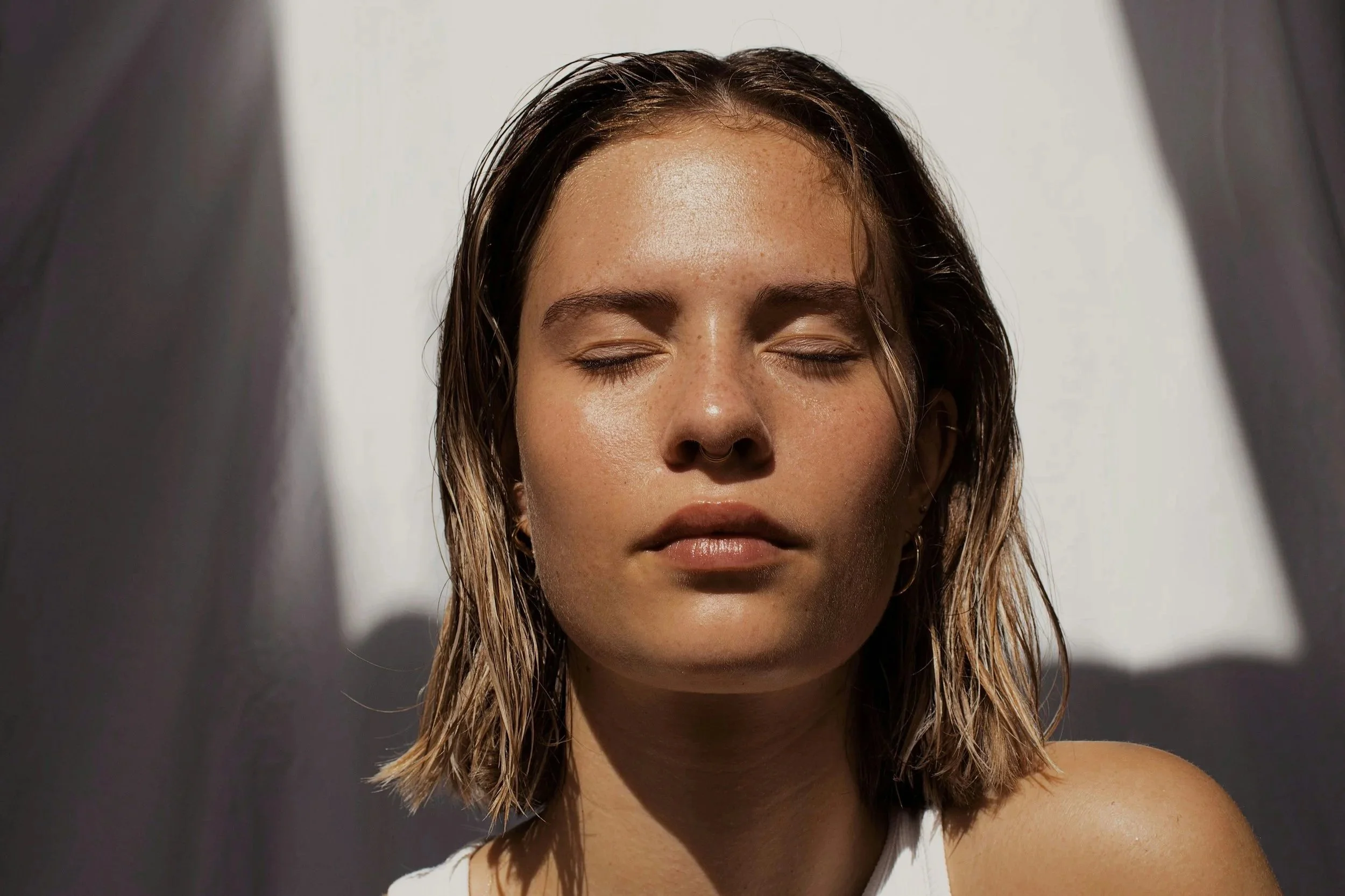
The “no-makeup makeup” look isn’t new. But Gen Z is evolving it.
Instead of hiding skin, they enhance it:
Lightweight foundations
Skin tints
Glow-boosting primers
Imperfection is part of the appeal. Skin looks real, slightly undone, and intentionally effortless.
Opportunity: Expand into hybrid products. Makeup + skincare in one.
2. Blush Is the Hero Product
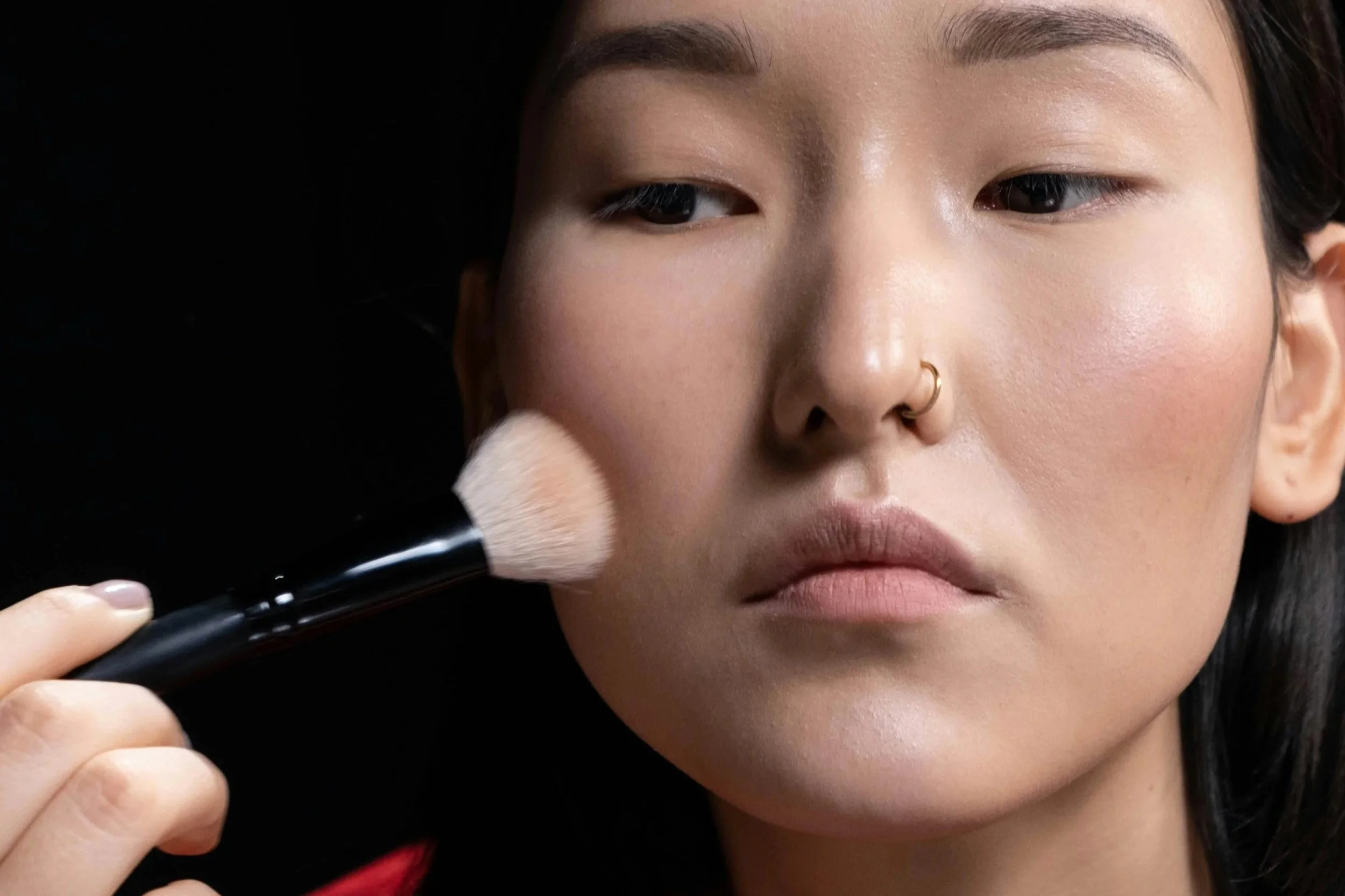
Blush has become the centerpiece of Gen Z makeup.
Popular formats:
Cream blush sticks
Liquid blush
Multi-use cheek + lip tints
Application is also more experimental – across cheeks, nose, even temples.
Opportunity: Offer bold, buildable shades and multi-use products that fit into different aesthetics.
3. Gloss Is Back (And Bigger Than Ever)
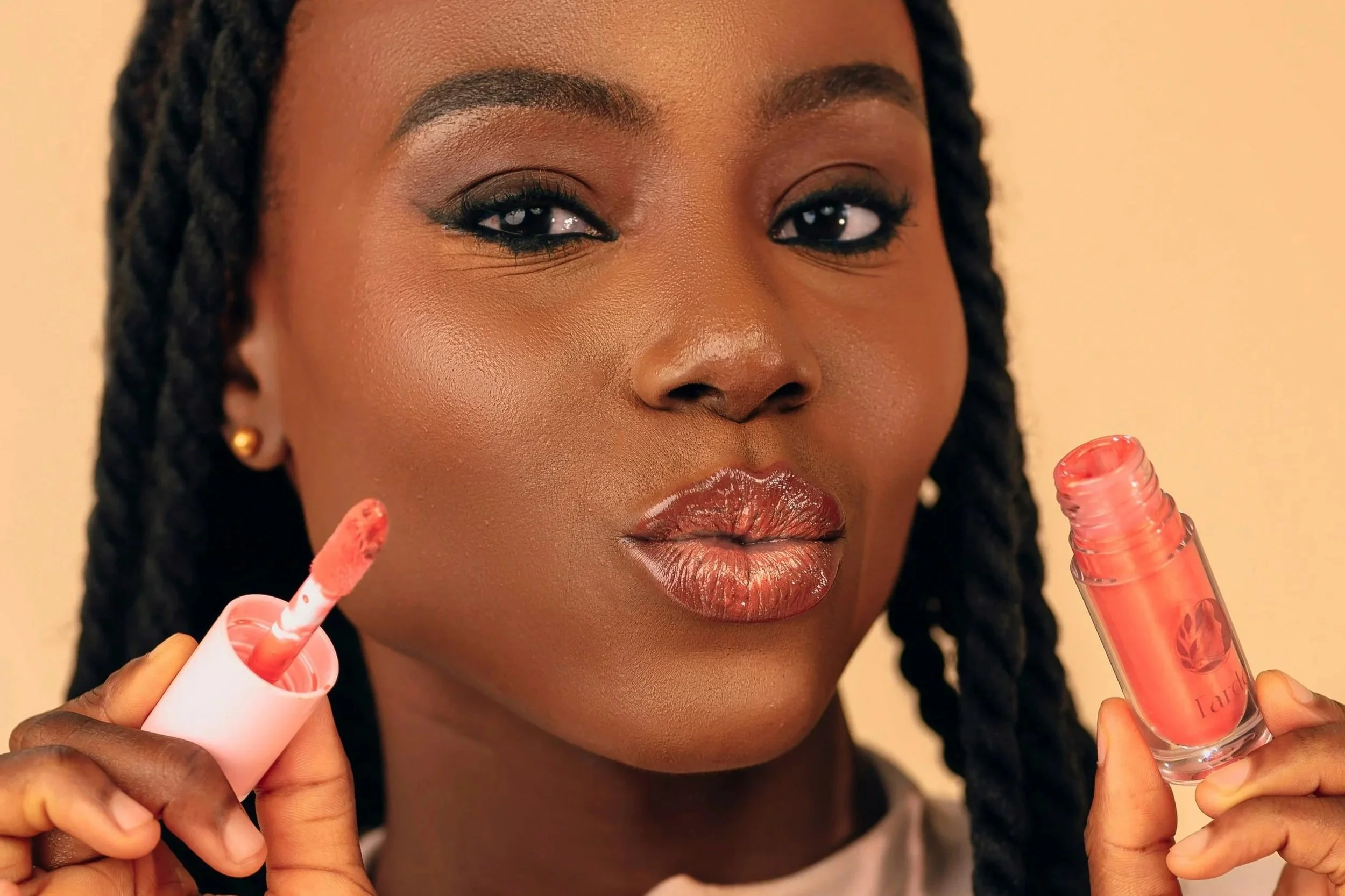
High-shine finishes dominate:
Lip gloss
Glossy lids
Dewy highlighters
Matte lips feel outdated in Gen Z culture.
Opportunity: Focus on glosses with:
Non-sticky formulas
Hydrating ingredients
Sheer or tinted finishes
4. Playful Color and Soft Rebellion
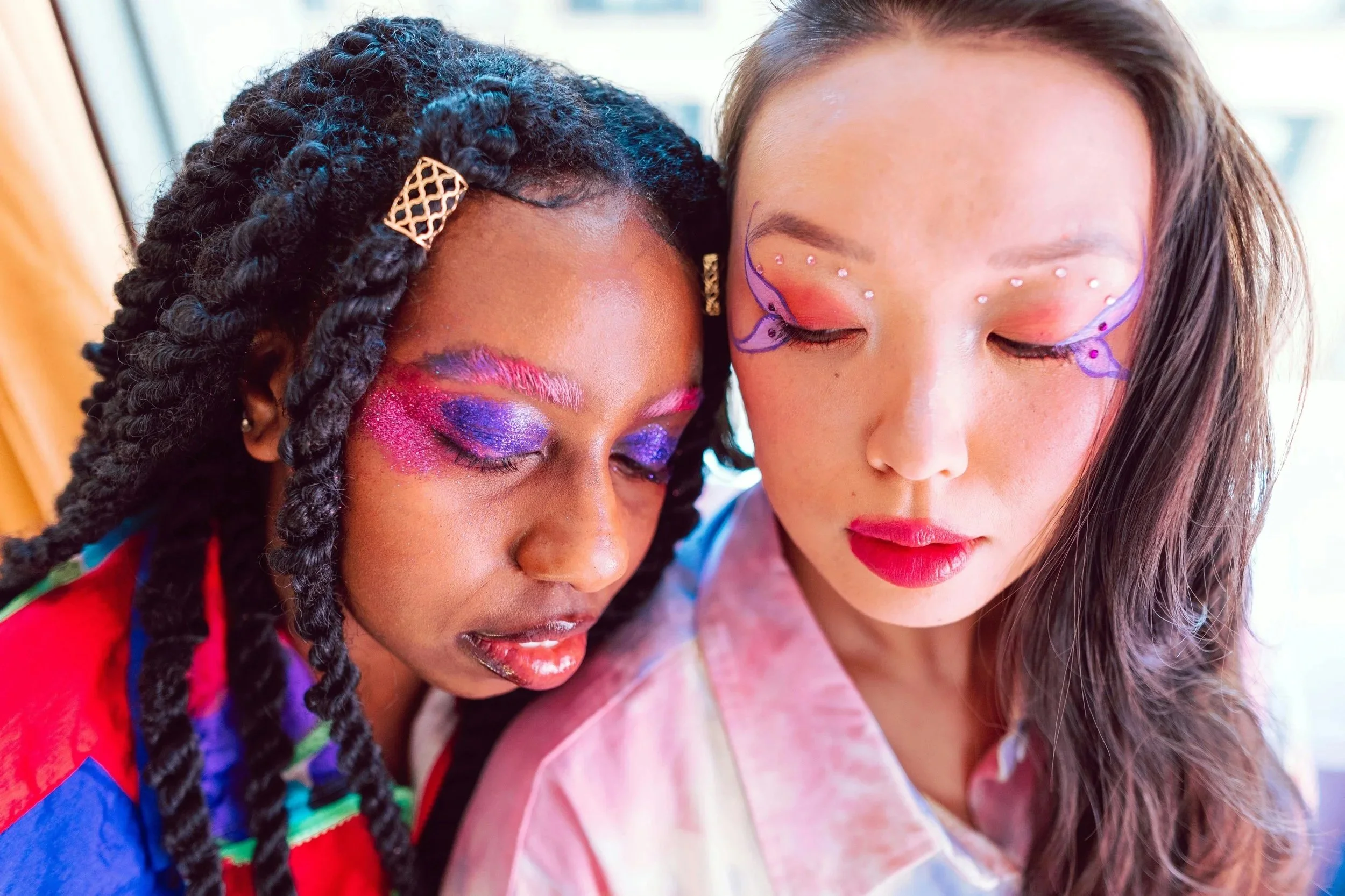
Gen Z isn’t afraid of color. But they use it differently.
Instead of full glam:
Pops of color (liner, inner corner, lashes)
Pastels and unexpected tones
Slightly smudged, imperfect application
This is where “soft rebellion” comes in. Looks feel expressive, not controlled.
Opportunity: You can offer:
Colored eyeliners
Buildable pigments
Smaller, curated palettes
5. Multi-Functional Products
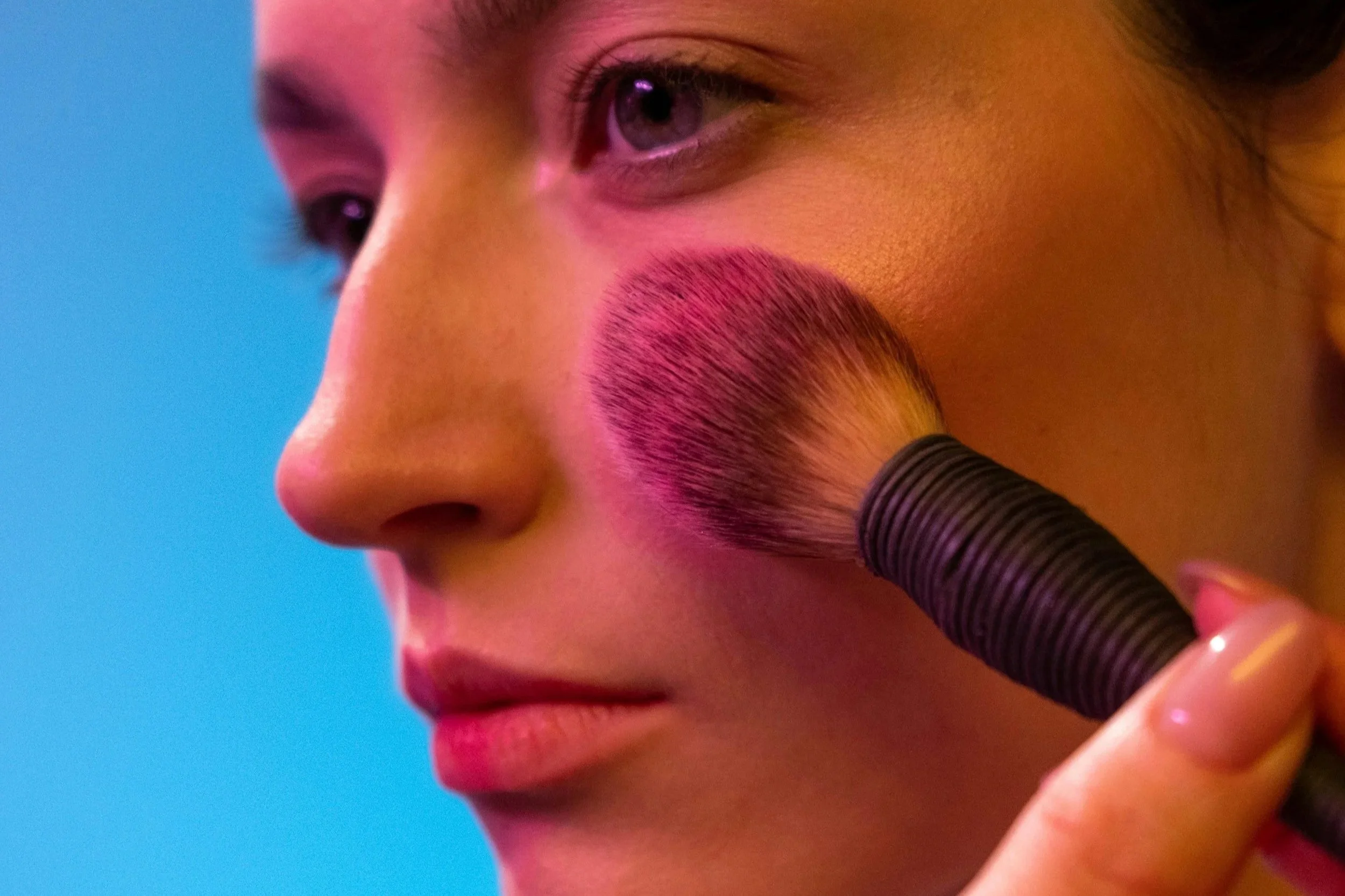
Gen Z values simplicity. But definitely not boring simplicity.
They want:
Lip + cheek products
Eyeshadow that doubles as liner
Products that work across categories
Opportunity: Position products as flexible tools, not single-use items.
6. Clean and Conscious Beauty
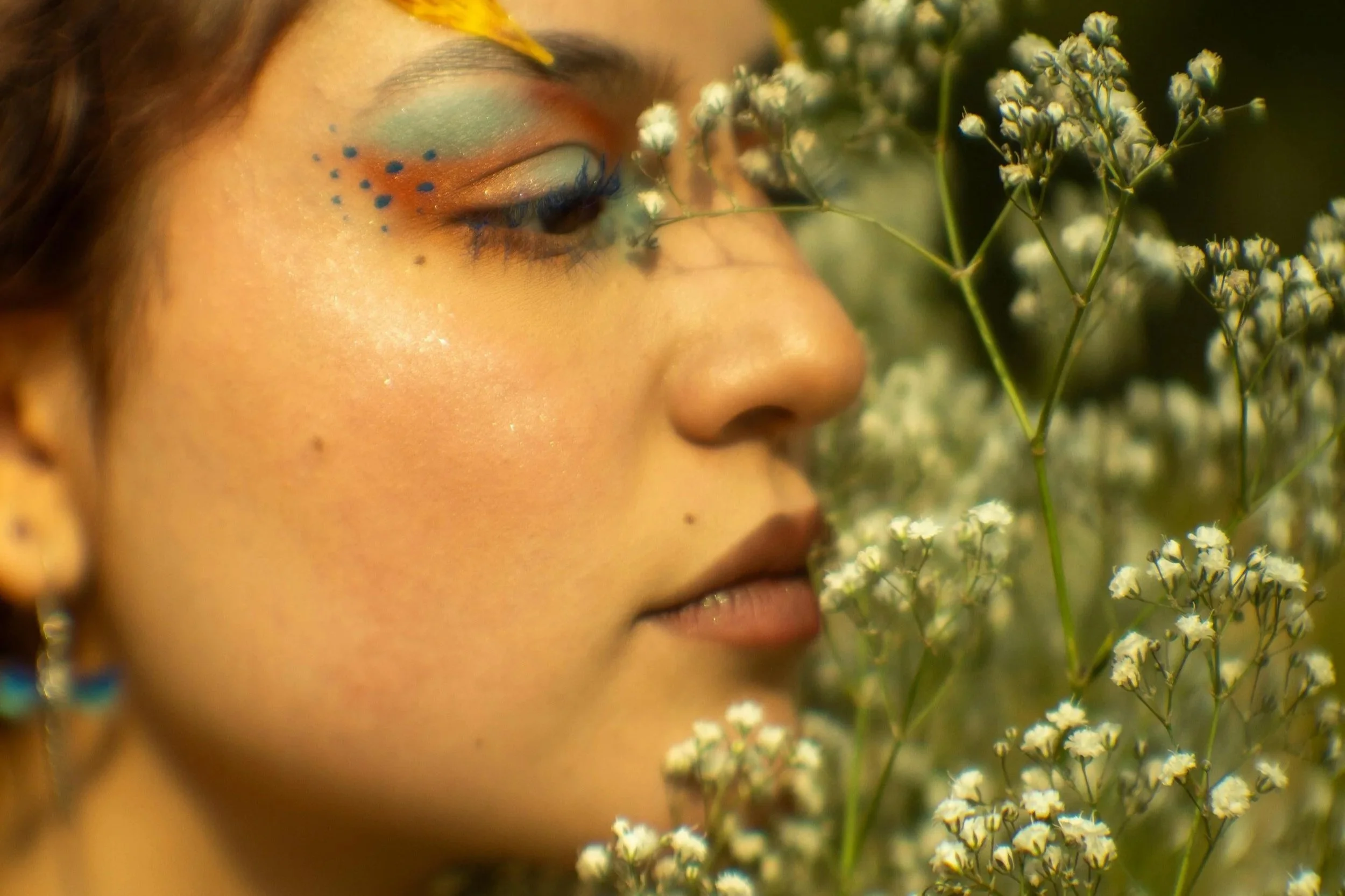
Ingredients matter. Transparency matters more.
Gen Z actively looks for:
Clean formulations
Cruelty-free products
Sustainable packaging
This isn’t a trend anymore. It’s an expectation.
Millennial vs Gen Z Makeup
Understanding the difference between Millennial vs Gen Z makeup helps brands position products more effectively.
Millennials:
Focus on polished, full-face looks
Prefer matte finishes
Follow structured routines
Brand loyalty is stronger
Gen Z:
Prefers natural, skin-first looks
Loves glow and texture
Mixes brands freely
Shops based on trends and creators
What This Means for Brands
You don’t need to choose one audience. But you do need to differentiate.
For example:
A matte foundation can target Millennials
A skin tint version targets Gen Z
Same category. Different positioning.
Opportunities for Brands
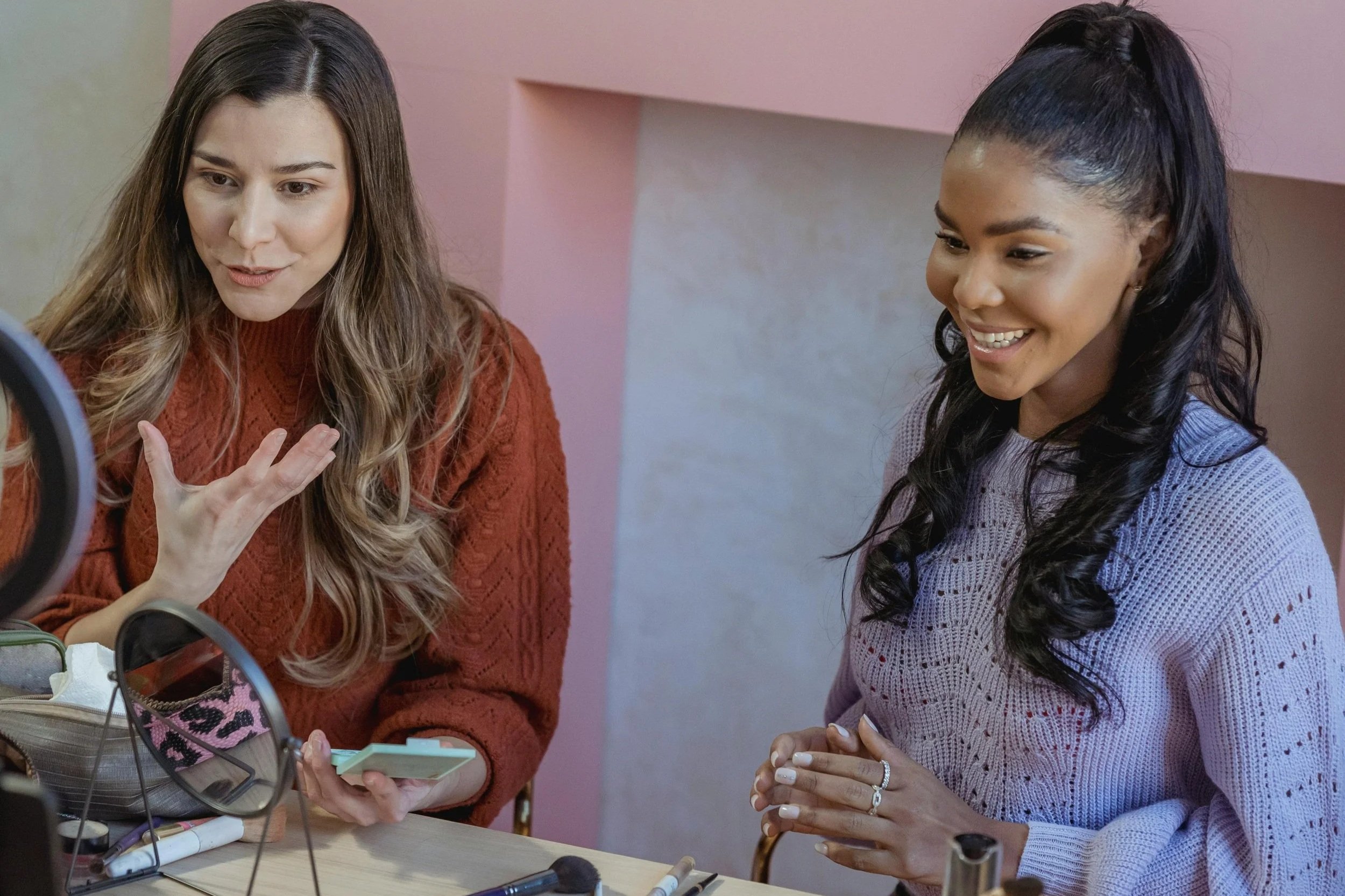
This is where trend insights turn into business growth. Gen Z doesn’t just want new products. They want:
new formats,
new experiences,
new ways to express identity.
1. Expand Your Product Lineup Strategically
Instead of launching dozens of SKUs, focus on:
high-demand categories (blush, gloss, skin tint),
multi-use products,
trend-driven shades.
Start small. Scale based on demand.
2. Move Fast With Low-Risk Product Development
Speed matters in Gen Z beauty. Trends don’t wait 12 months.
That’s why flexible production is key. And this is where private label solutions come in.
Selfnamed offers a streamlined way to enter the market quickly through our private label makeup line. It comes with no minimum order quantities, making it easier to test and launch new products. And it reduces the need for large upfront investment.
This lets brands:
test new products without large upfront investment;
launch trend-driven collections faster;
adapt quickly based on real customer feedback;
reduce risk when experimenting with new categories or shades;
stay relevant in a fast-moving, trend-led beauty market.
Selfnamed’s growing clean makeup line further strengthens this opportunity. It’s especially relevant for brands looking to align with Gen Z expectations. These include transparency, skin-friendly formulas, and modern beauty standards.


3. Leverage Clean Beauty Positioning
With Gen Z’s preference for conscious products, clean formulations are no longer a niche. They’re expected.
Selfnamed’s upcoming clean makeup line makes it easier for brands to:
align with Gen Z values;
expand into new categories;
offer modern, skin-friendly products.
This is especially valuable for:
skincare brands entering makeup;
retailers expanding their offering;
new founders testing ideas.
4. Focus On Packaging and Experience
For Gen Z, product packaging isn’t just functional. It’s content.
Products need to:
look good on camera;
feel premium or playful;
be shareable.
If your product doesn’t show up well in a TikTok video, it’s missing a key growth channel.
Marketing Strategies to Reach Gen Z
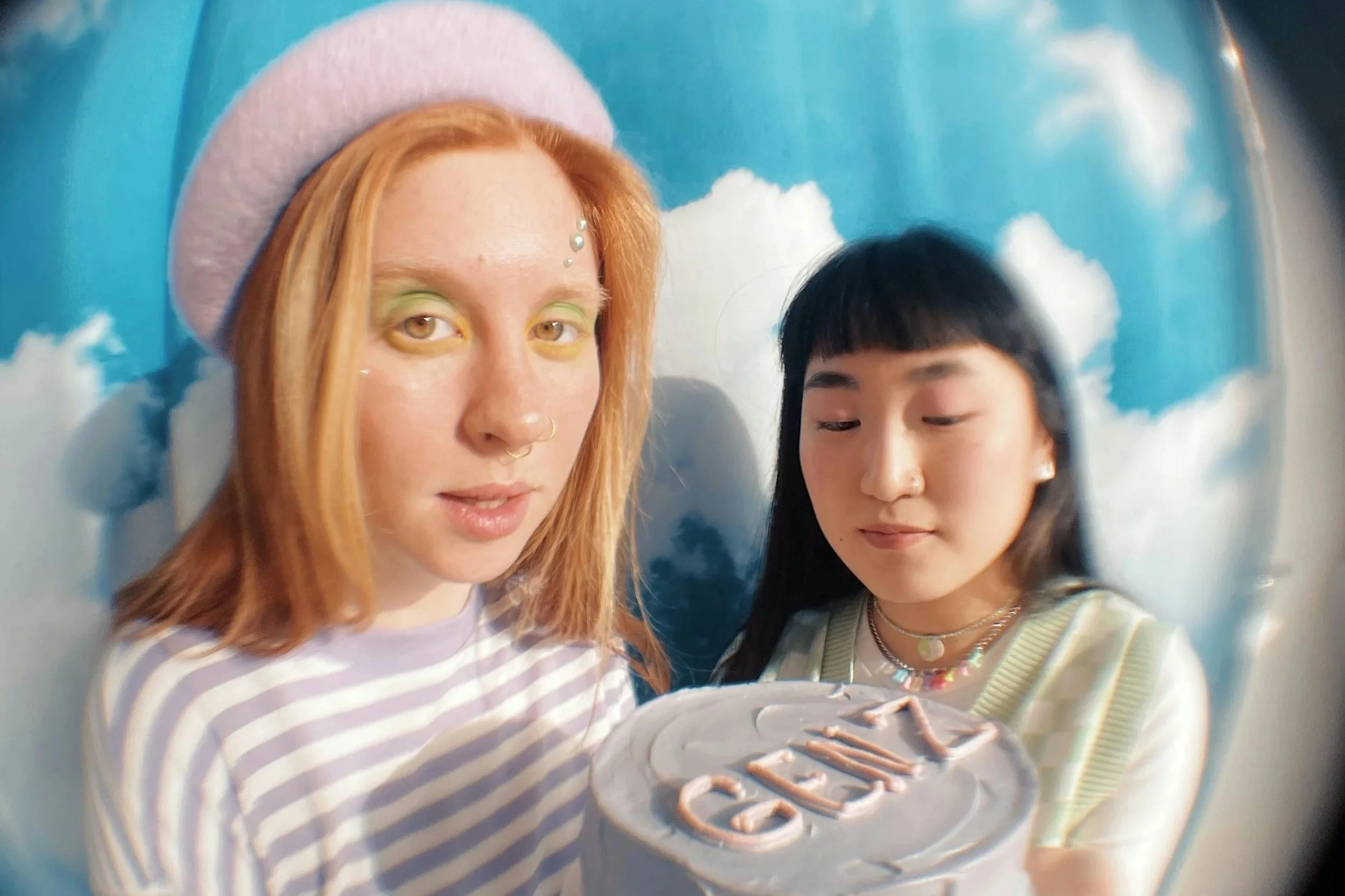
Reaching Gen Z isn’t about louder ads. It’s about relevance, speed, and participation. This generation doesn’t respond to traditional beauty marketing in the same way as previous ones. They respond to content that feels native to their feed, not placed on top of it.
Here are strategies that consistently work in the beauty space right now:
1. Creator-Led Product Storytelling (Not Traditional Influencer Ads)
Instead of polished brand campaigns, Gen Z responds better to real creators showing real use.
What works:
“Get ready with me” videos
First impressions and honest reviews
Everyday application, not staged shoots
Brands like e.l.f. Cosmetics and NYX Cosmetics have scaled massively by leaning into TikTok creators instead of traditional celebrity-led campaigns. Their content feels like it was made by users, not marketing teams.
Takeaway for brands:
Build relationships with micro-creators who naturally fit your aesthetic. Not just big influencers with generic reach.
2. Product Virality Through Education
Gen Z often discovers products because they solve a visible problem or create a new effect.
What works:
“How to get this blush placement”
“The lip combo everyone is using”
“One product, three ways to wear it”
Rare Beauty is a strong example here. Their products often go viral because creators demonstrate multiple ways to use the same item. They make it feel versatile and worth buying.
Takeaway for brands:
Don’t just show the product. Show the transformation.
3. Fast-Response Trend Marketing
Gen Z trends move fast. You gotta keep up! Brands that win are those that respond in real time.
What works:
Launching products or content tied to trending aesthetics
Reacting to viral makeup looks within days, not months
Creating “trend versions” of existing products
Brands like ColourPop are known for this agility. They’re known for quickly releasing collections tied to trending colors, aesthetics, or pop culture moments.
Takeaway for brands:
Speed matters more than perfection. If you wait too long, the trend is already gone.
4. Aesthetic-First Branding on Social Platforms
For Gen Z, visual identity is everything. Especially on Instagram and TikTok.
What works:
Strong color-coded product lines
Recognizable packaging that shows up instantly on feed
Consistent aesthetic storytelling across posts
Glossier is a key example. Their minimalist, pink-toned visual identity is instantly recognizable even without seeing the logo.
Takeaway for brands:
Your feed is your storefront. Treat it like packaging.
5. Community-driven Engagement
Gen Z doesn’t just want to consume content. They want to participate in it.
What works:
Polls for product development
“Help us choose the next shade” content
Featuring real customer content in brand channels
Brands like Fenty Beauty often highlight diverse user-generated looks, reinforcing inclusivity and community ownership.
Takeaway for brands:
Make your audience part of the brand-building process.
6. Limited Drops and Product Scarcity
Scarcity still drives demand. Especially in beauty.
What works:
Limited edition collections
Seasonal drops
“Sold out” culture that builds urgency
This approach is heavily used by brands like Kylie Cosmetics, where limited availability often fuels faster purchasing decisions and social buzz.
Takeaway for brands:
Not every product needs to be permanent. Some could be moment-based.
Real Gen Z Beauty Creators & Content That Drives Engagement
One of the most effective Gen Z content formats is “Get Ready With Me” (GRWM) videos on TikTok.
1. Alix Earle – “chaotic authenticity GRWM”
One of the most iconic GRWM creators on TikTok is Alix Earle, who popularized the “talk-through-your-life-while-getting-ready” format.
She films herself doing makeup while casually discussing:
real-life drama
dating
anxiety / acne
daily routines
Why Gen Z likes it:
It feels unfiltered and like FaceTime with a friend, not an ad.
2. Leah Halton – “aesthetic soft glam GRWM”
Leah Halton’s GRWM videos are highly polished but still relatable, focusing on:
soft glam makeup looks
outfit coordination
lifestyle transitions (day to night looks)
Why Gen Z likes it:
It blends aspiration + realism – “I can recreate this.”
3. Daus Mendoza – “creative / identity GRWM”
Daus Mendoza is known for expressive, colorful GRWM content including:
bold makeup transformations
fashion-forward looks
LGBTQ+ identity expression
Why Gen Z likes it:
GRWM becomes self-expression, not just routine.
4. Kylie Jenner – GRWM with personal storytelling
Celebrity GRWM content like Kylie Jenner’s TikTok videos with Stormi blend:
product use
personal moments
casual beauty routines
Why Gen Z likes it:
It feels intimate, even when it’s celebrity-driven.
Why This Matters for Brands
Gen Z marketing is less about pushing messages and more about creating participation loops. The brands that succeed are the ones that:
Move fast
Stay culturally aware
Let users shape the narrative
And most importantly – they don’t just sell makeup. They sell content, identity, and experience.
Final Thoughts
Gen Z isn’t just another target audience. They are shaping the future of beauty. You don’t need to completely reinvent your brand. But you do need to adapt.
Start small:
Add one Gen Z-focused product
Test one new format
Experiment with one trend
From there, you scale. Because in today’s beauty industry, growth doesn’t come from playing it safe. It comes from staying relevant.
Frequently Asked Questions
-
The biggest Gen Z makeup trends 2026 include skin-first makeup, cream and liquid textures, bold blush, glossy finishes, and multi-use products. Clean beauty and expressive color are also key.
-
Millennial vs GenZ makeup differs mainly in approach. Millennials prefer polished, full-coverage looks, while Gen Z focuses on natural skin, experimentation, and flexible routines.
-
High-demand products include:
Cream blush
Lip gloss
Skin tints
Multi-use sticks
These align with Gen Z’s preference for simplicity and versatility.
-
Brands should focus on:
Short-form video (TikTok, Reels)
Tutorials and “get ready with me” content
Creator collaborations
Authenticity and relatability outperform traditional advertising.
Must read