Natural vs Synthetic Ingredients in Cosmetics: What Beauty Brands Choose Today
Table of Contents
If you’re building a skincare product today, one question comes up almost immediately – should you go natural, or synthetic?
It sounds like a simple choice. It isn’t.
Customers say they want natural ingredients, but they also expect results, stability, and safety. And those things don’t always come from the same place. Some of the most effective ingredients in modern skincare products are made in a lab. Some of the most talked-about natural ones can still cause skin irritation if used the wrong way.
So the real question isn’t natural vs synthetic ingredients in cosmetics. It’s understanding what each one actually does, and how to use it well.
Natural Versus Synthetic Ingredients: Quick Overview
At the most basic level, the difference is simple. Natural ingredients come from plants, minerals, things like plant extracts, oils, or clays. Synthetic ingredients are made or adjusted in a lab, usually to make them more stable, consistent, or easier to work with in skincare products.
There’s no universal standard definition of what “natural” actually means in cosmetics. Different brands use it differently, and in many cases, a product labeled natural can still include processed or modified ingredients. That’s why having clear frameworks, like a clean beauty standard, can make it easier to understand what’s actually inside a product and how it’s formulated.
What matters more – especially in skincare – is how an ingredient behaves. Does it support skin health? Is it stable? Is it likely to cause skin irritation?
Because when it comes to natural and synthetic ingredients in cosmetics, the real difference isn’t just where something comes from. It’s how it works on the skin.
Natural Ingredients in Cosmetics

When people talk about natural ingredients in cosmetics, they usually mean ingredients that come from nature – plants, minerals, things you’d recognize in their original form. Think plant extracts, oils, clays, or waxes that are taken from raw materials and then processed so they can actually be used in skincare products.
Most natural makeup ingredients come from a few main places:
plants – like fruit extracts, seed oils, and other botanical ingredients;
minerals – clays or natural pigments;
fats and butters – like shea butter or coconut oil.
There’s a reason they’re used so much in natural skincare. Many of these ingredients are rich in nutrients and can help with hydration and overall skin health.
And although natural, these ingredients still go through some level of processing before they end up in cosmetics. So just like anything else in skincare, how they’re formulated matters just as much as where they come from.
Synthetic Ingredients in Cosmetics

Synthetic ingredients are created or adjusted in a lab. And lot of synthetic skincare ingredients actually start from natural counterparts, then get modified so they’re more consistent. That makes them easier to use across different formulas and more predictable on different skin types.
Some of the most common synthetic makeup ingredients include:
hyaluronic acid – used for hydration, usually made synthetically so it’s consistent;
silicones – added for that smooth, even finish;
salicylic acid – commonly used in products targeting acne;
synthetic preservatives – help keep formulas safe and extend longer shelf life.
Most of these synthetic compounds are well studied and backed by scientific evidence. And in everyday synthetic skincare, they’re often what make products feel reliable – same texture, same result every time.
Natural vs Synthetic Skincare: Effectiveness and Safety

An ingredient being natural doesn’t automatically make it gentle. And not all synthetic ingredients automatically become harsh. Both can work. Both can irritate. Both can be great. Or completely wrong – depending on the formula.
For example, essential oils are natural, but they can trigger skin irritation or allergic reactions, especially on sensitive skin. On the other hand, ingredients like hyaluronic acid and other synthetic skincare ingredients can be well tolerated when backed by strong scientific evidence.
The same goes for actives. A natural extract may offer benefits, but if it’s unstable or used at the wrong level, it won’t do much. A synthetic active may be powerful, but if the concentration is too high, it can overwhelm the skin.
So when comparing natural and synthetic skincare, don’t judge by origin alone. Look at:
concentration;
formulation quality;
stability;
skin type;
safety data;
actual performance.
That’s what really decides whether a product supports skin health or causes problems.
Key Ingredients To Know
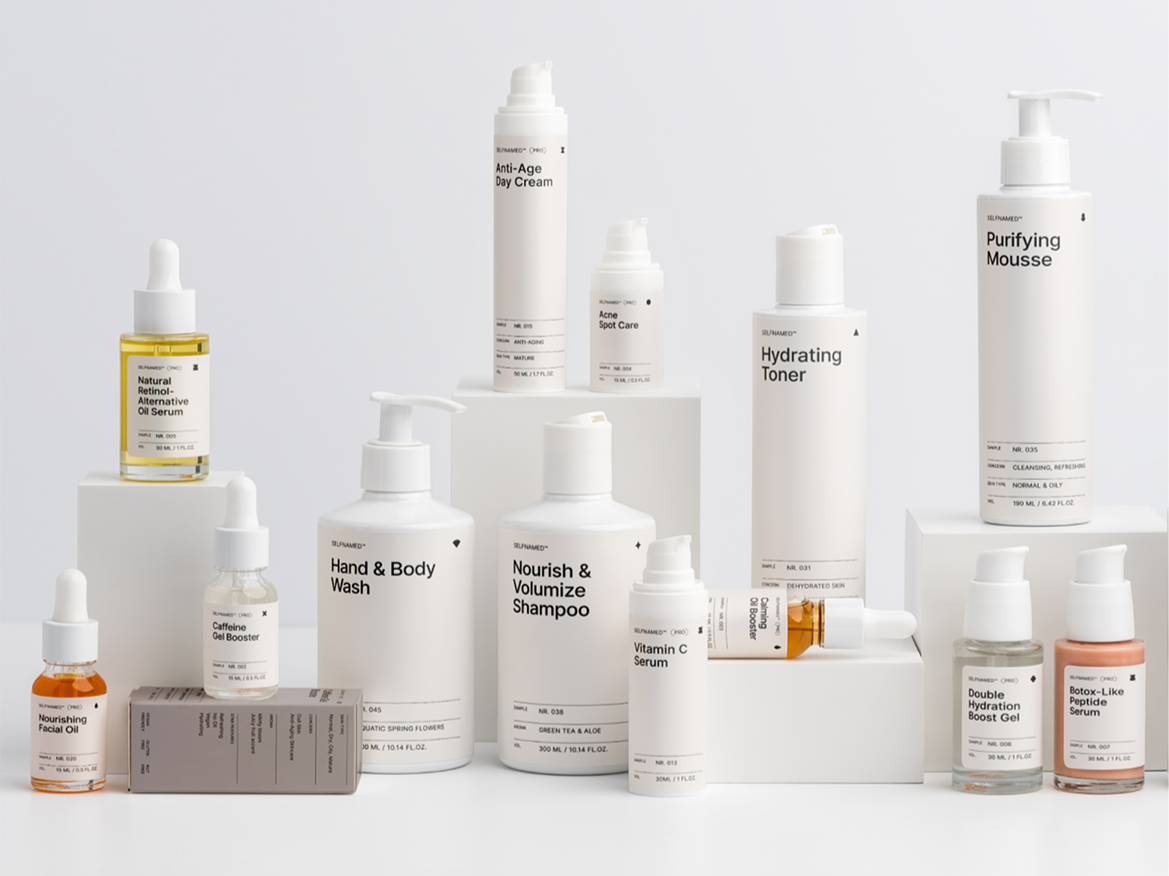
Some ingredients come up again and again in skincare products – whether they’re natural ingredients or synthetic skincare ingredients. Not only because they’re trending, but because they actually do something. If you’re trying to understand what works, it helps to look at a few of the most commonly used skincare ingredients and what they bring to a formula.
Notable Natural Ingredients
When you look at natural ingredients across the beauty industry, a few keep coming up again and again. Not because they’re trendy, but because they’re familiar, accessible, and in many cases, genuinely beneficial.
Vitamin C (from plant sources)
You’ll see this in a lot of formulas built around fruit extracts. It’s used for its antioxidant side, helping the skin deal with daily stress and giving it a more even look over time.
Oils and butters (like coconut oil or seed oils)
These are some of the more common natural ingredients, especially in products made for dry skin. They help lock in moisture and support the skin barrier.
Popular in organic and plant-based products. They can be beneficial, but they’re also one of those certain ingredients that don’t work for everyone.
Plant extracts and gentle exfoliants
There are many natural ingredients used for calming or lightly resurfacing the skin. The results can vary, which is why formulation matters more than you think.
For a lot of customers, this is what natural skincare products look like – ingredients that feel closer to nature and easier to trust. That’s a big reason why many consumers gravitate toward them in the first place.
Notable Synthetic Ingredients
On the synthetic side, things are a bit more controlled. Most beauty brands rely on synthetic skincare ingredients because they tend to be more predictable.
One of the most widely used ingredients out there. It’s all about hydration, and it’s usually made in a controlled way so it performs the same across different formulas.
These are used because they’re more stable than the natural version, which makes them easier to work with and gives products a longer shelf life.
Salicylic acid
A go-to ingredient for acne and uneven texture. It’s a good example of how synthetic compounds can deliver clear, visible results.
Preservatives and texture ingredients
Not the most talked about, but they matter. They keep products safe, stable, and usable over time.
So synthetic skincare products usually mean consistency, stability, and results that don’t change from one batch to the next.


Balancing Skin Care, Skin Health, And Impact
At the end of the day, the whole natural vs synthetic ingredients in cosmetics come down to one thing – what actually works, and what makes sense long term.
There are many natural ingredients customers trust that don’t always deliver, and there are synthetic products that end up being more stable and easier to rely on. It depends on the formula, the use, and the skin type – not just where something comes from.
If you’re trying to make an informed decision, it helps to step back from the label and look at the basics. What does the ingredient actually do? Is there real data behind it? Does it support skin health, or just sound good in marketing?
There’s also a bigger picture. Some ingredients that come from nature aren’t always harvested in a way that makes sense long term. At the same time, certain lab-made options can reduce waste or avoid unsustainable practices. More beauty brands are starting to think about that, even if it’s not always obvious on the surface.
And things keep changing. New research, new ways of working with ingredients, different approaches across the beauty industry. So in the end, it’s less about choosing natural or synthetic, and more about understanding what actually works in the real world of skincare.
Frequently Asked Questions
-
Most of the time, yes. A lot of them are actually made to be more stable and predictable. Like anything else, it depends on the specific ingredient and how it’s used.
-
Not automatically. Some natural ingredients work great, others can irritate the skin. Same with synthetic ones. It comes down to the formula, not just the label.
-
It just means the ingredient is made or refined in a lab. Sometimes it’s built from scratch, other times it starts from something natural and gets modified.
Must read