Skincare Makeup: The Rise of Multifunctional Formulas
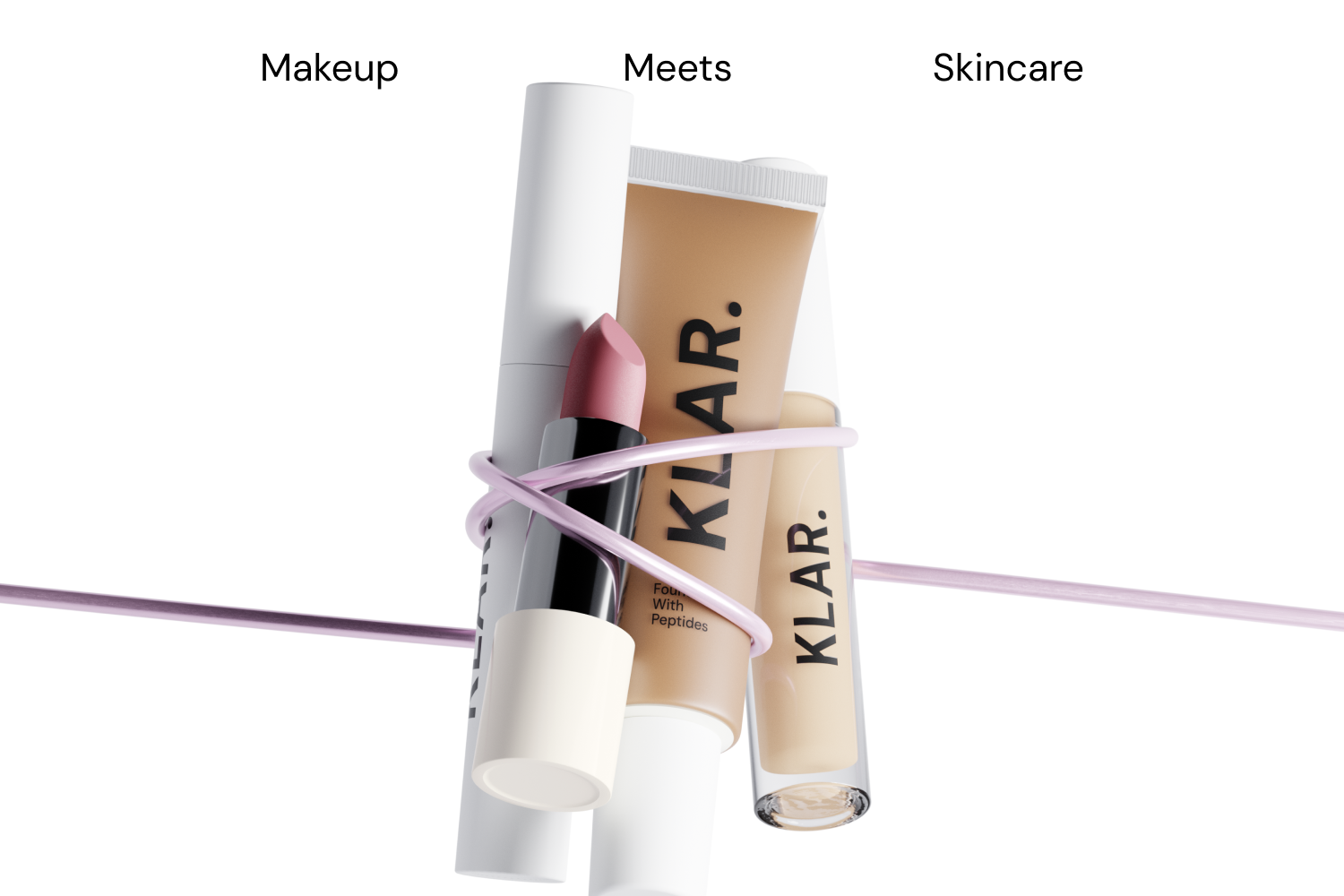
Table of Contents
Makeup used to have one job. Put it on, cover up, move on.
That's not what customers are asking for anymore.
Skincare makeup is two things at once. It's formulas built with active ingredients that treat your skin while you wear them. And it's technique. Layering products in ways that change how they perform. Using one where you used to need three.
A foundation with a finish you control through the skincare underneath it. A lip color that doubles as a blush. Mascara that conditions your lashes over time. The same products, doing more.
This article unpacks our findings during Selfnamed’s makeup application webinar. We’ll look deeper into what skincare makeup actually contains, and what happens when the right technique meets the right formula.
Key Takeaways
Skincare makeup works on two levels: active ingredients that treat during wear, and technique that changes how those formulas perform.
Younger generations actively look for natural claims when buying beauty products. Most now prefer lightweight, skin-first looks over full-coverage finishes.
Multi-use application and practical makeup techniques are increasingly gaining value among customers, moving the beauty industry towards high-performance products.
Brands with a tighter, better lineup and a clearer story can outperform those with the biggest catalogs.
What Skincare Makeup Actually Is
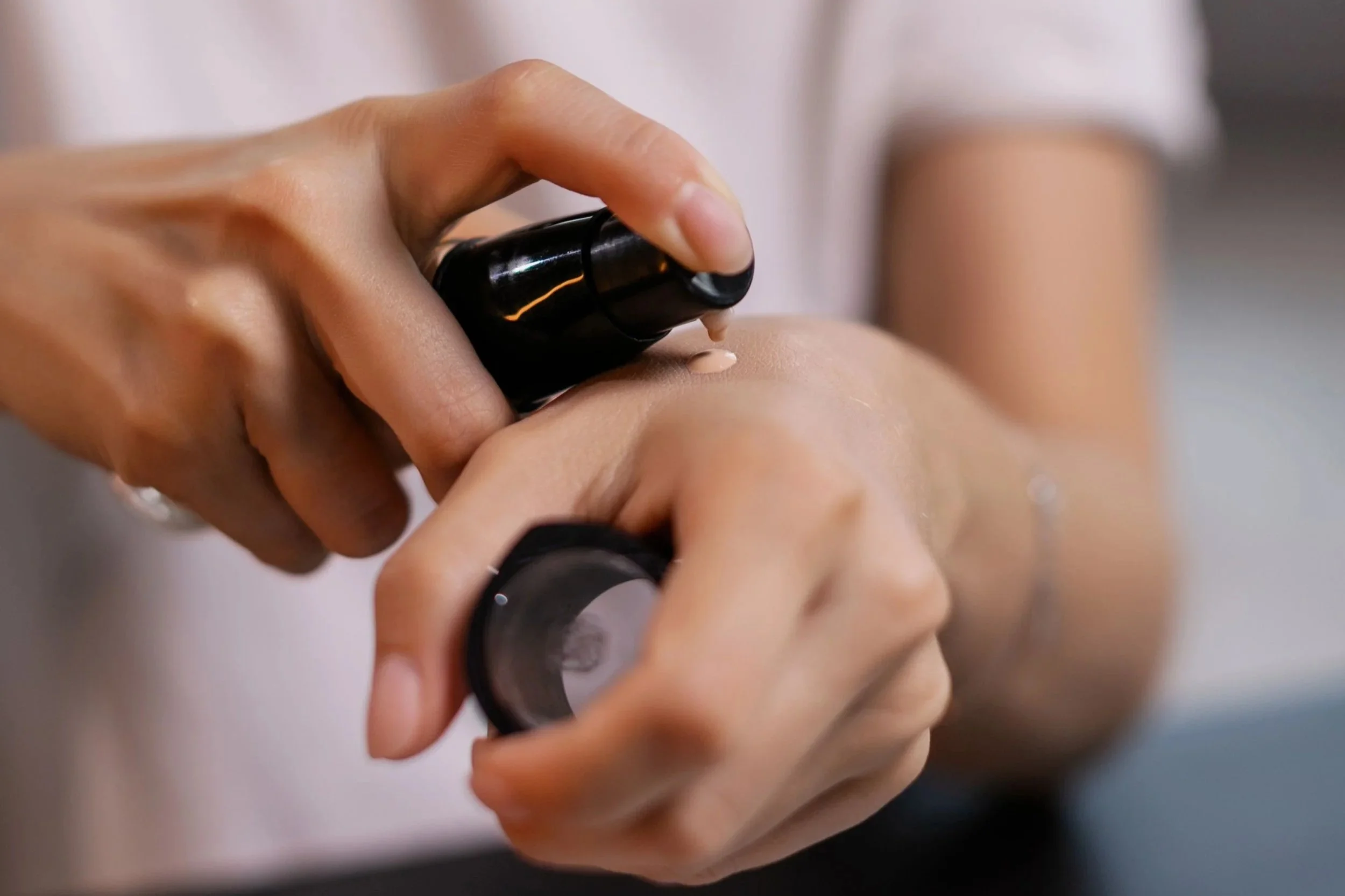
Skincare makeup sits at the intersection of two things that used to be kept separate.
One is formula. Active ingredients in products you wear all day. Hyaluronic acid, aloe vera, shea butter, and peptides – nourishing ingredients that help hydrate skin and support skin health during wear – worked into foundations, concealers, and mascaras rather than reserved for your evening routine.
Skincare makeup hybrid products bring these benefits into everyday wear. Customers who once chose between coverage and care, reaching for a tinted moisturizer or BB cream rather than something heavier, no longer have to make that call.
The other is technique. How you layer and apply products changes how they perform. The moisturizer you use before foundation affects its finish. A single lip color applied across lips, cheeks, and brow bone creates a cohesion that heavy makeup with six products can't easily replicate. One hybrid product, multiple outcomes, depending entirely on how you use it.
The formula side has a name and a history. Skinification in makeup covers it in full. But what matters here is what it looks like in practice across an entire skincare routine, not just on the ingredient label.
Euromonitor International called multifunctionality one of the key drivers of beauty innovation in 2024, with major brands reorienting product development around skincare makeup hybrid formulas designed to do more than one job. The technique side is the other half of that story.
Why Skincare Makeup Matters for Your Beauty Brand
If you're building a makeup brand, skincare makeup is a structural advantage.
Gen Z consumers now gravitate toward lightweight makeup, healthy-looking skin, and simple routines over full-coverage finishes. And according to a survey of 1,000 Gen Z consumers, 56% actively look for "natural" claims when buying beauty products.
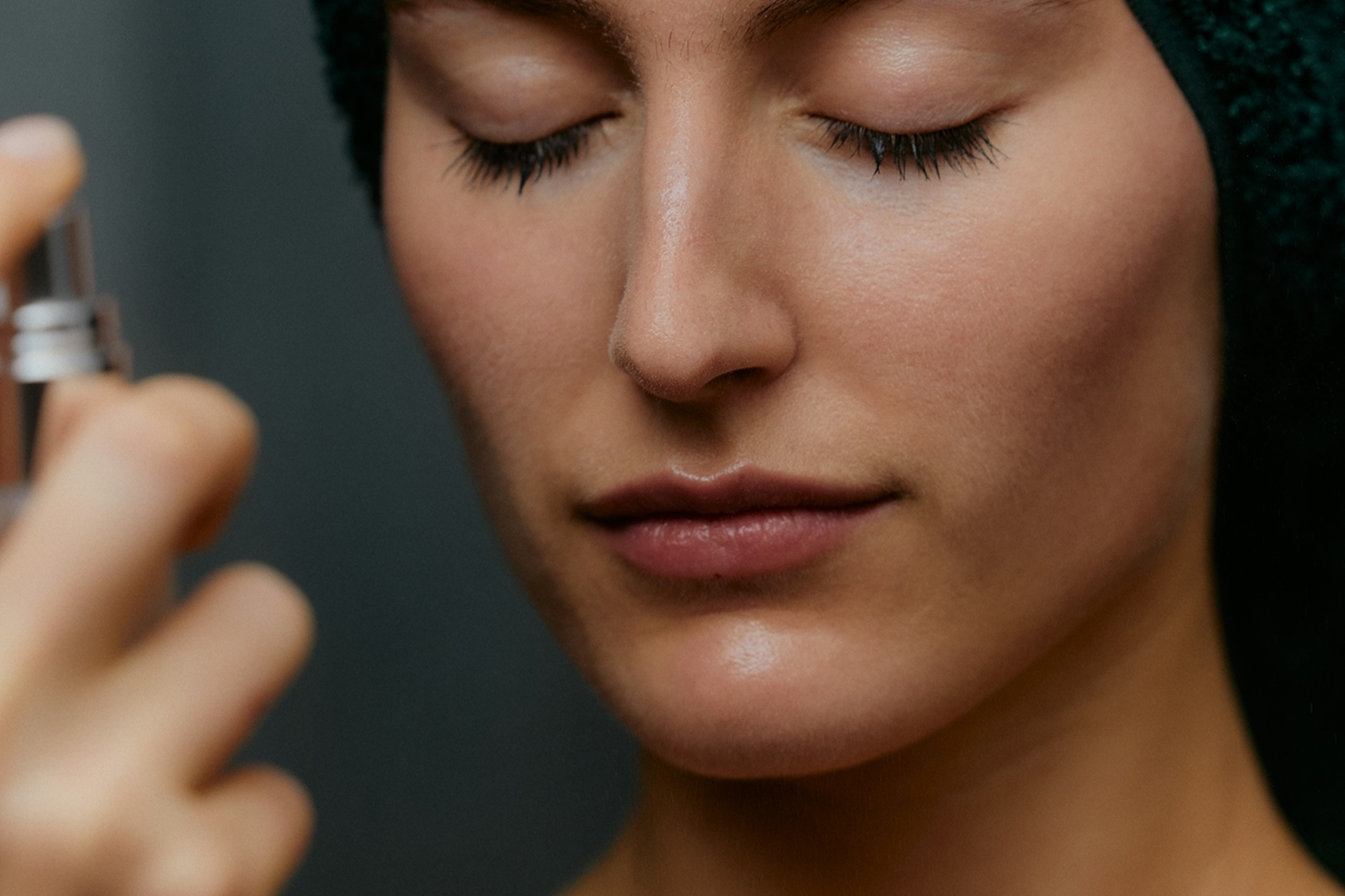
Clean beauty has moved from trend to baseline expectation. The customer segment driving growth in the beauty industry isn't looking for more products. They want a better product.
Most other makeup brands are still on the old model. More SKUs, more finishes, a product for every skin type and occasion. That model is hard to stand out in an increasingly dense market.
Skincare makeup hybrid products change that in three ways:
A tighter lineup. You don't need 40 SKUs. Four hero products with active ingredients, real skincare benefits, and visible versatility. Built toward healthy, radiant skin, not just coverage.
More value per product. Every targeted treatment ingredient is a content angle. Every technique is a demonstration your competitors aren't making. The layering trick that shifts foundation finish. The lip color that works as a blush.
Professional endorsement built in. Makeup artists have always worked with skin loving ingredients and fewer, better products. Professional makeup artists don’t want to carry ten different foundations for every skin type. One formula, adjusted through technique, does the same job.
The most successful beauty brands in this space might have smaller lineups, but they have a clearer story. Here's what that story looks like across Selfnamed's private label makeup lineup.
How Skincare Makeup Works in Practice
Skincare makeup is changing the beauty industry through what goes into formulas and how they're applied. Our conversation with a professional makeup artist during our skincare makeup product demo covers exactly what that looks like in practice.
Skinification
It starts in the formula. Each product brings something different. Here are some examples from the Selfnamed private label makeup product line:
Foundation with Peptides provides semi-matte coverage enriched with peptides that help address fine lines, support skin's texture, and work against premature aging and environmental stressors during wear.
Correcting Concealer uses a hyaluronic acid formula to cover imperfections and brighten the eye area while delivering nourishing benefits that keep skin hydrated throughout the day. Fragrance-free and dermatologically tested.
Lengthening & Volumising Mascara is peptide-infused, bringing the long lasting hydration and conditioning benefits of an eye cream into a category that rarely sees them. Dermatological testing for ocular irritation also makes it a credible option for sensitive eyes and contact lens wearers.
"Having skincare products in makeup is definitely the way that the world is going," says Darta, our guest professional makeup artist with a decade across fashion, commercial, and film work.
Across the skincare makeup category, formulas often include ingredients like green tea extract alongside peptides and hyaluronic acid – all working toward the same goal: skin that's in better shape at the end of the day than when you started.
Layering Techniques
The other half of skincare makeup is what happens before the formula goes on.
Skin prep determines the makeup outcome more than the formula does. A dewy, hydrating moisturizer underneath a semi-matte foundation shifts the finish toward luminous. A gel or water-based formula, or a mattifying primer, pulls it toward matte. The prep is the variable.
"As a makeup artist, I don't want to be carrying around five to ten different formulas. Semi-matte is truly the most versatile one that I can kind of tweak with skincare products."
Foundation goes on first as a lightweight formula, evening out the complexion lightly across the skin tone. Buildable, lightweight coverage. Not heavy from the start. Concealer follows for targeted areas. The skin does the heavy lifting.
"If your skin doesn't look good and healthy and even, any other makeup you do on top – it's not going to look that good."
Natural mineral pigments in the formula support this approach. They give a skin-like finish that blends in rather than sitting on top. That makes the look read as natural rather than applied, even on sensitive or mature skin.
Multi-Use Application
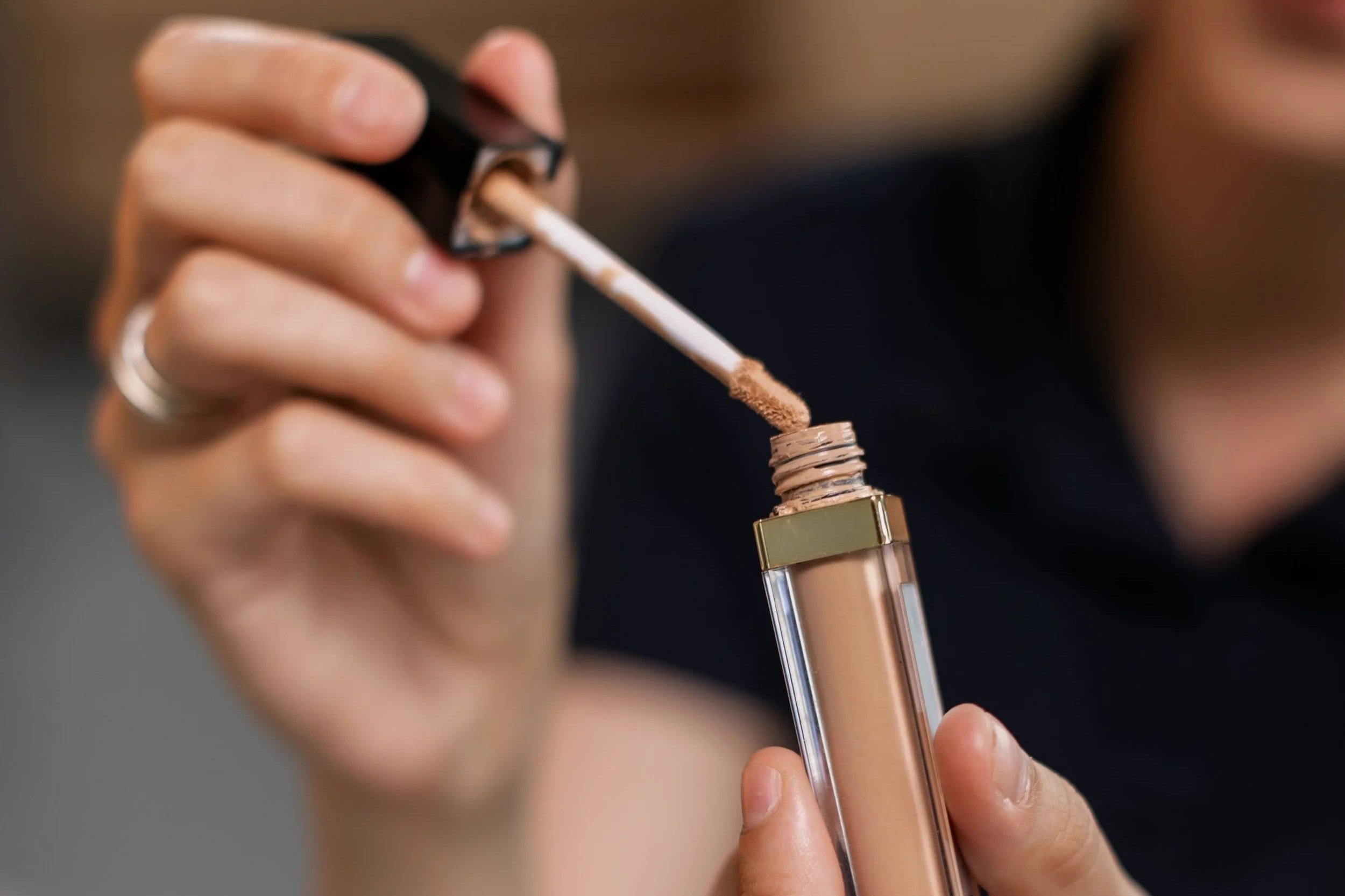
Multi-use is where technique produces the most visible return.
Selfnamed's Correcting Concealer is the clearest example. Lighter shades address dark circles and brighten the center of the face. A closer match to skin tone covers dark spots and blemishes. A shade darker, warmer rather than cool-toned, adds warmth and dimension at the cheekbones and hairline. Bronzing without a bronzer.
The formula supports all three applications. Its hyaluronic acid base is a buildable formula with a flexible hold that keeps it hydrated throughout the day rather than heavy or creasing.
"Using a shade that's a bit darker, you can add some depth around the face. More bronzing rather than contouring. Just to add some dimension."
Selfnamed's Matte Lipstick follows the same logic. One shade, warm or cool and matched to undertone, applied to lips and distributed above the brow, on the nose, on the chin, across the cheeks. One color family across the whole complexion reads cohesive rather than assembled.
"I always apply it a little bit everywhere – above the eyebrows, right where I bronzed before, on the nose, on the chin. So it creates harmony rather than just a random placement of color in the middle of your face."
The Business Case for Skincare Makeup
The skincare makeup category is growing because customers moved first.
They started reading makeup labels the same way they'd been reading skincare labels for years. When they found products that covered and treated at the same time, they bought fewer and spent more on each one.
Skincare makeup is a perfect example of a category that earns a different kind of loyalty. A foundation with active ingredients competes with other foundations as well as competing for a place in the skincare routine itself – and in the customer's overall skin health.
Whether it's a vegan formula, COSMOS certification, or dermatological testing, certifications are the first thing a conscious customer looks for in a makeup hybrid.
They open up segments that conventional makeup can't reach. Sensitive skin, sensitive eyes, customers who've been skeptical of what makeup can do for their complexion long-term. Customers who worry about sun damage and want their makeup working with their skin, not against it.
Makeup is a show-don't-tell category. The most effective beauty marketing campaigns lead with the unexpected use, not the expected one. The lipstick as a blush. The concealer as a bronzer. Every technique is a piece of content your competitors aren't making. The best makeup brands know this.
The product does the talking. If you let it. But always order samples before you commit.


Launch Your Skincare Makeup Brand
Customers want better products.
The brands winning in the skincare makeup hybrid space got there by building around that. A tighter range. Higher quality per product. Formulas that treat and cover at the same time.
Selfnamed's private label makeup lineup covers the skincare makeup hybrid category. Certified formulas with active ingredients and real skincare benefits, dermatological testing across the range, and no minimum order quantities so you can sample and test it for yourself.
Frequently Asked Questions
-
Yes, if the ingredients are genuinely present and not just listed on the packaging.
The case for it is straightforward. Most people wear makeup for six to twelve hours a day. That's significant contact time. It's not a replacement for skincare but it's a meaningful addition to it. Makeup that actively supports overall skin health during wear produces a different outcome over time.
-
Yes. Always.
Skincare is the foundation the makeup works from. Cleanser, moisturizer, any targeted treatments. All of that goes on first, fully absorbed, before makeup touches the skin.
How long to wait? Most skincare products need two to three minutes to absorb before applying foundation. Heavier creams or serums a little longer. Rushing this step is what causes pilling and uneven application.
-
The most effective formulas work like a serum you wear all day.
Peptides support skin's texture and help address fine lines and premature aging over time. Hyaluronic acid and aloe vera are the hydration workhorses, keeping skin hydrated throughout wear rather than drying it out. Shea butter, jojoba oil, and coconut oil add nourishing benefits and comfortable wear, particularly in formulas designed for mature or sensitive skin.
For antioxidant protection, look for green tea extract or organic green tea in the formula. These are particularly relevant for customers concerned about sun damage and environmental stressors.
The full ingredient list matters more than the marketing claims. A genuinely skin loving formula is one where these ingredients appear near the top of the list, not as trace additions.
-
It's often a better fit than conventional makeup for both.
For sensitive skin, the key factors are formula composition and testing. Fragrance-free formulas reduce the risk of irritation. Products with dermatological testing have been evaluated for skin compatibility, making them a safer choice for reactive complexions. Formulas built around nourishing ingredients like hyaluronic acid, aloe vera, and shea butter tend to be gentler than heavy, synthetic alternatives.
For mature skin, skincare makeup addresses two things at once. Buildable, lightweight coverage evens out the complexion without settling into fine lines or emphasizing skin's texture the way heavier formulas can. Active ingredients like peptides continue supporting skin health throughout wear rather than just sitting on top.
For sensitive eyes specifically, look for mascaras with dermatological testing for ocular irritation. That certification matters more than most marketing language on the packaging.
-
Increasingly, yes. The overlap between skincare makeup and the clean beauty movement means vegan formulas are more common here than in conventional makeup.
That said, vegan status varies by individual product, not by category. A brand can offer some vegan formulas alongside others that aren't, depending on specific ingredients. The most reliable way to verify is to check certifications per product rather than per brand.
COSMOS certification from ECOCERT is a useful signal. It doesn't automatically confirm vegan status, but it does confirm the formula has been evaluated against strict natural and organic standards. That, alongside dermatological testing, gives customers meaningful reassurance about overall skin health and ingredient safety.
If you're building a makeup brand with a vegan formula positioning, look for a manufacturer that can confirm vegan status at the individual formula level. Our article on clean beauty claims covers what each certification actually means.
Must read