Why Now Is The Moment to Launch a Clean Makeup Line
Table of Contents
The makeup industry is the queen of reinvention.
Once upon a time, makeup was all about covering our entire faces with a visibly thick layer of foundation, sealing the pores shut. Years later, the only visible trace of makeup was a dab of blush and blindly applied highlights. Now, we’re not even putting on makeup. Instead, we’re reaching for hybrid products that blur the line between makeup and skincare, driven by the skinification trends.
Anete Vabule, co-founder and CEO of Selfnamed – your private label platform for clean skincare, haircare, and makeup – is guiding us into the future of makeup. She shares her perspective on where the category is heading, what she observed at the BE+WELL 2026 show in New York, and how new brands can successfully enter today’s beauty landscape.
And it all leads to one truth: now is the perfect time to launch a clean makeup line.
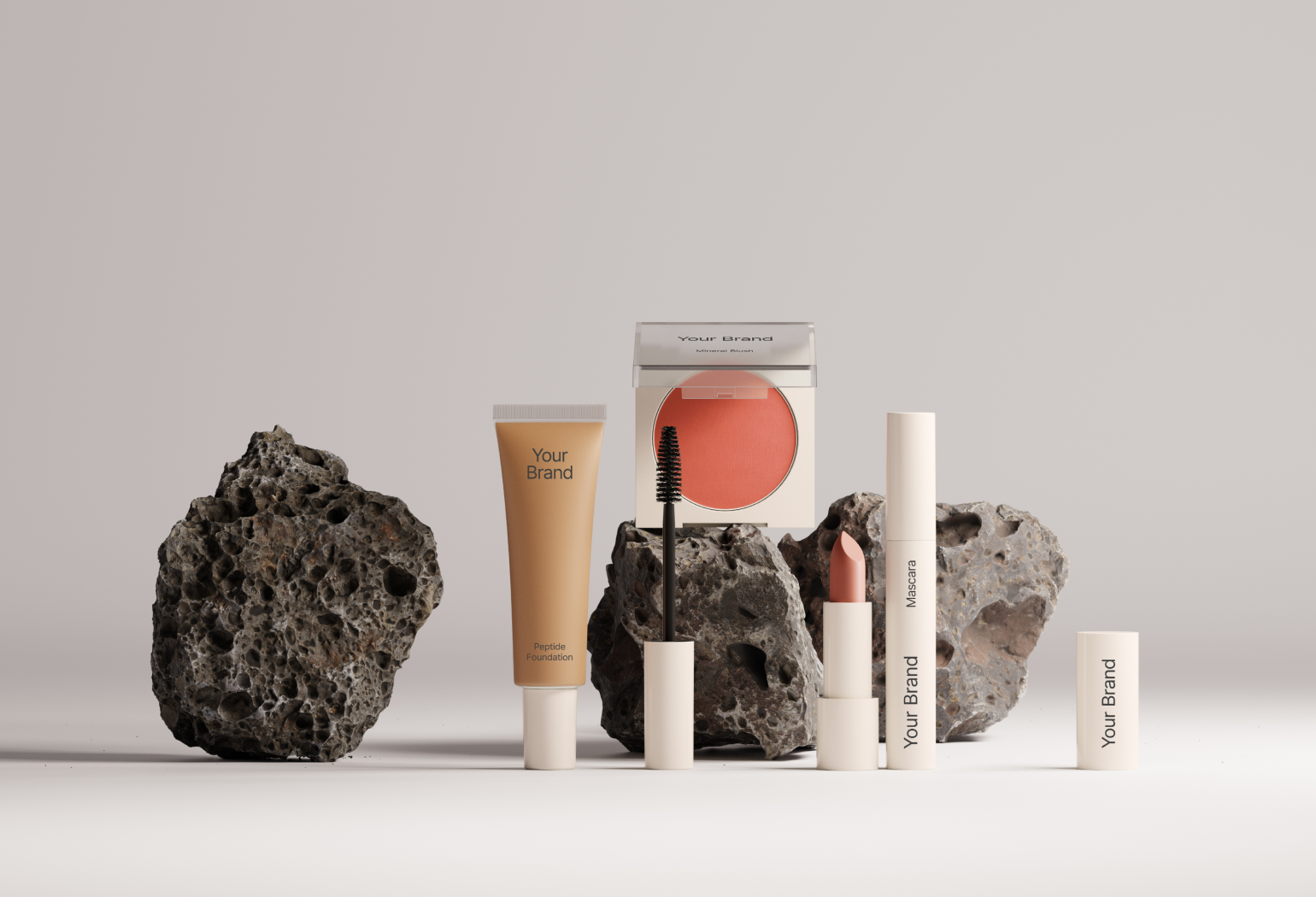
Does Clean Makeup Perform?
Clean makeup has come a long way.
“Early natural products from the ’90s and early 2000s simply didn’t perform well,” Vabule explains. “Consumers remember chalky foundations, smudgy mascaras, sticky glosses – and those experiences are hard to forget.”
But formulation technology has advanced significantly since then. Today’s clean makeup uses sophisticated texture-forming systems, improved pigments, and natural-origin alternatives to traditionally synthetic ingredients.
“If you’re looking for everyday wear or an evening out, clean makeup performs very well – and the best part? It comes with added benefits for the skin,” Vabule explains.
The Evolution of Clean Formulations
One of the biggest shifts in clean makeup is the move toward skin compatibility and multifunctionality.
Modern clean formulas rely on:
Natural oils and waxes that support the skin barrier
Bio-based film-formers that mimic silicones
Coated pigments that improve stability and wear
Ingredients designed to improve texture and application
The industry is rethinking how makeup interacts with the skin.
“The focus is on creating products that are more compatible with the skin, more transparent, and safer, while continuously improving performance,” Vabule says.
The Skinification of Makeup
A defining trend shaping the future of makeup is skinification – the blending of skincare and makeup benefits into a single product.
Consumers increasingly want fewer steps and more functionality. “People want to combine serum, cream, and makeup into one product,” Vabule notes. “That’s why we’re seeing ingredients like peptides and niacinamide appearing in makeup.”
However, she draws a clear boundary: “Makeup won’t replace skincare. The delivery systems and concentrations are different. But it can support the skin and reduce potential negative effects of wearing makeup all day.”
In other words, makeup is evolving from purely decorative to supportive. “The best that makeup can do is, respect the skin,” Anete states.
“Ideally, makeup should leave your skin slightly better.”
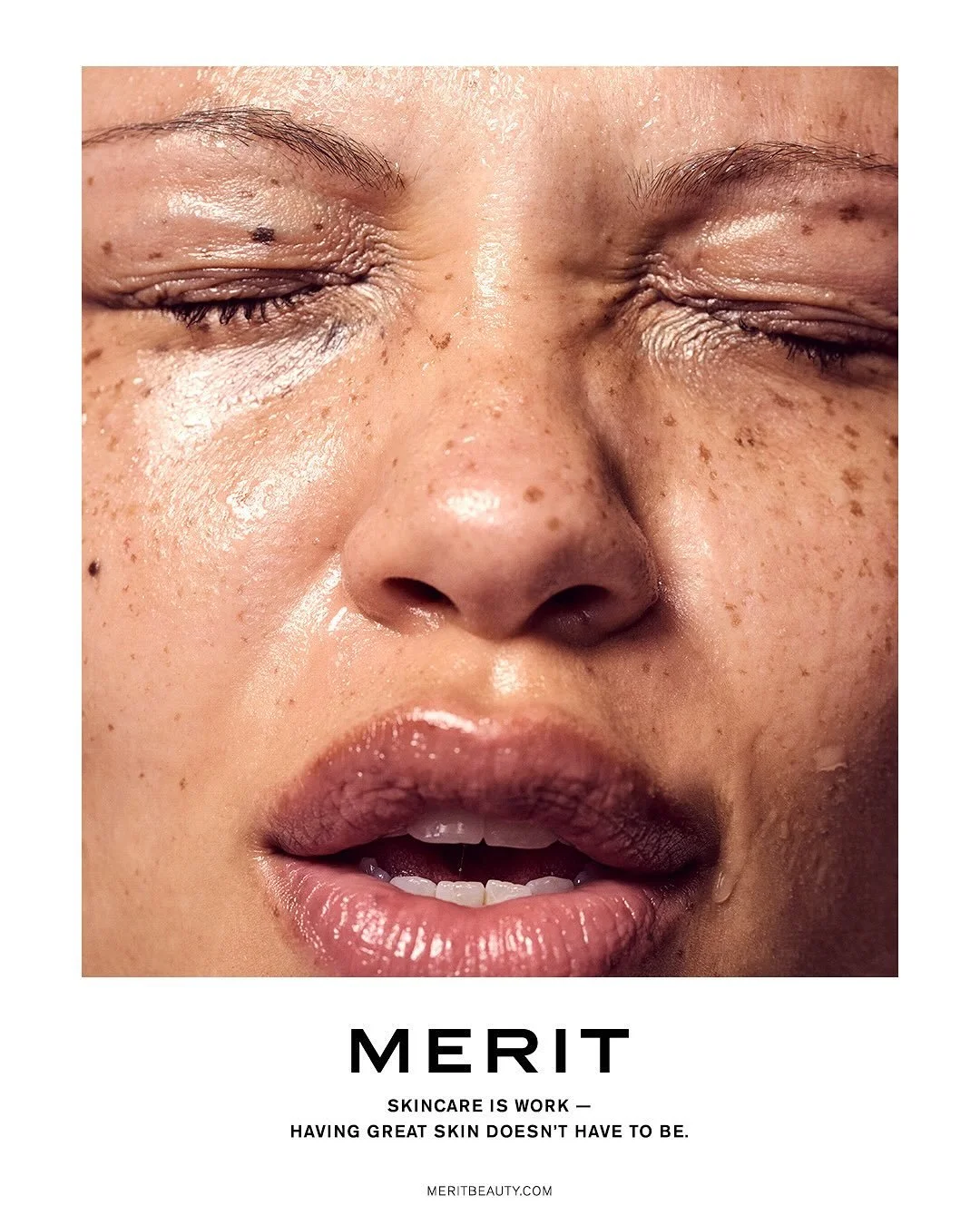
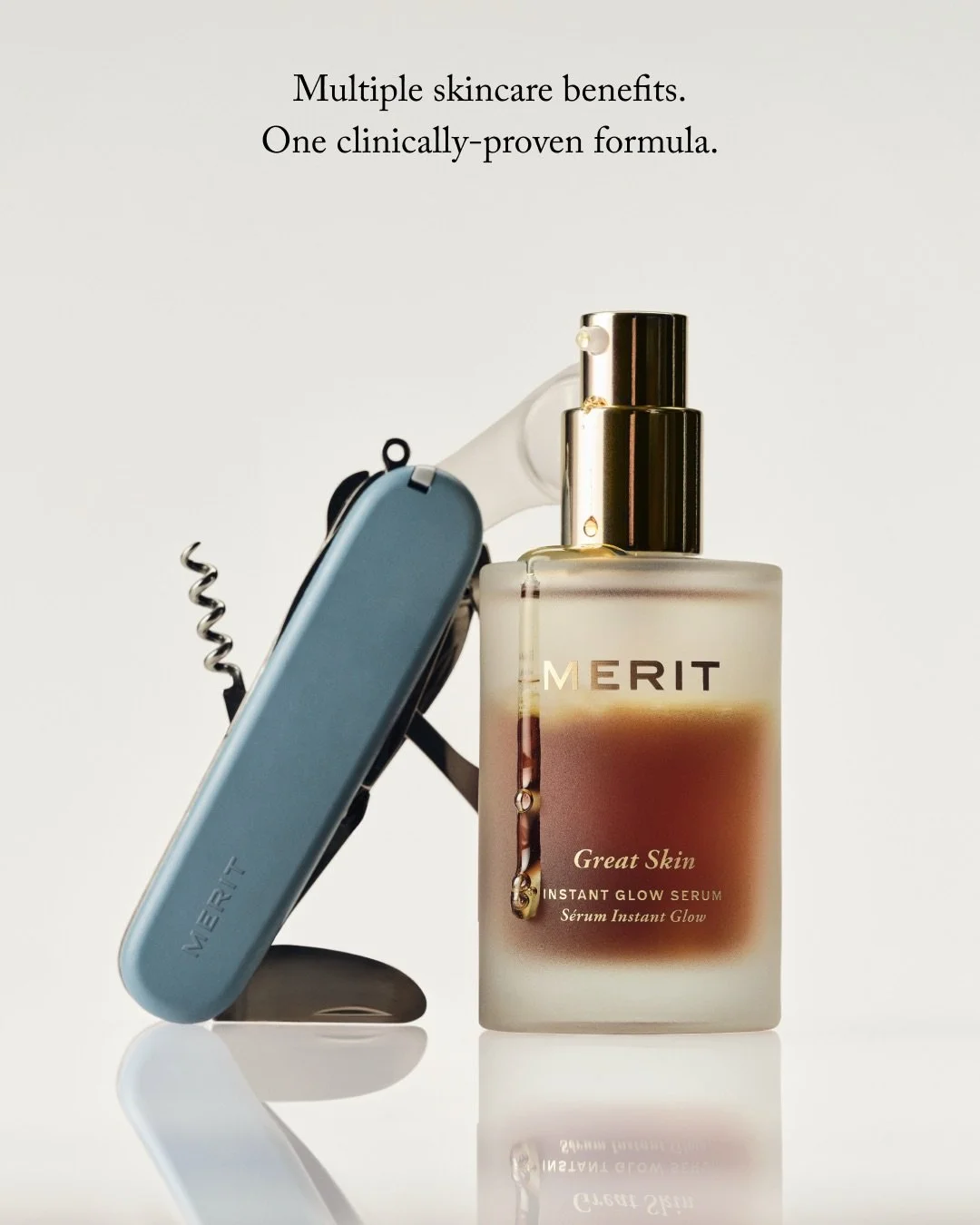
Source: Merit
Clean formulations, enriched with oils, waxes, and mild actives, can help maintain the skin barrier and reduce irritation, but they are not a replacement for targeted skincare treatments.
Nevertheless, with this trend on the rise, the overlap between skincare and makeup is becoming more natural. And for many brands, adding makeup is a logical next step, especially when formulas align with their core values.
Ingredient-First Beauty and Performance Proof
At the BE+WELL 2026 beauty show and conference in New York, one theme stood out clearly for Anete: consumers are more educated than ever.
“It was very ingredient-first,” Vabule says. “People care about what’s inside the product. They understand ingredients and actively look for them.”
Another major trend? Proof.
“There were a lot of before-and-after results. It shows that performance is still critical – organic or not, the product has to work.”
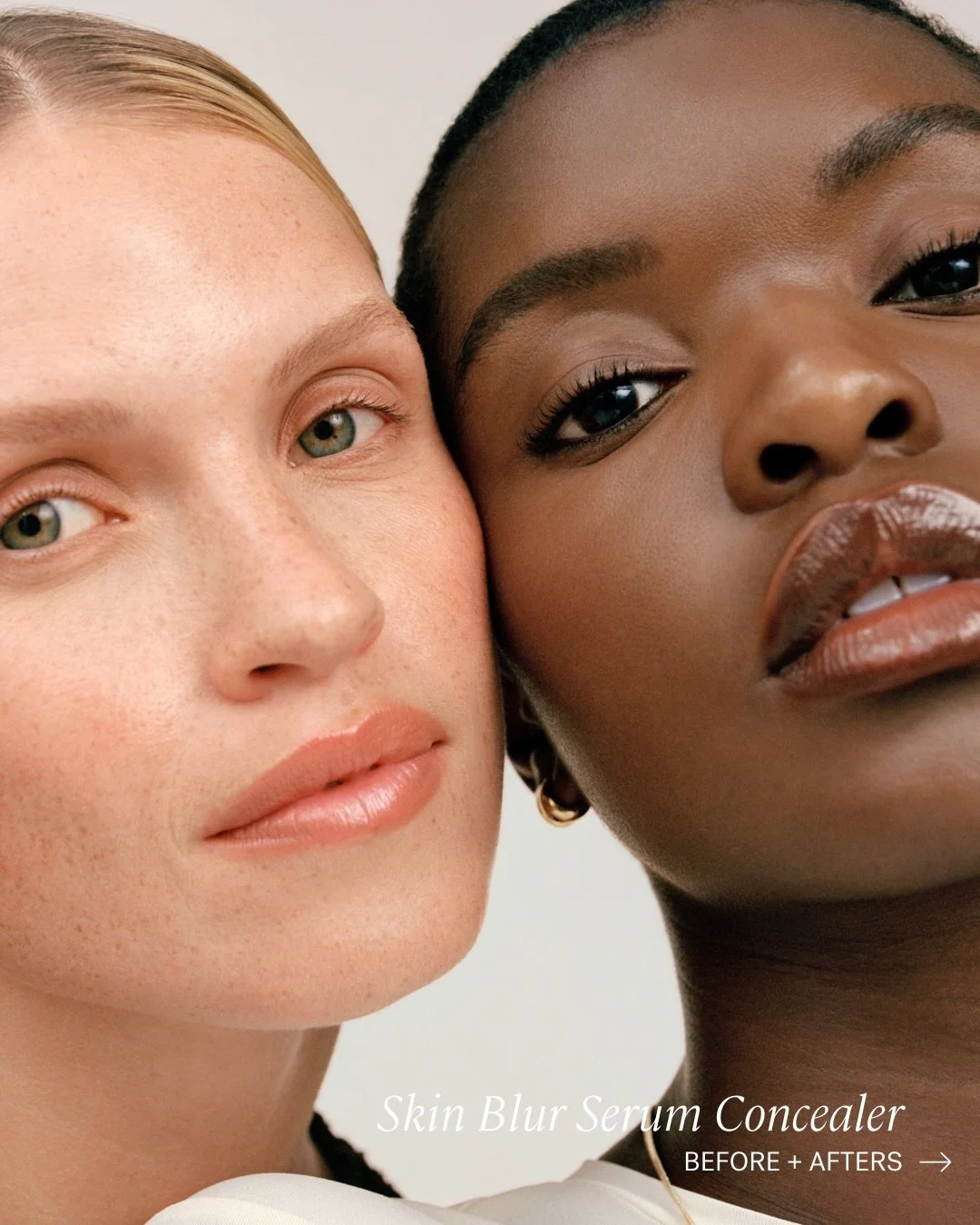
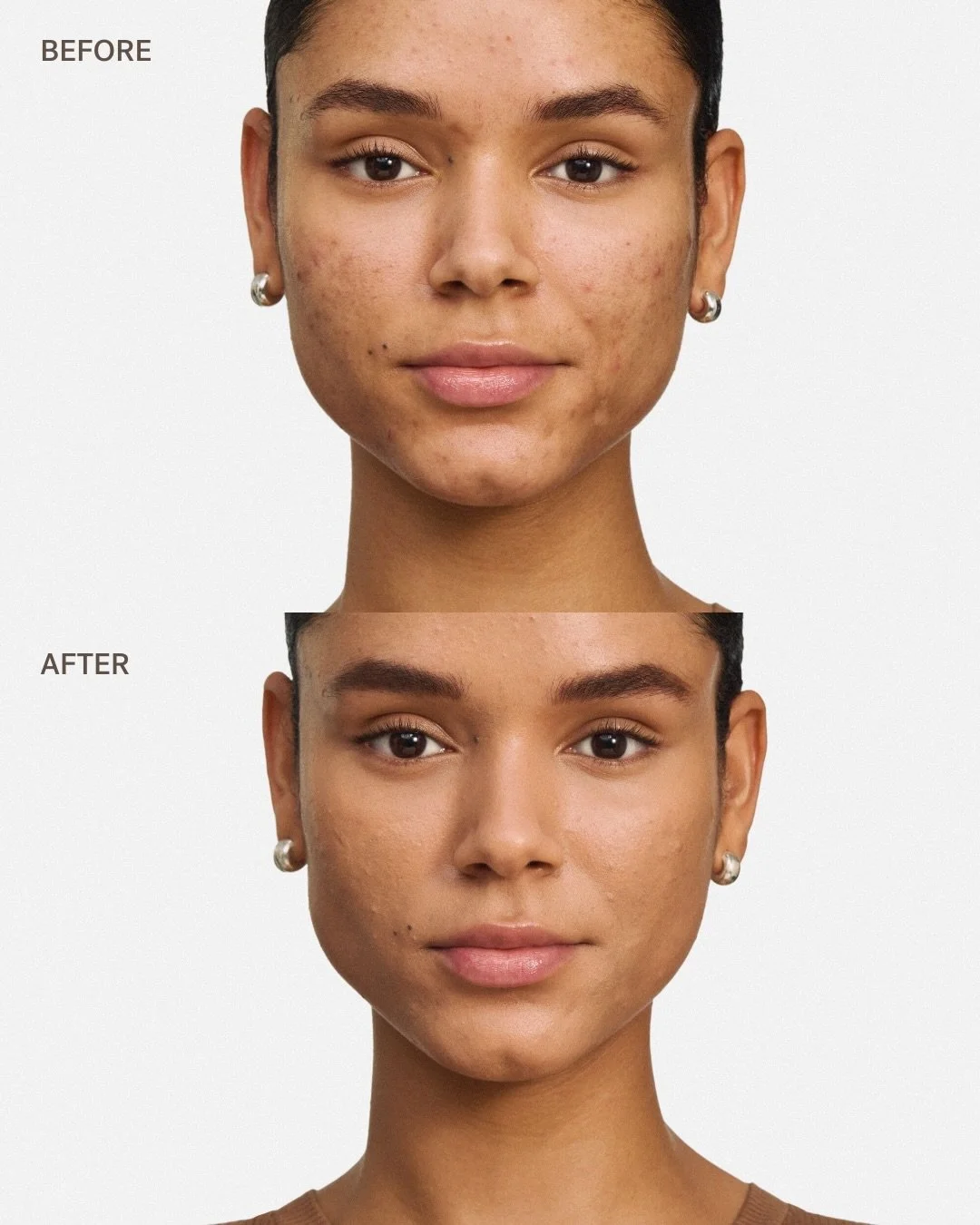
Source: ILIA
And the same rules apply to makeup: consumers are looking for products that combine clean, ingredient-first formulations with real, proven performance. From foundation to mascara, every product has to earn its place on the face.
New Opportunities for Beauty Brands
For new and existing beauty brands, the current moment offers a clear opportunity, especially in clean makeup.
The barrier to entry is lowering.
“With Selfnamed, brands don’t need to invest heavily upfront,” Vabule explains. “They can start with low order minimums, test different shades, and see what works before commiting.”
This is particularly important in makeup, where shade range complexity often leads to overproduction and waste.
Instead, with Selfnamed brands can:
Launch with small inventories
Test real customer demand
Optimize product selection over time
Learn more about the possibilities of private label makeup.
“It’s essentially a testing engine,” she adds. “You learn what your audience actually wants before committing to larger volumes.”


Performance Comes First
And that testing engine ties directly into sustainability. When asked what single standard the beauty industry should adopt, Vabule is clear: “The product must work.” Sounds obvious, right? But more often than not, it’s actually not the case.
If a product fails to perform, it gets discarded, making it inherently unsustainable.
Beyond that, she highlights two key areas:
Improved packaging recyclability
Smarter production models that reduce waste
Here, Selfnamed’s approach directly supports this by allowing brands to produce in smaller quantities and avoid overstocking.
Inclusive Innovation: The Next Frontier
Beyond ingredients and performance, innovation is also happening in product design.
“There’s growing attention on accessibility,” Vabule notes. “For aging consumers or people with mobility challenges, packaging and application need to be easier.”
This includes:
Easier-to-open packaging
Better grip designs
More intuitive application formats
As the global population ages, inclusive design is becoming a true necessity. And there are several brands that are taking this into practice through smart, accessible product design. For example, Rare Beauty offers a perfume bottle designed for a secure grip and easy spray action, while Fenty Beauty incorporates varied textured tops on products to assist visually impaired users.
The Future of Clean Makeup
Clean makeup is about balance.
Performance is improving, consumers are more informed, and brands have new tools to launch smarter, more sustainable products.
For Vabule, the direction is clear: “Clean makeup will continue moving closer to conventional performance, with skin-supporting benefits and transparency becoming its biggest selling points.”
Now, these benefits are THE KEY to standing out in the competitive makeup space.
And with platforms like Selfnamed lowering the barriers to entry, more brands than ever can take part in shaping what comes next.
Must read