The Best Private Label Makeup Manufacturers in 2026
Table of Contents
There’s a moment every beauty founder remembers.
And it starts with an idea – creating what’s missing. A shade that doesn’t hit right. A formula that feels off. Or a product that works, but the brand behind it just doesn’t connect.
At some point, that turns into clarity. You know what you’d do differently. You can picture the product, the look, the feeling. And from there, it seems simple – you just need the right partner to bring it to life.
So you start looking into manufacturers, and suddenly you’re navigating a crowded cosmetics industry full of promises, jargon, and inconsistent pricing. Some require huge minimum orders. Others feel outdated or slow. And a few seem too good to be true.
That’s where private label makeup manufacturers make a real difference.
Private label makeup manufacturers give you access to ready-made, proven formulas, so you don’t have to start from zero. You can move faster, lower your risk, and focus on building a brand that actually stands out.
Let's break down the best private label makeup manufacturers in 2026, how private label works, and how to choose the right partner for your brand.
How Private Label Makeup Manufacturers Work
Private label might sound technical, but the idea is simple.
Instead of developing a product from scratch, you’re working with ready-made formulations created by a manufacturer. Products that have been tested, refined, and are ready to go. All you have to do is make it your own through branding, packaging, and how you position it.
That’s the key difference.
With traditional cosmetics manufacturing, you’re starting from zero. You’re investing in formula development, testing, revisions, and compliance before you even have a finished product. It gives you full control, but it also comes with higher costs, longer timelines, and more risk, which isn’t always practical for new brands trying to enter a fast-moving market.
Private label flips that model. You’re not building the formula – you’re building the brand around it.
The Manufacturer And Brand Owner Relationship

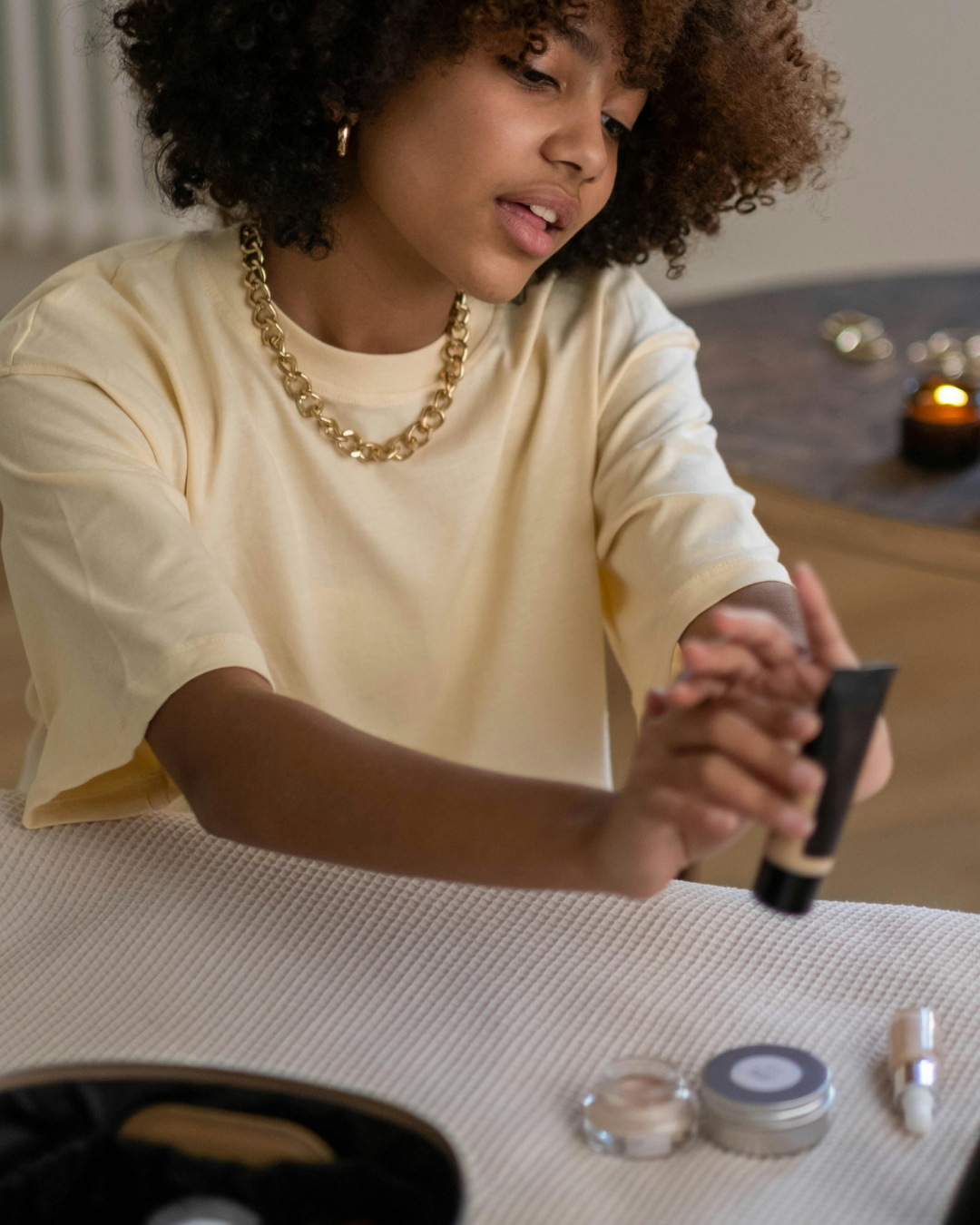
The manufacturer handles the technical side. They take care of the formulations, sourcing ingredients, production, and making sure everything meets industry standards.
You focus on what customers actually see and experience. Your brand. Your packaging. Your messaging. How the product looks, feels, and fits into someone’s routine.
Some private label cosmetics manufacturers go even further and handle things like packaging, labeling, and shipping. That can make a big difference, especially if you’re just starting and don’t want to deal with inventory or logistics right away.
Why Your Choice of Manufacturer Matters
Not all manufacturers operate at the same level.
Some are built for volume, not flexibility. Others haven’t adapted to how modern beauty brands are actually launched – online, fast, and often with smaller, more focused product lines.
Choosing the wrong partner can slow you down before you even get started. High minimum order quantities, limited customization options, or outdated processes can turn what should be a straightforward launch into a frustrating one. That's why choosing a modern private label makeup manufacturer can make things easier.
That means:
low or flexible MOQs;
high-quality, compliant formulations;
transparent pricing;
customization options that actually matter;
support that fits how beauty brands are built today.
Because at the end of the day, you’re not just choosing a supplier. You’re choosing the foundation your brand is built on.
Top 10 Private Label Makeup Manufacturers
Once you understand how private label works, the next step is figuring out who to work with.
Most private label skin care manufacturers, as well as makeup manufacturers, look similar at first. Same promises, similar product ranges, overlapping services. But once you look closer, the differences start to matter – especially depending on where your brand is right now.
Some are built for beginners. Others are better for scaling brands. So choose the one that works best for your brand.
Let's take a look at some of the best private label makeup manufacturers, and what they offer.
1. Selfnamed
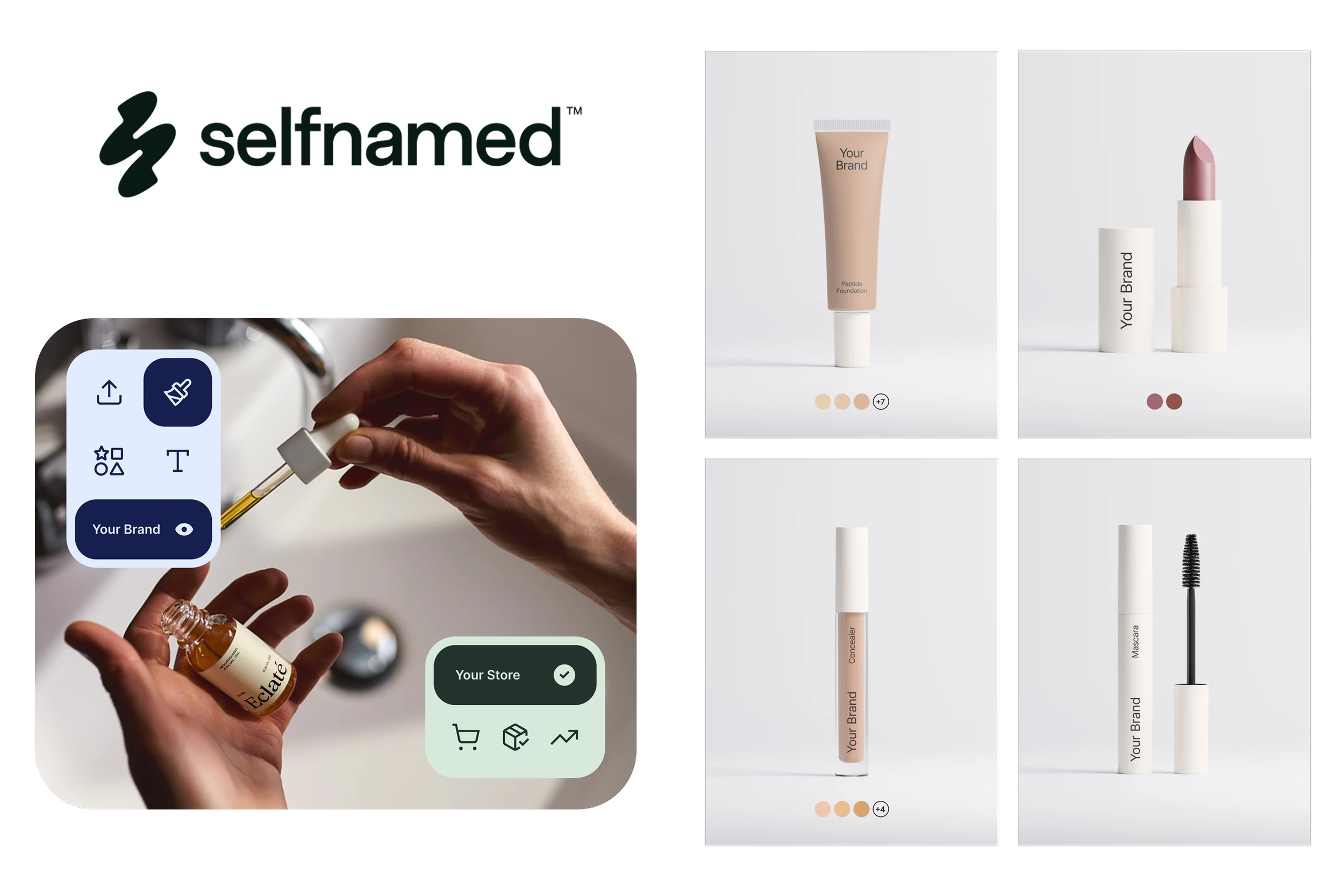
Selfnamed is one of the most flexible and top private label makeup manufacturers on the market right now – especially if you’re starting from scratch or testing a new idea.
Instead of long processes and high upfront costs, everything sits in one platform that lets you create, brand, and start selling quickly.
Core product range:
makeup products;
skincare products;
face care;
hair care;
body care.
The range focuses on eco-friendly, vegan, and premium private label makeup essentials, with clean formulas and sleek packaging that are ready to brand and sell.
Fulfillment and customization features:
ready-made formulations you can brand instantly;
built-in design tools for labels and packaging;
dropshipping and fulfillment handled for you;
ecommerce integrations (Shopify, Squarespace, WooCommerce, Wix);
in-house branding and custom formulation services;
option to order in bulk or sell without holding inventory.
You can easily go from idea to product, live store without dealing with multiple vendors.
Pricing structure and MOQs:
no minimum order quantities;
transparent pricing;
pay-as-you-sell model.
This makes it one of the lowest-risk entry points in the beauty industry. And if you’re willing to invest in further growth, Selfnamed offers an optional Pro plan for larger order discounts and advanced customization.
Pros:
extremely beginner-friendly;
fastest time to market;
low MOQs and low upfront investment;
clean, high quality skincare products;
all-in-one system (product, branding, fulfillment).
Cons:
limited deep custom formulations.
Overall, Selfnamed is one of the most flexible and beginner-friendly private label makeup manufacturers right now. It’s built for clean beauty, speed, low risk, and ease – making it a strong choice if you want to launch quickly without large upfront investment.
2. Pinnacle Cosmetics
Pinnacle Cosmetics is one of the more established private label makeup manufacturers, with over 30 years in the industry.
What makes them stand out is how they’ve simplified the process without going fully “platform-based” like newer players. It still feels like a traditional manufacturer, but with fewer barriers to entry.
They’re especially popular with salons, makeup artists, and smaller beauty brands that want professional-quality products but don’t want to commit to huge production runs right away.
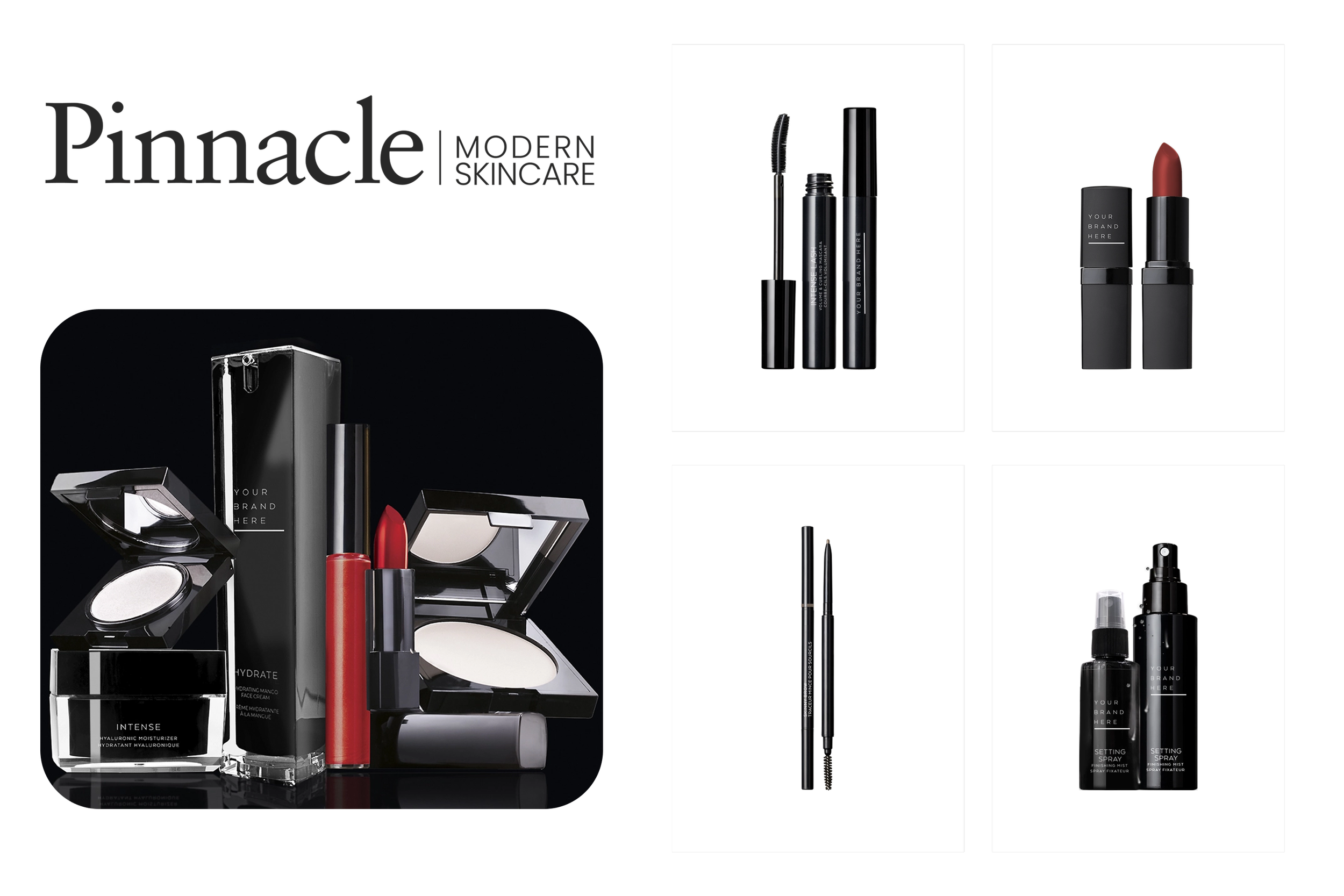
Core product range:
color cosmetics;
skincare products;
makeup tools, brushes, and accessories.
They offer a solid range of ready-made products, includingtrend-based collections and pre-built palettes. That makes it easier to put together a full product line without having to figure everything out from scratch.
Fulfillment and customization features:
ready-made formulations (true private label cosmetics);
custom branding with your logo and packaging;
option to create your own palettes or product sets;
dedicated brand manager support;
sample kits with best-selling products.
Compared to some newer cosmetics private label manufacturers, they’re less focused on automation or dropshipping. This is more of a hands-on process, where you’re guided through each step rather than everything being instant.
Pricing structure and MOQs:
free to start, with no minimum order quantities and a pay-as-you-sell model;
optional Pro plan with bulk and dropshipping discounts plus more advanced design and customization tools;
Enterprise plan for high-volume brands.
Selfnamed is free to start, so you can test the platform and launch with no upfront cost. Pro is there when you're ready to grow, which keeps it one of the lowest-risk entry points in the beauty industry.
Pros:
no MOQs;
faster turnaround than most traditional manufacturers;
wide range of makeup and skincare products;
long-standing experience in the beauty industry;
good balance between flexibility and product quality.
Cons:
no fully custom formulations (you’re working with existing formulas);
less modern compared to newer, platform-based options;
no ecommerce integrations.
Pinnacle Cosmetics is a good option if you want something straightforward and reliable. It’s not the most modern setup. But if you prefer a more hands-on process and want a manufacturer that’s been doing this for a long time, it’s a solid choice.
3. Lady Burd
Lady Burd is one of those private label makeup manufacturers that’s been in the game for over 50 years, working with all kinds of brands, from small startups to more established names.
It’s definitely more of a traditional setup. Things aren’t as fast or automated as with newer platforms, but at the same time, you’re working with a company that knows how the beauty industry works and has been doing this for decades. So, if you like the idea of having a more experienced partner and don’t mind a slightly slower process, it’s a comfortable option.
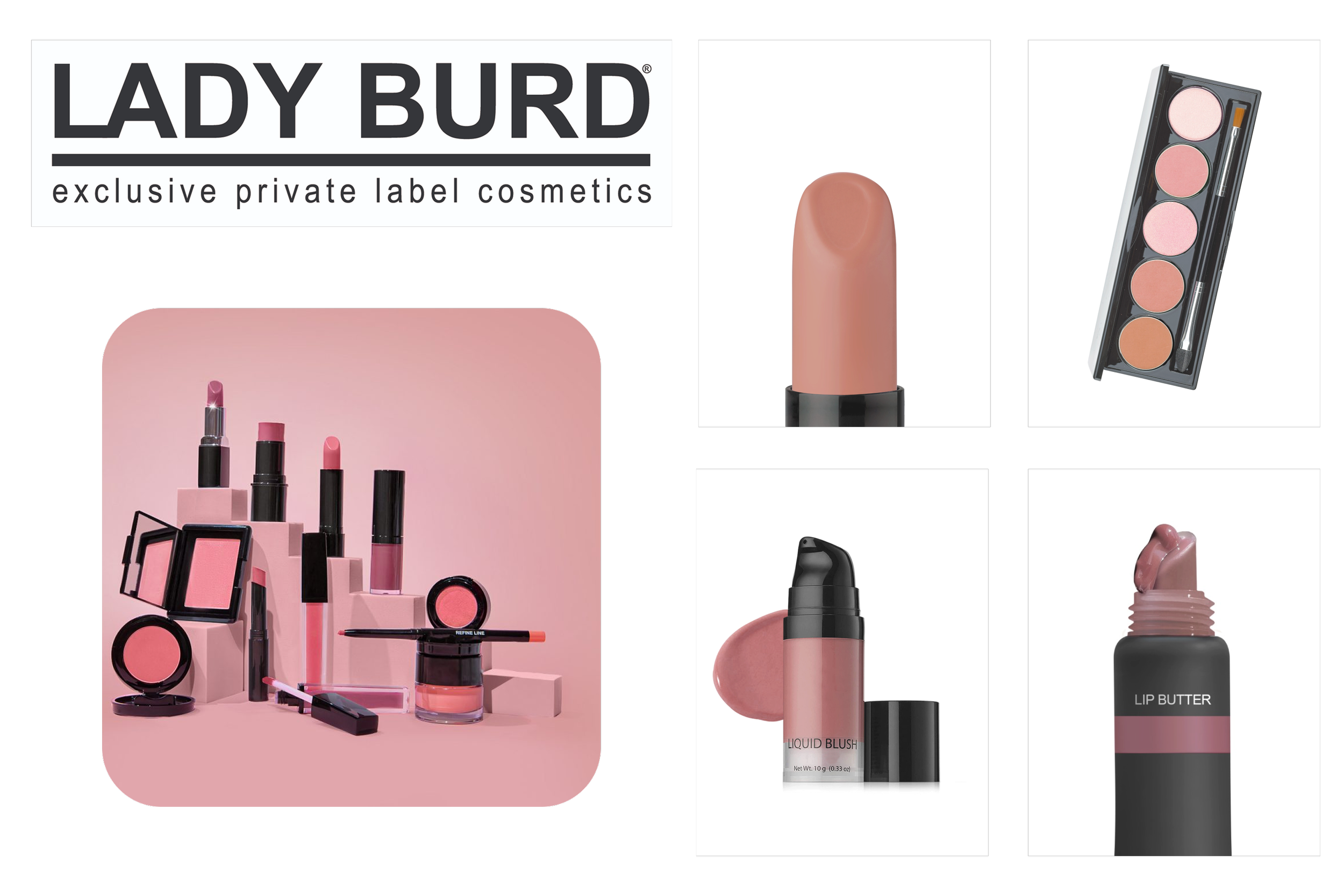
Core product range:
makeup products;
skincare products;
body care products;
hair care products.
They cover pretty much everything across makeup and skincare, so if you’re planning to build a full product line instead of just one or two products, you have a lot to work with.
Fulfillment and customization features:
ready-made formulations;
custom formulations if you want to go further;
in-house production and development;
packaging and labeling support;
help with building out your full range.
And they handle everything in-house. You’re not jumping between different suppliers, which can make things feel more straightforward once you’re set up.
Pricing structure and MOQs:
relatively low minimums depending on the product (you can get started for $150 for stock items, or 12 pieces per shade for private label);
pricing depends on how much you customize and how much you order.
It’s not the cheapest option, but it’s also not out of reach.
Pros:
long-standing experience in the beauty industry;
wide product range across makeup, skincare, and personal care;
everything handled in-house;
option to move into custom formulations later.
Cons:
slower and more traditional compared to newer platforms;
no built-in ecommerce or dropshipping features;
less flexible if you want to move very quickly or test ideas fast.
Lady Burd feels like a safe, experienced option. You’re not getting the speed or simplicity of newer private label cosmetics manufacturers, but you are getting a partner that’s been doing this for a long time.
4. Audrey Morris Cosmetics
Audrey Morris Cosmetics is a private label makeup manufacturer that feels very niche in a good way. They’ve been around for a long time, and instead of trying to do everything, they’ve focused more on working with salons, spas, and smaller beauty businesses.
It’s not built for fast-moving ecommerce brands or people trying to launch overnight. It’s more suited for founders who want a skincare line or makeup range that fits into an existing business or service.
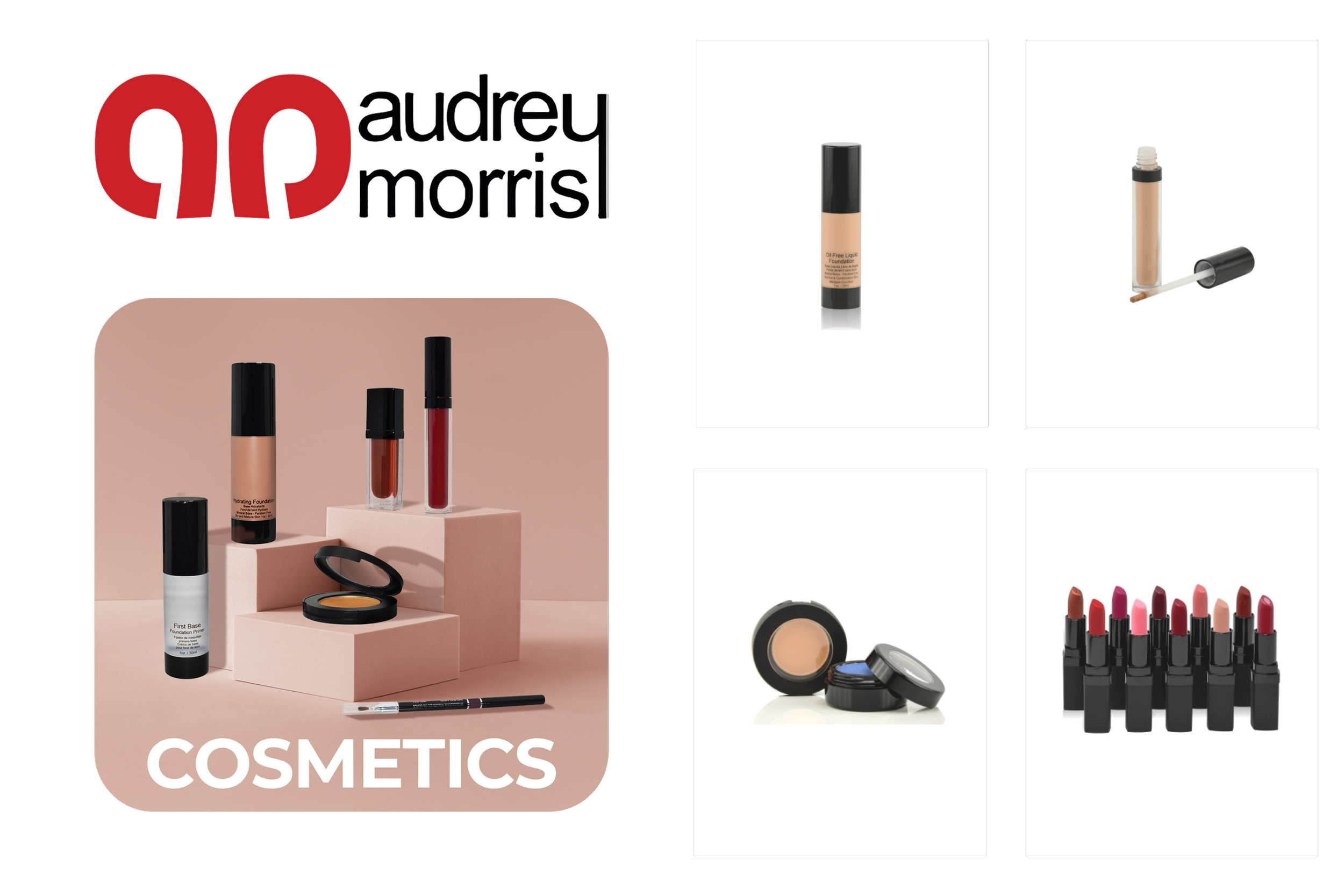
Core product range:
makeup products;
skincare products;
men's skincare
body care products.
Fulfillment and customization features:
ready-made formulations (private label cosmetics);
branding and label design support;
few packaging options;
guidance through the setup process.
It’s not overly complex. You’re choosing from existing products and building your brand around them, with some support along the way.
Pricing structure and MOQs:
minimum order of $200 with a 3 piece minimum of each color or product.
pricing depends on product type and customization.
It’s not the most flexible option if you want to start very small, but it works if you’re building with a bit more intention from the start.
Pros:
good fit for salons, spas, and niche beauty businesses;
simple and guided process;
helpful for building a consistent product line.
Cons:
less flexibility with low MOQs;
limited innovation compared to newer platforms;
fewer advanced customization options.
Audrey Morris Cosmetics works best if you’re building a brand around an existing beauty business or want something more steady and structured.
5. Radical Cosmetics
Radical Cosmetics is a bit more hands-on compared to most private label makeup manufacturers. Instead of just picking a product and adding your logo, you get more input into how things are made – which is great if you’re building a makeup brand that feels a bit more unique.
They tend to work with smaller and niche beauty brands, especially those focused on the clean beauty movement, natural ingredients, and cruelty free products.
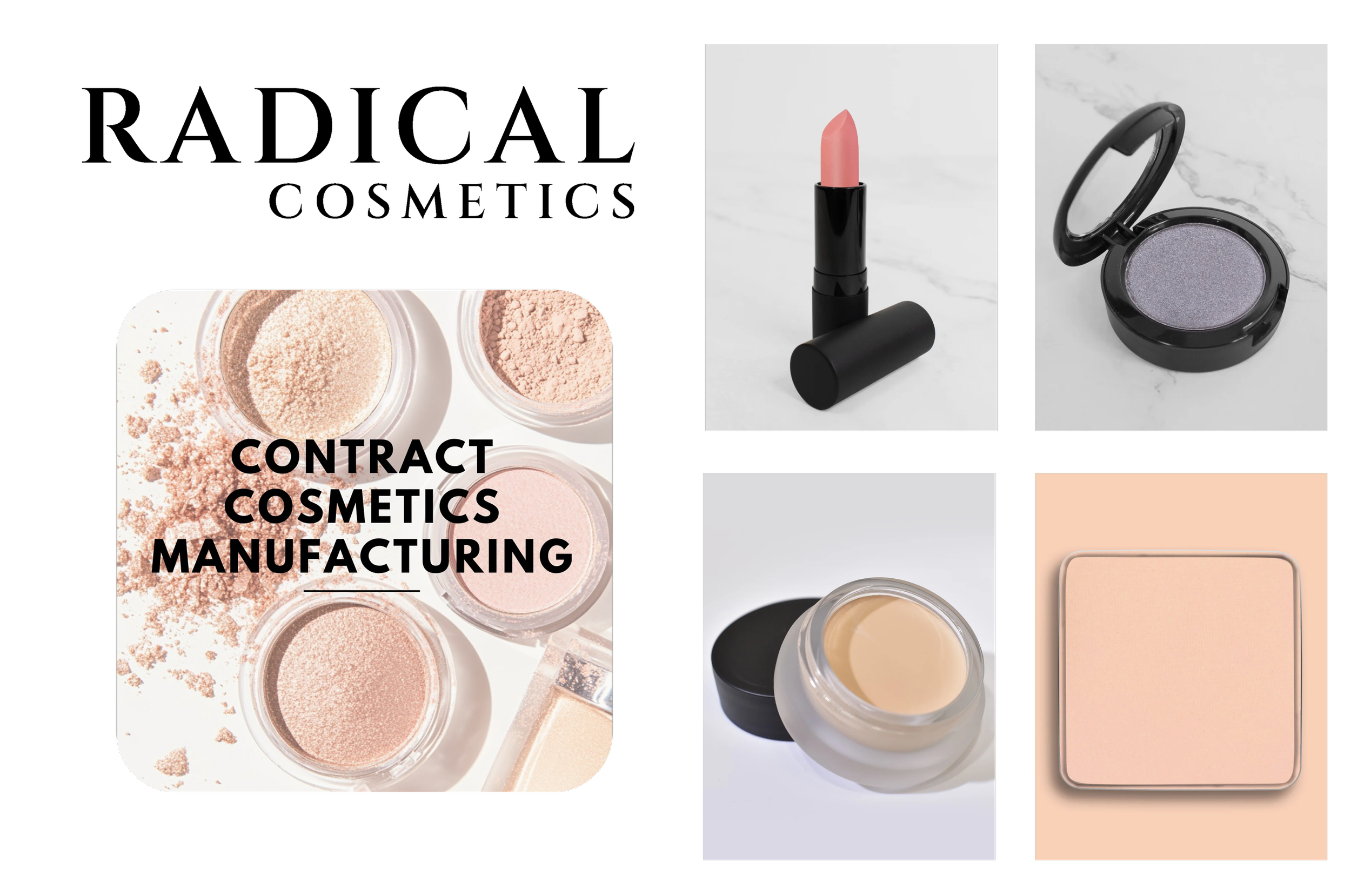
Core product range:
makeup products;
skincare products;
body care products;
hair care products.
The range isn’t huge, but it covers enough to build a solid product line, especially if you’re mixing makeup and skincare.
Fulfillment and customization features:
ready-made formulations (private label cosmetics);
custom formulations and formula development;
flexible customization options;
smaller batch production.
Pricing structure and MOQs:
the minimum order quantity differs depending on the item category;
pricing varies based on customization.
It’s more flexible than traditional cosmetics manufacturing, but not as simple as plug-and-play platforms.
Pros:
more flexibility when it comes to how your products are made;
works well for niche ideas;
strong focus on clean beauty and natural ingredients.
Cons:
you’ll be more involved in the process compared to simpler platforms;
things can feel a bit slower;
not the best option if you’re trying to launch quickly and start selling right away.
Radical Cosmetics isn’t the quickest way to launch, and you’ll probably have to be a bit more involved, but you do get more freedom to shape things the way you want.
6. ONOXA
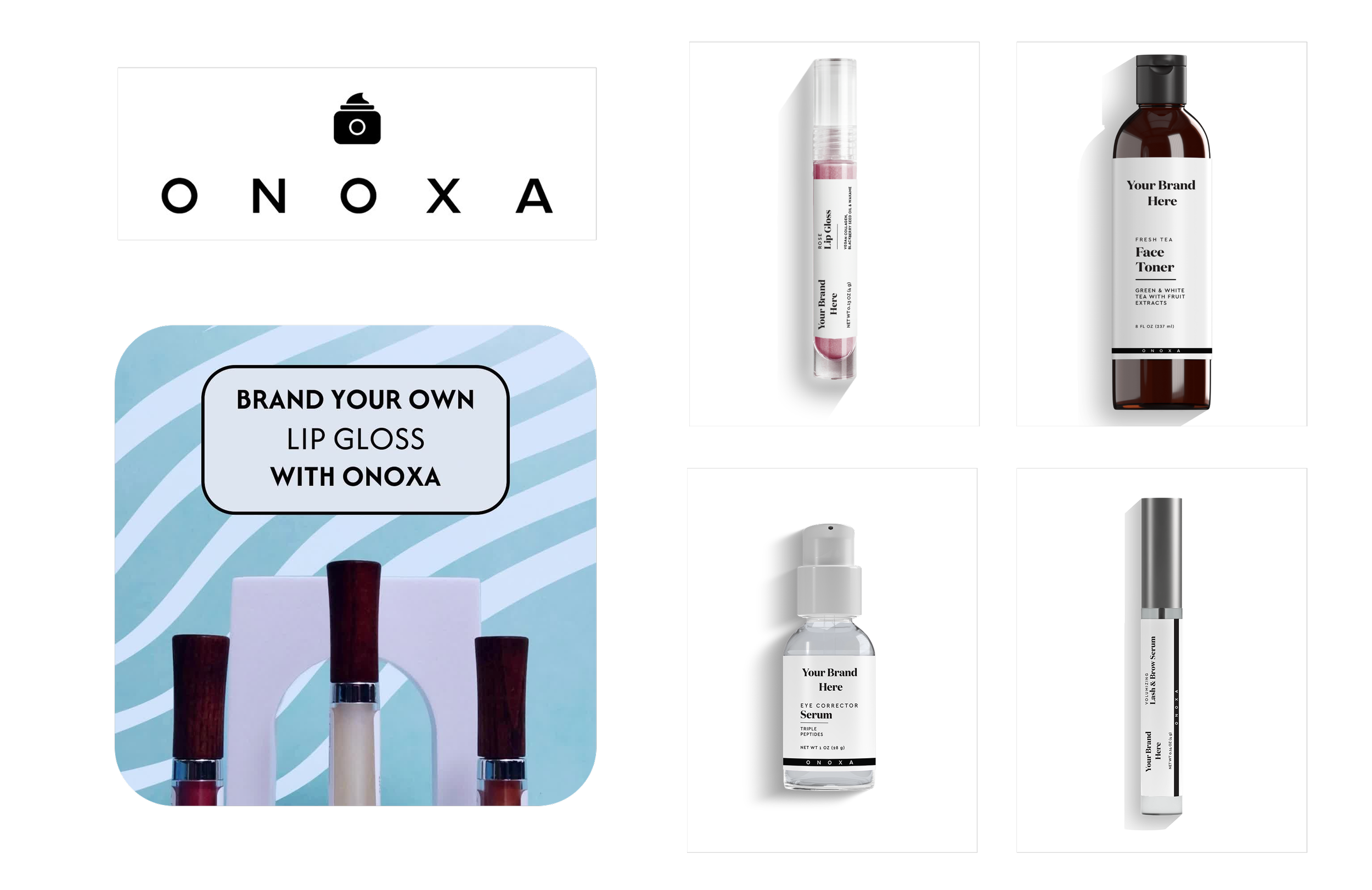
ONOXA sits somewhere between traditional private label makeup manufacturers and newer, more modern solutions. It’s built with ecommerce brands in mind, so the process feels a bit more current, but it’s not fully automated either.
If you’re building a beauty brand and want something more structured, but not as heavy as full contract manufacturing, ONOXA can be a good middle ground.
Core product range:
skincare products;
makeup products;
hair care products;
body care products.
Their range leans more toward skincare, especially if you’re building a skincare line, but you can still create a balanced product line across categories.
Fulfillment and customization features:
ready-made formulations you can build your brand around;
help with branding and packaging;
some guidance on product design and how your range comes together;
fulfillment options depending on how you set things up.
It’s not something you can launch overnight, but you do get more support when it comes to how everything looks and fits together as a brand.
Pricing structure and MOQs:
12 units per SKU;
pricing changes based on how much you customize and how much you order.
It’s not the cheapest way to start, but it’s also not at the level of large-scale manufacturing.
Pros:
feels more up-to-date than older manufacturers;
enough options to build a proper product line.
Cons:
not a fully automated setup;
can feel a bit limiting if you just want to test fast.
ONOXA is more of a middle option. It’s not just for testing, but it’s also not full-on manufacturing. You get some structure and support, especially with branding, which can make things easier to manage.
7. Mana Products
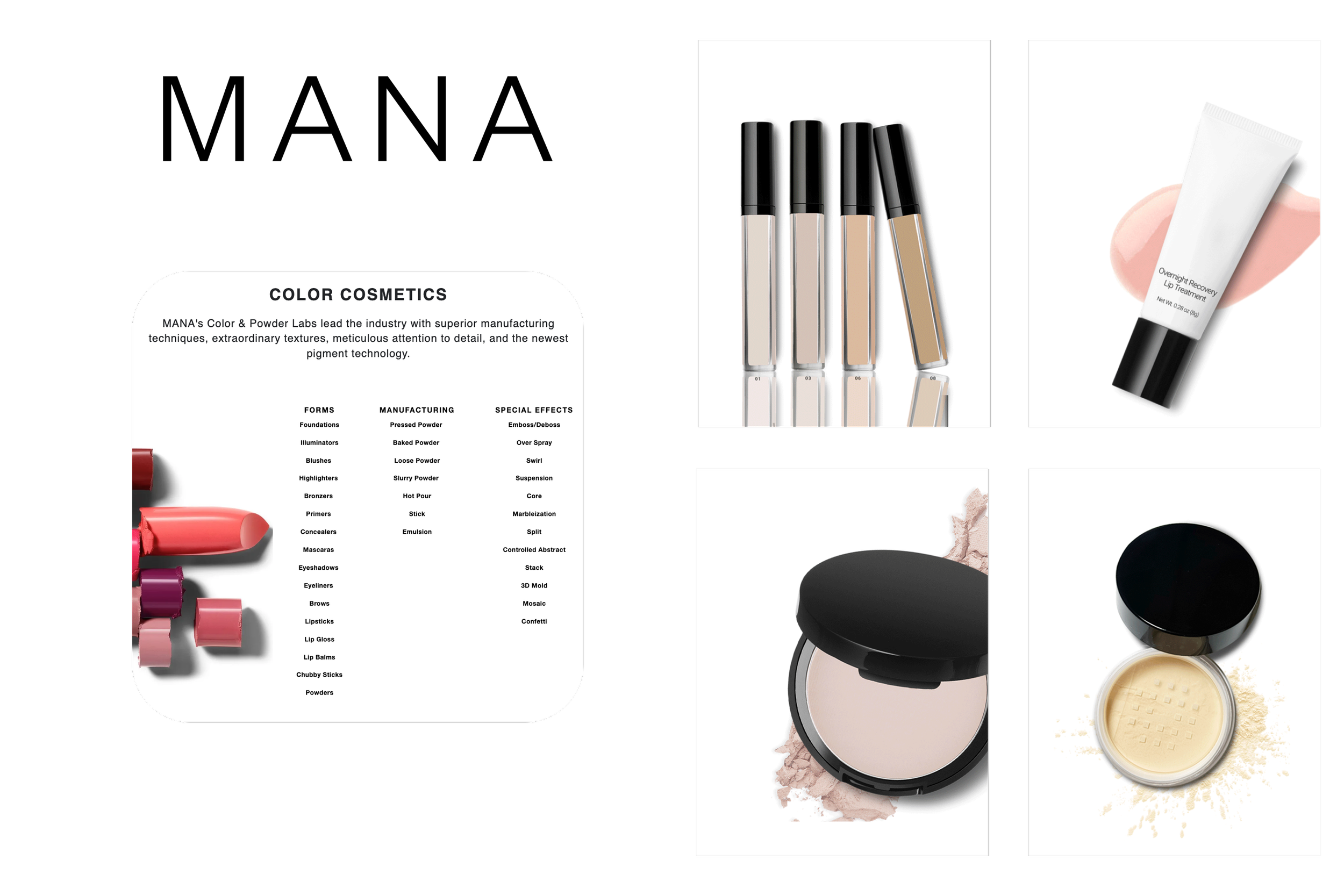
Mana Products is one of the bigger names in the cosmetics industry. They’ve been around for a long time and work with some well-known beauty brands. But because of that, they’re not really built for beginners or small test launches.
This is more the kind of partner you look at once your makeup brand is already growing and you’re thinking about scaling or developing something more unique.
Core product range:
color cosmetics;
skincare;
hair care.
They focus a lot on innovative product development, so if you’re looking to move beyond basic private label cosmetics and into something more custom, this is where they stand out.
Fulfillment and customization features:
advanced formula development;
unique formulations;
in-house manufacturing;
support for large-scale production.
This manufacturer leans much more toward contract manufacturing than private label, where you’re building something from the ground up rather than using existing formulas.
Pricing structure and MOQs:
high MOQs from 1000+ units
higher upfront investment;
longer development timelines.
It’s not designed for small or new brands trying to start selling quickly.
Pros:
very strong experience in the cosmetics industry;
high-quality products and advanced formulations;
ideal for scaling brands;
ability to create unique, innovative products.
Cons:
not suitable for beginners or small brands;
higher costs;
longer timelines before launch;
less flexibility if you want to test ideas quickly.
Mana Products is a better choice once your brand is already established and you’re ready to invest in something more custom.
8. Blanka
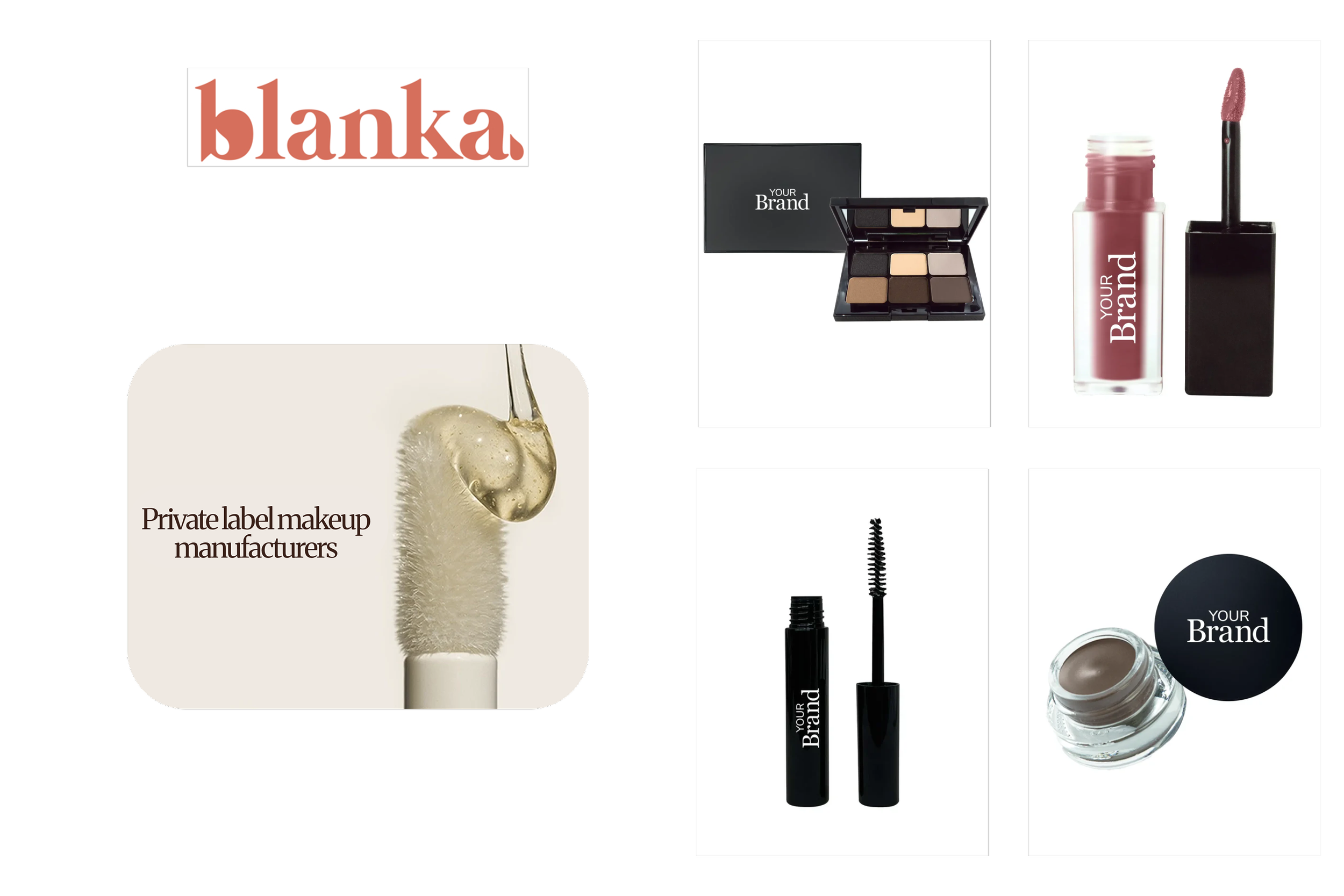
Blanka is one of the more beginner-friendly private label makeup manufacturers, especially if you’re coming from ecommerce.
It’s built around simplicity. Everything is designed to help you pick products, add your branding, and start selling fairly quickly.
Core product range:
makeup products;
skincare products;
face care;
fragrance;
health and wellness.
You can choose from a fairly wide range of products.
Fulfillment and customization features:
ready-made formulations;
basic branding with your logo;
Shopify, WooCommerce, Wix integrations;
dropshipping model.
You don’t need to manage stock or deal with logistics, which makes it appealing if you’re just getting started.
Pricing structure and MOQs:
low MOQs;
lower upfront investment.
It’s one of the simpler ways to enter the beauty market without putting too much money upfront.
Pros:
you don’t need to hold inventory;
you can get products live pretty quickly;
good for testing ideas;
some basic customization options.
Cons:
you’re using the same products as a lot of other brands;
branding options are quite limited.
Blanka is a good starting point if you just want to get something live and see how it performs. It’s simple, and easy to manage, especially if you’re used to ecommerce.
9. Via Glamour
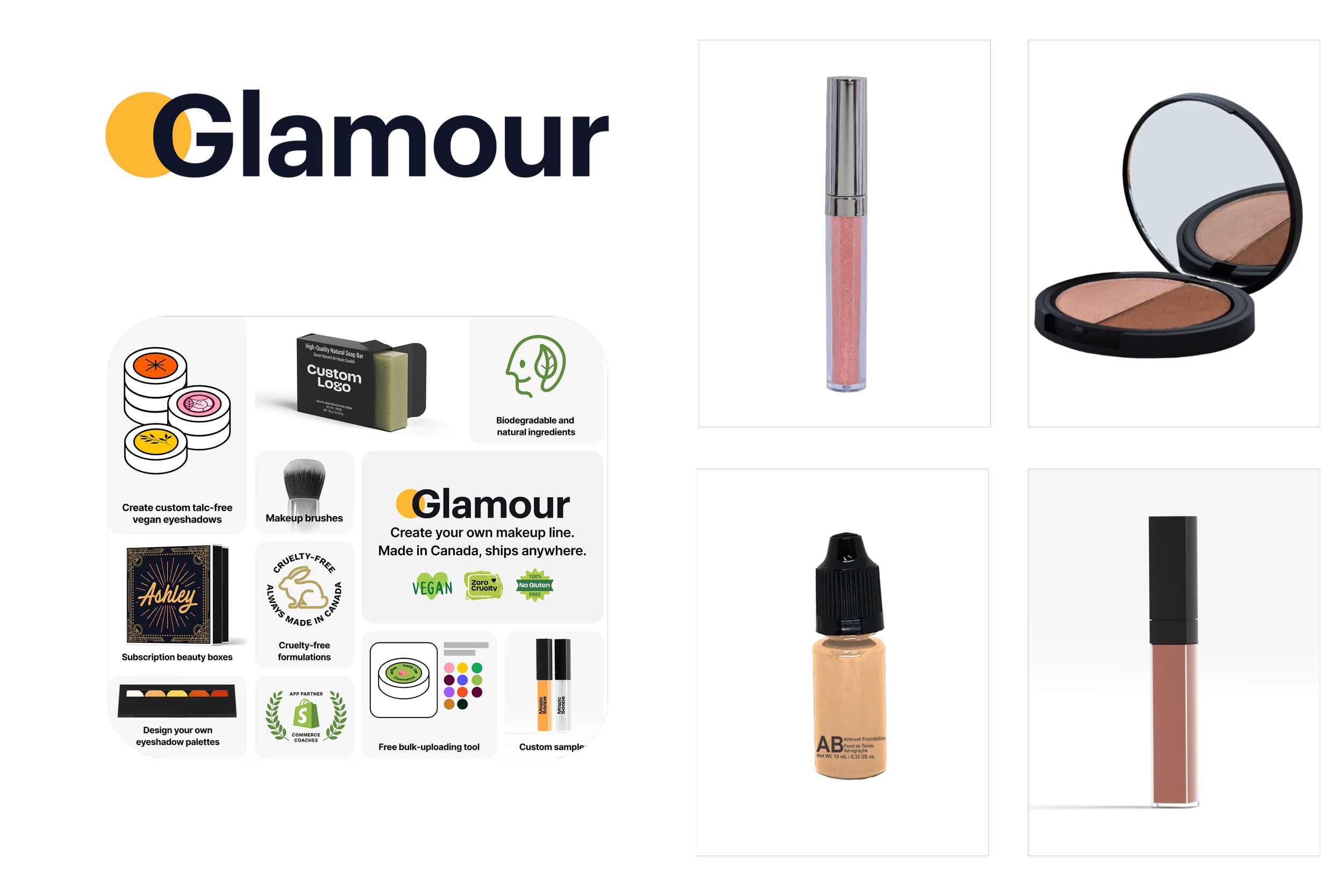
Via Glamour focuses heavily on helping you launch your own makeup brand or skincare line online, with built-in support for ecommerce and social platforms.
Core product range:
makeup;
skincare;
lashes and beauty accessories;
vegan and clean beauty products.
The product range is actually quite broad, so you can build a full product line.
Fulfillment and customization features:
ready-made formulations with your branding;
custom packaging and label design;
dropshipping – orders shipped directly to customers;
Shopify integration and ecommerce support.
Pricing structure and MOQs:
no MOQs;
pay-as-you-sell model available;
wholesale option.
That makes it closer to newer private label cosmetics platforms rather than traditional cosmetics manufacturing.
Pros:
no need to hold inventory – they handle production and shipping;
easy to get started without a big upfront investment;
enough products to build a full range.
Cons:
you’ll be using the same products as other brands;
you’re relying on their system to run things.
Via Glamour works well if you just want to get started without overcomplicating things. It’s simple, low-risk, and takes a lot off your plate.
10. Supliful
Supliful is more of a platform that lets you build a brand around supplements, skincare, and wellness products. It’s built for ecommerce, especially if you want to start a beauty or wellness brand without upfront costs or complicated logistics.
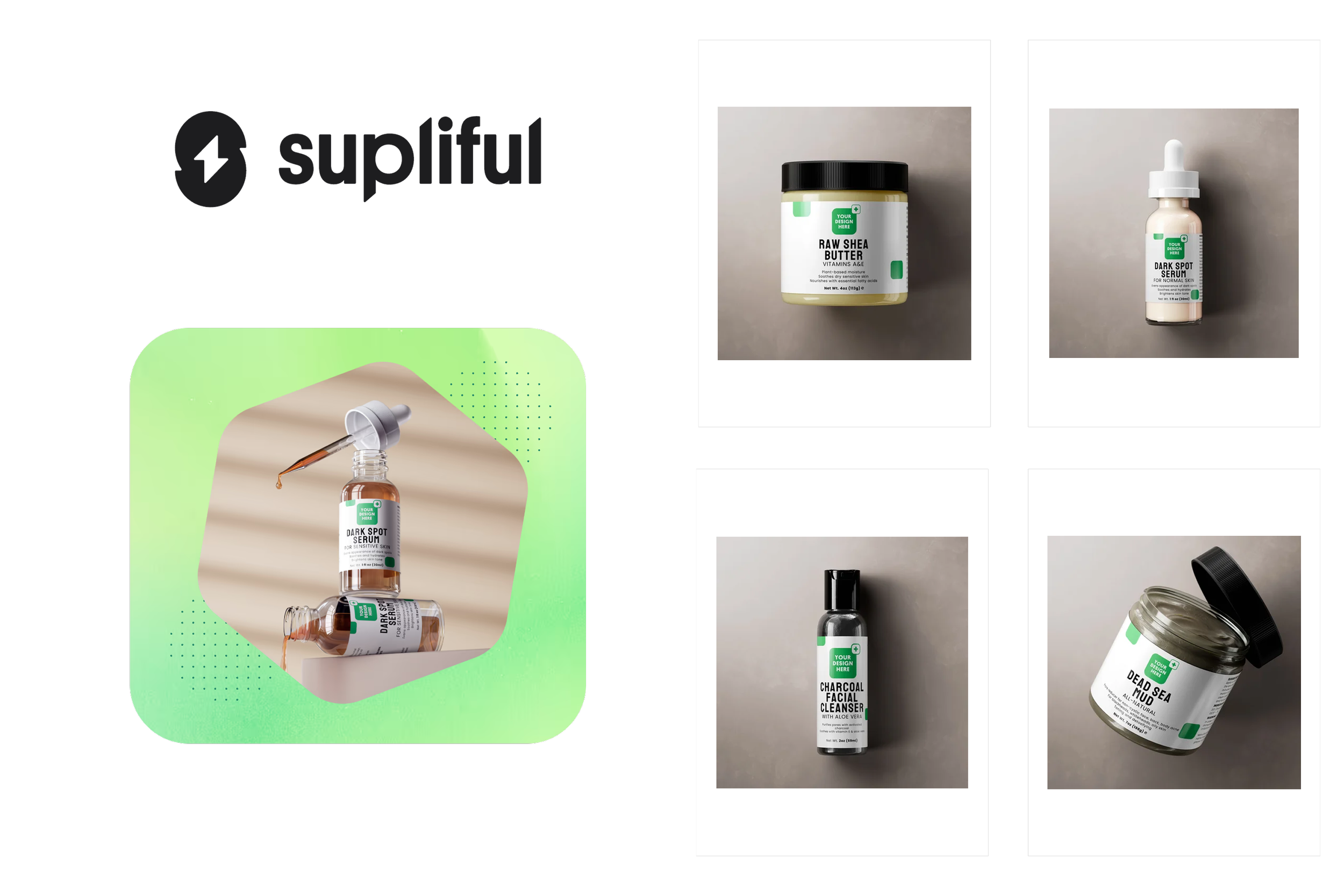
Core product range:
beauty supplements;
skincare products;
wellness products;
coffee and lifestyle products.
They have a pretty large catalog, mostly focused on health and beauty, so it works best if your brand sits somewhere between skincare and wellness.
Fulfillment and customization features:
ready-made formulations you can brand as your own;
label customization and basic packaging options;
dropshipping;
Shopify integration.
Pricing structure and MOQs:
no minimum order quantities on most products;
clear costs;
optional monthly plans depending on features (free plan available).
You only pay when you actually sell something, which keeps the risk low.
Pros:
you don’t have to deal with stock or shipping at all;
once it’s set up, it pretty much runs in the background;
works well if you’re selling online or doing subscriptions.
Cons:
it’s not really for makeup, more supplements and wellness;
you’re picking from what they already have, so not much room to change things;
branding is quite basic;
you’re kind of tied to their system as you grow.
Supliful is a good fit if you want to start quickly and keep things simple. You don’t need much upfront, and most of the heavy lifting is handled for you.
Best Private Label Manufacturers – Quick Overview
By now, you’ve probably noticed there’s no single best option. It really depends on how you want to start and move forward.
This quick overview makes it easier to compare the top private label makeup manufacturers side by side.
| Manufacturer | Main specialty | Product range | MOQs | Best for | Key advantage |
| Selfnamed | all-in-one private label platform | makeup, skincare, hair care, body care | no MOQs | beginners, ecommerce brands | fastest way to launch and start selling |
| Pinnacle Cosmetics | traditional private label with flexibility | color cosmetics, skincare, tools | no MOQs | small brands, makeup artists | easy entry with guided process |
| Lady Burd | full-service traditional manufacturing | makeup, skincare, body care, hair care | low MOQs | brands building full product lines | everything handled in-house |
| Audrey Morris | salon focused private label | makeup, skincare, body care | mid MOQs | salons, niche beauty businesses | simple and steady setup |
| Radical Cosmetics | flexible, hands-on development | makeup, skincare, body care | flexible MOQs | indie and niche brands | more control over formulations |
| ONOXA | structured modern private label | skincare, makeup, hair care | mid MOQs | growing ecommerce brands | strong focus on branding and setup |
| Mana Products | large-scale contract manufacturing | makeup, skincare, hair care | High MOQs (1000+) | scaling brands | advanced custom formulations |
| Blanka | ecommerce dropshipping platform | makeup, skincare, wellness | low MOQs | beginners testing ideas | quick setup with no inventory |
| Via Glamour | on-demand private label | makeup, skincare, lashes | no MOQs | ecommerce and social sellers | fulfillment handled for you |
| Supliful | wellness and beauty platform | supplements, skincare, cosmetics | no MOQs | brands combining beauty and wellness | fully automated fulfillment |
Looking at all the options, it really comes down to how you want to start.
Some private label makeup manufacturers are better for scaling. Others give you more control. But if your goal is to launch quickly, keep costs low, avoid unnecessary complexity, platforms like Selfnamed are a good choice.


How to Choose Your Makeup Manufacturing Partner
Choosing between top cosmetic manufacturers is about who fits what you’re trying to build and how you want to grow.
Start with your niche. Whether you’re focusing on natural and organic products, clean beauty, or a specific audience, clarity here makes everything easier. The market is growing across all categories – makeup, skincare, and hair care are all expected to keep rising steadily over the next few years. So it’s about picking a direction you can build around.
Then look at quality. This is where your brand image is shaped. If something feels off, customers notice. So working with manufacturers that follow high standards is a big deal.
And before you commit, just try things out. Order samples, see how they feel, how they look, how long they take to show up. It sounds simple, but it saves you from a lot of headaches later, especially when there are so many brands launching all the time.

Hidden Costs to Watch Out For
Shipping and customs can add up quickly, especially if you’re working with overseas manufacturers. Import duties on cosmetics might seem relatively low at first (often around 4.9% to 5.8%), but once you add taxes, tariffs, and handling fees, the total cost can increase quite a bit.
Then there’s packaging. Label design and printing might seem small at first, but once you start refining your brand image, the costs add up.
And marketing – this is usually the biggest one. Most ecommerce brands spend around 10–20% of their revenue on marketing, and even more if they’re trying to grow quickly.
So it’s not just about finding the right manufacturer. It’s about understanding what it actually costs to get your product in front of customers.
Your Brand, Your Choice
At the end of the day, there’s no perfect manufacturer – just the one that fits your brand and your vision.
If you want to move fast and keep things simple, some private label makeup manufacturers make that easy. If you’re thinking long-term and want more control, others might suit you better.
The main thing is to start. Test, learn, adjust, and build from there.
Must read