Exosomes In Skincare: Why Beauty Brands Should Pay Attention
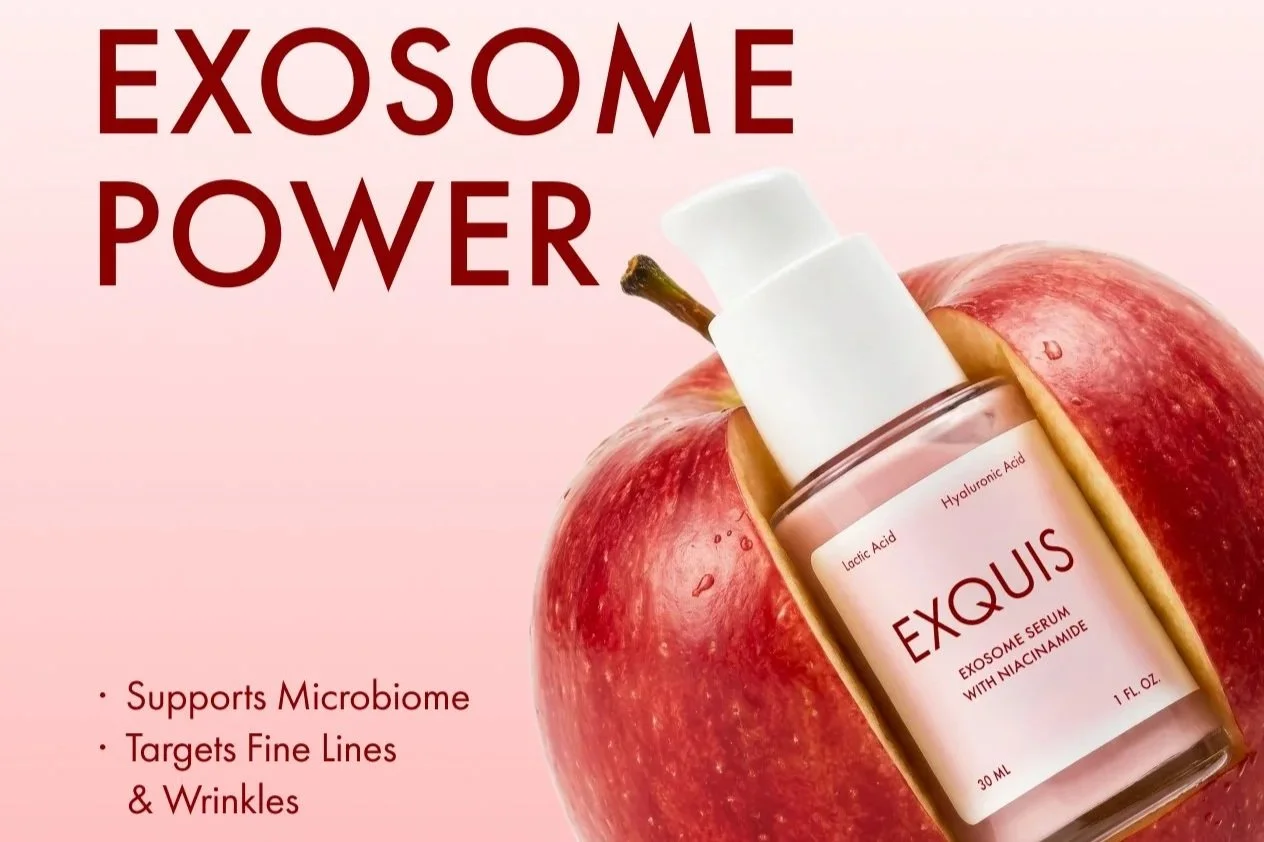
Table of Contents
Exosomes are one of the most talked-about skincare ingredients right now, yet most people discussing them couldn't tell you what they actually are.
Every few years, skincare finds a new ingredient that captures everyone's attention. Hyaluronic acid had its moment. Niacinamide followed. Peptides quickly became a staple in countless formulas.
Exosomes have joined that conversation, but for a slightly different reason.
Most skincare ingredients are known for what they do. Exosomes are getting attention for how they work. Rather than targeting a single skin concern, they come up in connection with skin renewal, skin barrier support, and the science of cell-to-cell communication.
That makes exosome skincare especially interesting to ingredient-conscious shoppers, skincare founders, and brands looking beyond the usual ingredients.
So what are exosomes in skincare, exactly? How do they work? And why are they becoming such a popular addition to skincare products? Let's take a closer look.
Key takeaways:
Exosomes are one of skincare's newest ingredient categories, and interest in them is growing fast.
Plant-derived exosomes are becoming a popular choice for vegan and plant-focused skincare brands.
Exosomes give brands a fresh way to approach premium, science-led positioning.
What Are Exosomes in Skincare?
Most trending skincare ingredients are easy to describe. You can usually sum them up in a word or two – hydration, brightening, exfoliation, barrier support.
Exosomes are harder to put in a single box. That's also what makes them harder to compare to traditional ingredients.

Here's a few things worth knowing about them:
Exosomes are tiny structures that carry compounds and signals. Their role in nature has made them a subject of scientific research for years.
They come up in connection with skin renewal, skin rejuvenation, skin health, and skin barrier-focused formulas. That's one reason they've become such a popular topic in skincare.
Exosome skincare is still a young category. Exosomes have been studied in research for some time, but exosome serums and other exosome products are much newer to the market.
You'll usually find them in science-led skincare products. Interest in topical exosomes has grown alongside demand for ingredient-focused, newer formulas.
The next question is where these exosomes actually come from, because not all exosomes are created in the same way.
What Are the Sources of Exosomes?
The word "exosome" tells you surprisingly little about what's inside a product. That's why two products can both contain exosomes and still tell very different ingredient stories.

The source is a big part of that story. In skincare, exosomes generally fall into three groups – human-derived, animal-derived, and plant-derived.
Human-Derived Exosomes
If you've come across exosomes before, there's a good chance this is the category you were reading about. Human-derived exosomes come up often in discussions around regenerative medicine and exosome therapy, which has helped push exosomes into the spotlight.
Part of the interest comes from the fact that these exosomes originate from human cells, which keeps them at the center of conversations about cell communication and regenerative science.
Animal-Derived Exosomes
You may also come across animal-derived exosomes. They're often sourced from materials such as milk and show up in skincare discussions from time to time.
Plant-Derived Exosomes
Exosomes derived from plants are the category you're most likely to meet in modern skincare. They're sourced from botanical materials such as fruits, herbs, and other plants, which makes them a natural fit for vegan formulas and plant-focused beauty brands.
They're also appealing from a formulation standpoint, since plant-derived ingredients often come with fewer ethical and regulatory considerations than human-derived alternatives.
How Do Exosomes Work in Skincare?
What does an exosome actually do once it's inside a formula?
The simplest way to think about it: exosomes carry things. Inside them are proteins, lipids, and other compounds that are connected to a lot of positive effects in skincare.
Because of that, exosomes come up in connection with how skin cells communicate with one another. Rather than acting like a traditional skincare ingredient, they're usually part of a bigger story around skin renewal, skin repair, and skin barrier-focused products.
If you're considering exosome products for your brand, that's an important distinction. However, most customers won't buy a serum because it contains exosomes. They'll buy it for the results they're hoping to see, and those results come from where the exosomes are derived from.
What Do Exosomes Do for Skin
A skincare ingredient can have a fascinating backstory, but customers usually care about something much simpler – what happens when they use it.
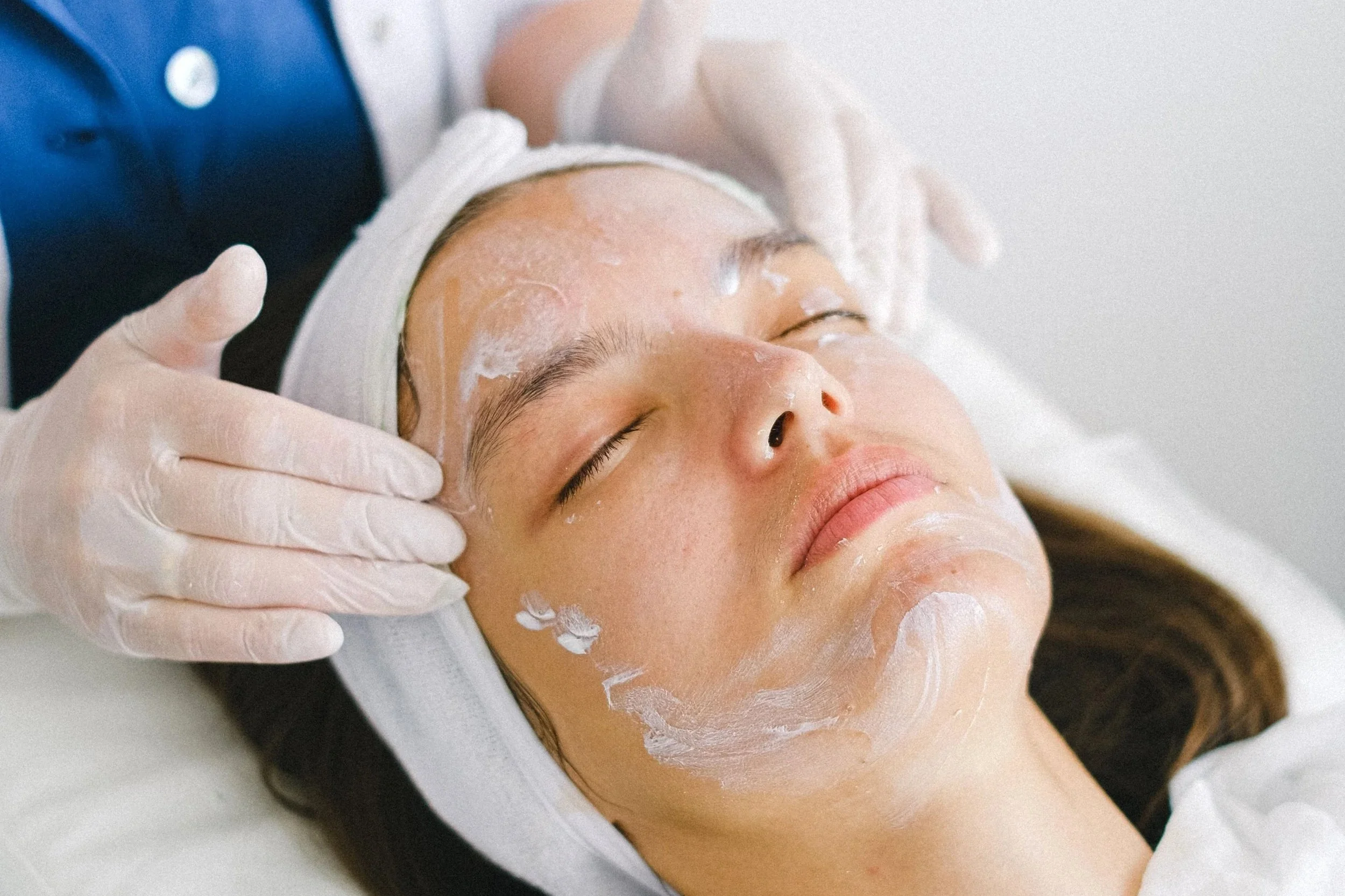
There's still plenty to learn about exosomes, but early studies have already linked them to improvements in several aspects of skin appearance. Here are the most notable results:
Supporting anti-aging skincare and reducing fine lines. One study found that people using a serum with plant-derived exosomes saw a 17.5% improvement in skin elasticity after 20 days. After 45 days, that figure rose to 22.5%. Since elasticity is closely tied to firmness, it's one reason exosomes have become part of the anti-aging conversation.
Supporting skin repair. A big part of the interest in exosomes comes from their connection to the skin's natural recovery processes. That's why you'll see topical exosomes discussed not only in cosmetic products, but also in professional exosome treatments and exosome therapy.
Improving skin texture and hydration. Reviews of plant-derived exosomes have linked them to smoother-looking skin and better hydration, two benefits that can make a noticeable difference to overall skin quality.
Supporting overall skin appearance. Unlike ingredients tied to a single claim, many exosome serums are positioned around overall skin quality – texture, firmness, and radiance.
Keep in mind that two exosome products can deliver very different results. The source of the exosomes, the formula itself, and the ingredients used alongside them all play a role.
How to Position Exosome Products in Your Skincare Line
Not every ingredient becomes a selling point. Most customers aren't searching for peptides, ceramides, or topical exosomes. They discover those ingredients after a product catches their eye for a different reason.
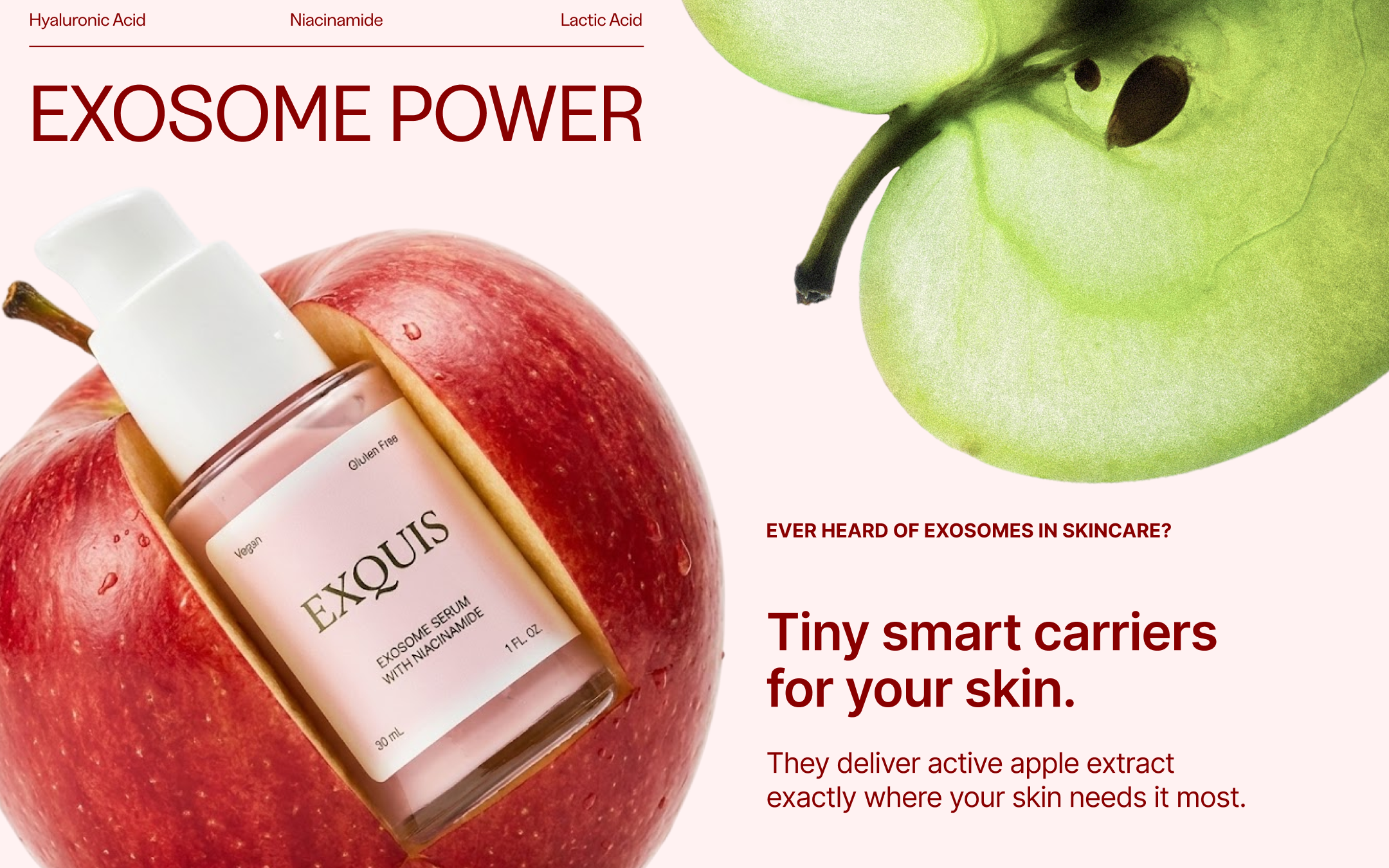
The same is true for exosome skincare.
For many brands, the strongest positioning isn't "this product contains exosomes." It's what the ingredient lets the product stand for.
Premium positioning backed by science. Premium skincare looks different than it did a decade ago. According to McKinsey, products with "meaningful performance differentiation" are the ones shoppers are most willing to pay more for. Exosomes give brands exactly that – a clear reason a product feels different from the dozens of serums already on the shelf.
A newer, science-led narrative. Most skincare trends eventually become familiar. Exosomes still feel new, which makes them a natural fit for brands that want to stay ahead of the curve rather than follow established trends.
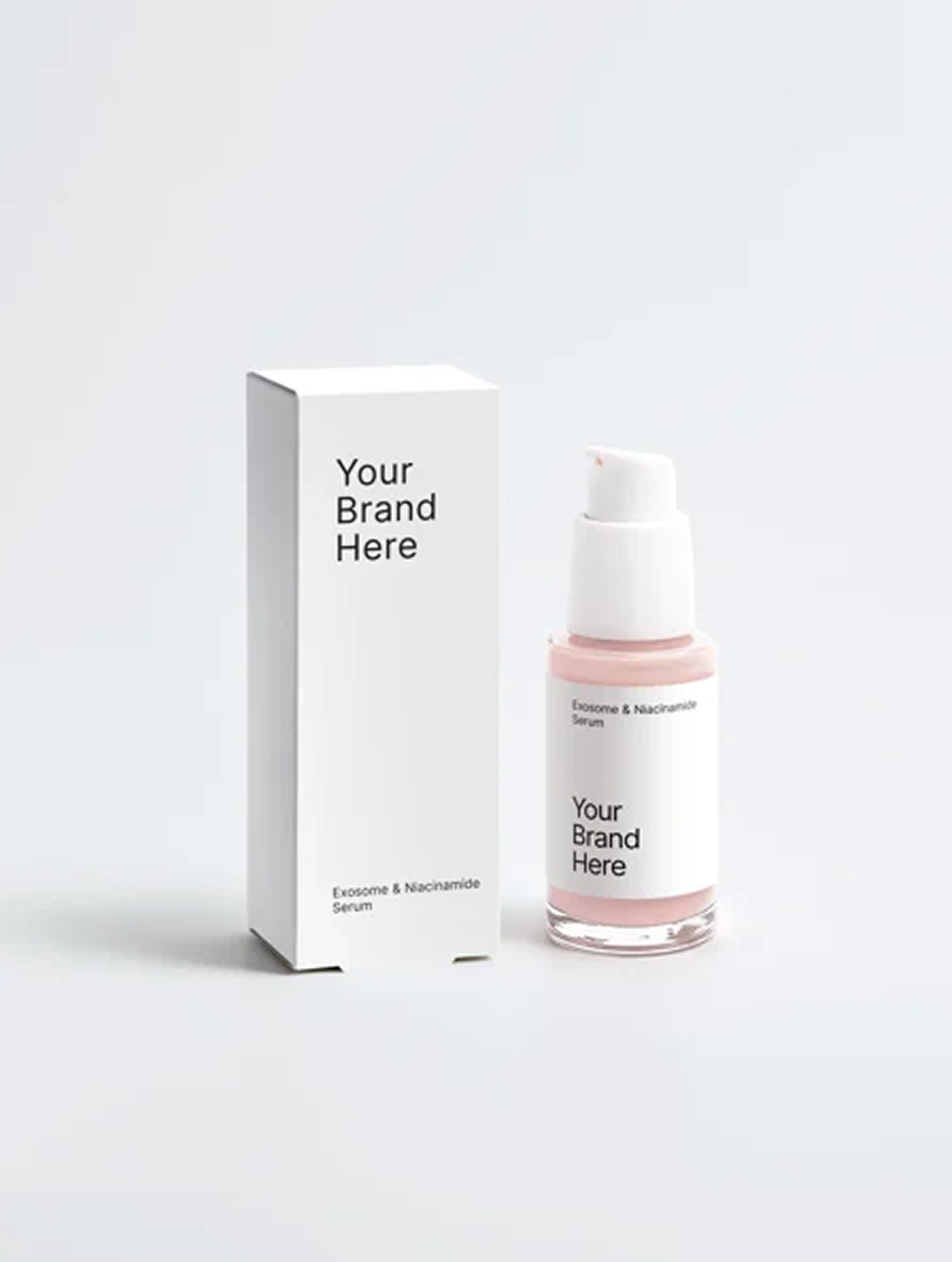
A place in the barrier-care category. One of the biggest skincare shifts in recent years has been the move away from aggressive routines and toward products that support long-term skin health. Exosomes fit that shift. They suit the growing interest in products people can use consistently, not just when something goes wrong. You can see it in products like Selfnamed's Exosome & Niacinamide Serum, a brightening, renewal-focused formula made to support the skin's natural barrier while helping improve the appearance of uneven tone and dullness.
A place in simpler routines. Nearly 60% of customers prefer products that offer multiple benefits in a single formula, a sign of growing demand for more efficient routines. That's a chance to position exosome serums as part of a simpler routine rather than one more step to squeeze into the day.
Another advantage of exosomes is that they don't have to carry the whole product story on their own. Sometimes they're simply the reason a customer pauses, gets curious, and takes a closer look.
And if customers are already wondering when to use exosomes in their routine, you've achieved something valuable – you've caught their attention.
Which Ingredients Pair Well With Exosome Skincare
Exosomes rarely appear in skincare formulas by themselves.
Some of the most interesting exosome serums combine exosomes with ingredients customers already know and trust. The goal isn't to replace proven ingredients, but to build a stronger formula around them.

Niacinamide
By now, Niacinamide has earned a permanent spot in many routines. That's part of what makes it such a good companion to exosomes.
You'll find Niacinamide in products targeting uneven tone, dullness, and skin barrier support. Most customers already know what it is and why they're using it, which isn't always true of newer ingredients.
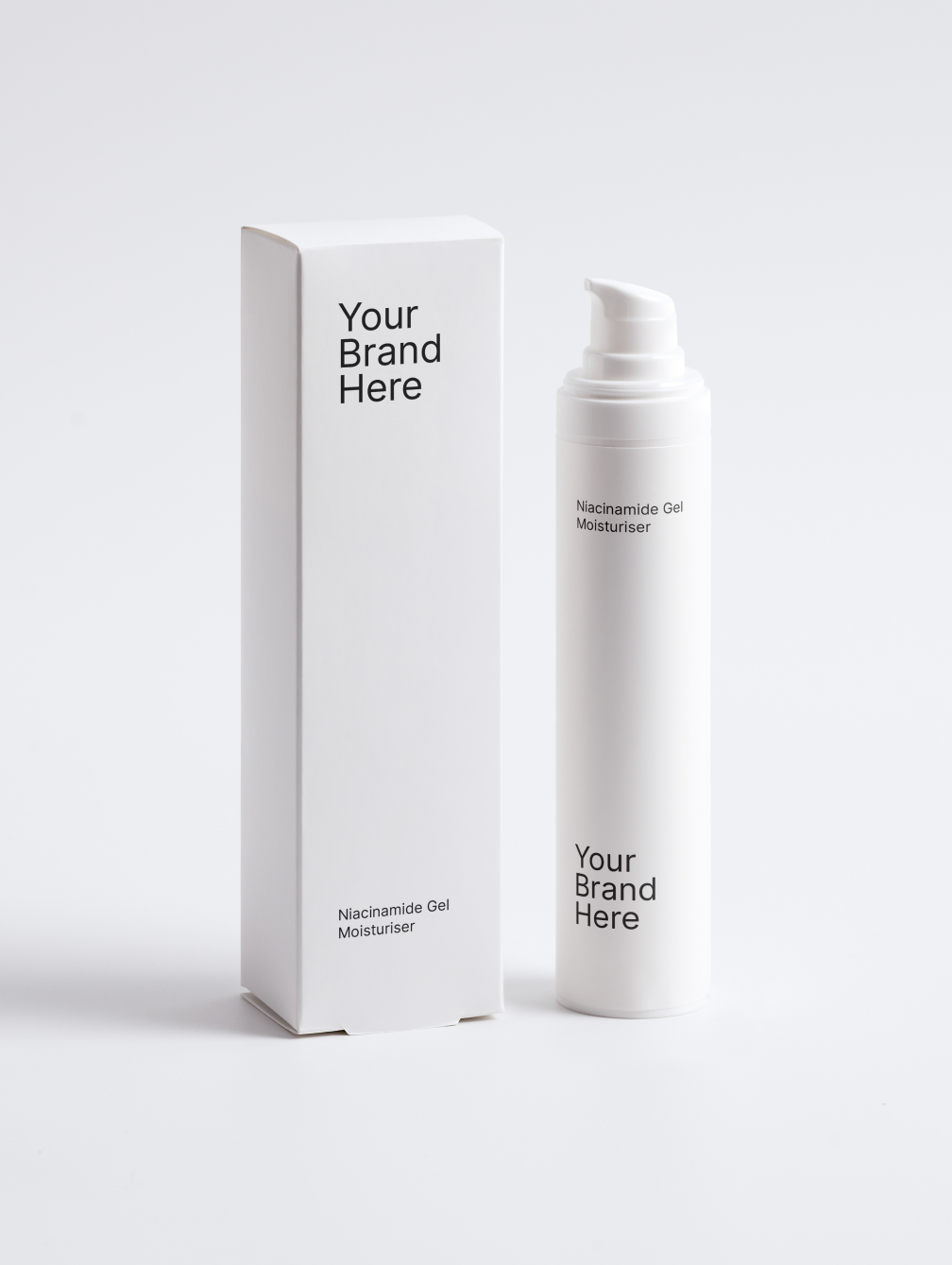
At Selfnamed, it's the backbone of our Niacinamide Gel Moisturiser, and it pairs with exosomes in our Exosome & Niacinamide Serum.
For your brand, that familiarity is useful. Exosomes spark curiosity; Niacinamide gives customers something recognizable. Together, they make a formula that feels both new and easy to understand.
Hyaluronic Acid
Few ingredients are as recognizable as Hyaluronic Acid.
Most customers immediately link it to hydration, which is why it stays a staple across so many formulas. It runs throughout our face care line, from serums to SPF. While exosomes draw attention because they're new, Hyaluronic Acid brings a benefit customers already understand.
Peptides
Peptides have earned their place in many formulas thanks to their link with smoother, firmer-looking skin. You'll find them across our anti-aging face and makeup range, including our Peptide Anti-Aging Serum.
They also share something important with exosomes – neither ingredient is usually built around a single claim. Both tend to show up in products focused on overall skin quality, which makes them a natural pairing in premium formulas.
Vitamin C
Vitamin C is one of the most recognizable ingredients in skincare. You'll find it in products like our Retinol Alternative Serum, plus several targeted treatments. For brands focused on radiance and uneven tone, pairing Vitamin C with topical exosomes can create a formula that feels both familiar and current.


A Bright Future for Exosome Serums
Exosomes may be one of skincare's newer ingredients, but they're already generating real interest among brands and customers alike.
Part of that interest comes from how hard they are to fit into a single category. They come up in relation to skin renewal, repair, and overall skin quality, which gives brands several different ways to build them into a product line.
As with any ingredient, the source, formula, and supporting ingredients all matter. Understanding those factors makes it easier to judge where exosomes fit in your brand and whether they're the right addition to your lineup.
Exosomes are still finding their place in skincare, and that's part of the appeal. Brands don't often get the chance to grow alongside an emerging category.
Frequently Asked Questions
-
Exosomes are tiny structures that carry compounds and signals. They've been studied in science for years, but only recently started showing up in cosmetic products.
Part of what makes them different is that they're hard to describe in a single word. Where an ingredient like Hyaluronic Acid is closely tied to hydration, exosomes are usually discussed in relation to several benefits at once.
-
Exosomes are often linked to improvements in skin elasticity, hydration, texture, and overall appearance.
It's worth remembering that exosomes from different sources aren't the same. The source can vary, which is one reason different products tell very different ingredient stories. Some of the most talked-about exosome serums focus on visible signs of aging, while others are built around skin recovery and overall skin quality.
-
What makes exosomes interesting is that they're not usually described as a traditional skincare ingredient. Their main role is carrying compounds and signals – proteins, lipids, and other molecules. Because of that, they come up in conversations about how skin cells communicate and how certain skin processes happen.
-
You usually don't need a completely different routine. Most exosome serums are made to work alongside ingredients people already know, such as Niacinamide, Hyaluronic Acid, Peptides, and Vitamin C.
-
In most cases, exosome serums go on after cleansing and before moisturizer. The exact step can vary by formula, so it's always worth checking the product directions.
-
Many people first hear about exosomes through anti-aging skincare. Interest in exosome skincare products is often linked to skin elasticity and firmness, two factors that shape how wrinkles appear.
Exosomes from different sources aren't identical, which is why the source is often an important part of the conversation. Different products can take very different approaches depending on the type of exosomes used.
Must read