What Is Panthenol in Skincare and Why Brands Are Rediscovering It
Table of Contents
Not every skincare ingredient becomes famous.
Some dominate social media. Some appear in every beauty trend report. Some become the reason customers buy a product in the first place.
Panthenol has taken a different path.
Most people have used it without realizing it. Panthenol is found in moisturizers, serums, body care products, hair conditioners, and countless cosmetic formulas designed for sensitive or compromised skin.
As barrier-focused skincare continues to shape product development across the beauty industry, panthenol is starting to receive the attention it rarely asked for. Ingredients that support hydration, skin comfort, and everyday use are now easier to talk about, and easier to market.
So what is panthenol in skincare? What does panthenol do for skin? And why is this once-overlooked ingredient becoming a staple in modern cosmetic formulations?
Key Takeaways
Panthenol is a form of provitamin B5 that supports skin hydration and barrier function at the same time.
It's gentle and well tolerated, which makes it a common choice for sensitive or easily stressed skin.
The same ingredient works across face care, body care, and hair care, from serums and creams to conditioners and leave-ins.
Panthenol is trending because skincare priorities have shifted toward hydration, comfort, and barrier health, which is exactly what panthenol delivers.
To position it well, lead with the customer benefit, softer and calmer skin, rather than the ingredient name.
What Is Panthenol in Skincare?
Panthenol is a form of provitamin B5. While that may sound technical, the ingredient itself is surprisingly familiar. Panthenol has been used in skincare and hair care products for years and continues to show up in new product launches across the beauty industry, a testament to its staying power among topical cosmetics.
Part of the reason is simple – panthenol is incredibly versatile. You'll find it in everything from facial moisturizers and serums to body lotions, creams, and hair products.
It may not be the ingredient featured on the front of the packaging, but there's a good chance it's working behind the scenes in some of the products your customers already use.
In fact, according to Global Market Insights, the global panthenol market was valued at $115.9 million in 2025 and is projected to reach $175.6 million by 2035. While customers may not always recognize the ingredient by name, the growing demand suggests brands and formulators are paying closer attention.
What Does Panthenol Do for the Skin Barrier?
In skincare products, panthenol is often used because it helps support hydration and the skin barrier at the same time. It’s also one of the reasons you'll find it in many cosmetic products created for sensitive skin.
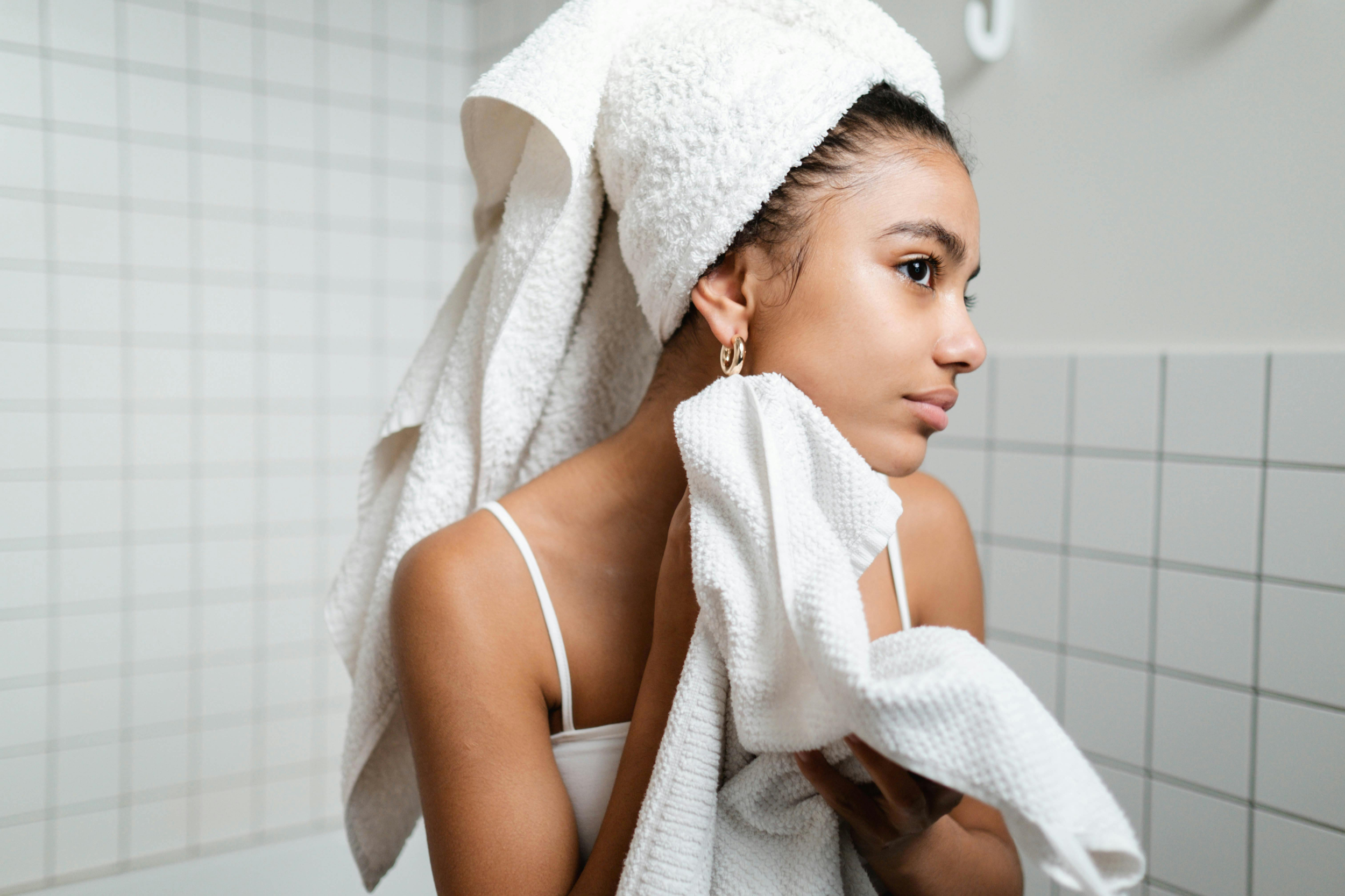
During the winter months, panthenol can be particularly useful when cold air, wind, and indoor heating leave skin feeling dry, tight, or less comfortable than usual — the familiar signs of dehydrated skin.
Some of the reasons brands use panthenol include:
helping improve skin hydration;
supporting the skin's barrier function;
making formulas feel more comfortable on sensitive skin;
helping reduce the feeling of dryness, tightness, and skin irritation;
working well with other active ingredients commonly used in barrier-focused products;
bringing soothing properties to formulas made for stressed or reactive skin.
For your brand, these benefits make panthenol a versatile ingredient. It can be used across a wide range of skincare products, including lightweight serums and daily moisturizers, richer creams, lotions, and other body care formulas.
Why Panthenol Is a Trending Skincare Ingredient
Panthenol is becoming more visible because skincare priorities have changed.
Panthenol itself isn't new. What's new is the amount of attention being given to the types of products where panthenol has always performed well.
The ingredient has been used in cosmetic products for years, but many of the benefits it offers now align closely with what customers are looking for. As a result, panthenol products are appearing more frequently across skincare and personal care categories.
Safety is another reason. As customers become more ingredient-aware, questions such as "is panthenol safe?" have become increasingly common. Because panthenol has a long history in cosmetic ingredient review and safety assessment, and a long record of topical use, it's an ingredient most brands talk about with confidence.
Research shows that 60% of consumers expect brands to disclose the source of their ingredients, while 72% want clear explanations of what ingredients do.
In many ways, panthenol's growing popularity reflects a broader shift in skincare. As hydration, skin comfort, and barrier-focused skincare become bigger priorities, panthenol naturally becomes part of the conversation.
How Panthenol Is Used in Skin and Hair Care Formulations
Panthenol has a long history of use in cosmetic science and cosmetic formulations, making it a familiar ingredient for both brands and formulators.
If you start checking ingredient lists, you'll notice that panthenol doesn't stay in one lane for very long. The same ingredient can appear in facial skincare, body care, personal care products, and hair care formulas.
Some of the most common places you'll find it include:
serums, often alongside ingredients such as hyaluronic acid and niacinamide (our Exosome & Niacinamide Serum is a good example of that pairing in action);
creams designed to support hydration and the skin's barrier function;
lotions for everyday use, particularly products focused on dry or sensitive skin;
body care products, where comfort and hydration are often the priority;
hair care products, including conditioners and leave-in formulas;
post-treatment products, where keeping skin comfortable can be especially important.
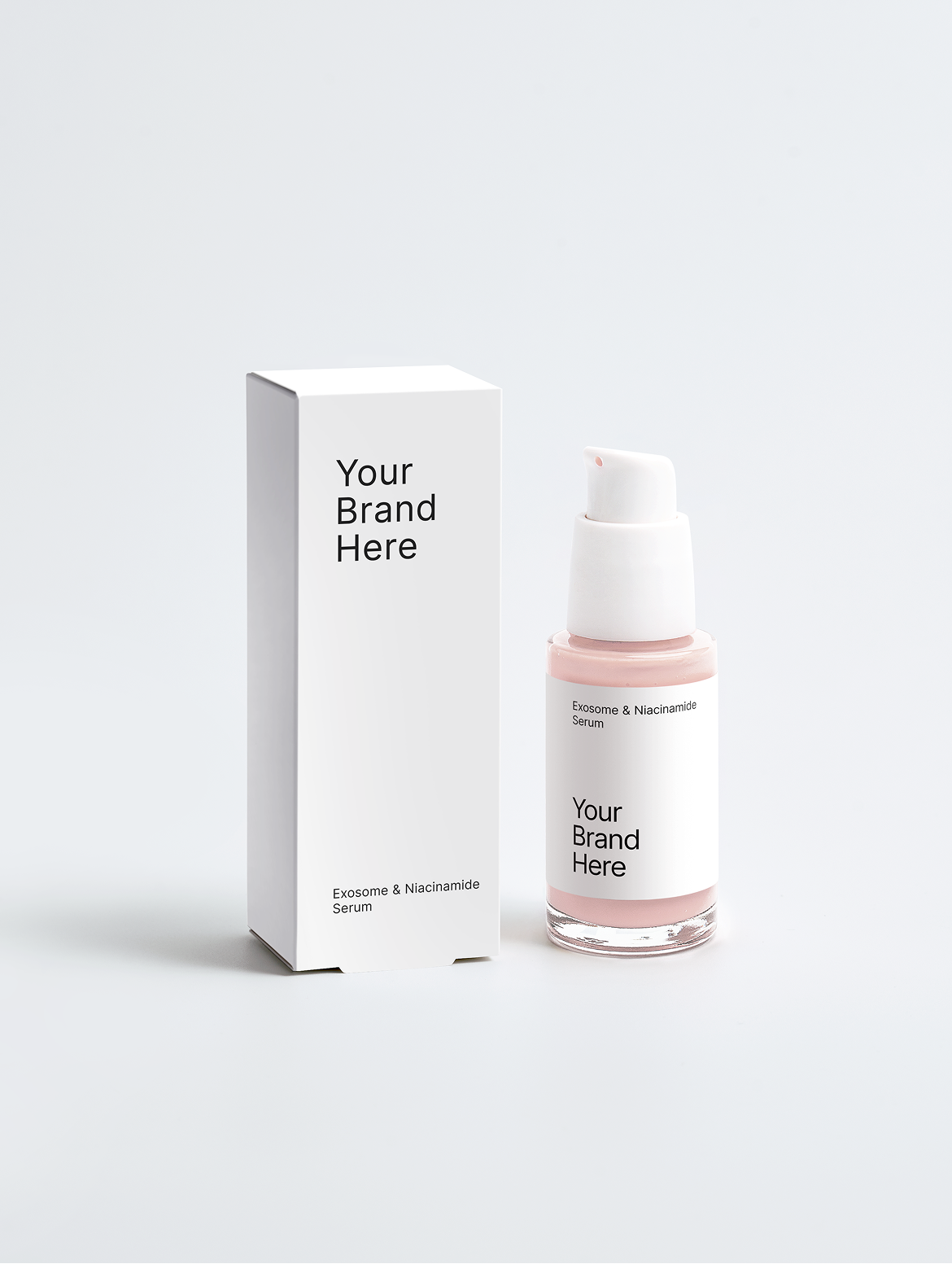

Whatever the format, panthenol is built for topical use, and its long track record in topical cosmetics is a big part of why formulators keep reaching for it. That range is part of what has kept panthenol relevant for so long.
Panthenol in Hair Products
If you removed panthenol from the beauty industry tomorrow, hair care brands would probably notice before skincare brands did.
Panthenol has been used in shampoos, conditioners, and leave-in treatments for years, making it one of the more established ingredients across personal care categories.
That's because the ingredient offers several benefits that fit naturally into modern hair care formulas:
helping hair feel softer and smoother;
supporting moisture retention in the hair;
improving the feel of dry or damaged hair;
working well in conditioners, masks, and leave-in treatments;
pairing easily with other active ingredients commonly used in hair care.
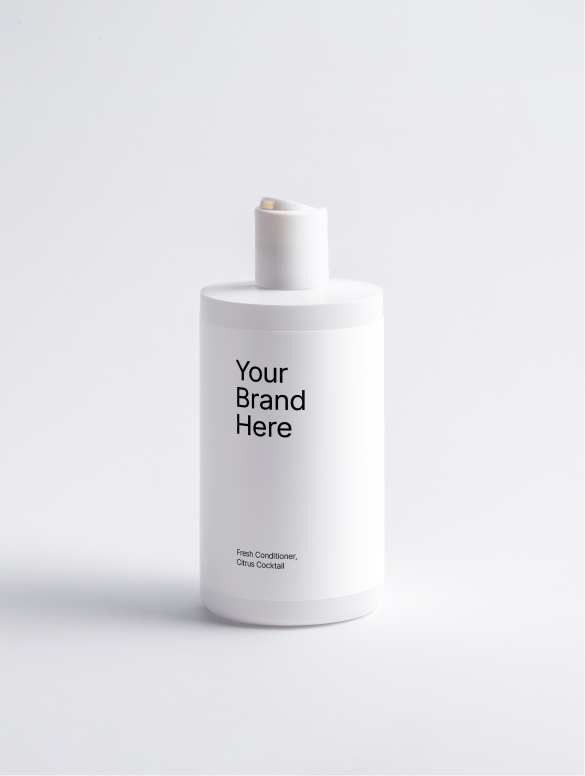
We put panthenol to work in our own conditioners. Our Fresh Conditioner, Citrus Cocktail and Gloss Conditioner, Smoky Green Vetiver use panthenol to keep hair feeling soft and conditioned.
For your brand, that's the opportunity in a nutshell: one ingredient that carries a story as one of the most versatile ingredients used across modern personal care formulations.
How to Position Panthenol When Selling Products
Most customers don't go looking for panthenol. They're looking for softer skin. Less dryness. More hydration. A product that feels comfortable to use every day.
That's why the strongest panthenol products are usually positioned around the problem they solve rather than the ingredient itself.
Barrier-Function Positioning
Few skincare topics have gained as much attention in recent years as the skin barrier.
As more customers learn about barrier function and the role it plays in overall skin health, products focused on hydration, comfort, and skin barrier support have become easier to explain and market.
The trend is visible on social media too. The #skinbarrier hashtag on TikTok has more than 700,000 posts, highlighting growing interest in skin health and long-term resilience.
Panthenol fits naturally into that story. Its benefits align closely with what customers expect from barrier-focused skincare, making it a useful ingredient for cosmetic products designed for everyday use.
Sensitive Skin Positioning
Sensitive skin is no longer a niche category.
Research has found that 71% of people report having sensitive skin to some degree, while 40% describe their skin as very or moderately sensitive. That's a significant portion of potential customers looking for products that feel gentle and comfortable to use.
Because panthenol is commonly used in formulas focused on skin hydration, its soothing properties, and reducing feelings of skin irritation, it fits naturally into products developed for sensitive or easily stressed skin across a range of skin types.
For your brand, the opportunity isn't necessarily to market panthenol itself. It's to build cosmetic products around needs that customers already recognize, whether that's maintaining the skin barrier, improving skin comfort, or creating a routine that feels less demanding on the skin.
Positioning Panthenol in Practice
Take Selfnamed's 5% Urea + 2% Panthenol Body Cream.
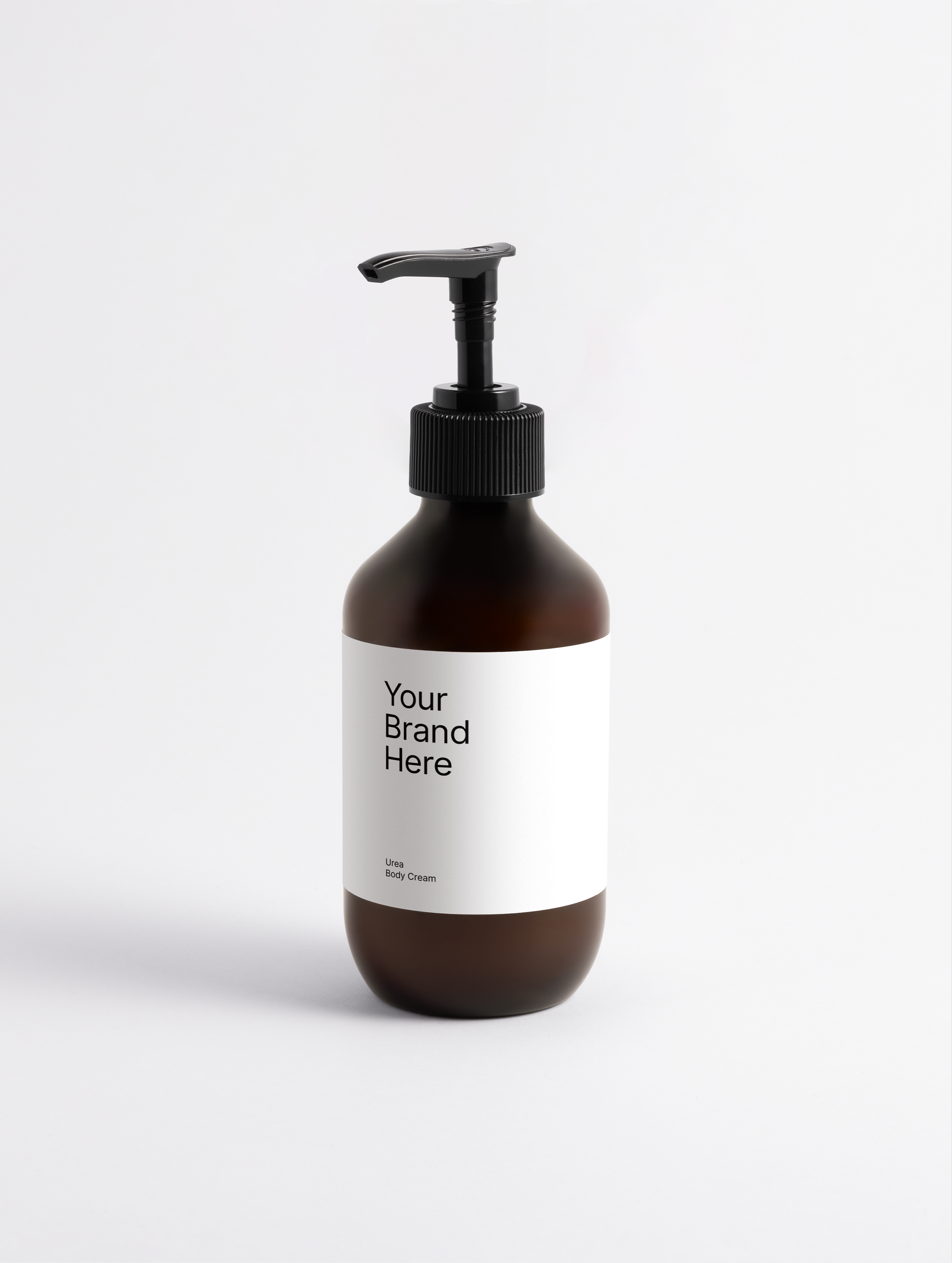
At first glance, it's easy to focus on the 5% urea. But panthenol is doing important work here too, alongside hyaluronic acid. Together, the ingredients help turn a simple cosmetic product into something designed for dry, rough skin that needs lasting hydration.
What's interesting is that each ingredient contributes to the same overall goal. Urea is widely known for helping soften rough skin, hyaluronic acid supports moisture retention, and panthenol helps support hydration and skin comfort. The result is a product story that's easy for customers to understand.
It's also a good example of how many panthenol products are positioned. The ingredient isn't the entire story. The benefits are.


The Future of Panthenol in Skin and Hair Care
Panthenol has been used in skincare and hair care products for a long time, helping brands create formulas focused on hydration, skin comfort, and everyday use. As more attention shifts toward skin barrier support and sensitive skin, it's easy to see why panthenol is becoming more visible.
For beauty brands, that's what makes the ingredient worth paying attention to. Panthenol works across multiple product categories, pairs easily with other well-known ingredients, and supports product stories customers already understand.
The ingredient itself hasn't changed. What has changed is the market around it.
Customers are paying closer attention to ingredients, but they're still looking for the same things – products that feel effective, comfortable, and easy to trust. For brands willing to meet those needs, panthenol offers a simple but powerful place to start.
Frequently Asked Questions
-
Panthenol is a form of provitamin B5 that is widely used in skincare and personal care products. You'll find it in moisturizers and serums, body creams and post-treatment formulas. While it may not be the most talked-about ingredient, it has earned a place in many skin care products thanks to its versatility and long history of use.
-
Panthenol is commonly used to support skin hydration and the skin barrier. It's often included in products designed for dry, sensitive, or uncomfortable skin because it helps improve moisture levels and overall skin comfort. These benefits are one reason panthenol continues to appear in so many skincare formulations.
-
Panthenol is good for supporting skin hydration, barrier comfort, and the overall feel of dry or sensitive skin, which is why it shows up across skincare, body care, and hair care. Its versatility and gentle profile are what make panthenol a go-to ingredient for so many cosmetic products.
-
For most people, panthenol is considered safe when used in cosmetic products. In fact, it has been used in cosmetics and hair care formulations for years, which is why many brands view panthenol as safe for everyday use. As with any ingredient, individual reactions can vary, but panthenol is generally well tolerated.
-
Panthenol is not generally known for causing acne and is commonly found in products designed for a wide range of skin types. Whether a product contributes to breakouts depends on the full formula rather than a single ingredient. If you're concerned about acne-prone skin, it's always worth looking at the overall ingredient list.
-
Panthenol is widely used in hair care products such as shampoos, conditioners, masks, and leave-in treatments. It's valued for benefits related to moisture retention and helping hair feel softer and smoother. That's one reason it has remained a popular ingredient across both cosmetics and hair care categories.
-
One of the biggest reasons brands use panthenol in skin care products is its versatility. It supports skin hydration, works well alongside other ingredients, and can be used in everything from lightweight serums to rich body creams. Those benefits make it a natural fit for many modern skincare formulations.
Must read