Keratin vs Collagen: Which Ingredient Makes More Sense for Modern Hair Care?
Table of Contents
Few ingredients are compared as often in hair care as keratin and collagen. Both are associated with stronger, healthier-looking hair and appear in everything from shampoos and conditioners to masks and salon treatments.
But despite their similar reputation, they work in very different ways.
For beauty founders, the right ingredient influences product performance, brand positioning, and how you communicate hair health benefits to customers.
This guide compares keratin vs collagen, explaining how each ingredient works, where each performs best, and when keratin, collagen, or a combination of both makes the most sense for a hair care line.
Key Takeaways
Keratin and collagen work differently because they serve distinct biological roles in hair care.
Keratin is strongly associated with improving the appearance of damaged, frizz-prone hair.
Collagen is mainly used to support moisture, softness, and the scalp and hair environment.
What is Keratin?
Keratin proteins form most of the hair fiber. It’s the primary structural protein in hair and contributes to hair strength, flexibility, and resistance to everyday wear.
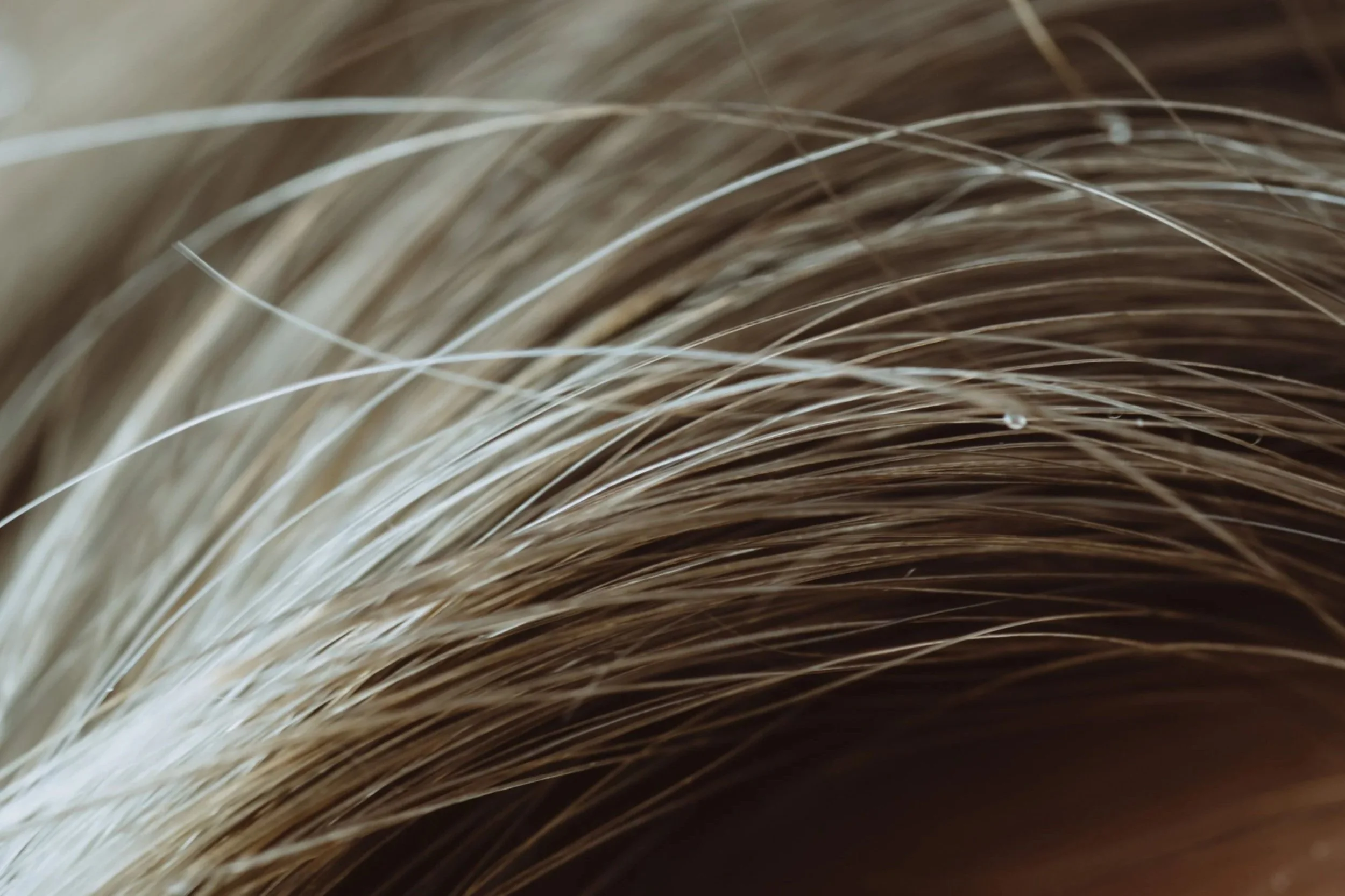
Heat styling, coloring, bleaching, UV exposure, and mechanical stress can weaken the cuticle over time. While topical keratin doesn’t permanently repair damaged hair, hydrolyzed keratin can temporarily adhere to the hair shaft, helping improve the appearance of damage with smoother texture, added shine, and reduced frizz.
For beauty founders, this makes keratin particularly valuable in repair-focused formulations. The ingredient already has strong customer recognition and supports clear product positioning. Its popularity also reflects growing demand for science-led, performance-driven hair care.
We explore this trend further in why keratin belongs in your haircare.
Today’s cosmetic keratin is often sourced from responsibly managed wool streams or produced through biotechnology, supporting both performance and more sustainable ingredient sourcing practices.
What is Collagen?
Collagen is the body’s most abundant protein, but it doesn’t form the hair itself. Instead, it provides structural support in connective tissues, including the skin surrounding hair follicles.
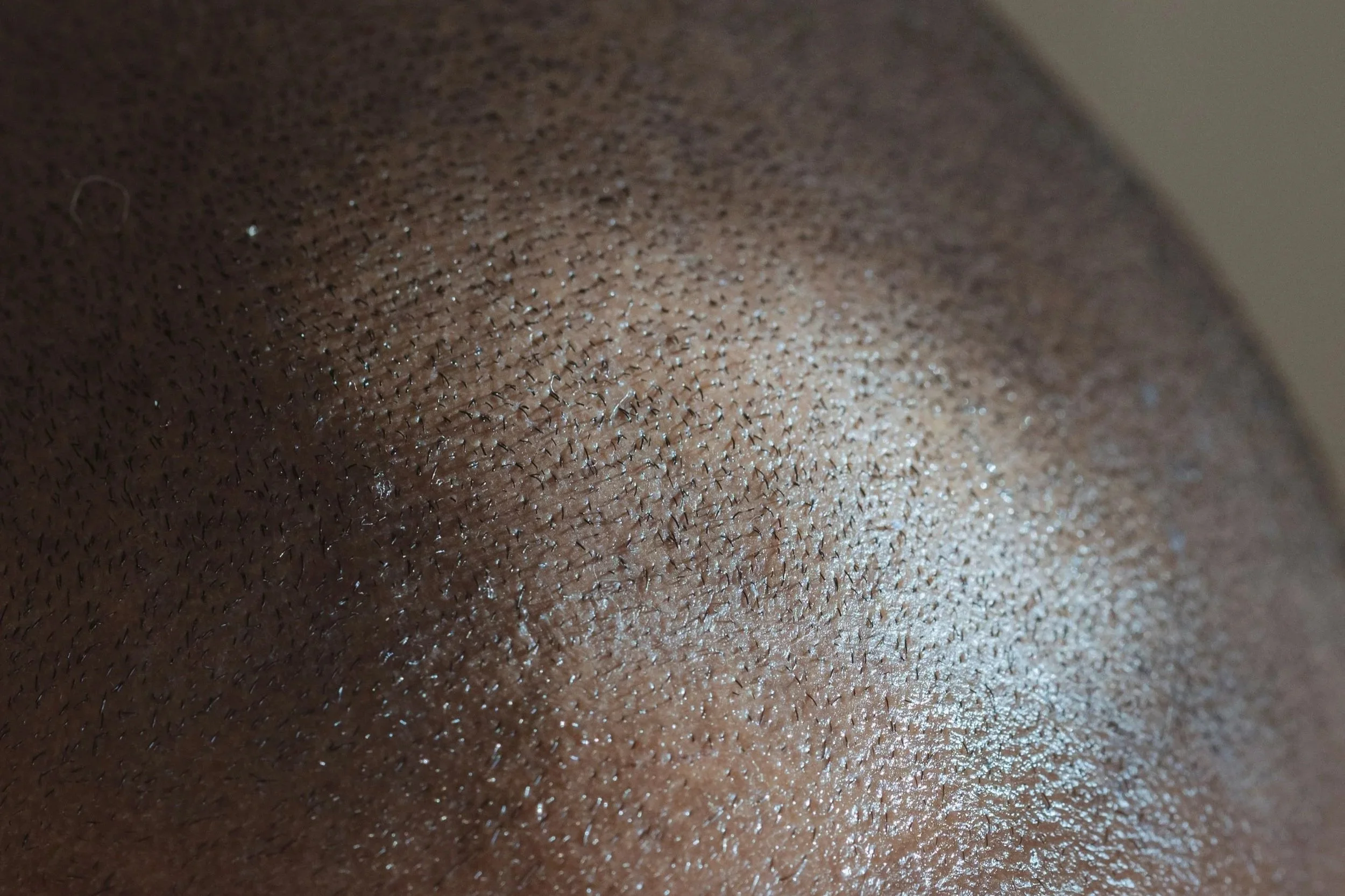
In cosmetic hair care, hydrolyzed collagen is primarily valued for its film-forming and moisture-retaining properties. It helps improve softness, enhance flexibility, and reduce moisture loss from the hair surface. Rather than replacing damaged hair proteins, collagen supports the overall condition of both the hair fiber and the scalp environment. It’s also associated with skin elasticity, wound healing, and antioxidant protection around hair follicles.
This creates a different opportunity: positioning products around hydration, softness, and daily hair care rather than visible repair.
This distinction matters because collagen is often associated with skincare, where it plays a more direct structural role. In hair care, customers may still link it to healthier-looking hair, but its cosmetic effects are typically indirect compared to keratin.
Keratin vs Collagen Structure
At a glance, keratin and collagen may seem similar. However, differences in collagen and keratin structure explain why they deliver distinct cosmetic benefits.
| Feature | Keratin | Collagen |
| Primary biological role | Structural protein of hair, nails, and outer skin | Structural protein of connective tissues |
| Natural location | Hair fiber | Skin, tendons, ligaments, dermis |
| Protein structure | Fibrous protein with high cysteine content and disulfide bonds | Triple-helix protein rich in glycine, proline, and hydroxyproline |
| Cosmetic function | Improves the appearance of damaged hair and smooths the cuticle | Forms a conditioning film and supports moisture retention |
| Best suited for | Repair-focused hair care | Moisturizing and conditioning products |
The high concentration of sulfur-containing amino acids in keratin contributes to its compatibility with the hair fiber. Collagen's structure, meanwhile, makes it particularly effective at binding water and forming lightweight protective films.
Neither protein is inherently "better." They simply solve different formulation challenges.
Keratin vs Collagen for Hair Care
Choosing between keratin and collagen starts with understanding the hair concern you're trying to address. Customers often ask about collagen vs keratin for hair. The answer depends on the customer's hair type and whether the goal is repairing damaged strands, improving manageability, boosting moisture, or supporting scalp health.

In other words, start with the problem. Not the trending ingredient.
For beauty brands, this distinction also influences how products are positioned. A repair-focused leave-in mist tells a different story than a moisture-support shampoo. Even if both contain proteins.
Why Keratin Remains a Strong Choice for Repair-focused Hair Care
Keratin's greatest advantage is its direct relationship with the hair fiber itself. Because hair is already composed primarily of keratin, hydrolyzed keratin can temporarily coat weakened sections of the cuticle. This helps improve the hair’s overall appearance after damage from coloring, bleaching, or heat styling.
Customers commonly associate keratin products with:
smoother-looking hair
reduced frizz
improved shine
softer texture
better manageability
strengthened hair; stronger-feeling fibers
It's important to communicate these benefits accurately.

Cosmetic keratin doesn’t permanently repair damaged hair or restore broken protein structures.
Instead, it improves the appearance and feel of hair, helping brands build trust with ingredient-aware customers.
Growing customer interest also reflects a wider shift toward performance-first formulations with recognizable ingredients, making keratin a strong fit for premium hair care positioning.
For emerging beauty brands, this shift matters because recognizable, science-backed ingredients can help customers quickly understand a product’s purpose and differentiate it in a crowded market.
Selfnamed discusses these developments our overview of hair care trends 2026.
Interestingly, keratin's popularity extends beyond hair care. It’s also beginning to appear in broader ingredient trend discussions as biotechnology expands the ways functional proteins can be incorporated into cosmetic formulations.
You can find out more in this article about trending skincare ingredients 2026.
Where Collagen Fits Into Hair Care
Collagen plays a different supporting role in hair care.
Instead of targeting the hair’s structure, hydrolyzed collagen forms a lightweight conditioning film around the hair shaft. This helps improve softness, retain moisture, and reduce the dry feel often linked to chemically treated hair.
It’s commonly used in hydration-focused products that support softness, flexibility, scalp comfort, and moisture retention. This makes it particularly suitable for dry, coarse, or dehydrated hair rather than visibly damaged cuticles.
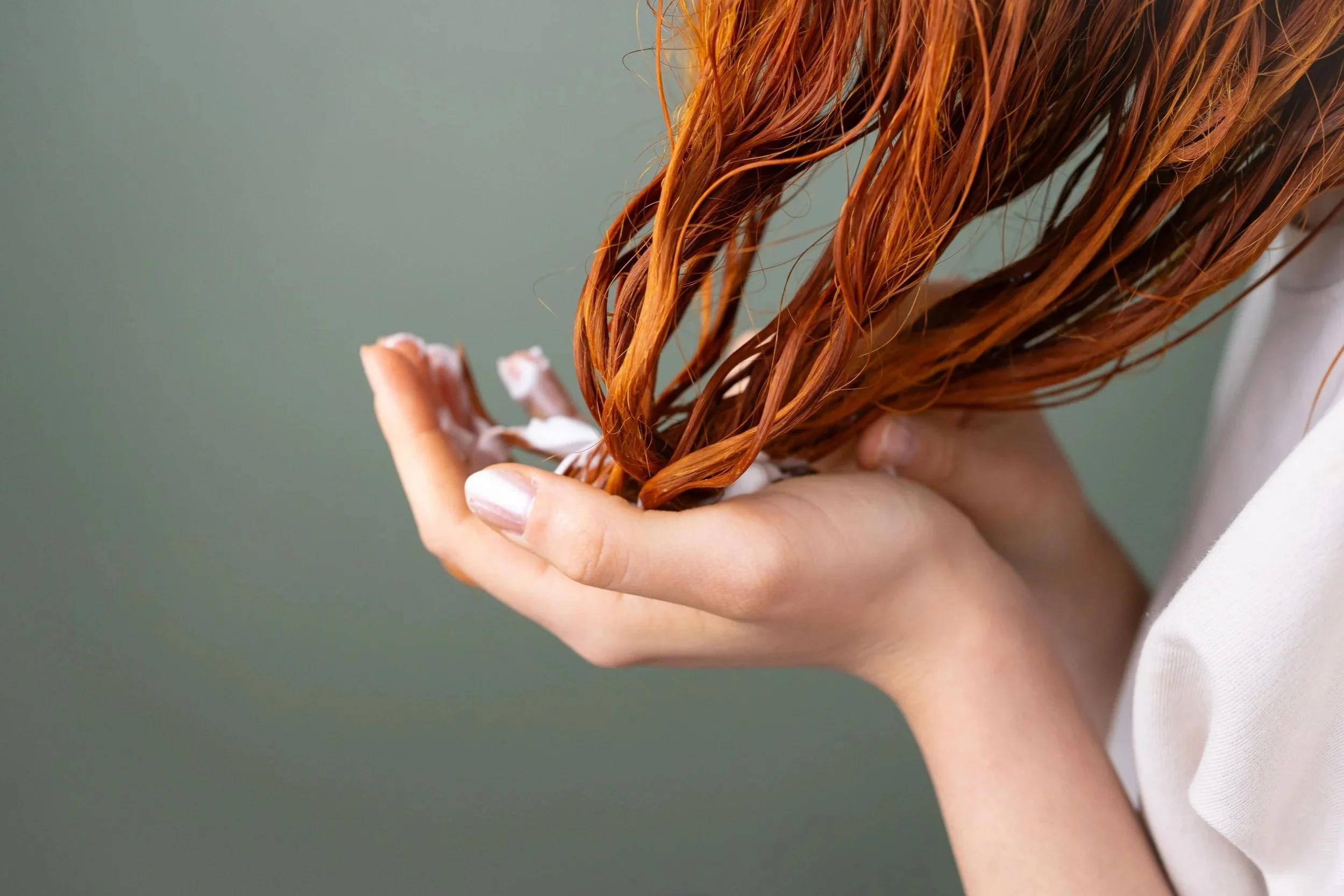
While topical collagen doesn’t influence hair growth, it can still support the scalp environment through its moisturizing properties, especially when paired with other conditioning ingredients.
Different Ingredients for Different Brand Stories
For founders building a private label hair care collection, collagen vs keratin isn’t about choosing a winner. It’s about defining the product promise.
If the goal is:
visible repair, smoother styling, and frizz control, keratin naturally supports that positioning because customers already associate it with these outcomes.
nourishment, softness, or moisture balance, collagen may better reinforce those claims.
Many successful formulations use keratin and collagen together alongside humectants, emollients, and conditioning agents for more complete care. The key is aligning the ingredient story with the product’s purpose, rather than following ingredient trends.
That alignment between formulation and messaging is what ultimately creates stronger products and stronger brands, while giving founders a practical framework for deciding which ingredient story fits the product promise.
Keratin vs Collagen Hair Treatment
Understanding the difference between keratin and collagen is only the first step. For beauty founders, the next decision is choosing the right product format. The same ingredient can support very different customer expectations depending on whether it appears in a shampoo, mask, leave-in treatment, or salon service
Selecting the right format is just as important as selecting the right ingredient. A hero ingredient can lose credibility if it's paired with claims that don't match how the product is actually used.
Salon Treatments
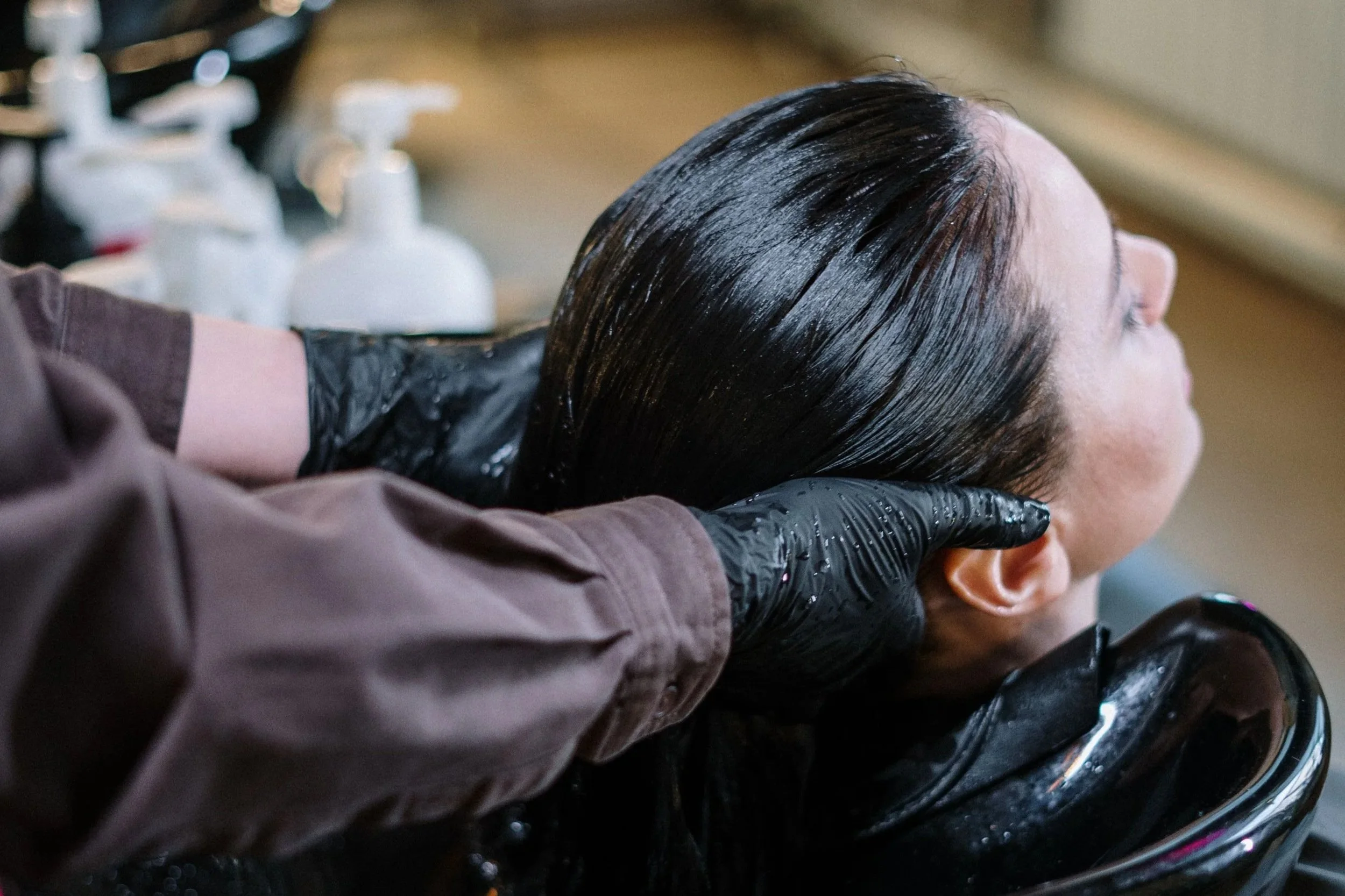
Professional keratin treatments smooth the hair cuticle and improve manageability for an extended period. They typically show immediate results within hours of application. They often use heat to achieve a sleeker finish and are targeted at reducing frizz and styling time. The smoothing effects can commonly last around 3-6 months, depending on the formula, maintenance routine, and when noticeable improvements become clear.
Collagen-based salon treatments focus more on conditioning and hydration rather than long-lasting smoothing, improving softness and flexibility, especially for dry or chemically treated hair. Though visible improvements tend to build more gradually.
For sleek, polished results, keratin remains the more recognizable ingredient in this category.
Leave-in Products
Leave-in products allow functional ingredients more time to stay on the hair fiber, making them an ideal format for hydrolyzed keratin.
A keratin leave-in spray or mist helps improve smoothness, reduce flyaways, and enhance shine without weighing the hair down. It also fits easily into daily routines, especially for customers who frequently use heat styling tools.
For brands exploring this category, our Keratin Shine Leave-In Hair Mist offers a ready-to-brand solution aligned with these expectations.
Collagen can also be used in leave-ins, but its benefits are mainly focused on moisture retention rather than visible repair.
Hair Masks
Masks provide longer contact time than everyday conditioners, making them an ideal format for both ingredients.
Keratin masks are often positioned as intensive repair treatments for damaged, color-treated, or over-processed hair, with customers expecting smoother texture, enhanced shine, and improved manageability.
Collagen masks focus more on hydration and softness and can work well alongside keratin in formulas designed for dry or brittle hair.
Brands wanting to build a repair-focused collection may find a keratin mask particularly valuable as a flagship product. Our Keratin Hair Mask is an example of this type of positioning.
Shampoos and Conditioners
Shampoos have relatively short contact time, so ingredients mainly support the product’s positioning rather than deliver intensive treatment.
A keratin shampoo signals strengthening, smoothing, and repair from the first step of a routine. Paired with a keratin conditioner, it reinforces that message while adding conditioning benefits.
For complete collections, ingredient consistency across products creates a stronger customer experience than mixing unrelated hero ingredients.
Selfnamed offers both a Keratin Volume Boost Shampoo and Keratin Volume Boost Conditioner, making it easier to create a cohesive repair-focused product line.
Biotin vs Keratin vs Collagen
Another common comparison is biotin vs keratin vs collagen. Although they're often grouped together in beauty marketing, they serve different purposes.
Biotin is a B vitamin rather than a structural protein. It's most commonly associated with nutritional supplements, while keratin and collagen are widely used as topical cosmetic ingredients. Although biotin plays an established role in nutrition, evidence supporting its use as a topical hair care ingredient remains limited.
| Ingredient | Primary Function | Best Use | Topical Or Supplement? | Common Product Types |
| Keratin | Improves the appearance of damaged hair | Repair, smoothing, frizz control | Primarily topical | Shampoos, conditioners, masks, leave-ins, salon treatments |
| Collagen | Moisture retention and conditioning | Hydration and softness | Both | Masks, conditioners, scalp care products |
| Biotin | Supports normal hair physiology through nutrition* | Dietary support | Primarily supplements | Supplements, selected scalp products |
*Evidence supporting topical biotin benefits remains limited compared with its established nutritional role.
For brands developing topical hair care, keratin usually provides the clearest product story because customers immediately associate it with visible hair benefits. Biotin can strengthen a wellness narrative, while collagen supports hydration-focused positioning.
Start With the Customer Problem
Think about the first question your customer wants answered:
Are they trying to repair damage from bleaching?
Reduce frizz before humid weather?
Restore softness after frequent heat styling?
Support dry, dehydrated hair?
Different concerns naturally point toward different formulations.
Customers looking for smoother, shinier, healthier-looking hair are often drawn to keratin because the ingredient has become closely associated with repair-focused routines. Customers prioritising nourishment and hydration may respond more strongly to collagen-based messaging.
Build a Product Story, Not Just an Ingredient List
Modern beauty customers understand ingredient labels. They’re also more skeptical of exaggerated claims.
That means ingredient selection should support a clear product narrative.
Instead of asking:
"Should we use keratin or collagen?"
Ask:
"What transformation are we promising?"
If the answer revolves around damaged hair, frizz reduction, smoother styling, or visible improvement in hair texture, keratin creates a logical and credible hero ingredient.
If the focus is softness, moisture, or conditioning, collagen can reinforce those benefits.


Consider Combining Both
Who says you have to pick sides? Many premium formulations successfully combine keratin and collagen.
Keratin addresses the appearance of damaged hair fibers, while collagen contributes conditioning and moisture retention. Used together, they create a more rounded care experience without forcing brands to choose one ingredient exclusively.
The formulation should always determine the marketing story. Not the other way around.
Why Keratin Continues to Stand Out
Ingredient trends come and go. But keratin has remained consistently relevant because it aligns with one of the biggest customer priorities: healthier-looking hair.
Its close relationship with the hair fiber makes it intuitive for customers to understand. It works across multiple product formats, from shampoos to leave-in treatments, and fits naturally into repair-focused collections.
For private label brands, that creates several advantages:
recognizable customer appeal
clear marketing messages
versatility across product ranges
compatibility with premium positioning
increasing relevance as biotechnology and sustainable sourcing continue to evolve
Keratin doesn’t replace collagen. Instead, it often serves as the anchor ingredient for an entire repair-focused collection.
Conclusion
Comparing keratin vs collagen isn’t about choosing a superior ingredient. Each serves a different purpose and brings value when used in the right formulation.
Keratin interacts closely with the hair fiber, making it ideal for smoother, shinier, healthier-looking hair and overall hair health. Collagen supports moisture, softness, and overall hair and scalp conditions.
For beauty founders, the decision should always start with the customer. The most effective ingredient is the one that clearly supports the product’s intended benefits and story.
As ingredient awareness grows, brands that combine science-backed formulations with transparent messaging will be best positioned to build trust and long-term loyalty.
Frequently Asked Questions
-
It depends on the desired outcome. Keratin is generally better suited to improving the appearance of damaged hair, smoothing the cuticle, and reducing frizz. Collagen is more commonly used to support hydration, softness, and moisture retention.
-
Yes. Many formulations combine both ingredients. Keratin helps improve the appearance of damaged hair. It supports its outer structure for strength and resilience. Collagen contributes to conditioning and hydration. Some people use them together because keratin supports the hair’s outer structure while collagen supports moisture and the surrounding scalp environment.
-
Topical collagen doesn’t repair damaged hair fibers. Instead, it helps condition the hair, retain moisture, and improve softness, which can make hair appear healthier. This reflects collagen’s primary role as internal structural support for skin and connective tissues, rather than as a direct external repair protein for hair. When used as a supplement, collagen may also require 4-12 weeks of consistent use before noticeable improvements appear.
-
Keratin doesn't increase the number of hair strands or permanently thicken individual hairs. However, by smoothing damaged cuticles and improving the hair's appearance, it can make hair look fuller temporarily. It does not directly increase hair thickness or strand count.
-
Keratin is generally the preferred choice for frizz control because it helps smooth the hair surface and improve manageability.
-
Keratin is the main structural protein found in hair, while collagen is the body's primary connective tissue protein. In hair care, keratin is typically associated with repair-focused benefits, whereas collagen is valued for conditioning and moisture retention.
-
Biotin, keratin, and collagen have different functions. Biotin is a vitamin commonly used in supplements, while keratin and collagen are proteins widely used in topical hair care products. The best choice depends on the intended use and product type.
Must read