What Is Keratin for Hair and Why It Belongs in Your Hair Care Product Line
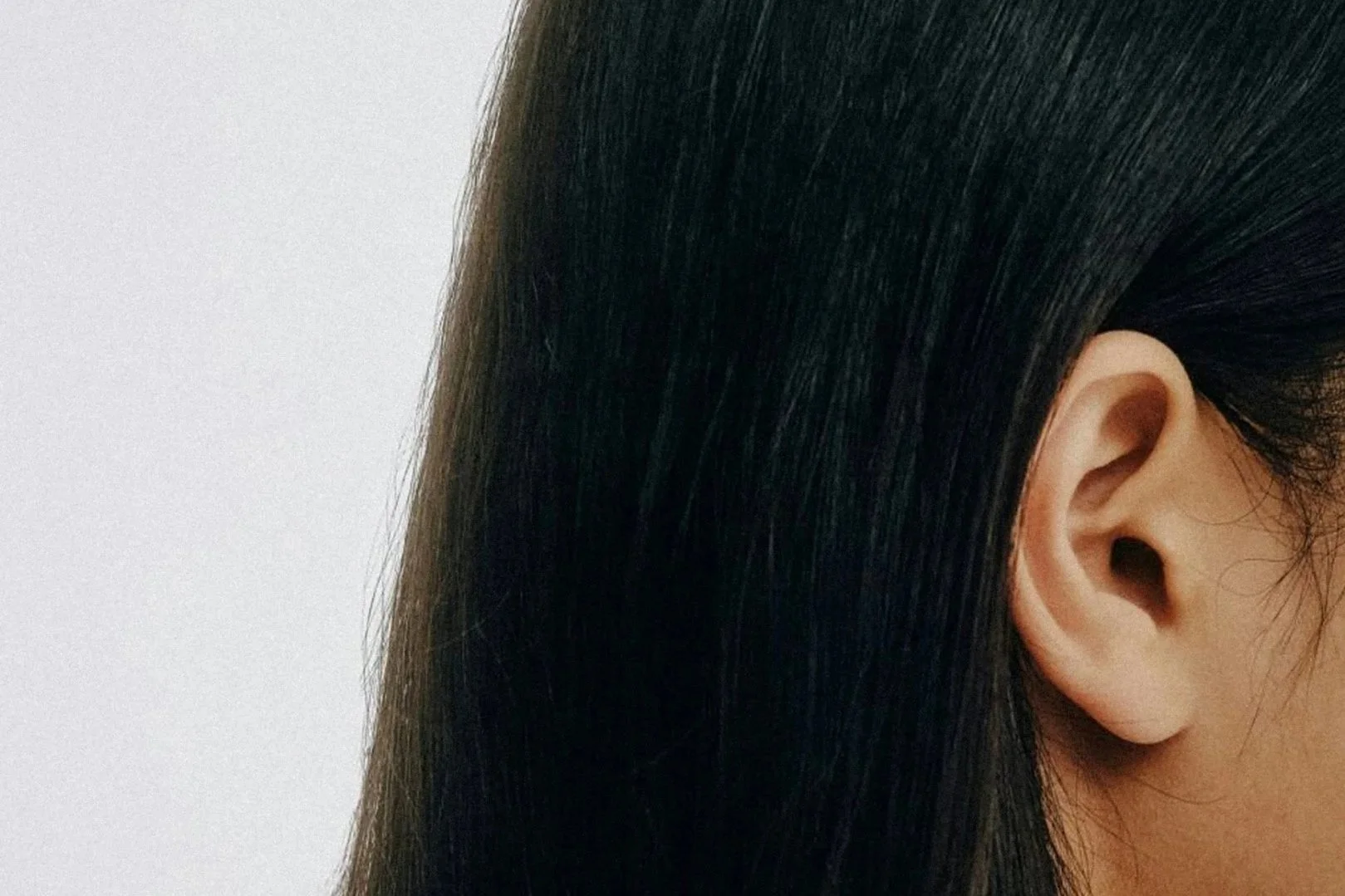
Hair care is built around the end result – more shine, smoother hair, extra volume. But if you're developing modern hair care products, you should start much earlier. Asking what caused the damage in the first place. Why hair becomes dry, brittle, frizzy, or prone to breakage.
Customers want ingredients with a clear role in the formula, backed by research and proven results. That's where keratin treatments continue to stand out. Keratin is an ingredient customers already recognize and associate with stronger, smoother, healthier-looking hair.
If you're building a private label hair care brand, keratin is a natural fit for developing a repair-focused collection. Knowing what it does – and what it doesn't do – will help you decide whether it belongs in your product range and how to talk about it with confidence.
What is keratin for hair? Let’s take a look at how it works, why hair loses keratin over time, and why it remains one of the most valuable ingredients in modern hair care formulations.
Key Takeaways
Keratin is the natural protein that gives hair its strength, making it one of the most trusted ingredients in repair-focused hair care.
Hair gradually loses strength through coloring, heat styling, UV exposure, and everyday wear, creating ongoing demand for repair-focused products.
Keratin shampoos, masks, and leave-in products support everyday hair care, while professional keratin treatments deliver a separate salon experience.
A well-planned keratin range gives brands room to grow across multiple product categories without losing a clear product story.
Table of Contents
What Is Keratin for Hair?
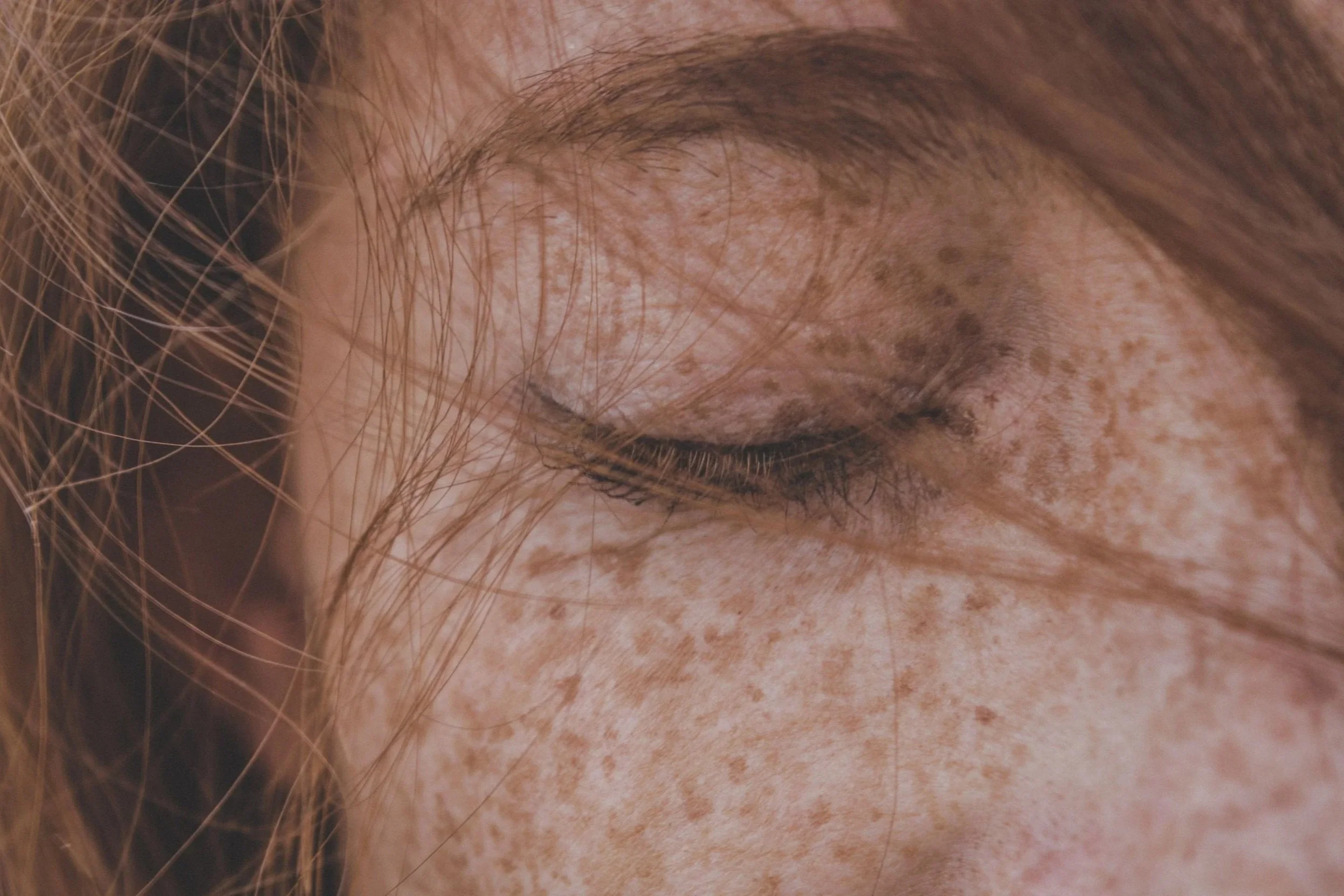
Hair is made up mostly of keratin. It's the protein that forms each strand and gives it the strength to bend, stretch, and withstand everyday wear. Without keratin, hair would be far more fragile and prone to breaking.
When customers ask what is keratin for hair, they're often referring to the ingredient found in shampoos, conditioners, or masks. But keratin isn't something added to healthy hair – it has always been there. Hair care products simply take their name from a protein that's already a natural part of the hair fiber.
Keratin Meaning Explained
Keratin is a fibrous structural protein found naturally in hair, skin, and nails. In hair care products, you'll usually see hydrolyzed keratin, which has been broken into smaller pieces so it can be incorporated into cosmetic formulas.
A keratin hair treatment performed in a salon isn't the same as a keratin shampoo or hair mask. Salon keratin treatments temporarily smooth the hair through a professional chemical process, while keratin-infused products are designed for regular hair care at home.
Why Does Hair Need More Keratin?
Hair is constantly exposed to things that slowly change its condition. Bleaching, coloring, heat styling, UV rays, pollution, chlorine. Even brushing wet hair can gradually wear away the hair's protective outer layer. Since the visible hair shaft can't repair itself, that damage builds over time.
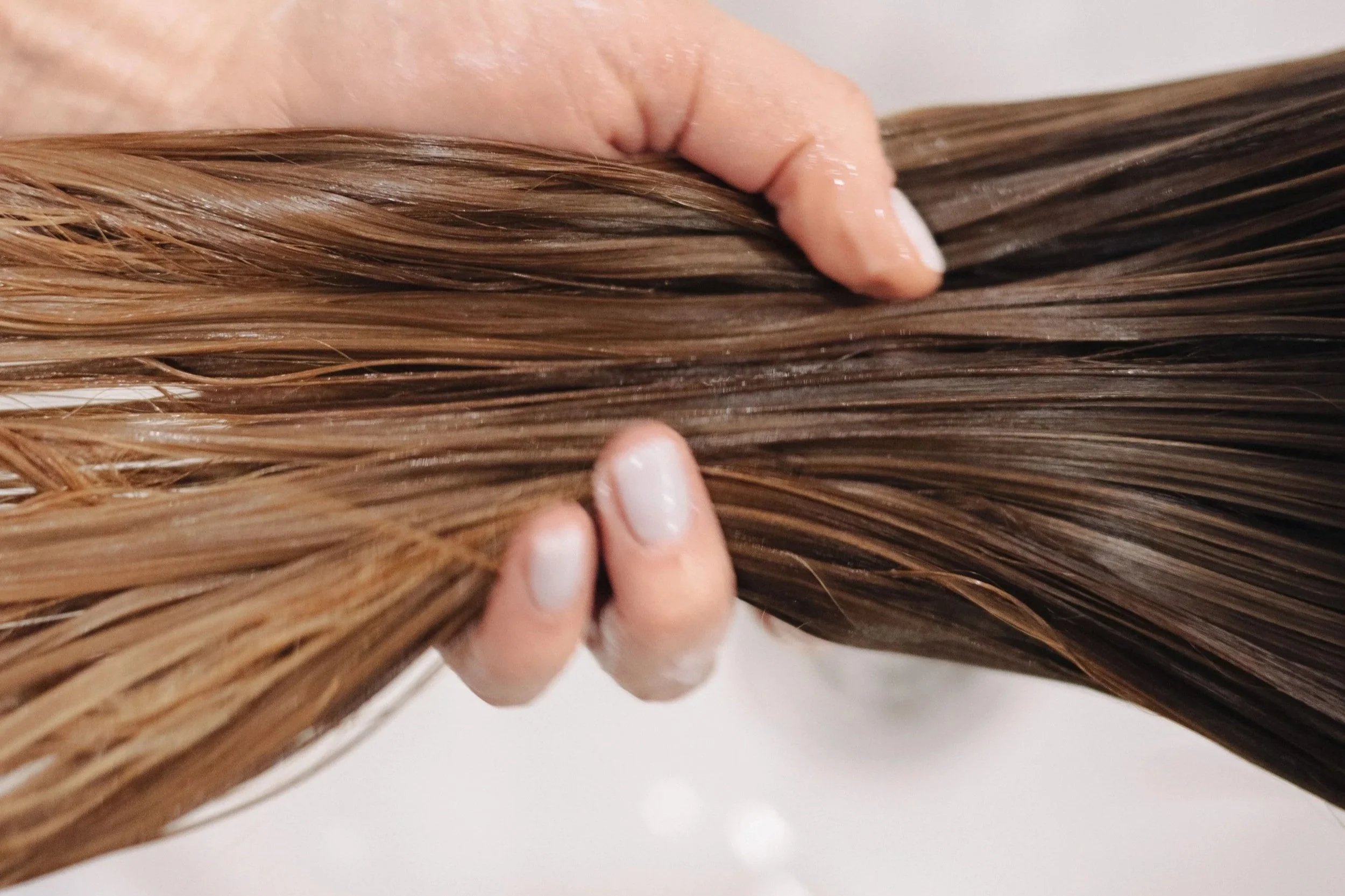
This is often described as keratin depletion. It doesn't mean hair suddenly loses all of its keratin. Instead, repeated stress weakens the protein structure that keeps hair smooth and resilient. As a result, hair may feel rougher, become more porous, lose shine, and break more easily.
What Does Keratin Do for Hair?
Brands across every price point continue using keratin because it solves concerns customers deal with every day – damage, frizz, dullness, and breakage.
Understanding those benefits makes it easier to decide where keratin fits within your own product range.
Strengthens Weak and Damaged Hair
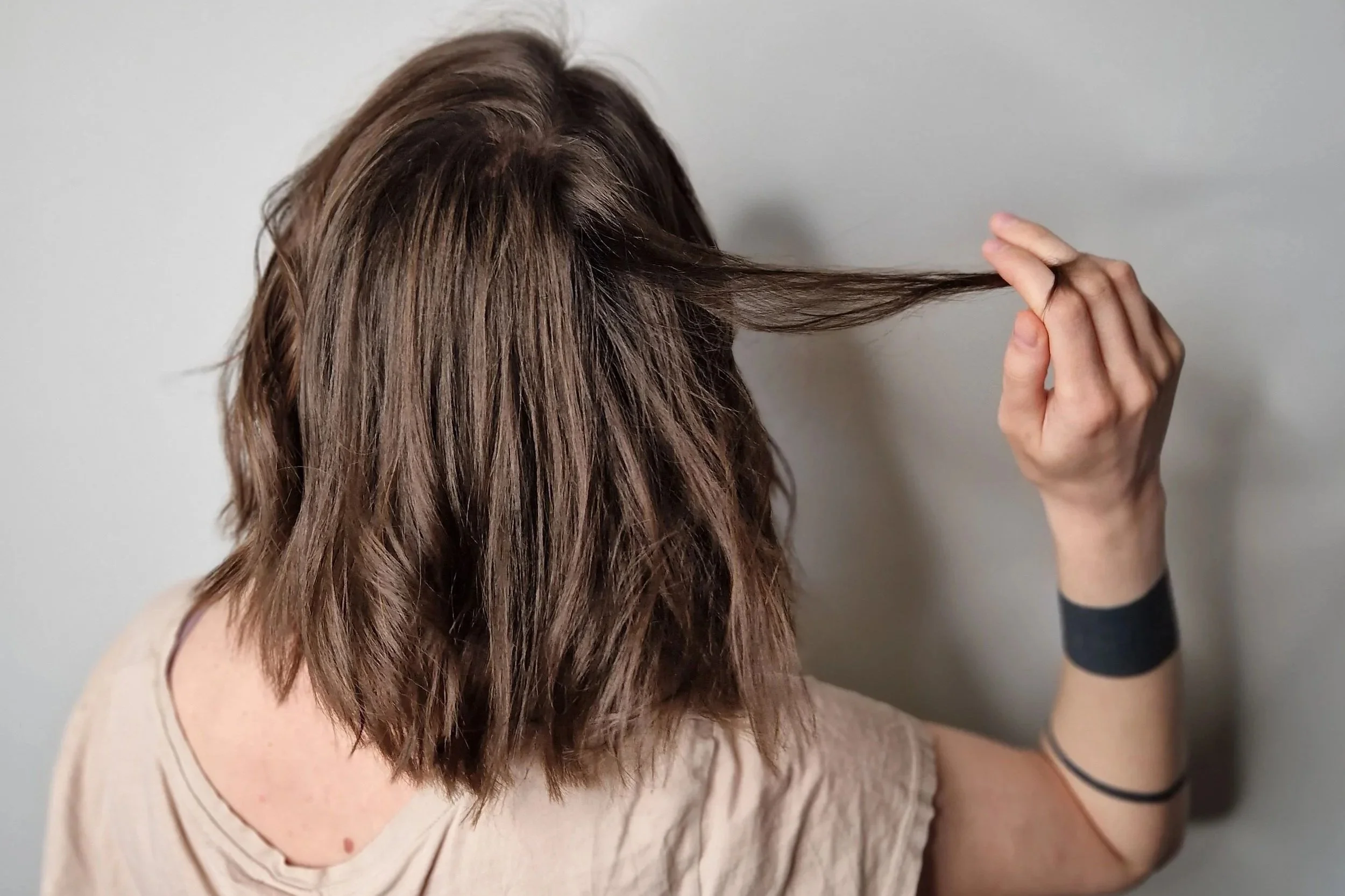
Hair damage is one of the biggest reasons people look for repair-focused products. A global study of more than 19,000 participants found that 47% of women and 30% of men reported having damaged hair, highlighting just how widespread the concern is.
For many customers, damage builds gradually. It's usually the result of repeated coloring appointments, daily heat styling, long summers in the sun, or simply years of wear.
Keratin for hair helps improve the condition of damaged strands by forming a protective layer along the hair shaft. Leaving the hair feeling stronger and looking healthier. In fact, it can increase tensile strength by around 40%.
Helps Reduce Frizz and Improve Smoothness
Frizz is one of the easiest hair concerns for customers to recognize – and one of the hardest to ignore. That's why smoothing products remain a staple in almost every hair care range, regardless of hair type or price point.
Keratin helps smooth the hair's surface, leaving strands softer, more polished, and easier to manage.
Improves Shine and Manageability
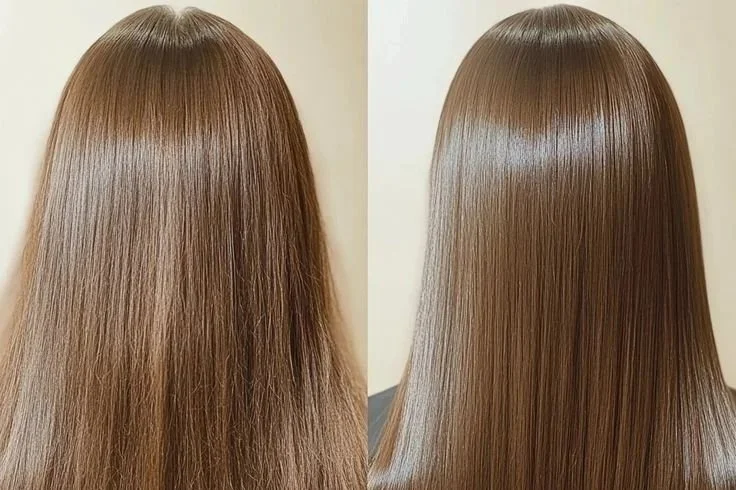
Shine is often the benefit customers notice first. It's visible after just a few uses, making it an easy result to recognize and a strong reason to keep using a product.
By helping smooth the hair's surface, keratin leaves hair looking glossier while making it easier to detangle and style
Supports Hair Against Daily Stressors
Hair care doesn't stop once the damage is repaired. Heat styling, humidity, UV exposure, pollution, and daily brushing all continue to affect the hair, which is why many customers look for products they can use every day. Not just when their hair feels damaged.
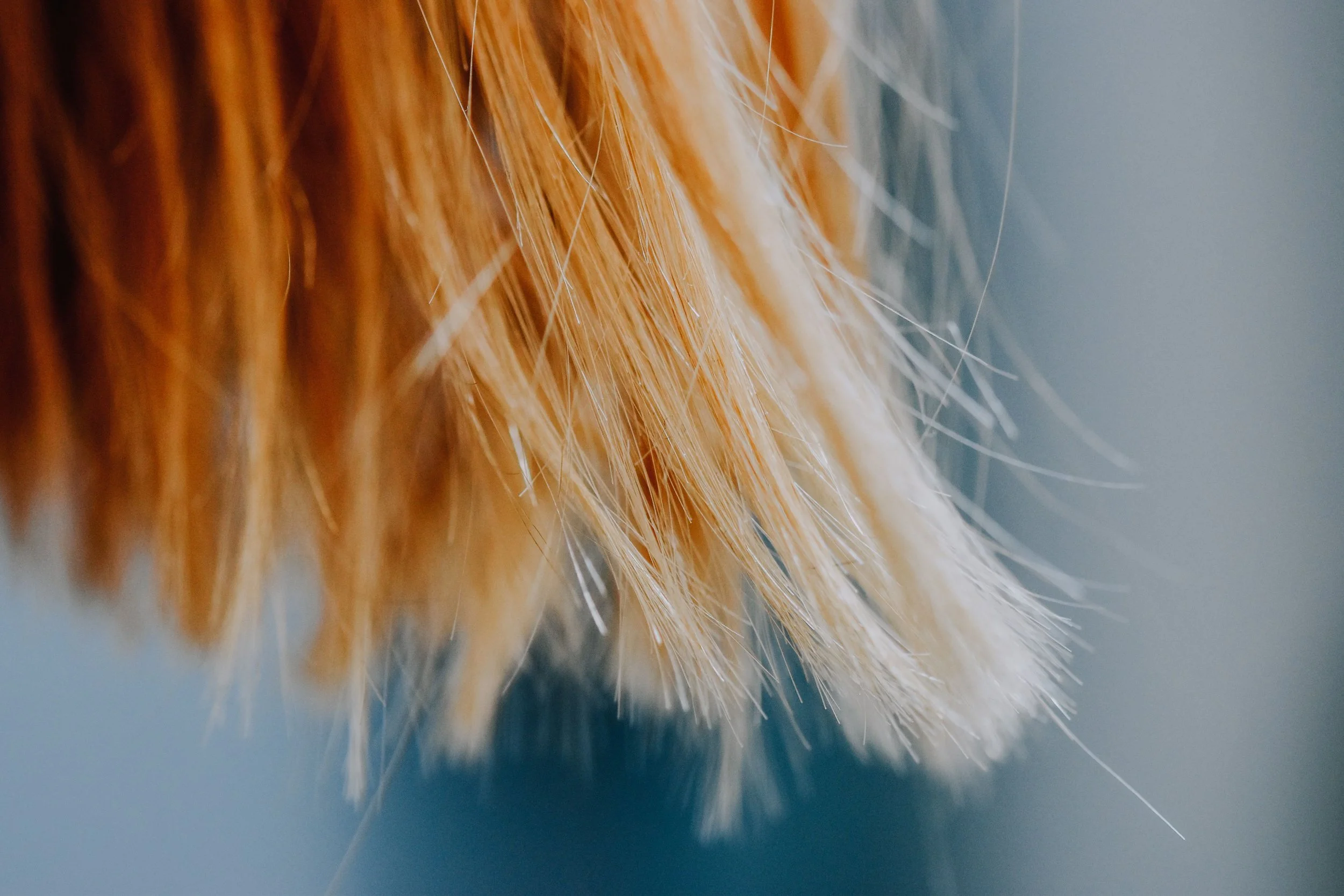
That makes keratin a good fit for complete hair care routines rather than a single hero product. A shampoo helps cleanse the hair, a conditioner or mask provides ongoing care, and a leave-in treatment supports it between washes.
That's why building a routine around keratin creates more touchpoints with customers while encouraging repeat purchases.
Is Keratin Good for Hair?
If you decide to launch a keratin range, expect a few familiar questions from customers.
The first is "Is keratin good for hair?" For most people, the answer is yes. Keratin-based products are especially suited to dry, damaged, or chemically treated hair, helping improve smoothness, shine, and overall manageability.
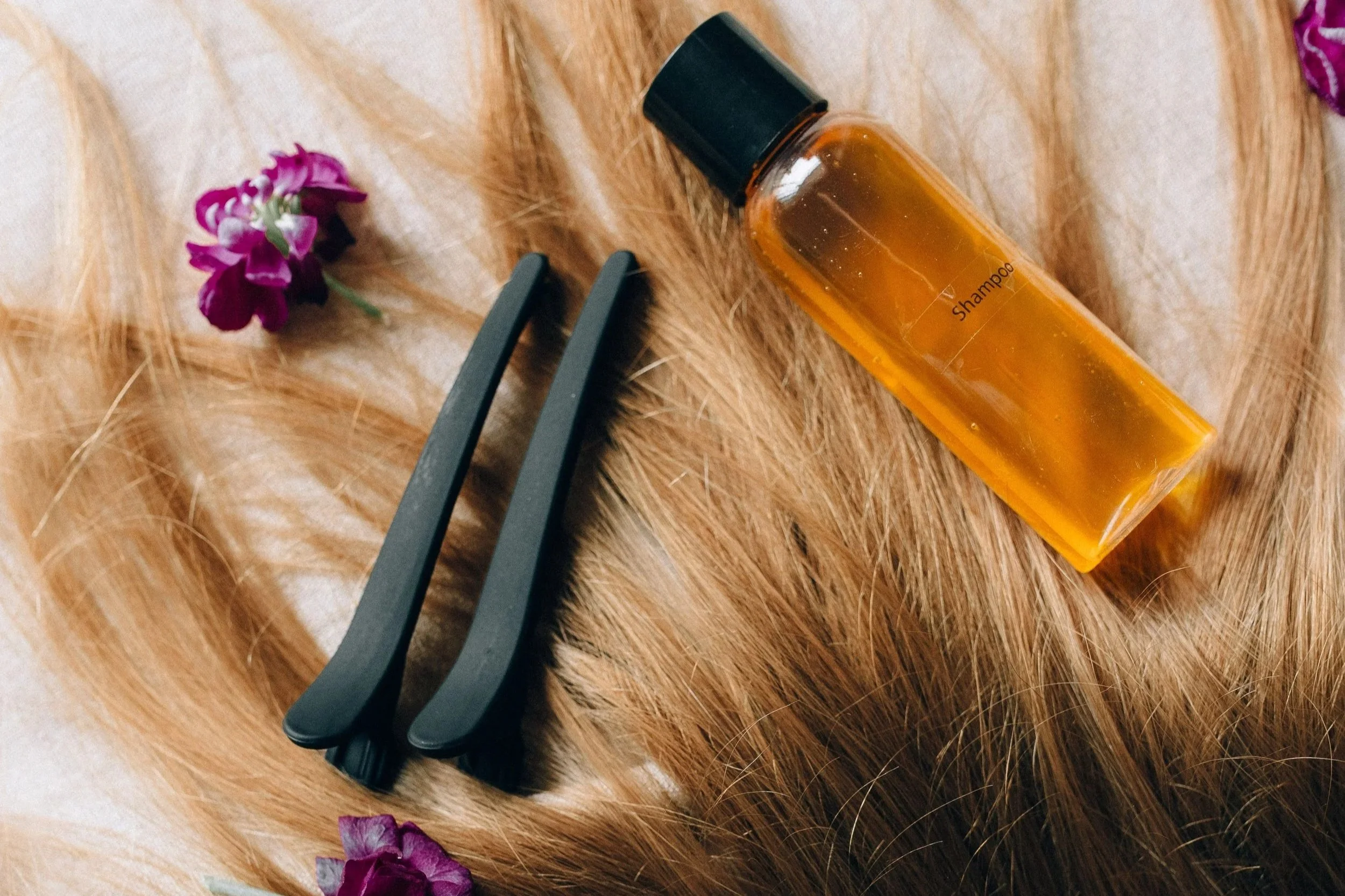
Curly-haired customers often have another concern – will keratin change my curls? Everyday products such as keratin shampoos, conditioners, and masks are designed to soften the hair and reduce frizz, not permanently alter its natural texture.
That leads to another common misconception – does keratin straighten hair? A keratin shampoo or leave-in treatment won't. Professional keratin treatments are different because they combine keratin with additional smoothing technologies and heat to create a temporary straightening effect.
The clearer you are about those differences, the easier it is for customers to choose the right product.
Why Keratin Remains Relevant in Hair Care Trends 2026
The hair care market doesn't stand still. Every year introduces new ingredients, new technologies, and new product claims. Yet keratin continues to hold its place. Not because it's new, but because it addresses concerns customers consistently come back to. As hair care shifts toward long-term hair health, keratin has found a new role beyond traditional keratin treatments.
The Rise of Repair-Focused Hair Care
Repair has become one of the strongest directions in modern hair care. Instead of relying on products that simply improve the appearance of hair for a day, customers are investing in routines that help care for hair affected by everyday stressors.
And it is no longer limited to salon services. While keratin hair treatments remain popular, many customers now look for daily products that help maintain healthier-looking hair between appointments.
That opens the door for you to build complete keratin-based routines.
Ingredient-Conscious Customers
Customers aren't just buying products – they're researching the ingredients behind them. They want to know what an ingredient does, why it's included, and how it fits their hair concerns. That's one reason ingredient-led beauty continues to influence both skincare and hair care.
In fact, research shows that 60% of consumers expect brands to disclose the source of their ingredients, while 72% want clear explanations of what ingredients do.
Keratin already has something many newer ingredients are still trying to build – recognition.
For your brand, that familiarity can be just as valuable as following the latest trend. Rather than chasing every new ingredient, you can combine trusted actives like keratin with emerging innovations to create formulas that feel both current and credible.
How Hair Care Brands Can Use Keratin Successfully
Choosing the right ingredient is only part of building a successful hair care brand. The bigger challenge is deciding how that ingredient fits into your product range, what role each product plays, and how customers move from trying one product to buying into a complete routine.
Keratin gives brands plenty of flexibility. It's familiar to customers, works across multiple product categories, and fits naturally into the growing demand for repair-focused hair care.
Building a Keratin Product Range
A successful keratin range doesn't have to start with ten products. In many cases, a focused collection performs better than an extensive one.
You don't need a large product range from day one. Many brands begin with a shampoo and conditioner, then add a repair mask once customers are looking for something more intensive. A leave-in mist or scalp scrub can come later, giving customers more ways to build a routine around your brand.
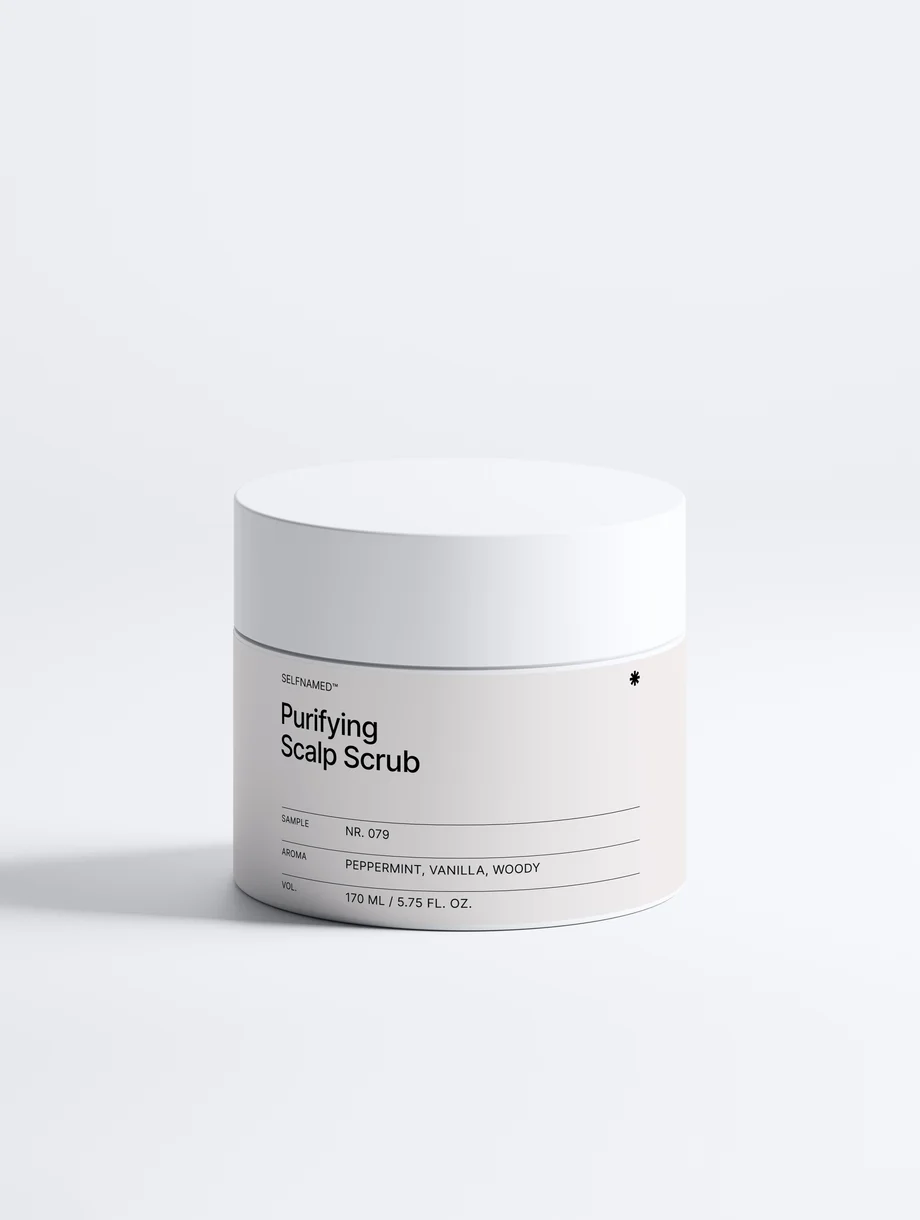
If you're launching through Selfnamed, products such as the Keratin Volume Boost Shampoo, Keratin Hair Mask, and Keratin Shine Leave-In Hair Mist already work well as a repair-focused collection. Pairing them with the Deep Cleanse Scalp Scrub with Rosemary & Mint creates a routine that reflects how many customers shop for hair care today.

Marketing Keratin Products Effectively
Customers already know what keratin is. What they're trying to understand is why they should choose your formula over another one.
Instead of leading with ingredient names alone, connect keratin to the concerns your audience already has. Repair after coloring, protection from heat styling, frizz control, or smoother-looking hair are all easier to relate to than technical ingredient descriptions.
This is also a good place to educate your customers. A keratin mask and a professional keratin hair treatment serve different purposes, and making that clear from the start helps customers buy the product that's right for them.
Upselling and Cross-Selling Opportunities
Keratin naturally lends itself to routine-based selling.
For example, someone buying a repair shampoo is already thinking about damaged hair. That's why it's a natural opportunity to recommend a matching conditioner or hair mask.
Customers booking a professional keratin hair treatments often want products that help maintain the results between salon visits, making home-care recommendations feel useful rather than promotional.
You can also build beyond keratin. If you're already offering repair products, a scalp scrub makes a logical next step. It complements a keratin routine without overlapping with the benefits of a shampoo, conditioner, or mask.
Successful Brands Selling Keratin Hair Products
If you’re still wondering whether keratin is worth your focus, just look at the brands that have built their name around it.
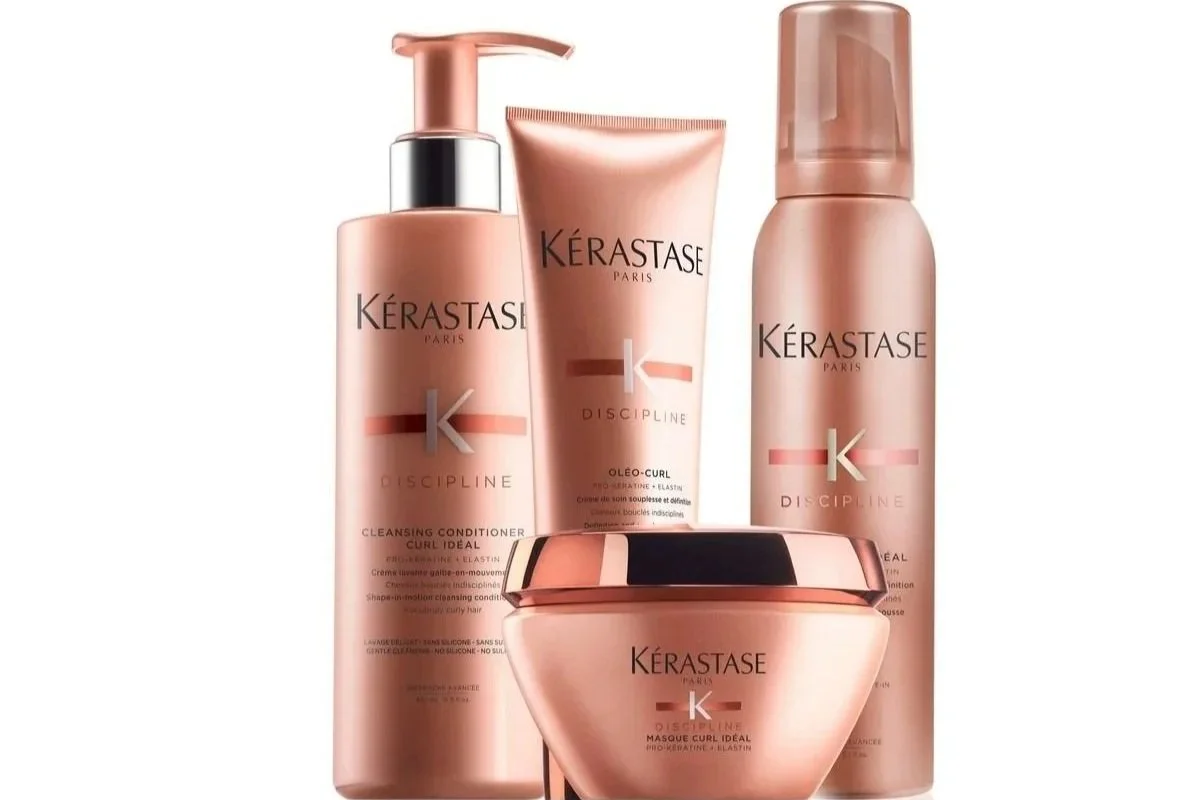
Kerastase, the French luxury brand, built its name on elegance and performance. Their Discipline line uses something called Morpho-Keratine to smooth frizz and give hair that soft, flowing finish. It’s a top pick in high-end salons and it works.
CHI Keratin line is a favorite, especially among professionals who trust its keratin treatments to deliver real results. The products are designed to replenish its natural keratin levels. It's a perfect solution for clients who style often, as it helps protect hair from heat styling and future damage.


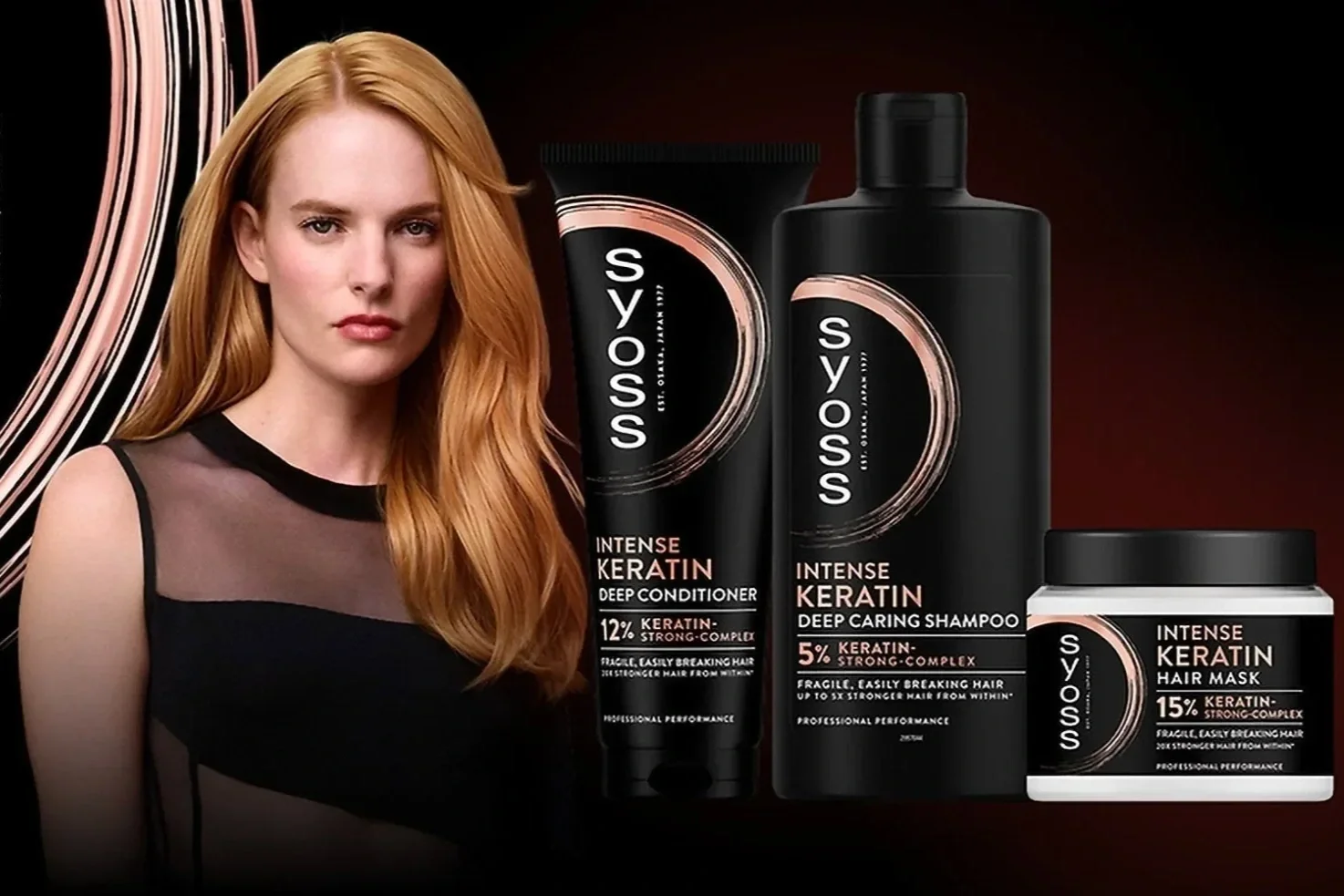
Syoss makes keratin affordable. Their Intense Keratin range boosts strength up to 5x and adds serious shine. Shampoo, conditioner, masks – all of the main hair care products. They even offer keratin-infused styling products to help people keep their results at home without spending a fortune.
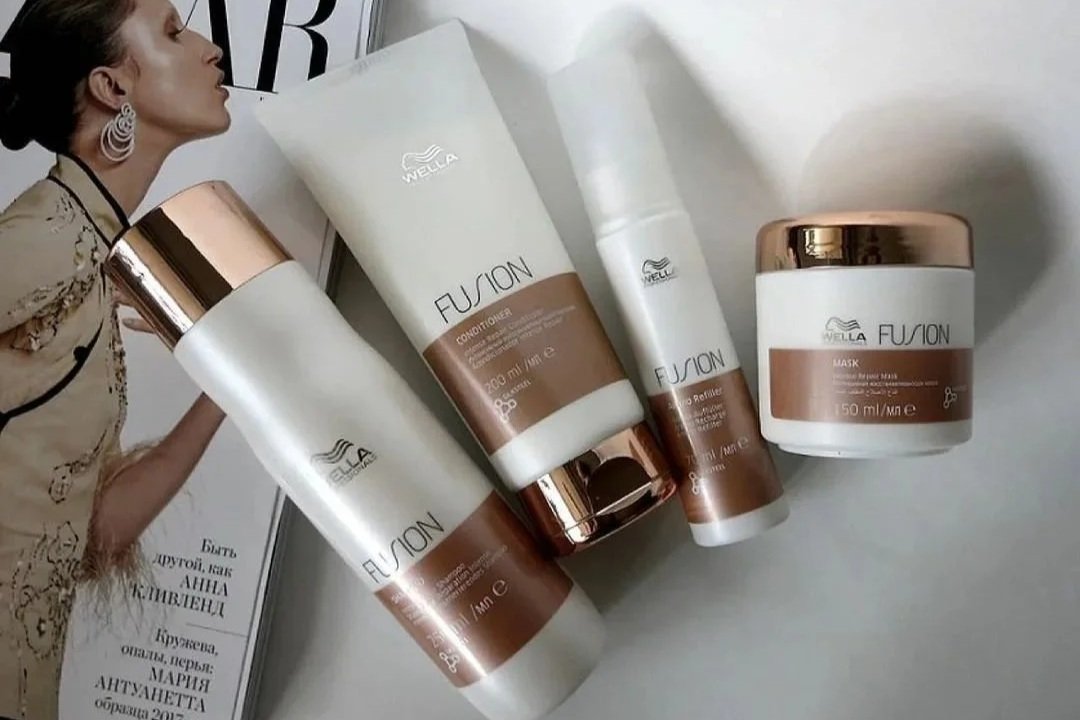
Then there’s Wella Professionals. Their Fusion line combines silk amino acids with keratin to repair damage from heat and chemicals.
These brands prove keratin sells. It works for professionals, it works at home, and it works across price points. Add your unique twist, and you’ve got a winning product line.
How to Start a Hair Care Line With Keratin
Maybe your customers keep asking for products for damaged hair. Maybe you're looking to expand beyond shampoo and conditioner. Either way, keratin is an easy category to build around because it works across multiple product formats.


Choosing the Right Product Formats
Not every business needs the same starting point. A salon expanding into retail will build a different range than an online brand launching its first collection.
If your customers visit you every few weeks, products that extend the results of professional keratin treatments often make the most sense. If you're selling directly to customers online, everyday essentials like a shampoo and conditioner are usually the products they'll discover first.
As your collection grows, each new launch should bring something different to the range. Instead of another repair product with a similar purpose, think about what your customers might need next.
Building a Scalable Hair Care Brand
A successful product launch is just the beginning. The next step is knowing how to grow your range without losing focus.
At Selfnamed, we help brands expand by offering ready-to-brand hair care products that work together as a collection. Whether you're introducing your first keratin shampoo or adding products that complement professional keratin treatments, you can build your range around proven formulas while focusing your time on growing the business behind the brand.
Hair Keratin Is Here to Stay
Hair care keeps evolving, but some customer needs stay remarkably consistent. People still want products that help repair damage, control frizz, and keep hair looking healthy between salon visits.
Keratin has remained relevant because it continues to answer those needs. It works just as naturally in everyday hair care as it does alongside professional keratin treatments, giving you plenty of ways to build products that feel current without losing sight of what customers already trust.
Frequently Asked Questions
-
Keratin is the main protein that gives hair its strength and structure. In hair care, keratin is used in shampoos, masks, leave-in products, and keratin treatments to help improve the look and feel of damaged hair.
-
Keratin is best known for making hair feel softer, smoother, and easier to style. That's why it continues to appear in everyday shampoos, intensive repair products and professional keratin treatments.
-
For most people, yes. Keratin products are a good fit for dry, damaged, or chemically treated hair. If you're developing a hair care range, they're also an easy category to position because customers already associate keratin with repair and smoother-looking hair.
-
It can be. Many people with curly hair choose keratin shampoos, conditioners, and masks to help with frizz and softness while keeping their natural curl pattern. Professional keratin treatments are a different type of treatment and may temporarily loosen curls, depending on the formula.
-
This is probably the biggest misconception around keratin. Everyday hair products don't permanently straighten hair. That result comes from professional keratin treatments, which use a different process than a shampoo, mask, or leave-in treatment.
Must read