Serums vs Oils: When And How To Use Each
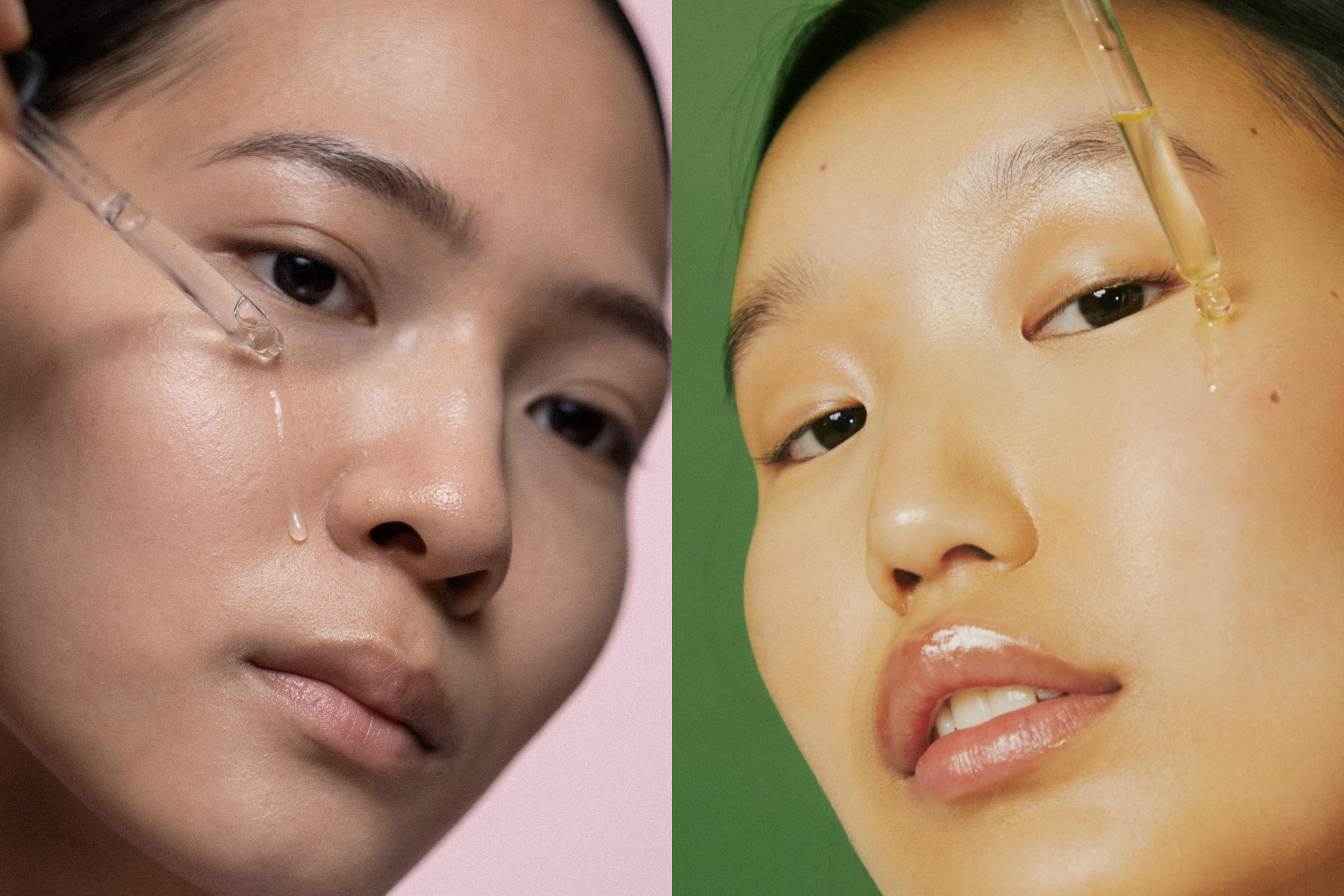
Serums or oils? It’s one of those questions that keeps coming up in skincare.
Not just from customers, but from founders too. What’s the difference? Do you need both? And more importantly – how do you turn that into products that actually make sense?
The confusion usually comes from how similar they can feel in a routine. Both are used after cleansing, both can feel lightweight, and both can improve how the skin looks. But they don’t do the same job.
Once that difference is clear, everything becomes easier. Knowing how serums vs oils actually work helps you build products that are simpler to position, easier to explain, and easier for customers to choose.
Let’s break it down – how they work, where they fit, and how you can turn that into products customers are already looking for.
What Are Serums?
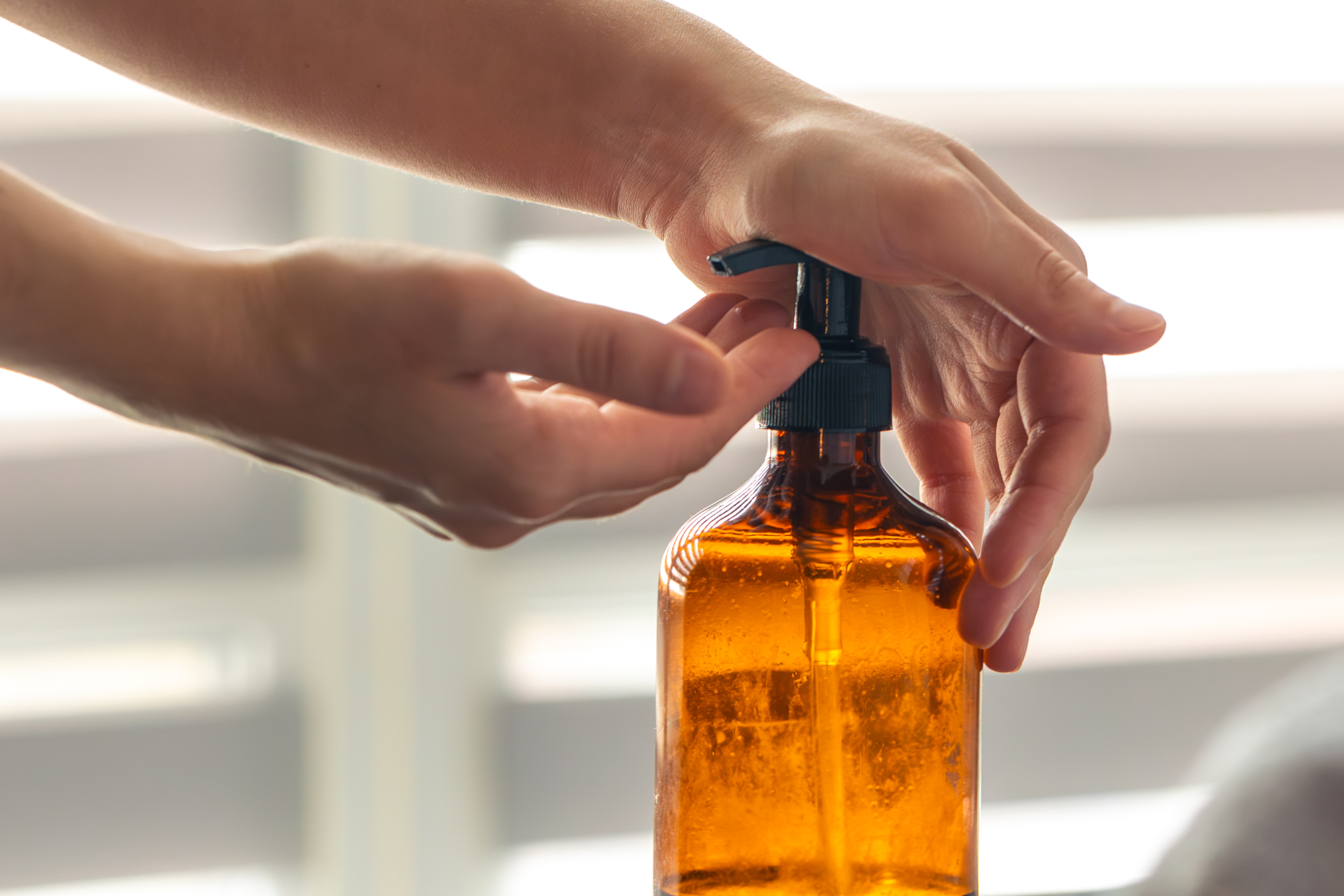
Serums are lightweight, fast-absorbing formulations packed with potent active ingredients. They are designed to address specific skin concerns, such as hydration, brightening, or anti-ageing. Serums usually have a watery or gel-like consistency. This helps deliver intensive nourishment and visible results to the skin.
Serums have a variety of benefits depending on the specific ingredients contained in the formula. There’s a significant variety of serums that feel and function differently, but they should be chosen based on skin concerns. They can be mixed and matched to create the best skincare routine for each complexion.
Depending on the formula, serums can help:
hydrate the skin;
deliver antioxidants;
regulate the skin’s pigment.

Face serums, such as our Collagen Boost Serum, Hydrating Serum, Peptide Anti-Aging Serum, can often be packed with incredible ingredients to help the skin retain its moisture and complexion. However, they should not replace a traditional moisturizer. Serum formulas are not created to provide intense hydration, but rather they deliver strong and active ingredients to the skin.
What Are Oils?
Serums are one part of the routine. Face oils are another.
Face oils are rich water-free formulations and are derived from natural plant-based ingredients. They are usually prized for their ability to lock in moisture, nourish the skin, and provide a protective barrier against environmental stressors.
While the composition of face oils can vary, as a rule, they are designed to mimic and supplement the skin's natural sebum production. This is because the oils need to help keep the skin balanced. Among popular facial oil ingredients are linoleic acid and squalane, because they mimic and support the skin barrier's natural oil function.
Depending on the formula, they can also:
make the skin feel softer;
smooth out rough texture a bit;
help with the look of fine lines;
give the skin a more even, youthful appearance.
You’ll see this kind of approach in products like our Nourishing Facial Oil, which blends different plant oils together, or the Natural Retinol-Alternative Oil Serum, where ingredients like bakuchiol and jojoba oil support the skin while keeping the application and results gentle.
Serums vs Oils: Key Differences Explained
“Serums vs oils” sounds like a simple comparison, but they’re doing completely different things on the skin.
A lot of customers notice this only after trying both – one product seems to absorb instantly, the other sits a bit longer. That difference actually comes down to how they’re built.
Here’s a clearer breakdown of biggest differences:
| Feature | Serums | Facial Oils |
| Base | Typically water based | Oil based (lipid-rich) |
| Texture | Lightweight, fast absorbing formula | Richer, slightly heavier |
| Penetration | Can penetrate deeper into the skin | Stay closer to the skin’s surface |
| Main role | Deliver active ingredients | Support the skin’s moisture barrier |
| Key ingredients | Hyaluronic acid, vitamin C, niacinamide | Jojoba oil, squalane, avocado oil |
| Best for | Acne prone skin, dark spots, uneven skin tone, dehydration | Dry skin, sensitive skin, moisture loss, rough texture |
| Skin feel | Lightweight, often invisible after applying | Leaves a soft, protective layer |
| Use in routine | Applied after cleansing | Applied after serums and moisturizer |
Serums are where most of the targeted work happens. They’re built to improve specific skin concerns and deliver visible results over time.
Oils are more about balance. They help the skin stay comfortable, support the barrier, and reduce moisture loss – especially when the skin feels dry or stressed.
A simple way to remember – serums bring ingredients in. Oils help keep everything in place.
Serums vs Oils for Hydration Benefits
This is where a lot of the confusion around facial oils and serums actually turns into a product decision.
On the surface, both are positioned around hydration. But they solve different parts of the same problem and offer different benefits – understanding that helps you build better skincare products.
Hydration vs Moisture
Hydration is about adding water to the skin. Moisture is about keeping that water in place.
A serum with hyaluronic acid can improve skin hydration quickly. But without something to reduce moisture loss, that hydration doesn’t last.
From a product perspective, this is where many formulations fall short – they focus on one side, not both.
Humectants vs Emollients vs Occlusives
Most skincare ingredients fall into three simple groups:
Humectants (like hyaluronic acid, glycerin) – bring water into the skin;
Emollients (like fatty acids, natural oils) – soften the skin and improve texture;
Occlusives (like face oils) – help reduce moisture loss and support the skin barrier.
Most facial serums are built around humectants. Most face oils act more like emollients and light occlusives.
Why Both Matter
For beauty brands, this is where formulation and product positioning come together. A serum alone can improve hydration, but may not deliver lasting comfort. And, an oil alone can support the skin barrier, but won’t provide hydration on its own.
When you combine serums and oils, you’re covering both sides – hydration and moisture retention.
That’s also why many successful skincare routines, and product ranges, include both. It’s not about choosing between face oil vs serum, but understanding how they work together to create a more complete result.

Facial Oils vs Serums for Different Skin Types
When you’re deciding between facial oils vs serums, skin type is one of the first things you need to think about. Different skin types need different things. And that directly affects how your products will perform.
Dry skin. You’ll usually need both – a serum for hydration and a face oil to help retain moisture.
Oily skin or acne prone skin. Lighter, fast absorbing serums tend to work better, while oils need to be carefully selected.
Combination skin. You can combine both, depending on the area or specific skin concerns.
Sensitive skin. Simpler formulas are key, whether it’s a gentle serum or a calming oil.
For you as a brand, this is where your product range starts to make sense. You’re not building one product for everyone – you’re creating options that fit different skin types and routines.
Why Smart Beauty Brands Offer Both
If you’re building a skincare line, offering both serums and oils just makes sense from a product perspective.
Routine-Building
Serums and oils naturally fit together. One comes first, the other follows. When you include both in your skincare product range, it becomes easier for your customers to understand how to use them and what to buy next.
It also makes your product line feel more complete.
Upselling Potential
This is where it directly impacts your sales. If someone buys a serum, it’s easy to recommend face oil as the next step, personalizing the purchase. It’s a natural add-on. So, instead of selling one product, you’re increasing the value of the whole routine.
Keeping Up With the Trends
Right now, customers are paying more attention to ingredients and how products actually work.
They’re looking for active ingredients in serums and more nourishing, barrier-supporting formulas in oils. That combination is becoming the standard. So, building both face serums and facial oils aligns your products with what’s trending in skincare and how it’s evolving.

How To Start Your Own Skincare Line Using Selfnamed
Selfnamed is here to help create your own skincare line by making the process as simple and seamless as possible. As soon as you decide on your ideal customer and product range, there are only a few simple steps to take:
Select product sample sets. You can choose from more than 150 high-quality, organic or natural certified skincare products made in Northern Europe.
Add your style. Selfnamed offers an easy-to-use Design Studio to create labels and packaging. You can work with pre-made print-ready templates or create your design from scratch. You can also choose our Design Service.
Start selling your products. There are no minimum orders, meaning you can easily adjust the volume to your needs.
Before making a custom order, we recommend looking at our sample set selection. These sets contain curated product lines for different skin types, letting you choose the best products and ingredients for your brand. This way you can test the products – their consistencies, textures, fragrances, as well as packaging quality.
Create Better Routines with Face Oils and Serums
At the end of the day serums and oils aren't really about choosing one over the other. It’s about understanding what each one adds to the routine.
Serums are where you work on specific skin concerns – things like uneven tone, breakouts, or improving skin elasticity with more targeted, potent ingredients. Oils come in to support that work, helping protect the skin’s surface, reduce lost moisture, and keep the skin feeling comfortable throughout the day.
For you as a brand, a well-built routine isn’t just a mix of products. It’s a system that supports customers overall skin health.
When you approach it that way, it becomes easier to create products that feel relevant. Not just another serum or oil, but something that fits into how customers actually use skincare.
Frequently Asked Questions
-
Serums deliver active ingredients deep into the skin, while oils mainly sit on the surface to lock in moisture and support the skin barrier.
-
Usually, yes. Serums are lighter and absorb quickly, which makes them a better fit for oily skin than heavier oils.
-
Serum goes first. Oil comes after to seal everything in.
-
Serums are better for targeting anti-aging concerns, but oils help support the skin and improve overall appearance.
-
No, oils don’t replace moisturizer – they help lock in moisture but don’t provide enough hydration on their own.
-
Serums are better for adding hydration, while oils help keep that hydration from escaping, so both work best together