

Most of the skincare brands on your shelf didn't build a factory. They started with a concept, found a private label manufacturer, and put their name on a product label. This is how many founders, salons, spas, creators, and lifestyle brands launch a skincare line today.
The model works because the third-party manufacturer handles formulation, production, quality control, and packaging. This leaves businesses more time to handle the brand without folding under huge investment requirements.
But how do you pick the right partner?
Private label manufacturers differ a lot on minimum order quantities (MOQs), lead time, certifications, and services.
We compared 11 private label skincare manufacturers that sell to US brands, from no-MOQ platforms to contract manufacturing options.
Key Takeaways
MOQs range from none for dropshipping to 1,000+ units for custom production, so your budget narrows the list quickly.
Stock formulas are the fastest and lowest-cost way to launch. Custom formulas come with higher MOQs, development fees, and longer timelines.
A few companies dropship orders one by one, while most ship bulk inventory that you store and fulfill yourself.
Some manufacturers focus on professional clients like spas, clinics, and approved business accounts, while others welcome first-time founders.
OTC products like sunscreen and acne treatments follow stricter FDA drug rules, and only some manufacturers make them.
Certifications vary widely, from ISO 22716 for manufacturing quality to COSMOS, USDA Organic, and NSF Organic for natural and organic claims.
What Is a Private Label Skincare Manufacturer?
A private label skincare manufacturer is a company that produces skincare products you sell under your own brand.
The manufacturer owns the formulas and the production line, and maintains quality standards and stability testing. You own the brand identity, the brand name, the customers, and the pricing.
In practice, you pick private label products from a catalog, add custom labels or custom packaging, and sell. Some private label manufacturers also offer both private label and custom formulation work, so you can start with stock products and move to your own formulas later.
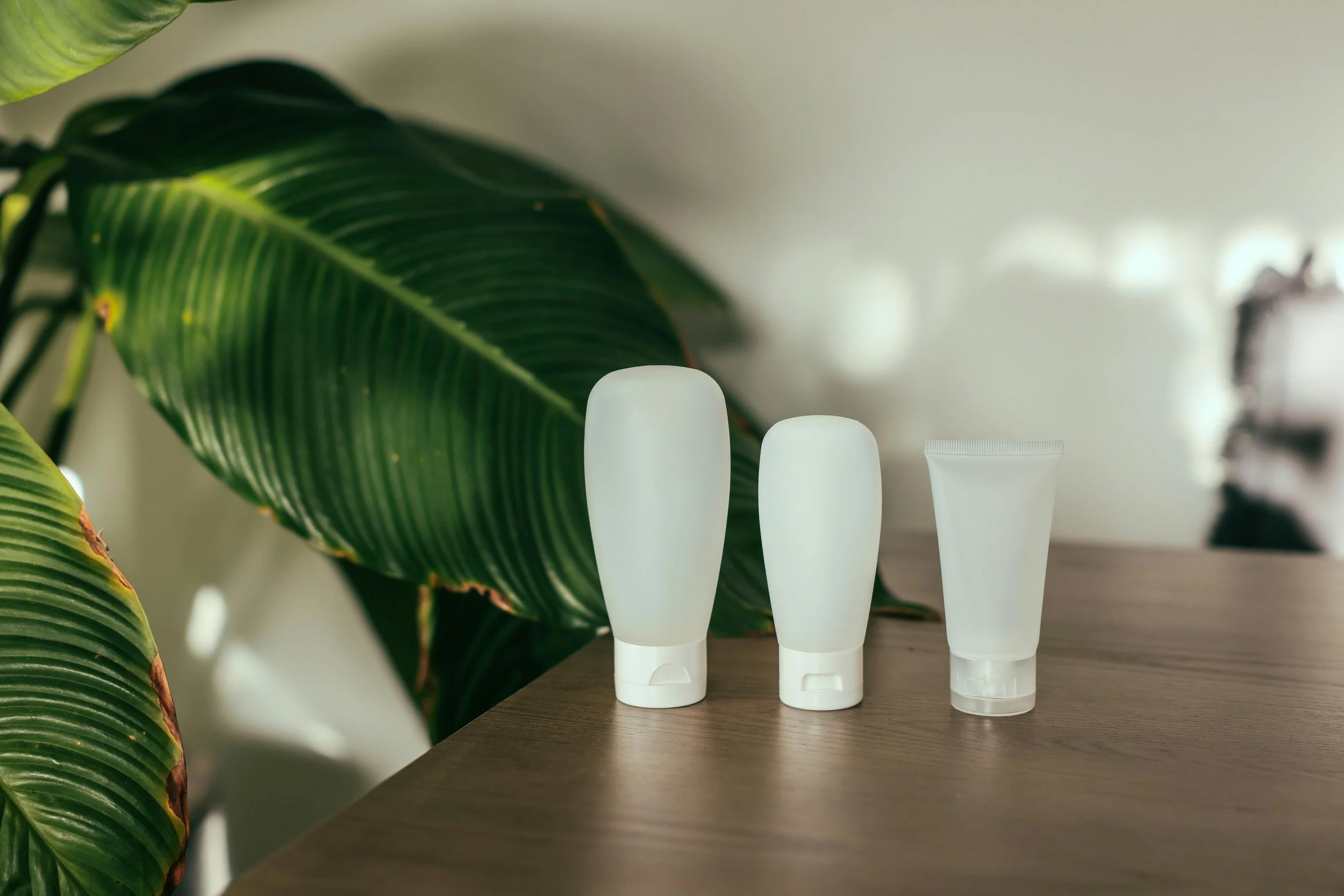
The process looks like this.
Find a manufacturer. Compare private label manufacturers on MOQs, pricing, lead time, and certifications.
Choose your products. Order samples and test the formulas yourself.
Design your packaging. Use the manufacturer's design tools, a third-party design app, or a professional designer.
Sell. List products in your online store, or order inventory for your business or retailer partners like spas and boutiques.
New to the model? Our guide on what is private label skincare covers the basics, from margins to branding.
Private Label vs White Label vs Contract Manufacturing
These three terms get mixed up constantly. Here's the short version.
White label means a ready-made product with your logo on it. The formula and packaging are standard, and other brands can sell the same product.
Private label gives you more control over the brand experience. You design unique labels and packaging, and a private label supplier may let you adjust fragrance or add ingredients.
Contract manufacturing means the manufacturer produces your own formula, or develops one for you. Contract manufacturers often work with established national brands. You get full customization and own the formula, but MOQs and development fees are much higher.
Many companies on this list sit in more than one category. Our guide on private label vs white label breaks down costs and trade-offs.
Why Sell Private Label Skincare in the US?
The US is the largest beauty market in the world.
Statista projects the US beauty and personal care market will generate $133.05 billion in 2026, out of a worldwide market of $754.37 billion.
Private label manufacturing is one of the fastest ways into that market.
You skip formula development and go straight to branding and selling, with lower upfront costs and proven product quality.
Modern consumers also make room for new names.
Shoppers who care about ingredients and values look past national brands and buy from independent labels, especially in clean beauty.
Market trends point the same way. Creators, salons, and even fashion brands are adding skincare lines because their audience already trusts the brand.
Working with private label manufacturers that ship within the US also matters.
Domestic fulfillment means faster delivery for your brand and lower shipping costs for your customers. It also gives you direct access to US retailers and online marketplaces without customs paperwork on every order, which keeps your business ready for new market demands.
Top Private Label Skincare Manufacturers in the US
1. Selfnamed
Location: North Carolina, USA
Website: selfnamed.com
Dropshipping: Integrations with Shopify, Squarespace, WooCommerce, and Wix
MOQs: None
Certifications: COSMOS certifications by ECOCERT. Production runs in an ISO 22716 facility with B Corp certified manufacturing, and products are pre-registered with the FDA.

Selfnamed is a private label manufacturer of clean beauty with 200+ ready-to-brand private label products across face care, body care, hair care, and makeup. You can order a single bottle, dropship one order at a time, or buy in bulk when you're ready. There's no minimum order quantity at any stage.
US orders ship from a US fulfillment center, with a second center in Europe. That setup means quick domestic delivery and no international shipping wait for US customers. See how fulfillment and shipping works.
The vast majority of the catalog is vegan-friendly, and the full manufacturing pipeline is cruelty-free. Every formula is pre-registered with the FDA in the US.
Your brand comes together in the free Design Studio, where you design labels and see product mockups in minutes.
Selfnamed is free to join, and you only pay when you buy products. An optional Pro plan adds dropshipping and bulk discounts, along with more design tools. Compare plans, or test formulas first with sample sets.
Established brands can request custom formulations through the Selfnamed lab. Start with private label skincare manufacturing to see the full catalog and how the process works.
2. Trilogy Laboratories
Location: Florida, USA
Website: trilogylaboratories.com
Dropshipping: Not available
MOQ: 25 units per SKU for stock and custom products
Certifications: GMP ISO 22716

Trilogy Laboratories is a private label manufacturer founded by a pharmacist and built around clinical skincare. Its library of 554+ high-quality formulas includes serums with vitamin C, retinol, niacinamide, and peptides, plus cleansers, moisturizers, masks, and post-procedure products.
Its 25-unit minimum is one of the lowest among clinical-grade labs. Those low MOQs sit alongside production runs of up to 20,000 units. Every order ships with batch records and quality documentation.
Trilogy Laboratories offer two options for businesses: private label manufacturing where they offer a wide range of popular white-label products created with trending skincare ingredients like peptides, retinoids, etc. And custom manufacturing, which allows brands to create custom formulas.
3. Pravada
Location: Florida, USA
Website: pravadaprivatelabel.com
Dropshipping: Not available
MOQ: 50 units per SKU for stock formulas, 250 units for semi-custom, and 2,500 units for full custom
Certifications: GMP-certified facility

Pravada is a private label manufacturer of skin care, hair care, and bath and body products with 300+ stock formulas and in-house quality control. Its tiered MOQ structure is one of the clearest among private label manufacturers. Higher tiers unlock more customization options, including product cartons, specialty labels, silkscreen printing, and custom fragrance.
The semi-custom program lets you add one or two ingredients to an existing base for a one-time $350 development fee. Full custom formulation starts at a $2,500 development fee with a 2,500-unit MOQ.
4. Vitelle Labs
Location: Vancouver, Canada (serves US brands)
Website: vitellelab.com
Dropshipping: Not available
MOQ: Low private label minimums (quote-based). Custom formulas start at 20 liters.
Certifications: Cruelty-free, follows GMPC guidelines

Vitelle Labs is a Canadian private label manufacturer founded in 1997 and one of a handful of North American manufacturers focused on the professional skincare market. It doesn't manufacture in the US, but it works with US spas, dermatologists, and skincare brands, and follows GMPC guidelines to meet professional quality standards.
Its in-stock private label collection covers skin and body care for concerns like acne and hyperpigmentation. Vitelle also offers custom formulation, label design, and logistics support. First orders typically arrive two to three weeks after label approval.
5. Prime Matter Labs
Location: Miami, USA
Website: primematterlabs.com
Dropshipping: Not available
MOQ: Quote-based. Industry directories list around 1,000 units or more per product.
Certifications: OTC drug manufacturing, cGMP

Prime Matter Labs is a contract manufacturer with over 40 years in beauty and personal care. It develops custom sun, skin, hair, and body care products for brands rather than selling a stock catalog, which puts it closer to contract manufacturing than the other private label manufacturers here.
Its standout is OTC expertise. Sunscreens and acne treatments are regulated as drugs in the US, and Prime Matter Labs handles those formulas in-house. Clients track materials, production, orders, and shipping in real time through its cloud platform.
6. DRHC Cosmetics
Location: California, USA
Website: drhc-cosmetics.com
Dropshipping: Not available
MOQ: None for dropshipping, 12 units for wholesale, and around 100 units for custom formulas
Certifications: Made in USA, with an organic and vegan product focus

DRHC Cosmetics is a private label manufacturer of organic, natural, and vegan skincare, makeup, hair care, and body care. Its private label dropshipping program prints your logo on each product and ships orders one by one, so there's no inventory to buy upfront.
The company also offers products for pregnancy, postpartum, and babies, which makes it a good fit for a brand with a specific target market. Custom formulation is available from around 100 pieces.


7. Jubilee Beauty
Location: California, USA
Website: jubilee.beauty
MOQ: None
Certifications: Varies by supplier

Jubilee is a dropshipping marketplace, not a manufacturer. It connects brands with vetted US and EU suppliers whose white-label products you can brand and sell through Shopify.
Plans run on a monthly subscription with a free tier, and higher tiers unlock more products and premium items. Since Jubilee isn't a private label manufacturer itself and products come from different suppliers, check certifications, formulas, and product quality one by one before you add them to your brand.
8. Goodvara
Location: New York, USA
Website: goodvara.com
Dropshipping: Not available
MOQ: 50 to 100 units per product packaged, or 1 gallon in bulk. Custom formulas start at 5,000 to 10,000 units.
Certifications: FDA-registered products, GMP-compliant manufacturing

Goodvara is a private label manufacturer with more than 26 years in skincare and private label cosmetics. Its library of stock private label products covers skin care, hair care, bath and body, baby products, and men's grooming, and the company says it's one of the widest stock ranges among North American manufacturers.
The company says you can launch with less than $2,000 using its ready-made formulas. Lead time for regular production orders is around 8 to 10 weeks.
9. Mana Private Label
Location: New York, USA
Website: manaprivatelabel.com
Dropshipping: Not available
MOQ: 3 pieces per item, with a $350 minimum per order. You need an approved account to buy.
Certifications: GMP-compliant

MANA is a private label manufacturer founded in 1975 and one of the best manufacturers to look at for makeup. It sells only to approved business customers. Its wholesale private label catalog covers color cosmetics and skincare, and MANA Products, the wider company, also offers contract manufacturing for larger runs.
Compared with most manufacturers on this list, the stock program has a very low per-item minimum. Custom decoration and larger projects go through a MANA sales representative.
10. RainShadow Labs
Location: Oregon, USA
Website: rainshadowlabs.com
Dropshipping: Not available
MOQ: None for Buy Direct products, 10 gallons for stock private label, and 25 gallons for custom formulas
Certifications: FDA-registered and ISO-certified manufacturing, cruelty-free

RainShadow Labs is a private label manufacturer with over 40 years in personal care production and 100+ stock skincare formulas. It covers moisturizers, serums, cleansers, and specialty treatments made with naturally derived ingredients.
Gallon-based minimums keep first orders small, and the company says stringent quality control applies to every batch. Standard lead time is 8 to 10 weeks after label and packaging approval, and you can order samples before committing.
11. Dynamic Blending
Location: Utah, USA
Website: dynamicblending.com
Dropshipping: Not available
MOQ: Around 1,000 units
Certifications: ISO 9001:2015, ISO 22716, NSF Organic, USDA Organic, Kosher, and Halal

Dynamic Blending is a private label manufacturer and contract manufacturer for skin, body, hair, lip, and oral care. It offers both private label products and custom formulas, plus branding, packaging, and fulfillment services.
Its certification list is the longest among the private label manufacturers here, which matters if you plan to make organic or Halal claims. Dynamic Blending also handles OTC production, and its quality system follows drug-level standards.
How to Choose a Private Label Manufacturer
Finding the right manufacturing partner early saves you from switching suppliers mid-launch, and the decision comes down to several checks.
Minimum Order Quantity
MOQs vary from one company to the next. Low MOQs keep your first investment small and let you test before you commit. No-MOQ dropshipping is the lowest-risk start for a new business. Stock MOQs of 25 to 100 units suit salons and small businesses. Custom production runs of 1,000+ units suit a brand with proven demand.
Pricing
A low unit price can hide costs that show up later. Ask about setup and development fees, label printing, samples, monthly subscriptions or memberships, and per-order fulfillment fees. Check whether bulk discount tiers are published upfront or quote-based. Then work out your margin per product at your planned retail price before you sign.
Certifications
Look for good manufacturing practices (GMP) under ISO 22716, which covers quality control, hygiene, and documentation in cosmetics production. For organic or natural claims, check for COSMOS, USDA Organic, or NSF Organic. For many shoppers, a recognized certification on the label is the ultimate trust signal.
FDA Facility Registration
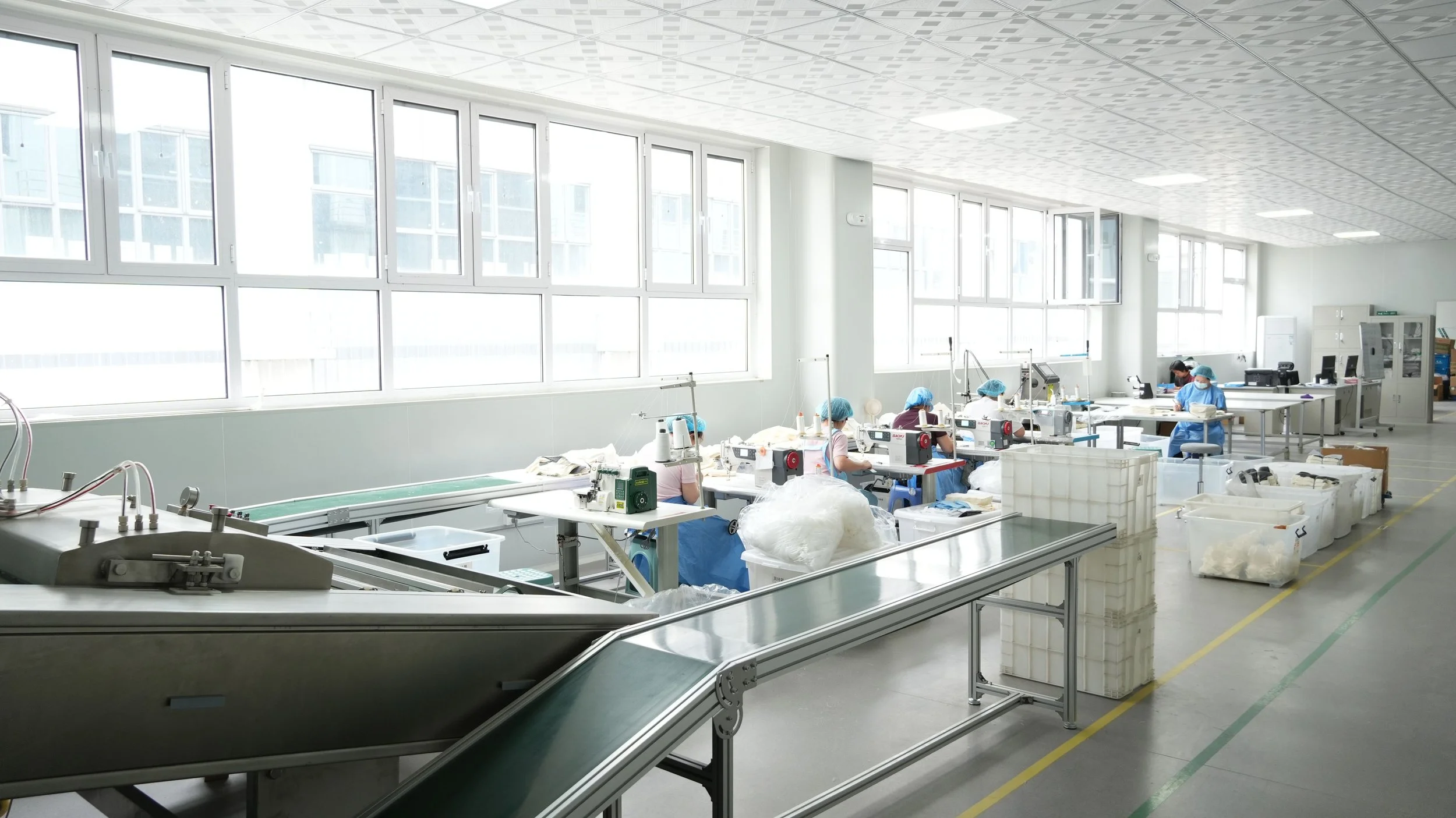
Ask whether the facility is registered with the FDA under MoCRA, and whether the manufacturer helps with product listing. This applies to foreign facilities that sell into the US too. Reliable private label manufacturers answer this question without hesitation.
Formula Library
Check how many stock formulas the private label manufacturer offers and whether they match your target market. Order samples to judge product quality and texture yourself. A big catalog with anti-aging serums, cleansers, and moisturizers lets you build a full range without a second supplier. If you want to customize formulas, ask about semi-custom options before committing to full custom work.
Packaging and Design
Some private label manufacturers include design tools or label printing. Other manufacturers expect print-ready files for your brand. Ask about packaging options, custom labels, and who handles label compliance.
Fulfillment
Decide whether you want bulk inventory or dropshipping. Ask your private label manufacturer about lead time, US fulfillment, and integrations with your store. If you plan to sell to retailers, ask whether the company ships cases to warehouses too.
Shortlists and directories help you compare private label manufacturers. Finding the perfect partner often takes a conversation, though, and trade shows are a good way to meet verified suppliers in person.
The Private Label Manufacturers Association (PLMA) runs events and a directory that connects brands with manufacturers. For a deep dive, read our key tips to choosing a private label skincare manufacturer.
US Cosmetics Compliance: What MoCRA Requires
The Modernization of Cosmetics Regulation Act of 2022 (MoCRA) is the biggest expansion of FDA authority over cosmetics since 1938.
It gives the FDA new authority over cosmetics and sets requirements every skincare brand and private label manufacturer selling in the US should know.
Here's what MoCRA requires.
Facility registration. Facilities that manufacture or process cosmetics sold in the US register with the FDA and renew every two years. This includes facilities outside the US, so a private label manufacturer in Europe or Canada registers too.
Product listing. Each cosmetic product sold in the US is listed with the FDA, including its ingredients. Listings are updated every year.
Safety records. Brands keep records showing that each product is safe to use. Animal testing isn't required.
Adverse event reporting. Serious adverse events, like severe rashes, burns, or significant hair loss, are reported to the FDA within 15 business days, with a copy of the product label.
What this means for your business is simple. Pick from private label manufacturers that already register their facilities and support product listing. Keep safety records for every product, and set up a way to collect customer complaints from day one.
Keep Building Your Brand
Private label manufacturing has plenty of moving parts. Once you've shortlisted manufacturers, these guides take your brand further.
Find Your Manufacturing Partner
The best private label manufacturers for your brand depend on where your business is today. If you want to test products with no inventory, start with a no-MOQ option. If you run a spa or clinic, a lab with low MOQs and professional formulas fits better. If you have proven demand and need OTC or custom products, a contract manufacturer is worth the higher minimums.
Whatever private label manufacturer you choose, check MOQs, certifications, quality documentation, and FDA registration before you sign. The best private label partner is the one that fits your budget and your brand's success over the long run.
Frequently Asked Questions
-
A private label manufacturer produces skincare products that another company sells under its own brand. The manufacturer handles formulation, production, quality checks, and often packaging and fulfillment. You handle brand design, marketing, and sales.
-
Start with comparison guides like this one, industry directories, and PLMA trade shows. Shortlist three to five private label manufacturers. Look for ISO 22716 or GMP certification, FDA facility registration, and clear quality records. Order samples, confirm MOQs and lead times in writing, and ask for references from current customers.
-
It depends on the model and the private label manufacturer. Dropshipping platforms like Selfnamed have no MOQ. Stock private label programs usually start at 12 to 100 units per product. Custom formulations usually start at 1,000 to 10,000 units.
-
No. Cosmetics don't need FDA approval before they go on sale, except for color additives. Private label manufacturers and brands are still responsible for product quality and safety. Under MoCRA, facilities register with the FDA and products are listed with the FDA, but registration isn't approval. Products like sunscreens and acne treatments are regulated as OTC drugs and have stricter rules.
-
Costs depend on your brand plans and vary across private label manufacturers. With Selfnamed, you can start for free and pay only for the products you order. Low-MOQ stock programs often start at a few hundred to a few thousand dollars. Custom formulation can add a development fee of $2,500 or more, plus a minimum run of thousands of units.
-
Yes. Foreign manufacturers that make cosmetics for the US market register their facilities with the FDA, and their products follow the same US rules. Selfnamed manufactures in Europe and ships US orders from a US fulfillment center, so your customers get domestic shipping times.
-
Yes. Low MOQs, low cost entry points, and private label manufacturers that handle production make private label one of the most practical ways for small businesses to launch a brand. You can start with a few products and add more as sales grow.