Top Ecommerce Tools to Grow Your Skincare Brand

Behind every skincare brand that sells well is a stack of tools holding it all together: fulfilling orders, catching emails, answering questions at midnight, turning a browser into a buyer. The glossy product shots get the attention while the tools get the sale, and keep your website running smoothly.
You don't need all of them. You need the right ones for where your brand is right now. Here are the top ecommerce tools to grow your skincare brand in 2026, grouped in 12 main categories.
Table of Contents
Key Takeaways
Most skincare brands run a stack of tools across email, landing pages, reviews, support, quizzes, and content rather than a single platform.
Email marketing delivers the highest return of any ecommerce channel.
Product quizzes raise order value in beauty and skincare and turn browsing into a personalized path to purchase.
Reviews reduce buying hesitation and build the trust new customers need before their first order.
Beauty-specific AI tools for shade matching and skin analysis tend to outperform generic models for skincare stores.
Private-label platforms like Selfnamed let a brand launch its own skincare line with no order minimums.
Landing Page Builders
A landing page is often a customer's first stop during a product launch or seasonal drop, and it's where the sale is won or lost. It’s where branding convinces the customer to commit to buy.
That matters most when you're selling routines, bundles, or a new hero product. These two builders let you create clean, intuitive, and highly personalized pages without touching code.
Replo

Source: Replo
Replo is a funnel builder for ecommerce brands that want full control over the customer journey. It includes store- and page-level analytics, insights, A/B testing, and a landing page editor, so you can tune your store for conversions and revenue in one place.
You get 400+ pre-built templates and sections for product carousels, subscription plans, bundles, and sales countdowns, all without code.
It's a strong fit for skincare brands that have outgrown standard Shopify templates and want to design pages their own way.
PageFly

Source: Pagefly
PageFly gives you flexible page building on Shopify, from homepages and lookbooks to sales pages and blog layouts.
It connects directly with Shopify, so your inventory, pricing, and collections stay in sync. It's ideal for founders who like to experiment with layout, copy, and visual storytelling, and who want pages that reflect the brand.
Email and SMS Marketing
Ecommerce email marketing is the highest-return channel there is, earning an average of $36 to $42 for every dollar spent, and even more for retail and ecommerce.
For skincare, that's launch campaigns, replenishment reminders, restock alerts, and the follow-ups that turn a first order into a routine. Add SMS for time-sensitive drops and back-in-stock texts, and you reach customers wherever they are.
Mailtrap

Source: Mailtrap
Mailtrap is an email delivery platform for teams that want to test, send, and control their emails in one place.
Its email marketing suite covers campaigns, newsletters, and product promos, with a focus on deliverability and detailed analytics. If your emails keep landing in spam, this is where to start.
Omnisend
Source: Omnipage
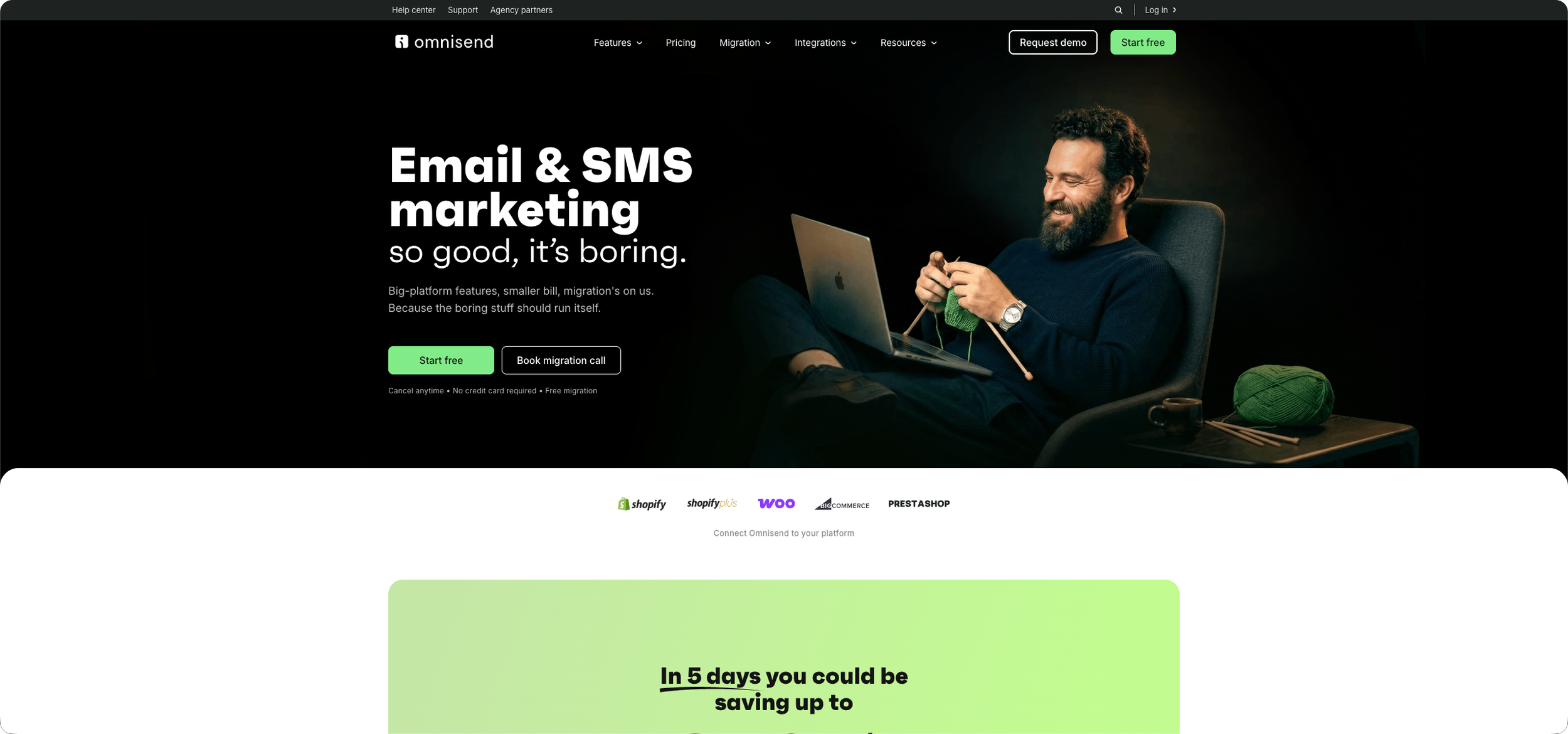
Omnisend is built for ecommerce brands that want campaigns running fast. It connects directly with Shopify and triggers automated emails based on customer behavior, product views, and cart activity.
You can drop in product blocks, discount codes, and customer tags for personalized flows. SMS and web push come included, so it covers more than email alone.
Brevo (formerly Sendinblue)

Source: Brevo
Brevo (formerly Sendinblue) offers strong email automation at a lower price than most competitors.
You get drag-and-drop builders, transactional emails like order confirmations and shipping updates, and segmentation that matches messaging to specific skin concerns or buying habits. It's a good fit for skincare founders who want flexibility on a budget.
Popups, Banners, and Widgets
Nearly 70% of online carts get abandoned before checkout, so the moment before someone leaves is worth fighting for. On-site popups and widgets help you catch emails, run a flash sale, recover an exit, or point shoppers toward the right products.
Justuno
Source: Justuno
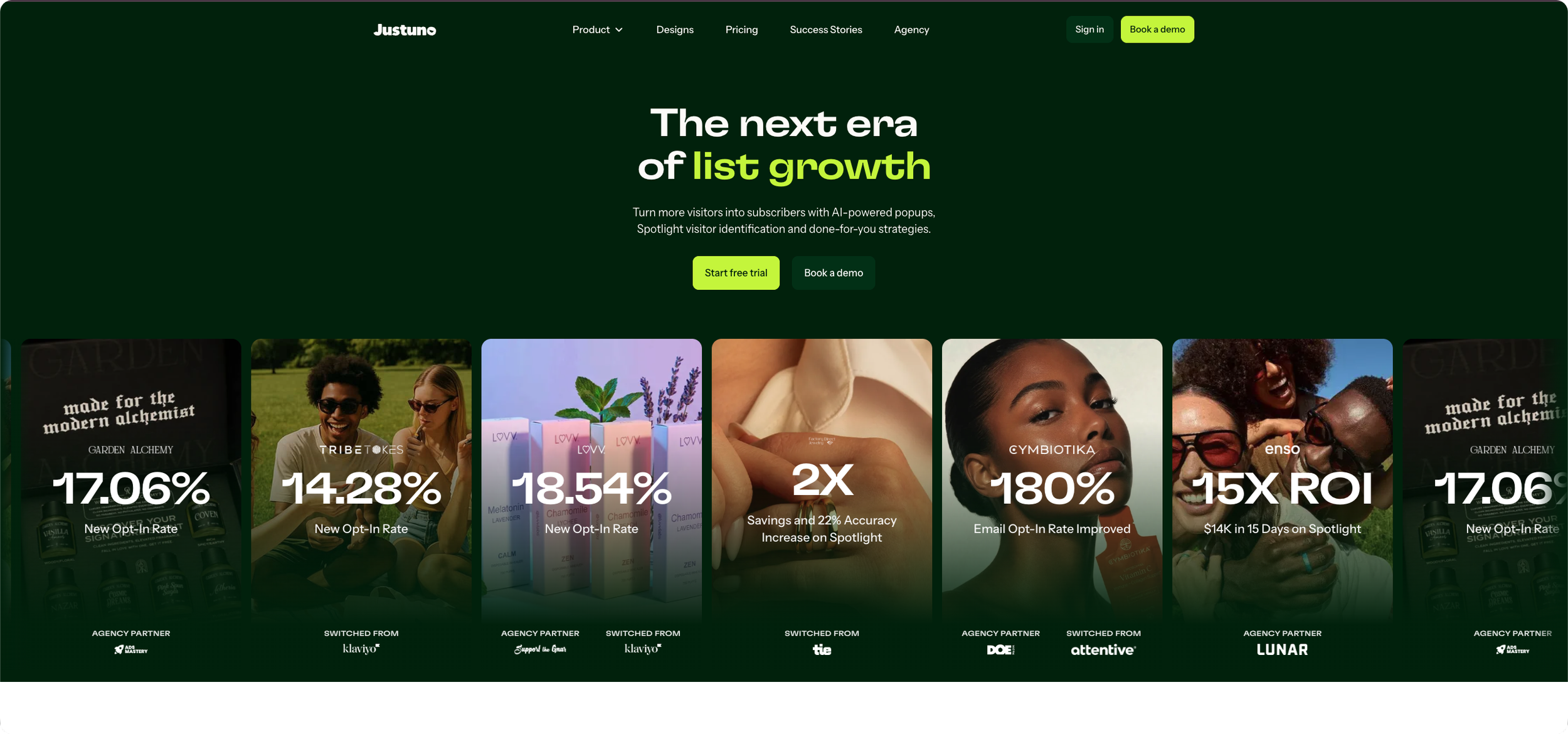
Justuno offers popups and onsite conversion tools built around targeting and personalization. You can create popups that highlight discounts, collect emails, or promote bundles based on real-time behavior.
It's useful for skincare brands that want to segment shoppers by interest, like skin type or concern. With flexible design options and built-in A/B testing, it's a strong pick for brands ready to fine-tune the on-site experience.
OptiMonk

Source: Optimonk
OptiMonk goes deeper on personalization. You can set rules by time on site, exit intent, cart size, or location. Show a 10% welcome offer only to first-time visitors browsing anti-aging products, for example. Built-in A/B testing and targeting help you improve results over time.
Analytics and Traffic Insights
Knowing where your customers come from, how they behave, and what they skip is how you improve a skincare store. These tools turn that behavior into decisions you can act on.
KnoCommerce

Source: KnoCommerce
KnoCommerce started as a post-purchase survey platform and grew into a full customer insights tool. It helps brands understand not just what people buy, but why.
You can run pre-purchase surveys, abandoned-cart questions, video replies, NPS surveys, and personalized logic, asking the right question at each stage of the journey.
With 6,000+ brands in its network, you can benchmark your results against the industry. It gives you the data to back decisions on messaging, product-market fit, and attribution.
Shopify Analytics + GA4

Source: Shopify Analytics
Shopify's built-in analytics give you fast access to sales, conversion rates, and top sellers. Pair it with Google Analytics 4 (GA4) for behavioral data like bounce rates, time on page, and traffic sources. Together they show what's working and where to put your marketing budget.
ContentSquare

Source: ContentSquare
ContentSquare (formerly Hotjar) adds another layer through heatmaps, session recordings, and feedback tools. You can watch how shoppers scroll your product pages and see exactly where they hesitate. It's great for spotting UX friction and fixing checkout or quiz pages.
Reviews and User-Generated Content
Reviews are one of the cheapest ways to lift conversions on a skincare product page.
A product going from 0 to 15 reviews sees conversion rise about 76% on average, per the Spiegel Research Center. They build trust and show the real results, routines, and before-and-afters that sell skincare.
Loox
Source: Loox
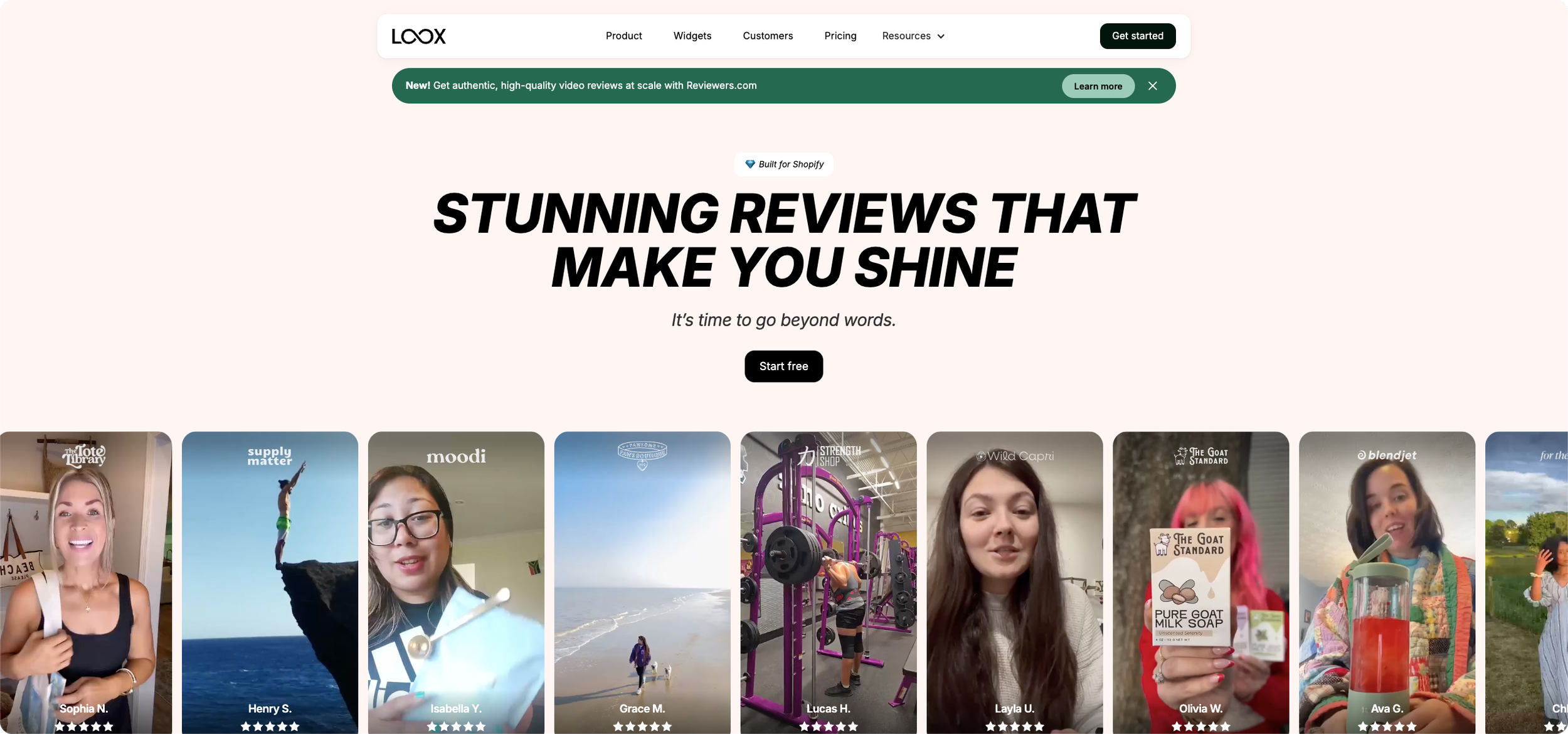
Loox makes it easy to collect and display visual reviews, including before-and-after photos. The widgets look polished and are fully customizable, and you can place them on product pages, landing pages, and even in emails. In beauty, that visual social proof does a lot of the selling.
Stamped.io

Source: Stamped.io
Stamped.io is a reviews, UGC, and loyalty platform in one. Collect star ratings, ask post-purchase questions, and pull customer testimonials into a referral or rewards program. It's a good fit for brands focused on community and repeat customers.
Chatbots and Customer Support
Fast, helpful support makes a skincare brand feel more premium, and it answers the questions that stop a sale. A good chatbot can point customers to the right products for their skin concerns. Live chat, automated replies, and social DMs all build loyalty when they're quick.
eDesk
Source: eDesk
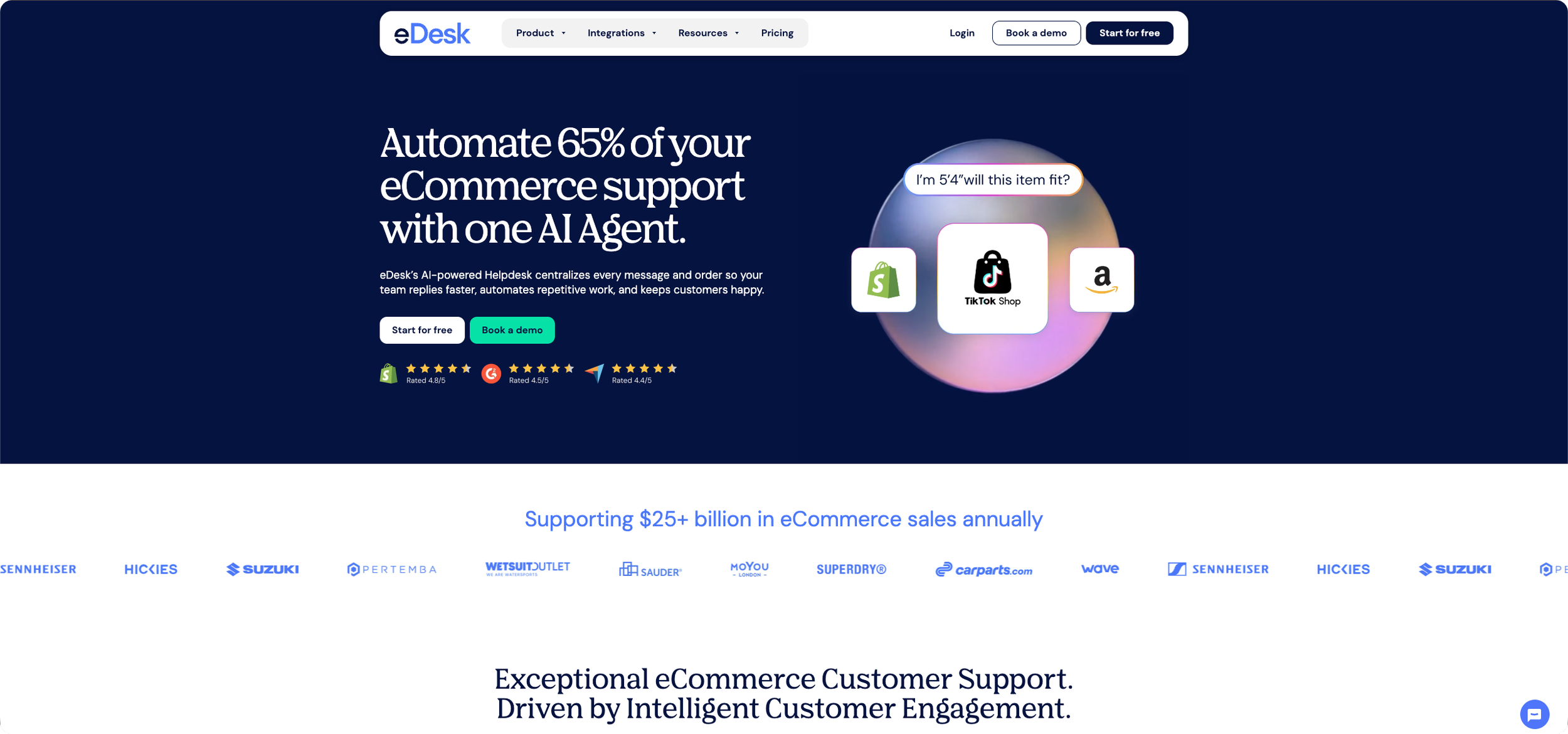
eDesk is an ecommerce helpdesk built for sellers across marketplaces and webstores. It pulls customer messages and order details from Amazon, eBay, Walmart, and Shopify into one inbox, so your team has full context when they reply. Built-in automation, templates, and AI tools help you respond faster and cut repetitive work.
Gorgias

Source: Gorgias
Gorgias is a support tool built specifically for Shopify. It pulls customer data and order details right into the chat window, so you can reply faster and with more context. It also automates repeat questions like "Where's my order?", freeing your team for the harder ones.
Tidio
Source: Tidio
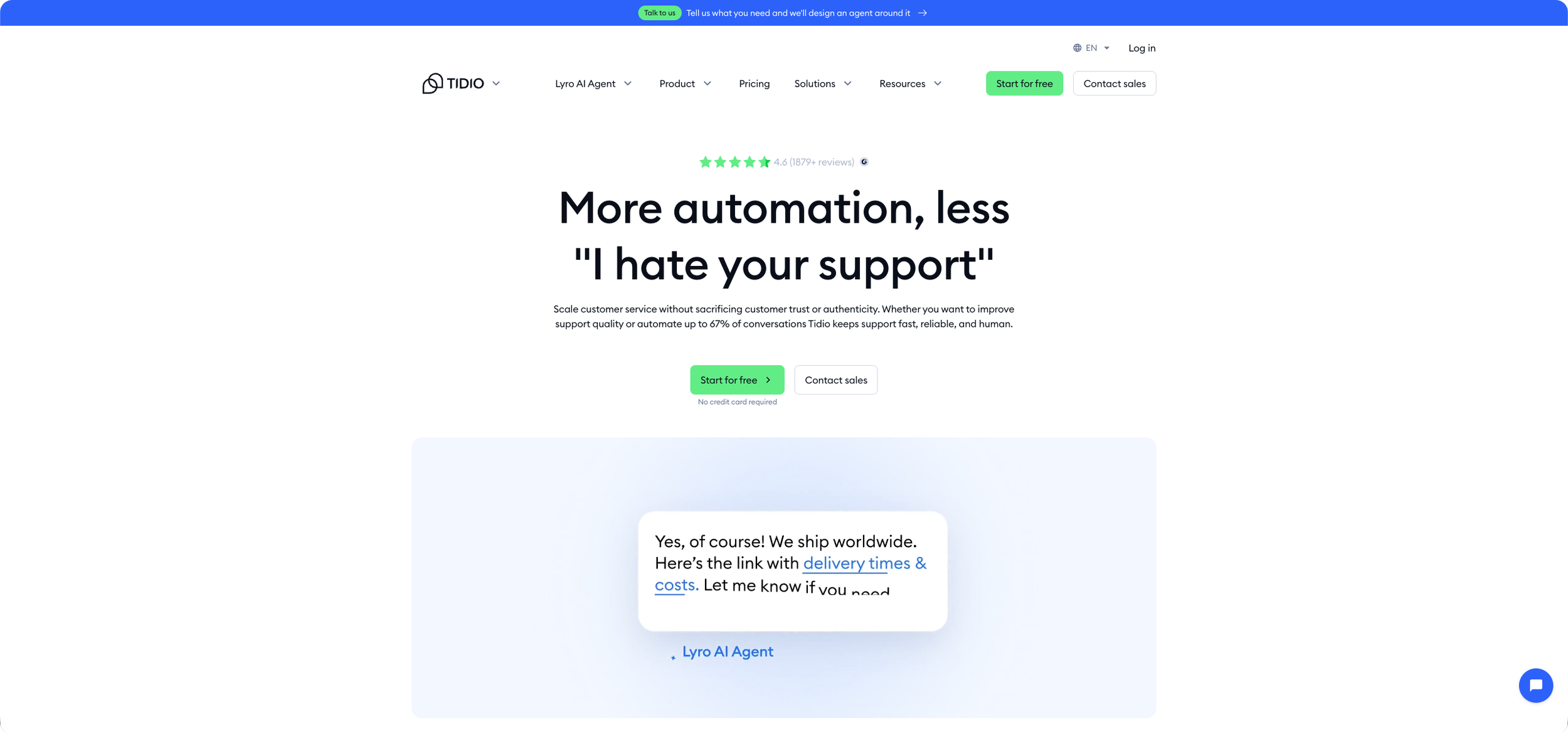
Tidio uses AI to handle automated support and product recommendations, with a mix of live chat and chatbot. It connects with Instagram and Facebook Messenger, so you can help customers wherever they message you. Its chatbot templates are handy for guiding shoppers to the right products by skin type.
Blogging and Content
Educating customers builds trust, helps your SEO, and drives conversions. A blog is the natural home for product education, skin advice, and brand storytelling.
DropInBlog
Source: DropInBlog
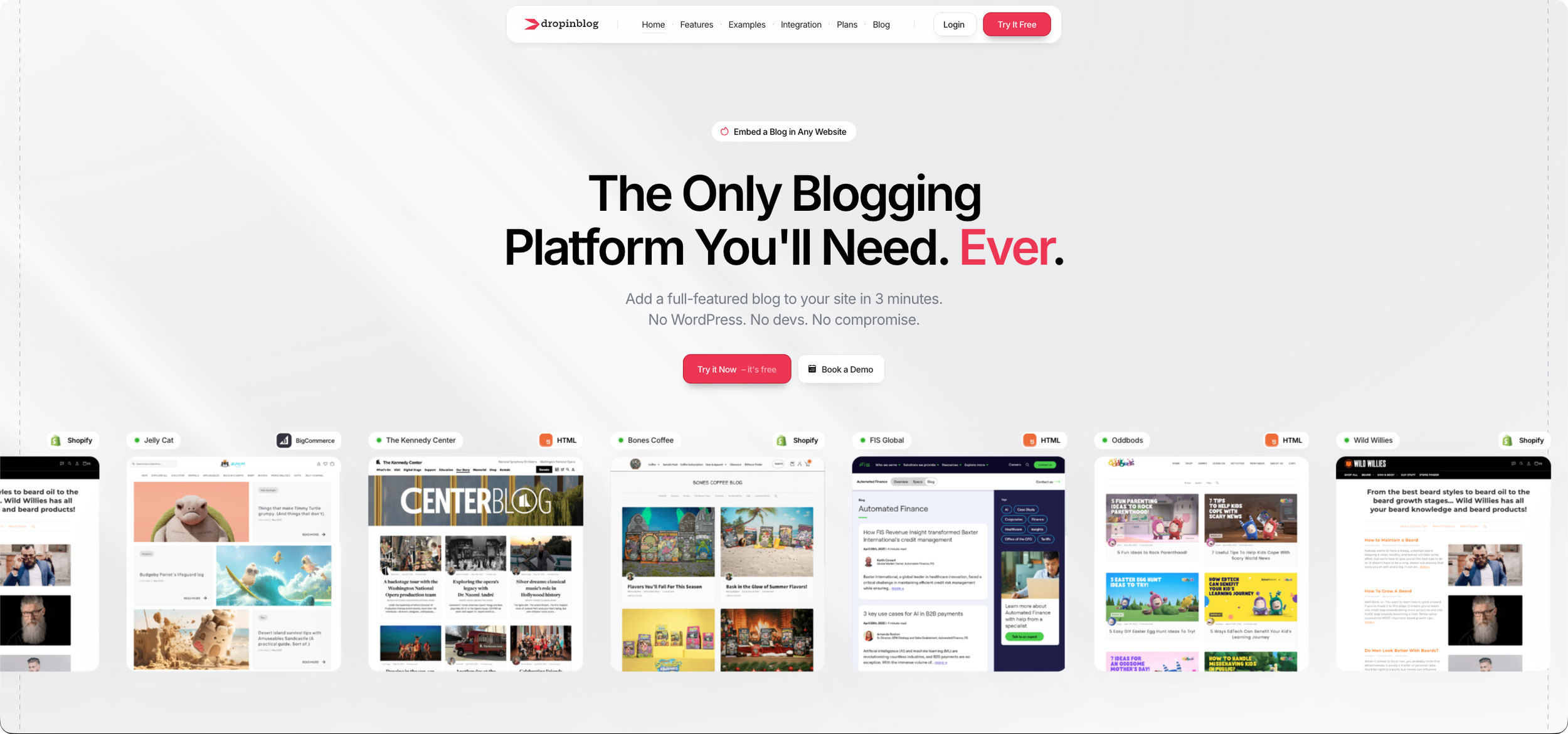
DropInBlog adds an SEO-ready blog directly to your Shopify store. Unlike Shopify's native blog, it gives you clean formatting, rich snippets, and the option to embed products right inside articles. It's ideal for ingredient guides, how-to routines, and skincare Q&A.
Yoast SEO for Shopify
Source: Yoast
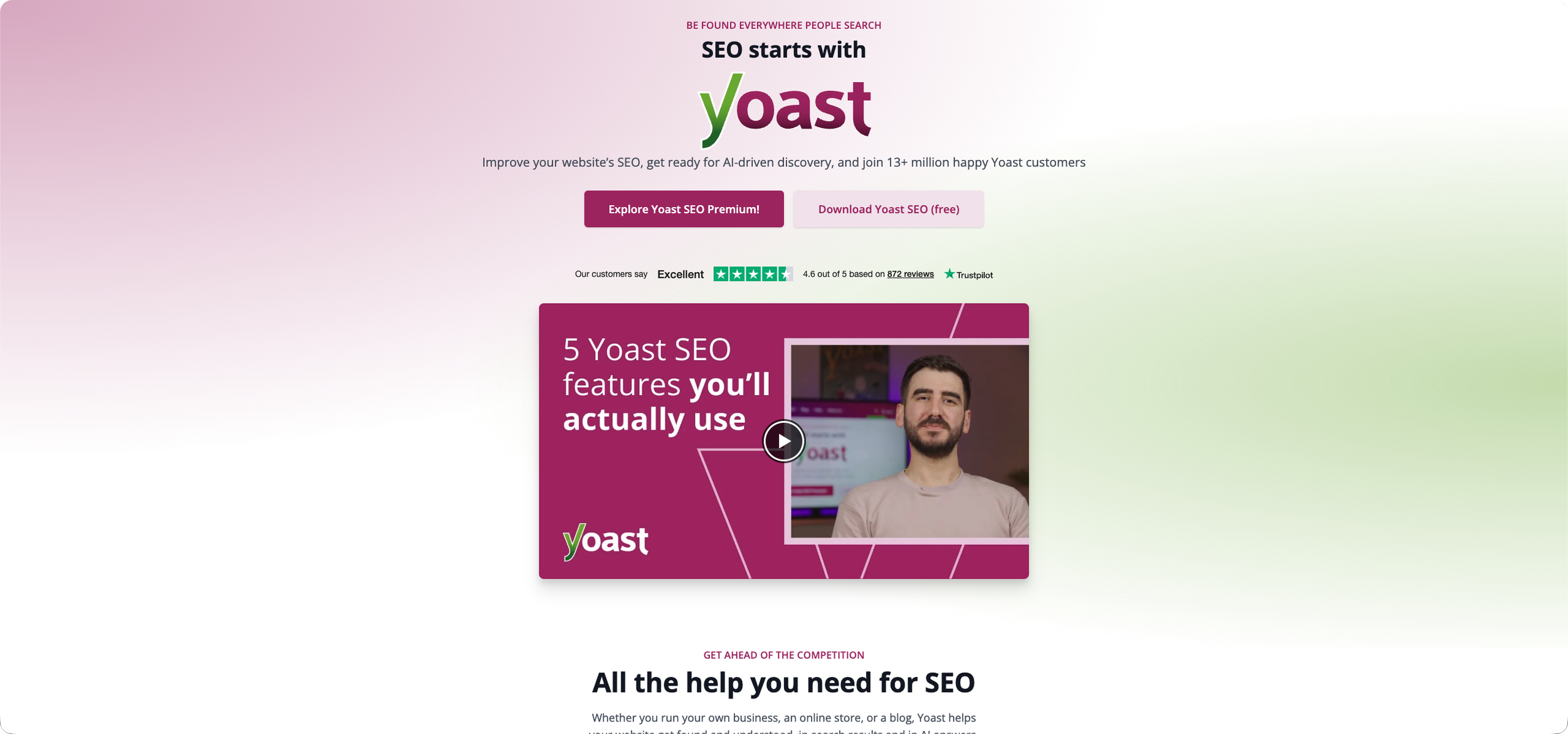
Yoast SEO brings the on-page guidance from its WordPress plugin to Shopify, including readability scoring, schema markup, and automatic canonical tags. It flags issues while you write, so blog posts and product pages stay optimized without a separate audit. A solid pick for stores that publish regularly.
Surfer SEO

Source: SurferSEO
Surfer scores your draft against the pages already ranking for your target keyword, then suggests terms, structure, and length to close the gap. Drop in a keyword, write in its content editor or Google docs browser extension, and match your post to what search results already reward. Most useful for the ingredient guides and how-to content you want pulling in traffic.
Influencer and Affiliate Marketing
Influencers and affiliates put your skincare brand in front of new audiences through voices people already trust. Pick partners whose values and look match yours. Unboxing videos, routine features, and discount codes all build awareness and drive sales in a way that feels personal.
GoAffPro

Source: GoAffPro
GoAffPro is an affiliate and influencer marketing app that lets you launch a program for your store in minutes. It tracks referral sales through affiliate links or coupon codes, and gives affiliates a custom-branded portal to register and log in. You also get automatic coupons, multi-level networks, tiered commissions, PayPal payouts, and form-based referrals.
UpPromote

Source: UpPromote
UpPromote is the most popular affiliate and influencer app on the Shopify App Store, with a free plan and paid tiers as your program grows. You get affiliate link and coupon tracking, tiered commissions, automatic payouts, and a Creator Discovery feature for finding influencers on Instagram, TikTok, and YouTube. A strong default if you're building a program from scratch.
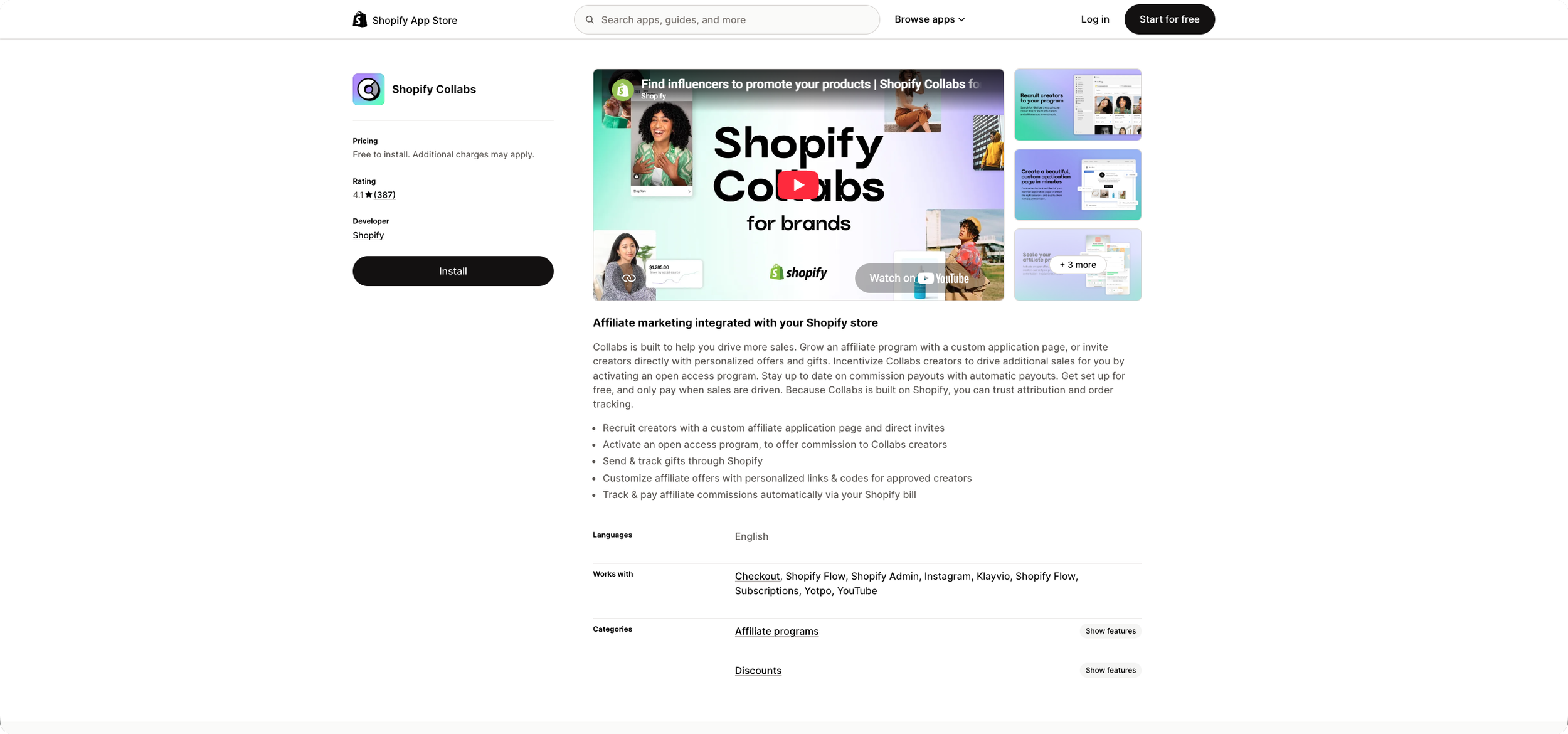
Shopify Collabs
Source: Shopify Collabs
Shopify Collabs is Shopify's own influencer tool, free and built right into your admin. It helps you find creators, send products, and manage affiliate links and commissions in one place. The creator pool is smaller than dedicated platforms, but it costs nothing to test the channel, which makes it a sensible first step.
AI Tools for Beauty Brands
AI does real work in beauty ecommerce now, from matching foundation shades to reading skin from a selfie to editing product photos in seconds. The tools worth paying for are trained on real skin and real products. For a wider list, see our guide to the best AI tools for beauty brands.
Perfect Corp

Source: Perfect
Perfect Corp is the best-known name in AR virtual try-on and shade matching. Shoppers can see a lipstick or foundation on their own face before they buy, which builds confidence and cuts returns on color products. It's used by major beauty retailers and works across web and mobile.
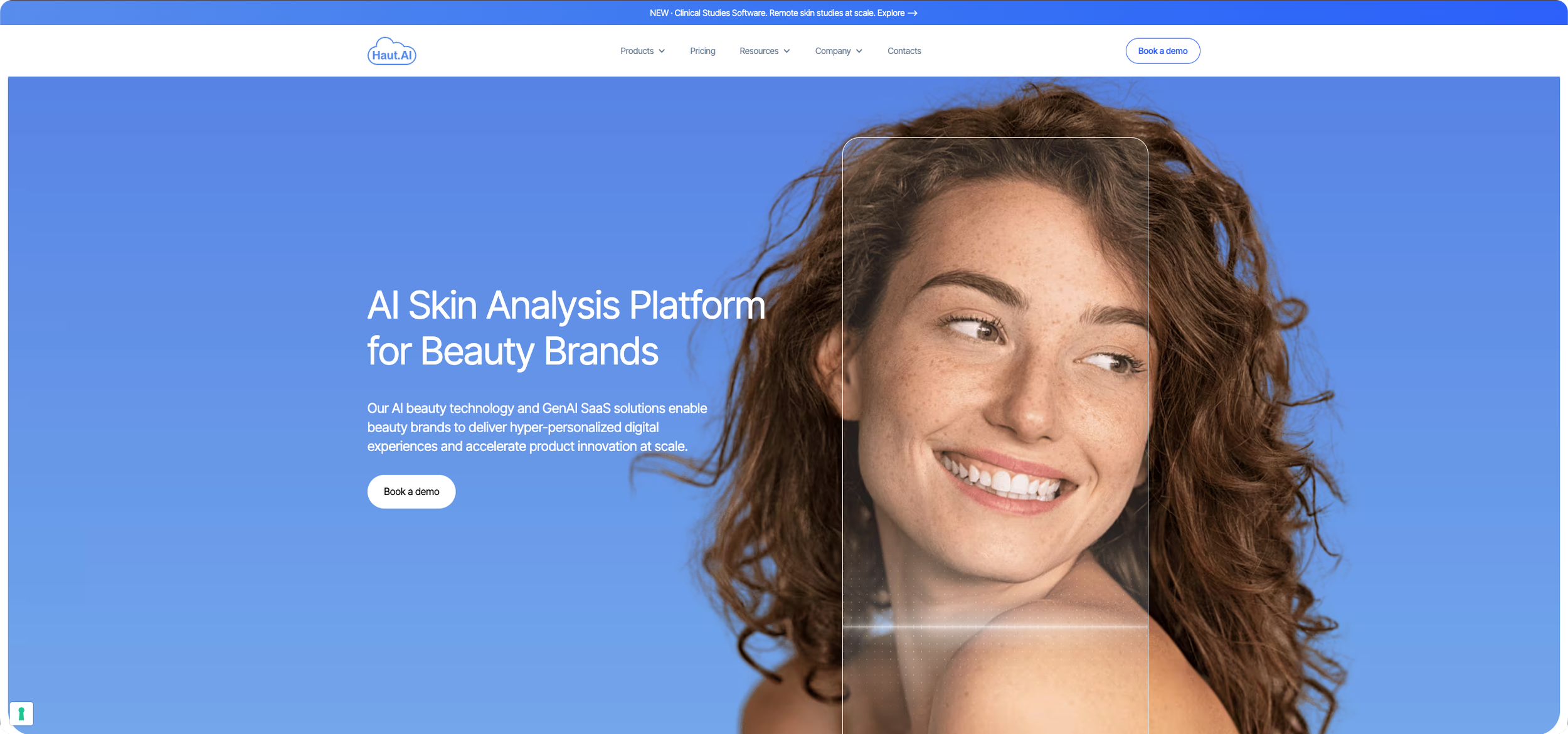
Haut.AI
Source: Haut.AI
Haut.AI runs skin analysis from a single selfie, scoring concerns like wrinkles, pores, and pigmentation, then mapping the results to your product catalog. It turns a photo into a personalized routine, the kind of guidance that lifts average order value in skincare.
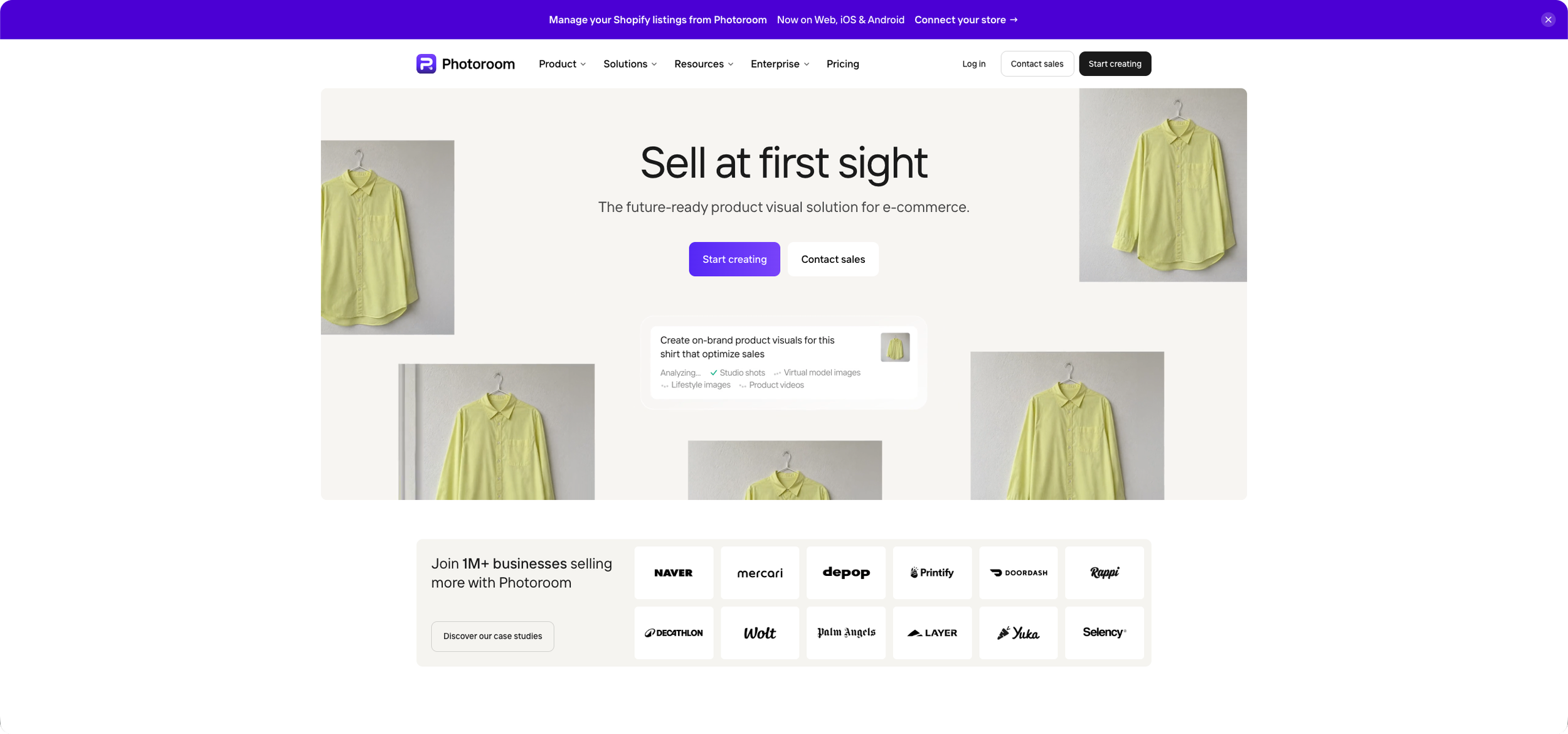
Photoroom
Source: Photoroom
Photoroom uses AI to turn a phone photo into a clean, professional product shot, removing backgrounds, adding scenes, and keeping a consistent look across your catalog. For a small skincare brand, it replaces a lot of studio time when you're shooting bottles and jars.
Product Sourcing and Manufacturing
Every store needs products to sell, and there's more than one way to get them. You can find trending items to add, source them from vetted suppliers, or put your own brand on ready-made formulas. These three tools each cover one of those paths.
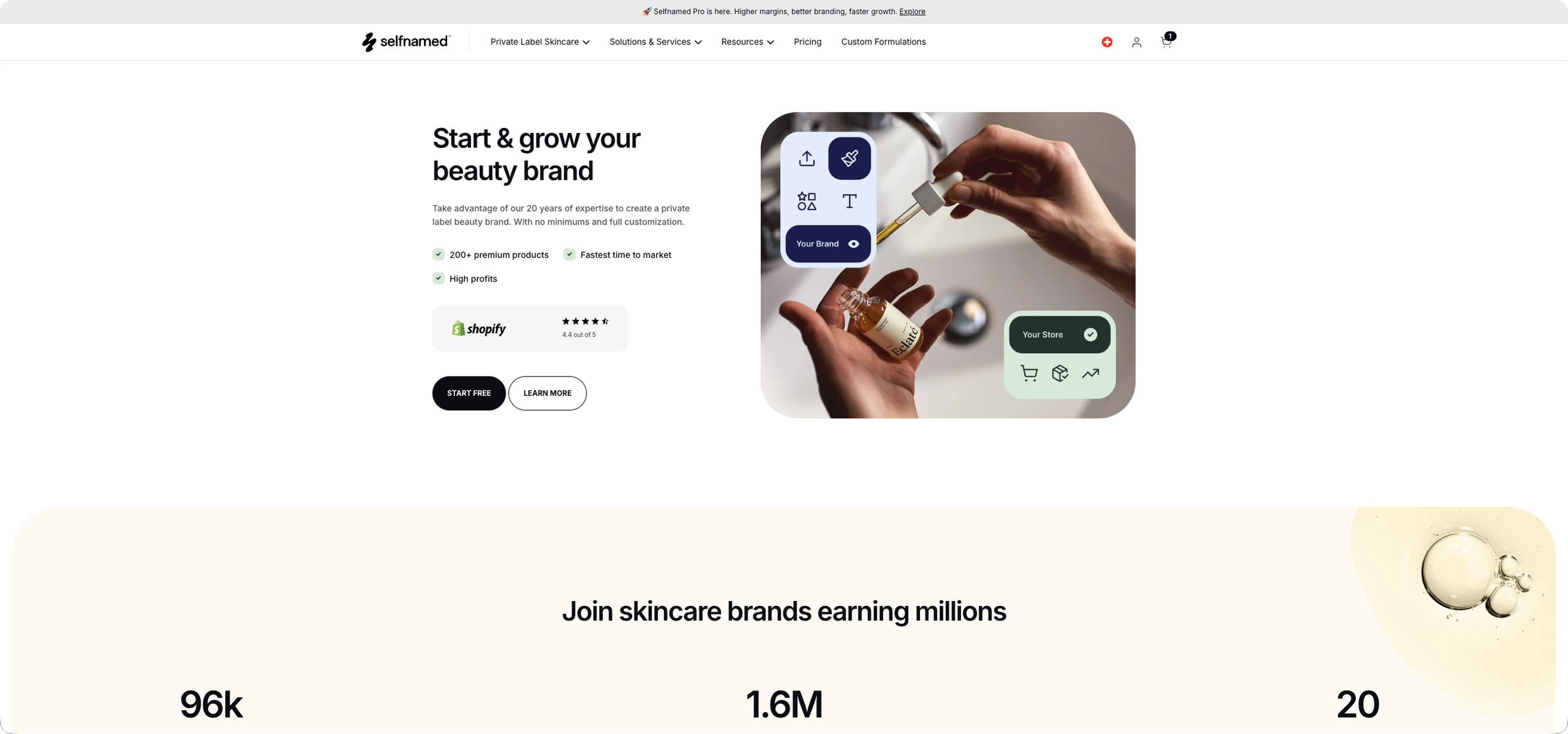
Selfnamed
Source: Selfnamed
Selfnamed lets you sell your own skincare line without running a factory. Pick from 200+ ready-to-brand formulas, add your label in the free Design Studio, and connect your Shopify, Squarespace, WooCommerce, or Wix store.
There are no minimum orders, so you can sell one bottle on-demand or buy in bulk, with Selfnamed picking, packing, and shipping under your brand from EU and US fulfillment centers. It’s an environmentally conscious Certified B Corp organization with clean beauty formulas.
Sell The Trend

Source: SellTheTrend
Sell The Trend is an all-in-one AI dropshipping and product research platform that helps ecommerce founders find, analyze, and sell products. Its focus is spotting winning products – items already trending and selling well – that could do the same in your store.
Spocket

Source: Spocket
Spocket connects you with vetted suppliers in the US and EU, so complementary products ship in days rather than weeks. It leans toward higher-quality items and offers branded invoicing, which helps add-ons feel like part of your brand rather than generic filler. A good fit when you want to expand without cheapening the experience.
Skincare Quizzes
A skincare quiz is one of the highest-converting tools you can add to a beauty store. It swaps an overwhelming catalog for a short conversation and a clear recommendation, and it captures every answer as data you can use in follow-up emails.
The payoff is measurable: orders that come through a quiz run about 11% to 15% higher in value, an effect strongest in beauty and skincare.
Octane AI

Source: Octaineai.com
Octane AI is a leader in ecommerce quizzes. Build detailed skincare questionnaires and sync the results with Shopify and email tools like Omnisend. You can personalize follow-up campaigns based on quiz answers, so your emails match what each shopper actually told you.
Prehook

Source: Prehook
Prehook is a no-fuss quiz builder that gets the job done. Create simple product recommendation quizzes that point visitors to the right routine or bundle, set it up fast, and connect it to Shopify and your email stack.
RevenueHunt
Source: RevenueHunt
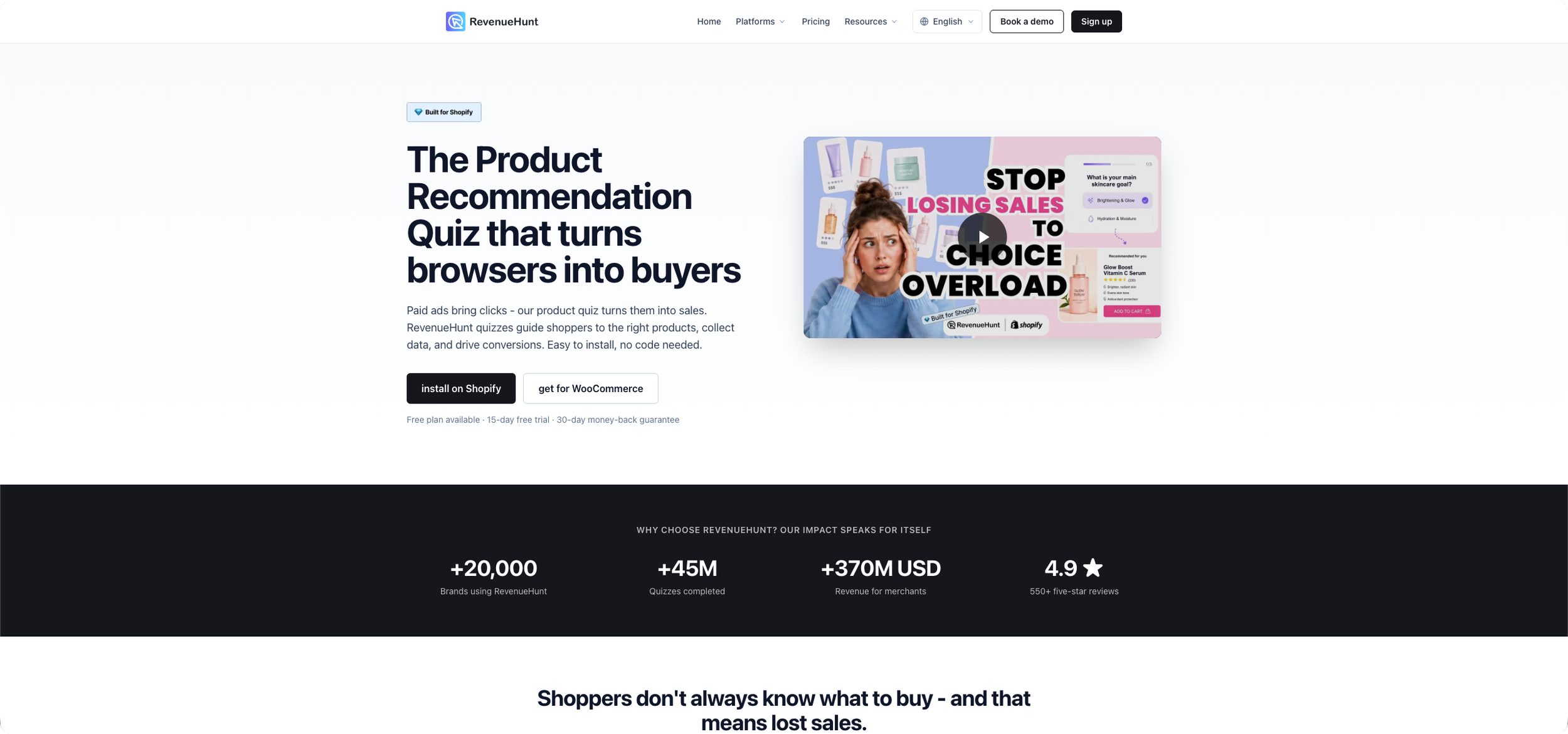
RevenueHunt (Shop Quiz) is used by 20,000+ brands and focuses on product recommendation quizzes with built-in analytics. It captures zero-party data on every answer, which can feed segmented email flows that keep converting long after someone finishes the quiz.
How to Start Your Own Skincare Line With Selfnamed
Starting a skincare line is simpler than most people think, and you don't need a factory, a big budget, or stock inventory investments. Selfnamed is a private-label platform that turns your idea into products with your name on them. It comes down to a few simple steps.
Pick your products. Choose from 200+ ready-to-brand formulas across face care, hair care, body care, and makeup. Most are COSMOS certified by ECOCERT and made in Northern Europe. Not sure yet? Order a sample set first to test textures, fragrances, and packaging before you commit.
Add your brand. Use the free Design Studio to create labels and packaging right in your browser, with print-ready templates or your own design from scratch. Prefer to hand it off? Our design service can do it for you.
Start selling. There are no minimum orders, so you can order a single bottle, dropship one by one as customers buy, or buy in bulk when you're ready. Connect your ecommerce store, and we pick, pack, and ship every order under your brand.
That's the whole path from idea to a live skincare brand, run from your laptop. Create a free Selfnamed account and start building your line today.
Final Thoughts
Growing a skincare brand is part beauty, part tech. The right tools keep your store clean, easy to shop, and consistent from the first email to the final checkout.
You don't need all of them at once. Pick the one that fixes your biggest bottleneck right now, often product sourcing, email, or reviews, then add the rest as you grow. Aim for a toolstack that fits your stage of business and plan how to adapt it as you grow.
Frequently Asked Questions
-
The best ecommerce tools for a skincare brand cover a few core jobs: landing pages (Replo, PageFly), email and SMS (Omnisend, Brevo), reviews (Loox, Stamped.io), quizzes (Octane AI, Prehook), support (Gorgias, Tidio), and product sourcing (Selfnamed, Sell The Trend). You don't need all of them at once. Start with the one that fixes your biggest gap, then add more as you grow.
-
A landing page is a standalone page built for one goal, like a product launch or a seasonal offer. It's often a customer's first contact with your brand, so it carries a lot of weight. A good one feels like a skincare consultation and guides visitors toward bundles, routines, or a hero product. Builders like Replo and PageFly help you create high-converting pages without code.
-
Email marketing builds trust and drives repeat sales, which is exactly what skincare brands run on. It lets you send replenishment reminders, restock alerts, and launch announcements straight to people who already want to hear from you. Tools like Omnisend and Brevo make it easy to automate those flows. It's also the highest-return channel in ecommerce.
-
Quizzes and reviews both remove the uncertainty that stops a sale. A product quiz from Octane AI or Prehook guides shoppers to the right products for their skin, turning browsing into a personalized path to checkout. Reviews through Loox or Stamped.io show real results and social proof, so new customers feel confident buying. Together they educate shoppers and give them a reason to trust you.
-
You can start a skincare line without a factory or a big budget by using a private-label platform. With Selfnamed, you pick from 200+ ready-to-brand formulas, add your label in the free Design Studio, and connect your store, with no minimum orders. Selfnamed handles manufacturing and fulfillment under your brand, so you focus on marketing and sales. It's the fastest path from idea to a live product.
Must read