Beauty Brand Name Ideas to Help Your Business Stand Out
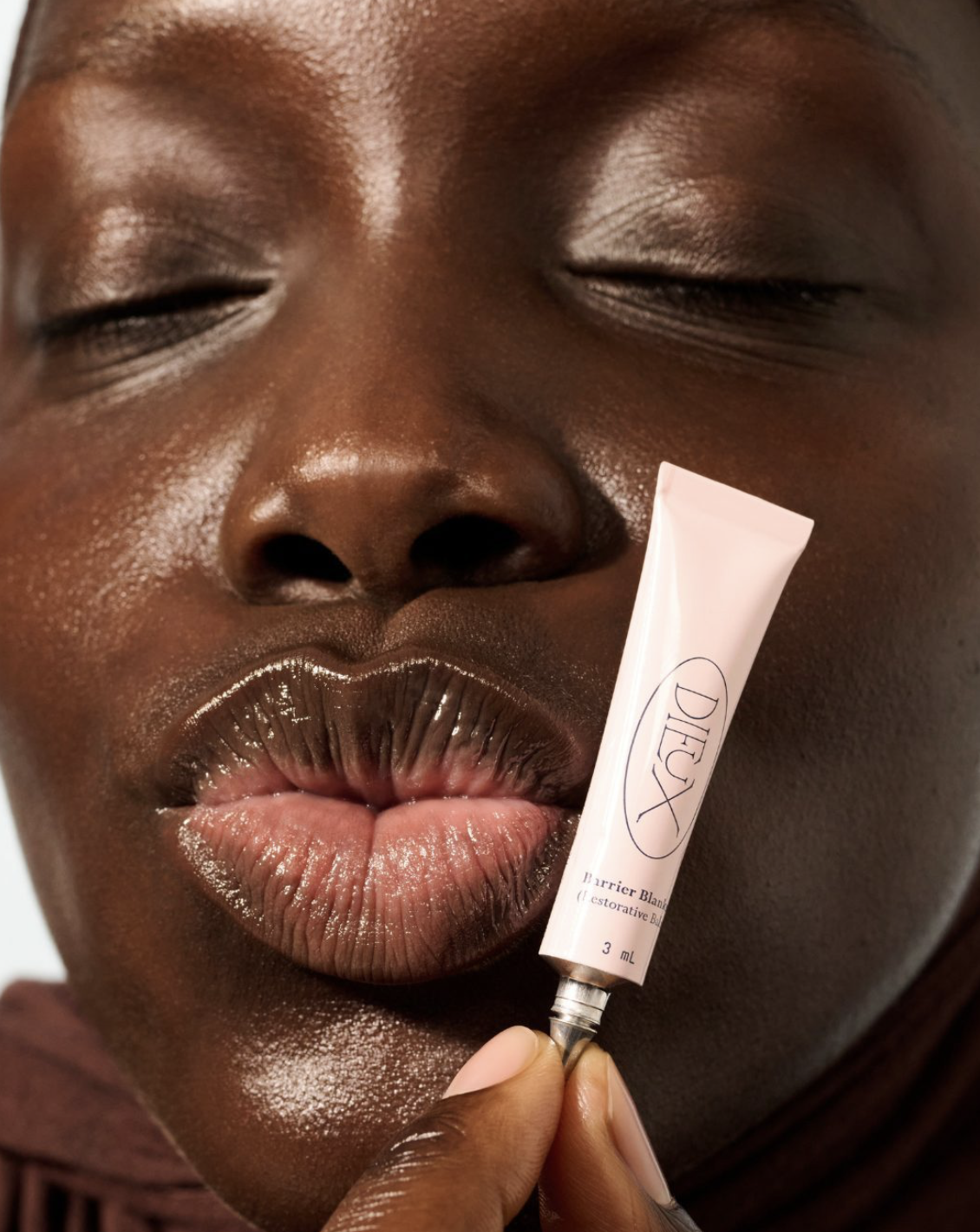
Table of Contents
Your brand name is one of the first things a customer judges, and often the fastest. In a few seconds it signals whether your business feels thoughtful, trustworthy, and worth their attention.
Effective formulas, beautiful packaging, and a clear point of view means a lot. But if the name doesn’t blend in, your marketing has to work twice as hard to make up for it.
This guide breaks down how to create beauty brand name ideas that feel intentional. You'll learn how to brainstorm, which mistakes to avoid, and how naming shifts across beauty categories.
Find name ideas by style and learn how to check a name is free before you commit.
Key Takeaways
A beauty brand name shapes how trustworthy and premium a business feels.
The sounds in a name carry meaning, from vowels and suffixes to associations.
Suggestive, emotional names usually age better than descriptive ones, which date faster.
Domain, social media, and trademark availability are worth confirming before a name is final.

How To Brainstorm Beauty Brand Name Ideas
Strong beauty brand names grow out of a clear brand identity. A skincare business built around calm routines and barrier care should sound grounding. A bold makeup artist brand should carry confidence and energy. Once that direction is clear, brainstorming gets easier.
Start by focusing on meaning, not just words:
the feeling your products create;
the outcome your customers want;
the rituals, textures, or moments your brand fits into;
personal or place-based inspiration tied to your brand's vision.
From there, choose a naming style and stick with it. Founder names, invented words, emotional phrases, and minimalist single-word brands all signal different things. If you're still mapping out your broader brand direction, our guide on finding your niche in skincare is a useful first step before locking in a name.
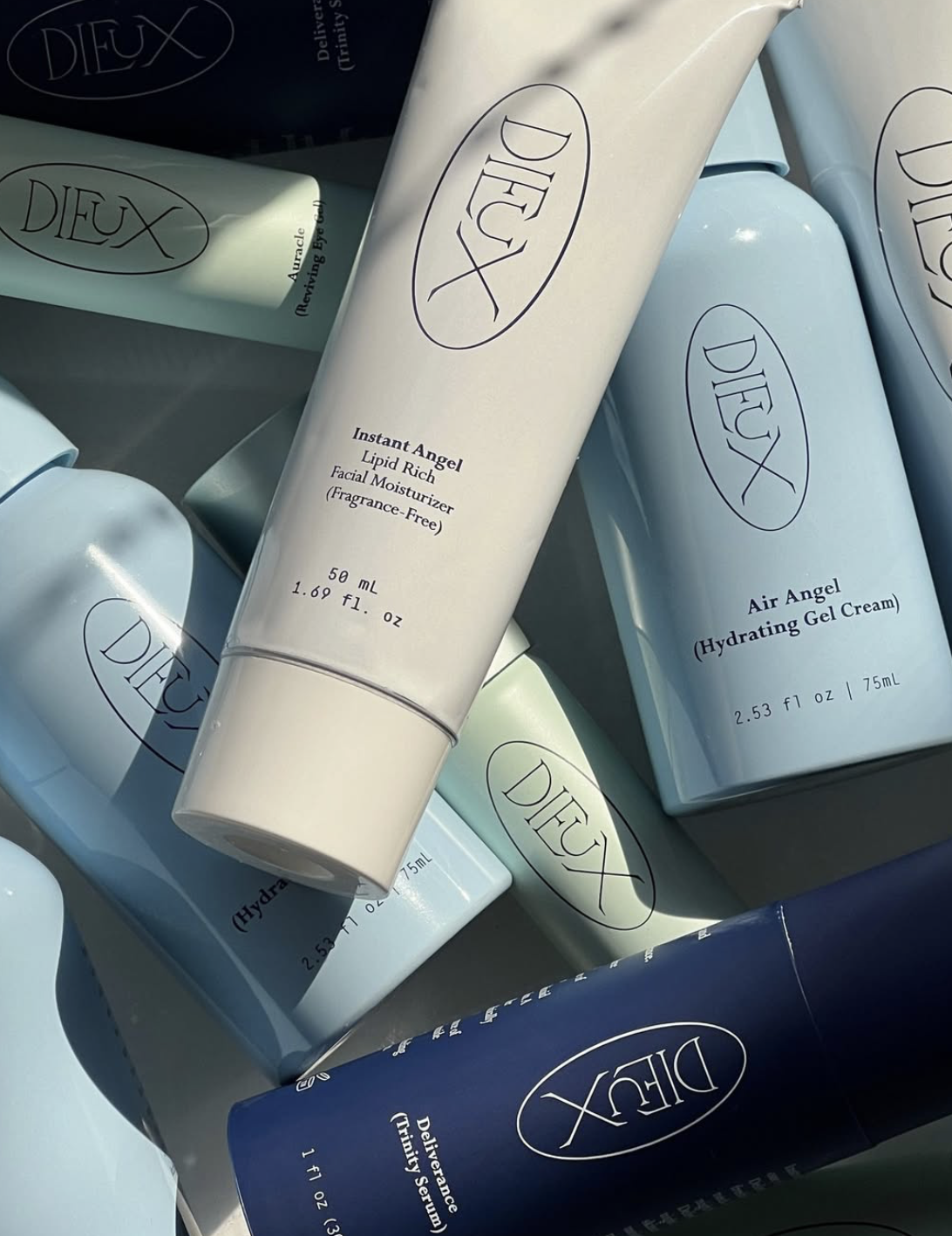
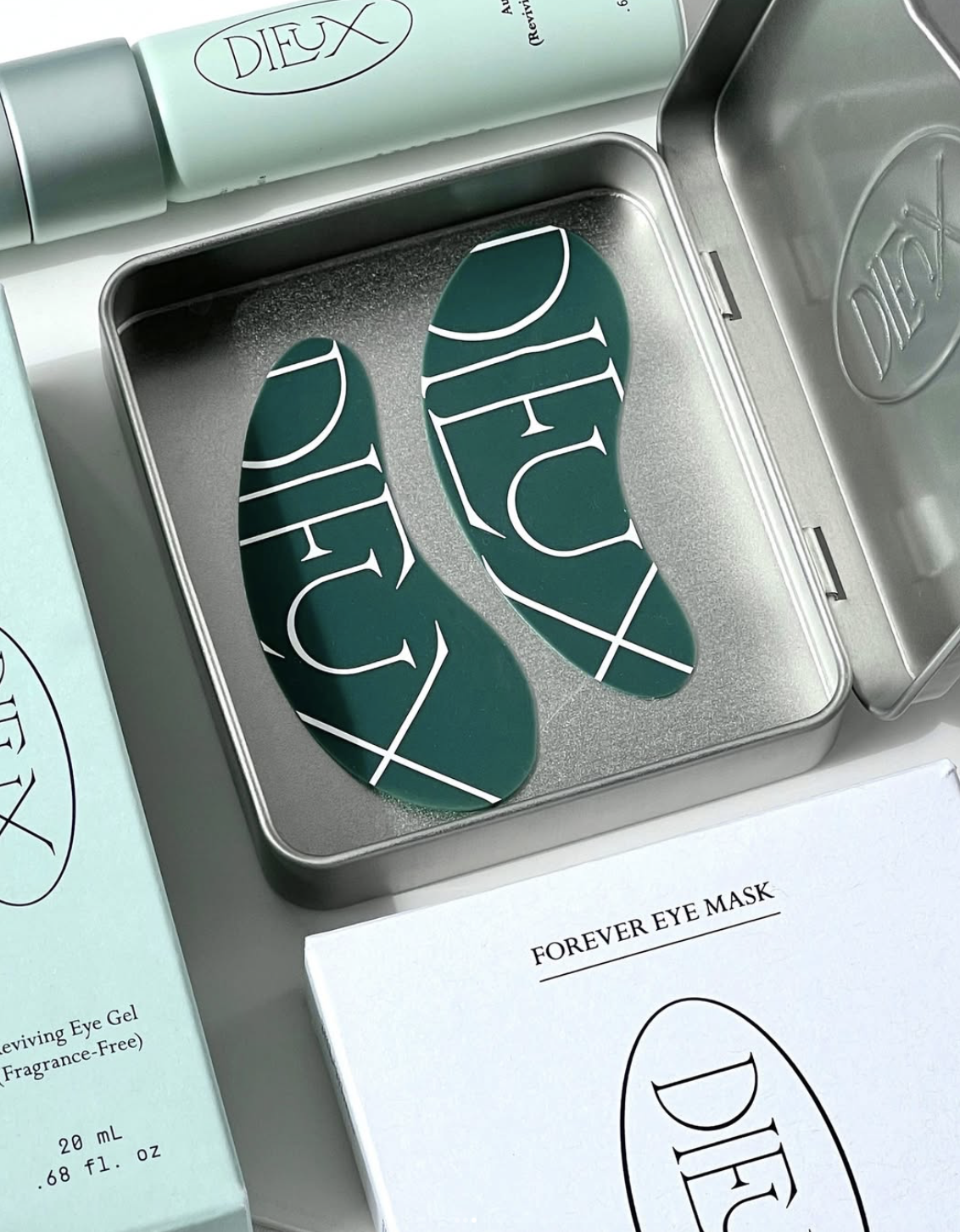
Source: Dieux Instagram
Then say your ideas out loud. Picture the name on packaging. Imagine someone recommending your skincare brand to a friend. If it sounds natural in conversation, you’re on the right track.
The Psychology of a Great Beauty Brand Name
The sounds in it, how easily it rolls off the tongue, and the feeling it sparks all shape how trustworthy your brand seems. Here’s a few naming principles to focus your brainstorming.
The Sound of a Name Signals What's Inside
Sound symbolism, the individual sounds in a name, carries meaning. Consumers infer product traits from the phonemes (word sounds) in a brand name before they ever read the label.
In one classic study, a fictional ice cream called "Frosh" was judged creamier than "Frish," purely because the rounder "o" sound reads as rich and smooth.
Front vowels like "ee" and "i" feel light, small, and fast, while back vowels like "o" and "oo" feel rich, round, and heavy. Hard plosive consonants (b, p, t, k) grab attention and stick in memory. Soft consonants (l, m, s, v) feel calm and refined.
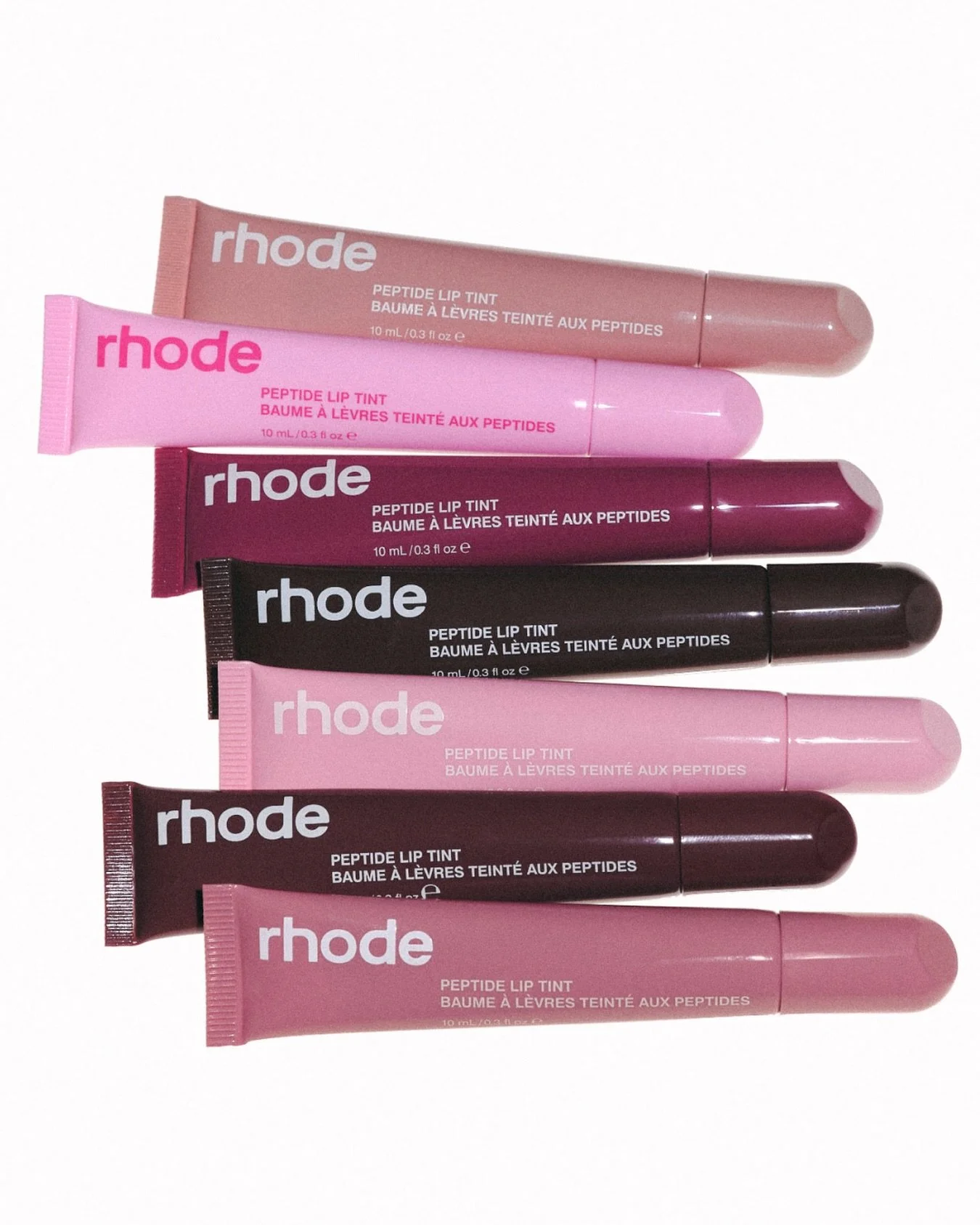
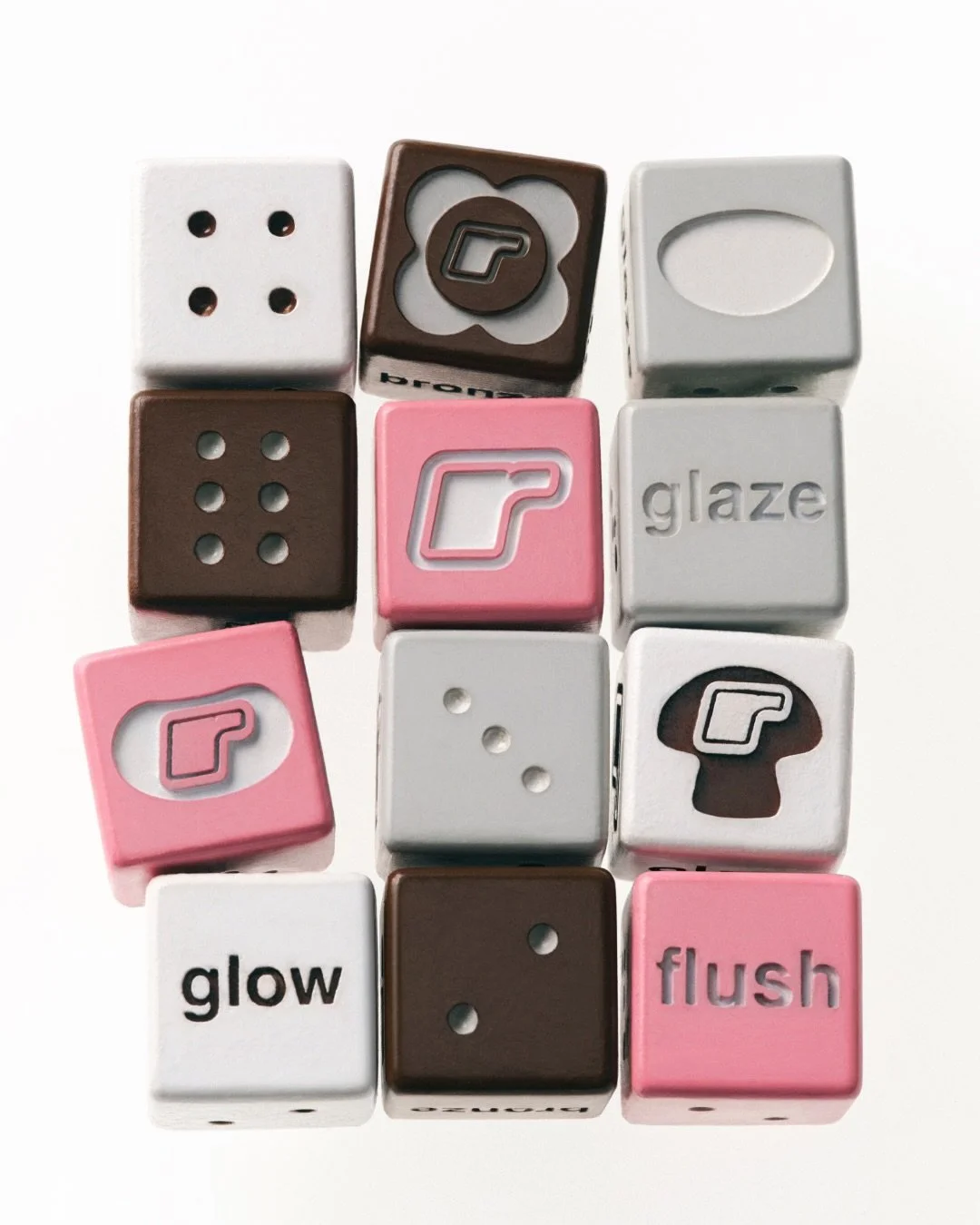
Source: Rhode Instagram
What to do with it: match the sound to how the product feels on skin:
A lightweight mist or a clarifying toner suits bright, front-vowel names.
A whipped balm or a facial oil suits rounder, back-vowel names.
A brand built on punchy, energetic products can lean on plosives.
A quiet luxury line reads better with soft consonants.
Easy-to-Say Names Get Trusted and Repeated
Names that are easy to pronounce get trusted more.
Research finds that hard-to-pronounce names come across as riskier and less familiar than easy ones, even when nothing else about the product changes. Easy names also travel. People say them out loud, spell them correctly in search, and recommend without second-guessing.
What to do with it: run some tests. Say the name aloud, imagine leaving it on someone's voicemail, then see if they can spell it back without help. If a clever spelling or a silent letter breaks that, it will also break your search results and your word of mouth.
A Name Is an Emotional Shortcut
A name triggers a feeling before anyone tries the product, and that first impression shapes how customers judge the brand.

Descriptive names win the first three seconds because they explain what you do. Suggestive, emotional names win the long game because they give customers something to feel and belong to. Names tied to a distinct meaning or experience are also remembered more easily.
What to do with it: name the feeling, the outcome, or the identity, not the ingredient or the function. "Barrier Repair Serum Co" explains itself and then disappears. A name like Afterglow makes someone feel something and gives your brand room to grow.
Naming Trends, and When to Skip Them
Every era has its naming fad.
The -ify wave gave us Spotify and Shopify. The -ly wave, from Bitly to Calendly, grew out of Libya's .ly domain. The dropped-vowel era gave us Flickr and Tumblr.
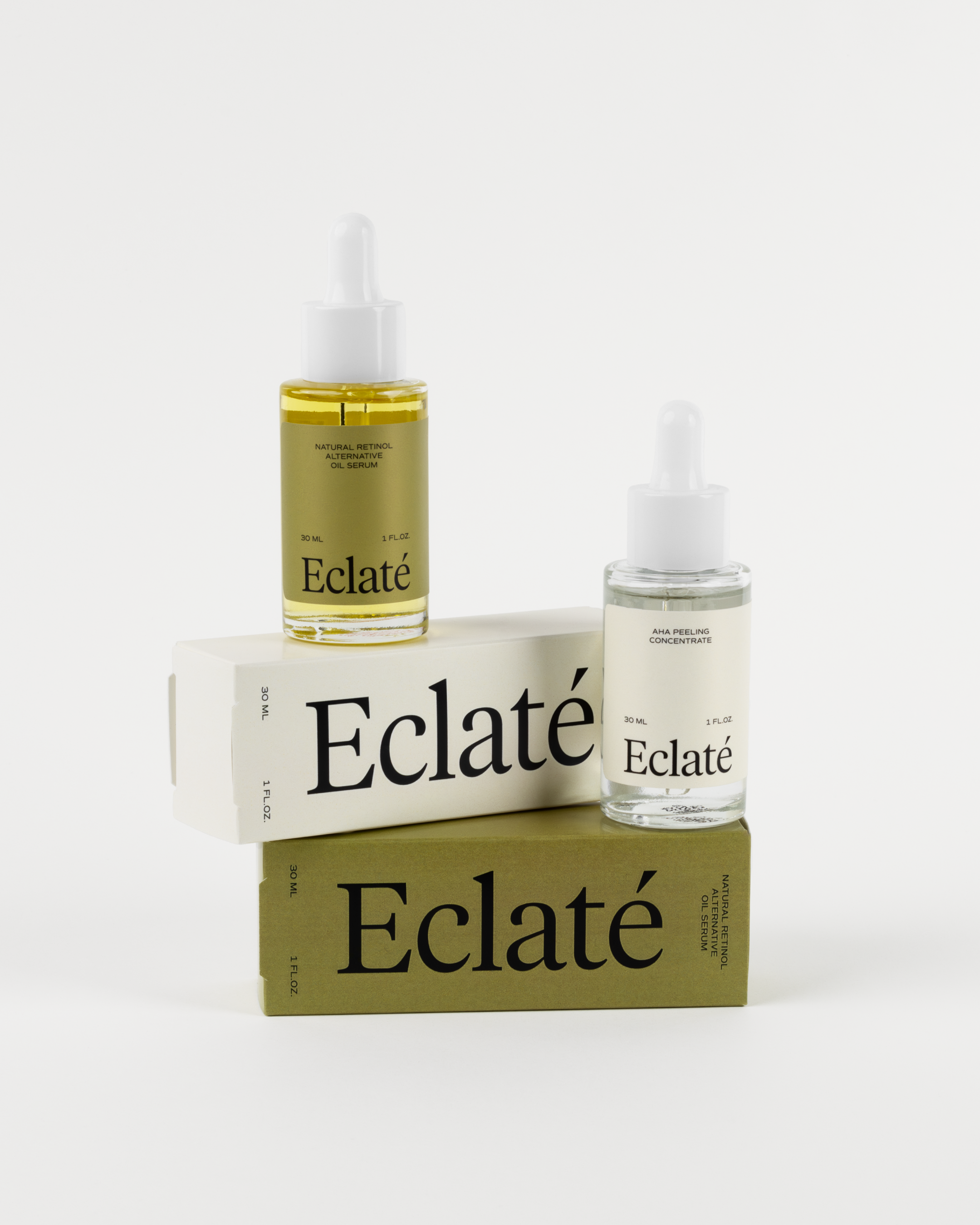
In beauty, the tells are the soft -a, -elle, and -é endings and coined faux-Latin words. Right now, coined names ending in "a" make up about 5% of the latest startup naming class, alongside a rise in short, single-syllable names.
The catch is that a trendy suffix timestamps your brand to the year you launched. What felt fresh in 2015 can sound dated now.
What to do with it: borrow the mechanism, not the fad. If you love Spotify, what actually works is the invented, ownable word, not the -ify tacked on the end. Pick a naming device that will still read well in ten years, then run it through the sound and fluency tests above.
Examples of Beauty Business Name Ideas
When you start playing with skincare brand name ideas, you’ll notice that certain names just feel right. Not because they explain the product, but because they set a tone.
For instance, names like Afterkind or Betterly work because they’re built around feeling. They sound calm and human, which makes them a natural fit for a skincare brand focused on self care, well being, or natural beauty.
Other beauty business names feel steady and intentional. A name like Zero Drama hints at how skin should feel – calm, unbothered – without overpromising. It’s simple, grounded, and easy to trust.
Then there are unique beauty business names that leave room to grow. More open-ended brand name ideas don’t spell everything out, but they give a beauty brand space to build a strong brand identity over time.
The common thread is restraint. The best beauty name ideas create a feeling and stay memorable in customers minds.


Beauty Brand Name Ideas by Style
Coming up with a beauty product name is part excitement, part pressure. You want something that feels right now, but you also don't want a name you'll outgrow as the business takes shape.
The lists below give you room to explore different directions and see what resonates. Pay attention to the ones that linger, the names you keep thinking about or can easily picture on a product. That small moment of recognition is usually a sign you're getting closer.
Luxury Beauty Business Names
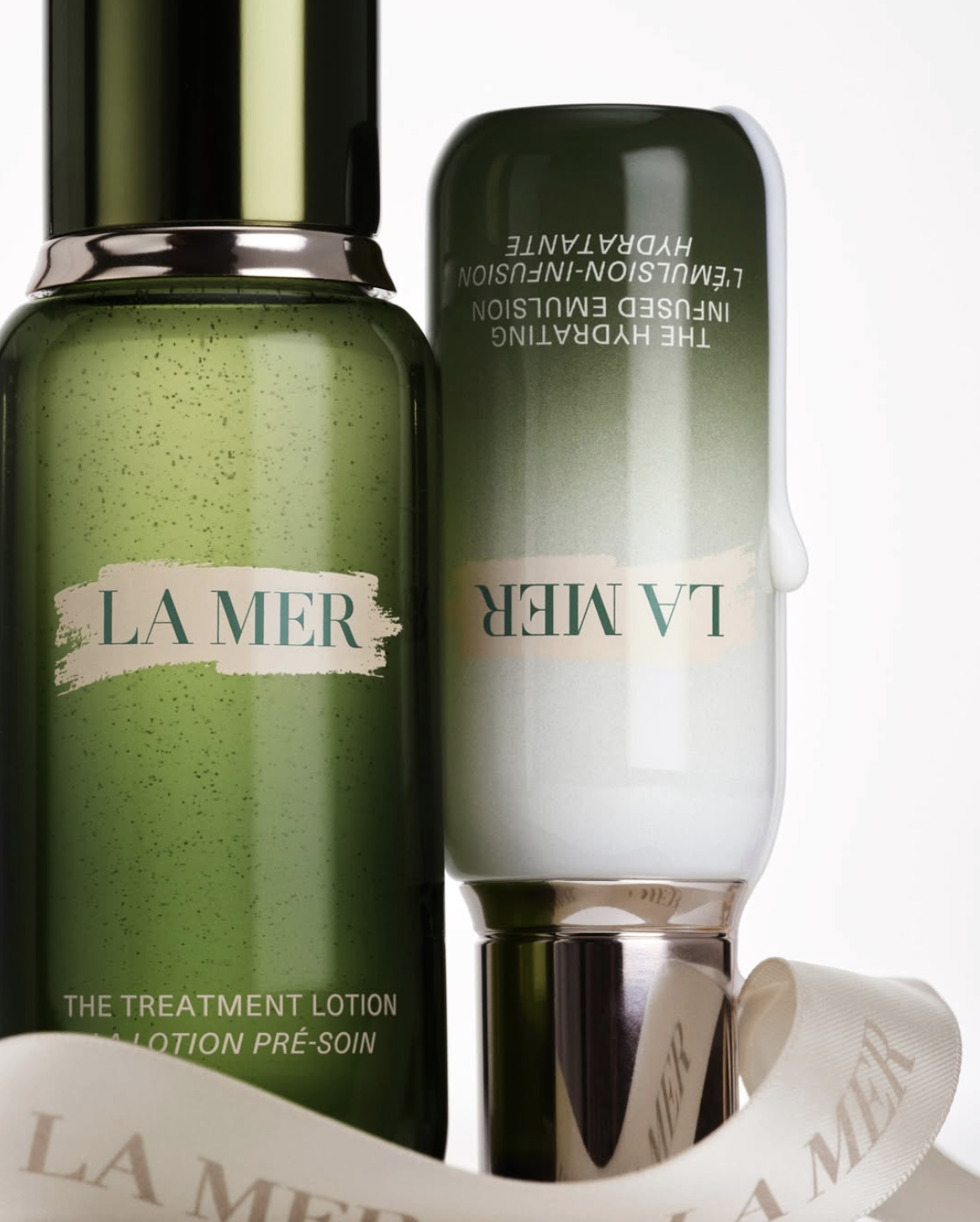
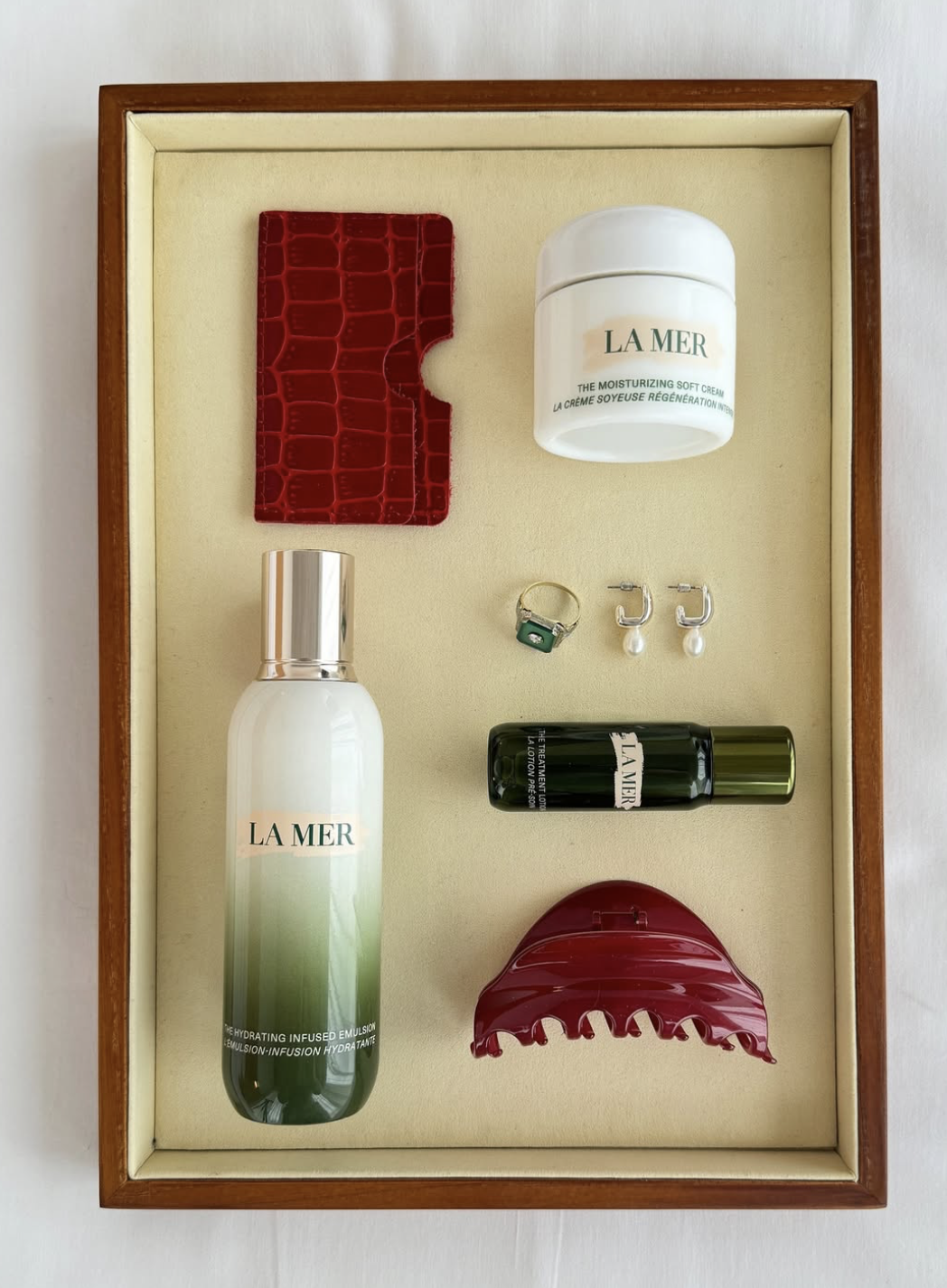
Luxury beauty brand name ideas work through restraint. The most convincing ones feel quiet, like they belong to a brand that already knows who it's for. They imply value instead of announcing it.
Source: La Mer Instagram
The trick is cohesion.Luxury reads as premium when the name, identity, and product all line up, not when the name tries to sound expensive. Soft coinages, French-rooted maison names, and clean editorial phrases all carry that feel.
Three naming styles tend to feel premium. Use them as starting points, then check availability before you commit.
Quiet, confident coinages. Invented single words with soft sounds and an elegant finish. They give a brand room to grow and sound like heritage even on day one.
Solenne
Velune
Lioré
Noème
Sovelle
Calverra
Aurelle
Elaris
Vellora
Seravie
Lumenza
Noctelle
French- and Latin-rooted names. Borrowing from French and Latin is one of the oldest cues in luxury beauty, because both languages carry associations with craft and refinement. Root a name in a word like maison (house) or forme (form), or in a Latin stem, and it reads considered.
Maison of Form
Formeau
Denovi
De Rituel
Atelier Nº 9
Objet de Peau
Editorial, phrase-style names. Full phrases that read like a magazine line or an exhibition title. They suit a brand with a clear point of view and confident copy.
The Reserved Ritual
A Study in Skin
Considered Beauty
Form & Feeling
Measured Glow
Quiet Standard
Whatever direction you choose, say it out loud and picture it on a label. If it sounds calm and sure of itself in conversation, it's doing the work a luxury name should.
Modern Beauty Business Name Ideas
Modern beauty brand names are confident, minimal, and built for a digital-first world, where a name has to look good on packaging, work as a domain, and feel natural said out loud.
They tend to fall into three shapes. Pick the one that fits how your brand talks to people.
Calm, minimalist phrases. Two-word names that describe a feeling or a state rather than an ingredient. They read easy and unbothered, which suits a low-fuss routine.
Zero Drama
Soft Reset
Skin Mood
Calm Form
Bare Routine
Easy State
Coined one-word brands. Short invented words that sound like an app as much as a beauty brand. They are easy to say, easy to spell, and simple to build a logo around.
Skina
Dailo
Genta
Kindo
Calma
Barely
Clean compound names. Two familiar words fused into one clear idea. They hint at what you do while still feeling designed rather than descriptive.
Clearstate
Moda Skin
Daykind
Northskin
Niche Beauty Brand Names
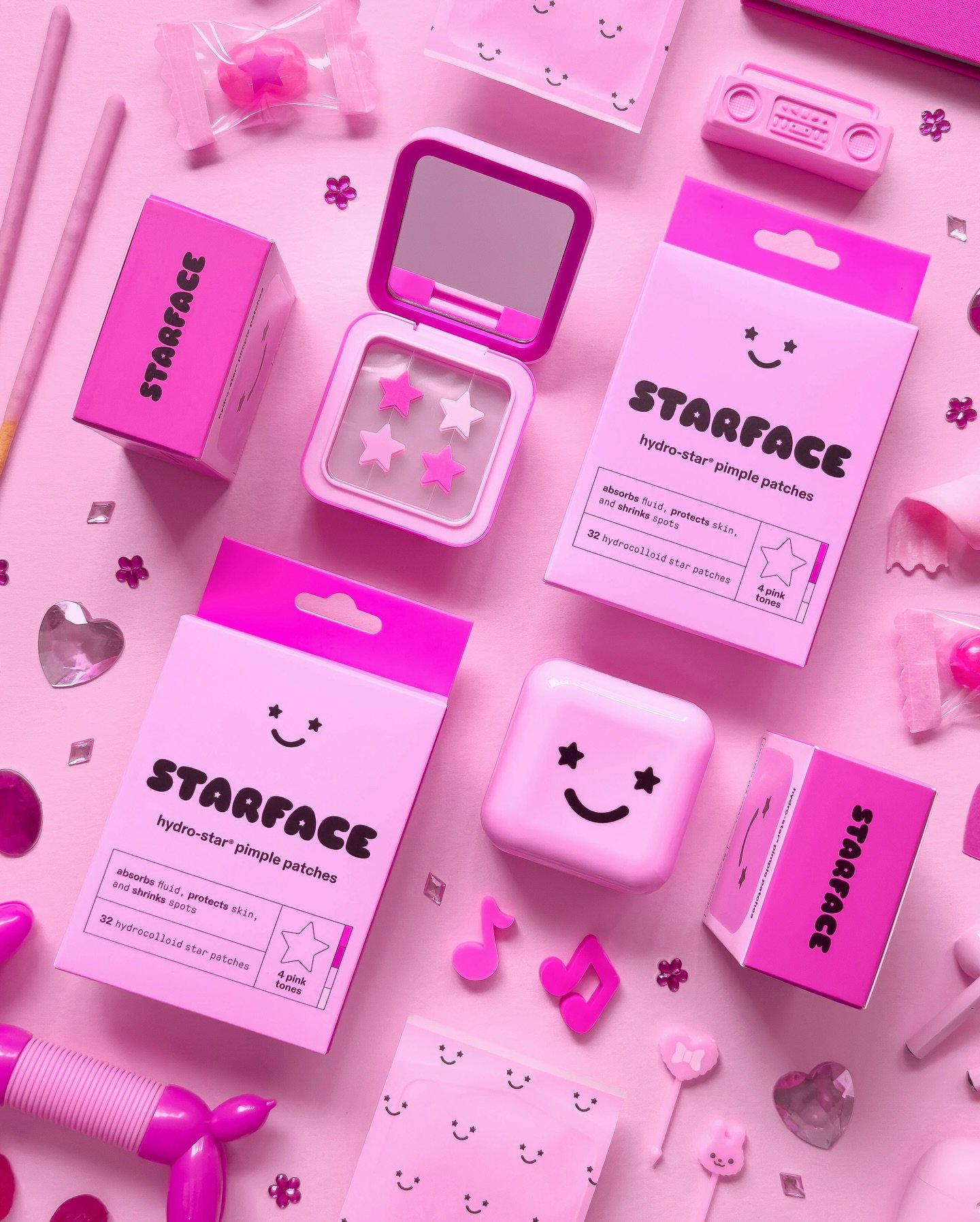
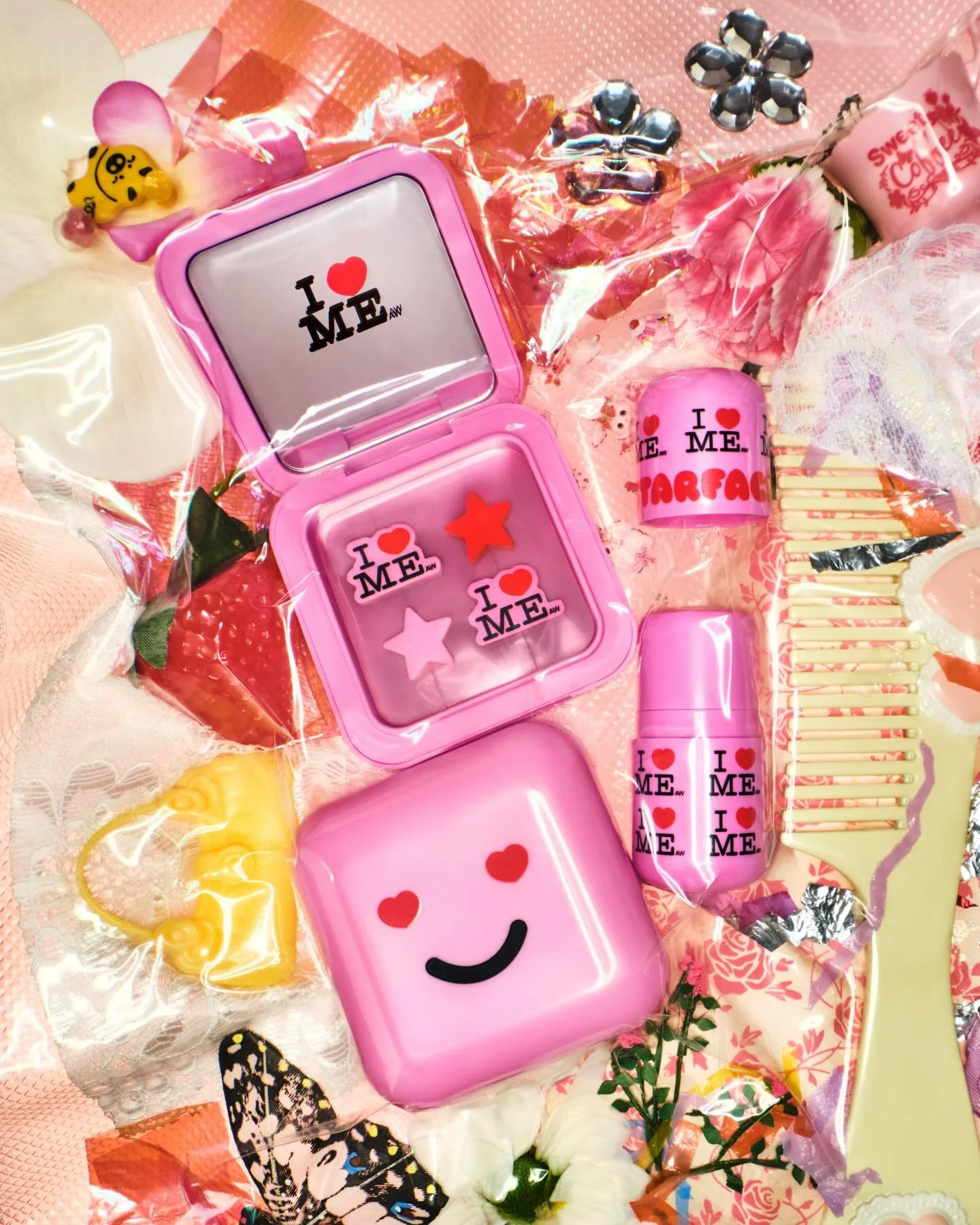
Niche beauty brand names come from being honest about one thing: the brand isn't for everyone. And that's often the whole point. When so many brands try to speak to everyone at once, a focused name does the opposite and takes a clear stand.
Source: Starface Instagram
The strongest niche names hint at a point of view, a ritual, or a specific customer the brand actually understands. Three angles work especially well.
Time-of-day and ritual names. Names built around when and how the product is used. They tie the brand to a moment in someone's day, which makes it feel personal.
After Hours Care
Before Bed Skin
First Thing Care
Slow Morning Skin
Night In Method
Point-of-view phrases. Names that say something about how the brand sees beauty. They attract the people who already agree and gently filter out the rest.
Skin Between
Bare Minimum Club
The Fifth Sense
Pause Routine
Coined and method names. Short, ownable marks that suggest a system or a signature approach. They give a small brand a sense of expertise.
Clear Method
Methoda
Fifthskin
Routina
Niche Beauty Business Names
Niche beauty brand names usually come from being honest about one thing – the brand isn’t for everyone. And that’s often the whole point.
The strongest niche names hint at a point of view, a ritual, or a specific customer the brand actually understands. Three angles work especially well.
Time-of-day and ritual names. Names built around when and how the product is used. They tie the brand to a moment in someone's day, which makes it feel personal.
After Hours Care
Before Bed Skin
First Thing Care
Slow Morning Skin
Night In Method
Point-of-view phrases. Names that say something about how the brand sees beauty. They attract the people who already agree and gently filter out the rest.
Skin Between
Bare Minimum Club
The Fifth Sense
Pause Routine
Coined and method names. Short, ownable marks that suggest a system or a signature approach. They give a small brand a sense of expertise.
Clear Method
Methode
Fifthskin
Routina
Skincare-Focused Name Ideas
Skincare-focused brand names come from a place of care. They quietly signal trust, consistency, and intention, the things people weigh when choosing products they'll put on their skin every day.
These names stay grounded in what skincare is really about while leaving room to grow. They tend to group into three directions.
Barrier and balance names. Names that speak to skin health and a healthy barrier, a language customers now recognize and look for.
Base & Barrier
Barrier First
Essential Barrier
Barrier Repair Co
Skin in Balance
Clinical, lab-style names. Names with a "derm" or "lab" cue that suggest formulation and rigor without sounding cold.
Balanced Derm
Skin Reset Lab
Rested Skin Lab
Core Skin Lab
Calm Skin Co
Calm, editorial names. Understated names that set a standard and let the products do the talking.
Skin at Rest
Health Edit
The Skin Standard
Foundation Skin
Checking Domain, Social Media, and Trademark Availability
Before committing to any name, make sure it actually works everywhere your brand needs to exist.
Domain availability
Over 364 million domain names are already registered worldwide. If your business name doesn't have a clear, matching domain, your marketing gets harder from day one.
Social media handles
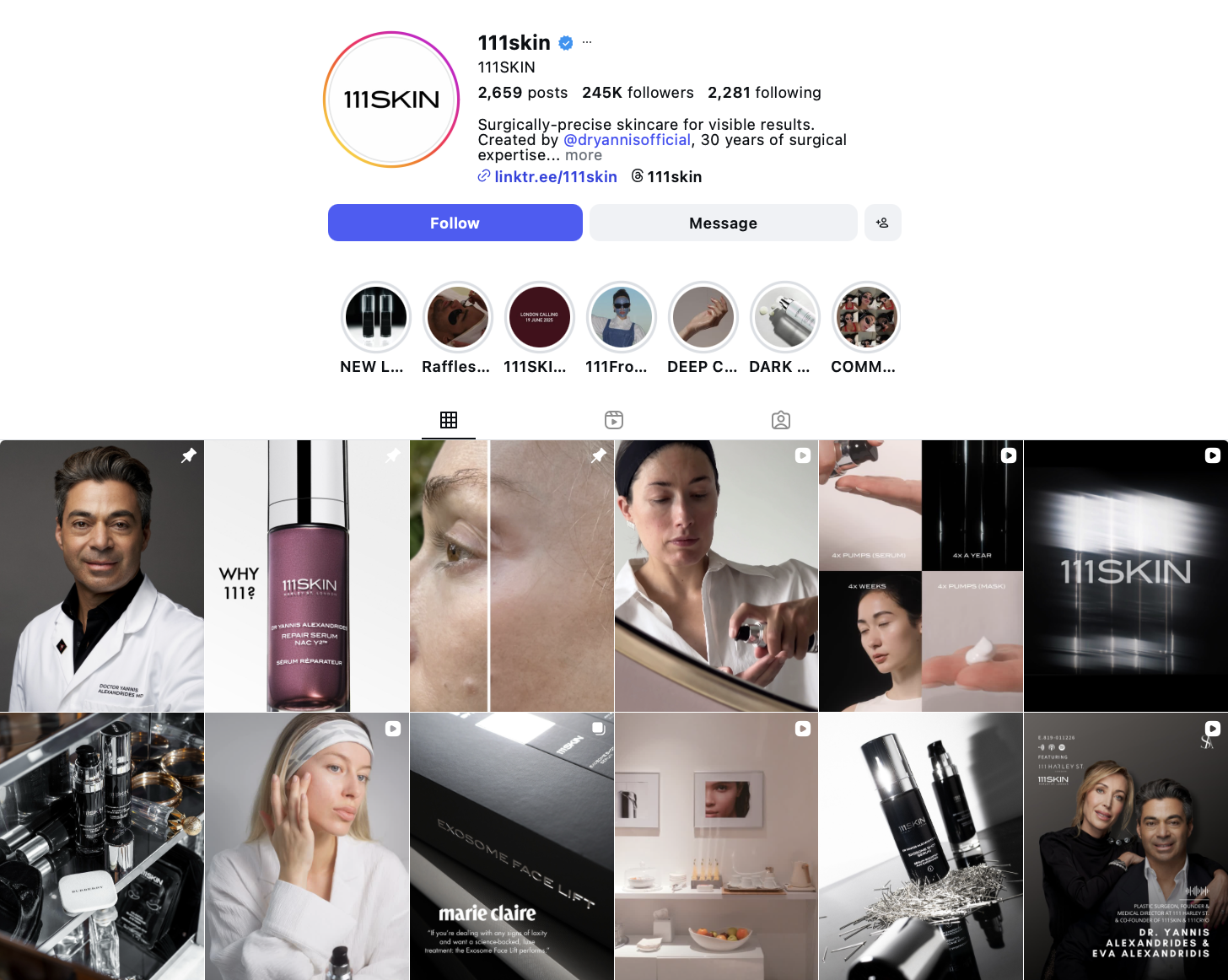
In beauty, discovery often starts on Instagram or TikTok. If your handle is taken, customers may struggle to find you, or find the wrong brand instead.
Source: 111Skin Instagram
Trademark availability
Trademark databases like the USPTO and EUIPO exist because name conflicts are common, especially in beauty. Every year, thousands of new trademarks are filed in skincare and cosmetics alone. That makes it surprisingly easy to pick a name someone else already owns. And when that happens, it's usually the newer brand that has to change everything after launch. A few minutes of checking early can save you a lot of stress, money, and backtracking later.
Once you know your name is clear, consistent, and available, you can move forward with confidence and focus on building a business that lasts.
How Selfnamed Helps Launch Your Brand After Naming
Once you’ve landed on the right brand name, the next step is bringing your skincare line to life.
We at Selfnamed help you make your own skincare line and grow a private label cosmetics brand in a way that feels organic and manageable. With low MOQs, custom packaging, and ready-to-sell skincare, face care, hair care, and body care products, it’s possible to move from idea to launch more easily.


You can shape how your brand looks using our Design Studio – a free tool that helps you create packaging and labels with ease. When you're ready to browse products, explore our full private label catalog.
And when it’s time to sell, we handle production, packing, and shipping under your brand name, so you can focus on growing your beauty business.
Common Mistakes To Avoid When Naming a Beauty Business
Most naming mistakes happen because founders skip the practical thinking that turns a good idea into a skincare brand name that sticks in customers' minds.
Brand names aren't just labels. They're one of the first things people notice and remember about your business. Research shows that brand names can significantly influence buying behavior and shape consumer perception long before someone ever tries a product.
Here are the most common traps you can fall into, and how to avoid them.
Generic Or Forgettable Beauty Business Names
Words like "pure" or "natural beauty" feel safe, but they're also everywhere.Studies on brand recall show that names tied to distinct meanings or experiences are remembered more easily than generic or interchangeable ones.
When your name doesn't help customers quickly understand what makes you different, your brand becomes harder to recall no matter how good your products are.

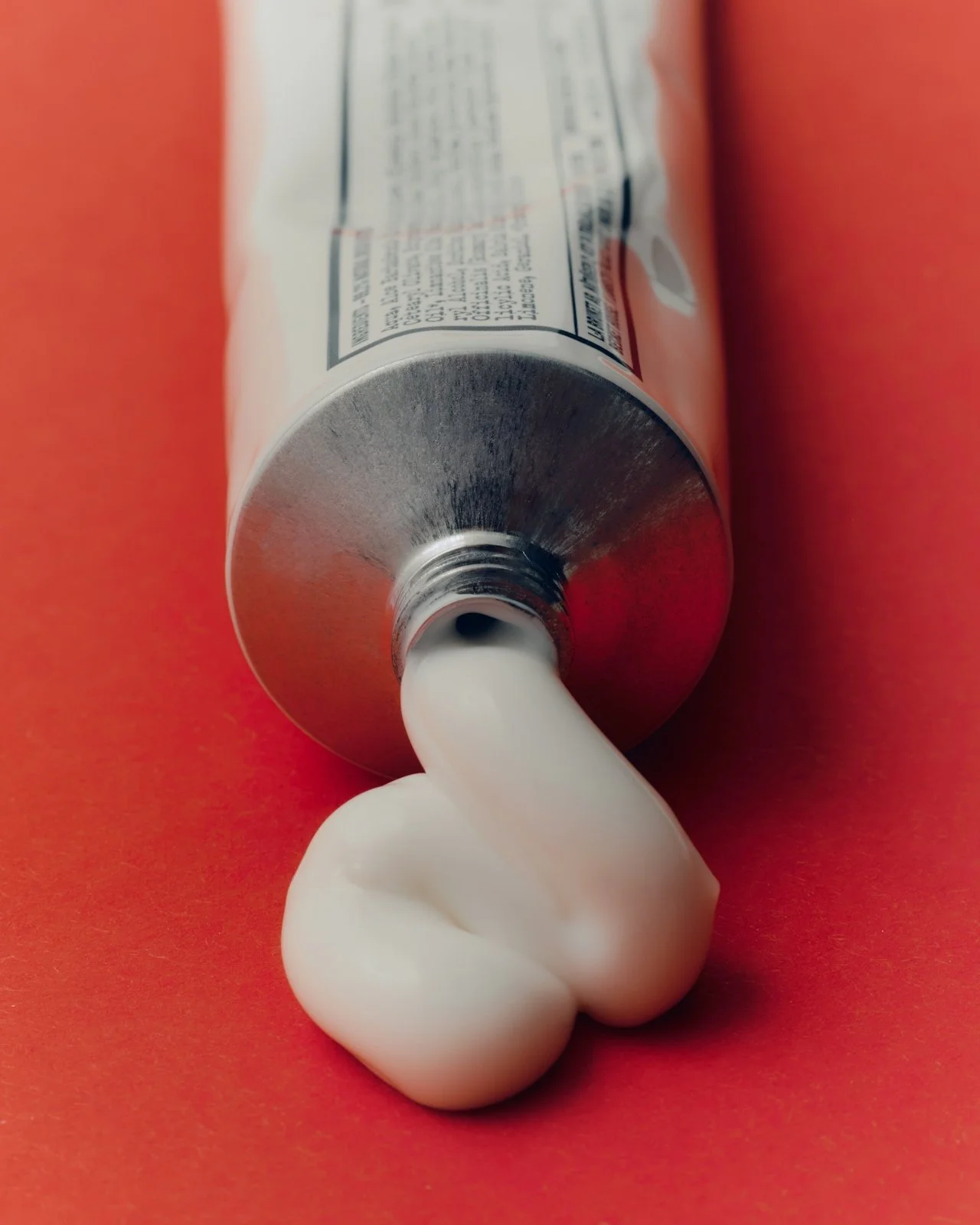
What works better? Names that hint at an outcome, a feeling, or a ritual your brand owns.
Trying To Sound Luxury Without Substance
A lot of founders assume a luxury beauty brand name has to sound long, elegant, or overly polished. In reality, that's rarely what makes a brand feel premium.
Luxury is about cohesion. The name, visual identity, values, and product experience all need to line up. When a name tries too hard to sound expensive but doesn't match the actual products, customers notice. The beauty USPs you present have to stay cohesive with the product's real value.
What works best? Choose a name with quiet confidence that fits your brand's vision and supports long-term growth, instead of relying on complexity to signal status.
Following Current Trends Instead Of Meaning
A lot of founders chase current trends because they want a name that feels modern or catchy at launch. That makes sense. But those names don't always hold up. Over time they start to sound like everything else, and it gets harder to build a lasting brand identity.
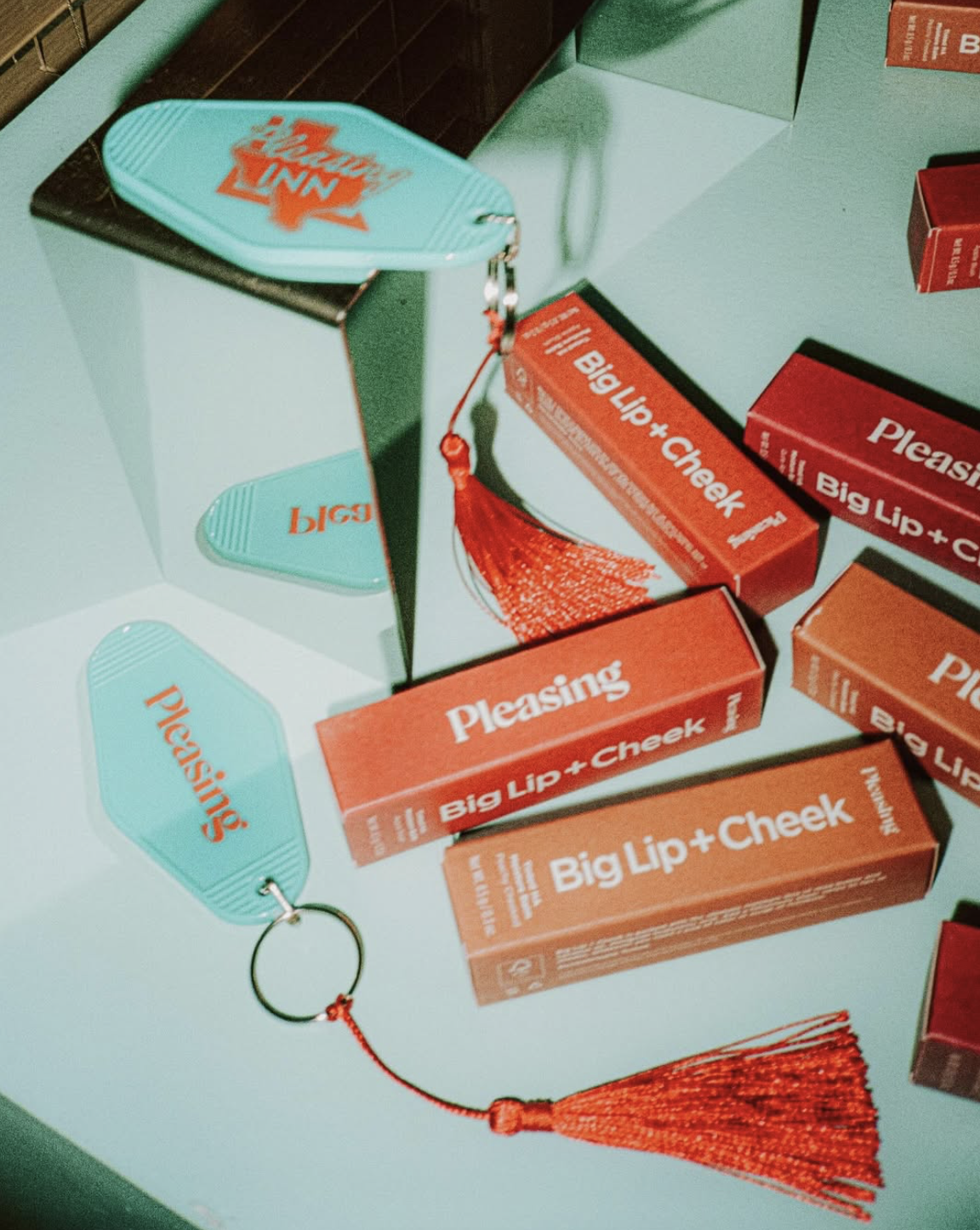

What works better? Focus on ideas that come from your brand's story and purpose. A name that means something to you and to your customers has a much better chance of lasting.
Locking Your Brand Into One Product Or Problem
It's common for founders to name their business around the first product they're launching. When you're deep in development, that one serum, shampoo, or concern feels like the whole world.
But most beauty brands grow. They expand into new product categories and new customer segments. When a name is too specific, customers may struggle to see how the new products fit under it, which makes the brand harder to build on.
What works better? Choose a name that supports future growth, not just your first launch. A flexible name helps your business evolve while staying recognizable.
Falling In Love Before Checking Availability
You come up with a name that feels right. It matches your brand's vision, reflects your values, and you can already picture it on packaging. So you move forward, without checking whether it's actually available.
Source: name.com
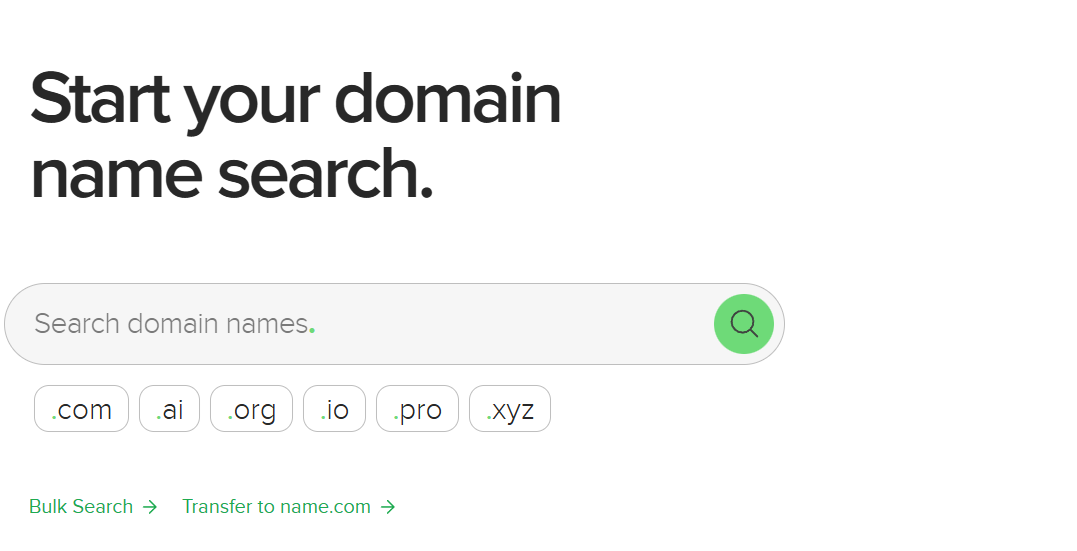
That's risky. Your name needs to work everywhere, on your website, on social media, and wherever customers look for you. When someone else already owns the matching domain or social handles, everything becomes harder than it needs to be.
So check domain availability early. Lock in the matching domain and social handles first, then move forward knowing the name can actually work.
Build a Strong Brand Identity From the Start
The right beauty brand name shapes how customers see your business, how they remember it, and how easily it can grow. Strong name ideas come from clarity, from knowing your brand's vision, values, and the kind of experience you want to create.
Take time to brainstorm with intention, avoid the common naming mistakes, and validate your final name by checking domain, social media, and trademark availability. Once the name is in place, your skincare logo design is the next piece of the identity puzzle.
Frequently Asked Questions
-
Start with getting clear on what you’re building and who it’s for. When you understand the feeling, the routine, or the problem your brand fits into, name ideas tend to show up more naturally.
-
Yes, and in some cases, it’s a great choice. Using your own name can feel very natural if your story or experience is tied closely to the brand. The only thing worth pausing on is the future. Try to picture the brand a few years from now and ask yourself whether the name still feels right if it grows bigger than just you or moves into new products.
-
Before you get too attached, do a quick check. Look up the domain, search social media, and run the name through trademark databases like the USPTO or EUIPO. It’s a lot easier to change direction early than after you’ve launched.
-
It should reflect how the brand actually feels. Luxury names tend to be quieter and more confident. More accessible brands usually sound friendly and straightforward. There’s no rule. The name just needs to match the experience you’re offering.
-
Once the name is done, most people wonder how to actually turn it into a real brand. That’s where Selfnamed fits in. We help founders launch private label skincare and beauty products, handle design, and manage production and fulfillment, so the idea doesn’t just stay an idea.
Must read