Skinmaxxing Explained: The Beauty Trend Reshaping Skincare
Table of Contents
Skinmaxxing, facemaxxing, beautymaxxing.
All of these words trace back to ‘min-maxing’, a piece of online gaming slang from the 90s and early 2000s that meant maximizing a specific stat for your character. Since then, the concept has spread well beyond gaming, spawning new coined words across all kinds of industries.
The names sound very internet. But much of the advice behind them is surprisingly familiar. Wear SPF. Get enough sleep. Protect your skin. Pay attention to ingredients.
New words, but old wisdom.
But there's more to the story. Some of these trends have roots in online spaces where self-improvement can tip into obsessive comparison, like the looksmaxxing culture.
We'll get into that part too.
But somewhere between all the “maxxing” and the social media algorithms, and sketchy influencers, skincare became something to study, not just shop for. People are getting much more serious about what they put on their skin, and asking more questions before they buy.
For beauty founders, that's worth noticing. Strip away the internet slang, and you're left with a customer who knows more, asks more, and has done their homework.
Key Takeaways
Skinmaxxing is about improving your skin through consistent care, targeted ingredients, and SPF.
Facemaxxing goes beyond skin, bringing facial treatments, tools, grooming, and makeup into the mix.
Beautymaxxing takes the widest view, combining skin, hair, body care, beauty, and everyday self-care habits.
The “maxxing” trend has its downsides, particularly when appearance becomes tied to constant comparison or unrealistic beauty standards.
For beauty founders, the trend points to a well-informed customer who pays attention to ingredients, formulas, claims, and results.
What Is Skinmaxxing?
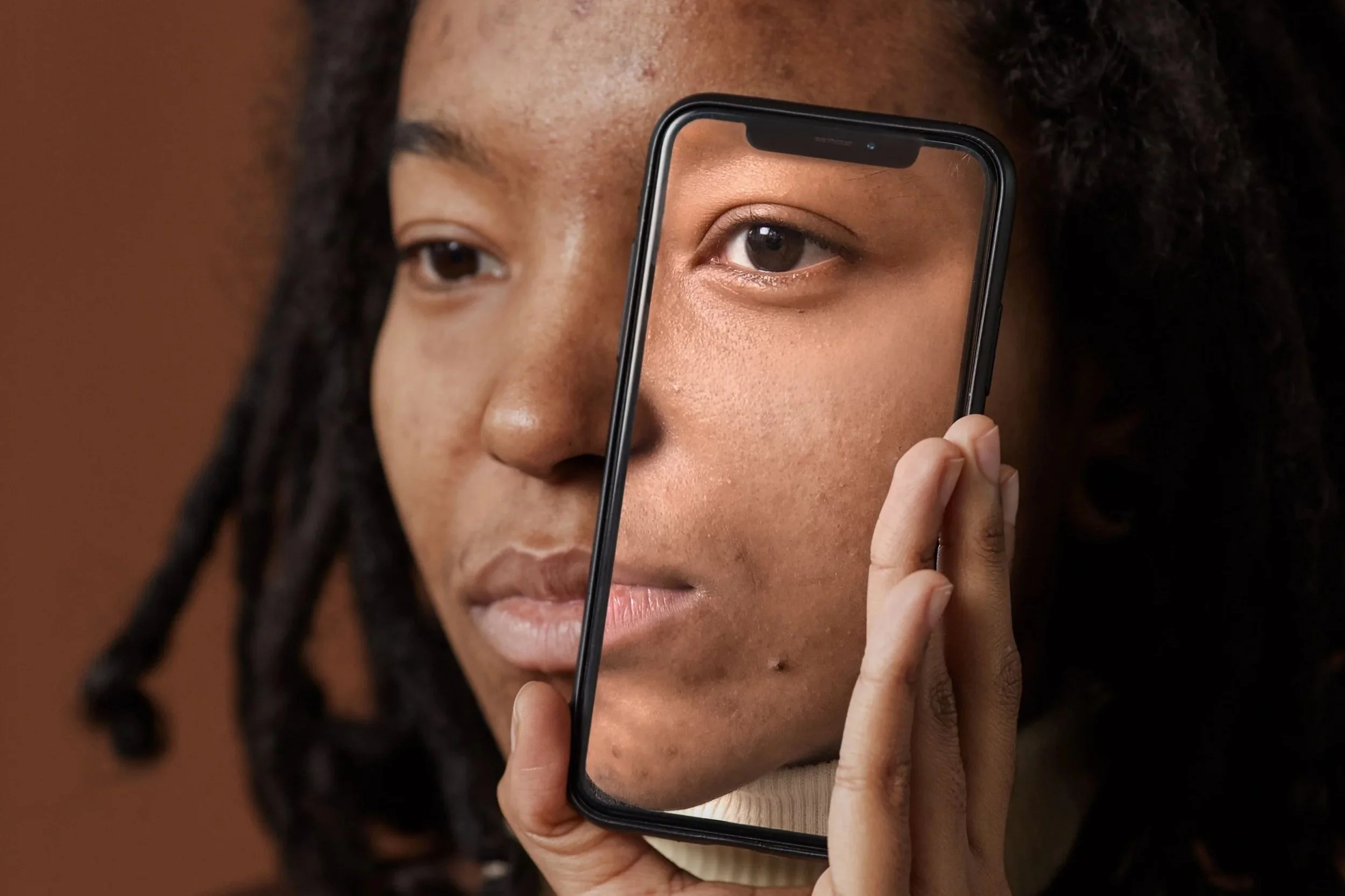
Skinmaxxing is about improving your skin's health and appearance through a consistent, evidence-based skincare routine. Think of it as skincare with an analytical, obsessive streak.
Instead of stuffing their cosmetics bag with yet another viral serum, someone who’s skinmaxxing is more likely to ask what their skin actually needs, research ingredients, build a routine around specific goals, and track whether it works or not.
The goal goes beyond simply maintaining your skin.
It's about improving its quality over time: better hydration, smoother texture, fewer breakouts, more even pigmentation, a stronger skin barrier, and healthier-looking skin.
Skinmaxxing grew out of the broader ‘looksmaxxing’ culture on platforms such as Reddit and TikTok, which first gained traction largely among young men. It essentially took the skincare portion of that world and ran with it.
Fortunately, the healthy version is considerably less dramatic than the name suggests.
What Does a Skinmaxxing Routine Actually Look Like?
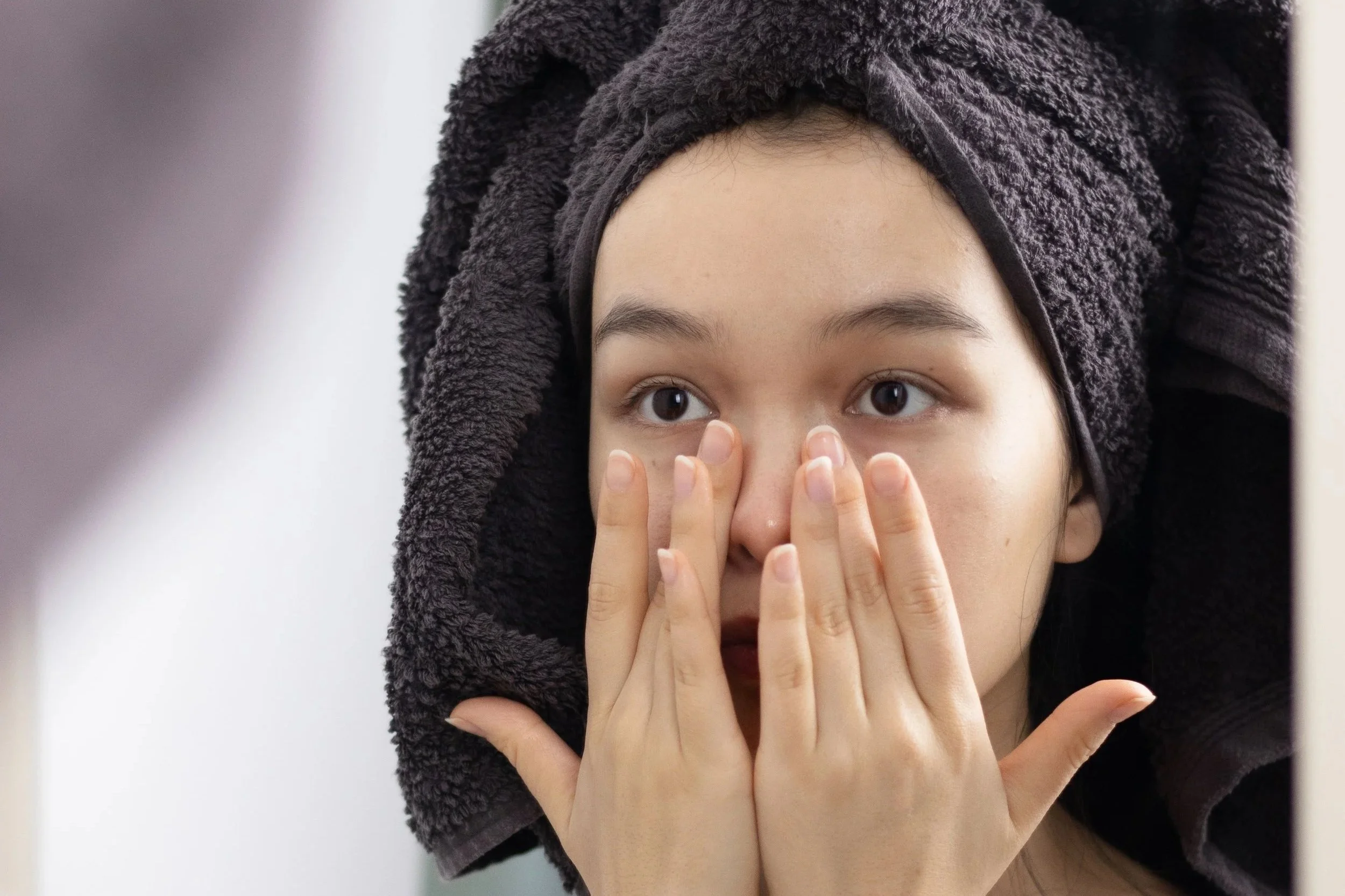
Despite the rather intense name, a skinmaxxing routine doesn't need to be complicated. Start with the basics, then add active ingredients based on what your skin actually needs.
At its most basic, the routine comes down to three essentials:
Gentle cleanser;
Moisturizer;
Broad-spectrum SPF during the day.
From there, you can add targeted treatments based on what your skin needs:
Vitamin C can provide antioxidant support and help with brightness;
Retinol can target fine lines, uneven texture, and pigmentation;
Niacinamide can help support healthy skin function;
Peptides can target signs of aging;
Bakuchiol offers another option for people who don't get along with retinoids;
Exfoliant can help with uneven skin texture or clogged pores.
Do you need all of them? Not really. This isn't skincare bingo.
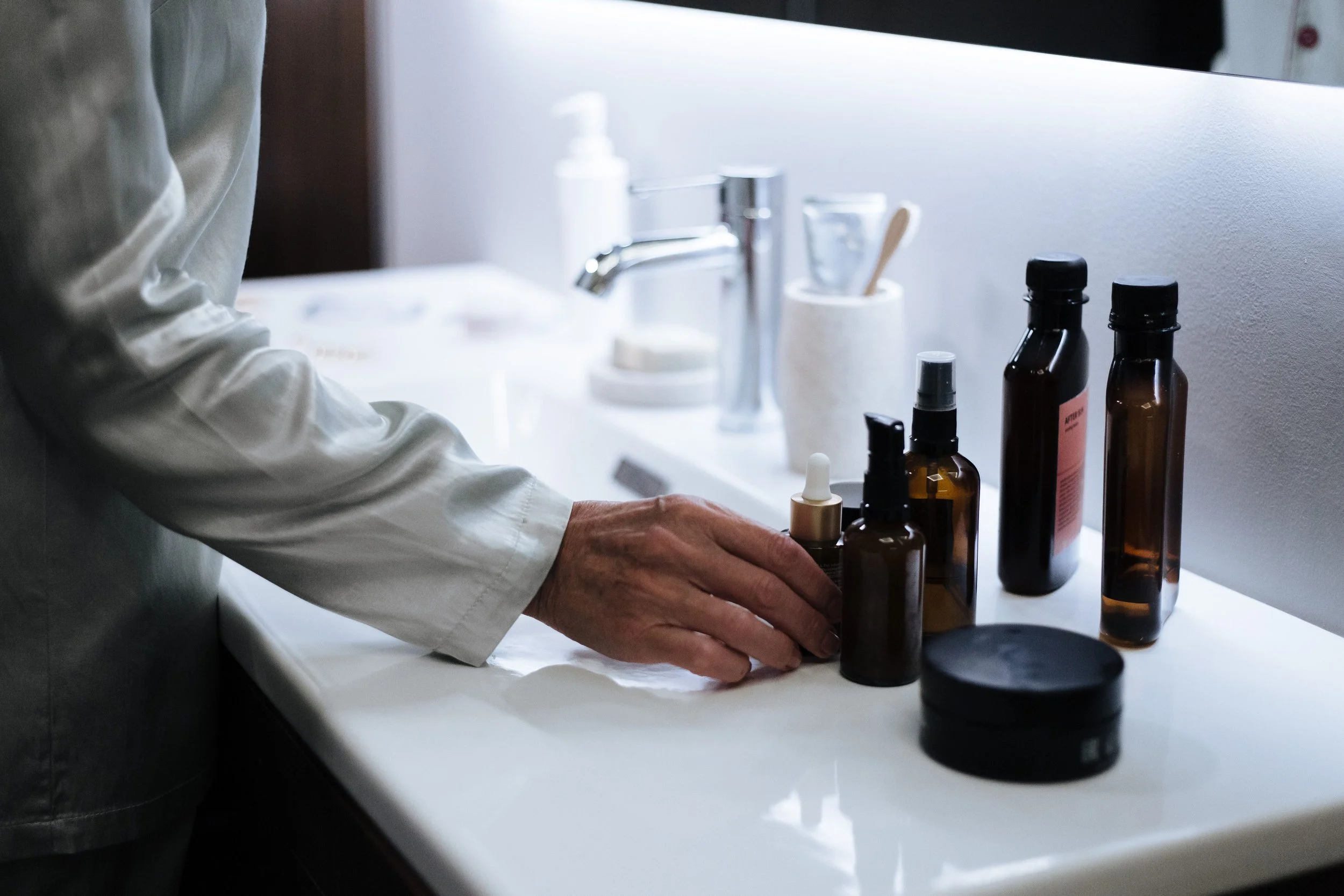
Targeted active ingredients are best introduced gradually. Add too many at once, and you could end up with irritation, breakouts, or a damaged skin barrier instead of the clear skin you were aiming for.
Consistency wins here, so give it time.
A basic routine can take less than five minutes in the morning and evening, but skin needs time to respond. You may notice improvements in hydration within the first week or two. For some concerns, noticeable changes may take around 4 to 12 weeks, while pigmentation and fine lines can take considerably longer.
Skinmaxxing is a long game. More products won't necessarily get you there any faster.
The Skin Barrier Comes First
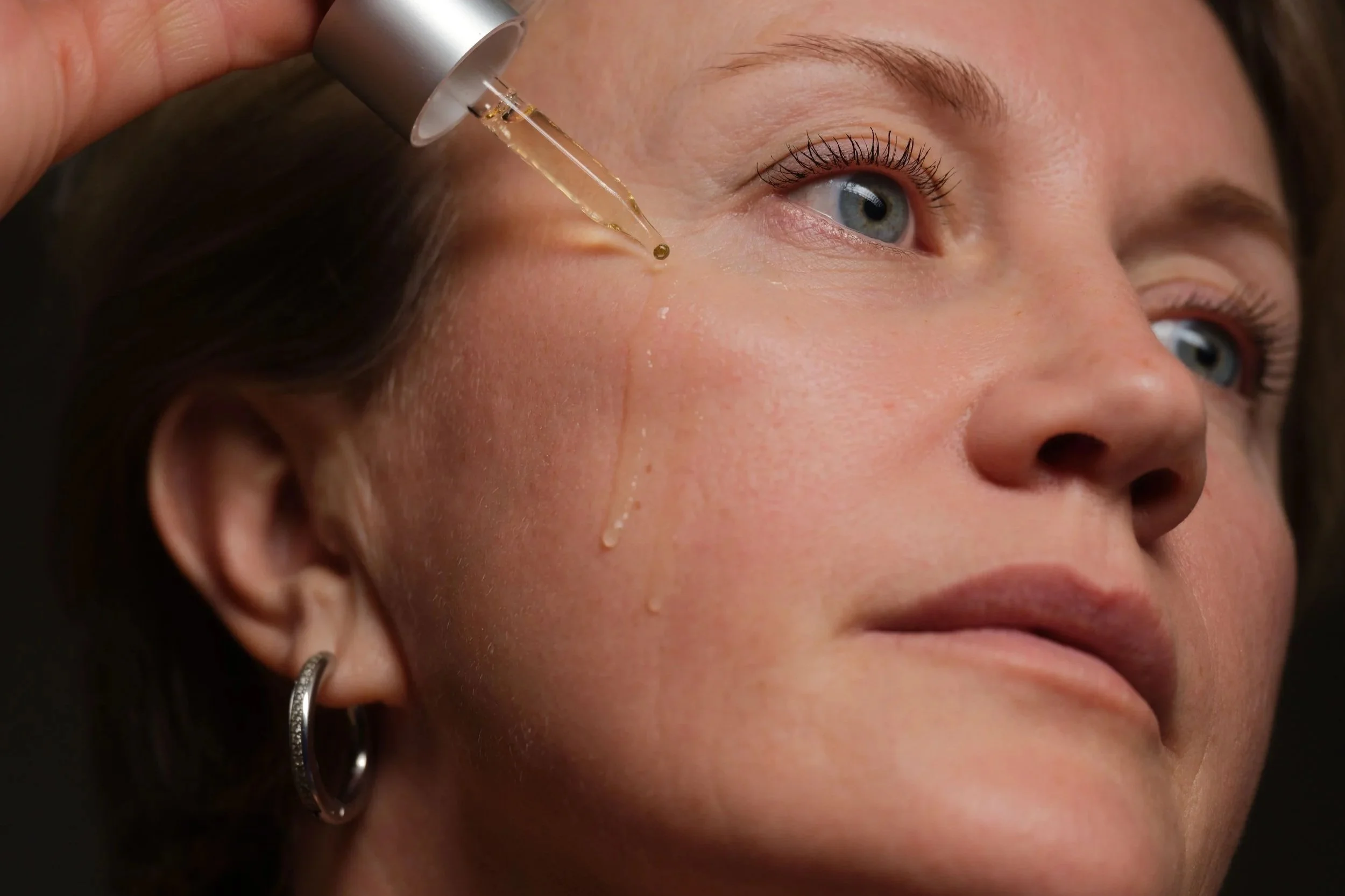
One of the more positive sides of skinmaxxing is its focus on keeping skin healthy and resilient.
For years, beauty culture rewarded exfoliating, peeling, scrubbing, resurfacing, and generally declaring war on your own face. Skinmaxxing takes a more barrier-conscious approach: protect the skin first, then add active ingredients where they're actually needed.
Ceramides are a good example. These lipids naturally form part of the outer layer of the skin and help prevent water loss. In one small clinical study on SLS-irritated skin, an emulsion containing ceramides 1 and 3 reduced transepidermal water loss by 36.7% after four weeks.
Niacinamide fits neatly into the same approach. Laboratory research found that nicotinamide increased ceramide production in cultured skin cells by 4.1 to 5.5-fold, alongside increases in other important skin lipids.
That doesn't mean every barrier-friendly ingredient needs a place in the same routine. The idea is to be selective, not to collect actives for the sake of it.
Which Ingredients Are Skinmaxxers Looking For?
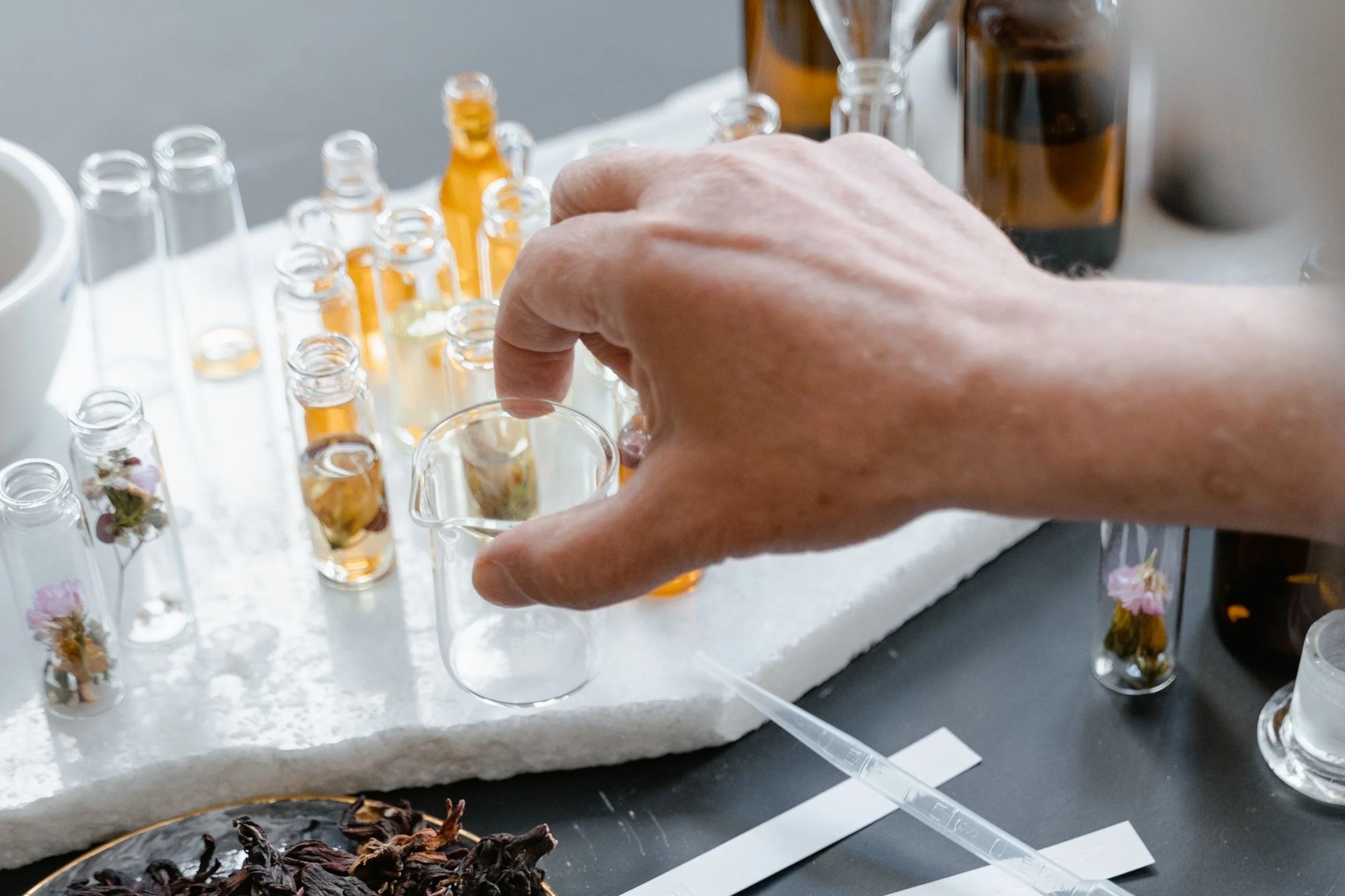
Skinmaxxing puts ingredients under the microscope:
What does this ingredient do?
Is there research behind it?
Does my skin actually need it?
Many of the ingredients popular with skinmaxxers are already familiar names: peptides, ceramides, vitamin C, and bakuchiol. Then there are newer technologies such as exosomes.
We've covered many of these ingredients in more detail in our guide to Trending Skincare Ingredients in 2026.
With ingredients like retinol, what you use matters, but so does how long you stick with it. If you're deciding between traditional retinol and a gentler alternative, we've broken down the differences in our guide to Retinol vs. Bakuchiol.
In a year-long controlled study of a stabilized 0.1% retinol formulation, crow's-feet fine lines improved by 44% after 52 weeks.
Not overnight. Not by Tuesday. Fifty-two weeks.
And then there's good old SPF. Research estimates that UV exposure accounts for around 80% of visible facial aging. Daily broad-spectrum SPF may not be the newest idea in skincare, but there's a reason it keeps making the list.
Skinmaxxing can change the condition and appearance of your skin. It can't change your bone structure. Facemaxxing has bigger ambitions.
What Is Facemaxxing?
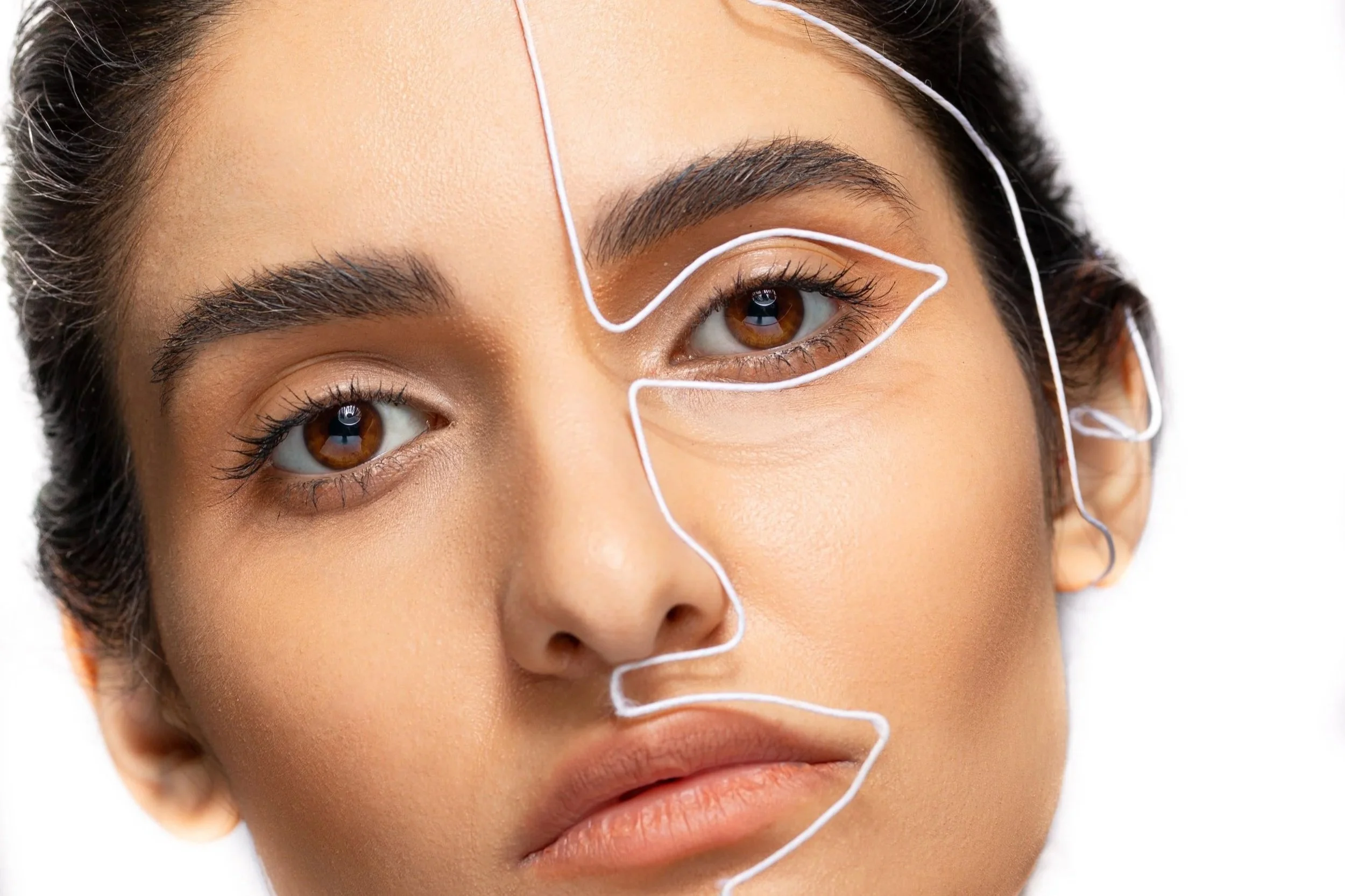
Facemaxxing is about improving the overall appearance of your face. Skincare is usually part of it, but it can also include facial massage, gua sha, LED devices, makeup, grooming, and professional treatments.
With facemaxxing, the focus shifts from skin quality to the face as a whole.
Some of it is pretty ordinary beauty maintenance with a new name. Taking care of your skin, well-shaped brows, facial massage, or using makeup to bring out certain features hardly sounds revolutionary.
Some of the tools have research behind them too. Facial massage, gua sha, and LED masks all have some evidence behind them, although what they can realistically achieve varies considerably.
It can also extend to professional treatments. Facials sit at the gentler end, while procedures such as microneedling and laser are more intensive. To avoid doing more harm than good, these should come with proper professional guidance, not instructions from a 30-second video.
Then there are less substantiated practices such as face yoga and mewing, which are promoted as ways to change facial shape or create a more defined jawline. The evidence gets shakier here. Mewing, for example, has become especially popular in looksmaxxing circles, but there's little evidence that changing your tongue position can significantly reshape an adult face.
The More Advanced Side of Facemaxxing
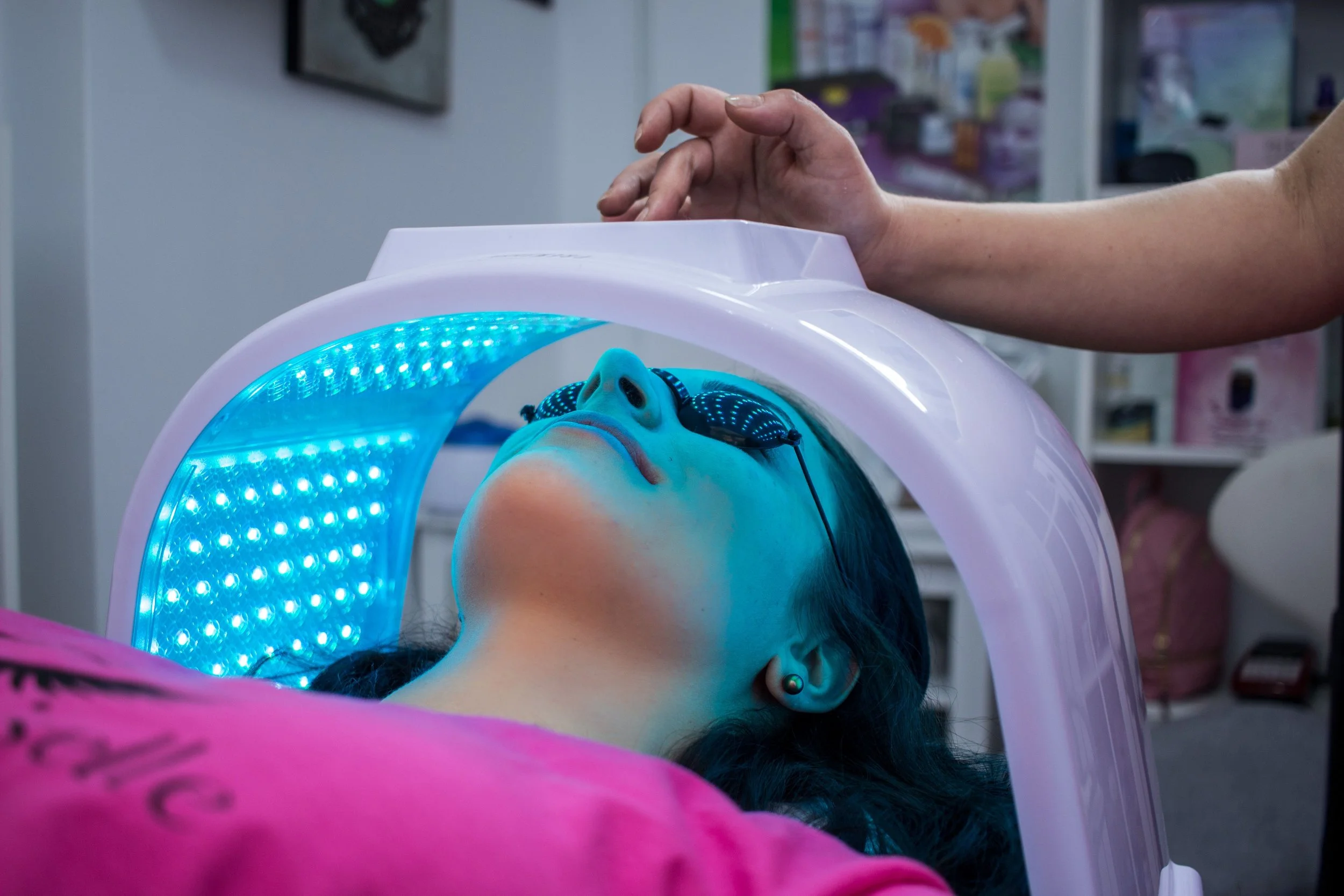
Professional treatments can target the skin in ways that topical products can't.
Broadband light (BBL) is an interesting example. It's used to target visible photodamage, including pigmentation and signs of aging. In one small pilot study, researchers found that BBL treatment shifted the expression of numerous genes in aged skin toward patterns resembling younger skin.
That's actually quite fascinating.
It is not, however, permission to describe every light treatment as “reprogramming your DNA.”
The healthier approach is still about taking care of what you have. There's a big difference between wanting to look your best with what nature gave you and treating your face like a problem that needs constant fixing.
Beautymaxxing Meaning – And Why It’s the Most Inclusive
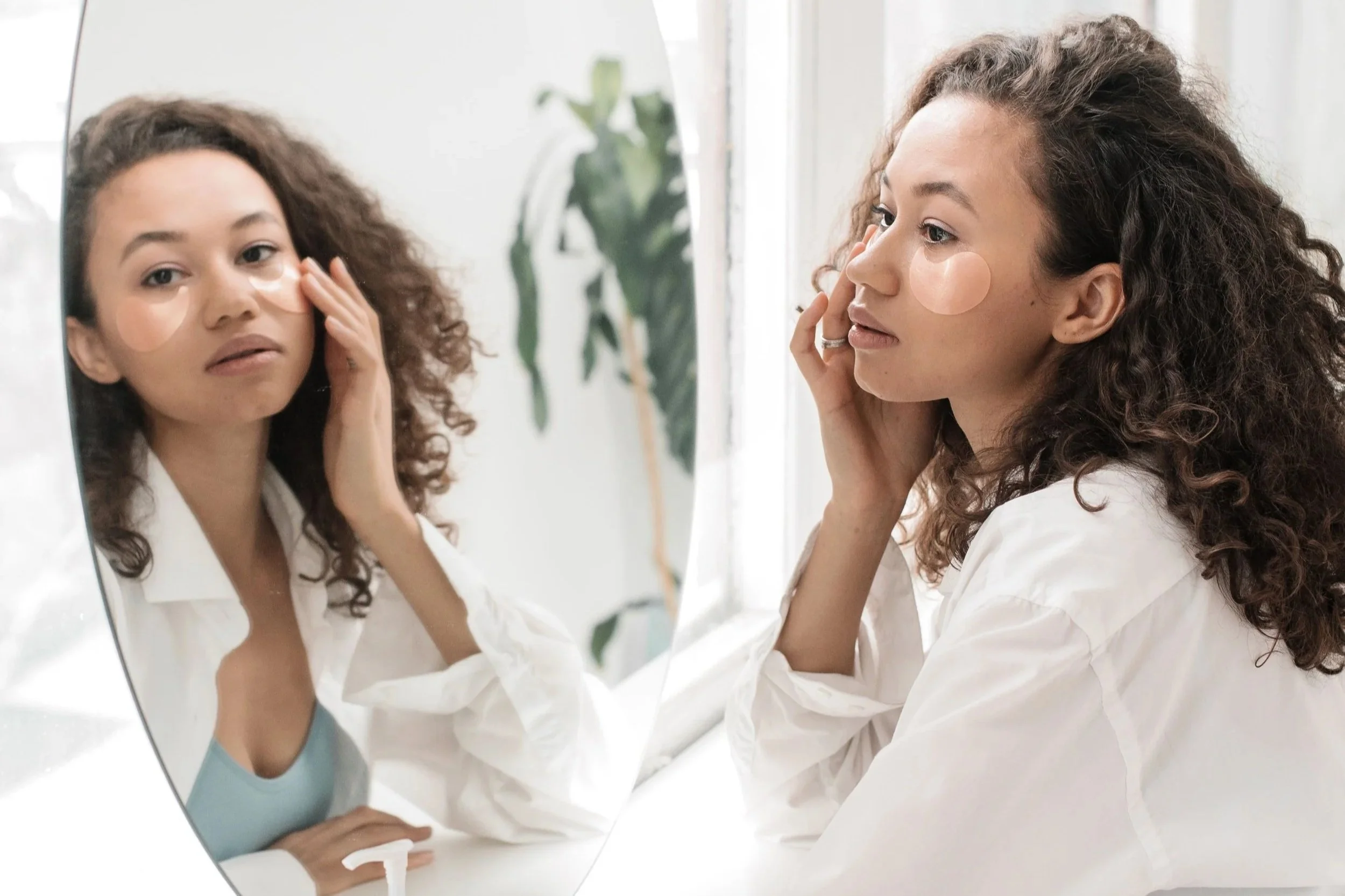
Beautymaxxing zooms out even further.
If skinmaxxing focuses on the skin and facemaxxing looks at the face, beautymaxxing extends to personal beauty as a whole.
That can include skincare, hair care, body care, makeup, grooming, sleep, hydration, nutrition, exercise, and all the little rituals that make you feel a little more like your best self.
In real life, there's nothing particularly radical about it.
SPF in the morning.
A hair care routine designed for your actual hair type.
Body moisturizer after showering.
Drinking enough water.
Removing makeup properly at night.
Getting enough sleep instead of trying to fix exhaustion with an eye serum.
Hardly groundbreaking. But that's kind of the point.
What makes this approach different is that it brings all these areas together. Skin isn't treated as one project, hair as another, and everything else as an afterthought.
Skincare is borrowing from wellness, body care is getting more sophisticated, and longevity has found its way into the beauty vocabulary. Our article on Cosmoprof 2026 Beauty Trends tells a similar story.
It also carries less of the baggage that comes with looksmaxxing. It isn't inherently male or female, and there's no single idea of what you're supposed to look like. Better skin might be the goal for one person. For someone else, it's healthier-looking hair, feeling stronger, learning what makeup suits them, or simply feeling a little more put together. Your version of “better” is yours to decide.
Sleep matters for skin health and recovery too, and no serum can fully make up for consistently poor sleep. Sometimes the ultimate beauty hack really is going to bed.
The Darker Side of These Trends Worth Knowing About
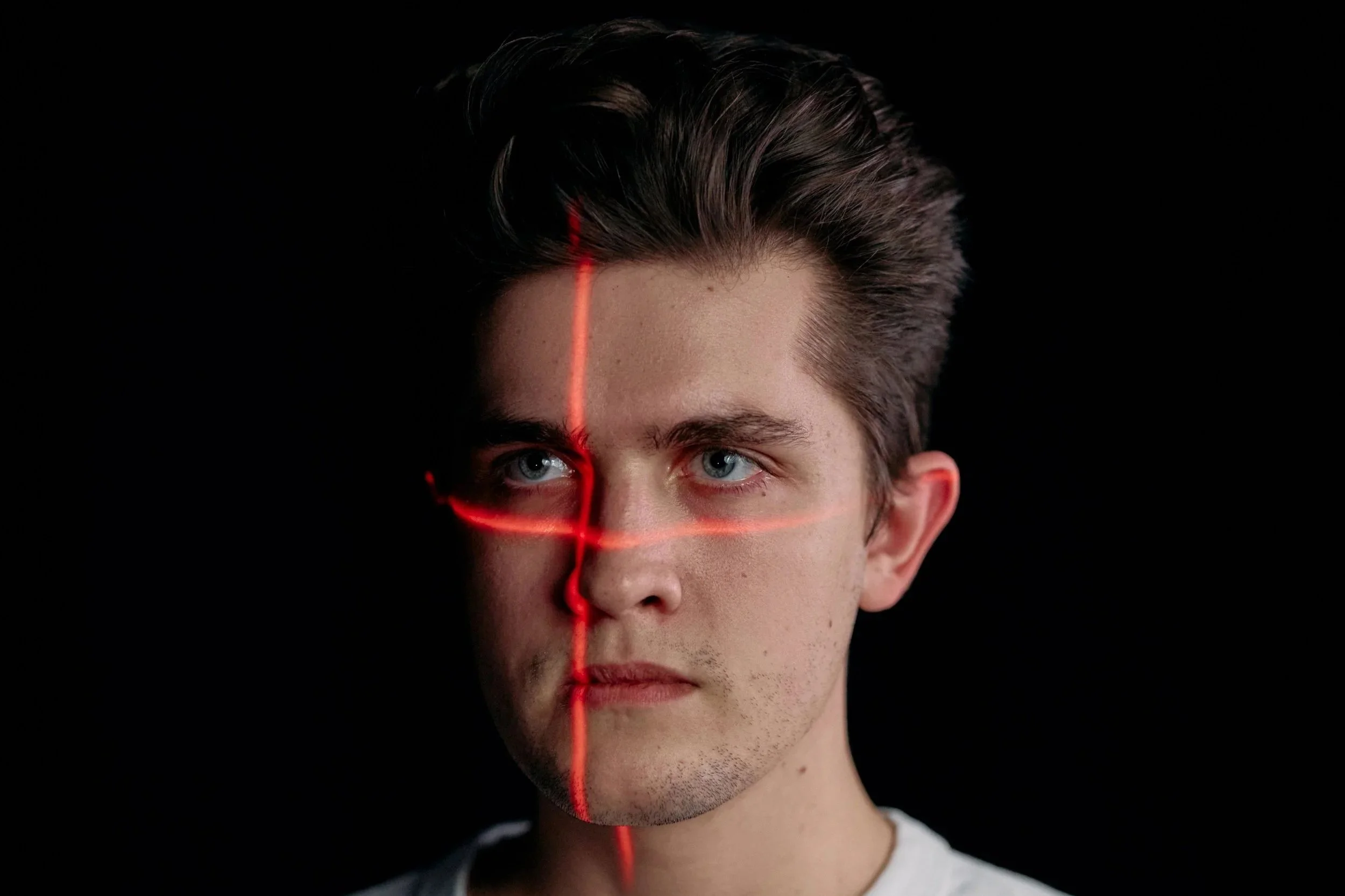
Welcome to the concerning side of “maxxing.”
These trends didn't appear out of nowhere. They evolved partly from looksmaxxing, an online movement particularly associated with male-dominated internet communities focused on maximizing physical attractiveness.
Some corners of that culture have been associated with obsessive appearance ranking, misogynistic attitudes, extreme interventions, and the idea that physical attractiveness determines personal value.
That's quite a long way from remembering to wear your SPF.
But origins aren't the whole story. Using the word “skinmaxxing” today doesn't mean someone subscribes to those ideas. For many people, it simply describes taking a more deliberate approach to their skin, appearance, or self-care.
The spread of beautymaxxing into mainstream beauty culture has also raised questions about how much of the original looksmaxxing mindset comes with the terminology.
There's nothing wrong with wanting clearer skin, enjoying your skincare routine, or simply taking better care of yourself. The problem starts when improvement feels compulsory and your appearance becomes something you're constantly measuring against an arbitrary online benchmark.

Beauty brands can participate in this cultural moment without exploiting insecurities. Instead of pointing out another flaw that needs fixing, they can encourage people to enjoy taking care of themselves and feel good about what they see in the mirror.
Beauty doesn't always need to start with finding something wrong. You can sell products that help people look their best without first convincing them that they aren't good enough.
When Chasing Clear Skin Goes Too Far
There's another contradiction hiding inside the trend. In the pursuit of better skin, it's surprisingly easy to end up making it worse.
The problem is product overload.
One exfoliating acid becomes two,
then retinol;
then vitamin C;
then a peel;
Then another serum,
because somebody with suspiciously perfect lighting said it changed their life.
Layering multiple active ingredients or introducing harsh products too quickly can irritate the skin and compromise its barrier. Redness, dryness, sensitivity, and breakouts aren't exactly the results anyone was skinmaxxing for.
Teenagers deserve particular attention here. Sophisticated active ingredients regularly show up in their social feeds, but not all trends or products are right for every teen’s skin type or concerns.
Affiliate marketing adds another layer. A 12-step routine naturally creates more links, more products, and more commission opportunities than “use cleanser, moisturizer, and SPF.”
That doesn't mean every recommendation is dishonest. The question is whether your skin actually needs everything being recommended.
Effective skinmaxxing is about getting more from a focused routine, not seeing how many products your face can handle.
Skinmaxxing as a Beauty Brand Opportunity
Skinmaxxing tells beauty founders quite a lot about today's skincare customer and what they expect from the products they buy.
They're doing their homework. And they're harder to impress.
They have an extraordinary amount of skincare information at their fingertips.
Customers read ingredient lists, research actives, compare formulas, listen to dermatologists and cosmetic chemists, and check reviews before committing to a product.
Naturally, they expect higher evidence-based standards from beauty brands.
What Skinmaxxing-Aligned Products Look Like
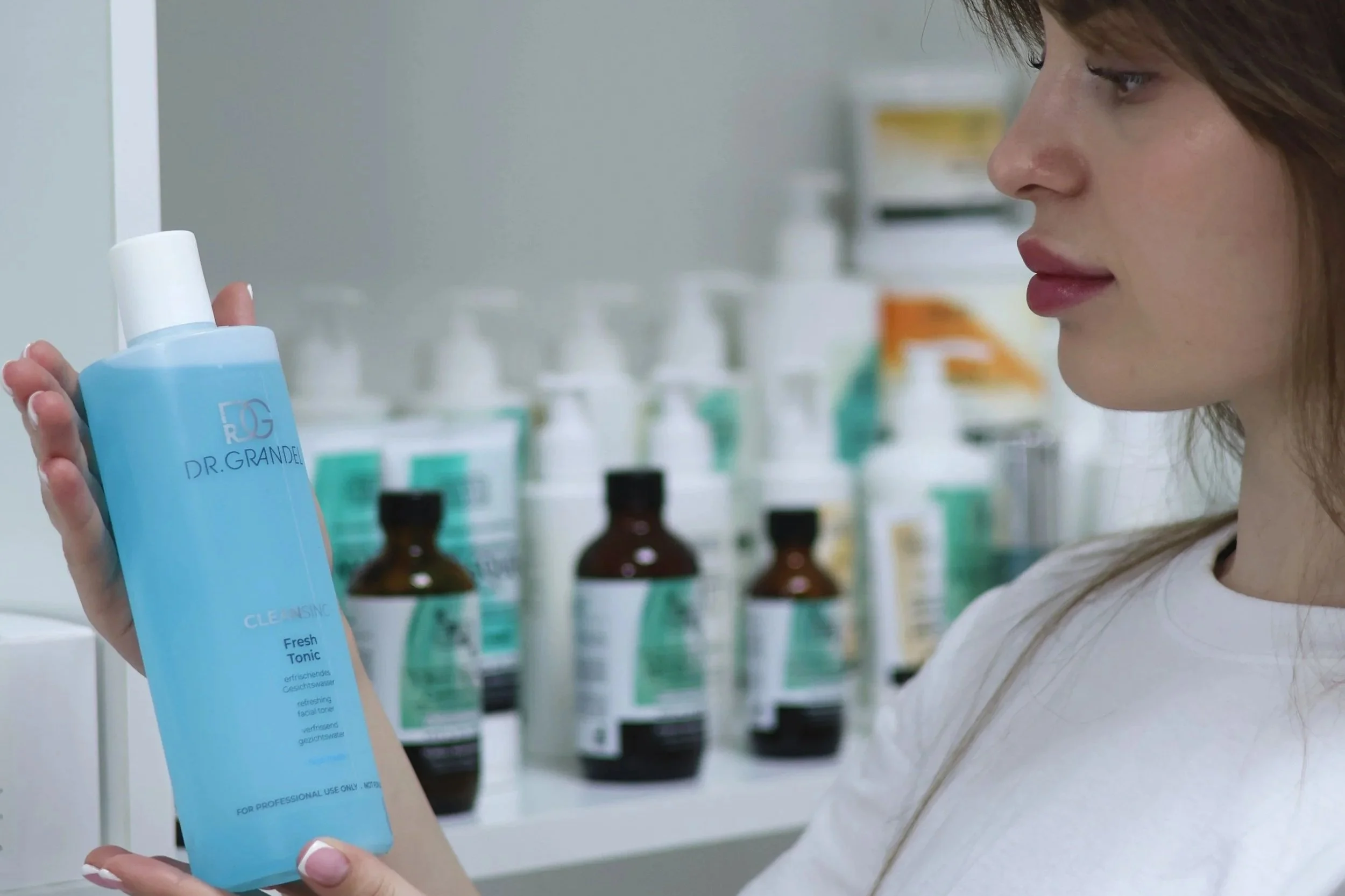
Skinmaxxing favors products with a clear job. Barrier support, daily UV protection, hydration, or a targeted active for a specific skin concern.
Barrier-first formulas and SPF are particularly well suited to this approach. Think gentle cleansers, ceramide-rich moisturizers, hydrating serums, and daily sun protection.
Active ingredient-led products fit naturally too. The key is choosing ingredients because they make sense for the product, not simply because they're trending.
There are plenty of directions to explore. Selfnamed's Face Care Products include everything from everyday skincare essentials to targeted active formulas, including retinol alternatives. That gives you room to build a range around daily essentials, targeted treatments, or a mix of both.


Content Has To Keep Up
Selling to an ingredient-literate audience also changes the type of content brands need to create.
Instead of repeatedly posting “meet our amazing serum,” explain why the serum exists.
Show the texture. Explain the active ingredients. Demonstrate where it fits into a routine. Talk about what should and shouldn't be combined. Set realistic expectations around results.
Educational content is particularly well suited to TikTok, Instagram, Reddit-style discussions, and search because this audience actively wants to understand products before purchasing them.
Our guide to Skincare Content Ideas for Instagram & TikTok has more ideas for creating useful content around your products.
An informed customer will have questions. Good content should give them answers.
Conclusion
These “maxxing” trends may have started as internet slang, but underneath the strange names are some very ordinary desires. Better skin. Healthier hair. A routine that works. Feeling good when you look in the mirror.
People want to understand what they're using and why they're using it. They don't necessarily want more products. They want the right ones. Skin optimization can be as simple as knowing what your skin needs, choosing carefully, and giving your routine enough time to work.
For beauty founders, the clues are all there. You don't need to put “skinmaxxing” on a bottle or chase every trend that takes off on TikTok. Listen to what people are asking for instead. What are they trying to improve? What's frustrating them? What's missing from the products they already use?
The terminology will probably change. Internet beauty language usually does. A year from now, we may all be calling it something completely different.
But people won't suddenly stop caring about their skin. They won't stop reading labels, asking questions, or wanting products that live up to their promises.
So let the internet keep inventing new words. Listen closely enough, and they'll tell you what they want next.
Frequently Asked Questions
-
Beautymaxxing is an approach to improving personal appearance through skincare, hair care, body care, makeup, grooming, and lifestyle habits such as sleep, hydration, and nutrition. In its healthy form, it is essentially structured self-care focused on long-term well-being and appearance.
-
Facemaxxing is about improving the overall appearance of your face. It usually starts with taking care of your skin but can also include facial massage, gua sha, LED devices, makeup, grooming, and professional treatments.
-
Skinmaxxing focuses specifically on improving skin quality and health through skincare, SPF, targeted ingredients, and healthy habits. Looksmaxxing is a much broader internet movement focused on maximizing physical attractiveness and can include more extreme appearance-modification practices.
-
It can be. Looking after your skin, getting enough sleep, eating well, exercising, and taking care of your hair and body can all be perfectly healthy forms of self-care. Problems can start when appearance optimization becomes obsessive, or your self-worth depends on reaching a particular beauty standard.
-
You don't need a complicated routine to work toward healthy, clear skin. Start with a gentle cleanser, moisturizer, and broad-spectrum SPF, then add targeted treatments based on what your skin needs. Depending on your goals, that might include vitamin C, niacinamide, ceramides, peptides, retinol, or bakuchiol.
Must read